






מסכת זבחים
מסכת זבחים מוקדש ע”י אסתר קרמר לע”נ אביה מני גרוס.
הלימוד החודש מוקדש ע”י מרכי גלזר לע”נ רחל אביבה בת דבורה חנה
רוצה להקדיש שיעור?

תקציר

סתירה בין המשנה במסכת מקוואות י:ו, שפוסקת לפי רוב, לבין דעת רבי יהודה בברייתא, ההולכת אחר מראה, נפתרת בשתי דרכים. אביי מציע שבברייתא שבה דעתו מחמירה יותר – רבי יהודה מצטט את דעת רבן גמליאל, שנודע כמחמיר בענייני ביטול, שכן לא התיר כלל ביטול במקרה של תערובת שני פריטים מאותו סוג (מין במינו). רבא מציע שהדעה במשנה מקוואות מתייחסת למקרה שבו רק החלק החיצוני של הכוס היה טמא, והמים שבמקווה צריכים לעבור על שפת הכוס לפי דין תורה, אך אינם חייבים למלא את הכוס. מאחר שדרישת מילוי הכוס במי מקווה היא מדרבנן בלבד – יש מקום להקל.
רבי אלעזר חולק על ריש לקיש לגבי פיגול ונותר שנתערבו יחד, שכן הוא סובר כשם שמצוות אינן מבטלות זו את זו – כך גם איסורים אינם מתבטלים זה בזה. הדבר מבוסס על הלל שהיה אוכל מצה ומרור יחד בפסח, כדי לקיים את המצווה שהם נאכלים יחד. אילו מצוות היו יכולות להתבטל זו בזו, טעמו החזק של המרור היה מבטל את טעם המצה, ולא היה יכול לקיים את חובת אכילת מצה בדרך זו.
בעניין מין במינו קיימת מחלוקת בין רבי יהודה לחכמים האם היא מתבטלת. מחלוקת זו מופיעה גם בתוספתא טהרות ה׳:ג׳ בין רבי אליעזר בן יעקב לחכמים במקרה של חרס שנבלע בו שתן – האם ניתן להכשירו על ידי השריה/שטיפה בשתן.
במשנה קיימת מחלוקת בין רבי אליעזר לחכמים לגבי דם שנתערב בדם בעייתי. האם רבי אליעזר חולק על שני המקרים – דם פסול ודם היוצא מתוך גוף הבהמה (דם התמצית) – או רק על המקרה האחרון? המשנה דנה במקרים שונים של דם שנתערב ובאילו מהם נחלקו רבי אליעזר והחכמים.
כלים
מסכת זבחים
מסכת זבחים מוקדש ע”י אסתר קרמר לע”נ אביה מני גרוס.
הלימוד החודש מוקדש ע”י מרכי גלזר לע”נ רחל אביבה בת דבורה חנה
הדף היום מוקדש ע”י דוד ומיצי גפן לע”נ אביה של מיצי, ג’ק לוק.
הדף היום מוקדש ע”י סיגל ספיצר פלמהולץ לע”נ סבתא רהודה.
זבחים עט
הָא דִּידֵיהּ הָא דְּרַבֵּיהּ. דְּתַנְיָא, רַבִּי יְהוּדָה אוֹמֵר מִשּׁוּם רַבָּן גַּמְלִיאֵל: אֵין דָּם מְבַטֵּל דָּם, אֵין רוֹק מְבַטֵּל רוֹק, וְאֵין מֵי רַגְלַיִם מְבַטְּלִין מֵי רַגְלַיִם.
this statement, that the water of purification is nullified in a majority of water, is his, i.e., Rabbi Yehuda’s, own opinion, whereas that statement, in the baraita, that white wine is not nullified in a majority of water, is his teacher’s ruling, i.e., that of Rabban Gamliel, who is stringent with regard to a mixture of a substance in contact with the same type of substance. As it is taught in a baraita that Rabbi Yehuda says in the name of Rabban Gamliel: Blood does not nullify blood, spittle does not nullify spittle, and urine does not nullify urine.
רָבָא אָמַר: בִּדְלִי שֶׁתּוֹכוֹ טָהוֹר וְגַבּוֹ טָמֵא עָסְקִינַן; דְּמִדִּינָא – סַגִּי לְהוּ בְּכֹל דְּהוּ,
Rava says there is a different resolution of the apparent contradiction between the mishna that states that water of purification is nullified in a majority of water of a ritual bath and Rabbi Yehuda’s opinion in the baraita with regard to white wine mixed with water: In the mishna, we are dealing with a bucket whose internal surface is ritually pure, and only its external surface is impure. The significance of this is that by Torah law it suffices for the water of the ritual bath to enter the bucket in any amount to purify its external surface, and therefore the water of purification in the bucket does not prevent the purification of the bucket at all.
וְרַבָּנַן הוּא דִּגְזַרוּ בְּהוּ דִּילְמָא חָיֵיס עֲלַיְיהוּ וְלָא מְבַטֵּיל לֵיהּ; וְכֵיוָן דְּאִיכָּא רִיבּוּיָא – לָא צְרִיךְ.
Rava continues: And it is the Sages who decreed with regard to this case that the internal surface must be purified as well, lest the owner wish to spare the water of purification and not to nullify it from its sanctity. In that case he would wish to avoid allowing water from the ritual bath to enter the vessel, and might immerse it in a manner which would not allow even the full external surface to come in contact with the water. Therefore, the Sages required that one immerse the entire vessel. But once there is a majority of water in the bucket from the ritual bath, he does not need to enable any more water to enter the vessel, as by Torah law it is already pure.
אָמַר רָבָא: אֲמוּר רַבָּנַן בְּטַעְמָא, וַאֲמוּר רַבָּנַן בְּרוּבָּא, וַאֲמוּר רַבָּנַן בַּחֲזוּתָא. מִין בְּשֶׁאֵינוֹ מִינוֹ – בְּטַעְמָא, מִין בְּמִינוֹ – בְּרוּבָּא, הֵיכָא דְּאִיכָּא חֲזוּתָא – בְּמַרְאֶה.
§ Rava says, in summary of these halakhot: The Sages said that the status of an item in a mixture is determined by the taste, i.e., if the taste of one substance is noticeable in a mixture with another substance it is not nullified, and the Sages said that a prohibited item is nullified by the majority, and the Sages also said that the status of an item in a mixture is determined by the appearance, i.e., if the appearance of a substance is recognizable in a mixture it is not nullified. Rava elaborates: With regard to a type of food mixed with food not of its own type, the nullification is determined by the taste. In the case of a type of food mixed with food of its own type, the nullification is determined by the majority. In a case where there is a possibility to determine the status of an item based on appearance, the nullification is by appearance.
וּפְלִיגָא דְּרַבִּי אֶלְעָזָר, דְּאָמַר רַבִּי אֶלְעָזָר: כְּשֵׁם שֶׁאֵין מִצְוֹת מְבַטְּלוֹת זוֹ אֶת זוֹ, כָּךְ אֵין אִיסּוּרִין מְבַטְּלִין זֶה אֶת זֶה.
§ The Gemara returns to its discussion of the opinion of Reish Lakish that prohibited items, such as piggul, notar, and ritually impure meat, nullify one another. The Gemara notes: And Reish Lakish disagrees with the statement of Rabbi Elazar, as Rabbi Elazar says: Just as items used in the performance of mitzvot do not nullify one another, despite the fact that one is of greater volume than the other or imparts flavor to it, so too, items to which prohibitions apply do not nullify one another.
מַאן שָׁמְעַתְּ לֵיהּ דְּאָמַר: אֵין מִצְוֹת מְבַטְּלוֹת זוֹ אֶת זוֹ? הִלֵּל הִיא, דְּתַנְיָא: אָמְרוּ עָלָיו עַל הִלֵּל הַזָּקֵן שֶׁהָיָה כּוֹרְכָן בְּבַת אַחַת וְאוֹכְלָן, מִשּׁוּם שֶׁנֶּאֱמַר: ״עַל מַצּוֹת וּמְרוֹרִים יֹאכְלוּהוּ״.
The Gemara adds: Whom did you hear who says that items used in the performance of mitzvot do not nullify one another? It is Hillel, as it is taught in a baraita: They said about Hillel the Elder that when eating the Paschal offering, matza, and bitter herbs on the first night of Passover, he would wrap them all at once and eat them together, because it is stated with regard to the Paschal offering: “They shall eat it with matzot and bitter herbs” (Numbers 9:11), which indicates that these three foods should be eaten together. Hillel was not concerned that the taste of the bitter herbs would nullify the taste of the matza.
תָּנוּ רַבָּנַן: חַרְסָן שֶׁל זָב וְזָבָה – פַּעַם רִאשׁוֹן וְשֵׁנִי טָמֵא, שְׁלִישִׁי טָהוֹר.
§ The Gemara continues its discussion of cases involving a mixture of one substance in contact with the same type of substance, in which according to the opinion of Rabbi Yehuda in the mishna the prohibited substance is not nullified. The Sages taught a baraita (Tosefta, Teharot 5:3): In a case where a broken earthenware flask had absorbed the urine of a zav or a zava, whose urine is a primary source of ritual impurity, which imparts impurity to one who carries it, in such a case, if one poured water into this flask to clean it, after the first time and the second time one washed it, it remains ritually impure, but after the third time it is ritually pure, as the impure urine has been expelled from the flask.
בַּמֶּה דְּבָרִים אֲמוּרִים – שֶׁנָּתַן לְתוֹכוֹ מַיִם; אֲבָל לֹא נָתַן לְתוֹכוֹ מַיִם – אֲפִילּוּ עֲשִׂירִי טָמֵא. רַבִּי אֱלִיעֶזֶר בֶּן יַעֲקֹב אוֹמֵר: שְׁלִישִׁי, אַף עַל פִּי שֶׁלֹּא נָתַן לְתוֹכוֹ מַיִם – טָהוֹר. מַאן דְּשָׁמְעַתְּ לֵיהּ דְּאָמַר: מִין בְּמִינוֹ לֹא בָּטֵיל? רַבִּי יְהוּדָה.
The baraita continues: In what case is this statement said? It is said when one placed water into the flask. But if he did not place water into it, but instead placed the urine of a ritually pure person into it, even after the tenth time he places this urine into the flask it remains ritually impure, as one substance in contact with the same type of substance is not nullified. Rabbi Eliezer ben Ya’akov says: After the third time, even though he did not place water into it, but rather urine, it is ritually pure. The Gemara comments: Whom did you hear who says that a substance in contact with the same type of substance is not nullified? Rabbi Yehuda, and therefore he is the first tanna of this baraita.
וּרְמִינְהוּ: פִּשְׁתָּן שֶׁטְּוָואָתוֹ נִדָּה – מְסִיטוֹ טָהוֹר. וְאִם הָיָה לַח – מְסִיטוֹ טָמֵא מִשּׁוּם מַשְׁקֵה פִּיהָ. רַבִּי יְהוּדָה אוֹמֵר: אַף הָרוֹטְבוֹ בְּמַיִם – טָמֵא מִשּׁוּם מַשְׁקֶה פִּיהָ, וַאֲפִילּוּ טוּבָא!
And the Gemara raises a contradiction from another baraita (Tosefta, Teharot 4:11): With regard to flax that was woven by a menstruating woman, although it has absorbed the spittle of a menstruating woman, which imparts impurity by being carried, one who moves it remains ritually pure, as the spittle has dried. But if the flax was still moist, one who moves it is rendered impure due to the liquid of her mouth, i.e., the spittle of the menstruating woman. Rabbi Yehuda says: Even one who wets the flax with water is rendered impure due to the liquid of her mouth, and this halakha applies even if he wet the flax a great deal, several times, as the water does not nullify and expel the spittle. This apparently contradicts Rabbi Yehuda’s claim with regard to the broken flask that was washed with water three times.
אָמַר רַב פָּפָּא: שָׁאנֵי רוֹק, דְּקָרִיר.
Rav Pappa says: Spittle is different, as it is thoroughly absorbed and adheres to the flax, and therefore washing the flax with water does not nullify the spittle.
נִתְעָרֵב בְּדַם הַפְּסוּלִין, יִשָּׁפֵךְ לָאַמָּה. בְּמַאי קָמִיפַּלְגִי?
§ The mishna teaches: If blood fit for presentation was mixed with the blood of unfit offerings, the entire mixture shall be poured into the Temple courtyard drain, and similarly, if blood fit for presentation became mixed with blood of exudate, it shall be poured into the drain, whereas Rabbi Eliezer deems the mixture fit for presentation. The Gemara asks: With regard to what principle do the first tanna and Rabbi Eliezer disagree?
אָמַר רַב זְבִיד: בְּגוֹזְרִין גְּזֵירָה בַּמִּקְדָּשׁ קָא מִיפַּלְגִי – דְּמָר סָבַר: גּוֹזְרִין, וּמָר סָבַר: (לָא) [אֵין] גּוֹזְרִין.
Rav Zevid says: They disagree with regard to the question of whether the Sages issue a rabbinic decree of this kind with regard to the Temple. As one Sage, the first tanna, holds that the Sages issue a rabbinic decree with regard to the Temple, and therefore one may not present this mixture of blood, lest one present a mixture that contains a majority of blood of unfit offerings or blood of exudate. And one Sage, Rabbi Eliezer, holds that the Sages do not issue a rabbinic decree with regard to the Temple, and consequently this mixture of blood is fit for presentation.
רַב פָּפָּא אָמַר: דְּכוּלֵּי עָלְמָא גּוֹזְרִין;
Rav Pappa says that there is a different explanation of the dispute: Everyone agrees that the Sages issue a rabbinic decree with regard to the Temple, and therefore in a case where blood fit for presentation was mixed with the blood of unfit offerings Rabbi Eliezer agrees that it should be poured into the Temple courtyard drain, and he deems the blood permitted only if it was mixed with blood of exudate.
וְהָכָא, בְּדַם הַתַּמְצִית מָצוּי לִרְבּוֹת עַל דַּם הַנֶּפֶשׁ קָא מִיפַּלְגִי – מָר סָבַר: שְׁכִיחַ, וּמָר סָבַר: לָא שְׁכִיחַ.
Rav Pappa continues: And here they disagree with regard to the question of whether it is common for blood of exudate to be greater in quantity than blood of the soul, i.e., the blood that emerges immediately following the slaughter of the animal. One Sage, the first tanna, holds that this is a common occurrence, and therefore the Sages issued a decree concerning all mixtures of blood of exudate and blood of the soul. And one Sage, Rabbi Eliezer, holds that this is not a common occurrence, and therefore the Sages did not issue a decree concerning a mixture of this kind.
בִּשְׁלָמָא לְרַב פָּפָּא, הַיְינוּ דְּקָתָנֵי: נִתְעָרֵב בְּדַם הַפְּסוּלִין – יִשָּׁפֵךְ לָאַמָּה, (אוֹ) בְּדַם הַתַּמְצִית – יִשָּׁפֵךְ לָאַמָּה.
The Gemara comments: Granted, according to the opinion of Rav Pappa that Rabbi Eliezer’s lenient ruling applies only to a mixture with blood of exudate, but that he concedes to the first tanna that if blood fit for presentation was mixed with the blood of unfit offerings it is poured down the Temple courtyard drain, this explanation is consistent with that which the mishna teaches: If blood fit for presentation was mixed with the blood of unfit offerings, it shall be poured into the Temple courtyard drain; if blood fit for presentation was mixed with blood of exudate, it shall be poured into the drain. In other words, the fact that the mishna separates these two cases into different clauses makes sense, as Rabbi Eliezer’s ruling applies only to one case.
אֶלָּא לְרַב זְבִיד, לִיעָרְבִינְהוּ וְלִיתְנִינְהוּ! קַשְׁיָא.
But according to the interpretation of Rav Zevid that Rabbi Eliezer disagrees with regard to both cases, let the mishna combine them and teach them together, as follows: If blood fit for presentation was mixed with the blood of unfit offerings or with blood of exudate, the entire mixture shall be poured into the drain running through the Temple courtyard, and Rabbi Eliezer deems the mixtures fit for presentation. The Gemara concludes: Indeed, the wording of the mishna poses a difficulty to the explanation of Rav Zevid.
מַתְנִי׳ דַּם תְּמִימִים בְּדַם בַּעֲלֵי מוּמִין – יִשָּׁפֵךְ לָאַמָּה. כּוֹס בְּכוֹסוֹת – רַבִּי אֱלִיעֶזֶר אוֹמֵר: אִם קָרַב כּוֹס אֶחָד, יִקְרְבוּ כָּל הַכּוֹסוֹת. וַחֲכָמִים אוֹמְרִים: אֲפִילּוּ קָרְבוּ כּוּלָּן חוּץ מֵאֶחָד מֵהֶן, יִשָּׁפֵךְ לָאַמָּה.
MISHNA: If the blood of unblemished offerings was mixed with the blood of blemished animals unfit for sacrifice, the entire mixture shall be poured into the Temple courtyard drain. This is the halakha when the fit and unfit blood were mixed in one vessel. By contrast, if a cup of the blood of a blemished offering was intermingled with cups of blood fit for offering and it is unclear which blood is in the cup, Rabbi Eliezer says: Although it is prohibited to present all the blood due to the uncertainty, if it happened that a priest already sacrificed, i.e., presented, one cup, the blood in all the other cups shall be sacrificed, as the blood that was presented is assumed to have come from the unfit cup in the mixture. And the Rabbis say: Even if the blood in all the cups was sacrificed except for one of them, the remaining blood shall be poured into the Temple courtyard drain.
הַנִּיתָּנִין לְמַטָּה שֶׁנִּתְעָרְבוּ בַּנִּיתָּנִין לְמַעְלָה – רַבִּי אֱלִיעֶזֶר אוֹמֵר: יִתֵּן לְמַעְלָה, וְרוֹאֶה אֲנִי אֶת הַתַּחְתּוֹנִים מִלְּמַעְלָן כְּאִילּוּ הֵם מַיִם, וְיַחֲזוֹר וְיִתֵּן לְמַטָּה. וַחֲכָמִים אוֹמְרִים: יִשָּׁפֵךְ לָאַמָּה. וְאִם לֹא נִמְלַךְ וְנָתַן – כָּשֵׁר.
With regard to blood that is to be placed below the red line circumscribing the altar, e.g., blood of a burnt offering, a guilt offering, or a peace offering, that was mixed with blood that is to be placed above the red line, e.g., blood of a sin offering, Rabbi Eliezer says: The priest shall initially place the blood of the mixture above the red line for the sake of the sin offering, and I view the blood that was to be placed below that was in fact placed above as though it is water, and the priest shall again place blood from the mixture below. And the Rabbis say: It shall all be poured into the Temple courtyard drain. Even according to the Rabbis, if the priest did not consult the authorities and placed the blood above the red line, the offering is fit, and he should then place the remaining blood below the red line.

כלים
העמקה
רוצה להבין מה באמת קורה מתחת לפני השטח של הסוגיה?
שיעורים, פודקאסטים והרחבות של מיטב המורות שלנו יפתחו לך עוד זוויות וכיווני חשיבה.

חדשה בלימוד הגמרא?
זה הדף הראשון שלך? איזו התרגשות עצומה! יש לנו בדיוק את התכנים והכלים שיעזרו לך לעשות את הצעדים הראשונים ללמידה בקצב וברמה שלך, כך תוכלי להרגיש בנוח גם בתוך הסוגיות המורכבות ומאתגרות.
פסיפס הלומדות שלנו
גלי את קהילת הלומדות שלנו, מגוון נשים, רקעים וסיפורים. כולן חלק מתנועה ומסע מרגש ועוצמתי.
התחלתי ללמוד בעידוד שתי חברות אתן למדתי בעבר את הפרק היומי במסגרת 929.
בבית מתלהבים מאוד ובשבת אני לומדת את הדף עם בעלי שזה מפתיע ומשמח מאוד! לימוד הדף הוא חלק בלתי נפרד מהיום שלי. לומדת בצהריים ומחכה לזמן הזה מידי יום…

אפרת, ישראל
אחרי שראיתי את הסיום הנשי של הדף היומי בבנייני האומה זה ריגש אותי ועורר בי את הרצון להצטרף. לא למדתי גמרא קודם לכן בכלל, אז הכל היה לי חדש, ולכן אני לומדת בעיקר מהשיעורים פה בהדרן, בשוטנשטיין או בחוברות ושיננתם.

בית שמש, ישראל
רבנית מישל הציתה אש התלמוד בלבבות בביניני האומה ואני נדלקתי. היא פתחה פתח ותמכה במתחילות כמוני ואפשרה לנו להתקדם בצעדים נכונים וטובים. הקימה מערך שלם שמסובב את הלומדות בסביבה תומכת וכך נכנסתי למסלול לימוד מעשיר שאין כמוה. הדרן יצר קהילה גדולה וחזקה שמאפשרת התקדמות מכל נקודת מוצא. יש דיבוק לומדות שמחזק את ההתמדה של כולנו. כל פניה ושאלה נענית בזריזות ויסודיות. תודה גם למגי על כל העזרה.
נתניה, ישראל
התחלתי להשתתף בשיעור נשים פעם בשבוע, תכננתי ללמוד רק דפים בודדים, לא האמנתי שאצליח יותר מכך.
לאט לאט נשאבתי פנימה לעולם הלימוד .משתדלת ללמוד כל בוקר ומתחילה את היום בתחושה של מלאות ומתוך התכווננות נכונה יותר.
הלימוד של הדף היומי ממלא אותי בתחושה של חיבור עמוק לעם היהודי ולכל הלומדים בעבר ובהווה.

אפרת, ישראל
בתחילת הסבב הנוכחי הצטברו אצלי תחושות שאני לא מבינה מספיק מהי ההלכה אותה אני מקיימת בכל יום. כמו כן, כאמא לבנות רציתי לתת להן מודל נשי של לימוד תורה
שתי הסיבות האלו הובילו אותי להתחיל ללמוד. נתקלתי בתגובות מפרגנות וסקרניות איך אישה לומדת גמרא..
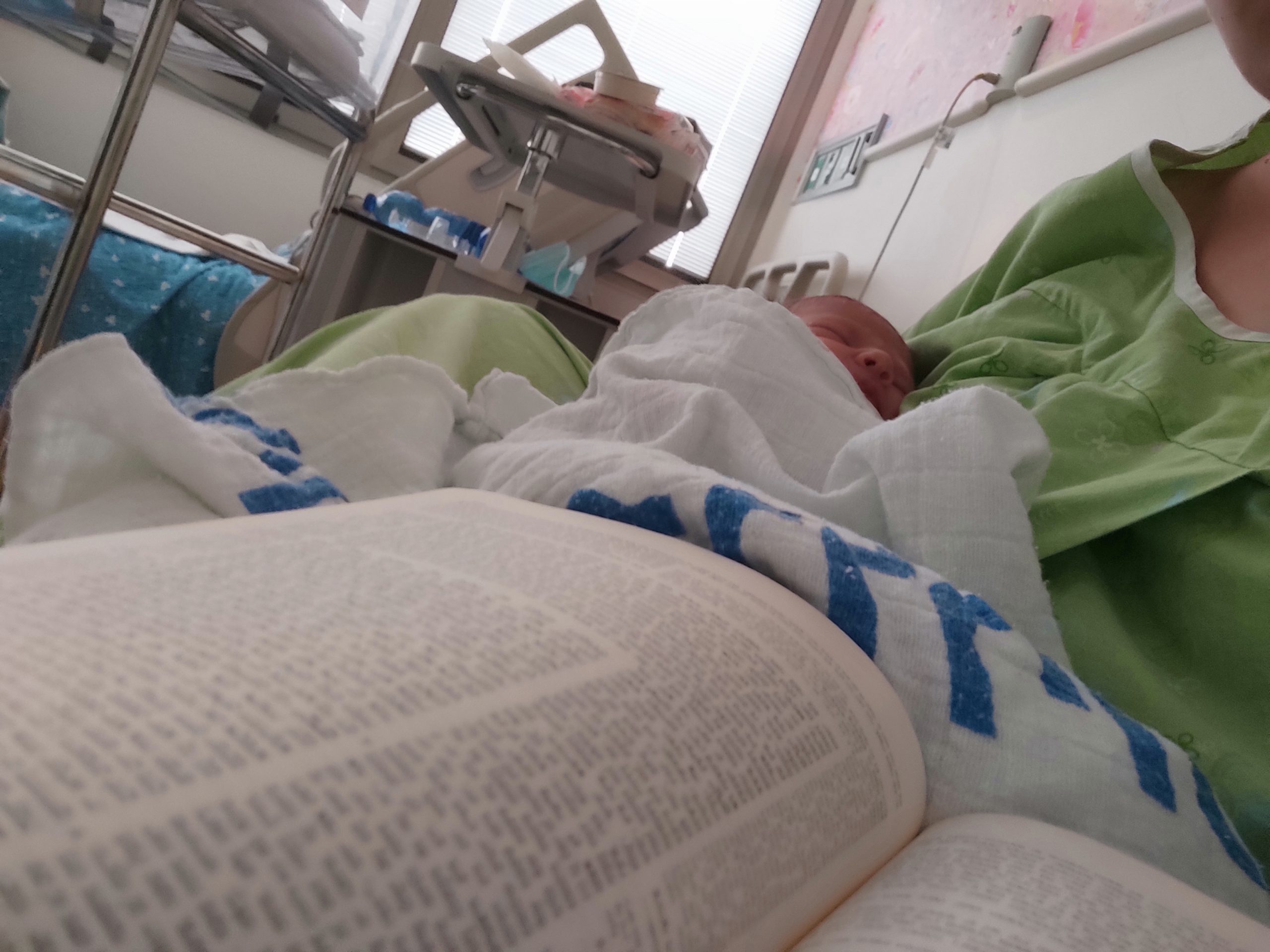
כמו שרואים בתמונה אני ממשיכה ללמוד גם היום ואפילו במחלקת יולדות אחרי לידת ביתי השלישית.
רבבה, ישראל
התחלתי ללמוד בסבב הנוכחי לפני כשנתיים .הסביבה מתפעלת ותומכת מאוד. אני משתדלת ללמוד מכל ההסכתים הנוספים שיש באתר הדרן. אני עורכת כל סיום מסכת שיעור בביתי לכ20 נשים שמחכות בקוצר רוח למפגשים האלו.
יהוד, ישראל
התחלתי לפני 8 שנים במדרשה. לאחרונה סיימתי מסכת תענית בלמידה עצמית ועכשיו לקראת סיום מסכת מגילה.

רעננה, ישראל
הצטרפתי ללומדות בתחילת מסכת תענית. ההתרגשות שלי ושל המשפחה היתה גדולה מאוד, והיא הולכת וגוברת עם כל סיום שאני זוכה לו. במשך שנים רבות רציתי להצטרף ומשום מה זה לא קרה… ב”ה מצאתי לפני מספר חודשים פרסום של הדרן, ומיד הצטרפתי והתאהבתי. הדף היומי שינה את חיי ממש והפך כל יום- ליום של תורה. מודה לכן מקרב ליבי ומאחלת לכולנו לימוד פורה מתוך אהבת התורה ולומדיה.

חיספין רמת הגולן, ישראל
התחלתי ללמוד גמרא בבית הספר בגיל צעיר והתאהבתי. המשכתי בכך כל חיי ואף היייתי מורה לגמרא בבית הספר שקד בשדה אליהו (בית הספר בו למדתי בילדותי)בתחילת מחזור דף יומי הנוכחי החלטתי להצטרף ובע”ה מקווה להתמיד ולהמשיך. אני אוהבת את המפגש עם הדף את "דרישות השלום ” שמקבלת מקשרים עם דפים אחרים שלמדתי את הסנכרון שמתחולל בין התכנים.

מעלה גלבוע, ישראל
התחלתי ללמוד לפני כשנתיים בשאיפה לסיים לראשונה מסכת אחת במהלך חופשת הלידה.
אחרי מסכת אחת כבר היה קשה להפסיק…

ירוחם, ישראל
למדתי גמרא מכיתה ז- ט ב Maimonides School ואחרי העליה שלי בגיל 14 לימוד הגמרא, שלא היה כל כך מקובל בימים אלה, היה די ספוראדי. אחרי "ההתגלות” בבנייני האומה התחלתי ללמוד בעיקר בדרך הביתה למדתי מפוקקטסים שונים. לאט לאט ראיתי שאני תמיד חוזרת לרבנית מישל פרבר. באיזה שהוא שלב התחלתי ללמוד בזום בשעה 7:10 .
היום "אין מצב” שאני אתחיל את היום שלי ללא לימוד עם הרבנית מישל עם כוס הקפה שלי!!

חשמונאים, ישראל
My explorations into Gemara started a few days into the present cycle. I binged learnt and become addicted. I’m fascinated by the rich "tapestry” of intertwined themes, connections between Masechtot, conversations between generations of Rabbanim and learners past and present all over the world. My life has acquired a golden thread, linking generations with our amazing heritage.
Thank you.

חשמונאים, Israel
אני לומדת גמרא כעשור במסגרות שונות, ואת הדף היומי התחלתי כשחברה הציעה שאצטרף אליה לסיום בבנייני האומה. מאז אני לומדת עם פודקסט הדרן, משתדלת באופן יומי אך אם לא מספיקה, מדביקה פערים עד ערב שבת. בסבב הזה הלימוד הוא "ממעוף הציפור”, מקשיבה במהירות מוגברת תוך כדי פעילויות כמו בישול או נהיגה, וכך רוכשת היכרות עם הסוגיות ואופן ניתוחם על ידי חז”ל. בע”ה בסבב הבא, ואולי לפני, אצלול לתוכו באופן מעמיק יותר.

רמת גן, ישראל
התחלתי ללמוד דף יומי באמצע תקופת הקורונה, שאבא שלי סיפר לי על קבוצה של בנות שתיפתח ביישוב שלנו ותלמד דף יומי כל יום. הרבה זמן רציתי להצטרף לזה וזאת הייתה ההזדמנות בשבילי. הצטרפתי במסכת שקלים ובאמצע הייתה הפסקה קצרה. כיום אני כבר לומדת באולפנה ולומדת דף יומי לבד מתוך גמרא של טיינזלץ.

עתניאל, ישראל
הצטרפתי ללומדות בתחילת מסכת תענית. ההתרגשות שלי ושל המשפחה היתה גדולה מאוד, והיא הולכת וגוברת עם כל סיום שאני זוכה לו. במשך שנים רבות רציתי להצטרף ומשום מה זה לא קרה… ב”ה מצאתי לפני מספר חודשים פרסום של הדרן, ומיד הצטרפתי והתאהבתי. הדף היומי שינה את חיי ממש והפך כל יום- ליום של תורה. מודה לכן מקרב ליבי ומאחלת לכולנו לימוד פורה מתוך אהבת התורה ולומדיה.
חיספין רמת הגולן, ישראל
בתחילת הסבב הנוכחי הצטברו אצלי תחושות שאני לא מבינה מספיק מהי ההלכה אותה אני מקיימת בכל יום. כמו כן, כאמא לבנות רציתי לתת להן מודל נשי של לימוד תורה
שתי הסיבות האלו הובילו אותי להתחיל ללמוד. נתקלתי בתגובות מפרגנות וסקרניות איך אישה לומדת גמרא..
כמו שרואים בתמונה אני ממשיכה ללמוד גם היום ואפילו במחלקת יולדות אחרי לידת ביתי השלישית.
רבבה, ישראל
התחלתי לפני כמה שנים אבל רק בסבב הזה זכיתי ללמוד יום יום ולסיים מסכתות

רעננה, ישראל
התחלתי ללמוד גמרא בבית הספר בגיל צעיר והתאהבתי. המשכתי בכך כל חיי ואף היייתי מורה לגמרא בבית הספר שקד בשדה אליהו (בית הספר בו למדתי בילדותי)בתחילת מחזור דף יומי הנוכחי החלטתי להצטרף ובע”ה מקווה להתמיד ולהמשיך. אני אוהבת את המפגש עם הדף את "דרישות השלום ” שמקבלת מקשרים עם דפים אחרים שלמדתי את הסנכרון שמתחולל בין התכנים.
מעלה גלבוע, ישראל
ראיתי את הסיום הגדול בבנייני האומה וכל כך התרשמתי ורציתי לקחת חלק.. אבל לקח לי עוד כשנה וחצי )באמצע מסיכת שבת להצטרף..
הלימוד חשוב לי מאוד.. אני תמיד במרדף אחרי הדף וגונבת כל פעם חצי דף כשהילדים עסוקים ומשלימה אח”כ אחרי שכולם הלכו לישון..

ירושלים, ישראל
שמעתי על הסיום הענק של הדף היומי ע”י נשים בבנייני האומה. רציתי גם.
החלטתי להצטרף. התחלתי ושיכנעתי את בעלי ועוד שתי חברות להצטרף. עכשיו יש לי לימוד משותף איתו בשבת ומפגש חודשי איתן בנושא (והתכתבויות תדירות על דברים מיוחדים שקראנו). הצטרפנו לקבוצות שונות בווטסאפ. אנחנו ממש נהנות. אני שומעת את השיעור מידי יום (בד”כ מהרב יוני גוטמן) וקוראת ומצטרפת לסיומים של הדרן. גם מקפידה על דף משלהן (ונהנית מאד).
אפרת, ישראל
זבחים עט
הָא דִּידֵיהּ הָא דְּרַבֵּיהּ. דְּתַנְיָא, רַבִּי יְהוּדָה אוֹמֵר מִשּׁוּם רַבָּן גַּמְלִיאֵל: אֵין דָּם מְבַטֵּל דָּם, אֵין רוֹק מְבַטֵּל רוֹק, וְאֵין מֵי רַגְלַיִם מְבַטְּלִין מֵי רַגְלַיִם.
this statement, that the water of purification is nullified in a majority of water, is his, i.e., Rabbi Yehuda’s, own opinion, whereas that statement, in the baraita, that white wine is not nullified in a majority of water, is his teacher’s ruling, i.e., that of Rabban Gamliel, who is stringent with regard to a mixture of a substance in contact with the same type of substance. As it is taught in a baraita that Rabbi Yehuda says in the name of Rabban Gamliel: Blood does not nullify blood, spittle does not nullify spittle, and urine does not nullify urine.
רָבָא אָמַר: בִּדְלִי שֶׁתּוֹכוֹ טָהוֹר וְגַבּוֹ טָמֵא עָסְקִינַן; דְּמִדִּינָא – סַגִּי לְהוּ בְּכֹל דְּהוּ,
Rava says there is a different resolution of the apparent contradiction between the mishna that states that water of purification is nullified in a majority of water of a ritual bath and Rabbi Yehuda’s opinion in the baraita with regard to white wine mixed with water: In the mishna, we are dealing with a bucket whose internal surface is ritually pure, and only its external surface is impure. The significance of this is that by Torah law it suffices for the water of the ritual bath to enter the bucket in any amount to purify its external surface, and therefore the water of purification in the bucket does not prevent the purification of the bucket at all.
וְרַבָּנַן הוּא דִּגְזַרוּ בְּהוּ דִּילְמָא חָיֵיס עֲלַיְיהוּ וְלָא מְבַטֵּיל לֵיהּ; וְכֵיוָן דְּאִיכָּא רִיבּוּיָא – לָא צְרִיךְ.
Rava continues: And it is the Sages who decreed with regard to this case that the internal surface must be purified as well, lest the owner wish to spare the water of purification and not to nullify it from its sanctity. In that case he would wish to avoid allowing water from the ritual bath to enter the vessel, and might immerse it in a manner which would not allow even the full external surface to come in contact with the water. Therefore, the Sages required that one immerse the entire vessel. But once there is a majority of water in the bucket from the ritual bath, he does not need to enable any more water to enter the vessel, as by Torah law it is already pure.
אָמַר רָבָא: אֲמוּר רַבָּנַן בְּטַעְמָא, וַאֲמוּר רַבָּנַן בְּרוּבָּא, וַאֲמוּר רַבָּנַן בַּחֲזוּתָא. מִין בְּשֶׁאֵינוֹ מִינוֹ – בְּטַעְמָא, מִין בְּמִינוֹ – בְּרוּבָּא, הֵיכָא דְּאִיכָּא חֲזוּתָא – בְּמַרְאֶה.
§ Rava says, in summary of these halakhot: The Sages said that the status of an item in a mixture is determined by the taste, i.e., if the taste of one substance is noticeable in a mixture with another substance it is not nullified, and the Sages said that a prohibited item is nullified by the majority, and the Sages also said that the status of an item in a mixture is determined by the appearance, i.e., if the appearance of a substance is recognizable in a mixture it is not nullified. Rava elaborates: With regard to a type of food mixed with food not of its own type, the nullification is determined by the taste. In the case of a type of food mixed with food of its own type, the nullification is determined by the majority. In a case where there is a possibility to determine the status of an item based on appearance, the nullification is by appearance.
וּפְלִיגָא דְּרַבִּי אֶלְעָזָר, דְּאָמַר רַבִּי אֶלְעָזָר: כְּשֵׁם שֶׁאֵין מִצְוֹת מְבַטְּלוֹת זוֹ אֶת זוֹ, כָּךְ אֵין אִיסּוּרִין מְבַטְּלִין זֶה אֶת זֶה.
§ The Gemara returns to its discussion of the opinion of Reish Lakish that prohibited items, such as piggul, notar, and ritually impure meat, nullify one another. The Gemara notes: And Reish Lakish disagrees with the statement of Rabbi Elazar, as Rabbi Elazar says: Just as items used in the performance of mitzvot do not nullify one another, despite the fact that one is of greater volume than the other or imparts flavor to it, so too, items to which prohibitions apply do not nullify one another.
מַאן שָׁמְעַתְּ לֵיהּ דְּאָמַר: אֵין מִצְוֹת מְבַטְּלוֹת זוֹ אֶת זוֹ? הִלֵּל הִיא, דְּתַנְיָא: אָמְרוּ עָלָיו עַל הִלֵּל הַזָּקֵן שֶׁהָיָה כּוֹרְכָן בְּבַת אַחַת וְאוֹכְלָן, מִשּׁוּם שֶׁנֶּאֱמַר: ״עַל מַצּוֹת וּמְרוֹרִים יֹאכְלוּהוּ״.
The Gemara adds: Whom did you hear who says that items used in the performance of mitzvot do not nullify one another? It is Hillel, as it is taught in a baraita: They said about Hillel the Elder that when eating the Paschal offering, matza, and bitter herbs on the first night of Passover, he would wrap them all at once and eat them together, because it is stated with regard to the Paschal offering: “They shall eat it with matzot and bitter herbs” (Numbers 9:11), which indicates that these three foods should be eaten together. Hillel was not concerned that the taste of the bitter herbs would nullify the taste of the matza.
תָּנוּ רַבָּנַן: חַרְסָן שֶׁל זָב וְזָבָה – פַּעַם רִאשׁוֹן וְשֵׁנִי טָמֵא, שְׁלִישִׁי טָהוֹר.
§ The Gemara continues its discussion of cases involving a mixture of one substance in contact with the same type of substance, in which according to the opinion of Rabbi Yehuda in the mishna the prohibited substance is not nullified. The Sages taught a baraita (Tosefta, Teharot 5:3): In a case where a broken earthenware flask had absorbed the urine of a zav or a zava, whose urine is a primary source of ritual impurity, which imparts impurity to one who carries it, in such a case, if one poured water into this flask to clean it, after the first time and the second time one washed it, it remains ritually impure, but after the third time it is ritually pure, as the impure urine has been expelled from the flask.
בַּמֶּה דְּבָרִים אֲמוּרִים – שֶׁנָּתַן לְתוֹכוֹ מַיִם; אֲבָל לֹא נָתַן לְתוֹכוֹ מַיִם – אֲפִילּוּ עֲשִׂירִי טָמֵא. רַבִּי אֱלִיעֶזֶר בֶּן יַעֲקֹב אוֹמֵר: שְׁלִישִׁי, אַף עַל פִּי שֶׁלֹּא נָתַן לְתוֹכוֹ מַיִם – טָהוֹר. מַאן דְּשָׁמְעַתְּ לֵיהּ דְּאָמַר: מִין בְּמִינוֹ לֹא בָּטֵיל? רַבִּי יְהוּדָה.
The baraita continues: In what case is this statement said? It is said when one placed water into the flask. But if he did not place water into it, but instead placed the urine of a ritually pure person into it, even after the tenth time he places this urine into the flask it remains ritually impure, as one substance in contact with the same type of substance is not nullified. Rabbi Eliezer ben Ya’akov says: After the third time, even though he did not place water into it, but rather urine, it is ritually pure. The Gemara comments: Whom did you hear who says that a substance in contact with the same type of substance is not nullified? Rabbi Yehuda, and therefore he is the first tanna of this baraita.
וּרְמִינְהוּ: פִּשְׁתָּן שֶׁטְּוָואָתוֹ נִדָּה – מְסִיטוֹ טָהוֹר. וְאִם הָיָה לַח – מְסִיטוֹ טָמֵא מִשּׁוּם מַשְׁקֵה פִּיהָ. רַבִּי יְהוּדָה אוֹמֵר: אַף הָרוֹטְבוֹ בְּמַיִם – טָמֵא מִשּׁוּם מַשְׁקֶה פִּיהָ, וַאֲפִילּוּ טוּבָא!
And the Gemara raises a contradiction from another baraita (Tosefta, Teharot 4:11): With regard to flax that was woven by a menstruating woman, although it has absorbed the spittle of a menstruating woman, which imparts impurity by being carried, one who moves it remains ritually pure, as the spittle has dried. But if the flax was still moist, one who moves it is rendered impure due to the liquid of her mouth, i.e., the spittle of the menstruating woman. Rabbi Yehuda says: Even one who wets the flax with water is rendered impure due to the liquid of her mouth, and this halakha applies even if he wet the flax a great deal, several times, as the water does not nullify and expel the spittle. This apparently contradicts Rabbi Yehuda’s claim with regard to the broken flask that was washed with water three times.
אָמַר רַב פָּפָּא: שָׁאנֵי רוֹק, דְּקָרִיר.
Rav Pappa says: Spittle is different, as it is thoroughly absorbed and adheres to the flax, and therefore washing the flax with water does not nullify the spittle.
נִתְעָרֵב בְּדַם הַפְּסוּלִין, יִשָּׁפֵךְ לָאַמָּה. בְּמַאי קָמִיפַּלְגִי?
§ The mishna teaches: If blood fit for presentation was mixed with the blood of unfit offerings, the entire mixture shall be poured into the Temple courtyard drain, and similarly, if blood fit for presentation became mixed with blood of exudate, it shall be poured into the drain, whereas Rabbi Eliezer deems the mixture fit for presentation. The Gemara asks: With regard to what principle do the first tanna and Rabbi Eliezer disagree?
אָמַר רַב זְבִיד: בְּגוֹזְרִין גְּזֵירָה בַּמִּקְדָּשׁ קָא מִיפַּלְגִי – דְּמָר סָבַר: גּוֹזְרִין, וּמָר סָבַר: (לָא) [אֵין] גּוֹזְרִין.
Rav Zevid says: They disagree with regard to the question of whether the Sages issue a rabbinic decree of this kind with regard to the Temple. As one Sage, the first tanna, holds that the Sages issue a rabbinic decree with regard to the Temple, and therefore one may not present this mixture of blood, lest one present a mixture that contains a majority of blood of unfit offerings or blood of exudate. And one Sage, Rabbi Eliezer, holds that the Sages do not issue a rabbinic decree with regard to the Temple, and consequently this mixture of blood is fit for presentation.
רַב פָּפָּא אָמַר: דְּכוּלֵּי עָלְמָא גּוֹזְרִין;
Rav Pappa says that there is a different explanation of the dispute: Everyone agrees that the Sages issue a rabbinic decree with regard to the Temple, and therefore in a case where blood fit for presentation was mixed with the blood of unfit offerings Rabbi Eliezer agrees that it should be poured into the Temple courtyard drain, and he deems the blood permitted only if it was mixed with blood of exudate.
וְהָכָא, בְּדַם הַתַּמְצִית מָצוּי לִרְבּוֹת עַל דַּם הַנֶּפֶשׁ קָא מִיפַּלְגִי – מָר סָבַר: שְׁכִיחַ, וּמָר סָבַר: לָא שְׁכִיחַ.
Rav Pappa continues: And here they disagree with regard to the question of whether it is common for blood of exudate to be greater in quantity than blood of the soul, i.e., the blood that emerges immediately following the slaughter of the animal. One Sage, the first tanna, holds that this is a common occurrence, and therefore the Sages issued a decree concerning all mixtures of blood of exudate and blood of the soul. And one Sage, Rabbi Eliezer, holds that this is not a common occurrence, and therefore the Sages did not issue a decree concerning a mixture of this kind.
בִּשְׁלָמָא לְרַב פָּפָּא, הַיְינוּ דְּקָתָנֵי: נִתְעָרֵב בְּדַם הַפְּסוּלִין – יִשָּׁפֵךְ לָאַמָּה, (אוֹ) בְּדַם הַתַּמְצִית – יִשָּׁפֵךְ לָאַמָּה.
The Gemara comments: Granted, according to the opinion of Rav Pappa that Rabbi Eliezer’s lenient ruling applies only to a mixture with blood of exudate, but that he concedes to the first tanna that if blood fit for presentation was mixed with the blood of unfit offerings it is poured down the Temple courtyard drain, this explanation is consistent with that which the mishna teaches: If blood fit for presentation was mixed with the blood of unfit offerings, it shall be poured into the Temple courtyard drain; if blood fit for presentation was mixed with blood of exudate, it shall be poured into the drain. In other words, the fact that the mishna separates these two cases into different clauses makes sense, as Rabbi Eliezer’s ruling applies only to one case.
אֶלָּא לְרַב זְבִיד, לִיעָרְבִינְהוּ וְלִיתְנִינְהוּ! קַשְׁיָא.
But according to the interpretation of Rav Zevid that Rabbi Eliezer disagrees with regard to both cases, let the mishna combine them and teach them together, as follows: If blood fit for presentation was mixed with the blood of unfit offerings or with blood of exudate, the entire mixture shall be poured into the drain running through the Temple courtyard, and Rabbi Eliezer deems the mixtures fit for presentation. The Gemara concludes: Indeed, the wording of the mishna poses a difficulty to the explanation of Rav Zevid.
מַתְנִי׳ דַּם תְּמִימִים בְּדַם בַּעֲלֵי מוּמִין – יִשָּׁפֵךְ לָאַמָּה. כּוֹס בְּכוֹסוֹת – רַבִּי אֱלִיעֶזֶר אוֹמֵר: אִם קָרַב כּוֹס אֶחָד, יִקְרְבוּ כָּל הַכּוֹסוֹת. וַחֲכָמִים אוֹמְרִים: אֲפִילּוּ קָרְבוּ כּוּלָּן חוּץ מֵאֶחָד מֵהֶן, יִשָּׁפֵךְ לָאַמָּה.
MISHNA: If the blood of unblemished offerings was mixed with the blood of blemished animals unfit for sacrifice, the entire mixture shall be poured into the Temple courtyard drain. This is the halakha when the fit and unfit blood were mixed in one vessel. By contrast, if a cup of the blood of a blemished offering was intermingled with cups of blood fit for offering and it is unclear which blood is in the cup, Rabbi Eliezer says: Although it is prohibited to present all the blood due to the uncertainty, if it happened that a priest already sacrificed, i.e., presented, one cup, the blood in all the other cups shall be sacrificed, as the blood that was presented is assumed to have come from the unfit cup in the mixture. And the Rabbis say: Even if the blood in all the cups was sacrificed except for one of them, the remaining blood shall be poured into the Temple courtyard drain.
הַנִּיתָּנִין לְמַטָּה שֶׁנִּתְעָרְבוּ בַּנִּיתָּנִין לְמַעְלָה – רַבִּי אֱלִיעֶזֶר אוֹמֵר: יִתֵּן לְמַעְלָה, וְרוֹאֶה אֲנִי אֶת הַתַּחְתּוֹנִים מִלְּמַעְלָן כְּאִילּוּ הֵם מַיִם, וְיַחֲזוֹר וְיִתֵּן לְמַטָּה. וַחֲכָמִים אוֹמְרִים: יִשָּׁפֵךְ לָאַמָּה. וְאִם לֹא נִמְלַךְ וְנָתַן – כָּשֵׁר.
With regard to blood that is to be placed below the red line circumscribing the altar, e.g., blood of a burnt offering, a guilt offering, or a peace offering, that was mixed with blood that is to be placed above the red line, e.g., blood of a sin offering, Rabbi Eliezer says: The priest shall initially place the blood of the mixture above the red line for the sake of the sin offering, and I view the blood that was to be placed below that was in fact placed above as though it is water, and the priest shall again place blood from the mixture below. And the Rabbis say: It shall all be poured into the Temple courtyard drain. Even according to the Rabbis, if the priest did not consult the authorities and placed the blood above the red line, the offering is fit, and he should then place the remaining blood below the red line.

