






מסכת זבחים
מסכת זבחים מוקדש ע”י אסתר קרמר לע”נ אביה מני גרוס.
הלימוד החודש מוקדש ע”י מרכי גלזר לע”נ רחל אביבה בת דבורה חנה
רוצה להקדיש שיעור?

תקציר

שמואל סובר שלדעת רבי עקיבא ניתן להביא יין כקרבן נדבה, והיין נזרק על גבי המזבח. אולם ברייתא מביאה דעה שרבי עקיבא סבר שמדובר בנסך לתוך ספלים בראש המזבח, דבר המעורר קושי על שיטת שמואל. הגמרא מתרצת את הקושי בכך ששמואל סובר כרבי שמעון, והברייתא כרבי יהודה – בשאלה האם דבר שאינו מתכון אסור או מותר, שכן אם מנסכים יין על המזבח, הדבר מכבה חלק מן האש שעל המזבח, והכיבוי אסור מן התורה. מקשים על תירוץ זה, שהרי רבי שמעון עצמו סובר כרבי יהודה נגד רבי שמעון באיסור כיבוי גחלת עץ כשהיא מצויה ברשות הרבים. תירוץ ניתן על ידי הבחנה בין שני המקרים: שמואל סובר כרבי שמעון בדבר שאינו מתכוון, אך כרבי יהודה במלאכה שאינה צריכה לגופה.
דם חטאת שנזרק על בגד לפני שהובא הדם על המזבח – הבגד טעון כיבוס בעזרה. דין זה חל הן על דם חטאות החיצוניות והן על דם חטאות הפנימיות, אך אינו חל על חטאת העוף. הדבר נלמד מדרשה על הפסוק בויקרא ו:יח, המרחיבה ומצמצמת כאחד. נשאלת השאלה: מדוע דווקא העוף יוצא מן הכלל והחטאות הפנימיות נכללות? שלושה תירוצים ניתנו לכך.
שתי שאלות נשאלו על חטאת העוף – תשובה לשאלה השנייה הובאה מברייתא הנוגעת לנושא שלנו, אך שתי השאלות נותרו ללא מענה ברור.
לוי שאל שאלה נוספת: כתם דם שעבר מבגד אחד אל בגד אחר – האם גם הוא טעון כיבוס?
כלים
מסכת זבחים
מסכת זבחים מוקדש ע”י אסתר קרמר לע”נ אביה מני גרוס.
הלימוד החודש מוקדש ע”י מרכי גלזר לע”נ רחל אביבה בת דבורה חנה
הדף היום מוקדש לע”נ חמש עשרה האנשים שהנרצו אתמול בסידני אוסטרליה, ובתוכם שני שליחי חב”ד, הרב אלי שלנגר והרב יעקב לויתן. וכן לרפואה שלמה ומהירה לכל הפצועים.
הלימוד השבוע מוקדש ע”י קרוליין בולג לע”נ פנחס בן מנשה פייזר.
הדף היום מוקדש ע”י נטלי טיילור לכבוד יום הולדתה ה50 של ג’ורדנה היימן.
הדף היום מוקדש ע”י ארט גולד לע”נ חמיו, יהודה לייב בן משה.
זבחים צב
אֲבָל לֹא גַּחֶלֶת שֶׁל עֵץ. וְאִי סָלְקָא דַעְתָּךְ כְּרַבִּי שִׁמְעוֹן סְבִירָא לֵיהּ, אֲפִילּוּ גַּחֶלֶת שֶׁל עֵץ נָמֵי!
but one may not extinguish a wood coal, because extinguishing it is prohibited by Torah law? And if it enters your mind that Shmuel holds in accordance with the opinion of Rabbi Shimon, it should be permitted to extinguish even a wood coal. Rabbi Shimon maintains that extinguishing a coal is prohibited by Torah law only when one intends to use the extinguished coal. Otherwise, this constitutes a labor performed on Shabbat which is not necessary for its own sake, which is not prohibited by Torah law.
בְּדָבָר שֶׁאֵין מִתְכַּוֵּין – סָבַר לַהּ כְּרַבִּי שִׁמְעוֹן, בִּמְלָאכָה שֶׁאֵינָהּ צְרִיכָה לְגוּפָהּ – סָבַר לַהּ כְּרַבִּי יְהוּדָה.
The Gemara answers: Shmuel’s statements are not contradictory, as with regard to an unintentional act, he holds in accordance with the opinion of Rabbi Shimon. But with regard to labor not necessary for its own sake, he holds that it is prohibited by Torah law, in accordance with the opinion of Rabbi Yehuda.
אָמַר רַב הוּנָא: נְסָכִים שֶׁנִּטְמְאוּ – עוֹשֶׂה לָהֶן מַעֲרָכָה בִּפְנֵי עַצְמָן וְשׂוֹרְפָן, מִשּׁוּם שֶׁנֶּאֱמַר: ״בַּקֹּדֶשׁ בָּאֵשׁ תִּשָּׂרֵף״. תַּנְיָא נָמֵי הָכִי: הַדָּם וְהַשֶּׁמֶן וְהַמְּנָחוֹת וְהַנְּסָכִים שֶׁנִּטְמְאוּ – עוֹשֶׂה לָהֶן מַעֲרָכָה בִּפְנֵי עַצְמָן וְשׂוֹרְפָן.
§ Rav Huna says: With regard to wine libations that became ritually impure, one prepares for them an arrangement of wood by themselves and burns them there, without removing them from the Temple courtyard. This is due to the fact that it is stated with regard to a disqualified sin offering: “In the sacred place…it shall be burned with fire” (Leviticus 6:23). This requirement of burning in the sacred place applies to all offerings that are meant to be sacrificed on an altar and became disqualified. This is also taught in a baraita: With regard to the blood, the oil, the meal offerings, and the libations that became ritually impure, one prepares for them an arrangement of wood by themselves and burns them there.
אֲמַר לֵיהּ שְׁמוּאֵל לְרַב חָנָא בַּגְדָּתָאָה: אַיְיתִי לִי בֵּי עַשְׂרָה, וְאֵימָא לָךְ קַמַּיְיהוּ: נְסָכִים שֶׁנִּטְמְאוּ, עוֹשֶׂה לָהֶן מַעֲרָכָה בִּפְנֵי עַצְמָן וְשׂוֹרְפָן.
The Gemara relates: Shmuel said to Rav Ḥana of Baghdad: Bring me an assembly of ten men and I will tell you in their presence this halakha that I wish to disseminate: With regard to libations that became ritually impure, one prepares for them an arrangement of wood by themselves and burns them there.
הֲדַרַן עֲלָךְ כׇּל הַתָּדִיר
מַתְנִי׳ דַּם חַטָּאת שֶׁנִּתַּז עַל הַבֶּגֶד – הֲרֵי זֶה טָעוּן כִּיבּוּס, אַף עַל פִּי שֶׁאֵין הַכָּתוּב מְדַבֵּר אֶלָּא בְּנֶאֱכָלוֹת – שֶׁנֶּאֱמַר: ״בְּמָקוֹם קָדוֹשׁ תֵּאָכֵל״. אֶחָד הַנֶּאֱכָלוֹת וְאֶחָד הַפְּנִימִיּוֹת טְעוּנוֹת כִּיבּוּס, שֶׁנֶּאֱמַר: ״תּוֹרַת הַחַטָּאת״ – תּוֹרָה אַחַת לְכׇל הַחַטָּאוֹת.
MISHNA: In the case of the blood of a sin offering designated for presentation that was sprayed on a garment, that garment requires laundering, as is stated with regard to a sin offering: “And when any of its blood shall be sprinkled on a garment, you shall launder that on which it shall be sprinkled in a sacred place” (Leviticus 6:20). Although the verse is speaking only of sin offerings that are eaten and whose blood is presented on the outer altar, as it is stated: “In a sacred place shall it be eaten” (Leviticus 6:19), the principle is not exclusive to eaten sin offerings. With regard to the blood of both the sin offerings that are eaten and the sin offerings that are wholly burned and not eaten and whose blood is presented on the inner altar, garments sprayed with blood from each of these offerings require laundering. As it is stated at the start of that passage: “This is the law of the sin offering” (Leviticus 6:18), it is understood: There is one law for all the sin offerings.
חַטָּאת פְּסוּלָה – אֵין דָּמָהּ טָעוּן כִּיבּוּס, בֵּין שֶׁהָיְתָה לָהּ שְׁעַת הַכּוֹשֶׁר וּבֵין שֶׁלֹּא הָיְתָה לָהּ שְׁעַת הַכּוֹשֶׁר. אֵיזוֹ הִיא שֶׁהָיְתָה לָהּ שְׁעַת הַכּוֹשֶׁר? שֶׁלָּנָה, וְשֶׁנִּטְמְאָה, וְשֶׁיָּצָאת. וְאֵיזוֹ הִיא שֶׁלֹּא הָיְתָה לָהּ שְׁעַת הַכּוֹשֶׁר? שֶׁנִּשְׁחֲטָה חוּץ לִזְמַנָּהּ וְחוּץ לִמְקוֹמָהּ, וְשֶׁקִּיבְּלוּ פְּסוּלִין (וְזָרְקוּ) אֶת דָּמָהּ.
That is the halakha with regard to sin offerings fit for sacrifice. With regard to a disqualified sin offering, its blood does not cause a garment to require laundering whether the offering had a period of fitness when its blood was fit for presentation or whether it did not have a period of fitness. Which offering is the disqualified sin offering that had a period of fitness? It is one that was left overnight and then became disqualified; or it is one that became ritually impure; or it is one that emerged from the Temple courtyard. Which offering is the disqualified sin offering that did not have a period of fitness? It is one that was slaughtered with the intent to eat it or present its blood beyond its designated time or outside its designated area; or it is one whose blood was collected by people disqualified for Temple service and they sprinkled its blood.
גְּמָ׳ דַּם חַטָּאת (שֶׁמֵּתָה) [שֶׁנִּתַּז] כּוּ׳. וְאִי תּוֹרָה אַחַת לְכׇל חַטָּאוֹת, אֲפִילּוּ חַטַּאת הָעוֹף נָמֵי! אַלְּמָה תַּנְיָא: יָכוֹל תְּהֵא דַּם חַטַּאת הָעוֹף טָעוּן כִּיבּוּס? תַּלְמוּד לוֹמַר ״זֹאת״.
GEMARA: The mishna teaches: In the case of the blood of a sin offering that was sprayed on a garment, the garment must be laundered, and this is the halakha concerning the blood of sin offerings that are eaten and sin offerings that are wholly burned, as it is stated: “This is the law of the sin offering”; there is one law for all sin offerings. The Gemara asks: And if there is one law for all sin offerings, even the blood of a bird sin offering should also require laundering. If so, why is it taught in a baraita: One might have thought that the blood of a bird sin offering requires laundering. To counter this, the verse states: “This is the law of the sin offering.” The word “this” teaches that the halakha is to be restricted to the blood of an animal sin offering and it does not apply to the bird sin offering.
אָמַר רֵישׁ לָקִישׁ מִשּׁוּם בַּר קַפָּרָא, אָמַר קְרָא: ״תִּשָּׁחֵט״ – בְּנִשְׁחָטוֹת הַכָּתוּב מְדַבֵּר.
Reish Lakish said in the name of bar Kappara: The verse states: “This is the law of the sin offering…shall the sin offering be slaughtered” (Leviticus 6:18). The verse is speaking specifically of sin offerings that are slaughtered and not of bird offerings, which are killed by pinching the nape of the neck, rather than slaughtering with a knife.
וְאֵימָא בְּנֶאֱכָלוֹת הַכָּתוּב מְדַבֵּר – כְּדִכְתִיב: ״בְּמָקוֹם קָדוֹשׁ תֵּאָכֵל״, אֲבָל פְּנִימִיּוֹת לָא! רַבִּי רַחֲמָנָא ״תּוֹרַת״.
The Gemara challenges: And I might say that the halakha is to be learned in another manner, and the verse is speaking specifically of sin offerings that are eaten, as it is written: “In a sacred place shall it be eaten” (Leviticus 6:19); but internal sin offerings, which are not eaten, should not be included. The Gemara explains: The Merciful One amplifies the halakha by stating: “This is the law of the sin offering,” which includes all sin offerings, even those that are not eaten.
אִי הָכִי, אֲפִילּוּ חַטַּאת הָעוֹף נָמֵי! מִיעֵט רַחֲמָנָא ״זֹאת״.
The Gemara suggests: If so, then even the blood of the bird sin offering should be included. The Gemara explains: The Merciful One restricts the halakha by stating: “This is the law,” which excludes bird offerings.
וּמָה רָאִיתָ? מִסְתַּבְּרָא דְּחַטַּאת [בְּהֵמָה] פְּנִימִיּוֹת הֲוָה לֵיהּ לְרַבּוֹיֵי – שֶׁכֵּן בְּהֵמָה, שְׁחִיטַת צָפוֹן, וְקַבָּלַת כְּלִי,
The Gemara asks: And what did you see that indicated that the verse is to be understood as including internal sin offerings and excluding bird offerings, and not the opposite? The Gemara answers: It stands to reason that internal animal sin offerings should have been included by the inclusive language of the verse, as internal sin offerings resemble eaten animal sin offerings in several ways: Each variety is a large animal and not a bird; each variety is subject to slaughter on the north side of the Temple courtyard; and the blood of each requires collection in a vessel;
וְקֶרֶן, וְאֶצְבַּע, וְחוּדָּהּ, וְאִישִּׁים.
and their blood is placed on the corner of the altar; and the blood is placed with a priest’s finger; and the blood is placed on the edge of the corner of the altar; and parts of each are consumed in flames upon the altar. None of these apply to bird sin offerings.
אַדְּרַבָּה, חַטַּאת הָעוֹף הֲוָה לֵיהּ לְרַבּוֹיֵי – שֶׁכֵּן חוּץ כְּמוֹתָהּ, וַאֲכִילָה כְּמוֹתָהּ! הָנָךְ נְפִישִׁין.
The Gemara raises an objection: On the contrary, the bird sin offering should have been included and likened to the eaten animal sin offerings, as the blood of bird sin offerings is presented on the outer altar like an animal sin offering that is eaten, and the bird sin offering has portions set aside for eating, like it. The Gemara rejects the reasoning for including bird offerings: Those features that are common to internal sin offerings and eaten animal sin offerings are more numerous than the features common to bird sin offerings and eaten animal sin offerings.
רַב יוֹסֵף אָמַר, אָמַר קְרָא: ״יֹאכְלֶנָּה״ – לָזוֹ וְלֹא לְאַחֶרֶת; בְּנֶאֱכָלוֹת מִיעֵט הַכָּתוּב.
Rav Yosef said: There is another way to prove that the blood of a bird sin offering is not required to be laundered out if it is sprayed on a garment. With regard to laundering, the verse states: “The priest that offers it for sin shall eat it” (Leviticus 6:19); the obligation described applies to it, i.e., the eaten animal sin offering, and not to another similar sin offering. Consequently, the verse is excluding a case within the broad category of eaten sin offerings, and one is not required to launder out the blood of a bird sin offering.
וְאֶלָּא ״זֹאת״ לְמָה לִי? אִי לָאו ״זֹאת״, הָוֵי אָמֵינָא: ״יֹאכְלֶנָּה״ – אוֹרְחֵיהּ דִּקְרָא; קָא מַשְׁמַע לַן.
The Gemara asks: But if the exclusion of bird offerings is derived from this verse, then why do I need the derivation from the verse: “This is the law of the sin offering”? The Gemara answers: If not for the derivation from “this,” I would say that the term “shall eat it” is simply the manner of speech of the verse, so that it does not indicate any exclusion. Therefore, the word “this” teaches us that a sin offering is excluded, and the term “shall eat it,” demonstrates that the excluded sin offering is one that is eaten.
רַבָּה אָמַר, אָמַר קְרָא: ״אֲשֶׁר יִזֶּה״ – בְּהַזָּאוֹת הַכָּתוּב מְדַבֵּר.
Rabba said that there is a different explanation. Internal sin offerings cannot be excluded from the requirement of laundering sprayed garments, as the verse speaks specifically of internal sin offerings, as the verse states: “It shall be sprinkled” (Leviticus 6:20). The verse is speaking of sin offerings that require sprinklings, and sprinkling is mentioned specifically with regard to internal sin offerings (see Leviticus 4:6), unlike eaten animal sin offerings, with regard to which the Torah uses a term of placing to describe the presenting of its blood (see Leviticus 4:25).
וְהָתַנְיָא: אַף עַל פִּי שֶׁאֵין הַכָּתוּב מְדַבֵּר אֶלָּא בְּנֶאֱכָלוֹת! לְעִנְיַן מְרִיקָה וּשְׁטִיפָה, אֲבָל לְעִנְיַן כִּיבּוּס – ״אֲשֶׁר יִזֶּה״ כְּתִיב.
The Gemara raises a difficulty: Can one say that the passage about laundering applies specifically to internal sin offerings? But isn’t it taught in the mishna: Although the verse is speaking only of sin offerings that are eaten, indicating that the passage certainly applies to sin offerings that are eaten? The Gemara answers: The mishna’s statement pertains to the matter of scouring and rinsing copper vessels in which a sin offering was cooked (see Leviticus 6:21), which is relevant only to sin offerings that are eaten. But in the matter of laundering: “You shall launder that on which it shall be sprinkled” (Leviticus 6:20) is written, and the term “it shall be sprinkled” indicates only internal sin offerings. By contrast, eaten sin offerings are included only through the amplification in the verse: “The law of the sin offering” (Leviticus 6:18).
אִי הָכִי, ״אֶחָד הַנֶּאֱכָלוֹת וְאֶחָד הַפְּנִימִיּוֹת״?! ״אֶחָד הַפְּנִימִיּוֹת וְאֶחָד הַנֶּאֱכָלוֹת״ מִיבְּעֵי לֵיהּ! תְּנִי: ״אֶחָד הַפְּנִימִיּוֹת וְאֶחָד הַנֶּאֱכָלוֹת״.
The Gemara asks: If so, that the verses prescribing laundering are primarily discussing internal sin offerings, and eaten sin offerings are included only through a derivation, then with regard to the statement in the mishna: Both the sin offerings that are eaten and the internal sin offerings, is this statement not misleading? Rather, the tanna should have stated: Both the internal sin offerings and the sin offerings that are eaten, first mentioning the offerings most clearly indicated in the verse. The Gemara answers: Teach it as: Both the internal sin offerings and the sin offerings that are eaten.
אִי הָכִי, חַטַּאת הָעוֹף נָמֵי! מַיעֵט רַחֲמָנָא ״זֹאת״. אִי הָכִי, חִיצוֹנָה נָמֵי לָא! רַבִּי רַחֲמָנָא ״תּוֹרַת״.
If so, that the requirement of laundering applies to those sin offerings with regard to which the Torah uses the term sprinkling, the blood of a bird sin offering should require laundering as well, as sprinkling is also mentioned with regard to it (see Leviticus 5:9). The Gemara answers: The Merciful One excludes bird offerings by stating: “This is the law of the sin offering.” The Gemara challenges: If so, that the function of this verse is to be understood as a restriction, an external sin offering also should not require laundering. The Gemara responds: The Merciful One amplified the halakha to include external sin offerings by stating: “The law of.”
וּמָה רָאִיתָ? מִסְתַּבְּרָא חַטַּאת בְּהֵמָה הֲוָה לֵיהּ לְרַבּוֹיֵי – שֶׁכֵּן בְּהֵמָה, שְׁחִיטַת צָפוֹן, וְקַבָּלַת כְּלִי, וְקֶרֶן, וְאֶצְבַּע, וְחוּדָּהּ, וְאִישִּׁים.
The Gemara asks: And what did you see that convinced you to exclude bird offerings and include external sin offerings? The Gemara answers: It stands to reason that the eaten animal sin offering should have been included, as the eaten animal sin offering resembles the internal sin offering in several respects: Each is a large animal; each is subject to slaughter on the north side of the courtyard; and the blood of each requires collection in a vessel; and their blood is placed on the corner of the altar; and the blood is placed with a priest’s finger; and the blood is placed on the edge of the corner of the altar; and parts of each are consumed in flames upon the altar. None of these apply to bird sin offerings.
אַדְּרַבָּה, חַטַּאת הָעוֹף הֲוָה לֵיהּ לְרַבּוֹיֵי – שֶׁכֵּן הַזָּאָה כְּמוֹתָהּ! הָנָךְ נְפִישִׁין.
The Gemara raises an objection: On the contrary, the bird sin offering should have been included in the requirement for laundering, as the offering of the blood of the bird sin offering is termed sprinkling, just like it is in the case of the internal sin offering. The Gemara answers: Those features common to internal sin offerings and eaten animal sin offerings are more numerous than the features common to internal sin offerings and bird sin offerings.
בָּעֵי רַבִּי אָבִין: חַטַּאת הָעוֹף שֶׁהִכְנִיס דָּמָהּ בְּצַוָּארָהּ בִּפְנִים, מַהוּ? צַוָּארָהּ כִּכְלִי שָׁרֵת דָּמֵי, וּמִיפְּסִיל;
§ The Gemara indicated that the blood of the bird sin offering is not received in a vessel, unlike that of animal sin offerings. With regard to this halakha, Rabbi Avin asks: When the blood of an eaten animal sin offering is brought into the Sanctuary in a vessel, this disqualifies it. In the case of a bird sin offering, which is killed by pinching the nape of its neck, whose blood a priest brought inside the Sanctuary in its neck, what is the halakha? Is its neck comparable to a service vessel, since it is from its neck that the blood is presented, and therefore it is disqualified if brought into the Sanctuary this way?
אוֹ דִלְמָא כְּצַוַּאר בְּהֵמָה – ״מִדָּמָהּ״ אָמַר רַחֲמָנָא, וְלָא בְּשָׂרָהּ? תָּא שְׁמַע: פִּירְכְּסָה וְנִכְנְסָה לִפְנִים וְחָזְרָה – כְּשֵׁירָה. הָא הִכְנִיסָהּ – פְּסוּלָה!
Or perhaps is its neck comparable to the neck of a large animal offering, about which the Merciful One states in the Torah: “Of whose blood is brought into the Tent of Meeting” (Leviticus 6:23), which teaches that its blood is disqualified when brought inside in a service vessel, but the blood is not disqualified when the animal’s flesh is brought inside. What is the status of the bird’s neck? The Gemara suggests: Come and hear a baraita: If, after its nape is pinched, a bird sin offering convulsed and consequently entered inside the Sanctuary and then it returned to the courtyard, it remains valid; its blood may be sprinkled and its meat eaten. It can be inferred that the bird offering remains valid if it has entered on its own, but if a priest has brought it in, it is disqualified because of the blood in its neck.
וְלִיטַעְמָיךְ, גַּבֵּי קׇדְשֵׁי קָדָשִׁים דְּקָתָנֵי: פִּירְכְּסָה וְיָצְאָה לַדָּרוֹם וְחָזְרָה – כְּשֵׁרָה; הָא הוֹצִיאָהּ – פְּסוּלָה?!
The Gemara rejects the proof: But according to your reasoning, one might draw a faulty inference from the halakha of a convulsing offering, as follows. With regard to an animal offering of the most sacred order, about which it is taught in a baraita: If, after being slaughtered appropriately on the north side of the courtyard, the animal convulsed, and consequently it went out to the south side of the courtyard and then returned to the north side, it remains valid; should it be inferred: But if a priest took it out to the south side it becomes disqualified? The sacrifice is certainly not disqualified by being taken to the south side of the courtyard, and the inference is incorrect.
אֶלָּא הַאי יָצְתָה לַחוּץ אִיצְטְרִיכָא לֵיהּ; הָכָא נָמֵי יָצְתָה לַחוּץ אִיצְטְרִיכָא לֵיהּ.
Rather, it must be assumed that this halakha, that of the convulsing animal that moved from the northern side to the southern side, is taught for another purpose. It was necessary for the baraita to teach this halakha in order to establish a contrast with an animal that went out to the outside beyond the courtyard, which is disqualified even if it goes out by itself. Here, too, with regard to the bird sin offering, the halakha of the convulsing animal that moved into the Sanctuary is taught for another purpose. This halakha was necessary for establishing a contrast with a bird offering that went out to the outside beyond the courtyard, which is disqualified even if it goes out by itself. Accordingly, this may not be used to resolve Rabbi Avin’s dilemma.
בָּעֵי רַבִּי אָבִין: נִשְׁפַּךְ עַל הָרִצְפָּה וַאֲסָפָהּ, מַהוּ?
§ Rabbi Avin asks another question about the blood of a bird offering, which is sprinkled directly from the body of the bird and not collected in a service vessel. With regard to the blood of a large animal, which spills on the floor before it is received in a service vessel, it becomes disqualified for presentation (see 25a), but if it spills after it is received in a vessel, it may be collected from the floor and presented (see 32a). If the blood of a bird offering spilled onto the floor and the priest collected it from the floor in order to sprinkle it, what is the halakha?
אַצְרוֹכֵיה הוּא דְּלָא אַצְרְכֵיהּ רַחֲמָנָא כְּלִי שָׁרֵת, וְהִלְכָּךְ אוֹסְפוֹ וְכָשֵׁר; אוֹ דִלְמָא מִיפְסָל פְּסַל בֵּיהּ רַחֲמָנָא כְּלֵי שָׁרֵת, וְהִלְכָּךְ אוֹסְפוֹ וּפָסוּל?
Is it simply that the Merciful One did not require a service vessel for the collection of the bird’s blood, and therefore a priest may collect it from the floor and it remains fit for sprinkling on the altar? Or perhaps the Merciful One rendered a service vessel unfit for sprinkling it in any case, and the blood must be sprinkled directly from the bird’s body, and therefore, if it spills on the floor and the priest collects it, it is unfit for sprinkling.
אָמַר רָבָא, תָּא שְׁמַע: יָכוֹל יְהֵא דַּם חַטַּאת הָעוֹף טָעוּן כִּיבּוּס? תַּלְמוּד לוֹמַר: ״זֹאת״. וְאִי סָלְקָא דַעְתָּךְ מִיפְסָל פָּסֵיל בֵּיהּ רַחֲמָנָא, תִּיפּוֹק לִי דְּהָא אִפְּסִיל לֵהּ בַּאֲוִיר כְּלִי!
Rava said: Come and hear a proof, deduced from a baraita: One might have thought that the blood of a bird sin offering would require laundering if sprayed on a garment. Therefore, the verse states: “This is the law of the sin offering” (Leviticus 6:18), which excludes the bird sin offering. But if it enters your mind that the Merciful One rendered a vessel unfit for sprinkling the blood of a bird, this interpretation is unnecessary. I will deduce the halakha that a bird’s blood does not require laundering because the blood becomes disqualified even by merely passing into the airspace of a vessel. Consequently, the blood is disqualified when coming into the airspace of the garment, which is considered a vessel, and, as disqualified blood, it does not subsequently require laundering.
אָמַר רַב הוּנָא בְּרֵיהּ דְּרַב יְהוֹשֻׁעַ: בְּמַדְבִּיק כְּלִי בְּצַוָּארָהּ.
Rav Huna, son of Rav Yehoshua, said: The baraita provides no decisive proof, as even if a bird’s blood is disqualified by passing into the airspace of a vessel, the word “this” must still be interpreted to exclude the blood of a bird sin offering from the requirement of laundering. The interpretation of the verse accounts for cases in which the blood reaches the vessel without first passing into its airspace, as in a case when the priest affixes a vessel to the bird’s neck. Consequently, no resolution can be derived for Rav Avin’s question.
בְּעָא מִינֵּיהּ לֵוִי: נִיתַּז מִבֶּגֶד לְבֶגֶד, מַהוּ? מִבֶּגֶד קַמָּא אִידְּחִי לֵיהּ לְכִיבּוּס, אוֹ דִלְמָא לָא?
§ The Gemara returns to the primary subject of the mishna, the requirement of laundering garments from the sprayed blood of a sin offering. Levi asked Rabbi Yehuda HaNasi: If the blood of an offering sprayed from one garment to another garment, what is the halakha? By contact with the first garment, is the blood thereby dismissed with regard to the requirement of laundering, such that a subsequent garment would not require laundering? Or perhaps not.
אֲמַר לֵיהּ: זוֹ שְׁאֵלָה! טָעוּן כִּיבּוּס. מִמָּה נַפְשָׁךְ; אִי אוֹסְפוֹ וְכָשֵׁר – הָא כָּשֵׁר. וְאִי אוֹסְפוֹ וּפָסוּל – אֲנָא כְּרַבִּי עֲקִיבָא סְבִירָא לִי, דְּאָמַר: הָיְתָה (לוֹ) [לָהּ] שְׁעַת הַכּוֹשֶׁר וְנִפְסְלָה – דָּמָהּ טָעוּן כִּיבּוּס.
Rabbi Yehuda HaNasi said to him: This is an excellent question; and the answer is: The garment requires laundering whichever way you look at it. If the halakha is that with regard to blood that sprayed onto a garment the priest may collect it and it is still fit for presentation on the altar, then this blood is also fit. Consequently, even the second garment must be laundered. And if you say that with regard to blood that sprayed onto a garment if he collects it, it is unfit for presentation, I hold in accordance with the opinion of Rabbi Akiva, who says: If the offering had a period of fitness and then was disqualified, its blood requires laundering. Accordingly, since the blood upon the second garment was initially collected in a service vessel, it too had a period of fitness.

כלים
העמקה
רוצה להבין מה באמת קורה מתחת לפני השטח של הסוגיה?
שיעורים, פודקאסטים והרחבות של מיטב המורות שלנו יפתחו לך עוד זוויות וכיווני חשיבה.


חדשה בלימוד הגמרא?
זה הדף הראשון שלך? איזו התרגשות עצומה! יש לנו בדיוק את התכנים והכלים שיעזרו לך לעשות את הצעדים הראשונים ללמידה בקצב וברמה שלך, כך תוכלי להרגיש בנוח גם בתוך הסוגיות המורכבות ומאתגרות.
פסיפס הלומדות שלנו
גלי את קהילת הלומדות שלנו, מגוון נשים, רקעים וסיפורים. כולן חלק מתנועה ומסע מרגש ועוצמתי.
אחי, שלומד דף יומי ממסכת ברכות, חיפש חברותא ללימוד מסכת ראש השנה והציע לי. החברותא היתה מאתגרת טכנית ורוב הזמן נעשתה דרך הטלפון, כך שבסיום המסכת נפרדו דרכינו. אחי חזר ללמוד לבד, אבל אני כבר נכבשתי בקסם הגמרא ושכנעתי את האיש שלי להצטרף אלי למסכת ביצה. מאז המשכנו הלאה, ועכשיו אנחנו מתרגשים לקראתו של סדר נשים!

נוקדים, ישראל
הייתי לפני שנתיים בסיום הדרן נשים בבנייני האומה והחלטתי להתחיל. אפילו רק כמה דפים, אולי רק פרק, אולי רק מסכת… בינתיים סיימתי רבע שס ותכף את כל סדר מועד בה.
הסביבה תומכת ומפרגנת. אני בת יחידה עם ארבעה אחים שכולם לומדים דף יומי. מדי פעם אנחנו עושים סיומים יחד באירועים משפחתיים. ממש מרגש. מסכת שבת סיימנו כולנו יחד עם אבא שלנו!
אני שומעת כל יום פודקאסט בהליכה או בנסיעה ואחכ לומדת את הגמרא.

מרכז שפירא, ישראל
התחלתי מחוג במסכת קידושין שהעבירה הרבנית רייסנר במסגרת בית המדרש כלנה בגבעת שמואל; לאחר מכן התחיל סבב הדף היומי אז הצטרפתי. לסביבה לקח זמן לעכל אבל היום כולם תומכים ומשתתפים איתי. הלימוד לעתים מעניין ומעשיר ולעתים קשה ואף הזוי… אך אני ממשיכה קדימה. הוא משפיע על היומיום שלי קודם כל במרדף אחרי הדף, וגם במושגים הרבים שלמדתי ובידע שהועשרתי בו, חלקו ממש מעשי

ראש העין, ישראל
התחלתי מעט לפני תחילת הסבב הנוכחי. אני נהנית מהאתגר של להמשיך להתמיד, מרגעים של "אהה, מפה זה הגיע!” ומהאתגר האינטלקטואלי

לוד, ישראל
התחלתי ללמוד לפני 4.5 שנים, כשהודיה חברה שלי פתחה קבוצת ווטסאפ ללימוד דף יומי בתחילת מסכת סנהדרין. מאז לימוד הדף נכנס לתוך היום-יום שלי והפך לאחד ממגדירי הזהות שלי ממש.

ירושלים, ישראל
התחלתי ללמוד דף יומי כאשר קיבלתי במייל ממכון שטיינזלץ את הדפים הראשונים של מסכת ברכות במייל. קודם לא ידעתי איך לקרוא אותם עד שנתתי להם להדריך אותי. הסביבה שלי לא מודעת לעניין כי אני לא מדברת על כך בפומבי. למדתי מהדפים דברים חדשים, כמו הקשר בין המבנה של בית המקדש והמשכן לגופו של האדם (יומא מה, ע”א) והקשר שלו למשפט מפורסם שמופיע בספר ההינדי "בהגוד-גיתא”. מתברר שזה רעיון כלל עולמי ולא רק יהודי

נשר, ישראל
התחלתי ללמוד בסבב הנוכחי לפני כשנתיים .הסביבה מתפעלת ותומכת מאוד. אני משתדלת ללמוד מכל ההסכתים הנוספים שיש באתר הדרן. אני עורכת כל סיום מסכת שיעור בביתי לכ20 נשים שמחכות בקוצר רוח למפגשים האלו.

יהוד, ישראל
לפני 15 שנה, אחרי עשרות שנים של "ג’ינגול” בין משפחה לקריירה תובענית בהייטק, הצטרפתי לשיעורי גמרא במתן רעננה. הלימוד המעמיק והייחודי של הרבנית אושרה קורן יחד עם קבוצת הנשים המגוונת הייתה חוויה מאלפת ומעשירה. לפני כשמונה שנים כאשר מחזור הדף היומי הגיע למסכת תענית הצטרפתי כ”חברותא” לבעלי. זו השעה היומית שלנו ביחד כאשר דפי הגמרא משתלבים בחיי היום יום, משפיעים ומושפעים, וכשלא מספיקים תמיד משלימים בשבת

רעננה, ישראל
התחלתי ללמוד דף יומי לפני שנתיים, עם מסכת שבת. בהתחלה ההתמדה היתה קשה אבל בזכות הקורונה והסגרים הצלחתי להדביק את הפערים בשבתות הארוכות, לסיים את מסכת שבת ולהמשיך עם המסכתות הבאות. עכשיו אני מסיימת בהתרגשות רבה את מסכת חגיגה וסדר מועד ומחכה לסדר הבא!

מודיעין, ישראל
התחלתי לפני 8 שנים במדרשה. לאחרונה סיימתי מסכת תענית בלמידה עצמית ועכשיו לקראת סיום מסכת מגילה.

רעננה, ישראל
שמעתי על הסיום הענק של הדף היומי ע”י נשים בבנייני האומה. רציתי גם.
החלטתי להצטרף. התחלתי ושיכנעתי את בעלי ועוד שתי חברות להצטרף. עכשיו יש לי לימוד משותף איתו בשבת ומפגש חודשי איתן בנושא (והתכתבויות תדירות על דברים מיוחדים שקראנו). הצטרפנו לקבוצות שונות בווטסאפ. אנחנו ממש נהנות. אני שומעת את השיעור מידי יום (בד”כ מהרב יוני גוטמן) וקוראת ומצטרפת לסיומים של הדרן. גם מקפידה על דף משלהן (ונהנית מאד).

אפרת, ישראל
התחלתי בתחילת הסבב, והתמכרתי. זה נותן משמעות נוספת ליומיום ומאוד מחזק לתת לזה מקום בתוך כל שגרת הבית-עבודה השוטפת.

בית שמש, ישראל
התחלתי ללמוד דף יומי ממסכת נידה כי זה היה חומר הלימוד שלי אז. לאחר הסיום הגדול בבנייני האומה החלטתי להמשיך. וב”ה מאז עם הפסקות קטנות של קורונה ולידה אני משתדלת להמשיך ולהיות חלק.
זה משפיע מאוד על היום יום שלי ועל אף שאני עסוקה בלימודי הלכה ותורה כל יום, זאת המסגרת הקבועה והמחייבת ביותר שיש לי.

גבעת הראל, ישראל
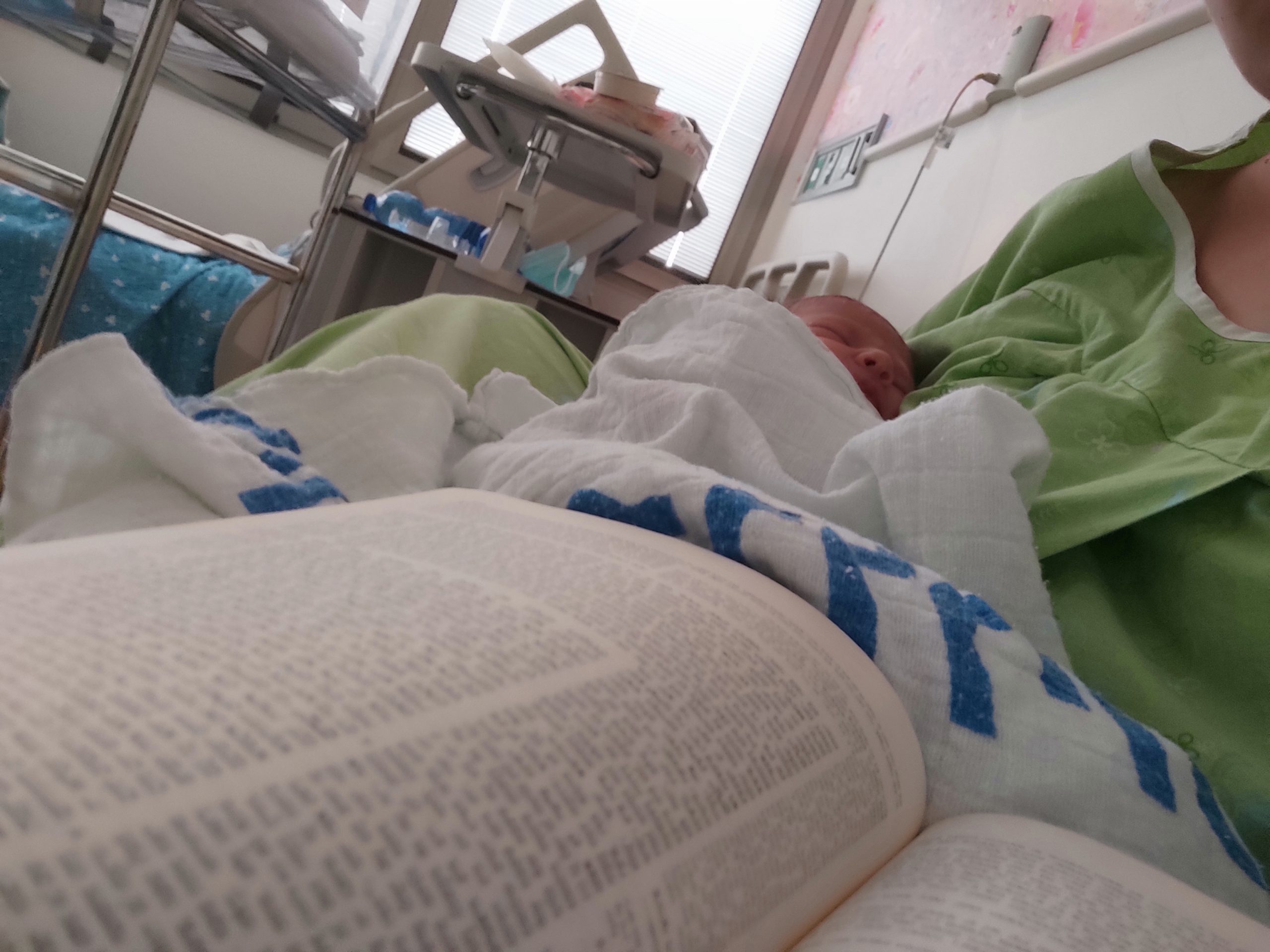
בתחילת הסבב הנוכחי הצטברו אצלי תחושות שאני לא מבינה מספיק מהי ההלכה אותה אני מקיימת בכל יום. כמו כן, כאמא לבנות רציתי לתת להן מודל נשי של לימוד תורה
שתי הסיבות האלו הובילו אותי להתחיל ללמוד. נתקלתי בתגובות מפרגנות וסקרניות איך אישה לומדת גמרא..
כמו שרואים בתמונה אני ממשיכה ללמוד גם היום ואפילו במחלקת יולדות אחרי לידת ביתי השלישית.
רבבה, ישראל
התחלתי מחוג במסכת קידושין שהעבירה הרבנית רייסנר במסגרת בית המדרש כלנה בגבעת שמואל; לאחר מכן התחיל סבב הדף היומי אז הצטרפתי. לסביבה לקח זמן לעכל אבל היום כולם תומכים ומשתתפים איתי. הלימוד לעתים מעניין ומעשיר ולעתים קשה ואף הזוי… אך אני ממשיכה קדימה. הוא משפיע על היומיום שלי קודם כל במרדף אחרי הדף, וגם במושגים הרבים שלמדתי ובידע שהועשרתי בו, חלקו ממש מעשי
ראש העין, ישראל
A friend in the SF Bay Area said in Dec 2019 that she might start listening on her morning drive to work. I mentioned to my husband and we decided to try the Daf when it began in Jan 2020 as part of our preparing to make Aliyah in the summer.

ירושלים, Israel
באירוע של הדרן בנייני האומה. בהשראתה של אמי שלי שסיימה את הש”ס בסבב הקודם ובעידוד מאיר , אישי, וילדיי וחברותיי ללימוד במכון למנהיגות הלכתית של רשת אור תורה סטון ומורתיי הרבנית ענת נובוסלסקי והרבנית דבורה עברון, ראש המכון למנהיגות הלכתית.
הלימוד מעשיר את יומי, מחזיר אותי גם למסכתות שכבר סיימתי וידוע שאינו דומה מי ששונה פרקו מאה לשונה פרקו מאה ואחת במיוחד מרתקים אותי החיבורים בין המסכתות

מודיעין, ישראל
בסוף הסבב הקודם ראיתי את השמחה הגדולה שבסיום הלימוד, בעלי סיים כבר בפעם השלישית וכמובן הסיום הנשי בבנייני האומה וחשבתי שאולי זו הזדמנות עבורי למשהו חדש.
למרות שאני שונה בסביבה שלי, מי ששומע על הלימוד שלי מפרגן מאוד.
אני מנסה ללמוד קצת בכל יום, גם אם לא את כל הדף ובסך הכל אני בדרך כלל עומדת בקצב.
הלימוד מעניק המון משמעות ליום יום ועושה סדר בלמוד תורה, שתמיד היה (ועדיין) שאיפה. אבל אין כמו קביעות

טל מנשה, ישראל
סיום השס לנשים נתן לי מוטביציה להתחיל ללמוד דף יומי. עד אז למדתי גמרא בשבתות ועשיתי כמה סיומים. אבל לימוד יומיומי זה שונה לגמרי ופתאום כל דבר שקורה בחיים מתקשר לדף היומי.

רתמים, ישראל
התחלתי בסיום הש”ס, יצאתי באורות. נשברתי פעמיים, ובשתיהם הרבנית מישל עודדה להמשיך איפה שכולם בסבב ולהשלים כשאוכל, וכך עשיתי וכיום השלמתי הכל. מדהים אותי שאני לומדת כל יום קצת, אפילו בחדר הלידה, בבידוד או בחו”ל. לאט לאט יותר נינוחה בסוגיות. לא כולם מבינים את הרצון, בפרט כפמניסטית. חשה סיפוק גדול להכיר את המושגים וצורת החשיבה. החלום זה להמשיך ולהתמיד ובמקביל ללמוד איך מהסוגיות נוצרה והתפתחה ההלכה.

מודיעין, ישראל
זבחים צב
אֲבָל לֹא גַּחֶלֶת שֶׁל עֵץ. וְאִי סָלְקָא דַעְתָּךְ כְּרַבִּי שִׁמְעוֹן סְבִירָא לֵיהּ, אֲפִילּוּ גַּחֶלֶת שֶׁל עֵץ נָמֵי!
but one may not extinguish a wood coal, because extinguishing it is prohibited by Torah law? And if it enters your mind that Shmuel holds in accordance with the opinion of Rabbi Shimon, it should be permitted to extinguish even a wood coal. Rabbi Shimon maintains that extinguishing a coal is prohibited by Torah law only when one intends to use the extinguished coal. Otherwise, this constitutes a labor performed on Shabbat which is not necessary for its own sake, which is not prohibited by Torah law.
בְּדָבָר שֶׁאֵין מִתְכַּוֵּין – סָבַר לַהּ כְּרַבִּי שִׁמְעוֹן, בִּמְלָאכָה שֶׁאֵינָהּ צְרִיכָה לְגוּפָהּ – סָבַר לַהּ כְּרַבִּי יְהוּדָה.
The Gemara answers: Shmuel’s statements are not contradictory, as with regard to an unintentional act, he holds in accordance with the opinion of Rabbi Shimon. But with regard to labor not necessary for its own sake, he holds that it is prohibited by Torah law, in accordance with the opinion of Rabbi Yehuda.
אָמַר רַב הוּנָא: נְסָכִים שֶׁנִּטְמְאוּ – עוֹשֶׂה לָהֶן מַעֲרָכָה בִּפְנֵי עַצְמָן וְשׂוֹרְפָן, מִשּׁוּם שֶׁנֶּאֱמַר: ״בַּקֹּדֶשׁ בָּאֵשׁ תִּשָּׂרֵף״. תַּנְיָא נָמֵי הָכִי: הַדָּם וְהַשֶּׁמֶן וְהַמְּנָחוֹת וְהַנְּסָכִים שֶׁנִּטְמְאוּ – עוֹשֶׂה לָהֶן מַעֲרָכָה בִּפְנֵי עַצְמָן וְשׂוֹרְפָן.
§ Rav Huna says: With regard to wine libations that became ritually impure, one prepares for them an arrangement of wood by themselves and burns them there, without removing them from the Temple courtyard. This is due to the fact that it is stated with regard to a disqualified sin offering: “In the sacred place…it shall be burned with fire” (Leviticus 6:23). This requirement of burning in the sacred place applies to all offerings that are meant to be sacrificed on an altar and became disqualified. This is also taught in a baraita: With regard to the blood, the oil, the meal offerings, and the libations that became ritually impure, one prepares for them an arrangement of wood by themselves and burns them there.
אֲמַר לֵיהּ שְׁמוּאֵל לְרַב חָנָא בַּגְדָּתָאָה: אַיְיתִי לִי בֵּי עַשְׂרָה, וְאֵימָא לָךְ קַמַּיְיהוּ: נְסָכִים שֶׁנִּטְמְאוּ, עוֹשֶׂה לָהֶן מַעֲרָכָה בִּפְנֵי עַצְמָן וְשׂוֹרְפָן.
The Gemara relates: Shmuel said to Rav Ḥana of Baghdad: Bring me an assembly of ten men and I will tell you in their presence this halakha that I wish to disseminate: With regard to libations that became ritually impure, one prepares for them an arrangement of wood by themselves and burns them there.
הֲדַרַן עֲלָךְ כׇּל הַתָּדִיר
מַתְנִי׳ דַּם חַטָּאת שֶׁנִּתַּז עַל הַבֶּגֶד – הֲרֵי זֶה טָעוּן כִּיבּוּס, אַף עַל פִּי שֶׁאֵין הַכָּתוּב מְדַבֵּר אֶלָּא בְּנֶאֱכָלוֹת – שֶׁנֶּאֱמַר: ״בְּמָקוֹם קָדוֹשׁ תֵּאָכֵל״. אֶחָד הַנֶּאֱכָלוֹת וְאֶחָד הַפְּנִימִיּוֹת טְעוּנוֹת כִּיבּוּס, שֶׁנֶּאֱמַר: ״תּוֹרַת הַחַטָּאת״ – תּוֹרָה אַחַת לְכׇל הַחַטָּאוֹת.
MISHNA: In the case of the blood of a sin offering designated for presentation that was sprayed on a garment, that garment requires laundering, as is stated with regard to a sin offering: “And when any of its blood shall be sprinkled on a garment, you shall launder that on which it shall be sprinkled in a sacred place” (Leviticus 6:20). Although the verse is speaking only of sin offerings that are eaten and whose blood is presented on the outer altar, as it is stated: “In a sacred place shall it be eaten” (Leviticus 6:19), the principle is not exclusive to eaten sin offerings. With regard to the blood of both the sin offerings that are eaten and the sin offerings that are wholly burned and not eaten and whose blood is presented on the inner altar, garments sprayed with blood from each of these offerings require laundering. As it is stated at the start of that passage: “This is the law of the sin offering” (Leviticus 6:18), it is understood: There is one law for all the sin offerings.
חַטָּאת פְּסוּלָה – אֵין דָּמָהּ טָעוּן כִּיבּוּס, בֵּין שֶׁהָיְתָה לָהּ שְׁעַת הַכּוֹשֶׁר וּבֵין שֶׁלֹּא הָיְתָה לָהּ שְׁעַת הַכּוֹשֶׁר. אֵיזוֹ הִיא שֶׁהָיְתָה לָהּ שְׁעַת הַכּוֹשֶׁר? שֶׁלָּנָה, וְשֶׁנִּטְמְאָה, וְשֶׁיָּצָאת. וְאֵיזוֹ הִיא שֶׁלֹּא הָיְתָה לָהּ שְׁעַת הַכּוֹשֶׁר? שֶׁנִּשְׁחֲטָה חוּץ לִזְמַנָּהּ וְחוּץ לִמְקוֹמָהּ, וְשֶׁקִּיבְּלוּ פְּסוּלִין (וְזָרְקוּ) אֶת דָּמָהּ.
That is the halakha with regard to sin offerings fit for sacrifice. With regard to a disqualified sin offering, its blood does not cause a garment to require laundering whether the offering had a period of fitness when its blood was fit for presentation or whether it did not have a period of fitness. Which offering is the disqualified sin offering that had a period of fitness? It is one that was left overnight and then became disqualified; or it is one that became ritually impure; or it is one that emerged from the Temple courtyard. Which offering is the disqualified sin offering that did not have a period of fitness? It is one that was slaughtered with the intent to eat it or present its blood beyond its designated time or outside its designated area; or it is one whose blood was collected by people disqualified for Temple service and they sprinkled its blood.
גְּמָ׳ דַּם חַטָּאת (שֶׁמֵּתָה) [שֶׁנִּתַּז] כּוּ׳. וְאִי תּוֹרָה אַחַת לְכׇל חַטָּאוֹת, אֲפִילּוּ חַטַּאת הָעוֹף נָמֵי! אַלְּמָה תַּנְיָא: יָכוֹל תְּהֵא דַּם חַטַּאת הָעוֹף טָעוּן כִּיבּוּס? תַּלְמוּד לוֹמַר ״זֹאת״.
GEMARA: The mishna teaches: In the case of the blood of a sin offering that was sprayed on a garment, the garment must be laundered, and this is the halakha concerning the blood of sin offerings that are eaten and sin offerings that are wholly burned, as it is stated: “This is the law of the sin offering”; there is one law for all sin offerings. The Gemara asks: And if there is one law for all sin offerings, even the blood of a bird sin offering should also require laundering. If so, why is it taught in a baraita: One might have thought that the blood of a bird sin offering requires laundering. To counter this, the verse states: “This is the law of the sin offering.” The word “this” teaches that the halakha is to be restricted to the blood of an animal sin offering and it does not apply to the bird sin offering.
אָמַר רֵישׁ לָקִישׁ מִשּׁוּם בַּר קַפָּרָא, אָמַר קְרָא: ״תִּשָּׁחֵט״ – בְּנִשְׁחָטוֹת הַכָּתוּב מְדַבֵּר.
Reish Lakish said in the name of bar Kappara: The verse states: “This is the law of the sin offering…shall the sin offering be slaughtered” (Leviticus 6:18). The verse is speaking specifically of sin offerings that are slaughtered and not of bird offerings, which are killed by pinching the nape of the neck, rather than slaughtering with a knife.
וְאֵימָא בְּנֶאֱכָלוֹת הַכָּתוּב מְדַבֵּר – כְּדִכְתִיב: ״בְּמָקוֹם קָדוֹשׁ תֵּאָכֵל״, אֲבָל פְּנִימִיּוֹת לָא! רַבִּי רַחֲמָנָא ״תּוֹרַת״.
The Gemara challenges: And I might say that the halakha is to be learned in another manner, and the verse is speaking specifically of sin offerings that are eaten, as it is written: “In a sacred place shall it be eaten” (Leviticus 6:19); but internal sin offerings, which are not eaten, should not be included. The Gemara explains: The Merciful One amplifies the halakha by stating: “This is the law of the sin offering,” which includes all sin offerings, even those that are not eaten.
אִי הָכִי, אֲפִילּוּ חַטַּאת הָעוֹף נָמֵי! מִיעֵט רַחֲמָנָא ״זֹאת״.
The Gemara suggests: If so, then even the blood of the bird sin offering should be included. The Gemara explains: The Merciful One restricts the halakha by stating: “This is the law,” which excludes bird offerings.
וּמָה רָאִיתָ? מִסְתַּבְּרָא דְּחַטַּאת [בְּהֵמָה] פְּנִימִיּוֹת הֲוָה לֵיהּ לְרַבּוֹיֵי – שֶׁכֵּן בְּהֵמָה, שְׁחִיטַת צָפוֹן, וְקַבָּלַת כְּלִי,
The Gemara asks: And what did you see that indicated that the verse is to be understood as including internal sin offerings and excluding bird offerings, and not the opposite? The Gemara answers: It stands to reason that internal animal sin offerings should have been included by the inclusive language of the verse, as internal sin offerings resemble eaten animal sin offerings in several ways: Each variety is a large animal and not a bird; each variety is subject to slaughter on the north side of the Temple courtyard; and the blood of each requires collection in a vessel;
וְקֶרֶן, וְאֶצְבַּע, וְחוּדָּהּ, וְאִישִּׁים.
and their blood is placed on the corner of the altar; and the blood is placed with a priest’s finger; and the blood is placed on the edge of the corner of the altar; and parts of each are consumed in flames upon the altar. None of these apply to bird sin offerings.
אַדְּרַבָּה, חַטַּאת הָעוֹף הֲוָה לֵיהּ לְרַבּוֹיֵי – שֶׁכֵּן חוּץ כְּמוֹתָהּ, וַאֲכִילָה כְּמוֹתָהּ! הָנָךְ נְפִישִׁין.
The Gemara raises an objection: On the contrary, the bird sin offering should have been included and likened to the eaten animal sin offerings, as the blood of bird sin offerings is presented on the outer altar like an animal sin offering that is eaten, and the bird sin offering has portions set aside for eating, like it. The Gemara rejects the reasoning for including bird offerings: Those features that are common to internal sin offerings and eaten animal sin offerings are more numerous than the features common to bird sin offerings and eaten animal sin offerings.
רַב יוֹסֵף אָמַר, אָמַר קְרָא: ״יֹאכְלֶנָּה״ – לָזוֹ וְלֹא לְאַחֶרֶת; בְּנֶאֱכָלוֹת מִיעֵט הַכָּתוּב.
Rav Yosef said: There is another way to prove that the blood of a bird sin offering is not required to be laundered out if it is sprayed on a garment. With regard to laundering, the verse states: “The priest that offers it for sin shall eat it” (Leviticus 6:19); the obligation described applies to it, i.e., the eaten animal sin offering, and not to another similar sin offering. Consequently, the verse is excluding a case within the broad category of eaten sin offerings, and one is not required to launder out the blood of a bird sin offering.
וְאֶלָּא ״זֹאת״ לְמָה לִי? אִי לָאו ״זֹאת״, הָוֵי אָמֵינָא: ״יֹאכְלֶנָּה״ – אוֹרְחֵיהּ דִּקְרָא; קָא מַשְׁמַע לַן.
The Gemara asks: But if the exclusion of bird offerings is derived from this verse, then why do I need the derivation from the verse: “This is the law of the sin offering”? The Gemara answers: If not for the derivation from “this,” I would say that the term “shall eat it” is simply the manner of speech of the verse, so that it does not indicate any exclusion. Therefore, the word “this” teaches us that a sin offering is excluded, and the term “shall eat it,” demonstrates that the excluded sin offering is one that is eaten.
רַבָּה אָמַר, אָמַר קְרָא: ״אֲשֶׁר יִזֶּה״ – בְּהַזָּאוֹת הַכָּתוּב מְדַבֵּר.
Rabba said that there is a different explanation. Internal sin offerings cannot be excluded from the requirement of laundering sprayed garments, as the verse speaks specifically of internal sin offerings, as the verse states: “It shall be sprinkled” (Leviticus 6:20). The verse is speaking of sin offerings that require sprinklings, and sprinkling is mentioned specifically with regard to internal sin offerings (see Leviticus 4:6), unlike eaten animal sin offerings, with regard to which the Torah uses a term of placing to describe the presenting of its blood (see Leviticus 4:25).
וְהָתַנְיָא: אַף עַל פִּי שֶׁאֵין הַכָּתוּב מְדַבֵּר אֶלָּא בְּנֶאֱכָלוֹת! לְעִנְיַן מְרִיקָה וּשְׁטִיפָה, אֲבָל לְעִנְיַן כִּיבּוּס – ״אֲשֶׁר יִזֶּה״ כְּתִיב.
The Gemara raises a difficulty: Can one say that the passage about laundering applies specifically to internal sin offerings? But isn’t it taught in the mishna: Although the verse is speaking only of sin offerings that are eaten, indicating that the passage certainly applies to sin offerings that are eaten? The Gemara answers: The mishna’s statement pertains to the matter of scouring and rinsing copper vessels in which a sin offering was cooked (see Leviticus 6:21), which is relevant only to sin offerings that are eaten. But in the matter of laundering: “You shall launder that on which it shall be sprinkled” (Leviticus 6:20) is written, and the term “it shall be sprinkled” indicates only internal sin offerings. By contrast, eaten sin offerings are included only through the amplification in the verse: “The law of the sin offering” (Leviticus 6:18).
אִי הָכִי, ״אֶחָד הַנֶּאֱכָלוֹת וְאֶחָד הַפְּנִימִיּוֹת״?! ״אֶחָד הַפְּנִימִיּוֹת וְאֶחָד הַנֶּאֱכָלוֹת״ מִיבְּעֵי לֵיהּ! תְּנִי: ״אֶחָד הַפְּנִימִיּוֹת וְאֶחָד הַנֶּאֱכָלוֹת״.
The Gemara asks: If so, that the verses prescribing laundering are primarily discussing internal sin offerings, and eaten sin offerings are included only through a derivation, then with regard to the statement in the mishna: Both the sin offerings that are eaten and the internal sin offerings, is this statement not misleading? Rather, the tanna should have stated: Both the internal sin offerings and the sin offerings that are eaten, first mentioning the offerings most clearly indicated in the verse. The Gemara answers: Teach it as: Both the internal sin offerings and the sin offerings that are eaten.
אִי הָכִי, חַטַּאת הָעוֹף נָמֵי! מַיעֵט רַחֲמָנָא ״זֹאת״. אִי הָכִי, חִיצוֹנָה נָמֵי לָא! רַבִּי רַחֲמָנָא ״תּוֹרַת״.
If so, that the requirement of laundering applies to those sin offerings with regard to which the Torah uses the term sprinkling, the blood of a bird sin offering should require laundering as well, as sprinkling is also mentioned with regard to it (see Leviticus 5:9). The Gemara answers: The Merciful One excludes bird offerings by stating: “This is the law of the sin offering.” The Gemara challenges: If so, that the function of this verse is to be understood as a restriction, an external sin offering also should not require laundering. The Gemara responds: The Merciful One amplified the halakha to include external sin offerings by stating: “The law of.”
וּמָה רָאִיתָ? מִסְתַּבְּרָא חַטַּאת בְּהֵמָה הֲוָה לֵיהּ לְרַבּוֹיֵי – שֶׁכֵּן בְּהֵמָה, שְׁחִיטַת צָפוֹן, וְקַבָּלַת כְּלִי, וְקֶרֶן, וְאֶצְבַּע, וְחוּדָּהּ, וְאִישִּׁים.
The Gemara asks: And what did you see that convinced you to exclude bird offerings and include external sin offerings? The Gemara answers: It stands to reason that the eaten animal sin offering should have been included, as the eaten animal sin offering resembles the internal sin offering in several respects: Each is a large animal; each is subject to slaughter on the north side of the courtyard; and the blood of each requires collection in a vessel; and their blood is placed on the corner of the altar; and the blood is placed with a priest’s finger; and the blood is placed on the edge of the corner of the altar; and parts of each are consumed in flames upon the altar. None of these apply to bird sin offerings.
אַדְּרַבָּה, חַטַּאת הָעוֹף הֲוָה לֵיהּ לְרַבּוֹיֵי – שֶׁכֵּן הַזָּאָה כְּמוֹתָהּ! הָנָךְ נְפִישִׁין.
The Gemara raises an objection: On the contrary, the bird sin offering should have been included in the requirement for laundering, as the offering of the blood of the bird sin offering is termed sprinkling, just like it is in the case of the internal sin offering. The Gemara answers: Those features common to internal sin offerings and eaten animal sin offerings are more numerous than the features common to internal sin offerings and bird sin offerings.
בָּעֵי רַבִּי אָבִין: חַטַּאת הָעוֹף שֶׁהִכְנִיס דָּמָהּ בְּצַוָּארָהּ בִּפְנִים, מַהוּ? צַוָּארָהּ כִּכְלִי שָׁרֵת דָּמֵי, וּמִיפְּסִיל;
§ The Gemara indicated that the blood of the bird sin offering is not received in a vessel, unlike that of animal sin offerings. With regard to this halakha, Rabbi Avin asks: When the blood of an eaten animal sin offering is brought into the Sanctuary in a vessel, this disqualifies it. In the case of a bird sin offering, which is killed by pinching the nape of its neck, whose blood a priest brought inside the Sanctuary in its neck, what is the halakha? Is its neck comparable to a service vessel, since it is from its neck that the blood is presented, and therefore it is disqualified if brought into the Sanctuary this way?
אוֹ דִלְמָא כְּצַוַּאר בְּהֵמָה – ״מִדָּמָהּ״ אָמַר רַחֲמָנָא, וְלָא בְּשָׂרָהּ? תָּא שְׁמַע: פִּירְכְּסָה וְנִכְנְסָה לִפְנִים וְחָזְרָה – כְּשֵׁירָה. הָא הִכְנִיסָהּ – פְּסוּלָה!
Or perhaps is its neck comparable to the neck of a large animal offering, about which the Merciful One states in the Torah: “Of whose blood is brought into the Tent of Meeting” (Leviticus 6:23), which teaches that its blood is disqualified when brought inside in a service vessel, but the blood is not disqualified when the animal’s flesh is brought inside. What is the status of the bird’s neck? The Gemara suggests: Come and hear a baraita: If, after its nape is pinched, a bird sin offering convulsed and consequently entered inside the Sanctuary and then it returned to the courtyard, it remains valid; its blood may be sprinkled and its meat eaten. It can be inferred that the bird offering remains valid if it has entered on its own, but if a priest has brought it in, it is disqualified because of the blood in its neck.
וְלִיטַעְמָיךְ, גַּבֵּי קׇדְשֵׁי קָדָשִׁים דְּקָתָנֵי: פִּירְכְּסָה וְיָצְאָה לַדָּרוֹם וְחָזְרָה – כְּשֵׁרָה; הָא הוֹצִיאָהּ – פְּסוּלָה?!
The Gemara rejects the proof: But according to your reasoning, one might draw a faulty inference from the halakha of a convulsing offering, as follows. With regard to an animal offering of the most sacred order, about which it is taught in a baraita: If, after being slaughtered appropriately on the north side of the courtyard, the animal convulsed, and consequently it went out to the south side of the courtyard and then returned to the north side, it remains valid; should it be inferred: But if a priest took it out to the south side it becomes disqualified? The sacrifice is certainly not disqualified by being taken to the south side of the courtyard, and the inference is incorrect.
אֶלָּא הַאי יָצְתָה לַחוּץ אִיצְטְרִיכָא לֵיהּ; הָכָא נָמֵי יָצְתָה לַחוּץ אִיצְטְרִיכָא לֵיהּ.
Rather, it must be assumed that this halakha, that of the convulsing animal that moved from the northern side to the southern side, is taught for another purpose. It was necessary for the baraita to teach this halakha in order to establish a contrast with an animal that went out to the outside beyond the courtyard, which is disqualified even if it goes out by itself. Here, too, with regard to the bird sin offering, the halakha of the convulsing animal that moved into the Sanctuary is taught for another purpose. This halakha was necessary for establishing a contrast with a bird offering that went out to the outside beyond the courtyard, which is disqualified even if it goes out by itself. Accordingly, this may not be used to resolve Rabbi Avin’s dilemma.
בָּעֵי רַבִּי אָבִין: נִשְׁפַּךְ עַל הָרִצְפָּה וַאֲסָפָהּ, מַהוּ?
§ Rabbi Avin asks another question about the blood of a bird offering, which is sprinkled directly from the body of the bird and not collected in a service vessel. With regard to the blood of a large animal, which spills on the floor before it is received in a service vessel, it becomes disqualified for presentation (see 25a), but if it spills after it is received in a vessel, it may be collected from the floor and presented (see 32a). If the blood of a bird offering spilled onto the floor and the priest collected it from the floor in order to sprinkle it, what is the halakha?
אַצְרוֹכֵיה הוּא דְּלָא אַצְרְכֵיהּ רַחֲמָנָא כְּלִי שָׁרֵת, וְהִלְכָּךְ אוֹסְפוֹ וְכָשֵׁר; אוֹ דִלְמָא מִיפְסָל פְּסַל בֵּיהּ רַחֲמָנָא כְּלֵי שָׁרֵת, וְהִלְכָּךְ אוֹסְפוֹ וּפָסוּל?
Is it simply that the Merciful One did not require a service vessel for the collection of the bird’s blood, and therefore a priest may collect it from the floor and it remains fit for sprinkling on the altar? Or perhaps the Merciful One rendered a service vessel unfit for sprinkling it in any case, and the blood must be sprinkled directly from the bird’s body, and therefore, if it spills on the floor and the priest collects it, it is unfit for sprinkling.
אָמַר רָבָא, תָּא שְׁמַע: יָכוֹל יְהֵא דַּם חַטַּאת הָעוֹף טָעוּן כִּיבּוּס? תַּלְמוּד לוֹמַר: ״זֹאת״. וְאִי סָלְקָא דַעְתָּךְ מִיפְסָל פָּסֵיל בֵּיהּ רַחֲמָנָא, תִּיפּוֹק לִי דְּהָא אִפְּסִיל לֵהּ בַּאֲוִיר כְּלִי!
Rava said: Come and hear a proof, deduced from a baraita: One might have thought that the blood of a bird sin offering would require laundering if sprayed on a garment. Therefore, the verse states: “This is the law of the sin offering” (Leviticus 6:18), which excludes the bird sin offering. But if it enters your mind that the Merciful One rendered a vessel unfit for sprinkling the blood of a bird, this interpretation is unnecessary. I will deduce the halakha that a bird’s blood does not require laundering because the blood becomes disqualified even by merely passing into the airspace of a vessel. Consequently, the blood is disqualified when coming into the airspace of the garment, which is considered a vessel, and, as disqualified blood, it does not subsequently require laundering.
אָמַר רַב הוּנָא בְּרֵיהּ דְּרַב יְהוֹשֻׁעַ: בְּמַדְבִּיק כְּלִי בְּצַוָּארָהּ.
Rav Huna, son of Rav Yehoshua, said: The baraita provides no decisive proof, as even if a bird’s blood is disqualified by passing into the airspace of a vessel, the word “this” must still be interpreted to exclude the blood of a bird sin offering from the requirement of laundering. The interpretation of the verse accounts for cases in which the blood reaches the vessel without first passing into its airspace, as in a case when the priest affixes a vessel to the bird’s neck. Consequently, no resolution can be derived for Rav Avin’s question.
בְּעָא מִינֵּיהּ לֵוִי: נִיתַּז מִבֶּגֶד לְבֶגֶד, מַהוּ? מִבֶּגֶד קַמָּא אִידְּחִי לֵיהּ לְכִיבּוּס, אוֹ דִלְמָא לָא?
§ The Gemara returns to the primary subject of the mishna, the requirement of laundering garments from the sprayed blood of a sin offering. Levi asked Rabbi Yehuda HaNasi: If the blood of an offering sprayed from one garment to another garment, what is the halakha? By contact with the first garment, is the blood thereby dismissed with regard to the requirement of laundering, such that a subsequent garment would not require laundering? Or perhaps not.
אֲמַר לֵיהּ: זוֹ שְׁאֵלָה! טָעוּן כִּיבּוּס. מִמָּה נַפְשָׁךְ; אִי אוֹסְפוֹ וְכָשֵׁר – הָא כָּשֵׁר. וְאִי אוֹסְפוֹ וּפָסוּל – אֲנָא כְּרַבִּי עֲקִיבָא סְבִירָא לִי, דְּאָמַר: הָיְתָה (לוֹ) [לָהּ] שְׁעַת הַכּוֹשֶׁר וְנִפְסְלָה – דָּמָהּ טָעוּן כִּיבּוּס.
Rabbi Yehuda HaNasi said to him: This is an excellent question; and the answer is: The garment requires laundering whichever way you look at it. If the halakha is that with regard to blood that sprayed onto a garment the priest may collect it and it is still fit for presentation on the altar, then this blood is also fit. Consequently, even the second garment must be laundered. And if you say that with regard to blood that sprayed onto a garment if he collects it, it is unfit for presentation, I hold in accordance with the opinion of Rabbi Akiva, who says: If the offering had a period of fitness and then was disqualified, its blood requires laundering. Accordingly, since the blood upon the second garment was initially collected in a service vessel, it too had a period of fitness.

