






מסכת זבחים
מסכת זבחים מוקדש ע”י אסתר קרמר לע”נ אביה מני גרוס.
הלימוד החודש מוקדש ע”י מרכי גלזר לע”נ רחל אביבה בת דבורה חנה
רוצה להקדיש שיעור?

תקציר

רמי בר חמא שואל את רב חסדא האם דם שניתז על בגד שכבר טמא טעון כיבוס. רב הונא בריה דרב יהושע מסביר כי השאלה תלויה האם אין צורך בכיבוס רק כאשר הטומאה והפסול באים בזה אחר זה, או גם כאשר הם באים בבת אחת. רב חסדא מקשר את הסוגיה למחלוקת בין רבי אלעזר וחכמים בדין מי חטאת שנטמאו, לפי פירושו של אביי. כדי לבאר את הבנת אביי, הגמרא מציגה מחלוקת רחבה יותר בין רבה, אביי ורבא על נושא ומהות המחלוקת בין רבי אלעזר לחכמים.
ברייתא מלמדת שרק דם הראוי להזאה טעון כיבוס, ולא דם שכבר נפסל. רבי עקיבא פוסק שדם שהיה לו שעת כושר ואחר כך נפסל טעון כיבוס, ואילו רבי שמעון סובר שבכל מקרה דם פסול אינו טעון כיבוס.
המשנה קובעת שדם שניתז מצוואר הבהמה, או מן הקרן או מן היסוד של המזבח, אינו טעון כיבוס, וכן דם שנשפך על הרצפה ונאסף – אינו טעון כיבוס, מפני שרק דם שנתקבל בכלי והראוי להזאה טעון כיבוס. שתי ברייתות מובאות להראות כיצד נלמדים דינים אלו מן הפסוקים שבתורה. הגמרא מוסיפה ומבארת שדרישת "ראוי להזאה” באה למעט מקרים שבהם התקבל פחות מן השיעור הנדרש בכל כלי. רבא מסביר שעיקרון זה נלמד מדרשה על הפסוק בויקרא ד:ו. לאחר שרבא מביא כמה דרשות על מילות שונות בפסוק זה, הגמרא מנתחת אותן זו מול זו – מדוע כל אחת נצרכה – וגם מול מקורות אחרים.
המשנה ממשיכה בדין דם שניתז על העור: קודם הפשט – אינו טעון כיבוס, לאחר הפשט – טעון כיבוס. רבי אלעזר מגביל את הכיבוס למקום הדם בלבד, ורק כאשר החומר ראוי לקבל טומאה. ברייתא מרחיבה את חובת הכיבוס גם לבגדים, לשק ולעור, ומפרטת שחובת הכיבוס, שבירת כלי חרס, ומריקה ושטיפה בכלי נחושת – כולם צריכים להיעשות במקום קדוש. הכיבוס הוא חומרה ייחודית לחטאת לעומת שאר קדשי קדשים.
כלים
מסכת זבחים
מסכת זבחים מוקדש ע”י אסתר קרמר לע”נ אביה מני גרוס.
הלימוד החודש מוקדש ע”י מרכי גלזר לע”נ רחל אביבה בת דבורה חנה
הדף היום מוקש ע”י נעמי אוקסמן לע”נ אמא שלה, שרה.
הדף היום מוקדש ע”י מינדי ואריק הכט לע”נ ד”ר צ’רלס פלדמן.
זבחים צג
בְּעָא מִינֵּיהּ רָמֵי בַּר חָמָא מֵרַב חִסְדָּא: נִיתַּז עַל בֶּגֶד טָמֵא, מַהוּ? אָמַר רַב הוּנָא בְּרֵיהּ דְּרַב יְהוֹשֻׁעַ: מִדְּקָמִיבַּעְיָא לֵיהּ הָכִי, שְׁמַע מִינַּהּ: הָיְתָה לָהּ שְׁעַת הַכּוֹשֶׁר וְנִפְסְלָה – אֵין דָּמָהּ טָעוּן כִּיבּוּס.
§ In a related matter, Rami bar Ḥama asked of Rav Ḥisda: If the blood of a sin offering sprayed onto a ritually impure garment, so that the blood became impure and unfit for presentation, what is the halakha? Does the garment require laundering? Rav Huna, son of Rav Yehoshua, said: From the fact that Rami bar Ḥama asked the question in this manner, with regard to ritually pure blood that sprayed onto an impure garment, and not with regard to blood that was already impure that sprayed onto a garment, conclude from it that he holds that even if the sin offering had a period of fitness and then was disqualified, a garment onto which its blood sprayed does not require laundering.
הָנֵי מִילֵּי בְּזֶה אַחַר זֶה, אֲבָל בְּבַת אַחַת לָא; אוֹ דִלְמָא לָא שְׁנָא? אֲמַר לֵיהּ: פְּלוּגְתָּא דְּרַבִּי אֶלְעָזָר וְרַבָּנַן אַלִּיבָּא דְרַבָּה, וְכִדְקָא מְתָרֵיץ אַבָּיֵי.
His question, therefore, is: Does this statement apply only when one event, the spraying of the blood, occurs after the other event, i.e., the disqualification of the blood? But if the spraying and the disqualification occur simultaneously, as in this case, perhaps the principle does not apply, and the garment must be laundered. Or, perhaps there is no difference whether the events occur this way or that way, and even if the offering becomes unfit only as the blood touches the garment, it still does not require laundering? Rav Ḥisda said to Rami bar Ḥama: The matter is subject to the dispute between Rabbi Elazar and the Rabbis, in accordance with the explanation of Rabba, and as Abaye resolves it.
דְּתַנְיָא, רַבִּי אֶלְעָזָר אוֹמֵר: מֵי חַטָּאת שֶׁנִּטְמְאוּ – מְטַהֲרִין, שֶׁהֲרֵי נִדָּה מַזִּין עָלֶיהָ.
The Gemara elaborates: As it is taught in a baraita: Rabbi Elazar says: With regard to water of purification, which has been sanctified by the ashes of the red heifer, even if the water is rendered impure it nevertheless performs its function and purifies a person from the ritual impurity imparted by a corpse. This is evident because those performing the rite would sprinkle water of purification even on a menstruating woman who has been rendered impure by a corpse. Although her menstruation impurity renders the water of purification impure when it touches her, it is effective in removing the ritual impurity imparted by a corpse. Rabbi Elazar’s opinion is in opposition to that of the Rabbis.
וְאָמַר רַבָּה: רַבִּי אֶלְעָזָר בְּשִׁיטַת רַבִּי עֲקִיבָא רַבּוֹ אֲמָרָהּ, דְּאָמַר: הַעֲבָרַת כְּלִי עַל גַּבֵּי מָקוֹם טָמֵא – כְּמוּנָּח דָּמֵי.
And concerning this dispute, Rabba says: Although it would seem that the water of purification applied to a menstruating woman does not become impure until it touches her, the case may still provide precedent for all water of purification that has become impure, as follows: Rabbi Elazar stated his opinion in accordance with the opinion of his teacher Rabbi Akiva, who says that passing a vessel containing water of purification over the place where a ritually impure item is renders the vessel considered as if resting there, so that the water becomes impure. Consequently, just as the water of purification is effective for the menstruating woman although it has become impure when hovering above her, water of purification always remains effective after having contracted ritual impurity.
דִּתְנַן: הָיָה עוֹמֵד חוּץ לַתַּנּוּר וְשֶׁרֶץ בַּתַּנּוּר, וְהוֹשִׁיט יָדוֹ לַחַלּוֹן וְנָטַל אֶת הַלָּגִין וְהֶעֱבִירוֹ עַל פִּי תַנּוּר – רַבִּי עֲקִיבָא מְטַמֵּא וַחֲכָמִים מְטַהֲרִין. וּבְהָא פְּלִיגִי – דְּרַבִּי עֲקִיבָא סָבַר: כְּמוּנָּח דָּמֵי, וְרַבָּנַן סָבְרִי: לָאו כְּמוּנָּח דָּמֵי.
That is Rabbi Akiva’s opinion, as we learned in a mishna (Para 10:5): There is a dispute with regard to the case of a ritually pure person who was standing beyond an oven, which stood between him and the wall, and a carcass of a creeping animal, which imparts impurity, was in the oven; and the person stretched out his hand to the window and took the jug [halagin] containing water of purification and passed it over the opening of the oven. Rabbi Akiva deems the water of purification impure, although the jug has merely passed over the oven’s opening and has not come to rest on it, and the Rabbis deem the water pure. And according to Rabba, in this manner do they disagree: That Rabbi Akiva holds that the jug is considered as if resting on the opening of the oven, and the Rabbis hold that the jug is not considered as if resting there.
וְאֵיתִיבֵיהּ אַבָּיֵי: מוֹדֶה רַבִּי עֲקִיבָא בְּהַזָּאָה שֶׁהֶעֱבִירָהּ עַל כְּלֵי חֶרֶס טָמֵא עַל גַּבֵּי מִשְׁכָּב וּמוֹשָׁב טָמֵא – שֶׁהִיא טְהוֹרָה; שֶׁאֵין לְךָ דָּבָר שֶׁמְּטַמֵּא לְמַעְלָה כִּלְמַטָּה, אֶלָּא כְּזַיִת מִן הַמֵּת וּשְׁאָר כׇּל הַמַּאֲהִילִין. לְאֵיתוֹיֵי אֶבֶן הַמְנוּגַּעַת!
And Abaye raised an objection to Rabba’s interpretation from a baraita (Tosefta, Para 10:6): Although he deems the water of purification impure in the previous case, Rabbi Akiva concedes that in the act of sprinkling, in which the person passed the water of purification over an impure earthenware vessel or over an impure item designated for lying or sitting, the water remains pure. This is so because there is nothing that renders impure all that is in the airspace directly above it, like anything below that touches it, other than an olive-bulk from a corpse and all other items which impart ritual impurity to those items which overlie them, including a stone marked with leprosy. Such a stone also imparts overlying impurity, rendering impure anything under the same roof or, if there is no roof, in the airspace directly above it up to the sky.
אֶלָּא אָמַר אַבָּיֵי: דְּכוּלֵּי עָלְמָא – לָאו כְּמוּנָּח דָּמֵי; וְהָכָא בְּהָא קָמִיפַּלְגִי: דְּרַבִּי עֲקִיבָא סָבַר גָּזְרִינַן שֶׁמָּא יָנוּחַ, וְרַבָּנַן סָבְרִי לָא גָּזְרִינַן. וּמוֹדֶה רַבִּי עֲקִיבָא בְּהַזָּאָה – כֵּיוָן דִּנְפַק נְפַק.
Rather, Abaye said: Everyone agrees that a vessel containing water of purification passing over an item that is ritually impure is not considered as if it is resting on it. And here, with regard to the jug being taken over the oven, they disagree about this: Rabbi Akiva holds that we decree that the vessel contracts impurity by rabbinic law, since perhaps a vessel carried above an impure item will come to rest directly on that impure item. And the Rabbis hold: We do not decree that the vessel contracts impurity in such a case. And Rabbi Akiva concedes that in the act of sprinkling, while the water passes over an impure item, once it has set forth into the air, it has set forth. Since the water has left the person’s hand, the person cannot leave it to rest upon an impure item.
וְרַבִּי אֶלְעָזָר וְרַבָּנַן בְּמַאי קָמִיפַּלְגִי? אָמַר אַבָּיֵי: בְּדָנִין טוּמְאָה קְדוּמָה מִטּוּמְאָה שֶׁבְּאוֹתָהּ שָׁעָה קָמִיפַּלְגִי –
The Gemara asks: If so, Rabbi Akiva and the Rabbis would agree that the water of purification does not become impure before touching a menstruating woman. And, if so, then Rabbi Elazar and the Rabbis, who disagree as to whether impure water of purification renders one pure, with regard to what case do they disagree? Abaye said: They disagree with regard to whether one may derive the halakha of impurity rendered earlier, before sprinkling the water of purification, from the halakha of impurity rendered at that very moment that the purification occurs, as in the case of the menstruating woman.
מָר סָבַר דָּנִין, וּמַר סָבַר אֵין דָּנִין.
One Sage, Rabbi Elazar, holds: One derives the halakha in this manner, and, therefore, the water effects purification even if the water has become impure first. And one Sage, the Rabbis, holds that one does not derive this halakha. Therefore, Rav Ḥisda’s answer to Rami bar Hama is that, according to the opinion of Rabbi Elazar, if the impurity occurs in the moment that the sin offering’s blood touches the impure garment, the halakha is the same as it is when the blood has become impure before reaching the garment. In both cases, the garment is exempt from laundering. According to the opinion of the Rabbis, the halakha is not the same in both cases: If the blood becomes impure at the very moment it reaches the garment, laundering is required.
רָבָא אֲמַר: דְּכוּלֵּי עָלְמָא אֵין דָּנִין;
Rava said: The case of sprinkling water of purification upon a menstruating woman has no bearing upon the case of the sprayed garment, as everyone holds that one does not derive the halakha of impurity incurred earlier from the halakha of impurity incurred at that very moment.
וְהָכָא בְּהָא קָמִיפַּלְגִי – דְּרַבִּי אֶלְעָזָר סָבַר: הַזָּאָה צְרִיכָה שִׁיעוּר, וּמִצְטָרְפִין לְהַזָּאוֹת; וְרַבָּנַן סָבְרִי: הַזָּאָה אֵין צְרִיכָה שִׁיעוּר.
Rava continues: But here, with regard to the precedent of the menstruating woman, they disagree about this: Rabbi Elazar holds that sprinkling the water of purification requires a specific measure of the water, but sprinklings of small quantities combine to constitute sprinklings of the required measure. Therefore, if the initial sprinkling on the woman does not contain a sufficient measure of water, the small quantity of water of purification first becomes impure, but it later combines with the subsequent sprinkling to purify her. Consequently, water of purification that has already become impure may effect purification. But the Rabbis hold that sprinkling of the water does not require a measure. Accordingly, the woman is purified by the initial sprinkling, although the purification water becomes impure at the very moment that it reaches her; and this does not have any bearing on a case in which the purification water is impure before it touches the person upon whom it is sprinkled.
חַטָּאת פְּסוּלָה כּוּ׳. תָּנוּ רַבָּנַן: ״מִדָּמָהּ״ – מִדַּם כְּשֵׁירָה וְלֹא מִדַּם פְּסוּלָה. רַבִּי עֲקִיבָא אוֹמֵר: הָיְתָה לָהּ שְׁעַת הַכּוֹשֶׁר וְנִפְסְלָה – דָּמָהּ טָעוּן כִּיבּוּס, לֹא הָיְתָה לָהּ שְׁעַת הַכּוֹשֶׁר וְנִפְסְלָה – אֵין דָּמָהּ טָעוּן כִּיבּוּס.
§ The mishna teaches: With regard to a disqualified sin offering, a garment on which its blood is sprayed does not require laundering, whether the offering had a moment of qualification when its blood was fit for sprinkling or whether it did not have a moment of qualification. The Sages taught in a baraita: With regard to a garment on which the blood of a sin offering sprayed, the verse states: “And when any of its blood shall be sprinkled on a garment” (Leviticus 6:20), teaching that laundering is required when some of the blood of a fit sin offering is sprayed on the garment, but this is not so in the case of the blood of a disqualified sin offering. Rabbi Akiva says: If the sin offering had a period of fitness and then was disqualified, a garment onto which its blood sprayed still requires laundering. If it did not have a period of fitness at all and was then disqualified, a garment onto which its blood sprayed does not require laundering.
וְרַבִּי שִׁמְעוֹן אוֹמֵר: אֶחָד זֶה וְאֶחָד זֶה, אֵין דָּמָהּ טָעוּן כִּיבּוּס. מַאי טַעְמָא דְּרַבִּי שִׁמְעוֹן? כְּתִיב ״אֹתָהּ״, וּכְתִיב ״מִדָּמָהּ״ – חַד לְהֵיכָא דְּהָיְתָה לוֹ שְׁעַת הַכּוֹשֶׁר.
And Rabbi Shimon says: With regard to both this sin offering that had a period of fitness and that sin offering that did not, a garment onto which its blood sprayed does not require laundering. What is the reasoning of Rabbi Shimon? The Gemara answers: It is written in the Torah with regard to laundering the blood of a sin offering: “Every male among the priests may eat it” (Leviticus 6:22), and only it. And it is written earlier in that same section: “Of its blood” (Leviticus 6:20), but not all its blood. Therefore, there are two exclusionary terms; one excludes laundering for the situation where the unfit offering had a period of fitness, and the other excludes a situation in which the offering did not have a period of fitness.
וְרַבִּי עֲקִיבָא – ״אֹתָהּ״ פְּרָט לִתְרוּמָה. וְרַבִּי שִׁמְעוֹן לְטַעְמֵיהּ, דְּאָמַר: קָדָשִׁים קַלִּים אֵין טְעוּנִין מְרִיקָה וּשְׁטִיפָה – וְכׇל שֶׁכֵּן תְּרוּמָה.
The Gemara asks: And how does Rabbi Akiva interpret these verses? From the term “of its blood” he derives that the offering that has no period of fitness is excluded. The exclusion indicated by the word “it” teaches that the requirement for scouring and rinsing a copper vessel in which sacred food was cooked excludes teruma, i.e., scouring and rinsing is not required for a vessel in which teruma was cooked. And rejecting Rabbi Akiva’s understanding, Rabbi Shimon conforms to his line of reasoning, as he says: Offerings of lesser sanctity do not require scouring and rinsing as explained on 96b, and all the more so does teruma not require this. Consequently, Rabbi Shimon does not need a verse to exclude teruma, and he interprets the verse to exclude both a sin offering that had a period of fitness and a sin offering that did not have a period of fitness.
מַתְנִי׳ נִיתַּז מִן הַצַּוָּאר עַל הַבֶּגֶד – אֵינוֹ טָעוּן כִּיבּוּס. מִן הַקֶּרֶן וּמִן הַיְסוֹד – אֵינוֹ טָעוּן כִּיבּוּס. נִשְׁפַּךְ עַל הָרִצְפָּה וַאֲסָפוֹ – אֵין טָעוּן כִּיבּוּס. אֵין טָעוּן כִּיבּוּס אֶלָּא דָּם שֶׁנִּתְקַבֵּל בִּכְלִי, וְרָאוּי לְהַזָּאָה.
MISHNA: If the blood of a sin offering sprayed from the neck of the animal onto a garment, the garment does not require laundering. If the blood was collected in a vessel and sprinkled on the altar and sprayed from the corner or from the base of the altar onto the garment, the garment does not require laundering, as the blood was already sprinkled and its mitzva was fulfilled. If the blood spilled from the neck onto the floor before it was collected in a vessel, and the priest collected the blood and it sprayed on a garment, the garment does not require laundering. It is only with regard to blood that was received in a sacred vessel and is fit for sprinkling that the garment requires laundering.
גְּמָ׳ תָּנוּ רַבָּנַן: יָכוֹל נִיתַּז מִן הַצַּוָּאר עַל הַבֶּגֶד – יְהֵא טָעוּן כִּיבּוּס? תַּלְמוּד לוֹמַר: ״אֲשֶׁר יִזֶּה״ – לֹא אָמַרְתִּי לָךְ אֶלָּא בְּרָאוּי לְהַזָּאָה. תַּנְיָא אִידַּךְ: יָכוֹל נִיתַּז מִן הַקֶּרֶן וּמִן הַיְסוֹד יְהֵא טָעוּן כִּיבּוּס? תַּלְמוּד לוֹמַר: ״אֲשֶׁר יִזֶּה״ – פְּרָט לָזֶה שֶׁכְּבָר הוּזָּה.
GEMARA: The Gemara cites sources for the halakhot mentioned in the mishna. The Sages taught in a baraita: One might have thought that if blood sprayed from the neck of the animal onto a garment, the garment should require laundering. Therefore, the verse states: “On which it shall be sprinkled” (Leviticus 6:20), which teaches: I told you that a garment requires laundering only with regard to blood which is fit for sprinkling, which must be collected in a vessel directly from the neck of the animal. It is taught in another baraita: One might have thought that if blood sprayed from the corner or from the base of the altar, the garment should require laundering. Therefore, the verse states: “On which it shall be sprinkled,” excluding that blood that was already sprinkled.
נִשְׁפַּךְ עַל הָרִצְפָּה כּוּ׳.
§ The mishna teaches: If the blood spilled from the neck onto the floor before it was collected in a vessel, and the priest collected the blood and it sprayed on a garment, the garment does not require laundering. It is only with regard to blood that was received in a sacred vessel and is fit for sprinkling that the garment requires laundering.
הָא תּוּ לְמָה לִי? מָה טַעַם קָאָמַר: מָה טַעַם נִשְׁפַּךְ עַל הָרִצְפָּה וַאֲסָפוֹ אֵין טָעוּן כִּיבּוּס – לְפִי שֶׁאֵין טָעוּן כִּיבּוּס אֶלָּא דָּם שֶׁנִּתְקַבֵּל בִּכְלִי וְרָאוּי לְהַזָּיָיה.
With regard to the statement that only blood that was collected in a vessel and is fit for sprinkling requires the laundering of the garment on which it sprayed, the Gemara asks: Why do I also need this? After all, it was already taught that if blood spilled from the neck onto the floor before it was collected in a vessel, and it sprayed on a garment, the garment does not require laundering. The Gemara answers: This is not an additional halakha, but rather the mishna is saying: What is the reason? What is the reason that if the blood spilled from the neck onto the floor before it was collected in a vessel, and the priest collected it and it sprayed on a garment, the garment does not require laundering? This is because it is only with regard to blood that was received in a sacred vessel and is fit for sprinkling that the garment requires laundering.
רָאוּי לְהַזָּאָה – לְמַעוֹטֵי מַאי? לְמַעוֹטֵי קִיבֵּל פָּחוֹת מִכְּדֵי הַזָּיָיה בִּכְלִי זֶה וּפָחוֹת מִכְּדֵי הַזָּיָיה בִּכְלִי זֶה.
§ The mishna teaches: It is only with regard to blood that was received in a sacred vessel and is fit for sprinkling that the garment requires laundering. The Gemara asks: As it was already taught that when disqualified blood is sprayed on a garment, it does not require laundering, this reiteration serves to exclude what? The Gemara answers: It serves to exclude the case where a priest received less blood than is sufficient for sprinkling in this vessel, and less than is sufficient for sprinkling in that vessel, and then he mixed together the blood from the two vessels. In such a case, even though the combined amount is now enough for sprinkling, the blood did not become fit for sprinkling.
דְּתַנְיָא, רַבִּי חֲלַפְתָּא בַּר שָׁאוּל אוֹמֵר: קִידֵּשׁ פָּחוֹת מִכְּדֵי הַזָּיָיה בִּכְלִי זֶה וּפָחוֹת מִכְּדֵי הַזָּיָיה בִּכְלִי זֶה – לֹא קִידֵּשׁ.
This is as it is taught in a baraita: With regard to the sanctification of water of purification, Rabbi Ḥalafta bar Shaul says: If a priest sanctified less than is sufficient for sprinkling in this vessel and less than is sufficient for sprinkling in that vessel, and he then mixed together the water from the two vessels, he has not sanctified it to become water of purification.
אִיבַּעְיָא לְהוּ: בְּדָם מַהוּ? הִלְכְתָא הִיא, וּמֵהִלְכְתָא לָא גָּמְרִינַן;
In a related issue, a dilemma was raised before the Sages: If a priest did this for the blood of an internal sin offering, collecting less than is sufficient for sprinkling in each vessel and then mixing all the blood together, what is the halakha? Is Rabbi Ḥalafta’s statement about the water of purification a halakha transmitted to Moses from Sinai, and we do not learn from such a halakha an application to a different matter?
אוֹ דִלְמָא, הָתָם מַאי טַעְמָא – דִּכְתִיב ״וְטָבַל בַּמַּיִם״, הָכָא נָמֵי כְּתִיב ״וְטָבַל בַּדָּם״.
Or, perhaps: What is the reason there, that the combined water of purification is not fit for sprinkling? It may be because it is written about sprinkling the water: “And dip it in the water” (Numbers 19:18), stressing that it is to be dipped in precisely the same water that was first placed in the vessel. This indicates that from the outset there must be an amount sufficient for sprinkling. If so, then here also there is comparable language employed with regard to the blood of a sin offering. It is written: “And the priest shall dip his finger in the blood, and sprinkle of the blood” (Leviticus 4:6). Does this prove that from the outset there must be sufficient blood for sprinkling?
תָּא שְׁמַע, דְּאָמַר רַבִּי זְרִיקָא אָמַר רַבִּי אֶלְעָזָר: אַף בְּדָם – לֹא קִידֵּשׁ.
The Gemara suggests: Come and hear a proof, as Rabbi Zerika says that Rabbi Elazar says: Even in the case of the blood of a sin offering, if one collected two insufficient amounts and then mixed them together, he did not sanctify the blood to make it fit for sprinkling on the altar, and therefore, if it sprays on a garment, one is not required to launder the garment.
אָמַר רָבָא, תַּנְיָא: ״וְטָבַל״ – וְלֹא מְסַפֵּג. ״בַּדָּם״ – עַד שֶׁיְּהֵא בַּדָּם שִׁיעוּר טְבִילָה מֵעִיקָּרוֹ. ״מִן הַדָּם״ – מִן הַדָּם שֶׁבָּעִנְיָן.
§ Rava says: It is taught in a baraita with regard to the internal sin offering, whose blood is sprinkled in the Sanctuary: The verse states: “And the priest shall dip his finger in the blood, and sprinkle of the blood” (Leviticus 4:6); and there must be enough blood in the vessel for the priest to dip his finger in it so that he does not need to wipe blood from the sides or the bottom of the vessel onto his finger. The verse states: “In the blood,” teaching that the blood is unfit for sprinkling unless there is a measure of the blood fit for dipping in the vessel from the outset, and the blood is disqualified if more blood is added to a vessel that initially contained less than the required measure. The verse states: “Sprinkle of the blood,” which teaches that he must sprinkle of the blood that is mentioned in this matter, which is the blood in the vessel.
וְאִיצְטְרִיךְ לְמִיכְתַּב ״בַּדָּם״; דְּאִי כְּתַב רַחֲמָנָא ״וְטָבַל״, הֲוָה אָמֵינָא אַף עַל פִּי דְּלֵיכָּא שִׁיעוּר טְבִילָה מֵעִיקָּרוֹ; כְּתַב [רַחֲמָנָא] ״בַּדָּם״.
And it was necessary for the Torah to write the term: “In the blood,” as well as the term: “And the priest shall dip.” As, had the Merciful One written only: “And the priest shall dip,” I would say that if there is sufficient blood at the time of dipping, even though there was not a measure of blood fit for dipping in the vessel from the beginning, it is nevertheless fit for dipping. Therefore, the Merciful One writes: “In the blood,” to teach that there must be sufficient blood from the beginning.
וְאִי כְּתַב רַחֲמָנָא ״בַּדָּם״, הֲוָה אָמֵינָא אֲפִילּוּ מְסַפֵּג; כְּתַב רַחֲמָנָא ״וְטָבַל״.
And if the Merciful One had written only: “In the blood,” I would say that if at the beginning there was an appropriate measure of blood, it is not necessary for the vessel to retain a measure of enough blood throughout the whole rite, and even if he eventually wipes blood off of the vessel onto his finger, it is sufficient for sprinkling. Therefore, the Merciful One writes: “And the priest shall dip,” to teach that there must remain enough blood to dip his finger each time.
מִן הַדָּם שֶׁבְּעִנְיָן – לְמַעוֹטֵי מַאי? אָמַר רָבָא: לְמַעוֹטֵי שִׁירַיִים שֶׁבָּאֶצְבַּע. מְסַיַּיע לְרַבִּי אֶלְעָזָר, דְּאָמַר רַבִּי אֶלְעָזָר: שִׁירַיִים שֶׁבָּאֶצְבַּע – פְּסוּלִין.
The cited baraita states: The verse states: “Sprinkle of the blood,” which teaches that he must sprinkle of the blood that is mentioned in this matter, which is the blood in the vessel. The Gemara asks: In order to exclude what was this mentioned? Rava said: This serves to exclude the remainder of the blood that is on the priest’s finger after sprinkling, which may not be used for further sprinkling, as he must dip his finger in the blood again for each sprinkle. Rava continues: This supports the opinion of Rabbi Elazar, as Rabbi Elazar says: The remainder of the blood that is on the priest’s finger after sprinkling is unfit for further sprinkling.
אֲמַר לֵיהּ רָבִין בַּר רַב אַדָּא לְרַב: אָמַר תַּלְמִידְךָ, אָמַר רַב עַמְרָם, תְּנֵינָא: הָיָה מַזֶּה וְנִיתְּזָה הַזָּאָה מִיָּדוֹ – עַד שֶׁלֹּא הִזָּה, טָעוּן כִּיבּוּס. מִשֶּׁהִזָּה, אֵין טָעוּן כִּיבּוּס.
Ravin bar Rav Adda said to Rav, i.e., Rava: Your student says that Rav Amram says: We already learn a baraita opposing Rabbi Elazar’s opinion: If a priest was sprinkling the blood of an internal sin offering, and a sprinkle sprayed from his hand onto a garment, the halakha depends on the circumstances. If it sprayed before he sprinkled, the garment requires laundering, but if it sprayed once he has sprinkled, it does not require laundering.
מַאי, לָאו הָכִי קָאָמַר: עַד שֶׁלֹּא גָּמַר מִלְּהַזּוֹת – טָעוּן כִּיבּוּס, מִשֶּׁגָּמַר לְהַזּוֹת – אֵין טָעוּן כִּיבּוּס? לָא; הָכִי קָאָמַר: עַד שֶׁלֹּא יָצְתָה הַזָּאָה מִיָּדוֹ – טָעוּן כִּיבּוּס, מִשֶּׁיָּצְתָה הַזָּאָה מִיָּדוֹ – אֵין טָעוּן כִּיבּוּס.
Ravin bar Rav Adda explains: What, is it not this that the baraita is saying: If the blood sprayed on a garment before the priest concluded sprinkling, the garment requires laundering, even if it sprayed from the remainder on his finger; but if it sprayed once the priest has concluded sprinkling, it does not require laundering? This indicates that blood sprayed from the remainder on his finger requires laundering, so it must be fit for sprinkling. Rava replied: No, this is what the baraita is saying: If the blood sprayed on a garment before the sprinkling has left his hand, it requires laundering, but if it sprayed once the sprinkling has left his hand, the remainder on his finger does not require laundering if it then sprays onto a garment.
אֵיתִיבֵיהּ אַבָּיֵי: גָּמַר מִלְּהַזּוֹת – מְקַנֵּחַ יָדוֹ בְּגוּפָהּ שֶׁל פָּרָה. גָּמַר אִין, לֹא גָּמַר לָא! אֲמַר לֵיהּ: גָּמַר – מְקַנֵּחַ יָדוֹ בְּגוּפָהּ שֶׁל פָּרָה, לֹא גָּמַר – מְקַנֵּחַ אֶצְבָּעוֹ.
Abaye raised an objection to Rabbi Elazar’s opinion from what is taught about sprinkling the blood of the red heifer in a mishna (Para 3:9): When the priest has concluded sprinkling the blood, he wipes his hand on the body of the red heifer. Evidently, if he concluded sprinkling, yes, he does wipe his hand; but if he did not conclude sprinkling, he does not wipe his hand, even though a remainder is left on his finger. Evidently, this remainder is fit for sprinkling. Rava said to him: The mishna is to be understood otherwise: If he concluded sprinkling, he wipes his entire hand on the body of the red heifer; but if he has not concluded sprinkling, he wipes only his finger after each sprinkling.
בִּשְׁלָמָא גָּמַר – מְקַנֵּחַ יָדוֹ בְּגוּפָהּ שֶׁל פָּרָה, שֶׁנֶּאֱמַר: ״וְשָׂרַף אֶת הַפָּרָה לְעֵינָיו״. אֶלָּא אֶצְבָּעוֹ – בְּמַאי מְקַנֵּחַ? אָמַר אַבָּיֵי: בִּשְׂפַת מִזְרָק, כְּדִכְתִיב: ״כְּפוֹרֵי זָהָב״.
The Gemara asks: Granted, if he concluded sprinkling, he wipes his hand on the body of the red heifer, as it is stated: “And the heifer shall be burned in his sight; its skin, and its flesh, and its blood” (Numbers 19:5), indicating that the remaining blood must be incinerated together with the flesh. But on what does he wipe his finger after each sprinkling, since he must not wipe it on the body of the heifer, which might cause hair to stick to his finger, interfering with the sprinkling? Abaye said: He wipes his finger on the lip of the bowl holding the blood for sprinkling, as it is written: “Atoning bowls [keforei] of gold” (Ezra 1:10). The atoning bowls are so named because the priest wipes his finger on them, and the word keforei indicates cleansing by way of wiping (see Ḥullin 8b).
מַתְנִי׳ נִיתַּז עַל הָעוֹר עַד שֶׁלֹּא הוּפְשַׁט – אֵינוֹ טָעוּן כִּיבּוּס, מִשֶּׁהוּפְשַׁט – טָעוּן כִּיבּוּס. דִּבְרֵי רַבִּי יְהוּדָה.
MISHNA: Apropos laundering the blood of a sin offering from garments onto which it sprayed, the mishna discusses what is considered a garment. If the blood of a sin offering sprayed onto the hide of an animal before it was flayed from the animal, the hide does not require laundering, because its status is not that of a garment, which is susceptible to ritual impurity. If the blood sprayed onto the hide after it was flayed, it requires laundering; this is the statement of Rabbi Yehuda.
רַבִּי אֶלְעָזָר אוֹמֵר: אַף מִשֶּׁהוּפְשַׁט; אֵינוֹ טָעוּן כִּיבּוּס אֶלָּא מְקוֹם הַדָּם, וְדָבָר שֶׁהוּא רָאוּי לְקַבֵּל טוּמְאָה, וְרָאוּי לְכִיבּוּס.
Rabbi Elazar says: Even if the blood sprayed onto the hide after it was flayed, it does not require laundering until it is crafted into a vessel or garment that is actually susceptible to ritual impurity. This is the principle with regard to laundering: A garment must be laundered only in the place where the blood was sprayed, and only if it is an item that is fit to become ritually impure, and only if it is an item fit for laundering.
אֶחָד הַבֶּגֶד וְאֶחָד הַשַּׂק וְאֶחָד הָעוֹר – טְעוּנִין כִּיבּוּס; וְהַכִּיבּוּס בְּמָקוֹם קָדוֹשׁ, וּשְׁבִירַת כְּלִי חֶרֶס בְּמָקוֹם קָדוֹשׁ, וּמְרִיקָה וּשְׁטִיפָה בִּכְלִי נְחוֹשֶׁת בִּמְקוֹם קָדוֹשׁ. זֶה חוֹמֶר בְּחַטָּאת מִקׇּדְשֵׁי קָדָשִׁים.
With regard to the garment mentioned explicitly in the Torah, and the sackcloth, and the hide, all of these require laundering. And the laundering must be performed in a sacred place, the Temple courtyard, and the breaking of an earthenware vessel in which a sin offering was cooked must be performed in a sacred place, and scouring and rinsing of a copper vessel in which a sin offering was cooked must be performed in a sacred place. With regard to this matter, a stringency applies to a sin offering more than it applies to offerings of the most sacred order.
גְּמָ׳ מְנָהָנֵי מִילֵּי? דְּתָנוּ רַבָּנַן: ״בֶּגֶד״ – אֵין לִי אֶלָּא בֶּגֶד, מִנַּיִן לְרַבּוֹת עוֹר מִשֶּׁהוּפְשַׁט? תַּלְמוּד לוֹמַר: ״אֲשֶׁר יִזֶּה עָלֶיהָ תְּכַבֵּס״.
GEMARA: With regard to blood sprayed on a flayed hide, from where are these matters, i.e., the divergent opinions of Rabbi Yehuda and Rabbi Elazar, derived? The Gemara explains: They are derived as the Sages taught in a baraita: It is stated with regard to laundering: “And when any of its blood shall be sprinkled on a garment” (Leviticus 6:20). I have derived only a garment; from where do I include an animal’s hide after it was flayed? The same verse states: “You shall launder that on which it shall be sprinkled,” to include any item on which the blood sprayed.
יָכוֹל שֶׁאֲנִי מְרַבֶּה עוֹר עַד שֶׁלֹּא הוּפְשַׁט? תַּלְמוּד לוֹמַר ״בֶּגֶד״ – מָה בֶּגֶד הָרָאוּי לְקַבֵּל טוּמְאָה, אַף כֹּל הָרָאוּי לְקַבֵּל טוּמְאָה. דִּבְרֵי רַבִּי יְהוּדָה.
One might have thought that I would include a hide even before it was flayed. To counter this, the verse states: “Garment.” Consequently, just as any manner of garment is an item fit to become ritually impure if one intends to use it, e.g., making it a patch for his clothing, so too the requirement of laundering applies to any item that becomes fit to become ritually impure when one intends to use it as is. A hide is fit to become ritually impure after it has been flayed, when one intends to use it for a rug or the like; this is the statement of Rabbi Yehuda.
רַבִּי אֶלְעָזָר אוֹמֵר: ״בֶּגֶד״ – אֵין לִי אֶלָּא בֶּגֶד, מִנַּיִן לְרַבּוֹת שַׂק
Rabbi Elazar holds that, even after it is flayed, the hide does not require laundering. In interpreting the verse, he says: The verse states: “Garment,” and from this I have derived only a garment; from where do I include sackcloth

כלים
העמקה
רוצה להבין מה באמת קורה מתחת לפני השטח של הסוגיה?
שיעורים, פודקאסטים והרחבות של מיטב המורות שלנו יפתחו לך עוד זוויות וכיווני חשיבה.







חדשה בלימוד הגמרא?
זה הדף הראשון שלך? איזו התרגשות עצומה! יש לנו בדיוק את התכנים והכלים שיעזרו לך לעשות את הצעדים הראשונים ללמידה בקצב וברמה שלך, כך תוכלי להרגיש בנוח גם בתוך הסוגיות המורכבות ומאתגרות.
פסיפס הלומדות שלנו
גלי את קהילת הלומדות שלנו, מגוון נשים, רקעים וסיפורים. כולן חלק מתנועה ומסע מרגש ועוצמתי.
התחלתי ללמוד בשנת המדרשה במגדל עוז, בינתיים נהנית מאוד מהלימוד ומהגמרא, מעניין ומשמח מאוד!
משתדלת להצליח לעקוב כל יום, לפעמים משלימה קצת בהמשך השבוע.. מרגישה שיש עוגן מקובע ביום שלי והוא משמח מאוד!

חיפה , ישראל
הייתי לפני שנתיים בסיום הדרן נשים בבנייני האומה והחלטתי להתחיל. אפילו רק כמה דפים, אולי רק פרק, אולי רק מסכת… בינתיים סיימתי רבע שס ותכף את כל סדר מועד בה.
הסביבה תומכת ומפרגנת. אני בת יחידה עם ארבעה אחים שכולם לומדים דף יומי. מדי פעם אנחנו עושים סיומים יחד באירועים משפחתיים. ממש מרגש. מסכת שבת סיימנו כולנו יחד עם אבא שלנו!
אני שומעת כל יום פודקאסט בהליכה או בנסיעה ואחכ לומדת את הגמרא.

מרכז שפירא, ישראל
התחלתי ללמוד דף יומי ממסכת נידה כי זה היה חומר הלימוד שלי אז. לאחר הסיום הגדול בבנייני האומה החלטתי להמשיך. וב”ה מאז עם הפסקות קטנות של קורונה ולידה אני משתדלת להמשיך ולהיות חלק.
זה משפיע מאוד על היום יום שלי ועל אף שאני עסוקה בלימודי הלכה ותורה כל יום, זאת המסגרת הקבועה והמחייבת ביותר שיש לי.

גבעת הראל, ישראל
התחלתי כשהייתי בחופש, עם הפרסומים על תחילת המחזור, הסביבה קיבלה את זה כמשהו מתמיד ומשמעותי ובהערכה, הלימוד זה עוגן יציב ביום יום, יש שבועות יותר ויש שפחות אבל זה משהו שנמצא שם אמין ובעל משמעות בחיים שלי….

גמזו, ישראל
התחלתי לפני כמה שנים אבל רק בסבב הזה זכיתי ללמוד יום יום ולסיים מסכתות

רעננה, ישראל
התחלתי ללמוד דף יומי כאשר קיבלתי במייל ממכון שטיינזלץ את הדפים הראשונים של מסכת ברכות במייל. קודם לא ידעתי איך לקרוא אותם עד שנתתי להם להדריך אותי. הסביבה שלי לא מודעת לעניין כי אני לא מדברת על כך בפומבי. למדתי מהדפים דברים חדשים, כמו הקשר בין המבנה של בית המקדש והמשכן לגופו של האדם (יומא מה, ע”א) והקשר שלו למשפט מפורסם שמופיע בספר ההינדי "בהגוד-גיתא”. מתברר שזה רעיון כלל עולמי ולא רק יהודי

נשר, ישראל
הצטרפתי ללומדות בתחילת מסכת תענית. ההתרגשות שלי ושל המשפחה היתה גדולה מאוד, והיא הולכת וגוברת עם כל סיום שאני זוכה לו. במשך שנים רבות רציתי להצטרף ומשום מה זה לא קרה… ב”ה מצאתי לפני מספר חודשים פרסום של הדרן, ומיד הצטרפתי והתאהבתי. הדף היומי שינה את חיי ממש והפך כל יום- ליום של תורה. מודה לכן מקרב ליבי ומאחלת לכולנו לימוד פורה מתוך אהבת התורה ולומדיה.

חיספין רמת הגולן, ישראל
רבנית מישל הציתה אש התלמוד בלבבות בביניני האומה ואני נדלקתי. היא פתחה פתח ותמכה במתחילות כמוני ואפשרה לנו להתקדם בצעדים נכונים וטובים. הקימה מערך שלם שמסובב את הלומדות בסביבה תומכת וכך נכנסתי למסלול לימוד מעשיר שאין כמוה. הדרן יצר קהילה גדולה וחזקה שמאפשרת התקדמות מכל נקודת מוצא. יש דיבוק לומדות שמחזק את ההתמדה של כולנו. כל פניה ושאלה נענית בזריזות ויסודיות. תודה גם למגי על כל העזרה.

נתניה, ישראל
התחלתי ללמוד בסבב הנוכחי לפני כשנתיים .הסביבה מתפעלת ותומכת מאוד. אני משתדלת ללמוד מכל ההסכתים הנוספים שיש באתר הדרן. אני עורכת כל סיום מסכת שיעור בביתי לכ20 נשים שמחכות בקוצר רוח למפגשים האלו.

יהוד, ישראל
לצערי גדלתי בדור שבו לימוד גמרא לנשים לא היה דבר שבשגרה ושנים שאני חולמת להשלים את הפער הזה.. עד שלפני מספר שבועות, כמעט במקרה, נתקלתי במודעת פרסומת הקוראת להצטרף ללימוד מסכת תענית. כשקראתי את המודעה הרגשתי שהיא כאילו נכתבה עבורי – "תמיד חלמת ללמוד גמרא ולא ידעת איך להתחיל”, "בואי להתנסות במסכת קצרה וקלה” (רק היה חסר שהמודעה תיפתח במילים "מיכי שלום”..). קפצתי למים ו- ב”ה אני בדרך להגשמת החלום:)

מורשת, ישראל
"התחלתי ללמוד דף יומי במחזור הזה, בח’ בטבת תש””ף. לקחתי על עצמי את הלימוד כדי ליצור תחום של התמדה יומיומית בחיים, והצטרפתי לקבוצת הלומדים בבית הכנסת בכפר אדומים. המשפחה והסביבה מתפעלים ותומכים.
בלימוד שלי אני מתפעלת בעיקר מכך שכדי ללמוד גמרא יש לדעת ולהכיר את כל הגמרא. זו מעין צבת בצבת עשויה שהיא עצומה בהיקפה.”

כפר אדומים, ישראל
אני לומדת גמרא כעשור במסגרות שונות, ואת הדף היומי התחלתי כשחברה הציעה שאצטרף אליה לסיום בבנייני האומה. מאז אני לומדת עם פודקסט הדרן, משתדלת באופן יומי אך אם לא מספיקה, מדביקה פערים עד ערב שבת. בסבב הזה הלימוד הוא "ממעוף הציפור”, מקשיבה במהירות מוגברת תוך כדי פעילויות כמו בישול או נהיגה, וכך רוכשת היכרות עם הסוגיות ואופן ניתוחם על ידי חז”ל. בע”ה בסבב הבא, ואולי לפני, אצלול לתוכו באופן מעמיק יותר.

רמת גן, ישראל
התחלתי ללמוד דף יומי כאשר קיבלתי במייל ממכון שטיינזלץ את הדפים הראשונים של מסכת ברכות במייל. קודם לא ידעתי איך לקרוא אותם עד שנתתי להם להדריך אותי. הסביבה שלי לא מודעת לעניין כי אני לא מדברת על כך בפומבי. למדתי מהדפים דברים חדשים, כמו הקשר בין המבנה של בית המקדש והמשכן לגופו של האדם (יומא מה, ע”א) והקשר שלו למשפט מפורסם שמופיע בספר ההינדי "בהגוד-גיתא”. מתברר שזה רעיון כלל עולמי ולא רק יהודי
נשר, ישראל
אמא שלי למדה איתי ש”ס משנה, והתחילה ללמוד דף יומי. אני החלטתי שאני רוצה ללמוד גם. בהתחלה למדתי איתה, אח”כ הצטרפתי ללימוד דף יומי שהרב דני וינט מעביר לנוער בנים בעתניאל. במסכת עירובין עוד חברה הצטרפה אלי וכשהתחלנו פסחים הרב דני פתח לנו שעור דף יומי לבנות. מאז אנחנו לומדות איתו קבוע כל יום את הדף היומי (ובשבת אבא שלי מחליף אותו). אני נהנית מהלימוד, הוא מאתגר ומעניין

עתניאל, ישראל
התחלתי בסיום הש”ס, יצאתי באורות. נשברתי פעמיים, ובשתיהם הרבנית מישל עודדה להמשיך איפה שכולם בסבב ולהשלים כשאוכל, וכך עשיתי וכיום השלמתי הכל. מדהים אותי שאני לומדת כל יום קצת, אפילו בחדר הלידה, בבידוד או בחו”ל. לאט לאט יותר נינוחה בסוגיות. לא כולם מבינים את הרצון, בפרט כפמניסטית. חשה סיפוק גדול להכיר את המושגים וצורת החשיבה. החלום זה להמשיך ולהתמיד ובמקביל ללמוד איך מהסוגיות נוצרה והתפתחה ההלכה.

מודיעין, ישראל
התחלתי בתחילת הסבב, והתמכרתי. זה נותן משמעות נוספת ליומיום ומאוד מחזק לתת לזה מקום בתוך כל שגרת הבית-עבודה השוטפת.

בית שמש, ישראל
בתחילת הסבב הנוכחי הצטברו אצלי תחושות שאני לא מבינה מספיק מהי ההלכה אותה אני מקיימת בכל יום. כמו כן, כאמא לבנות רציתי לתת להן מודל נשי של לימוד תורה
שתי הסיבות האלו הובילו אותי להתחיל ללמוד. נתקלתי בתגובות מפרגנות וסקרניות איך אישה לומדת גמרא..
כמו שרואים בתמונה אני ממשיכה ללמוד גם היום ואפילו במחלקת יולדות אחרי לידת ביתי השלישית.
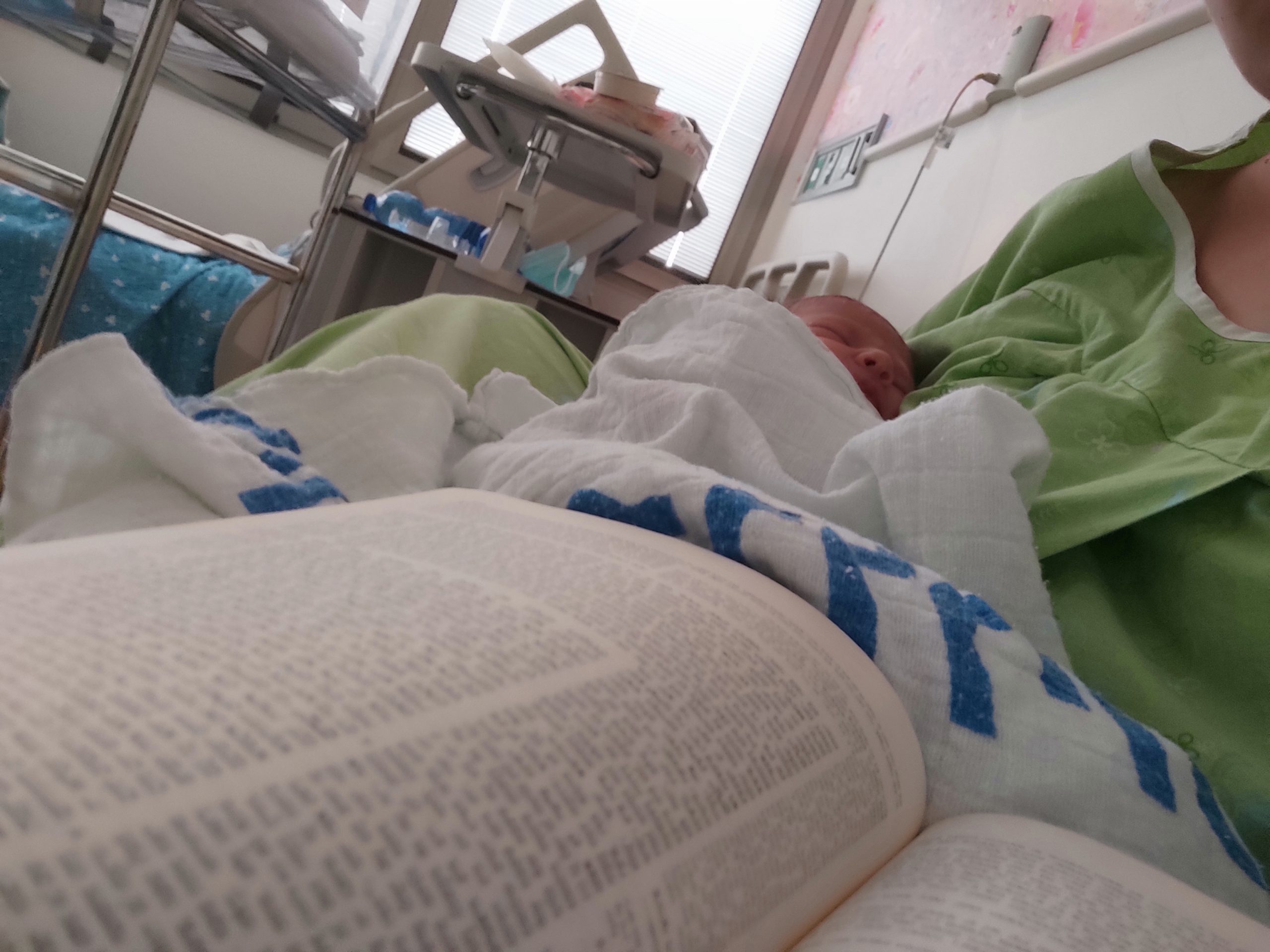
רבבה, ישראל
אחרי שראיתי את הסיום הנשי של הדף היומי בבנייני האומה זה ריגש אותי ועורר בי את הרצון להצטרף. לא למדתי גמרא קודם לכן בכלל, אז הכל היה לי חדש, ולכן אני לומדת בעיקר מהשיעורים פה בהדרן, בשוטנשטיין או בחוברות ושיננתם.

בית שמש, ישראל
ראיתי את הסיום הגדול בבנייני האומה וכל כך התרשמתי ורציתי לקחת חלק.. אבל לקח לי עוד כשנה וחצי )באמצע מסיכת שבת להצטרף..
הלימוד חשוב לי מאוד.. אני תמיד במרדף אחרי הדף וגונבת כל פעם חצי דף כשהילדים עסוקים ומשלימה אח”כ אחרי שכולם הלכו לישון..

ירושלים, ישראל
רבנית מישל הציתה אש התלמוד בלבבות בביניני האומה ואני נדלקתי. היא פתחה פתח ותמכה במתחילות כמוני ואפשרה לנו להתקדם בצעדים נכונים וטובים. הקימה מערך שלם שמסובב את הלומדות בסביבה תומכת וכך נכנסתי למסלול לימוד מעשיר שאין כמוה. הדרן יצר קהילה גדולה וחזקה שמאפשרת התקדמות מכל נקודת מוצא. יש דיבוק לומדות שמחזק את ההתמדה של כולנו. כל פניה ושאלה נענית בזריזות ויסודיות. תודה גם למגי על כל העזרה.
נתניה, ישראל
זבחים צג
בְּעָא מִינֵּיהּ רָמֵי בַּר חָמָא מֵרַב חִסְדָּא: נִיתַּז עַל בֶּגֶד טָמֵא, מַהוּ? אָמַר רַב הוּנָא בְּרֵיהּ דְּרַב יְהוֹשֻׁעַ: מִדְּקָמִיבַּעְיָא לֵיהּ הָכִי, שְׁמַע מִינַּהּ: הָיְתָה לָהּ שְׁעַת הַכּוֹשֶׁר וְנִפְסְלָה – אֵין דָּמָהּ טָעוּן כִּיבּוּס.
§ In a related matter, Rami bar Ḥama asked of Rav Ḥisda: If the blood of a sin offering sprayed onto a ritually impure garment, so that the blood became impure and unfit for presentation, what is the halakha? Does the garment require laundering? Rav Huna, son of Rav Yehoshua, said: From the fact that Rami bar Ḥama asked the question in this manner, with regard to ritually pure blood that sprayed onto an impure garment, and not with regard to blood that was already impure that sprayed onto a garment, conclude from it that he holds that even if the sin offering had a period of fitness and then was disqualified, a garment onto which its blood sprayed does not require laundering.
הָנֵי מִילֵּי בְּזֶה אַחַר זֶה, אֲבָל בְּבַת אַחַת לָא; אוֹ דִלְמָא לָא שְׁנָא? אֲמַר לֵיהּ: פְּלוּגְתָּא דְּרַבִּי אֶלְעָזָר וְרַבָּנַן אַלִּיבָּא דְרַבָּה, וְכִדְקָא מְתָרֵיץ אַבָּיֵי.
His question, therefore, is: Does this statement apply only when one event, the spraying of the blood, occurs after the other event, i.e., the disqualification of the blood? But if the spraying and the disqualification occur simultaneously, as in this case, perhaps the principle does not apply, and the garment must be laundered. Or, perhaps there is no difference whether the events occur this way or that way, and even if the offering becomes unfit only as the blood touches the garment, it still does not require laundering? Rav Ḥisda said to Rami bar Ḥama: The matter is subject to the dispute between Rabbi Elazar and the Rabbis, in accordance with the explanation of Rabba, and as Abaye resolves it.
דְּתַנְיָא, רַבִּי אֶלְעָזָר אוֹמֵר: מֵי חַטָּאת שֶׁנִּטְמְאוּ – מְטַהֲרִין, שֶׁהֲרֵי נִדָּה מַזִּין עָלֶיהָ.
The Gemara elaborates: As it is taught in a baraita: Rabbi Elazar says: With regard to water of purification, which has been sanctified by the ashes of the red heifer, even if the water is rendered impure it nevertheless performs its function and purifies a person from the ritual impurity imparted by a corpse. This is evident because those performing the rite would sprinkle water of purification even on a menstruating woman who has been rendered impure by a corpse. Although her menstruation impurity renders the water of purification impure when it touches her, it is effective in removing the ritual impurity imparted by a corpse. Rabbi Elazar’s opinion is in opposition to that of the Rabbis.
וְאָמַר רַבָּה: רַבִּי אֶלְעָזָר בְּשִׁיטַת רַבִּי עֲקִיבָא רַבּוֹ אֲמָרָהּ, דְּאָמַר: הַעֲבָרַת כְּלִי עַל גַּבֵּי מָקוֹם טָמֵא – כְּמוּנָּח דָּמֵי.
And concerning this dispute, Rabba says: Although it would seem that the water of purification applied to a menstruating woman does not become impure until it touches her, the case may still provide precedent for all water of purification that has become impure, as follows: Rabbi Elazar stated his opinion in accordance with the opinion of his teacher Rabbi Akiva, who says that passing a vessel containing water of purification over the place where a ritually impure item is renders the vessel considered as if resting there, so that the water becomes impure. Consequently, just as the water of purification is effective for the menstruating woman although it has become impure when hovering above her, water of purification always remains effective after having contracted ritual impurity.
דִּתְנַן: הָיָה עוֹמֵד חוּץ לַתַּנּוּר וְשֶׁרֶץ בַּתַּנּוּר, וְהוֹשִׁיט יָדוֹ לַחַלּוֹן וְנָטַל אֶת הַלָּגִין וְהֶעֱבִירוֹ עַל פִּי תַנּוּר – רַבִּי עֲקִיבָא מְטַמֵּא וַחֲכָמִים מְטַהֲרִין. וּבְהָא פְּלִיגִי – דְּרַבִּי עֲקִיבָא סָבַר: כְּמוּנָּח דָּמֵי, וְרַבָּנַן סָבְרִי: לָאו כְּמוּנָּח דָּמֵי.
That is Rabbi Akiva’s opinion, as we learned in a mishna (Para 10:5): There is a dispute with regard to the case of a ritually pure person who was standing beyond an oven, which stood between him and the wall, and a carcass of a creeping animal, which imparts impurity, was in the oven; and the person stretched out his hand to the window and took the jug [halagin] containing water of purification and passed it over the opening of the oven. Rabbi Akiva deems the water of purification impure, although the jug has merely passed over the oven’s opening and has not come to rest on it, and the Rabbis deem the water pure. And according to Rabba, in this manner do they disagree: That Rabbi Akiva holds that the jug is considered as if resting on the opening of the oven, and the Rabbis hold that the jug is not considered as if resting there.
וְאֵיתִיבֵיהּ אַבָּיֵי: מוֹדֶה רַבִּי עֲקִיבָא בְּהַזָּאָה שֶׁהֶעֱבִירָהּ עַל כְּלֵי חֶרֶס טָמֵא עַל גַּבֵּי מִשְׁכָּב וּמוֹשָׁב טָמֵא – שֶׁהִיא טְהוֹרָה; שֶׁאֵין לְךָ דָּבָר שֶׁמְּטַמֵּא לְמַעְלָה כִּלְמַטָּה, אֶלָּא כְּזַיִת מִן הַמֵּת וּשְׁאָר כׇּל הַמַּאֲהִילִין. לְאֵיתוֹיֵי אֶבֶן הַמְנוּגַּעַת!
And Abaye raised an objection to Rabba’s interpretation from a baraita (Tosefta, Para 10:6): Although he deems the water of purification impure in the previous case, Rabbi Akiva concedes that in the act of sprinkling, in which the person passed the water of purification over an impure earthenware vessel or over an impure item designated for lying or sitting, the water remains pure. This is so because there is nothing that renders impure all that is in the airspace directly above it, like anything below that touches it, other than an olive-bulk from a corpse and all other items which impart ritual impurity to those items which overlie them, including a stone marked with leprosy. Such a stone also imparts overlying impurity, rendering impure anything under the same roof or, if there is no roof, in the airspace directly above it up to the sky.
אֶלָּא אָמַר אַבָּיֵי: דְּכוּלֵּי עָלְמָא – לָאו כְּמוּנָּח דָּמֵי; וְהָכָא בְּהָא קָמִיפַּלְגִי: דְּרַבִּי עֲקִיבָא סָבַר גָּזְרִינַן שֶׁמָּא יָנוּחַ, וְרַבָּנַן סָבְרִי לָא גָּזְרִינַן. וּמוֹדֶה רַבִּי עֲקִיבָא בְּהַזָּאָה – כֵּיוָן דִּנְפַק נְפַק.
Rather, Abaye said: Everyone agrees that a vessel containing water of purification passing over an item that is ritually impure is not considered as if it is resting on it. And here, with regard to the jug being taken over the oven, they disagree about this: Rabbi Akiva holds that we decree that the vessel contracts impurity by rabbinic law, since perhaps a vessel carried above an impure item will come to rest directly on that impure item. And the Rabbis hold: We do not decree that the vessel contracts impurity in such a case. And Rabbi Akiva concedes that in the act of sprinkling, while the water passes over an impure item, once it has set forth into the air, it has set forth. Since the water has left the person’s hand, the person cannot leave it to rest upon an impure item.
וְרַבִּי אֶלְעָזָר וְרַבָּנַן בְּמַאי קָמִיפַּלְגִי? אָמַר אַבָּיֵי: בְּדָנִין טוּמְאָה קְדוּמָה מִטּוּמְאָה שֶׁבְּאוֹתָהּ שָׁעָה קָמִיפַּלְגִי –
The Gemara asks: If so, Rabbi Akiva and the Rabbis would agree that the water of purification does not become impure before touching a menstruating woman. And, if so, then Rabbi Elazar and the Rabbis, who disagree as to whether impure water of purification renders one pure, with regard to what case do they disagree? Abaye said: They disagree with regard to whether one may derive the halakha of impurity rendered earlier, before sprinkling the water of purification, from the halakha of impurity rendered at that very moment that the purification occurs, as in the case of the menstruating woman.
מָר סָבַר דָּנִין, וּמַר סָבַר אֵין דָּנִין.
One Sage, Rabbi Elazar, holds: One derives the halakha in this manner, and, therefore, the water effects purification even if the water has become impure first. And one Sage, the Rabbis, holds that one does not derive this halakha. Therefore, Rav Ḥisda’s answer to Rami bar Hama is that, according to the opinion of Rabbi Elazar, if the impurity occurs in the moment that the sin offering’s blood touches the impure garment, the halakha is the same as it is when the blood has become impure before reaching the garment. In both cases, the garment is exempt from laundering. According to the opinion of the Rabbis, the halakha is not the same in both cases: If the blood becomes impure at the very moment it reaches the garment, laundering is required.
רָבָא אֲמַר: דְּכוּלֵּי עָלְמָא אֵין דָּנִין;
Rava said: The case of sprinkling water of purification upon a menstruating woman has no bearing upon the case of the sprayed garment, as everyone holds that one does not derive the halakha of impurity incurred earlier from the halakha of impurity incurred at that very moment.
וְהָכָא בְּהָא קָמִיפַּלְגִי – דְּרַבִּי אֶלְעָזָר סָבַר: הַזָּאָה צְרִיכָה שִׁיעוּר, וּמִצְטָרְפִין לְהַזָּאוֹת; וְרַבָּנַן סָבְרִי: הַזָּאָה אֵין צְרִיכָה שִׁיעוּר.
Rava continues: But here, with regard to the precedent of the menstruating woman, they disagree about this: Rabbi Elazar holds that sprinkling the water of purification requires a specific measure of the water, but sprinklings of small quantities combine to constitute sprinklings of the required measure. Therefore, if the initial sprinkling on the woman does not contain a sufficient measure of water, the small quantity of water of purification first becomes impure, but it later combines with the subsequent sprinkling to purify her. Consequently, water of purification that has already become impure may effect purification. But the Rabbis hold that sprinkling of the water does not require a measure. Accordingly, the woman is purified by the initial sprinkling, although the purification water becomes impure at the very moment that it reaches her; and this does not have any bearing on a case in which the purification water is impure before it touches the person upon whom it is sprinkled.
חַטָּאת פְּסוּלָה כּוּ׳. תָּנוּ רַבָּנַן: ״מִדָּמָהּ״ – מִדַּם כְּשֵׁירָה וְלֹא מִדַּם פְּסוּלָה. רַבִּי עֲקִיבָא אוֹמֵר: הָיְתָה לָהּ שְׁעַת הַכּוֹשֶׁר וְנִפְסְלָה – דָּמָהּ טָעוּן כִּיבּוּס, לֹא הָיְתָה לָהּ שְׁעַת הַכּוֹשֶׁר וְנִפְסְלָה – אֵין דָּמָהּ טָעוּן כִּיבּוּס.
§ The mishna teaches: With regard to a disqualified sin offering, a garment on which its blood is sprayed does not require laundering, whether the offering had a moment of qualification when its blood was fit for sprinkling or whether it did not have a moment of qualification. The Sages taught in a baraita: With regard to a garment on which the blood of a sin offering sprayed, the verse states: “And when any of its blood shall be sprinkled on a garment” (Leviticus 6:20), teaching that laundering is required when some of the blood of a fit sin offering is sprayed on the garment, but this is not so in the case of the blood of a disqualified sin offering. Rabbi Akiva says: If the sin offering had a period of fitness and then was disqualified, a garment onto which its blood sprayed still requires laundering. If it did not have a period of fitness at all and was then disqualified, a garment onto which its blood sprayed does not require laundering.
וְרַבִּי שִׁמְעוֹן אוֹמֵר: אֶחָד זֶה וְאֶחָד זֶה, אֵין דָּמָהּ טָעוּן כִּיבּוּס. מַאי טַעְמָא דְּרַבִּי שִׁמְעוֹן? כְּתִיב ״אֹתָהּ״, וּכְתִיב ״מִדָּמָהּ״ – חַד לְהֵיכָא דְּהָיְתָה לוֹ שְׁעַת הַכּוֹשֶׁר.
And Rabbi Shimon says: With regard to both this sin offering that had a period of fitness and that sin offering that did not, a garment onto which its blood sprayed does not require laundering. What is the reasoning of Rabbi Shimon? The Gemara answers: It is written in the Torah with regard to laundering the blood of a sin offering: “Every male among the priests may eat it” (Leviticus 6:22), and only it. And it is written earlier in that same section: “Of its blood” (Leviticus 6:20), but not all its blood. Therefore, there are two exclusionary terms; one excludes laundering for the situation where the unfit offering had a period of fitness, and the other excludes a situation in which the offering did not have a period of fitness.
וְרַבִּי עֲקִיבָא – ״אֹתָהּ״ פְּרָט לִתְרוּמָה. וְרַבִּי שִׁמְעוֹן לְטַעְמֵיהּ, דְּאָמַר: קָדָשִׁים קַלִּים אֵין טְעוּנִין מְרִיקָה וּשְׁטִיפָה – וְכׇל שֶׁכֵּן תְּרוּמָה.
The Gemara asks: And how does Rabbi Akiva interpret these verses? From the term “of its blood” he derives that the offering that has no period of fitness is excluded. The exclusion indicated by the word “it” teaches that the requirement for scouring and rinsing a copper vessel in which sacred food was cooked excludes teruma, i.e., scouring and rinsing is not required for a vessel in which teruma was cooked. And rejecting Rabbi Akiva’s understanding, Rabbi Shimon conforms to his line of reasoning, as he says: Offerings of lesser sanctity do not require scouring and rinsing as explained on 96b, and all the more so does teruma not require this. Consequently, Rabbi Shimon does not need a verse to exclude teruma, and he interprets the verse to exclude both a sin offering that had a period of fitness and a sin offering that did not have a period of fitness.
מַתְנִי׳ נִיתַּז מִן הַצַּוָּאר עַל הַבֶּגֶד – אֵינוֹ טָעוּן כִּיבּוּס. מִן הַקֶּרֶן וּמִן הַיְסוֹד – אֵינוֹ טָעוּן כִּיבּוּס. נִשְׁפַּךְ עַל הָרִצְפָּה וַאֲסָפוֹ – אֵין טָעוּן כִּיבּוּס. אֵין טָעוּן כִּיבּוּס אֶלָּא דָּם שֶׁנִּתְקַבֵּל בִּכְלִי, וְרָאוּי לְהַזָּאָה.
MISHNA: If the blood of a sin offering sprayed from the neck of the animal onto a garment, the garment does not require laundering. If the blood was collected in a vessel and sprinkled on the altar and sprayed from the corner or from the base of the altar onto the garment, the garment does not require laundering, as the blood was already sprinkled and its mitzva was fulfilled. If the blood spilled from the neck onto the floor before it was collected in a vessel, and the priest collected the blood and it sprayed on a garment, the garment does not require laundering. It is only with regard to blood that was received in a sacred vessel and is fit for sprinkling that the garment requires laundering.
גְּמָ׳ תָּנוּ רַבָּנַן: יָכוֹל נִיתַּז מִן הַצַּוָּאר עַל הַבֶּגֶד – יְהֵא טָעוּן כִּיבּוּס? תַּלְמוּד לוֹמַר: ״אֲשֶׁר יִזֶּה״ – לֹא אָמַרְתִּי לָךְ אֶלָּא בְּרָאוּי לְהַזָּאָה. תַּנְיָא אִידַּךְ: יָכוֹל נִיתַּז מִן הַקֶּרֶן וּמִן הַיְסוֹד יְהֵא טָעוּן כִּיבּוּס? תַּלְמוּד לוֹמַר: ״אֲשֶׁר יִזֶּה״ – פְּרָט לָזֶה שֶׁכְּבָר הוּזָּה.
GEMARA: The Gemara cites sources for the halakhot mentioned in the mishna. The Sages taught in a baraita: One might have thought that if blood sprayed from the neck of the animal onto a garment, the garment should require laundering. Therefore, the verse states: “On which it shall be sprinkled” (Leviticus 6:20), which teaches: I told you that a garment requires laundering only with regard to blood which is fit for sprinkling, which must be collected in a vessel directly from the neck of the animal. It is taught in another baraita: One might have thought that if blood sprayed from the corner or from the base of the altar, the garment should require laundering. Therefore, the verse states: “On which it shall be sprinkled,” excluding that blood that was already sprinkled.
נִשְׁפַּךְ עַל הָרִצְפָּה כּוּ׳.
§ The mishna teaches: If the blood spilled from the neck onto the floor before it was collected in a vessel, and the priest collected the blood and it sprayed on a garment, the garment does not require laundering. It is only with regard to blood that was received in a sacred vessel and is fit for sprinkling that the garment requires laundering.
הָא תּוּ לְמָה לִי? מָה טַעַם קָאָמַר: מָה טַעַם נִשְׁפַּךְ עַל הָרִצְפָּה וַאֲסָפוֹ אֵין טָעוּן כִּיבּוּס – לְפִי שֶׁאֵין טָעוּן כִּיבּוּס אֶלָּא דָּם שֶׁנִּתְקַבֵּל בִּכְלִי וְרָאוּי לְהַזָּיָיה.
With regard to the statement that only blood that was collected in a vessel and is fit for sprinkling requires the laundering of the garment on which it sprayed, the Gemara asks: Why do I also need this? After all, it was already taught that if blood spilled from the neck onto the floor before it was collected in a vessel, and it sprayed on a garment, the garment does not require laundering. The Gemara answers: This is not an additional halakha, but rather the mishna is saying: What is the reason? What is the reason that if the blood spilled from the neck onto the floor before it was collected in a vessel, and the priest collected it and it sprayed on a garment, the garment does not require laundering? This is because it is only with regard to blood that was received in a sacred vessel and is fit for sprinkling that the garment requires laundering.
רָאוּי לְהַזָּאָה – לְמַעוֹטֵי מַאי? לְמַעוֹטֵי קִיבֵּל פָּחוֹת מִכְּדֵי הַזָּיָיה בִּכְלִי זֶה וּפָחוֹת מִכְּדֵי הַזָּיָיה בִּכְלִי זֶה.
§ The mishna teaches: It is only with regard to blood that was received in a sacred vessel and is fit for sprinkling that the garment requires laundering. The Gemara asks: As it was already taught that when disqualified blood is sprayed on a garment, it does not require laundering, this reiteration serves to exclude what? The Gemara answers: It serves to exclude the case where a priest received less blood than is sufficient for sprinkling in this vessel, and less than is sufficient for sprinkling in that vessel, and then he mixed together the blood from the two vessels. In such a case, even though the combined amount is now enough for sprinkling, the blood did not become fit for sprinkling.
דְּתַנְיָא, רַבִּי חֲלַפְתָּא בַּר שָׁאוּל אוֹמֵר: קִידֵּשׁ פָּחוֹת מִכְּדֵי הַזָּיָיה בִּכְלִי זֶה וּפָחוֹת מִכְּדֵי הַזָּיָיה בִּכְלִי זֶה – לֹא קִידֵּשׁ.
This is as it is taught in a baraita: With regard to the sanctification of water of purification, Rabbi Ḥalafta bar Shaul says: If a priest sanctified less than is sufficient for sprinkling in this vessel and less than is sufficient for sprinkling in that vessel, and he then mixed together the water from the two vessels, he has not sanctified it to become water of purification.
אִיבַּעְיָא לְהוּ: בְּדָם מַהוּ? הִלְכְתָא הִיא, וּמֵהִלְכְתָא לָא גָּמְרִינַן;
In a related issue, a dilemma was raised before the Sages: If a priest did this for the blood of an internal sin offering, collecting less than is sufficient for sprinkling in each vessel and then mixing all the blood together, what is the halakha? Is Rabbi Ḥalafta’s statement about the water of purification a halakha transmitted to Moses from Sinai, and we do not learn from such a halakha an application to a different matter?
אוֹ דִלְמָא, הָתָם מַאי טַעְמָא – דִּכְתִיב ״וְטָבַל בַּמַּיִם״, הָכָא נָמֵי כְּתִיב ״וְטָבַל בַּדָּם״.
Or, perhaps: What is the reason there, that the combined water of purification is not fit for sprinkling? It may be because it is written about sprinkling the water: “And dip it in the water” (Numbers 19:18), stressing that it is to be dipped in precisely the same water that was first placed in the vessel. This indicates that from the outset there must be an amount sufficient for sprinkling. If so, then here also there is comparable language employed with regard to the blood of a sin offering. It is written: “And the priest shall dip his finger in the blood, and sprinkle of the blood” (Leviticus 4:6). Does this prove that from the outset there must be sufficient blood for sprinkling?
תָּא שְׁמַע, דְּאָמַר רַבִּי זְרִיקָא אָמַר רַבִּי אֶלְעָזָר: אַף בְּדָם – לֹא קִידֵּשׁ.
The Gemara suggests: Come and hear a proof, as Rabbi Zerika says that Rabbi Elazar says: Even in the case of the blood of a sin offering, if one collected two insufficient amounts and then mixed them together, he did not sanctify the blood to make it fit for sprinkling on the altar, and therefore, if it sprays on a garment, one is not required to launder the garment.
אָמַר רָבָא, תַּנְיָא: ״וְטָבַל״ – וְלֹא מְסַפֵּג. ״בַּדָּם״ – עַד שֶׁיְּהֵא בַּדָּם שִׁיעוּר טְבִילָה מֵעִיקָּרוֹ. ״מִן הַדָּם״ – מִן הַדָּם שֶׁבָּעִנְיָן.
§ Rava says: It is taught in a baraita with regard to the internal sin offering, whose blood is sprinkled in the Sanctuary: The verse states: “And the priest shall dip his finger in the blood, and sprinkle of the blood” (Leviticus 4:6); and there must be enough blood in the vessel for the priest to dip his finger in it so that he does not need to wipe blood from the sides or the bottom of the vessel onto his finger. The verse states: “In the blood,” teaching that the blood is unfit for sprinkling unless there is a measure of the blood fit for dipping in the vessel from the outset, and the blood is disqualified if more blood is added to a vessel that initially contained less than the required measure. The verse states: “Sprinkle of the blood,” which teaches that he must sprinkle of the blood that is mentioned in this matter, which is the blood in the vessel.
וְאִיצְטְרִיךְ לְמִיכְתַּב ״בַּדָּם״; דְּאִי כְּתַב רַחֲמָנָא ״וְטָבַל״, הֲוָה אָמֵינָא אַף עַל פִּי דְּלֵיכָּא שִׁיעוּר טְבִילָה מֵעִיקָּרוֹ; כְּתַב [רַחֲמָנָא] ״בַּדָּם״.
And it was necessary for the Torah to write the term: “In the blood,” as well as the term: “And the priest shall dip.” As, had the Merciful One written only: “And the priest shall dip,” I would say that if there is sufficient blood at the time of dipping, even though there was not a measure of blood fit for dipping in the vessel from the beginning, it is nevertheless fit for dipping. Therefore, the Merciful One writes: “In the blood,” to teach that there must be sufficient blood from the beginning.
וְאִי כְּתַב רַחֲמָנָא ״בַּדָּם״, הֲוָה אָמֵינָא אֲפִילּוּ מְסַפֵּג; כְּתַב רַחֲמָנָא ״וְטָבַל״.
And if the Merciful One had written only: “In the blood,” I would say that if at the beginning there was an appropriate measure of blood, it is not necessary for the vessel to retain a measure of enough blood throughout the whole rite, and even if he eventually wipes blood off of the vessel onto his finger, it is sufficient for sprinkling. Therefore, the Merciful One writes: “And the priest shall dip,” to teach that there must remain enough blood to dip his finger each time.
מִן הַדָּם שֶׁבְּעִנְיָן – לְמַעוֹטֵי מַאי? אָמַר רָבָא: לְמַעוֹטֵי שִׁירַיִים שֶׁבָּאֶצְבַּע. מְסַיַּיע לְרַבִּי אֶלְעָזָר, דְּאָמַר רַבִּי אֶלְעָזָר: שִׁירַיִים שֶׁבָּאֶצְבַּע – פְּסוּלִין.
The cited baraita states: The verse states: “Sprinkle of the blood,” which teaches that he must sprinkle of the blood that is mentioned in this matter, which is the blood in the vessel. The Gemara asks: In order to exclude what was this mentioned? Rava said: This serves to exclude the remainder of the blood that is on the priest’s finger after sprinkling, which may not be used for further sprinkling, as he must dip his finger in the blood again for each sprinkle. Rava continues: This supports the opinion of Rabbi Elazar, as Rabbi Elazar says: The remainder of the blood that is on the priest’s finger after sprinkling is unfit for further sprinkling.
אֲמַר לֵיהּ רָבִין בַּר רַב אַדָּא לְרַב: אָמַר תַּלְמִידְךָ, אָמַר רַב עַמְרָם, תְּנֵינָא: הָיָה מַזֶּה וְנִיתְּזָה הַזָּאָה מִיָּדוֹ – עַד שֶׁלֹּא הִזָּה, טָעוּן כִּיבּוּס. מִשֶּׁהִזָּה, אֵין טָעוּן כִּיבּוּס.
Ravin bar Rav Adda said to Rav, i.e., Rava: Your student says that Rav Amram says: We already learn a baraita opposing Rabbi Elazar’s opinion: If a priest was sprinkling the blood of an internal sin offering, and a sprinkle sprayed from his hand onto a garment, the halakha depends on the circumstances. If it sprayed before he sprinkled, the garment requires laundering, but if it sprayed once he has sprinkled, it does not require laundering.
מַאי, לָאו הָכִי קָאָמַר: עַד שֶׁלֹּא גָּמַר מִלְּהַזּוֹת – טָעוּן כִּיבּוּס, מִשֶּׁגָּמַר לְהַזּוֹת – אֵין טָעוּן כִּיבּוּס? לָא; הָכִי קָאָמַר: עַד שֶׁלֹּא יָצְתָה הַזָּאָה מִיָּדוֹ – טָעוּן כִּיבּוּס, מִשֶּׁיָּצְתָה הַזָּאָה מִיָּדוֹ – אֵין טָעוּן כִּיבּוּס.
Ravin bar Rav Adda explains: What, is it not this that the baraita is saying: If the blood sprayed on a garment before the priest concluded sprinkling, the garment requires laundering, even if it sprayed from the remainder on his finger; but if it sprayed once the priest has concluded sprinkling, it does not require laundering? This indicates that blood sprayed from the remainder on his finger requires laundering, so it must be fit for sprinkling. Rava replied: No, this is what the baraita is saying: If the blood sprayed on a garment before the sprinkling has left his hand, it requires laundering, but if it sprayed once the sprinkling has left his hand, the remainder on his finger does not require laundering if it then sprays onto a garment.
אֵיתִיבֵיהּ אַבָּיֵי: גָּמַר מִלְּהַזּוֹת – מְקַנֵּחַ יָדוֹ בְּגוּפָהּ שֶׁל פָּרָה. גָּמַר אִין, לֹא גָּמַר לָא! אֲמַר לֵיהּ: גָּמַר – מְקַנֵּחַ יָדוֹ בְּגוּפָהּ שֶׁל פָּרָה, לֹא גָּמַר – מְקַנֵּחַ אֶצְבָּעוֹ.
Abaye raised an objection to Rabbi Elazar’s opinion from what is taught about sprinkling the blood of the red heifer in a mishna (Para 3:9): When the priest has concluded sprinkling the blood, he wipes his hand on the body of the red heifer. Evidently, if he concluded sprinkling, yes, he does wipe his hand; but if he did not conclude sprinkling, he does not wipe his hand, even though a remainder is left on his finger. Evidently, this remainder is fit for sprinkling. Rava said to him: The mishna is to be understood otherwise: If he concluded sprinkling, he wipes his entire hand on the body of the red heifer; but if he has not concluded sprinkling, he wipes only his finger after each sprinkling.
בִּשְׁלָמָא גָּמַר – מְקַנֵּחַ יָדוֹ בְּגוּפָהּ שֶׁל פָּרָה, שֶׁנֶּאֱמַר: ״וְשָׂרַף אֶת הַפָּרָה לְעֵינָיו״. אֶלָּא אֶצְבָּעוֹ – בְּמַאי מְקַנֵּחַ? אָמַר אַבָּיֵי: בִּשְׂפַת מִזְרָק, כְּדִכְתִיב: ״כְּפוֹרֵי זָהָב״.
The Gemara asks: Granted, if he concluded sprinkling, he wipes his hand on the body of the red heifer, as it is stated: “And the heifer shall be burned in his sight; its skin, and its flesh, and its blood” (Numbers 19:5), indicating that the remaining blood must be incinerated together with the flesh. But on what does he wipe his finger after each sprinkling, since he must not wipe it on the body of the heifer, which might cause hair to stick to his finger, interfering with the sprinkling? Abaye said: He wipes his finger on the lip of the bowl holding the blood for sprinkling, as it is written: “Atoning bowls [keforei] of gold” (Ezra 1:10). The atoning bowls are so named because the priest wipes his finger on them, and the word keforei indicates cleansing by way of wiping (see Ḥullin 8b).
מַתְנִי׳ נִיתַּז עַל הָעוֹר עַד שֶׁלֹּא הוּפְשַׁט – אֵינוֹ טָעוּן כִּיבּוּס, מִשֶּׁהוּפְשַׁט – טָעוּן כִּיבּוּס. דִּבְרֵי רַבִּי יְהוּדָה.
MISHNA: Apropos laundering the blood of a sin offering from garments onto which it sprayed, the mishna discusses what is considered a garment. If the blood of a sin offering sprayed onto the hide of an animal before it was flayed from the animal, the hide does not require laundering, because its status is not that of a garment, which is susceptible to ritual impurity. If the blood sprayed onto the hide after it was flayed, it requires laundering; this is the statement of Rabbi Yehuda.
רַבִּי אֶלְעָזָר אוֹמֵר: אַף מִשֶּׁהוּפְשַׁט; אֵינוֹ טָעוּן כִּיבּוּס אֶלָּא מְקוֹם הַדָּם, וְדָבָר שֶׁהוּא רָאוּי לְקַבֵּל טוּמְאָה, וְרָאוּי לְכִיבּוּס.
Rabbi Elazar says: Even if the blood sprayed onto the hide after it was flayed, it does not require laundering until it is crafted into a vessel or garment that is actually susceptible to ritual impurity. This is the principle with regard to laundering: A garment must be laundered only in the place where the blood was sprayed, and only if it is an item that is fit to become ritually impure, and only if it is an item fit for laundering.
אֶחָד הַבֶּגֶד וְאֶחָד הַשַּׂק וְאֶחָד הָעוֹר – טְעוּנִין כִּיבּוּס; וְהַכִּיבּוּס בְּמָקוֹם קָדוֹשׁ, וּשְׁבִירַת כְּלִי חֶרֶס בְּמָקוֹם קָדוֹשׁ, וּמְרִיקָה וּשְׁטִיפָה בִּכְלִי נְחוֹשֶׁת בִּמְקוֹם קָדוֹשׁ. זֶה חוֹמֶר בְּחַטָּאת מִקׇּדְשֵׁי קָדָשִׁים.
With regard to the garment mentioned explicitly in the Torah, and the sackcloth, and the hide, all of these require laundering. And the laundering must be performed in a sacred place, the Temple courtyard, and the breaking of an earthenware vessel in which a sin offering was cooked must be performed in a sacred place, and scouring and rinsing of a copper vessel in which a sin offering was cooked must be performed in a sacred place. With regard to this matter, a stringency applies to a sin offering more than it applies to offerings of the most sacred order.
גְּמָ׳ מְנָהָנֵי מִילֵּי? דְּתָנוּ רַבָּנַן: ״בֶּגֶד״ – אֵין לִי אֶלָּא בֶּגֶד, מִנַּיִן לְרַבּוֹת עוֹר מִשֶּׁהוּפְשַׁט? תַּלְמוּד לוֹמַר: ״אֲשֶׁר יִזֶּה עָלֶיהָ תְּכַבֵּס״.
GEMARA: With regard to blood sprayed on a flayed hide, from where are these matters, i.e., the divergent opinions of Rabbi Yehuda and Rabbi Elazar, derived? The Gemara explains: They are derived as the Sages taught in a baraita: It is stated with regard to laundering: “And when any of its blood shall be sprinkled on a garment” (Leviticus 6:20). I have derived only a garment; from where do I include an animal’s hide after it was flayed? The same verse states: “You shall launder that on which it shall be sprinkled,” to include any item on which the blood sprayed.
יָכוֹל שֶׁאֲנִי מְרַבֶּה עוֹר עַד שֶׁלֹּא הוּפְשַׁט? תַּלְמוּד לוֹמַר ״בֶּגֶד״ – מָה בֶּגֶד הָרָאוּי לְקַבֵּל טוּמְאָה, אַף כֹּל הָרָאוּי לְקַבֵּל טוּמְאָה. דִּבְרֵי רַבִּי יְהוּדָה.
One might have thought that I would include a hide even before it was flayed. To counter this, the verse states: “Garment.” Consequently, just as any manner of garment is an item fit to become ritually impure if one intends to use it, e.g., making it a patch for his clothing, so too the requirement of laundering applies to any item that becomes fit to become ritually impure when one intends to use it as is. A hide is fit to become ritually impure after it has been flayed, when one intends to use it for a rug or the like; this is the statement of Rabbi Yehuda.
רַבִּי אֶלְעָזָר אוֹמֵר: ״בֶּגֶד״ – אֵין לִי אֶלָּא בֶּגֶד, מִנַּיִן לְרַבּוֹת שַׂק
Rabbi Elazar holds that, even after it is flayed, the hide does not require laundering. In interpreting the verse, he says: The verse states: “Garment,” and from this I have derived only a garment; from where do I include sackcloth

