






הלימוד החודש מוקדש ע”י מרכי גלזר לע”נ רחל אביבה בת דבורה חנה
רוצה להקדיש שיעור?

כלים
הלימוד החודש מוקדש ע”י מרכי גלזר לע”נ רחל אביבה בת דבורה חנה
עבודה זרה מא
אָמַר רַבָּה: מַחְלוֹקֶת בְּשֶׁל כְּפָרִים, אֲבָל בְּשֶׁל כְּרַכִּים — דִּבְרֵי הַכֹּל מוּתָּרִין, מַאי טַעְמָא? לְנוֹי עָבְדִי לְהוּ.
Rabba says: The dispute between Rabbi Meir and the Rabbis is only with regard to statues that are erected in villages. But with regard to those that are erected in cities, all agree that they are permitted, i.e., that it is permitted to derive benefit from them. What is the reason? It is because they were fashioned for ornamental purposes and not for worship.
וְדִכְפָרִים, מִי אִיכָּא לְמַאן דְּאָמַר לְנוֹי קָעָבְדִי לְהוּ? דִּכְפָרִים וַדַּאי לְמִיפְלְחִינְהוּ עָבְדִי לְהוּ!
The Gemara asks: But with regard to those erected in villages, is there anyone who says that they are fashioned for ornamental purposes? Those in villages were certainly fashioned for idol worship. How, then, can the Rabbis maintain that such statues are permitted?
אֶלָּא אִי אִתְּמַר, הָכִי אִתְּמַר: אָמַר רַבָּה: מַחְלוֹקֶת בְּשֶׁל כְּרַכִּים, אֲבָל בְּשֶׁל כְּפָרִים — דִּבְרֵי הַכֹּל אֲסוּרִים.
The Gemara answers: Rather, if such a distinction was stated, this is what was stated: Rabba says that the dispute between Rabbi Meir and the Rabbis is only with regard to statues that are erected in cities, where they may have been fashioned simply for ornamental purposes. But with regard to those erected in villages, all agree that they are used for idol worship and are therefore forbidden.
וַחֲכָמִים אוֹמְרִים: אֵינָן אֲסוּרִין וְכוּ׳. מַקֵּל — שֶׁרוֹדֶה אֶת עַצְמוֹ תַּחַת כָּל הָעוֹלָם כּוּלּוֹ כְּמַקֵּל, צִפּוֹר — שֶׁתּוֹפֵשׂ אֶת עַצְמוֹ תַּחַת כָּל הָעוֹלָם כּוּלּוֹ כְּצִפּוֹר, כַּדּוּר — שֶׁתּוֹפֵשׂ אֶת עַצְמוֹ תַּחַת כָּל הָעוֹלָם כּוּלּוֹ כְּכַדּוּר.
§ The mishna teaches: And the Rabbis say: The only statues that are forbidden are: Any statue that has in its hand a staff, or a bird, or an orb, as these are indications that this statue is designated for idolatry. The Gemara explains that each of these items symbolizes the statue’s supposed divinity, indicating its dominion over the world: A staff symbolizes dominion as the idol rules itself under the entire world, i.e., it rules the entire world, like one rules over an animal with a staff. A bird symbolizes dominion as the idol grasps itself under the entire world, i.e., it grasps the entire world, as one grasps a bird in his hand. An orb symbolizes dominion as the idol grasps itself under the entire world, i.e., it grasps the entire world, as one grasps a ball in his hand.
תָּנָא, הוֹסִיפוּ עֲלֵיהֶן: סַיִיף, עֲטָרָה, וְטַבַּעַת.
The Sages taught in the Tosefta (6:1) that they added the following to the list of items that, when added to a statue, indicate that it is worshipped as an idol: A sword in its hand, a crown on its head, and a ring on its finger.
סַיִיף — מֵעִיקָּרָא סְבוּר לִסְטִים בְּעָלְמָא, וּלְבַסּוֹף סְבוּר שֶׁהוֹרֵג אֶת עַצְמוֹ תַּחַת כָּל הָעוֹלָם כּוּלּוֹ.
The Gemara explains why these items were initially believed to be insignificant and were later understood as symbolizing idol worship. With regard to a statue holding a sword, the Sages initially thought that this merely indicates that it is a statue of a bandit. But in the end they reasoned that it symbolizes the notion that the idol has the power to kill itself under the whole world, i.e., to kill the entire world.
עֲטָרָה — מֵעִיקָּרָא סְבוּר גָּדֵיל כְּלִילֵי בְּעָלְמָא, וּלְבַסּוֹף סְבוּר כַּעֲטָרָה לַכֶּלֶב. טַבַּעַת — מֵעִיקָּרָא סְבוּר אִישְׁתְּיָימָא בְּעָלְמָא, וּלְבַסּוֹף סְבוּר שֶׁחוֹתֵם אֶת עַצְמוֹ תַּחַת כָּל הָעוֹלָם כּוּלּוֹ לְמִיתָה.
With regard to a crown, the Sages initially thought that it is merely a woven wreath. But in the end they reasoned that it is like the crown of a king. With regard to a ring, the Sages initially thought that this merely symbolizes the bearer of a signet ring [ishtayema]. But in the end they reasoned that it is symbolic of the idol’s supposed ability to seal its fate under the whole world, i.e., to seal the fate of the entire world, for death.
רַבָּן שִׁמְעוֹן בֶּן גַּמְלִיאֵל כּוּ׳. תָּנָא: אֲפִילּוּ צְרוֹר, אֲפִילּוּ קֵיסָם.
§ The mishna teaches that Rabban Shimon ben Gamliel says: It is prohibited to derive benefit even from any statue that has any item whatsoever in its hand. The Sages taught in a baraita: It is prohibited to derive benefit from a statue even if it is merely holding a stone, or even a twig.
בָּעֵי רַב אָשֵׁי: תָּפַשׂ בְּיָדוֹ צוֹאָה, מַהוּ? מִי אָמְרִינַן כּוּלֵּי עָלְמָא זִילוּ בְּאַפֵּיהּ כִּי צוֹאָה, אוֹ דִילְמָא הוּא מִיהוּ דְּזִיל בְּאַפֵּי כּוּלֵּי עָלְמָא כְּצוֹאָה? תֵּיקוּ.
Rav Ashi raises a dilemma: If the idol is grasping excrement in its hand, what is the halakha? Is this meant to honor the statue, indicating that it is an object of idol worship? Do we say that the statue is forbidden, as this indicates that the entire world is inferior to it like excrement, or perhaps does this indicate that the idol itself is inferior to the entire world like excrement? The Gemara concludes: The question shall stand unresolved.
מַתְנִי׳ הַמּוֹצֵא שִׁבְרֵי צְלָמִים, הֲרֵי אֵלּוּ מוּתָּרִין. מָצָא תַּבְנִית יָד אוֹ תַּבְנִית רֶגֶל, הֲרֵי אֵלּוּ אֲסוּרִין, מִפְּנֵי שֶׁכַּיּוֹצֵא בָּהֶן נֶעֱבָד.
MISHNA: In the case of one who finds unidentifiable fragments of statues, these are permitted, i.e., one may derive benefit from them. If one found an object in the figure of a hand or in the figure of a foot, these are forbidden, as objects similar to those are worshipped.
גְּמָ׳ אָמַר שְׁמוּאֵל: אֲפִילּוּ שִׁבְרֵי עֲבוֹדָה זָרָה. וְהָאֲנַן תְּנַן: שִׁבְרֵי צְלָמִים!
GEMARA: Shmuel says: It is permitted to derive benefit even from fragments of objects that have been seen used in idol worship. The Gemara asks: But didn’t we learn in the mishna that fragments of nondescript statues are permitted? This indicates that it is prohibited to derive benefit from fragments of idols that were known to be worshipped.
הוּא הַדִּין דַּאֲפִילּוּ שִׁבְרֵי עֲבוֹדָה זָרָה, וְהָא דְּקָתָנֵי שִׁבְרֵי צְלָמִים — מִשּׁוּם דְּקָבָעֵי לְמִיתְנֵא סֵיפָא: מָצָא תַּבְנִית יָד תַּבְנִית רֶגֶל — הֲרֵי אֵלּוּ אֲסוּרִין, מִפְּנֵי שֶׁכַּיּוֹצֵא בָּהֶן נֶעֱבָד.
The Gemara answers: The mishna means that fragments of statues are permitted, and the same is true even of fragments of objects of idol worship. And that which is taught in the mishna: Fragments of statues, is not meant to exclude fragments of idols. Rather, this expression is used because the mishna sought to teach in the last clause: If one found an object in the figure of a hand or in the figure of a foot, these are forbidden, even if they are not known to be objects of idol worship, as objects similar to those are worshipped. If the first clause in the mishna had referred to fragments of idols, it would have been inferred that the latter clause was referring specifically to the figure of a hand or foot that was known to have been worshipped, and that otherwise such figures would not be forbidden.
תְּנַן: מָצָא תַּבְנִית יָד תַּבְנִית רֶגֶל — הֲרֵי אֵלּוּ אֲסוּרִין, מִפְּנֵי שֶׁכַּיּוֹצֵא בּוֹ נֶעֱבָד. אַמַּאי?
We learned in the mishna: If one found an object in the figure of a hand or in the figure of a foot, these are forbidden, as objects similar to those are worshipped. The Gemara asks: Why?
וְהָא שְׁבָרִים נִינְהוּ! תַּרְגְּמַהּ שְׁמוּאֵל: בְּעוֹמְדִין עַל בְּסִיסָן.
But aren’t they fragments of idols, which are permitted according to Shmuel? The Gemara answers that Shmuel interpreted the mishna as follows: It is referring to a case where these objects that are in the figure of a hand or a foot are standing on their pedestals, which shows that they were designed this way initially and are not merely fragments.
אִתְּמַר: עֲבוֹדָה זָרָה שֶׁנִּשְׁתַּבְּרָה מֵאֵילֶיהָ, רַבִּי יוֹחָנָן אָמַר: אֲסוּרָה, רַבִּי שִׁמְעוֹן בֶּן לָקִישׁ אָמַר: מוּתֶּרֶת.
§ It was stated: With regard to objects of idol worship that broke by themselves, Rabbi Yoḥanan says: It is prohibited to derive benefit from them. Rabbi Shimon ben Lakish says: It is permitted.
רַבִּי יוֹחָנָן אָמַר: אֲסוּרָה, דְּהָא לָא בָּטְלָה. רַבִּי שִׁמְעוֹן בֶּן לָקִישׁ אָמַר: מוּתֶּרֶת, מִסְּתָמָא בַּטּוֹלֵי מְבַטֵּיל לַהּ, מֵימָר אָמַר: אִיהִי נַפְשַׁהּ לָא אַצְּלָה, לְהָהוּא גַּבְרָא מַצְּלָה לֵיהּ?
The Gemara explains the sides of the dispute. Rabbi Yoḥanan says that it is prohibited, as its owner did not revoke its status as an object of idol worship. Rabbi Shimon ben Lakish says that it is permitted, as the owner presumably revoked its status as an object of idol worship, having said to himself: If the idol could not save even itself from harm, can it save that man, i.e., myself?
אֵיתִיבֵיהּ רַבִּי יוֹחָנָן לְרַבִּי שִׁמְעוֹן בֶּן לָקִישׁ: ״וְרֹאשׁ דָּגוֹן וּשְׁתֵּי כַּפּוֹת יָדָיו כְּרֻתוֹת וְגוֹ׳״, וּכְתִיב: ״עַל כֵּן לֹא יִדְרְכוּ כֹהֲנֵי דָגוֹן וְגוֹ׳״!
Rabbi Yoḥanan raised an objection to Rabbi Shimon ben Lakish from the passage in the book of Samuel recounting the downfall of the Philistine god Dagon: “And when they arose early the next morning, behold, Dagon was fallen on his face to the ground before the Ark of the Lord; and the head of Dagon and both the palms of his hands lay cut off upon the threshold; only the trunk of Dagon was left to him” (I Samuel 5:4). And from the next verse it seems that Dagon’s worshippers accorded it honor despite its destruction, as it is written: “Therefore, the priests of Dagon, and anyone who comes into Dagon’s house, do not tread on the threshold of Dagon in Ashdod until this day” (I Samuel 5:5). Evidently, when an idol breaks, its worshippers do not stop worshipping it.
אָמַר לוֹ: מִשָּׁם רְאָיָה? הָתָם שֶׁמַּנִּיחִין אֶת הַדָּגוֹן, וְעוֹבְדִין אֶת הַמִּפְתָּן, דְּאָמְרִי הָכִי: שַׁבְקֵיהּ אִיסָרֵיהּ לְדָגוֹן, וַאֲתָא אִיתֵּיב לֵיהּ עַל הַמִּפְתָּן.
Rabbi Shimon ben Lakish said to him: Is there proof from there? There, the reason people did not tread on the threshold of Dagon is that they had abandoned their worship of the Dagon and would instead worship the threshold upon which Dagon was found, as they stated this reasoning: The spirit of Dagon has left the Dagon idol and instead it came and rested upon the threshold.
אֵיתִיבֵיהּ: הַמּוֹצֵא שִׁבְרֵי צְלָמִים — הֲרֵי אֵלּוּ מוּתָּרִין. הָא שִׁבְרֵי עֲבוֹדָה זָרָה — אֲסוּרִין!
Rabbi Yoḥanan raised another objection to Rabbi Shimon ben Lakish from the mishna: In the case of one who finds fragments of statues, these are permitted. This indicates that fragments of known objects of idol worship are forbidden.
לָא תֵּימָא שִׁבְרֵי עֲבוֹדָה זָרָה אֲסוּרִין, אֶלָּא אֵימָא: הָא צְלָמִים עַצְמָן אֲסוּרִין, וּסְתָמָא כְּרַבִּי מֵאִיר.
Rabbi Shimon ben Lakish replied: Do not say that the indication is that fragments of objects of idol worship are forbidden; rather say that the indication is that full statues themselves are forbidden, and the unattributed mishna is in accordance with the opinion of Rabbi Meir, who, in the previous mishna, prohibits any statue as it is possible that it is worshipped annually.
וְרַבִּי יוֹחָנָן, מִדְּרַבִּי מֵאִיר נִשְׁמַע לְהוּ לְרַבָּנַן, לָאו אָמַר רַבִּי מֵאִיר: צְלָמִים אֲסוּרִין, שִׁבְרֵי צְלָמִים מוּתָּרִין, לְרַבָּנַן עֲבוֹדָה זָרָה נָמֵי הִיא אֲסוּרָה וּשְׁבָרֶיהָ מוּתָּרִין!
The Gemara asks: But how does Rabbi Yoḥanan refute the following logic: From the opinion of Rabbi Meir one can learn a detail with regard to the opinion of the Rabbis. Doesn’t Rabbi Meir say that statues are forbidden, while fragments of statues are permitted? From this, one can derive that this is true according to the Rabbis as well with regard to objects of idol worship: The object itself is forbidden, but its fragments are permitted.
הָכִי הַשְׁתָּא? הָתָם אֵימַר עֲבָדוּם אֵימַר לֹא עֲבָדוּם, וְאִם תִּמְצֵי לוֹמַר עֲבָדוּם — אֵימַר בִּטְּלוּם. עֲבוֹדָה זָרָה וַדַּאי עֲבָדוּהָ, מִי יֵימַר דְּבַטְּלֻהָ? הָוֵי סָפֵק וּוַדַּאי, וְאֵין סָפֵק מוֹצִיא מִידֵי וַדַּאי!
The Gemara rejects this comparison: How can these cases be compared? There, in the case of statues, the fragments are permitted because there is room to say that people worshipped them, and there is also room to say that people did not worship them; and even if you say that people worshipped them, there is room to say that their owners subsequently revoked them. This is not comparable to an object of idol worship, which people certainly worshipped, and who is to say that its owner certainly revoked it? It is a conflict between an uncertainty as to whether or not it was revoked, and a certainty that it was worshipped, and the principle is that an uncertainty does not override a certainty.
וְאֵין סָפֵק מוֹצִיא מִידֵי וַדַּאי? וְהָתַנְיָא: חָבֵר שֶׁמֵּת, וְהִנִּיחַ מְגוּרָה מְלֵאָה פֵּירוֹת, אֲפִילּוּ הֵן בְּנֵי יוֹמָן — הֲרֵי הֵן בְּחֶזְקַת מְתוּקָּנִין.
The Gemara asks: And does an uncertainty not override a certainty? But isn’t it taught in a baraita: In the case of a ḥaver who died and left a storehouse filled with produce, even if the produce was there only that day, it has the presumptive status of produce that was ritually prepared, i.e., properly tithed. This is due to the presumption that the ḥaver tithed the produce himself or instructed others to do so.
וְהָא הָכָא דְּוַדַּאי טְבִילִי, סָפֵק עַשְּׂרִינְהוּ, סָפֵק לָא עַשְּׂרִינְהוּ, וְקָאָתֵי סָפֵק וּמוֹצִיא מִידֵי וַדַּאי!
The Gemara infers: And here, in this case, the produce was certainly untithed at the outset, and there is uncertainty whether the ḥaver tithed it, and there is uncertainty whether he did not tithe it, and despite this conflict, the uncertainty whether it was tithed comes and overrides the certainty that it was untithed produce.
הָתָם וַדַּאי וּוַדַּאי הוּא, דְּוַדַּאי עַשְּׂרִינְהוּ, כִּדְרַבִּי חֲנִינָא חוֹזָאָה, דְּאָמַר רַבִּי חֲנִינָא חוֹזָאָה: חֲזָקָה עַל חָבֵר שֶׁאֵינוֹ מוֹצִיא דָּבָר שֶׁאֵינוֹ מְתוּקָּן מִתַּחַת יָדוֹ.
The Gemara rejects this claim: There, in that case, conflict is between certainty and certainty, as the ḥaver certainly tithed the produce. This presumption is in accordance with the statement of Rabbi Ḥanina Ḥoza’a; as Rabbi Ḥanina Ḥoza’a says: There is a presumption with regard to a ḥaver that he does not release an item from his possession that is not ritually prepared.
וְאִי בָּעֵית אֵימָא: מֵעִיקָּרָא לָא טְבִילִי, סָפֵק וְסָפֵק הוּא.
And if you wish, say instead that perhaps the produce did not initially have the status of untithed produce, and therefore the conflict is between uncertainty and uncertainty.
אֶפְשָׁר דַּעֲבַד כִּדְרַבִּי אוֹשַׁעְיָא, דְּאָמַר: מַעֲרִים אָדָם עַל תְּבוּאָתוֹ וּמַכְנִיסָהּ בַּמּוֹץ שֶׁלָּהּ, כְּדֵי שֶׁתְּהֵא בְּהֶמְתּוֹ אוֹכֶלֶת וּפְטוּרָה מִן הַמַּעֲשֵׂר.
This is because it is possible that there was never an obligation to tithe the produce, as the ḥaver may have acted in accordance with the statement of Rabbi Oshaya, who says that a person can employ artifice to circumvent obligations incumbent upon him in dealing with his grain, and bring it into his courtyard in its chaff so that his animal may eat from it. And this grain is exempt from tithes. Although the obligation to tithe produce that has been fully processed applies even to animal fodder, it is permitted to feed one’s animal untithed produce that has not been fully processed. In light of this halakha it is possible that the produce in the storehouse of the ḥaver never needed to be tithed. Consequently, this case is a conflict between two uncertain factors, as it is uncertain whether or not the owner was obligated to tithe the produce in the first place, and even if he was required to do so, it is uncertain whether or not he tithed it.
וְאֵין סָפֵק מוֹצִיא מִידֵי וַדַּאי? וְהָתַנְיָא, אָמַר רַבִּי יְהוּדָה: מַעֲשֶׂה בְּשִׁפְחָתוֹ
The Gemara raises another objection: And is it so that an uncertainty does not override a certainty? But isn’t it taught in a baraita that Rabbi Yehuda said: There was an incident involving the maidservant

כלים
העמקה
רוצה להבין מה באמת קורה מתחת לפני השטח של הסוגיה?
שיעורים, פודקאסטים והרחבות של מיטב המורות שלנו יפתחו לך עוד זוויות וכיווני חשיבה.


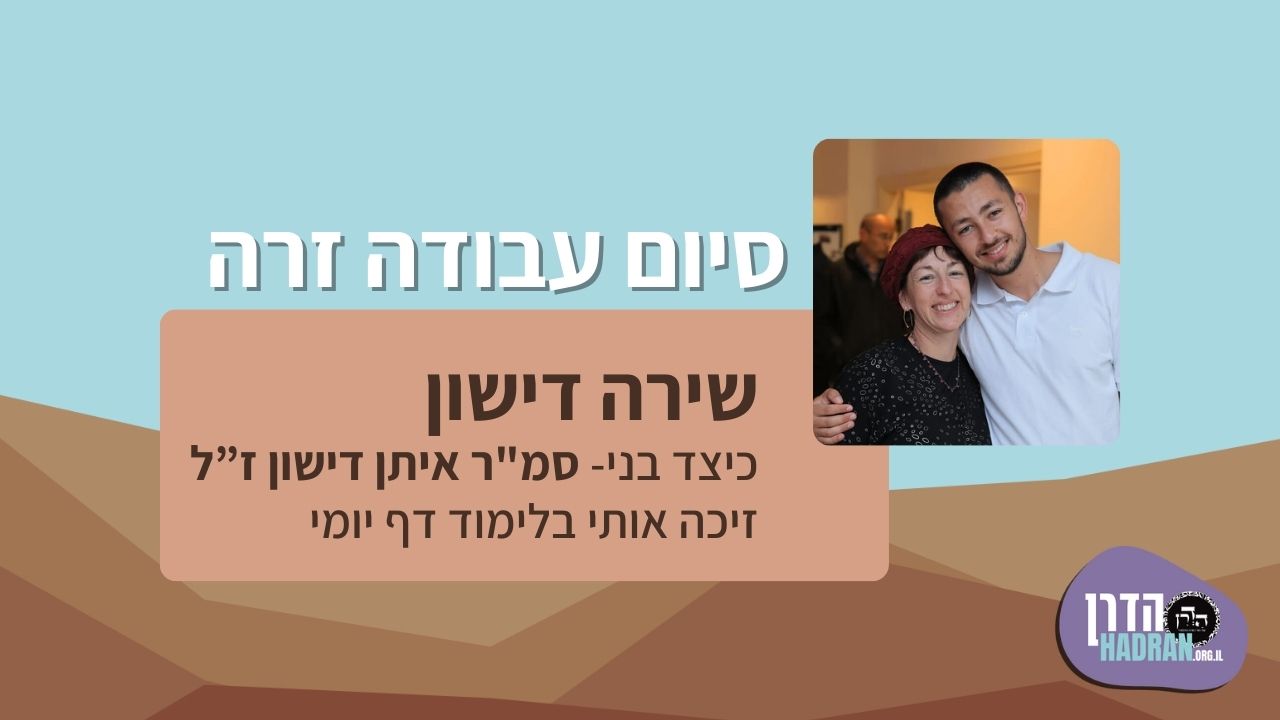
כיצד בני, סמ”ר איתן דישון ז”ל, זיכה אותי בלימוד דף יומי – שירה דישון


חדשה בלימוד הגמרא?
זה הדף הראשון שלך? איזו התרגשות עצומה! יש לנו בדיוק את התכנים והכלים שיעזרו לך לעשות את הצעדים הראשונים ללמידה בקצב וברמה שלך, כך תוכלי להרגיש בנוח גם בתוך הסוגיות המורכבות ומאתגרות.
פסיפס הלומדות שלנו
גלי את קהילת הלומדות שלנו, מגוון נשים, רקעים וסיפורים. כולן חלק מתנועה ומסע מרגש ועוצמתי.
התחלתי ללמוד דף יומי שהתחילו מסכת כתובות, לפני 7 שנים, במסגרת קבוצת לימוד שהתפרקה די מהר, ומשם המשכתי לבד בתמיכת האיש שלי. נעזרתי בגמרת שטיינזלץ ובשיעורים מוקלטים.
הסביבה מאד תומכת ואני מקבלת המון מילים טובות לאורך כל הדרך. מאז הסיום הגדול יש תחושה שאני חלק מדבר גדול יותר.
אני לומדת בשיטת ה”7 דפים בשבוע” של הרבנית תרצה קלמן – כלומר, לא נורא אם לא הצלחת ללמוד כל יום, העיקר שגמרת ארבעה דפים בשבוע

עתניאל, ישראל
התחלתי ללמוד בעידוד שתי חברות אתן למדתי בעבר את הפרק היומי במסגרת 929.
בבית מתלהבים מאוד ובשבת אני לומדת את הדף עם בעלי שזה מפתיע ומשמח מאוד! לימוד הדף הוא חלק בלתי נפרד מהיום שלי. לומדת בצהריים ומחכה לזמן הזה מידי יום…

אפרת, ישראל
התחלתי ללמוד בסבב הנוכחי לפני כשנתיים .הסביבה מתפעלת ותומכת מאוד. אני משתדלת ללמוד מכל ההסכתים הנוספים שיש באתר הדרן. אני עורכת כל סיום מסכת שיעור בביתי לכ20 נשים שמחכות בקוצר רוח למפגשים האלו.

יהוד, ישראל
התחלתי כשהייתי בחופש, עם הפרסומים על תחילת המחזור, הסביבה קיבלה את זה כמשהו מתמיד ומשמעותי ובהערכה, הלימוד זה עוגן יציב ביום יום, יש שבועות יותר ויש שפחות אבל זה משהו שנמצא שם אמין ובעל משמעות בחיים שלי….

גמזו, ישראל
התחלתי ללמוד את הדף היומי מעט אחרי שבני הקטן נולד. בהתחלה בשמיעה ולימוד באמצעות השיעור של הרבנית שפרבר. ובהמשך העזתי וקניתי לעצמי גמרא. מאז ממשיכה יום יום ללמוד עצמאית, ולפעמים בעזרת השיעור של הרבנית, כל יום. כל סיום של מסכת מביא לאושר גדול וסיפוק. הילדים בבית נהיו חלק מהלימוד, אני משתפת בסוגיות מעניינות ונהנית לשמוע את דעתם.

מעלה מכמש, ישראל
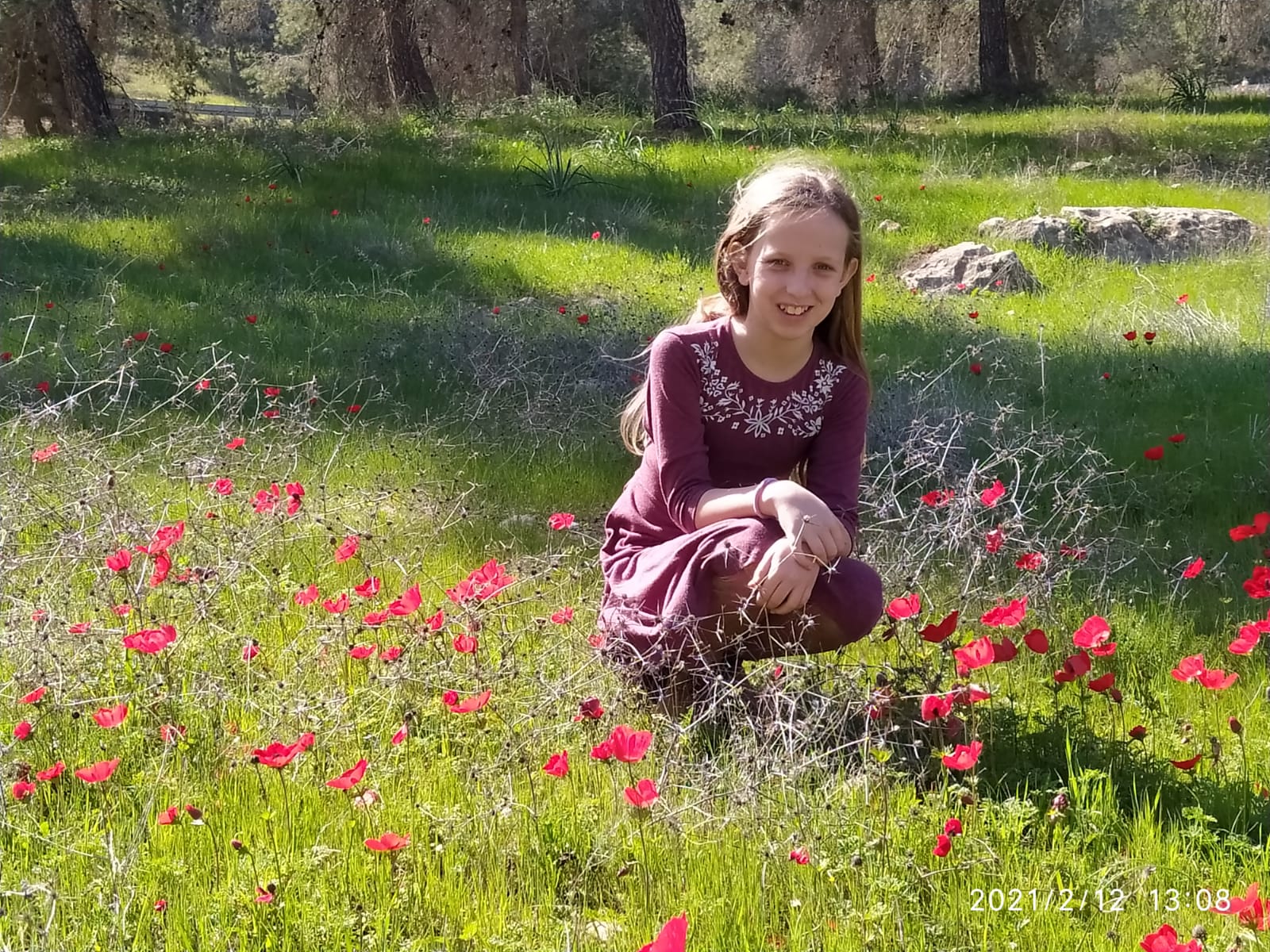
אמא שלי למדה איתי ש”ס משנה, והתחילה ללמוד דף יומי. אני החלטתי שאני רוצה ללמוד גם. בהתחלה למדתי איתה, אח”כ הצטרפתי ללימוד דף יומי שהרב דני וינט מעביר לנוער בנים בעתניאל. במסכת עירובין עוד חברה הצטרפה אלי וכשהתחלנו פסחים הרב דני פתח לנו שעור דף יומי לבנות. מאז אנחנו לומדות איתו קבוע כל יום את הדף היומי (ובשבת אבא שלי מחליף אותו). אני נהנית מהלימוד, הוא מאתגר ומעניין
עתניאל, ישראל
התחלתי להשתתף בשיעור נשים פעם בשבוע, תכננתי ללמוד רק דפים בודדים, לא האמנתי שאצליח יותר מכך.
לאט לאט נשאבתי פנימה לעולם הלימוד .משתדלת ללמוד כל בוקר ומתחילה את היום בתחושה של מלאות ומתוך התכווננות נכונה יותר.
הלימוד של הדף היומי ממלא אותי בתחושה של חיבור עמוק לעם היהודי ולכל הלומדים בעבר ובהווה.

אפרת, ישראל
רבנית מישל הציתה אש התלמוד בלבבות בביניני האומה ואני נדלקתי. היא פתחה פתח ותמכה במתחילות כמוני ואפשרה לנו להתקדם בצעדים נכונים וטובים. הקימה מערך שלם שמסובב את הלומדות בסביבה תומכת וכך נכנסתי למסלול לימוד מעשיר שאין כמוה. הדרן יצר קהילה גדולה וחזקה שמאפשרת התקדמות מכל נקודת מוצא. יש דיבוק לומדות שמחזק את ההתמדה של כולנו. כל פניה ושאלה נענית בזריזות ויסודיות. תודה גם למגי על כל העזרה.

נתניה, ישראל
התחלתי מעט לפני תחילת הסבב הנוכחי. אני נהנית מהאתגר של להמשיך להתמיד, מרגעים של "אהה, מפה זה הגיע!” ומהאתגר האינטלקטואלי

לוד, ישראל
התחלתי ללמוד בשנת המדרשה במגדל עוז, בינתיים נהנית מאוד מהלימוד ומהגמרא, מעניין ומשמח מאוד!
משתדלת להצליח לעקוב כל יום, לפעמים משלימה קצת בהמשך השבוע.. מרגישה שיש עוגן מקובע ביום שלי והוא משמח מאוד!

חיפה , ישראל
התחלתי בסיום הש”ס, יצאתי באורות. נשברתי פעמיים, ובשתיהם הרבנית מישל עודדה להמשיך איפה שכולם בסבב ולהשלים כשאוכל, וכך עשיתי וכיום השלמתי הכל. מדהים אותי שאני לומדת כל יום קצת, אפילו בחדר הלידה, בבידוד או בחו”ל. לאט לאט יותר נינוחה בסוגיות. לא כולם מבינים את הרצון, בפרט כפמניסטית. חשה סיפוק גדול להכיר את המושגים וצורת החשיבה. החלום זה להמשיך ולהתמיד ובמקביל ללמוד איך מהסוגיות נוצרה והתפתחה ההלכה.

מודיעין, ישראל
התחלתי מעט לפני תחילת הסבב הנוכחי. אני נהנית מהאתגר של להמשיך להתמיד, מרגעים של "אהה, מפה זה הגיע!” ומהאתגר האינטלקטואלי
לוד, ישראל
סיום השס לנשים נתן לי מוטביציה להתחיל ללמוד דף יומי. עד אז למדתי גמרא בשבתות ועשיתי כמה סיומים. אבל לימוד יומיומי זה שונה לגמרי ופתאום כל דבר שקורה בחיים מתקשר לדף היומי.

רתמים, ישראל
התחלתי מחוג במסכת קידושין שהעבירה הרבנית רייסנר במסגרת בית המדרש כלנה בגבעת שמואל; לאחר מכן התחיל סבב הדף היומי אז הצטרפתי. לסביבה לקח זמן לעכל אבל היום כולם תומכים ומשתתפים איתי. הלימוד לעתים מעניין ומעשיר ולעתים קשה ואף הזוי… אך אני ממשיכה קדימה. הוא משפיע על היומיום שלי קודם כל במרדף אחרי הדף, וגם במושגים הרבים שלמדתי ובידע שהועשרתי בו, חלקו ממש מעשי

ראש העין, ישראל
למדתי גמרא מכיתה ז- ט ב Maimonides School ואחרי העליה שלי בגיל 14 לימוד הגמרא, שלא היה כל כך מקובל בימים אלה, היה די ספוראדי. אחרי "ההתגלות” בבנייני האומה התחלתי ללמוד בעיקר בדרך הביתה למדתי מפוקקטסים שונים. לאט לאט ראיתי שאני תמיד חוזרת לרבנית מישל פרבר. באיזה שהוא שלב התחלתי ללמוד בזום בשעה 7:10 .
היום "אין מצב” שאני אתחיל את היום שלי ללא לימוד עם הרבנית מישל עם כוס הקפה שלי!!

חשמונאים, ישראל
התחלתי ללמוד דף יומי בסבב הקודם. זכיתי לסיים אותו במעמד המרגש של הדרן. בסבב הראשון ליווה אותי הספק, שאולי לא אצליח לעמוד בקצב ולהתמיד. בסבב השני אני לומדת ברוגע, מתוך אמונה ביכולתי ללמוד ולסיים. בסבב הלימוד הראשון ליוותה אותי חוויה מסויימת של בדידות. הדרן העניקה לי קהילת לימוד ואחוות נשים. החוויה של סיום הש”ס במעמד כה גדול כשנשים שאינן מכירות אותי, שמחות ומתרגשות עבורי , היתה חוויה מרוממת נפש

קיבוץ מגדל עוז, ישראל
לצערי גדלתי בדור שבו לימוד גמרא לנשים לא היה דבר שבשגרה ושנים שאני חולמת להשלים את הפער הזה.. עד שלפני מספר שבועות, כמעט במקרה, נתקלתי במודעת פרסומת הקוראת להצטרף ללימוד מסכת תענית. כשקראתי את המודעה הרגשתי שהיא כאילו נכתבה עבורי – "תמיד חלמת ללמוד גמרא ולא ידעת איך להתחיל”, "בואי להתנסות במסכת קצרה וקלה” (רק היה חסר שהמודעה תיפתח במילים "מיכי שלום”..). קפצתי למים ו- ב”ה אני בדרך להגשמת החלום:)

מורשת, ישראל
הייתי לפני שנתיים בסיום הדרן נשים בבנייני האומה והחלטתי להתחיל. אפילו רק כמה דפים, אולי רק פרק, אולי רק מסכת… בינתיים סיימתי רבע שס ותכף את כל סדר מועד בה.
הסביבה תומכת ומפרגנת. אני בת יחידה עם ארבעה אחים שכולם לומדים דף יומי. מדי פעם אנחנו עושים סיומים יחד באירועים משפחתיים. ממש מרגש. מסכת שבת סיימנו כולנו יחד עם אבא שלנו!
אני שומעת כל יום פודקאסט בהליכה או בנסיעה ואחכ לומדת את הגמרא.

מרכז שפירא, ישראל
. לא תמיד נהניתי מלימוד גמרא כילדה.,בל כהתבגרתי התחלתי לאהוב את זה שוב. התחלתי ללמוד מסכת סוטה בדף היומי לפני כחמש עשרה שנה ואז הפסקתי.הגעתי לסיום הגדול של הדרן לפני שנתיים וזה נתן לי השראה. והתחלתי ללמוד למשך כמה ימים ואז היתה לי פריצת דיסק והפסקתי…עד אלול השנה. אז התחלתי עם מסכת ביצה וב”ה אני מצליחה לעמוד בקצב. המשפחה מאוד תומכת בי ויש כמה שגם לומדים את זה במקביל. אני אוהבת שיש עוגן כל יום.

בית שמש, ישראל
אמא שלי למדה איתי ש”ס משנה, והתחילה ללמוד דף יומי. אני החלטתי שאני רוצה ללמוד גם. בהתחלה למדתי איתה, אח”כ הצטרפתי ללימוד דף יומי שהרב דני וינט מעביר לנוער בנים בעתניאל. במסכת עירובין עוד חברה הצטרפה אלי וכשהתחלנו פסחים הרב דני פתח לנו שעור דף יומי לבנות. מאז אנחנו לומדות איתו קבוע כל יום את הדף היומי (ובשבת אבא שלי מחליף אותו). אני נהנית מהלימוד, הוא מאתגר ומעניין
עתניאל, ישראל
עבודה זרה מא
אָמַר רַבָּה: מַחְלוֹקֶת בְּשֶׁל כְּפָרִים, אֲבָל בְּשֶׁל כְּרַכִּים — דִּבְרֵי הַכֹּל מוּתָּרִין, מַאי טַעְמָא? לְנוֹי עָבְדִי לְהוּ.
Rabba says: The dispute between Rabbi Meir and the Rabbis is only with regard to statues that are erected in villages. But with regard to those that are erected in cities, all agree that they are permitted, i.e., that it is permitted to derive benefit from them. What is the reason? It is because they were fashioned for ornamental purposes and not for worship.
וְדִכְפָרִים, מִי אִיכָּא לְמַאן דְּאָמַר לְנוֹי קָעָבְדִי לְהוּ? דִּכְפָרִים וַדַּאי לְמִיפְלְחִינְהוּ עָבְדִי לְהוּ!
The Gemara asks: But with regard to those erected in villages, is there anyone who says that they are fashioned for ornamental purposes? Those in villages were certainly fashioned for idol worship. How, then, can the Rabbis maintain that such statues are permitted?
אֶלָּא אִי אִתְּמַר, הָכִי אִתְּמַר: אָמַר רַבָּה: מַחְלוֹקֶת בְּשֶׁל כְּרַכִּים, אֲבָל בְּשֶׁל כְּפָרִים — דִּבְרֵי הַכֹּל אֲסוּרִים.
The Gemara answers: Rather, if such a distinction was stated, this is what was stated: Rabba says that the dispute between Rabbi Meir and the Rabbis is only with regard to statues that are erected in cities, where they may have been fashioned simply for ornamental purposes. But with regard to those erected in villages, all agree that they are used for idol worship and are therefore forbidden.
וַחֲכָמִים אוֹמְרִים: אֵינָן אֲסוּרִין וְכוּ׳. מַקֵּל — שֶׁרוֹדֶה אֶת עַצְמוֹ תַּחַת כָּל הָעוֹלָם כּוּלּוֹ כְּמַקֵּל, צִפּוֹר — שֶׁתּוֹפֵשׂ אֶת עַצְמוֹ תַּחַת כָּל הָעוֹלָם כּוּלּוֹ כְּצִפּוֹר, כַּדּוּר — שֶׁתּוֹפֵשׂ אֶת עַצְמוֹ תַּחַת כָּל הָעוֹלָם כּוּלּוֹ כְּכַדּוּר.
§ The mishna teaches: And the Rabbis say: The only statues that are forbidden are: Any statue that has in its hand a staff, or a bird, or an orb, as these are indications that this statue is designated for idolatry. The Gemara explains that each of these items symbolizes the statue’s supposed divinity, indicating its dominion over the world: A staff symbolizes dominion as the idol rules itself under the entire world, i.e., it rules the entire world, like one rules over an animal with a staff. A bird symbolizes dominion as the idol grasps itself under the entire world, i.e., it grasps the entire world, as one grasps a bird in his hand. An orb symbolizes dominion as the idol grasps itself under the entire world, i.e., it grasps the entire world, as one grasps a ball in his hand.
תָּנָא, הוֹסִיפוּ עֲלֵיהֶן: סַיִיף, עֲטָרָה, וְטַבַּעַת.
The Sages taught in the Tosefta (6:1) that they added the following to the list of items that, when added to a statue, indicate that it is worshipped as an idol: A sword in its hand, a crown on its head, and a ring on its finger.
סַיִיף — מֵעִיקָּרָא סְבוּר לִסְטִים בְּעָלְמָא, וּלְבַסּוֹף סְבוּר שֶׁהוֹרֵג אֶת עַצְמוֹ תַּחַת כָּל הָעוֹלָם כּוּלּוֹ.
The Gemara explains why these items were initially believed to be insignificant and were later understood as symbolizing idol worship. With regard to a statue holding a sword, the Sages initially thought that this merely indicates that it is a statue of a bandit. But in the end they reasoned that it symbolizes the notion that the idol has the power to kill itself under the whole world, i.e., to kill the entire world.
עֲטָרָה — מֵעִיקָּרָא סְבוּר גָּדֵיל כְּלִילֵי בְּעָלְמָא, וּלְבַסּוֹף סְבוּר כַּעֲטָרָה לַכֶּלֶב. טַבַּעַת — מֵעִיקָּרָא סְבוּר אִישְׁתְּיָימָא בְּעָלְמָא, וּלְבַסּוֹף סְבוּר שֶׁחוֹתֵם אֶת עַצְמוֹ תַּחַת כָּל הָעוֹלָם כּוּלּוֹ לְמִיתָה.
With regard to a crown, the Sages initially thought that it is merely a woven wreath. But in the end they reasoned that it is like the crown of a king. With regard to a ring, the Sages initially thought that this merely symbolizes the bearer of a signet ring [ishtayema]. But in the end they reasoned that it is symbolic of the idol’s supposed ability to seal its fate under the whole world, i.e., to seal the fate of the entire world, for death.
רַבָּן שִׁמְעוֹן בֶּן גַּמְלִיאֵל כּוּ׳. תָּנָא: אֲפִילּוּ צְרוֹר, אֲפִילּוּ קֵיסָם.
§ The mishna teaches that Rabban Shimon ben Gamliel says: It is prohibited to derive benefit even from any statue that has any item whatsoever in its hand. The Sages taught in a baraita: It is prohibited to derive benefit from a statue even if it is merely holding a stone, or even a twig.
בָּעֵי רַב אָשֵׁי: תָּפַשׂ בְּיָדוֹ צוֹאָה, מַהוּ? מִי אָמְרִינַן כּוּלֵּי עָלְמָא זִילוּ בְּאַפֵּיהּ כִּי צוֹאָה, אוֹ דִילְמָא הוּא מִיהוּ דְּזִיל בְּאַפֵּי כּוּלֵּי עָלְמָא כְּצוֹאָה? תֵּיקוּ.
Rav Ashi raises a dilemma: If the idol is grasping excrement in its hand, what is the halakha? Is this meant to honor the statue, indicating that it is an object of idol worship? Do we say that the statue is forbidden, as this indicates that the entire world is inferior to it like excrement, or perhaps does this indicate that the idol itself is inferior to the entire world like excrement? The Gemara concludes: The question shall stand unresolved.
מַתְנִי׳ הַמּוֹצֵא שִׁבְרֵי צְלָמִים, הֲרֵי אֵלּוּ מוּתָּרִין. מָצָא תַּבְנִית יָד אוֹ תַּבְנִית רֶגֶל, הֲרֵי אֵלּוּ אֲסוּרִין, מִפְּנֵי שֶׁכַּיּוֹצֵא בָּהֶן נֶעֱבָד.
MISHNA: In the case of one who finds unidentifiable fragments of statues, these are permitted, i.e., one may derive benefit from them. If one found an object in the figure of a hand or in the figure of a foot, these are forbidden, as objects similar to those are worshipped.
גְּמָ׳ אָמַר שְׁמוּאֵל: אֲפִילּוּ שִׁבְרֵי עֲבוֹדָה זָרָה. וְהָאֲנַן תְּנַן: שִׁבְרֵי צְלָמִים!
GEMARA: Shmuel says: It is permitted to derive benefit even from fragments of objects that have been seen used in idol worship. The Gemara asks: But didn’t we learn in the mishna that fragments of nondescript statues are permitted? This indicates that it is prohibited to derive benefit from fragments of idols that were known to be worshipped.
הוּא הַדִּין דַּאֲפִילּוּ שִׁבְרֵי עֲבוֹדָה זָרָה, וְהָא דְּקָתָנֵי שִׁבְרֵי צְלָמִים — מִשּׁוּם דְּקָבָעֵי לְמִיתְנֵא סֵיפָא: מָצָא תַּבְנִית יָד תַּבְנִית רֶגֶל — הֲרֵי אֵלּוּ אֲסוּרִין, מִפְּנֵי שֶׁכַּיּוֹצֵא בָּהֶן נֶעֱבָד.
The Gemara answers: The mishna means that fragments of statues are permitted, and the same is true even of fragments of objects of idol worship. And that which is taught in the mishna: Fragments of statues, is not meant to exclude fragments of idols. Rather, this expression is used because the mishna sought to teach in the last clause: If one found an object in the figure of a hand or in the figure of a foot, these are forbidden, even if they are not known to be objects of idol worship, as objects similar to those are worshipped. If the first clause in the mishna had referred to fragments of idols, it would have been inferred that the latter clause was referring specifically to the figure of a hand or foot that was known to have been worshipped, and that otherwise such figures would not be forbidden.
תְּנַן: מָצָא תַּבְנִית יָד תַּבְנִית רֶגֶל — הֲרֵי אֵלּוּ אֲסוּרִין, מִפְּנֵי שֶׁכַּיּוֹצֵא בּוֹ נֶעֱבָד. אַמַּאי?
We learned in the mishna: If one found an object in the figure of a hand or in the figure of a foot, these are forbidden, as objects similar to those are worshipped. The Gemara asks: Why?
וְהָא שְׁבָרִים נִינְהוּ! תַּרְגְּמַהּ שְׁמוּאֵל: בְּעוֹמְדִין עַל בְּסִיסָן.
But aren’t they fragments of idols, which are permitted according to Shmuel? The Gemara answers that Shmuel interpreted the mishna as follows: It is referring to a case where these objects that are in the figure of a hand or a foot are standing on their pedestals, which shows that they were designed this way initially and are not merely fragments.
אִתְּמַר: עֲבוֹדָה זָרָה שֶׁנִּשְׁתַּבְּרָה מֵאֵילֶיהָ, רַבִּי יוֹחָנָן אָמַר: אֲסוּרָה, רַבִּי שִׁמְעוֹן בֶּן לָקִישׁ אָמַר: מוּתֶּרֶת.
§ It was stated: With regard to objects of idol worship that broke by themselves, Rabbi Yoḥanan says: It is prohibited to derive benefit from them. Rabbi Shimon ben Lakish says: It is permitted.
רַבִּי יוֹחָנָן אָמַר: אֲסוּרָה, דְּהָא לָא בָּטְלָה. רַבִּי שִׁמְעוֹן בֶּן לָקִישׁ אָמַר: מוּתֶּרֶת, מִסְּתָמָא בַּטּוֹלֵי מְבַטֵּיל לַהּ, מֵימָר אָמַר: אִיהִי נַפְשַׁהּ לָא אַצְּלָה, לְהָהוּא גַּבְרָא מַצְּלָה לֵיהּ?
The Gemara explains the sides of the dispute. Rabbi Yoḥanan says that it is prohibited, as its owner did not revoke its status as an object of idol worship. Rabbi Shimon ben Lakish says that it is permitted, as the owner presumably revoked its status as an object of idol worship, having said to himself: If the idol could not save even itself from harm, can it save that man, i.e., myself?
אֵיתִיבֵיהּ רַבִּי יוֹחָנָן לְרַבִּי שִׁמְעוֹן בֶּן לָקִישׁ: ״וְרֹאשׁ דָּגוֹן וּשְׁתֵּי כַּפּוֹת יָדָיו כְּרֻתוֹת וְגוֹ׳״, וּכְתִיב: ״עַל כֵּן לֹא יִדְרְכוּ כֹהֲנֵי דָגוֹן וְגוֹ׳״!
Rabbi Yoḥanan raised an objection to Rabbi Shimon ben Lakish from the passage in the book of Samuel recounting the downfall of the Philistine god Dagon: “And when they arose early the next morning, behold, Dagon was fallen on his face to the ground before the Ark of the Lord; and the head of Dagon and both the palms of his hands lay cut off upon the threshold; only the trunk of Dagon was left to him” (I Samuel 5:4). And from the next verse it seems that Dagon’s worshippers accorded it honor despite its destruction, as it is written: “Therefore, the priests of Dagon, and anyone who comes into Dagon’s house, do not tread on the threshold of Dagon in Ashdod until this day” (I Samuel 5:5). Evidently, when an idol breaks, its worshippers do not stop worshipping it.
אָמַר לוֹ: מִשָּׁם רְאָיָה? הָתָם שֶׁמַּנִּיחִין אֶת הַדָּגוֹן, וְעוֹבְדִין אֶת הַמִּפְתָּן, דְּאָמְרִי הָכִי: שַׁבְקֵיהּ אִיסָרֵיהּ לְדָגוֹן, וַאֲתָא אִיתֵּיב לֵיהּ עַל הַמִּפְתָּן.
Rabbi Shimon ben Lakish said to him: Is there proof from there? There, the reason people did not tread on the threshold of Dagon is that they had abandoned their worship of the Dagon and would instead worship the threshold upon which Dagon was found, as they stated this reasoning: The spirit of Dagon has left the Dagon idol and instead it came and rested upon the threshold.
אֵיתִיבֵיהּ: הַמּוֹצֵא שִׁבְרֵי צְלָמִים — הֲרֵי אֵלּוּ מוּתָּרִין. הָא שִׁבְרֵי עֲבוֹדָה זָרָה — אֲסוּרִין!
Rabbi Yoḥanan raised another objection to Rabbi Shimon ben Lakish from the mishna: In the case of one who finds fragments of statues, these are permitted. This indicates that fragments of known objects of idol worship are forbidden.
לָא תֵּימָא שִׁבְרֵי עֲבוֹדָה זָרָה אֲסוּרִין, אֶלָּא אֵימָא: הָא צְלָמִים עַצְמָן אֲסוּרִין, וּסְתָמָא כְּרַבִּי מֵאִיר.
Rabbi Shimon ben Lakish replied: Do not say that the indication is that fragments of objects of idol worship are forbidden; rather say that the indication is that full statues themselves are forbidden, and the unattributed mishna is in accordance with the opinion of Rabbi Meir, who, in the previous mishna, prohibits any statue as it is possible that it is worshipped annually.
וְרַבִּי יוֹחָנָן, מִדְּרַבִּי מֵאִיר נִשְׁמַע לְהוּ לְרַבָּנַן, לָאו אָמַר רַבִּי מֵאִיר: צְלָמִים אֲסוּרִין, שִׁבְרֵי צְלָמִים מוּתָּרִין, לְרַבָּנַן עֲבוֹדָה זָרָה נָמֵי הִיא אֲסוּרָה וּשְׁבָרֶיהָ מוּתָּרִין!
The Gemara asks: But how does Rabbi Yoḥanan refute the following logic: From the opinion of Rabbi Meir one can learn a detail with regard to the opinion of the Rabbis. Doesn’t Rabbi Meir say that statues are forbidden, while fragments of statues are permitted? From this, one can derive that this is true according to the Rabbis as well with regard to objects of idol worship: The object itself is forbidden, but its fragments are permitted.
הָכִי הַשְׁתָּא? הָתָם אֵימַר עֲבָדוּם אֵימַר לֹא עֲבָדוּם, וְאִם תִּמְצֵי לוֹמַר עֲבָדוּם — אֵימַר בִּטְּלוּם. עֲבוֹדָה זָרָה וַדַּאי עֲבָדוּהָ, מִי יֵימַר דְּבַטְּלֻהָ? הָוֵי סָפֵק וּוַדַּאי, וְאֵין סָפֵק מוֹצִיא מִידֵי וַדַּאי!
The Gemara rejects this comparison: How can these cases be compared? There, in the case of statues, the fragments are permitted because there is room to say that people worshipped them, and there is also room to say that people did not worship them; and even if you say that people worshipped them, there is room to say that their owners subsequently revoked them. This is not comparable to an object of idol worship, which people certainly worshipped, and who is to say that its owner certainly revoked it? It is a conflict between an uncertainty as to whether or not it was revoked, and a certainty that it was worshipped, and the principle is that an uncertainty does not override a certainty.
וְאֵין סָפֵק מוֹצִיא מִידֵי וַדַּאי? וְהָתַנְיָא: חָבֵר שֶׁמֵּת, וְהִנִּיחַ מְגוּרָה מְלֵאָה פֵּירוֹת, אֲפִילּוּ הֵן בְּנֵי יוֹמָן — הֲרֵי הֵן בְּחֶזְקַת מְתוּקָּנִין.
The Gemara asks: And does an uncertainty not override a certainty? But isn’t it taught in a baraita: In the case of a ḥaver who died and left a storehouse filled with produce, even if the produce was there only that day, it has the presumptive status of produce that was ritually prepared, i.e., properly tithed. This is due to the presumption that the ḥaver tithed the produce himself or instructed others to do so.
וְהָא הָכָא דְּוַדַּאי טְבִילִי, סָפֵק עַשְּׂרִינְהוּ, סָפֵק לָא עַשְּׂרִינְהוּ, וְקָאָתֵי סָפֵק וּמוֹצִיא מִידֵי וַדַּאי!
The Gemara infers: And here, in this case, the produce was certainly untithed at the outset, and there is uncertainty whether the ḥaver tithed it, and there is uncertainty whether he did not tithe it, and despite this conflict, the uncertainty whether it was tithed comes and overrides the certainty that it was untithed produce.
הָתָם וַדַּאי וּוַדַּאי הוּא, דְּוַדַּאי עַשְּׂרִינְהוּ, כִּדְרַבִּי חֲנִינָא חוֹזָאָה, דְּאָמַר רַבִּי חֲנִינָא חוֹזָאָה: חֲזָקָה עַל חָבֵר שֶׁאֵינוֹ מוֹצִיא דָּבָר שֶׁאֵינוֹ מְתוּקָּן מִתַּחַת יָדוֹ.
The Gemara rejects this claim: There, in that case, conflict is between certainty and certainty, as the ḥaver certainly tithed the produce. This presumption is in accordance with the statement of Rabbi Ḥanina Ḥoza’a; as Rabbi Ḥanina Ḥoza’a says: There is a presumption with regard to a ḥaver that he does not release an item from his possession that is not ritually prepared.
וְאִי בָּעֵית אֵימָא: מֵעִיקָּרָא לָא טְבִילִי, סָפֵק וְסָפֵק הוּא.
And if you wish, say instead that perhaps the produce did not initially have the status of untithed produce, and therefore the conflict is between uncertainty and uncertainty.
אֶפְשָׁר דַּעֲבַד כִּדְרַבִּי אוֹשַׁעְיָא, דְּאָמַר: מַעֲרִים אָדָם עַל תְּבוּאָתוֹ וּמַכְנִיסָהּ בַּמּוֹץ שֶׁלָּהּ, כְּדֵי שֶׁתְּהֵא בְּהֶמְתּוֹ אוֹכֶלֶת וּפְטוּרָה מִן הַמַּעֲשֵׂר.
This is because it is possible that there was never an obligation to tithe the produce, as the ḥaver may have acted in accordance with the statement of Rabbi Oshaya, who says that a person can employ artifice to circumvent obligations incumbent upon him in dealing with his grain, and bring it into his courtyard in its chaff so that his animal may eat from it. And this grain is exempt from tithes. Although the obligation to tithe produce that has been fully processed applies even to animal fodder, it is permitted to feed one’s animal untithed produce that has not been fully processed. In light of this halakha it is possible that the produce in the storehouse of the ḥaver never needed to be tithed. Consequently, this case is a conflict between two uncertain factors, as it is uncertain whether or not the owner was obligated to tithe the produce in the first place, and even if he was required to do so, it is uncertain whether or not he tithed it.
וְאֵין סָפֵק מוֹצִיא מִידֵי וַדַּאי? וְהָתַנְיָא, אָמַר רַבִּי יְהוּדָה: מַעֲשֶׂה בְּשִׁפְחָתוֹ
The Gemara raises another objection: And is it so that an uncertainty does not override a certainty? But isn’t it taught in a baraita that Rabbi Yehuda said: There was an incident involving the maidservant

