






הלימוד החודש מוקדש ע”י מרכי גלזר לע”נ רחל אביבה בת דבורה חנה
רוצה להקדיש שיעור?

כלים
הלימוד החודש מוקדש ע”י מרכי גלזר לע”נ רחל אביבה בת דבורה חנה
עבודה זרה נו
וְאֵין בּוֹצְרִין עִם יִשְׂרָאֵל שֶׁעוֹשֶׂה פֵּירוֹתָיו בְּטוּמְאָה, וְכׇל שֶׁכֵּן שֶׁאֵין דּוֹרְכִין, אֲבָל בּוֹצְרִין עִם הַנׇּכְרִי בַּגַּת, שֶׁמּוּתָּר לִגְרוֹם טוּמְאָה לְחוּלִּין שֶׁבְּאֶרֶץ יִשְׂרָאֵל.
And one may not harvest grapes together with a Jew who produces wine from his fruit in a state of ritual impurity, as he is thereby causing the produce to be rendered impure. And all the more so may one not tread on the grapes with him, as he is assisting the Jew who is rendering the wine impure by treading on the grapes. But one may harvest grapes into the winepress together with the gentile, as it is permitted to impart impurity to non-sacred produce that is in Eretz Yisrael.
וְאֵינוֹ עוֹשֶׂה יֵין נֶסֶךְ עַד שֶׁיֵּרֵד לְבוֹר. וְהָתַנְיָא: יַיִן מִשֶּׁיְּקַפֶּה!
§ The mishna teaches: And the gentile’s touch does not render the juice of the grapes into wine used for a libation until it descends into the collection vat, because until then it does not have the status of wine. The Gemara asks: But isn’t it taught in a mishna (Ma’asrot 1:7) with regard to the stage when the work of producing the wine is considered complete and one is obligated to separate tithes from the wine: With regard to wine, one is obligated to separate tithes from the time that the solid residue floats [misheyikpe] on top of the wine.
אָמַר רָבָא: לָא קַשְׁיָא, הָא רַבִּי עֲקִיבָא, הָא רַבָּנַן, דִּתְנַן: יַיִן מִשֶּׁיֵּרֵד לַבּוֹר, רַבִּי עֲקִיבָא אוֹמֵר: מִשֶּׁיְּקַפֶּה.
Rava said: It is not difficult. That mishna is in accordance with the opinion of Rabbi Akiva, whereas this mishna is in accordance with the opinion of the Rabbis. This is as we learned in a baraita: With regard to wine, one is obligated to separate tithes from the time that the wine descends into the collection vat. Rabbi Akiva says: One is obligated to separate tithes only from the time that the solid residue floats on top of the wine.
אִיבַּעְיָא לְהוּ: קִיפּוּי דְּבוֹר, אוֹ קִיפּוּי דְּחָבִית?
A dilemma was raised before the Sages: Is Rabbi Akiva referring to the floating of the seeds on top of the wine in the collection vat or to the floating of the yeast on top of the wine in the barrel?
תָּא שְׁמַע, דְּתַנְיָא: יַיִן — מִשֶּׁיְּקַפֶּה, אַף עַל פִּי שֶׁקִּפָּה, קוֹלֵט מִן הַגַּת הָעֶלְיוֹנָה וּמִן הַצִּינּוֹר וְשׁוֹתֶה. שְׁמַע מִינַּהּ קִיפּוּי דְּבוֹר קָאָמְרִינַן, שְׁמַע מִינַּהּ.
The Gemara suggests: Come and hear a resolution of this issue, as it is taught in that mishna: With regard to wine, one is obligated to separate tithes from the time that the solid residue floats on top of the wine. Subsequently, even though the residue has floated, one may collect wine from the upper winepress and from the pipe that connects the upper winepress to the vat, and one may drink it without separating tithes. Conclude from the mishna that we are speaking about the floating of the seeds on top of the wine in the collection vat. The Gemara affirms: Conclude from it that it is so.
וְהָתָנֵי רַב זְבִיד בִּדְבֵי רַבִּי אוֹשַׁעְיָא: יַיִן — מִשֶּׁיֵּרֵד לַבּוֹר וִיקַפֶּה, רַבִּי עֲקִיבָא אוֹמֵר: מִשֶּׁיְּשַׁלֶּה בֶּחָבִיּוֹת! תָּרְצַהּ נָמֵי לְהָךְ קַמַּיְיתָא הָכִי: יַיִן — מִשֶּׁיֵּרֵד לַבּוֹר וִיקַפֶּה, רַבִּי עֲקִיבָא אוֹמֵר: מִשֶּׁיְּשַׁלֶּה בֶּחָבִיּוֹת.
The Gemara asks: But didn’t Rav Zevid teach a different version of the aforementioned dispute in a baraita of the school of Rabbi Oshaya: With regard to wine, one is obligated to separate tithes from the time that the wine descends into the collection vat and the seeds float on top. Rabbi Akiva says: One is obligated to separate tithes only from the time that one siphons the wine from the vat into barrels. The Gemara replies that one can resolve the contradiction: Explain that first baraita in this manner as well: With regard to wine, one is obligated to separate tithes from the time that the wine descends into the collection vat and the seeds float on top. Rabbi Akiva says: One is obligated to separate tithes only from the time that one siphons the wine from the vat into barrels.
וְאֶלָּא, מַתְנִיתִין דְּקָתָנֵי: אֵינוֹ עוֹשֶׂה יֵין נֶסֶךְ עַד שֶׁיֵּרֵד לַבּוֹר, לֵימָא תְּלָתָא תַּנָּאֵי הִיא? לָא, שָׁאנֵי יֵין נֶסֶךְ דְּאַחְמִירוּ בֵּיהּ רַבָּנַן.
The Gemara asks: But whose opinion is expressed in the mishna that teaches: The gentile does not render the juice of the grapes into wine used for a libation until it descends into the collection vat? Shall we say that the stage when the work of producing the wine is considered complete is subject to a dispute between three tanna’im? The Gemara replies: No, the prohibition of wine used for a libation is different, as the Sages were stringent concerning it and render the wine forbidden even before the seeds float. By contrast, with regard to tithes, the tanna of this mishna holds in accordance with the opinion of either Rabbi Akiva or the Rabbis.
וּלְרָבָא, דְּלָא שָׁאנֵי לֵיהּ, מוֹקֵים לֵיהּ כִּתְלָתָא תַּנָּאֵי.
The Gemara comments: And according to Rava, who explains that the mishna with regard to wine used for libations is in accordance with one opinion whereas the mishna with regard to tithes is in accordance with another opinion, and he does not hold that the case of wine used for a libation is different, he interprets it as a dispute between three tanna’im.
מַה שֶּׁבַּבּוֹר אָסוּר וְהַשְּׁאָר מוּתָּר. אָמַר רַב הוּנָא: לֹא שָׁנוּ אֶלָּא שֶׁלֹּא הֶחֱזִיר גַּרְגּוּתְנִי לַגַּת, אֲבָל הֶחְזִיר גַּרְגּוּתְנִי לַגַּת — אָסוּר.
§ The mishna teaches: Once the wine descends into the collection vat, that which is in the collection vat is prohibited, and the rest, which did not yet descend into the collection vat, is permitted. Rav Huna says: The mishna taught that the rest of the wine is permitted only in a case where he did not return the wicker basket [gargutni], which is used to strain the wine on the way to the vat, to the winepress. But if he returned the wicker basket to the winepress, even the wine remaining in the winepress is prohibited, as the wine in the basket renders the wine in the winepress forbidden.
גַּרְגּוּתְנִי גּוּפַהּ, בְּמַאי קָא מִיתַּסְרָא? בְּנִצּוֹק. שְׁמַע מִינַּהּ: נִצּוֹק חִיבּוּר! כִּדְתָנֵי רַבִּי חִיָּיא: שֶׁפְּחָסַתּוּ צְלוֹחִיתוֹ. הָכָא נָמֵי: שֶׁפְּחָסַתּוּ בּוֹרוֹ.
The Gemara asks: With regard to the wine in the wicker basket itself, in what manner is it rendered forbidden? Apparently, it is rendered forbidden by the stream of liquid that flows from the basket into the vat below, thereby connecting the wine in the basket to the forbidden wine in the vat. If so, conclude from Rav Huna’s statement that an uninterrupted stream of liquid is considered a connection. The Gemara rejects the inference: The reason for Rav Huna’s statement could be different, as Rabbi Ḥiyya teaches that if one fills a gentile’s flask through a funnel, the wine in the funnel is rendered forbidden in a case where the level of the wine in his flask rose and reached the funnel. Here too, Rav Huna is referring to a case where the level of the wine in his collection vat rose and reached the basket.
הָהוּא יָנוֹקָא דִּתְנָא עֲבוֹדָה זָרָה בְּשֵׁית שְׁנֵי, בְּעוֹ מִינֵּיהּ: מַהוּ לִדְרוֹךְ עִם הַנׇּכְרִי בַּגַּת? אֲמַר לְהוּ: דּוֹרְכִין עִם הַנׇּכְרִי בַּגַּת. וְהָא קָא מְנַסֵּךְ בִּידֵיהּ? דְּצָיַירְנָא לְהוּ לִידֵיהּ. וְהָא קָא מְנַסֵּךְ בְּרֶגֶל? נִיסּוּךְ דְּרֶגֶל לָא שְׁמֵיהּ נִיסּוּךְ.
§ The Gemara relates: There was a certain outstanding child who learned the tractate of Avoda Zara when he was six years old. People raised a dilemma to him: What is the halakha? Is it permitted to tread on grapes in the winepress together with the gentile? The child said to them: One may tread on grapes in the winepress together with the gentile, in accordance with the ruling of the mishna. They asked the child: But doesn’t the gentile render the wine a libation by touching it with his hands, rendering it forbidden? If so, how may a Jew derive benefit from the wine by receiving payment for his work? The child replied: It is permitted in a case where we tie his hands so that he cannot pour the wine as a libation. The child was then asked: But doesn’t the gentile render the wine a libation by touching it with his foot? The child replied: Rendering wine a libation by touching it with one’s foot is not considered rendering it a libation.
הָהוּא עוֹבָדָא דַּהֲוָה בִּנְהַרְדְּעָא, דְּדָשׁוּ יִשְׂרָאֵל וְגוֹי לְהָהוּא חַמְרָא, וְשַׁהֲיֵיהּ שְׁמוּאֵל תְּלָתָא רִיגְלֵי. מַאי טַעְמָא? אִילֵּימָא מִשּׁוּם דְּקָסָבַר:
The Gemara relates: There was a certain incident in Neharde’a in which a Jew and a gentile trod on grapes and produced a certain wine together, and Shmuel delayed ruling on the matter for three Festivals, as the Sages gathered during the Festivals and presented Shmuel with the opportunity to clarify the matter with them. The Gemara asks: What is the reason that Shmuel delayed his ruling? If we say that Shmuel delayed ruling on the matter because he thought to himself:

כלים
העמקה
רוצה להבין מה באמת קורה מתחת לפני השטח של הסוגיה?
שיעורים, פודקאסטים והרחבות של מיטב המורות שלנו יפתחו לך עוד זוויות וכיווני חשיבה.




כיצד בני, סמ”ר איתן דישון ז”ל, זיכה אותי בלימוד דף יומי – שירה דישון



חדשה בלימוד הגמרא?
זה הדף הראשון שלך? איזו התרגשות עצומה! יש לנו בדיוק את התכנים והכלים שיעזרו לך לעשות את הצעדים הראשונים ללמידה בקצב וברמה שלך, כך תוכלי להרגיש בנוח גם בתוך הסוגיות המורכבות ומאתגרות.
פסיפס הלומדות שלנו
גלי את קהילת הלומדות שלנו, מגוון נשים, רקעים וסיפורים. כולן חלק מתנועה ומסע מרגש ועוצמתי.
התחלתי ללמוד דף לפני קצת יותר מ-5 שנים, כשלמדתי רבנות בישיבת מהר”ת בניו יורק. בדיעבד, עד אז, הייתי בלימוד הגמרא שלי כמו מישהו שאוסף חרוזים משרשרת שהתפזרה, פה משהו ושם משהו, ומאז נפתח עולם ומלואו…. הדף נותן לי לימוד בצורה מאורגנת, שיטתית, יום-יומית, ומלמד אותי לא רק ידע אלא את השפה ודרך החשיבה שלנו. לשמחתי, יש לי סביבה תומכת וההרגשה שלי היא כמו בציטוט שבחרתי: הדף משפיע לטובה על כל היום שלי.
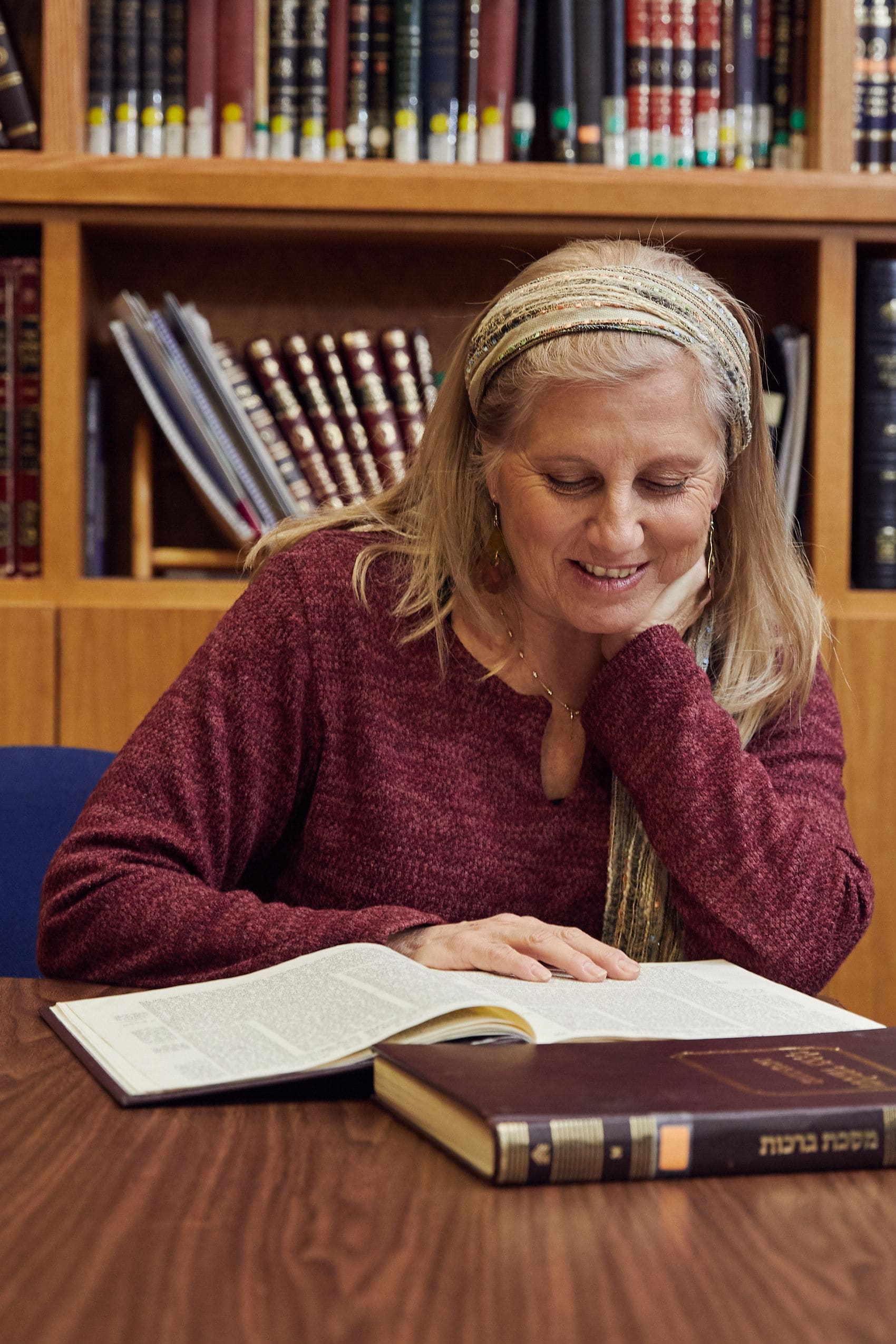
חיפה, ישראל
התחלתי ללמוד בעידוד שתי חברות אתן למדתי בעבר את הפרק היומי במסגרת 929.
בבית מתלהבים מאוד ובשבת אני לומדת את הדף עם בעלי שזה מפתיע ומשמח מאוד! לימוד הדף הוא חלק בלתי נפרד מהיום שלי. לומדת בצהריים ומחכה לזמן הזה מידי יום…

אפרת, ישראל
התחלתי ללמוד דף יומי שהתחילו מסכת כתובות, לפני 7 שנים, במסגרת קבוצת לימוד שהתפרקה די מהר, ומשם המשכתי לבד בתמיכת האיש שלי. נעזרתי בגמרת שטיינזלץ ובשיעורים מוקלטים.
הסביבה מאד תומכת ואני מקבלת המון מילים טובות לאורך כל הדרך. מאז הסיום הגדול יש תחושה שאני חלק מדבר גדול יותר.
אני לומדת בשיטת ה”7 דפים בשבוע” של הרבנית תרצה קלמן – כלומר, לא נורא אם לא הצלחת ללמוד כל יום, העיקר שגמרת ארבעה דפים בשבוע

עתניאל, ישראל
התחלתי לפני 8 שנים במדרשה. לאחרונה סיימתי מסכת תענית בלמידה עצמית ועכשיו לקראת סיום מסכת מגילה.

רעננה, ישראל
לפני 15 שנה, אחרי עשרות שנים של "ג’ינגול” בין משפחה לקריירה תובענית בהייטק, הצטרפתי לשיעורי גמרא במתן רעננה. הלימוד המעמיק והייחודי של הרבנית אושרה קורן יחד עם קבוצת הנשים המגוונת הייתה חוויה מאלפת ומעשירה. לפני כשמונה שנים כאשר מחזור הדף היומי הגיע למסכת תענית הצטרפתי כ”חברותא” לבעלי. זו השעה היומית שלנו ביחד כאשר דפי הגמרא משתלבים בחיי היום יום, משפיעים ומושפעים, וכשלא מספיקים תמיד משלימים בשבת

רעננה, ישראל
התחלתי מחוג במסכת קידושין שהעבירה הרבנית רייסנר במסגרת בית המדרש כלנה בגבעת שמואל; לאחר מכן התחיל סבב הדף היומי אז הצטרפתי. לסביבה לקח זמן לעכל אבל היום כולם תומכים ומשתתפים איתי. הלימוד לעתים מעניין ומעשיר ולעתים קשה ואף הזוי… אך אני ממשיכה קדימה. הוא משפיע על היומיום שלי קודם כל במרדף אחרי הדף, וגם במושגים הרבים שלמדתי ובידע שהועשרתי בו, חלקו ממש מעשי

ראש העין, ישראל
התחלתי בתחילת הסבב, והתמכרתי. זה נותן משמעות נוספת ליומיום ומאוד מחזק לתת לזה מקום בתוך כל שגרת הבית-עבודה השוטפת.

בית שמש, ישראל
התחלתי ללמוד דף יומי בתחילת מסכת ברכות, עוד לא ידעתי כלום. נחשפתי לסיום הש״ס, ובעצם להתחלה מחדש בתקשורת, הפתיע אותי לטובה שהיה מקום לעיסוק בתורה.
את המסכתות הראשונות למדתי, אבל לא סיימתי (חוץ מעירובין איכשהו). השנה כשהגעתי למדרשה, נכנסתי ללופ, ואני מצליחה להיות חלק, סיימתי עם החברותא שלי את כל המסכתות הקצרות, גם כשהיינו חולות קורונה ובבידודים, למדנו לבד, העיקר לא לצבור פער, ומחכות ליבמות 🙂

מזכרת בתיה, ישראל
התחלתי ללמוד את הדף היומי מעט אחרי שבני הקטן נולד. בהתחלה בשמיעה ולימוד באמצעות השיעור של הרבנית שפרבר. ובהמשך העזתי וקניתי לעצמי גמרא. מאז ממשיכה יום יום ללמוד עצמאית, ולפעמים בעזרת השיעור של הרבנית, כל יום. כל סיום של מסכת מביא לאושר גדול וסיפוק. הילדים בבית נהיו חלק מהלימוד, אני משתפת בסוגיות מעניינות ונהנית לשמוע את דעתם.

מעלה מכמש, ישראל
התחלתי ללמוד דף יומי באמצע תקופת הקורונה, שאבא שלי סיפר לי על קבוצה של בנות שתיפתח ביישוב שלנו ותלמד דף יומי כל יום. הרבה זמן רציתי להצטרף לזה וזאת הייתה ההזדמנות בשבילי. הצטרפתי במסכת שקלים ובאמצע הייתה הפסקה קצרה. כיום אני כבר לומדת באולפנה ולומדת דף יומי לבד מתוך גמרא של טיינזלץ.

עתניאל, ישראל
התחלתי ללמוד דף לפני קצת יותר מ-5 שנים, כשלמדתי רבנות בישיבת מהר”ת בניו יורק. בדיעבד, עד אז, הייתי בלימוד הגמרא שלי כמו מישהו שאוסף חרוזים משרשרת שהתפזרה, פה משהו ושם משהו, ומאז נפתח עולם ומלואו…. הדף נותן לי לימוד בצורה מאורגנת, שיטתית, יום-יומית, ומלמד אותי לא רק ידע אלא את השפה ודרך החשיבה שלנו. לשמחתי, יש לי סביבה תומכת וההרגשה שלי היא כמו בציטוט שבחרתי: הדף משפיע לטובה על כל היום שלי.
חיפה, ישראל
התחלתי ללמוד דף יומי שהתחילו מסכת כתובות, לפני 7 שנים, במסגרת קבוצת לימוד שהתפרקה די מהר, ומשם המשכתי לבד בתמיכת האיש שלי. נעזרתי בגמרת שטיינזלץ ובשיעורים מוקלטים.
הסביבה מאד תומכת ואני מקבלת המון מילים טובות לאורך כל הדרך. מאז הסיום הגדול יש תחושה שאני חלק מדבר גדול יותר.
אני לומדת בשיטת ה”7 דפים בשבוע” של הרבנית תרצה קלמן – כלומר, לא נורא אם לא הצלחת ללמוד כל יום, העיקר שגמרת ארבעה דפים בשבוע
עתניאל, ישראל
"התחלתי ללמוד דף יומי במחזור הזה, בח’ בטבת תש””ף. לקחתי על עצמי את הלימוד כדי ליצור תחום של התמדה יומיומית בחיים, והצטרפתי לקבוצת הלומדים בבית הכנסת בכפר אדומים. המשפחה והסביבה מתפעלים ותומכים.
בלימוד שלי אני מתפעלת בעיקר מכך שכדי ללמוד גמרא יש לדעת ולהכיר את כל הגמרא. זו מעין צבת בצבת עשויה שהיא עצומה בהיקפה.”

כפר אדומים, ישראל
התחלתי ללמוד בעידוד שתי חברות אתן למדתי בעבר את הפרק היומי במסגרת 929.
בבית מתלהבים מאוד ובשבת אני לומדת את הדף עם בעלי שזה מפתיע ומשמח מאוד! לימוד הדף הוא חלק בלתי נפרד מהיום שלי. לומדת בצהריים ומחכה לזמן הזה מידי יום…
אפרת, ישראל
התחלתי ללמוד דף יומי ממסכת נידה כי זה היה חומר הלימוד שלי אז. לאחר הסיום הגדול בבנייני האומה החלטתי להמשיך. וב”ה מאז עם הפסקות קטנות של קורונה ולידה אני משתדלת להמשיך ולהיות חלק.
זה משפיע מאוד על היום יום שלי ועל אף שאני עסוקה בלימודי הלכה ותורה כל יום, זאת המסגרת הקבועה והמחייבת ביותר שיש לי.

גבעת הראל, ישראל
בתחילת הסבב הנוכחי הצטברו אצלי תחושות שאני לא מבינה מספיק מהי ההלכה אותה אני מקיימת בכל יום. כמו כן, כאמא לבנות רציתי לתת להן מודל נשי של לימוד תורה
שתי הסיבות האלו הובילו אותי להתחיל ללמוד. נתקלתי בתגובות מפרגנות וסקרניות איך אישה לומדת גמרא..
כמו שרואים בתמונה אני ממשיכה ללמוד גם היום ואפילו במחלקת יולדות אחרי לידת ביתי השלישית.
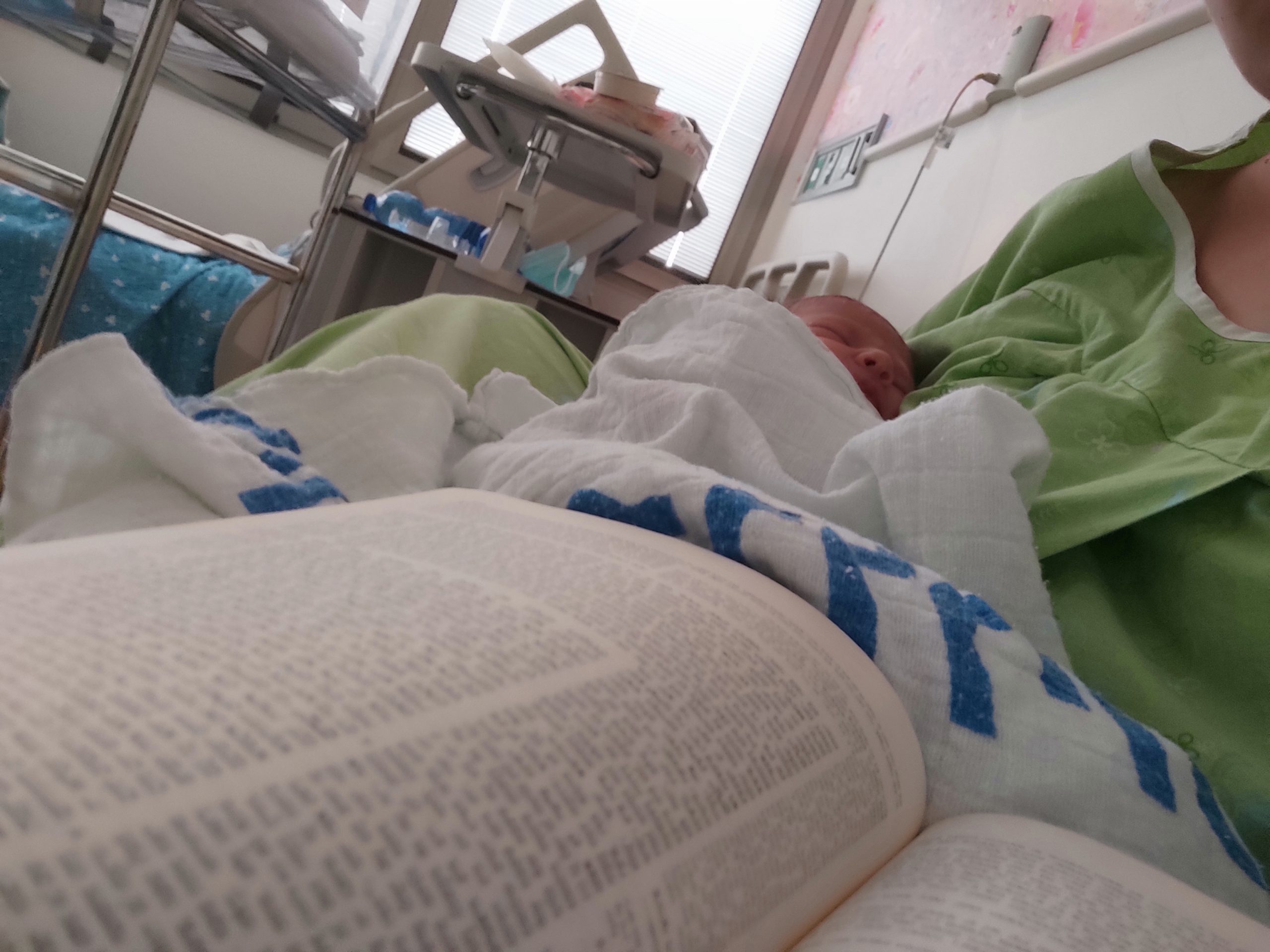
רבבה, ישראל
בסוף הסבב הקודם ראיתי את השמחה הגדולה שבסיום הלימוד, בעלי סיים כבר בפעם השלישית וכמובן הסיום הנשי בבנייני האומה וחשבתי שאולי זו הזדמנות עבורי למשהו חדש.
למרות שאני שונה בסביבה שלי, מי ששומע על הלימוד שלי מפרגן מאוד.
אני מנסה ללמוד קצת בכל יום, גם אם לא את כל הדף ובסך הכל אני בדרך כלל עומדת בקצב.
הלימוד מעניק המון משמעות ליום יום ועושה סדר בלמוד תורה, שתמיד היה (ועדיין) שאיפה. אבל אין כמו קביעות

טל מנשה, ישראל
בתחילת הסבב הנוכחי של לימוד הדף היומי, נחשפתי לחגיגות המרגשות באירועי הסיום ברחבי העולם. והבטחתי לעצמי שבקרוב אצטרף גם למעגל הלומדות. הסבב התחיל כאשר הייתי בתחילת דרכי בתוכנית קרן אריאל להכשרת יועצות הלכה של נשמ”ת. לא הצלחתי להוסיף את ההתחייבות לדף היומי על הלימוד האינטנסיבי של תוכנית היועצות. בבוקר למחרת המבחן הסופי בנשמ”ת, התחלתי את לימוד הדף במסכת סוכה ומאז לא הפסקתי.

קרית גת, ישראל
רציתי לקבל ידע בתחום שהרגשתי שהוא גדול וחשוב אך נעלם ממני. הלימוד מעניק אתגר וסיפוק ומעמיק את תחושת השייכות שלי לתורה וליהדות

עלי זהב – לשם, ישראל
רבנית מישל הציתה אש התלמוד בלבבות בביניני האומה ואני נדלקתי. היא פתחה פתח ותמכה במתחילות כמוני ואפשרה לנו להתקדם בצעדים נכונים וטובים. הקימה מערך שלם שמסובב את הלומדות בסביבה תומכת וכך נכנסתי למסלול לימוד מעשיר שאין כמוה. הדרן יצר קהילה גדולה וחזקה שמאפשרת התקדמות מכל נקודת מוצא. יש דיבוק לומדות שמחזק את ההתמדה של כולנו. כל פניה ושאלה נענית בזריזות ויסודיות. תודה גם למגי על כל העזרה.

נתניה, ישראל
עבודה זרה נו
וְאֵין בּוֹצְרִין עִם יִשְׂרָאֵל שֶׁעוֹשֶׂה פֵּירוֹתָיו בְּטוּמְאָה, וְכׇל שֶׁכֵּן שֶׁאֵין דּוֹרְכִין, אֲבָל בּוֹצְרִין עִם הַנׇּכְרִי בַּגַּת, שֶׁמּוּתָּר לִגְרוֹם טוּמְאָה לְחוּלִּין שֶׁבְּאֶרֶץ יִשְׂרָאֵל.
And one may not harvest grapes together with a Jew who produces wine from his fruit in a state of ritual impurity, as he is thereby causing the produce to be rendered impure. And all the more so may one not tread on the grapes with him, as he is assisting the Jew who is rendering the wine impure by treading on the grapes. But one may harvest grapes into the winepress together with the gentile, as it is permitted to impart impurity to non-sacred produce that is in Eretz Yisrael.
וְאֵינוֹ עוֹשֶׂה יֵין נֶסֶךְ עַד שֶׁיֵּרֵד לְבוֹר. וְהָתַנְיָא: יַיִן מִשֶּׁיְּקַפֶּה!
§ The mishna teaches: And the gentile’s touch does not render the juice of the grapes into wine used for a libation until it descends into the collection vat, because until then it does not have the status of wine. The Gemara asks: But isn’t it taught in a mishna (Ma’asrot 1:7) with regard to the stage when the work of producing the wine is considered complete and one is obligated to separate tithes from the wine: With regard to wine, one is obligated to separate tithes from the time that the solid residue floats [misheyikpe] on top of the wine.
אָמַר רָבָא: לָא קַשְׁיָא, הָא רַבִּי עֲקִיבָא, הָא רַבָּנַן, דִּתְנַן: יַיִן מִשֶּׁיֵּרֵד לַבּוֹר, רַבִּי עֲקִיבָא אוֹמֵר: מִשֶּׁיְּקַפֶּה.
Rava said: It is not difficult. That mishna is in accordance with the opinion of Rabbi Akiva, whereas this mishna is in accordance with the opinion of the Rabbis. This is as we learned in a baraita: With regard to wine, one is obligated to separate tithes from the time that the wine descends into the collection vat. Rabbi Akiva says: One is obligated to separate tithes only from the time that the solid residue floats on top of the wine.
אִיבַּעְיָא לְהוּ: קִיפּוּי דְּבוֹר, אוֹ קִיפּוּי דְּחָבִית?
A dilemma was raised before the Sages: Is Rabbi Akiva referring to the floating of the seeds on top of the wine in the collection vat or to the floating of the yeast on top of the wine in the barrel?
תָּא שְׁמַע, דְּתַנְיָא: יַיִן — מִשֶּׁיְּקַפֶּה, אַף עַל פִּי שֶׁקִּפָּה, קוֹלֵט מִן הַגַּת הָעֶלְיוֹנָה וּמִן הַצִּינּוֹר וְשׁוֹתֶה. שְׁמַע מִינַּהּ קִיפּוּי דְּבוֹר קָאָמְרִינַן, שְׁמַע מִינַּהּ.
The Gemara suggests: Come and hear a resolution of this issue, as it is taught in that mishna: With regard to wine, one is obligated to separate tithes from the time that the solid residue floats on top of the wine. Subsequently, even though the residue has floated, one may collect wine from the upper winepress and from the pipe that connects the upper winepress to the vat, and one may drink it without separating tithes. Conclude from the mishna that we are speaking about the floating of the seeds on top of the wine in the collection vat. The Gemara affirms: Conclude from it that it is so.
וְהָתָנֵי רַב זְבִיד בִּדְבֵי רַבִּי אוֹשַׁעְיָא: יַיִן — מִשֶּׁיֵּרֵד לַבּוֹר וִיקַפֶּה, רַבִּי עֲקִיבָא אוֹמֵר: מִשֶּׁיְּשַׁלֶּה בֶּחָבִיּוֹת! תָּרְצַהּ נָמֵי לְהָךְ קַמַּיְיתָא הָכִי: יַיִן — מִשֶּׁיֵּרֵד לַבּוֹר וִיקַפֶּה, רַבִּי עֲקִיבָא אוֹמֵר: מִשֶּׁיְּשַׁלֶּה בֶּחָבִיּוֹת.
The Gemara asks: But didn’t Rav Zevid teach a different version of the aforementioned dispute in a baraita of the school of Rabbi Oshaya: With regard to wine, one is obligated to separate tithes from the time that the wine descends into the collection vat and the seeds float on top. Rabbi Akiva says: One is obligated to separate tithes only from the time that one siphons the wine from the vat into barrels. The Gemara replies that one can resolve the contradiction: Explain that first baraita in this manner as well: With regard to wine, one is obligated to separate tithes from the time that the wine descends into the collection vat and the seeds float on top. Rabbi Akiva says: One is obligated to separate tithes only from the time that one siphons the wine from the vat into barrels.
וְאֶלָּא, מַתְנִיתִין דְּקָתָנֵי: אֵינוֹ עוֹשֶׂה יֵין נֶסֶךְ עַד שֶׁיֵּרֵד לַבּוֹר, לֵימָא תְּלָתָא תַּנָּאֵי הִיא? לָא, שָׁאנֵי יֵין נֶסֶךְ דְּאַחְמִירוּ בֵּיהּ רַבָּנַן.
The Gemara asks: But whose opinion is expressed in the mishna that teaches: The gentile does not render the juice of the grapes into wine used for a libation until it descends into the collection vat? Shall we say that the stage when the work of producing the wine is considered complete is subject to a dispute between three tanna’im? The Gemara replies: No, the prohibition of wine used for a libation is different, as the Sages were stringent concerning it and render the wine forbidden even before the seeds float. By contrast, with regard to tithes, the tanna of this mishna holds in accordance with the opinion of either Rabbi Akiva or the Rabbis.
וּלְרָבָא, דְּלָא שָׁאנֵי לֵיהּ, מוֹקֵים לֵיהּ כִּתְלָתָא תַּנָּאֵי.
The Gemara comments: And according to Rava, who explains that the mishna with regard to wine used for libations is in accordance with one opinion whereas the mishna with regard to tithes is in accordance with another opinion, and he does not hold that the case of wine used for a libation is different, he interprets it as a dispute between three tanna’im.
מַה שֶּׁבַּבּוֹר אָסוּר וְהַשְּׁאָר מוּתָּר. אָמַר רַב הוּנָא: לֹא שָׁנוּ אֶלָּא שֶׁלֹּא הֶחֱזִיר גַּרְגּוּתְנִי לַגַּת, אֲבָל הֶחְזִיר גַּרְגּוּתְנִי לַגַּת — אָסוּר.
§ The mishna teaches: Once the wine descends into the collection vat, that which is in the collection vat is prohibited, and the rest, which did not yet descend into the collection vat, is permitted. Rav Huna says: The mishna taught that the rest of the wine is permitted only in a case where he did not return the wicker basket [gargutni], which is used to strain the wine on the way to the vat, to the winepress. But if he returned the wicker basket to the winepress, even the wine remaining in the winepress is prohibited, as the wine in the basket renders the wine in the winepress forbidden.
גַּרְגּוּתְנִי גּוּפַהּ, בְּמַאי קָא מִיתַּסְרָא? בְּנִצּוֹק. שְׁמַע מִינַּהּ: נִצּוֹק חִיבּוּר! כִּדְתָנֵי רַבִּי חִיָּיא: שֶׁפְּחָסַתּוּ צְלוֹחִיתוֹ. הָכָא נָמֵי: שֶׁפְּחָסַתּוּ בּוֹרוֹ.
The Gemara asks: With regard to the wine in the wicker basket itself, in what manner is it rendered forbidden? Apparently, it is rendered forbidden by the stream of liquid that flows from the basket into the vat below, thereby connecting the wine in the basket to the forbidden wine in the vat. If so, conclude from Rav Huna’s statement that an uninterrupted stream of liquid is considered a connection. The Gemara rejects the inference: The reason for Rav Huna’s statement could be different, as Rabbi Ḥiyya teaches that if one fills a gentile’s flask through a funnel, the wine in the funnel is rendered forbidden in a case where the level of the wine in his flask rose and reached the funnel. Here too, Rav Huna is referring to a case where the level of the wine in his collection vat rose and reached the basket.
הָהוּא יָנוֹקָא דִּתְנָא עֲבוֹדָה זָרָה בְּשֵׁית שְׁנֵי, בְּעוֹ מִינֵּיהּ: מַהוּ לִדְרוֹךְ עִם הַנׇּכְרִי בַּגַּת? אֲמַר לְהוּ: דּוֹרְכִין עִם הַנׇּכְרִי בַּגַּת. וְהָא קָא מְנַסֵּךְ בִּידֵיהּ? דְּצָיַירְנָא לְהוּ לִידֵיהּ. וְהָא קָא מְנַסֵּךְ בְּרֶגֶל? נִיסּוּךְ דְּרֶגֶל לָא שְׁמֵיהּ נִיסּוּךְ.
§ The Gemara relates: There was a certain outstanding child who learned the tractate of Avoda Zara when he was six years old. People raised a dilemma to him: What is the halakha? Is it permitted to tread on grapes in the winepress together with the gentile? The child said to them: One may tread on grapes in the winepress together with the gentile, in accordance with the ruling of the mishna. They asked the child: But doesn’t the gentile render the wine a libation by touching it with his hands, rendering it forbidden? If so, how may a Jew derive benefit from the wine by receiving payment for his work? The child replied: It is permitted in a case where we tie his hands so that he cannot pour the wine as a libation. The child was then asked: But doesn’t the gentile render the wine a libation by touching it with his foot? The child replied: Rendering wine a libation by touching it with one’s foot is not considered rendering it a libation.
הָהוּא עוֹבָדָא דַּהֲוָה בִּנְהַרְדְּעָא, דְּדָשׁוּ יִשְׂרָאֵל וְגוֹי לְהָהוּא חַמְרָא, וְשַׁהֲיֵיהּ שְׁמוּאֵל תְּלָתָא רִיגְלֵי. מַאי טַעְמָא? אִילֵּימָא מִשּׁוּם דְּקָסָבַר:
The Gemara relates: There was a certain incident in Neharde’a in which a Jew and a gentile trod on grapes and produced a certain wine together, and Shmuel delayed ruling on the matter for three Festivals, as the Sages gathered during the Festivals and presented Shmuel with the opportunity to clarify the matter with them. The Gemara asks: What is the reason that Shmuel delayed his ruling? If we say that Shmuel delayed ruling on the matter because he thought to himself:

