חיפוש

בבא בתרא קח

רוצה להקדיש שיעור?

podcast placeholder

0:00
0:00


תקציר

מה מטרתן של החריצים הקטנים והגדולים סביב השדה שהוזכרו במשנה?

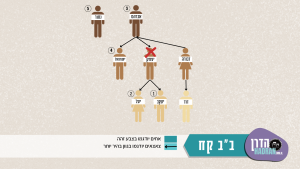
דיני ירושה מתחילים ברשימה של אילו יחסים של קרובי משפחה יורשים זה מזה ואילו מורישים נחלתם לאחר. חלק עושים את שניהם, חלק לא עושים אף אחד מהם וחלק עושים רק כיוון אחד. מדוע המשנה מתחילה בבן שמת ומעביר ירושה לאביו ולא במקרה ההפוך? התורה מפרטת את הסדר של מי ראשון בשורת הירושה אך האב נשמט מהרשימה. הסדר בתורה הוא: בן, בת, אח, דוד (אחי האב). מכיוון שהדין שהאב יורש את הבן נלמד מדרשה, מחבר המשנה רשם אותו ראשון. לפי הדרשה, אב יורש אם אין ילדים (לפני שזה עובר לאחים). למה לא לפני הבן? הבן נחשב לקרוב ביותר, כי הבן מחליף את אביו בשני דינים, ייעוד ושדה אחוזה שהוקדשה. אבל גם אח יכול להחליף את אחיו בייבום, אז למה אח לא נחשב קרוב יותר?

בבא בתרא קח

כְּדֵי שֶׁלֹּא תְּהֵא חַיָּה קוֹפֶצֶת. וְלַעֲבֵיד חָרִיץ – וְלָא לַעֲבֵיד בֶּן חָרִיץ! אַיְּידֵי דְּרָוַוח, קָיְימָא בְּגַוֵּיהּ וְקָפְצָה. וְלַעֲבֵיד בֶּן חָרִיץ – וְלָא לַעֲבֵיד חָרִיץ! אַיְּידֵי דְּקַטִּין, קָיְימָא אַשִּׂפְתֵּיהּ וְקָפְצָה. וְכַמָּה בֵּין חָרִיץ לְבֶן חָרִיץ? טֶפַח.

so that an animal will not jump over the fence, enter the field, and cause damage. The Gemara asks: Let him make only a larger ditch and not make a smaller ditch. The Gemara replies: Since the ditch is wide, the animal can stand inside it and jump from there over the fence. The Gemara asks: If so, then let him make only a smaller ditch and not make a larger ditch? Since the ditch is small, the animal stands on its edge and jumps over the fence. The baraita explains the matter further: And how much space is there between the larger ditch and the smaller ditch? One handbreadth.


הֲדַרַן עֲלָךְ בֵּית כּוֹר

יֵשׁ נוֹחֲלִין וּמַנְחִילִין, וְיֵשׁ נוֹחֲלִין וְלֹא מַנְחִילִין; מַנְחִילִין וְלֹא נוֹחֲלִין; לֹא נוֹחֲלִין וְלֹא מַנְחִילִין.

MISHNA: There are family members who both inherit from and bequeath to each other upon their respective deaths; and there are those who inherit from certain relatives but do not bequeath to them; and there are those who bequeath to certain relatives but do not inherit from them; and there are those who, despite being relatives, do not inherit from nor bequeath to one another.

וְאֵלּוּ נוֹחֲלִין וּמַנְחִילִין: הָאָב אֶת הַבָּנִים, וְהַבָּנִים אֶת הָאָב, וְהָאַחִין מִן הָאָב – נוֹחֲלִין וּמַנְחִילִין. הָאִישׁ אֶת אִמּוֹ, וְהָאִישׁ אֶת אִשְׁתּוֹ, וּבְנֵי אֲחָיוֹת – נוֹחֲלִין וְלֹא מַנְחִילִין. הָאִשָּׁה אֶת בָּנֶיהָ, וְהָאִשָּׁה אֶת בַּעְלָהּ, וַאֲחֵי הָאֵם – מַנְחִילִין וְלֹא נוֹחֲלִין. וְהָאַחִין מִן הָאֵם – לֹא נוֹחֲלִין וְלֹא מַנְחִילִין.

The mishna lists those referred to above. And these both inherit and bequeath: A father with regard to his sons, and sons with regard to their father, and paternal brothers; all inherit from one another and bequeath to each other. A man with regard to his mother, and a man with regard to his wife, and sons of sisters, i.e., nephews born to the sisters of the deceased, all inherit from their respective relatives but do not bequeath to them. A woman with regard to her sons, and a woman with regard to her husband, and maternal uncles, all bequeath to their respective relatives but do not inherit from them. And maternal brothers, despite being blood relatives, do not inherit from each other nor do they bequeath to one another, as they are not considered relatives for the purpose of inheritance.

גְּמָ׳ מַאי שְׁנָא דְּקָתָנֵי ״הָאָב אֶת הַבָּנִים״ בְּרֵישָׁא? לִיתְנֵי ״הַבָּנִים אֶת הָאָב״ בְּרֵישָׁא – חֲדָא, דְּאַתְחוֹלֵי בְּפוּרְעֲנוּתָא לָא מַתְחֲלִינַן;

GEMARA: The Gemara begins by clarifying the order of the list in the mishna. What is different, i.e., what is the reason, that the mishna teaches: A father with regard to his sons, as the first example? Let it teach: Sons with regard to their father, as the first example. The Gemara explains why this would be preferable: One reason is that we do not want to begin with a calamity, as the death of a son during his father’s lifetime is a calamity; therefore, it would have been appropriate to begin with the example of sons inheriting from their father.

וְעוֹד, כְּדִכְתִיב: ״אִישׁ כִּי יָמוּת וּבֵן אֵין לוֹ״ –

And furthermore, the verse first states that a son inherits from his father, as it is written in the portion concerning inheritance: “If a man dies, and has no son, then you shall pass his inheritance to his daughter” (Numbers 27:8).

וְתַנָּא, אַיְּידֵי דְּאָתְיָא לֵיהּ מִדְּרָשָׁא – חֲבִיבָא לֵיהּ!

The Gemara answers: And as for the tanna of the mishna who listed the father inheriting first, since the halakha that a father inherits from his son is learned through a derivation and is not explicitly mentioned in the verse, this halakha is dear to him; therefore, he listed it first.

וּמַאי דְּרָשָׁא? דְּתַנְיָא: ״שְׁאֵרוֹ״ – זֶה הָאָב; מְלַמֵּד שֶׁהָאָב קוֹדֶם לָאַחִין. יָכוֹל יְהֵא קוֹדֶם לַבֵּן? תַּלְמוּד לוֹמַר: ״הַקָּרוֹב״ – קָרוֹב קָרוֹב קוֹדֵם.

And what is the derivation? As it is taught in a baraita concerning the verse: “And if his father has no brothers, then you shall give his inheritance to his kinsman who is next to him of his family, and he shall inherit it” (Numbers 27:11): “His kinsman”; this is referring to the father, and the Torah teaches that the father precedes the brothers of the deceased in inheriting from him. One might have thought that the father of the deceased should precede the son of the deceased in inheriting from him; the verse therefore states: “Next [hakkarov] to him,” teaching that the closer [karov] one is to the deceased, the earlier one is in the order of inheritance, and a son of the deceased is considered to be a closer relative to the deceased than the father of the deceased.

וּמָה רָאִיתָ לְרַבּוֹת אֶת הַבֵּן, וּלְהוֹצִיא אֶת הָאָח? מְרַבֶּה אֲנִי אֶת הַבֵּן – שֶׁכֵּן קָם תַּחַת אָבִיו לִיעִדָה וְלִשְׂדֵה אֲחוּזָּה.

The Gemara asks: And what did you see to include the son as the closer relative than the father and to exclude the brother? The Gemara answers: I include the son, as he stands in place of his father to designate a Hebrew maidservant as a wife for himself, which a brother cannot do. And similarly, he stands in place of his father with regard to an ancestral field. If a son redeems a field consecrated by his father, it is considered as though the father himself redeemed it and the field returns to the family in the Jubilee Year. By contrast, if the brother of the one who consecrated it redeems the field, it does not return to the family (see Leviticus 27:16–21).

אַדְּרַבָּה! מְרַבֶּה אֲנִי אֶת הָאָח, שֶׁכֵּן קָם תַּחַת אָחִיו לְיִבּוּם! כְּלוּם יֵשׁ יִבּוּם – אֶלָּא בְּמָקוֹם שֶׁאֵין בֵּן, הָא בְּמָקוֹם שֶׁיֵּשׁ בֵּן – אֵין יִבּוּם.

The Gemara asks: On the contrary, I should include the brother as the closer relative, as he stands in his brother’s place with regard to levirate marriage, and a son does not. The Gemara answers: This is not a valid claim, as is there levirate marriage except in a case where there is no son? In a case where there is a son, there is no levirate marriage. This indicates that a son stands in place of the deceased before a brother even with regard to levirate marriage.

טַעְמָא דְּאִיכָּא הַאי פִּירְכָא, הָא לָאו הָכִי – הֲוָה אָמֵינָא אָח עֲדִיף? תִּיפּוֹק לֵיהּ

The Gemara comments: The reason that a son is considered to be a closer relative than a brother is specifically due to this refutation, that where there is a son there is no levirate marriage. This indicates that without this refutation I would say that a brother is superior to a son in terms of how close a relative he is. The Gemara therefore asks: Why not derive that a son is closer to the deceased than a brother

העמקה

רוצה להבין מה באמת קורה מתחת לפני השטח של הסוגיה?
שיעורים, פודקאסטים והרחבות של מיטב המורות שלנו יפתחו לך עוד זוויות וכיווני חשיבה.

לשיעורי עוד על הדף באנגלית, לחצי כאן

חדשה בלימוד הגמרא?

זה הדף הראשון שלך? איזו התרגשות עצומה! יש לנו בדיוק את התכנים והכלים שיעזרו לך לעשות את הצעדים הראשונים ללמידה בקצב וברמה שלך, כך תוכלי להרגיש בנוח גם בתוך הסוגיות המורכבות ומאתגרות.

פסיפס הלומדות שלנו

גלי את קהילת הלומדות שלנו, מגוון נשים, רקעים וסיפורים. כולן חלק מתנועה ומסע מרגש ועוצמתי.

אני לומדת גמרא כעשור במסגרות שונות, ואת הדף היומי התחלתי כשחברה הציעה שאצטרף אליה לסיום בבנייני האומה. מאז אני לומדת עם פודקסט הדרן, משתדלת באופן יומי אך אם לא מספיקה, מדביקה פערים עד ערב שבת. בסבב הזה הלימוד הוא "ממעוף הציפור”, מקשיבה במהירות מוגברת תוך כדי פעילויות כמו בישול או נהיגה, וכך רוכשת היכרות עם הסוגיות ואופן ניתוחם על ידי חז”ל. בע”ה בסבב הבא, ואולי לפני, אצלול לתוכו באופן מעמיק יותר.

Yael Bir
יעל ביר

רמת גן, ישראל

התחלתי ללמוד דף יומי אחרי שחזרתי בתשובה ולמדתי במדרשה במגדל עוז. הלימוד טוב ומספק חומר למחשבה על נושאים הלכתיים ”קטנים” ועד לערכים גדולים ביהדות. חשוב לי להכיר את הגמרא לעומק. והצעד הקטן היום הוא ללמוד אותה בבקיאות, בעזרת השם, ומי יודע אולי גם אגיע לעיון בנושאים מעניינים. נושאים בגמרא מתחברים לחגים, לתפילה, ליחסים שבין אדם לחברו ולמקום ולשאר הדברים שמלווים באורח חיים דתי 🙂

Gaia Divo
גאיה דיבו

מצפה יריחו, ישראל

שמעתי על הסיום הענק של הדף היומי ע”י נשים בבנייני האומה. רציתי גם.
החלטתי להצטרף. התחלתי ושיכנעתי את בעלי ועוד שתי חברות להצטרף. עכשיו יש לי לימוד משותף איתו בשבת ומפגש חודשי איתן בנושא (והתכתבויות תדירות על דברים מיוחדים שקראנו). הצטרפנו לקבוצות שונות בווטסאפ. אנחנו ממש נהנות. אני שומעת את השיעור מידי יום (בד”כ מהרב יוני גוטמן) וקוראת ומצטרפת לסיומים של הדרן. גם מקפידה על דף משלהן (ונהנית מאד).

Liat Citron
ליאת סיטרון

אפרת, ישראל

A life-changing journey started with a Chanukah family tiyul to Zippori, home of the Sanhedrin 2 years ago and continued with the Syum in Binanei Hauma where I was awed by the energy of 3000 women dedicated to learning daf Yomi. Opening my morning daily with a fresh daf, I am excited with the new insights I find enriching my life and opening new and deeper horizons for me.

Becky Goldstein
בקי גולדשטיין

Elazar gush etzion, Israel

התחלתי ללמוד בסבב הנוכחי לפני כשנתיים .הסביבה מתפעלת ותומכת מאוד. אני משתדלת ללמוד מכל ההסכתים הנוספים שיש באתר הדרן. אני עורכת כל סיום מסכת שיעור בביתי לכ20 נשים שמחכות בקוצר רוח למפגשים האלו.

Yael Asher
יעל אשר

יהוד, ישראל

התחלתי ללמוד דף יומי ממסכת נידה כי זה היה חומר הלימוד שלי אז. לאחר הסיום הגדול בבנייני האומה החלטתי להמשיך. וב”ה מאז עם הפסקות קטנות של קורונה ולידה אני משתדלת להמשיך ולהיות חלק.

זה משפיע מאוד על היום יום שלי ועל אף שאני עסוקה בלימודי הלכה ותורה כל יום, זאת המסגרת הקבועה והמחייבת ביותר שיש לי.

Moriah Taesan Michaeli
מוריה תעסן מיכאלי

גבעת הראל, ישראל

התחלתי ללמוד דף יומי שהתחילו מסכת כתובות, לפני 7 שנים, במסגרת קבוצת לימוד שהתפרקה די מהר, ומשם המשכתי לבד בתמיכת האיש שלי. נעזרתי בגמרת שטיינזלץ ובשיעורים מוקלטים.
הסביבה מאד תומכת ואני מקבלת המון מילים טובות לאורך כל הדרך. מאז הסיום הגדול יש תחושה שאני חלק מדבר גדול יותר.
אני לומדת בשיטת ה”7 דפים בשבוע” של הרבנית תרצה קלמן – כלומר, לא נורא אם לא הצלחת ללמוד כל יום, העיקר שגמרת ארבעה דפים בשבוע

Rachel Goldstein
רחל גולדשטיין

עתניאל, ישראל

בתחילת הסבב הנוכחי הצטברו אצלי תחושות שאני לא מבינה מספיק מהי ההלכה אותה אני מקיימת בכל יום. כמו כן, כאמא לבנות רציתי לתת להן מודל נשי של לימוד תורה
שתי הסיבות האלו הובילו אותי להתחיל ללמוד. נתקלתי בתגובות מפרגנות וסקרניות איך אישה לומדת גמרא..
כמו שרואים בתמונה אני ממשיכה ללמוד גם היום ואפילו במחלקת יולדות אחרי לידת ביתי השלישית.

Noa Shiloh
נועה שילה

רבבה, ישראל

התחלתי ללמוד בעידוד שתי חברות אתן למדתי בעבר את הפרק היומי במסגרת 929.
בבית מתלהבים מאוד ובשבת אני לומדת את הדף עם בעלי שזה מפתיע ומשמח מאוד! לימוד הדף הוא חלק בלתי נפרד מהיום שלי. לומדת בצהריים ומחכה לזמן הזה מידי יום…

Miriam Wengerover
מרים ונגרובר

אפרת, ישראל

My explorations into Gemara started a few days into the present cycle. I binged learnt and become addicted. I’m fascinated by the rich "tapestry” of intertwined themes, connections between Masechtot, conversations between generations of Rabbanim and learners past and present all over the world. My life has acquired a golden thread, linking generations with our amazing heritage.
Thank you.

Susan Kasdan
סוזן כשדן

חשמונאים, Israel

בתחילת הסבב הנוכחי הצטברו אצלי תחושות שאני לא מבינה מספיק מהי ההלכה אותה אני מקיימת בכל יום. כמו כן, כאמא לבנות רציתי לתת להן מודל נשי של לימוד תורה
שתי הסיבות האלו הובילו אותי להתחיל ללמוד. נתקלתי בתגובות מפרגנות וסקרניות איך אישה לומדת גמרא..
כמו שרואים בתמונה אני ממשיכה ללמוד גם היום ואפילו במחלקת יולדות אחרי לידת ביתי השלישית.

Noa Shiloh
נועה שילה

רבבה, ישראל

הצטרפתי ללומדות בתחילת מסכת תענית. ההתרגשות שלי ושל המשפחה היתה גדולה מאוד, והיא הולכת וגוברת עם כל סיום שאני זוכה לו. במשך שנים רבות רציתי להצטרף ומשום מה זה לא קרה… ב”ה מצאתי לפני מספר חודשים פרסום של הדרן, ומיד הצטרפתי והתאהבתי. הדף היומי שינה את חיי ממש והפך כל יום- ליום של תורה. מודה לכן מקרב ליבי ומאחלת לכולנו לימוד פורה מתוך אהבת התורה ולומדיה.

Noa Rosen
נעה רוזן

חיספין רמת הגולן, ישראל

אני לומדת גמרא כעשור במסגרות שונות, ואת הדף היומי התחלתי כשחברה הציעה שאצטרף אליה לסיום בבנייני האומה. מאז אני לומדת עם פודקסט הדרן, משתדלת באופן יומי אך אם לא מספיקה, מדביקה פערים עד ערב שבת. בסבב הזה הלימוד הוא "ממעוף הציפור”, מקשיבה במהירות מוגברת תוך כדי פעילויות כמו בישול או נהיגה, וכך רוכשת היכרות עם הסוגיות ואופן ניתוחם על ידי חז”ל. בע”ה בסבב הבא, ואולי לפני, אצלול לתוכו באופן מעמיק יותר.

Yael Bir
יעל ביר

רמת גן, ישראל

"
גם אני התחלתי בסבב הנוכחי וב””ה הצלחתי לסיים את רוב המסכתות . בזכות הרבנית מישל משתדלת לפתוח את היום בשיעור הזום בשעה 6:20 .הלימוד הפך להיות חלק משמעותי בחיי ויש ימים בהם אני מצליחה לחזור על הדף עם מלמדים נוספים ששיעוריהם נמצאים במרשתת. שמחה להיות חלק מקהילת לומדות ברחבי העולם. ובמיוחד לשמש דוגמה לנכדותיי שאי””ה יגדלו לדור שלימוד תורה לנשים יהיה משהו שבשגרה. "

Ronit Shavit
רונית שביט

נתניה, ישראל

התחלתי ללמוד את הדף היומי מעט אחרי שבני הקטן נולד. בהתחלה בשמיעה ולימוד באמצעות השיעור של הרבנית שפרבר. ובהמשך העזתי וקניתי לעצמי גמרא. מאז ממשיכה יום יום ללמוד עצמאית, ולפעמים בעזרת השיעור של הרבנית, כל יום. כל סיום של מסכת מביא לאושר גדול וסיפוק. הילדים בבית נהיו חלק מהלימוד, אני משתפת בסוגיות מעניינות ונהנית לשמוע את דעתם.

Eliraz Blau
אלירז בלאו

מעלה מכמש, ישראל

התחלתי ללמוד דף יומי לפני שנתיים, עם מסכת שבת. בהתחלה ההתמדה היתה קשה אבל בזכות הקורונה והסגרים הצלחתי להדביק את הפערים בשבתות הארוכות, לסיים את מסכת שבת ולהמשיך עם המסכתות הבאות. עכשיו אני מסיימת בהתרגשות רבה את מסכת חגיגה וסדר מועד ומחכה לסדר הבא!

Ilana-Shachnowitz
אילנה שכנוביץ

מודיעין, ישראל

A friend in the SF Bay Area said in Dec 2019 that she might start listening on her morning drive to work. I mentioned to my husband and we decided to try the Daf when it began in Jan 2020 as part of our preparing to make Aliyah in the summer.

Hana Piotrkovsky
חנה פיוטרקובסקי

ירושלים, Israel

הייתי לפני שנתיים בסיום הדרן נשים בבנייני האומה והחלטתי להתחיל. אפילו רק כמה דפים, אולי רק פרק, אולי רק מסכת… בינתיים סיימתי רבע שס ותכף את כל סדר מועד בה.
הסביבה תומכת ומפרגנת. אני בת יחידה עם ארבעה אחים שכולם לומדים דף יומי. מדי פעם אנחנו עושים סיומים יחד באירועים משפחתיים. ממש מרגש. מסכת שבת סיימנו כולנו יחד עם אבא שלנו!
אני שומעת כל יום פודקאסט בהליכה או בנסיעה ואחכ לומדת את הגמרא.

Edna Gross
עדנה גרוס

מרכז שפירא, ישראל

לצערי גדלתי בדור שבו לימוד גמרא לנשים לא היה דבר שבשגרה ושנים שאני חולמת להשלים את הפער הזה.. עד שלפני מספר שבועות, כמעט במקרה, נתקלתי במודעת פרסומת הקוראת להצטרף ללימוד מסכת תענית. כשקראתי את המודעה הרגשתי שהיא כאילו נכתבה עבורי – "תמיד חלמת ללמוד גמרא ולא ידעת איך להתחיל”, "בואי להתנסות במסכת קצרה וקלה” (רק היה חסר שהמודעה תיפתח במילים "מיכי שלום”..). קפצתי למים ו- ב”ה אני בדרך להגשמת החלום:)

Micah Kadosh
מיכי קדוש

מורשת, ישראל

התחלתי להשתתף בשיעור נשים פעם בשבוע, תכננתי ללמוד רק דפים בודדים, לא האמנתי שאצליח יותר מכך.
לאט לאט נשאבתי פנימה לעולם הלימוד .משתדלת ללמוד כל בוקר ומתחילה את היום בתחושה של מלאות ומתוך התכווננות נכונה יותר.
הלימוד של הדף היומי ממלא אותי בתחושה של חיבור עמוק לעם היהודי ולכל הלומדים בעבר ובהווה.

Neely Hayon
נילי חיון

אפרת, ישראל

בבא בתרא קח

כְּדֵי שֶׁלֹּא תְּהֵא חַיָּה קוֹפֶצֶת. וְלַעֲבֵיד חָרִיץ – וְלָא לַעֲבֵיד בֶּן חָרִיץ! אַיְּידֵי דְּרָוַוח, קָיְימָא בְּגַוֵּיהּ וְקָפְצָה. וְלַעֲבֵיד בֶּן חָרִיץ – וְלָא לַעֲבֵיד חָרִיץ! אַיְּידֵי דְּקַטִּין, קָיְימָא אַשִּׂפְתֵּיהּ וְקָפְצָה. וְכַמָּה בֵּין חָרִיץ לְבֶן חָרִיץ? טֶפַח.

so that an animal will not jump over the fence, enter the field, and cause damage. The Gemara asks: Let him make only a larger ditch and not make a smaller ditch. The Gemara replies: Since the ditch is wide, the animal can stand inside it and jump from there over the fence. The Gemara asks: If so, then let him make only a smaller ditch and not make a larger ditch? Since the ditch is small, the animal stands on its edge and jumps over the fence. The baraita explains the matter further: And how much space is there between the larger ditch and the smaller ditch? One handbreadth.

הֲדַרַן עֲלָךְ בֵּית כּוֹר

יֵשׁ נוֹחֲלִין וּמַנְחִילִין, וְיֵשׁ נוֹחֲלִין וְלֹא מַנְחִילִין; מַנְחִילִין וְלֹא נוֹחֲלִין; לֹא נוֹחֲלִין וְלֹא מַנְחִילִין.

MISHNA: There are family members who both inherit from and bequeath to each other upon their respective deaths; and there are those who inherit from certain relatives but do not bequeath to them; and there are those who bequeath to certain relatives but do not inherit from them; and there are those who, despite being relatives, do not inherit from nor bequeath to one another.

וְאֵלּוּ נוֹחֲלִין וּמַנְחִילִין: הָאָב אֶת הַבָּנִים, וְהַבָּנִים אֶת הָאָב, וְהָאַחִין מִן הָאָב – נוֹחֲלִין וּמַנְחִילִין. הָאִישׁ אֶת אִמּוֹ, וְהָאִישׁ אֶת אִשְׁתּוֹ, וּבְנֵי אֲחָיוֹת – נוֹחֲלִין וְלֹא מַנְחִילִין. הָאִשָּׁה אֶת בָּנֶיהָ, וְהָאִשָּׁה אֶת בַּעְלָהּ, וַאֲחֵי הָאֵם – מַנְחִילִין וְלֹא נוֹחֲלִין. וְהָאַחִין מִן הָאֵם – לֹא נוֹחֲלִין וְלֹא מַנְחִילִין.

The mishna lists those referred to above. And these both inherit and bequeath: A father with regard to his sons, and sons with regard to their father, and paternal brothers; all inherit from one another and bequeath to each other. A man with regard to his mother, and a man with regard to his wife, and sons of sisters, i.e., nephews born to the sisters of the deceased, all inherit from their respective relatives but do not bequeath to them. A woman with regard to her sons, and a woman with regard to her husband, and maternal uncles, all bequeath to their respective relatives but do not inherit from them. And maternal brothers, despite being blood relatives, do not inherit from each other nor do they bequeath to one another, as they are not considered relatives for the purpose of inheritance.

גְּמָ׳ מַאי שְׁנָא דְּקָתָנֵי ״הָאָב אֶת הַבָּנִים״ בְּרֵישָׁא? לִיתְנֵי ״הַבָּנִים אֶת הָאָב״ בְּרֵישָׁא – חֲדָא, דְּאַתְחוֹלֵי בְּפוּרְעֲנוּתָא לָא מַתְחֲלִינַן;

GEMARA: The Gemara begins by clarifying the order of the list in the mishna. What is different, i.e., what is the reason, that the mishna teaches: A father with regard to his sons, as the first example? Let it teach: Sons with regard to their father, as the first example. The Gemara explains why this would be preferable: One reason is that we do not want to begin with a calamity, as the death of a son during his father’s lifetime is a calamity; therefore, it would have been appropriate to begin with the example of sons inheriting from their father.

וְעוֹד, כְּדִכְתִיב: ״אִישׁ כִּי יָמוּת וּבֵן אֵין לוֹ״ –

And furthermore, the verse first states that a son inherits from his father, as it is written in the portion concerning inheritance: “If a man dies, and has no son, then you shall pass his inheritance to his daughter” (Numbers 27:8).

וְתַנָּא, אַיְּידֵי דְּאָתְיָא לֵיהּ מִדְּרָשָׁא – חֲבִיבָא לֵיהּ!

The Gemara answers: And as for the tanna of the mishna who listed the father inheriting first, since the halakha that a father inherits from his son is learned through a derivation and is not explicitly mentioned in the verse, this halakha is dear to him; therefore, he listed it first.

וּמַאי דְּרָשָׁא? דְּתַנְיָא: ״שְׁאֵרוֹ״ – זֶה הָאָב; מְלַמֵּד שֶׁהָאָב קוֹדֶם לָאַחִין. יָכוֹל יְהֵא קוֹדֶם לַבֵּן? תַּלְמוּד לוֹמַר: ״הַקָּרוֹב״ – קָרוֹב קָרוֹב קוֹדֵם.

And what is the derivation? As it is taught in a baraita concerning the verse: “And if his father has no brothers, then you shall give his inheritance to his kinsman who is next to him of his family, and he shall inherit it” (Numbers 27:11): “His kinsman”; this is referring to the father, and the Torah teaches that the father precedes the brothers of the deceased in inheriting from him. One might have thought that the father of the deceased should precede the son of the deceased in inheriting from him; the verse therefore states: “Next [hakkarov] to him,” teaching that the closer [karov] one is to the deceased, the earlier one is in the order of inheritance, and a son of the deceased is considered to be a closer relative to the deceased than the father of the deceased.

וּמָה רָאִיתָ לְרַבּוֹת אֶת הַבֵּן, וּלְהוֹצִיא אֶת הָאָח? מְרַבֶּה אֲנִי אֶת הַבֵּן – שֶׁכֵּן קָם תַּחַת אָבִיו לִיעִדָה וְלִשְׂדֵה אֲחוּזָּה.

The Gemara asks: And what did you see to include the son as the closer relative than the father and to exclude the brother? The Gemara answers: I include the son, as he stands in place of his father to designate a Hebrew maidservant as a wife for himself, which a brother cannot do. And similarly, he stands in place of his father with regard to an ancestral field. If a son redeems a field consecrated by his father, it is considered as though the father himself redeemed it and the field returns to the family in the Jubilee Year. By contrast, if the brother of the one who consecrated it redeems the field, it does not return to the family (see Leviticus 27:16–21).

אַדְּרַבָּה! מְרַבֶּה אֲנִי אֶת הָאָח, שֶׁכֵּן קָם תַּחַת אָחִיו לְיִבּוּם! כְּלוּם יֵשׁ יִבּוּם – אֶלָּא בְּמָקוֹם שֶׁאֵין בֵּן, הָא בְּמָקוֹם שֶׁיֵּשׁ בֵּן – אֵין יִבּוּם.

The Gemara asks: On the contrary, I should include the brother as the closer relative, as he stands in his brother’s place with regard to levirate marriage, and a son does not. The Gemara answers: This is not a valid claim, as is there levirate marriage except in a case where there is no son? In a case where there is a son, there is no levirate marriage. This indicates that a son stands in place of the deceased before a brother even with regard to levirate marriage.

טַעְמָא דְּאִיכָּא הַאי פִּירְכָא, הָא לָאו הָכִי – הֲוָה אָמֵינָא אָח עֲדִיף? תִּיפּוֹק לֵיהּ

The Gemara comments: The reason that a son is considered to be a closer relative than a brother is specifically due to this refutation, that where there is a son there is no levirate marriage. This indicates that without this refutation I would say that a brother is superior to a son in terms of how close a relative he is. The Gemara therefore asks: Why not derive that a son is closer to the deceased than a brother

רוצה לעקוב אחרי התכנים ולהמשיך ללמוד?

ביצירת חשבון עוד היום ניתן לעקוב אחרי ההתקדמות שלך, לסמן מה למדת, ולעקוב אחרי השיעורים שמעניינים אותך.

לנקות את כל הפריטים מהרשימה?

פעולה זו תסיר את כל הפריטים בחלק זה כולל ההתקדמות וההיסטוריה. שימי לב: לא ניתן לשחזר פעולה זו.

ביטול
מחיקה

האם את/ה בטוח/ה שברצונך למחוק פריט זה?

תאבד/י את כל ההתקדמות או ההיסטוריה הקשורות לפריט זה.

ביטול
מחיקה