חיפוש

בבא בתרא קכג

רוצה להקדיש שיעור?

podcast placeholder

0:00
0:00


תקציר

כיצד מחושב פי שניים לבכור – האם כפול שניים מהחלק שכל האחים האחרים מקבלים או שני שלישים מכל הרכוש? התשובה נלמדת ממספר פסוקים והגמרא מסבירה מדוע כולם נחוצים. רבות מההוכחות הן מהבכורה שקיבל יוסף.

מדוע יעקב לקח את במכורה מראובן ונתן ליוסף? מההתחלה, זה היה צריך להינתן לבן רחל (כפי שנלמד מבראשית לז:ב), אבל לאה הייתה ראויה שבנה יהיה הבכור כי היא ביקשה רחמים. אולם, בזכות הצניעות של רחל, זה הוחזר לבנה. כדי להסביר מה הם הרחמים של לאה והצניעות של רחל, הגמרא מרחיבה בפירוט רב על הסיפור כיצד יעקב רצה להתחתן עם רחל אך התחתן תחילה עם לאה.

ברייתא מתארת דברים שונים שבהם הבכור מקבל פי שניים והגמרא מסבירה כל מקרה.

בבא בתרא קכג

חֶלְקוֹ עִם אֶחָד, וְחֶלְקוֹ עִם חֲמִשָּׁה; מָה חֶלְקוֹ עִם אֶחָד – פִּי שְׁנַיִם כְּאֶחָד, אַף חֶלְקוֹ עִם חֲמִשָּׁה – פִּי שְׁנַיִם כְּאֶחָד!

There may be times when a firstborn takes his portion of the inheritance, dividing the estate with one other brother, and there may be times when a firstborn takes his portion of the inheritance, dividing the estate with five brothers, and there is no indication that the Torah differentiates between the manner in which the respective firstborns collect in each scenario. Therefore, just as when a firstborn takes his portion, dividing the estate with one other brother, he receives double the property received by one inheritor, so too, when a firstborn takes his portion of the inheritance, dividing the estate with five brothers, he receives double the property received by one inheritor.

אוֹ כְּלָךְ לְדֶרֶךְ זוֹ – חֶלְקוֹ עִם אֶחָד, וְחֶלְקוֹ עִם חֲמִשָּׁה; מָה חֶלְקוֹ עִם אֶחָד – פִּי שְׁנַיִם בְּכׇל הַנְּכָסִים, אַף חֶלְקוֹ עִם חֲמִשָּׁה – פִּי שְׁנַיִם בְּכׇל הַנְּכָסִים!

The baraita suggests the opposite logical derivation: Or perhaps go this way: There may be times when a firstborn takes his portion of the inheritance, dividing the estate with one other brother, and there may be times when a firstborn takes his portion of the inheritance, dividing the estate with five brothers. Therefore, just as when a firstborn takes his portion, dividing the estate with one other brother, he receives a double portion of all the property, so too when a firstborn takes his portion of the inheritance, dividing the estate with five brothers, he receives a double portion of all the property.

תַּלְמוּד לוֹמַר: ״וְהָיָה בְּיוֹם הַנְחִילוֹ אֶת בָּנָיו״ – הַתּוֹרָה רִיבְּתָה נַחֲלָה אֵצֶל אַחִין; הָא אֵין עָלֶיךָ לָדוּן כַּלָּשׁוֹן הָאַחֲרוֹן, אֶלָּא כַּלָּשׁוֹן הָרִאשׁוֹן.

As the logical inference can lead to either conclusion, the halakha is determined by a derivation from a verse. The verse states: “Then it shall be, in the day that he causes his sons to inherit” (Deuteronomy 21:16). As the next verse spells out: “But he shall acknowledge the firstborn, the son of the hated, by giving him a double portion of all that he has” (Deuteronomy 21:17), the former verse is ostensibly redundant. The additional verse is therefore understood as an inclusion: The Torah increased inheritance with regard to the brothers, indicating that the more brothers there are, the greater the portion they collect from the entire estate. Therefore, you should not reason in accordance with the final formulation, in which the baraita suggests that the firstborn inherits twice as much as all the other brothers combined, but in accordance with the first formulation, according to which the firstborn inherits twice as much as each other brother.

וְאוֹמֵר: ״וּבְנֵי רְאוּבֵן בְּכוֹר יִשְׂרָאֵל, כִּי הוּא הַבְּכוֹר, וּבְחַלְּלוֹ יְצוּעֵי אָבִיו נִתְּנָה בְּכֹרָתוֹ לִבְנֵי יוֹסֵף בֶּן יִשְׂרָאֵל, וְלֹא לְהִתְיַחֵשׂ לַבְּכֹרָה״, וְאוֹמֵר: ״כִּי יְהוּדָה גָּבַר בְּאֶחָיו וּלְנָגִיד מִמֶּנּוּ, וְהַבְּכֹרָה לְיוֹסֵף״ –

The baraita reinforces this statement by citing additional verses: And the verse states: “And the sons of Reuben the firstborn of Israel, for he was the firstborn; but, inasmuch as he defiled his father’s couch, his birthright [bekhorato] was given to the sons of Joseph the son of Israel, yet not so that he was to be reckoned in the genealogy as firstborn” (I Chronicles 5:1). And the following verse states: “For Judah prevailed above his brothers, and the prince came of him; but the birthright [vehabekhora] was Joseph’s” (I Chronicles 5:2).

נֶאֶמְרָה ״בְּכוֹרָה״ לְיוֹסֵף, וְנֶאֶמְרָה ״בְּכוֹרָה״ לְדוֹרוֹת; מָה בְּכוֹרָה הָאֲמוּרָה לְיוֹסֵף – פִּי שְׁנַיִם כְּאֶחָד, אַף בְּכוֹרָה הָאֲמוּרָה לְדוֹרוֹת – פִּי שְׁנַיִם כְּאֶחָד.

The baraita derives: Birthright, i.e., firstborn status, is stated here with regard to Joseph, and birthright is stated in another verse concerning the double portion with regard to the later generations: “By giving him a double portion of all that he has, for he is the first-fruits of his strength, the birthright [habekhora] is his” (Deuteronomy 21:17). Just as the birthright stated with regard to Joseph is double the property received by one inheritor, as the Gemara will explain, so too the birthright stated with regard to the later generations is double the property received by one inheritor.

וְאוֹמֵר: ״וַאֲנִי נָתַתִּי לְךָ שְׁכֶם אַחַד עַל אַחֶיךָ, אֲשֶׁר לָקַחְתִּי מִיַּד הָאֱמוֹרִי בְּחַרְבִּי וּבְקַשְׁתִּי״ – וְכִי בְּחַרְבּוֹ וּבְקַשְׁתּוֹ לָקַח?! וַהֲלֹא כְּבָר נֶאֱמַר: ״כִּי לֹא בְקַשְׁתִּי אֶבְטָח, וְחַרְבִּי לֹא תוֹשִׁיעֵנִי״! אֶלָּא ״חַרְבִּי״ – זוֹ תְּפִלָּה, ״קַשְׁתִּי״ – זוֹ בַּקָּשָׁה.

The baraita cites additional related verses: And with regard to Jacob’s bequest to Joseph, the verse states: “Moreover I have given to you one portion above your brothers, which I took out of the hand of the Amorite with my sword and with my bow” (Genesis 48:22). The baraita explains the verse: But is it so that Jacob took the portion with his sword and with his bow? But isn’t it already stated: “Through You do we push down our adversaries; through Your name do we trample those that rise against us. For I trust not in my bow, neither can my sword save me” (Psalms 44:6–7)? Rather, what is the meaning of “with my sword”? This is referring to prayer. What is the meaning of “with my bow”? This is referring to petition. This concludes the baraita.

מַאי ״וְאוֹמֵר״? וְכִי תֵּימָא הַאי לְכִדְרַבִּי יוֹחָנָן בֶּן בְּרוֹקָא הוּא דַּאֲתָא – תָּא שְׁמַע: ״וּבְנֵי רְאוּבֵן בְּכוֹר יִשְׂרָאֵל״.

The Gemara analyzes the baraita: What is the reason the baraita cites additional proofs, introducing them with the term: And the verse states? The Gemara explains: And if you would say that the proof from the verse: “Then it shall be, in the day that he causes his sons to inherit” is not valid, as perhaps this verse comes to teach the halakha of Rabbi Yoḥanan ben Beroka that a father may designate property for whichever child he desires, then come and hear a separate proof: “And the sons of Reuben the firstborn of Israelhis birthright was given to the sons of Joseph the son of Israel.” As Joseph’s birthright was that his sons received two portions, evidently the birthright of the firstborn is that he receives double the amount received by one inheritor.

וְכִי תֵּימָא ״בְּכוֹרָה״ מִ״בְּכוֹרָתוֹ״ לָא גָּמְרִינַן – תָּא שְׁמַע: ״וְהַבְּכֹרָה לְיוֹסֵף״.

And if you would say that this is not a proof either, as we do not derive the meaning of the term: “Birthright [bekhora]” (see Deuteronomy 21:17) from the similar but not identical term of: “His birthright [bekhorato],” come and hear a proof from the term employed in the following phrase from the verse: “But the birthright [vehabekhora] was Joseph’s.”

וְכִי תֵּימָא: יוֹסֵף גּוּפֵיהּ – מִמַּאי דְּפִי שְׁנַיִם כְּאֶחָד הֲוָה? תָּא שְׁמַע: ״וַאֲנִי נָתַתִּי לְךָ שְׁכֶם אַחַד עַל אַחֶיךָ״.

The Gemara continues to explicate the biblical citations in the baraita: And if you would say that this is not a proof either, as concerning Joseph himself, from where may it be learned that his birthright was double the property received by one inheritor? Come and hear a proof: “Moreover I have given to you one portion above your brothers,” indicating that Joseph received one more portion than each of the other sons of Jacob.

אֲמַר לֵיהּ רַב פָּפָּא לְאַבָּיֵי: אֵימָא דִּיקְלָא בְּעָלְמָא! אֲמַר לֵיהּ, עָלֶיךָ אָמַר קְרָא: ״אֶפְרַיִם וּמְנַשֶּׁה – כִּרְאוּבֵן וְשִׁמְעוֹן יִהְיוּ לִי״.

Rav Pappa said to Abaye: Why not say that the term “one portion” is referring to a mere palm tree or some other relatively small extra gift, instead of a full, equal share? Abaye said to him: For you, i.e., to answer your question, the verse states: “Ephraim and Manasseh, even as Reuben and Simeon, shall be mine” (Genesis 48:5). Evidently, Joseph’s children together received portions equal to that of Reuben and Simeon together, i.e., two full portions.

בְּעָא מִינֵּיהּ רַבִּי חֶלְבּוֹ מֵרַבִּי שְׁמוּאֵל בַּר נַחְמָנִי: מָה רָאָה יַעֲקֹב שֶׁנָּטַל בְּכוֹרָה מֵרְאוּבֵן, וּנְתָנָהּ לְיוֹסֵף? מָה רָאָה?! ״וּבְחַלְּלוֹ יְצוּעֵי אָבִיו״ כְּתִיב! אֶלָּא מָה רָאָה שֶׁנְּתָנָהּ לְיוֹסֵף?

§ Rabbi Ḥelbo asked Rabbi Shmuel bar Naḥmani: What did Jacob see that he took the status as firstborn from Reuben and gave it to Joseph? The Gemara wonders: What does he mean, what did he see? The matter is written explicitly: “But, inasmuch as he defiled his father’s couch, his birthright was given to the sons of Joseph” (I Chronicles 5:1). Rather, Rabbi Ḥelbo’s question was: What did he see that he gave it specifically to Joseph?

אֶמְשׁוֹל לְךָ מָשָׁל, לְמָה הַדָּבָר דּוֹמֶה? לְבַעַל הַבַּיִת שֶׁגִּדֵּל יָתוֹם בְּתוֹךְ בֵּיתוֹ; לְיָמִים הֶעֱשִׁיר אוֹתוֹ יָתוֹם, וְאָמַר: אֲהַנֵּיהוּ לְבַעַל הַבַּיִת מִנְּכָסַי. אֲמַר לֵיהּ: וְאִי לָאו דַּחֲטָא רְאוּבֵן, לָא מְהַנֵּי לֵיהּ לְיוֹסֵף וְלָא מִדָּעַם?!

Rabbi Shmuel bar Naḥmani answered Rabbi Ḥelbo: I will tell you a parable. To what is this matter comparable? To a homeowner who raised an orphan in his home. Eventually, that orphan became wealthy and said: I will provide benefit to the homeowner from my property. Similarly, since Joseph sustained Jacob in Egypt for a number of years, Jacob saw fit to repay the kindness. Rabbi Ḥelbo said to him: And if Reuben did not sin, would Jacob not have provided any benefit to Joseph? It cannot be that Jacob repaid Joseph only as a result of Reuben’ sin.

אֶלָּא רַבִּי יוֹנָתָן רַבָּךְ לֹא כָּךְ אָמַר – רְאוּיָה הָיְתָה בְּכוֹרָה לָצֵאת מֵרָחֵל, דִּכְתִיב: ״אֵלֶּה תֹּלְדוֹת יַעֲקֹב, יוֹסֵף״, אֶלָּא שֶׁקְּדָמַתָּהּ לֵאָה בְּרַחֲמִים; וּמִתּוֹךְ צְנִיעוּת שֶׁהָיְתָה בָּהּ בְּרָחֵל, הֶחְזִירָהּ הַקָּדוֹשׁ בָּרוּךְ הוּא לָהּ.

Rather, doesn’t your teacher Rabbi Yonatan say like this: It was appropriate for the child receiving the status of firstborn to emerge from Rachel, as it is written: “These are the generations of Jacob, Joseph (Genesis 37:2), indicating that Joseph was Jacob’s primary progeny. But Leah advanced ahead of Rachel with appeals for mercy, i.e., with prayer, and thereby earned the status as firstborn for her firstborn. But because of the modesty that Rachel possessed, the Holy One, Blessed be He, returned the status as firstborn to her. This is why Jacob gave the status as firstborn to Joseph.

מַאי ״קְדָמַתָּהּ לֵאָה בְּרַחֲמִים״? דִּכְתִיב: ״וְעֵינֵי לֵאָה רַכּוֹת״ – מַאי ״רַכּוֹת״? אִילֵּימָא רַכּוֹת מַמָּשׁ, אֶפְשָׁר בִּגְנוּת בְּהֵמָה טְמֵאָה לֹא דִּבֵּר הַכָּתוּב, דִּכְתִיב: ״מִן הַבְּהֵמָה הַטְּהוֹרָה וּמִן הַבְּהֵמָה אֲשֶׁר אֵינֶנָּה טְהֹרָה״; בִּגְנוּת צַדִּיקִים דִּבֵּר הַכָּתוּב?! אֶלָּא אָמַר רַבִּי אֶלְעָזָר: שֶׁמַּתְּנוֹתֶיהָ אֲרוּכּוֹת.

The Gemara explains this answer: What does it mean that Leah advanced ahead of Rachel with mercy? As it is written: “And Leah’s eyes were weak [rakkot]” (Genesis 29:17). What is the meaning of rakkot”? If we say that her eyes were literally weak, is it possible that the verse would say that? The verse there did not speak to the disparagement of even a non-kosher animal, as it is written: “From the pure animals and from the animals that are lacking purity” (Genesis 7:8). The verse states: “That are lacking purity” rather than stating explicitly and disparagingly: That are impure. If that is so with regard to animals, did the verse speak here to the disparagement of the righteous? Rather, Rabbi Elazar says: The term alludes to the fact that her gifts, i.e., the gifts given to her descendants, e.g., the priesthood and the monarchy, were long-lasting [arukkot], as they were passed down from generation to generation.

רַב אָמַר: לְעוֹלָם רַכּוֹת מַמָּשׁ, וְלֹא גְּנַאי הוּא לָהּ, אֶלָּא שֶׁבַח הוּא לָהּ. שֶׁהָיְתָה שׁוֹמַעַת עַל פָּרָשַׁת דְּרָכִים בְּנֵי אָדָם שֶׁהָיוּ אוֹמְרִים: שְׁנֵי בָנִים יֵשׁ לָהּ לְרִבְקָה, שְׁתֵּי בָנוֹת יֵשׁ לוֹ לְלָבָן, גְּדוֹלָה לַגָּדוֹל וּקְטַנָּה לַקָּטָן.

Rav says that there is a different explanation of the verse: Actually, the verse means that her eyes were literally weak, and this is not a denigration of her but a praise of her. As she would hear people at the crossroads, coming from the land of Canaan, who would say: Rebecca has two sons, and her brother Laban has two daughters; the older daughter will be married to the older son, and the younger daughter will be married to the younger son.

וְהָיְתָה יוֹשֶׁבֶת עַל פָּרָשַׁת דְּרָכִים וּמְשָׁאֶלֶת: גָּדוֹל מָה מַעֲשָׂיו? אִישׁ רַע הוּא מְלַסְטֵם בְּרִיּוֹת. קָטָן מָה מַעֲשָׂיו? ״אִישׁ תָּם יֹשֵׁב אֹהָלִים״. וְהָיְתָה בּוֹכָה, עַד שֶׁנָּשְׁרוּ רִיסֵי עֵינֶיהָ.

Rav continues: And she would sit at the crossroads and ask: What are the deeds of the older son? The passersby would answer: He is an evil man, and he robs people. She would ask: What are the deeds of the younger son? They would answer: He is “a quiet man, dwelling in tents” (Genesis 25:27). And because she was so distraught at the prospect of marrying the evil brother, she would cry and pray for mercy until her eyelashes fell out. Since the weakness of her eyes was due to this cause, characterizing her eyes as weak constitutes praise. This is Leah’s prayer for mercy to which Rabbi Yonatan referred.

וְהַיְינוּ דִּכְתִיב: ״וַיַּרְא ה׳ כִּי שְׂנוּאָה לֵאָה״ – מַאי ״שְׂנוּאָה״? אִילֵּימָא שְׂנוּאָה מַמָּשׁ; אֶפְשָׁר בִּגְנוּת בְּהֵמָה טְמֵאָה לֹא דִּבֵּר הַכָּתוּב, בִּגְנוּת צַדִּיקִים דִּבֵּר הַכָּתוּב?! אֶלָּא רָאָה הַקָּדוֹשׁ בָּרוּךְ הוּא שֶׁשְּׂנוּאִין מַעֲשֵׂה עֵשָׂו בְּפָנֶיהָ, ״וַיִּפְתַּח אֶת רַחְמָהּ״.

The Gemara comments: And her desire not to marry Esau is the basis of that which is written: “And the Lord saw that Leah was hated, and He opened her womb” (Genesis 29:31). What is the meaning of “hated”? If we say that she was literally hated, is it possible? The verse there did not speak to the disparagement of even a non-kosher animal, so did the verse here speak to the disparagement of the righteous? Rather, the Holy One, Blessed be He, saw that the behavior of Esau was hated by her, and therefore: “And He opened her womb.”

וּמַאי צְנִיעוּת הָיְתָה בָּהּ בְּרָחֵל? דִּכְתִיב: ״וַיַּגֵּד יַעֲקֹב לְרָחֵל כִּי אֲחִי אָבִיהָ הוּא, וְכִי בֶן רִבְקָה הוּא״ וַהֲלֹא בֶּן אֲחוֹת אָבִיהָ הוּא! אֶלָּא אֲמַר לַהּ: מִינַּסְבַת לִי? אֲמַרָה לֵיהּ: אִין, מִיהוּ אַבָּא רַמָּאָה הוּא, וְלָא יָכְלַתְּ לֵיהּ.

The Gemara now explains the second part of Rabbi Yonatan’s explanation: And what was a demonstration of the modesty that Rachel possessed? As it is written: “And Jacob told Rachel that he was her father’s brother, and that he was Rebecca’s son” (Genesis 29:12). The Gemara asks: But isn’t he the son of her father’s sister? Why did he say that he was her father’s brother? Rather, Jacob and Rachel had the following exchange: Jacob said to Rachel: Will you marry me? Rachel said to him: Yes, but my father is a deceitful person, and you cannot defeat him.

אֲמַר לַהּ: מַאי רַמָּאוּתֵיהּ? אֲמַרָה לֵיהּ: אִית לִי אֲחָתָא דְּקַשִּׁישָׁא מִינַּאי, וְלָא מַנְסְבָא לִי מִקַּמַּהּ. אֲמַר לַהּ: אָחִיו אֲנִי בְּרַמָּאוּת. אֲמַרָה לֵיהּ: וּמִי שְׁרֵי לְהוּ לְצַדִּיקֵי לְסַגּוֹיֵי בְּרַמָּאוּתָא? אִין, ״עִם נָבָר תִּתָּבָר וְעִם עִקֵּשׁ תִּתַּפָּל״; מְסַר לַהּ סִימָנִין.

Jacob said to her: What is his method of deceit of which I need be aware? Rachel said to him: I have a sister who is older than me, and he will not marry me off before he marries her off, even if he promises that he will do so. Jacob said to her: I am his brother, i.e., equal, in deceit, and he will not be able to deceive me. That is why Jacob said that he was “her father’s brother.” Rachel said to him: But is it permitted for the righteous to act deceitfully? Jacob answered her: Yes, in certain circumstances. As the verse states concerning God: “With the pure You show Yourself pure; and with the crooked You show Yourself subtle” (II Samuel 22:27). Therefore, to counter Laban’s deceit, Jacob gave Rachel secret signs to prove to him that she was the one marrying him.

כִּי קָא מְעַיְּילִי לַהּ לְלֵאָה, סָבְרָה: הַשְׁתָּא מִיכַּסְפָא אֲחָתַאי. מְסַרְתִּינְהוּ נִיהֲלַהּ. וְהַיְינוּ דִּכְתִיב: ״וַיְהִי בַבֹּקֶר וְהִנֵּה הִיא לֵאָה״ – מִכְּלָל דְּעַד הַשְׁתָּא לָאו לֵאָה הִיא?! אֶלָּא מִתּוֹךְ סִימָנִים שֶׁמָּסַר לָהּ יַעֲקֹב לְרָחֵל, וּמְסָרָתַן לְלֵאָה – לָא הֲוָה יָדַע לַהּ עַד הַהִיא שַׁעְתָּא.

Laban did in fact attempt to have Jacob marry Leah instead of marrying Rachel. When Laban’s associates were bringing Leah up to the wedding canopy to marry Jacob, Rachel thought: Now my sister will be humiliated when Jacob discovers that she is the one marrying him. Therefore, Rachel gave the signs to Leah. And this is as it is written: “And it came to pass in the morning that, behold, it was Leah (Genesis 29:25). This verse is difficult, as by inference, should one derive that until now she was not Leah? Rather, through the signs that Jacob gave to Rachel and that she gave to Leah, he did not know it was she until that moment. This is the modesty of Rachel to which Rabbi Yonatan was referring.

בְּעָא מִינֵּיהּ אַבָּא חֲלִיפָא קִרְוָיָא מֵרַבִּי חִיָּיא בַּר אַבָּא: בִּכְלָלָן – אַתָּה מוֹצֵא שִׁבְעִים; בִּפְרָטָן – אַתָּה מוֹצֵא שִׁבְעִים חָסֵר אֶחָד! אֲמַר לֵיהּ: תְּאוֹמָה הָיְתָה עִם דִּינָה, דִּכְתִיב: ״וְאֵת דִּינָה בִתּוֹ״. אֶלָּא מֵעַתָּה, תְּאוֹמָה הָיְתָה עִם בִּנְיָמִן – דִּכְתִיב:

§ The Gemara continues its discussion of Jacob’s family. Abba Ḥalifa Karoya asked Rabbi Ḥiyya bar Abba: In the total tally of Jacob’s family members who descended to Egypt, you find seventy, as stated in the verse: “All the souls of the house of Jacob, that came into Egypt, were seventy” (Genesis 46:27). By contrast, in their individual listing, when the family members of each of his sons are listed by name, you find seventy-less-one. How can this be resolved? Rabbi Ḥiyya bar Abba said to him: A twin sister was born with Dinah, as it is written: “And [ve’et] his daughter Dinah (Genesis 46:15). The term et implies an unspecified additional person. Abba Ḥalifa Karoya replied: If that is so, one would have to say that a twin sister was born with Benjamin, as it is written:

״וְאֶת בִּנְיָמִין אָחִיו בֶּן אִמּוֹ״?! אֲמַר: מַרְגָּלִית טוֹבָה הָיְתָה בְּיָדִי, וְאַתָּה מְבַקֵּשׁ לְאַבְּדָהּ מִמֶּנִּי; הָכִי אָמַר רַבִּי חָמָא בַּר חֲנִינָא: זוֹ יוֹכֶבֶד – שֶׁהוֹרָתָהּ בַּדֶּרֶךְ, וְלֵידָתָהּ בֵּין הַחוֹמוֹת; שֶׁנֶּאֱמַר: ״אֲשֶׁר יָלְדָה אוֹתָהּ לְלֵוִי בְּמִצְרָיִם״ – לֵידָתָהּ בְּמִצְרַיִם, וְאֵין הוֹרָתָהּ בְּמִצְרַיִם.

“And he lifted up his eyes, and saw et Benjamin his brother, his mother’s son” (Genesis 43:29), which would render the count of seventy incorrect. Rabbi Ḥiyya bar Abba said: There was a goodly pearl [margalit] in my hand, and you are trying to have me lose it. He continued: So said Rabbi Ḥama bar Ḥanina: This missing seventieth person is Jochebed, whose conception was on the journey, as the family of Jacob descended to Egypt, and she was born within the walls, i.e., in Egypt, as it is stated: “And the name of Amram’s wife was Jochebed, the daughter of Levi, who was born to Levi in Egypt” (Numbers 26:59). Her birth was in Egypt, but her conception was not in Egypt. Accordingly, the family had seventy persons upon arrival, but she could not have been listed as descending to Egypt.

בְּעָא מִינֵּיהּ רַבִּי חֶלְבּוֹ מֵרַבִּי שְׁמוּאֵל בַּר נַחְמָנִי, כְּתִיב: ״וַיְהִי כַּאֲשֶׁר יָלְדָה רָחֵל אֶת יוֹסֵף וְגוֹ׳״ – מַאי שְׁנָא כִּי אִתְיְלִיד יוֹסֵף? אֲמַר לֵיהּ: רָאָה יַעֲקֹב אָבִינוּ שֶׁאֵין זַרְעוֹ שֶׁל עֵשָׂו נִמְסָר אֶלָּא בְּיַד זַרְעוֹ שֶׁל יוֹסֵף, שֶׁנֶּאֱמַר: ״וְהָיָה בֵית יַעֲקֹב אֵשׁ, וּבֵית יוֹסֵף לֶהָבָה, וּבֵית עֵשָׂו לְקַשׁ וְגוֹ׳״.

§ Rabbi Ḥelbo asked Rabbi Shmuel bar Naḥmani: It is written: “And it came to pass, when Rachel gave birth to Joseph, that Jacob said to Laban: Send me away, that I may go to my own place, and to my country” (Genesis 30:25). What was different when Joseph was born, that Jacob decided only then to return home? Rabbi Shmuel bar Naḥmani said to him: Jacob our patriarch saw prophetically that the descendants of Esau will be delivered only to the hand of the descendants of Joseph, as it is stated: “And the house of Jacob shall be a fire, and the house of Joseph a flame, and the house of Esau for straw, and they shall kindle in them, and devour them” (Obadiah 1:18). Jacob had left Eretz Yisrael to escape Esau, but he now felt confident that he could return without endangering his family.

אֵיתִיבֵיהּ: ״וַיַּכֵּם דָּוִד מֵהַנֶּשֶׁף וְעַד הָעֶרֶב לְמׇחֳרָתָם״! אֲמַר לֵיהּ: דְּאַקְרְיָךְ נְבִיאֵי לָא אַקְרְיָךְ כְּתוּבֵי; דִּכְתִיב: ״בְּלֶכְתּוֹ אֶל צִקְלַג, נָפְלוּ עָלָיו מִמְּנַשֶּׁה עַדְנָה וְיוֹזָבָד וִידִיעֲאֵל וּמִיכָאֵל וְיוֹזָבָד וֶאֱלִיהוּא וְצִלְּתָי – רָאשֵׁי הָאֲלָפִים אֲשֶׁר לִמְנַשֶּׁה״.

Rabbi Ḥelbo raised an objection to Rabbi Shmuel bar Naḥmani: Concering a battle between the Jewish people and the nation of Amalek, who descend from Esau, the verse states: “And David smote them from the twilight even to the evening of the next day” (I Samuel 30:17). David was from the tribe of Judah, yet he was able to defeat the descendants of Esau. Rabbi Shmuel bar Naḥmani said to him: Whoever read and taught Prophets to you did not read and teach Writings to you, as it is written: “As he went to Ziklag, there fell to him of Manasseh, Adnah, and Jozabad, and Jediael, and Michael, and Jozabad, and Elihu, and Zillethai, captains of thousands that were of Manasseh, and they helped David against the troop” (I Chronicles 12:21–2). The verse in Writings teaches that David’s campaign against Esau was led by Joseph’s descendants, from the family of Manasseh.

מֵתִיב רַב יוֹסֵף: ״וּמֵהֶם מִן בְּנֵי שִׁמְעוֹן הָלְכוּ לְהַר שֵׂעִיר אֲנָשִׁים חֲמֵשׁ מֵאוֹת, וּפְלַטְיָה וּנְעַרְיָה וּרְפָיָה וְעֻזִּיאֵל בְּנֵי יִשְׁעִי בְּרֹאשָׁם, וַיַּכּוּ אֶת שְׁאֵרִית הַפְּלֵטָה לַעֲמָלֵק, וַיֵּשְׁבוּ שָׁם עַד הַיּוֹם הַזֶּה״! אָמַר רַבָּה בַּר שֵׁילָא: יִשְׁעִי מִבְּנֵי מְנַשֶּׁה אָתֵי, דִּכְתִיב: ״וּבְנֵי מְנַשֶּׁה חֵפֶר וְיִשְׁעִי״.

Rav Yosef raises an objection: Another verse indicates that the descendants of Simeon also have the ability to defeat the descendants of Esau: “And some of them, even of the sons of Simeon, five hundred men, went to Mount Seir, having for their captains Pelatiah, and Ne’ariah, and Rephaiah, and Uzziel, the sons of Ishi. And they struck the remnant of the Amalekites that escaped, and dwelled there until this day” (I Chronicles 4:42–43). Rabba bar Sheila said in response: Ishi came from the children of Manasseh, as it is written: And the sons of Manasseh: Hepher and Ishi.

תָּנוּ רַבָּנַן: הַבְּכוֹר נוֹטֵל פִּי שְׁנַיִם בַּזְּרוֹעַ וּבַלְּחָיַיִם וּבַקֵּיבָה, וּבְמוּקְדָּשִׁין, וּבְשֶׁבַח שֶׁשָּׁבְחוּ נְכָסִים לְאַחַר מִיתַת אֲבִיהֶן.

§ The Sages taught (Tosefta 7:4–5): The firstborn priest takes a double portion of the foreleg, and of the jaw, and of the maw, which are given to a priest from all slaughtered non-sacred cattle, sheep, and goats (see Deuteronomy 18:3). And a firstborn, whether he is a priest or non-priest, takes a double portion of his father’s sacrificial animals and of the enhancement of the property that occurred after the death of their father.

כֵּיצַד? הִנִּיחַ לָהֶן אֲבִיהֶן פָּרָה מוּחְכֶּרֶת וּמוּשְׂכֶּרֶת בְּיַד אֲחֵרִים, אוֹ שֶׁהָיְתָה רוֹעָה בָּאֲפָר; וְיָלְדָה – בְּכוֹר נוֹטֵל פִּי שְׁנַיִם. אֲבָל בָּנוּ בָּתִּים וְנָטְעוּ כְּרָמִים – אֵין בְּכוֹר נוֹטֵל פִּי שְׁנַיִם.

The baraita continues: How so? To what type of enhancement is this referring? If their father left them a cow that was leased or rented in the possession of others, or if it was grazing in the meadow, and it gave birth, then the firstborn takes a double portion of the rental income or of the calf. But if the inheritors built homes or planted vineyards after their father’s death, thereby enhancing the property, the firstborn does not take a double portion. This is not considered enhancement of the father’s property, but profit due to their actions.

הַאי הַזְּרוֹעַ וְהַלְּחָיַיִם וְהַקֵּיבָה – הֵיכִי דָמֵי? אִי דְּאָתֵי לִידֵי אֲבוּהוֹן, פְּשִׁיטָא! וְאִי דְּלָא אָתֵי לִידֵי אֲבוּהוֹן, רָאוּי הוּא – וְאֵין הַבְּכוֹר נוֹטֵל בָּרָאוּי כִּבְמוּחְזָק!

The Gemara analyzes the baraita: Concerning this right to collect a double portion of the foreleg, and the jaw, and the maw, what are the circumstances? If they came into the possession of their father, then it is obvious that the firstborn collects a double portion. And if they did not come into the possession of their father, then these items are merely property due to their father, and the firstborn does not take a double portion of property due to the deceased as he does the property his father possessed.

הָכָא בְּמַכִּירֵי כְהוּנָּה עָסְקִינַן, וּדְאִשְׁתְּחִיט בְּחַיֵּי דַּאֲבוּהוֹן; וְקָסָבַר: מַתָּנוֹת שֶׁלֹּא הוּרְמוּ, כְּמִי שֶׁהוּרְמוּ דָּמוּ.

The Gemara answers: Here, we are dealing with associates of the priesthood, i.e., people who have an arrangement with a specific priest to give him their priestly gifts. And it was a case where the animal was slaughtered while the father was alive, and the tanna of this baraita holds: Priestly gifts that were not yet separated are considered as though they have already been separated. Therefore, even though the gifts were not yet given, they were considered in the possession of the priest before his death.

מוּקְדָּשִׁין – לָאו דִּידֵיהּ נִינְהוּ!

The Gemara continues to analyze the baraita: Why does the firstborn take a double portion of the father’s sacrificial animals? Isn’t it so that once the father consecrates them, they belong to Heaven and are not his?

בְּקָדָשִׁים קַלִּים, וְאַלִּיבָּא דְּרַבִּי יוֹסֵי הַגְּלִילִי – דְּאָמַר: מָמוֹן בְּעָלִים הוּא. דְּתַנְיָא: ״וּמָעֲלָה מַעַל בַּה׳״ – לְרַבּוֹת קֳדָשִׁים קַלִּים, שֶׁהֵן מָמוֹן בְּעָלִים; דִּבְרֵי רַבִּי יוֹסֵי הַגְּלִילִי.

The Gemara answers: This is stated with regard to a case of offerings of lesser sanctity, such as peace offerings, and in accordance with the opinion of Rabbi Yosei HaGelili, who says: These sacrificial animals are considered the property of their owners, as opposed to property of Heaven. As it is taught in a baraita that concerning one who steals another’s property and takes a false oath denying he has done so, incurring the obligation to bring a guilt-offering, the verse states: “And commits a trespass against the Lord, and deals falsely with his neighbor” (Leviticus 5:21). The verse serves to include offerings of lesser sanctity, which are the property of their owners; this is the statement of Rabbi Yosei HaGelili. Consequently, the firstborn collects a double portion of these as well.

הִנִּיחַ לָהֶן אֲבִיהֶן פָּרָה מוּחְכֶּרֶת וּמוּשְׂכֶּרֶת בְּיַד אֲחֵרִים, אוֹ שֶׁהָיְתָה רוֹעָה בָּאֲפָר; וְיָלְדָה – בְּכוֹר נוֹטֵל בָּהּ פִּי שְׁנַיִם. הַשְׁתָּא מוּחְכֶּרֶת וּמוּשְׂכֶּרֶת – דְּלָאו בִּרְשׁוּתָא דְּמָרַהּ דִּידְהוּ קָיְימָא, אָמְרַתְּ שָׁקֵיל; רוֹעָה בָּאֲפָר מִיבַּעְיָא?!

The baraita states: If their father left them a cow that was leased or rented in the possession of others, or if it was grazing in the meadow, and it gave birth, then the firstborn takes a double portion of the rental income or calf. The Gemara asks: Now that in a case where the cow was leased or rented to others, where the animals are not in their owner’s possession, you say that the firstborn takes a double portion, in a case where it was grazing in the meadow, is it necessary for the baraita to state that he receives a double portion?

הָא קָא מַשְׁמַע לַן – דְּמוּחְכֶּרֶת וּמוּשְׂכֶּרֶת, דּוּמְיָא דְּרוֹעָה בָּאֲפָר; מָה רוֹעָה בָּאֲפָר – שְׁבָחָא דְּמִמֵּילָא קָא אָתֵי, וְלָא קָא חָסְרִי בַּהּ מְזוֹנָא;

The Gemara answers that this is what the baraita teaches us: It teaches that a case where the animal was leased or rented is similar to a case where it was grazing in the meadow, in that just as in a case where it was grazing in the meadow, the enhancement came by itself and the brothers did not lose money for its sustenance,

העמקה

רוצה להבין מה באמת קורה מתחת לפני השטח של הסוגיה?
שיעורים, פודקאסטים והרחבות של מיטב המורות שלנו יפתחו לך עוד זוויות וכיווני חשיבה.

לשיעורי עוד על הדף באנגלית, לחצי כאן

חדשה בלימוד הגמרא?

זה הדף הראשון שלך? איזו התרגשות עצומה! יש לנו בדיוק את התכנים והכלים שיעזרו לך לעשות את הצעדים הראשונים ללמידה בקצב וברמה שלך, כך תוכלי להרגיש בנוח גם בתוך הסוגיות המורכבות ומאתגרות.

פסיפס הלומדות שלנו

גלי את קהילת הלומדות שלנו, מגוון נשים, רקעים וסיפורים. כולן חלק מתנועה ומסע מרגש ועוצמתי.

My explorations into Gemara started a few days into the present cycle. I binged learnt and become addicted. I’m fascinated by the rich "tapestry” of intertwined themes, connections between Masechtot, conversations between generations of Rabbanim and learners past and present all over the world. My life has acquired a golden thread, linking generations with our amazing heritage.
Thank you.

Susan Kasdan
סוזן כשדן

חשמונאים, Israel

התחלתי לפני כמה שנים אבל רק בסבב הזה זכיתי ללמוד יום יום ולסיים מסכתות

Sigal Tel
סיגל טל

רעננה, ישראל

לפני 15 שנה, אחרי עשרות שנים של "ג’ינגול” בין משפחה לקריירה תובענית בהייטק, הצטרפתי לשיעורי גמרא במתן רעננה. הלימוד המעמיק והייחודי של הרבנית אושרה קורן יחד עם קבוצת הנשים המגוונת הייתה חוויה מאלפת ומעשירה. לפני כשמונה שנים כאשר מחזור הדף היומי הגיע למסכת תענית הצטרפתי כ”חברותא” לבעלי. זו השעה היומית שלנו ביחד כאשר דפי הגמרא משתלבים בחיי היום יום, משפיעים ומושפעים, וכשלא מספיקים תמיד משלימים בשבת

Yodi Askoff
יודי אסקוף

רעננה, ישראל

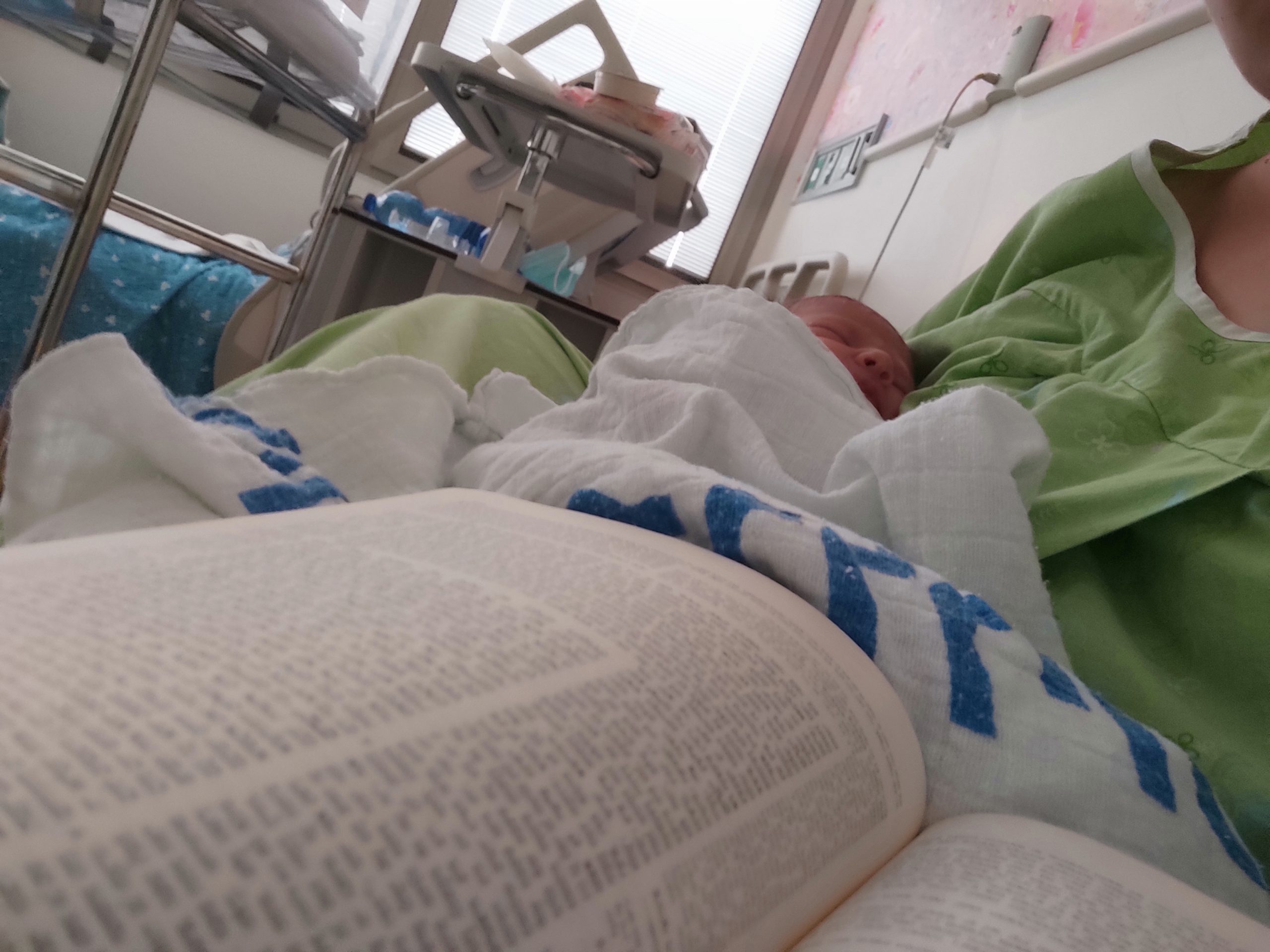
בתחילת הסבב הנוכחי הצטברו אצלי תחושות שאני לא מבינה מספיק מהי ההלכה אותה אני מקיימת בכל יום. כמו כן, כאמא לבנות רציתי לתת להן מודל נשי של לימוד תורה
שתי הסיבות האלו הובילו אותי להתחיל ללמוד. נתקלתי בתגובות מפרגנות וסקרניות איך אישה לומדת גמרא..
כמו שרואים בתמונה אני ממשיכה ללמוד גם היום ואפילו במחלקת יולדות אחרי לידת ביתי השלישית.

Noa Shiloh
נועה שילה

רבבה, ישראל

התחלתי ללמוד לפני 4.5 שנים, כשהודיה חברה שלי פתחה קבוצת ווטסאפ ללימוד דף יומי בתחילת מסכת סנהדרין. מאז לימוד הדף נכנס לתוך היום-יום שלי והפך לאחד ממגדירי הזהות שלי ממש.

Rosenberg Foundation
קרן רוזנברג

ירושלים, ישראל

התחלתי ללמוד בשנת המדרשה במגדל עוז, בינתיים נהנית מאוד מהלימוד ומהגמרא, מעניין ומשמח מאוד!
משתדלת להצליח לעקוב כל יום, לפעמים משלימה קצת בהמשך השבוע.. מרגישה שיש עוגן מקובע ביום שלי והוא משמח מאוד!

Uriah Kesner
אוריה קסנר

חיפה , ישראל

באירוע של הדרן בנייני האומה. בהשראתה של אמי שלי שסיימה את הש”ס בסבב הקודם ובעידוד מאיר , אישי, וילדיי וחברותיי ללימוד במכון למנהיגות הלכתית של רשת אור תורה סטון ומורתיי הרבנית ענת נובוסלסקי והרבנית דבורה עברון, ראש המכון למנהיגות הלכתית.
הלימוד מעשיר את יומי, מחזיר אותי גם למסכתות שכבר סיימתי וידוע שאינו דומה מי ששונה פרקו מאה לשונה פרקו מאה ואחת במיוחד מרתקים אותי החיבורים בין המסכתות

Roit Kalech
רוית קלך

מודיעין, ישראל

התחלתי ללמוד דף לפני קצת יותר מ-5 שנים, כשלמדתי רבנות בישיבת מהר”ת בניו יורק. בדיעבד, עד אז, הייתי בלימוד הגמרא שלי כמו מישהו שאוסף חרוזים משרשרת שהתפזרה, פה משהו ושם משהו, ומאז נפתח עולם ומלואו…. הדף נותן לי לימוד בצורה מאורגנת, שיטתית, יום-יומית, ומלמד אותי לא רק ידע אלא את השפה ודרך החשיבה שלנו. לשמחתי, יש לי סביבה תומכת וההרגשה שלי היא כמו בציטוט שבחרתי: הדף משפיע לטובה על כל היום שלי.

Michal Kahana
מיכל כהנא

חיפה, ישראל

אמא שלי למדה איתי ש”ס משנה, והתחילה ללמוד דף יומי. אני החלטתי שאני רוצה ללמוד גם. בהתחלה למדתי איתה, אח”כ הצטרפתי ללימוד דף יומי שהרב דני וינט מעביר לנוער בנים בעתניאל. במסכת עירובין עוד חברה הצטרפה אלי וכשהתחלנו פסחים הרב דני פתח לנו שעור דף יומי לבנות. מאז אנחנו לומדות איתו קבוע כל יום את הדף היומי (ובשבת אבא שלי מחליף אותו). אני נהנית מהלימוד, הוא מאתגר ומעניין

Renana Hellman
רננה הלמן

עתניאל, ישראל

"התחלתי ללמוד דף יומי במחזור הזה, בח’ בטבת תש””ף. לקחתי על עצמי את הלימוד כדי ליצור תחום של התמדה יומיומית בחיים, והצטרפתי לקבוצת הלומדים בבית הכנסת בכפר אדומים. המשפחה והסביבה מתפעלים ותומכים.
בלימוד שלי אני מתפעלת בעיקר מכך שכדי ללמוד גמרא יש לדעת ולהכיר את כל הגמרא. זו מעין צבת בצבת עשויה שהיא עצומה בהיקפה.”

Sarah Fox
שרה פוּקס

כפר אדומים, ישראל

My explorations into Gemara started a few days into the present cycle. I binged learnt and become addicted. I’m fascinated by the rich "tapestry” of intertwined themes, connections between Masechtot, conversations between generations of Rabbanim and learners past and present all over the world. My life has acquired a golden thread, linking generations with our amazing heritage.
Thank you.

Susan Kasdan
סוזן כשדן

חשמונאים, Israel

התחלתי ללמוד דף יומי באמצע תקופת הקורונה, שאבא שלי סיפר לי על קבוצה של בנות שתיפתח ביישוב שלנו ותלמד דף יומי כל יום. הרבה זמן רציתי להצטרף לזה וזאת הייתה ההזדמנות בשבילי. הצטרפתי במסכת שקלים ובאמצע הייתה הפסקה קצרה. כיום אני כבר לומדת באולפנה ולומדת דף יומי לבד מתוך גמרא של טיינזלץ.

Saturdays in Raleigh
שבות בראלי

עתניאל, ישראל

. לא תמיד נהניתי מלימוד גמרא כילדה.,בל כהתבגרתי התחלתי לאהוב את זה שוב. התחלתי ללמוד מסכת סוטה בדף היומי לפני כחמש עשרה שנה ואז הפסקתי.הגעתי לסיום הגדול של הדרן לפני שנתיים וזה נתן לי השראה. והתחלתי ללמוד למשך כמה ימים ואז היתה לי פריצת דיסק והפסקתי…עד אלול השנה. אז התחלתי עם מסכת ביצה וב”ה אני מצליחה לעמוד בקצב. המשפחה מאוד תומכת בי ויש כמה שגם לומדים את זה במקביל. אני אוהבת שיש עוגן כל יום.

Rebecca Darshan
רבקה דרשן

בית שמש, ישראל

התחלתי ללמוד דף יומי בסבב הקודם. זכיתי לסיים אותו במעמד המרגש של הדרן. בסבב הראשון ליווה אותי הספק, שאולי לא אצליח לעמוד בקצב ולהתמיד. בסבב השני אני לומדת ברוגע, מתוך אמונה ביכולתי ללמוד ולסיים. בסבב הלימוד הראשון ליוותה אותי חוויה מסויימת של בדידות. הדרן העניקה לי קהילת לימוד ואחוות נשים. החוויה של סיום הש”ס במעמד כה גדול כשנשים שאינן מכירות אותי, שמחות ומתרגשות עבורי , היתה חוויה מרוממת נפש

Ilanit Weil
אילנית ווייל

קיבוץ מגדל עוז, ישראל

אני לומדת גמרא כעשור במסגרות שונות, ואת הדף היומי התחלתי כשחברה הציעה שאצטרף אליה לסיום בבנייני האומה. מאז אני לומדת עם פודקסט הדרן, משתדלת באופן יומי אך אם לא מספיקה, מדביקה פערים עד ערב שבת. בסבב הזה הלימוד הוא "ממעוף הציפור”, מקשיבה במהירות מוגברת תוך כדי פעילויות כמו בישול או נהיגה, וכך רוכשת היכרות עם הסוגיות ואופן ניתוחם על ידי חז”ל. בע”ה בסבב הבא, ואולי לפני, אצלול לתוכו באופן מעמיק יותר.

Yael Bir
יעל ביר

רמת גן, ישראל

לפני 15 שנה, אחרי עשרות שנים של "ג’ינגול” בין משפחה לקריירה תובענית בהייטק, הצטרפתי לשיעורי גמרא במתן רעננה. הלימוד המעמיק והייחודי של הרבנית אושרה קורן יחד עם קבוצת הנשים המגוונת הייתה חוויה מאלפת ומעשירה. לפני כשמונה שנים כאשר מחזור הדף היומי הגיע למסכת תענית הצטרפתי כ”חברותא” לבעלי. זו השעה היומית שלנו ביחד כאשר דפי הגמרא משתלבים בחיי היום יום, משפיעים ומושפעים, וכשלא מספיקים תמיד משלימים בשבת

Yodi Askoff
יודי אסקוף

רעננה, ישראל

הצטרפתי ללומדות בתחילת מסכת תענית. ההתרגשות שלי ושל המשפחה היתה גדולה מאוד, והיא הולכת וגוברת עם כל סיום שאני זוכה לו. במשך שנים רבות רציתי להצטרף ומשום מה זה לא קרה… ב”ה מצאתי לפני מספר חודשים פרסום של הדרן, ומיד הצטרפתי והתאהבתי. הדף היומי שינה את חיי ממש והפך כל יום- ליום של תורה. מודה לכן מקרב ליבי ומאחלת לכולנו לימוד פורה מתוך אהבת התורה ולומדיה.

Noa Rosen
נעה רוזן

חיספין רמת הגולן, ישראל

התחלתי ללמוד בעידוד שתי חברות אתן למדתי בעבר את הפרק היומי במסגרת 929.
בבית מתלהבים מאוד ובשבת אני לומדת את הדף עם בעלי שזה מפתיע ומשמח מאוד! לימוד הדף הוא חלק בלתי נפרד מהיום שלי. לומדת בצהריים ומחכה לזמן הזה מידי יום…

Miriam Wengerover
מרים ונגרובר

אפרת, ישראל

התחלתי ללמוד לפני 4.5 שנים, כשהודיה חברה שלי פתחה קבוצת ווטסאפ ללימוד דף יומי בתחילת מסכת סנהדרין. מאז לימוד הדף נכנס לתוך היום-יום שלי והפך לאחד ממגדירי הזהות שלי ממש.

Rosenberg Foundation
קרן רוזנברג

ירושלים, ישראל

"
גם אני התחלתי בסבב הנוכחי וב””ה הצלחתי לסיים את רוב המסכתות . בזכות הרבנית מישל משתדלת לפתוח את היום בשיעור הזום בשעה 6:20 .הלימוד הפך להיות חלק משמעותי בחיי ויש ימים בהם אני מצליחה לחזור על הדף עם מלמדים נוספים ששיעוריהם נמצאים במרשתת. שמחה להיות חלק מקהילת לומדות ברחבי העולם. ובמיוחד לשמש דוגמה לנכדותיי שאי””ה יגדלו לדור שלימוד תורה לנשים יהיה משהו שבשגרה. "

Ronit Shavit
רונית שביט

נתניה, ישראל

בבא בתרא קכג

חֶלְקוֹ עִם אֶחָד, וְחֶלְקוֹ עִם חֲמִשָּׁה; מָה חֶלְקוֹ עִם אֶחָד – פִּי שְׁנַיִם כְּאֶחָד, אַף חֶלְקוֹ עִם חֲמִשָּׁה – פִּי שְׁנַיִם כְּאֶחָד!

There may be times when a firstborn takes his portion of the inheritance, dividing the estate with one other brother, and there may be times when a firstborn takes his portion of the inheritance, dividing the estate with five brothers, and there is no indication that the Torah differentiates between the manner in which the respective firstborns collect in each scenario. Therefore, just as when a firstborn takes his portion, dividing the estate with one other brother, he receives double the property received by one inheritor, so too, when a firstborn takes his portion of the inheritance, dividing the estate with five brothers, he receives double the property received by one inheritor.

אוֹ כְּלָךְ לְדֶרֶךְ זוֹ – חֶלְקוֹ עִם אֶחָד, וְחֶלְקוֹ עִם חֲמִשָּׁה; מָה חֶלְקוֹ עִם אֶחָד – פִּי שְׁנַיִם בְּכׇל הַנְּכָסִים, אַף חֶלְקוֹ עִם חֲמִשָּׁה – פִּי שְׁנַיִם בְּכׇל הַנְּכָסִים!

The baraita suggests the opposite logical derivation: Or perhaps go this way: There may be times when a firstborn takes his portion of the inheritance, dividing the estate with one other brother, and there may be times when a firstborn takes his portion of the inheritance, dividing the estate with five brothers. Therefore, just as when a firstborn takes his portion, dividing the estate with one other brother, he receives a double portion of all the property, so too when a firstborn takes his portion of the inheritance, dividing the estate with five brothers, he receives a double portion of all the property.

תַּלְמוּד לוֹמַר: ״וְהָיָה בְּיוֹם הַנְחִילוֹ אֶת בָּנָיו״ – הַתּוֹרָה רִיבְּתָה נַחֲלָה אֵצֶל אַחִין; הָא אֵין עָלֶיךָ לָדוּן כַּלָּשׁוֹן הָאַחֲרוֹן, אֶלָּא כַּלָּשׁוֹן הָרִאשׁוֹן.

As the logical inference can lead to either conclusion, the halakha is determined by a derivation from a verse. The verse states: “Then it shall be, in the day that he causes his sons to inherit” (Deuteronomy 21:16). As the next verse spells out: “But he shall acknowledge the firstborn, the son of the hated, by giving him a double portion of all that he has” (Deuteronomy 21:17), the former verse is ostensibly redundant. The additional verse is therefore understood as an inclusion: The Torah increased inheritance with regard to the brothers, indicating that the more brothers there are, the greater the portion they collect from the entire estate. Therefore, you should not reason in accordance with the final formulation, in which the baraita suggests that the firstborn inherits twice as much as all the other brothers combined, but in accordance with the first formulation, according to which the firstborn inherits twice as much as each other brother.

וְאוֹמֵר: ״וּבְנֵי רְאוּבֵן בְּכוֹר יִשְׂרָאֵל, כִּי הוּא הַבְּכוֹר, וּבְחַלְּלוֹ יְצוּעֵי אָבִיו נִתְּנָה בְּכֹרָתוֹ לִבְנֵי יוֹסֵף בֶּן יִשְׂרָאֵל, וְלֹא לְהִתְיַחֵשׂ לַבְּכֹרָה״, וְאוֹמֵר: ״כִּי יְהוּדָה גָּבַר בְּאֶחָיו וּלְנָגִיד מִמֶּנּוּ, וְהַבְּכֹרָה לְיוֹסֵף״ –

The baraita reinforces this statement by citing additional verses: And the verse states: “And the sons of Reuben the firstborn of Israel, for he was the firstborn; but, inasmuch as he defiled his father’s couch, his birthright [bekhorato] was given to the sons of Joseph the son of Israel, yet not so that he was to be reckoned in the genealogy as firstborn” (I Chronicles 5:1). And the following verse states: “For Judah prevailed above his brothers, and the prince came of him; but the birthright [vehabekhora] was Joseph’s” (I Chronicles 5:2).

נֶאֶמְרָה ״בְּכוֹרָה״ לְיוֹסֵף, וְנֶאֶמְרָה ״בְּכוֹרָה״ לְדוֹרוֹת; מָה בְּכוֹרָה הָאֲמוּרָה לְיוֹסֵף – פִּי שְׁנַיִם כְּאֶחָד, אַף בְּכוֹרָה הָאֲמוּרָה לְדוֹרוֹת – פִּי שְׁנַיִם כְּאֶחָד.

The baraita derives: Birthright, i.e., firstborn status, is stated here with regard to Joseph, and birthright is stated in another verse concerning the double portion with regard to the later generations: “By giving him a double portion of all that he has, for he is the first-fruits of his strength, the birthright [habekhora] is his” (Deuteronomy 21:17). Just as the birthright stated with regard to Joseph is double the property received by one inheritor, as the Gemara will explain, so too the birthright stated with regard to the later generations is double the property received by one inheritor.

וְאוֹמֵר: ״וַאֲנִי נָתַתִּי לְךָ שְׁכֶם אַחַד עַל אַחֶיךָ, אֲשֶׁר לָקַחְתִּי מִיַּד הָאֱמוֹרִי בְּחַרְבִּי וּבְקַשְׁתִּי״ – וְכִי בְּחַרְבּוֹ וּבְקַשְׁתּוֹ לָקַח?! וַהֲלֹא כְּבָר נֶאֱמַר: ״כִּי לֹא בְקַשְׁתִּי אֶבְטָח, וְחַרְבִּי לֹא תוֹשִׁיעֵנִי״! אֶלָּא ״חַרְבִּי״ – זוֹ תְּפִלָּה, ״קַשְׁתִּי״ – זוֹ בַּקָּשָׁה.

The baraita cites additional related verses: And with regard to Jacob’s bequest to Joseph, the verse states: “Moreover I have given to you one portion above your brothers, which I took out of the hand of the Amorite with my sword and with my bow” (Genesis 48:22). The baraita explains the verse: But is it so that Jacob took the portion with his sword and with his bow? But isn’t it already stated: “Through You do we push down our adversaries; through Your name do we trample those that rise against us. For I trust not in my bow, neither can my sword save me” (Psalms 44:6–7)? Rather, what is the meaning of “with my sword”? This is referring to prayer. What is the meaning of “with my bow”? This is referring to petition. This concludes the baraita.

מַאי ״וְאוֹמֵר״? וְכִי תֵּימָא הַאי לְכִדְרַבִּי יוֹחָנָן בֶּן בְּרוֹקָא הוּא דַּאֲתָא – תָּא שְׁמַע: ״וּבְנֵי רְאוּבֵן בְּכוֹר יִשְׂרָאֵל״.

The Gemara analyzes the baraita: What is the reason the baraita cites additional proofs, introducing them with the term: And the verse states? The Gemara explains: And if you would say that the proof from the verse: “Then it shall be, in the day that he causes his sons to inherit” is not valid, as perhaps this verse comes to teach the halakha of Rabbi Yoḥanan ben Beroka that a father may designate property for whichever child he desires, then come and hear a separate proof: “And the sons of Reuben the firstborn of Israelhis birthright was given to the sons of Joseph the son of Israel.” As Joseph’s birthright was that his sons received two portions, evidently the birthright of the firstborn is that he receives double the amount received by one inheritor.

וְכִי תֵּימָא ״בְּכוֹרָה״ מִ״בְּכוֹרָתוֹ״ לָא גָּמְרִינַן – תָּא שְׁמַע: ״וְהַבְּכֹרָה לְיוֹסֵף״.

And if you would say that this is not a proof either, as we do not derive the meaning of the term: “Birthright [bekhora]” (see Deuteronomy 21:17) from the similar but not identical term of: “His birthright [bekhorato],” come and hear a proof from the term employed in the following phrase from the verse: “But the birthright [vehabekhora] was Joseph’s.”

וְכִי תֵּימָא: יוֹסֵף גּוּפֵיהּ – מִמַּאי דְּפִי שְׁנַיִם כְּאֶחָד הֲוָה? תָּא שְׁמַע: ״וַאֲנִי נָתַתִּי לְךָ שְׁכֶם אַחַד עַל אַחֶיךָ״.

The Gemara continues to explicate the biblical citations in the baraita: And if you would say that this is not a proof either, as concerning Joseph himself, from where may it be learned that his birthright was double the property received by one inheritor? Come and hear a proof: “Moreover I have given to you one portion above your brothers,” indicating that Joseph received one more portion than each of the other sons of Jacob.

אֲמַר לֵיהּ רַב פָּפָּא לְאַבָּיֵי: אֵימָא דִּיקְלָא בְּעָלְמָא! אֲמַר לֵיהּ, עָלֶיךָ אָמַר קְרָא: ״אֶפְרַיִם וּמְנַשֶּׁה – כִּרְאוּבֵן וְשִׁמְעוֹן יִהְיוּ לִי״.

Rav Pappa said to Abaye: Why not say that the term “one portion” is referring to a mere palm tree or some other relatively small extra gift, instead of a full, equal share? Abaye said to him: For you, i.e., to answer your question, the verse states: “Ephraim and Manasseh, even as Reuben and Simeon, shall be mine” (Genesis 48:5). Evidently, Joseph’s children together received portions equal to that of Reuben and Simeon together, i.e., two full portions.

בְּעָא מִינֵּיהּ רַבִּי חֶלְבּוֹ מֵרַבִּי שְׁמוּאֵל בַּר נַחְמָנִי: מָה רָאָה יַעֲקֹב שֶׁנָּטַל בְּכוֹרָה מֵרְאוּבֵן, וּנְתָנָהּ לְיוֹסֵף? מָה רָאָה?! ״וּבְחַלְּלוֹ יְצוּעֵי אָבִיו״ כְּתִיב! אֶלָּא מָה רָאָה שֶׁנְּתָנָהּ לְיוֹסֵף?

§ Rabbi Ḥelbo asked Rabbi Shmuel bar Naḥmani: What did Jacob see that he took the status as firstborn from Reuben and gave it to Joseph? The Gemara wonders: What does he mean, what did he see? The matter is written explicitly: “But, inasmuch as he defiled his father’s couch, his birthright was given to the sons of Joseph” (I Chronicles 5:1). Rather, Rabbi Ḥelbo’s question was: What did he see that he gave it specifically to Joseph?

אֶמְשׁוֹל לְךָ מָשָׁל, לְמָה הַדָּבָר דּוֹמֶה? לְבַעַל הַבַּיִת שֶׁגִּדֵּל יָתוֹם בְּתוֹךְ בֵּיתוֹ; לְיָמִים הֶעֱשִׁיר אוֹתוֹ יָתוֹם, וְאָמַר: אֲהַנֵּיהוּ לְבַעַל הַבַּיִת מִנְּכָסַי. אֲמַר לֵיהּ: וְאִי לָאו דַּחֲטָא רְאוּבֵן, לָא מְהַנֵּי לֵיהּ לְיוֹסֵף וְלָא מִדָּעַם?!

Rabbi Shmuel bar Naḥmani answered Rabbi Ḥelbo: I will tell you a parable. To what is this matter comparable? To a homeowner who raised an orphan in his home. Eventually, that orphan became wealthy and said: I will provide benefit to the homeowner from my property. Similarly, since Joseph sustained Jacob in Egypt for a number of years, Jacob saw fit to repay the kindness. Rabbi Ḥelbo said to him: And if Reuben did not sin, would Jacob not have provided any benefit to Joseph? It cannot be that Jacob repaid Joseph only as a result of Reuben’ sin.

אֶלָּא רַבִּי יוֹנָתָן רַבָּךְ לֹא כָּךְ אָמַר – רְאוּיָה הָיְתָה בְּכוֹרָה לָצֵאת מֵרָחֵל, דִּכְתִיב: ״אֵלֶּה תֹּלְדוֹת יַעֲקֹב, יוֹסֵף״, אֶלָּא שֶׁקְּדָמַתָּהּ לֵאָה בְּרַחֲמִים; וּמִתּוֹךְ צְנִיעוּת שֶׁהָיְתָה בָּהּ בְּרָחֵל, הֶחְזִירָהּ הַקָּדוֹשׁ בָּרוּךְ הוּא לָהּ.

Rather, doesn’t your teacher Rabbi Yonatan say like this: It was appropriate for the child receiving the status of firstborn to emerge from Rachel, as it is written: “These are the generations of Jacob, Joseph (Genesis 37:2), indicating that Joseph was Jacob’s primary progeny. But Leah advanced ahead of Rachel with appeals for mercy, i.e., with prayer, and thereby earned the status as firstborn for her firstborn. But because of the modesty that Rachel possessed, the Holy One, Blessed be He, returned the status as firstborn to her. This is why Jacob gave the status as firstborn to Joseph.

מַאי ״קְדָמַתָּהּ לֵאָה בְּרַחֲמִים״? דִּכְתִיב: ״וְעֵינֵי לֵאָה רַכּוֹת״ – מַאי ״רַכּוֹת״? אִילֵּימָא רַכּוֹת מַמָּשׁ, אֶפְשָׁר בִּגְנוּת בְּהֵמָה טְמֵאָה לֹא דִּבֵּר הַכָּתוּב, דִּכְתִיב: ״מִן הַבְּהֵמָה הַטְּהוֹרָה וּמִן הַבְּהֵמָה אֲשֶׁר אֵינֶנָּה טְהֹרָה״; בִּגְנוּת צַדִּיקִים דִּבֵּר הַכָּתוּב?! אֶלָּא אָמַר רַבִּי אֶלְעָזָר: שֶׁמַּתְּנוֹתֶיהָ אֲרוּכּוֹת.

The Gemara explains this answer: What does it mean that Leah advanced ahead of Rachel with mercy? As it is written: “And Leah’s eyes were weak [rakkot]” (Genesis 29:17). What is the meaning of rakkot”? If we say that her eyes were literally weak, is it possible that the verse would say that? The verse there did not speak to the disparagement of even a non-kosher animal, as it is written: “From the pure animals and from the animals that are lacking purity” (Genesis 7:8). The verse states: “That are lacking purity” rather than stating explicitly and disparagingly: That are impure. If that is so with regard to animals, did the verse speak here to the disparagement of the righteous? Rather, Rabbi Elazar says: The term alludes to the fact that her gifts, i.e., the gifts given to her descendants, e.g., the priesthood and the monarchy, were long-lasting [arukkot], as they were passed down from generation to generation.

רַב אָמַר: לְעוֹלָם רַכּוֹת מַמָּשׁ, וְלֹא גְּנַאי הוּא לָהּ, אֶלָּא שֶׁבַח הוּא לָהּ. שֶׁהָיְתָה שׁוֹמַעַת עַל פָּרָשַׁת דְּרָכִים בְּנֵי אָדָם שֶׁהָיוּ אוֹמְרִים: שְׁנֵי בָנִים יֵשׁ לָהּ לְרִבְקָה, שְׁתֵּי בָנוֹת יֵשׁ לוֹ לְלָבָן, גְּדוֹלָה לַגָּדוֹל וּקְטַנָּה לַקָּטָן.

Rav says that there is a different explanation of the verse: Actually, the verse means that her eyes were literally weak, and this is not a denigration of her but a praise of her. As she would hear people at the crossroads, coming from the land of Canaan, who would say: Rebecca has two sons, and her brother Laban has two daughters; the older daughter will be married to the older son, and the younger daughter will be married to the younger son.

וְהָיְתָה יוֹשֶׁבֶת עַל פָּרָשַׁת דְּרָכִים וּמְשָׁאֶלֶת: גָּדוֹל מָה מַעֲשָׂיו? אִישׁ רַע הוּא מְלַסְטֵם בְּרִיּוֹת. קָטָן מָה מַעֲשָׂיו? ״אִישׁ תָּם יֹשֵׁב אֹהָלִים״. וְהָיְתָה בּוֹכָה, עַד שֶׁנָּשְׁרוּ רִיסֵי עֵינֶיהָ.

Rav continues: And she would sit at the crossroads and ask: What are the deeds of the older son? The passersby would answer: He is an evil man, and he robs people. She would ask: What are the deeds of the younger son? They would answer: He is “a quiet man, dwelling in tents” (Genesis 25:27). And because she was so distraught at the prospect of marrying the evil brother, she would cry and pray for mercy until her eyelashes fell out. Since the weakness of her eyes was due to this cause, characterizing her eyes as weak constitutes praise. This is Leah’s prayer for mercy to which Rabbi Yonatan referred.

וְהַיְינוּ דִּכְתִיב: ״וַיַּרְא ה׳ כִּי שְׂנוּאָה לֵאָה״ – מַאי ״שְׂנוּאָה״? אִילֵּימָא שְׂנוּאָה מַמָּשׁ; אֶפְשָׁר בִּגְנוּת בְּהֵמָה טְמֵאָה לֹא דִּבֵּר הַכָּתוּב, בִּגְנוּת צַדִּיקִים דִּבֵּר הַכָּתוּב?! אֶלָּא רָאָה הַקָּדוֹשׁ בָּרוּךְ הוּא שֶׁשְּׂנוּאִין מַעֲשֵׂה עֵשָׂו בְּפָנֶיהָ, ״וַיִּפְתַּח אֶת רַחְמָהּ״.

The Gemara comments: And her desire not to marry Esau is the basis of that which is written: “And the Lord saw that Leah was hated, and He opened her womb” (Genesis 29:31). What is the meaning of “hated”? If we say that she was literally hated, is it possible? The verse there did not speak to the disparagement of even a non-kosher animal, so did the verse here speak to the disparagement of the righteous? Rather, the Holy One, Blessed be He, saw that the behavior of Esau was hated by her, and therefore: “And He opened her womb.”

וּמַאי צְנִיעוּת הָיְתָה בָּהּ בְּרָחֵל? דִּכְתִיב: ״וַיַּגֵּד יַעֲקֹב לְרָחֵל כִּי אֲחִי אָבִיהָ הוּא, וְכִי בֶן רִבְקָה הוּא״ וַהֲלֹא בֶּן אֲחוֹת אָבִיהָ הוּא! אֶלָּא אֲמַר לַהּ: מִינַּסְבַת לִי? אֲמַרָה לֵיהּ: אִין, מִיהוּ אַבָּא רַמָּאָה הוּא, וְלָא יָכְלַתְּ לֵיהּ.

The Gemara now explains the second part of Rabbi Yonatan’s explanation: And what was a demonstration of the modesty that Rachel possessed? As it is written: “And Jacob told Rachel that he was her father’s brother, and that he was Rebecca’s son” (Genesis 29:12). The Gemara asks: But isn’t he the son of her father’s sister? Why did he say that he was her father’s brother? Rather, Jacob and Rachel had the following exchange: Jacob said to Rachel: Will you marry me? Rachel said to him: Yes, but my father is a deceitful person, and you cannot defeat him.

אֲמַר לַהּ: מַאי רַמָּאוּתֵיהּ? אֲמַרָה לֵיהּ: אִית לִי אֲחָתָא דְּקַשִּׁישָׁא מִינַּאי, וְלָא מַנְסְבָא לִי מִקַּמַּהּ. אֲמַר לַהּ: אָחִיו אֲנִי בְּרַמָּאוּת. אֲמַרָה לֵיהּ: וּמִי שְׁרֵי לְהוּ לְצַדִּיקֵי לְסַגּוֹיֵי בְּרַמָּאוּתָא? אִין, ״עִם נָבָר תִּתָּבָר וְעִם עִקֵּשׁ תִּתַּפָּל״; מְסַר לַהּ סִימָנִין.

Jacob said to her: What is his method of deceit of which I need be aware? Rachel said to him: I have a sister who is older than me, and he will not marry me off before he marries her off, even if he promises that he will do so. Jacob said to her: I am his brother, i.e., equal, in deceit, and he will not be able to deceive me. That is why Jacob said that he was “her father’s brother.” Rachel said to him: But is it permitted for the righteous to act deceitfully? Jacob answered her: Yes, in certain circumstances. As the verse states concerning God: “With the pure You show Yourself pure; and with the crooked You show Yourself subtle” (II Samuel 22:27). Therefore, to counter Laban’s deceit, Jacob gave Rachel secret signs to prove to him that she was the one marrying him.

כִּי קָא מְעַיְּילִי לַהּ לְלֵאָה, סָבְרָה: הַשְׁתָּא מִיכַּסְפָא אֲחָתַאי. מְסַרְתִּינְהוּ נִיהֲלַהּ. וְהַיְינוּ דִּכְתִיב: ״וַיְהִי בַבֹּקֶר וְהִנֵּה הִיא לֵאָה״ – מִכְּלָל דְּעַד הַשְׁתָּא לָאו לֵאָה הִיא?! אֶלָּא מִתּוֹךְ סִימָנִים שֶׁמָּסַר לָהּ יַעֲקֹב לְרָחֵל, וּמְסָרָתַן לְלֵאָה – לָא הֲוָה יָדַע לַהּ עַד הַהִיא שַׁעְתָּא.

Laban did in fact attempt to have Jacob marry Leah instead of marrying Rachel. When Laban’s associates were bringing Leah up to the wedding canopy to marry Jacob, Rachel thought: Now my sister will be humiliated when Jacob discovers that she is the one marrying him. Therefore, Rachel gave the signs to Leah. And this is as it is written: “And it came to pass in the morning that, behold, it was Leah (Genesis 29:25). This verse is difficult, as by inference, should one derive that until now she was not Leah? Rather, through the signs that Jacob gave to Rachel and that she gave to Leah, he did not know it was she until that moment. This is the modesty of Rachel to which Rabbi Yonatan was referring.

בְּעָא מִינֵּיהּ אַבָּא חֲלִיפָא קִרְוָיָא מֵרַבִּי חִיָּיא בַּר אַבָּא: בִּכְלָלָן – אַתָּה מוֹצֵא שִׁבְעִים; בִּפְרָטָן – אַתָּה מוֹצֵא שִׁבְעִים חָסֵר אֶחָד! אֲמַר לֵיהּ: תְּאוֹמָה הָיְתָה עִם דִּינָה, דִּכְתִיב: ״וְאֵת דִּינָה בִתּוֹ״. אֶלָּא מֵעַתָּה, תְּאוֹמָה הָיְתָה עִם בִּנְיָמִן – דִּכְתִיב:

§ The Gemara continues its discussion of Jacob’s family. Abba Ḥalifa Karoya asked Rabbi Ḥiyya bar Abba: In the total tally of Jacob’s family members who descended to Egypt, you find seventy, as stated in the verse: “All the souls of the house of Jacob, that came into Egypt, were seventy” (Genesis 46:27). By contrast, in their individual listing, when the family members of each of his sons are listed by name, you find seventy-less-one. How can this be resolved? Rabbi Ḥiyya bar Abba said to him: A twin sister was born with Dinah, as it is written: “And [ve’et] his daughter Dinah (Genesis 46:15). The term et implies an unspecified additional person. Abba Ḥalifa Karoya replied: If that is so, one would have to say that a twin sister was born with Benjamin, as it is written:

״וְאֶת בִּנְיָמִין אָחִיו בֶּן אִמּוֹ״?! אֲמַר: מַרְגָּלִית טוֹבָה הָיְתָה בְּיָדִי, וְאַתָּה מְבַקֵּשׁ לְאַבְּדָהּ מִמֶּנִּי; הָכִי אָמַר רַבִּי חָמָא בַּר חֲנִינָא: זוֹ יוֹכֶבֶד – שֶׁהוֹרָתָהּ בַּדֶּרֶךְ, וְלֵידָתָהּ בֵּין הַחוֹמוֹת; שֶׁנֶּאֱמַר: ״אֲשֶׁר יָלְדָה אוֹתָהּ לְלֵוִי בְּמִצְרָיִם״ – לֵידָתָהּ בְּמִצְרַיִם, וְאֵין הוֹרָתָהּ בְּמִצְרַיִם.

“And he lifted up his eyes, and saw et Benjamin his brother, his mother’s son” (Genesis 43:29), which would render the count of seventy incorrect. Rabbi Ḥiyya bar Abba said: There was a goodly pearl [margalit] in my hand, and you are trying to have me lose it. He continued: So said Rabbi Ḥama bar Ḥanina: This missing seventieth person is Jochebed, whose conception was on the journey, as the family of Jacob descended to Egypt, and she was born within the walls, i.e., in Egypt, as it is stated: “And the name of Amram’s wife was Jochebed, the daughter of Levi, who was born to Levi in Egypt” (Numbers 26:59). Her birth was in Egypt, but her conception was not in Egypt. Accordingly, the family had seventy persons upon arrival, but she could not have been listed as descending to Egypt.

בְּעָא מִינֵּיהּ רַבִּי חֶלְבּוֹ מֵרַבִּי שְׁמוּאֵל בַּר נַחְמָנִי, כְּתִיב: ״וַיְהִי כַּאֲשֶׁר יָלְדָה רָחֵל אֶת יוֹסֵף וְגוֹ׳״ – מַאי שְׁנָא כִּי אִתְיְלִיד יוֹסֵף? אֲמַר לֵיהּ: רָאָה יַעֲקֹב אָבִינוּ שֶׁאֵין זַרְעוֹ שֶׁל עֵשָׂו נִמְסָר אֶלָּא בְּיַד זַרְעוֹ שֶׁל יוֹסֵף, שֶׁנֶּאֱמַר: ״וְהָיָה בֵית יַעֲקֹב אֵשׁ, וּבֵית יוֹסֵף לֶהָבָה, וּבֵית עֵשָׂו לְקַשׁ וְגוֹ׳״.

§ Rabbi Ḥelbo asked Rabbi Shmuel bar Naḥmani: It is written: “And it came to pass, when Rachel gave birth to Joseph, that Jacob said to Laban: Send me away, that I may go to my own place, and to my country” (Genesis 30:25). What was different when Joseph was born, that Jacob decided only then to return home? Rabbi Shmuel bar Naḥmani said to him: Jacob our patriarch saw prophetically that the descendants of Esau will be delivered only to the hand of the descendants of Joseph, as it is stated: “And the house of Jacob shall be a fire, and the house of Joseph a flame, and the house of Esau for straw, and they shall kindle in them, and devour them” (Obadiah 1:18). Jacob had left Eretz Yisrael to escape Esau, but he now felt confident that he could return without endangering his family.

אֵיתִיבֵיהּ: ״וַיַּכֵּם דָּוִד מֵהַנֶּשֶׁף וְעַד הָעֶרֶב לְמׇחֳרָתָם״! אֲמַר לֵיהּ: דְּאַקְרְיָךְ נְבִיאֵי לָא אַקְרְיָךְ כְּתוּבֵי; דִּכְתִיב: ״בְּלֶכְתּוֹ אֶל צִקְלַג, נָפְלוּ עָלָיו מִמְּנַשֶּׁה עַדְנָה וְיוֹזָבָד וִידִיעֲאֵל וּמִיכָאֵל וְיוֹזָבָד וֶאֱלִיהוּא וְצִלְּתָי – רָאשֵׁי הָאֲלָפִים אֲשֶׁר לִמְנַשֶּׁה״.

Rabbi Ḥelbo raised an objection to Rabbi Shmuel bar Naḥmani: Concering a battle between the Jewish people and the nation of Amalek, who descend from Esau, the verse states: “And David smote them from the twilight even to the evening of the next day” (I Samuel 30:17). David was from the tribe of Judah, yet he was able to defeat the descendants of Esau. Rabbi Shmuel bar Naḥmani said to him: Whoever read and taught Prophets to you did not read and teach Writings to you, as it is written: “As he went to Ziklag, there fell to him of Manasseh, Adnah, and Jozabad, and Jediael, and Michael, and Jozabad, and Elihu, and Zillethai, captains of thousands that were of Manasseh, and they helped David against the troop” (I Chronicles 12:21–2). The verse in Writings teaches that David’s campaign against Esau was led by Joseph’s descendants, from the family of Manasseh.

מֵתִיב רַב יוֹסֵף: ״וּמֵהֶם מִן בְּנֵי שִׁמְעוֹן הָלְכוּ לְהַר שֵׂעִיר אֲנָשִׁים חֲמֵשׁ מֵאוֹת, וּפְלַטְיָה וּנְעַרְיָה וּרְפָיָה וְעֻזִּיאֵל בְּנֵי יִשְׁעִי בְּרֹאשָׁם, וַיַּכּוּ אֶת שְׁאֵרִית הַפְּלֵטָה לַעֲמָלֵק, וַיֵּשְׁבוּ שָׁם עַד הַיּוֹם הַזֶּה״! אָמַר רַבָּה בַּר שֵׁילָא: יִשְׁעִי מִבְּנֵי מְנַשֶּׁה אָתֵי, דִּכְתִיב: ״וּבְנֵי מְנַשֶּׁה חֵפֶר וְיִשְׁעִי״.

Rav Yosef raises an objection: Another verse indicates that the descendants of Simeon also have the ability to defeat the descendants of Esau: “And some of them, even of the sons of Simeon, five hundred men, went to Mount Seir, having for their captains Pelatiah, and Ne’ariah, and Rephaiah, and Uzziel, the sons of Ishi. And they struck the remnant of the Amalekites that escaped, and dwelled there until this day” (I Chronicles 4:42–43). Rabba bar Sheila said in response: Ishi came from the children of Manasseh, as it is written: And the sons of Manasseh: Hepher and Ishi.

תָּנוּ רַבָּנַן: הַבְּכוֹר נוֹטֵל פִּי שְׁנַיִם בַּזְּרוֹעַ וּבַלְּחָיַיִם וּבַקֵּיבָה, וּבְמוּקְדָּשִׁין, וּבְשֶׁבַח שֶׁשָּׁבְחוּ נְכָסִים לְאַחַר מִיתַת אֲבִיהֶן.

§ The Sages taught (Tosefta 7:4–5): The firstborn priest takes a double portion of the foreleg, and of the jaw, and of the maw, which are given to a priest from all slaughtered non-sacred cattle, sheep, and goats (see Deuteronomy 18:3). And a firstborn, whether he is a priest or non-priest, takes a double portion of his father’s sacrificial animals and of the enhancement of the property that occurred after the death of their father.

כֵּיצַד? הִנִּיחַ לָהֶן אֲבִיהֶן פָּרָה מוּחְכֶּרֶת וּמוּשְׂכֶּרֶת בְּיַד אֲחֵרִים, אוֹ שֶׁהָיְתָה רוֹעָה בָּאֲפָר; וְיָלְדָה – בְּכוֹר נוֹטֵל פִּי שְׁנַיִם. אֲבָל בָּנוּ בָּתִּים וְנָטְעוּ כְּרָמִים – אֵין בְּכוֹר נוֹטֵל פִּי שְׁנַיִם.

The baraita continues: How so? To what type of enhancement is this referring? If their father left them a cow that was leased or rented in the possession of others, or if it was grazing in the meadow, and it gave birth, then the firstborn takes a double portion of the rental income or of the calf. But if the inheritors built homes or planted vineyards after their father’s death, thereby enhancing the property, the firstborn does not take a double portion. This is not considered enhancement of the father’s property, but profit due to their actions.

הַאי הַזְּרוֹעַ וְהַלְּחָיַיִם וְהַקֵּיבָה – הֵיכִי דָמֵי? אִי דְּאָתֵי לִידֵי אֲבוּהוֹן, פְּשִׁיטָא! וְאִי דְּלָא אָתֵי לִידֵי אֲבוּהוֹן, רָאוּי הוּא – וְאֵין הַבְּכוֹר נוֹטֵל בָּרָאוּי כִּבְמוּחְזָק!

The Gemara analyzes the baraita: Concerning this right to collect a double portion of the foreleg, and the jaw, and the maw, what are the circumstances? If they came into the possession of their father, then it is obvious that the firstborn collects a double portion. And if they did not come into the possession of their father, then these items are merely property due to their father, and the firstborn does not take a double portion of property due to the deceased as he does the property his father possessed.

הָכָא בְּמַכִּירֵי כְהוּנָּה עָסְקִינַן, וּדְאִשְׁתְּחִיט בְּחַיֵּי דַּאֲבוּהוֹן; וְקָסָבַר: מַתָּנוֹת שֶׁלֹּא הוּרְמוּ, כְּמִי שֶׁהוּרְמוּ דָּמוּ.

The Gemara answers: Here, we are dealing with associates of the priesthood, i.e., people who have an arrangement with a specific priest to give him their priestly gifts. And it was a case where the animal was slaughtered while the father was alive, and the tanna of this baraita holds: Priestly gifts that were not yet separated are considered as though they have already been separated. Therefore, even though the gifts were not yet given, they were considered in the possession of the priest before his death.

מוּקְדָּשִׁין – לָאו דִּידֵיהּ נִינְהוּ!

The Gemara continues to analyze the baraita: Why does the firstborn take a double portion of the father’s sacrificial animals? Isn’t it so that once the father consecrates them, they belong to Heaven and are not his?

בְּקָדָשִׁים קַלִּים, וְאַלִּיבָּא דְּרַבִּי יוֹסֵי הַגְּלִילִי – דְּאָמַר: מָמוֹן בְּעָלִים הוּא. דְּתַנְיָא: ״וּמָעֲלָה מַעַל בַּה׳״ – לְרַבּוֹת קֳדָשִׁים קַלִּים, שֶׁהֵן מָמוֹן בְּעָלִים; דִּבְרֵי רַבִּי יוֹסֵי הַגְּלִילִי.

The Gemara answers: This is stated with regard to a case of offerings of lesser sanctity, such as peace offerings, and in accordance with the opinion of Rabbi Yosei HaGelili, who says: These sacrificial animals are considered the property of their owners, as opposed to property of Heaven. As it is taught in a baraita that concerning one who steals another’s property and takes a false oath denying he has done so, incurring the obligation to bring a guilt-offering, the verse states: “And commits a trespass against the Lord, and deals falsely with his neighbor” (Leviticus 5:21). The verse serves to include offerings of lesser sanctity, which are the property of their owners; this is the statement of Rabbi Yosei HaGelili. Consequently, the firstborn collects a double portion of these as well.

הִנִּיחַ לָהֶן אֲבִיהֶן פָּרָה מוּחְכֶּרֶת וּמוּשְׂכֶּרֶת בְּיַד אֲחֵרִים, אוֹ שֶׁהָיְתָה רוֹעָה בָּאֲפָר; וְיָלְדָה – בְּכוֹר נוֹטֵל בָּהּ פִּי שְׁנַיִם. הַשְׁתָּא מוּחְכֶּרֶת וּמוּשְׂכֶּרֶת – דְּלָאו בִּרְשׁוּתָא דְּמָרַהּ דִּידְהוּ קָיְימָא, אָמְרַתְּ שָׁקֵיל; רוֹעָה בָּאֲפָר מִיבַּעְיָא?!

The baraita states: If their father left them a cow that was leased or rented in the possession of others, or if it was grazing in the meadow, and it gave birth, then the firstborn takes a double portion of the rental income or calf. The Gemara asks: Now that in a case where the cow was leased or rented to others, where the animals are not in their owner’s possession, you say that the firstborn takes a double portion, in a case where it was grazing in the meadow, is it necessary for the baraita to state that he receives a double portion?

הָא קָא מַשְׁמַע לַן – דְּמוּחְכֶּרֶת וּמוּשְׂכֶּרֶת, דּוּמְיָא דְּרוֹעָה בָּאֲפָר; מָה רוֹעָה בָּאֲפָר – שְׁבָחָא דְּמִמֵּילָא קָא אָתֵי, וְלָא קָא חָסְרִי בַּהּ מְזוֹנָא;

The Gemara answers that this is what the baraita teaches us: It teaches that a case where the animal was leased or rented is similar to a case where it was grazing in the meadow, in that just as in a case where it was grazing in the meadow, the enhancement came by itself and the brothers did not lose money for its sustenance,

רוצה לעקוב אחרי התכנים ולהמשיך ללמוד?

ביצירת חשבון עוד היום ניתן לעקוב אחרי ההתקדמות שלך, לסמן מה למדת, ולעקוב אחרי השיעורים שמעניינים אותך.

לנקות את כל הפריטים מהרשימה?

פעולה זו תסיר את כל הפריטים בחלק זה כולל ההתקדמות וההיסטוריה. שימי לב: לא ניתן לשחזר פעולה זו.

ביטול
מחיקה

האם את/ה בטוח/ה שברצונך למחוק פריט זה?

תאבד/י את כל ההתקדמות או ההיסטוריה הקשורות לפריט זה.

ביטול
מחיקה