חיפוש

בבא בתרא קמ

רוצה להקדיש שיעור?

podcast placeholder

0:00
0:00


תקציר

המשנה קבעה את חלוקת נכסי האב במקרה שיש נכסים מרובים ובמקרה שיש נכסים מועטים. מה קורה אם מצב הנכסים משתנה לאחר מות האב? האם החלוקה משתנה בהתאם? לאחר שהגמרא דנה באופן קביעת "מרובין” ו”מועטין”, שאל רבי ירמיה האם דברים נוספים נכנסים לחישוב – האם מורידים את הסכום הנדרש למזונות האלמנה עד שתתחתן או תמות, או את מזונות בתה מנישואין קודמים במקרה שהבעל התחייב לזון אותה לתקופה מסוימת, או חוב שחייבים לבעל חוב? אם יש רק אלמנה ובנות, ואין מספיק כסף לשתיהן, מי מהן מקבלת כסף למזונות?

מדוע אדמון חלק על חכמים וסבר שהבנים צריכים לקבל ירושה על חשבון הפסד מזונות הבנות? רבא ואביי מציעים כל אחד הסברים שונים.

כיצד נכנס טומטום לדינים אלו – כזכר, כנקבה, או לא כאחד מהם? אם אדם בשעת מיתתו השאיר אישה בהריון וקבע: אם התינוק זכר תנו לו מתנה זו, אם נקבה, מתנה זו, מה הם מקבלים אם נולדים תאומים או אם התינוק טומטום?

בבא בתרא קמ

שָׁקְלִי לְהוּ בָּנוֹת לְכוּלְּהוּ?! אֶלָּא אָמַר רָבָא: מוֹצִיאִין לָהֶן מְזוֹנוֹת לַבָּנוֹת עַד שֶׁיִּבְגְּרוּ, וְהַשְּׁאָר לַבָּנִים.

shall the daughters take all of the estate, even if it is more than is required for their sustenance? Rather, Rava said: The court appropriates sustenance for the daughters until they reach their majority, and the remainder is given to the sons.

פְּשִׁיטָא – מְרוּבִּין וְנִתְמַעֲטוּ, כְּבָר זָכוּ בָּהֶן יוֹרְשִׁין. מוּעָטִין וְנִתְרַבּוּ, מַאי? בִּרְשׁוּת יוֹרְשִׁין קָיְימִי – הִלְכָּךְ בִּרְשׁוּת יוֹרְשִׁין שְׁבוּח; אוֹ דִּלְמָא, סַלּוֹקֵי מְסַלְּקִי יוֹרְשִׁין מֵהָכָא?

§ The Gemara comments: It is obvious that if the estate was large and became small, the heirs, i.e., the sons, already acquired it when it was large. It remains in their possession, and they must provide for the daughters from it. The Gemara asks: If the estate was small, and was therefore not inherited by the sons, and then it became large, what is the halakha? Does even a small estate remain in the possession of the heirs, while the court reserves it for the daughters’ sustenance, and therefore it appreciated in the possession of the heirs and they receive the appreciation in the estate’s value? Or perhaps the heirs are totally removed from possession of a small estate, and the appreciation in value is to the benefit of the daughters receiving sustenance.

תָּא שְׁמַע, דְּאָמַר רַבִּי אַסִּי אָמַר רַבִּי יוֹחָנָן: יְתוֹמִין שֶׁקָּדְמוּ וּמָכְרוּ בִּנְכָסִים מוּעָטִין – מַה שֶּׁמָּכְרוּ, מָכְרוּ.

The Gemara answers: Come and hear a proof, as Rabbi Asi says that Rabbi Yoḥanan says: In the case of orphans who preemptively sold land from a small estate left to them by their father, before the court appropriated it for the daughters’ sustenance, concerning that which they sold, the sale is valid, even though they acted improperly. One can infer from this that a small estate remains in the possession of the heirs even when they are not authorized to derive benefit from it, and therefore the appreciation in its value belongs to them.

יָתֵיב רַבִּי יִרְמְיָה קַמֵּיהּ דְּרַבִּי אֲבָהוּ, וְקָא בָּעֵי מִינֵּיהּ: אַלְמְנָתוֹ, מַהוּ שֶׁתְּמַעֵט בַּנְּכָסִים? מִי אָמְרִינַן: כֵּיוָן דְּאִית לַהּ מְזוֹנֵי – מְמַעֲטָא; אוֹ דִלְמָא, כֵּיוָן דְּאִילּוּ מִנַּסְבָא – לֵית לַהּ, הַשְׁתָּא נָמֵי לֵית לַהּ?

§ Rabbi Yirmeya was sitting before Rabbi Abbahu and raised the following dilemma before him: What is the halakha with regard to the sustenance to which the deceased’s widow is entitled? Does it reduce the value of the estate when evaluating whether the estate is categorized as a large estate or a small estate? Do we say that since she has a right to receive sustenance, it reduces the value of the estate? Or perhaps we say that since if she remarries she does not have a right to sustenance, now as well, for the purposes of determining the value of the estate, she is considered as if she does not have a right to sustenance, and therefore it does not reduce the value of the estate.

אִם תִּמְצָא לוֹמַר: כֵּיוָן דְּאִילּוּ מִנַּסְבָא לֵית לַהּ – הַשְׁתָּא נָמֵי לֵית לַהּ; בַּת אִשְׁתּוֹ, מַהוּ שֶׁתְּמַעֵט בַּנְּכָסִים? מִי אָמְרִינַן: כֵּיוָן דְּכִי מִנַּסְבָא נָמֵי אִית לַהּ – וּמְמַעֲטָא; אוֹ דִלְמָא, כֵּיוָן דְּאִילּוּ מֵתָה לֵית לַהּ – וְלָא מְמַעֲטָא?

Furthermore, if you say that since, if she remarries she does not have a right to sustenance, now as well she is considered as if she does not have a right to sustenance, and it is not taken into account when evaluating the estate, then another dilemma can be raised: What is the halakha with regard to the sustenance one pledged to give, for a certain number of years, to the daughter of his wife from a previous marriage, i.e., his step-daughter, which is an obligation not affected by his death or by her marriage? Does it reduce the value of the estate? Do we say that since, when she marries she also has a right to sustenance, it reduces the value of the estate? Or perhaps we say that since, if she dies she does not have a right to sustenance, it does not reduce the value of the estate.

וְאִם תִּמְצָא לוֹמַר: כֵּיוָן דְּאִילּוּ מֵתָה לֵית לַהּ – וְלָא מְמַעֲטָא; בַּעַל חוֹב – מַהוּ שֶׁיְּמַעֵט בַּנְּכָסִים? מִי אָמְרִינַן: כֵּיוָן דְּכִי מָיֵית נָמֵי אִית לֵיהּ, מְמַעֵט; אוֹ דִלְמָא, כֵּיוָן דִּמְחַסְּרִי גּוּבְיָינָא, לָא מְמַעֵט?

And if you say that since, if she dies she does not have a right to sustenance, therefore it does not reduce the value of the estate, what is the halakha with regard to a debt owed to the deceased’s creditor? Does it reduce the value of the estate? Do we say that since, when the creditor dies he also has a right to the money owed him, and it is collected by his heirs, therefore it reduces the value of the estate? Or perhaps we say that since it has not yet been collected, it does not reduce the value of the estate.

וְאִיכָּא דְּבָעֵי לַהּ לְאִידַּךְ גִּיסָא – בַּעַל חוֹב, מַהוּ שֶׁיְּמַעֵט בַּנְּכָסִים?

And there are those who say that Rabbi Yirmeya raised the dilemmas in the opposite direction, i.e., in the reverse order: What is the halakha with regard to a debt owed to a creditor? Does it reduce the value of the estate?

בַּת אִשְׁתּוֹ, מַהוּ שֶׁתְּמַעֵט בַּנְּכָסִים? אַלְמְנָתוֹ, מַהוּ שֶׁתְּמַעֵט בַּנְּכָסִים? אַלְמְנָתוֹ וּבַת – אֵי זֶה מֵהֶן קוֹדֶמֶת?

What is the halakha with regard to sustenance the deceased pledged to give the daughter of his wife from a previous marriage? Does it reduce the value of the estate? What is the halakha with regard to the sustenance to which his widow is entitled? Does it reduce the value of the estate? Furthermore, with regard to his widow and daughter, which of them takes precedence if the estate is insufficient to provide sustenance for both?

אֲמַר לֵיהּ: זִיל הָאִידָּנָא וְתָא לִמְחַר. כִּי אֲתָא, אֲמַר לֵיהּ: פְּשׁוֹט מִיהַת חֲדָא, דְּאָמַר רַבִּי אַבָּא אָמַר רַבִּי אַסִּי: עָשׂוּ אַלְמָנָה אֵצֶל הַבַּת – כַּבַּת אֵצֶל הָאַחִין בִּנְכָסִים מוּעָטִין; מָה בַּת אֵצֶל אַחִין – הַבַּת נִיזּוֹנֶת, וְהָאַחִין יִשְׁאֲלוּ עַל הַפְּתָחִים; אַף אַלְמָנָה אֵצֶל הַבַּת – אַלְמָנָה נִיזּוֹנֶת, וְהַבַּת תִּשְׁאַל עַל הַפְּתָחִים.

Rabbi Abbahu said to Rabbi Yirmeya: Go now and come back tomorrow. When he came back, Rabbi Abbahu said to him: Resolve at least one of your questions, as Rabbi Abba says that Rabbi Asi says: The Sages established the status of the widow in relation to the daughter as equivalent to the status of the daughter in relation to the brothers in the case of a small estate. Just as in the case of a daughter in relation to her brothers, the daughter is sustained and the brothers go and request charity at the doors, so too in the case of a widow in relation to the daughter, the widow is sustained and the daughter goes and requests charity at the doors.

אַדְמוֹן אוֹמֵר: בִּשְׁבִיל שֶׁאֲנִי זָכָר, הִפְסַדְתִּי? וְכוּ׳. מַאי קָאָמַר? אָמַר אַבָּיֵי, הָכִי קָאָמַר: בִּשְׁבִיל שֶׁאֲנִי זָכָר, וְרָאוּי אֲנִי לַעֲסוֹק בַּתּוֹרָה, הִפְסַדְתִּי? אָמַר לֵיהּ רָבָא: אֶלָּא מֵעַתָּה, מַאן דְּעָסֵיק בַּתּוֹרָה הוּא דְּיָרֵית, דְּלָא עָסֵיק בַּתּוֹרָה לָא יְרֵית? אֶלָּא אָמַר רָבָא, הָכִי קָאָמַר: בִּשְׁבִיל שֶׁאֲנִי זָכָר, וְרָאוּי אֲנִי לִירַשׁ בִּנְכָסִים מְרוּבִּין, הִפְסַדְתִּי בִּנְכָסִים מוּעָטִין?

§ The mishna teaches: Admon says, rhetorically: I lost out just because I am male? Rather, he holds that the sons also receive sustenance. The Gemara asks: What is he saying? Abaye said that this is what he is saying: Because I am male, and I am fit to engage in the study of the Torah, I lost out and must go begging instead of studying the Torah? Rava said to him: If that is so, should one conclude that it is only one who engages in the study of the Torah who inherits, whereas one who does not engage in the study of the Torah does not inherit? Rather, Rava said that this is what Admon is saying: Because I am male, and I am fit to inherit in the case of a large estate, should I lose my inheritance entirely in the case of a small estate?

מַתְנִי׳ הִנִּיחַ בָּנִים וּבָנוֹת, וְטוּמְטוּם; בִּזְמַן שֶׁהַנְּכָסִים מְרוּבִּין – הַזְּכָרִים דּוֹחִין אוֹתוֹ אֵצֶל נְקֵבוֹת. נְכָסִים מוּעָטִין – הַנְּקֵבוֹת דּוֹחוֹת אוֹתוֹ אֵצֶל זְכָרִים.

MISHNA: With regard to one who left behind sons and daughters and a tumtum, whose halakhic status as male or female is indeterminate, the halakha is as follows: When the estate is large the males direct the tumtum to the females and exclude him from the inheritance, claiming that perhaps the tumtum is female. When the estate is small, the females direct the tumtum to the males and exclude him from receiving sustenance, claiming that perhaps the tumtum is male.

הָאוֹמֵר ״אִם תֵּלֵד אִשְׁתִּי זָכָר – יִטּוֹל מָנֶה״, יָלְדָה זָכָר – יִטּוֹל מָנֶה. ״נְקֵבָה – מָאתַיִם״, יָלְדָה נְקֵבָה – נוֹטֶלֶת מָאתַיִם.

With regard to one who says: If my wife gives birth to a male the offspring shall receive a gift of one hundred dinars, if she in fact gave birth to a male, the offspring receives one hundred dinars. If he says: If my wife gives birth to a female the offspring shall receive a gift of two hundred dinars, if she in fact gave birth to a female, the offspring receives two hundred dinars.

״אִם זָכָר – מָנֶה, אִם נְקֵבָה – מָאתַיִם״, וְיָלְדָה זָכָר וּנְקֵבָה – זָכָר נוֹטֵל מָנֶה, נְקֵבָה נוֹטֶלֶת מָאתַיִם. יָלְדָה טוּמְטוּם – אֵינוֹ נוֹטֵל. אִם אָמַר: ״כֹּל מַה שֶּׁתֵּלֵד אִשְׁתִּי, יִטּוֹל״ – הֲרֵי זֶה יִטּוֹל. וְאִם אֵין שָׁם יוֹרֵשׁ אֶלָּא הוּא – יוֹרֵשׁ אֶת הַכֹּל.

If he says: If my wife gives birth to a male the offspring shall receive a gift of one hundred dinars and if she gives birth to a female the offspring shall receive a gift of two hundred dinars, and in fact she gave birth to both a male and a female, the male offspring receives one hundred dinars and the female offspring receives two hundred dinars. If she gave birth to a tumtum, the tumtum does not receive anything. If he said: Whatever offspring my wife gives birth to shall receive a gift of a certain sum, and she gave birth to a tumtum, the tumtum receives it. And if there is no heir other than the tumtum, the tumtum inherits all of the estate.

גְּמָ׳ דּוֹחִין אוֹתוֹ – וְשָׁקֵיל כְּבַת? הָא קָתָנֵי סֵיפָא: יָלְדָה טוּמְטוּם – אֵינוֹ נוֹטֵל! אָמַר אַבָּיֵי: דּוֹחִין אוֹתוֹ – וְאֵין לוֹ.

GEMARA: The mishna states that the males direct the tumtum to the females. The Gemara asks: Does this mean that they direct him, and he takes sustenance like a daughter? Isn’t it taught in the latter clause of the mishna that if one said that either his male or female child will receive a certain sum once his wife gives birth, and she gave birth to a tumtum, the tumtum does not receive anything? This indicates that the tumtum does not have the rights of a female. Abaye says: The mishna means that they direct him to the females, but he has no rights to sustenance.

וְרָבָא אָמַר: דּוֹחִין אוֹתוֹ – וְיֵשׁ לוֹ, וְסֵיפָא אֲתָאן לְרַבָּן שִׁמְעוֹן בֶּן גַּמְלִיאֵל – דְּתַנְיָא: יָלְדָה טוּמְטוּם וְאַנְדְּרוֹגִינוֹס – רַבָּן שִׁמְעוֹן בֶּן גַּמְלִיאֵל אוֹמֵר: אֵין קְדוּשָּׁה חָלָה עֲלֵיהֶן.

And Rava says: They direct him to the females and he has a right to sustenance. And with regard to the latter clause of the mishna, which grants the tumtum nothing at all, there we arrive at the opinion of Rabban Shimon ben Gamliel, as it is taught in a mishna (Temura 24b): If one consecrates a firstborn animal while it is still a fetus, stating that if it is male it shall be a burnt-offering and if it is female it shall be a peace-offering, and the mother gave birth to a tumtum or a hermaphrodite [androginos], Rabban Shimon ben Gamliel says: It is not imbued with sanctity, as it is neither male nor female. So too, in the case discussed in the mishna here, Rabban Shimon ben Gamliel maintains that the tumtum receives nothing, as he is considered to be a distinct entity of indeterminate sex, neither male nor female.

מֵיתִיבִי: טוּמְטוּם יוֹרֵשׁ כְּבֵן, וְנִיזּוֹן כְּבַת. בִּשְׁלָמָא לְרָבָא, יוֹרֵשׁ כְּבֵן – בִּנְכָסִים מוּעָטִין, וְנִיזּוֹן כְּבַת – בִּנְכָסִים מְרוּבִּין.

The Gemara raises an objection from a baraita: A tumtum inherits as a son and is sustained as a daughter. Granted, according to Rava, the baraita can be explained to mean that the clause: Inherits as a son, is in the case of a small estate, as the daughters direct the tumtum to the sons, and just as there is no inheritance for the sons, there is none for the tumtum either. And the clause: And is sustained as a daughter, is in the case of a large estate, as the sons direct the tumtum to the daughters, and the tumtum receives sustenance along with them.

העמקה

רוצה להבין מה באמת קורה מתחת לפני השטח של הסוגיה?
שיעורים, פודקאסטים והרחבות של מיטב המורות שלנו יפתחו לך עוד זוויות וכיווני חשיבה.

לשיעורי עוד על הדף באנגלית, לחצי כאן

חדשה בלימוד הגמרא?

זה הדף הראשון שלך? איזו התרגשות עצומה! יש לנו בדיוק את התכנים והכלים שיעזרו לך לעשות את הצעדים הראשונים ללמידה בקצב וברמה שלך, כך תוכלי להרגיש בנוח גם בתוך הסוגיות המורכבות ומאתגרות.

פסיפס הלומדות שלנו

גלי את קהילת הלומדות שלנו, מגוון נשים, רקעים וסיפורים. כולן חלק מתנועה ומסע מרגש ועוצמתי.

אמא שלי למדה איתי ש”ס משנה, והתחילה ללמוד דף יומי. אני החלטתי שאני רוצה ללמוד גם. בהתחלה למדתי איתה, אח”כ הצטרפתי ללימוד דף יומי שהרב דני וינט מעביר לנוער בנים בעתניאל. במסכת עירובין עוד חברה הצטרפה אלי וכשהתחלנו פסחים הרב דני פתח לנו שעור דף יומי לבנות. מאז אנחנו לומדות איתו קבוע כל יום את הדף היומי (ובשבת אבא שלי מחליף אותו). אני נהנית מהלימוד, הוא מאתגר ומעניין

Renana Hellman
רננה הלמן

עתניאל, ישראל

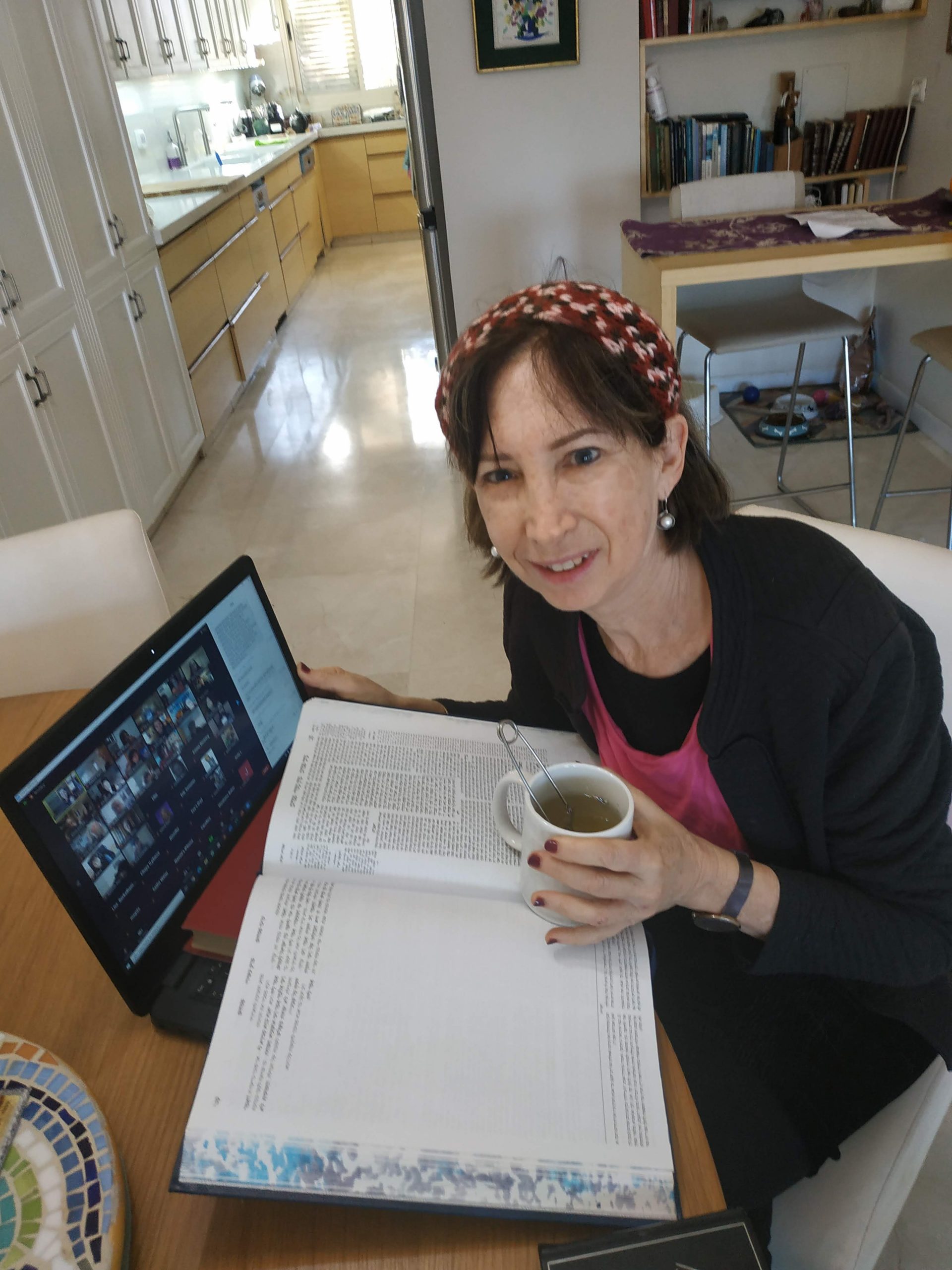
למדתי גמרא מכיתה ז- ט ב Maimonides School ואחרי העליה שלי בגיל 14 לימוד הגמרא, שלא היה כל כך מקובל בימים אלה, היה די ספוראדי. אחרי "ההתגלות” בבנייני האומה התחלתי ללמוד בעיקר בדרך הביתה למדתי מפוקקטסים שונים. לאט לאט ראיתי שאני תמיד חוזרת לרבנית מישל פרבר. באיזה שהוא שלב התחלתי ללמוד בזום בשעה 7:10 .
היום "אין מצב” שאני אתחיל את היום שלי ללא לימוד עם הרבנית מישל עם כוס הקפה שלי!!

selfie-scaled
דבי גביר

חשמונאים, ישראל

סיום השס לנשים נתן לי מוטביציה להתחיל ללמוד דף יומי. עד אז למדתי גמרא בשבתות ועשיתי כמה סיומים. אבל לימוד יומיומי זה שונה לגמרי ופתאום כל דבר שקורה בחיים מתקשר לדף היומי.

Fogel Foundation
קרן פוגל

רתמים, ישראל

התחלתי ללמוד בסבב הנוכחי לפני כשנתיים .הסביבה מתפעלת ותומכת מאוד. אני משתדלת ללמוד מכל ההסכתים הנוספים שיש באתר הדרן. אני עורכת כל סיום מסכת שיעור בביתי לכ20 נשים שמחכות בקוצר רוח למפגשים האלו.

Yael Asher
יעל אשר

יהוד, ישראל

בסוף הסבב הקודם ראיתי את השמחה הגדולה שבסיום הלימוד, בעלי סיים כבר בפעם השלישית וכמובן הסיום הנשי בבנייני האומה וחשבתי שאולי זו הזדמנות עבורי למשהו חדש.
למרות שאני שונה בסביבה שלי, מי ששומע על הלימוד שלי מפרגן מאוד.
אני מנסה ללמוד קצת בכל יום, גם אם לא את כל הדף ובסך הכל אני בדרך כלל עומדת בקצב.
הלימוד מעניק המון משמעות ליום יום ועושה סדר בלמוד תורה, שתמיד היה (ועדיין) שאיפה. אבל אין כמו קביעות

Racheli-Mendelson
רחלי מנדלסון

טל מנשה, ישראל

התחלתי ללמוד דף יומי כאשר קיבלתי במייל ממכון שטיינזלץ את הדפים הראשונים של מסכת ברכות במייל. קודם לא ידעתי איך לקרוא אותם עד שנתתי להם להדריך אותי. הסביבה שלי לא מודעת לעניין כי אני לא מדברת על כך בפומבי. למדתי מהדפים דברים חדשים, כמו הקשר בין המבנה של בית המקדש והמשכן לגופו של האדם (יומא מה, ע”א) והקשר שלו למשפט מפורסם שמופיע בספר ההינדי "בהגוד-גיתא”. מתברר שזה רעיון כלל עולמי ולא רק יהודי

Elena Arenburg
אלנה ארנבורג

נשר, ישראל

התחלתי בסיום הש”ס, יצאתי באורות. נשברתי פעמיים, ובשתיהם הרבנית מישל עודדה להמשיך איפה שכולם בסבב ולהשלים כשאוכל, וכך עשיתי וכיום השלמתי הכל. מדהים אותי שאני לומדת כל יום קצת, אפילו בחדר הלידה, בבידוד או בחו”ל. לאט לאט יותר נינוחה בסוגיות. לא כולם מבינים את הרצון, בפרט כפמניסטית. חשה סיפוק גדול להכיר את המושגים וצורת החשיבה. החלום זה להמשיך ולהתמיד ובמקביל ללמוד איך מהסוגיות נוצרה והתפתחה ההלכה.

Weingarten Sherrington Foundation
קרן וינגרטן שרינגטון

מודיעין, ישראל

התחלתי להשתתף בשיעור נשים פעם בשבוע, תכננתי ללמוד רק דפים בודדים, לא האמנתי שאצליח יותר מכך.
לאט לאט נשאבתי פנימה לעולם הלימוד .משתדלת ללמוד כל בוקר ומתחילה את היום בתחושה של מלאות ומתוך התכווננות נכונה יותר.
הלימוד של הדף היומי ממלא אותי בתחושה של חיבור עמוק לעם היהודי ולכל הלומדים בעבר ובהווה.

Neely Hayon
נילי חיון

אפרת, ישראל

התחלתי ללמוד דף יומי בתחילת מסכת ברכות, עוד לא ידעתי כלום. נחשפתי לסיום הש״ס, ובעצם להתחלה מחדש בתקשורת, הפתיע אותי לטובה שהיה מקום לעיסוק בתורה.
את המסכתות הראשונות למדתי, אבל לא סיימתי (חוץ מעירובין איכשהו). השנה כשהגעתי למדרשה, נכנסתי ללופ, ואני מצליחה להיות חלק, סיימתי עם החברותא שלי את כל המסכתות הקצרות, גם כשהיינו חולות קורונה ובבידודים, למדנו לבד, העיקר לא לצבור פער, ומחכות ליבמות 🙂

Eden Yeshuron
עדן ישורון

מזכרת בתיה, ישראל

My explorations into Gemara started a few days into the present cycle. I binged learnt and become addicted. I’m fascinated by the rich "tapestry” of intertwined themes, connections between Masechtot, conversations between generations of Rabbanim and learners past and present all over the world. My life has acquired a golden thread, linking generations with our amazing heritage.
Thank you.

Susan Kasdan
סוזן כשדן

חשמונאים, Israel

בסוף הסבב הקודם ראיתי את השמחה הגדולה שבסיום הלימוד, בעלי סיים כבר בפעם השלישית וכמובן הסיום הנשי בבנייני האומה וחשבתי שאולי זו הזדמנות עבורי למשהו חדש.
למרות שאני שונה בסביבה שלי, מי ששומע על הלימוד שלי מפרגן מאוד.
אני מנסה ללמוד קצת בכל יום, גם אם לא את כל הדף ובסך הכל אני בדרך כלל עומדת בקצב.
הלימוד מעניק המון משמעות ליום יום ועושה סדר בלמוד תורה, שתמיד היה (ועדיין) שאיפה. אבל אין כמו קביעות

Racheli-Mendelson
רחלי מנדלסון

טל מנשה, ישראל

התחלתי ללמוד דף יומי בתחילת מסכת ברכות, עוד לא ידעתי כלום. נחשפתי לסיום הש״ס, ובעצם להתחלה מחדש בתקשורת, הפתיע אותי לטובה שהיה מקום לעיסוק בתורה.
את המסכתות הראשונות למדתי, אבל לא סיימתי (חוץ מעירובין איכשהו). השנה כשהגעתי למדרשה, נכנסתי ללופ, ואני מצליחה להיות חלק, סיימתי עם החברותא שלי את כל המסכתות הקצרות, גם כשהיינו חולות קורונה ובבידודים, למדנו לבד, העיקר לא לצבור פער, ומחכות ליבמות 🙂

Eden Yeshuron
עדן ישורון

מזכרת בתיה, ישראל

התחלתי ללמוד דף יומי באמצע תקופת הקורונה, שאבא שלי סיפר לי על קבוצה של בנות שתיפתח ביישוב שלנו ותלמד דף יומי כל יום. הרבה זמן רציתי להצטרף לזה וזאת הייתה ההזדמנות בשבילי. הצטרפתי במסכת שקלים ובאמצע הייתה הפסקה קצרה. כיום אני כבר לומדת באולפנה ולומדת דף יומי לבד מתוך גמרא של טיינזלץ.

Saturdays in Raleigh
שבות בראלי

עתניאל, ישראל

הייתי לפני שנתיים בסיום הדרן נשים בבנייני האומה והחלטתי להתחיל. אפילו רק כמה דפים, אולי רק פרק, אולי רק מסכת… בינתיים סיימתי רבע שס ותכף את כל סדר מועד בה.
הסביבה תומכת ומפרגנת. אני בת יחידה עם ארבעה אחים שכולם לומדים דף יומי. מדי פעם אנחנו עושים סיומים יחד באירועים משפחתיים. ממש מרגש. מסכת שבת סיימנו כולנו יחד עם אבא שלנו!
אני שומעת כל יום פודקאסט בהליכה או בנסיעה ואחכ לומדת את הגמרא.

Edna Gross
עדנה גרוס

מרכז שפירא, ישראל

התחלתי ללמוד בעידוד שתי חברות אתן למדתי בעבר את הפרק היומי במסגרת 929.
בבית מתלהבים מאוד ובשבת אני לומדת את הדף עם בעלי שזה מפתיע ומשמח מאוד! לימוד הדף הוא חלק בלתי נפרד מהיום שלי. לומדת בצהריים ומחכה לזמן הזה מידי יום…

Miriam Wengerover
מרים ונגרובר

אפרת, ישראל

לפני 15 שנה, אחרי עשרות שנים של "ג’ינגול” בין משפחה לקריירה תובענית בהייטק, הצטרפתי לשיעורי גמרא במתן רעננה. הלימוד המעמיק והייחודי של הרבנית אושרה קורן יחד עם קבוצת הנשים המגוונת הייתה חוויה מאלפת ומעשירה. לפני כשמונה שנים כאשר מחזור הדף היומי הגיע למסכת תענית הצטרפתי כ”חברותא” לבעלי. זו השעה היומית שלנו ביחד כאשר דפי הגמרא משתלבים בחיי היום יום, משפיעים ומושפעים, וכשלא מספיקים תמיד משלימים בשבת

Yodi Askoff
יודי אסקוף

רעננה, ישראל

בתחילת הסבב הנוכחי של לימוד הדף היומי, נחשפתי לחגיגות המרגשות באירועי הסיום ברחבי העולם. והבטחתי לעצמי שבקרוב אצטרף גם למעגל הלומדות. הסבב התחיל כאשר הייתי בתחילת דרכי בתוכנית קרן אריאל להכשרת יועצות הלכה של נשמ”ת. לא הצלחתי להוסיף את ההתחייבות לדף היומי על הלימוד האינטנסיבי של תוכנית היועצות. בבוקר למחרת המבחן הסופי בנשמ”ת, התחלתי את לימוד הדף במסכת סוכה ומאז לא הפסקתי.

Hana Shaham-Rozby (Dr.)
חנה שחם-רוזבי (ד”ר)

קרית גת, ישראל

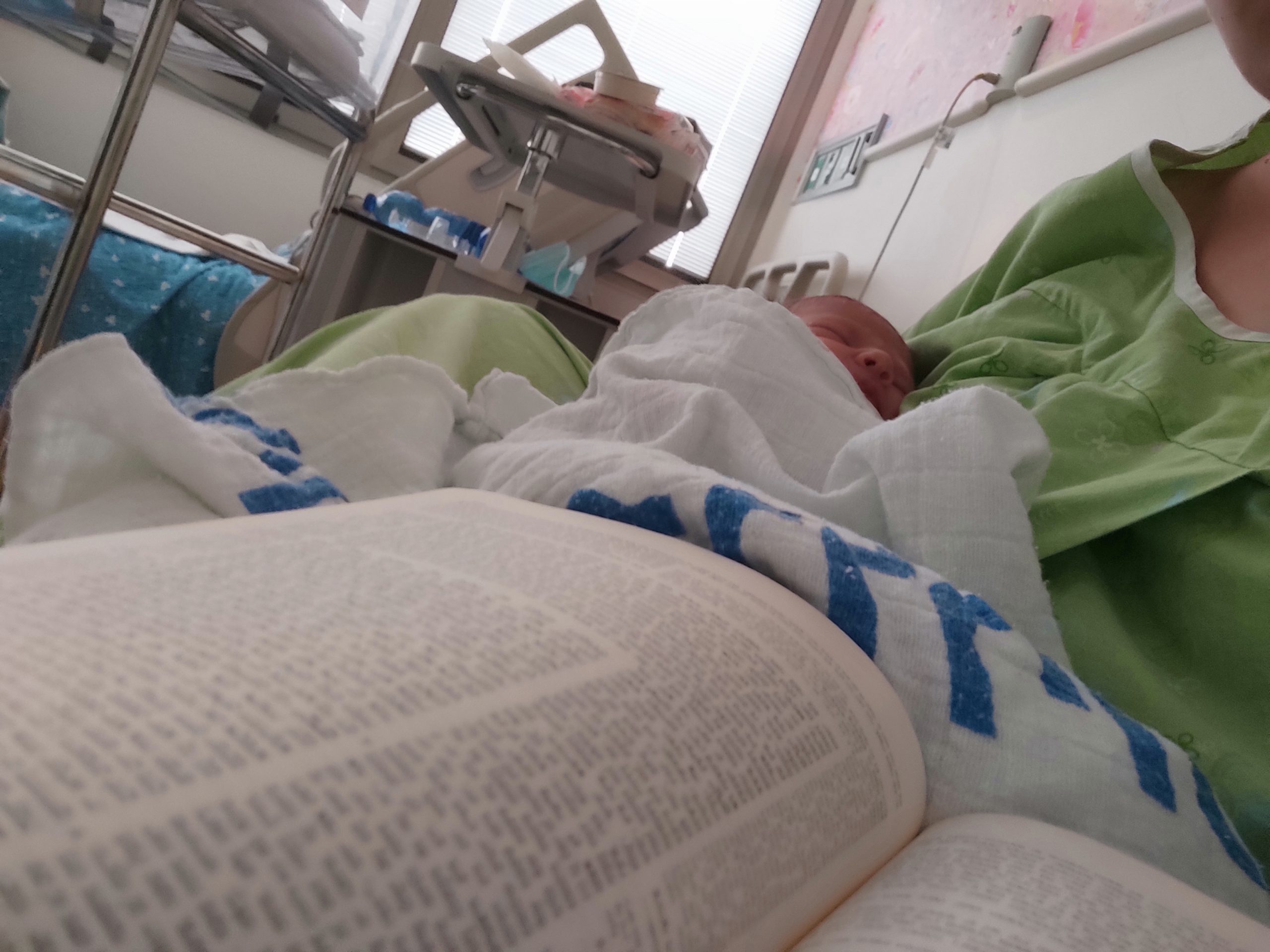
בתחילת הסבב הנוכחי הצטברו אצלי תחושות שאני לא מבינה מספיק מהי ההלכה אותה אני מקיימת בכל יום. כמו כן, כאמא לבנות רציתי לתת להן מודל נשי של לימוד תורה
שתי הסיבות האלו הובילו אותי להתחיל ללמוד. נתקלתי בתגובות מפרגנות וסקרניות איך אישה לומדת גמרא..
כמו שרואים בתמונה אני ממשיכה ללמוד גם היום ואפילו במחלקת יולדות אחרי לידת ביתי השלישית.

Noa Shiloh
נועה שילה

רבבה, ישראל

התחלתי ללמוד לפני כשנתיים בשאיפה לסיים לראשונה מסכת אחת במהלך חופשת הלידה.
אחרי מסכת אחת כבר היה קשה להפסיק…

Noa Gallant
נעה גלנט

ירוחם, ישראל

התחלתי מעט לפני תחילת הסבב הנוכחי. אני נהנית מהאתגר של להמשיך להתמיד, מרגעים של "אהה, מפה זה הגיע!” ומהאתגר האינטלקטואלי

Eilat-Chen and Deller
אילת-חן ודלר

לוד, ישראל

בבא בתרא קמ

שָׁקְלִי לְהוּ בָּנוֹת לְכוּלְּהוּ?! אֶלָּא אָמַר רָבָא: מוֹצִיאִין לָהֶן מְזוֹנוֹת לַבָּנוֹת עַד שֶׁיִּבְגְּרוּ, וְהַשְּׁאָר לַבָּנִים.

shall the daughters take all of the estate, even if it is more than is required for their sustenance? Rather, Rava said: The court appropriates sustenance for the daughters until they reach their majority, and the remainder is given to the sons.

פְּשִׁיטָא – מְרוּבִּין וְנִתְמַעֲטוּ, כְּבָר זָכוּ בָּהֶן יוֹרְשִׁין. מוּעָטִין וְנִתְרַבּוּ, מַאי? בִּרְשׁוּת יוֹרְשִׁין קָיְימִי – הִלְכָּךְ בִּרְשׁוּת יוֹרְשִׁין שְׁבוּח; אוֹ דִּלְמָא, סַלּוֹקֵי מְסַלְּקִי יוֹרְשִׁין מֵהָכָא?

§ The Gemara comments: It is obvious that if the estate was large and became small, the heirs, i.e., the sons, already acquired it when it was large. It remains in their possession, and they must provide for the daughters from it. The Gemara asks: If the estate was small, and was therefore not inherited by the sons, and then it became large, what is the halakha? Does even a small estate remain in the possession of the heirs, while the court reserves it for the daughters’ sustenance, and therefore it appreciated in the possession of the heirs and they receive the appreciation in the estate’s value? Or perhaps the heirs are totally removed from possession of a small estate, and the appreciation in value is to the benefit of the daughters receiving sustenance.

תָּא שְׁמַע, דְּאָמַר רַבִּי אַסִּי אָמַר רַבִּי יוֹחָנָן: יְתוֹמִין שֶׁקָּדְמוּ וּמָכְרוּ בִּנְכָסִים מוּעָטִין – מַה שֶּׁמָּכְרוּ, מָכְרוּ.

The Gemara answers: Come and hear a proof, as Rabbi Asi says that Rabbi Yoḥanan says: In the case of orphans who preemptively sold land from a small estate left to them by their father, before the court appropriated it for the daughters’ sustenance, concerning that which they sold, the sale is valid, even though they acted improperly. One can infer from this that a small estate remains in the possession of the heirs even when they are not authorized to derive benefit from it, and therefore the appreciation in its value belongs to them.

יָתֵיב רַבִּי יִרְמְיָה קַמֵּיהּ דְּרַבִּי אֲבָהוּ, וְקָא בָּעֵי מִינֵּיהּ: אַלְמְנָתוֹ, מַהוּ שֶׁתְּמַעֵט בַּנְּכָסִים? מִי אָמְרִינַן: כֵּיוָן דְּאִית לַהּ מְזוֹנֵי – מְמַעֲטָא; אוֹ דִלְמָא, כֵּיוָן דְּאִילּוּ מִנַּסְבָא – לֵית לַהּ, הַשְׁתָּא נָמֵי לֵית לַהּ?

§ Rabbi Yirmeya was sitting before Rabbi Abbahu and raised the following dilemma before him: What is the halakha with regard to the sustenance to which the deceased’s widow is entitled? Does it reduce the value of the estate when evaluating whether the estate is categorized as a large estate or a small estate? Do we say that since she has a right to receive sustenance, it reduces the value of the estate? Or perhaps we say that since if she remarries she does not have a right to sustenance, now as well, for the purposes of determining the value of the estate, she is considered as if she does not have a right to sustenance, and therefore it does not reduce the value of the estate.

אִם תִּמְצָא לוֹמַר: כֵּיוָן דְּאִילּוּ מִנַּסְבָא לֵית לַהּ – הַשְׁתָּא נָמֵי לֵית לַהּ; בַּת אִשְׁתּוֹ, מַהוּ שֶׁתְּמַעֵט בַּנְּכָסִים? מִי אָמְרִינַן: כֵּיוָן דְּכִי מִנַּסְבָא נָמֵי אִית לַהּ – וּמְמַעֲטָא; אוֹ דִלְמָא, כֵּיוָן דְּאִילּוּ מֵתָה לֵית לַהּ – וְלָא מְמַעֲטָא?

Furthermore, if you say that since, if she remarries she does not have a right to sustenance, now as well she is considered as if she does not have a right to sustenance, and it is not taken into account when evaluating the estate, then another dilemma can be raised: What is the halakha with regard to the sustenance one pledged to give, for a certain number of years, to the daughter of his wife from a previous marriage, i.e., his step-daughter, which is an obligation not affected by his death or by her marriage? Does it reduce the value of the estate? Do we say that since, when she marries she also has a right to sustenance, it reduces the value of the estate? Or perhaps we say that since, if she dies she does not have a right to sustenance, it does not reduce the value of the estate.

וְאִם תִּמְצָא לוֹמַר: כֵּיוָן דְּאִילּוּ מֵתָה לֵית לַהּ – וְלָא מְמַעֲטָא; בַּעַל חוֹב – מַהוּ שֶׁיְּמַעֵט בַּנְּכָסִים? מִי אָמְרִינַן: כֵּיוָן דְּכִי מָיֵית נָמֵי אִית לֵיהּ, מְמַעֵט; אוֹ דִלְמָא, כֵּיוָן דִּמְחַסְּרִי גּוּבְיָינָא, לָא מְמַעֵט?

And if you say that since, if she dies she does not have a right to sustenance, therefore it does not reduce the value of the estate, what is the halakha with regard to a debt owed to the deceased’s creditor? Does it reduce the value of the estate? Do we say that since, when the creditor dies he also has a right to the money owed him, and it is collected by his heirs, therefore it reduces the value of the estate? Or perhaps we say that since it has not yet been collected, it does not reduce the value of the estate.

וְאִיכָּא דְּבָעֵי לַהּ לְאִידַּךְ גִּיסָא – בַּעַל חוֹב, מַהוּ שֶׁיְּמַעֵט בַּנְּכָסִים?

And there are those who say that Rabbi Yirmeya raised the dilemmas in the opposite direction, i.e., in the reverse order: What is the halakha with regard to a debt owed to a creditor? Does it reduce the value of the estate?

בַּת אִשְׁתּוֹ, מַהוּ שֶׁתְּמַעֵט בַּנְּכָסִים? אַלְמְנָתוֹ, מַהוּ שֶׁתְּמַעֵט בַּנְּכָסִים? אַלְמְנָתוֹ וּבַת – אֵי זֶה מֵהֶן קוֹדֶמֶת?

What is the halakha with regard to sustenance the deceased pledged to give the daughter of his wife from a previous marriage? Does it reduce the value of the estate? What is the halakha with regard to the sustenance to which his widow is entitled? Does it reduce the value of the estate? Furthermore, with regard to his widow and daughter, which of them takes precedence if the estate is insufficient to provide sustenance for both?

אֲמַר לֵיהּ: זִיל הָאִידָּנָא וְתָא לִמְחַר. כִּי אֲתָא, אֲמַר לֵיהּ: פְּשׁוֹט מִיהַת חֲדָא, דְּאָמַר רַבִּי אַבָּא אָמַר רַבִּי אַסִּי: עָשׂוּ אַלְמָנָה אֵצֶל הַבַּת – כַּבַּת אֵצֶל הָאַחִין בִּנְכָסִים מוּעָטִין; מָה בַּת אֵצֶל אַחִין – הַבַּת נִיזּוֹנֶת, וְהָאַחִין יִשְׁאֲלוּ עַל הַפְּתָחִים; אַף אַלְמָנָה אֵצֶל הַבַּת – אַלְמָנָה נִיזּוֹנֶת, וְהַבַּת תִּשְׁאַל עַל הַפְּתָחִים.

Rabbi Abbahu said to Rabbi Yirmeya: Go now and come back tomorrow. When he came back, Rabbi Abbahu said to him: Resolve at least one of your questions, as Rabbi Abba says that Rabbi Asi says: The Sages established the status of the widow in relation to the daughter as equivalent to the status of the daughter in relation to the brothers in the case of a small estate. Just as in the case of a daughter in relation to her brothers, the daughter is sustained and the brothers go and request charity at the doors, so too in the case of a widow in relation to the daughter, the widow is sustained and the daughter goes and requests charity at the doors.

אַדְמוֹן אוֹמֵר: בִּשְׁבִיל שֶׁאֲנִי זָכָר, הִפְסַדְתִּי? וְכוּ׳. מַאי קָאָמַר? אָמַר אַבָּיֵי, הָכִי קָאָמַר: בִּשְׁבִיל שֶׁאֲנִי זָכָר, וְרָאוּי אֲנִי לַעֲסוֹק בַּתּוֹרָה, הִפְסַדְתִּי? אָמַר לֵיהּ רָבָא: אֶלָּא מֵעַתָּה, מַאן דְּעָסֵיק בַּתּוֹרָה הוּא דְּיָרֵית, דְּלָא עָסֵיק בַּתּוֹרָה לָא יְרֵית? אֶלָּא אָמַר רָבָא, הָכִי קָאָמַר: בִּשְׁבִיל שֶׁאֲנִי זָכָר, וְרָאוּי אֲנִי לִירַשׁ בִּנְכָסִים מְרוּבִּין, הִפְסַדְתִּי בִּנְכָסִים מוּעָטִין?

§ The mishna teaches: Admon says, rhetorically: I lost out just because I am male? Rather, he holds that the sons also receive sustenance. The Gemara asks: What is he saying? Abaye said that this is what he is saying: Because I am male, and I am fit to engage in the study of the Torah, I lost out and must go begging instead of studying the Torah? Rava said to him: If that is so, should one conclude that it is only one who engages in the study of the Torah who inherits, whereas one who does not engage in the study of the Torah does not inherit? Rather, Rava said that this is what Admon is saying: Because I am male, and I am fit to inherit in the case of a large estate, should I lose my inheritance entirely in the case of a small estate?

מַתְנִי׳ הִנִּיחַ בָּנִים וּבָנוֹת, וְטוּמְטוּם; בִּזְמַן שֶׁהַנְּכָסִים מְרוּבִּין – הַזְּכָרִים דּוֹחִין אוֹתוֹ אֵצֶל נְקֵבוֹת. נְכָסִים מוּעָטִין – הַנְּקֵבוֹת דּוֹחוֹת אוֹתוֹ אֵצֶל זְכָרִים.

MISHNA: With regard to one who left behind sons and daughters and a tumtum, whose halakhic status as male or female is indeterminate, the halakha is as follows: When the estate is large the males direct the tumtum to the females and exclude him from the inheritance, claiming that perhaps the tumtum is female. When the estate is small, the females direct the tumtum to the males and exclude him from receiving sustenance, claiming that perhaps the tumtum is male.

הָאוֹמֵר ״אִם תֵּלֵד אִשְׁתִּי זָכָר – יִטּוֹל מָנֶה״, יָלְדָה זָכָר – יִטּוֹל מָנֶה. ״נְקֵבָה – מָאתַיִם״, יָלְדָה נְקֵבָה – נוֹטֶלֶת מָאתַיִם.

With regard to one who says: If my wife gives birth to a male the offspring shall receive a gift of one hundred dinars, if she in fact gave birth to a male, the offspring receives one hundred dinars. If he says: If my wife gives birth to a female the offspring shall receive a gift of two hundred dinars, if she in fact gave birth to a female, the offspring receives two hundred dinars.

״אִם זָכָר – מָנֶה, אִם נְקֵבָה – מָאתַיִם״, וְיָלְדָה זָכָר וּנְקֵבָה – זָכָר נוֹטֵל מָנֶה, נְקֵבָה נוֹטֶלֶת מָאתַיִם. יָלְדָה טוּמְטוּם – אֵינוֹ נוֹטֵל. אִם אָמַר: ״כֹּל מַה שֶּׁתֵּלֵד אִשְׁתִּי, יִטּוֹל״ – הֲרֵי זֶה יִטּוֹל. וְאִם אֵין שָׁם יוֹרֵשׁ אֶלָּא הוּא – יוֹרֵשׁ אֶת הַכֹּל.

If he says: If my wife gives birth to a male the offspring shall receive a gift of one hundred dinars and if she gives birth to a female the offspring shall receive a gift of two hundred dinars, and in fact she gave birth to both a male and a female, the male offspring receives one hundred dinars and the female offspring receives two hundred dinars. If she gave birth to a tumtum, the tumtum does not receive anything. If he said: Whatever offspring my wife gives birth to shall receive a gift of a certain sum, and she gave birth to a tumtum, the tumtum receives it. And if there is no heir other than the tumtum, the tumtum inherits all of the estate.

גְּמָ׳ דּוֹחִין אוֹתוֹ – וְשָׁקֵיל כְּבַת? הָא קָתָנֵי סֵיפָא: יָלְדָה טוּמְטוּם – אֵינוֹ נוֹטֵל! אָמַר אַבָּיֵי: דּוֹחִין אוֹתוֹ – וְאֵין לוֹ.

GEMARA: The mishna states that the males direct the tumtum to the females. The Gemara asks: Does this mean that they direct him, and he takes sustenance like a daughter? Isn’t it taught in the latter clause of the mishna that if one said that either his male or female child will receive a certain sum once his wife gives birth, and she gave birth to a tumtum, the tumtum does not receive anything? This indicates that the tumtum does not have the rights of a female. Abaye says: The mishna means that they direct him to the females, but he has no rights to sustenance.

וְרָבָא אָמַר: דּוֹחִין אוֹתוֹ – וְיֵשׁ לוֹ, וְסֵיפָא אֲתָאן לְרַבָּן שִׁמְעוֹן בֶּן גַּמְלִיאֵל – דְּתַנְיָא: יָלְדָה טוּמְטוּם וְאַנְדְּרוֹגִינוֹס – רַבָּן שִׁמְעוֹן בֶּן גַּמְלִיאֵל אוֹמֵר: אֵין קְדוּשָּׁה חָלָה עֲלֵיהֶן.

And Rava says: They direct him to the females and he has a right to sustenance. And with regard to the latter clause of the mishna, which grants the tumtum nothing at all, there we arrive at the opinion of Rabban Shimon ben Gamliel, as it is taught in a mishna (Temura 24b): If one consecrates a firstborn animal while it is still a fetus, stating that if it is male it shall be a burnt-offering and if it is female it shall be a peace-offering, and the mother gave birth to a tumtum or a hermaphrodite [androginos], Rabban Shimon ben Gamliel says: It is not imbued with sanctity, as it is neither male nor female. So too, in the case discussed in the mishna here, Rabban Shimon ben Gamliel maintains that the tumtum receives nothing, as he is considered to be a distinct entity of indeterminate sex, neither male nor female.

מֵיתִיבִי: טוּמְטוּם יוֹרֵשׁ כְּבֵן, וְנִיזּוֹן כְּבַת. בִּשְׁלָמָא לְרָבָא, יוֹרֵשׁ כְּבֵן – בִּנְכָסִים מוּעָטִין, וְנִיזּוֹן כְּבַת – בִּנְכָסִים מְרוּבִּין.

The Gemara raises an objection from a baraita: A tumtum inherits as a son and is sustained as a daughter. Granted, according to Rava, the baraita can be explained to mean that the clause: Inherits as a son, is in the case of a small estate, as the daughters direct the tumtum to the sons, and just as there is no inheritance for the sons, there is none for the tumtum either. And the clause: And is sustained as a daughter, is in the case of a large estate, as the sons direct the tumtum to the daughters, and the tumtum receives sustenance along with them.

רוצה לעקוב אחרי התכנים ולהמשיך ללמוד?

ביצירת חשבון עוד היום ניתן לעקוב אחרי ההתקדמות שלך, לסמן מה למדת, ולעקוב אחרי השיעורים שמעניינים אותך.

לנקות את כל הפריטים מהרשימה?

פעולה זו תסיר את כל הפריטים בחלק זה כולל ההתקדמות וההיסטוריה. שימי לב: לא ניתן לשחזר פעולה זו.

ביטול
מחיקה

האם את/ה בטוח/ה שברצונך למחוק פריט זה?

תאבד/י את כל ההתקדמות או ההיסטוריה הקשורות לפריט זה.

ביטול
מחיקה