חיפוש

בבא בתרא קנח

רוצה להקדיש שיעור?

podcast placeholder

0:00
0:00


תקציר

אם בעל ואישה מתו בסביבות אותו זמן ואין ברור מי מת קודם, יש שאלה לגבי סוגים שונים של רכוש. יורשי האישה טוענים שהבעל מת תחילה ולכן הם צריכים לגבות את כסף הכתובה, נכסי צאן ברזל, ונכסי מלוג, בעוד יורשי הבעל אינם רוצים לשלם את כסף הכתובה ורוצים נכסיה. יורשי הבעל טוענים שהאישה מתה תחילה, כלומר אין חובה לשלם את כסף הכתובה וכל נכסיה הועברו בירושה לבעל עם מותה. בית שמאי פוסקים שיחלקו את הכסף בחצי, ובית הלל מבחינים בין השלושה – הכתובה, נכסי צאן ברזל ונכסי מלוג. פסיקת בית הלל לגבי נכסי צאן ברזל אינה ברורה והאמוראים מציעים דעות שונות לכוונתו.

אם אם ובנה היחיד מתו בסביבות אותו זמן ואין ברור מי מת קודם, יש שאלה מי מת תחילה ומי יורש את רכוש האם – יורשיו או יורשיה. במקרה זה, בית שמאי ובית הלל מסכימים ששניהם יחלקו את הרכוש שווה בשווה. אולם, רבי עקיבא פוסק שהכסף יישאר במקומו. בן עזאי מוטרד מכך שרבי עקיבא יצר מחלוקת במקרה שבו בית שמאי ובית הלל כבר הסכימו.

בבא בתרא קנח

מַתְנִי׳ נָפַל הַבַּיִת עָלָיו וְעַל אִשְׁתּוֹ, יוֹרְשֵׁי הַבַּעַל אוֹמְרִים: אִשָּׁה מֵתָה רִאשׁוֹן, וְאַחַר כָּךְ מֵת הַבַּעַל; יוֹרְשֵׁי אִשָּׁה אוֹמְרִים: בַּעַל מֵת רִאשׁוֹן, וְאַחַר כָּךְ מֵתָה אִשָּׁה –

MISHNA: If the house collapsed upon a husband and upon his wife, and it is unknown who died first, if the wife did not have any children from her husband, then the following claims arise: The husband’s heirs say: The wife died first and was inherited by her husband, and afterward the husband died, and therefore the husband’s heirs inherit both his and her property. The wife’s heirs say: The husband died first and afterward the wife died, and her heirs inherit the property that she brought with her to the marriage and the payment of her marriage contract.

בֵּית שַׁמַּאי אוֹמְרִים: יַחְלוֹקוּ. וּבֵית הִלֵּל אוֹמְרִים: נְכָסִים – בְּחֶזְקָתָן, כְּתוּבָּה – בְּחֶזְקַת יוֹרְשֵׁי הַבַּעַל, נְכָסִים הַנִּכְנָסִין וְהַיּוֹצְאִין עִמָּהּ – בְּחֶזְקַת יוֹרְשֵׁי הָאָב.

Beit Shammai say: They divide the property under dispute between them. And Beit Hillel say: The guaranteed property that the wife brought with her to the marriage retains its previous ownership status. The sum of the marriage contract remains in the possession of the husband’s heirs, since the marriage contract is collected from the husband’s property. Property that is brought into and taken out of the marriage with her, i.e., usufruct property that remains in the wife’s possession during her marriage, remains in the possession of the heirs of the woman’s father.

גְּמָ׳ בְּחֶזְקַת מִי? רַבִּי יוֹחָנָן אָמַר: בְּחֶזְקַת יוֹרְשֵׁי הַבַּעַל, וְרַבִּי אֶלְעָזָר אָמַר: בְּחֶזְקַת יוֹרְשֵׁי הָאִשָּׁה,

GEMARA: The mishna teaches that according to Beit Hillel, the guaranteed property that the wife brought with her to the marriage retains its previous ownership status. The Gemara asks: In whose possession does the guaranteed property remain? Rabbi Yoḥanan says: It remains in the possession of the husband’s heirs, since the husband is liable to compensate his wife for guaranteed property in the event of loss. And Rabbi Elazar says: It remains in the possession of the wife’s heirs, as the property came from her father’s house and belongs to her.

וְרַבִּי שִׁמְעוֹן בֶּן לָקִישׁ מִשּׁוּם בַּר קַפָּרָא אָמַר: יַחְלוֹקוּ. וְכֵן תָּנֵי בַּר קַפָּרָא: הוֹאִיל וְהַלָּלוּ בָּאִין לִירַשׁ וְהַלָּלוּ בָּאִין לִירַשׁ, יַחְלוֹקוּ.

And Rabbi Shimon ben Lakish says in the name of bar Kappara: They divide the property between them. And likewise bar Kappara teaches in a baraita: Since these heirs come to inherit and those heirs come to inherit, and neither can prove his claim, they divide the property between them.

מַתְנִי׳ נָפַל הַבַּיִת עָלָיו וְעַל אִמּוֹ, אֵלּוּ וָאֵלּוּ מוֹדִין שֶׁיַּחְלוֹקוּ. אָמַר רַבִּי עֲקִיבָא: מוֹדֶה אֲנִי בָּזוֹ, שֶׁהַנְּכָסִים בְּחֶזְקָתָן. אָמַר לוֹ בֶּן עַזַּאי: עַל [הַ]חֲלוּקִין אָנוּ מִצְטַעֲרִין; אֶלָּא שֶׁבָּאתָ לְחַלֵּק עָלֵינוּ אֶת הַשָּׁוִין?!

MISHNA: If the house collapsed on a son and upon his mother, and it is unknown who died first, the following claims arise: The mother’s paternal family claims that the son died first, and therefore they inherit from the mother, and the son’s heirs claim that the mother died first and her son inherited from her, and therefore they inherit from the son. In this case, both these Sages and those Sages, Beit Shammai and Beit Hillel, concede that they divide the property between them. Rabbi Akiva said: In this case I concede that the property retains its previous ownership status. Ben Azzai said to Rabbi Akiva: We are already troubled by those cases where Beit Shammai and Beit Hillel are in disagreement. But do you come to bring upon us a disagreement with regard to the case where they agree?

גְּמָ׳ בְּחֶזְקַת מִי? רַבִּי אִילָא אָמַר: בְּחֶזְקַת יוֹרְשֵׁי הָאֵם. רַבִּי זֵירָא אָמַר: בְּחֶזְקַת יוֹרְשֵׁי הַבֵּן. כִּי סָלֵיק רַבִּי זֵירָא, קָם בְּשִׁיטְתֵיהּ דְּרַבִּי אִילָא. קָם רַבָּה בְּשִׁיטְתֵיהּ דְּרַבִּי זֵירָא. אָמַר רַבִּי זֵירָא, שְׁמַע מִינַּהּ – אַוֵּירָא דְּאֶרֶץ יִשְׂרָאֵל מַחְכִּים.

GEMARA: The mishna states that according to Rabbi Akiva, the property retains its previous ownership status. The Gemara asks: In whose possession does the property remain? Rabbi Ila says: It remains in the possession of the mother’s heirs. Rabbi Zeira, when he was still in Babylonia, said: It remains in the possession of the son’s heirs. When Rabbi Zeira ascended to Eretz Yisrael, he adopted the opinion of Rabbi Ila, whereas Rabba, in Babylonia, adopted the opinion stated by Rabbi Zeira. Rabbi Zeira said: Conclude from this incident that the air of Eretz Yisrael makes one wise, as when I ascended to Eretz Yisrael I accepted the opinion of Rabbi Ila, who was also from Eretz Yisrael, whereas Rabba, who remained in Babylonia, accepted my former opinion.

וְטַעְמָא מַאי? אָמַר אַבָּיֵי: הוֹאִיל וְהוּחְזְקָה נַחֲלָה בְּאוֹתוֹ שֵׁבֶט.

The Gemara asks: And what is the reason that the property remains in the possession of the mother’s heirs? Abaye says: Since the inheritance was initially in the possession of that tribe of the mother, it is not removed from their possession in order to transfer it to the son’s heirs, who are from a different tribe.

אָמַר לוֹ בֶּן עַזַּאי: עַל הַחֲלוּקִין אָנוּ מִצְטַעֲרִין וְכוּ׳. אָמַר רַבִּי שִׂמְלַאי, עֲדָא אָמְרָה – בֶּן עַזַּאי תַּלְמִיד חָבֵר דְּרַבִּי עֲקִיבָא הֲוָה, דְּקָאָמַר לֵיהּ ״שֶׁבָּאתָ״.

The mishna teaches: Ben Azzai said to Rabbi Akiva: We are already troubled by those cases where Beit Shammai and Beit Hillel are in disagreement. But do you come to bring upon us a disagreement with regard to the case where they agree? Rabbi Shamlai said: That is to say that ben Azzai was a disciple-colleague of Rabbi Akiva and not just a disciple, since he said to him: Do you come, in the second person, rather than using the more formal third person.

שְׁלַחוּ מִתָּם: בֵּן שֶׁלָּוָה בְּנִכְסֵי אָבִיו בְּחַיֵּי אָבִיו, וָמֵת – בְּנוֹ מוֹצִיא מִיַּד הַלָּקוֹחוֹת. וְזוֹ הִיא שֶׁקָּשָׁה בְּדִינֵי מָמוֹנוֹת. לָוָה – מַאי מַפֵּיק? וְעוֹד, לָקוֹחוֹת מַאי עֲבִידְתֵּיהּ? אֶלָּא אִי אִיתְּמַר, הָכִי

§ The Sages sent a ruling from there, Eretz Yisrael: With regard to a son who borrowed money based on the security of his father’s property during his father’s lifetime, and whose father subsequently died, his son repossesses the property from the buyers. And this is the most difficult halakha to understand with regard to monetary law. The Gemara clarifies the ruling: If the son borrowed, what does he repossess? He needs to repay a debt, not to collect payment. Moreover, what is the relevance of the buyers in this matter? There is no mention of them in the premise. Rather, if this matter was stated, it is in this manner

העמקה

רוצה להבין מה באמת קורה מתחת לפני השטח של הסוגיה?
שיעורים, פודקאסטים והרחבות של מיטב המורות שלנו יפתחו לך עוד זוויות וכיווני חשיבה.

לשיעורי עוד על הדף באנגלית, לחצי כאן

חדשה בלימוד הגמרא?

זה הדף הראשון שלך? איזו התרגשות עצומה! יש לנו בדיוק את התכנים והכלים שיעזרו לך לעשות את הצעדים הראשונים ללמידה בקצב וברמה שלך, כך תוכלי להרגיש בנוח גם בתוך הסוגיות המורכבות ומאתגרות.

פסיפס הלומדות שלנו

גלי את קהילת הלומדות שלנו, מגוון נשים, רקעים וסיפורים. כולן חלק מתנועה ומסע מרגש ועוצמתי.

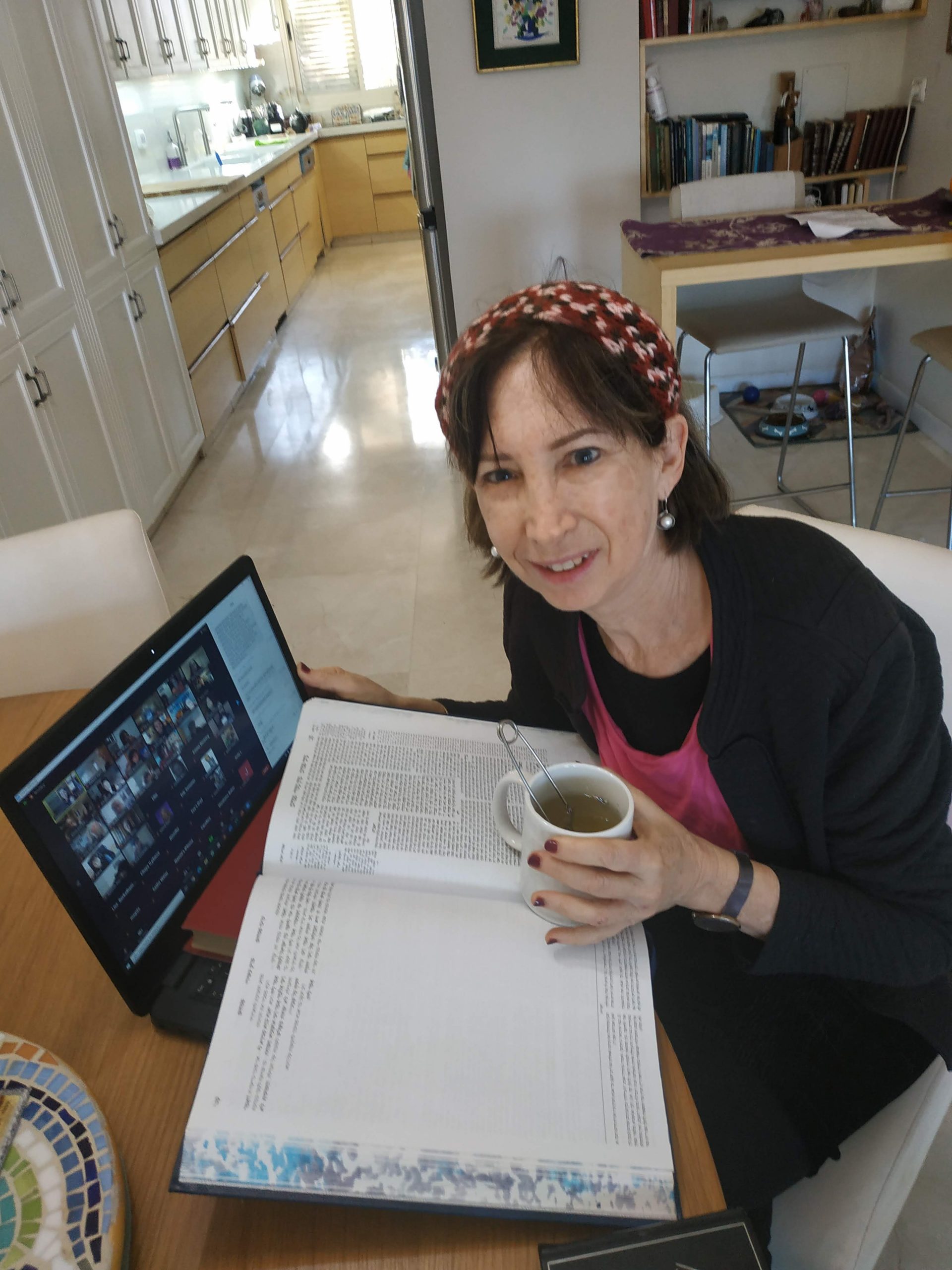
בתחילת הסבב הנוכחי הצטברו אצלי תחושות שאני לא מבינה מספיק מהי ההלכה אותה אני מקיימת בכל יום. כמו כן, כאמא לבנות רציתי לתת להן מודל נשי של לימוד תורה
שתי הסיבות האלו הובילו אותי להתחיל ללמוד. נתקלתי בתגובות מפרגנות וסקרניות איך אישה לומדת גמרא..
כמו שרואים בתמונה אני ממשיכה ללמוד גם היום ואפילו במחלקת יולדות אחרי לידת ביתי השלישית.

Noa Shiloh
נועה שילה

רבבה, ישראל

התחלתי ללמוד בסבב הנוכחי לפני כשנתיים .הסביבה מתפעלת ותומכת מאוד. אני משתדלת ללמוד מכל ההסכתים הנוספים שיש באתר הדרן. אני עורכת כל סיום מסכת שיעור בביתי לכ20 נשים שמחכות בקוצר רוח למפגשים האלו.

Yael Asher
יעל אשר

יהוד, ישראל

התחלתי ללמוד דף יומי אחרי שחזרתי בתשובה ולמדתי במדרשה במגדל עוז. הלימוד טוב ומספק חומר למחשבה על נושאים הלכתיים ”קטנים” ועד לערכים גדולים ביהדות. חשוב לי להכיר את הגמרא לעומק. והצעד הקטן היום הוא ללמוד אותה בבקיאות, בעזרת השם, ומי יודע אולי גם אגיע לעיון בנושאים מעניינים. נושאים בגמרא מתחברים לחגים, לתפילה, ליחסים שבין אדם לחברו ולמקום ולשאר הדברים שמלווים באורח חיים דתי 🙂

Gaia Divo
גאיה דיבו

מצפה יריחו, ישראל

התחלתי ללמוד לפני כשנתיים בשאיפה לסיים לראשונה מסכת אחת במהלך חופשת הלידה.
אחרי מסכת אחת כבר היה קשה להפסיק…

Noa Gallant
נעה גלנט

ירוחם, ישראל

A life-changing journey started with a Chanukah family tiyul to Zippori, home of the Sanhedrin 2 years ago and continued with the Syum in Binanei Hauma where I was awed by the energy of 3000 women dedicated to learning daf Yomi. Opening my morning daily with a fresh daf, I am excited with the new insights I find enriching my life and opening new and deeper horizons for me.

Becky Goldstein
בקי גולדשטיין

Elazar gush etzion, Israel

התחלתי כשהייתי בחופש, עם הפרסומים על תחילת המחזור, הסביבה קיבלה את זה כמשהו מתמיד ומשמעותי ובהערכה, הלימוד זה עוגן יציב ביום יום, יש שבועות יותר ויש שפחות אבל זה משהו שנמצא שם אמין ובעל משמעות בחיים שלי….

Adi Diamant
עדי דיאמנט

גמזו, ישראל

התחלתי בסיום הש”ס, יצאתי באורות. נשברתי פעמיים, ובשתיהם הרבנית מישל עודדה להמשיך איפה שכולם בסבב ולהשלים כשאוכל, וכך עשיתי וכיום השלמתי הכל. מדהים אותי שאני לומדת כל יום קצת, אפילו בחדר הלידה, בבידוד או בחו”ל. לאט לאט יותר נינוחה בסוגיות. לא כולם מבינים את הרצון, בפרט כפמניסטית. חשה סיפוק גדול להכיר את המושגים וצורת החשיבה. החלום זה להמשיך ולהתמיד ובמקביל ללמוד איך מהסוגיות נוצרה והתפתחה ההלכה.

Weingarten Sherrington Foundation
קרן וינגרטן שרינגטון

מודיעין, ישראל

התחלתי בתחילת הסבב, והתמכרתי. זה נותן משמעות נוספת ליומיום ומאוד מחזק לתת לזה מקום בתוך כל שגרת הבית-עבודה השוטפת.

Reut Abrahami
רעות אברהמי

בית שמש, ישראל

בסוף הסבב הקודם ראיתי את השמחה הגדולה שבסיום הלימוד, בעלי סיים כבר בפעם השלישית וכמובן הסיום הנשי בבנייני האומה וחשבתי שאולי זו הזדמנות עבורי למשהו חדש.
למרות שאני שונה בסביבה שלי, מי ששומע על הלימוד שלי מפרגן מאוד.
אני מנסה ללמוד קצת בכל יום, גם אם לא את כל הדף ובסך הכל אני בדרך כלל עומדת בקצב.
הלימוד מעניק המון משמעות ליום יום ועושה סדר בלמוד תורה, שתמיד היה (ועדיין) שאיפה. אבל אין כמו קביעות

Racheli-Mendelson
רחלי מנדלסון

טל מנשה, ישראל

התחלתי לפני 8 שנים במדרשה. לאחרונה סיימתי מסכת תענית בלמידה עצמית ועכשיו לקראת סיום מסכת מגילה.

Daniela Baruchim
דניאלה ברוכים

רעננה, ישראל

שמעתי על הסיום הענק של הדף היומי ע”י נשים בבנייני האומה. רציתי גם.
החלטתי להצטרף. התחלתי ושיכנעתי את בעלי ועוד שתי חברות להצטרף. עכשיו יש לי לימוד משותף איתו בשבת ומפגש חודשי איתן בנושא (והתכתבויות תדירות על דברים מיוחדים שקראנו). הצטרפנו לקבוצות שונות בווטסאפ. אנחנו ממש נהנות. אני שומעת את השיעור מידי יום (בד”כ מהרב יוני גוטמן) וקוראת ומצטרפת לסיומים של הדרן. גם מקפידה על דף משלהן (ונהנית מאד).

Liat Citron
ליאת סיטרון

אפרת, ישראל

התחלתי בתחילת הסבב, והתמכרתי. זה נותן משמעות נוספת ליומיום ומאוד מחזק לתת לזה מקום בתוך כל שגרת הבית-עבודה השוטפת.

Reut Abrahami
רעות אברהמי

בית שמש, ישראל

התחלתי לפני 8 שנים במדרשה. לאחרונה סיימתי מסכת תענית בלמידה עצמית ועכשיו לקראת סיום מסכת מגילה.

Daniela Baruchim
דניאלה ברוכים

רעננה, ישראל

התחלתי ללמוד בסבב הנוכחי לפני כשנתיים .הסביבה מתפעלת ותומכת מאוד. אני משתדלת ללמוד מכל ההסכתים הנוספים שיש באתר הדרן. אני עורכת כל סיום מסכת שיעור בביתי לכ20 נשים שמחכות בקוצר רוח למפגשים האלו.

Yael Asher
יעל אשר

יהוד, ישראל

התחלתי ללמוד בעידוד שתי חברות אתן למדתי בעבר את הפרק היומי במסגרת 929.
בבית מתלהבים מאוד ובשבת אני לומדת את הדף עם בעלי שזה מפתיע ומשמח מאוד! לימוד הדף הוא חלק בלתי נפרד מהיום שלי. לומדת בצהריים ומחכה לזמן הזה מידי יום…

Miriam Wengerover
מרים ונגרובר

אפרת, ישראל

בסוף הסבב הקודם ראיתי את השמחה הגדולה שבסיום הלימוד, בעלי סיים כבר בפעם השלישית וכמובן הסיום הנשי בבנייני האומה וחשבתי שאולי זו הזדמנות עבורי למשהו חדש.
למרות שאני שונה בסביבה שלי, מי ששומע על הלימוד שלי מפרגן מאוד.
אני מנסה ללמוד קצת בכל יום, גם אם לא את כל הדף ובסך הכל אני בדרך כלל עומדת בקצב.
הלימוד מעניק המון משמעות ליום יום ועושה סדר בלמוד תורה, שתמיד היה (ועדיין) שאיפה. אבל אין כמו קביעות

Racheli-Mendelson
רחלי מנדלסון

טל מנשה, ישראל

התחלתי כשהייתי בחופש, עם הפרסומים על תחילת המחזור, הסביבה קיבלה את זה כמשהו מתמיד ומשמעותי ובהערכה, הלימוד זה עוגן יציב ביום יום, יש שבועות יותר ויש שפחות אבל זה משהו שנמצא שם אמין ובעל משמעות בחיים שלי….

Adi Diamant
עדי דיאמנט

גמזו, ישראל

התחלתי להשתתף בשיעור נשים פעם בשבוע, תכננתי ללמוד רק דפים בודדים, לא האמנתי שאצליח יותר מכך.
לאט לאט נשאבתי פנימה לעולם הלימוד .משתדלת ללמוד כל בוקר ומתחילה את היום בתחושה של מלאות ומתוך התכווננות נכונה יותר.
הלימוד של הדף היומי ממלא אותי בתחושה של חיבור עמוק לעם היהודי ולכל הלומדים בעבר ובהווה.

Neely Hayon
נילי חיון

אפרת, ישראל

התחלתי ללמוד דף יומי אחרי שחזרתי בתשובה ולמדתי במדרשה במגדל עוז. הלימוד טוב ומספק חומר למחשבה על נושאים הלכתיים ”קטנים” ועד לערכים גדולים ביהדות. חשוב לי להכיר את הגמרא לעומק. והצעד הקטן היום הוא ללמוד אותה בבקיאות, בעזרת השם, ומי יודע אולי גם אגיע לעיון בנושאים מעניינים. נושאים בגמרא מתחברים לחגים, לתפילה, ליחסים שבין אדם לחברו ולמקום ולשאר הדברים שמלווים באורח חיים דתי 🙂

Gaia Divo
גאיה דיבו

מצפה יריחו, ישראל

התחלתי לפני כמה שנים אבל רק בסבב הזה זכיתי ללמוד יום יום ולסיים מסכתות

Sigal Tel
סיגל טל

רעננה, ישראל

בבא בתרא קנח

מַתְנִי׳ נָפַל הַבַּיִת עָלָיו וְעַל אִשְׁתּוֹ, יוֹרְשֵׁי הַבַּעַל אוֹמְרִים: אִשָּׁה מֵתָה רִאשׁוֹן, וְאַחַר כָּךְ מֵת הַבַּעַל; יוֹרְשֵׁי אִשָּׁה אוֹמְרִים: בַּעַל מֵת רִאשׁוֹן, וְאַחַר כָּךְ מֵתָה אִשָּׁה –

MISHNA: If the house collapsed upon a husband and upon his wife, and it is unknown who died first, if the wife did not have any children from her husband, then the following claims arise: The husband’s heirs say: The wife died first and was inherited by her husband, and afterward the husband died, and therefore the husband’s heirs inherit both his and her property. The wife’s heirs say: The husband died first and afterward the wife died, and her heirs inherit the property that she brought with her to the marriage and the payment of her marriage contract.

בֵּית שַׁמַּאי אוֹמְרִים: יַחְלוֹקוּ. וּבֵית הִלֵּל אוֹמְרִים: נְכָסִים – בְּחֶזְקָתָן, כְּתוּבָּה – בְּחֶזְקַת יוֹרְשֵׁי הַבַּעַל, נְכָסִים הַנִּכְנָסִין וְהַיּוֹצְאִין עִמָּהּ – בְּחֶזְקַת יוֹרְשֵׁי הָאָב.

Beit Shammai say: They divide the property under dispute between them. And Beit Hillel say: The guaranteed property that the wife brought with her to the marriage retains its previous ownership status. The sum of the marriage contract remains in the possession of the husband’s heirs, since the marriage contract is collected from the husband’s property. Property that is brought into and taken out of the marriage with her, i.e., usufruct property that remains in the wife’s possession during her marriage, remains in the possession of the heirs of the woman’s father.

גְּמָ׳ בְּחֶזְקַת מִי? רַבִּי יוֹחָנָן אָמַר: בְּחֶזְקַת יוֹרְשֵׁי הַבַּעַל, וְרַבִּי אֶלְעָזָר אָמַר: בְּחֶזְקַת יוֹרְשֵׁי הָאִשָּׁה,

GEMARA: The mishna teaches that according to Beit Hillel, the guaranteed property that the wife brought with her to the marriage retains its previous ownership status. The Gemara asks: In whose possession does the guaranteed property remain? Rabbi Yoḥanan says: It remains in the possession of the husband’s heirs, since the husband is liable to compensate his wife for guaranteed property in the event of loss. And Rabbi Elazar says: It remains in the possession of the wife’s heirs, as the property came from her father’s house and belongs to her.

וְרַבִּי שִׁמְעוֹן בֶּן לָקִישׁ מִשּׁוּם בַּר קַפָּרָא אָמַר: יַחְלוֹקוּ. וְכֵן תָּנֵי בַּר קַפָּרָא: הוֹאִיל וְהַלָּלוּ בָּאִין לִירַשׁ וְהַלָּלוּ בָּאִין לִירַשׁ, יַחְלוֹקוּ.

And Rabbi Shimon ben Lakish says in the name of bar Kappara: They divide the property between them. And likewise bar Kappara teaches in a baraita: Since these heirs come to inherit and those heirs come to inherit, and neither can prove his claim, they divide the property between them.

מַתְנִי׳ נָפַל הַבַּיִת עָלָיו וְעַל אִמּוֹ, אֵלּוּ וָאֵלּוּ מוֹדִין שֶׁיַּחְלוֹקוּ. אָמַר רַבִּי עֲקִיבָא: מוֹדֶה אֲנִי בָּזוֹ, שֶׁהַנְּכָסִים בְּחֶזְקָתָן. אָמַר לוֹ בֶּן עַזַּאי: עַל [הַ]חֲלוּקִין אָנוּ מִצְטַעֲרִין; אֶלָּא שֶׁבָּאתָ לְחַלֵּק עָלֵינוּ אֶת הַשָּׁוִין?!

MISHNA: If the house collapsed on a son and upon his mother, and it is unknown who died first, the following claims arise: The mother’s paternal family claims that the son died first, and therefore they inherit from the mother, and the son’s heirs claim that the mother died first and her son inherited from her, and therefore they inherit from the son. In this case, both these Sages and those Sages, Beit Shammai and Beit Hillel, concede that they divide the property between them. Rabbi Akiva said: In this case I concede that the property retains its previous ownership status. Ben Azzai said to Rabbi Akiva: We are already troubled by those cases where Beit Shammai and Beit Hillel are in disagreement. But do you come to bring upon us a disagreement with regard to the case where they agree?

גְּמָ׳ בְּחֶזְקַת מִי? רַבִּי אִילָא אָמַר: בְּחֶזְקַת יוֹרְשֵׁי הָאֵם. רַבִּי זֵירָא אָמַר: בְּחֶזְקַת יוֹרְשֵׁי הַבֵּן. כִּי סָלֵיק רַבִּי זֵירָא, קָם בְּשִׁיטְתֵיהּ דְּרַבִּי אִילָא. קָם רַבָּה בְּשִׁיטְתֵיהּ דְּרַבִּי זֵירָא. אָמַר רַבִּי זֵירָא, שְׁמַע מִינַּהּ – אַוֵּירָא דְּאֶרֶץ יִשְׂרָאֵל מַחְכִּים.

GEMARA: The mishna states that according to Rabbi Akiva, the property retains its previous ownership status. The Gemara asks: In whose possession does the property remain? Rabbi Ila says: It remains in the possession of the mother’s heirs. Rabbi Zeira, when he was still in Babylonia, said: It remains in the possession of the son’s heirs. When Rabbi Zeira ascended to Eretz Yisrael, he adopted the opinion of Rabbi Ila, whereas Rabba, in Babylonia, adopted the opinion stated by Rabbi Zeira. Rabbi Zeira said: Conclude from this incident that the air of Eretz Yisrael makes one wise, as when I ascended to Eretz Yisrael I accepted the opinion of Rabbi Ila, who was also from Eretz Yisrael, whereas Rabba, who remained in Babylonia, accepted my former opinion.

וְטַעְמָא מַאי? אָמַר אַבָּיֵי: הוֹאִיל וְהוּחְזְקָה נַחֲלָה בְּאוֹתוֹ שֵׁבֶט.

The Gemara asks: And what is the reason that the property remains in the possession of the mother’s heirs? Abaye says: Since the inheritance was initially in the possession of that tribe of the mother, it is not removed from their possession in order to transfer it to the son’s heirs, who are from a different tribe.

אָמַר לוֹ בֶּן עַזַּאי: עַל הַחֲלוּקִין אָנוּ מִצְטַעֲרִין וְכוּ׳. אָמַר רַבִּי שִׂמְלַאי, עֲדָא אָמְרָה – בֶּן עַזַּאי תַּלְמִיד חָבֵר דְּרַבִּי עֲקִיבָא הֲוָה, דְּקָאָמַר לֵיהּ ״שֶׁבָּאתָ״.

The mishna teaches: Ben Azzai said to Rabbi Akiva: We are already troubled by those cases where Beit Shammai and Beit Hillel are in disagreement. But do you come to bring upon us a disagreement with regard to the case where they agree? Rabbi Shamlai said: That is to say that ben Azzai was a disciple-colleague of Rabbi Akiva and not just a disciple, since he said to him: Do you come, in the second person, rather than using the more formal third person.

שְׁלַחוּ מִתָּם: בֵּן שֶׁלָּוָה בְּנִכְסֵי אָבִיו בְּחַיֵּי אָבִיו, וָמֵת – בְּנוֹ מוֹצִיא מִיַּד הַלָּקוֹחוֹת. וְזוֹ הִיא שֶׁקָּשָׁה בְּדִינֵי מָמוֹנוֹת. לָוָה – מַאי מַפֵּיק? וְעוֹד, לָקוֹחוֹת מַאי עֲבִידְתֵּיהּ? אֶלָּא אִי אִיתְּמַר, הָכִי

§ The Sages sent a ruling from there, Eretz Yisrael: With regard to a son who borrowed money based on the security of his father’s property during his father’s lifetime, and whose father subsequently died, his son repossesses the property from the buyers. And this is the most difficult halakha to understand with regard to monetary law. The Gemara clarifies the ruling: If the son borrowed, what does he repossess? He needs to repay a debt, not to collect payment. Moreover, what is the relevance of the buyers in this matter? There is no mention of them in the premise. Rather, if this matter was stated, it is in this manner

רוצה לעקוב אחרי התכנים ולהמשיך ללמוד?

ביצירת חשבון עוד היום ניתן לעקוב אחרי ההתקדמות שלך, לסמן מה למדת, ולעקוב אחרי השיעורים שמעניינים אותך.

לנקות את כל הפריטים מהרשימה?

פעולה זו תסיר את כל הפריטים בחלק זה כולל ההתקדמות וההיסטוריה. שימי לב: לא ניתן לשחזר פעולה זו.

ביטול
מחיקה

האם את/ה בטוח/ה שברצונך למחוק פריט זה?

תאבד/י את כל ההתקדמות או ההיסטוריה הקשורות לפריט זה.

ביטול
מחיקה