חיפוש

בבא בתרא קסא

רוצה להקדיש שיעור?

podcast placeholder

0:00
0:00


תקציר

הדף היום מוקדש ע”י ליסה מליק ועדי ויינר לכבוד יום הולדתו הראשון של נכדם עזריאל דוד ואירוסין של בתם אווה ויינר לראובן רוזן.

על פי רבי ירמיה בר אבא, החתימות של העדים בשטר מקושר יהיו בתחתית המסמך (בניגוד לרב הונא שסבר שהן בראש, במקום הקשירה), כדי שלא יבואו ויסיפו שורות לאחר החתימות ויזייפו את השטר. לדבריו, אין צורך להוסיף "הכל שריר וקיים” בסוף המסמך. אולם, זה עדיין עלול לאפשר זיוף שכן ניתן להוסיף שורה נוספת ועד נוסף יכול לחתום מתחת לחתימות. לכן,מסבירים שרבי ירמיה בר אבא כנראה סובר שהחתימות הן בצד האחורי ובניצב לטקסט, החל מתחתית הדף שמולו מסתיים הטקסט, ובכך מונעים את אפשרות הזיוף. אולם, עדיין ניתן לבצע זיוף כי מלכתחילה מניחים שרק החתימה הראשונה מתחילה בתחתית והאחרות גבוה יותר. אם כך, יש חשש שניתן לחתוך שורה במסמך והיא תתקבל על ידי בית הדין שכן חתימה חלקית (בן של…) נחשבת כשרה. לאחר דין ודברים, הגמרא הסבירה מדוע זה לא היה חשש. עם זאת, מר זוטרא מסביר שכל החתימות חייבות להיות מיושרות בתחתית, ובכך מונעים את האפשרות לחתוך שורה (שכן לא ניתן יהיה לחתוך את כל החתימות באופן שלא יורגש).

רבי יצחק בר יוסף מביא שני פרטי דינים בשטר בשמו של רבי יוחנן. אם מוחקים משהו במסמך, יש לכתוב הערה המעידה על השינוי בחלק התחתון. השורה האחרונה לפני הסיום צריכה תמיד לכלול סיכום של תוכן המסמך, שכן אם משהו חדש נכתב בשורה האחרונה, הוא לא יתקיים, מאחר שיש חשש שהוסיפו את זה לאחר החתימות.

בבא בתרא קסא

מְחָק – פָּסוּל, וְאַף עַל פִּי שֶׁמְּקוּיָּם.

but a document with a reference to words written over an erasure is not valid, even if it is verified at the end of the document. At the end of a document, before the formula: Everything is confirmed and established, is written, any corrections made in the document are verified by adding to the text: On line so-and-so, such and such a word has been added, or some similar formulation. This may be done only for inserted corrections, not for erasures.

וְלֹא אָמְרוּ מְחָק פָּסוּל – אֶלָּא בִּמְקוֹם ״שָׁרִיר וְקַיָּים״, וּכְשִׁיעוּר ״שָׁרִיר וְקַיָּים״.

The Gemara clarifies this statement: And they said that an erasure on a document renders the document not valid only if it is in a place on the document where the declaration: Everything is confirmed and established, should have been written, and only if the erasure is the measure of space in which the declaration: Everything is confirmed and established, can be written. The only concern with erasures is that the crucial formula: Everything is confirmed and established, might have been erased, as this would allow for unlimited forgery. If the erasure is such that this formula could not possibly have been erased, the document is valid.

וּלְרַב יִרְמְיָה בַּר אַבָּא, דְּאָמַר: אֲחוֹרֵי הַכְּתָב – וּכְנֶגֶד הַכְּתָב מִבַּחוּץ; לֵיחוּשׁ דִּלְמָא כָּתֵיב מִגַּוַּאי מַאי דְּבָעֵי, וּמַחְתִּים סָהֲדֵי יַתִּירֵי מֵאַבָּרַאי, וְאָמַר: אֲנָא לְרַבּוֹת בְּעֵדִים הוּא דַּעֲבַדִי!

§ Rami bar Ḥama asked Rav Ḥisda: And according to Rav Yirmeya bar Abba, who says that the witnesses sign on the back of the written side, taking care that the signatures are exactly opposite the writing, on the outside let there be a concern that perhaps the party holding the document will write whatever he wants on the inside, i.e., the front of the document, adding to the text, and then have extra witnesses sign on the outside, and he will say to anyone questioning the number of witnesses being more than the minimum: I did this in order to increase the number of witnesses, the more to publicize the matters written in the document.

אֲמַר לֵיהּ: מִי סָבְרַתְּ עֵדִים כְּסִדְרָן חֲתִימִי? עֵדִים מִמַּטָּה לְמַעְלָה חֲתִימִי.

Rav Ḥisda said to him: Do you maintain that the witnesses sign in order, that is, one under the other, starting from the top of the page on the back? This is not correct; rather, the witnesses sign from bottom to top. The witnesses sign in a perpendicular direction relative to the text of the document. The first signature begins at the reverse side of the last line of the document, and it continues upward toward the first line. There is therefore no possibility of adding to the text of the document, as, if the text extended beyond the beginning of the signatures, it would be recognized as a forgery.

וְלֵיחוּשׁ דִּלְמָא מִתְרַמְיָא רֵיעוּתָה בְּשִׁיטָה אַחֲרוֹנָה, וְגָיֵיז לַיהּ לְשִׁיטָה אַחֲרוֹנָה – וְגָיֵיז לֵיהּ לִרְאוּבֵן בַּהֲדֵיהּ, וּמִתַּכְשַׁר בְּ״בֶן יַעֲקֹב עֵד״; דִּתְנַן: ״בֶּן אִישׁ פְּלוֹנִי, עֵד״ – כָּשֵׁר!

Rami bar Ḥama continues to question the method of signature prescribed by Rav Yirmeya bar Abba: But let there be a concern that perhaps something detrimental to the holder of the document happens to appear in the final line of the document, and he excises the final line, and in doing so excises the first name of the witness on the opposite side as well. For instance, if the witness’s name is Reuven, son of Ya’akov, he will excise Reuven along with the final line of the document, and the document will be rendered valid with the remaining part of the signature: “Son of Ya’akov, witness.” As we learned in a mishna (Gittin 87b): If one signs: Son of so-and-so, witness, without mentioning his own name, the document is valid.

דִּכְתִיב ״רְאוּבֵן בֶּן״ בְּחַד דָּרָא, וְ״יַעֲקֹב עֵד״ עִלָּוֵויהּ.

The Gemara answers: It is a case where it is written “Reuven, son of” on one line, i.e., opposite the final line of the document, and “Ya’akov, witness,” above it, beginning from the penultimate line of the document and continuing upward in a perpendicular manner. That is, a tied document is valid only if the witnesses sign in this manner. In this case, if the final line of the document is excised, all that will remain of the signature will be: “Ya’akov, witness.”

וְלִיחוֹשׁ דִּלְמָא גָּיֵיז לֵיהּ לִ״רְאוּבֵן בֶּן״, וּמִתַּכְשַׁר בְּ״יַעֲקֹב עֵד״ – דִּתְנַן: ״אִישׁ פְּלוֹנִי עֵד״, כָּשֵׁר!

Rami bar Ḥama continues to ask: But let there be a concern that perhaps he will excise the final line of the document, along with the words Reuven, son of,” and the document will be rendered valid with the remaining part of the signature: Ya’akov, witness.” As we learned in a mishna (Gittin 87b): If someone signs just: So-and-so, witness, the document is valid.

דְּלָא כְּתִיב ״עֵד״.

The Gemara answers: It is a case where the word witness is not written after the witnesses’ names. That is, a tied document is valid only if the word witness does not appear after the signatures. It is only in such a case that the document cannot be materially changed by excising the final line without rendering the witnesses’ names disqualified.

וְאִיבָּעֵית אֵימָא: לְעוֹלָם דִּכְתִב ״עֵד״, דְּיָדְעִינַן בַּהּ דְּהָא חֲתִימוּת יְדָא –

And if you wish, say instead that actually the witness did write “witness” after his signature, and the case is one where we know for a fact that this signature, which consists of the words “Ya’akov, witness,”

לָאו דְּיַעֲקֹב הוּא.

is not Yaakov’s signature. That is, it is known for a fact that there is no one living in the city where the document was written who is named Ya’akov and whose signature matches the signature on this document. Therefore, the court will recognize that the signature must have originally stated: “So-and-so, son of Ya’akov, witness,” and that the last line had been excised, and they will invalidate it.

וְדִלְמָא בִּשְׁמֵיהּ דַּאֲבוּהּ חֲתַם! לָא שָׁבֵיק אִינִישׁ שְׁמֵיהּ דִּידֵיהּ, וְחָתֵים בִּשְׁמֵיהּ דַּאֲבוּהּ.

Rami bar Ḥama challenges: But perhaps this witness signed using the name of his father instead of his own name, as a gesture of respect toward his father. The Gemara answers: This is not done; a person does not discard his own name and sign using only the name of his father.

וְדִלְמָא סִימָנָא בְּעָלְמָא הוּא דְּשַׁוְּויֵהּ! דְּהָא רַב צָיֵיר כְּווֹרָא, רַבִּי חֲנִינָא צָיֵיר חֲרוּתָא, רַב חִסְדָּא סָמֶךְ, רַב הוֹשַׁעְיָא – עַיִן, רָבָא בַּר רַב הוּנָא – מָכוּתָא! לָא חֲצִיף אִינָשׁ לְשַׁוּוֹיֵהּ לִשְׁמֵיהּ דַּאֲבוּהּ סִימָנָא.

Rami bar Ḥama challenges further: But perhaps the witness made this name into a mere distinguishing mark that he uses as his signature, as it is known that Rav used to draw a fish as his signature mark, rather than signing his name, and Rabbi Ḥanina used to draw a palm branch as his signature mark, and Rav Ḥisda used to sign just the letter samekh, and Rav Hoshaya used to sign just the letter ayin, and Rava bar Rav Huna used to sign his name by drawing a ship’s mast [makhota]. The Gemara answers: A person is not so insolent as to use his father’s name as a distinguishing mark.

מָר זוּטְרָא אָמַר: לְמָה לָךְ כּוּלֵּי הַאי? כׇּל מְקוּשָּׁר שֶׁאֵין עֵדָיו כָּלִין בְּשִׁיטָה אַחַת – פָּסוּל.

Mar Zutra said: Why do you need all this? Why go to such lengths to answer the question posed above? There is a simpler answer: Any tied document whose witnesses do not end on a single line is not valid. The Gemara had previously assumed that the witnesses sign one after the other, beginning at the document’s bottom line and going upward toward the first line; this arrangement leaves open the possibility that the signature of the first witness could be truncated by an unscrupulous party. Mar Zutra explains that this is not so; rather, the signatures are written with each one beginning opposite the bottom line and heading upward toward the beginning of the document. Therefore, if a line of text is excised from the bottom of the document, the names of all the witnesses on the reverse side will be truncated, and the forgery will become apparent.

אָמַר רַב יִצְחָק בַּר יוֹסֵף אָמַר רַבִּי יוֹחָנָן: כׇּל הַמְּחָקִין כּוּלָּן, צָרִיךְ שֶׁיִּכְתּוֹב ״וְדֵין קִיּוּמֵיהוֹן״. וְצָרִיךְ שֶׁיַּחֲזוֹר מֵעִנְיָנוֹ שֶׁל שְׁטָר בְּשִׁיטָה אַחֲרוֹנָה; מַאי טַעְמָא?

§ Rav Yitzḥak bar Yosef says that Rabbi Yoḥanan says: There are two halakhot with regard to documents: For any erasures in a document, the scribe must write at the end of the document: And this is their verification. That is, he must list the erasures, stating that on line so-and-so there is an erasure and a correction stating such and such, for each erasure. And the second halakha is that the scribe must review some of the details of the document in the final line of the document. What is the reason for this second requirement?

העמקה

רוצה להבין מה באמת קורה מתחת לפני השטח של הסוגיה?
שיעורים, פודקאסטים והרחבות של מיטב המורות שלנו יפתחו לך עוד זוויות וכיווני חשיבה.

לשיעורי עוד על הדף באנגלית, לחצי כאן

חדשה בלימוד הגמרא?

זה הדף הראשון שלך? איזו התרגשות עצומה! יש לנו בדיוק את התכנים והכלים שיעזרו לך לעשות את הצעדים הראשונים ללמידה בקצב וברמה שלך, כך תוכלי להרגיש בנוח גם בתוך הסוגיות המורכבות ומאתגרות.

פסיפס הלומדות שלנו

גלי את קהילת הלומדות שלנו, מגוון נשים, רקעים וסיפורים. כולן חלק מתנועה ומסע מרגש ועוצמתי.

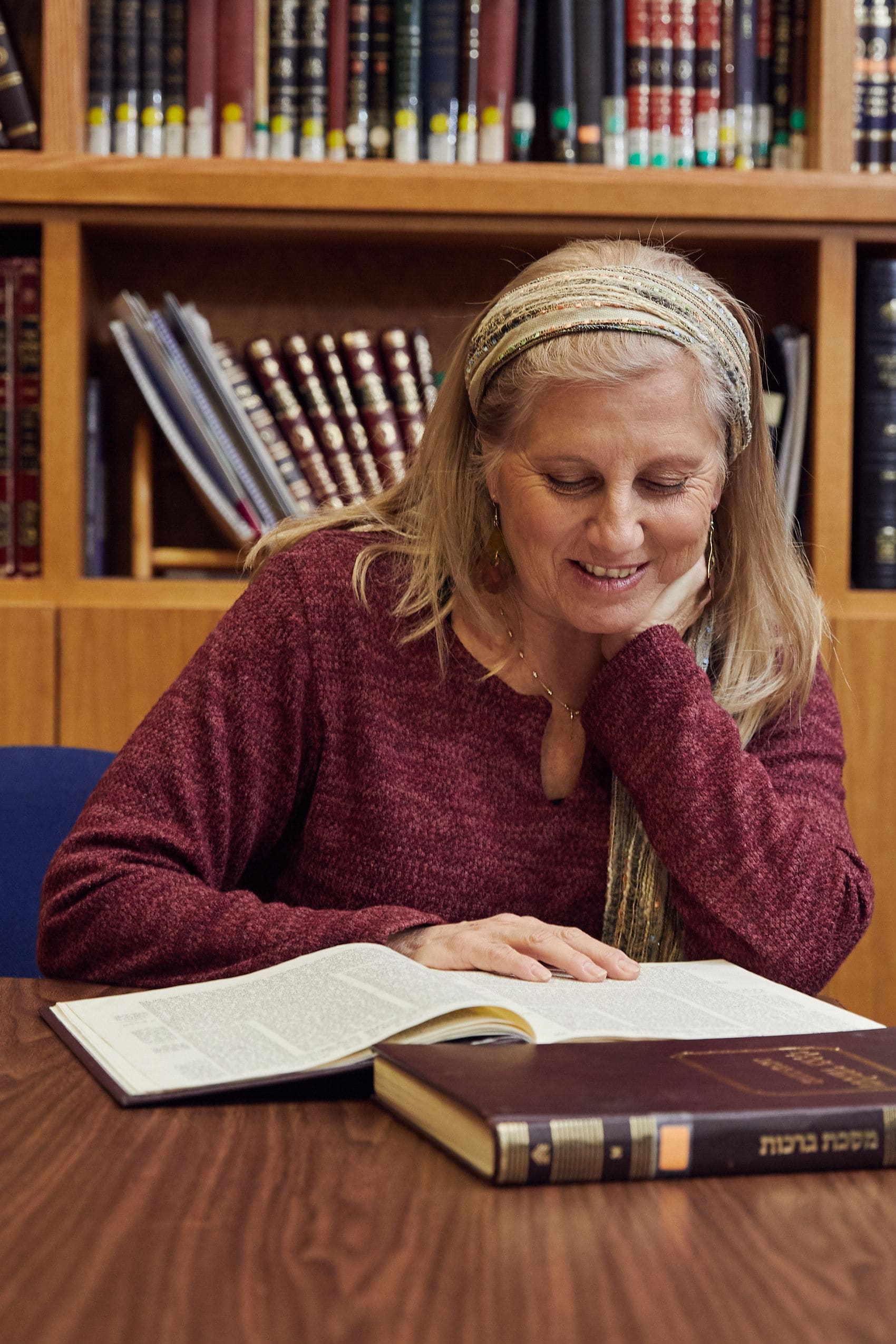
בתחילת הסבב הנוכחי הצטברו אצלי תחושות שאני לא מבינה מספיק מהי ההלכה אותה אני מקיימת בכל יום. כמו כן, כאמא לבנות רציתי לתת להן מודל נשי של לימוד תורה
שתי הסיבות האלו הובילו אותי להתחיל ללמוד. נתקלתי בתגובות מפרגנות וסקרניות איך אישה לומדת גמרא..
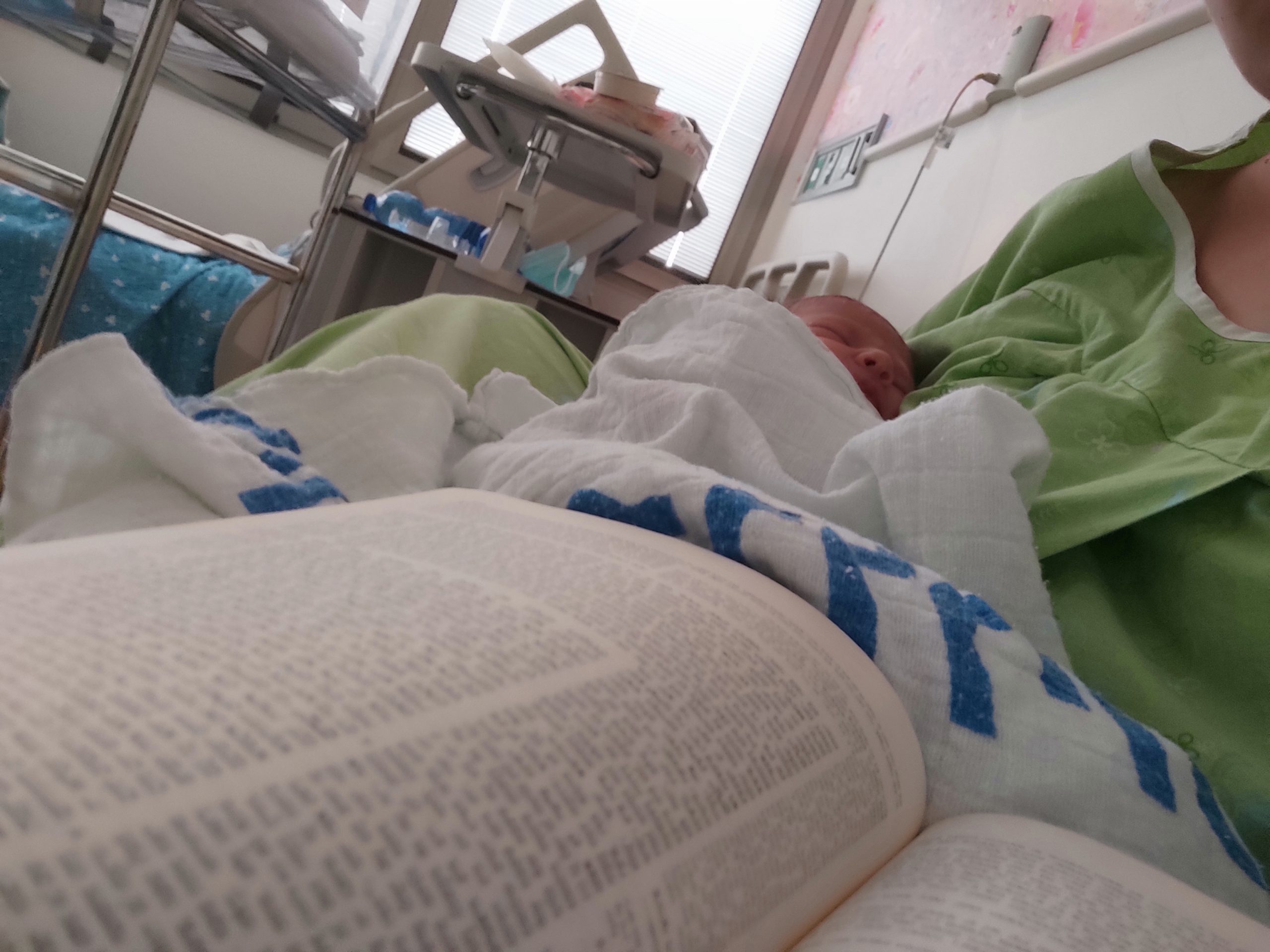
כמו שרואים בתמונה אני ממשיכה ללמוד גם היום ואפילו במחלקת יולדות אחרי לידת ביתי השלישית.

Noa Shiloh
נועה שילה

רבבה, ישראל

התחלתי ללמוד בשנת המדרשה במגדל עוז, בינתיים נהנית מאוד מהלימוד ומהגמרא, מעניין ומשמח מאוד!
משתדלת להצליח לעקוב כל יום, לפעמים משלימה קצת בהמשך השבוע.. מרגישה שיש עוגן מקובע ביום שלי והוא משמח מאוד!

Uriah Kesner
אוריה קסנר

חיפה , ישראל

התחלתי לפני 8 שנים במדרשה. לאחרונה סיימתי מסכת תענית בלמידה עצמית ועכשיו לקראת סיום מסכת מגילה.

Daniela Baruchim
דניאלה ברוכים

רעננה, ישראל

אחרי שראיתי את הסיום הנשי של הדף היומי בבנייני האומה זה ריגש אותי ועורר בי את הרצון להצטרף. לא למדתי גמרא קודם לכן בכלל, אז הכל היה לי חדש, ולכן אני לומדת בעיקר מהשיעורים פה בהדרן, בשוטנשטיין או בחוברות ושיננתם.

Rebecca Schloss
רבקה שלוס

בית שמש, ישראל

התחלתי ללמוד דף יומי בסבב הקודם. זכיתי לסיים אותו במעמד המרגש של הדרן. בסבב הראשון ליווה אותי הספק, שאולי לא אצליח לעמוד בקצב ולהתמיד. בסבב השני אני לומדת ברוגע, מתוך אמונה ביכולתי ללמוד ולסיים. בסבב הלימוד הראשון ליוותה אותי חוויה מסויימת של בדידות. הדרן העניקה לי קהילת לימוד ואחוות נשים. החוויה של סיום הש”ס במעמד כה גדול כשנשים שאינן מכירות אותי, שמחות ומתרגשות עבורי , היתה חוויה מרוממת נפש

Ilanit Weil
אילנית ווייל

קיבוץ מגדל עוז, ישראל

לפני 15 שנה, אחרי עשרות שנים של "ג’ינגול” בין משפחה לקריירה תובענית בהייטק, הצטרפתי לשיעורי גמרא במתן רעננה. הלימוד המעמיק והייחודי של הרבנית אושרה קורן יחד עם קבוצת הנשים המגוונת הייתה חוויה מאלפת ומעשירה. לפני כשמונה שנים כאשר מחזור הדף היומי הגיע למסכת תענית הצטרפתי כ”חברותא” לבעלי. זו השעה היומית שלנו ביחד כאשר דפי הגמרא משתלבים בחיי היום יום, משפיעים ומושפעים, וכשלא מספיקים תמיד משלימים בשבת

Yodi Askoff
יודי אסקוף

רעננה, ישראל

התחלתי מעט לפני תחילת הסבב הנוכחי. אני נהנית מהאתגר של להמשיך להתמיד, מרגעים של "אהה, מפה זה הגיע!” ומהאתגר האינטלקטואלי

Eilat-Chen and Deller
אילת-חן ודלר

לוד, ישראל

"התחלתי ללמוד דף יומי במחזור הזה, בח’ בטבת תש””ף. לקחתי על עצמי את הלימוד כדי ליצור תחום של התמדה יומיומית בחיים, והצטרפתי לקבוצת הלומדים בבית הכנסת בכפר אדומים. המשפחה והסביבה מתפעלים ותומכים.
בלימוד שלי אני מתפעלת בעיקר מכך שכדי ללמוד גמרא יש לדעת ולהכיר את כל הגמרא. זו מעין צבת בצבת עשויה שהיא עצומה בהיקפה.”

Sarah Fox
שרה פוּקס

כפר אדומים, ישראל

בסוף הסבב הקודם ראיתי את השמחה הגדולה שבסיום הלימוד, בעלי סיים כבר בפעם השלישית וכמובן הסיום הנשי בבנייני האומה וחשבתי שאולי זו הזדמנות עבורי למשהו חדש.
למרות שאני שונה בסביבה שלי, מי ששומע על הלימוד שלי מפרגן מאוד.
אני מנסה ללמוד קצת בכל יום, גם אם לא את כל הדף ובסך הכל אני בדרך כלל עומדת בקצב.
הלימוד מעניק המון משמעות ליום יום ועושה סדר בלמוד תורה, שתמיד היה (ועדיין) שאיפה. אבל אין כמו קביעות

Racheli-Mendelson
רחלי מנדלסון

טל מנשה, ישראל

לצערי גדלתי בדור שבו לימוד גמרא לנשים לא היה דבר שבשגרה ושנים שאני חולמת להשלים את הפער הזה.. עד שלפני מספר שבועות, כמעט במקרה, נתקלתי במודעת פרסומת הקוראת להצטרף ללימוד מסכת תענית. כשקראתי את המודעה הרגשתי שהיא כאילו נכתבה עבורי – "תמיד חלמת ללמוד גמרא ולא ידעת איך להתחיל”, "בואי להתנסות במסכת קצרה וקלה” (רק היה חסר שהמודעה תיפתח במילים "מיכי שלום”..). קפצתי למים ו- ב”ה אני בדרך להגשמת החלום:)

Micah Kadosh
מיכי קדוש

מורשת, ישראל

התחלתי ללמוד דף יומי ממסכת נידה כי זה היה חומר הלימוד שלי אז. לאחר הסיום הגדול בבנייני האומה החלטתי להמשיך. וב”ה מאז עם הפסקות קטנות של קורונה ולידה אני משתדלת להמשיך ולהיות חלק.

זה משפיע מאוד על היום יום שלי ועל אף שאני עסוקה בלימודי הלכה ותורה כל יום, זאת המסגרת הקבועה והמחייבת ביותר שיש לי.

Moriah Taesan Michaeli
מוריה תעסן מיכאלי

גבעת הראל, ישראל

התחלתי ללמוד בשנת המדרשה במגדל עוז, בינתיים נהנית מאוד מהלימוד ומהגמרא, מעניין ומשמח מאוד!
משתדלת להצליח לעקוב כל יום, לפעמים משלימה קצת בהמשך השבוע.. מרגישה שיש עוגן מקובע ביום שלי והוא משמח מאוד!

Uriah Kesner
אוריה קסנר

חיפה , ישראל

התחלתי לפני כמה שנים אבל רק בסבב הזה זכיתי ללמוד יום יום ולסיים מסכתות

Sigal Tel
סיגל טל

רעננה, ישראל

התחלתי ללמוד בעידוד שתי חברות אתן למדתי בעבר את הפרק היומי במסגרת 929.
בבית מתלהבים מאוד ובשבת אני לומדת את הדף עם בעלי שזה מפתיע ומשמח מאוד! לימוד הדף הוא חלק בלתי נפרד מהיום שלי. לומדת בצהריים ומחכה לזמן הזה מידי יום…

Miriam Wengerover
מרים ונגרובר

אפרת, ישראל

התחלתי ללמוד לפני 4.5 שנים, כשהודיה חברה שלי פתחה קבוצת ווטסאפ ללימוד דף יומי בתחילת מסכת סנהדרין. מאז לימוד הדף נכנס לתוך היום-יום שלי והפך לאחד ממגדירי הזהות שלי ממש.

Rosenberg Foundation
קרן רוזנברג

ירושלים, ישראל

התחלתי ללמוד לפני כשנתיים בשאיפה לסיים לראשונה מסכת אחת במהלך חופשת הלידה.
אחרי מסכת אחת כבר היה קשה להפסיק…

Noa Gallant
נעה גלנט

ירוחם, ישראל

התחלתי ללמוד דף יומי שהתחילו מסכת כתובות, לפני 7 שנים, במסגרת קבוצת לימוד שהתפרקה די מהר, ומשם המשכתי לבד בתמיכת האיש שלי. נעזרתי בגמרת שטיינזלץ ובשיעורים מוקלטים.
הסביבה מאד תומכת ואני מקבלת המון מילים טובות לאורך כל הדרך. מאז הסיום הגדול יש תחושה שאני חלק מדבר גדול יותר.
אני לומדת בשיטת ה”7 דפים בשבוע” של הרבנית תרצה קלמן – כלומר, לא נורא אם לא הצלחת ללמוד כל יום, העיקר שגמרת ארבעה דפים בשבוע

Rachel Goldstein
רחל גולדשטיין

עתניאל, ישראל

"
גם אני התחלתי בסבב הנוכחי וב””ה הצלחתי לסיים את רוב המסכתות . בזכות הרבנית מישל משתדלת לפתוח את היום בשיעור הזום בשעה 6:20 .הלימוד הפך להיות חלק משמעותי בחיי ויש ימים בהם אני מצליחה לחזור על הדף עם מלמדים נוספים ששיעוריהם נמצאים במרשתת. שמחה להיות חלק מקהילת לומדות ברחבי העולם. ובמיוחד לשמש דוגמה לנכדותיי שאי””ה יגדלו לדור שלימוד תורה לנשים יהיה משהו שבשגרה. "

Ronit Shavit
רונית שביט

נתניה, ישראל

אחי, שלומד דף יומי ממסכת ברכות, חיפש חברותא ללימוד מסכת ראש השנה והציע לי. החברותא היתה מאתגרת טכנית ורוב הזמן נעשתה דרך הטלפון, כך שבסיום המסכת נפרדו דרכינו. אחי חזר ללמוד לבד, אבל אני כבר נכבשתי בקסם הגמרא ושכנעתי את האיש שלי להצטרף אלי למסכת ביצה. מאז המשכנו הלאה, ועכשיו אנחנו מתרגשים לקראתו של סדר נשים!

Shulamit Saban
שולמית סבן

נוקדים, ישראל

התחלתי כשהייתי בחופש, עם הפרסומים על תחילת המחזור, הסביבה קיבלה את זה כמשהו מתמיד ומשמעותי ובהערכה, הלימוד זה עוגן יציב ביום יום, יש שבועות יותר ויש שפחות אבל זה משהו שנמצא שם אמין ובעל משמעות בחיים שלי….

Adi Diamant
עדי דיאמנט

גמזו, ישראל

בבא בתרא קסא

מְחָק – פָּסוּל, וְאַף עַל פִּי שֶׁמְּקוּיָּם.

but a document with a reference to words written over an erasure is not valid, even if it is verified at the end of the document. At the end of a document, before the formula: Everything is confirmed and established, is written, any corrections made in the document are verified by adding to the text: On line so-and-so, such and such a word has been added, or some similar formulation. This may be done only for inserted corrections, not for erasures.

וְלֹא אָמְרוּ מְחָק פָּסוּל – אֶלָּא בִּמְקוֹם ״שָׁרִיר וְקַיָּים״, וּכְשִׁיעוּר ״שָׁרִיר וְקַיָּים״.

The Gemara clarifies this statement: And they said that an erasure on a document renders the document not valid only if it is in a place on the document where the declaration: Everything is confirmed and established, should have been written, and only if the erasure is the measure of space in which the declaration: Everything is confirmed and established, can be written. The only concern with erasures is that the crucial formula: Everything is confirmed and established, might have been erased, as this would allow for unlimited forgery. If the erasure is such that this formula could not possibly have been erased, the document is valid.

וּלְרַב יִרְמְיָה בַּר אַבָּא, דְּאָמַר: אֲחוֹרֵי הַכְּתָב – וּכְנֶגֶד הַכְּתָב מִבַּחוּץ; לֵיחוּשׁ דִּלְמָא כָּתֵיב מִגַּוַּאי מַאי דְּבָעֵי, וּמַחְתִּים סָהֲדֵי יַתִּירֵי מֵאַבָּרַאי, וְאָמַר: אֲנָא לְרַבּוֹת בְּעֵדִים הוּא דַּעֲבַדִי!

§ Rami bar Ḥama asked Rav Ḥisda: And according to Rav Yirmeya bar Abba, who says that the witnesses sign on the back of the written side, taking care that the signatures are exactly opposite the writing, on the outside let there be a concern that perhaps the party holding the document will write whatever he wants on the inside, i.e., the front of the document, adding to the text, and then have extra witnesses sign on the outside, and he will say to anyone questioning the number of witnesses being more than the minimum: I did this in order to increase the number of witnesses, the more to publicize the matters written in the document.

אֲמַר לֵיהּ: מִי סָבְרַתְּ עֵדִים כְּסִדְרָן חֲתִימִי? עֵדִים מִמַּטָּה לְמַעְלָה חֲתִימִי.

Rav Ḥisda said to him: Do you maintain that the witnesses sign in order, that is, one under the other, starting from the top of the page on the back? This is not correct; rather, the witnesses sign from bottom to top. The witnesses sign in a perpendicular direction relative to the text of the document. The first signature begins at the reverse side of the last line of the document, and it continues upward toward the first line. There is therefore no possibility of adding to the text of the document, as, if the text extended beyond the beginning of the signatures, it would be recognized as a forgery.

וְלֵיחוּשׁ דִּלְמָא מִתְרַמְיָא רֵיעוּתָה בְּשִׁיטָה אַחֲרוֹנָה, וְגָיֵיז לַיהּ לְשִׁיטָה אַחֲרוֹנָה – וְגָיֵיז לֵיהּ לִרְאוּבֵן בַּהֲדֵיהּ, וּמִתַּכְשַׁר בְּ״בֶן יַעֲקֹב עֵד״; דִּתְנַן: ״בֶּן אִישׁ פְּלוֹנִי, עֵד״ – כָּשֵׁר!

Rami bar Ḥama continues to question the method of signature prescribed by Rav Yirmeya bar Abba: But let there be a concern that perhaps something detrimental to the holder of the document happens to appear in the final line of the document, and he excises the final line, and in doing so excises the first name of the witness on the opposite side as well. For instance, if the witness’s name is Reuven, son of Ya’akov, he will excise Reuven along with the final line of the document, and the document will be rendered valid with the remaining part of the signature: “Son of Ya’akov, witness.” As we learned in a mishna (Gittin 87b): If one signs: Son of so-and-so, witness, without mentioning his own name, the document is valid.

דִּכְתִיב ״רְאוּבֵן בֶּן״ בְּחַד דָּרָא, וְ״יַעֲקֹב עֵד״ עִלָּוֵויהּ.

The Gemara answers: It is a case where it is written “Reuven, son of” on one line, i.e., opposite the final line of the document, and “Ya’akov, witness,” above it, beginning from the penultimate line of the document and continuing upward in a perpendicular manner. That is, a tied document is valid only if the witnesses sign in this manner. In this case, if the final line of the document is excised, all that will remain of the signature will be: “Ya’akov, witness.”

וְלִיחוֹשׁ דִּלְמָא גָּיֵיז לֵיהּ לִ״רְאוּבֵן בֶּן״, וּמִתַּכְשַׁר בְּ״יַעֲקֹב עֵד״ – דִּתְנַן: ״אִישׁ פְּלוֹנִי עֵד״, כָּשֵׁר!

Rami bar Ḥama continues to ask: But let there be a concern that perhaps he will excise the final line of the document, along with the words Reuven, son of,” and the document will be rendered valid with the remaining part of the signature: Ya’akov, witness.” As we learned in a mishna (Gittin 87b): If someone signs just: So-and-so, witness, the document is valid.

דְּלָא כְּתִיב ״עֵד״.

The Gemara answers: It is a case where the word witness is not written after the witnesses’ names. That is, a tied document is valid only if the word witness does not appear after the signatures. It is only in such a case that the document cannot be materially changed by excising the final line without rendering the witnesses’ names disqualified.

וְאִיבָּעֵית אֵימָא: לְעוֹלָם דִּכְתִב ״עֵד״, דְּיָדְעִינַן בַּהּ דְּהָא חֲתִימוּת יְדָא –

And if you wish, say instead that actually the witness did write “witness” after his signature, and the case is one where we know for a fact that this signature, which consists of the words “Ya’akov, witness,”

לָאו דְּיַעֲקֹב הוּא.

is not Yaakov’s signature. That is, it is known for a fact that there is no one living in the city where the document was written who is named Ya’akov and whose signature matches the signature on this document. Therefore, the court will recognize that the signature must have originally stated: “So-and-so, son of Ya’akov, witness,” and that the last line had been excised, and they will invalidate it.

וְדִלְמָא בִּשְׁמֵיהּ דַּאֲבוּהּ חֲתַם! לָא שָׁבֵיק אִינִישׁ שְׁמֵיהּ דִּידֵיהּ, וְחָתֵים בִּשְׁמֵיהּ דַּאֲבוּהּ.

Rami bar Ḥama challenges: But perhaps this witness signed using the name of his father instead of his own name, as a gesture of respect toward his father. The Gemara answers: This is not done; a person does not discard his own name and sign using only the name of his father.

וְדִלְמָא סִימָנָא בְּעָלְמָא הוּא דְּשַׁוְּויֵהּ! דְּהָא רַב צָיֵיר כְּווֹרָא, רַבִּי חֲנִינָא צָיֵיר חֲרוּתָא, רַב חִסְדָּא סָמֶךְ, רַב הוֹשַׁעְיָא – עַיִן, רָבָא בַּר רַב הוּנָא – מָכוּתָא! לָא חֲצִיף אִינָשׁ לְשַׁוּוֹיֵהּ לִשְׁמֵיהּ דַּאֲבוּהּ סִימָנָא.

Rami bar Ḥama challenges further: But perhaps the witness made this name into a mere distinguishing mark that he uses as his signature, as it is known that Rav used to draw a fish as his signature mark, rather than signing his name, and Rabbi Ḥanina used to draw a palm branch as his signature mark, and Rav Ḥisda used to sign just the letter samekh, and Rav Hoshaya used to sign just the letter ayin, and Rava bar Rav Huna used to sign his name by drawing a ship’s mast [makhota]. The Gemara answers: A person is not so insolent as to use his father’s name as a distinguishing mark.

מָר זוּטְרָא אָמַר: לְמָה לָךְ כּוּלֵּי הַאי? כׇּל מְקוּשָּׁר שֶׁאֵין עֵדָיו כָּלִין בְּשִׁיטָה אַחַת – פָּסוּל.

Mar Zutra said: Why do you need all this? Why go to such lengths to answer the question posed above? There is a simpler answer: Any tied document whose witnesses do not end on a single line is not valid. The Gemara had previously assumed that the witnesses sign one after the other, beginning at the document’s bottom line and going upward toward the first line; this arrangement leaves open the possibility that the signature of the first witness could be truncated by an unscrupulous party. Mar Zutra explains that this is not so; rather, the signatures are written with each one beginning opposite the bottom line and heading upward toward the beginning of the document. Therefore, if a line of text is excised from the bottom of the document, the names of all the witnesses on the reverse side will be truncated, and the forgery will become apparent.

אָמַר רַב יִצְחָק בַּר יוֹסֵף אָמַר רַבִּי יוֹחָנָן: כׇּל הַמְּחָקִין כּוּלָּן, צָרִיךְ שֶׁיִּכְתּוֹב ״וְדֵין קִיּוּמֵיהוֹן״. וְצָרִיךְ שֶׁיַּחֲזוֹר מֵעִנְיָנוֹ שֶׁל שְׁטָר בְּשִׁיטָה אַחֲרוֹנָה; מַאי טַעְמָא?

§ Rav Yitzḥak bar Yosef says that Rabbi Yoḥanan says: There are two halakhot with regard to documents: For any erasures in a document, the scribe must write at the end of the document: And this is their verification. That is, he must list the erasures, stating that on line so-and-so there is an erasure and a correction stating such and such, for each erasure. And the second halakha is that the scribe must review some of the details of the document in the final line of the document. What is the reason for this second requirement?

רוצה לעקוב אחרי התכנים ולהמשיך ללמוד?
ביצירת חשבון עוד היום ניתן לעקוב אחרי ההתקדמות שלך, לסמן מה למדת, ולעקוב אחרי השיעורים שמעניינים אותך.

לנקות את כל הפריטים מהרשימה?

פעולה זו תסיר את כל הפריטים בחלק זה כולל ההתקדמות וההיסטוריה. שימי לב: לא ניתן לשחזר פעולה זו.

ביטול
מחיקה

האם את/ה בטוח/ה שברצונך למחוק פריט זה?

תאבד/י את כל ההתקדמות או ההיסטוריה הקשורות לפריט זה.

ביטול
מחיקה