חיפוש

בבא בתרא ל

רוצה להקדיש שיעור?

podcast placeholder

0:00
0:00


תקציר

הדף היום מקדש ע”י רינה בר דוד לע”נ דניאל נתן בן יוכבד ובנימין, "הילד המתוק והטהור שהלך לעולמו לפני 4 שנים.”

מובא מחלוקת אחרת בין רב נחמן ורבא כדי לסתור את פסיקתם במקרה הקודם. אבל מבחינים בין שני המקרים ומסיקים שאין סתירות בעמדותיהם. רבא פוסק שאם הבעלים המקורי לא מחה תוך שלוש שנים של חזקה מכיוון שהיה מחוץ לעיר, ואפילו כשהיה בעיר היה עסוק בעסקיו, טענתו מתקבלת ואין חזקה למחזיק. מובאים ארבעה מקרים בהם המחזיק טען שיש לו חזקה מכיוון שקנה את הקרקע ואז גר בה במשך שלוש שנים. בכל מקרה, הבעלים המקורי טוען שהמוכר שמכר את הקרקע למוחזק גנב את הקרקע ולא היה הבעלים החוקי, ולכן נחשבת חזקת המחזיק לחזקה שאין עמה טענה. כל מקרה שונה מעט מהקודם לו. רבא פסק בכל אחד מהמקרים האלה, ובדרך כלל לטובת מי שטען שזה היה גזול.

בבא בתרא ל

דַּאֲמַר לֵיהּ לְחַבְרֵיהּ: כׇּל נִכְסֵי דְּבֵי בַּר סִיסִין – מְזַבֵּינָא לָךְ. הֲוַאי הָהִיא אַרְעָא דַּהֲוָה מִיקְּרֵי ״דְּבֵי בַּר סִיסִין״. אֲמַר לֵיהּ: הָא לָאו דְּבֵי בַּר סִיסִין הִיא, וְאִיקְּרוֹיֵי הוּא דְּמִיקַּרְיָא ״דְּבֵי בַּר סִיסִין״. אֲתוֹ לְקַמֵּיהּ דְּרַב נַחְמָן, אוֹקְמָא בִּידָא דְלוֹקֵחַ. אֲמַר לֵיהּ רָבָא: דִּינָא הָכִי?! הַמּוֹצִיא מֵחֲבֵירוֹ עָלָיו הָרְאָיָה!

who said to another: I am hereby selling to you all of the property that I own of the house of bar Sisin. There was a certain parcel of land that was called: Of the house of bar Sisin. The seller said to the buyer: This parcel of land that I own is not actually of the house of bar Sisin, and it is merely called: Of the house of bar Sisin, and it is not included in the sale. They came before Rav Naḥman for judgment, and he established the land in the possession of the buyer. Rava said to Rav Naḥman: Is this the halakha? Isn’t the halakha that the burden of proof rests upon the claimant, and the land should remain in the possession of the seller?

קַשְׁיָא דְּרָבָא אַדְּרָבָא, קַשְׁיָא דְּרַב נַחְמָן אַדְּרַב נַחְמָן.

The Gemara continues: There is a difficulty from one statement of Rava to another statement of Rava, and there is also a difficulty from one statement of Rav Naḥman to another statement of Rav Naḥman, as in the first case, where the claimant states that he had been in a distant location, Rav Naḥman ruled in favor of the claimant, and Rava ruled in favor of the possessor; while in the second case, that of the property of bar Sisin, their opinions were reversed.

דְּרָבָא אַדְּרָבָא לָא קַשְׁיָא – הָתָם מוֹכֵר קָאֵי בְּנִכְסֵיהּ, הָכָא לוֹקֵחַ קָאֵי בְּנִיכְסֵיהּ.

The Gemara answers: The contradiction between one statement of Rava and another statement of Rava is not difficult, because there, in the case of the property of bar Sisin, the seller had been established as having the land in his property, which is why Rava rules in his favor. But here, in the case where the claimant states that he had been in a distant location, the buyer is established as having the house in his property.

דְּרַב נַחְמָן אַדְּרַב נַחְמָן נָמֵי לָא קַשְׁיָא – כֵּיוָן דַּאֲמַר לֵיהּ: דְּבֵי בַּר סִיסִין, וּמִיקַּרְיָא ״דְּבֵי בַּר סִיסִין״, עֲלֵיהּ דִּידֵיהּ רַמְיָא לְגַלּוֹיֵי דְּלָאו דְּבֵי בַּר סִיסִין הִיא; אֲבָל הָכָא, לֹא יְהֵא אֶלָּא דְּנָקֵיט שְׁטָרָא – מִי לָא אָמְרִינַן לֵיהּ: קַיֵּים שְׁטָרָךְ וְקוּם בְּנִיכְסֵי?

The contradiction between one statement of Rav Naḥman and the other statement of Rav Naḥman is not difficult as well, because there, since the seller said to him: I am hereby selling you all of the property that I own of the house of bar Sisin, and this parcel of land is called: Of the house of bar Sisin, it is incumbent on him to reveal that the parcel under dispute is not of the house of bar Sisin. But here, in the case where the claimant states that he had been in a distant location, it should not be any different from a case where the possessor is holding a document as evidence that he purchased the house. Wouldn’t we then say to him: First ratify your document, and only then be established in the property? In this case as well, since his presumptive ownership is in place of a document, he needs to clarify the matter by means of witnesses.

הָהוּא דַּאֲמַר לֵיהּ לְחַבְרֵיהּ: מַאי בָּעֵית בְּהַאי בֵּיתָא? אֲמַר לֵיהּ: מִינָּךְ זְבֵנְתֵּיהּ, וַאֲכַלְתֵּיהּ שְׁנֵי חֲזָקָה. אֲמַר לֵיהּ: בְּשׁוּקֵי בָּרָאֵי הֲוַאי. אֲמַר לֵיהּ: וְהָא אִית לִי סָהֲדִי דְּכֹל שַׁתָּא הֲוָה אָתֵית תְּלָתִין יוֹמֵי! אֲמַר לֵיהּ: תְּלָתִין יוֹמֵי – בְּשׁוּקַאי הֲוָה טְרִידְנָא. אָמַר רָבָא: עֲבִיד אִינִישׁ דְּכֹל תְּלָתִין יוֹמֵי טְרִיד בְּשׁוּקָא.

There was a certain person who said to another: What do you want with this house of mine? The possessor said to him: I purchased it from you and I worked and profited from it for the years necessary for establishing the presumption of ownership. The claimant said to him: I was in the outer marketplaces, and was unaware that you were residing in my house, and therefore did not lodge a protest, so your profiting does not establish the presumption of ownership. The possessor said to him: But I have witnesses that every year you would come here for thirty days and had an opportunity to know that I was residing in your house and to lodge a protest. The claimant said to him: I was occupied with my business in the marketplaces for those thirty days. Rava said: A person is apt to be occupied with business in the marketplace for all of thirty days, and accepted his claim.

הָהוּא דְּאָמַר לֵיהּ לְחַבְרֵיהּ: מַאי בָּעֵית בְּהַאי אַרְעָא? אֲמַר לֵיהּ: מִפְּלָנְיָא זְבֵינְתַּהּ, דְּאָמַר לִי דְּזַבְנַהּ מִינָּךְ. אֲמַר לֵיהּ: אַתְּ לָאו קָא מוֹדֵית

There was a certain person who said to another: What do you want with this land of mine? The possessor said to him: I purchased it from so-and-so, who told me that he purchased it from you. The claimant said to him: Don’t you concede

דְּהַאי אַרְעָא דִּידִי הִיא, וְאַתְּ לָא זְבֵינְתַּהּ מִינַּאי? זִיל, לָאו בַּעַל דְּבָרִים דִּידִי אַתְּ. אָמַר רָבָא: דִּינָא קָאָמַר לֵיהּ.

that this land is formerly mine, and that you did not purchase it from me? Go away; I am not legally answerable to you. Rava said: The claimant stated the halakha to the possessor, as this is a legitimate claim, and Rava accepted his claim.

הָהוּא דְּאָמַר לֵיהּ לְחַבְרֵיהּ: מַאי בָּעֵית בְּהַאי אַרְעָא? אֲמַר לֵיהּ: מִפְּלָנְיָא זְבֵינְתַּהּ, וַאֲכַלְתִּיהָ שְׁנֵי חֲזָקָה. אֲמַר לֵיהּ: פְּלָנְיָא גַּזְלָנָא הוּא.

There was a certain person who said to another: What do you want with this land of mine? The possessor said to him: I purchased it from so-and-so and then I worked and profited from it for the years necessary for establishing the presumption of ownership. The claimant said to him: So-and-so is a robber who robbed me of the field, and he did not have the authority to sell it to you.

אֲמַר לֵיהּ: וְהָא אִית לִי סָהֲדִי דַּאֲתַאי אִימְּלַכִי בָּךְ, וַאֲמַרְתְּ לִי: ״זִיל זְבֹין״! אֲמַר לֵיהּ: הַשֵּׁנִי נוֹחַ לִי; הָרִאשׁוֹן קָשֶׁה הֵימֶנּוּ. אָמַר רָבָא: דִּינָא קָאָמַר לֵיהּ.

The possessor said to him: But I have witnesses that I came and consulted with you, and you said to me: Go purchase the land, indicating that you conceded that he had the authority to sell it. The claimant said to him: The reason that I advised you to purchase it was because the second person, i.e., you, the possessor, is amenable to me, while the first, i.e., the purported thief, is more difficult than he, i.e., I prefer to litigate with you rather than with him. Rava said: The claimant stated the halakha to the possessor, as this is a legitimate claim, and Rava accepted his claim.

כְּמַאן, כְּאַדְמוֹן? דִּתְנַן: הָעוֹרֵר עַל הַשָּׂדֶה וְחָתוּם עָלֶיהָ בְּעֵד – אַדְמוֹן אוֹמֵר: הַשֵּׁנִי נוֹחַ לִי; הָרִאשׁוֹן קָשֶׁה הֵימֶנּוּ. וַחֲכָמִים אוֹמְרִים: אִיבֵּד אֶת זְכוּתוֹ.

The Gemara asks: In accordance with whose opinion is Rava’s statement? Is it in accordance with the opinion of Admon? As we learned in a mishna (Ketubot 109a): With regard to one who contests ownership of a field, claiming that a field possessed by someone else actually belongs to him, and the claimant himself is signed as a witness on the bill of sale of the field to that other person, Admon says: His signature does not disprove his claim of ownership of the property, as it is possible that the claimant said to himself: The second person is amenable to me to deal with, as I can reason with him, while the first owner, who sold the field to the current possessor, is more difficult to deal with than he. And the Rabbis say: He lost his right to contest, as he signed a bill of sale that states that the field belongs to the possessor. Rava’s ruling appears to be in accordance with the individual opinion of Admon, and not with the opinion of the Rabbis.

אֲפִילּוּ תֵּימָא רַבָּנַן – הָתָם עֲבַד לֵיהּ מַעֲשֶׂה; אֲבָל הָכָא דִּבּוּרָא – עֲבִיד אִינִישׁ דְּמִיקְּרֵי וְאָמַר.

The Gemara explains: You may even say that Rava’s ruling is in accordance with the opinion of the Rabbis. There, in the case of the mishna in tractate Ketubot, by signing the bill of sale the claimant performed an action indicating that the field was not his for the benefit of the possessor of the field, but here, in Rava’s case, there was no action, only speech, and a person is apt to casually say statements, and he does not lose his right by virtue of this.

הָהוּא דְּאָמַר לֵיהּ לְחַבְרֵיהּ: מַאי בָּעֵית בְּהַאי אַרְעָא? אֲמַר לֵיהּ: מִפְּלָנְיָא זְבֵינְתַּהּ, וַאֲכַלְתִּיהָ שְׁנֵי חֲזָקָה. אֲמַר לֵיהּ: פְּלָנְיָא גַּזְלָנָא הוּא! אֲמַר לֵיהּ: וְהָא אִית לִי סָהֲדִי דַּאֲתֵית בְּאוּרְתָּא, וַאֲמַרְתְּ לִי: זַבְנַהּ נִיהֲלִי! אֲמַר לֵיהּ: אָמֵינָא אֶיזְבּוֹן דִּינַאי. אָמַר רָבָא: עֲבִיד אִינִישׁ דְּזָבֵין דִּינֵיהּ.

There was a certain person who said to another: What do you want with this land of mine? The possessor said to him: I purchased it from so-and-so and then I worked and profited from it for the years necessary for establishing the presumption of ownership. The claimant said to him: So-and-so is a robber who robbed me of the field, and he did not have the authority to sell it to you. The possessor said to him: But I have witnesses that you came to me at night and you said to me: Sell it to me, indicating that it is not your land, as if it were yours, you would have demanded that I return it without your paying for it. The claimant said to him: I said to myself: Let me purchase the benefit of avoiding my litigation in order to reclaim my land. Rava said: A person is apt to pay money to purchase the benefit of avoiding his litigation.

הָהוּא דַּאֲמַר לֵיהּ לְחַבְרֵיהּ: מַאי בָּעֵית בְּהַאי אַרְעָא? אֲמַר לֵיהּ: מִפְּלָנְיָא זְבֵינְתַּהּ, וַאֲכַלְתִּיהָ שְׁנֵי חֲזָקָה. אֲמַר לֵיהּ: וְהָא נְקִיטְנָא שְׁטָרָא דִּזְבַנִי לַיהּ מִינֵּיהּ הָא אַרְבְּעִי שְׁנֵי!

There was a certain person who said to another: What do you want with this land of mine? The possessor said to him: I purchased it from so-and-so and then I worked and profited from it for the years necessary for establishing the presumption of ownership, indicating that he possessed it for three years, as this is the minimum number of years required for establishing the presumption of ownership. The claimant said to him: But I am holding a document stating that I purchased it from that seller four years ago. Therefore, if it was sold to you three years ago, as you claim, he did not have the authority to sell it at that time.

אֲמַר לֵיהּ: מִי סָבְרַתְּ ״שְׁנֵי חֲזָקָה״ – תְּלָת שְׁנֵי קָא אָמֵינָא?! שְׁנֵי חֲזָקָה טוּבָא קָא אָמֵינָא. אָמַר רָבָא: עֲבִידִי אִינָשֵׁי דְּקָרוּ לִשְׁנֵי טוּבָא ״שְׁנֵי חֲזָקָה״.

The possessor said to him: Do you maintain that when I said: I profited from the land for the years necessary for establishing the presumption of ownership, that I was saying I worked and profited from the land for precisely three years? What I actually was saying was that I worked and profited from the land for many years and thereby established the presumption of ownership. Since my purchase predated yours, it was effective. Rava said: It is common for people to refer to many years as: Years necessary for establishing the presumption of ownership, and his claim is accepted.

וְהָנֵי מִילֵּי דְּאַכְלַהּ שְׁבַע – דִּקְדֵים חֲזָקָה דְהַאי לִשְׁטָרָא דְהָךְ;

The Gemara comments: And this matter applies only if he profited from the land for seven years, so that presumptive ownership of this possessor preceded the document of that claimant.

העמקה

רוצה להבין מה באמת קורה מתחת לפני השטח של הסוגיה?
שיעורים, פודקאסטים והרחבות של מיטב המורות שלנו יפתחו לך עוד זוויות וכיווני חשיבה.

לשיעורי עוד על הדף באנגלית, לחצי כאן

חדשה בלימוד הגמרא?

זה הדף הראשון שלך? איזו התרגשות עצומה! יש לנו בדיוק את התכנים והכלים שיעזרו לך לעשות את הצעדים הראשונים ללמידה בקצב וברמה שלך, כך תוכלי להרגיש בנוח גם בתוך הסוגיות המורכבות ומאתגרות.

פסיפס הלומדות שלנו

גלי את קהילת הלומדות שלנו, מגוון נשים, רקעים וסיפורים. כולן חלק מתנועה ומסע מרגש ועוצמתי.

לצערי גדלתי בדור שבו לימוד גמרא לנשים לא היה דבר שבשגרה ושנים שאני חולמת להשלים את הפער הזה.. עד שלפני מספר שבועות, כמעט במקרה, נתקלתי במודעת פרסומת הקוראת להצטרף ללימוד מסכת תענית. כשקראתי את המודעה הרגשתי שהיא כאילו נכתבה עבורי – "תמיד חלמת ללמוד גמרא ולא ידעת איך להתחיל”, "בואי להתנסות במסכת קצרה וקלה” (רק היה חסר שהמודעה תיפתח במילים "מיכי שלום”..). קפצתי למים ו- ב”ה אני בדרך להגשמת החלום:)

Micah Kadosh
מיכי קדוש

מורשת, ישראל

התחלתי ללמוד דף יומי כאשר קיבלתי במייל ממכון שטיינזלץ את הדפים הראשונים של מסכת ברכות במייל. קודם לא ידעתי איך לקרוא אותם עד שנתתי להם להדריך אותי. הסביבה שלי לא מודעת לעניין כי אני לא מדברת על כך בפומבי. למדתי מהדפים דברים חדשים, כמו הקשר בין המבנה של בית המקדש והמשכן לגופו של האדם (יומא מה, ע”א) והקשר שלו למשפט מפורסם שמופיע בספר ההינדי "בהגוד-גיתא”. מתברר שזה רעיון כלל עולמי ולא רק יהודי

Elena Arenburg
אלנה ארנבורג

נשר, ישראל

אמא שלי למדה איתי ש”ס משנה, והתחילה ללמוד דף יומי. אני החלטתי שאני רוצה ללמוד גם. בהתחלה למדתי איתה, אח”כ הצטרפתי ללימוד דף יומי שהרב דני וינט מעביר לנוער בנים בעתניאל. במסכת עירובין עוד חברה הצטרפה אלי וכשהתחלנו פסחים הרב דני פתח לנו שעור דף יומי לבנות. מאז אנחנו לומדות איתו קבוע כל יום את הדף היומי (ובשבת אבא שלי מחליף אותו). אני נהנית מהלימוד, הוא מאתגר ומעניין

Renana Hellman
רננה הלמן

עתניאל, ישראל

התחלתי ללמוד דף לפני קצת יותר מ-5 שנים, כשלמדתי רבנות בישיבת מהר”ת בניו יורק. בדיעבד, עד אז, הייתי בלימוד הגמרא שלי כמו מישהו שאוסף חרוזים משרשרת שהתפזרה, פה משהו ושם משהו, ומאז נפתח עולם ומלואו…. הדף נותן לי לימוד בצורה מאורגנת, שיטתית, יום-יומית, ומלמד אותי לא רק ידע אלא את השפה ודרך החשיבה שלנו. לשמחתי, יש לי סביבה תומכת וההרגשה שלי היא כמו בציטוט שבחרתי: הדף משפיע לטובה על כל היום שלי.

Michal Kahana
מיכל כהנא

חיפה, ישראל

התחלתי ללמוד לפני 4.5 שנים, כשהודיה חברה שלי פתחה קבוצת ווטסאפ ללימוד דף יומי בתחילת מסכת סנהדרין. מאז לימוד הדף נכנס לתוך היום-יום שלי והפך לאחד ממגדירי הזהות שלי ממש.

Rosenberg Foundation
קרן רוזנברג

ירושלים, ישראל

סיום השס לנשים נתן לי מוטביציה להתחיל ללמוד דף יומי. עד אז למדתי גמרא בשבתות ועשיתי כמה סיומים. אבל לימוד יומיומי זה שונה לגמרי ופתאום כל דבר שקורה בחיים מתקשר לדף היומי.

Fogel Foundation
קרן פוגל

רתמים, ישראל

התחלתי כשהייתי בחופש, עם הפרסומים על תחילת המחזור, הסביבה קיבלה את זה כמשהו מתמיד ומשמעותי ובהערכה, הלימוד זה עוגן יציב ביום יום, יש שבועות יותר ויש שפחות אבל זה משהו שנמצא שם אמין ובעל משמעות בחיים שלי….

Adi Diamant
עדי דיאמנט

גמזו, ישראל

התחלתי ללמוד דף יומי בסבב הקודם. זכיתי לסיים אותו במעמד המרגש של הדרן. בסבב הראשון ליווה אותי הספק, שאולי לא אצליח לעמוד בקצב ולהתמיד. בסבב השני אני לומדת ברוגע, מתוך אמונה ביכולתי ללמוד ולסיים. בסבב הלימוד הראשון ליוותה אותי חוויה מסויימת של בדידות. הדרן העניקה לי קהילת לימוד ואחוות נשים. החוויה של סיום הש”ס במעמד כה גדול כשנשים שאינן מכירות אותי, שמחות ומתרגשות עבורי , היתה חוויה מרוממת נפש

Ilanit Weil
אילנית ווייל

קיבוץ מגדל עוז, ישראל

התחלתי ללמוד דף יומי שהתחילו מסכת כתובות, לפני 7 שנים, במסגרת קבוצת לימוד שהתפרקה די מהר, ומשם המשכתי לבד בתמיכת האיש שלי. נעזרתי בגמרת שטיינזלץ ובשיעורים מוקלטים.
הסביבה מאד תומכת ואני מקבלת המון מילים טובות לאורך כל הדרך. מאז הסיום הגדול יש תחושה שאני חלק מדבר גדול יותר.
אני לומדת בשיטת ה”7 דפים בשבוע” של הרבנית תרצה קלמן – כלומר, לא נורא אם לא הצלחת ללמוד כל יום, העיקר שגמרת ארבעה דפים בשבוע

Rachel Goldstein
רחל גולדשטיין

עתניאל, ישראל

"התחלתי ללמוד דף יומי במחזור הזה, בח’ בטבת תש””ף. לקחתי על עצמי את הלימוד כדי ליצור תחום של התמדה יומיומית בחיים, והצטרפתי לקבוצת הלומדים בבית הכנסת בכפר אדומים. המשפחה והסביבה מתפעלים ותומכים.
בלימוד שלי אני מתפעלת בעיקר מכך שכדי ללמוד גמרא יש לדעת ולהכיר את כל הגמרא. זו מעין צבת בצבת עשויה שהיא עצומה בהיקפה.”

Sarah Fox
שרה פוּקס

כפר אדומים, ישראל

התחלתי ללמוד דף יומי ממסכת נידה כי זה היה חומר הלימוד שלי אז. לאחר הסיום הגדול בבנייני האומה החלטתי להמשיך. וב”ה מאז עם הפסקות קטנות של קורונה ולידה אני משתדלת להמשיך ולהיות חלק.

זה משפיע מאוד על היום יום שלי ועל אף שאני עסוקה בלימודי הלכה ותורה כל יום, זאת המסגרת הקבועה והמחייבת ביותר שיש לי.

Moriah Taesan Michaeli
מוריה תעסן מיכאלי

גבעת הראל, ישראל

התחלתי ללמוד לפני כשנתיים בשאיפה לסיים לראשונה מסכת אחת במהלך חופשת הלידה.
אחרי מסכת אחת כבר היה קשה להפסיק…

Noa Gallant
נעה גלנט

ירוחם, ישראל

רבנית מישל הציתה אש התלמוד בלבבות בביניני האומה ואני נדלקתי. היא פתחה פתח ותמכה במתחילות כמוני ואפשרה לנו להתקדם בצעדים נכונים וטובים. הקימה מערך שלם שמסובב את הלומדות בסביבה תומכת וכך נכנסתי למסלול לימוד מעשיר שאין כמוה. הדרן יצר קהילה גדולה וחזקה שמאפשרת התקדמות מכל נקודת מוצא. יש דיבוק לומדות שמחזק את ההתמדה של כולנו. כל פניה ושאלה נענית בזריזות ויסודיות. תודה גם למגי על כל העזרה.

Sarah Aber
שרה אבר

נתניה, ישראל

A friend in the SF Bay Area said in Dec 2019 that she might start listening on her morning drive to work. I mentioned to my husband and we decided to try the Daf when it began in Jan 2020 as part of our preparing to make Aliyah in the summer.

Hana Piotrkovsky
חנה פיוטרקובסקי

ירושלים, Israel

התחלתי ללמוד לפני 4.5 שנים, כשהודיה חברה שלי פתחה קבוצת ווטסאפ ללימוד דף יומי בתחילת מסכת סנהדרין. מאז לימוד הדף נכנס לתוך היום-יום שלי והפך לאחד ממגדירי הזהות שלי ממש.

Rosenberg Foundation
קרן רוזנברג

ירושלים, ישראל

באירוע של הדרן בנייני האומה. בהשראתה של אמי שלי שסיימה את הש”ס בסבב הקודם ובעידוד מאיר , אישי, וילדיי וחברותיי ללימוד במכון למנהיגות הלכתית של רשת אור תורה סטון ומורתיי הרבנית ענת נובוסלסקי והרבנית דבורה עברון, ראש המכון למנהיגות הלכתית.
הלימוד מעשיר את יומי, מחזיר אותי גם למסכתות שכבר סיימתי וידוע שאינו דומה מי ששונה פרקו מאה לשונה פרקו מאה ואחת במיוחד מרתקים אותי החיבורים בין המסכתות

Roit Kalech
רוית קלך

מודיעין, ישראל

אמא שלי למדה איתי ש”ס משנה, והתחילה ללמוד דף יומי. אני החלטתי שאני רוצה ללמוד גם. בהתחלה למדתי איתה, אח”כ הצטרפתי ללימוד דף יומי שהרב דני וינט מעביר לנוער בנים בעתניאל. במסכת עירובין עוד חברה הצטרפה אלי וכשהתחלנו פסחים הרב דני פתח לנו שעור דף יומי לבנות. מאז אנחנו לומדות איתו קבוע כל יום את הדף היומי (ובשבת אבא שלי מחליף אותו). אני נהנית מהלימוד, הוא מאתגר ומעניין

Renana Hellman
רננה הלמן

עתניאל, ישראל

לצערי גדלתי בדור שבו לימוד גמרא לנשים לא היה דבר שבשגרה ושנים שאני חולמת להשלים את הפער הזה.. עד שלפני מספר שבועות, כמעט במקרה, נתקלתי במודעת פרסומת הקוראת להצטרף ללימוד מסכת תענית. כשקראתי את המודעה הרגשתי שהיא כאילו נכתבה עבורי – "תמיד חלמת ללמוד גמרא ולא ידעת איך להתחיל”, "בואי להתנסות במסכת קצרה וקלה” (רק היה חסר שהמודעה תיפתח במילים "מיכי שלום”..). קפצתי למים ו- ב”ה אני בדרך להגשמת החלום:)

Micah Kadosh
מיכי קדוש

מורשת, ישראל

התחלתי מחוג במסכת קידושין שהעבירה הרבנית רייסנר במסגרת בית המדרש כלנה בגבעת שמואל; לאחר מכן התחיל סבב הדף היומי אז הצטרפתי. לסביבה לקח זמן לעכל אבל היום כולם תומכים ומשתתפים איתי. הלימוד לעתים מעניין ומעשיר ולעתים קשה ואף הזוי… אך אני ממשיכה קדימה. הוא משפיע על היומיום שלי קודם כל במרדף אחרי הדף, וגם במושגים הרבים שלמדתי ובידע שהועשרתי בו, חלקו ממש מעשי

Abigail Chrissy
אביגיל כריסי

ראש העין, ישראל

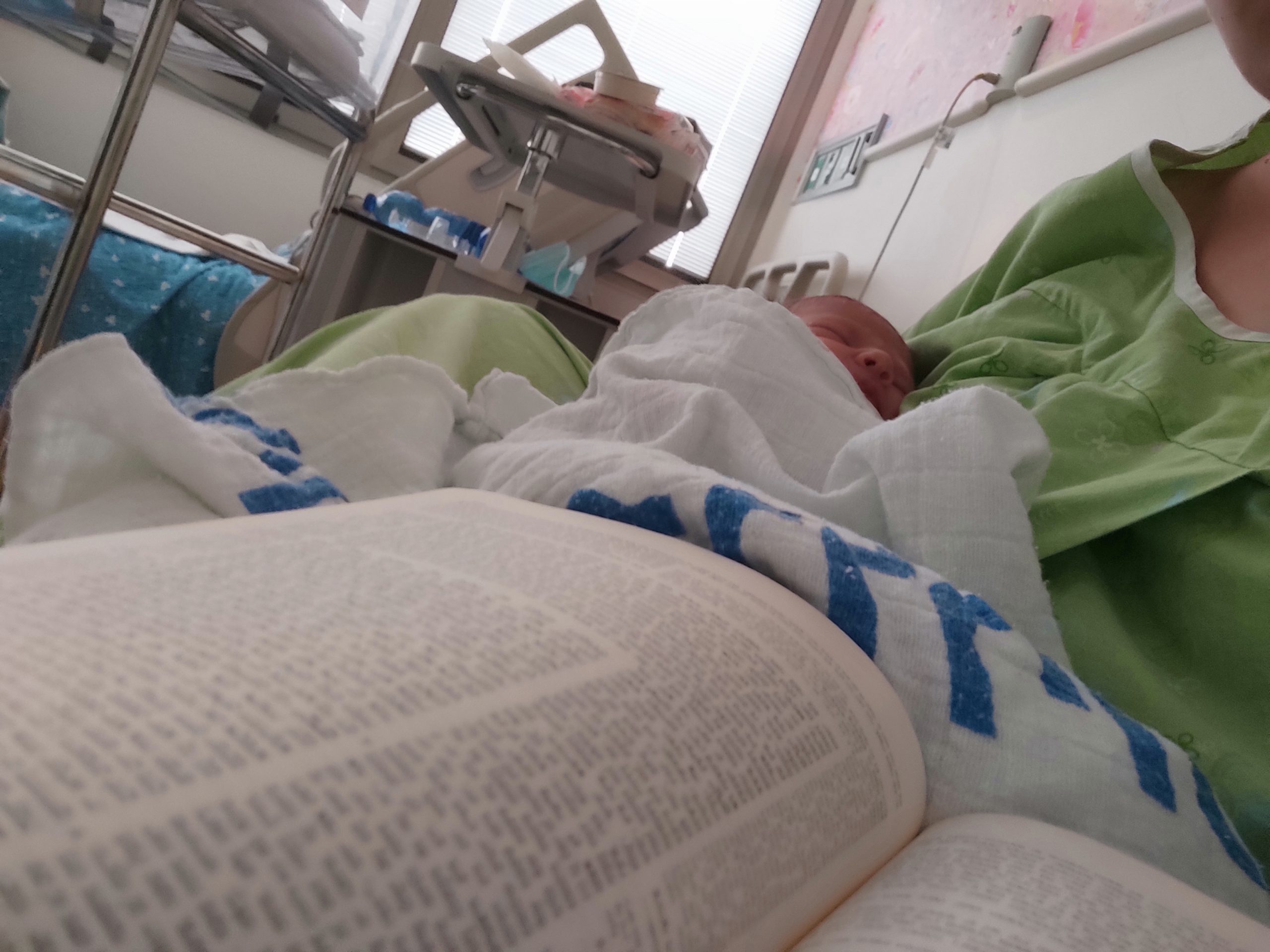
בתחילת הסבב הנוכחי הצטברו אצלי תחושות שאני לא מבינה מספיק מהי ההלכה אותה אני מקיימת בכל יום. כמו כן, כאמא לבנות רציתי לתת להן מודל נשי של לימוד תורה
שתי הסיבות האלו הובילו אותי להתחיל ללמוד. נתקלתי בתגובות מפרגנות וסקרניות איך אישה לומדת גמרא..
כמו שרואים בתמונה אני ממשיכה ללמוד גם היום ואפילו במחלקת יולדות אחרי לידת ביתי השלישית.

Noa Shiloh
נועה שילה

רבבה, ישראל

בבא בתרא ל

דַּאֲמַר לֵיהּ לְחַבְרֵיהּ: כׇּל נִכְסֵי דְּבֵי בַּר סִיסִין – מְזַבֵּינָא לָךְ. הֲוַאי הָהִיא אַרְעָא דַּהֲוָה מִיקְּרֵי ״דְּבֵי בַּר סִיסִין״. אֲמַר לֵיהּ: הָא לָאו דְּבֵי בַּר סִיסִין הִיא, וְאִיקְּרוֹיֵי הוּא דְּמִיקַּרְיָא ״דְּבֵי בַּר סִיסִין״. אֲתוֹ לְקַמֵּיהּ דְּרַב נַחְמָן, אוֹקְמָא בִּידָא דְלוֹקֵחַ. אֲמַר לֵיהּ רָבָא: דִּינָא הָכִי?! הַמּוֹצִיא מֵחֲבֵירוֹ עָלָיו הָרְאָיָה!

who said to another: I am hereby selling to you all of the property that I own of the house of bar Sisin. There was a certain parcel of land that was called: Of the house of bar Sisin. The seller said to the buyer: This parcel of land that I own is not actually of the house of bar Sisin, and it is merely called: Of the house of bar Sisin, and it is not included in the sale. They came before Rav Naḥman for judgment, and he established the land in the possession of the buyer. Rava said to Rav Naḥman: Is this the halakha? Isn’t the halakha that the burden of proof rests upon the claimant, and the land should remain in the possession of the seller?

קַשְׁיָא דְּרָבָא אַדְּרָבָא, קַשְׁיָא דְּרַב נַחְמָן אַדְּרַב נַחְמָן.

The Gemara continues: There is a difficulty from one statement of Rava to another statement of Rava, and there is also a difficulty from one statement of Rav Naḥman to another statement of Rav Naḥman, as in the first case, where the claimant states that he had been in a distant location, Rav Naḥman ruled in favor of the claimant, and Rava ruled in favor of the possessor; while in the second case, that of the property of bar Sisin, their opinions were reversed.

דְּרָבָא אַדְּרָבָא לָא קַשְׁיָא – הָתָם מוֹכֵר קָאֵי בְּנִכְסֵיהּ, הָכָא לוֹקֵחַ קָאֵי בְּנִיכְסֵיהּ.

The Gemara answers: The contradiction between one statement of Rava and another statement of Rava is not difficult, because there, in the case of the property of bar Sisin, the seller had been established as having the land in his property, which is why Rava rules in his favor. But here, in the case where the claimant states that he had been in a distant location, the buyer is established as having the house in his property.

דְּרַב נַחְמָן אַדְּרַב נַחְמָן נָמֵי לָא קַשְׁיָא – כֵּיוָן דַּאֲמַר לֵיהּ: דְּבֵי בַּר סִיסִין, וּמִיקַּרְיָא ״דְּבֵי בַּר סִיסִין״, עֲלֵיהּ דִּידֵיהּ רַמְיָא לְגַלּוֹיֵי דְּלָאו דְּבֵי בַּר סִיסִין הִיא; אֲבָל הָכָא, לֹא יְהֵא אֶלָּא דְּנָקֵיט שְׁטָרָא – מִי לָא אָמְרִינַן לֵיהּ: קַיֵּים שְׁטָרָךְ וְקוּם בְּנִיכְסֵי?

The contradiction between one statement of Rav Naḥman and the other statement of Rav Naḥman is not difficult as well, because there, since the seller said to him: I am hereby selling you all of the property that I own of the house of bar Sisin, and this parcel of land is called: Of the house of bar Sisin, it is incumbent on him to reveal that the parcel under dispute is not of the house of bar Sisin. But here, in the case where the claimant states that he had been in a distant location, it should not be any different from a case where the possessor is holding a document as evidence that he purchased the house. Wouldn’t we then say to him: First ratify your document, and only then be established in the property? In this case as well, since his presumptive ownership is in place of a document, he needs to clarify the matter by means of witnesses.

הָהוּא דַּאֲמַר לֵיהּ לְחַבְרֵיהּ: מַאי בָּעֵית בְּהַאי בֵּיתָא? אֲמַר לֵיהּ: מִינָּךְ זְבֵנְתֵּיהּ, וַאֲכַלְתֵּיהּ שְׁנֵי חֲזָקָה. אֲמַר לֵיהּ: בְּשׁוּקֵי בָּרָאֵי הֲוַאי. אֲמַר לֵיהּ: וְהָא אִית לִי סָהֲדִי דְּכֹל שַׁתָּא הֲוָה אָתֵית תְּלָתִין יוֹמֵי! אֲמַר לֵיהּ: תְּלָתִין יוֹמֵי – בְּשׁוּקַאי הֲוָה טְרִידְנָא. אָמַר רָבָא: עֲבִיד אִינִישׁ דְּכֹל תְּלָתִין יוֹמֵי טְרִיד בְּשׁוּקָא.

There was a certain person who said to another: What do you want with this house of mine? The possessor said to him: I purchased it from you and I worked and profited from it for the years necessary for establishing the presumption of ownership. The claimant said to him: I was in the outer marketplaces, and was unaware that you were residing in my house, and therefore did not lodge a protest, so your profiting does not establish the presumption of ownership. The possessor said to him: But I have witnesses that every year you would come here for thirty days and had an opportunity to know that I was residing in your house and to lodge a protest. The claimant said to him: I was occupied with my business in the marketplaces for those thirty days. Rava said: A person is apt to be occupied with business in the marketplace for all of thirty days, and accepted his claim.

הָהוּא דְּאָמַר לֵיהּ לְחַבְרֵיהּ: מַאי בָּעֵית בְּהַאי אַרְעָא? אֲמַר לֵיהּ: מִפְּלָנְיָא זְבֵינְתַּהּ, דְּאָמַר לִי דְּזַבְנַהּ מִינָּךְ. אֲמַר לֵיהּ: אַתְּ לָאו קָא מוֹדֵית

There was a certain person who said to another: What do you want with this land of mine? The possessor said to him: I purchased it from so-and-so, who told me that he purchased it from you. The claimant said to him: Don’t you concede

דְּהַאי אַרְעָא דִּידִי הִיא, וְאַתְּ לָא זְבֵינְתַּהּ מִינַּאי? זִיל, לָאו בַּעַל דְּבָרִים דִּידִי אַתְּ. אָמַר רָבָא: דִּינָא קָאָמַר לֵיהּ.

that this land is formerly mine, and that you did not purchase it from me? Go away; I am not legally answerable to you. Rava said: The claimant stated the halakha to the possessor, as this is a legitimate claim, and Rava accepted his claim.

הָהוּא דְּאָמַר לֵיהּ לְחַבְרֵיהּ: מַאי בָּעֵית בְּהַאי אַרְעָא? אֲמַר לֵיהּ: מִפְּלָנְיָא זְבֵינְתַּהּ, וַאֲכַלְתִּיהָ שְׁנֵי חֲזָקָה. אֲמַר לֵיהּ: פְּלָנְיָא גַּזְלָנָא הוּא.

There was a certain person who said to another: What do you want with this land of mine? The possessor said to him: I purchased it from so-and-so and then I worked and profited from it for the years necessary for establishing the presumption of ownership. The claimant said to him: So-and-so is a robber who robbed me of the field, and he did not have the authority to sell it to you.

אֲמַר לֵיהּ: וְהָא אִית לִי סָהֲדִי דַּאֲתַאי אִימְּלַכִי בָּךְ, וַאֲמַרְתְּ לִי: ״זִיל זְבֹין״! אֲמַר לֵיהּ: הַשֵּׁנִי נוֹחַ לִי; הָרִאשׁוֹן קָשֶׁה הֵימֶנּוּ. אָמַר רָבָא: דִּינָא קָאָמַר לֵיהּ.

The possessor said to him: But I have witnesses that I came and consulted with you, and you said to me: Go purchase the land, indicating that you conceded that he had the authority to sell it. The claimant said to him: The reason that I advised you to purchase it was because the second person, i.e., you, the possessor, is amenable to me, while the first, i.e., the purported thief, is more difficult than he, i.e., I prefer to litigate with you rather than with him. Rava said: The claimant stated the halakha to the possessor, as this is a legitimate claim, and Rava accepted his claim.

כְּמַאן, כְּאַדְמוֹן? דִּתְנַן: הָעוֹרֵר עַל הַשָּׂדֶה וְחָתוּם עָלֶיהָ בְּעֵד – אַדְמוֹן אוֹמֵר: הַשֵּׁנִי נוֹחַ לִי; הָרִאשׁוֹן קָשֶׁה הֵימֶנּוּ. וַחֲכָמִים אוֹמְרִים: אִיבֵּד אֶת זְכוּתוֹ.

The Gemara asks: In accordance with whose opinion is Rava’s statement? Is it in accordance with the opinion of Admon? As we learned in a mishna (Ketubot 109a): With regard to one who contests ownership of a field, claiming that a field possessed by someone else actually belongs to him, and the claimant himself is signed as a witness on the bill of sale of the field to that other person, Admon says: His signature does not disprove his claim of ownership of the property, as it is possible that the claimant said to himself: The second person is amenable to me to deal with, as I can reason with him, while the first owner, who sold the field to the current possessor, is more difficult to deal with than he. And the Rabbis say: He lost his right to contest, as he signed a bill of sale that states that the field belongs to the possessor. Rava’s ruling appears to be in accordance with the individual opinion of Admon, and not with the opinion of the Rabbis.

אֲפִילּוּ תֵּימָא רַבָּנַן – הָתָם עֲבַד לֵיהּ מַעֲשֶׂה; אֲבָל הָכָא דִּבּוּרָא – עֲבִיד אִינִישׁ דְּמִיקְּרֵי וְאָמַר.

The Gemara explains: You may even say that Rava’s ruling is in accordance with the opinion of the Rabbis. There, in the case of the mishna in tractate Ketubot, by signing the bill of sale the claimant performed an action indicating that the field was not his for the benefit of the possessor of the field, but here, in Rava’s case, there was no action, only speech, and a person is apt to casually say statements, and he does not lose his right by virtue of this.

הָהוּא דְּאָמַר לֵיהּ לְחַבְרֵיהּ: מַאי בָּעֵית בְּהַאי אַרְעָא? אֲמַר לֵיהּ: מִפְּלָנְיָא זְבֵינְתַּהּ, וַאֲכַלְתִּיהָ שְׁנֵי חֲזָקָה. אֲמַר לֵיהּ: פְּלָנְיָא גַּזְלָנָא הוּא! אֲמַר לֵיהּ: וְהָא אִית לִי סָהֲדִי דַּאֲתֵית בְּאוּרְתָּא, וַאֲמַרְתְּ לִי: זַבְנַהּ נִיהֲלִי! אֲמַר לֵיהּ: אָמֵינָא אֶיזְבּוֹן דִּינַאי. אָמַר רָבָא: עֲבִיד אִינִישׁ דְּזָבֵין דִּינֵיהּ.

There was a certain person who said to another: What do you want with this land of mine? The possessor said to him: I purchased it from so-and-so and then I worked and profited from it for the years necessary for establishing the presumption of ownership. The claimant said to him: So-and-so is a robber who robbed me of the field, and he did not have the authority to sell it to you. The possessor said to him: But I have witnesses that you came to me at night and you said to me: Sell it to me, indicating that it is not your land, as if it were yours, you would have demanded that I return it without your paying for it. The claimant said to him: I said to myself: Let me purchase the benefit of avoiding my litigation in order to reclaim my land. Rava said: A person is apt to pay money to purchase the benefit of avoiding his litigation.

הָהוּא דַּאֲמַר לֵיהּ לְחַבְרֵיהּ: מַאי בָּעֵית בְּהַאי אַרְעָא? אֲמַר לֵיהּ: מִפְּלָנְיָא זְבֵינְתַּהּ, וַאֲכַלְתִּיהָ שְׁנֵי חֲזָקָה. אֲמַר לֵיהּ: וְהָא נְקִיטְנָא שְׁטָרָא דִּזְבַנִי לַיהּ מִינֵּיהּ הָא אַרְבְּעִי שְׁנֵי!

There was a certain person who said to another: What do you want with this land of mine? The possessor said to him: I purchased it from so-and-so and then I worked and profited from it for the years necessary for establishing the presumption of ownership, indicating that he possessed it for three years, as this is the minimum number of years required for establishing the presumption of ownership. The claimant said to him: But I am holding a document stating that I purchased it from that seller four years ago. Therefore, if it was sold to you three years ago, as you claim, he did not have the authority to sell it at that time.

אֲמַר לֵיהּ: מִי סָבְרַתְּ ״שְׁנֵי חֲזָקָה״ – תְּלָת שְׁנֵי קָא אָמֵינָא?! שְׁנֵי חֲזָקָה טוּבָא קָא אָמֵינָא. אָמַר רָבָא: עֲבִידִי אִינָשֵׁי דְּקָרוּ לִשְׁנֵי טוּבָא ״שְׁנֵי חֲזָקָה״.

The possessor said to him: Do you maintain that when I said: I profited from the land for the years necessary for establishing the presumption of ownership, that I was saying I worked and profited from the land for precisely three years? What I actually was saying was that I worked and profited from the land for many years and thereby established the presumption of ownership. Since my purchase predated yours, it was effective. Rava said: It is common for people to refer to many years as: Years necessary for establishing the presumption of ownership, and his claim is accepted.

וְהָנֵי מִילֵּי דְּאַכְלַהּ שְׁבַע – דִּקְדֵים חֲזָקָה דְהַאי לִשְׁטָרָא דְהָךְ;

The Gemara comments: And this matter applies only if he profited from the land for seven years, so that presumptive ownership of this possessor preceded the document of that claimant.

רוצה לעקוב אחרי התכנים ולהמשיך ללמוד?

ביצירת חשבון עוד היום ניתן לעקוב אחרי ההתקדמות שלך, לסמן מה למדת, ולעקוב אחרי השיעורים שמעניינים אותך.

לנקות את כל הפריטים מהרשימה?

פעולה זו תסיר את כל הפריטים בחלק זה כולל ההתקדמות וההיסטוריה. שימי לב: לא ניתן לשחזר פעולה זו.

ביטול
מחיקה

האם את/ה בטוח/ה שברצונך למחוק פריט זה?

תאבד/י את כל ההתקדמות או ההיסטוריה הקשורות לפריט זה.

ביטול
מחיקה