






הלימוד החודש מוקדש ע”י מרכי גלזר לע”נ רחל אביבה בת דבורה חנה
רוצה להקדיש שיעור?


כלים
הלימוד החודש מוקדש ע”י מרכי גלזר לע”נ רחל אביבה בת דבורה חנה
בבא בתרא מו
אֶלָּא לָאו דְּלֵיכָּא עֵדִים? וְקָתָנֵי: אוּמָּן מְהֵימַן – מִיגּוֹ דְּאִי בָּעֵי אָמַר לֵיהּ ״לְקוּחָה הִיא בְּיָדִי״, מְהֵימַן נָמֵי אַאַגְרֵיהּ!
Rather, is it not referring to a case where there are no witnesses to the transfer, and it teaches that the craftsman is deemed credible? Since if he had wanted to he could have said to him: It is purchased and that is why it is in my possession, he is deemed credible with regard to his claim about his fee as well. This supports the ruling of Rabba that if there are no witnesses, the craftsman is deemed credible if he says that the item belongs to him.
לָא, לְעוֹלָם דְּלֵיכָּא עֵדִים; וְהוּא דְּלֹא רָאָה.
The Gemara rejects this proof: No, actually, perhaps the baraita is referring to a case where there are no witnesses to the transfer, but it is specifically referring to a case where the owner did not see the cloak in the possession of the craftsman, who could consequently deny ever having received it from the owner. Therefore, it is not a proof in support of the ruling of Rabba that the craftsman would be deemed credible even if there are witnesses that it is currently in his possession.
מֵתִיב רַב נַחְמָן בַּר יִצְחָק: אוּמָּן אֵין לוֹ חֲזָקָה. אוּמָּן הוּא דְּאֵין לוֹ חֲזָקָה – הָא אַחֵר יֵשׁ לוֹ חֲזָקָה.
Rav Naḥman bar Yitzḥak raises an objection to Rabba’s ruling from Shmuel’s paraphrase of the mishna: A craftsman does not have the ability to establish the presumption of ownership of property in his possession. This indicates that it is specifically a craftsman who does not have the ability to establish the presumption of ownership, but another person in similar circumstances has the ability to establish the presumption of ownership.
הֵיכִי דָמֵי? אִי דְּאִיכָּא עֵדִים, אַחֵר – אַמַּאי יֵשׁ לוֹ חֲזָקָה? אֶלָּא לָאו דְּלֵיכָּא עֵדִים? וְקָתָנֵי: אוּמָּן אֵין לוֹ חֲזָקָה. תְּיוּבְתָּא דְּרַבָּה! תְּיוּבְתָּא.
What are the circumstances in which this would apply? If it is referring to a case where there are witnesses that the person in question received the item from another, why is it that another person has the ability to establish the presumption of ownership, when there are witnesses that he received this item as a deposit? Rather, is it not referring to a case where there are no witnesses, and yet, the mishna teaches: A craftsman does not have the ability to establish the presumption of ownership. This indicates that a craftsman does not establish the presumption of ownership under any circumstances, contrary to the ruling of Rabba. The Gemara concludes: The refutation of the opinion of Rabba is indeed a conclusive refutation, and his ruling is rejected.
תָּנוּ רַבָּנַן: נִתְחַלְּפוּ לוֹ כֵּלִים בְּכֵלִים בְּבֵית הָאוּמָּן – הֲרֵי זֶה יִשְׁתַּמֵּשׁ בָּהֶן, עַד שֶׁיָּבֹא הַלָּה וְיִטּוֹל אֶת שֶׁלּוֹ. בְּבֵית הָאֵבֶל אוֹ בְּבֵית הַמִּשְׁתֶּה – הֲרֵי זֶה לֹא יִשְׁתַּמֵּשׁ בָּהֶן, עַד שֶׁיָּבֹא הַלָּה וְיִטּוֹל אֶת שֶׁלּוֹ. מַאי שְׁנָא רֵישָׁא וּמַאי שְׁנָא סֵיפָא?
§ The Gemara discusses another halakha pertaining to the giving of an item to a craftsman. The Sages taught: If one’s utensils were mistakenly switched with another’s utensils in the house of a craftsman, this one who received the wrong utensils may use them until the time when that one, whose utensils he received, comes and takes his. But if his utensils and another’s utensils were mistakenly switched in a house of mourning or in a house of a wedding feast, this one who took the wrong utensils may not use them in the interim, i.e., until the time when that one, whose utensils he took, comes and takes his. The Gemara asks: What is different in the first clause where he may use the utensils, and what is different in the latter clause where he may not?
אָמַר רַב: הֲוָה יָתֵיבְנָא קַמֵּיהּ דְּחַבִּיבִי, וַאֲמַר לִי: וְכִי אֵין אָדָם עָשׂוּי לוֹמַר לָאוּמָּן ״מְכוֹר לִי טַלִּיתִי״?!
Rav said: I was sitting before my uncle, Rav Ḥiyya, and he said the explanation to me: And is a person not likely to say to the craftsman: Sell my cloak for me after you finish repairing it? It is possible that the craftsman mistakenly sold the utensils of another client instead, and gave to that other client the utensils that should have been sold. Since the owner of these utensils received the money from the sale of the other client’s utensils, the craftsman has a right to give the remaining utensils to the other client in the interim. This reasoning does not apply in the case of the house of mourning or a wedding feast, where one simply took utensils belonging to another.
אָמַר רַב חִיָּיא בְּרֵיהּ דְּרַב נַחְמָן: לֹא שָׁנוּ אֶלָּא הוּא, אֲבָל אִשְׁתּוֹ וּבָנָיו – לֹא. וְהוּא נָמֵי – לָא אֲמַרַן אֶלָּא דַּאֲמַר לֵיהּ: ״טַלִּית״ סְתָם, אֲבָל ״טַלִּיתְךָ״ – לָא, הַאי לָאו טַלִּית דִּידֵיהּ הוּא.
Rav Ḥiyya, son of Rav Naḥman, said: They taught that it is permitted to use the utensils only if the craftsman himself gave them to his customer, as in that case, the above reasoning applies. But if the craftsman’s wife or children gave them to him, the customer may not use the utensils, as it is likely that they were given to him in error. And even if the craftsman himself gave the utensils to his customer, we said that it is permitted for him to use them only in a case where the craftsman said to him, for example: I am returning a cloak, without specification. But if the craftsman said to him: I am returning your cloak, then he may not use it, as this is not his cloak, and clearly it was given to him in error.
אֲמַר לֵיהּ אַבָּיֵי לְרָבָא: תָּא אַחְוִי לָךְ רַמָּאֵי דְפוּמְבְּדִיתָא, מַאי עָבְדִי. אָמַר לֵיהּ: ״הַב לִי סַרְבָּלַאי״. ״לֹא הָיוּ דְבָרִים מֵעוֹלָם״. ״הָא אִית לִי סָהֲדִי דְּחַזְיוּהּ גַּבָּךְ!״ אָמַר לֵיהּ: ״הָהוּא אַחֲרִינָא הֲוָה״. ״אַפְּקִינֵּיהּ וְנֶחְזִינְהוּ!״ אָמַר לֵיהּ: ״אִיבְרָא לָא מַפֵּיקְנָא לֵיהּ״.
§ The Gemara presents another statement with regard to craftsmen. Abaye said to Rava: Come and I will show you what the swindlers of Pumbedita do. There was a case where the owner of an item said to a craftsman: Give me back my cloak [sarbelai] that I gave you to repair, and the craftsman replied: These matters never occurred. The owner responded: But I have witnesses who saw it in your possession. The craftsman said to the owner: That was a different cloak that they saw. The witnesses are uncertain as to whether it was really his cloak. The owner then said: Bring it out and we will see it, so as to determine whose it is. The craftsman said to the owner: In truth, I will not bring it out, as you have no valid claim to the cloak and I am not willing to show you another’s property. This is the trickery to which Abaye referred, as it is not a sincere response, and the craftsman merely wishes to keep the cloak.
אָמַר רָבָא: שַׁפִּיר קָאָמַר לֵיהּ –
Rava said to Abaye: The craftsman is saying well to the owner, and his claim will be accepted,
״רָאָה״ תַּנְיָא.
as it is taught in the earlier baraita that the owner has a valid claim only when he, and witnesses, saw his cloak in the possession of the launderer and can definitively identify it. He cannot state a claim based on the mere possibility that it is his. This validates the claim of the craftsmen of Pumbedita.
אָמַר רַב אָשֵׁי: וְאִי חַכִּים, מְשַׁוֵּי לֵיהּ ״רָאָה״ – דְּאָמַר לֵיהּ: אַמַּאי תְּפִיסַתְּ לֵיהּ, לָאו מִשּׁוּם דְּאִית לָךְ גַּבַּאי? הַשְׁתָּא אַפְּקִינְהוּ וְשַׁיְּמִינְהוּ – שְׁקוֹל אַתְּ דִּידָך,ְ וְאֶשְׁקוֹל אֲנָא דִּידִי. אֲמַר לֵיהּ רַב אַחָא בְּרֵיהּ דְּרַב אַוְיָא לְרַב אָשֵׁי, מָצֵי אָמַר לֵיהּ: לָא צְרִיכְנָא לְשׁוּמָא דִידָךְ, כְּבָר שָׁמוּהַּ קַמָּאֵי דְקַמָּךְ.
Rav Ashi said: And if the owner is clever, he will render the situation into one of his having seen his cloak, as the owner can say to the craftsman: Why are you holding it? Is it not due to the fact that there is money of yours with me, and you are using the cloak as a means of collecting the debt that I owe you? Now bring out my cloak before the appraisers and they will appraise its value, and then you take what is rightfully yours, and I will take what is rightfully mine. When the craftsman presents the cloak, the ruling will change, as the owner will have seen the cloak. Rav Aḥa, son of Rav Avya, said to Rav Ashi: If the craftsman is clever, he can say to the owner: I do not need your appraisal, as the earlier ones who preceded you already appraised it and determined that its value does not exceed that of your debt to me.
אָרִיס אֵין לוֹ חֲזָקָה. אַמַּאי? עַד הָאִידָּנָא פַּלְגָא, וְהַשְׁתָּא כּוּלַּהּ! אָמַר רַבִּי יוֹחָנָן: בַּאֲרִיסֵי בָּתֵּי אָבוֹת.
§ The Gemara discusses a ruling that it paraphrases from the mishna: A sharecropper does not have the ability to establish the presumption of ownership of property in his possession. Why not? Isn’t it so that until that time, while he was definitely working as a sharecropper, he consumed only half of the produce of the land, and now, for the past three years, he consumed all of its produce? He should be able to establish the presumption of ownership by consuming more produce than a sharecropper does. Rabbi Yoḥanan says: The ruling of the mishna is stated with regard to family sharecroppers. This type of sharecropper, who works for a family for many years, gathers all of the produce into his property, and then returns the landowner’s share. Therefore, his collecting all of the produce into his property does not establish the presumption of ownership.
אָמַר רַב נַחְמָן: אָרִיס שֶׁהוֹרִיד אֲרִיסִין תַּחְתָּיו – יֵשׁ לוֹ חֲזָקָה. מַאי טַעְמָא? דְּלָא עֲבִיד אִינָשׁ דְּנָחֲתִי אֲרִיסֵי לְאַרְעֵיהּ, וְשָׁתֵיק.
Rav Naḥman says: A sharecropper who installed other sharecroppers in his place has the ability to establish the presumption of ownership. What is the reason? It is that it is not common for a person to see that unknown sharecroppers have been installed in his land and remain silent. If the prior owner did not lodge a protest, it indicates that the sharecropper is the owner of the land.
אָמַר רַבִּי יוֹחָנָן: אָרִיס שֶׁחִלֵּק לַאֲרִיסִין – אֵין לוֹ חֲזָקָה. מַאי טַעְמָא? אֵימוֹר הַרְמַנְיָא בְּעָלְמָא שַׁוְּיוּהּ.
Rabbi Yoḥanan says: A sharecropper who divided among different sharecroppers does not have the ability to establish the presumption of ownership by that act. What is the reason? It is that one can say that the landowner merely appointed him as an administrator [harmanya], and there is no indication that he is acting as an owner.
שְׁלַח לֵיהּ רַב נַחְמָן בַּר רַב חִסְדָּא לְרַב נַחְמָן בַּר יַעֲקֹב, יְלַמְּדֵנוּ רַבֵּינוּ: אָרִיס מֵעִיד, אוֹ אֵינוֹ מֵעִיד? הֲוָה יָתֵיב רַב יוֹסֵף קַמֵּיהּ, אֲמַר לֵיהּ: הָכִי אָמַר שְׁמוּאֵל: אָרִיס מֵעִיד. וְהָתַנְיָא: אֵינוֹ מֵעִיד!
The Gemara relates: Rav Naḥman bar Rav Ḥisda sent this message to Rav Naḥman bar Yaakov: Our teacher, instruct us. Can a sharecropper testify with regard to the ownership of a field of which he is a sharecropper, or can he not testify, as he is biased in his testimony? Rav Yosef was sitting before Rav Naḥman bar Yaakov and said to him: This is what Shmuel said: A sharecropper can testify. Rav Naḥman bar Yaakov said to him: But isn’t it taught in a baraita that a sharecropper cannot testify?
לָא קַשְׁיָא – הָא דְּאִיכָּא פֵּירָא בְּאַרְעָא, וְהָא דְּלֵיכָּא פֵּירָא בְּאַרְעָא.
Rav Yosef answered: It is not difficult. This baraita, which states that he cannot testify, is referring to a case where there is produce on the land. Therefore, he is biased in his testimony, as, if the current owner will lose possession of the land, the sharecropper will lose his right to consume the produce. And that statement of Shmuel that he can testify is referring to a case where there is no produce on the land, and he is not biased in his testimony.
(עֲמָלֵק סִימָן)
§ The Gemara presents the word Amalek as a mnemonic for the cases discussed in the baraita. It stands for: Ayin, guarantor [arev]; mem, creditor [malve]; lamed, buyer [loke’aḥ]; kuf, unconditional guarantor [kablan].
תָּנוּ רַבָּנַן: עָרֵב מֵעִיד לַלֹּוֶה, וְהוּא דְּאִית לֵיהּ אַרְעָא אַחֲרִיתִי. מַלְוֶה מֵעִיד לַלֹּוֶה, וְהוּא דְּאִית לֵיהּ אַרְעָא אַחֲרִיתִי.
The Sages taught: A guarantor can testify for the benefit of the debtor that the latter owns a particular parcel of land, but that is the halakha only if the debtor has other land from which the creditor can collect the debt. Otherwise, he is biased in his testimony, as the creditor could collect from him if the debtor were to lose ownership of this land. A creditor can testify for the benefit of the debtor that the latter owns a particular parcel of land, but that is the halakha only if the debtor has other land from which the creditor can collect. Otherwise, he is biased in his testimony, as this land is the only land available for collection.
לוֹקֵחַ רִאשׁוֹן מֵעִיד לְלוֹקֵחַ שֵׁנִי, וְהוּא דְּאִית לֵיהּ אַרְעָא אַחֲרִיתִי.
Similarly, if two people purchase land from one seller, the first buyer can testify for the benefit of the second buyer if someone else were to claim that the land was his, but that is the halakha only if the second buyer has other land that he purchased from the same seller either concurrent with or subsequent to the first buyer’s purchase of the land in question. A creditor of the seller can collect a debt from the land that the seller sold most recently. Therefore, if the second buyer purchased only the land in question from the seller, the first buyer is biased in his testimony, as the second buyer’s ownership of the land prevents the creditor from collecting a debt from the land from the first buyer.

כלים
העמקה
רוצה להבין מה באמת קורה מתחת לפני השטח של הסוגיה?
שיעורים, פודקאסטים והרחבות של מיטב המורות שלנו יפתחו לך עוד זוויות וכיווני חשיבה.








חדשה בלימוד הגמרא?
זה הדף הראשון שלך? איזו התרגשות עצומה! יש לנו בדיוק את התכנים והכלים שיעזרו לך לעשות את הצעדים הראשונים ללמידה בקצב וברמה שלך, כך תוכלי להרגיש בנוח גם בתוך הסוגיות המורכבות ומאתגרות.
פסיפס הלומדות שלנו
גלי את קהילת הלומדות שלנו, מגוון נשים, רקעים וסיפורים. כולן חלק מתנועה ומסע מרגש ועוצמתי.
אני לומדת גמרא כעשור במסגרות שונות, ואת הדף היומי התחלתי כשחברה הציעה שאצטרף אליה לסיום בבנייני האומה. מאז אני לומדת עם פודקסט הדרן, משתדלת באופן יומי אך אם לא מספיקה, מדביקה פערים עד ערב שבת. בסבב הזה הלימוד הוא "ממעוף הציפור”, מקשיבה במהירות מוגברת תוך כדי פעילויות כמו בישול או נהיגה, וכך רוכשת היכרות עם הסוגיות ואופן ניתוחם על ידי חז”ל. בע”ה בסבב הבא, ואולי לפני, אצלול לתוכו באופן מעמיק יותר.

רמת גן, ישראל
התחלתי ללמוד לפני כשנתיים בשאיפה לסיים לראשונה מסכת אחת במהלך חופשת הלידה.
אחרי מסכת אחת כבר היה קשה להפסיק…

ירוחם, ישראל
לפני 15 שנה, אחרי עשרות שנים של "ג’ינגול” בין משפחה לקריירה תובענית בהייטק, הצטרפתי לשיעורי גמרא במתן רעננה. הלימוד המעמיק והייחודי של הרבנית אושרה קורן יחד עם קבוצת הנשים המגוונת הייתה חוויה מאלפת ומעשירה. לפני כשמונה שנים כאשר מחזור הדף היומי הגיע למסכת תענית הצטרפתי כ”חברותא” לבעלי. זו השעה היומית שלנו ביחד כאשר דפי הגמרא משתלבים בחיי היום יום, משפיעים ומושפעים, וכשלא מספיקים תמיד משלימים בשבת

רעננה, ישראל
בסוף הסבב הקודם ראיתי את השמחה הגדולה שבסיום הלימוד, בעלי סיים כבר בפעם השלישית וכמובן הסיום הנשי בבנייני האומה וחשבתי שאולי זו הזדמנות עבורי למשהו חדש.
למרות שאני שונה בסביבה שלי, מי ששומע על הלימוד שלי מפרגן מאוד.
אני מנסה ללמוד קצת בכל יום, גם אם לא את כל הדף ובסך הכל אני בדרך כלל עומדת בקצב.
הלימוד מעניק המון משמעות ליום יום ועושה סדר בלמוד תורה, שתמיד היה (ועדיין) שאיפה. אבל אין כמו קביעות

טל מנשה, ישראל
רציתי לקבל ידע בתחום שהרגשתי שהוא גדול וחשוב אך נעלם ממני. הלימוד מעניק אתגר וסיפוק ומעמיק את תחושת השייכות שלי לתורה וליהדות

עלי זהב – לשם, ישראל
ראיתי את הסיום הגדול בבנייני האומה וכל כך התרשמתי ורציתי לקחת חלק.. אבל לקח לי עוד כשנה וחצי )באמצע מסיכת שבת להצטרף..
הלימוד חשוב לי מאוד.. אני תמיד במרדף אחרי הדף וגונבת כל פעם חצי דף כשהילדים עסוקים ומשלימה אח”כ אחרי שכולם הלכו לישון..

ירושלים, ישראל
בתחילת הסבב הנוכחי של לימוד הדף היומי, נחשפתי לחגיגות המרגשות באירועי הסיום ברחבי העולם. והבטחתי לעצמי שבקרוב אצטרף גם למעגל הלומדות. הסבב התחיל כאשר הייתי בתחילת דרכי בתוכנית קרן אריאל להכשרת יועצות הלכה של נשמ”ת. לא הצלחתי להוסיף את ההתחייבות לדף היומי על הלימוד האינטנסיבי של תוכנית היועצות. בבוקר למחרת המבחן הסופי בנשמ”ת, התחלתי את לימוד הדף במסכת סוכה ומאז לא הפסקתי.
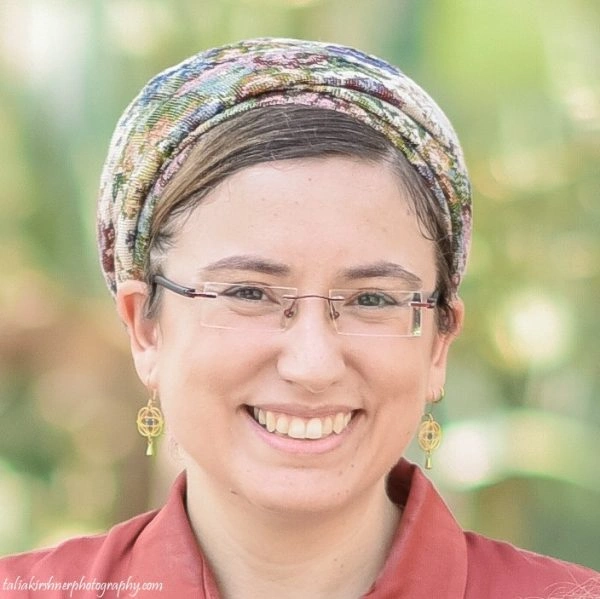
קרית גת, ישראל
התחלתי ללמוד בסבב הנוכחי לפני כשנתיים .הסביבה מתפעלת ותומכת מאוד. אני משתדלת ללמוד מכל ההסכתים הנוספים שיש באתר הדרן. אני עורכת כל סיום מסכת שיעור בביתי לכ20 נשים שמחכות בקוצר רוח למפגשים האלו.
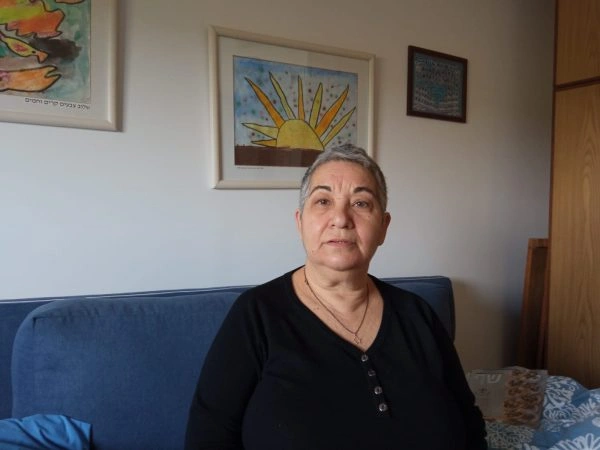
יהוד, ישראל
בתחילת הסבב הנוכחי הצטברו אצלי תחושות שאני לא מבינה מספיק מהי ההלכה אותה אני מקיימת בכל יום. כמו כן, כאמא לבנות רציתי לתת להן מודל נשי של לימוד תורה
שתי הסיבות האלו הובילו אותי להתחיל ללמוד. נתקלתי בתגובות מפרגנות וסקרניות איך אישה לומדת גמרא..
כמו שרואים בתמונה אני ממשיכה ללמוד גם היום ואפילו במחלקת יולדות אחרי לידת ביתי השלישית.
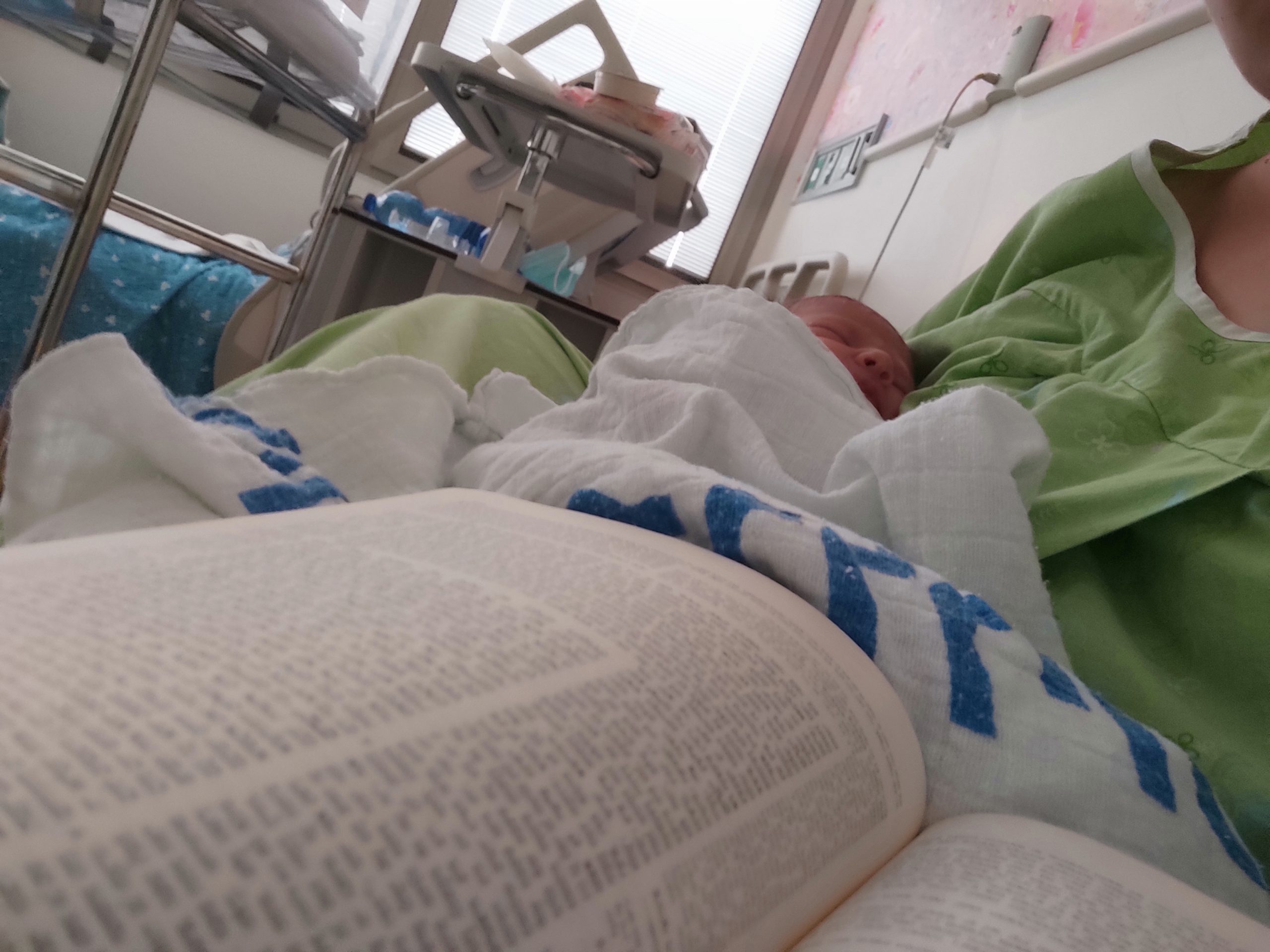
רבבה, ישראל
התחלתי ללמוד דף לפני קצת יותר מ-5 שנים, כשלמדתי רבנות בישיבת מהר”ת בניו יורק. בדיעבד, עד אז, הייתי בלימוד הגמרא שלי כמו מישהו שאוסף חרוזים משרשרת שהתפזרה, פה משהו ושם משהו, ומאז נפתח עולם ומלואו…. הדף נותן לי לימוד בצורה מאורגנת, שיטתית, יום-יומית, ומלמד אותי לא רק ידע אלא את השפה ודרך החשיבה שלנו. לשמחתי, יש לי סביבה תומכת וההרגשה שלי היא כמו בציטוט שבחרתי: הדף משפיע לטובה על כל היום שלי.
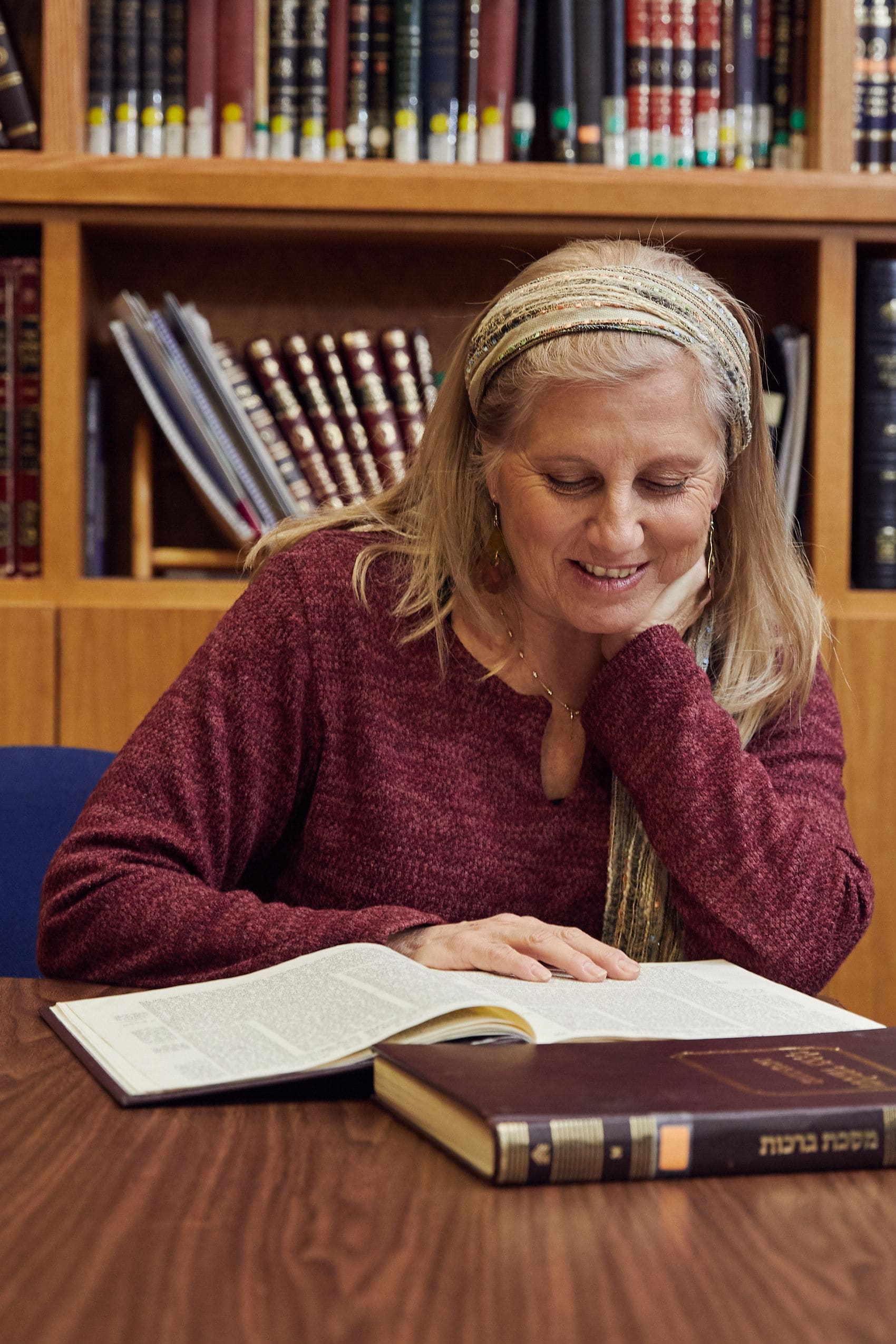
חיפה, ישראל
התחלתי ללמוד בעידוד שתי חברות אתן למדתי בעבר את הפרק היומי במסגרת 929.
בבית מתלהבים מאוד ובשבת אני לומדת את הדף עם בעלי שזה מפתיע ומשמח מאוד! לימוד הדף הוא חלק בלתי נפרד מהיום שלי. לומדת בצהריים ומחכה לזמן הזה מידי יום…

אפרת, ישראל
סיום השס לנשים נתן לי מוטביציה להתחיל ללמוד דף יומי. עד אז למדתי גמרא בשבתות ועשיתי כמה סיומים. אבל לימוד יומיומי זה שונה לגמרי ופתאום כל דבר שקורה בחיים מתקשר לדף היומי.

רתמים, ישראל
התחלתי לפני כמה שנים אבל רק בסבב הזה זכיתי ללמוד יום יום ולסיים מסכתות

רעננה, ישראל
התחלתי ללמוד גמרא בבית הספר בגיל צעיר והתאהבתי. המשכתי בכך כל חיי ואף היייתי מורה לגמרא בבית הספר שקד בשדה אליהו (בית הספר בו למדתי בילדותי)בתחילת מחזור דף יומי הנוכחי החלטתי להצטרף ובע”ה מקווה להתמיד ולהמשיך. אני אוהבת את המפגש עם הדף את "דרישות השלום ” שמקבלת מקשרים עם דפים אחרים שלמדתי את הסנכרון שמתחולל בין התכנים.
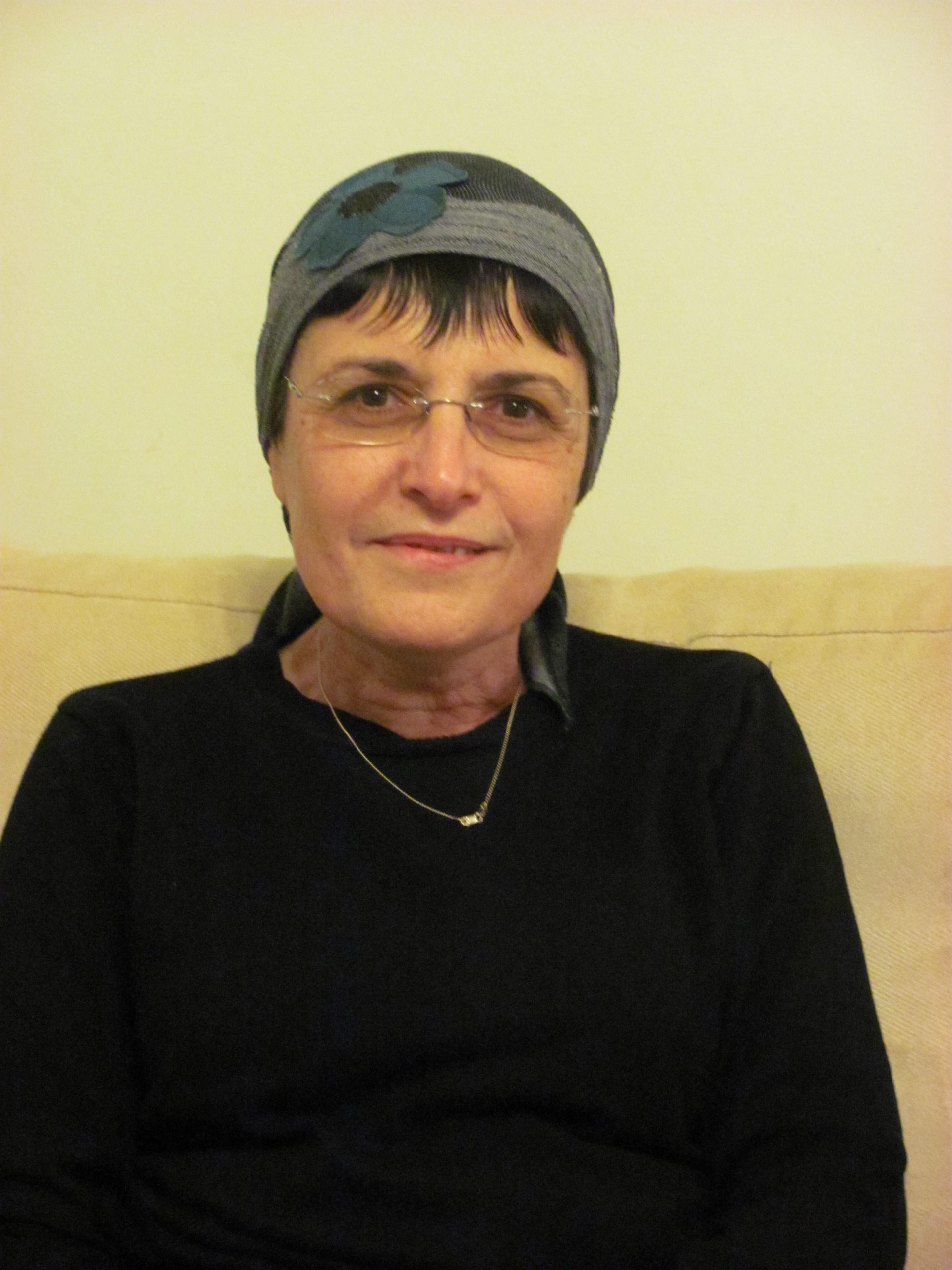
מעלה גלבוע, ישראל
אחי, שלומד דף יומי ממסכת ברכות, חיפש חברותא ללימוד מסכת ראש השנה והציע לי. החברותא היתה מאתגרת טכנית ורוב הזמן נעשתה דרך הטלפון, כך שבסיום המסכת נפרדו דרכינו. אחי חזר ללמוד לבד, אבל אני כבר נכבשתי בקסם הגמרא ושכנעתי את האיש שלי להצטרף אלי למסכת ביצה. מאז המשכנו הלאה, ועכשיו אנחנו מתרגשים לקראתו של סדר נשים!

נוקדים, ישראל
בתחילת הסבב הנוכחי הצטברו אצלי תחושות שאני לא מבינה מספיק מהי ההלכה אותה אני מקיימת בכל יום. כמו כן, כאמא לבנות רציתי לתת להן מודל נשי של לימוד תורה
שתי הסיבות האלו הובילו אותי להתחיל ללמוד. נתקלתי בתגובות מפרגנות וסקרניות איך אישה לומדת גמרא..
כמו שרואים בתמונה אני ממשיכה ללמוד גם היום ואפילו במחלקת יולדות אחרי לידת ביתי השלישית.
רבבה, ישראל
התחלתי ללמוד את הדף היומי מעט אחרי שבני הקטן נולד. בהתחלה בשמיעה ולימוד באמצעות השיעור של הרבנית שפרבר. ובהמשך העזתי וקניתי לעצמי גמרא. מאז ממשיכה יום יום ללמוד עצמאית, ולפעמים בעזרת השיעור של הרבנית, כל יום. כל סיום של מסכת מביא לאושר גדול וסיפוק. הילדים בבית נהיו חלק מהלימוד, אני משתפת בסוגיות מעניינות ונהנית לשמוע את דעתם.

מעלה מכמש, ישראל
רציתי לקבל ידע בתחום שהרגשתי שהוא גדול וחשוב אך נעלם ממני. הלימוד מעניק אתגר וסיפוק ומעמיק את תחושת השייכות שלי לתורה וליהדות
עלי זהב – לשם, ישראל
התחלתי ללמוד דף לפני קצת יותר מ-5 שנים, כשלמדתי רבנות בישיבת מהר”ת בניו יורק. בדיעבד, עד אז, הייתי בלימוד הגמרא שלי כמו מישהו שאוסף חרוזים משרשרת שהתפזרה, פה משהו ושם משהו, ומאז נפתח עולם ומלואו…. הדף נותן לי לימוד בצורה מאורגנת, שיטתית, יום-יומית, ומלמד אותי לא רק ידע אלא את השפה ודרך החשיבה שלנו. לשמחתי, יש לי סביבה תומכת וההרגשה שלי היא כמו בציטוט שבחרתי: הדף משפיע לטובה על כל היום שלי.
חיפה, ישראל
. לא תמיד נהניתי מלימוד גמרא כילדה.,בל כהתבגרתי התחלתי לאהוב את זה שוב. התחלתי ללמוד מסכת סוטה בדף היומי לפני כחמש עשרה שנה ואז הפסקתי.הגעתי לסיום הגדול של הדרן לפני שנתיים וזה נתן לי השראה. והתחלתי ללמוד למשך כמה ימים ואז היתה לי פריצת דיסק והפסקתי…עד אלול השנה. אז התחלתי עם מסכת ביצה וב”ה אני מצליחה לעמוד בקצב. המשפחה מאוד תומכת בי ויש כמה שגם לומדים את זה במקביל. אני אוהבת שיש עוגן כל יום.

בית שמש, ישראל
בבא בתרא מו
אֶלָּא לָאו דְּלֵיכָּא עֵדִים? וְקָתָנֵי: אוּמָּן מְהֵימַן – מִיגּוֹ דְּאִי בָּעֵי אָמַר לֵיהּ ״לְקוּחָה הִיא בְּיָדִי״, מְהֵימַן נָמֵי אַאַגְרֵיהּ!
Rather, is it not referring to a case where there are no witnesses to the transfer, and it teaches that the craftsman is deemed credible? Since if he had wanted to he could have said to him: It is purchased and that is why it is in my possession, he is deemed credible with regard to his claim about his fee as well. This supports the ruling of Rabba that if there are no witnesses, the craftsman is deemed credible if he says that the item belongs to him.
לָא, לְעוֹלָם דְּלֵיכָּא עֵדִים; וְהוּא דְּלֹא רָאָה.
The Gemara rejects this proof: No, actually, perhaps the baraita is referring to a case where there are no witnesses to the transfer, but it is specifically referring to a case where the owner did not see the cloak in the possession of the craftsman, who could consequently deny ever having received it from the owner. Therefore, it is not a proof in support of the ruling of Rabba that the craftsman would be deemed credible even if there are witnesses that it is currently in his possession.
מֵתִיב רַב נַחְמָן בַּר יִצְחָק: אוּמָּן אֵין לוֹ חֲזָקָה. אוּמָּן הוּא דְּאֵין לוֹ חֲזָקָה – הָא אַחֵר יֵשׁ לוֹ חֲזָקָה.
Rav Naḥman bar Yitzḥak raises an objection to Rabba’s ruling from Shmuel’s paraphrase of the mishna: A craftsman does not have the ability to establish the presumption of ownership of property in his possession. This indicates that it is specifically a craftsman who does not have the ability to establish the presumption of ownership, but another person in similar circumstances has the ability to establish the presumption of ownership.
הֵיכִי דָמֵי? אִי דְּאִיכָּא עֵדִים, אַחֵר – אַמַּאי יֵשׁ לוֹ חֲזָקָה? אֶלָּא לָאו דְּלֵיכָּא עֵדִים? וְקָתָנֵי: אוּמָּן אֵין לוֹ חֲזָקָה. תְּיוּבְתָּא דְּרַבָּה! תְּיוּבְתָּא.
What are the circumstances in which this would apply? If it is referring to a case where there are witnesses that the person in question received the item from another, why is it that another person has the ability to establish the presumption of ownership, when there are witnesses that he received this item as a deposit? Rather, is it not referring to a case where there are no witnesses, and yet, the mishna teaches: A craftsman does not have the ability to establish the presumption of ownership. This indicates that a craftsman does not establish the presumption of ownership under any circumstances, contrary to the ruling of Rabba. The Gemara concludes: The refutation of the opinion of Rabba is indeed a conclusive refutation, and his ruling is rejected.
תָּנוּ רַבָּנַן: נִתְחַלְּפוּ לוֹ כֵּלִים בְּכֵלִים בְּבֵית הָאוּמָּן – הֲרֵי זֶה יִשְׁתַּמֵּשׁ בָּהֶן, עַד שֶׁיָּבֹא הַלָּה וְיִטּוֹל אֶת שֶׁלּוֹ. בְּבֵית הָאֵבֶל אוֹ בְּבֵית הַמִּשְׁתֶּה – הֲרֵי זֶה לֹא יִשְׁתַּמֵּשׁ בָּהֶן, עַד שֶׁיָּבֹא הַלָּה וְיִטּוֹל אֶת שֶׁלּוֹ. מַאי שְׁנָא רֵישָׁא וּמַאי שְׁנָא סֵיפָא?
§ The Gemara discusses another halakha pertaining to the giving of an item to a craftsman. The Sages taught: If one’s utensils were mistakenly switched with another’s utensils in the house of a craftsman, this one who received the wrong utensils may use them until the time when that one, whose utensils he received, comes and takes his. But if his utensils and another’s utensils were mistakenly switched in a house of mourning or in a house of a wedding feast, this one who took the wrong utensils may not use them in the interim, i.e., until the time when that one, whose utensils he took, comes and takes his. The Gemara asks: What is different in the first clause where he may use the utensils, and what is different in the latter clause where he may not?
אָמַר רַב: הֲוָה יָתֵיבְנָא קַמֵּיהּ דְּחַבִּיבִי, וַאֲמַר לִי: וְכִי אֵין אָדָם עָשׂוּי לוֹמַר לָאוּמָּן ״מְכוֹר לִי טַלִּיתִי״?!
Rav said: I was sitting before my uncle, Rav Ḥiyya, and he said the explanation to me: And is a person not likely to say to the craftsman: Sell my cloak for me after you finish repairing it? It is possible that the craftsman mistakenly sold the utensils of another client instead, and gave to that other client the utensils that should have been sold. Since the owner of these utensils received the money from the sale of the other client’s utensils, the craftsman has a right to give the remaining utensils to the other client in the interim. This reasoning does not apply in the case of the house of mourning or a wedding feast, where one simply took utensils belonging to another.
אָמַר רַב חִיָּיא בְּרֵיהּ דְּרַב נַחְמָן: לֹא שָׁנוּ אֶלָּא הוּא, אֲבָל אִשְׁתּוֹ וּבָנָיו – לֹא. וְהוּא נָמֵי – לָא אֲמַרַן אֶלָּא דַּאֲמַר לֵיהּ: ״טַלִּית״ סְתָם, אֲבָל ״טַלִּיתְךָ״ – לָא, הַאי לָאו טַלִּית דִּידֵיהּ הוּא.
Rav Ḥiyya, son of Rav Naḥman, said: They taught that it is permitted to use the utensils only if the craftsman himself gave them to his customer, as in that case, the above reasoning applies. But if the craftsman’s wife or children gave them to him, the customer may not use the utensils, as it is likely that they were given to him in error. And even if the craftsman himself gave the utensils to his customer, we said that it is permitted for him to use them only in a case where the craftsman said to him, for example: I am returning a cloak, without specification. But if the craftsman said to him: I am returning your cloak, then he may not use it, as this is not his cloak, and clearly it was given to him in error.
אֲמַר לֵיהּ אַבָּיֵי לְרָבָא: תָּא אַחְוִי לָךְ רַמָּאֵי דְפוּמְבְּדִיתָא, מַאי עָבְדִי. אָמַר לֵיהּ: ״הַב לִי סַרְבָּלַאי״. ״לֹא הָיוּ דְבָרִים מֵעוֹלָם״. ״הָא אִית לִי סָהֲדִי דְּחַזְיוּהּ גַּבָּךְ!״ אָמַר לֵיהּ: ״הָהוּא אַחֲרִינָא הֲוָה״. ״אַפְּקִינֵּיהּ וְנֶחְזִינְהוּ!״ אָמַר לֵיהּ: ״אִיבְרָא לָא מַפֵּיקְנָא לֵיהּ״.
§ The Gemara presents another statement with regard to craftsmen. Abaye said to Rava: Come and I will show you what the swindlers of Pumbedita do. There was a case where the owner of an item said to a craftsman: Give me back my cloak [sarbelai] that I gave you to repair, and the craftsman replied: These matters never occurred. The owner responded: But I have witnesses who saw it in your possession. The craftsman said to the owner: That was a different cloak that they saw. The witnesses are uncertain as to whether it was really his cloak. The owner then said: Bring it out and we will see it, so as to determine whose it is. The craftsman said to the owner: In truth, I will not bring it out, as you have no valid claim to the cloak and I am not willing to show you another’s property. This is the trickery to which Abaye referred, as it is not a sincere response, and the craftsman merely wishes to keep the cloak.
אָמַר רָבָא: שַׁפִּיר קָאָמַר לֵיהּ –
Rava said to Abaye: The craftsman is saying well to the owner, and his claim will be accepted,
״רָאָה״ תַּנְיָא.
as it is taught in the earlier baraita that the owner has a valid claim only when he, and witnesses, saw his cloak in the possession of the launderer and can definitively identify it. He cannot state a claim based on the mere possibility that it is his. This validates the claim of the craftsmen of Pumbedita.
אָמַר רַב אָשֵׁי: וְאִי חַכִּים, מְשַׁוֵּי לֵיהּ ״רָאָה״ – דְּאָמַר לֵיהּ: אַמַּאי תְּפִיסַתְּ לֵיהּ, לָאו מִשּׁוּם דְּאִית לָךְ גַּבַּאי? הַשְׁתָּא אַפְּקִינְהוּ וְשַׁיְּמִינְהוּ – שְׁקוֹל אַתְּ דִּידָך,ְ וְאֶשְׁקוֹל אֲנָא דִּידִי. אֲמַר לֵיהּ רַב אַחָא בְּרֵיהּ דְּרַב אַוְיָא לְרַב אָשֵׁי, מָצֵי אָמַר לֵיהּ: לָא צְרִיכְנָא לְשׁוּמָא דִידָךְ, כְּבָר שָׁמוּהַּ קַמָּאֵי דְקַמָּךְ.
Rav Ashi said: And if the owner is clever, he will render the situation into one of his having seen his cloak, as the owner can say to the craftsman: Why are you holding it? Is it not due to the fact that there is money of yours with me, and you are using the cloak as a means of collecting the debt that I owe you? Now bring out my cloak before the appraisers and they will appraise its value, and then you take what is rightfully yours, and I will take what is rightfully mine. When the craftsman presents the cloak, the ruling will change, as the owner will have seen the cloak. Rav Aḥa, son of Rav Avya, said to Rav Ashi: If the craftsman is clever, he can say to the owner: I do not need your appraisal, as the earlier ones who preceded you already appraised it and determined that its value does not exceed that of your debt to me.
אָרִיס אֵין לוֹ חֲזָקָה. אַמַּאי? עַד הָאִידָּנָא פַּלְגָא, וְהַשְׁתָּא כּוּלַּהּ! אָמַר רַבִּי יוֹחָנָן: בַּאֲרִיסֵי בָּתֵּי אָבוֹת.
§ The Gemara discusses a ruling that it paraphrases from the mishna: A sharecropper does not have the ability to establish the presumption of ownership of property in his possession. Why not? Isn’t it so that until that time, while he was definitely working as a sharecropper, he consumed only half of the produce of the land, and now, for the past three years, he consumed all of its produce? He should be able to establish the presumption of ownership by consuming more produce than a sharecropper does. Rabbi Yoḥanan says: The ruling of the mishna is stated with regard to family sharecroppers. This type of sharecropper, who works for a family for many years, gathers all of the produce into his property, and then returns the landowner’s share. Therefore, his collecting all of the produce into his property does not establish the presumption of ownership.
אָמַר רַב נַחְמָן: אָרִיס שֶׁהוֹרִיד אֲרִיסִין תַּחְתָּיו – יֵשׁ לוֹ חֲזָקָה. מַאי טַעְמָא? דְּלָא עֲבִיד אִינָשׁ דְּנָחֲתִי אֲרִיסֵי לְאַרְעֵיהּ, וְשָׁתֵיק.
Rav Naḥman says: A sharecropper who installed other sharecroppers in his place has the ability to establish the presumption of ownership. What is the reason? It is that it is not common for a person to see that unknown sharecroppers have been installed in his land and remain silent. If the prior owner did not lodge a protest, it indicates that the sharecropper is the owner of the land.
אָמַר רַבִּי יוֹחָנָן: אָרִיס שֶׁחִלֵּק לַאֲרִיסִין – אֵין לוֹ חֲזָקָה. מַאי טַעְמָא? אֵימוֹר הַרְמַנְיָא בְּעָלְמָא שַׁוְּיוּהּ.
Rabbi Yoḥanan says: A sharecropper who divided among different sharecroppers does not have the ability to establish the presumption of ownership by that act. What is the reason? It is that one can say that the landowner merely appointed him as an administrator [harmanya], and there is no indication that he is acting as an owner.
שְׁלַח לֵיהּ רַב נַחְמָן בַּר רַב חִסְדָּא לְרַב נַחְמָן בַּר יַעֲקֹב, יְלַמְּדֵנוּ רַבֵּינוּ: אָרִיס מֵעִיד, אוֹ אֵינוֹ מֵעִיד? הֲוָה יָתֵיב רַב יוֹסֵף קַמֵּיהּ, אֲמַר לֵיהּ: הָכִי אָמַר שְׁמוּאֵל: אָרִיס מֵעִיד. וְהָתַנְיָא: אֵינוֹ מֵעִיד!
The Gemara relates: Rav Naḥman bar Rav Ḥisda sent this message to Rav Naḥman bar Yaakov: Our teacher, instruct us. Can a sharecropper testify with regard to the ownership of a field of which he is a sharecropper, or can he not testify, as he is biased in his testimony? Rav Yosef was sitting before Rav Naḥman bar Yaakov and said to him: This is what Shmuel said: A sharecropper can testify. Rav Naḥman bar Yaakov said to him: But isn’t it taught in a baraita that a sharecropper cannot testify?
לָא קַשְׁיָא – הָא דְּאִיכָּא פֵּירָא בְּאַרְעָא, וְהָא דְּלֵיכָּא פֵּירָא בְּאַרְעָא.
Rav Yosef answered: It is not difficult. This baraita, which states that he cannot testify, is referring to a case where there is produce on the land. Therefore, he is biased in his testimony, as, if the current owner will lose possession of the land, the sharecropper will lose his right to consume the produce. And that statement of Shmuel that he can testify is referring to a case where there is no produce on the land, and he is not biased in his testimony.
(עֲמָלֵק סִימָן)
§ The Gemara presents the word Amalek as a mnemonic for the cases discussed in the baraita. It stands for: Ayin, guarantor [arev]; mem, creditor [malve]; lamed, buyer [loke’aḥ]; kuf, unconditional guarantor [kablan].
תָּנוּ רַבָּנַן: עָרֵב מֵעִיד לַלֹּוֶה, וְהוּא דְּאִית לֵיהּ אַרְעָא אַחֲרִיתִי. מַלְוֶה מֵעִיד לַלֹּוֶה, וְהוּא דְּאִית לֵיהּ אַרְעָא אַחֲרִיתִי.
The Sages taught: A guarantor can testify for the benefit of the debtor that the latter owns a particular parcel of land, but that is the halakha only if the debtor has other land from which the creditor can collect the debt. Otherwise, he is biased in his testimony, as the creditor could collect from him if the debtor were to lose ownership of this land. A creditor can testify for the benefit of the debtor that the latter owns a particular parcel of land, but that is the halakha only if the debtor has other land from which the creditor can collect. Otherwise, he is biased in his testimony, as this land is the only land available for collection.
לוֹקֵחַ רִאשׁוֹן מֵעִיד לְלוֹקֵחַ שֵׁנִי, וְהוּא דְּאִית לֵיהּ אַרְעָא אַחֲרִיתִי.
Similarly, if two people purchase land from one seller, the first buyer can testify for the benefit of the second buyer if someone else were to claim that the land was his, but that is the halakha only if the second buyer has other land that he purchased from the same seller either concurrent with or subsequent to the first buyer’s purchase of the land in question. A creditor of the seller can collect a debt from the land that the seller sold most recently. Therefore, if the second buyer purchased only the land in question from the seller, the first buyer is biased in his testimony, as the second buyer’s ownership of the land prevents the creditor from collecting a debt from the land from the first buyer.

