






הלימוד החודש מוקדש ע”י מרכי גלזר לע”נ רחל אביבה בת דבורה חנה
רוצה להקדיש שיעור?


כלים
הלימוד החודש מוקדש ע”י מרכי גלזר לע”נ רחל אביבה בת דבורה חנה
בבא בתרא נג
שֶׁלֹּא בְּפָנָיו – צָרִיךְ לְמֵימַר לֵיהּ: ״לֵךְ חֲזֵק וּקְנִי״.
But if the act was performed not in the seller’s presence, the seller must say to him: Go, take possession and thereby acquire the property for him to acquire it.
בָּעֵי רַב: מַתָּנָה – הֵיאַךְ? אָמַר שְׁמוּאֵל: מַאי תִּבְעֵי לֵיהּ לְאַבָּא? הַשְׁתָּא וּמָה מֶכֶר, דְּקָא יָהֵיב לֵיהּ זוּזֵי, אִי אֲמַר לֵיהּ: ״לֵךְ חֲזֵק וּקְנִי״ – אִין, אִי לָא – לָא; מַתָּנָה, לֹא כׇּל שֶׁכֵּן?! וְרַב סָבַר: מַאן דְּיָהֵיב מַתָּנָה, בְּעַיִן יָפָה יָהֵיב.
Rav raises a dilemma: How does one acquire a gift, i.e., is it necessary for the giver to say: Go, take possession and thereby acquire? Shmuel said: What dilemma is raised to Abba, i.e., Rav? Now one could say the following: And what is the halakha with regard to a sale, where the buyer is giving money to the seller? If the seller says to the buyer: Go, take possession and thereby acquire the property, the acquisition does take effect, but if he did not say this, it does not. Therefore, with regard to a gift, where no money is given to the seller, is it not all the more so reasonable that the acquisition not take effect without a clear directive from the seller? The Gemara answers: And Rav holds that it is possible to say that one who gives a gift gives it generously, and would allow the acquisition even absent a clear directive.
וְכַמָּה כׇּל שֶׁהוּא? כְּדִשְׁמוּאֵל – דְּאָמַר שְׁמוּאֵל: גָּדַר גָּדֵר וְהִשְׁלִימוֹ לַעֲשָׂרָה, וּפָרַץ פִּרְצָה כְּדֵי שֶׁיִּכָּנֵס וְיֵצֵא בָּהּ – הֲרֵי זוֹ חֲזָקָה.
§ The mishna teaches that taking possession can be performed by building a fence or breaching a fence even a bit. The Gemara clarifies: And how much is the measure of a bit? It is in accordance with the statement of Shmuel, as Shmuel says: If one had previously built a fence, and now completed it to a height of ten handbreadths, which is the height of a halakhically significant barrier; or similarly, if one had previously breached a breach, and now expanded it in order that it be large enough that a person can enter and exit through it, this is considered taking possession.
הַאי גָּדֵר הֵיכִי דָמֵי? אִילֵּימָא דְּמֵעִיקָּרָא לָא הֲווֹ סָלְקִי לַהּ, וְהַשְׁתָּא נָמֵי לָא סָלְקִי לַהּ – מַאי עֲבַד? וְאֶלָּא דְּמֵעִיקָּרָא הֲווֹ סָלְקִי לַהּ, וְהַשְׁתָּא לָא סָלְקִי לַהּ – טוּבָא עֲבַד! לָא צְרִיכָא, דְּמֵעִיקָּרָא הֲווֹ סָלְקִי לַהּ בְּרַוְוחָא, וְהַשְׁתָּא קָא סָלְקִי לַהּ בְּדוּחְקָא.
The Gemara asks: What are the circumstances of this fence? If we say that initially one could not climb over it to enter the field, and now too one still could not climb over it, what did he accomplish? Nothing has changed through his completing the height of the fence. And alternatively, if it was such that initially one could climb over it to enter the field, and now one could not climb over it, he has accomplished a great deal, and the mishna should not have referred to this addition as: A bit. The Gemara answers: No, it is necessary to state this ruling if the height of the fence was such that initially one could climb over it with ease, and now one could climb over it only with effort.
הַאי פִּרְצָה – הֵיכִי דָמֵי? אִילֵּימָא דְּמֵעִיקָּרָא הֲווֹ עָיְילִי בַּהּ, וְהַשְׁתָּא נָמֵי עָיְילִי בַּהּ – מַאי עֲבַד? וְאֶלָּא דְּמֵעִיקָּרָא לָא הֲווֹ עָיְילִי בַּהּ, וְהַשְׁתָּא קָא עָיְילִי בַּהּ – טוּבָא עֲבַד! לָא צְרִיכָא, דְּמֵעִיקָּרָא הֲווֹ עָיְילִי בַּהּ בְּדוּחְקָא, וְהַשְׁתָּא עָיְילִי בַּהּ בְּרַוְוחָא.
The Gemara similarly asks: What are the circumstances of this breach? If we say that initially, one could enter the field through it, and now too one could enter the field through it, what did he accomplish? Nothing has changed through his expanding the breach? And alternatively, if it was such that initially one could not enter the field through it, and now one could enter the field through it, he has accomplished a great deal, and the mishna should not have referred to this as: A bit. The Gemara answers: No, it is necessary to state this ruling if the size of the breach was such that initially one could enter the field through it with effort, and now one could enter the field through it with ease.
אָמַר רַב אַסִּי אָמַר רַבִּי יוֹחָנָן: נָתָן צְרוֹר וְהוֹעִיל, נָטַל צְרוֹר וְהוֹעִיל – הֲרֵי זוֹ חֲזָקָה. מַאי ״נָתַן״ וּמַאי ״נָטַל״?
Rav Asi says that Rabbi Yoḥanan says: If one placed a stone and it helps to serve some objective, or if one removed a stone and it helps to serve some objective, this act is considered taking possession. The Gemara asks: What is the meaning of placed, and what is the meaning of removed?
אִילֵּימָא נָתַן צְרוֹר – וּסְכַר מַיָּא מִינַּהּ, נָטַל צְרוֹר – וְאַפֵּיק מַיָּא מִינַּהּ; הַאי מַבְרִיחַ אֲרִי מִנִּכְסֵי חֲבֵרוֹ הוּא! אֶלָּא נָתַן צְרוֹר – דְּצַמֵּד לַהּ מַיָּא, נָטַל צְרוֹר – וְאַרְוַח לַהּ מַיָּא.
If we say that he placed a stone in the fence and stopped the water from flooding the field, or he removed a stone from the fence and thereby fashioned an opening that released water that had been flooding the field, this is analogous to one who chases away a lion from another’s property. In other words, these acts prevent damage to the field, which one is obligated to prevent even in the case of the property of another, and accordingly, they do not constitute a demonstration of ownership. Rather, it means that he placed a stone that connected water to the field and irrigated it, or he removed a stone and enhanced the flow of water to it.
וְאָמַר רַב אַסִּי אָמַר רַבִּי יוֹחָנָן: שְׁתֵּי שָׂדוֹת וּמֶצֶר אֶחָד בֵּינֵיהֶן, הֶחְזִיק בְּאַחַת מֵהֶן לִקְנוֹתָהּ – קְנָאָהּ.
§ The Gemara cites another statement of the same amora with regard to taking possession. And Rav Asi says that Rabbi Yoḥanan says: If there were two fields with one boundary between them, and one took possession of one of the fields in order to acquire it, he has acquired it.
לִקְנוֹת אוֹתָהּ וְאֶת חֲבֶרְתָּהּ – אוֹתָהּ קָנָה, חֲבֶרְתָּהּ לֹא קָנָה. לִקְנוֹת אֶת חֲבֶרְתָּהּ – אַף אוֹתָהּ לֹא קָנָה.
If his intention was to acquire it and also acquire the other field, he has acquired the first field, but has not acquired the other field, since the fields are separated by a boundary. If he took possession of one field in order to acquire only the other field, he has not acquired even that field of which he took possession, since his intention when taking possession was to acquire the other field, and one does not acquire an item without the intention to do so.
בָּעֵי רַבִּי זֵירָא: הֶחְזִיק בְּאַחַת מֵהֶן לִקְנוֹת אוֹתָהּ, וְאֶת הַמֶּצֶר, וְאֶת חֲבֶרְתָּהּ – מַהוּ? מִי אָמְרִינַן: מֶצֶר דְּאַרְעָא חַד הוּא, וְקָנֵי; אוֹ דִּלְמָא הַאי לְחוֹדֵיהּ קָאֵי וְהַאי לְחוֹדֵיהּ קָאֵי? תֵּיקוּ.
Rabbi Zeira raises a dilemma: What is the halakha if one took possession of one of the fields in order to acquire it, and the boundary, and the other field, all together? Do we say that the boundary of the land is one, i.e., these two fields are joined by means of their common boundary, and therefore he has acquired all of them? Or perhaps this field stands alone and that field stands alone. The Gemara notes that the dilemma shall stand unresolved.
בָּעֵי רַבִּי אֶלְעָזָר: הֶחְזִיק בַּמֶּצֶר לִקְנוֹת שְׁתֵּיהֶן, מַהוּ? מִי אָמְרִינַן הַאי מֶצֶר – אַפְסֵרָא דְאַרְעָא הוּא, וְקָנֵי; אוֹ דִּלְמָא הַאי לְחוֹדֵיהּ קָאֵי וְהַאי לְחוֹדֵיהּ קָאֵי? תֵּיקוּ.
Rabbi Elazar raises a dilemma: What is the halakha if one took possession of the boundary between the two fields in order to acquire both of the fields? Do we say that the legal status of this boundary is that of the halter of the land and he acquires the fields, just as one acquires an animal through the acquisition of its halter? Or perhaps this field stands alone and that field stands alone, as the boundary is not connected to the field in the same manner that a halter is connected to an animal. The Gemara notes that the dilemma shall stand unresolved.
אָמַר רַב נַחְמָן אָמַר רַבָּה בַּר אֲבוּהּ: שְׁנֵי בָתִּים זֶה לִפְנִים מִזֶּה, הֶחְזִיק בַּחִיצוֹן לִקְנוֹתוֹ – קְנָאוֹ. לִקְנוֹת אוֹתוֹ וְאֶת הַפְּנִימִי – חִיצוֹן קָנָה, פְּנִימִי לֹא קָנָה. לִקְנוֹת אֶת הַפְּנִימִי – אַף חִיצוֹן נָמֵי לֹא קָנָה.
Similarly, Rav Naḥman says that Rabba bar Avuh says: If there were two houses in a courtyard, this one situated within the courtyard relative to that one, and one took possession of the outer house in order to acquire it, he has acquired it. If his intention was to acquire it and also acquire the inner house, he has acquired the outer house, but has not acquired the inner house. If he took possession of the outer house in order to acquire the inner house alone, he has not acquired even the outer house.
הֶחְזִיק בַּפְּנִימִי לִקְנוֹתוֹ – קְנָאוֹ. לִקְנוֹת אוֹתוֹ וְאֶת הַחִיצוֹן – קָנָה שְׁנֵיהֶן. לִקְנוֹת אֶת הַחִיצוֹן – אַף פְּנִימִי לֹא קָנָה.
If he took possession of the inner house in order to acquire it, he has acquired it. If his intention was to acquire it and also acquire the outer house, he has acquired both of them. Since the residents of the inner house possess the right to pass through the outer house in order to enter and exit the courtyard, the outer house is viewed as an extension of the inner house. If he took possession of the inner house in order to acquire only the outer house, he has not acquired even the inner house, since he did not take possession of the property that he intended to acquire.
אָמַר רַב נַחְמָן אָמַר רַבָּה בַּר אֲבוּהּ: הַבּוֹנֶה פַּלְטֵרִין גְּדוֹלִים בְּנִכְסֵי הַגֵּר, וּבָא אַחֵר וְהֶעֱמִיד לָהֶן דְּלָתוֹת – קָנָה. מַאי טַעְמָא? קַמָּא – לִבְנֵי בְּעָלְמָא הוּא דַּאֲפֵיךְ.
§ The Gemara continues its discussion of taking possession of ownerless property. Rav Naḥman says that Rabba bar Avuh says: With regard to one who builds large palaces [palterin] on the property of a convert who died without heirs, and another came and placed doors upon them, the latter has acquired the property. The Gemara explains: What is the reason for this? The first, i.e., the one who built the palaces, merely turned over bricks, i.e., building an incomplete house is not sufficient to take possession of the property.
אָמַר רַב דִּימִי בַּר יוֹסֵף אָמַר רַבִּי אֶלְעָזָר: הַמּוֹצֵא פַּלְטֵרִין בְּנִכְסֵי הַגֵּר, וְסָד בָּהֶן סִיּוּד אֶחָד אוֹ כִּיּוּר אֶחָד – קְנָאָן. וְכַמָּה? אָמַר רַב יוֹסֵף: אַמָּה. אָמַר רַב חִסְדָּא: וּכְנֶגֶד הַפֶּתַח.
Rav Dimi bar Yosef says that Rabbi Elazar says: One who finds palaces built on the property of a convert who died without heirs and plastered them with one application of plaster or tiled them with one tile, has acquired them. The Gemara asks: And how much, i.e., what is the minimum area that must be plastered or tiled? Rav Yosef said: A square cubit. Rav Ḥisda said: And he acquires it in this manner only if it was plastered or tiled opposite the entrance, where it can be easily seen.
אָמַר רַב עַמְרָם: הַאי מִילְּתָא אֲמַר לַן רַב שֵׁשֶׁת, וְאַנְהֲרִינְהוּ עַיְנִין מִמַּתְנִיתָא: הַמַּצִּיעַ מַצָּעוֹת בְּנִכְסֵי הַגֵּר – קָנָה. ״וְאַנְהֲרִינְהוּ עַיְנִין מִמַּתְנִיתָא״ – מַאי הִיא? דְּתַנְיָא: כֵּיצַד בַּחֲזָקָה? נָעַל לוֹ מִנְעָלוֹ, אוֹ הִתִּיר לוֹ מִנְעָלוֹ, אוֹ שֶׁהוֹלִיךְ כֵּלָיו אַחֲרָיו לְבֵית הַמֶּרְחָץ, וְהִפְשִׁיטוֹ, וְהִרְחִיצוֹ, סָכוֹ, גֵּרְדוֹ, וְהִלְבִּישׁוֹ, וְהִנְעִילוֹ, וְהִגְבִּיהוֹ – קְנָאוֹ. אָמַר רַבִּי שִׁמְעוֹן: לֹא תְּהֵא חֲזָקָה גְּדוֹלָה מֵהַגְבָּהָה – שֶׁהַגְבָּהָה קוֹנָה בְּכׇל מָקוֹם.
Rav Amram said: Rav Sheshet said this statement to us, and he enlightened our eyes from a baraita that alludes to the same matter. He said: One who spreads out mattresses on the property of a convert who died without heirs has acquired it. And that which I said, that he enlightened our eyes from a baraita, what is it? As it is taught in a baraita (Tosefta, Kiddushin 1:5): How does one acquire a Canaanite slave through taking possession? If the slave placed one’s shoe for him, or untied his shoe for him, or if it occurred that he carried his garments after him to the bathhouse, or undresses him, or bathes him, or anoints him, or scrubs the oil off him, or dresses him, or puts on his shoes, or lifts him, one acquires the slave. Rabbi Shimon said: The acquisition generated by taking possession should not be considered greater than the acquisition generated by lifting, as lifting acquires property in any situation.
מַאי קָאָמַר? הָכִי קָאָמַר: הִגְבִּיהוֹ לְרַבּוֹ – קְנָאוֹ, הִגְבִּיהַּ רַבּוֹ לוֹ – לֹא קְנָאוֹ. אָמַר רַבִּי שִׁמְעוֹן: לֹא תְּהֵא חֲזָקָה גְּדוֹלָה מֵהַגְבָּהָה – שֶׁהַגְבָּהָה קוֹנָה בְּכׇל מָקוֹם.
With regard to this last statement, the Gemara asks: What is Rabbi Shimon saying here, as the first tanna also said that a slave can be acquired by lifting? The Gemara explains: This is what he is saying: The first tanna holds that if he lifted his master, the master acquires him, as he is performing labor for the master, but if his master lifted him, the master does not acquire him, as the slave has not performed labor on his behalf. With regard to this halakha, Rabbi Shimon said: Acquisition generated through taking possession should not be greater than acquisition generated through lifting, as lifting acquires property in any situation. Consequently, one can acquire a slave even by lifting him.
אָמַר רַב יִרְמְיָה בִּירָאָה אָמַר רַב יְהוּדָה: הַאי מַאן
Rav Yirmeya Bira’a says that Rav Yehuda says: With regard to this one

כלים
העמקה
רוצה להבין מה באמת קורה מתחת לפני השטח של הסוגיה?
שיעורים, פודקאסטים והרחבות של מיטב המורות שלנו יפתחו לך עוד זוויות וכיווני חשיבה.









חדשה בלימוד הגמרא?
זה הדף הראשון שלך? איזו התרגשות עצומה! יש לנו בדיוק את התכנים והכלים שיעזרו לך לעשות את הצעדים הראשונים ללמידה בקצב וברמה שלך, כך תוכלי להרגיש בנוח גם בתוך הסוגיות המורכבות ומאתגרות.
פסיפס הלומדות שלנו
גלי את קהילת הלומדות שלנו, מגוון נשים, רקעים וסיפורים. כולן חלק מתנועה ומסע מרגש ועוצמתי.
A life-changing journey started with a Chanukah family tiyul to Zippori, home of the Sanhedrin 2 years ago and continued with the Syum in Binanei Hauma where I was awed by the energy of 3000 women dedicated to learning daf Yomi. Opening my morning daily with a fresh daf, I am excited with the new insights I find enriching my life and opening new and deeper horizons for me.

Elazar gush etzion, Israel
סיום השס לנשים נתן לי מוטביציה להתחיל ללמוד דף יומי. עד אז למדתי גמרא בשבתות ועשיתי כמה סיומים. אבל לימוד יומיומי זה שונה לגמרי ופתאום כל דבר שקורה בחיים מתקשר לדף היומי.

רתמים, ישראל
התחלתי ללמוד דף יומי לפני שנתיים, עם מסכת שבת. בהתחלה ההתמדה היתה קשה אבל בזכות הקורונה והסגרים הצלחתי להדביק את הפערים בשבתות הארוכות, לסיים את מסכת שבת ולהמשיך עם המסכתות הבאות. עכשיו אני מסיימת בהתרגשות רבה את מסכת חגיגה וסדר מועד ומחכה לסדר הבא!

מודיעין, ישראל
התחלתי בתחילת הסבב, והתמכרתי. זה נותן משמעות נוספת ליומיום ומאוד מחזק לתת לזה מקום בתוך כל שגרת הבית-עבודה השוטפת.
בית שמש, ישראל
התחלתי מעט לפני תחילת הסבב הנוכחי. אני נהנית מהאתגר של להמשיך להתמיד, מרגעים של "אהה, מפה זה הגיע!” ומהאתגר האינטלקטואלי

לוד, ישראל
רציתי לקבל ידע בתחום שהרגשתי שהוא גדול וחשוב אך נעלם ממני. הלימוד מעניק אתגר וסיפוק ומעמיק את תחושת השייכות שלי לתורה וליהדות
עלי זהב – לשם, ישראל
התחלתי ללמוד דף יומי כאשר קיבלתי במייל ממכון שטיינזלץ את הדפים הראשונים של מסכת ברכות במייל. קודם לא ידעתי איך לקרוא אותם עד שנתתי להם להדריך אותי. הסביבה שלי לא מודעת לעניין כי אני לא מדברת על כך בפומבי. למדתי מהדפים דברים חדשים, כמו הקשר בין המבנה של בית המקדש והמשכן לגופו של האדם (יומא מה, ע”א) והקשר שלו למשפט מפורסם שמופיע בספר ההינדי "בהגוד-גיתא”. מתברר שזה רעיון כלל עולמי ולא רק יהודי

נשר, ישראל
בתחילת הסבב הנוכחי הצטברו אצלי תחושות שאני לא מבינה מספיק מהי ההלכה אותה אני מקיימת בכל יום. כמו כן, כאמא לבנות רציתי לתת להן מודל נשי של לימוד תורה
שתי הסיבות האלו הובילו אותי להתחיל ללמוד. נתקלתי בתגובות מפרגנות וסקרניות איך אישה לומדת גמרא..
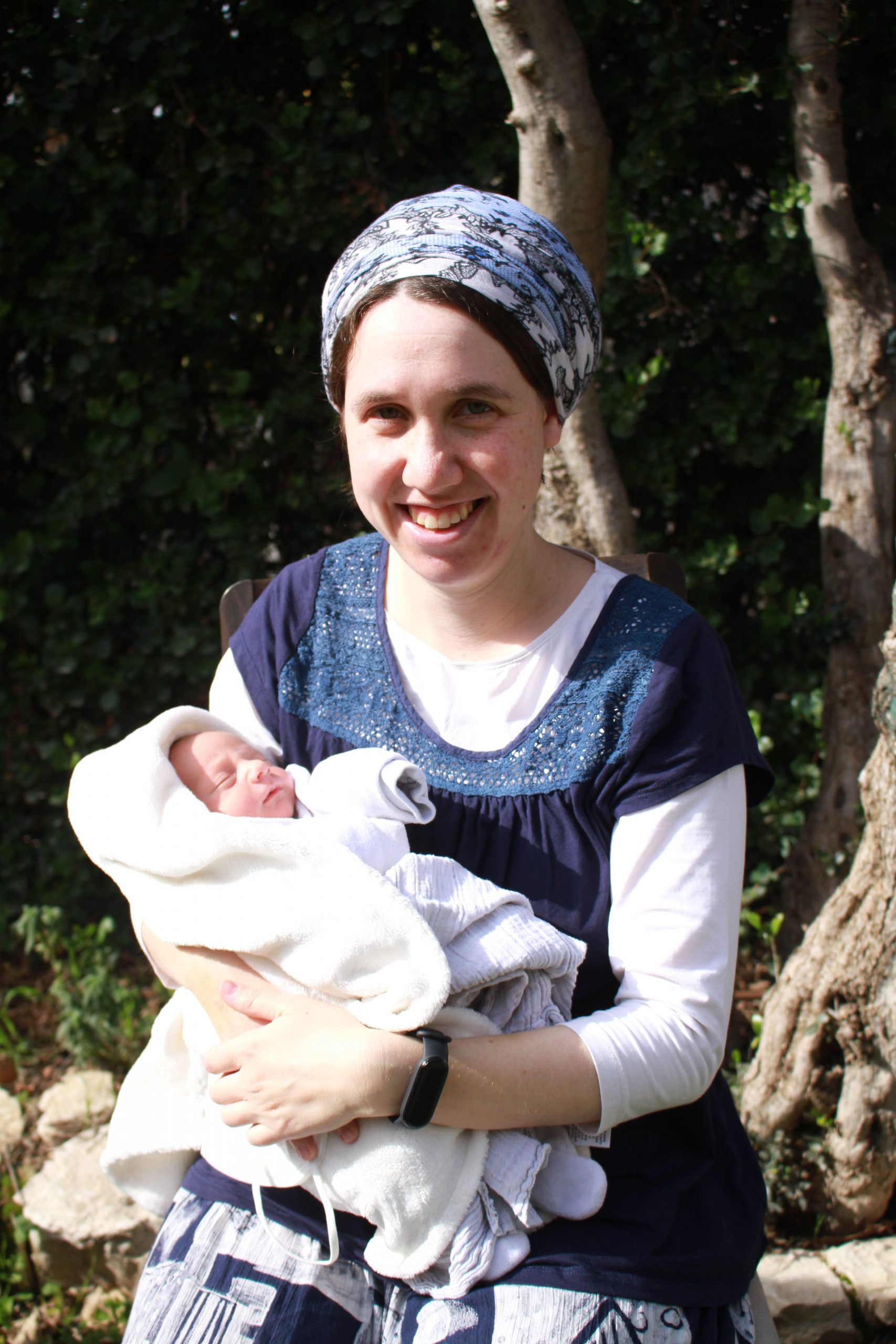
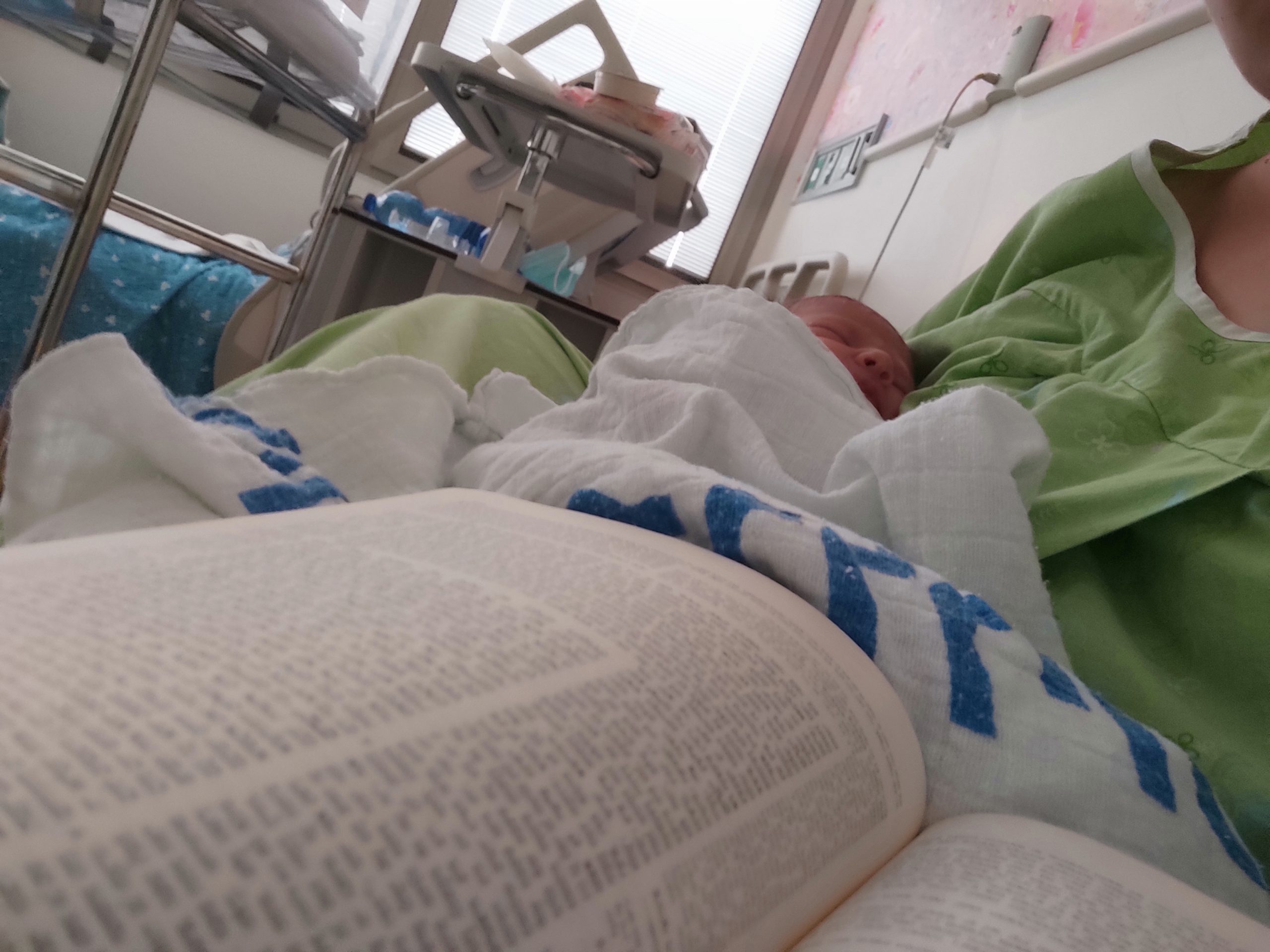
כמו שרואים בתמונה אני ממשיכה ללמוד גם היום ואפילו במחלקת יולדות אחרי לידת ביתי השלישית.
רבבה, ישראל
לפני 15 שנה, אחרי עשרות שנים של "ג’ינגול” בין משפחה לקריירה תובענית בהייטק, הצטרפתי לשיעורי גמרא במתן רעננה. הלימוד המעמיק והייחודי של הרבנית אושרה קורן יחד עם קבוצת הנשים המגוונת הייתה חוויה מאלפת ומעשירה. לפני כשמונה שנים כאשר מחזור הדף היומי הגיע למסכת תענית הצטרפתי כ”חברותא” לבעלי. זו השעה היומית שלנו ביחד כאשר דפי הגמרא משתלבים בחיי היום יום, משפיעים ומושפעים, וכשלא מספיקים תמיד משלימים בשבת

רעננה, ישראל
התחלתי ללמוד דף יומי שהתחילו מסכת כתובות, לפני 7 שנים, במסגרת קבוצת לימוד שהתפרקה די מהר, ומשם המשכתי לבד בתמיכת האיש שלי. נעזרתי בגמרת שטיינזלץ ובשיעורים מוקלטים.
הסביבה מאד תומכת ואני מקבלת המון מילים טובות לאורך כל הדרך. מאז הסיום הגדול יש תחושה שאני חלק מדבר גדול יותר.
אני לומדת בשיטת ה”7 דפים בשבוע” של הרבנית תרצה קלמן – כלומר, לא נורא אם לא הצלחת ללמוד כל יום, העיקר שגמרת ארבעה דפים בשבוע

עתניאל, ישראל
התחלתי ללמוד בשנת המדרשה במגדל עוז, בינתיים נהנית מאוד מהלימוד ומהגמרא, מעניין ומשמח מאוד!
משתדלת להצליח לעקוב כל יום, לפעמים משלימה קצת בהמשך השבוע.. מרגישה שיש עוגן מקובע ביום שלי והוא משמח מאוד!

חיפה , ישראל
התחלתי כשהייתי בחופש, עם הפרסומים על תחילת המחזור, הסביבה קיבלה את זה כמשהו מתמיד ומשמעותי ובהערכה, הלימוד זה עוגן יציב ביום יום, יש שבועות יותר ויש שפחות אבל זה משהו שנמצא שם אמין ובעל משמעות בחיים שלי….

גמזו, ישראל
סיום השס לנשים נתן לי מוטביציה להתחיל ללמוד דף יומי. עד אז למדתי גמרא בשבתות ועשיתי כמה סיומים. אבל לימוד יומיומי זה שונה לגמרי ופתאום כל דבר שקורה בחיים מתקשר לדף היומי.
רתמים, ישראל
A friend in the SF Bay Area said in Dec 2019 that she might start listening on her morning drive to work. I mentioned to my husband and we decided to try the Daf when it began in Jan 2020 as part of our preparing to make Aliyah in the summer.

ירושלים, Israel
למדתי גמרא מכיתה ז- ט ב Maimonides School ואחרי העליה שלי בגיל 14 לימוד הגמרא, שלא היה כל כך מקובל בימים אלה, היה די ספוראדי. אחרי "ההתגלות” בבנייני האומה התחלתי ללמוד בעיקר בדרך הביתה למדתי מפוקקטסים שונים. לאט לאט ראיתי שאני תמיד חוזרת לרבנית מישל פרבר. באיזה שהוא שלב התחלתי ללמוד בזום בשעה 7:10 .
היום "אין מצב” שאני אתחיל את היום שלי ללא לימוד עם הרבנית מישל עם כוס הקפה שלי!!

חשמונאים, ישראל
התחלתי בתחילת הסבב, והתמכרתי. זה נותן משמעות נוספת ליומיום ומאוד מחזק לתת לזה מקום בתוך כל שגרת הבית-עבודה השוטפת.
בית שמש, ישראל
ראיתי את הסיום הגדול בבנייני האומה וכל כך התרשמתי ורציתי לקחת חלק.. אבל לקח לי עוד כשנה וחצי )באמצע מסיכת שבת להצטרף..
הלימוד חשוב לי מאוד.. אני תמיד במרדף אחרי הדף וגונבת כל פעם חצי דף כשהילדים עסוקים ומשלימה אח”כ אחרי שכולם הלכו לישון..

ירושלים, ישראל
הייתי לפני שנתיים בסיום הדרן נשים בבנייני האומה והחלטתי להתחיל. אפילו רק כמה דפים, אולי רק פרק, אולי רק מסכת… בינתיים סיימתי רבע שס ותכף את כל סדר מועד בה.
הסביבה תומכת ומפרגנת. אני בת יחידה עם ארבעה אחים שכולם לומדים דף יומי. מדי פעם אנחנו עושים סיומים יחד באירועים משפחתיים. ממש מרגש. מסכת שבת סיימנו כולנו יחד עם אבא שלנו!
אני שומעת כל יום פודקאסט בהליכה או בנסיעה ואחכ לומדת את הגמרא.

מרכז שפירא, ישראל
אחרי שראיתי את הסיום הנשי של הדף היומי בבנייני האומה זה ריגש אותי ועורר בי את הרצון להצטרף. לא למדתי גמרא קודם לכן בכלל, אז הכל היה לי חדש, ולכן אני לומדת בעיקר מהשיעורים פה בהדרן, בשוטנשטיין או בחוברות ושיננתם.

בית שמש, ישראל
התחלתי ללמוד דף יומי אחרי שחזרתי בתשובה ולמדתי במדרשה במגדל עוז. הלימוד טוב ומספק חומר למחשבה על נושאים הלכתיים ”קטנים” ועד לערכים גדולים ביהדות. חשוב לי להכיר את הגמרא לעומק. והצעד הקטן היום הוא ללמוד אותה בבקיאות, בעזרת השם, ומי יודע אולי גם אגיע לעיון בנושאים מעניינים. נושאים בגמרא מתחברים לחגים, לתפילה, ליחסים שבין אדם לחברו ולמקום ולשאר הדברים שמלווים באורח חיים דתי 🙂

מצפה יריחו, ישראל
בבא בתרא נג
שֶׁלֹּא בְּפָנָיו – צָרִיךְ לְמֵימַר לֵיהּ: ״לֵךְ חֲזֵק וּקְנִי״.
But if the act was performed not in the seller’s presence, the seller must say to him: Go, take possession and thereby acquire the property for him to acquire it.
בָּעֵי רַב: מַתָּנָה – הֵיאַךְ? אָמַר שְׁמוּאֵל: מַאי תִּבְעֵי לֵיהּ לְאַבָּא? הַשְׁתָּא וּמָה מֶכֶר, דְּקָא יָהֵיב לֵיהּ זוּזֵי, אִי אֲמַר לֵיהּ: ״לֵךְ חֲזֵק וּקְנִי״ – אִין, אִי לָא – לָא; מַתָּנָה, לֹא כׇּל שֶׁכֵּן?! וְרַב סָבַר: מַאן דְּיָהֵיב מַתָּנָה, בְּעַיִן יָפָה יָהֵיב.
Rav raises a dilemma: How does one acquire a gift, i.e., is it necessary for the giver to say: Go, take possession and thereby acquire? Shmuel said: What dilemma is raised to Abba, i.e., Rav? Now one could say the following: And what is the halakha with regard to a sale, where the buyer is giving money to the seller? If the seller says to the buyer: Go, take possession and thereby acquire the property, the acquisition does take effect, but if he did not say this, it does not. Therefore, with regard to a gift, where no money is given to the seller, is it not all the more so reasonable that the acquisition not take effect without a clear directive from the seller? The Gemara answers: And Rav holds that it is possible to say that one who gives a gift gives it generously, and would allow the acquisition even absent a clear directive.
וְכַמָּה כׇּל שֶׁהוּא? כְּדִשְׁמוּאֵל – דְּאָמַר שְׁמוּאֵל: גָּדַר גָּדֵר וְהִשְׁלִימוֹ לַעֲשָׂרָה, וּפָרַץ פִּרְצָה כְּדֵי שֶׁיִּכָּנֵס וְיֵצֵא בָּהּ – הֲרֵי זוֹ חֲזָקָה.
§ The mishna teaches that taking possession can be performed by building a fence or breaching a fence even a bit. The Gemara clarifies: And how much is the measure of a bit? It is in accordance with the statement of Shmuel, as Shmuel says: If one had previously built a fence, and now completed it to a height of ten handbreadths, which is the height of a halakhically significant barrier; or similarly, if one had previously breached a breach, and now expanded it in order that it be large enough that a person can enter and exit through it, this is considered taking possession.
הַאי גָּדֵר הֵיכִי דָמֵי? אִילֵּימָא דְּמֵעִיקָּרָא לָא הֲווֹ סָלְקִי לַהּ, וְהַשְׁתָּא נָמֵי לָא סָלְקִי לַהּ – מַאי עֲבַד? וְאֶלָּא דְּמֵעִיקָּרָא הֲווֹ סָלְקִי לַהּ, וְהַשְׁתָּא לָא סָלְקִי לַהּ – טוּבָא עֲבַד! לָא צְרִיכָא, דְּמֵעִיקָּרָא הֲווֹ סָלְקִי לַהּ בְּרַוְוחָא, וְהַשְׁתָּא קָא סָלְקִי לַהּ בְּדוּחְקָא.
The Gemara asks: What are the circumstances of this fence? If we say that initially one could not climb over it to enter the field, and now too one still could not climb over it, what did he accomplish? Nothing has changed through his completing the height of the fence. And alternatively, if it was such that initially one could climb over it to enter the field, and now one could not climb over it, he has accomplished a great deal, and the mishna should not have referred to this addition as: A bit. The Gemara answers: No, it is necessary to state this ruling if the height of the fence was such that initially one could climb over it with ease, and now one could climb over it only with effort.
הַאי פִּרְצָה – הֵיכִי דָמֵי? אִילֵּימָא דְּמֵעִיקָּרָא הֲווֹ עָיְילִי בַּהּ, וְהַשְׁתָּא נָמֵי עָיְילִי בַּהּ – מַאי עֲבַד? וְאֶלָּא דְּמֵעִיקָּרָא לָא הֲווֹ עָיְילִי בַּהּ, וְהַשְׁתָּא קָא עָיְילִי בַּהּ – טוּבָא עֲבַד! לָא צְרִיכָא, דְּמֵעִיקָּרָא הֲווֹ עָיְילִי בַּהּ בְּדוּחְקָא, וְהַשְׁתָּא עָיְילִי בַּהּ בְּרַוְוחָא.
The Gemara similarly asks: What are the circumstances of this breach? If we say that initially, one could enter the field through it, and now too one could enter the field through it, what did he accomplish? Nothing has changed through his expanding the breach? And alternatively, if it was such that initially one could not enter the field through it, and now one could enter the field through it, he has accomplished a great deal, and the mishna should not have referred to this as: A bit. The Gemara answers: No, it is necessary to state this ruling if the size of the breach was such that initially one could enter the field through it with effort, and now one could enter the field through it with ease.
אָמַר רַב אַסִּי אָמַר רַבִּי יוֹחָנָן: נָתָן צְרוֹר וְהוֹעִיל, נָטַל צְרוֹר וְהוֹעִיל – הֲרֵי זוֹ חֲזָקָה. מַאי ״נָתַן״ וּמַאי ״נָטַל״?
Rav Asi says that Rabbi Yoḥanan says: If one placed a stone and it helps to serve some objective, or if one removed a stone and it helps to serve some objective, this act is considered taking possession. The Gemara asks: What is the meaning of placed, and what is the meaning of removed?
אִילֵּימָא נָתַן צְרוֹר – וּסְכַר מַיָּא מִינַּהּ, נָטַל צְרוֹר – וְאַפֵּיק מַיָּא מִינַּהּ; הַאי מַבְרִיחַ אֲרִי מִנִּכְסֵי חֲבֵרוֹ הוּא! אֶלָּא נָתַן צְרוֹר – דְּצַמֵּד לַהּ מַיָּא, נָטַל צְרוֹר – וְאַרְוַח לַהּ מַיָּא.
If we say that he placed a stone in the fence and stopped the water from flooding the field, or he removed a stone from the fence and thereby fashioned an opening that released water that had been flooding the field, this is analogous to one who chases away a lion from another’s property. In other words, these acts prevent damage to the field, which one is obligated to prevent even in the case of the property of another, and accordingly, they do not constitute a demonstration of ownership. Rather, it means that he placed a stone that connected water to the field and irrigated it, or he removed a stone and enhanced the flow of water to it.
וְאָמַר רַב אַסִּי אָמַר רַבִּי יוֹחָנָן: שְׁתֵּי שָׂדוֹת וּמֶצֶר אֶחָד בֵּינֵיהֶן, הֶחְזִיק בְּאַחַת מֵהֶן לִקְנוֹתָהּ – קְנָאָהּ.
§ The Gemara cites another statement of the same amora with regard to taking possession. And Rav Asi says that Rabbi Yoḥanan says: If there were two fields with one boundary between them, and one took possession of one of the fields in order to acquire it, he has acquired it.
לִקְנוֹת אוֹתָהּ וְאֶת חֲבֶרְתָּהּ – אוֹתָהּ קָנָה, חֲבֶרְתָּהּ לֹא קָנָה. לִקְנוֹת אֶת חֲבֶרְתָּהּ – אַף אוֹתָהּ לֹא קָנָה.
If his intention was to acquire it and also acquire the other field, he has acquired the first field, but has not acquired the other field, since the fields are separated by a boundary. If he took possession of one field in order to acquire only the other field, he has not acquired even that field of which he took possession, since his intention when taking possession was to acquire the other field, and one does not acquire an item without the intention to do so.
בָּעֵי רַבִּי זֵירָא: הֶחְזִיק בְּאַחַת מֵהֶן לִקְנוֹת אוֹתָהּ, וְאֶת הַמֶּצֶר, וְאֶת חֲבֶרְתָּהּ – מַהוּ? מִי אָמְרִינַן: מֶצֶר דְּאַרְעָא חַד הוּא, וְקָנֵי; אוֹ דִּלְמָא הַאי לְחוֹדֵיהּ קָאֵי וְהַאי לְחוֹדֵיהּ קָאֵי? תֵּיקוּ.
Rabbi Zeira raises a dilemma: What is the halakha if one took possession of one of the fields in order to acquire it, and the boundary, and the other field, all together? Do we say that the boundary of the land is one, i.e., these two fields are joined by means of their common boundary, and therefore he has acquired all of them? Or perhaps this field stands alone and that field stands alone. The Gemara notes that the dilemma shall stand unresolved.
בָּעֵי רַבִּי אֶלְעָזָר: הֶחְזִיק בַּמֶּצֶר לִקְנוֹת שְׁתֵּיהֶן, מַהוּ? מִי אָמְרִינַן הַאי מֶצֶר – אַפְסֵרָא דְאַרְעָא הוּא, וְקָנֵי; אוֹ דִּלְמָא הַאי לְחוֹדֵיהּ קָאֵי וְהַאי לְחוֹדֵיהּ קָאֵי? תֵּיקוּ.
Rabbi Elazar raises a dilemma: What is the halakha if one took possession of the boundary between the two fields in order to acquire both of the fields? Do we say that the legal status of this boundary is that of the halter of the land and he acquires the fields, just as one acquires an animal through the acquisition of its halter? Or perhaps this field stands alone and that field stands alone, as the boundary is not connected to the field in the same manner that a halter is connected to an animal. The Gemara notes that the dilemma shall stand unresolved.
אָמַר רַב נַחְמָן אָמַר רַבָּה בַּר אֲבוּהּ: שְׁנֵי בָתִּים זֶה לִפְנִים מִזֶּה, הֶחְזִיק בַּחִיצוֹן לִקְנוֹתוֹ – קְנָאוֹ. לִקְנוֹת אוֹתוֹ וְאֶת הַפְּנִימִי – חִיצוֹן קָנָה, פְּנִימִי לֹא קָנָה. לִקְנוֹת אֶת הַפְּנִימִי – אַף חִיצוֹן נָמֵי לֹא קָנָה.
Similarly, Rav Naḥman says that Rabba bar Avuh says: If there were two houses in a courtyard, this one situated within the courtyard relative to that one, and one took possession of the outer house in order to acquire it, he has acquired it. If his intention was to acquire it and also acquire the inner house, he has acquired the outer house, but has not acquired the inner house. If he took possession of the outer house in order to acquire the inner house alone, he has not acquired even the outer house.
הֶחְזִיק בַּפְּנִימִי לִקְנוֹתוֹ – קְנָאוֹ. לִקְנוֹת אוֹתוֹ וְאֶת הַחִיצוֹן – קָנָה שְׁנֵיהֶן. לִקְנוֹת אֶת הַחִיצוֹן – אַף פְּנִימִי לֹא קָנָה.
If he took possession of the inner house in order to acquire it, he has acquired it. If his intention was to acquire it and also acquire the outer house, he has acquired both of them. Since the residents of the inner house possess the right to pass through the outer house in order to enter and exit the courtyard, the outer house is viewed as an extension of the inner house. If he took possession of the inner house in order to acquire only the outer house, he has not acquired even the inner house, since he did not take possession of the property that he intended to acquire.
אָמַר רַב נַחְמָן אָמַר רַבָּה בַּר אֲבוּהּ: הַבּוֹנֶה פַּלְטֵרִין גְּדוֹלִים בְּנִכְסֵי הַגֵּר, וּבָא אַחֵר וְהֶעֱמִיד לָהֶן דְּלָתוֹת – קָנָה. מַאי טַעְמָא? קַמָּא – לִבְנֵי בְּעָלְמָא הוּא דַּאֲפֵיךְ.
§ The Gemara continues its discussion of taking possession of ownerless property. Rav Naḥman says that Rabba bar Avuh says: With regard to one who builds large palaces [palterin] on the property of a convert who died without heirs, and another came and placed doors upon them, the latter has acquired the property. The Gemara explains: What is the reason for this? The first, i.e., the one who built the palaces, merely turned over bricks, i.e., building an incomplete house is not sufficient to take possession of the property.
אָמַר רַב דִּימִי בַּר יוֹסֵף אָמַר רַבִּי אֶלְעָזָר: הַמּוֹצֵא פַּלְטֵרִין בְּנִכְסֵי הַגֵּר, וְסָד בָּהֶן סִיּוּד אֶחָד אוֹ כִּיּוּר אֶחָד – קְנָאָן. וְכַמָּה? אָמַר רַב יוֹסֵף: אַמָּה. אָמַר רַב חִסְדָּא: וּכְנֶגֶד הַפֶּתַח.
Rav Dimi bar Yosef says that Rabbi Elazar says: One who finds palaces built on the property of a convert who died without heirs and plastered them with one application of plaster or tiled them with one tile, has acquired them. The Gemara asks: And how much, i.e., what is the minimum area that must be plastered or tiled? Rav Yosef said: A square cubit. Rav Ḥisda said: And he acquires it in this manner only if it was plastered or tiled opposite the entrance, where it can be easily seen.
אָמַר רַב עַמְרָם: הַאי מִילְּתָא אֲמַר לַן רַב שֵׁשֶׁת, וְאַנְהֲרִינְהוּ עַיְנִין מִמַּתְנִיתָא: הַמַּצִּיעַ מַצָּעוֹת בְּנִכְסֵי הַגֵּר – קָנָה. ״וְאַנְהֲרִינְהוּ עַיְנִין מִמַּתְנִיתָא״ – מַאי הִיא? דְּתַנְיָא: כֵּיצַד בַּחֲזָקָה? נָעַל לוֹ מִנְעָלוֹ, אוֹ הִתִּיר לוֹ מִנְעָלוֹ, אוֹ שֶׁהוֹלִיךְ כֵּלָיו אַחֲרָיו לְבֵית הַמֶּרְחָץ, וְהִפְשִׁיטוֹ, וְהִרְחִיצוֹ, סָכוֹ, גֵּרְדוֹ, וְהִלְבִּישׁוֹ, וְהִנְעִילוֹ, וְהִגְבִּיהוֹ – קְנָאוֹ. אָמַר רַבִּי שִׁמְעוֹן: לֹא תְּהֵא חֲזָקָה גְּדוֹלָה מֵהַגְבָּהָה – שֶׁהַגְבָּהָה קוֹנָה בְּכׇל מָקוֹם.
Rav Amram said: Rav Sheshet said this statement to us, and he enlightened our eyes from a baraita that alludes to the same matter. He said: One who spreads out mattresses on the property of a convert who died without heirs has acquired it. And that which I said, that he enlightened our eyes from a baraita, what is it? As it is taught in a baraita (Tosefta, Kiddushin 1:5): How does one acquire a Canaanite slave through taking possession? If the slave placed one’s shoe for him, or untied his shoe for him, or if it occurred that he carried his garments after him to the bathhouse, or undresses him, or bathes him, or anoints him, or scrubs the oil off him, or dresses him, or puts on his shoes, or lifts him, one acquires the slave. Rabbi Shimon said: The acquisition generated by taking possession should not be considered greater than the acquisition generated by lifting, as lifting acquires property in any situation.
מַאי קָאָמַר? הָכִי קָאָמַר: הִגְבִּיהוֹ לְרַבּוֹ – קְנָאוֹ, הִגְבִּיהַּ רַבּוֹ לוֹ – לֹא קְנָאוֹ. אָמַר רַבִּי שִׁמְעוֹן: לֹא תְּהֵא חֲזָקָה גְּדוֹלָה מֵהַגְבָּהָה – שֶׁהַגְבָּהָה קוֹנָה בְּכׇל מָקוֹם.
With regard to this last statement, the Gemara asks: What is Rabbi Shimon saying here, as the first tanna also said that a slave can be acquired by lifting? The Gemara explains: This is what he is saying: The first tanna holds that if he lifted his master, the master acquires him, as he is performing labor for the master, but if his master lifted him, the master does not acquire him, as the slave has not performed labor on his behalf. With regard to this halakha, Rabbi Shimon said: Acquisition generated through taking possession should not be greater than acquisition generated through lifting, as lifting acquires property in any situation. Consequently, one can acquire a slave even by lifting him.
אָמַר רַב יִרְמְיָה בִּירָאָה אָמַר רַב יְהוּדָה: הַאי מַאן
Rav Yirmeya Bira’a says that Rav Yehuda says: With regard to this one

