חיפוש

בבא מציעא ע

רוצה להקדיש שיעור?

תקציר

הדף היום מוקדש ע”י רחל חפץ לע”נ אמה, חנה בת משה וציפורה.

רב פפא פסק שאפשר לשלם שכירות וגם לשלם עבור פחת (במידה ונשבר), כפי שנהגו בני כופרא, וכפי שנתמך בברייתא הנזכרה בבבא מציעא סט עמוד ב. רב ענן ציטט בשם שמואל שיתומים יכולים לגבות ריבית. רב נחמן הקשה עליו כי איך אפשר להתיר ליתומים לעבוד על איסור מהתורה! ולאחר שעיינו בנושא, התברר שרב ענן ראה את שמואל משכיר דוד של היתומים וגבה גם שכירות וגם פחת, בניגוד להלכה, והוא חשב ששמואל התיר לגבות ריבית ליתומים. אולם, זה לא נחשב לגביית ריבית, אפילו לאנשים שאינם ליתומים, כיוון שהפחת בדוד בעבור כל שימוש הוא כל כך גדול ונראית לעין ולכן היה ראוי לפצות על הפסד גדול זה. אך מותר ליתומים להשקיע בדרך שבה הם מקבלים את כל הרווחים אך אינם נושאים באחריות על ההפסדים. רב יוסף, רבה ורב אשי מציעים אפשרויות שונות על הדרך הטובה ביותר לטפל בכסף של יתומים. אסור להשקיע בהשקעה אצל יהודי אם המקבל נושא את כל האחריות (צאן ברזל), אך מותר אצל אינו יהודי. האם זה אומר שההשקעת צאן ברזל נחשבת לרשותו של המקבל לחלוטין? אם כן, זה סותר ברייתא העוסקת בדיני בכור בהמה. אביי ורבא מציעים כל אחד תשובה אפשרית, אך התשובה של אביי נדחית. בעוד שמותר לגבות ריבית על הלוואה עם אינו יהודי, האם זה נחשב לדבר מגונה?

כלים

בבא מציעא ע

וְנָהֲגוּ בְּנֵי כוּפְרָא אַגְרָא בִּשְׁעַת מְשִׁיכָה, פַּגְרָא בִּשְׁעַת שְׁבִירָה. אַטּוּ בְּמִנְהָגָא תַּלְיָא מִילְּתָא? מִשּׁוּם דְּמַתְנִיתָא תַּנְיָא – מִנְהָגָא.

And the men of pitch [benei kufera], i.e., sailors, are accustomed to paying rent at the time of pulling and paying for damage at the time of breakage. The Gemara asks: Is that to say that this matter depends on custom? Is there no halakha with regard to this issue? The Gemara answers: Because the baraita taught this, it is an acceptable custom and therefore permitted.

אָמַר רַב עָנָן אָמַר שְׁמוּאֵל: מָעוֹת שֶׁל יְתוֹמִים מוּתָּר לְהַלְווֹתָן בְּרִבִּית. אֲמַר לֵיהּ רַב נַחְמָן: מִשּׁוּם דְּיַתְמֵי נִינְהוּ (סָפֵינָא) [סָפֵינַן] לְהוּ אִיסּוּרָא?! יַתְמֵי דְּאָכְלִי דְּלָאו דִּידְהוּ לֵיזְלוּ בָּתַר שָׁבְקַיְיהוּ! אֲמַר לֵיהּ: אֵימָא לִי אִיזִי גּוּפָא דְעוֹבָדָא הֵיכִי הֲוָה?

§ Rav Anan says that Shmuel says: It is permitted to lend with interest money belonging to orphans. Since the orphans are minors and exempt from mitzvot, the prohibition against taking interest does not apply to them. Rav Naḥman said to him: Because they are orphans we may feed them prohibited items? In harsher language, he added: Orphans that consume that which is not theirs will follow their deceased parent to the graveyard. It cannot be that this was Shmuel’s intention. Therefore, Rav Naḥman said to Rav Anan: Say to me now, what was the actual incident? What exactly did you hear Shmuel say?

אֲמַר לֵיהּ: הָהוּא דּוּדָא דִּבְנֵי מָר עוּקְבָא דַּהֲוָה בֵּי מָר שְׁמוּאֵל, תָּקֵיל וְיָהֵיב לֵיהּ, תָּקֵיל וְשָׁקֵיל לֵיהּ. שָׁקֵיל אַגְרָא וְשָׁקֵיל פַּחֲתָא. אִי אַגְרָא – לָא פַּחֲתָא, וְאִי פַּחֲתָא – לָא אַגְרָא.

Rav Anan said to him: There was a certain kettle that belonged to the children of Mar Ukva, who were minor orphans, and this kettle was in the house of Mar Shmuel, who would rent it out on behalf of the orphans. Mar Shmuel would weigh it and then give it out, and when the renter returned it Mar Shmuel would weigh it and take it back, and he would take a rental fee for use of the kettle and would also take payment for depreciation of the kettle due to the reduction in the weight of the metal. In general, the halakha is that if he takes a rental fee, he should not take payment for depreciation, and if he takes payment for depreciation, this means the kettle was a loan, and therefore he should not take a rental fee, as by taking both, it is interest. Nevertheless, Mar Shmuel did so with the kettle belonging to Mar Ukva’s children, which means he rendered it permitted for the orphans to take interest.

אֲמַר לֵיהּ: כִּי הָא – אֲפִילּוּ בְּדִקְנָנֵי נָמֵי שְׁרֵי לְמִיעְבַּד, דְּהָא מְקַבְּלִי עֲלַיְיהוּ חוּסְכָא דִנְחָשָׁא, דְּכַמָּה דְּמִקְּלֵי נְחָשָׁא בְּצִיר דְּמֵיהּ.

Rav Naḥman said to him: There is no proof from a case like this, as even for bearded ones, i.e., adults, it is permitted to act in this manner, as the owners accept upon themselves the depreciation of the copper, as the more the copper is burned, the more the value of the pot is diminished. Since this is so, the renters pay for the visible depreciation as measured by the reduction in the weight of the vessel, and therefore this arrangement is certainly permitted.

אָמַר רַבָּה בַּר שֵׁילָא אָמַר רַב חִסְדָּא, וְאָמְרִי לַהּ, אָמַר רַבָּה בַּר יוֹסֵף בַּר חָמָא אָמַר רַב שֵׁשֶׁת: מָעוֹת שֶׁל יְתוֹמִים מוּתָּר לְהַלְווֹתָן קָרוֹב לְשָׂכָר וְרָחוֹק לְהֶפְסֵד.

Rabba bar Sheila says that Rav Ḥisda says, and some say that Rabba bar Yosef bar Ḥama says that Rav Sheshet says: It is permitted to lend the money of orphans to be invested in a business venture that is close to profit and far from loss. Since this is only a hint of interest (see 64b), the relevant prohibition is a matter of rabbinic law, and the Sages rendered it permitted in the case of minor orphans, in order that their inheritance be preserved for them.

תָּנוּ רַבָּנַן: קָרוֹב לְשָׂכָר וְרָחוֹק לְהֶפְסֵד – רָשָׁע. קָרוֹב לְהֶפְסֵד וְרָחוֹק לְשָׂכָר – חָסִיד. קָרוֹב לָזֶה וְלָזֶה, רָחוֹק מִזֶּה וּמִזֶּה – זוֹ הִיא מִדַּת כׇּל אָדָם.

The Sages taught: If there is a joint venture in which the conditions for the investor are close to profit and far from loss, then the investor is a wicked person, as this is similar to a loan with interest. If the conditions for the investor are close to loss and far from profit, then he is a pious person, as he accepts additional restrictions upon himself in order to be absolutely sure he is not taking interest. If it is close to this and to that or far from this and from that, this is the quality of every person who acts in accordance with halakha.

אֲמַר לֵיהּ רַבָּה לְרַב יוֹסֵף: הָנֵי זוּזֵי דְיַתְמֵי הֵיכִי עָבְדִינַן לְהוּ? אֲמַר לֵיהּ: מוֹתְבִינַן לְהוּ בֵּי דִינָא וְיָהֲבִינַן לְהוּ זוּזָא זוּזָא. אֲמַר לֵיהּ: וְהָא קָא כָלְיָא קַרְנָא.

Rabba said to Rav Yosef: When we are entrusted with this money belonging to orphans, what do we do with it? What is the halakhically appropriate way to manage these funds on behalf of the orphans so that they do not squander or lose their inheritance? Rav Yosef said to him: We set up a special court that holds the money for them, and we instruct the court to give it to them dinar by dinar, according to their needs. Rabba said to him: But if the estate is managed in that manner, the principal, meaning the estate itself, will be depleted, and therefore the court will not be acting as suitable guardians for the orphans, as they will not be properly administering their estate.

אֲמַר לֵיהּ מָר: הֵיכִי עָבֵיד? אֲמַר לֵיהּ: בָּדְקִינַן גַּבְרָא דְּאִית לֵיהּ דַּהֲבָא פְּרִיכָא, וְנָקְטִינַן דַּהֲבָא מִינֵּיהּ, וְיָהֲבִינַן לְהוּ נִיהֲלֵיהּ קָרוֹב לְשָׂכָר וְרָחוֹק לְהֶפְסֵד. אֲבָל דָּבָר מְסוּיָּם – לָא, דִּלְמָא פִּקָּדוֹן נִינְהוּ, וְאָתֵי מָרֵיהּ יָהֵיב סִימָנִין וְשָׁקֵיל לֵיהּ.

Rav Yosef said to him: What does the Master do in such a case? Rabba said to him: We look for a man who has scraps of gold, and we purchase the gold from him and then we give it back to him in a joint business venture with terms that are close to profit and far from loss. The Gemara explains what Rabba says: We specifically buy scraps of gold, but we do not buy a specific item, meaning a finished gold item, as perhaps it is a deposit in the possession of the one holding it and the owner will come and provide distinguishing marks and take it, and then the orphans will suffer a loss.

אָמַר רַב אָשֵׁי: תִּינַח אִי מִשְׁתְּכַח גַּבְרָא דְּאִית לֵיהּ דַּהֲבָא פְּרִיכָא, אִי לָא מִשְׁתְּכַח גַּבְרָא דְּאִית לֵיהּ דַּהֲבָא פְּרִיכָא נֵיכְלוּ זוּזֵי דְיַתְמֵי? אֶלָּא אָמַר רַב אָשֵׁי: חָזֵינַן גַּבְרָא דִּמְשַׁפּוּ נִכְסֵיהּ, וּמְהֵימַן, וְשָׁמַע דִּינָא דְאוֹרָיְיתָא וְלָא מְקַבֵּל שַׁמְתָּא דְרַבָּנַן, וְיָהֲבִינַן לְהוּ נִיהֲלֵיהּ בְּבֵי דִינָא.

Rav Ashi said: This works out well if a man is found who has scraps of gold. But if no man is found who has scraps of gold, shall the money of the orphans be depleted? There is a possibility that the extra precaution taken to avoid the appearance of interest may lead to a loss for the orphans. Rather, Rav Ashi said: We look for a man whose properties are quiet, meaning that there is no claim disputing his ownership of them, and who is a trustworthy individual who listens to and obeys the laws of the Torah and is not subject to excommunication by the Sages, meaning that he is known as one who obeys the court’s instructions willingly without having to be coerced, and we give him this money in court as a joint business venture with terms that are close to profit and far from loss, and in this way the orphans’ money can be invested in a safe and profitable manner.

מַתְנִי׳ אֵין מְקַבְּלִין צֹאן בַּרְזֶל מִיִּשְׂרָאֵל – מִפְּנֵי שֶׁהוּא רִבִּית. אֲבָל מְקַבְּלִין צֹאן בַּרְזֶל מִן הַגּוֹיִם,

MISHNA: One may not accept from a Jew sheep to raise or other items to care for as a guaranteed investment, in which the terms of the transaction dictate that the one accepting the item takes upon himself complete responsibility to repay its value in the event of depreciation or loss, but receives only part of the profit. This is because it is a loan, as the principal is fixed and always returned to the owner, and any additional sum the owner receives is interest. But one may accept a guaranteed investment from gentiles, as there is no prohibition of interest in transactions with them.

וְלֹוִין מֵהֶן וּמַלְוִין אוֹתָן בְּרִבִּית. וְכֵן בְּגֵר תּוֹשָׁב. מַלְוֶה יִשְׂרָאֵל מְעוֹתָיו שֶׁל נׇכְרִי – מִדַּעַת הַנׇּכְרִי, אֲבָל לֹא מִדַּעַת יִשְׂרָאֵל.

And one may borrow money from them and one may lend money to them with interest. And similarly, with regard to a gentile who resides in Eretz Yisrael and observes the seven Noahide mitzvot [ger toshav], one may borrow money from him with interest and lend money to him with interest, since he is not a Jew. Also, a Jew may serve as a middleman and lend a gentile’s money to another Jew with the knowledge of the gentile, but not with the knowledge of a Jew, i.e., the middleman himself, as the Gemara will explain.

גְּמָ׳ לְמֵימְרָא דְּבִרְשׁוּתָא דִּמְקַבֵּל קָיְימָא? וּרְמִינְהוּ: הַמְקַבֵּל צֹאן בַּרְזֶל מִן הַגּוֹיִם – וְלָדוֹת פְּטוּרִין מִן הַבְּכוֹרָה!

GEMARA: With regard to the ruling that a guaranteed investment is considered a loan with interest, the Gemara asks: Is this to say that the guaranteed investment stands in the possession of the recipient, i.e., the recipient is viewed as its owner? And the Gemara raises a contradiction from a mishna (Bekhorot 16a): In the case of one who accepts from gentiles an animal as a guaranteed investment, the offspring are exempt from the halakhot of a firstborn. This exemption apparently proves that the sheep still legally belong to the gentile owner.

אָמַר אַבָּיֵי, לָא קַשְׁיָא: הָא דִּמְקַבֵּל עֲלֵיהּ אוּנְסָא וְזוֹלָא, הָא דְּלָא קַבֵּיל עֲלֵיהּ אוּנְסָא וְזוֹלָא.

Abaye said: This is not difficult. That case, referring to the mishna in Bekhorot, is where the gentile owner of the sheep accepts upon himself the responsibility for losses due to an accident or depreciation in the market value, and that is why the sheep are considered to still belong to him. And this case, referring to the mishna here, is where the owner did not accept upon himself responsibility for losses due to an accident or depreciation. Therefore, the guaranteed investment stands in the possession of the recipient.

אֲמַר לֵיהּ רָבָא: אִי דְּקַבֵּיל עֲלֵיהּ מָרַהּ אוּנְסָא וְזוֹלָא – צֹאן בַּרְזֶל קָרֵית לֵיהּ?

Rava said to Abaye: If the owner accepted upon himself responsibility for losses due to an accident or depreciation, can you call it a guaranteed investment? This case is not a guaranteed investment, as the owner is not guaranteed to receive what he had given, but rather it is a type of joint business venture that is permitted between two Jews.

וְעוֹד אַדְּתָנֵי סֵיפָא: אֲבָל מְקַבְּלִין צֹאן בַּרְזֶל מִן הַגּוֹיִם לִיפְלוֹג בְּדִידֵיהּ: בַּמֶּה דְּבָרִים אֲמוּרִים – דְּלָא קַבֵּיל עֲלֵיהּ אוּנְסָא וְזוֹלָא, אֲבָל קַבֵּיל מָרַהּ אוּנְסָא וְזוֹלָא – שַׁפִּיר דָּמֵי!

Rava continues: And furthermore, even if one will grant that this arrangement can be called a guaranteed investment, there is another difficulty. Instead of the tanna teaching in the latter clause of the mishna: But one may accept a guaranteed investment from gentiles, let the tanna distinguish within the case itself, that of accepting a guaranteed investment from a Jew. He should have taught: In what case is this statement, i.e., that one may not accept from a Jew sheep to raise or other items to care for as a guaranteed investment, said? It is said in a case when the owner did not accept upon himself responsibility for losses due to an accident or depreciation, but if the owner accepted upon himself responsibility for losses due to an accident or depreciation, one may well enter into such an arrangement.

אֶלָּא אָמַר רָבָא: אִידֵּי וְאִידֵּי דְּלָא קַבֵּיל עֲלֵיהּ מָרַהּ אוּנְסָא וְזוֹלָא, וְגַבֵּי בְּכוֹרוֹת הַיְינוּ טַעַם דִּוְלָדוֹת פְּטוּרִין מִן הַבְּכוֹרָה: כֵּיוָן דְּאִי לָא יָהֵיב זוּזֵי, אָתֵי גּוֹי תָּפֵיס לַהּ לִבְהֵמָה. וְאִי לָא מַשְׁכַּח לַהּ לִבְהֵמָה, תָּפֵיס לְהוּ לִוְלָדוֹת, וְהָוֵי לַיהּ יַד גּוֹי בָּאֶמְצַע.

Rather, Rava rejected this explanation and said: Both this case in the mishna here and that case with regard to the firstborn animal are discussing a situation where the owner did not accept upon himself responsibility for losses due to an accident or depreciation. And with regard to the firstborn, this is the reason that the offspring are exempt from the halakhot of a firstborn: Since, if for some reason the recipient does not give the money due to the gentile, the gentile will come and seize the animal, and if he does not find the animal he will seize the offspring; this means that the hand of a gentile is in the middle, i.e., the gentile has some degree of ownership of the bodies of the offspring.

וְכׇל יָד גּוֹי בָּאֶמְצַע – פָּטוּר מִן הַבְּכוֹרָה.

And there is a halakha: In every case where the hand of a gentile is in the middle, the animal is exempt from the halakhot of a firstborn. By contrast, in the case of the mishna concerning the halakhot of interest, the animal is entirely in the possession of the recipient.

״מַרְבֶּה הוֹנוֹ בְּנֶשֶׁךְ וְתַרְבִּית לְחוֹנֵן דַּלִּים יִקְבְּצֶנּוּ״. מַאי לְחוֹנֵן דַּלִּים? אָמַר רַב: כְּגוֹן שַׁבּוּר מַלְכָּא.

§ Apropos the discussion concerning the halakhot of interest, the Gemara cites several aggadic statements on the subject. The verse states: “He who augments his substance by interest [beneshekh] and increase [vetarbit] gathers it for him who has pity on the poor” (Proverbs 28:8). The Gemara asks: What is the meaning of the phrase “him who has pity on the poor”? How does this money ultimately reach someone who has pity on the poor? Rav said: This is referring to one such as King Shapur, for ultimately the money will reach the king, who provides for the poor from the possessions of the one who lends with interest.

אָמַר רַב נַחְמָן, אָמַר לִי הוּנָא: לֹא נִצְרְכָה אֶלָּא דַּאֲפִילּוּ רִבִּית דְּגוֹי. אֵיתִיבֵיהּ רָבָא לְרַב נַחְמָן: ״לַנׇּכְרִי תַשִּׁיךְ״, מַאי תַשִּׁיךְ – לָאו תִּשּׁוֹךְ? לָא, תַּשִּׁיךְ.

Rav Naḥman said: Rav Huna said to me that this verse is necessary only to state that even interest that a Jew took from a gentile will ultimately reach the government treasury, and the one who took it will not be successful. Rava raised an objection to the statement of Rav Naḥman: The verse states: “Unto a gentile tashikh (Deuteronomy 23:21), which indicates that it is permitted for a Jew to take interest from a gentile, as what is the meaning of tashikh”? Doesn’t it mean the same as tishokh, take interest, thereby teaching that one may take interest from a gentile? The Gemara refutes this claim: No, it means to pay interest, meaning that you must pay him interest.

לָא סַגִּי דְּלָאו הָכִי? לְאַפּוֹקֵי אָחִיךָ דְּלָא.

The Gemara asks: Is it not sufficient without this? In other words, can the verse actually require Jews to borrow money from a gentile and to pay him interest? This cannot be. The Gemara answers: It does not mean that borrowing money with interest is a mitzva; rather, the verse mentions paying interest to a gentile in order to exclude your brother, to teach that although one may pay interest to a gentile, one may not pay interest to a Jew.

אָחִיךָ בְּהֶדְיָא כְּתִב בֵּיהּ: ״וּלְאָחִיךְ לֹא תַשִּׁיךְ״! לַעֲבוֹר עָלָיו בַּעֲשֵׂה וְלֹא תַעֲשֶׂה.

The Gemara challenges this explanation of the verse: The prohibition against paying interest to your brother is written explicitly in the continuation of that same verse in Deuteronomy: “Unto your brother you shall not lend with interest.” Consequently, there is no need to learn this halakha from an inference. The Gemara responds: It is necessary in order to teach that if one pays interest to a Jew he violates both the positive mitzva to pay interest to a gentile but not to a Jew, and the prohibition against paying interest to a Jew.

אֵיתִיבֵיהּ: לֹוִין מֵהֶן וּמַלְוִין אוֹתָם בְּרִבִּית, וְכֵן בְּגֵר תּוֹשָׁב! אָמַר רַב חִיָּיא בְּרֵיהּ דְּרַב הוּנָא: לֹא נִצְרְכָה אֶלָּא

Rava raised an objection to the statement of Rav Naḥman based on another difficulty in the mishna, which teaches: One may borrow money from them and one may lend money to them with interest. And similarly, with regard to a ger toshav, one may borrow money from him and lend money to him with interest, since he is not a Jew. The mishna indicates that a Jew may lend money with interest to a gentile ab initio. Rav Ḥiyya, son of Rav Huna, said: This ruling of the mishna is necessary only

כלים

העמקה

רוצה להבין מה באמת קורה מתחת לפני השטח של הסוגיה?
שיעורים, פודקאסטים והרחבות של מיטב המורות שלנו יפתחו לך עוד זוויות וכיווני חשיבה.

לשיעורי עוד על הדף באנגלית, לחצי כאן

חדשה בלימוד הגמרא?

זה הדף הראשון שלך? איזו התרגשות עצומה! יש לנו בדיוק את התכנים והכלים שיעזרו לך לעשות את הצעדים הראשונים ללמידה בקצב וברמה שלך, כך תוכלי להרגיש בנוח גם בתוך הסוגיות המורכבות ומאתגרות.

פסיפס הלומדות שלנו

גלי את קהילת הלומדות שלנו, מגוון נשים, רקעים וסיפורים. כולן חלק מתנועה ומסע מרגש ועוצמתי.

רבנית מישל הציתה אש התלמוד בלבבות בביניני האומה ואני נדלקתי. היא פתחה פתח ותמכה במתחילות כמוני ואפשרה לנו להתקדם בצעדים נכונים וטובים. הקימה מערך שלם שמסובב את הלומדות בסביבה תומכת וכך נכנסתי למסלול לימוד מעשיר שאין כמוה. הדרן יצר קהילה גדולה וחזקה שמאפשרת התקדמות מכל נקודת מוצא. יש דיבוק לומדות שמחזק את ההתמדה של כולנו. כל פניה ושאלה נענית בזריזות ויסודיות. תודה גם למגי על כל העזרה.

Sarah Aber
שרה אבר

נתניה, ישראל

"התחלתי ללמוד דף יומי במחזור הזה, בח’ בטבת תש””ף. לקחתי על עצמי את הלימוד כדי ליצור תחום של התמדה יומיומית בחיים, והצטרפתי לקבוצת הלומדים בבית הכנסת בכפר אדומים. המשפחה והסביבה מתפעלים ותומכים.
בלימוד שלי אני מתפעלת בעיקר מכך שכדי ללמוד גמרא יש לדעת ולהכיר את כל הגמרא. זו מעין צבת בצבת עשויה שהיא עצומה בהיקפה.”

Sarah Fox
שרה פוּקס

כפר אדומים, ישראל

אחי, שלומד דף יומי ממסכת ברכות, חיפש חברותא ללימוד מסכת ראש השנה והציע לי. החברותא היתה מאתגרת טכנית ורוב הזמן נעשתה דרך הטלפון, כך שבסיום המסכת נפרדו דרכינו. אחי חזר ללמוד לבד, אבל אני כבר נכבשתי בקסם הגמרא ושכנעתי את האיש שלי להצטרף אלי למסכת ביצה. מאז המשכנו הלאה, ועכשיו אנחנו מתרגשים לקראתו של סדר נשים!

Shulamit Saban
שולמית סבן

נוקדים, ישראל

סיום השס לנשים נתן לי מוטביציה להתחיל ללמוד דף יומי. עד אז למדתי גמרא בשבתות ועשיתי כמה סיומים. אבל לימוד יומיומי זה שונה לגמרי ופתאום כל דבר שקורה בחיים מתקשר לדף היומי.

Fogel Foundation
קרן פוגל

רתמים, ישראל

A friend in the SF Bay Area said in Dec 2019 that she might start listening on her morning drive to work. I mentioned to my husband and we decided to try the Daf when it began in Jan 2020 as part of our preparing to make Aliyah in the summer.

Hana Piotrkovsky
חנה פיוטרקובסקי

ירושלים, Israel

בתחילת הסבב הנוכחי הצטברו אצלי תחושות שאני לא מבינה מספיק מהי ההלכה אותה אני מקיימת בכל יום. כמו כן, כאמא לבנות רציתי לתת להן מודל נשי של לימוד תורה
שתי הסיבות האלו הובילו אותי להתחיל ללמוד. נתקלתי בתגובות מפרגנות וסקרניות איך אישה לומדת גמרא..
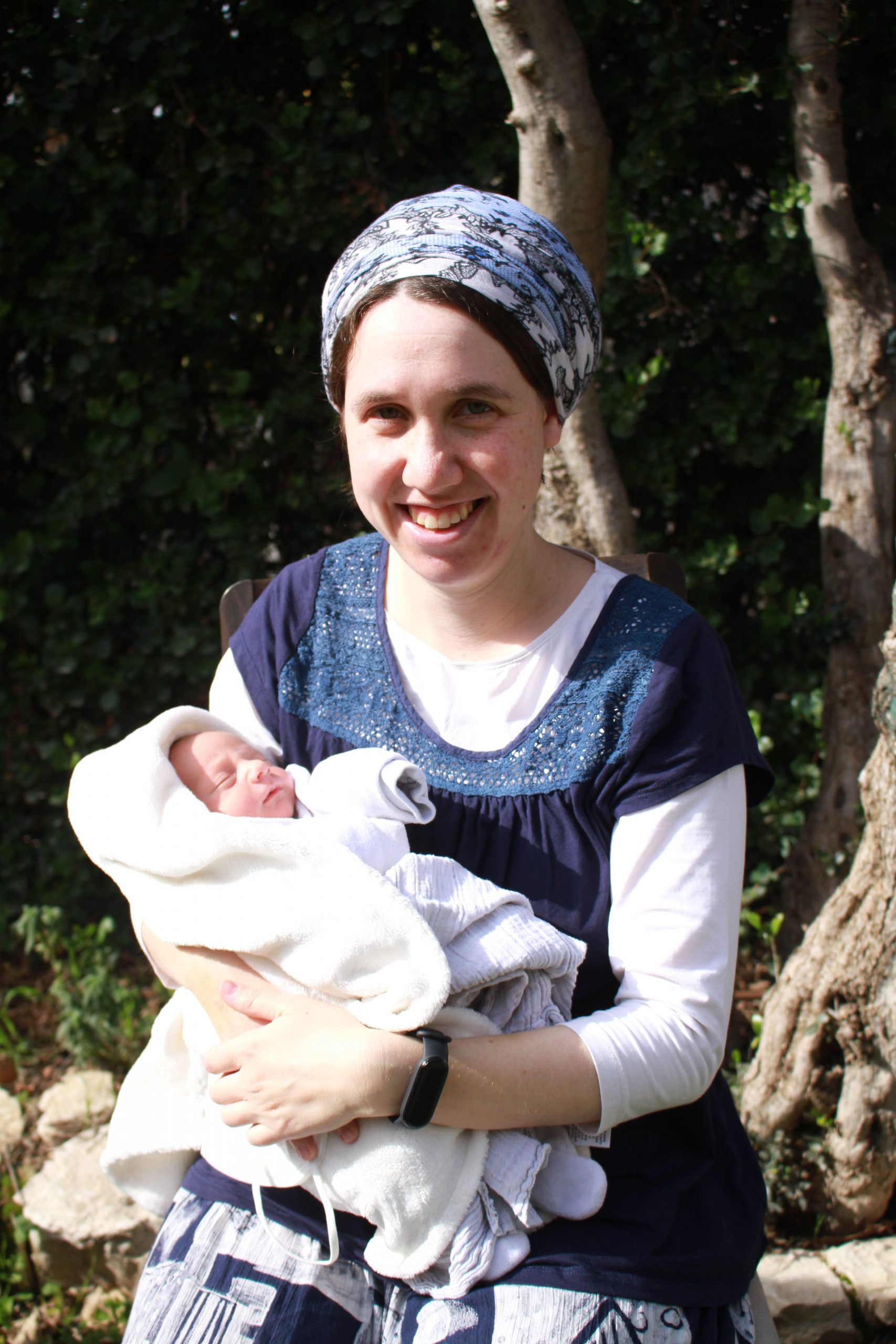
כמו שרואים בתמונה אני ממשיכה ללמוד גם היום ואפילו במחלקת יולדות אחרי לידת ביתי השלישית.

Noa Shiloh
נועה שילה

רבבה, ישראל

התחלתי ללמוד דף יומי אחרי שחזרתי בתשובה ולמדתי במדרשה במגדל עוז. הלימוד טוב ומספק חומר למחשבה על נושאים הלכתיים ”קטנים” ועד לערכים גדולים ביהדות. חשוב לי להכיר את הגמרא לעומק. והצעד הקטן היום הוא ללמוד אותה בבקיאות, בעזרת השם, ומי יודע אולי גם אגיע לעיון בנושאים מעניינים. נושאים בגמרא מתחברים לחגים, לתפילה, ליחסים שבין אדם לחברו ולמקום ולשאר הדברים שמלווים באורח חיים דתי 🙂

Gaia Divo
גאיה דיבו

מצפה יריחו, ישראל

התחלתי לפני 8 שנים במדרשה. לאחרונה סיימתי מסכת תענית בלמידה עצמית ועכשיו לקראת סיום מסכת מגילה.

Daniela Baruchim
דניאלה ברוכים

רעננה, ישראל

"
גם אני התחלתי בסבב הנוכחי וב””ה הצלחתי לסיים את רוב המסכתות . בזכות הרבנית מישל משתדלת לפתוח את היום בשיעור הזום בשעה 6:20 .הלימוד הפך להיות חלק משמעותי בחיי ויש ימים בהם אני מצליחה לחזור על הדף עם מלמדים נוספים ששיעוריהם נמצאים במרשתת. שמחה להיות חלק מקהילת לומדות ברחבי העולם. ובמיוחד לשמש דוגמה לנכדותיי שאי””ה יגדלו לדור שלימוד תורה לנשים יהיה משהו שבשגרה. "

Ronit Shavit
רונית שביט

נתניה, ישראל

רציתי לקבל ידע בתחום שהרגשתי שהוא גדול וחשוב אך נעלם ממני. הלימוד מעניק אתגר וסיפוק ומעמיק את תחושת השייכות שלי לתורה וליהדות

Ruth Agiv
רות עגיב

עלי זהב – לשם, ישראל

אמא שלי למדה איתי ש”ס משנה, והתחילה ללמוד דף יומי. אני החלטתי שאני רוצה ללמוד גם. בהתחלה למדתי איתה, אח”כ הצטרפתי ללימוד דף יומי שהרב דני וינט מעביר לנוער בנים בעתניאל. במסכת עירובין עוד חברה הצטרפה אלי וכשהתחלנו פסחים הרב דני פתח לנו שעור דף יומי לבנות. מאז אנחנו לומדות איתו קבוע כל יום את הדף היומי (ובשבת אבא שלי מחליף אותו). אני נהנית מהלימוד, הוא מאתגר ומעניין

Renana Hellman
רננה הלמן

עתניאל, ישראל

אחרי שראיתי את הסיום הנשי של הדף היומי בבנייני האומה זה ריגש אותי ועורר בי את הרצון להצטרף. לא למדתי גמרא קודם לכן בכלל, אז הכל היה לי חדש, ולכן אני לומדת בעיקר מהשיעורים פה בהדרן, בשוטנשטיין או בחוברות ושיננתם.

Rebecca Schloss
רבקה שלוס

בית שמש, ישראל

התחלתי ללמוד בעידוד שתי חברות אתן למדתי בעבר את הפרק היומי במסגרת 929.
בבית מתלהבים מאוד ובשבת אני לומדת את הדף עם בעלי שזה מפתיע ומשמח מאוד! לימוד הדף הוא חלק בלתי נפרד מהיום שלי. לומדת בצהריים ומחכה לזמן הזה מידי יום…

Miriam Wengerover
מרים ונגרובר

אפרת, ישראל

הצטרפתי ללומדות בתחילת מסכת תענית. ההתרגשות שלי ושל המשפחה היתה גדולה מאוד, והיא הולכת וגוברת עם כל סיום שאני זוכה לו. במשך שנים רבות רציתי להצטרף ומשום מה זה לא קרה… ב”ה מצאתי לפני מספר חודשים פרסום של הדרן, ומיד הצטרפתי והתאהבתי. הדף היומי שינה את חיי ממש והפך כל יום- ליום של תורה. מודה לכן מקרב ליבי ומאחלת לכולנו לימוד פורה מתוך אהבת התורה ולומדיה.

Noa Rosen
נעה רוזן

חיספין רמת הגולן, ישראל

A friend in the SF Bay Area said in Dec 2019 that she might start listening on her morning drive to work. I mentioned to my husband and we decided to try the Daf when it began in Jan 2020 as part of our preparing to make Aliyah in the summer.

Hana Piotrkovsky
חנה פיוטרקובסקי

ירושלים, Israel

בסוף הסבב הקודם ראיתי את השמחה הגדולה שבסיום הלימוד, בעלי סיים כבר בפעם השלישית וכמובן הסיום הנשי בבנייני האומה וחשבתי שאולי זו הזדמנות עבורי למשהו חדש.
למרות שאני שונה בסביבה שלי, מי ששומע על הלימוד שלי מפרגן מאוד.
אני מנסה ללמוד קצת בכל יום, גם אם לא את כל הדף ובסך הכל אני בדרך כלל עומדת בקצב.
הלימוד מעניק המון משמעות ליום יום ועושה סדר בלמוד תורה, שתמיד היה (ועדיין) שאיפה. אבל אין כמו קביעות

Racheli-Mendelson
רחלי מנדלסון

טל מנשה, ישראל

התחלתי ללמוד דף יומי לפני שנתיים, עם מסכת שבת. בהתחלה ההתמדה היתה קשה אבל בזכות הקורונה והסגרים הצלחתי להדביק את הפערים בשבתות הארוכות, לסיים את מסכת שבת ולהמשיך עם המסכתות הבאות. עכשיו אני מסיימת בהתרגשות רבה את מסכת חגיגה וסדר מועד ומחכה לסדר הבא!

Ilana-Shachnowitz
אילנה שכנוביץ

מודיעין, ישראל

התחלתי בתחילת הסבב, והתמכרתי. זה נותן משמעות נוספת ליומיום ומאוד מחזק לתת לזה מקום בתוך כל שגרת הבית-עבודה השוטפת.

Reut Abrahami
רעות אברהמי

בית שמש, ישראל

התחלתי להשתתף בשיעור נשים פעם בשבוע, תכננתי ללמוד רק דפים בודדים, לא האמנתי שאצליח יותר מכך.
לאט לאט נשאבתי פנימה לעולם הלימוד .משתדלת ללמוד כל בוקר ומתחילה את היום בתחושה של מלאות ומתוך התכווננות נכונה יותר.
הלימוד של הדף היומי ממלא אותי בתחושה של חיבור עמוק לעם היהודי ולכל הלומדים בעבר ובהווה.

Neely Hayon
נילי חיון

אפרת, ישראל

אחי, שלומד דף יומי ממסכת ברכות, חיפש חברותא ללימוד מסכת ראש השנה והציע לי. החברותא היתה מאתגרת טכנית ורוב הזמן נעשתה דרך הטלפון, כך שבסיום המסכת נפרדו דרכינו. אחי חזר ללמוד לבד, אבל אני כבר נכבשתי בקסם הגמרא ושכנעתי את האיש שלי להצטרף אלי למסכת ביצה. מאז המשכנו הלאה, ועכשיו אנחנו מתרגשים לקראתו של סדר נשים!

Shulamit Saban
שולמית סבן

נוקדים, ישראל

בבא מציעא ע

וְנָהֲגוּ בְּנֵי כוּפְרָא אַגְרָא בִּשְׁעַת מְשִׁיכָה, פַּגְרָא בִּשְׁעַת שְׁבִירָה. אַטּוּ בְּמִנְהָגָא תַּלְיָא מִילְּתָא? מִשּׁוּם דְּמַתְנִיתָא תַּנְיָא – מִנְהָגָא.

And the men of pitch [benei kufera], i.e., sailors, are accustomed to paying rent at the time of pulling and paying for damage at the time of breakage. The Gemara asks: Is that to say that this matter depends on custom? Is there no halakha with regard to this issue? The Gemara answers: Because the baraita taught this, it is an acceptable custom and therefore permitted.

אָמַר רַב עָנָן אָמַר שְׁמוּאֵל: מָעוֹת שֶׁל יְתוֹמִים מוּתָּר לְהַלְווֹתָן בְּרִבִּית. אֲמַר לֵיהּ רַב נַחְמָן: מִשּׁוּם דְּיַתְמֵי נִינְהוּ (סָפֵינָא) [סָפֵינַן] לְהוּ אִיסּוּרָא?! יַתְמֵי דְּאָכְלִי דְּלָאו דִּידְהוּ לֵיזְלוּ בָּתַר שָׁבְקַיְיהוּ! אֲמַר לֵיהּ: אֵימָא לִי אִיזִי גּוּפָא דְעוֹבָדָא הֵיכִי הֲוָה?

§ Rav Anan says that Shmuel says: It is permitted to lend with interest money belonging to orphans. Since the orphans are minors and exempt from mitzvot, the prohibition against taking interest does not apply to them. Rav Naḥman said to him: Because they are orphans we may feed them prohibited items? In harsher language, he added: Orphans that consume that which is not theirs will follow their deceased parent to the graveyard. It cannot be that this was Shmuel’s intention. Therefore, Rav Naḥman said to Rav Anan: Say to me now, what was the actual incident? What exactly did you hear Shmuel say?

אֲמַר לֵיהּ: הָהוּא דּוּדָא דִּבְנֵי מָר עוּקְבָא דַּהֲוָה בֵּי מָר שְׁמוּאֵל, תָּקֵיל וְיָהֵיב לֵיהּ, תָּקֵיל וְשָׁקֵיל לֵיהּ. שָׁקֵיל אַגְרָא וְשָׁקֵיל פַּחֲתָא. אִי אַגְרָא – לָא פַּחֲתָא, וְאִי פַּחֲתָא – לָא אַגְרָא.

Rav Anan said to him: There was a certain kettle that belonged to the children of Mar Ukva, who were minor orphans, and this kettle was in the house of Mar Shmuel, who would rent it out on behalf of the orphans. Mar Shmuel would weigh it and then give it out, and when the renter returned it Mar Shmuel would weigh it and take it back, and he would take a rental fee for use of the kettle and would also take payment for depreciation of the kettle due to the reduction in the weight of the metal. In general, the halakha is that if he takes a rental fee, he should not take payment for depreciation, and if he takes payment for depreciation, this means the kettle was a loan, and therefore he should not take a rental fee, as by taking both, it is interest. Nevertheless, Mar Shmuel did so with the kettle belonging to Mar Ukva’s children, which means he rendered it permitted for the orphans to take interest.

אֲמַר לֵיהּ: כִּי הָא – אֲפִילּוּ בְּדִקְנָנֵי נָמֵי שְׁרֵי לְמִיעְבַּד, דְּהָא מְקַבְּלִי עֲלַיְיהוּ חוּסְכָא דִנְחָשָׁא, דְּכַמָּה דְּמִקְּלֵי נְחָשָׁא בְּצִיר דְּמֵיהּ.

Rav Naḥman said to him: There is no proof from a case like this, as even for bearded ones, i.e., adults, it is permitted to act in this manner, as the owners accept upon themselves the depreciation of the copper, as the more the copper is burned, the more the value of the pot is diminished. Since this is so, the renters pay for the visible depreciation as measured by the reduction in the weight of the vessel, and therefore this arrangement is certainly permitted.

אָמַר רַבָּה בַּר שֵׁילָא אָמַר רַב חִסְדָּא, וְאָמְרִי לַהּ, אָמַר רַבָּה בַּר יוֹסֵף בַּר חָמָא אָמַר רַב שֵׁשֶׁת: מָעוֹת שֶׁל יְתוֹמִים מוּתָּר לְהַלְווֹתָן קָרוֹב לְשָׂכָר וְרָחוֹק לְהֶפְסֵד.

Rabba bar Sheila says that Rav Ḥisda says, and some say that Rabba bar Yosef bar Ḥama says that Rav Sheshet says: It is permitted to lend the money of orphans to be invested in a business venture that is close to profit and far from loss. Since this is only a hint of interest (see 64b), the relevant prohibition is a matter of rabbinic law, and the Sages rendered it permitted in the case of minor orphans, in order that their inheritance be preserved for them.

תָּנוּ רַבָּנַן: קָרוֹב לְשָׂכָר וְרָחוֹק לְהֶפְסֵד – רָשָׁע. קָרוֹב לְהֶפְסֵד וְרָחוֹק לְשָׂכָר – חָסִיד. קָרוֹב לָזֶה וְלָזֶה, רָחוֹק מִזֶּה וּמִזֶּה – זוֹ הִיא מִדַּת כׇּל אָדָם.

The Sages taught: If there is a joint venture in which the conditions for the investor are close to profit and far from loss, then the investor is a wicked person, as this is similar to a loan with interest. If the conditions for the investor are close to loss and far from profit, then he is a pious person, as he accepts additional restrictions upon himself in order to be absolutely sure he is not taking interest. If it is close to this and to that or far from this and from that, this is the quality of every person who acts in accordance with halakha.

אֲמַר לֵיהּ רַבָּה לְרַב יוֹסֵף: הָנֵי זוּזֵי דְיַתְמֵי הֵיכִי עָבְדִינַן לְהוּ? אֲמַר לֵיהּ: מוֹתְבִינַן לְהוּ בֵּי דִינָא וְיָהֲבִינַן לְהוּ זוּזָא זוּזָא. אֲמַר לֵיהּ: וְהָא קָא כָלְיָא קַרְנָא.

Rabba said to Rav Yosef: When we are entrusted with this money belonging to orphans, what do we do with it? What is the halakhically appropriate way to manage these funds on behalf of the orphans so that they do not squander or lose their inheritance? Rav Yosef said to him: We set up a special court that holds the money for them, and we instruct the court to give it to them dinar by dinar, according to their needs. Rabba said to him: But if the estate is managed in that manner, the principal, meaning the estate itself, will be depleted, and therefore the court will not be acting as suitable guardians for the orphans, as they will not be properly administering their estate.

אֲמַר לֵיהּ מָר: הֵיכִי עָבֵיד? אֲמַר לֵיהּ: בָּדְקִינַן גַּבְרָא דְּאִית לֵיהּ דַּהֲבָא פְּרִיכָא, וְנָקְטִינַן דַּהֲבָא מִינֵּיהּ, וְיָהֲבִינַן לְהוּ נִיהֲלֵיהּ קָרוֹב לְשָׂכָר וְרָחוֹק לְהֶפְסֵד. אֲבָל דָּבָר מְסוּיָּם – לָא, דִּלְמָא פִּקָּדוֹן נִינְהוּ, וְאָתֵי מָרֵיהּ יָהֵיב סִימָנִין וְשָׁקֵיל לֵיהּ.

Rav Yosef said to him: What does the Master do in such a case? Rabba said to him: We look for a man who has scraps of gold, and we purchase the gold from him and then we give it back to him in a joint business venture with terms that are close to profit and far from loss. The Gemara explains what Rabba says: We specifically buy scraps of gold, but we do not buy a specific item, meaning a finished gold item, as perhaps it is a deposit in the possession of the one holding it and the owner will come and provide distinguishing marks and take it, and then the orphans will suffer a loss.

אָמַר רַב אָשֵׁי: תִּינַח אִי מִשְׁתְּכַח גַּבְרָא דְּאִית לֵיהּ דַּהֲבָא פְּרִיכָא, אִי לָא מִשְׁתְּכַח גַּבְרָא דְּאִית לֵיהּ דַּהֲבָא פְּרִיכָא נֵיכְלוּ זוּזֵי דְיַתְמֵי? אֶלָּא אָמַר רַב אָשֵׁי: חָזֵינַן גַּבְרָא דִּמְשַׁפּוּ נִכְסֵיהּ, וּמְהֵימַן, וְשָׁמַע דִּינָא דְאוֹרָיְיתָא וְלָא מְקַבֵּל שַׁמְתָּא דְרַבָּנַן, וְיָהֲבִינַן לְהוּ נִיהֲלֵיהּ בְּבֵי דִינָא.

Rav Ashi said: This works out well if a man is found who has scraps of gold. But if no man is found who has scraps of gold, shall the money of the orphans be depleted? There is a possibility that the extra precaution taken to avoid the appearance of interest may lead to a loss for the orphans. Rather, Rav Ashi said: We look for a man whose properties are quiet, meaning that there is no claim disputing his ownership of them, and who is a trustworthy individual who listens to and obeys the laws of the Torah and is not subject to excommunication by the Sages, meaning that he is known as one who obeys the court’s instructions willingly without having to be coerced, and we give him this money in court as a joint business venture with terms that are close to profit and far from loss, and in this way the orphans’ money can be invested in a safe and profitable manner.

מַתְנִי׳ אֵין מְקַבְּלִין צֹאן בַּרְזֶל מִיִּשְׂרָאֵל – מִפְּנֵי שֶׁהוּא רִבִּית. אֲבָל מְקַבְּלִין צֹאן בַּרְזֶל מִן הַגּוֹיִם,

MISHNA: One may not accept from a Jew sheep to raise or other items to care for as a guaranteed investment, in which the terms of the transaction dictate that the one accepting the item takes upon himself complete responsibility to repay its value in the event of depreciation or loss, but receives only part of the profit. This is because it is a loan, as the principal is fixed and always returned to the owner, and any additional sum the owner receives is interest. But one may accept a guaranteed investment from gentiles, as there is no prohibition of interest in transactions with them.

וְלֹוִין מֵהֶן וּמַלְוִין אוֹתָן בְּרִבִּית. וְכֵן בְּגֵר תּוֹשָׁב. מַלְוֶה יִשְׂרָאֵל מְעוֹתָיו שֶׁל נׇכְרִי – מִדַּעַת הַנׇּכְרִי, אֲבָל לֹא מִדַּעַת יִשְׂרָאֵל.

And one may borrow money from them and one may lend money to them with interest. And similarly, with regard to a gentile who resides in Eretz Yisrael and observes the seven Noahide mitzvot [ger toshav], one may borrow money from him with interest and lend money to him with interest, since he is not a Jew. Also, a Jew may serve as a middleman and lend a gentile’s money to another Jew with the knowledge of the gentile, but not with the knowledge of a Jew, i.e., the middleman himself, as the Gemara will explain.

גְּמָ׳ לְמֵימְרָא דְּבִרְשׁוּתָא דִּמְקַבֵּל קָיְימָא? וּרְמִינְהוּ: הַמְקַבֵּל צֹאן בַּרְזֶל מִן הַגּוֹיִם – וְלָדוֹת פְּטוּרִין מִן הַבְּכוֹרָה!

GEMARA: With regard to the ruling that a guaranteed investment is considered a loan with interest, the Gemara asks: Is this to say that the guaranteed investment stands in the possession of the recipient, i.e., the recipient is viewed as its owner? And the Gemara raises a contradiction from a mishna (Bekhorot 16a): In the case of one who accepts from gentiles an animal as a guaranteed investment, the offspring are exempt from the halakhot of a firstborn. This exemption apparently proves that the sheep still legally belong to the gentile owner.

אָמַר אַבָּיֵי, לָא קַשְׁיָא: הָא דִּמְקַבֵּל עֲלֵיהּ אוּנְסָא וְזוֹלָא, הָא דְּלָא קַבֵּיל עֲלֵיהּ אוּנְסָא וְזוֹלָא.

Abaye said: This is not difficult. That case, referring to the mishna in Bekhorot, is where the gentile owner of the sheep accepts upon himself the responsibility for losses due to an accident or depreciation in the market value, and that is why the sheep are considered to still belong to him. And this case, referring to the mishna here, is where the owner did not accept upon himself responsibility for losses due to an accident or depreciation. Therefore, the guaranteed investment stands in the possession of the recipient.

אֲמַר לֵיהּ רָבָא: אִי דְּקַבֵּיל עֲלֵיהּ מָרַהּ אוּנְסָא וְזוֹלָא – צֹאן בַּרְזֶל קָרֵית לֵיהּ?

Rava said to Abaye: If the owner accepted upon himself responsibility for losses due to an accident or depreciation, can you call it a guaranteed investment? This case is not a guaranteed investment, as the owner is not guaranteed to receive what he had given, but rather it is a type of joint business venture that is permitted between two Jews.

וְעוֹד אַדְּתָנֵי סֵיפָא: אֲבָל מְקַבְּלִין צֹאן בַּרְזֶל מִן הַגּוֹיִם לִיפְלוֹג בְּדִידֵיהּ: בַּמֶּה דְּבָרִים אֲמוּרִים – דְּלָא קַבֵּיל עֲלֵיהּ אוּנְסָא וְזוֹלָא, אֲבָל קַבֵּיל מָרַהּ אוּנְסָא וְזוֹלָא – שַׁפִּיר דָּמֵי!

Rava continues: And furthermore, even if one will grant that this arrangement can be called a guaranteed investment, there is another difficulty. Instead of the tanna teaching in the latter clause of the mishna: But one may accept a guaranteed investment from gentiles, let the tanna distinguish within the case itself, that of accepting a guaranteed investment from a Jew. He should have taught: In what case is this statement, i.e., that one may not accept from a Jew sheep to raise or other items to care for as a guaranteed investment, said? It is said in a case when the owner did not accept upon himself responsibility for losses due to an accident or depreciation, but if the owner accepted upon himself responsibility for losses due to an accident or depreciation, one may well enter into such an arrangement.

אֶלָּא אָמַר רָבָא: אִידֵּי וְאִידֵּי דְּלָא קַבֵּיל עֲלֵיהּ מָרַהּ אוּנְסָא וְזוֹלָא, וְגַבֵּי בְּכוֹרוֹת הַיְינוּ טַעַם דִּוְלָדוֹת פְּטוּרִין מִן הַבְּכוֹרָה: כֵּיוָן דְּאִי לָא יָהֵיב זוּזֵי, אָתֵי גּוֹי תָּפֵיס לַהּ לִבְהֵמָה. וְאִי לָא מַשְׁכַּח לַהּ לִבְהֵמָה, תָּפֵיס לְהוּ לִוְלָדוֹת, וְהָוֵי לַיהּ יַד גּוֹי בָּאֶמְצַע.

Rather, Rava rejected this explanation and said: Both this case in the mishna here and that case with regard to the firstborn animal are discussing a situation where the owner did not accept upon himself responsibility for losses due to an accident or depreciation. And with regard to the firstborn, this is the reason that the offspring are exempt from the halakhot of a firstborn: Since, if for some reason the recipient does not give the money due to the gentile, the gentile will come and seize the animal, and if he does not find the animal he will seize the offspring; this means that the hand of a gentile is in the middle, i.e., the gentile has some degree of ownership of the bodies of the offspring.

וְכׇל יָד גּוֹי בָּאֶמְצַע – פָּטוּר מִן הַבְּכוֹרָה.

And there is a halakha: In every case where the hand of a gentile is in the middle, the animal is exempt from the halakhot of a firstborn. By contrast, in the case of the mishna concerning the halakhot of interest, the animal is entirely in the possession of the recipient.

״מַרְבֶּה הוֹנוֹ בְּנֶשֶׁךְ וְתַרְבִּית לְחוֹנֵן דַּלִּים יִקְבְּצֶנּוּ״. מַאי לְחוֹנֵן דַּלִּים? אָמַר רַב: כְּגוֹן שַׁבּוּר מַלְכָּא.

§ Apropos the discussion concerning the halakhot of interest, the Gemara cites several aggadic statements on the subject. The verse states: “He who augments his substance by interest [beneshekh] and increase [vetarbit] gathers it for him who has pity on the poor” (Proverbs 28:8). The Gemara asks: What is the meaning of the phrase “him who has pity on the poor”? How does this money ultimately reach someone who has pity on the poor? Rav said: This is referring to one such as King Shapur, for ultimately the money will reach the king, who provides for the poor from the possessions of the one who lends with interest.

אָמַר רַב נַחְמָן, אָמַר לִי הוּנָא: לֹא נִצְרְכָה אֶלָּא דַּאֲפִילּוּ רִבִּית דְּגוֹי. אֵיתִיבֵיהּ רָבָא לְרַב נַחְמָן: ״לַנׇּכְרִי תַשִּׁיךְ״, מַאי תַשִּׁיךְ – לָאו תִּשּׁוֹךְ? לָא, תַּשִּׁיךְ.

Rav Naḥman said: Rav Huna said to me that this verse is necessary only to state that even interest that a Jew took from a gentile will ultimately reach the government treasury, and the one who took it will not be successful. Rava raised an objection to the statement of Rav Naḥman: The verse states: “Unto a gentile tashikh (Deuteronomy 23:21), which indicates that it is permitted for a Jew to take interest from a gentile, as what is the meaning of tashikh”? Doesn’t it mean the same as tishokh, take interest, thereby teaching that one may take interest from a gentile? The Gemara refutes this claim: No, it means to pay interest, meaning that you must pay him interest.

לָא סַגִּי דְּלָאו הָכִי? לְאַפּוֹקֵי אָחִיךָ דְּלָא.

The Gemara asks: Is it not sufficient without this? In other words, can the verse actually require Jews to borrow money from a gentile and to pay him interest? This cannot be. The Gemara answers: It does not mean that borrowing money with interest is a mitzva; rather, the verse mentions paying interest to a gentile in order to exclude your brother, to teach that although one may pay interest to a gentile, one may not pay interest to a Jew.

אָחִיךָ בְּהֶדְיָא כְּתִב בֵּיהּ: ״וּלְאָחִיךְ לֹא תַשִּׁיךְ״! לַעֲבוֹר עָלָיו בַּעֲשֵׂה וְלֹא תַעֲשֶׂה.

The Gemara challenges this explanation of the verse: The prohibition against paying interest to your brother is written explicitly in the continuation of that same verse in Deuteronomy: “Unto your brother you shall not lend with interest.” Consequently, there is no need to learn this halakha from an inference. The Gemara responds: It is necessary in order to teach that if one pays interest to a Jew he violates both the positive mitzva to pay interest to a gentile but not to a Jew, and the prohibition against paying interest to a Jew.

אֵיתִיבֵיהּ: לֹוִין מֵהֶן וּמַלְוִין אוֹתָם בְּרִבִּית, וְכֵן בְּגֵר תּוֹשָׁב! אָמַר רַב חִיָּיא בְּרֵיהּ דְּרַב הוּנָא: לֹא נִצְרְכָה אֶלָּא

Rava raised an objection to the statement of Rav Naḥman based on another difficulty in the mishna, which teaches: One may borrow money from them and one may lend money to them with interest. And similarly, with regard to a ger toshav, one may borrow money from him and lend money to him with interest, since he is not a Jew. The mishna indicates that a Jew may lend money with interest to a gentile ab initio. Rav Ḥiyya, son of Rav Huna, said: This ruling of the mishna is necessary only

רוצה לעקוב אחרי התכנים ולהמשיך ללמוד?

ביצירת חשבון עוד היום ניתן לעקוב אחרי ההתקדמות שלך, לסמן מה למדת, ולעקוב אחרי השיעורים שמעניינים אותך.

לנקות את כל הפריטים מהרשימה?

פעולה זו תסיר את כל הפריטים בחלק זה כולל ההתקדמות וההיסטוריה. שימי לב: לא ניתן לשחזר פעולה זו.

ביטול
מחיקה

האם את/ה בטוח/ה שברצונך למחוק פריט זה?

תאבד/י את כל ההתקדמות או ההיסטוריה הקשורות לפריט זה.

ביטול
מחיקה