







אם עובד הועסק לעבודה, כמו להשקות שדה, אבל הנסיבות השתנו, כגון שירד גשם, שהופכת את העבודה למיותרת, על מי מוטלת האחריות, ומה משפיע על כך? לרבי דוסא ולחכמים היו דעות שונות אם עובד שחזר בו באמצע העבודה צריך לקבל תשלום מלא על העבודה שכבר בוצעה, או אם העובד צריך לפצות את המעביד אם המעביד עכשיו נאלץ לשלם יותר כדי להשלים את העבודה הנותרת. רב תואם את עמדתו של רבי דוסא, אף זה סותר אמירה אחרת שיוחסה לו. הגמרא מציעה פתרון לסתירה זו אבל מזהה שתי קושיות עם הפתרון המוצע, ששניהם מיושבים. בתוך דיון זה, מצטטים ברייתא בנוגע למוכר או קונה שחוזרים בהם לאחר שהקונה שילם תשלום חלקי. חלקים שונים של ברייתא זו מוסברים ומופרשים יותר לעומק.
הלימוד השבוע מוקדש לזכות ולשלום הַיְימׇנוֹט אֱמוּנָה בַּת באנצ’י (קָסָאוּ) בת 11 שנעלמה במקום מגוריה בצפת, לפני שנתיים, ביום ט”ז אדר תשפ”ד (25.2.24), ולא נודעו עקבותיה.
הלימוד השבוע מוקדש למען ביטחון המדינה, החיילים והאזרחים, ולמען חירותו של העם האיראני. שנזכה בקרוב שיתקיים בנו הפסוק: "לַיְּהוּדִים הָיְתָה אוֹרָה וְשִׂמְחָה וְשָׂשֹׂן וִיקָר”.
הלימוד השבוע מוקדש לזכות וְלִשְׁלוֹם הָיימָנוֹט אֱמוּנָה בַּת באנצ’י (קָסָאוּ), בת 11 שנעלמה במקום מגוריה בצפת, לפני שנתיים, ביום ט”ז אדר תשפ״ד (25.2.24), ולא נודעו עקבותיה. אנו מתפללים שֶׁתִּמָּצֵא וְתוּשַׁב לביתה במהרה!
רוצה להקדיש שיעור?
כלים
הלימוד השבוע מוקדש לזכות ולשלום הַיְימׇנוֹט אֱמוּנָה בַּת באנצ’י (קָסָאוּ) בת 11 שנעלמה במקום מגוריה בצפת, לפני שנתיים, ביום ט”ז אדר תשפ”ד (25.2.24), ולא נודעו עקבותיה.
הלימוד השבוע מוקדש למען ביטחון המדינה, החיילים והאזרחים, ולמען חירותו של העם האיראני. שנזכה בקרוב שיתקיים בנו הפסוק: "לַיְּהוּדִים הָיְתָה אוֹרָה וְשִׂמְחָה וְשָׂשֹׂן וִיקָר”.
הלימוד השבוע מוקדש לזכות וְלִשְׁלוֹם הָיימָנוֹט אֱמוּנָה בַּת באנצ’י (קָסָאוּ), בת 11 שנעלמה במקום מגוריה בצפת, לפני שנתיים, ביום ט”ז אדר תשפ״ד (25.2.24), ולא נודעו עקבותיה. אנו מתפללים שֶׁתִּמָּצֵא וְתוּשַׁב לביתה במהרה!
בבא מציעא עז
פְּסֵידָא דְפוֹעֲלִים, לָא סַיְּירַהּ לְאַרְעֵיהּ מֵאוּרְתָּא – פְּסֵידָא דְּבַעַל הַבַּיִת וְיָהֵיב לְהוּ כְּפוֹעֵל בָּטֵל.
this is the laborers’ loss, as it is a consequence of their misfortune. But if he did not survey his land the night before, it is the employer’s loss, and he gives them the wages of an idle laborer.
וְאָמַר רָבָא: הַאי מַאן דְּאוֹגַיר אֲגִירֵי לְדַוְולָא, וַאֲתָא מִטְרָא – פְּסֵידָא דְפוֹעֲלִים. אֲתָא נַהֲרָא – פְּסֵידָא דְּבַעַל הַבַּיִת, וְיָהֵיב לְהוּ כְּפוֹעֵל בָּטֵל.
And Rava further said: With regard to this one who hires laborers to draw water from a river or a trench to irrigate his field, and rain fell, so that he no longer needs laborers, this is the laborers’ loss. The employer does not need to pay them, as he could not have known ahead of time that this would happen. But if the river comes up and irrigates the field, this is the employer’s loss, as he should have taken this possibility into consideration. And therefore he gives them the wages of an idle laborer.
וְאָמַר רָבָא: הַאי מַאן דְּאוֹגַיר אֲגִירֵי לְדַוְולָא, וּפְסַק נַהֲרָא בְּפַלְגָא דְיוֹמָא, אִי לָא עֲבִיד דְּפָסֵיק – פְּסֵידָא דְפוֹעֲלִים. עֲבִיד דְּפָסֵיק – אִי בְּנֵי מָתָא, פְּסֵידָא דְפוֹעֲלִים. לָאו בְּנֵי מָתָא – פְּסֵידָא דְּבַעַל הַבַּיִת.
And Rava says: With regard to this one who hires laborers to draw water from a river or a trench to irrigate his field, and the flow of the part of the river used to irrigate the field stopped midday, the halakha depends on the circumstance. If it is not prone to stopping, this is the laborers’ loss, a consequence of their misfortune. If it is prone to stopping, then one acts in accordance with this consideration: If the workers are residents of that city and know that this might happen, it is the laborers’ loss; if the laborers are not residents of that city and are not aware that this is a likely occurrence, it is the employer’s loss.
וְאָמַר רָבָא: הַאי מַאן דַּאֲגַר אֲגִירֵי לַעֲבִידְתָּא, וּשְׁלִים עֲבִידְתָּא בְּפַלְגָא דְיוֹמָא, אִי אִית לֵיהּ עֲבִידְתָּא דְּנִיחָא מִינַּהּ – יָהֵיב לְהוּ, אִי נָמֵי דִּכְוָתַהּ – מְפַקֵּד לְהוּ, (דקשה) [דְּקַשְׁיָא] מִינַּהּ – לָא מְפַקֵּד לְהוּ, וְנוֹתֵן לָהֶם שְׂכָרָן מִשָּׁלֵם.
And Rava says: With regard to this one who hires laborers to perform a specific task and the task is completed by midday, if he has another task that is easier than the first one, he may give it to them. Alternatively, if he has other work that is similar to the first one in difficulty, he may assign it to them. But if he has other work that is more difficult than it, he may not assign it to them, and he gives them their full wages.
אַמַּאי? וְלִיתֵּיב לְהוּ כְּפוֹעֵל בָּטֵל! כִּי קָאָמַר רָבָא, בְּאַכְלוֹשֵׁי דְמָחוֹזָא, דְּאִי לָא עָבְדִי – חָלְשִׁי.
The Gemara asks: Why must he pay them their full wages? Let him pay them for the additional time at most as an idle laborer. The Gemara answers: When Rava said his ruling in this case, he was referring to workers [be’akhlushei] of Meḥoza, who become weak if they do not work. These laborers were accustomed to steady, strenuous work, and therefore sitting idle was difficult, not enjoyable, for them.
אָמַר מָר: שָׁמִין לָהֶם אֶת מַה שֶּׁעָשׂוּ, כֵּיצַד? הָיָה יָפֶה שִׁשָּׁה דִּינָרִים – נוֹתֵן לָהֶם סֶלַע. קָא סָבְרִי רַבָּנַן: יַד פּוֹעֵל עַל הָעֶלְיוֹנָה.
§ The Master said in the baraita: The court appraises for them that which they have done. How so? If the current wage for the part of the task they have done was now worth six dinars, a sela and a half, as the price for this assignment increased, there are two possibilities: One is that he gives them a sela, as originally agreed upon, since they do not forfeit their stipulated wages. The Gemara explains: The Rabbis hold that the laborer is at an advantage, and therefore even if the laborer reneges on the assignment, he does not lose everything.
אוֹ יִגְמְרוּ מְלַאכְתָּן וְיִטְּלוּ שְׁנֵי סְלָעִים. פְּשִׁיטָא! לָא צְרִיכָא: דְּאִיַּיקַּר עֲבִידְתָּא וְאִימְּרוּ פּוֹעֲלִים וַאֲזַל בַּעַל הַבַּיִת וּפַיְּיסִינְהוּ. מַהוּ דְּתֵימָא, מָצוּ אָמְרִי לֵיהּ: כִּי מְפַיְּיסִינַן – אַדַּעְתָּא דְּטָפֵית לַן אַאַגְרָא, קָא מַשְׁמַע לַן דְּאָמַר לְהוּ: אַדַּעְתָּא דְּטָרַחְנָא לְכוּ בַּאֲכִילָה וּשְׁתִיָּה.
The baraita states the second possibility: Or they finish their work and take two sela. The Gemara asks: Isn’t it obvious that this is the case? That is the sum they agreed on at the outset. The Gemara responds: No, it is necessary to state this halakha in a case where the price of labor increased during the day and the laborers rebelled and did not want to work anymore, and the employer went and appeased them and they agreed to finish their task. Lest you say that they can say to him: When we were appeased, it was with the intent that you would increase our wage, the baraita teaches us that the employer can say to them: I appeased you with the intent that I would trouble myself for you by providing you with superior food and drink, not that I would increase your wages.
סֶלַע נוֹתֵן לָהֶם סֶלַע. פְּשִׁיטָא! לָא צְרִיכָא – דְּזַל עֲבִידְתָּא מֵעִיקָּרָא, וְאַגְרִינְהוּ בִּטְפֵי זוּזָא, וּלְסוֹף אִיַּיקַּר עֲבִידְתָּא וְקָם בִּטְפֵי זוּזָא.
The baraita further teaches that if they performed work worth a sela, he gives them a sela. The Gemara asks: Isn’t that obvious? The Gemara explains: No, it is necessary in a case where the price of labor was inexpensive at the outset and he hired them for one dinar more than accepted, and ultimately the price of labor increased and the going wage now stands at that rate of one more dinar.
מַהוּ דְּתֵימָא אָמְרִי לֵיהּ: טְפֵי זוּזָא אֲמַרְתְּ לַן – טְפֵי זוּזָא הַב לַן, קָא מַשְׁמַע לַן דַּאֲמַר לְהוּ, כִּי אֲמַרִי לְכוּ טְפֵי זוּזָא: דְּלָא הֲוָה קִים לְכוּ, הַשְׁתָּא קִים לְכוּ.
The Gemara elaborates: Lest you say that they can say to him: You offered us a dinar above the going rate, so now too, give us one more dinar than the current rate, to counter this, the baraita teaches us that he can say to them: When I said to you that I would add one more dinar, the reason was that it was not clear with regard to you that you would be willing to work for the lower wage, so I increased it. Now it is clear with regard to you, i.e., you agreed to a wage that was acceptable to you, and I do not intend to increase it further.
רַבִּי דּוֹסָא אוֹמֵר: שָׁמִין לָהֶן אֶת מַה שֶּׁעָתִיד לְהֵיעָשׂוֹת, הָיָה יָפֶה שִׁשָּׁה דִּינָרִים נוֹתֵן לָהֶם שֶׁקֶל. קָסָבַר יַד פּוֹעֵל עַל הַתַּחְתּוֹנָה.
The baraita further teaches that Rabbi Dosa says: The court appraises for them that which must still be done. If the current wage for the part of the task they had not done was worth six dinars, i.e., he can find laborers who will complete it only for six dinars, which is equivalent to one and a half sela, there are two possibilities: One is that he gives the first laborers a shekel, which is equivalent to half a sela. The Gemara explains that Rabbi Dosa holds that the laborer is at a disadvantage, in accordance with the principle that whoever reneges is at a disadvantage.
אוֹ יִגְמְרוּ מְלַאכְתָּן וְיִטְּלוּ שְׁנֵי סְלָעִים. פְּשִׁיטָא! לָא צְרִיכָא דְּזַל עֲבִידְתָּא וְאִימַּר בַּעַל הַבַּיִת, וַאֲזוּל פּוֹעֲלִים וּפַיְּיסוּהּ. מַהוּ דְּתֵימָא, מָצֵי אֲמַר לְהוּ: אַדַּעְתָּא דְּבָצְרִיתוּ לִי מֵאַגְרַיי. קָא מַשְׁמַע לַן דְּאָמְרִי לֵיהּ: אַדַּעְתָּא דְּעָבְדִינַן לָךְ עֲבִידְתָּא שַׁפִּירְתָּא.
§ The baraita states the second possibility: Or they finish their work and take two sela. The Gemara asks: Isn’t this obvious? The Gemara explains: No, it is necessary in a case where the price of labor decreased midday and the employer rebelled, seeking to cancel the agreement, and the laborers went and appeased him so that he would let them continue their work. Lest you say that the employer can say to them: When I was appeased, that was with the intent that you would decrease your wages for me, therefore, the baraita teaches us that the laborers can say to him: When we spoke it was with the intent that we will do improved work for you.
סֶלַע נוֹתֵן לָהֶם סֶלַע. פְּשִׁיטָא! אָמַר רַב הוּנָא בְּרֵיהּ דְּרַב נָתָן: לָא צְרִיכָא דְּאוֹזִילוּ אִינְהוּ גַּבֵּיהּ זוּזָא מֵעִיקָּרָא, וּלְסוֹף זַל עֲבִידְתָּא.
The baraita further teaches that Rabbi Dosa said: And if the current wage for the part of the task they had not done was worth a sela, he gives them a sela. The Gemara asks: Isn’t that obvious? Rav Huna, son of Rav Natan, said: No, it is necessary in a case where they reduced for him the accepted price by a dinar at the outset, and ultimately the price of labor decreased, so that the standard wage became equal to the price they had agreed on.
מַהוּ דְּתֵימָא: בְּצִיר זוּזָא אַמְרִיתוּ לִי – בְּצִיר זוּזָא יָהֵיבְנָא לְכוּ, קָא מַשְׁמַע לַן דְּאָמְרִי לֵיהּ: כִּי אֲמַרְנָא לָךְ בִּבְצִיר זוּזָא – דְּלָא הֲוָה קִים לָךְ, הַשְׁתָּא קִים לָךְ.
Rav Huna, son of Rav Natan, elaborates: Lest you say that the employer can say to them: You said to me that you would accept wages of a dinar less than the market value, and therefore a dinar less that the standard wage is what I will give you. Consequently, Rabbi Dosa teaches us that the laborers can say to him: When we said to you that we would agree to a dinar less, that was when it was not clear that you would be willing to pay the higher wage, but now it is clear that you will agree, and therefore you cannot reduce our wages.
אָמַר רַב: הֲלָכָה כְּרַבִּי דּוֹסָא. וּמִי אָמַר רַב הָכִי? וְהָאָמַר רַב: פּוֹעֵל יָכוֹל לַחֲזוֹר בּוֹ אֲפִילּוּ בַּחֲצִי הַיּוֹם! וְכִי תֵּימָא שָׁאנֵי לֵיהּ לְרַבִּי דּוֹסָא בֵּין שְׂכִירוּת לְקַבְּלָנוּת, וּמִי שָׁאנֵי לֵיהּ? וְהָתַנְיָא: הַשּׂוֹכֵר אֶת הַפּוֹעֵל, וְלַחֲצִי הַיּוֹם שָׁמַע שֶׁמֵּת לוֹ מֵת, אוֹ שֶׁאֲחָזַתּוּ חַמָּה, אִם שָׂכִיר הוּא –
With regard to that same dispute in the baraita, Rav said: The halakha is in accordance with the opinion of Rabbi Dosa. The Gemara asks: And did Rav really say that? But doesn’t Rav say that a laborer can renege from his commitment even at midday? And if you would say that there is a difference for Rabbi Dosa between hired work and contracted work, as a hired laborer can renege but a contracted laborer cannot, is there really a difference for him? But isn’t it taught in a baraita: With regard to one who hires a laborer, and at midday the laborer heard that a relative of his died and he has to tend to the burial, or if the laborer was gripped with fever and could not continue to work, if he is a hired laborer,
נוֹתֵן לוֹ שְׂכָרוֹ, אִם קַבְּלָן הוּא – נוֹתֵן לוֹ קַבְּלָנוּתוֹ.
he gives him his wage; if he is a contractor, he gives him his contracted payment?
מַנִּי? אִילֵּימָא רַבָּנַן, מַאי אִירְיָא שָׁמַע שֶׁמֵּת לוֹ מֵת אוֹ שֶׁאֲחָזַתּוּ חַמָּה דַּאֲנִיס, כִּי לָא אֲנִיס נָמֵי – הָא אֲמַרוּ רַבָּנַן יַד פּוֹעֵל עַל הָעֶלְיוֹנָה! אֶלָּא לָאו רַבִּי דּוֹסָא הִיא, וּשְׁמַע מִינַּהּ לָא שָׁאנֵי לֵיהּ לְרַבִּי דּוֹסָא בֵּין שְׂכִירוּת לְקַבְּלָנוּת.
The Gemara explains: Whose opinion does this baraita follow? If we say it is in accordance with the opinion of the Rabbis, why does the baraita rule that he receives his full payment specifically in a case when the laborer heard that a relative of his died, or if he was gripped with fever, where he was unable to work due to circumstances beyond his control? When he is not compelled by circumstances beyond his control to stop working, this should also be the halakha. After all, the Rabbis said that the laborer is at an advantage. Rather, is it not correct to say that this baraita is in accordance with the opinion of Rabbi Dosa? And one can learn from it that Rabbi Dosa does not differentiate between hired work and contracted work in this regard.
אָמַר רַב נַחְמָן בַּר יִצְחָק: בְּדָבָר הָאָבוּד, וְדִבְרֵי הַכֹּל.
Rav Naḥman bar Yitzḥak said: The ruling of this baraita is stated with regard to a matter that involves financial loss if the work is not completed. Consequently, the employer is at an advantage, unless the laborer is compelled to stop working due to circumstances beyond his control, in which case everyone agrees that he receives his full wages.
תְּנַן: כׇּל הַמְשַׁנֶּה יָדוֹ עַל הַתַּחְתּוֹנָה, וְכׇל הַחוֹזֵר בּוֹ יָדוֹ עַל הַתַּחְתּוֹנָה. בִּשְׁלָמָא כׇּל הַמְשַׁנֶּה יָדוֹ עַל הַתַּחְתּוֹנָה, דִּסְתַם לַן תַּנָּא כְּרַבִּי יְהוּדָה. אֶלָּא כׇּל הַחוֹזֵר בּוֹ יָדוֹ עַל הַתַּחְתּוֹנָה לְאֵתוֹיֵי מַאי? לָאו לְאֵתוֹיֵי פּוֹעֵל וּכְרַבִּי דּוֹסָא?
We learned in the mishna: Whoever changes the terms accepted by both parties is at a disadvantage, and whoever reneges on an agreement is at a disadvantage. The Gemara asks: Granted, with regard to the statement: Whoever changes is at a disadvantage, one can understand this, as the tanna taught us an unattributed mishna in accordance with the opinion of Rabbi Yehuda, indicating that this is the halakha. But concerning the clause: Whoever reneges is at a disadvantage, what does it serve to add? Does it not serve to add the halakha of a laborer, and this is in accordance with the opinion of Rabbi Dosa, who holds that workers may not renege?
אֶלָּא רַבִּי דּוֹסָא תַּרְתֵּי קָאָמַר, וְרַב סָבַר לַהּ כְּווֹתֵיהּ בַּחֲדָא וּפָלֵיג עֲלֵיהּ בַּחֲדָא.
Evidently, Rav’s ruling does not accord with the opinion of Rabbi Dosa. Rather, Rabbi Dosa is saying two halakhot, and Rav holds in accordance with his opinion in one matter and disagrees with his opinion in one matter. Rav does not agree with Rabbi Dosa’s ruling that laborers are at a disadvantage, but he does agree with him with regard to the manner of calculating wages.
אִיבָּעֵית אֵימָא: ״כָּל הַחוֹזֵר בּוֹ יָדוֹ עַל הַתַּחְתּוֹנָה״, לְכִדְתַנְיָא: כׇּל הַחוֹזֵר בּוֹ כֵּיצַד? הֲרֵי שֶׁמָּכַר שָׂדֶה לַחֲבֵירוֹ בְּאֶלֶף זוּז, וְנָתַן לוֹ מָעוֹת מֵהֶן מָאתַיִם זוּז. בִּזְמַן שֶׁהַמּוֹכֵר חוֹזֵר בּוֹ – יַד לוֹקֵחַ עַל הָעֶלְיוֹנָה.
If you wish, say a different interpretation of the mishna. The phrase: Whoever reneges is at a disadvantage, is not discussing employment arrangements, but is referring to that which is taught in a baraita: Whoever reneges is at a disadvantage; how so? If one sold a field to another for one thousand dinars, and the buyer gave him two hundred dinars as a down payment, and then one of them reneged, when the seller reneges on his commitment, the buyer is at an advantage.
רָצָה – אוֹמֵר לוֹ: ״תֵּן לִי מְעוֹתַי״, אוֹ: ״תֵּן לִי קַרְקַע כְּנֶגֶד מְעוֹתַי״. מֵהֵיכָן מַגְבֵּיהוּ? מִן הָעִידִּית. וּבִזְמַן שֶׁלּוֹקֵחַ חוֹזֵר בּוֹ – יַד מוֹכֵר עַל הָעֶלְיוֹנָה, רָצָה אוֹמֵר לוֹ: ״הֵילָךְ מְעוֹתֶיךָ״, רָצָה אוֹמֵר ״הֵילָךְ קַרְקַע כְּנֶגֶד מְעוֹתֶיךָ״. מֵהֵיכָן מַגְבֵּיהוּ? מִן הַזִּיבּוּרִית.
Consequently, if the buyer desires, he may say to him: Give me back my money that I gave you as a down payment, or give me land corresponding to the value of my money. If you will not give me all the land as per our agreement, I should at least receive land in proportion to the money I already paid you. From which type of land does the seller give the buyer? From superior-quality land. And when the buyer reneges, the seller is at an advantage: If he desires, the seller says to him: Take your money, and if he desires, he says to him: Take land corresponding to the value of your money that you already paid. From which type of land does the seller give the buyer? Even from inferior-quality land.
רַבָּן שִׁמְעוֹן בֶּן גַּמְלִיאֵל אוֹמֵר: מְלַמְּדִין אוֹתָן שֶׁלֹּא יַחְזְרוּ. כֵּיצַד? כּוֹתֵב לוֹ: ״אֲנִי פְּלוֹנִי בֶּן פְּלוֹנִי מָכַרְתִּי שָׂדֶה פְּלוֹנִית לִפְלוֹנִי בְּאֶלֶף זוּז, וְנָתַן לִי מֵהֶם מָאתַיִם זוּז, וַהֲרֵינִי נוֹשֶׁה בּוֹ שְׁמוֹנֶה מֵאוֹת זוּז״, קָנָה וּמַחֲזִיר לוֹ אֶת הַשְּׁאָר, אֲפִילּוּ לְאַחַר כַּמָּה שָׁנִים.
The baraita continues: Rabban Shimon ben Gamliel says: We teach them from the outset not to renege, so that the agreement will not be canceled and end in conflict. How so? The seller writes for him a bill of sale that states: I, so-and-so, son of so-and-so, sold such and such a field to so-and-so for one thousand dinars, and of them he gave me two hundred dinars. And therefore, now he owes me eight hundred dinars. In this manner, the buyer acquires the entire field, and the buyer returns the remaining eight hundred dinars to the seller even after several years. The remainder of the payment for the field has been transformed into a standard written loan.
אָמַר מָר: מֵהֵיכָן מַגְבֵּיהוּ? מִן הָעִידִּית. קָא סָלְקָא דַּעְתָּךְ מֵעִידִּית דִּנְכָסָיו. וְלֹא יְהֵא אֶלָּא בַּעַל חוֹב! וּתְנַן: בַּעַל חוֹב דִּינוֹ בְּבֵינוֹנִית. וְעוֹד: הָא אַרְעָא דְּיָהֵיב זוּזֵי?
The Master said in the baraita: From which type of land does the seller give the buyer? From superior-quality land. It may enter your mind to say that this means from the most superior-quality land of all of the seller’s property. The Gemara asks: But even if the buyer is considered to be like only a regular creditor, we learned in a mishna (Gittin 48b) that a creditor has the right only to intermediate-quality land, not superior-quality land. And furthermore, there is this specific plot of land, for which the buyer paid money. Why should he receive superior-quality land?
אָמַר רַבִּי נַחְמָן בַּר יִצְחָק: מֵעִידִּית שֶׁבָּהּ, וּמִזִּיבּוּרִית שֶׁבָּהּ.
Rav Naḥman bar Yitzḥak said: When the baraita refers to the type of land that may be claimed after the buyer or seller reneges, it means from the most superior-quality land that is in the agreed-upon plot of land, or from the most inferior-quality land that is in it.
רַב אַחָא בְּרֵיהּ דְּרַב אִיקָא אָמַר: אֲפִילּוּ תֵּימָא מֵעִידִּית דִּנְכָסָיו, סְתַם מַאן דְּזָבֵין אַרְעָא בְּאַלְפָּא זוּזֵי – אוֹזוֹלֵי מוֹזֵיל וּמְזַבֵּין נְכָסָיו, וְהָוֵה לֵיהּ כְּנִיזָּק. וּתְנַן: הַנִּיזָּקִין שָׁמִין לָהֶן בְּעִידִּית.
Rav Aḥa, son of Rav Ika, said: You may even say that the baraita means from the most superior-quality land of all of the seller’s property, as there is a specific reason why that should be the case here: Ordinarily, one who buys land for one thousand dinars will not have such a large sum on hand to carry out the transaction. Rather, he will significantly reduce the price of his possessions and sell them at a loss, so as to obtain the money. If the seller reneges and the buyer does not acquire this large plot of land, he will have suffered a significant loss, and he will be like an injured party, and we learned the same mishna: The court appraises superior-quality land for payment to injured parties. Therefore, in this case too, the seller must provide land of the highest quality.
רַבָּן שִׁמְעוֹן בֶּן גַּמְלִיאֵל אוֹמֵר: מְלַמְּדִין אוֹתָן שֶׁלֹּא יַחְזְרוּ. כֵּיצַד? כּוֹתֵב לוֹ: ״אֲנִי פְּלוֹנִי בֶּן פְּלוֹנִי כּוּ׳״. טַעְמָא דִּכְתַב לֵיהּ הָכִי, הָא לָא כְּתַב הָכִי – לָא קָנֵי?
§ It is further stated in the baraita that Rabban Shimon ben Gamliel says: We teach them not to renege. How so? He writes for him: I, so-and-so, son of so-and-so, sold such and such a field to so-and-so for one thousand dinars, and of them he gave me two hundred dinars. And therefore, now he owes me eight hundred dinars. This effects acquisition of the field for the buyer immediately. The Gemara asks: The reason they cannot renege is that the seller wrote this for the buyer in the contract. Evidently, if not for this being specified in a document the buyer does not acquire the field immediately.
וְהָתַנְיָא: הַנּוֹתֵן עֵרָבוֹן לַחֲבֵירוֹ וְאָמַר לוֹ ״אִם אֲנִי חוֹזֵר בִּי, עֶרְבוֹנִי מָחוּל לָךְ״, וְהַלָּה אוֹמֵר: ״אִם אֲנִי חוֹזֵר בִּי, אֶכְפּוֹל לָךְ עֶרְבוֹנְךָ״ – נִתְקַיְּימוּ הַתְּנָאִין, דִּבְרֵי רַבִּי יוֹסֵי.
The Gemara asks: But isn’t it taught in a baraita: With regard to one who gives a down payment to another, and says to him: If I renege, my down payment is forfeited to you, and the other person says to him: If I renege, I will double your down payment for you, the conditions are in effect; i.e., the court will enforce the conditions stipulated between them in this contract. This is the statement of Rabbi Yosei.
רַבִּי יוֹסֵי לְטַעְמֵיהּ דְּאָמַר: אַסְמַכְתָּא קָנְיָא.
The Gemara comments: Rabbi Yosei conforms to his standard line of reasoning, as he says: A transaction with inconclusive consent [asmakhta] effects acquisition. Even though it is a commitment that he undertook based on his certainty that he would never be forced to fulfill the condition, it is considered a full-fledged commitment.
רַבִּי יְהוּדָה אוֹמֵר: דַּיּוֹ שֶׁיִּקְנֶה כְּנֶגֶד עֶרְבוֹנוֹ. אָמַר רַבָּן שִׁמְעוֹן בֶּן גַּמְלִיאֵל: בַּמֶּה דְּבָרִים אֲמוּרִים – בִּזְמַן שֶׁאָמַר לוֹ ״עֶרְבוֹנִי יִקּוֹן״. אֲבָל מָכַר לוֹ שָׂדֶה בְּאֶלֶף זוּז וְנָתַן לוֹ מֵהֶם חֲמֵשׁ מֵאוֹת זוּז – קָנָה, וּמַחְזִיר לוֹ אֶת הַשְּׁאָר אֲפִילּוּ לְאַחַר כַּמָּה שָׁנִים!
The Gemara continues its discussion of the baraita. Rabbi Yehuda says: It is sufficient that the down payment effects acquisition of merchandise commensurate with the amount of his down payment. Rabban Shimon ben Gamliel said: In what case is this statement said? It is when the buyer said to the seller: My down payment will effect acquisition of the merchandise. But if one sold another a field for one thousand dinars, and the buyer paid him five hundred dinars of that sum, he has acquired the entire field, and he returns the rest of the money to the seller even after several years have passed. Evidently, Rabban Shimon ben Gamliel maintains that even if they do not have an explicit contract, the buyer’s first payment finalizes the sale, rendering the remaining payment a standard loan. If so, why does the previous baraita state that Rabban Shimon ben Gamliel holds that this contract must be in writing?
לָא קַשְׁיָא: הָא דְּקָא עָיֵיל וְנָפֵיק אַזּוּזֵי, הָא דְּלָא קָא עָיֵיל וְנָפֵיק אַזּוּזֵי.
The Gemara responds: This is not difficult. This ruling, that the down payment serves to effect acquisition only if they specified in writing that the remaining payment would be considered a loan, is stated with regard to a case where the seller goes in and goes out for money, i.e., demonstrates that he is in need of cash. Therefore, unless the acquisition was stated in writing, the buyer acquires the entire field only when he pays the entire sum. That ruling, that the down payment effects full acquisition regardless of whether or not it is written in a contract, is stated with regard to a case where he does not go in and go out for money.
דְּאָמַר רָבָא: הַאי מַאן דְּזַבֵּין מִידֵּי לְחַבְרֵיהּ וְקָא עָיֵיל וְנָפֵיק אַזּוּזֵי – לָא קָנֵי. לָא קָא עָיֵיל וְנָפֵיק אַזּוּזֵי – קָנֵי.
This is as Rava says: With regard to one who sells an item to another and then goes in and goes out for money, the buyer has not acquired it, as it is clear that the seller sold it only because he needed the money immediately. Since the seller did not receive the money he wanted right away, the transaction is null. If he does not go in and go out for money, the buyer has acquired it, and the rest of the payment is considered like a loan that must be repaid in the future.
וְאָמַר רָבָא: הַאי מַאן דְּאוֹזְפֵיהּ מְאָה זוּזֵי לְחַבְרֵיהּ וּפַרְעֵיהּ זוּזָא זוּזָא – פֵּרָעוֹן הָוֵי, אֶלָּא דְּאִית לֵיהּ תַּרְעוֹמֶת גַּבֵּיהּ. דְּאָמַר לֵיהּ: אַפְסַדְתִּינְהוּ מִינַּאי.
And Rava says: With regard to one who lent one hundred dinars to another and the borrower paid it back one dinar at a time, this is a valid repayment. But the lender has grounds for a grievance against him for repaying him in this manner, as he can say to him: You have caused me to lose out, as it is easier to use a lump sum than a few coins at a time.
הָהוּא גַּבְרָא דְּזַבֵּין לֵיהּ חֲמָרָא לְחַבְרֵיהּ וּפָשׁ לֵיהּ חַד זוּזָא, וְקָא עָיֵיל וְנָפֵיק אַזּוּזָא. יָתֵיב רַב אָשֵׁי וְקָא מְעַיֵּין בַּהּ: כִּי הַאי גַוְונָא מַאי: קָנֵי אוֹ לָא קָנֵי? אֲמַר לֵיהּ רַב מָרְדֳּכַי לְרַב אָשֵׁי: הָכִי אָמַר אֲבִימִי מֵהַגְרוֹנְיָא מִשְּׁמֵיהּ דְּרָבָא: זוּזָא כְּזוּזֵי דָּמֵי, וְלָא קָנֵי.
§ The Gemara relates: There was a certain man who sold his donkey to another, and one dinar was still owed to him, and the seller went in and went out for his dinar. Rav Ashi sat and examined this situation, asking: In a case like this, what is the halakha? Has he acquired the donkey or has he not acquired it? Rav Mordekhai said to Rav Ashi: This is what Avimi of Hagronya said in the name of Rava: One dinar is considered to be like multiple dinars, and therefore he has not acquired it.
אֲמַר לֵיהּ רַב אַחָא בְּרֵיהּ דְּרַב יוֹסֵף לְרַב אָשֵׁי: וְהָא אָמְרִינַן מִשְּׁמֵיהּ דְּרָבָא קָנֵי! אֲמַר לֵיהּ: תִּתַּרְגַּם שְׁמַעְתָּיךָ בְּמוֹכֵר שָׂדֵהוּ
Rav Aḥa, son of Rav Yosef, said to Rav Ashi: But we say in the name of Rava that in this case he has acquired it. Rav Ashi said to him, in resolution of the apparent contradiction between these two versions of Rava’s ruling: Interpret your halakha with regard to one who sells his field
לעקוב 
כלים
העמקה
רוצה להבין מה באמת קורה מתחת לפני השטח של הסוגיה?
שיעורים, פודקאסטים והרחבות של מיטב המורות שלנו יפתחו לך עוד זוויות וכיווני חשיבה.




















חדשה בלימוד הגמרא?
זה הדף הראשון שלך? איזו התרגשות עצומה! יש לנו בדיוק את התכנים והכלים שיעזרו לך לעשות את הצעדים הראשונים ללמידה בקצב וברמה שלך, כך תוכלי להרגיש בנוח גם בתוך הסוגיות המורכבות ומאתגרות.
פסיפס הלומדות שלנו
גלי את קהילת הלומדות שלנו, מגוון נשים, רקעים וסיפורים. כולן חלק מתנועה ומסע מרגש ועוצמתי.
באירוע של הדרן בנייני האומה. בהשראתה של אמי שלי שסיימה את הש”ס בסבב הקודם ובעידוד מאיר , אישי, וילדיי וחברותיי ללימוד במכון למנהיגות הלכתית של רשת אור תורה סטון ומורתיי הרבנית ענת נובוסלסקי והרבנית דבורה עברון, ראש המכון למנהיגות הלכתית.
הלימוד מעשיר את יומי, מחזיר אותי גם למסכתות שכבר סיימתי וידוע שאינו דומה מי ששונה פרקו מאה לשונה פרקו מאה ואחת במיוחד מרתקים אותי החיבורים בין המסכתות

רוית קלך
מודיעין, ישראל
My explorations into Gemara started a few days into the present cycle. I binged learnt and become addicted. I’m fascinated by the rich "tapestry” of intertwined themes, connections between Masechtot, conversations between generations of Rabbanim and learners past and present all over the world. My life has acquired a golden thread, linking generations with our amazing heritage.
Thank you.

סוזן כשדן
חשמונאים, Israel
התחלתי ללמוד לפני 4.5 שנים, כשהודיה חברה שלי פתחה קבוצת ווטסאפ ללימוד דף יומי בתחילת מסכת סנהדרין. מאז לימוד הדף נכנס לתוך היום-יום שלי והפך לאחד ממגדירי הזהות שלי ממש.

קרן רוזנברג
ירושלים, ישראל
התחלתי ללמוד את הדף היומי מעט אחרי שבני הקטן נולד. בהתחלה בשמיעה ולימוד באמצעות השיעור של הרבנית שפרבר. ובהמשך העזתי וקניתי לעצמי גמרא. מאז ממשיכה יום יום ללמוד עצמאית, ולפעמים בעזרת השיעור של הרבנית, כל יום. כל סיום של מסכת מביא לאושר גדול וסיפוק. הילדים בבית נהיו חלק מהלימוד, אני משתפת בסוגיות מעניינות ונהנית לשמוע את דעתם.

אלירז בלאו
מעלה מכמש, ישראל
התחלתי ללמוד בשנת המדרשה במגדל עוז, בינתיים נהנית מאוד מהלימוד ומהגמרא, מעניין ומשמח מאוד!
משתדלת להצליח לעקוב כל יום, לפעמים משלימה קצת בהמשך השבוע.. מרגישה שיש עוגן מקובע ביום שלי והוא משמח מאוד!

אוריה קסנר
חיפה , ישראל
הייתי לפני שנתיים בסיום הדרן נשים בבנייני האומה והחלטתי להתחיל. אפילו רק כמה דפים, אולי רק פרק, אולי רק מסכת… בינתיים סיימתי רבע שס ותכף את כל סדר מועד בה.
הסביבה תומכת ומפרגנת. אני בת יחידה עם ארבעה אחים שכולם לומדים דף יומי. מדי פעם אנחנו עושים סיומים יחד באירועים משפחתיים. ממש מרגש. מסכת שבת סיימנו כולנו יחד עם אבא שלנו!
אני שומעת כל יום פודקאסט בהליכה או בנסיעה ואחכ לומדת את הגמרא.

עדנה גרוס
מרכז שפירא, ישראל
התחלתי ללמוד דף יומי אחרי שחזרתי בתשובה ולמדתי במדרשה במגדל עוז. הלימוד טוב ומספק חומר למחשבה על נושאים הלכתיים ”קטנים” ועד לערכים גדולים ביהדות. חשוב לי להכיר את הגמרא לעומק. והצעד הקטן היום הוא ללמוד אותה בבקיאות, בעזרת השם, ומי יודע אולי גם אגיע לעיון בנושאים מעניינים. נושאים בגמרא מתחברים לחגים, לתפילה, ליחסים שבין אדם לחברו ולמקום ולשאר הדברים שמלווים באורח חיים דתי 🙂

גאיה דיבו
מצפה יריחו, ישראל
התחלתי לפני כמה שנים אבל רק בסבב הזה זכיתי ללמוד יום יום ולסיים מסכתות

סיגל טל
רעננה, ישראל
התחלתי ללמוד דף יומי בסבב הקודם. זכיתי לסיים אותו במעמד המרגש של הדרן. בסבב הראשון ליווה אותי הספק, שאולי לא אצליח לעמוד בקצב ולהתמיד. בסבב השני אני לומדת ברוגע, מתוך אמונה ביכולתי ללמוד ולסיים. בסבב הלימוד הראשון ליוותה אותי חוויה מסויימת של בדידות. הדרן העניקה לי קהילת לימוד ואחוות נשים. החוויה של סיום הש”ס במעמד כה גדול כשנשים שאינן מכירות אותי, שמחות ומתרגשות עבורי , היתה חוויה מרוממת נפש

אילנית ווייל
קיבוץ מגדל עוז, ישראל
"התחלתי ללמוד דף יומי במחזור הזה, בח’ בטבת תש””ף. לקחתי על עצמי את הלימוד כדי ליצור תחום של התמדה יומיומית בחיים, והצטרפתי לקבוצת הלומדים בבית הכנסת בכפר אדומים. המשפחה והסביבה מתפעלים ותומכים.
בלימוד שלי אני מתפעלת בעיקר מכך שכדי ללמוד גמרא יש לדעת ולהכיר את כל הגמרא. זו מעין צבת בצבת עשויה שהיא עצומה בהיקפה.”

שרה פוּקס
כפר אדומים, ישראל
A friend in the SF Bay Area said in Dec 2019 that she might start listening on her morning drive to work. I mentioned to my husband and we decided to try the Daf when it began in Jan 2020 as part of our preparing to make Aliyah in the summer.

חנה פיוטרקובסקי
ירושלים, Israel
My explorations into Gemara started a few days into the present cycle. I binged learnt and become addicted. I’m fascinated by the rich "tapestry” of intertwined themes, connections between Masechtot, conversations between generations of Rabbanim and learners past and present all over the world. My life has acquired a golden thread, linking generations with our amazing heritage.
Thank you.
סוזן כשדן
חשמונאים, Israel
לפני 15 שנה, אחרי עשרות שנים של "ג’ינגול” בין משפחה לקריירה תובענית בהייטק, הצטרפתי לשיעורי גמרא במתן רעננה. הלימוד המעמיק והייחודי של הרבנית אושרה קורן יחד עם קבוצת הנשים המגוונת הייתה חוויה מאלפת ומעשירה. לפני כשמונה שנים כאשר מחזור הדף היומי הגיע למסכת תענית הצטרפתי כ”חברותא” לבעלי. זו השעה היומית שלנו ביחד כאשר דפי הגמרא משתלבים בחיי היום יום, משפיעים ומושפעים, וכשלא מספיקים תמיד משלימים בשבת

יודי אסקוף
רעננה, ישראל
התחלתי ללמוד גמרא בבית הספר בגיל צעיר והתאהבתי. המשכתי בכך כל חיי ואף היייתי מורה לגמרא בבית הספר שקד בשדה אליהו (בית הספר בו למדתי בילדותי)בתחילת מחזור דף יומי הנוכחי החלטתי להצטרף ובע”ה מקווה להתמיד ולהמשיך. אני אוהבת את המפגש עם הדף את "דרישות השלום ” שמקבלת מקשרים עם דפים אחרים שלמדתי את הסנכרון שמתחולל בין התכנים.

אריאלה ביגמן
מעלה גלבוע, ישראל
התחלתי ללמוד בסבב הנוכחי לפני כשנתיים .הסביבה מתפעלת ותומכת מאוד. אני משתדלת ללמוד מכל ההסכתים הנוספים שיש באתר הדרן. אני עורכת כל סיום מסכת שיעור בביתי לכ20 נשים שמחכות בקוצר רוח למפגשים האלו.
יעל אשר
יהוד, ישראל
התחלתי ללמוד דף יומי באמצע תקופת הקורונה, שאבא שלי סיפר לי על קבוצה של בנות שתיפתח ביישוב שלנו ותלמד דף יומי כל יום. הרבה זמן רציתי להצטרף לזה וזאת הייתה ההזדמנות בשבילי. הצטרפתי במסכת שקלים ובאמצע הייתה הפסקה קצרה. כיום אני כבר לומדת באולפנה ולומדת דף יומי לבד מתוך גמרא של טיינזלץ.

שבות בראלי
עתניאל, ישראל
כבר סיפרתי בסיום של מועד קטן.
הלימוד מאוד משפיעה על היום שלי כי אני לומדת עם רבנית מישל על הבוקר בזום. זה נותן טון לכל היום – בסיס למחשבות שלי .זה זכות גדול להתחיל את היום בלימוד ובתפילה. תודה רבה !

שרה ברלוביץ
ירושלים, ישראל
בסוף הסבב הקודם ראיתי את השמחה הגדולה שבסיום הלימוד, בעלי סיים כבר בפעם השלישית וכמובן הסיום הנשי בבנייני האומה וחשבתי שאולי זו הזדמנות עבורי למשהו חדש.
למרות שאני שונה בסביבה שלי, מי ששומע על הלימוד שלי מפרגן מאוד.
אני מנסה ללמוד קצת בכל יום, גם אם לא את כל הדף ובסך הכל אני בדרך כלל עומדת בקצב.
הלימוד מעניק המון משמעות ליום יום ועושה סדר בלמוד תורה, שתמיד היה (ועדיין) שאיפה. אבל אין כמו קביעות

רחלי מנדלסון
טל מנשה, ישראל
התחלתי לפני כמה שנים אבל רק בסבב הזה זכיתי ללמוד יום יום ולסיים מסכתות
סיגל טל
רעננה, ישראל
בתחילת הסבב הנוכחי הצטברו אצלי תחושות שאני לא מבינה מספיק מהי ההלכה אותה אני מקיימת בכל יום. כמו כן, כאמא לבנות רציתי לתת להן מודל נשי של לימוד תורה
שתי הסיבות האלו הובילו אותי להתחיל ללמוד. נתקלתי בתגובות מפרגנות וסקרניות איך אישה לומדת גמרא..
כמו שרואים בתמונה אני ממשיכה ללמוד גם היום ואפילו במחלקת יולדות אחרי לידת ביתי השלישית.
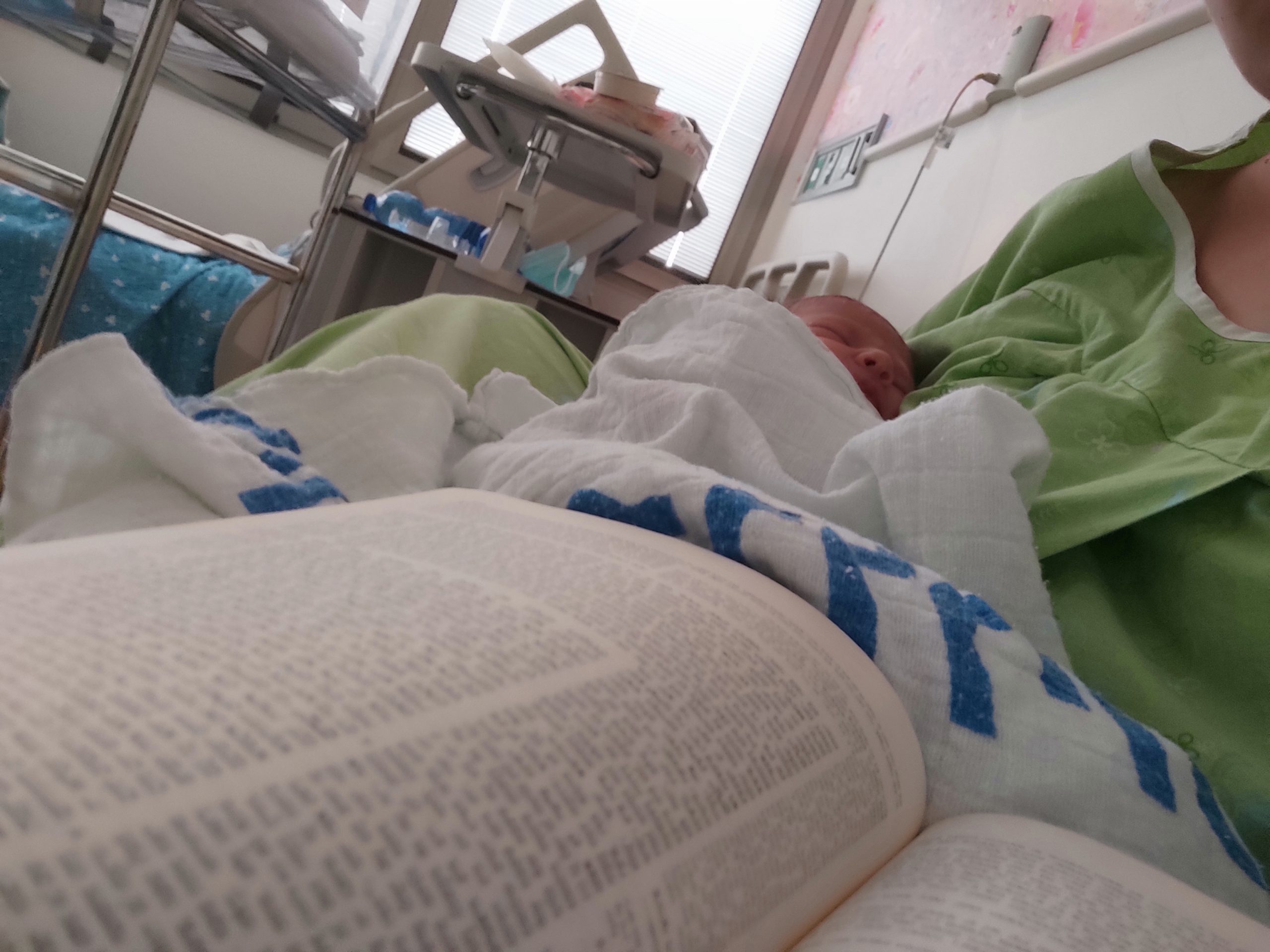
נועה שילה
רבבה, ישראל
בבא מציעא עז
פְּסֵידָא דְפוֹעֲלִים, לָא סַיְּירַהּ לְאַרְעֵיהּ מֵאוּרְתָּא – פְּסֵידָא דְּבַעַל הַבַּיִת וְיָהֵיב לְהוּ כְּפוֹעֵל בָּטֵל.
this is the laborers’ loss, as it is a consequence of their misfortune. But if he did not survey his land the night before, it is the employer’s loss, and he gives them the wages of an idle laborer.
וְאָמַר רָבָא: הַאי מַאן דְּאוֹגַיר אֲגִירֵי לְדַוְולָא, וַאֲתָא מִטְרָא – פְּסֵידָא דְפוֹעֲלִים. אֲתָא נַהֲרָא – פְּסֵידָא דְּבַעַל הַבַּיִת, וְיָהֵיב לְהוּ כְּפוֹעֵל בָּטֵל.
And Rava further said: With regard to this one who hires laborers to draw water from a river or a trench to irrigate his field, and rain fell, so that he no longer needs laborers, this is the laborers’ loss. The employer does not need to pay them, as he could not have known ahead of time that this would happen. But if the river comes up and irrigates the field, this is the employer’s loss, as he should have taken this possibility into consideration. And therefore he gives them the wages of an idle laborer.
וְאָמַר רָבָא: הַאי מַאן דְּאוֹגַיר אֲגִירֵי לְדַוְולָא, וּפְסַק נַהֲרָא בְּפַלְגָא דְיוֹמָא, אִי לָא עֲבִיד דְּפָסֵיק – פְּסֵידָא דְפוֹעֲלִים. עֲבִיד דְּפָסֵיק – אִי בְּנֵי מָתָא, פְּסֵידָא דְפוֹעֲלִים. לָאו בְּנֵי מָתָא – פְּסֵידָא דְּבַעַל הַבַּיִת.
And Rava says: With regard to this one who hires laborers to draw water from a river or a trench to irrigate his field, and the flow of the part of the river used to irrigate the field stopped midday, the halakha depends on the circumstance. If it is not prone to stopping, this is the laborers’ loss, a consequence of their misfortune. If it is prone to stopping, then one acts in accordance with this consideration: If the workers are residents of that city and know that this might happen, it is the laborers’ loss; if the laborers are not residents of that city and are not aware that this is a likely occurrence, it is the employer’s loss.
וְאָמַר רָבָא: הַאי מַאן דַּאֲגַר אֲגִירֵי לַעֲבִידְתָּא, וּשְׁלִים עֲבִידְתָּא בְּפַלְגָא דְיוֹמָא, אִי אִית לֵיהּ עֲבִידְתָּא דְּנִיחָא מִינַּהּ – יָהֵיב לְהוּ, אִי נָמֵי דִּכְוָתַהּ – מְפַקֵּד לְהוּ, (דקשה) [דְּקַשְׁיָא] מִינַּהּ – לָא מְפַקֵּד לְהוּ, וְנוֹתֵן לָהֶם שְׂכָרָן מִשָּׁלֵם.
And Rava says: With regard to this one who hires laborers to perform a specific task and the task is completed by midday, if he has another task that is easier than the first one, he may give it to them. Alternatively, if he has other work that is similar to the first one in difficulty, he may assign it to them. But if he has other work that is more difficult than it, he may not assign it to them, and he gives them their full wages.
אַמַּאי? וְלִיתֵּיב לְהוּ כְּפוֹעֵל בָּטֵל! כִּי קָאָמַר רָבָא, בְּאַכְלוֹשֵׁי דְמָחוֹזָא, דְּאִי לָא עָבְדִי – חָלְשִׁי.
The Gemara asks: Why must he pay them their full wages? Let him pay them for the additional time at most as an idle laborer. The Gemara answers: When Rava said his ruling in this case, he was referring to workers [be’akhlushei] of Meḥoza, who become weak if they do not work. These laborers were accustomed to steady, strenuous work, and therefore sitting idle was difficult, not enjoyable, for them.
אָמַר מָר: שָׁמִין לָהֶם אֶת מַה שֶּׁעָשׂוּ, כֵּיצַד? הָיָה יָפֶה שִׁשָּׁה דִּינָרִים – נוֹתֵן לָהֶם סֶלַע. קָא סָבְרִי רַבָּנַן: יַד פּוֹעֵל עַל הָעֶלְיוֹנָה.
§ The Master said in the baraita: The court appraises for them that which they have done. How so? If the current wage for the part of the task they have done was now worth six dinars, a sela and a half, as the price for this assignment increased, there are two possibilities: One is that he gives them a sela, as originally agreed upon, since they do not forfeit their stipulated wages. The Gemara explains: The Rabbis hold that the laborer is at an advantage, and therefore even if the laborer reneges on the assignment, he does not lose everything.
אוֹ יִגְמְרוּ מְלַאכְתָּן וְיִטְּלוּ שְׁנֵי סְלָעִים. פְּשִׁיטָא! לָא צְרִיכָא: דְּאִיַּיקַּר עֲבִידְתָּא וְאִימְּרוּ פּוֹעֲלִים וַאֲזַל בַּעַל הַבַּיִת וּפַיְּיסִינְהוּ. מַהוּ דְּתֵימָא, מָצוּ אָמְרִי לֵיהּ: כִּי מְפַיְּיסִינַן – אַדַּעְתָּא דְּטָפֵית לַן אַאַגְרָא, קָא מַשְׁמַע לַן דְּאָמַר לְהוּ: אַדַּעְתָּא דְּטָרַחְנָא לְכוּ בַּאֲכִילָה וּשְׁתִיָּה.
The baraita states the second possibility: Or they finish their work and take two sela. The Gemara asks: Isn’t it obvious that this is the case? That is the sum they agreed on at the outset. The Gemara responds: No, it is necessary to state this halakha in a case where the price of labor increased during the day and the laborers rebelled and did not want to work anymore, and the employer went and appeased them and they agreed to finish their task. Lest you say that they can say to him: When we were appeased, it was with the intent that you would increase our wage, the baraita teaches us that the employer can say to them: I appeased you with the intent that I would trouble myself for you by providing you with superior food and drink, not that I would increase your wages.
סֶלַע נוֹתֵן לָהֶם סֶלַע. פְּשִׁיטָא! לָא צְרִיכָא – דְּזַל עֲבִידְתָּא מֵעִיקָּרָא, וְאַגְרִינְהוּ בִּטְפֵי זוּזָא, וּלְסוֹף אִיַּיקַּר עֲבִידְתָּא וְקָם בִּטְפֵי זוּזָא.
The baraita further teaches that if they performed work worth a sela, he gives them a sela. The Gemara asks: Isn’t that obvious? The Gemara explains: No, it is necessary in a case where the price of labor was inexpensive at the outset and he hired them for one dinar more than accepted, and ultimately the price of labor increased and the going wage now stands at that rate of one more dinar.
מַהוּ דְּתֵימָא אָמְרִי לֵיהּ: טְפֵי זוּזָא אֲמַרְתְּ לַן – טְפֵי זוּזָא הַב לַן, קָא מַשְׁמַע לַן דַּאֲמַר לְהוּ, כִּי אֲמַרִי לְכוּ טְפֵי זוּזָא: דְּלָא הֲוָה קִים לְכוּ, הַשְׁתָּא קִים לְכוּ.
The Gemara elaborates: Lest you say that they can say to him: You offered us a dinar above the going rate, so now too, give us one more dinar than the current rate, to counter this, the baraita teaches us that he can say to them: When I said to you that I would add one more dinar, the reason was that it was not clear with regard to you that you would be willing to work for the lower wage, so I increased it. Now it is clear with regard to you, i.e., you agreed to a wage that was acceptable to you, and I do not intend to increase it further.
רַבִּי דּוֹסָא אוֹמֵר: שָׁמִין לָהֶן אֶת מַה שֶּׁעָתִיד לְהֵיעָשׂוֹת, הָיָה יָפֶה שִׁשָּׁה דִּינָרִים נוֹתֵן לָהֶם שֶׁקֶל. קָסָבַר יַד פּוֹעֵל עַל הַתַּחְתּוֹנָה.
The baraita further teaches that Rabbi Dosa says: The court appraises for them that which must still be done. If the current wage for the part of the task they had not done was worth six dinars, i.e., he can find laborers who will complete it only for six dinars, which is equivalent to one and a half sela, there are two possibilities: One is that he gives the first laborers a shekel, which is equivalent to half a sela. The Gemara explains that Rabbi Dosa holds that the laborer is at a disadvantage, in accordance with the principle that whoever reneges is at a disadvantage.
אוֹ יִגְמְרוּ מְלַאכְתָּן וְיִטְּלוּ שְׁנֵי סְלָעִים. פְּשִׁיטָא! לָא צְרִיכָא דְּזַל עֲבִידְתָּא וְאִימַּר בַּעַל הַבַּיִת, וַאֲזוּל פּוֹעֲלִים וּפַיְּיסוּהּ. מַהוּ דְּתֵימָא, מָצֵי אֲמַר לְהוּ: אַדַּעְתָּא דְּבָצְרִיתוּ לִי מֵאַגְרַיי. קָא מַשְׁמַע לַן דְּאָמְרִי לֵיהּ: אַדַּעְתָּא דְּעָבְדִינַן לָךְ עֲבִידְתָּא שַׁפִּירְתָּא.
§ The baraita states the second possibility: Or they finish their work and take two sela. The Gemara asks: Isn’t this obvious? The Gemara explains: No, it is necessary in a case where the price of labor decreased midday and the employer rebelled, seeking to cancel the agreement, and the laborers went and appeased him so that he would let them continue their work. Lest you say that the employer can say to them: When I was appeased, that was with the intent that you would decrease your wages for me, therefore, the baraita teaches us that the laborers can say to him: When we spoke it was with the intent that we will do improved work for you.
סֶלַע נוֹתֵן לָהֶם סֶלַע. פְּשִׁיטָא! אָמַר רַב הוּנָא בְּרֵיהּ דְּרַב נָתָן: לָא צְרִיכָא דְּאוֹזִילוּ אִינְהוּ גַּבֵּיהּ זוּזָא מֵעִיקָּרָא, וּלְסוֹף זַל עֲבִידְתָּא.
The baraita further teaches that Rabbi Dosa said: And if the current wage for the part of the task they had not done was worth a sela, he gives them a sela. The Gemara asks: Isn’t that obvious? Rav Huna, son of Rav Natan, said: No, it is necessary in a case where they reduced for him the accepted price by a dinar at the outset, and ultimately the price of labor decreased, so that the standard wage became equal to the price they had agreed on.
מַהוּ דְּתֵימָא: בְּצִיר זוּזָא אַמְרִיתוּ לִי – בְּצִיר זוּזָא יָהֵיבְנָא לְכוּ, קָא מַשְׁמַע לַן דְּאָמְרִי לֵיהּ: כִּי אֲמַרְנָא לָךְ בִּבְצִיר זוּזָא – דְּלָא הֲוָה קִים לָךְ, הַשְׁתָּא קִים לָךְ.
Rav Huna, son of Rav Natan, elaborates: Lest you say that the employer can say to them: You said to me that you would accept wages of a dinar less than the market value, and therefore a dinar less that the standard wage is what I will give you. Consequently, Rabbi Dosa teaches us that the laborers can say to him: When we said to you that we would agree to a dinar less, that was when it was not clear that you would be willing to pay the higher wage, but now it is clear that you will agree, and therefore you cannot reduce our wages.
אָמַר רַב: הֲלָכָה כְּרַבִּי דּוֹסָא. וּמִי אָמַר רַב הָכִי? וְהָאָמַר רַב: פּוֹעֵל יָכוֹל לַחֲזוֹר בּוֹ אֲפִילּוּ בַּחֲצִי הַיּוֹם! וְכִי תֵּימָא שָׁאנֵי לֵיהּ לְרַבִּי דּוֹסָא בֵּין שְׂכִירוּת לְקַבְּלָנוּת, וּמִי שָׁאנֵי לֵיהּ? וְהָתַנְיָא: הַשּׂוֹכֵר אֶת הַפּוֹעֵל, וְלַחֲצִי הַיּוֹם שָׁמַע שֶׁמֵּת לוֹ מֵת, אוֹ שֶׁאֲחָזַתּוּ חַמָּה, אִם שָׂכִיר הוּא –
With regard to that same dispute in the baraita, Rav said: The halakha is in accordance with the opinion of Rabbi Dosa. The Gemara asks: And did Rav really say that? But doesn’t Rav say that a laborer can renege from his commitment even at midday? And if you would say that there is a difference for Rabbi Dosa between hired work and contracted work, as a hired laborer can renege but a contracted laborer cannot, is there really a difference for him? But isn’t it taught in a baraita: With regard to one who hires a laborer, and at midday the laborer heard that a relative of his died and he has to tend to the burial, or if the laborer was gripped with fever and could not continue to work, if he is a hired laborer,
נוֹתֵן לוֹ שְׂכָרוֹ, אִם קַבְּלָן הוּא – נוֹתֵן לוֹ קַבְּלָנוּתוֹ.
he gives him his wage; if he is a contractor, he gives him his contracted payment?
מַנִּי? אִילֵּימָא רַבָּנַן, מַאי אִירְיָא שָׁמַע שֶׁמֵּת לוֹ מֵת אוֹ שֶׁאֲחָזַתּוּ חַמָּה דַּאֲנִיס, כִּי לָא אֲנִיס נָמֵי – הָא אֲמַרוּ רַבָּנַן יַד פּוֹעֵל עַל הָעֶלְיוֹנָה! אֶלָּא לָאו רַבִּי דּוֹסָא הִיא, וּשְׁמַע מִינַּהּ לָא שָׁאנֵי לֵיהּ לְרַבִּי דּוֹסָא בֵּין שְׂכִירוּת לְקַבְּלָנוּת.
The Gemara explains: Whose opinion does this baraita follow? If we say it is in accordance with the opinion of the Rabbis, why does the baraita rule that he receives his full payment specifically in a case when the laborer heard that a relative of his died, or if he was gripped with fever, where he was unable to work due to circumstances beyond his control? When he is not compelled by circumstances beyond his control to stop working, this should also be the halakha. After all, the Rabbis said that the laborer is at an advantage. Rather, is it not correct to say that this baraita is in accordance with the opinion of Rabbi Dosa? And one can learn from it that Rabbi Dosa does not differentiate between hired work and contracted work in this regard.
אָמַר רַב נַחְמָן בַּר יִצְחָק: בְּדָבָר הָאָבוּד, וְדִבְרֵי הַכֹּל.
Rav Naḥman bar Yitzḥak said: The ruling of this baraita is stated with regard to a matter that involves financial loss if the work is not completed. Consequently, the employer is at an advantage, unless the laborer is compelled to stop working due to circumstances beyond his control, in which case everyone agrees that he receives his full wages.
תְּנַן: כׇּל הַמְשַׁנֶּה יָדוֹ עַל הַתַּחְתּוֹנָה, וְכׇל הַחוֹזֵר בּוֹ יָדוֹ עַל הַתַּחְתּוֹנָה. בִּשְׁלָמָא כׇּל הַמְשַׁנֶּה יָדוֹ עַל הַתַּחְתּוֹנָה, דִּסְתַם לַן תַּנָּא כְּרַבִּי יְהוּדָה. אֶלָּא כׇּל הַחוֹזֵר בּוֹ יָדוֹ עַל הַתַּחְתּוֹנָה לְאֵתוֹיֵי מַאי? לָאו לְאֵתוֹיֵי פּוֹעֵל וּכְרַבִּי דּוֹסָא?
We learned in the mishna: Whoever changes the terms accepted by both parties is at a disadvantage, and whoever reneges on an agreement is at a disadvantage. The Gemara asks: Granted, with regard to the statement: Whoever changes is at a disadvantage, one can understand this, as the tanna taught us an unattributed mishna in accordance with the opinion of Rabbi Yehuda, indicating that this is the halakha. But concerning the clause: Whoever reneges is at a disadvantage, what does it serve to add? Does it not serve to add the halakha of a laborer, and this is in accordance with the opinion of Rabbi Dosa, who holds that workers may not renege?
אֶלָּא רַבִּי דּוֹסָא תַּרְתֵּי קָאָמַר, וְרַב סָבַר לַהּ כְּווֹתֵיהּ בַּחֲדָא וּפָלֵיג עֲלֵיהּ בַּחֲדָא.
Evidently, Rav’s ruling does not accord with the opinion of Rabbi Dosa. Rather, Rabbi Dosa is saying two halakhot, and Rav holds in accordance with his opinion in one matter and disagrees with his opinion in one matter. Rav does not agree with Rabbi Dosa’s ruling that laborers are at a disadvantage, but he does agree with him with regard to the manner of calculating wages.
אִיבָּעֵית אֵימָא: ״כָּל הַחוֹזֵר בּוֹ יָדוֹ עַל הַתַּחְתּוֹנָה״, לְכִדְתַנְיָא: כׇּל הַחוֹזֵר בּוֹ כֵּיצַד? הֲרֵי שֶׁמָּכַר שָׂדֶה לַחֲבֵירוֹ בְּאֶלֶף זוּז, וְנָתַן לוֹ מָעוֹת מֵהֶן מָאתַיִם זוּז. בִּזְמַן שֶׁהַמּוֹכֵר חוֹזֵר בּוֹ – יַד לוֹקֵחַ עַל הָעֶלְיוֹנָה.
If you wish, say a different interpretation of the mishna. The phrase: Whoever reneges is at a disadvantage, is not discussing employment arrangements, but is referring to that which is taught in a baraita: Whoever reneges is at a disadvantage; how so? If one sold a field to another for one thousand dinars, and the buyer gave him two hundred dinars as a down payment, and then one of them reneged, when the seller reneges on his commitment, the buyer is at an advantage.
רָצָה – אוֹמֵר לוֹ: ״תֵּן לִי מְעוֹתַי״, אוֹ: ״תֵּן לִי קַרְקַע כְּנֶגֶד מְעוֹתַי״. מֵהֵיכָן מַגְבֵּיהוּ? מִן הָעִידִּית. וּבִזְמַן שֶׁלּוֹקֵחַ חוֹזֵר בּוֹ – יַד מוֹכֵר עַל הָעֶלְיוֹנָה, רָצָה אוֹמֵר לוֹ: ״הֵילָךְ מְעוֹתֶיךָ״, רָצָה אוֹמֵר ״הֵילָךְ קַרְקַע כְּנֶגֶד מְעוֹתֶיךָ״. מֵהֵיכָן מַגְבֵּיהוּ? מִן הַזִּיבּוּרִית.
Consequently, if the buyer desires, he may say to him: Give me back my money that I gave you as a down payment, or give me land corresponding to the value of my money. If you will not give me all the land as per our agreement, I should at least receive land in proportion to the money I already paid you. From which type of land does the seller give the buyer? From superior-quality land. And when the buyer reneges, the seller is at an advantage: If he desires, the seller says to him: Take your money, and if he desires, he says to him: Take land corresponding to the value of your money that you already paid. From which type of land does the seller give the buyer? Even from inferior-quality land.
רַבָּן שִׁמְעוֹן בֶּן גַּמְלִיאֵל אוֹמֵר: מְלַמְּדִין אוֹתָן שֶׁלֹּא יַחְזְרוּ. כֵּיצַד? כּוֹתֵב לוֹ: ״אֲנִי פְּלוֹנִי בֶּן פְּלוֹנִי מָכַרְתִּי שָׂדֶה פְּלוֹנִית לִפְלוֹנִי בְּאֶלֶף זוּז, וְנָתַן לִי מֵהֶם מָאתַיִם זוּז, וַהֲרֵינִי נוֹשֶׁה בּוֹ שְׁמוֹנֶה מֵאוֹת זוּז״, קָנָה וּמַחֲזִיר לוֹ אֶת הַשְּׁאָר, אֲפִילּוּ לְאַחַר כַּמָּה שָׁנִים.
The baraita continues: Rabban Shimon ben Gamliel says: We teach them from the outset not to renege, so that the agreement will not be canceled and end in conflict. How so? The seller writes for him a bill of sale that states: I, so-and-so, son of so-and-so, sold such and such a field to so-and-so for one thousand dinars, and of them he gave me two hundred dinars. And therefore, now he owes me eight hundred dinars. In this manner, the buyer acquires the entire field, and the buyer returns the remaining eight hundred dinars to the seller even after several years. The remainder of the payment for the field has been transformed into a standard written loan.
אָמַר מָר: מֵהֵיכָן מַגְבֵּיהוּ? מִן הָעִידִּית. קָא סָלְקָא דַּעְתָּךְ מֵעִידִּית דִּנְכָסָיו. וְלֹא יְהֵא אֶלָּא בַּעַל חוֹב! וּתְנַן: בַּעַל חוֹב דִּינוֹ בְּבֵינוֹנִית. וְעוֹד: הָא אַרְעָא דְּיָהֵיב זוּזֵי?
The Master said in the baraita: From which type of land does the seller give the buyer? From superior-quality land. It may enter your mind to say that this means from the most superior-quality land of all of the seller’s property. The Gemara asks: But even if the buyer is considered to be like only a regular creditor, we learned in a mishna (Gittin 48b) that a creditor has the right only to intermediate-quality land, not superior-quality land. And furthermore, there is this specific plot of land, for which the buyer paid money. Why should he receive superior-quality land?
אָמַר רַבִּי נַחְמָן בַּר יִצְחָק: מֵעִידִּית שֶׁבָּהּ, וּמִזִּיבּוּרִית שֶׁבָּהּ.
Rav Naḥman bar Yitzḥak said: When the baraita refers to the type of land that may be claimed after the buyer or seller reneges, it means from the most superior-quality land that is in the agreed-upon plot of land, or from the most inferior-quality land that is in it.
רַב אַחָא בְּרֵיהּ דְּרַב אִיקָא אָמַר: אֲפִילּוּ תֵּימָא מֵעִידִּית דִּנְכָסָיו, סְתַם מַאן דְּזָבֵין אַרְעָא בְּאַלְפָּא זוּזֵי – אוֹזוֹלֵי מוֹזֵיל וּמְזַבֵּין נְכָסָיו, וְהָוֵה לֵיהּ כְּנִיזָּק. וּתְנַן: הַנִּיזָּקִין שָׁמִין לָהֶן בְּעִידִּית.
Rav Aḥa, son of Rav Ika, said: You may even say that the baraita means from the most superior-quality land of all of the seller’s property, as there is a specific reason why that should be the case here: Ordinarily, one who buys land for one thousand dinars will not have such a large sum on hand to carry out the transaction. Rather, he will significantly reduce the price of his possessions and sell them at a loss, so as to obtain the money. If the seller reneges and the buyer does not acquire this large plot of land, he will have suffered a significant loss, and he will be like an injured party, and we learned the same mishna: The court appraises superior-quality land for payment to injured parties. Therefore, in this case too, the seller must provide land of the highest quality.
רַבָּן שִׁמְעוֹן בֶּן גַּמְלִיאֵל אוֹמֵר: מְלַמְּדִין אוֹתָן שֶׁלֹּא יַחְזְרוּ. כֵּיצַד? כּוֹתֵב לוֹ: ״אֲנִי פְּלוֹנִי בֶּן פְּלוֹנִי כּוּ׳״. טַעְמָא דִּכְתַב לֵיהּ הָכִי, הָא לָא כְּתַב הָכִי – לָא קָנֵי?
§ It is further stated in the baraita that Rabban Shimon ben Gamliel says: We teach them not to renege. How so? He writes for him: I, so-and-so, son of so-and-so, sold such and such a field to so-and-so for one thousand dinars, and of them he gave me two hundred dinars. And therefore, now he owes me eight hundred dinars. This effects acquisition of the field for the buyer immediately. The Gemara asks: The reason they cannot renege is that the seller wrote this for the buyer in the contract. Evidently, if not for this being specified in a document the buyer does not acquire the field immediately.
וְהָתַנְיָא: הַנּוֹתֵן עֵרָבוֹן לַחֲבֵירוֹ וְאָמַר לוֹ ״אִם אֲנִי חוֹזֵר בִּי, עֶרְבוֹנִי מָחוּל לָךְ״, וְהַלָּה אוֹמֵר: ״אִם אֲנִי חוֹזֵר בִּי, אֶכְפּוֹל לָךְ עֶרְבוֹנְךָ״ – נִתְקַיְּימוּ הַתְּנָאִין, דִּבְרֵי רַבִּי יוֹסֵי.
The Gemara asks: But isn’t it taught in a baraita: With regard to one who gives a down payment to another, and says to him: If I renege, my down payment is forfeited to you, and the other person says to him: If I renege, I will double your down payment for you, the conditions are in effect; i.e., the court will enforce the conditions stipulated between them in this contract. This is the statement of Rabbi Yosei.
רַבִּי יוֹסֵי לְטַעְמֵיהּ דְּאָמַר: אַסְמַכְתָּא קָנְיָא.
The Gemara comments: Rabbi Yosei conforms to his standard line of reasoning, as he says: A transaction with inconclusive consent [asmakhta] effects acquisition. Even though it is a commitment that he undertook based on his certainty that he would never be forced to fulfill the condition, it is considered a full-fledged commitment.
רַבִּי יְהוּדָה אוֹמֵר: דַּיּוֹ שֶׁיִּקְנֶה כְּנֶגֶד עֶרְבוֹנוֹ. אָמַר רַבָּן שִׁמְעוֹן בֶּן גַּמְלִיאֵל: בַּמֶּה דְּבָרִים אֲמוּרִים – בִּזְמַן שֶׁאָמַר לוֹ ״עֶרְבוֹנִי יִקּוֹן״. אֲבָל מָכַר לוֹ שָׂדֶה בְּאֶלֶף זוּז וְנָתַן לוֹ מֵהֶם חֲמֵשׁ מֵאוֹת זוּז – קָנָה, וּמַחְזִיר לוֹ אֶת הַשְּׁאָר אֲפִילּוּ לְאַחַר כַּמָּה שָׁנִים!
The Gemara continues its discussion of the baraita. Rabbi Yehuda says: It is sufficient that the down payment effects acquisition of merchandise commensurate with the amount of his down payment. Rabban Shimon ben Gamliel said: In what case is this statement said? It is when the buyer said to the seller: My down payment will effect acquisition of the merchandise. But if one sold another a field for one thousand dinars, and the buyer paid him five hundred dinars of that sum, he has acquired the entire field, and he returns the rest of the money to the seller even after several years have passed. Evidently, Rabban Shimon ben Gamliel maintains that even if they do not have an explicit contract, the buyer’s first payment finalizes the sale, rendering the remaining payment a standard loan. If so, why does the previous baraita state that Rabban Shimon ben Gamliel holds that this contract must be in writing?
לָא קַשְׁיָא: הָא דְּקָא עָיֵיל וְנָפֵיק אַזּוּזֵי, הָא דְּלָא קָא עָיֵיל וְנָפֵיק אַזּוּזֵי.
The Gemara responds: This is not difficult. This ruling, that the down payment serves to effect acquisition only if they specified in writing that the remaining payment would be considered a loan, is stated with regard to a case where the seller goes in and goes out for money, i.e., demonstrates that he is in need of cash. Therefore, unless the acquisition was stated in writing, the buyer acquires the entire field only when he pays the entire sum. That ruling, that the down payment effects full acquisition regardless of whether or not it is written in a contract, is stated with regard to a case where he does not go in and go out for money.
דְּאָמַר רָבָא: הַאי מַאן דְּזַבֵּין מִידֵּי לְחַבְרֵיהּ וְקָא עָיֵיל וְנָפֵיק אַזּוּזֵי – לָא קָנֵי. לָא קָא עָיֵיל וְנָפֵיק אַזּוּזֵי – קָנֵי.
This is as Rava says: With regard to one who sells an item to another and then goes in and goes out for money, the buyer has not acquired it, as it is clear that the seller sold it only because he needed the money immediately. Since the seller did not receive the money he wanted right away, the transaction is null. If he does not go in and go out for money, the buyer has acquired it, and the rest of the payment is considered like a loan that must be repaid in the future.
וְאָמַר רָבָא: הַאי מַאן דְּאוֹזְפֵיהּ מְאָה זוּזֵי לְחַבְרֵיהּ וּפַרְעֵיהּ זוּזָא זוּזָא – פֵּרָעוֹן הָוֵי, אֶלָּא דְּאִית לֵיהּ תַּרְעוֹמֶת גַּבֵּיהּ. דְּאָמַר לֵיהּ: אַפְסַדְתִּינְהוּ מִינַּאי.
And Rava says: With regard to one who lent one hundred dinars to another and the borrower paid it back one dinar at a time, this is a valid repayment. But the lender has grounds for a grievance against him for repaying him in this manner, as he can say to him: You have caused me to lose out, as it is easier to use a lump sum than a few coins at a time.
הָהוּא גַּבְרָא דְּזַבֵּין לֵיהּ חֲמָרָא לְחַבְרֵיהּ וּפָשׁ לֵיהּ חַד זוּזָא, וְקָא עָיֵיל וְנָפֵיק אַזּוּזָא. יָתֵיב רַב אָשֵׁי וְקָא מְעַיֵּין בַּהּ: כִּי הַאי גַוְונָא מַאי: קָנֵי אוֹ לָא קָנֵי? אֲמַר לֵיהּ רַב מָרְדֳּכַי לְרַב אָשֵׁי: הָכִי אָמַר אֲבִימִי מֵהַגְרוֹנְיָא מִשְּׁמֵיהּ דְּרָבָא: זוּזָא כְּזוּזֵי דָּמֵי, וְלָא קָנֵי.
§ The Gemara relates: There was a certain man who sold his donkey to another, and one dinar was still owed to him, and the seller went in and went out for his dinar. Rav Ashi sat and examined this situation, asking: In a case like this, what is the halakha? Has he acquired the donkey or has he not acquired it? Rav Mordekhai said to Rav Ashi: This is what Avimi of Hagronya said in the name of Rava: One dinar is considered to be like multiple dinars, and therefore he has not acquired it.
אֲמַר לֵיהּ רַב אַחָא בְּרֵיהּ דְּרַב יוֹסֵף לְרַב אָשֵׁי: וְהָא אָמְרִינַן מִשְּׁמֵיהּ דְּרָבָא קָנֵי! אֲמַר לֵיהּ: תִּתַּרְגַּם שְׁמַעְתָּיךָ בְּמוֹכֵר שָׂדֵהוּ
Rav Aḥa, son of Rav Yosef, said to Rav Ashi: But we say in the name of Rava that in this case he has acquired it. Rav Ashi said to him, in resolution of the apparent contradiction between these two versions of Rava’s ruling: Interpret your halakha with regard to one who sells his field
לעקוב

