







אם אחד שוכר חמור או ספינה להגיע ממקום אחד למקום אחר, והחמור מת או הספינה טובעת באמצע הדרך, מהו הדין? מה הן הנסיבות של המקרים שנידונים? בהקשר לדיון זה, ישנו מחלוקת בין רב ושמואל האם ניתן למכור את נבלת הבהמה השכורה בדרך שהקרן כבר לא יהיה קיים – ז”א האם השוכר יכול למכור אותה ולהשתמש בכסף ממכירה זו כדי לשכור חמור אחר? מקשים על דעתו של רב מתוספתא, אך לבסוף מתרצים דבריו. מובא מקרה לגבי ספינה ששכרו להובלת יין, וטבעה. הגמרא בוחנת את פרטי הסכם השכירות: האם השוכר שכר "ספינה זו” או "ספינה סתם” והאם היה זה להובלת "יין זה” או "יין סתם”. הבחנה זו חיונית לקביעת חובותיו וזכויותיו של השוכר/משכיר. שני מקרים נוספים מבהירים זכויות נוספות של השוכר: כמה הוא יכול לטעון על חמור ששכר לרכיבה, וכמה בעל החמור יכול לטעון? אם החמור שכור לגבר לרכיבה, האם אישה יכולה לרכוב במקומו, או להפך? האם יש הבדל אם האישה בהריון או מניקה?
הלימוד השבוע מוקדש לזכות ולשלום הַיְימׇנוֹט אֱמוּנָה בַּת באנצ’י (קָסָאוּ) בת 11 שנעלמה במקום מגוריה בצפת, לפני שנתיים, ביום ט”ז אדר תשפ”ד (25.2.24), ולא נודעו עקבותיה.
הלימוד השבוע מוקדש למען ביטחון המדינה, החיילים והאזרחים, ולמען חירותו של העם האיראני. שנזכה בקרוב שיתקיים בנו הפסוק: "לַיְּהוּדִים הָיְתָה אוֹרָה וְשִׂמְחָה וְשָׂשֹׂן וִיקָר”.
רוצה להקדיש שיעור?
כלים
הלימוד השבוע מוקדש לזכות ולשלום הַיְימׇנוֹט אֱמוּנָה בַּת באנצ’י (קָסָאוּ) בת 11 שנעלמה במקום מגוריה בצפת, לפני שנתיים, ביום ט”ז אדר תשפ”ד (25.2.24), ולא נודעו עקבותיה.
הלימוד השבוע מוקדש למען ביטחון המדינה, החיילים והאזרחים, ולמען חירותו של העם האיראני. שנזכה בקרוב שיתקיים בנו הפסוק: "לַיְּהוּדִים הָיְתָה אוֹרָה וְשִׂמְחָה וְשָׂשֹׂן וִיקָר”.
בבא מציעא עט
דִּבְרֵי רַבִּי שִׁמְעוֹן בֶּן אֶלְעָזָר. שֶׁהָיָה רַבִּי שִׁמְעוֹן בֶּן אֶלְעָזָר אוֹמֵר: אִם בְּדֶרֶךְ הִילּוּכָהּ נִיטְּלָה – אוֹמֵר לוֹ: הֲרֵי שֶׁלְּךָ לְפָנֶיךָ, וְאִם לֹא – חַיָּיב לְהַעֲמִיד לוֹ חֲמוֹר.
This is the statement of Rabbi Shimon ben Elazar, as Rabbi Shimon ben Elazar would say: If the animal was seized and then taken in the direction in which it was walking, the owner can say to the renter: That which is yours is before you, but if not, the owner is obligated to provide the renter with another donkey.
וּמִי מָצֵית מוֹקְמַתְּ לַהּ כְּרַבִּי שִׁמְעוֹן בֶּן אֶלְעָזָר? וְהָא קָתָנֵי רֵישָׁא: הַשּׂוֹכֵר אֶת הַחֲמוֹר וְהִבְרִיקָה אוֹ שֶׁנִּשְׁתַּטְּתָה, אוֹמֵר לוֹ: הֲרֵי שֶׁלְּךָ לְפָנֶיךָ. וְאִילּוּ רַבִּי שִׁמְעוֹן בֶּן אֶלְעָזָר אָמַר: הַשּׂוֹכֵר אֶת הַחֲמוֹר לִרְכּוֹב עָלֶיהָ וְהִבְרִיקָה אוֹ שֶׁנִּשְׁתַּטְּתָה – חַיָּיב לְהַעֲמִיד לוֹ חֲמוֹר!
The Gemara asks: And can you establish this entire baraita in accordance with the opinion of Rabbi Shimon ben Elazar? But the first clause teaches: With regard to one who rents a donkey and it became ill or went mad, the owner can say to the renter: That which is yours is before you. And yet Rabbi Shimon ben Elazar said in a different baraita: With regard to one who rents a donkey to ride on it, and it becomes ill or goes mad, the owner is obligated to provide the renter with another donkey.
אָמַר רַבָּה בַּר רַב הוּנָא: לִרְכּוֹב עָלֶיהָ שָׁאנֵי. אָמַר רַב פָּפָּא: וּכְלֵי זְכוּכִית – כְּלִרְכּוֹב עָלֶיהָ דָּמֵי.
Rabba bar Rav Huna said that this is not a contradiction. The case of one who takes a donkey to ride on is different, as he requires a donkey that walks steadily. A sick donkey is no better than a dead one for this purpose. Rav Pappa said: And acquiring a donkey so that it should carry glass vessels is considered to be like riding on it, as glass vessels also require steady walking to prevent the load from falling.
אָמַר רַבָּה בַּר רַב הוּנָא אָמַר רַב: הַשּׂוֹכֵר אֶת הַחֲמוֹר לִרְכּוֹב עָלֶיהָ וּמֵתָה לוֹ בַּחֲצִי הַדֶּרֶךְ, נוֹתֵן לוֹ שְׂכָרוֹ שֶׁל חֲצִי הַדֶּרֶךְ, וְאֵין לוֹ עָלָיו אֶלָּא תַּרְעוֹמֶת.
Rabba bar Rav Huna says that Rav says: In the case of one who rents a donkey to ride on it and it died halfway through the journey, the renter gives the owner his fee for half of the journey, but the renter has nothing but a grievance against the owner. He has no legal claim against the owner over the fact that he now has to go to great trouble to find another donkey.
הֵיכִי דָמֵי? אִי דִּשְׁכִיחַ לְאֹגוֹרֵי – תַּרְעוֹמֶת מַאי עֲבִידְתֵּיהּ? אִי דְּלָא שְׁכִיחַ לְאֹגוֹרֵי – אַגְרָא בָּעֵי לְמִיתַּב לֵיהּ!
The Gemara asks: What are the circumstances? If this is referring to a place where donkeys are available for rent, what is the purpose of this grievance? He does not have any cause for grievance in this case, as he can simply rent another donkey and has not lost anything. If it is a place where donkeys are not available for rent, should he be required to give the owner his fee? After all, the donkey failed to perform the task for which it was rented.
לְעוֹלָם דְּלָא שְׁכִיחַ לְאֹגוֹרֵי, וּמִשּׁוּם דְּאָמַר לֵיהּ: אִילּוּ בָּעֵית לְמֵיתֵי עַד הָכָא – לָאו אַגְרָא בָּעֵית לְמִיתַּב?
The Gemara explains: Actually, it is referring to a place where donkeys are not available for rent, and the renter must pay the owner due to the fact that the owner of the donkey can say to him: Had you wanted to come to here, i.e., halfway through the journey, wouldn’t you have had to pay a fee? Therefore, pay me for the distance that my donkey carried you.
הֵיכִי דָּמֵי? אִי דַּאֲמַר לֵיהּ: ״חֲמוֹר סְתָם״ – הָא חַיָּיב לְהַעֲמִיד לוֹ חֲמוֹר אַחֵר. אִי דַּאֲמַר לֵיהּ: ״חֲמוֹר זֶה״, אִם יֵשׁ בְּדָמֶיהָ לִיקַּח יִקַּח!
The Gemara further inquires: What are the circumstances? If this is referring to a case where the owner said to him: I am renting you an unspecified donkey, the owner is obligated to provide him with another donkey. Since the owner promised him a donkey, if the first donkey is no longer available, he must give him another one. If it is referring to a case where he said to him: I am renting you this particular donkey, then if there is enough money to be gained from selling its carcass to purchase another donkey, let the renter purchase another one.
לָא צְרִיכָא: בְּשֶׁאֵין בְּדָמֶיהָ לִיקַּח. אִם יֵשׁ בְּדָמֶיהָ לִשְׂכּוֹר – יִשְׂכּוֹר, רַב לְטַעְמֵיהּ, דְּאָמַר רַב: לָא מְכַלֵּינַן קַרְנָא.
The Gemara responds: No, it is necessary to state this halakha only in a case where there is not enough money to be gained from the sale of its carcass to purchase another donkey. The Gemara asks: Even so, if there is enough money to be gained from the sale of its carcass to hire another donkey, let him rent another donkey and continue along his way. What grounds are there for grievance? The Gemara explains that Rav conforms to his standard line of reasoning, as Rav said: One may not fully deplete the principal in order to pay rental fees. Consequently, the renter has no right to sell the carcass, so as not to deplete the entire monetary value of the donkey.
דְּאִתְּמַר: הַשּׂוֹכֵר אֶת הַחֲמוֹר וּמֵתָה לוֹ בַּחֲצִי הַדֶּרֶךְ. אָמַר רַב: אִם יֵשׁ בְּדָמֶיהָ לִיקַּח – יִקַּח, לִשְׂכּוֹר – אַל יִשְׂכּוֹר. וּשְׁמוּאֵל אָמַר: אַף לִשְׂכּוֹר – יִשְׂכּוֹר.
This is as it was stated in a dispute between amora’im on this issue: With regard to one who rents a donkey and it died halfway through the journey, Rav says: If there is enough money to be gained from the sale of its carcass to purchase another donkey, the renter may purchase one, but if there is enough money only to rent another donkey, he may not rent one. Shmuel says: Even if there is enough money to be gained from the sale of its carcass only to rent another donkey, he may rent one.
בְּמַאי קָמִיפַּלְגִי? רַב סָבַר: לָא מְכַלֵּינַן קַרְנָא. וּשְׁמוּאֵל סָבַר: מְכַלֵּינַן קַרְנָא.
The Gemara asks: With regard to what do they disagree? The Gemara answers: Rav holds that one may not fully deplete the principal, and as the carcass now constitutes the principal value of the donkey, one may not use the proceeds of its sale to pay rental fees, as nothing will be left to return to the owner. And Shmuel holds that one may fully deplete the principal.
מֵיתִיבִי, יָבֵשׁ הָאִילָן אוֹ נִקְצַץ – שְׁנֵיהֶם אֲסוּרִין בּוֹ. כֵּיצַד יַעֲשֶׂה? יִלָּקַח בּוֹ קַרְקַע, וְהוּא אוֹכֵל פֵּירוֹת. וְהָא הָכָא, כֵּיוָן דְּכִי מָטֵי יוֹבֵל קָא הָדְרָא אַרְעָא לְמָרַהּ, וְקָא כָלְיָא קַרְנָא!
The Gemara raises an objection to Rav’s opinion from a baraita (Tosefta, Arakhin 5:1), which discusses the case of a borrower who gives his lender a tree as a security for a loan so that the lender may eat an amount of its fruit up to the value of the loan. If the tree dried up or was cut down, it is prohibited for both the borrower and lender to use the body of the tree. What should be done? Land should be purchased with the proceeds from the sale of what is left of the tree, and the lender enjoys the profits of that land. The Gemara explains the objection: And yet here, once the Jubilee Year arrives, that purchased land will return to its original owner. It will not remain with the borrower after the loan has been repaid. And it will turn out that the principal is fully depleted, as the borrower will be left with nothing.
הָכָא בְּמַאי עָסְקִינַן – דְּזַבֵּין לֵיהּ לְשִׁתִּין שְׁנִין. דְּאָמַר רַב חִסְדָּא אָמַר רַב קַטִּינָא: מִנַּיִן לַמּוֹכֵר שָׂדֵהוּ לְשִׁשִּׁים שָׁנָה שֶׁאֵינָהּ חוֹזֶרֶת בַּיּוֹבֵל – שֶׁנֶּאֱמַר: ״וְהָאָרֶץ לֹא תִמָּכֵר לִצְמִיתוּת״. מִי שֶׁאֵין שָׁם יוֹבֵל – נִצְמֶתֶת, יֵשׁ שָׁם יוֹבֵל – אֵינָהּ נִצְמֶתֶת. יָצְתָה זוֹ, שֶׁאַף עַל פִּי שֶׁאֵין שָׁם יוֹבֵל – אֵינָהּ נִצְמֶתֶת.
The Gemara responds: With what are we dealing here? We are dealing with a case where he purchased the field for sixty years. As Rav Ḥisda says that Rav Ketina says: From where is it derived with regard to one who sells his field for sixty years or any fixed length of time, that it does not return to its original owner in the Jubilee Year? As it is stated: “And the land shall not be sold in perpetuity” (Leviticus 25:23). This prohibition applies to land which, if there were no Jubilee Year, would be sold in perpetuity, but as there is a Jubilee Year it is not sold in perpetuity. That excludes this case, where the field is sold for a fixed length of time, as even though there is no Jubilee Year it is not sold in perpetuity.
סוֹף סוֹף, לְכִי מָטוּ שִׁיתִּין שְׁנִין – קָא הָדְרָא אַרְעָא לְמָרַהּ, וְקָא כָלְיָא קַרְנָא! אֶלָּא, הָכָא בְּמַאי עָסְקִינַן – בִּזְמַן שֶׁאֵין הַיּוֹבֵל נוֹהֵג. הָכִי נָמֵי מִסְתַּבְּרָא, דְּאִי סָלְקָא דַעְתָּךְ בִּזְמַן שֶׁהַיּוֹבֵל נוֹהֵג וּמְכַלֵּינַן קַרְנָא, נִצְלְחֵיהּ לְצִיבֵי וְנִשְׁקְלֵיהּ!
The Gemara raises a difficulty: Ultimately, when the end of those sixty years arrives, the land will return to its owner, and at that point the principal will be fully depleted. The Gemara answers: Rather, with what are we dealing here? We are dealing with a period when the halakhot of the Jubilee Year are not in effect, as one can purchase land in perpetuity when the Jubilee Year is not observed. The Gemara adds support for this explanation: This too stands to reason, as, if it enters your mind that this halakha is referring to a period when the halakhot of the Jubilee Year are in effect and the ruling is that the principal may be fully depleted, why undertake a complicated transaction? Let the lender simply cut the tree into branches for kindling, and take it and sell it right away.
אִי מִשּׁוּם הָא – לָא קַשְׁיָא: זִמְנִין דְּשָׁלְמוּ שְׁנֵי מַשְׁכַּנְתָּא מִקַּמֵּי יוֹבֵל. אִי נָמֵי דְּמָטוּ לֵיהּ זוּזֵי וּפָרֵיק לַהּ אַרְבַּע וְחָמֵשׁ שְׁנִין מִקַּמֵּי יוֹבֵל.
The Gemara responds: If the challenge to Rav’s opinion is due to that baraita, it is not difficult. There may be times that the years during which the lender is entitled to the collateral are completed before the arrival of the Jubilee Year, in which case the land would revert to the borrower for a certain amount of time, and therefore the principal is not necessarily fully depleted. Alternatively, it is possible that money comes into the borrower’s possession and he redeems the field four or five years before the arrival of the Jubilee Year. In this case the principal will not be fully depleted, as he repays the loan before the land is returned.
תָּנוּ רַבָּנַן: הַשּׂוֹכֵר אֶת הַסְּפִינָה וְטָבְעָה לָהּ בַּחֲצִי הַדֶּרֶךְ, רַבִּי נָתָן אוֹמֵר: אִם נָתַן – לֹא יִטּוֹל, וְאִם לֹא נָתַן – לֹא יִתֵּן.
§ The Sages taught: With regard to one who rents a boat, and it sunk halfway through the journey, Rabbi Natan says: If the renter already gave money for the boat, he does not receive a refund, but if he has not yet given money he does not give it after the boat has sunk.
הֵיכִי דָמֵי? אִילֵּימָא בִּסְפִינָה זוֹ וְיַיִן סְתָם, אִם נָתַן אַמַּאי לֹא יִטּוֹל? נֵימָא לֵיהּ: הַב לִי סְפִינְתָּא, דַּאֲנָא מַיְיתֵינָא חַמְרָא. אֶלָּא בִּסְפִינָה סְתָם וְיַיִן זֶה, אִם לֹא נָתַן אַמַּאי לֹא יִתֵּן?
The Gemara asks: What are the circumstances of this contract? If we say that the owner stated he was renting him this particular boat and the renter said that he was transporting unspecified wine, then even if he gave money, why should he not receive a refund? Let him say to the owner: Give me the boat so that I can transport wine, and if you cannot do so, refund the rental fee so that I can rent another boat. Rather, one could say that this is referring to a situation where the owner said he would rent him an unspecified boat, and the renter said that he would transport this particular wine. But in that case, even if he did not give money, why should he not give the owner the rental fee?
נֵימָא לֵיהּ: הַב לִי הָהוּא חַמְרָא וַאֲנָא מַיְיתֵינָא סְפִינְתָּא.
Let the owner say to him: Give me that wine and I will bring a boat. Since that particular wine is gone, the renter cannot comply with his request, and therefore he should have to pay the rental fee.
אָמַר רַב פָּפָּא: לָא מַשְׁכַּחַתְּ לַהּ אֶלָּא בִּסְפִינָה זוֹ וְיַיִן זֶה. אֲבָל בִּסְפִינָה סְתָם וְיַיִן סְתָם – חוֹלְקִין.
Rav Pappa said: You find the correct application of Rabbi Natan’s ruling only in a case where the two parties stipulated this specific boat and that specific wine. Since neither party can fulfill his part of the agreement, the money remains where it is. But if they stipulated an unspecified boat and unspecified wine, as they can both complete the agreement, they divide the rental fee, i.e., the renter pays half.
תָּנוּ רַבָּנַן: הַשּׂוֹכֵר אֶת הַסְּפִינָה וּפְרָקָהּ לָהּ בַּחֲצִי הַדֶּרֶךְ – נוֹתֵן לוֹ שְׂכָרוֹ שֶׁל חֲצִי הַדֶּרֶךְ, וְאֵין לוֹ עָלָיו אֶלָּא תַּרְעוֹמֶת. הֵיכִי דָּמֵי? אִילֵּימָא דְּקָא מַשְׁכַּח לְאֹגוֹרַהּ – אַמַּאי אִית לֵיהּ תַּרְעוֹמֶת? וְאִי דְּלָא קָא מַשְׁכַּח לְאֹגוֹרַהּ – כּוּלֵּיהּ אַגְרַהּ בָּעֵי שַׁלּוֹמֵי!
The Sages taught: With regard to one who rents a boat and unloads it [uferakah] halfway through the journey, the renter gives the owner his rental fee for half the journey, and the owner of the boat has nothing but a grievance against him. The Gemara asks: What are the circumstances? If we say that this is referring to a situation where the owner can find someone else to whom he can rent out the boat, why does he have grounds for a grievance? And if it is referring to a case where he cannot find another to whom he can rent it out, the renter should be required to pay the full rental fee, as he reneged on his commitment to rent the boat for the entire trip.
לְעוֹלָם דְּקָא מַשְׁכַּח לְאֹגוֹרַהּ, אֶלָּא אַמַּאי אִית לֵיהּ תַּרְעוֹמֶת – מִשּׁוּם רַפְסְתָא דִסְפִינְתָּא. אִי הָכִי, טַעַנְתָּא מְעַלַּיְיתָא הִוא וּמָמוֹנָא אִית לֵיהּ גַּבֵּיהּ.
The Gemara answers: Actually, this is referring to a case where the owner can find someone else to whom he can rent out the boat. But why does he have cause for a grievance? Because of the wear and tear on the boat due to the additional loading and unloading of cargo, which was not taken into account in their agreement. The Gemara asks: If so, that is a proper legal claim, and the owner of the boat has not merely a grievance against the renter, but cause for claiming monetary restitution from him.
אֶלָּא מַאי פְּרָקָהּ – דְּפַרְקֵהּ לְטוּעְנֵיהּ בְּגַוַּיהּ. אֶלָּא מַאי תַּרְעוֹמֶת – מִשּׁוּם שִׁינּוּי דַּעְתָּא. אִי נָמֵי לְאַשְׁלָא יַתִּירָא.
Rather, what is the meaning of the term perakah? This means that the renter unloaded more of his own cargo into the boat halfway through the journey. Accordingly, the baraita is ruling that the renter must pay a fee for the additional cargo only for the second half of the journey. The Gemara asks: But if so, what is the grievance? Why should the owner object to this arrangement at all? The Gemara explains that the grievance is due to the change from the renter’s prior intention, as they had not agreed upon the addition of this additional cargo when they performed the transaction. Alternatively, the grievance is because of the extra rope that was necessary to secure the additional cargo.
תָּנוּ רַבָּנַן: הַשּׂוֹכֵר אֶת הַחֲמוֹר לִרְכּוֹב עָלֶיהָ – שׂוֹכֵר מַנִּיחַ עָלֶיהָ כְּסוּתוֹ וּלְגִנוֹתוֹ וּמְזוֹנוֹת שֶׁל אוֹתָהּ הַדֶּרֶךְ, מִכָּאן וְאֵילָךְ – חַמָּר מְעַכֵּב עָלָיו. חַמָּר מַנִּיחַ עָלָיו שְׂעוֹרִים וְתֶבֶן וּמְזוֹנוֹתָיו שֶׁל אוֹתוֹ הַיּוֹם, מִכָּאן וְאֵילָךְ – שׂוֹכֵר מְעַכֵּב עָלָיו.
The Sages taught in a baraita: With regard to one who rents a donkey to ride on it, the renter may place on it his garment, his water jug, and food for that journey. Beyond those items, the donkey driver, who would take the renter on the journey, may prevent him from placing anything on the animal by saying that he does not wish to further burden the donkey. The donkey driver may place on it barley and hay for the donkey and his own food for that first day alone. Beyond those items, the renter may prevent him from placing anything on the animal.
הֵיכִי דָמֵי? אִי דִּשְׁכִיחַ לְמִזְבַּן – חַמָּר נָמֵי לִיעַכֵּב, וְאִי דְּלָא שְׁכִיחַ לְמִזְבַּן – שׂוֹכֵר נָמֵי לָא לִיעַכֵּב!
The Gemara asks: What are the circumstances? If this is referring to a situation where food is available for purchase, the donkey driver should also be able to prevent the renter from bringing food for the entire journey, and if it is a case where food is not available for purchase, the renter should also not be able to prevent the donkey driver from loading on the donkey his own food for the entire journey.
אָמַר רַב פָּפָּא: לָא צְרִיכָא דִּשְׁכִיחַ לְמִטְרַח וּלְמִזְבַּן מֵאַוּוֹנָא לְאַוּוֹנָא, חַמָּר דַּרְכֵּיהּ לְמִטְרַח וּלְמִזְבַּן. שׂוֹכֵר לָאו דַּרְכֵּיהּ לְמִטְרַח וּלְמִזְבַּן.
Rav Pappa said: No, the ruling of the baraita is necessary in a situation where food is available for one who goes to the trouble to purchase it from one station [me’avna] to the next station. Since it is the manner of a donkey driver to go to the trouble to purchase food, he may load the animal only with food for that day, whereas it is not the manner of the renter to go to the trouble to purchase food, and therefore he may take food with him for the entire journey.
תָּנוּ רַבָּנַן: הַשּׂוֹכֵר אֶת הַחֲמוֹר לִרְכּוֹב עָלֶיהָ אִישׁ – לֹא תִּרְכַּב עָלֶיהָ אִשָּׁה. אִשָּׁה – רוֹכֵב עָלֶיהָ אִישׁ. וְאִשָּׁה, בֵּין גְּדוֹלָה וּבֵין קְטַנָּה, אֲפִילּוּ מְעוּבֶּרֶת, וַאֲפִילּוּ מְנִיקָה.
The Sages taught: With regard to one who rents a donkey with the understanding that a man will ride upon it, a woman may not ride upon it. If he rented it with the understanding that a woman will ride upon it, a man may ride upon it. And if he rented it with the understanding that a woman will ride upon it, any female may ride upon it, whether she is an adult woman or a minor girl. And even a pregnant woman, despite her additional weight, and even a nursing woman who takes the child with her may ride upon it.
הַשְׁתָּא מְנִיקָה אָמְרַתְּ, מְעוּבֶּרֶת מִיבַּעְיָא? אָמַר רַב פָּפָּא: מְעוּבֶּרֶת וְהִיא מְנִיקָה קָאָמַר.
The Gemara asks: Now that you said that the owner cannot prevent even a nursing woman from riding upon the donkey, despite the fact that this involves the weight of two people, is it necessary to say that a pregnant woman may ride upon the donkey? Rav Pappa said: The tanna spoke of a pregnant woman who is also nursing, as there is additional weight.
אָמַר אַבָּיֵי: שְׁמַע מִינַּהּ בִּינִיתָא אַכְּרֵסַהּ תָּקְלָה. לְמַאי נָפְקָא מִינַּהּ? לְמִקָּח וּמִמְכָּר.
Abaye said: You can learn from the fact that a pregnant woman is considered heavier than the average woman that the weight of a fish [binita] is in its belly, i.e., weight increases according to the size of its belly. The Gemara asks: What is the practical difference resulting from Abaye’s statement with regard to a fish? The Gemara explains: It is with regard to the halakhot of buying and selling, so that one can know how to evaluate the weight of a fish, and calculate its value accordingly.

כלים
העמקה
רוצה להבין מה באמת קורה מתחת לפני השטח של הסוגיה?
שיעורים, פודקאסטים והרחבות של מיטב המורות שלנו יפתחו לך עוד זוויות וכיווני חשיבה.




















חדשה בלימוד הגמרא?
זה הדף הראשון שלך? איזו התרגשות עצומה! יש לנו בדיוק את התכנים והכלים שיעזרו לך לעשות את הצעדים הראשונים ללמידה בקצב וברמה שלך, כך תוכלי להרגיש בנוח גם בתוך הסוגיות המורכבות ומאתגרות.
פסיפס הלומדות שלנו
גלי את קהילת הלומדות שלנו, מגוון נשים, רקעים וסיפורים. כולן חלק מתנועה ומסע מרגש ועוצמתי.
התחלתי ללמוד דף יומי כאשר קיבלתי במייל ממכון שטיינזלץ את הדפים הראשונים של מסכת ברכות במייל. קודם לא ידעתי איך לקרוא אותם עד שנתתי להם להדריך אותי. הסביבה שלי לא מודעת לעניין כי אני לא מדברת על כך בפומבי. למדתי מהדפים דברים חדשים, כמו הקשר בין המבנה של בית המקדש והמשכן לגופו של האדם (יומא מה, ע”א) והקשר שלו למשפט מפורסם שמופיע בספר ההינדי "בהגוד-גיתא”. מתברר שזה רעיון כלל עולמי ולא רק יהודי

נשר, ישראל
הייתי לפני שנתיים בסיום הדרן נשים בבנייני האומה והחלטתי להתחיל. אפילו רק כמה דפים, אולי רק פרק, אולי רק מסכת… בינתיים סיימתי רבע שס ותכף את כל סדר מועד בה.
הסביבה תומכת ומפרגנת. אני בת יחידה עם ארבעה אחים שכולם לומדים דף יומי. מדי פעם אנחנו עושים סיומים יחד באירועים משפחתיים. ממש מרגש. מסכת שבת סיימנו כולנו יחד עם אבא שלנו!
אני שומעת כל יום פודקאסט בהליכה או בנסיעה ואחכ לומדת את הגמרא.

מרכז שפירא, ישראל
התחלתי ללמוד בשנת המדרשה במגדל עוז, בינתיים נהנית מאוד מהלימוד ומהגמרא, מעניין ומשמח מאוד!
משתדלת להצליח לעקוב כל יום, לפעמים משלימה קצת בהמשך השבוע.. מרגישה שיש עוגן מקובע ביום שלי והוא משמח מאוד!

חיפה , ישראל
התחלתי ללמוד דף יומי בתחילת מסכת ברכות, עוד לא ידעתי כלום. נחשפתי לסיום הש״ס, ובעצם להתחלה מחדש בתקשורת, הפתיע אותי לטובה שהיה מקום לעיסוק בתורה.
את המסכתות הראשונות למדתי, אבל לא סיימתי (חוץ מעירובין איכשהו). השנה כשהגעתי למדרשה, נכנסתי ללופ, ואני מצליחה להיות חלק, סיימתי עם החברותא שלי את כל המסכתות הקצרות, גם כשהיינו חולות קורונה ובבידודים, למדנו לבד, העיקר לא לצבור פער, ומחכות ליבמות 🙂

מזכרת בתיה, ישראל
באירוע של הדרן בנייני האומה. בהשראתה של אמי שלי שסיימה את הש”ס בסבב הקודם ובעידוד מאיר , אישי, וילדיי וחברותיי ללימוד במכון למנהיגות הלכתית של רשת אור תורה סטון ומורתיי הרבנית ענת נובוסלסקי והרבנית דבורה עברון, ראש המכון למנהיגות הלכתית.
הלימוד מעשיר את יומי, מחזיר אותי גם למסכתות שכבר סיימתי וידוע שאינו דומה מי ששונה פרקו מאה לשונה פרקו מאה ואחת במיוחד מרתקים אותי החיבורים בין המסכתות
מודיעין, ישראל
התחלתי ללמוד בסבב הנוכחי לפני כשנתיים .הסביבה מתפעלת ותומכת מאוד. אני משתדלת ללמוד מכל ההסכתים הנוספים שיש באתר הדרן. אני עורכת כל סיום מסכת שיעור בביתי לכ20 נשים שמחכות בקוצר רוח למפגשים האלו.

יהוד, ישראל
בסוף הסבב הקודם ראיתי את השמחה הגדולה שבסיום הלימוד, בעלי סיים כבר בפעם השלישית וכמובן הסיום הנשי בבנייני האומה וחשבתי שאולי זו הזדמנות עבורי למשהו חדש.
למרות שאני שונה בסביבה שלי, מי ששומע על הלימוד שלי מפרגן מאוד.
אני מנסה ללמוד קצת בכל יום, גם אם לא את כל הדף ובסך הכל אני בדרך כלל עומדת בקצב.
הלימוד מעניק המון משמעות ליום יום ועושה סדר בלמוד תורה, שתמיד היה (ועדיין) שאיפה. אבל אין כמו קביעות

טל מנשה, ישראל
התחלתי ללמוד לפני כשנתיים בשאיפה לסיים לראשונה מסכת אחת במהלך חופשת הלידה.
אחרי מסכת אחת כבר היה קשה להפסיק…

ירוחם, ישראל
אחרי שראיתי את הסיום הנשי של הדף היומי בבנייני האומה זה ריגש אותי ועורר בי את הרצון להצטרף. לא למדתי גמרא קודם לכן בכלל, אז הכל היה לי חדש, ולכן אני לומדת בעיקר מהשיעורים פה בהדרן, בשוטנשטיין או בחוברות ושיננתם.

בית שמש, ישראל
התחלתי ללמוד בעידוד שתי חברות אתן למדתי בעבר את הפרק היומי במסגרת 929.
בבית מתלהבים מאוד ובשבת אני לומדת את הדף עם בעלי שזה מפתיע ומשמח מאוד! לימוד הדף הוא חלק בלתי נפרד מהיום שלי. לומדת בצהריים ומחכה לזמן הזה מידי יום…

אפרת, ישראל
A friend in the SF Bay Area said in Dec 2019 that she might start listening on her morning drive to work. I mentioned to my husband and we decided to try the Daf when it began in Jan 2020 as part of our preparing to make Aliyah in the summer.
ירושלים, Israel
התחלתי ללמוד את הדף היומי מעט אחרי שבני הקטן נולד. בהתחלה בשמיעה ולימוד באמצעות השיעור של הרבנית שפרבר. ובהמשך העזתי וקניתי לעצמי גמרא. מאז ממשיכה יום יום ללמוד עצמאית, ולפעמים בעזרת השיעור של הרבנית, כל יום. כל סיום של מסכת מביא לאושר גדול וסיפוק. הילדים בבית נהיו חלק מהלימוד, אני משתפת בסוגיות מעניינות ונהנית לשמוע את דעתם.

מעלה מכמש, ישראל
בתחילת הסבב הנוכחי הצטברו אצלי תחושות שאני לא מבינה מספיק מהי ההלכה אותה אני מקיימת בכל יום. כמו כן, כאמא לבנות רציתי לתת להן מודל נשי של לימוד תורה
שתי הסיבות האלו הובילו אותי להתחיל ללמוד. נתקלתי בתגובות מפרגנות וסקרניות איך אישה לומדת גמרא..
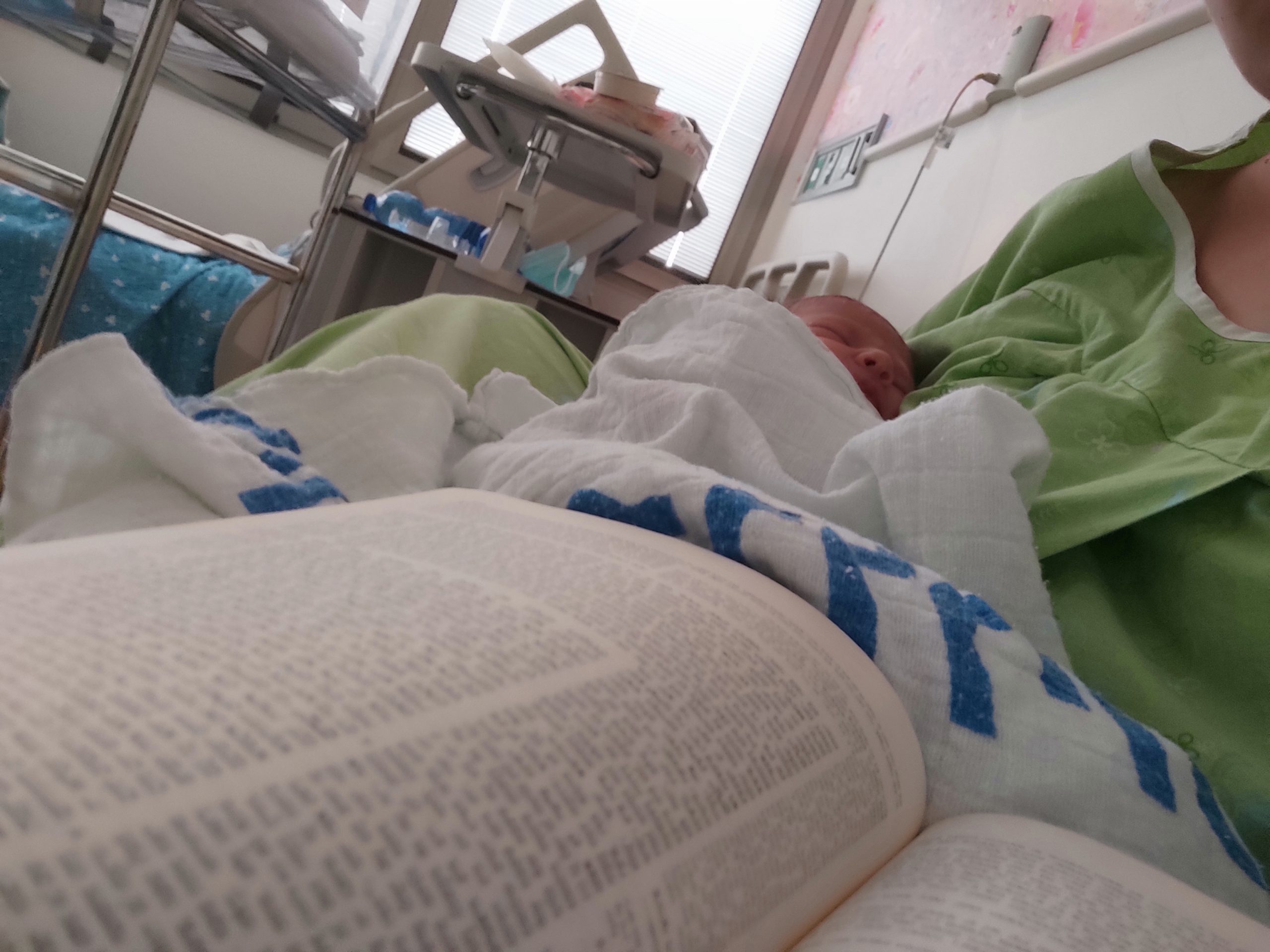
כמו שרואים בתמונה אני ממשיכה ללמוד גם היום ואפילו במחלקת יולדות אחרי לידת ביתי השלישית.
רבבה, ישראל
סיום השס לנשים נתן לי מוטביציה להתחיל ללמוד דף יומי. עד אז למדתי גמרא בשבתות ועשיתי כמה סיומים. אבל לימוד יומיומי זה שונה לגמרי ופתאום כל דבר שקורה בחיים מתקשר לדף היומי.

רתמים, ישראל
רבנית מישל הציתה אש התלמוד בלבבות בביניני האומה ואני נדלקתי. היא פתחה פתח ותמכה במתחילות כמוני ואפשרה לנו להתקדם בצעדים נכונים וטובים. הקימה מערך שלם שמסובב את הלומדות בסביבה תומכת וכך נכנסתי למסלול לימוד מעשיר שאין כמוה. הדרן יצר קהילה גדולה וחזקה שמאפשרת התקדמות מכל נקודת מוצא. יש דיבוק לומדות שמחזק את ההתמדה של כולנו. כל פניה ושאלה נענית בזריזות ויסודיות. תודה גם למגי על כל העזרה.
נתניה, ישראל
התחלתי ללמוד דף יומי כאשר קיבלתי במייל ממכון שטיינזלץ את הדפים הראשונים של מסכת ברכות במייל. קודם לא ידעתי איך לקרוא אותם עד שנתתי להם להדריך אותי. הסביבה שלי לא מודעת לעניין כי אני לא מדברת על כך בפומבי. למדתי מהדפים דברים חדשים, כמו הקשר בין המבנה של בית המקדש והמשכן לגופו של האדם (יומא מה, ע”א) והקשר שלו למשפט מפורסם שמופיע בספר ההינדי "בהגוד-גיתא”. מתברר שזה רעיון כלל עולמי ולא רק יהודי
נשר, ישראל
בסוף הסבב הקודם ראיתי את השמחה הגדולה שבסיום הלימוד, בעלי סיים כבר בפעם השלישית וכמובן הסיום הנשי בבנייני האומה וחשבתי שאולי זו הזדמנות עבורי למשהו חדש.
למרות שאני שונה בסביבה שלי, מי ששומע על הלימוד שלי מפרגן מאוד.
אני מנסה ללמוד קצת בכל יום, גם אם לא את כל הדף ובסך הכל אני בדרך כלל עומדת בקצב.
הלימוד מעניק המון משמעות ליום יום ועושה סדר בלמוד תורה, שתמיד היה (ועדיין) שאיפה. אבל אין כמו קביעות
טל מנשה, ישראל
בתחילת הסבב הנוכחי של לימוד הדף היומי, נחשפתי לחגיגות המרגשות באירועי הסיום ברחבי העולם. והבטחתי לעצמי שבקרוב אצטרף גם למעגל הלומדות. הסבב התחיל כאשר הייתי בתחילת דרכי בתוכנית קרן אריאל להכשרת יועצות הלכה של נשמ”ת. לא הצלחתי להוסיף את ההתחייבות לדף היומי על הלימוד האינטנסיבי של תוכנית היועצות. בבוקר למחרת המבחן הסופי בנשמ”ת, התחלתי את לימוד הדף במסכת סוכה ומאז לא הפסקתי.

קרית גת, ישראל
התחלתי ללמוד לפני כשנתיים בשאיפה לסיים לראשונה מסכת אחת במהלך חופשת הלידה.
אחרי מסכת אחת כבר היה קשה להפסיק…
ירוחם, ישראל
לצערי גדלתי בדור שבו לימוד גמרא לנשים לא היה דבר שבשגרה ושנים שאני חולמת להשלים את הפער הזה.. עד שלפני מספר שבועות, כמעט במקרה, נתקלתי במודעת פרסומת הקוראת להצטרף ללימוד מסכת תענית. כשקראתי את המודעה הרגשתי שהיא כאילו נכתבה עבורי – "תמיד חלמת ללמוד גמרא ולא ידעת איך להתחיל”, "בואי להתנסות במסכת קצרה וקלה” (רק היה חסר שהמודעה תיפתח במילים "מיכי שלום”..). קפצתי למים ו- ב”ה אני בדרך להגשמת החלום:)

מורשת, ישראל
בבא מציעא עט
דִּבְרֵי רַבִּי שִׁמְעוֹן בֶּן אֶלְעָזָר. שֶׁהָיָה רַבִּי שִׁמְעוֹן בֶּן אֶלְעָזָר אוֹמֵר: אִם בְּדֶרֶךְ הִילּוּכָהּ נִיטְּלָה – אוֹמֵר לוֹ: הֲרֵי שֶׁלְּךָ לְפָנֶיךָ, וְאִם לֹא – חַיָּיב לְהַעֲמִיד לוֹ חֲמוֹר.
This is the statement of Rabbi Shimon ben Elazar, as Rabbi Shimon ben Elazar would say: If the animal was seized and then taken in the direction in which it was walking, the owner can say to the renter: That which is yours is before you, but if not, the owner is obligated to provide the renter with another donkey.
וּמִי מָצֵית מוֹקְמַתְּ לַהּ כְּרַבִּי שִׁמְעוֹן בֶּן אֶלְעָזָר? וְהָא קָתָנֵי רֵישָׁא: הַשּׂוֹכֵר אֶת הַחֲמוֹר וְהִבְרִיקָה אוֹ שֶׁנִּשְׁתַּטְּתָה, אוֹמֵר לוֹ: הֲרֵי שֶׁלְּךָ לְפָנֶיךָ. וְאִילּוּ רַבִּי שִׁמְעוֹן בֶּן אֶלְעָזָר אָמַר: הַשּׂוֹכֵר אֶת הַחֲמוֹר לִרְכּוֹב עָלֶיהָ וְהִבְרִיקָה אוֹ שֶׁנִּשְׁתַּטְּתָה – חַיָּיב לְהַעֲמִיד לוֹ חֲמוֹר!
The Gemara asks: And can you establish this entire baraita in accordance with the opinion of Rabbi Shimon ben Elazar? But the first clause teaches: With regard to one who rents a donkey and it became ill or went mad, the owner can say to the renter: That which is yours is before you. And yet Rabbi Shimon ben Elazar said in a different baraita: With regard to one who rents a donkey to ride on it, and it becomes ill or goes mad, the owner is obligated to provide the renter with another donkey.
אָמַר רַבָּה בַּר רַב הוּנָא: לִרְכּוֹב עָלֶיהָ שָׁאנֵי. אָמַר רַב פָּפָּא: וּכְלֵי זְכוּכִית – כְּלִרְכּוֹב עָלֶיהָ דָּמֵי.
Rabba bar Rav Huna said that this is not a contradiction. The case of one who takes a donkey to ride on is different, as he requires a donkey that walks steadily. A sick donkey is no better than a dead one for this purpose. Rav Pappa said: And acquiring a donkey so that it should carry glass vessels is considered to be like riding on it, as glass vessels also require steady walking to prevent the load from falling.
אָמַר רַבָּה בַּר רַב הוּנָא אָמַר רַב: הַשּׂוֹכֵר אֶת הַחֲמוֹר לִרְכּוֹב עָלֶיהָ וּמֵתָה לוֹ בַּחֲצִי הַדֶּרֶךְ, נוֹתֵן לוֹ שְׂכָרוֹ שֶׁל חֲצִי הַדֶּרֶךְ, וְאֵין לוֹ עָלָיו אֶלָּא תַּרְעוֹמֶת.
Rabba bar Rav Huna says that Rav says: In the case of one who rents a donkey to ride on it and it died halfway through the journey, the renter gives the owner his fee for half of the journey, but the renter has nothing but a grievance against the owner. He has no legal claim against the owner over the fact that he now has to go to great trouble to find another donkey.
הֵיכִי דָמֵי? אִי דִּשְׁכִיחַ לְאֹגוֹרֵי – תַּרְעוֹמֶת מַאי עֲבִידְתֵּיהּ? אִי דְּלָא שְׁכִיחַ לְאֹגוֹרֵי – אַגְרָא בָּעֵי לְמִיתַּב לֵיהּ!
The Gemara asks: What are the circumstances? If this is referring to a place where donkeys are available for rent, what is the purpose of this grievance? He does not have any cause for grievance in this case, as he can simply rent another donkey and has not lost anything. If it is a place where donkeys are not available for rent, should he be required to give the owner his fee? After all, the donkey failed to perform the task for which it was rented.
לְעוֹלָם דְּלָא שְׁכִיחַ לְאֹגוֹרֵי, וּמִשּׁוּם דְּאָמַר לֵיהּ: אִילּוּ בָּעֵית לְמֵיתֵי עַד הָכָא – לָאו אַגְרָא בָּעֵית לְמִיתַּב?
The Gemara explains: Actually, it is referring to a place where donkeys are not available for rent, and the renter must pay the owner due to the fact that the owner of the donkey can say to him: Had you wanted to come to here, i.e., halfway through the journey, wouldn’t you have had to pay a fee? Therefore, pay me for the distance that my donkey carried you.
הֵיכִי דָּמֵי? אִי דַּאֲמַר לֵיהּ: ״חֲמוֹר סְתָם״ – הָא חַיָּיב לְהַעֲמִיד לוֹ חֲמוֹר אַחֵר. אִי דַּאֲמַר לֵיהּ: ״חֲמוֹר זֶה״, אִם יֵשׁ בְּדָמֶיהָ לִיקַּח יִקַּח!
The Gemara further inquires: What are the circumstances? If this is referring to a case where the owner said to him: I am renting you an unspecified donkey, the owner is obligated to provide him with another donkey. Since the owner promised him a donkey, if the first donkey is no longer available, he must give him another one. If it is referring to a case where he said to him: I am renting you this particular donkey, then if there is enough money to be gained from selling its carcass to purchase another donkey, let the renter purchase another one.
לָא צְרִיכָא: בְּשֶׁאֵין בְּדָמֶיהָ לִיקַּח. אִם יֵשׁ בְּדָמֶיהָ לִשְׂכּוֹר – יִשְׂכּוֹר, רַב לְטַעְמֵיהּ, דְּאָמַר רַב: לָא מְכַלֵּינַן קַרְנָא.
The Gemara responds: No, it is necessary to state this halakha only in a case where there is not enough money to be gained from the sale of its carcass to purchase another donkey. The Gemara asks: Even so, if there is enough money to be gained from the sale of its carcass to hire another donkey, let him rent another donkey and continue along his way. What grounds are there for grievance? The Gemara explains that Rav conforms to his standard line of reasoning, as Rav said: One may not fully deplete the principal in order to pay rental fees. Consequently, the renter has no right to sell the carcass, so as not to deplete the entire monetary value of the donkey.
דְּאִתְּמַר: הַשּׂוֹכֵר אֶת הַחֲמוֹר וּמֵתָה לוֹ בַּחֲצִי הַדֶּרֶךְ. אָמַר רַב: אִם יֵשׁ בְּדָמֶיהָ לִיקַּח – יִקַּח, לִשְׂכּוֹר – אַל יִשְׂכּוֹר. וּשְׁמוּאֵל אָמַר: אַף לִשְׂכּוֹר – יִשְׂכּוֹר.
This is as it was stated in a dispute between amora’im on this issue: With regard to one who rents a donkey and it died halfway through the journey, Rav says: If there is enough money to be gained from the sale of its carcass to purchase another donkey, the renter may purchase one, but if there is enough money only to rent another donkey, he may not rent one. Shmuel says: Even if there is enough money to be gained from the sale of its carcass only to rent another donkey, he may rent one.
בְּמַאי קָמִיפַּלְגִי? רַב סָבַר: לָא מְכַלֵּינַן קַרְנָא. וּשְׁמוּאֵל סָבַר: מְכַלֵּינַן קַרְנָא.
The Gemara asks: With regard to what do they disagree? The Gemara answers: Rav holds that one may not fully deplete the principal, and as the carcass now constitutes the principal value of the donkey, one may not use the proceeds of its sale to pay rental fees, as nothing will be left to return to the owner. And Shmuel holds that one may fully deplete the principal.
מֵיתִיבִי, יָבֵשׁ הָאִילָן אוֹ נִקְצַץ – שְׁנֵיהֶם אֲסוּרִין בּוֹ. כֵּיצַד יַעֲשֶׂה? יִלָּקַח בּוֹ קַרְקַע, וְהוּא אוֹכֵל פֵּירוֹת. וְהָא הָכָא, כֵּיוָן דְּכִי מָטֵי יוֹבֵל קָא הָדְרָא אַרְעָא לְמָרַהּ, וְקָא כָלְיָא קַרְנָא!
The Gemara raises an objection to Rav’s opinion from a baraita (Tosefta, Arakhin 5:1), which discusses the case of a borrower who gives his lender a tree as a security for a loan so that the lender may eat an amount of its fruit up to the value of the loan. If the tree dried up or was cut down, it is prohibited for both the borrower and lender to use the body of the tree. What should be done? Land should be purchased with the proceeds from the sale of what is left of the tree, and the lender enjoys the profits of that land. The Gemara explains the objection: And yet here, once the Jubilee Year arrives, that purchased land will return to its original owner. It will not remain with the borrower after the loan has been repaid. And it will turn out that the principal is fully depleted, as the borrower will be left with nothing.
הָכָא בְּמַאי עָסְקִינַן – דְּזַבֵּין לֵיהּ לְשִׁתִּין שְׁנִין. דְּאָמַר רַב חִסְדָּא אָמַר רַב קַטִּינָא: מִנַּיִן לַמּוֹכֵר שָׂדֵהוּ לְשִׁשִּׁים שָׁנָה שֶׁאֵינָהּ חוֹזֶרֶת בַּיּוֹבֵל – שֶׁנֶּאֱמַר: ״וְהָאָרֶץ לֹא תִמָּכֵר לִצְמִיתוּת״. מִי שֶׁאֵין שָׁם יוֹבֵל – נִצְמֶתֶת, יֵשׁ שָׁם יוֹבֵל – אֵינָהּ נִצְמֶתֶת. יָצְתָה זוֹ, שֶׁאַף עַל פִּי שֶׁאֵין שָׁם יוֹבֵל – אֵינָהּ נִצְמֶתֶת.
The Gemara responds: With what are we dealing here? We are dealing with a case where he purchased the field for sixty years. As Rav Ḥisda says that Rav Ketina says: From where is it derived with regard to one who sells his field for sixty years or any fixed length of time, that it does not return to its original owner in the Jubilee Year? As it is stated: “And the land shall not be sold in perpetuity” (Leviticus 25:23). This prohibition applies to land which, if there were no Jubilee Year, would be sold in perpetuity, but as there is a Jubilee Year it is not sold in perpetuity. That excludes this case, where the field is sold for a fixed length of time, as even though there is no Jubilee Year it is not sold in perpetuity.
סוֹף סוֹף, לְכִי מָטוּ שִׁיתִּין שְׁנִין – קָא הָדְרָא אַרְעָא לְמָרַהּ, וְקָא כָלְיָא קַרְנָא! אֶלָּא, הָכָא בְּמַאי עָסְקִינַן – בִּזְמַן שֶׁאֵין הַיּוֹבֵל נוֹהֵג. הָכִי נָמֵי מִסְתַּבְּרָא, דְּאִי סָלְקָא דַעְתָּךְ בִּזְמַן שֶׁהַיּוֹבֵל נוֹהֵג וּמְכַלֵּינַן קַרְנָא, נִצְלְחֵיהּ לְצִיבֵי וְנִשְׁקְלֵיהּ!
The Gemara raises a difficulty: Ultimately, when the end of those sixty years arrives, the land will return to its owner, and at that point the principal will be fully depleted. The Gemara answers: Rather, with what are we dealing here? We are dealing with a period when the halakhot of the Jubilee Year are not in effect, as one can purchase land in perpetuity when the Jubilee Year is not observed. The Gemara adds support for this explanation: This too stands to reason, as, if it enters your mind that this halakha is referring to a period when the halakhot of the Jubilee Year are in effect and the ruling is that the principal may be fully depleted, why undertake a complicated transaction? Let the lender simply cut the tree into branches for kindling, and take it and sell it right away.
אִי מִשּׁוּם הָא – לָא קַשְׁיָא: זִמְנִין דְּשָׁלְמוּ שְׁנֵי מַשְׁכַּנְתָּא מִקַּמֵּי יוֹבֵל. אִי נָמֵי דְּמָטוּ לֵיהּ זוּזֵי וּפָרֵיק לַהּ אַרְבַּע וְחָמֵשׁ שְׁנִין מִקַּמֵּי יוֹבֵל.
The Gemara responds: If the challenge to Rav’s opinion is due to that baraita, it is not difficult. There may be times that the years during which the lender is entitled to the collateral are completed before the arrival of the Jubilee Year, in which case the land would revert to the borrower for a certain amount of time, and therefore the principal is not necessarily fully depleted. Alternatively, it is possible that money comes into the borrower’s possession and he redeems the field four or five years before the arrival of the Jubilee Year. In this case the principal will not be fully depleted, as he repays the loan before the land is returned.
תָּנוּ רַבָּנַן: הַשּׂוֹכֵר אֶת הַסְּפִינָה וְטָבְעָה לָהּ בַּחֲצִי הַדֶּרֶךְ, רַבִּי נָתָן אוֹמֵר: אִם נָתַן – לֹא יִטּוֹל, וְאִם לֹא נָתַן – לֹא יִתֵּן.
§ The Sages taught: With regard to one who rents a boat, and it sunk halfway through the journey, Rabbi Natan says: If the renter already gave money for the boat, he does not receive a refund, but if he has not yet given money he does not give it after the boat has sunk.
הֵיכִי דָמֵי? אִילֵּימָא בִּסְפִינָה זוֹ וְיַיִן סְתָם, אִם נָתַן אַמַּאי לֹא יִטּוֹל? נֵימָא לֵיהּ: הַב לִי סְפִינְתָּא, דַּאֲנָא מַיְיתֵינָא חַמְרָא. אֶלָּא בִּסְפִינָה סְתָם וְיַיִן זֶה, אִם לֹא נָתַן אַמַּאי לֹא יִתֵּן?
The Gemara asks: What are the circumstances of this contract? If we say that the owner stated he was renting him this particular boat and the renter said that he was transporting unspecified wine, then even if he gave money, why should he not receive a refund? Let him say to the owner: Give me the boat so that I can transport wine, and if you cannot do so, refund the rental fee so that I can rent another boat. Rather, one could say that this is referring to a situation where the owner said he would rent him an unspecified boat, and the renter said that he would transport this particular wine. But in that case, even if he did not give money, why should he not give the owner the rental fee?
נֵימָא לֵיהּ: הַב לִי הָהוּא חַמְרָא וַאֲנָא מַיְיתֵינָא סְפִינְתָּא.
Let the owner say to him: Give me that wine and I will bring a boat. Since that particular wine is gone, the renter cannot comply with his request, and therefore he should have to pay the rental fee.
אָמַר רַב פָּפָּא: לָא מַשְׁכַּחַתְּ לַהּ אֶלָּא בִּסְפִינָה זוֹ וְיַיִן זֶה. אֲבָל בִּסְפִינָה סְתָם וְיַיִן סְתָם – חוֹלְקִין.
Rav Pappa said: You find the correct application of Rabbi Natan’s ruling only in a case where the two parties stipulated this specific boat and that specific wine. Since neither party can fulfill his part of the agreement, the money remains where it is. But if they stipulated an unspecified boat and unspecified wine, as they can both complete the agreement, they divide the rental fee, i.e., the renter pays half.
תָּנוּ רַבָּנַן: הַשּׂוֹכֵר אֶת הַסְּפִינָה וּפְרָקָהּ לָהּ בַּחֲצִי הַדֶּרֶךְ – נוֹתֵן לוֹ שְׂכָרוֹ שֶׁל חֲצִי הַדֶּרֶךְ, וְאֵין לוֹ עָלָיו אֶלָּא תַּרְעוֹמֶת. הֵיכִי דָּמֵי? אִילֵּימָא דְּקָא מַשְׁכַּח לְאֹגוֹרַהּ – אַמַּאי אִית לֵיהּ תַּרְעוֹמֶת? וְאִי דְּלָא קָא מַשְׁכַּח לְאֹגוֹרַהּ – כּוּלֵּיהּ אַגְרַהּ בָּעֵי שַׁלּוֹמֵי!
The Sages taught: With regard to one who rents a boat and unloads it [uferakah] halfway through the journey, the renter gives the owner his rental fee for half the journey, and the owner of the boat has nothing but a grievance against him. The Gemara asks: What are the circumstances? If we say that this is referring to a situation where the owner can find someone else to whom he can rent out the boat, why does he have grounds for a grievance? And if it is referring to a case where he cannot find another to whom he can rent it out, the renter should be required to pay the full rental fee, as he reneged on his commitment to rent the boat for the entire trip.
לְעוֹלָם דְּקָא מַשְׁכַּח לְאֹגוֹרַהּ, אֶלָּא אַמַּאי אִית לֵיהּ תַּרְעוֹמֶת – מִשּׁוּם רַפְסְתָא דִסְפִינְתָּא. אִי הָכִי, טַעַנְתָּא מְעַלַּיְיתָא הִוא וּמָמוֹנָא אִית לֵיהּ גַּבֵּיהּ.
The Gemara answers: Actually, this is referring to a case where the owner can find someone else to whom he can rent out the boat. But why does he have cause for a grievance? Because of the wear and tear on the boat due to the additional loading and unloading of cargo, which was not taken into account in their agreement. The Gemara asks: If so, that is a proper legal claim, and the owner of the boat has not merely a grievance against the renter, but cause for claiming monetary restitution from him.
אֶלָּא מַאי פְּרָקָהּ – דְּפַרְקֵהּ לְטוּעְנֵיהּ בְּגַוַּיהּ. אֶלָּא מַאי תַּרְעוֹמֶת – מִשּׁוּם שִׁינּוּי דַּעְתָּא. אִי נָמֵי לְאַשְׁלָא יַתִּירָא.
Rather, what is the meaning of the term perakah? This means that the renter unloaded more of his own cargo into the boat halfway through the journey. Accordingly, the baraita is ruling that the renter must pay a fee for the additional cargo only for the second half of the journey. The Gemara asks: But if so, what is the grievance? Why should the owner object to this arrangement at all? The Gemara explains that the grievance is due to the change from the renter’s prior intention, as they had not agreed upon the addition of this additional cargo when they performed the transaction. Alternatively, the grievance is because of the extra rope that was necessary to secure the additional cargo.
תָּנוּ רַבָּנַן: הַשּׂוֹכֵר אֶת הַחֲמוֹר לִרְכּוֹב עָלֶיהָ – שׂוֹכֵר מַנִּיחַ עָלֶיהָ כְּסוּתוֹ וּלְגִנוֹתוֹ וּמְזוֹנוֹת שֶׁל אוֹתָהּ הַדֶּרֶךְ, מִכָּאן וְאֵילָךְ – חַמָּר מְעַכֵּב עָלָיו. חַמָּר מַנִּיחַ עָלָיו שְׂעוֹרִים וְתֶבֶן וּמְזוֹנוֹתָיו שֶׁל אוֹתוֹ הַיּוֹם, מִכָּאן וְאֵילָךְ – שׂוֹכֵר מְעַכֵּב עָלָיו.
The Sages taught in a baraita: With regard to one who rents a donkey to ride on it, the renter may place on it his garment, his water jug, and food for that journey. Beyond those items, the donkey driver, who would take the renter on the journey, may prevent him from placing anything on the animal by saying that he does not wish to further burden the donkey. The donkey driver may place on it barley and hay for the donkey and his own food for that first day alone. Beyond those items, the renter may prevent him from placing anything on the animal.
הֵיכִי דָמֵי? אִי דִּשְׁכִיחַ לְמִזְבַּן – חַמָּר נָמֵי לִיעַכֵּב, וְאִי דְּלָא שְׁכִיחַ לְמִזְבַּן – שׂוֹכֵר נָמֵי לָא לִיעַכֵּב!
The Gemara asks: What are the circumstances? If this is referring to a situation where food is available for purchase, the donkey driver should also be able to prevent the renter from bringing food for the entire journey, and if it is a case where food is not available for purchase, the renter should also not be able to prevent the donkey driver from loading on the donkey his own food for the entire journey.
אָמַר רַב פָּפָּא: לָא צְרִיכָא דִּשְׁכִיחַ לְמִטְרַח וּלְמִזְבַּן מֵאַוּוֹנָא לְאַוּוֹנָא, חַמָּר דַּרְכֵּיהּ לְמִטְרַח וּלְמִזְבַּן. שׂוֹכֵר לָאו דַּרְכֵּיהּ לְמִטְרַח וּלְמִזְבַּן.
Rav Pappa said: No, the ruling of the baraita is necessary in a situation where food is available for one who goes to the trouble to purchase it from one station [me’avna] to the next station. Since it is the manner of a donkey driver to go to the trouble to purchase food, he may load the animal only with food for that day, whereas it is not the manner of the renter to go to the trouble to purchase food, and therefore he may take food with him for the entire journey.
תָּנוּ רַבָּנַן: הַשּׂוֹכֵר אֶת הַחֲמוֹר לִרְכּוֹב עָלֶיהָ אִישׁ – לֹא תִּרְכַּב עָלֶיהָ אִשָּׁה. אִשָּׁה – רוֹכֵב עָלֶיהָ אִישׁ. וְאִשָּׁה, בֵּין גְּדוֹלָה וּבֵין קְטַנָּה, אֲפִילּוּ מְעוּבֶּרֶת, וַאֲפִילּוּ מְנִיקָה.
The Sages taught: With regard to one who rents a donkey with the understanding that a man will ride upon it, a woman may not ride upon it. If he rented it with the understanding that a woman will ride upon it, a man may ride upon it. And if he rented it with the understanding that a woman will ride upon it, any female may ride upon it, whether she is an adult woman or a minor girl. And even a pregnant woman, despite her additional weight, and even a nursing woman who takes the child with her may ride upon it.
הַשְׁתָּא מְנִיקָה אָמְרַתְּ, מְעוּבֶּרֶת מִיבַּעְיָא? אָמַר רַב פָּפָּא: מְעוּבֶּרֶת וְהִיא מְנִיקָה קָאָמַר.
The Gemara asks: Now that you said that the owner cannot prevent even a nursing woman from riding upon the donkey, despite the fact that this involves the weight of two people, is it necessary to say that a pregnant woman may ride upon the donkey? Rav Pappa said: The tanna spoke of a pregnant woman who is also nursing, as there is additional weight.
אָמַר אַבָּיֵי: שְׁמַע מִינַּהּ בִּינִיתָא אַכְּרֵסַהּ תָּקְלָה. לְמַאי נָפְקָא מִינַּהּ? לְמִקָּח וּמִמְכָּר.
Abaye said: You can learn from the fact that a pregnant woman is considered heavier than the average woman that the weight of a fish [binita] is in its belly, i.e., weight increases according to the size of its belly. The Gemara asks: What is the practical difference resulting from Abaye’s statement with regard to a fish? The Gemara explains: It is with regard to the halakhot of buying and selling, so that one can know how to evaluate the weight of a fish, and calculate its value accordingly.

