חיפוש

חגיגה כא

רוצה להקדיש שיעור?

podcast placeholder

0:00
0:00


תקציר

הדף היום מוקדש ע”י סם קונין לכובד יום הולדת של הלן לוויס. 

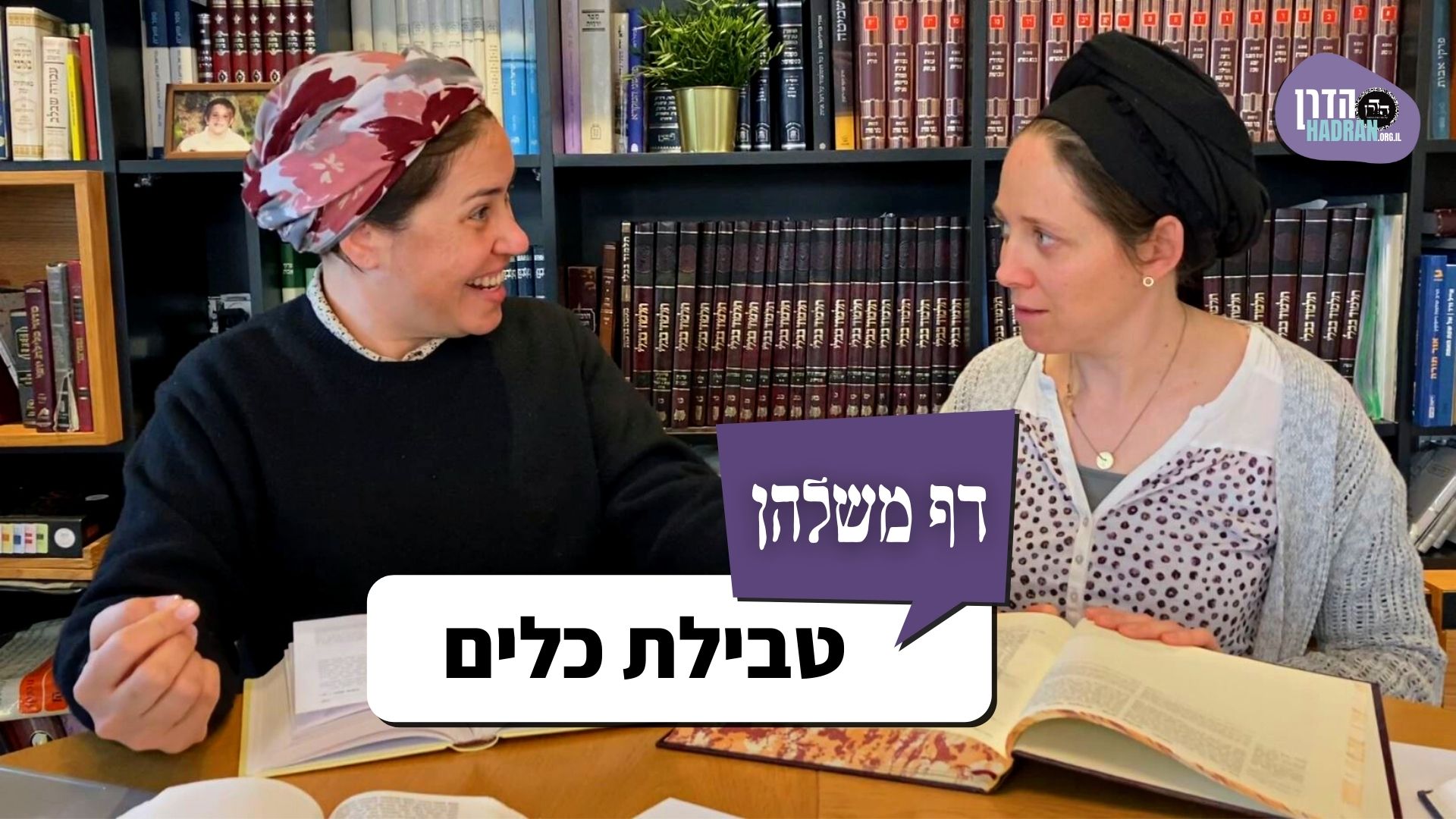
מדוע אסור לטבול כלי בתוך כלי לקודש? התשובה הראשונה היא שהחשש הוא לחציצה. אם כן, אז ישנם שני מקרים במשנה בעניין חציצה – מדוע המשנה צריכה להזכיר את שניהם? הגמרא מציעה הסבר. יש גם תשובה אחרת, שמסבירה את הנושא אחרת. החשש הוא שאפשר להכניס מחטים או משהו קטן לכלי עם פתח קטן מאוד, מה שלא יהיה יעיל לטבילה שכן הפתח צר מדי. לכן אסרו כל מקרה של טבילה בכלי בתוך כלי אחר.

כלים

חגיגה כא

הָאוֹנֵן וּמְחוּסַּר כִּפּוּרִים צְרִיכִין טְבִילָה לַקֹּדֶשׁ, אֲבָל לֹא לִתְרוּמָה.

An acute mourner [onen], i.e., someone who has experienced the loss of a close relative on that day, who had not come into contact with the deceased; and one who is lacking atonement, i.e., someone who still needs to bring an offering to complete his purification procedure, such as a zav or a woman after childbirth, both require immersion in order to eat sacrificial food. The onen would immerse after the day has passed and the one lacking atonement would immerse after the requisite offering is brought. However, immersion in these cases is not necessary for eating teruma.

גְּמָ׳ בַּקֹּדֶשׁ מַאי טַעְמָא לָא? אָמַר רַבִּי אִילָא: מִפְּנֵי שֶׁכְּבֵידוֹ שֶׁל כְּלִי חוֹצֵץ.

GEMARA: It is taught in the mishna that one may not immerse one vessel inside another if they will be used for sacrificial food, though this may be done for teruma. The Gemara asks: With regard to sacrificial food, what is the reason that one may not immerse vessels in this manner? Rabbi Ila said: Because the weight of the inner vessel causes an interposition between the water and the vessels. That is, the innermost vessel weighs down on the bottom one, not allowing the water to reach the two vessels’ point of contact.

וְהָא מִדְּסֵיפָא מִשּׁוּם חֲצִיצָה, רֵישָׁא לָאו מִשּׁוּם חֲצִיצָה! דְּקָתָנֵי סֵיפָא: וְלֹא כְּמִדַּת הַקֹּדֶשׁ מִדַּת הַתְּרוּמָה, שֶׁבַּקֹּדֶשׁ מַתִּיר וּמְנַגֵּיב וּמַטְבִּיל וְאַחַר כָּךְ קוֹשֵׁר, וּבַתְּרוּמָה קוֹשֵׁר וְאַחַר כָּךְ מַטְבִּיל!

The Gemara poses a question on this explanation: But is it not so that since the latter clause of the mishna mentions that sacrificial foods and teruma differ with regard to matters of interposition, the first clause of the mishna must not be with regard to matters of interposition, but is referring to a different consideration? As it teaches in the latter part of the mishna: The characteristics of teruma are not like the characteristics of sacrificial food, as in the case of sacrificial food, if one has a garment or vessel that is tied up he must untie it and dry it, and he may then immerse them, and afterward he may tie them up again if he wishes; but with regard to teruma he may tie up the garment and then immerse it. This latter clause shows that there the Sages were concerned for any possibility of interposition with regard to sacrificial food, so most likely the earlier clause of the mishna is due to a different reason.

רֵישָׁא וְסֵיפָא מִשּׁוּם חֲצִיצָה, וּצְרִיכָא: דְּאִי אַשְׁמְעִינַן רֵישָׁא, הֲוָה אָמֵינָא הַיְינוּ טַעְמָא דִּלְקֹדֶשׁ לָא — מִשּׁוּם כְּבֵידוֹ שֶׁל כְּלִי דְּאִיכָּא, אֲבָל סֵיפָא, דְּלֵיכָּא כְּבֵידוֹ שֶׁל כְּלִי — אֵימָא לְקֹדֶשׁ נָמֵי לָא הָוֵי חֲצִיצָה. וְאִי אַשְׁמְעִינַן סֵיפָא, הֲוָה אָמֵינָא: הַיְינוּ טַעְמָא דִּלְקֹדֶשׁ לָא, מִשּׁוּם

The Gemara answers: No, this is not necessarily so. In both the first clause and the latter clause of the mishna the concern is due to interposition, and it is nevertheless necessary to teach us both cases. For had the mishna taught us only the first clause, i.e., that one may not immerse one vessel within another, I would have said that this is the reason one may not do so for sacrificial food: Because there is the weight of the interior vessel that must be taken into account. But in the latter clause, where there is no weight of a vessel to be considered, I will say that it is not considered an interposition for sacrificial food either. And had it taught us only the latter clause dealing with the knotted garments, I would have said that this is the reason one may not do so for sacrificial food: Because it is possible

דְּקִיטְרָא בְּמַיָּא אִהַדּוֹקֵי מִיהַדַּק, אֲבָל רֵישָׁא, דְּמַיָּא אַקְפּוֹיֵי מַקְפּוּ לֵיהּ לְמָנָא — לָא הָוְיָא חֲצִיצָה, צְרִיכָא.

that it is the nature of knots to tighten even more in water, creating an interposition that bars the water from entering all the way, but in the case of the first clause of the mishna, which deals with one vessel inside another and where water by nature causes the top vessel to lighten and float away from the lower vessel rather than weigh down on it, I would have said that it is not considered an interposition. It is therefore necessary for the halakha to be stated in both cases.

רַבִּי אִילָא לְטַעְמֵיהּ, דְּאָמַר רַבִּי אִילָא אָמַר רַבִּי חֲנִינָא בַּר פָּפָּא: עֶשֶׂר מַעֲלוֹת שָׁנוּ כָּאן, חָמֵשׁ רִאשׁוֹנוֹת — בֵּין לַקֹּדֶשׁ, בֵּין לְחוּלִּין שֶׁנַּעֲשׂוּ עַל טׇהֳרַת הַקֹּדֶשׁ, אַחֲרוֹנוֹת — לַקֹּדֶשׁ, אֲבָל לֹא לְחוּלִּין שֶׁנַּעֲשׂוּ עַל טׇהֳרַת הַקֹּדֶשׁ.

The Gemara comments: Rabbi Ila here conforms to his standard line of reasoning in considering these two issues as one, as Rabbi Ila said that Rabbi Ḥanina bar Pappa said: They taught ten stringencies of sacrificial food here in this mishna, rather than the apparent eleven. The first five stringencies apply both to the sacrificial foods themselves and to non-sacred food that was prepared according to the standards of purity of sacrificial food, whereas the last five apply only to actual sacrificial food but not to non-sacred food that was prepared according to the standards of purity of sacrificial food. The fact that Rabbi Ila counts only ten cases in the mishna shows that he considered the two cases discussed above to be of the same category, and therefore they are counted together as one stringency.

מַאי טַעְמָא: חֲמֵשׁ קַמָּיָיתָא, דְּאִית לְהוּ דְּרָרָא דְטוּמְאָה מִדְּאוֹרָיְיתָא — גְּזַרוּ בְּהוּ רַבָּנַן בֵּין לְקֹדֶשׁ בֵּין לְחוּלִּין שֶׁנַּעֲשׂוּ עַל טׇהֳרַת הַקֹּדֶשׁ, בָּתְרָיָיתָא, דְּלֵית לְהוּ דְּרָרָא דְטוּמְאָה מִדְּאוֹרָיְיתָא — גְּזַרוּ בְּהוּ רַבָּנַן לְקֹדֶשׁ, לְחוּלִּין שֶׁנַּעֲשׂוּ עַל טׇהֳרַת הַקֹּדֶשׁ — לָא גְּזַרוּ בְּהוּ רַבָּנַן.

The Gemara explains Rabbi Ila’s statement. What is the reason for this distinction? With regard to the first five stringencies, which have a connection to impurity as defined by Torah law because ignoring them can lead to a case of impurity by Torah law as opposed to merely rabbinic law, the Sages decreed these stringencies both for actual sacrificial food and for non-sacred food prepared according to the standards of purity of sacrificial food. However, with regard to the last five, which do not have a connection to impurity by Torah law, as their entire impurity is based on a rabbinic decree, the Sages decreed these stringencies only for actual sacrificial food. But with regard to non-sacred food made according to the standards of purity of sacrificial food, the Sages did not decree these stringencies for such foods.

רָבָא אָמַר: מִדְּסֵיפָא הָוֵי מִשּׁוּם חֲצִיצָה, רֵישָׁא לָאו מִשּׁוּם חֲצִיצָה. וְרֵישָׁא, הַיְינוּ טַעְמָא: גְּזֵירָה שֶׁלֹּא יַטְבִּיל מְחָטִין וְצִינּוֹרוֹת בִּכְלִי שֶׁאֵין בְּפִיו כִּשְׁפוֹפֶרֶת הַנּוֹד. כְּדִתְנַן: עֵירוּב מִקְווֹאוֹת, כִּשְׁפוֹפֶרֶת הַנּוֹד, כְּעוֹבְיָהּ

Rava disagreed with Rabbi Ila. He said that since the reason for the stringency in the latter clause is due to concern for interposition, this implies that the reason for the stringency in the first clause is not due to interposition, but to a different reason. And with regard to the stringency in the first clause that one may not immerse one vessel within another, this is the reasoning: It is a rabbinic decree to ensure that one not immerse small vessels, such as needles and hooks, inside a vessel whose mouth is less than the width of the tube of a wineskin. In such a case the water in the bottle would not be considered attached to the rest of the ritual bath, as we learned in a mishna (Mikvaot 6:7): The joining of different bodies of water in cases of ritual baths takes place if the opening between the two bodies is at least as wide as the width of the tube of a wineskin, counting both the thickness of the wall of the tube

כלים

העמקה

רוצה להבין מה באמת קורה מתחת לפני השטח של הסוגיה?
שיעורים, פודקאסטים והרחבות של מיטב המורות שלנו יפתחו לך עוד זוויות וכיווני חשיבה.

לשיעורי עוד על הדף באנגלית, לחצי כאן

חדשה בלימוד הגמרא?

זה הדף הראשון שלך? איזו התרגשות עצומה! יש לנו בדיוק את התכנים והכלים שיעזרו לך לעשות את הצעדים הראשונים ללמידה בקצב וברמה שלך, כך תוכלי להרגיש בנוח גם בתוך הסוגיות המורכבות ומאתגרות.

פסיפס הלומדות שלנו

גלי את קהילת הלומדות שלנו, מגוון נשים, רקעים וסיפורים. כולן חלק מתנועה ומסע מרגש ועוצמתי.

A friend in the SF Bay Area said in Dec 2019 that she might start listening on her morning drive to work. I mentioned to my husband and we decided to try the Daf when it began in Jan 2020 as part of our preparing to make Aliyah in the summer.

Hana Piotrkovsky
חנה פיוטרקובסקי

ירושלים, Israel

רציתי לקבל ידע בתחום שהרגשתי שהוא גדול וחשוב אך נעלם ממני. הלימוד מעניק אתגר וסיפוק ומעמיק את תחושת השייכות שלי לתורה וליהדות

Ruth Agiv
רות עגיב

עלי זהב – לשם, ישראל

כבר סיפרתי בסיום של מועד קטן.
הלימוד מאוד משפיעה על היום שלי כי אני לומדת עם רבנית מישל על הבוקר בזום. זה נותן טון לכל היום – בסיס למחשבות שלי .זה זכות גדול להתחיל את היום בלימוד ובתפילה. תודה רבה !

שרה-ברלוביץ
שרה ברלוביץ

ירושלים, ישראל

סיום השס לנשים נתן לי מוטביציה להתחיל ללמוד דף יומי. עד אז למדתי גמרא בשבתות ועשיתי כמה סיומים. אבל לימוד יומיומי זה שונה לגמרי ופתאום כל דבר שקורה בחיים מתקשר לדף היומי.

Fogel Foundation
קרן פוגל

רתמים, ישראל

התחלתי ללמוד גמרא בבית הספר בגיל צעיר והתאהבתי. המשכתי בכך כל חיי ואף היייתי מורה לגמרא בבית הספר שקד בשדה אליהו (בית הספר בו למדתי בילדותי)בתחילת מחזור דף יומי הנוכחי החלטתי להצטרף ובע”ה מקווה להתמיד ולהמשיך. אני אוהבת את המפגש עם הדף את "דרישות השלום ” שמקבלת מקשרים עם דפים אחרים שלמדתי את הסנכרון שמתחולל בין התכנים.

Ariela Bigman
אריאלה ביגמן

מעלה גלבוע, ישראל

שמעתי על הסיום הענק של הדף היומי ע”י נשים בבנייני האומה. רציתי גם.
החלטתי להצטרף. התחלתי ושיכנעתי את בעלי ועוד שתי חברות להצטרף. עכשיו יש לי לימוד משותף איתו בשבת ומפגש חודשי איתן בנושא (והתכתבויות תדירות על דברים מיוחדים שקראנו). הצטרפנו לקבוצות שונות בווטסאפ. אנחנו ממש נהנות. אני שומעת את השיעור מידי יום (בד”כ מהרב יוני גוטמן) וקוראת ומצטרפת לסיומים של הדרן. גם מקפידה על דף משלהן (ונהנית מאד).

Liat Citron
ליאת סיטרון

אפרת, ישראל

ראיתי את הסיום הגדול בבנייני האומה וכל כך התרשמתי ורציתי לקחת חלק.. אבל לקח לי עוד כשנה וחצי )באמצע מסיכת שבת להצטרף..
הלימוד חשוב לי מאוד.. אני תמיד במרדף אחרי הדף וגונבת כל פעם חצי דף כשהילדים עסוקים ומשלימה אח”כ אחרי שכולם הלכו לישון..

Olga Mizrahi
אולגה מזרחי

ירושלים, ישראל

התחלתי ללמוד דף יומי לפני שנתיים, עם מסכת שבת. בהתחלה ההתמדה היתה קשה אבל בזכות הקורונה והסגרים הצלחתי להדביק את הפערים בשבתות הארוכות, לסיים את מסכת שבת ולהמשיך עם המסכתות הבאות. עכשיו אני מסיימת בהתרגשות רבה את מסכת חגיגה וסדר מועד ומחכה לסדר הבא!

Ilana-Shachnowitz
אילנה שכנוביץ

מודיעין, ישראל

התחלתי ללמוד בסבב הנוכחי לפני כשנתיים .הסביבה מתפעלת ותומכת מאוד. אני משתדלת ללמוד מכל ההסכתים הנוספים שיש באתר הדרן. אני עורכת כל סיום מסכת שיעור בביתי לכ20 נשים שמחכות בקוצר רוח למפגשים האלו.

Yael Asher
יעל אשר

יהוד, ישראל

התחלתי ללמוד דף יומי אחרי שחזרתי בתשובה ולמדתי במדרשה במגדל עוז. הלימוד טוב ומספק חומר למחשבה על נושאים הלכתיים ”קטנים” ועד לערכים גדולים ביהדות. חשוב לי להכיר את הגמרא לעומק. והצעד הקטן היום הוא ללמוד אותה בבקיאות, בעזרת השם, ומי יודע אולי גם אגיע לעיון בנושאים מעניינים. נושאים בגמרא מתחברים לחגים, לתפילה, ליחסים שבין אדם לחברו ולמקום ולשאר הדברים שמלווים באורח חיים דתי 🙂

Gaia Divo
גאיה דיבו

מצפה יריחו, ישראל

בתחילת הסבב הנוכחי של לימוד הדף היומי, נחשפתי לחגיגות המרגשות באירועי הסיום ברחבי העולם. והבטחתי לעצמי שבקרוב אצטרף גם למעגל הלומדות. הסבב התחיל כאשר הייתי בתחילת דרכי בתוכנית קרן אריאל להכשרת יועצות הלכה של נשמ”ת. לא הצלחתי להוסיף את ההתחייבות לדף היומי על הלימוד האינטנסיבי של תוכנית היועצות. בבוקר למחרת המבחן הסופי בנשמ”ת, התחלתי את לימוד הדף במסכת סוכה ומאז לא הפסקתי.

Hana Shaham-Rozby (Dr.)
חנה שחם-רוזבי (ד”ר)

קרית גת, ישראל

בסוף הסבב הקודם ראיתי את השמחה הגדולה שבסיום הלימוד, בעלי סיים כבר בפעם השלישית וכמובן הסיום הנשי בבנייני האומה וחשבתי שאולי זו הזדמנות עבורי למשהו חדש.
למרות שאני שונה בסביבה שלי, מי ששומע על הלימוד שלי מפרגן מאוד.
אני מנסה ללמוד קצת בכל יום, גם אם לא את כל הדף ובסך הכל אני בדרך כלל עומדת בקצב.
הלימוד מעניק המון משמעות ליום יום ועושה סדר בלמוד תורה, שתמיד היה (ועדיין) שאיפה. אבל אין כמו קביעות

Racheli-Mendelson
רחלי מנדלסון

טל מנשה, ישראל

A friend in the SF Bay Area said in Dec 2019 that she might start listening on her morning drive to work. I mentioned to my husband and we decided to try the Daf when it began in Jan 2020 as part of our preparing to make Aliyah in the summer.

Hana Piotrkovsky
חנה פיוטרקובסקי

ירושלים, Israel

התחלתי ללמוד בסבב הנוכחי לפני כשנתיים .הסביבה מתפעלת ותומכת מאוד. אני משתדלת ללמוד מכל ההסכתים הנוספים שיש באתר הדרן. אני עורכת כל סיום מסכת שיעור בביתי לכ20 נשים שמחכות בקוצר רוח למפגשים האלו.

Yael Asher
יעל אשר

יהוד, ישראל

התחלתי ללמוד דף יומי לפני שנתיים, עם מסכת שבת. בהתחלה ההתמדה היתה קשה אבל בזכות הקורונה והסגרים הצלחתי להדביק את הפערים בשבתות הארוכות, לסיים את מסכת שבת ולהמשיך עם המסכתות הבאות. עכשיו אני מסיימת בהתרגשות רבה את מסכת חגיגה וסדר מועד ומחכה לסדר הבא!

Ilana-Shachnowitz
אילנה שכנוביץ

מודיעין, ישראל

בתחילת הסבב הנוכחי הצטברו אצלי תחושות שאני לא מבינה מספיק מהי ההלכה אותה אני מקיימת בכל יום. כמו כן, כאמא לבנות רציתי לתת להן מודל נשי של לימוד תורה
שתי הסיבות האלו הובילו אותי להתחיל ללמוד. נתקלתי בתגובות מפרגנות וסקרניות איך אישה לומדת גמרא..
כמו שרואים בתמונה אני ממשיכה ללמוד גם היום ואפילו במחלקת יולדות אחרי לידת ביתי השלישית.

Noa Shiloh
נועה שילה

רבבה, ישראל

התחלתי כשהייתי בחופש, עם הפרסומים על תחילת המחזור, הסביבה קיבלה את זה כמשהו מתמיד ומשמעותי ובהערכה, הלימוד זה עוגן יציב ביום יום, יש שבועות יותר ויש שפחות אבל זה משהו שנמצא שם אמין ובעל משמעות בחיים שלי….

Adi Diamant
עדי דיאמנט

גמזו, ישראל

התחלתי ללמוד דף יומי ממסכת נידה כי זה היה חומר הלימוד שלי אז. לאחר הסיום הגדול בבנייני האומה החלטתי להמשיך. וב”ה מאז עם הפסקות קטנות של קורונה ולידה אני משתדלת להמשיך ולהיות חלק.

זה משפיע מאוד על היום יום שלי ועל אף שאני עסוקה בלימודי הלכה ותורה כל יום, זאת המסגרת הקבועה והמחייבת ביותר שיש לי.

Moriah Taesan Michaeli
מוריה תעסן מיכאלי

גבעת הראל, ישראל

כבר סיפרתי בסיום של מועד קטן.
הלימוד מאוד משפיעה על היום שלי כי אני לומדת עם רבנית מישל על הבוקר בזום. זה נותן טון לכל היום – בסיס למחשבות שלי .זה זכות גדול להתחיל את היום בלימוד ובתפילה. תודה רבה !

שרה-ברלוביץ
שרה ברלוביץ

ירושלים, ישראל

אחרי שראיתי את הסיום הנשי של הדף היומי בבנייני האומה זה ריגש אותי ועורר בי את הרצון להצטרף. לא למדתי גמרא קודם לכן בכלל, אז הכל היה לי חדש, ולכן אני לומדת בעיקר מהשיעורים פה בהדרן, בשוטנשטיין או בחוברות ושיננתם.

Rebecca Schloss
רבקה שלוס

בית שמש, ישראל

חגיגה כא

הָאוֹנֵן וּמְחוּסַּר כִּפּוּרִים צְרִיכִין טְבִילָה לַקֹּדֶשׁ, אֲבָל לֹא לִתְרוּמָה.

An acute mourner [onen], i.e., someone who has experienced the loss of a close relative on that day, who had not come into contact with the deceased; and one who is lacking atonement, i.e., someone who still needs to bring an offering to complete his purification procedure, such as a zav or a woman after childbirth, both require immersion in order to eat sacrificial food. The onen would immerse after the day has passed and the one lacking atonement would immerse after the requisite offering is brought. However, immersion in these cases is not necessary for eating teruma.

גְּמָ׳ בַּקֹּדֶשׁ מַאי טַעְמָא לָא? אָמַר רַבִּי אִילָא: מִפְּנֵי שֶׁכְּבֵידוֹ שֶׁל כְּלִי חוֹצֵץ.

GEMARA: It is taught in the mishna that one may not immerse one vessel inside another if they will be used for sacrificial food, though this may be done for teruma. The Gemara asks: With regard to sacrificial food, what is the reason that one may not immerse vessels in this manner? Rabbi Ila said: Because the weight of the inner vessel causes an interposition between the water and the vessels. That is, the innermost vessel weighs down on the bottom one, not allowing the water to reach the two vessels’ point of contact.

וְהָא מִדְּסֵיפָא מִשּׁוּם חֲצִיצָה, רֵישָׁא לָאו מִשּׁוּם חֲצִיצָה! דְּקָתָנֵי סֵיפָא: וְלֹא כְּמִדַּת הַקֹּדֶשׁ מִדַּת הַתְּרוּמָה, שֶׁבַּקֹּדֶשׁ מַתִּיר וּמְנַגֵּיב וּמַטְבִּיל וְאַחַר כָּךְ קוֹשֵׁר, וּבַתְּרוּמָה קוֹשֵׁר וְאַחַר כָּךְ מַטְבִּיל!

The Gemara poses a question on this explanation: But is it not so that since the latter clause of the mishna mentions that sacrificial foods and teruma differ with regard to matters of interposition, the first clause of the mishna must not be with regard to matters of interposition, but is referring to a different consideration? As it teaches in the latter part of the mishna: The characteristics of teruma are not like the characteristics of sacrificial food, as in the case of sacrificial food, if one has a garment or vessel that is tied up he must untie it and dry it, and he may then immerse them, and afterward he may tie them up again if he wishes; but with regard to teruma he may tie up the garment and then immerse it. This latter clause shows that there the Sages were concerned for any possibility of interposition with regard to sacrificial food, so most likely the earlier clause of the mishna is due to a different reason.

רֵישָׁא וְסֵיפָא מִשּׁוּם חֲצִיצָה, וּצְרִיכָא: דְּאִי אַשְׁמְעִינַן רֵישָׁא, הֲוָה אָמֵינָא הַיְינוּ טַעְמָא דִּלְקֹדֶשׁ לָא — מִשּׁוּם כְּבֵידוֹ שֶׁל כְּלִי דְּאִיכָּא, אֲבָל סֵיפָא, דְּלֵיכָּא כְּבֵידוֹ שֶׁל כְּלִי — אֵימָא לְקֹדֶשׁ נָמֵי לָא הָוֵי חֲצִיצָה. וְאִי אַשְׁמְעִינַן סֵיפָא, הֲוָה אָמֵינָא: הַיְינוּ טַעְמָא דִּלְקֹדֶשׁ לָא, מִשּׁוּם

The Gemara answers: No, this is not necessarily so. In both the first clause and the latter clause of the mishna the concern is due to interposition, and it is nevertheless necessary to teach us both cases. For had the mishna taught us only the first clause, i.e., that one may not immerse one vessel within another, I would have said that this is the reason one may not do so for sacrificial food: Because there is the weight of the interior vessel that must be taken into account. But in the latter clause, where there is no weight of a vessel to be considered, I will say that it is not considered an interposition for sacrificial food either. And had it taught us only the latter clause dealing with the knotted garments, I would have said that this is the reason one may not do so for sacrificial food: Because it is possible

דְּקִיטְרָא בְּמַיָּא אִהַדּוֹקֵי מִיהַדַּק, אֲבָל רֵישָׁא, דְּמַיָּא אַקְפּוֹיֵי מַקְפּוּ לֵיהּ לְמָנָא — לָא הָוְיָא חֲצִיצָה, צְרִיכָא.

that it is the nature of knots to tighten even more in water, creating an interposition that bars the water from entering all the way, but in the case of the first clause of the mishna, which deals with one vessel inside another and where water by nature causes the top vessel to lighten and float away from the lower vessel rather than weigh down on it, I would have said that it is not considered an interposition. It is therefore necessary for the halakha to be stated in both cases.

רַבִּי אִילָא לְטַעְמֵיהּ, דְּאָמַר רַבִּי אִילָא אָמַר רַבִּי חֲנִינָא בַּר פָּפָּא: עֶשֶׂר מַעֲלוֹת שָׁנוּ כָּאן, חָמֵשׁ רִאשׁוֹנוֹת — בֵּין לַקֹּדֶשׁ, בֵּין לְחוּלִּין שֶׁנַּעֲשׂוּ עַל טׇהֳרַת הַקֹּדֶשׁ, אַחֲרוֹנוֹת — לַקֹּדֶשׁ, אֲבָל לֹא לְחוּלִּין שֶׁנַּעֲשׂוּ עַל טׇהֳרַת הַקֹּדֶשׁ.

The Gemara comments: Rabbi Ila here conforms to his standard line of reasoning in considering these two issues as one, as Rabbi Ila said that Rabbi Ḥanina bar Pappa said: They taught ten stringencies of sacrificial food here in this mishna, rather than the apparent eleven. The first five stringencies apply both to the sacrificial foods themselves and to non-sacred food that was prepared according to the standards of purity of sacrificial food, whereas the last five apply only to actual sacrificial food but not to non-sacred food that was prepared according to the standards of purity of sacrificial food. The fact that Rabbi Ila counts only ten cases in the mishna shows that he considered the two cases discussed above to be of the same category, and therefore they are counted together as one stringency.

מַאי טַעְמָא: חֲמֵשׁ קַמָּיָיתָא, דְּאִית לְהוּ דְּרָרָא דְטוּמְאָה מִדְּאוֹרָיְיתָא — גְּזַרוּ בְּהוּ רַבָּנַן בֵּין לְקֹדֶשׁ בֵּין לְחוּלִּין שֶׁנַּעֲשׂוּ עַל טׇהֳרַת הַקֹּדֶשׁ, בָּתְרָיָיתָא, דְּלֵית לְהוּ דְּרָרָא דְטוּמְאָה מִדְּאוֹרָיְיתָא — גְּזַרוּ בְּהוּ רַבָּנַן לְקֹדֶשׁ, לְחוּלִּין שֶׁנַּעֲשׂוּ עַל טׇהֳרַת הַקֹּדֶשׁ — לָא גְּזַרוּ בְּהוּ רַבָּנַן.

The Gemara explains Rabbi Ila’s statement. What is the reason for this distinction? With regard to the first five stringencies, which have a connection to impurity as defined by Torah law because ignoring them can lead to a case of impurity by Torah law as opposed to merely rabbinic law, the Sages decreed these stringencies both for actual sacrificial food and for non-sacred food prepared according to the standards of purity of sacrificial food. However, with regard to the last five, which do not have a connection to impurity by Torah law, as their entire impurity is based on a rabbinic decree, the Sages decreed these stringencies only for actual sacrificial food. But with regard to non-sacred food made according to the standards of purity of sacrificial food, the Sages did not decree these stringencies for such foods.

רָבָא אָמַר: מִדְּסֵיפָא הָוֵי מִשּׁוּם חֲצִיצָה, רֵישָׁא לָאו מִשּׁוּם חֲצִיצָה. וְרֵישָׁא, הַיְינוּ טַעְמָא: גְּזֵירָה שֶׁלֹּא יַטְבִּיל מְחָטִין וְצִינּוֹרוֹת בִּכְלִי שֶׁאֵין בְּפִיו כִּשְׁפוֹפֶרֶת הַנּוֹד. כְּדִתְנַן: עֵירוּב מִקְווֹאוֹת, כִּשְׁפוֹפֶרֶת הַנּוֹד, כְּעוֹבְיָהּ

Rava disagreed with Rabbi Ila. He said that since the reason for the stringency in the latter clause is due to concern for interposition, this implies that the reason for the stringency in the first clause is not due to interposition, but to a different reason. And with regard to the stringency in the first clause that one may not immerse one vessel within another, this is the reasoning: It is a rabbinic decree to ensure that one not immerse small vessels, such as needles and hooks, inside a vessel whose mouth is less than the width of the tube of a wineskin. In such a case the water in the bottle would not be considered attached to the rest of the ritual bath, as we learned in a mishna (Mikvaot 6:7): The joining of different bodies of water in cases of ritual baths takes place if the opening between the two bodies is at least as wide as the width of the tube of a wineskin, counting both the thickness of the wall of the tube

רוצה לעקוב אחרי התכנים ולהמשיך ללמוד?

ביצירת חשבון עוד היום ניתן לעקוב אחרי ההתקדמות שלך, לסמן מה למדת, ולעקוב אחרי השיעורים שמעניינים אותך.

לנקות את כל הפריטים מהרשימה?

פעולה זו תסיר את כל הפריטים בחלק זה כולל ההתקדמות וההיסטוריה. שימי לב: לא ניתן לשחזר פעולה זו.

ביטול
מחיקה

האם את/ה בטוח/ה שברצונך למחוק פריט זה?

תאבד/י את כל ההתקדמות או ההיסטוריה הקשורות לפריט זה.

ביטול
מחיקה