






לימוד מסכת חולין מוקדש על ידי ג’ודי פלבר לכבודה של קהילת הדרן. "במהלך המחזור הראשון שלי בדף היומי, בדיוק כשהתחלנו את מסכת חולין, בני נפצע בעת שירותו בצה”ל. לאורך אותם חודשיים וחצי של קושי וחוסר ודאות, חברותיי ללימוד לא עזבו אותי לרגע. תודה רבה לקהילה שעטפה אותי, עודדה אותי ווידאה שאוכל להמשיך ולהתמיד בלימוד הדף גם בימים המאתגרים ההם.”
רוצה להקדיש שיעור?

תקציר

הגמרא מבררת כשיטת איזה תנא נשנתה המשנה בעניין תמד. רב נחמן בשם רבה בר אבוה מסביר שהמחלוקת במשנה במעשרות בין רבי יהודה לחכמים היא לאחר שהחמיץ, ולכן המשנה יכולה להתאים לשיטת רבי יהודה. רב נחמן אמר בשם רבה בר אבוה שאם אדם קנה תמד בכסף מעשר שני לפני שהחמיץ, ולבסוף החמיץ, דנים בו כיין. דבריו מהויים קושי למשנתינו שלא העלתה אופציה כזו. רבה מקים את המשנה במקרה שברור שלא יחמי בהמשך, ורבא מציע שהמשנה היא כשיטת רבי יוחנן בן נורי, הסובר שהכל הולך אחר המראה (חזותא) בשעת המכר.
רבי אלעזר חולק על הבנת רב נחמן בשם רבה בר אבוה במשנה במעשרות וסובר שהמחלוקת היא כשלא החמיץ, אבל כשהחמיץ, הכל מודים שנחשב כיין.
ברייתא מביאה את דיני טהרת תמד על ידי השקה במים. רבא מגביל את הדין ומסביר שזה נאמר רק כשהמים של התמד היו טהורים מתחילתם ונטמאו לאחר שהיה תמד, אבל אם היו טמאים מעיקרא לא. אבל רב אשי דוחה את דבריו וטוען שאין שום היגיון להבחין בין המקרים.
המשנה קובעת שכל מקום שיש מכר (קטנה), אין קנס (שדינו תקף רק בנערה), וכל מקום שיש קנס, אין מכר. רב יהודה בשם רב מסביר שזו שיטת רבי מאיר, אבל חכמים אומרים שיש קנס גם לקטנה.
משנה קובעת שכל מקום שיש מיאון (קטנה), אין חליצה (נערה), וכל מקום שיש חליצה, אין מיאון. רב יהודה בשם רב אומר שגם זו שיטת רבי מאיר, אבל חכמים אומרים שיש מיאון גם לנערה.
משנה קובעת שכל מקום שיש תקיעה, אין הבדלה, וכל מקום שיש הבדלה, אין תקיעה. יום טוב שחל להיות בערב שבת – תוקעים ולא מבדילים, ובמוצאי שבת – מבדילים ולא תוקעים. חכמים ורבי דוסא חולקים לגבי הנוסח המדויק של ההבדלה.
לימוד מסכת חולין מוקדש על ידי ג’ודי פלבר לכבודה של קהילת הדרן. "במהלך המחזור הראשון שלי בדף היומי, בדיוק כשהתחלנו את מסכת חולין, בני נפצע בעת שירותו בצה”ל. לאורך אותם חודשיים וחצי של קושי וחוסר ודאות, חברותיי ללימוד לא עזבו אותי לרגע. תודה רבה לקהילה שעטפה אותי, עודדה אותי ווידאה שאוכל להמשיך ולהתמיד בלימוד הדף גם בימים המאתגרים ההם.”
הלימוד השבוע מוקדש ע”י אלן צריק לע”נ אמה, אודי בת משה חיים הכהן.
הדף היום מוקדש ע”י דבי ומרק פרשן לכבוד הולדת נכד חדש אַדִּיר אָסָא.
הדף היום מוקדש ע”י משפחת טננבאום לכבוד האירוסין של אביגיל לעזרא קופייצקי.
חולין כו
בְּשֶׁהֶחְמִיץ מַחְלוֹקֶת, וּמַתְנִיתִין רַבִּי יְהוּדָה. וְכֵן אָמַר רַבִּי יוֹסֵי בְּרַבִּי חֲנִינָא: בְּשֶׁהֶחְמִיץ מַחְלוֹקֶת.
It is in a case where the temed fermented that there is a dispute between Rabbi Yehuda and the Rabbis. It is only then that Rabbi Yehuda deems him obligated to tithe the temed if it tastes like wine, and the mishna that treats fermented temed like wine is in accordance with the opinion of Rabbi Yehuda. And likewise, Rabbi Yosei, son of Rabbi Ḥanina, said: It is in a case where the temed fermented that there is a dispute.
וְאָמַר רַב נַחְמָן אָמַר רַבָּה בַּר אֲבוּהּ: תֶּמֶד שֶׁלְּקָחוֹ בְּכֶסֶף מַעֲשֵׂר, וּלְבַסּוֹף הֶחְמִיץ – קָנָה מַעֲשֵׂר. מַאי טַעְמָא? אִיגַּלַּאי מִילְּתָא לְמַפְרֵעַ דְּפֵירָא הוּא.
§ And Rav Naḥman says that Rabba bar Avuh says: In a case of unfermented temed that one purchased with second-tithe money and that ultimately fermented, the temed he purchased assumes the sanctity of second-tithe produce, and the money is desacralized. What is the reason that the temed assumes the sanctity of second-tithe produce? The reason is that the matter was revealed retroactively, such that when the temed was purchased it was produce fit to be purchased with second-tithe money and was not merely water.
אֶלָּא, מַתְנִיתִין דְּקָתָנֵי הֶחְמִיץ – אִין, לֹא הֶחְמִיץ – לָא, דִּלְמָא אִי שַׁבְקֵיהּ הֲוָה מַחְמִיץ! אָמַר רַבָּה: כְּשֶׁשִּׁיֵּיר מִמֶּנּוּ בְּכוֹס וְלֹא הֶחְמִיץ.
But in that case, the mishna that teaches that if the temed fermented, yes, one may purchase it with second-tithe money, but if it did not ferment, one may not, and the money remains sacred, why does the mishna state it unequivocally? Perhaps, if he would have left the temed long enough, it would have fermented. Rabba said in explanation: The mishna is referring to a case where one left some of the temed in a cup to monitor its status and it did not ferment. Therefore, one may be certain that it was not produce when he purchased it with second-tithe money, and the money remains sacred.
רָבָא אָמַר: הָא מַנִּי? רַבִּי יוֹחָנָן בֶּן נוּרִי הִיא, דִּתְנַן: שְׁלֹשָׁה לוּגִּין מַיִם חָסֵר קוּרְטוֹב, שֶׁנָּפַל לְתוֹכָן קוּרְטוֹב יַיִן, וּמַרְאֵיהֶן כְּמַרְאֵה יַיִן, וְנָפְלוּ לַמִּקְוֶה – לֹא פְּסָלוּהוּ.
Rava said: It is not necessary to understand the mishna specifically in that manner; rather, in accordance with whose opinion is this mishna? It is in accordance with the opinion of Rabbi Yoḥanan ben Nuri, as we learned in a mishna (Mikvaot 7:5): In a case where there are three log of drawn water less one sixty-fourth of a log [kortov], or any small measure of water, into which a kortov of wine fell, increasing the measure of liquid to a total of three log, and the appearance of those three log is like the appearance of wine, and then those three log fell into a ritual bath, completing its requisite forty se’a, it has not invalidated the ritual bath. The reason is that three log of drawn water invalidate the ritual bath, and less than that measure of water fell into the ritual bath.
שְׁלֹשָׁה לוּגִּין מַיִם חָסֵר קוּרְטוֹב, שֶׁנָּפַל לְתוֹכָן קוּרְטוֹב חָלָב, וּמַרְאֵיהֶן כְּמַרְאֵה מַיִם, וְנָפְלוּ לַמִּקְוֶה – לֹא פְּסָלוּהוּ.
Furthermore, in a case where there are three log of drawn water less one kortov, into which a kortov of milk fell, and the appearance of those three log is like the appearance of water, and those three log fell into a ritual bath, it has not invalidated the ritual bath, because in this case too, less than three log of drawn water fell into the ritual bath.
רַבִּי יוֹחָנָן בֶּן נוּרִי אוֹמֵר: הַכֹּל הוֹלֵךְ אַחַר הַמַּרְאֶה.
Rabbi Yoḥanan ben Nuri says: Everything follows the appearance of those three log. Therefore, in the case of a kortov of milk completing the three log, the ritual bath is invalidated because the mixture still has the appearance of water.
לָאו אָמַר רַבִּי יוֹחָנָן: בָּתַר חֲזוּתָא אָזְלִינַן? הָכָא נָמֵי זִיל בָּתַר חֲזוּתָא, וְטַעְמָא וַחֲזוּתָא דְּהַאי מַיָּא נִינְהוּ.
Rava reasoned: Doesn’t Rabbi Yoḥanan ben Nuri say that we follow the appearance in determining the halakhic status of the liquid? Here too, in the mishna, follow the appearance in determining the halakhic status of the liquid, and in the case of the temed, as long as it has not yet fermented, the taste and the appearance of that liquid is that of water. By contrast, Rav Naḥman holds in accordance with the opinion of the first tanna in the mishna in tractate Mikvaot that the status of the liquid is not determined by its appearance. Rather, since it ultimately fermented, it became clear retroactively that when the temed was purchased it was produce fit to be purchased with second-tithe money, and was not merely water.
וּפְלִיגָא דְּרַבִּי אֶלְעָזָר, דְּאָמַר רַבִּי אֶלְעָזָר: הַכֹּל מוֹדִים שֶׁאֵין מַפְרִישִׁין עָלָיו מִמָּקוֹם אַחֵר, אֶלָּא אִם כֵּן הֶחְמִיץ.
The Gemara resumes its discussion of the dispute between Rabbi Yehuda and the Rabbis with regard to which Rav Naḥman said: It is in a case where the temed fermented that there is a dispute between Rabbi Yehuda and the Rabbis, and it is only then that Rabbi Yehuda deems one obligated to tithe the temed if it tastes like wine. If it did not yet ferment, even Rabbi Yehuda concedes that one is not obligated to tithe it. The Gemara notes: And Rav Naḥman disagrees with the opinion of Rabbi Elazar, as Rabbi Elazar says: Everyone, even Rabbi Yehuda, agrees that one may not separate tithes for this temed from temed in another place, unless it fermented.
קָסָבַר בְּלֹא הֶחְמִיץ מַחְלוֹקֶת, וְעַד כָּאן לָא מְחַיֵּיב רַבִּי יְהוּדָה אֶלָּא מִינֵּיהּ וּבֵיהּ, אֲבָל מֵעָלְמָא לָא, דִּלְמָא אָתֵי לְאַפְרוֹשֵׁי מִן הַחִיּוּב עַל הַפְּטוּר וּמִן הַפְּטוּר עַל הַחִיּוּב.
Apparently, Rabbi Elazar holds that it is in a case where the temed did not ferment that there is a dispute between Rabbi Yehuda and the Rabbis, and Rabbi Yehuda obligates one to tithe the temed that did not ferment only from that temed itself, because if it ferments it is tithe and if not, he has done nothing. But concerning temed that comes from elsewhere, one may not separate it for this temed, as perhaps he will come to separate tithe from the produce of obligation, i.e., fermented temed, for the produce of exemption, i.e., temed that will not ferment, and from the produce of exemption for the produce of obligation.
תָּנוּ רַבָּנַן: הַתֶּמֶד עַד שֶׁלֹּא הֶחְמִיץ –
§ The Sages taught: With regard to temed that became ritually impure, until it ferments,
מַשִּׁיקוֹ בַּמַּיִם, מִשֶּׁהֶחְמִיץ – אֵין מַשִּׁיקוֹ בְּמַיִם. אָמַר רָבָא: לֹא שָׁנוּ אֶלָּא שֶׁתִּמְּדוֹ בְּמַיִם טְהוֹרִים וְנִטְמְאוּ, אֲבָל טְמֵאִים מֵעִיקָּרָא – לָא.
one brings the temed into contact with water of a ritual bath by immersing the vessel holding the temed in a ritual bath, thereby purifying the temed. Once it ferments, he does not bring it into contact with water, as that is effective only in purifying water and not in purifying other liquids. Rava said: The Sages taught this only with regard to a case where one prepared temed with ritually pure water and it later became impure, but if the water was impure from the outset, the contact with the ritual bath would not purify it.
אֲזַל רַב גְּבִיהָה מִבֵּי כְתִיל, אַמְרַהּ לִשְׁמַעְתָּא קַמֵּיהּ דְּרַב אָשֵׁי, מַאי שְׁנָא טְמֵאִין מֵעִיקָּרָא דְּלָא, דְּאָמְרִינַן: אַיְּידֵי דְּמַיָּא יַקִּירִי שׇׁכְנִי תַּתַּאי, וּפֵירָא קָפֵי מִלְּעֵיל, וְלָא קָא סָלְקָא לְהוּ הַשָּׁקָה לְמַיָּא. אִי הָכִי, טְהוֹרִים וּלְבַסּוֹף נִטְמְאוּ נָמֵי.
Rav Geviha from Bei Katil went and stated this halakha before Rav Ashi and asked: What is different in the case of water that is impure from the outset such that bringing the temed into contact with the ritual bath would not purify it, as we say: Since the water is heavy it settles at the bottom of the vessel, and the fruit, the grape residue, floats above, and therefore, contact with the water of the ritual bath would not be effective for the water of the temed? If so, the same would apply in the case of water that was ritually pure and ultimately became impure as temed also.
אֶלָּא, מְבַלְבְּלִי; הָכָא נָמֵי – מְבַלְבְּלִי.
Rather, the reason contact is effective in the case of ritually pure water that later became impure as temed is that the water and the residue are intermingled. Here too, in the case of water that was impure from the outset, the water and the residue are intermingled, and contact with the water of a ritual bath would be effective.
מַתְנִי׳ כׇּל מָקוֹם שֶׁיֵּשׁ מֶכֶר, אֵין קְנָס, וְכׇל מָקוֹם שֶׁיֵּשׁ קְנָס, אֵין מֶכֶר.
MISHNA: Any situation where there is sale of one’s daughter as a Hebrew maidservant, i.e., when she is a minor, there is no fine of fifty sela paid to her father if she is raped or seduced, as that fine is paid to her father only when she is a young woman. And any situation where there is a fine paid to the father there is no sale.
גְּמָ׳ אָמַר רַב יְהוּדָה אָמַר רַב: זוֹ דִּבְרֵי רַבִּי מֵאִיר, אֲבָל חֲכָמִים אָמְרוּ: יֵשׁ קְנָס בִּמְקוֹם מֶכֶר, דְּתַנְיָא: קְטַנָּה מִבַּת יוֹם אֶחָד עַד שֶׁתָּבִיא שְׁתֵּי שְׂעָרוֹת – יֵשׁ לָהּ מֶכֶר וְאֵין לָהּ קְנָס, מִשֶּׁתָּבִיא שְׁתֵּי שְׂעָרוֹת עַד שֶׁתִּיבְגַּר – יֵשׁ לָהּ קְנָס וְאֵין לָהּ מֶכֶר, דִּבְרֵי רַבִּי מֵאִיר, שֶׁהָיָה רַבִּי מֵאִיר אוֹמֵר: כׇּל מָקוֹם שֶׁיֵּשׁ מֶכֶר – אֵין קְנָס, וְכׇל מָקוֹם שֶׁיֵּשׁ קְנָס – אֵין מֶכֶר.
GEMARA: Rav Yehuda says that Rav says: This is the statement of Rabbi Meir, but the Rabbis said: There is the possibility of payment of a fine in a situation where there is sale, as it is taught in a baraita: A minor girl from the age of one day old until she reaches puberty and grows two pubic hairs is subject to sale, but is not entitled to receive payment of a fine. Once she reaches puberty and grows two pubic hairs, from that point until she matures into a grown woman she is entitled to receive payment of a fine, but is not subject to sale. This is the statement of Rabbi Meir, as Rabbi Meir would state a principle: Any situation where there is a sale, there is no fine; and any situation where there is a fine, there is no sale.
וַחֲכָמִים אוֹמְרִים: קְטַנָּה מִבַּת שָׁלֹשׁ שָׁנִים וְיוֹם אֶחָד עַד שֶׁתִּיבְגַּר – יֵשׁ לָהּ קְנָס.
And the Rabbis say: A minor girl from the age of three years and one day until she matures into a grown woman is entitled to receive payment of a fine.
קְנָס – אִין, מֶכֶר – לָא? אֵימָא: אַף קְנָס בִּמְקוֹם מֶכֶר.
The Gemara asks: Is that to say that yes, she is entitled to payment of a fine, but she is not subject to sale? Isn’t her father permitted to sell her during most of that period? The Gemara answers: Say that the Rabbis said: She is also entitled to receive payment of a fine during that period in a situation where she is subject to sale.
מַתְנִי׳ כׇּל מָקוֹם שֶׁיֵּשׁ מֵיאוּן – אֵין חֲלִיצָה, וְכׇל מָקוֹם שֶׁיֵּשׁ חֲלִיצָה – אֵין מֵיאוּן.
MISHNA: Any situation where there is the right of refusal for a minor girl married by her mother or brothers, enabling her to opt out of the marriage, there is no ḥalitza, as a minor girl whose husband died without children cannot perform ḥalitza. And any situation where there is ḥalitza, once she has reached majority, there is no right of refusal.
גְּמָ׳ אָמַר רַב יְהוּדָה, אָמַר רַב: זוֹ דִּבְרֵי רַבִּי מֵאִיר, אֲבָל חֲכָמִים אוֹמְרִים: יֵשׁ מֵיאוּן בִּמְקוֹם חֲלִיצָה, דְּתַנְיָא: עַד מָתַי הַבַּת מְמָאֶנֶת? עַד שֶׁתָּבִיא שְׁתֵּי שְׂעָרוֹת, דִּבְרֵי רַבִּי מֵאִיר. רַבִּי יְהוּדָה אוֹמֵר: עַד שֶׁיִּרְבֶּה הַשָּׁחוֹר עַל הַלָּבָן.
GEMARA: Rav Yehuda says that Rav says: This is the statement of Rabbi Meir, but the Rabbis say: There is the right of refusal in a situation where there is ḥalitza, as it is taught in a baraita: Until when may a girl refuse? She may do so as long as she is a minor, until she grows two pubic hairs, which are signs of puberty rendering her a young woman; this is the statement of Rabbi Meir. Rabbi Yehuda says: She may refuse until the black hairs in the pubic area appear to cover an area greater than the white skin of the area uncovered by hair. At that stage, she is already eligible to perform the rite of ḥalitza. That is the opinion of the Rabbis.
מַתְנִי׳ כׇּל מָקוֹם שֶׁיֵּשׁ תְּקִיעָה – אֵין הַבְדָּלָה, וְכׇל מָקוֹם שֶׁיֵּשׁ הַבְדָּלָה – אֵין תְּקִיעָה.
MISHNA: Any situation where there is a shofar blast sounded on the eve of Shabbat or a Festival to stop the people from performing labor and to demarcate between the sacred and the profane, there is no havdala recited at the conclusion of the Shabbat or Festival in prayer and over a cup of wine. And any situation where there is havdala recited, there is no shofar blast sounded.
יוֹם טוֹב שֶׁחָל לִהְיוֹת בְּעֶרֶב שַׁבָּת – תּוֹקְעִין, וְלֹא מַבְדִּילִין; בְּמוֹצָאֵי שַׁבָּת – מַבְדִּילִין, וְלֹא תּוֹקְעִין.
How so? On a Festival that occurs on Shabbat eve, one sounds the shofar to stop the people from performing labor that is permitted on the Festival and prohibited on Shabbat and to demarcate between one sacred day and another; and one does not recite havdala, as that is recited only when the transition is from a sacred day to a profane day or from a day of greater sanctity to a day of lesser sanctity. The sanctity of Shabbat is greater than the sanctity of the Festival, and therefore havdala is not recited in this case. On a Festival that occurs at the conclusion of Shabbat, one recites havdala, but one does not sound the shofar.
כֵּיצַד מַבְדִּילִין? ״הַמַּבְדִּיל בֵּין קוֹדֶשׁ לְקוֹדֶשׁ״. רַבִּי דּוֹסָא אוֹמֵר: ״בֵּין קוֹדֶשׁ חָמוּר לְקוֹדֶשׁ הַקַּל״.
How does one recite havdala in that case; i.e., what is the formula of the blessing? It concludes: Who distinguishes between sacred and sacred, as opposed to the standard blessing at the conclusion of Shabbat: Who distinguishes between sacred and profane. Rabbi Dosa says that the formula is: Who distinguishes between greater sanctity and lesser sanctity.
גְּמָ׳ הֵיכִי תּוֹקֵעַ? אָמַר רַב יְהוּדָה: תּוֹקֵעַ וּמֵרִיעַ מִתּוֹךְ תְּקִיעָה, וְרַב אַסִּי אָמַר: תּוֹקֵעַ וּמֵרִיעַ בִּנְשִׁימָה אַחַת. אַתְקֵין רַב אַסִּי בְּהוּצָל כִּשְׁמַעְתֵּיהּ.
GEMARA: The Gemara asks: How does one sound a tekia on a Festival that occurs on Shabbat eve, when the difference between the sanctity of the preceding day and the sanctity of the coming day is not as pronounced as it is on a standard Shabbat eve? Rav Yehuda said: One sounds a tekia, i.e., a long continuous shofar blast, and sounds a terua, i.e., a staccato series of shofar blasts, from the midst of the tekia. And Rav Asi said: One does not sound a continuous blast; rather, he sounds a tekia and then sounds a terua in one breath. Rav Asi instituted the practice in the city of Huzal in accordance with his halakha.
מֵיתִיבִי: יוֹם טוֹב שֶׁחָל לִהְיוֹת בְּעֶרֶב שַׁבָּת, תּוֹקְעִין וְלֹא מְרִיעִין. מַאי לָאו לֹא מְרִיעִין כְּלָל? לָא, רַב יְהוּדָה מְתָרֵץ לְטַעְמֵיהּ וְרַב אַסִּי מְתָרֵץ לְטַעְמֵיהּ. רַב יְהוּדָה מְתָרֵץ לְטַעְמֵיהּ: לָא מְרִיעִין בִּפְנֵי עַצְמָהּ, אֶלָּא מִתּוֹךְ תְּקִיעָה. וְרַב אַסִּי מְתָרֵץ לְטַעְמֵיהּ: לָא מְרִיעִין בִּשְׁתֵּי נְשִׁימוֹת, אֶלָּא בִּנְשִׁימָה אַחַת.
The Gemara raises an objection to the statements of Rav Yehuda and Rav Asi from a baraita: On a Festival that occurs on Shabbat eve, one sounds a tekia but does not sound a terua. What, is it not that one does not sound a terua at all? The Gemara answers: No, rather, Rav Yehuda explains the baraita according to his line of reasoning and Rav Asi explains the baraita according to his line of reasoning. Rav Yehuda explains the baraita according to his line of reasoning: One does not sound a distinct terua; rather, he sounds the terua that emerges from the midst of the tekia. And Rav Asi explains the baraita according to his line of reasoning: One does not sound the tekia and the terua in two breaths; rather, he sounds them in one breath.
וּבְמוֹצָאֵי שַׁבָּת כּוּ׳. הֵיכָא אָמַר לַהּ? אָמַר רַב יְהוּדָה: בַּחֲתִימָתָהּ, וְכֵן אָמַר רַב נַחְמָן: בַּחֲתִימָתָהּ.
§ The mishna states that on a Festival that occurs at the conclusion of Shabbat one recites havdala, and that the Sages disagreed as to the formula of that blessing. The Gemara asks: Where does one recite the formula in question? Rav Yehuda said: He recites the formula at the conclusion of the blessing. But in the body of the blessing one recites the same formula as in every conclusion of Shabbat: Who distinguishes between sacred and profane, between light and darkness, etc. And likewise, Rav Naḥman said: He recites the formula at the conclusion of the blessing.
וְרַב שֵׁשֶׁת בְּרֵיהּ דְּרַב אִידִי אָמַר: אַף בִּפְתִיחָתָהּ, וְלֵית הִלְכְתָא כְּוָותֵיהּ.
And Rav Sheshet, son of Rav Idi, said: One recites that formula even at the beginning, in the body of the blessing, instead of the formula: Who distinguishes between sacred and profane. The Gemara comments: And the halakha is not in accordance with his opinion.
רַבִּי דּוֹסָא אוֹמֵר: ״בֵּין קֹדֶשׁ חָמוּר לְקֹדֶשׁ הַקַּל״, וְלֵית הִלְכְתָא כְּוָותֵיהּ.
The mishna teaches: Rabbi Dosa says that the formula is: Who distinguishes between greater sanctity and lesser sanctity. The Gemara comments: And the halakha is not in accordance with his opinion.
אָמַר רַבִּי זֵירָא: יוֹם טוֹב שֶׁחָל לִהְיוֹת בְּאֶמְצַע שַׁבָּת, אוֹמֵר ״הַמַּבְדִּיל בֵּין קֹדֶשׁ לְחוֹל וּבֵין אוֹר לְחֹשֶׁךְ וּבֵין יִשְׂרָאֵל לַגּוֹיִם וּבֵין יוֹם הַשְּׁבִיעִי לְשֵׁשֶׁת יְמֵי הַמַּעֲשֶׂה״, מַאי טַעְמָא? סֵדֶר הַבְדָּלוֹת הוּא מוֹנֶה.
Rabbi Zeira said: At the conclusion of a Festival that occurs in the middle of the week, one recites: Who distinguishes between sacred and profane, and between light and darkness, and between Israel and the nations, and between the seventh day and the six days of labor, even though it is not Shabbat. What is the reason for that practice? He is enumerating the series of distinctions that the Sages instituted and not specifically the distinction unique to that particular day.
הֲדַרַן עֲלָךְ הַכֹּל שׁוֹחֲטִין.

העמקה
רוצה להבין מה באמת קורה מתחת לפני השטח של הסוגיה?
שיעורים, פודקאסטים והרחבות של מיטב המורות שלנו יפתחו לך עוד זוויות וכיווני חשיבה.


נ”ט בר נ”ט – פרווה, יש דבר כזה?- גפת עם הרבנית חנה גודינגר (דרייפוס)
בן פקועה: איך אפשר לאכול בשר ללא שחיטה?- גפת עם הרבנית חנה גודינגר (דרייפוס)
טומאה בלועה – אשת כהן בהריון האם יכולה להיכנס לבית קברות?- גפת עם הרבנית חנה גודינגר (דרייפוס)
הביאו עלי כפרה שמיעטתי את הירח – גפת עם הרבנית חנה גודינגר (דרייפוס)
חדשה בלימוד הגמרא?
זה הדף הראשון שלך? איזו התרגשות עצומה! יש לנו בדיוק את התכנים והכלים שיעזרו לך לעשות את הצעדים הראשונים ללמידה בקצב וברמה שלך, כך תוכלי להרגיש בנוח גם בתוך הסוגיות המורכבות ומאתגרות.
פסיפס הלומדות שלנו
גלי את קהילת הלומדות שלנו, מגוון נשים, רקעים וסיפורים. כולן חלק מתנועה ומסע מרגש ועוצמתי.
התחלתי בתחילת הסבב, והתמכרתי. זה נותן משמעות נוספת ליומיום ומאוד מחזק לתת לזה מקום בתוך כל שגרת הבית-עבודה השוטפת.

בית שמש, ישראל
אחי, שלומד דף יומי ממסכת ברכות, חיפש חברותא ללימוד מסכת ראש השנה והציע לי. החברותא היתה מאתגרת טכנית ורוב הזמן נעשתה דרך הטלפון, כך שבסיום המסכת נפרדו דרכינו. אחי חזר ללמוד לבד, אבל אני כבר נכבשתי בקסם הגמרא ושכנעתי את האיש שלי להצטרף אלי למסכת ביצה. מאז המשכנו הלאה, ועכשיו אנחנו מתרגשים לקראתו של סדר נשים!

נוקדים, ישראל
הצטרפתי ללומדות בתחילת מסכת תענית. ההתרגשות שלי ושל המשפחה היתה גדולה מאוד, והיא הולכת וגוברת עם כל סיום שאני זוכה לו. במשך שנים רבות רציתי להצטרף ומשום מה זה לא קרה… ב”ה מצאתי לפני מספר חודשים פרסום של הדרן, ומיד הצטרפתי והתאהבתי. הדף היומי שינה את חיי ממש והפך כל יום- ליום של תורה. מודה לכן מקרב ליבי ומאחלת לכולנו לימוד פורה מתוך אהבת התורה ולומדיה.
חיספין רמת הגולן, ישראל
התחלתי לפני כמה שנים אבל רק בסבב הזה זכיתי ללמוד יום יום ולסיים מסכתות

רעננה, ישראל
התחלתי ללמוד דף יומי באמצע תקופת הקורונה, שאבא שלי סיפר לי על קבוצה של בנות שתיפתח ביישוב שלנו ותלמד דף יומי כל יום. הרבה זמן רציתי להצטרף לזה וזאת הייתה ההזדמנות בשבילי. הצטרפתי במסכת שקלים ובאמצע הייתה הפסקה קצרה. כיום אני כבר לומדת באולפנה ולומדת דף יומי לבד מתוך גמרא של טיינזלץ.
עתניאל, ישראל
כבר סיפרתי בסיום של מועד קטן.
הלימוד מאוד משפיעה על היום שלי כי אני לומדת עם רבנית מישל על הבוקר בזום. זה נותן טון לכל היום – בסיס למחשבות שלי .זה זכות גדול להתחיל את היום בלימוד ובתפילה. תודה רבה !

ירושלים, ישראל
התחלתי ללמוד לפני 4.5 שנים, כשהודיה חברה שלי פתחה קבוצת ווטסאפ ללימוד דף יומי בתחילת מסכת סנהדרין. מאז לימוד הדף נכנס לתוך היום-יום שלי והפך לאחד ממגדירי הזהות שלי ממש.

ירושלים, ישראל
התחלתי ללמוד בסבב הנוכחי לפני כשנתיים .הסביבה מתפעלת ותומכת מאוד. אני משתדלת ללמוד מכל ההסכתים הנוספים שיש באתר הדרן. אני עורכת כל סיום מסכת שיעור בביתי לכ20 נשים שמחכות בקוצר רוח למפגשים האלו.

יהוד, ישראל
בתחילת הסבב הנוכחי הצטברו אצלי תחושות שאני לא מבינה מספיק מהי ההלכה אותה אני מקיימת בכל יום. כמו כן, כאמא לבנות רציתי לתת להן מודל נשי של לימוד תורה
שתי הסיבות האלו הובילו אותי להתחיל ללמוד. נתקלתי בתגובות מפרגנות וסקרניות איך אישה לומדת גמרא..
כמו שרואים בתמונה אני ממשיכה ללמוד גם היום ואפילו במחלקת יולדות אחרי לידת ביתי השלישית.

רבבה, ישראל
התחלתי ללמוד דף יומי אחרי שחזרתי בתשובה ולמדתי במדרשה במגדל עוז. הלימוד טוב ומספק חומר למחשבה על נושאים הלכתיים ”קטנים” ועד לערכים גדולים ביהדות. חשוב לי להכיר את הגמרא לעומק. והצעד הקטן היום הוא ללמוד אותה בבקיאות, בעזרת השם, ומי יודע אולי גם אגיע לעיון בנושאים מעניינים. נושאים בגמרא מתחברים לחגים, לתפילה, ליחסים שבין אדם לחברו ולמקום ולשאר הדברים שמלווים באורח חיים דתי 🙂

מצפה יריחו, ישראל
סיום השס לנשים נתן לי מוטביציה להתחיל ללמוד דף יומי. עד אז למדתי גמרא בשבתות ועשיתי כמה סיומים. אבל לימוד יומיומי זה שונה לגמרי ופתאום כל דבר שקורה בחיים מתקשר לדף היומי.

רתמים, ישראל
התחלתי ללמוד דף יומי בתחילת מסכת ברכות, עוד לא ידעתי כלום. נחשפתי לסיום הש״ס, ובעצם להתחלה מחדש בתקשורת, הפתיע אותי לטובה שהיה מקום לעיסוק בתורה.
את המסכתות הראשונות למדתי, אבל לא סיימתי (חוץ מעירובין איכשהו). השנה כשהגעתי למדרשה, נכנסתי ללופ, ואני מצליחה להיות חלק, סיימתי עם החברותא שלי את כל המסכתות הקצרות, גם כשהיינו חולות קורונה ובבידודים, למדנו לבד, העיקר לא לצבור פער, ומחכות ליבמות 🙂

מזכרת בתיה, ישראל
רציתי לקבל ידע בתחום שהרגשתי שהוא גדול וחשוב אך נעלם ממני. הלימוד מעניק אתגר וסיפוק ומעמיק את תחושת השייכות שלי לתורה וליהדות

עלי זהב – לשם, ישראל
התחלתי ללמוד דף יומי לפני שנתיים, עם מסכת שבת. בהתחלה ההתמדה היתה קשה אבל בזכות הקורונה והסגרים הצלחתי להדביק את הפערים בשבתות הארוכות, לסיים את מסכת שבת ולהמשיך עם המסכתות הבאות. עכשיו אני מסיימת בהתרגשות רבה את מסכת חגיגה וסדר מועד ומחכה לסדר הבא!

מודיעין, ישראל
התחלתי מעט לפני תחילת הסבב הנוכחי. אני נהנית מהאתגר של להמשיך להתמיד, מרגעים של "אהה, מפה זה הגיע!” ומהאתגר האינטלקטואלי

לוד, ישראל
למדתי גמרא מכיתה ז- ט ב Maimonides School ואחרי העליה שלי בגיל 14 לימוד הגמרא, שלא היה כל כך מקובל בימים אלה, היה די ספוראדי. אחרי "ההתגלות” בבנייני האומה התחלתי ללמוד בעיקר בדרך הביתה למדתי מפוקקטסים שונים. לאט לאט ראיתי שאני תמיד חוזרת לרבנית מישל פרבר. באיזה שהוא שלב התחלתי ללמוד בזום בשעה 7:10 .
היום "אין מצב” שאני אתחיל את היום שלי ללא לימוד עם הרבנית מישל עם כוס הקפה שלי!!
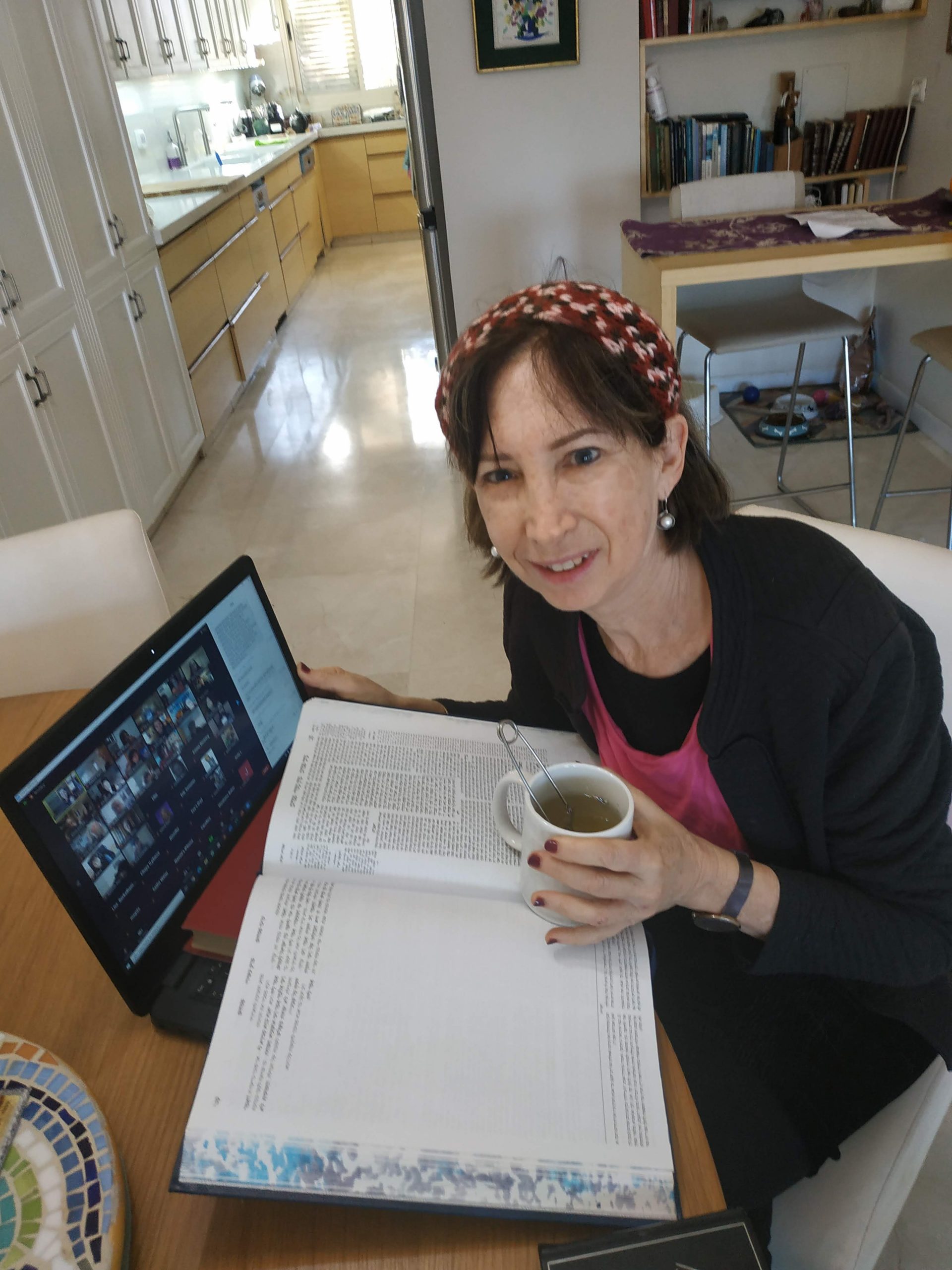
חשמונאים, ישראל
אמא שלי למדה איתי ש”ס משנה, והתחילה ללמוד דף יומי. אני החלטתי שאני רוצה ללמוד גם. בהתחלה למדתי איתה, אח”כ הצטרפתי ללימוד דף יומי שהרב דני וינט מעביר לנוער בנים בעתניאל. במסכת עירובין עוד חברה הצטרפה אלי וכשהתחלנו פסחים הרב דני פתח לנו שעור דף יומי לבנות. מאז אנחנו לומדות איתו קבוע כל יום את הדף היומי (ובשבת אבא שלי מחליף אותו). אני נהנית מהלימוד, הוא מאתגר ומעניין

עתניאל, ישראל
התחלתי ללמוד בסבב הנוכחי לפני כשנתיים .הסביבה מתפעלת ותומכת מאוד. אני משתדלת ללמוד מכל ההסכתים הנוספים שיש באתר הדרן. אני עורכת כל סיום מסכת שיעור בביתי לכ20 נשים שמחכות בקוצר רוח למפגשים האלו.
יהוד, ישראל
התחלתי מחוג במסכת קידושין שהעבירה הרבנית רייסנר במסגרת בית המדרש כלנה בגבעת שמואל; לאחר מכן התחיל סבב הדף היומי אז הצטרפתי. לסביבה לקח זמן לעכל אבל היום כולם תומכים ומשתתפים איתי. הלימוד לעתים מעניין ומעשיר ולעתים קשה ואף הזוי… אך אני ממשיכה קדימה. הוא משפיע על היומיום שלי קודם כל במרדף אחרי הדף, וגם במושגים הרבים שלמדתי ובידע שהועשרתי בו, חלקו ממש מעשי

ראש העין, ישראל
אני לומדת גמרא כעשור במסגרות שונות, ואת הדף היומי התחלתי כשחברה הציעה שאצטרף אליה לסיום בבנייני האומה. מאז אני לומדת עם פודקסט הדרן, משתדלת באופן יומי אך אם לא מספיקה, מדביקה פערים עד ערב שבת. בסבב הזה הלימוד הוא "ממעוף הציפור”, מקשיבה במהירות מוגברת תוך כדי פעילויות כמו בישול או נהיגה, וכך רוכשת היכרות עם הסוגיות ואופן ניתוחם על ידי חז”ל. בע”ה בסבב הבא, ואולי לפני, אצלול לתוכו באופן מעמיק יותר.

רמת גן, ישראל
חולין כו
בְּשֶׁהֶחְמִיץ מַחְלוֹקֶת, וּמַתְנִיתִין רַבִּי יְהוּדָה. וְכֵן אָמַר רַבִּי יוֹסֵי בְּרַבִּי חֲנִינָא: בְּשֶׁהֶחְמִיץ מַחְלוֹקֶת.
It is in a case where the temed fermented that there is a dispute between Rabbi Yehuda and the Rabbis. It is only then that Rabbi Yehuda deems him obligated to tithe the temed if it tastes like wine, and the mishna that treats fermented temed like wine is in accordance with the opinion of Rabbi Yehuda. And likewise, Rabbi Yosei, son of Rabbi Ḥanina, said: It is in a case where the temed fermented that there is a dispute.
וְאָמַר רַב נַחְמָן אָמַר רַבָּה בַּר אֲבוּהּ: תֶּמֶד שֶׁלְּקָחוֹ בְּכֶסֶף מַעֲשֵׂר, וּלְבַסּוֹף הֶחְמִיץ – קָנָה מַעֲשֵׂר. מַאי טַעְמָא? אִיגַּלַּאי מִילְּתָא לְמַפְרֵעַ דְּפֵירָא הוּא.
§ And Rav Naḥman says that Rabba bar Avuh says: In a case of unfermented temed that one purchased with second-tithe money and that ultimately fermented, the temed he purchased assumes the sanctity of second-tithe produce, and the money is desacralized. What is the reason that the temed assumes the sanctity of second-tithe produce? The reason is that the matter was revealed retroactively, such that when the temed was purchased it was produce fit to be purchased with second-tithe money and was not merely water.
אֶלָּא, מַתְנִיתִין דְּקָתָנֵי הֶחְמִיץ – אִין, לֹא הֶחְמִיץ – לָא, דִּלְמָא אִי שַׁבְקֵיהּ הֲוָה מַחְמִיץ! אָמַר רַבָּה: כְּשֶׁשִּׁיֵּיר מִמֶּנּוּ בְּכוֹס וְלֹא הֶחְמִיץ.
But in that case, the mishna that teaches that if the temed fermented, yes, one may purchase it with second-tithe money, but if it did not ferment, one may not, and the money remains sacred, why does the mishna state it unequivocally? Perhaps, if he would have left the temed long enough, it would have fermented. Rabba said in explanation: The mishna is referring to a case where one left some of the temed in a cup to monitor its status and it did not ferment. Therefore, one may be certain that it was not produce when he purchased it with second-tithe money, and the money remains sacred.
רָבָא אָמַר: הָא מַנִּי? רַבִּי יוֹחָנָן בֶּן נוּרִי הִיא, דִּתְנַן: שְׁלֹשָׁה לוּגִּין מַיִם חָסֵר קוּרְטוֹב, שֶׁנָּפַל לְתוֹכָן קוּרְטוֹב יַיִן, וּמַרְאֵיהֶן כְּמַרְאֵה יַיִן, וְנָפְלוּ לַמִּקְוֶה – לֹא פְּסָלוּהוּ.
Rava said: It is not necessary to understand the mishna specifically in that manner; rather, in accordance with whose opinion is this mishna? It is in accordance with the opinion of Rabbi Yoḥanan ben Nuri, as we learned in a mishna (Mikvaot 7:5): In a case where there are three log of drawn water less one sixty-fourth of a log [kortov], or any small measure of water, into which a kortov of wine fell, increasing the measure of liquid to a total of three log, and the appearance of those three log is like the appearance of wine, and then those three log fell into a ritual bath, completing its requisite forty se’a, it has not invalidated the ritual bath. The reason is that three log of drawn water invalidate the ritual bath, and less than that measure of water fell into the ritual bath.
שְׁלֹשָׁה לוּגִּין מַיִם חָסֵר קוּרְטוֹב, שֶׁנָּפַל לְתוֹכָן קוּרְטוֹב חָלָב, וּמַרְאֵיהֶן כְּמַרְאֵה מַיִם, וְנָפְלוּ לַמִּקְוֶה – לֹא פְּסָלוּהוּ.
Furthermore, in a case where there are three log of drawn water less one kortov, into which a kortov of milk fell, and the appearance of those three log is like the appearance of water, and those three log fell into a ritual bath, it has not invalidated the ritual bath, because in this case too, less than three log of drawn water fell into the ritual bath.
רַבִּי יוֹחָנָן בֶּן נוּרִי אוֹמֵר: הַכֹּל הוֹלֵךְ אַחַר הַמַּרְאֶה.
Rabbi Yoḥanan ben Nuri says: Everything follows the appearance of those three log. Therefore, in the case of a kortov of milk completing the three log, the ritual bath is invalidated because the mixture still has the appearance of water.
לָאו אָמַר רַבִּי יוֹחָנָן: בָּתַר חֲזוּתָא אָזְלִינַן? הָכָא נָמֵי זִיל בָּתַר חֲזוּתָא, וְטַעְמָא וַחֲזוּתָא דְּהַאי מַיָּא נִינְהוּ.
Rava reasoned: Doesn’t Rabbi Yoḥanan ben Nuri say that we follow the appearance in determining the halakhic status of the liquid? Here too, in the mishna, follow the appearance in determining the halakhic status of the liquid, and in the case of the temed, as long as it has not yet fermented, the taste and the appearance of that liquid is that of water. By contrast, Rav Naḥman holds in accordance with the opinion of the first tanna in the mishna in tractate Mikvaot that the status of the liquid is not determined by its appearance. Rather, since it ultimately fermented, it became clear retroactively that when the temed was purchased it was produce fit to be purchased with second-tithe money, and was not merely water.
וּפְלִיגָא דְּרַבִּי אֶלְעָזָר, דְּאָמַר רַבִּי אֶלְעָזָר: הַכֹּל מוֹדִים שֶׁאֵין מַפְרִישִׁין עָלָיו מִמָּקוֹם אַחֵר, אֶלָּא אִם כֵּן הֶחְמִיץ.
The Gemara resumes its discussion of the dispute between Rabbi Yehuda and the Rabbis with regard to which Rav Naḥman said: It is in a case where the temed fermented that there is a dispute between Rabbi Yehuda and the Rabbis, and it is only then that Rabbi Yehuda deems one obligated to tithe the temed if it tastes like wine. If it did not yet ferment, even Rabbi Yehuda concedes that one is not obligated to tithe it. The Gemara notes: And Rav Naḥman disagrees with the opinion of Rabbi Elazar, as Rabbi Elazar says: Everyone, even Rabbi Yehuda, agrees that one may not separate tithes for this temed from temed in another place, unless it fermented.
קָסָבַר בְּלֹא הֶחְמִיץ מַחְלוֹקֶת, וְעַד כָּאן לָא מְחַיֵּיב רַבִּי יְהוּדָה אֶלָּא מִינֵּיהּ וּבֵיהּ, אֲבָל מֵעָלְמָא לָא, דִּלְמָא אָתֵי לְאַפְרוֹשֵׁי מִן הַחִיּוּב עַל הַפְּטוּר וּמִן הַפְּטוּר עַל הַחִיּוּב.
Apparently, Rabbi Elazar holds that it is in a case where the temed did not ferment that there is a dispute between Rabbi Yehuda and the Rabbis, and Rabbi Yehuda obligates one to tithe the temed that did not ferment only from that temed itself, because if it ferments it is tithe and if not, he has done nothing. But concerning temed that comes from elsewhere, one may not separate it for this temed, as perhaps he will come to separate tithe from the produce of obligation, i.e., fermented temed, for the produce of exemption, i.e., temed that will not ferment, and from the produce of exemption for the produce of obligation.
תָּנוּ רַבָּנַן: הַתֶּמֶד עַד שֶׁלֹּא הֶחְמִיץ –
§ The Sages taught: With regard to temed that became ritually impure, until it ferments,
מַשִּׁיקוֹ בַּמַּיִם, מִשֶּׁהֶחְמִיץ – אֵין מַשִּׁיקוֹ בְּמַיִם. אָמַר רָבָא: לֹא שָׁנוּ אֶלָּא שֶׁתִּמְּדוֹ בְּמַיִם טְהוֹרִים וְנִטְמְאוּ, אֲבָל טְמֵאִים מֵעִיקָּרָא – לָא.
one brings the temed into contact with water of a ritual bath by immersing the vessel holding the temed in a ritual bath, thereby purifying the temed. Once it ferments, he does not bring it into contact with water, as that is effective only in purifying water and not in purifying other liquids. Rava said: The Sages taught this only with regard to a case where one prepared temed with ritually pure water and it later became impure, but if the water was impure from the outset, the contact with the ritual bath would not purify it.
אֲזַל רַב גְּבִיהָה מִבֵּי כְתִיל, אַמְרַהּ לִשְׁמַעְתָּא קַמֵּיהּ דְּרַב אָשֵׁי, מַאי שְׁנָא טְמֵאִין מֵעִיקָּרָא דְּלָא, דְּאָמְרִינַן: אַיְּידֵי דְּמַיָּא יַקִּירִי שׇׁכְנִי תַּתַּאי, וּפֵירָא קָפֵי מִלְּעֵיל, וְלָא קָא סָלְקָא לְהוּ הַשָּׁקָה לְמַיָּא. אִי הָכִי, טְהוֹרִים וּלְבַסּוֹף נִטְמְאוּ נָמֵי.
Rav Geviha from Bei Katil went and stated this halakha before Rav Ashi and asked: What is different in the case of water that is impure from the outset such that bringing the temed into contact with the ritual bath would not purify it, as we say: Since the water is heavy it settles at the bottom of the vessel, and the fruit, the grape residue, floats above, and therefore, contact with the water of the ritual bath would not be effective for the water of the temed? If so, the same would apply in the case of water that was ritually pure and ultimately became impure as temed also.
אֶלָּא, מְבַלְבְּלִי; הָכָא נָמֵי – מְבַלְבְּלִי.
Rather, the reason contact is effective in the case of ritually pure water that later became impure as temed is that the water and the residue are intermingled. Here too, in the case of water that was impure from the outset, the water and the residue are intermingled, and contact with the water of a ritual bath would be effective.
מַתְנִי׳ כׇּל מָקוֹם שֶׁיֵּשׁ מֶכֶר, אֵין קְנָס, וְכׇל מָקוֹם שֶׁיֵּשׁ קְנָס, אֵין מֶכֶר.
MISHNA: Any situation where there is sale of one’s daughter as a Hebrew maidservant, i.e., when she is a minor, there is no fine of fifty sela paid to her father if she is raped or seduced, as that fine is paid to her father only when she is a young woman. And any situation where there is a fine paid to the father there is no sale.
גְּמָ׳ אָמַר רַב יְהוּדָה אָמַר רַב: זוֹ דִּבְרֵי רַבִּי מֵאִיר, אֲבָל חֲכָמִים אָמְרוּ: יֵשׁ קְנָס בִּמְקוֹם מֶכֶר, דְּתַנְיָא: קְטַנָּה מִבַּת יוֹם אֶחָד עַד שֶׁתָּבִיא שְׁתֵּי שְׂעָרוֹת – יֵשׁ לָהּ מֶכֶר וְאֵין לָהּ קְנָס, מִשֶּׁתָּבִיא שְׁתֵּי שְׂעָרוֹת עַד שֶׁתִּיבְגַּר – יֵשׁ לָהּ קְנָס וְאֵין לָהּ מֶכֶר, דִּבְרֵי רַבִּי מֵאִיר, שֶׁהָיָה רַבִּי מֵאִיר אוֹמֵר: כׇּל מָקוֹם שֶׁיֵּשׁ מֶכֶר – אֵין קְנָס, וְכׇל מָקוֹם שֶׁיֵּשׁ קְנָס – אֵין מֶכֶר.
GEMARA: Rav Yehuda says that Rav says: This is the statement of Rabbi Meir, but the Rabbis said: There is the possibility of payment of a fine in a situation where there is sale, as it is taught in a baraita: A minor girl from the age of one day old until she reaches puberty and grows two pubic hairs is subject to sale, but is not entitled to receive payment of a fine. Once she reaches puberty and grows two pubic hairs, from that point until she matures into a grown woman she is entitled to receive payment of a fine, but is not subject to sale. This is the statement of Rabbi Meir, as Rabbi Meir would state a principle: Any situation where there is a sale, there is no fine; and any situation where there is a fine, there is no sale.
וַחֲכָמִים אוֹמְרִים: קְטַנָּה מִבַּת שָׁלֹשׁ שָׁנִים וְיוֹם אֶחָד עַד שֶׁתִּיבְגַּר – יֵשׁ לָהּ קְנָס.
And the Rabbis say: A minor girl from the age of three years and one day until she matures into a grown woman is entitled to receive payment of a fine.
קְנָס – אִין, מֶכֶר – לָא? אֵימָא: אַף קְנָס בִּמְקוֹם מֶכֶר.
The Gemara asks: Is that to say that yes, she is entitled to payment of a fine, but she is not subject to sale? Isn’t her father permitted to sell her during most of that period? The Gemara answers: Say that the Rabbis said: She is also entitled to receive payment of a fine during that period in a situation where she is subject to sale.
מַתְנִי׳ כׇּל מָקוֹם שֶׁיֵּשׁ מֵיאוּן – אֵין חֲלִיצָה, וְכׇל מָקוֹם שֶׁיֵּשׁ חֲלִיצָה – אֵין מֵיאוּן.
MISHNA: Any situation where there is the right of refusal for a minor girl married by her mother or brothers, enabling her to opt out of the marriage, there is no ḥalitza, as a minor girl whose husband died without children cannot perform ḥalitza. And any situation where there is ḥalitza, once she has reached majority, there is no right of refusal.
גְּמָ׳ אָמַר רַב יְהוּדָה, אָמַר רַב: זוֹ דִּבְרֵי רַבִּי מֵאִיר, אֲבָל חֲכָמִים אוֹמְרִים: יֵשׁ מֵיאוּן בִּמְקוֹם חֲלִיצָה, דְּתַנְיָא: עַד מָתַי הַבַּת מְמָאֶנֶת? עַד שֶׁתָּבִיא שְׁתֵּי שְׂעָרוֹת, דִּבְרֵי רַבִּי מֵאִיר. רַבִּי יְהוּדָה אוֹמֵר: עַד שֶׁיִּרְבֶּה הַשָּׁחוֹר עַל הַלָּבָן.
GEMARA: Rav Yehuda says that Rav says: This is the statement of Rabbi Meir, but the Rabbis say: There is the right of refusal in a situation where there is ḥalitza, as it is taught in a baraita: Until when may a girl refuse? She may do so as long as she is a minor, until she grows two pubic hairs, which are signs of puberty rendering her a young woman; this is the statement of Rabbi Meir. Rabbi Yehuda says: She may refuse until the black hairs in the pubic area appear to cover an area greater than the white skin of the area uncovered by hair. At that stage, she is already eligible to perform the rite of ḥalitza. That is the opinion of the Rabbis.
מַתְנִי׳ כׇּל מָקוֹם שֶׁיֵּשׁ תְּקִיעָה – אֵין הַבְדָּלָה, וְכׇל מָקוֹם שֶׁיֵּשׁ הַבְדָּלָה – אֵין תְּקִיעָה.
MISHNA: Any situation where there is a shofar blast sounded on the eve of Shabbat or a Festival to stop the people from performing labor and to demarcate between the sacred and the profane, there is no havdala recited at the conclusion of the Shabbat or Festival in prayer and over a cup of wine. And any situation where there is havdala recited, there is no shofar blast sounded.
יוֹם טוֹב שֶׁחָל לִהְיוֹת בְּעֶרֶב שַׁבָּת – תּוֹקְעִין, וְלֹא מַבְדִּילִין; בְּמוֹצָאֵי שַׁבָּת – מַבְדִּילִין, וְלֹא תּוֹקְעִין.
How so? On a Festival that occurs on Shabbat eve, one sounds the shofar to stop the people from performing labor that is permitted on the Festival and prohibited on Shabbat and to demarcate between one sacred day and another; and one does not recite havdala, as that is recited only when the transition is from a sacred day to a profane day or from a day of greater sanctity to a day of lesser sanctity. The sanctity of Shabbat is greater than the sanctity of the Festival, and therefore havdala is not recited in this case. On a Festival that occurs at the conclusion of Shabbat, one recites havdala, but one does not sound the shofar.
כֵּיצַד מַבְדִּילִין? ״הַמַּבְדִּיל בֵּין קוֹדֶשׁ לְקוֹדֶשׁ״. רַבִּי דּוֹסָא אוֹמֵר: ״בֵּין קוֹדֶשׁ חָמוּר לְקוֹדֶשׁ הַקַּל״.
How does one recite havdala in that case; i.e., what is the formula of the blessing? It concludes: Who distinguishes between sacred and sacred, as opposed to the standard blessing at the conclusion of Shabbat: Who distinguishes between sacred and profane. Rabbi Dosa says that the formula is: Who distinguishes between greater sanctity and lesser sanctity.
גְּמָ׳ הֵיכִי תּוֹקֵעַ? אָמַר רַב יְהוּדָה: תּוֹקֵעַ וּמֵרִיעַ מִתּוֹךְ תְּקִיעָה, וְרַב אַסִּי אָמַר: תּוֹקֵעַ וּמֵרִיעַ בִּנְשִׁימָה אַחַת. אַתְקֵין רַב אַסִּי בְּהוּצָל כִּשְׁמַעְתֵּיהּ.
GEMARA: The Gemara asks: How does one sound a tekia on a Festival that occurs on Shabbat eve, when the difference between the sanctity of the preceding day and the sanctity of the coming day is not as pronounced as it is on a standard Shabbat eve? Rav Yehuda said: One sounds a tekia, i.e., a long continuous shofar blast, and sounds a terua, i.e., a staccato series of shofar blasts, from the midst of the tekia. And Rav Asi said: One does not sound a continuous blast; rather, he sounds a tekia and then sounds a terua in one breath. Rav Asi instituted the practice in the city of Huzal in accordance with his halakha.
מֵיתִיבִי: יוֹם טוֹב שֶׁחָל לִהְיוֹת בְּעֶרֶב שַׁבָּת, תּוֹקְעִין וְלֹא מְרִיעִין. מַאי לָאו לֹא מְרִיעִין כְּלָל? לָא, רַב יְהוּדָה מְתָרֵץ לְטַעְמֵיהּ וְרַב אַסִּי מְתָרֵץ לְטַעְמֵיהּ. רַב יְהוּדָה מְתָרֵץ לְטַעְמֵיהּ: לָא מְרִיעִין בִּפְנֵי עַצְמָהּ, אֶלָּא מִתּוֹךְ תְּקִיעָה. וְרַב אַסִּי מְתָרֵץ לְטַעְמֵיהּ: לָא מְרִיעִין בִּשְׁתֵּי נְשִׁימוֹת, אֶלָּא בִּנְשִׁימָה אַחַת.
The Gemara raises an objection to the statements of Rav Yehuda and Rav Asi from a baraita: On a Festival that occurs on Shabbat eve, one sounds a tekia but does not sound a terua. What, is it not that one does not sound a terua at all? The Gemara answers: No, rather, Rav Yehuda explains the baraita according to his line of reasoning and Rav Asi explains the baraita according to his line of reasoning. Rav Yehuda explains the baraita according to his line of reasoning: One does not sound a distinct terua; rather, he sounds the terua that emerges from the midst of the tekia. And Rav Asi explains the baraita according to his line of reasoning: One does not sound the tekia and the terua in two breaths; rather, he sounds them in one breath.
וּבְמוֹצָאֵי שַׁבָּת כּוּ׳. הֵיכָא אָמַר לַהּ? אָמַר רַב יְהוּדָה: בַּחֲתִימָתָהּ, וְכֵן אָמַר רַב נַחְמָן: בַּחֲתִימָתָהּ.
§ The mishna states that on a Festival that occurs at the conclusion of Shabbat one recites havdala, and that the Sages disagreed as to the formula of that blessing. The Gemara asks: Where does one recite the formula in question? Rav Yehuda said: He recites the formula at the conclusion of the blessing. But in the body of the blessing one recites the same formula as in every conclusion of Shabbat: Who distinguishes between sacred and profane, between light and darkness, etc. And likewise, Rav Naḥman said: He recites the formula at the conclusion of the blessing.
וְרַב שֵׁשֶׁת בְּרֵיהּ דְּרַב אִידִי אָמַר: אַף בִּפְתִיחָתָהּ, וְלֵית הִלְכְתָא כְּוָותֵיהּ.
And Rav Sheshet, son of Rav Idi, said: One recites that formula even at the beginning, in the body of the blessing, instead of the formula: Who distinguishes between sacred and profane. The Gemara comments: And the halakha is not in accordance with his opinion.
רַבִּי דּוֹסָא אוֹמֵר: ״בֵּין קֹדֶשׁ חָמוּר לְקֹדֶשׁ הַקַּל״, וְלֵית הִלְכְתָא כְּוָותֵיהּ.
The mishna teaches: Rabbi Dosa says that the formula is: Who distinguishes between greater sanctity and lesser sanctity. The Gemara comments: And the halakha is not in accordance with his opinion.
אָמַר רַבִּי זֵירָא: יוֹם טוֹב שֶׁחָל לִהְיוֹת בְּאֶמְצַע שַׁבָּת, אוֹמֵר ״הַמַּבְדִּיל בֵּין קֹדֶשׁ לְחוֹל וּבֵין אוֹר לְחֹשֶׁךְ וּבֵין יִשְׂרָאֵל לַגּוֹיִם וּבֵין יוֹם הַשְּׁבִיעִי לְשֵׁשֶׁת יְמֵי הַמַּעֲשֶׂה״, מַאי טַעְמָא? סֵדֶר הַבְדָּלוֹת הוּא מוֹנֶה.
Rabbi Zeira said: At the conclusion of a Festival that occurs in the middle of the week, one recites: Who distinguishes between sacred and profane, and between light and darkness, and between Israel and the nations, and between the seventh day and the six days of labor, even though it is not Shabbat. What is the reason for that practice? He is enumerating the series of distinctions that the Sages instituted and not specifically the distinction unique to that particular day.
הֲדַרַן עֲלָךְ הַכֹּל שׁוֹחֲטִין.

