






לימוד מסכת חולין מוקדש על ידי ג’ודי פלבר לכבודה של קהילת הדרן. "במהלך המחזור הראשון שלי בדף היומי, בדיוק כשהתחלנו את מסכת חולין, בני נפצע בעת שירותו בצה”ל. לאורך אותם חודשיים וחצי של קושי וחוסר ודאות, חברותיי ללימוד לא עזבו אותי לרגע. תודה רבה לקהילה שעטפה אותי, עודדה אותי ווידאה שאוכל להמשיך ולהתמיד בלימוד הדף גם בימים המאתגרים ההם.”
רוצה להקדיש שיעור?

כלים
לימוד מסכת חולין מוקדש על ידי ג’ודי פלבר לכבודה של קהילת הדרן. "במהלך המחזור הראשון שלי בדף היומי, בדיוק כשהתחלנו את מסכת חולין, בני נפצע בעת שירותו בצה”ל. לאורך אותם חודשיים וחצי של קושי וחוסר ודאות, חברותיי ללימוד לא עזבו אותי לרגע. תודה רבה לקהילה שעטפה אותי, עודדה אותי ווידאה שאוכל להמשיך ולהתמיד בלימוד הדף גם בימים המאתגרים ההם.”
חולין קטז
חֲדָא מֵחֲדָא קוּלָּא וְחוּמְרָא פָּרְכִינַן, כֹּל דְּהוּ לָא פָּרְכִינַן, חֲדָא מִתַּרְתֵּי אֲפִילּוּ כֹּל דְּהוּ פָּרְכִינַן.
As stated above, for any a fortiori inference of a single source from a single source, one can refute the derivation by invoking a unique leniency in the supposedly stringent case and a stringency in the lenient one, but one cannot refute it by simply mentioning any aspect unique to the first source. And for inferences of one source from two other sources one can even refute the derivation by mentioning any aspect unique to the first source.
חֲדָא מִתְּלָת, אִי הָדַר דִּינָא וְאָתֵי בְּמָה הַצַּד – פָּרְכִינַן כֹּל דְּהוּ, וְאִי לָא – קוּלָּא וְחוּמְרָא פָּרְכִינַן, כֹּל דְּהוּ לָא פָּרְכִינַן.
For inferences of one source from three other sources, as suggested here, only if the inference reverts to its starting point, as each source possesses its own unique stringency, and the halakha is then derived by analogy from the common element of all of them, can one refute the inference by mentioning any factor unique to the source cases. But if the inference does not revert, one can refute the derivation only by invoking a leniency and a stringency, but one cannot refute it by mentioning any unique factor. The suggested inference does not revert, since the prohibition of diverse kinds in a vineyard possesses no stringent element that the other sources lack. Therefore, the fact that all the source cases involve produce is immaterial, and the inference from diverse kinds in a vineyard stands.
וְלִפְרוֹךְ: מָה לְכִלְאֵי הַכֶּרֶם, שֶׁכֵּן לֹא הָיְתָה לָהֶן שְׁעַת הַכּוֹשֶׁר? אָמַר רַב אַדָּא בַּר אַהֲבָה: זֹאת אוֹמֶרֶת – כִּלְאֵי הַכֶּרֶם עִיקָּרָן נֶאֱסָר, וְהָיְתָה לָהֶן שְׁעַת הַכּוֹשֶׁר קוֹדֶם הַשְׁרָשָׁה.
The Gemara suggests: But let one refute the inference as follows: What is unique about diverse kinds in a vineyard? They are unique in that they had no time that they were fit. The produce is forbidden as soon as it begins to grow, whereas meat and milk are prohibited only when they are cooked together. Rav Adda bar Ahava said: If this suggestion was not employed, that is to say that even the roots of diverse kinds in a vineyard are prohibited, including the seeds and saplings from which the hybrid plants grow. And they too had a time when they were fit, before taking root. Consequently, the premise of the question must be false.
מֵתִיב רַב שְׁמַעְיָה בַּר זְעֵירָא: הַמַּעֲבִיר עָצִיץ נָקוּב בַּכֶּרֶם, אִם הוֹסִיף מָאתַיִם – אָסוּר. הוֹסִיף – אִין, לֹא הוֹסִיף – לָא.
Rav Shemaya bar Zeira raises an objection to this conclusion from a mishna (Kilayim 7:8): If one transfers a perforated pot with seeds in it into a vineyard, if the size of the plant growing in the pot increases by one two-hundredth of its previous size, such that the permitted original plant is less than two hundred times the amount of the prohibited growth and insufficient to nullify it, the produce is prohibited, due to the prohibition against planting diverse kinds in a vineyard. One may infer: If it increases, yes, it is prohibited; but if it does not increase, no, it is permitted. Apparently, only the additional growth is prohibited, not the planted seeds or saplings.
אָמַר אַבָּיֵי: תְּרֵי קְרָאֵי כְּתִיבִי, כְּתִיב ״פֶּן תִּקְדַּשׁ הַמְּלֵאָה״, וּכְתִיב ״הַזֶּרַע״.
Abaye said: Two verses are written, i.e., two separate terms in one verse indicate two separate prohibitions: The verse states: “You shall not sow your vineyard with two kinds of seed, lest the growth of the seed that you will sow be forfeited together with the increase of the vineyard” (Deuteronomy 22:9). It is written: “Lest the growth be forfeited,” indicating that it is prohibited only if it has grown, and it is written: “Of the seed,” from which it can be inferred that it is prohibited immediately when it is planted and takes root.
הָא כֵּיצַד? זָרוּעַ מֵעִיקָּרוֹ – בְּהַשְׁרָשָׁה, זָרוּעַ וּבָא, הוֹסִיף – אִין, לֹא הוֹסִיף – לָא.
How can these texts be reconciled? Abaye explains: If it was planted initially in the vineyard, it becomes prohibited immediately upon taking root. But in a case where it was planted elsewhere and brought into the vineyard later, e.g., in a perforated pot, then one must distinguish: If its size increases in the vineyard, yes, the growth is prohibited; if its size does not increase, no, it is not prohibited.
מַתְנִיתִין דְּלָא כִּי הַאי תַּנָּא, דְּתַנְיָא: רַבִּי שִׁמְעוֹן בֶּן יְהוּדָה אוֹמֵר מִשּׁוּם רַבִּי שִׁמְעוֹן: בָּשָׂר בְּחָלָב אָסוּר בַּאֲכִילָה וּמוּתָּר בַּהֲנָאָה, שֶׁנֶּאֱמַר: ״כִּי עַם קָדוֹשׁ אַתָּה״, וְנֶאֱמַר לְהַלָּן: ״וְאַנְשֵׁי קֹדֶשׁ תִּהְיוּן לִי״.
The Gemara notes: The mishna, which states that meat cooked in milk is prohibited for benefit, is not in accordance with the opinion of this tanna, as it is taught in a baraita: Rabbi Shimon ben Yehuda says in the name of Rabbi Shimon: It is prohibited to eat meat cooked in milk but it is permitted to derive benefit from it, as it is stated: “For you are a holy people to the Lord your God; you shall not cook a kid in its mother’s milk” (Deuteronomy 14:21). And the verse states elsewhere: “And you shall be holy people to Me; therefore you shall not eat any flesh that is torn by animals [tereifa] in the field; you shall throw it to the dogs” (Exodus 22:30).
מָה לְהַלָּן אָסוּר בַּאֲכִילָה וּמוּתָּר בַּהֲנָאָה, אַף כָּאן אָסוּר בַּאֲכִילָה וּמוּתָּר בַּהֲנָאָה.
The use of the word “holy” in both verses indicates that just as there, with regard to a tereifa, it is prohibited to eat it but one is permitted to derive benefit from it, as one may give it to the dogs, so too here, with regard to meat cooked in milk, it is prohibited to eat it but one is permitted to derive benefit from it.
רַבִּי עֲקִיבָא אוֹמֵר: חַיָּה וָעוֹף וְכוּ׳. הָנֵי – הָא אַפְּקִינְהוּ לִכְדִשְׁמוּאֵל.
§ The mishna states: Rabbi Akiva says: Cooking the meat of an undomesticated animal or a bird in milk is not prohibited by Torah law, as it is stated: “You shall not cook a kid in its mother’s milk” (Exodus 23:19, 34:26; Deuteronomy 14:21), three times, excluding an undomesticated animal, a bird, and a non-kosher animal. The Gemara raises a difficulty: Other halakhot have already been derived from these mentions of the word “kid,” in accordance with the statement of Shmuel (see 113b).
קָסָבַר רַבִּי עֲקִיבָא: אִיסּוּר חָל עַל אִיסּוּר, חֵלֶב וּמֵתָה לָא צְרִיכִי קְרָא, שְׁלִיל – גְּדִי מְעַלְּיָא הוּא, אִיַּיתַּרוּ לְהוּ כּוּלְּהוּ – פְּרָט לְחַיָּה, וְעוֹף, וְלִבְהֵמָה טְמֵאָה.
The Gemara answers: Rabbi Akiva maintains in general that a prohibition takes effect even where another prohibition already exists, and therefore forbidden fat and the meat of a dead animal, which are already prohibited, do not require a verse to teach that the prohibition of meat and milk applies to them. Furthermore, there is no need to derive from a verse that a fetus is included, as it is a full-fledged kid. Consequently, all three mentions of the word remain for him to expound that they serve to exclude an undomesticated animal and a bird and a non-kosher animal.
רַבִּי יוֹסֵי הַגְּלִילִי אוֹמֵר: נֶאֱמַר ״לֹא תֹאכְלוּ״. מַאי אִיכָּא בֵּין רַבִּי יוֹסֵי הַגְּלִילִי לְרַבִּי עֲקִיבָא?
§ The mishna further teaches that Rabbi Yosei HaGelili says: It is stated: “You shall not eat of any animal carcass” (Deuteronomy 14:21), and in the same verse it is stated: “You shall not cook a kid in its mother’s milk.” This indicates that the meat of an animal that is subject to be prohibited due to the prohibition of eating an unslaughtered carcass is prohibited to cook in milk. Consequently, one might have thought it is prohibited to cook in milk the meat of a bird, which is subject to this prohibition. Therefore, the verse states: “In its mother’s milk,” to exclude a bird, which has no mother’s milk. The Gemara asks: What difference is there between the opinion of Rabbi Yosei HaGelili, who excludes a bird from the prohibition of meat and milk due to the phrase “in its mother’s milk,” and the opinion of Rabbi Akiva, who comes to the same conclusion as Rabbi Yosei HaGelili based upon the phrase “You shall not cook a kid”?
אִיכָּא בֵּינַיְיהוּ חַיָּה: רַבִּי יוֹסֵי הַגְּלִילִי סָבַר חַיָּה דְּאוֹרָיְיתָא, וְרַבִּי עֲקִיבָא סָבַר חַיָּה דְּרַבָּנַן.
The Gemara explains: There is a difference between them with regard to an undomesticated animal. Rabbi Yosei HaGelili maintains that the prohibition of cooking the meat of an undomesticated animal in milk applies by Torah law, as an undomesticated animal has mother’s milk, but Rabbi Akiva maintains that the prohibition of cooking the meat of an undomesticated animal in milk applies only by rabbinic law, as it is excluded by the phrase: “You shall not cook a kid.”
אִיבָּעֵית אֵימָא, עוֹף אִיכָּא בֵּינַיְיהוּ: רַבִּי עֲקִיבָא סָבַר חַיָּה וָעוֹף אֵינָן מִן הַתּוֹרָה, הָא מִדְּרַבָּנַן אֲסִירִי, וְרַבִּי יוֹסֵי הַגְּלִילִי סָבַר עוֹף אֲפִילּוּ מִדְּרַבָּנַן נָמֵי לָא אֲסִיר.
If you wish, say instead that there is a difference between them with regard to the meat of a bird itself: Rabbi Akiva maintains that the prohibitions of an undomesticated animal and a bird do not apply by Torah law; but it may be inferred from his statement that they are prohibited by rabbinic law. And Rabbi Yosei HaGelili maintains that a bird is not prohibited even by rabbinic law.
תַּנְיָא נָמֵי הָכִי: בִּמְקוֹמוֹ שֶׁל רַבִּי אֱלִיעֶזֶר הָיוּ כּוֹרְתִין עֵצִים לַעֲשׂוֹת פֶּחָמִין לַעֲשׂוֹת בַּרְזֶל, בִּמְקוֹמוֹ שֶׁל רַבִּי יוֹסֵי הַגְּלִילִי הָיוּ אוֹכְלִין בְּשַׂר עוֹף בְּחָלָב.
The Gemara notes: That distinction is also taught in a baraita: In the locale of Rabbi Eliezer, where his ruling was followed, they would cut down trees on Shabbat to prepare charcoal from them with which to light a fire to fashion iron tools with which to circumcise a child on Shabbat. In Rabbi Eliezer’s opinion, not only does the mitzva of circumcision override Shabbat, but also any action required for the preparation of the tools necessary for the circumcision likewise overrides Shabbat. The baraita adds: In the locale of Rabbi Yosei HaGelili they would eat bird meat cooked in milk. Evidently, Rabbi Yosei HaGelili maintains that the prohibition of meat cooked in milk does not include birds.
לֵוִי אִיקְּלַע לְבֵי יוֹסֵף רִישְׁבָּא, אַיְיתוֹ לְקַמֵּיהּ רֵישָׁא דְּטַוָּוסָא בַּחֲלָבָא, וְלָא אֲמַר לְהוּ וְלָא מִידֵּי. כִּי אֲתָא לְקַמֵּיהּ דְּרַבִּי, אֲמַר לֵיהּ: אַמַּאי לָא תְּשַׁמְּתִינְהוּ?
The Gemara relates: Levi happened to come to the house of Yosef the bird hunter [rishba]. They served him the head of a peacock [tayvasa] in milk and he did not say anything to them. When Levi came before Rabbi Yehuda HaNasi, Rabbi Yehuda HaNasi said to him: Why did you not excommunicate these people who eat bird meat cooked in milk, contrary to the decree of the Sages?
אֲמַר לֵיהּ: אַתְרֵיהּ דְּרַבִּי יְהוּדָה בֶּן בְּתֵירָא הוּא, וְאָמֵינָא: דְּרַשׁ לְהוּ כְּרַבִּי יוֹסֵי הַגְּלִילִי, דְּאָמַר: יָצָא עוֹף שֶׁאֵין לוֹ חֲלֵב אֵם.
Levi said to him: It was in the locale of Rabbi Yehuda ben Beteira, and I said: Perhaps he taught them that the halakha is in accordance with the opinion of Rabbi Yosei HaGelili, who said that the phrase “in its mother’s milk” serves to exclude a bird, which does not have mother’s milk. If so, I could not prohibit it to them, and I certainly could not excommunicate them for following their ruling.
מַתְנִי׳ קֵבַת גּוֹי וְשֶׁל נְבֵלָה – הֲרֵי זוֹ אֲסוּרָה. הַמַּעֲמִיד בְּעוֹר שֶׁל קֵבָה כְּשֵׁרָה,
MISHNA: The congealed milk in the stomach of the animal of a gentile and of an unslaughtered animal carcass is prohibited. With regard to one who curdled milk by using the skin of the stomach of a kosher animal as a coagulant to make cheese, which may then have the taste of meat cooked in milk,
אִם יֵשׁ בְּנוֹתֵן טַעַם – הֲרֵי זוֹ אֲסוּרָה. כְּשֵׁרָה שֶׁיָּנְקָה מִן הַטְּרֵפָה – קֵבָתָהּ אֲסוּרָה. טְרֵפָה שֶׁיָּנְקָה מִן הַכְּשֵׁרָה – קֵבָתָהּ מוּתֶּרֶת, מִפְּנֵי שֶׁכָּנוּס בְּמֵעֶיהָ.
if the measure of the skin is enough to impart flavor to the milk, that cheese is prohibited. In the case of a kosher animal that suckled milk from a tereifa, the milk in its stomach is prohibited, as the milk is from the tereifa. If it was a tereifa that suckled milk from a kosher animal, the milk in its stomach is permitted, as the milk is from the kosher animal. In both cases, the milk that an animal suckles has the status of the animal from which it was suckled, and not that of the animal which suckled, because the milk is collected in its innards and is not an integral part of its body.
גְּמָ׳ אַטּוּ קֵבַת גּוֹי לָאו נְבֵלָה הִיא? אָמַר רַב הוּנָא: הָכָא בְּלוֹקֵחַ גְּדִי מִן הַגּוֹי עָסְקִינַן, וְחָיְישִׁינַן שֶׁמָּא יָנַק מִן הַטְּרֵפָה.
GEMARA: The mishna makes reference to the stomach of the animal of a gentile and that of an unslaughtered carcass. The Gemara asks: Is that to say that the stomach of an animal slaughtered by a gentile is not itself a carcass? Why does the tanna of the mishna differentiate between them? Rav Huna said: The mishna here is not referring to an animal slaughtered by a gentile. Rather, we are dealing with a Jew who purchases a kid from a gentile and slaughters it himself. Therefore, the kid is not prohibited as a carcass, but we are concerned that perhaps it suckled from a tereifa animal, and it is therefore prohibited.
וּמִי חָיְישִׁינַן שֶׁמָּא יָנַק מִן הַטְּרֵפָה? וְהָתְנַן: לוֹקְחִים בֵּיצִים מִן הַגּוֹיִם, וְאֵין חוֹשְׁשִׁין לֹא מִשּׁוּם נְבֵלָה וְלֹא מִשּׁוּם טְרֵפָה! אֶלָּא אֵימָא: חָיְישִׁינַן שֶׁמָּא יָנַק מִן הַטְּמֵאָה.
The Gemara asks: And are we concerned that perhaps it suckled from an animal that is a tereifa? But didn’t we learn in a baraita (Tosefta 3:8): One may purchase eggs from gentiles, and we are not concerned that perhaps the eggs came from a carcass nor that they came from a tereifa. The Gemara answers: Indeed, there is no concern that the kid might have suckled from a tereifa. Rather, say that we are concerned that perhaps it suckled from a non-kosher animal, and therefore the milk in its stomach is prohibited.
וּמַאי שְׁנָא טְרֵפָה דְּלָא חָיְישִׁינַן, וּמַאי שְׁנָא טְמֵאָה דְּחָיְישִׁינַן? טְרֵפָה לָא שְׁכִיחָא, טְמֵאָה שְׁכִיחָא.
The Gemara asks: And what is different about a tereifa that we are not concerned that perhaps the animal suckled from it, and what is different about a non-kosher animal that we are concerned? The Gemara answers: A tereifa animal is not common, whereas a non-kosher animal is common, and it is therefore more likely that the young animal suckled from one.
אִי שְׁכִיחָא, אֲפִילּוּ גַּבֵּי דִּידַן נֵיחוּשׁ! אֲנַן דְּבָדְלִינַן מִינַּיְיהוּ, וְכִי חָזֵינַן לְהוּ מַפְרְשִׁינַן לְהוּ – לָא גְּזַרוּ בְּהוּ רַבָּנַן. אִינְהוּ דְּלָא בְּדִילִי מִינַּיְיהוּ, וְכִי חָזוּ לְהוּ לָא מַפְרְשִׁי לְהוּ – גְּזַרוּ בְּהוּ רַבָּנַן.
The Gemara raises a difficulty: If suckling from a non-kosher animal is common, then let us be concerned even with regard to our own animals. The Gemara responds: We Jews, who separate ourselves from non-kosher animals, when we see them we immediately distance our suckling animals from them. Therefore, the Sages did not issue a decree with regard to animals purchased from Jews. But as for the gentiles, who do not separate themselves from non-kosher animals, when they see them they do not distance their kosher animals from them. Consequently, the Sages issued a decree with regard to animals purchased from a gentile.
וּשְׁמוּאֵל אָמַר: חֲדָא קָתָנֵי, קֵבַת שְׁחִיטַת גּוֹי – נְבֵלָה.
And Shmuel said a different explanation of the mishna’s language: The tanna of the mishna is teaching only one halakha: The congealed milk in the stomach of an animal slaughtered by a gentile is like a carcass, and it is therefore prohibited.
וּמִי אָמַר שְׁמוּאֵל הָכִי? וְהָאָמַר שְׁמוּאֵל: מִפְּנֵי מָה אָסְרוּ גְּבִינַת הַגּוֹיִם – מִפְּנֵי שֶׁמַּעֲמִידִין אוֹתָהּ בְּעוֹר קֵבַת נְבֵלָה. הָא קֵבָה גּוּפַהּ שַׁרְיָא!
The Gemara asks: And did Shmuel actually say this? Does he hold that the milk in the stomach of an unslaughtered animal is prohibited as if it were part of its body? But didn’t Shmuel say: For what reason did the Sages prohibit the cheese of gentiles? It is because they curdle it with the skin of the stomach of a carcass. One may infer consequently that congealed milk, or rennet, from the stomach of a gentile’s animal is itself permitted and would not render the cheese prohibited if used as a coagulant.
לָא קַשְׁיָא: כָּאן – קוֹדֶם חֲזָרָה, כָּאן – לְאַחַר חֲזָרָה.
The Gemara answers: That is not difficult. Elsewhere (Avoda Zara 29b), Rabbi Yehoshua teaches two reasons for the prohibition on gentile cheese. Initially, he held it to be prohibited because it is curdled using rennet from the stomach of an animal carcass. He later adopted the opinion that such rennet is permitted, and that the cheese is prohibited because it is curdled using rennet from the stomach of calves used for idol worship, which is prohibited. Therefore, the mishna here, which states that the rennet in a carcass’s stomach is itself prohibited, was taught before Rabbi Yehoshua’s retraction, while Shmuel’s statement there, that the Sages prohibited gentile cheese only because it is curdled with the skin of the stomach of a carcass, was after Rabbi Yehoshua’s retraction.
כְּשֵׁרָה שֶׁיָּנְקָה מִן הַטְּרֵפָה [וְכוּ׳]. וְהָא קָתָנֵי רֵישָׁא: קֵבַת גּוֹי וְשֶׁל נְבֵלָה הֲרֵי זוֹ אֲסוּרָה?
§ The mishna teaches: In the case of a kosher animal that suckled milk from a tereifa, the milk in its stomach is prohibited, whereas if a tereifa suckled milk from a kosher animal, the milk in its stomach is permitted. The Gemara raises a difficulty: But doesn’t the first clause of the mishna teach: The congealed milk in the stomach of the animal of a gentile and of a carcass is prohibited? What is the difference between the milk found in the stomach of a tereifa in the second clause and the milk found in the stomach of an unslaughtered carcass in the first clause?
אָמַר רַב חִסְדָּא: רֵישָׁא נִרְאֶה כְּאוֹכֵל נְבֵלוֹת, הָכָא אִיכָּא שְׁחִיטָה.
Rav Ḥisda said: In fact, milk found in the stomach of a carcass is not itself prohibited. The first clause of the mishna prohibits it only because one who partakes of it looks like one who eats carcasses, which is repulsive. By contrast, here, with regard to a tereifa, the consumption of milk found in its stomach is less repulsive, as here there is at least slaughter of the animal.
אֲמַר לֵיהּ רָבָא: וְלָאו כֹּל דְּכֵן הוּא? וּמָה נְבֵלָה דִּמְאִיסָה, דְּאִי שָׁרֵית לֵיהּ קֵבָתָהּ לָא אָתֵי לְמֵיכַל מִינַּהּ, אָמְרַתְּ לָא. טְרֵפָה שְׁחוּטָה, דְּאִי שָׁרֵית אָתֵי לְמֵיכַל מִינַּהּ, לֹא כׇּל שֶׁכֵּן?
Rava said to Rav Ḥisda: But is it not possible to claim a fortiori that milk found in the stomach of a tereifa should be prohibited? Just as with regard to a carcass, which is so repulsive that even if you permit the milk in its stomach people will not come to partake of the meat, you nevertheless said the milk is not permitted for consumption, is it not all the more so with regard to a tereifa that has been slaughtered, which is not as repulsive, such that if you permit the milk in its stomach people might come to partake of it?
אֶלָּא אָמַר רַב יִצְחָק, אָמַר רַבִּי יוֹחָנָן: לָא קַשְׁיָא, כָּאן קוֹדֶם חֲזָרָה, כָּאן לְאַחַר חֲזָרָה, וּמִשְׁנָה לֹא זָזָה מִמְּקוֹמָהּ.
Rather, Rav Yitzḥak said that Rabbi Yoḥanan says: This question is not difficult. The first clause of the mishna here, which teaches that the milk in the stomach of a carcass is prohibited, was taught before Rabbi Yehoshua’s retraction cited above, whereas the latter clause there, that milk from the stomach of a tereifa is permitted, was taught after Rabbi Yehoshua’s retraction. A mishna can sometimes preserve an older ruling and then immediately teach a contradictory later ruling, because a mishna does not move from its place. Since the first clause of the mishna was already canonized, it was not removed, despite Rabbi Yehoshua’s change of opinion.
אָמַר רַבִּי חִיָּיא בַּר אַבָּא, אָמַר רַבִּי יוֹחָנָן: מַעֲמִידִין בְּקֵבַת נְבֵלוֹת, וְאֵין מַעֲמִידִין בְּקֵבַת שְׁחִיטַת גּוֹי. אָמַר לְפָנָיו רַבִּי שִׁמְעוֹן בַּר אַבָּא: כְּמַאן? כְּרַבִּי אֱלִיעֶזֶר, דְּאָמַר סְתָם מַחְשֶׁבֶת גּוֹי לַעֲבוֹדָה זָרָה.
§ Rabbi Ḥiyya bar Abba says that Rabbi Yoḥanan says: One may curdle milk with rennet extracted from the stomach of carcasses, but one may not curdle milk with rennet from the stomach of animals slaughtered by a gentile. Rabbi Shimon bar Abba said before Rabbi Ḥiyya bar Abba: In accordance with whose opinion is this ruling? It is in accordance with the opinion of Rabbi Eliezer, who said: A gentile’s presumed intention during slaughter is for idol worship. Therefore, the prohibition against deriving benefit from an animal slaughtered in idol worship applies to it, and this prohibition includes the contents of its stomach that are not actually part of its body. By contrast, a carcass is prohibited only for consumption, and the prohibition does not extend to the contents of its stomach.
אֲמַר לֵיהּ: וְאֶלָּא כְּמַאן?
Rabbi Ḥiyya bar Abba said to Rabbi Shimon bar Abba: Rather, in accordance with whose opinion could this ruling be? Of course it is the opinion of Rabbi Eliezer.
כִּי אֲתָא רַב שְׁמוּאֵל בַּר רַב יִצְחָק, אָמַר רַבִּי יוֹחָנָן: מַעֲמִידִין בֵּין בְּקֵבַת נְבֵלָה, בֵּין בְּקֵבַת שְׁחִיטַת גּוֹי, שֶׁלֹּא לָחוֹשׁ לְדִבְרֵי רַבִּי אֱלִיעֶזֶר.
The Gemara relates: When Rav Shmuel bar Rav Yitzḥak came from Eretz Yisrael to Babylonia, he said that Rabbi Yoḥanan said: One may curdle milk both with rennet from the stomach of a carcass and with rennet from the stomach of an animal slaughtered by a gentile, as there is no need to be concerned for the statement of Rabbi Eliezer. According to this account, Rabbi Yoḥanan does not maintain that a gentile’s presumed intention is for idol worship.
וְהִלְכְתָא: אֵין מַעֲמִידִין בָּעוֹר קֵבַת נְבֵלָה, אֲבָל מַעֲמִידִין בְּקֵבַת נְבֵלָה, וּבְקֵבַת שְׁחִיטַת גּוֹי, וּבְקֵבַת כְּשֵׁרָה שֶׁיָּנְקָה מִן הַטְּרֵפָה, וְכׇל שֶׁכֵּן בְּקֵבַת טְרֵפָה שֶׁיָּנְקָה מִן הַכְּשֵׁרָה. מַאי טַעְמָא? חָלָב הַמְכוּנָּס בָּהּ פִּירְשָׁא בְּעָלְמָא הוּא.
The Gemara concludes: And the halakha is: One may not curdle milk with the skin of the stomach of a carcass, but one may curdle milk with rennet from the stomach of a carcass and with rennet from the stomach of an animal slaughtered by a gentile, and with rennet from the stomach of a kosher animal that suckled from a tereifa, and all the more so with rennet from the stomach of a tereifa animal that suckled from a kosher animal. What is the reason for these lenient rulings? The milk collected in a stomach is merely secretion and is not considered food that can be prohibited.
מַתְנִי׳ חוֹמֶר בַּחֵלֶב מִבַּדָּם, וְחוֹמֶר בַּדָּם מִבַּחֵלֶב. חוֹמֶר בַּחֵלֶב – שֶׁהַחֵלֶב
MISHNA: Although animal fats and blood are similar in that they are both prohibited by Torah law and punishable by karet, there are elements more stringent in the prohibition of fat than in that of blood, and likewise there are elements more stringent in the prohibition of blood than in that of fat. The elements more stringent in the prohibition of fat are the following: The first is that with regard to fat of an offering,

כלים
העמקה
רוצה להבין מה באמת קורה מתחת לפני השטח של הסוגיה?
שיעורים, פודקאסטים והרחבות של מיטב המורות שלנו יפתחו לך עוד זוויות וכיווני חשיבה.


נ”ט בר נ”ט – פרווה, יש דבר כזה?- גפת עם הרבנית חנה גודינגר (דרייפוס)
בן פקועה: איך אפשר לאכול בשר ללא שחיטה?- גפת עם הרבנית חנה גודינגר (דרייפוס)
טומאה בלועה – אשת כהן בהריון האם יכולה להיכנס לבית קברות?- גפת עם הרבנית חנה גודינגר (דרייפוס)
הביאו עלי כפרה שמיעטתי את הירח – גפת עם הרבנית חנה גודינגר (דרייפוס)
חדשה בלימוד הגמרא?
זה הדף הראשון שלך? איזו התרגשות עצומה! יש לנו בדיוק את התכנים והכלים שיעזרו לך לעשות את הצעדים הראשונים ללמידה בקצב וברמה שלך, כך תוכלי להרגיש בנוח גם בתוך הסוגיות המורכבות ומאתגרות.
פסיפס הלומדות שלנו
גלי את קהילת הלומדות שלנו, מגוון נשים, רקעים וסיפורים. כולן חלק מתנועה ומסע מרגש ועוצמתי.
התחלתי בסיום הש”ס, יצאתי באורות. נשברתי פעמיים, ובשתיהם הרבנית מישל עודדה להמשיך איפה שכולם בסבב ולהשלים כשאוכל, וכך עשיתי וכיום השלמתי הכל. מדהים אותי שאני לומדת כל יום קצת, אפילו בחדר הלידה, בבידוד או בחו”ל. לאט לאט יותר נינוחה בסוגיות. לא כולם מבינים את הרצון, בפרט כפמניסטית. חשה סיפוק גדול להכיר את המושגים וצורת החשיבה. החלום זה להמשיך ולהתמיד ובמקביל ללמוד איך מהסוגיות נוצרה והתפתחה ההלכה.

מודיעין, ישראל
כבר סיפרתי בסיום של מועד קטן.
הלימוד מאוד משפיעה על היום שלי כי אני לומדת עם רבנית מישל על הבוקר בזום. זה נותן טון לכל היום – בסיס למחשבות שלי .זה זכות גדול להתחיל את היום בלימוד ובתפילה. תודה רבה !

ירושלים, ישראל
התחלתי לפני כמה שנים אבל רק בסבב הזה זכיתי ללמוד יום יום ולסיים מסכתות

רעננה, ישראל
התחלתי ללמוד דף לפני קצת יותר מ-5 שנים, כשלמדתי רבנות בישיבת מהר”ת בניו יורק. בדיעבד, עד אז, הייתי בלימוד הגמרא שלי כמו מישהו שאוסף חרוזים משרשרת שהתפזרה, פה משהו ושם משהו, ומאז נפתח עולם ומלואו…. הדף נותן לי לימוד בצורה מאורגנת, שיטתית, יום-יומית, ומלמד אותי לא רק ידע אלא את השפה ודרך החשיבה שלנו. לשמחתי, יש לי סביבה תומכת וההרגשה שלי היא כמו בציטוט שבחרתי: הדף משפיע לטובה על כל היום שלי.

חיפה, ישראל
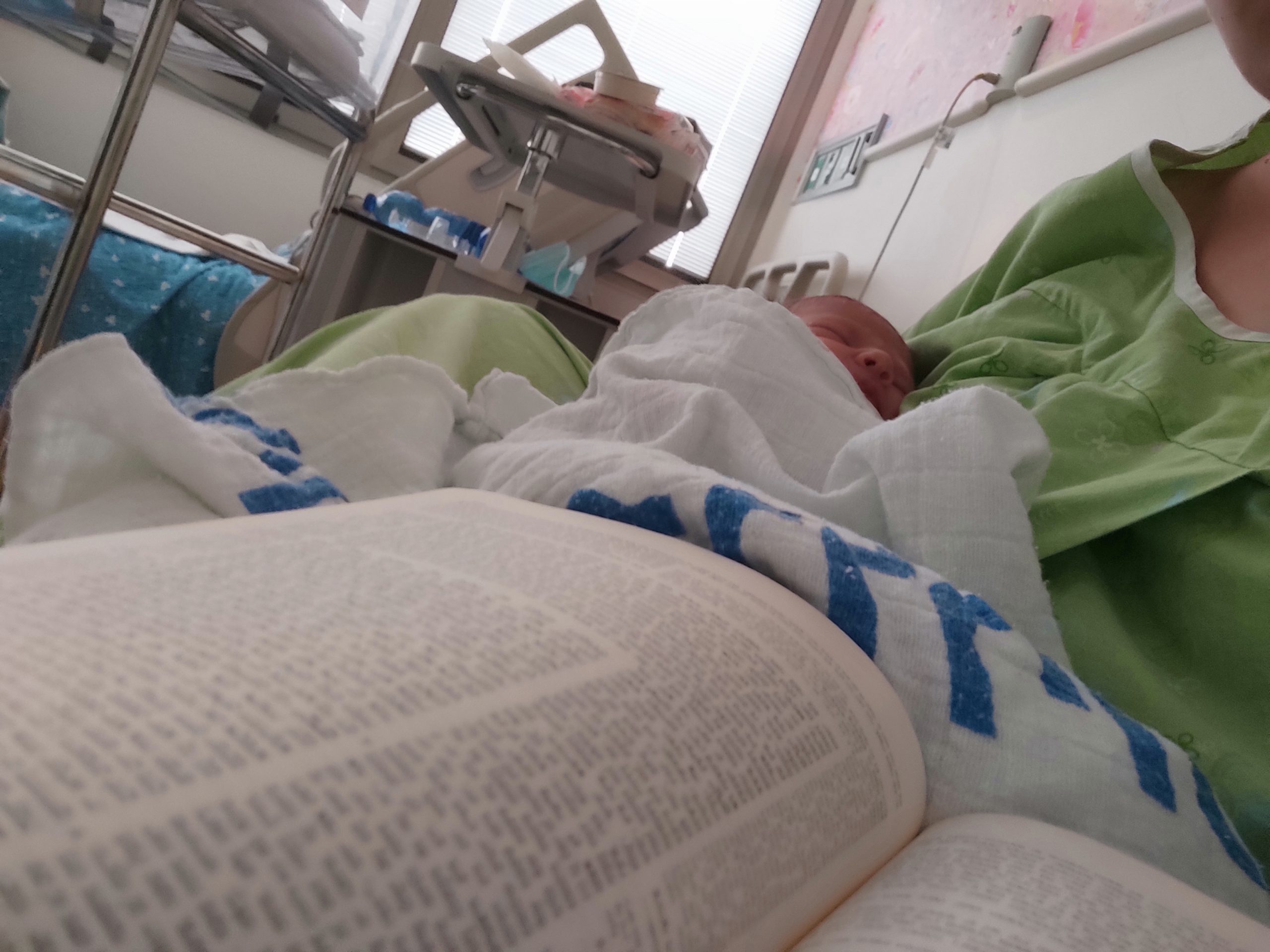
בתחילת הסבב הנוכחי הצטברו אצלי תחושות שאני לא מבינה מספיק מהי ההלכה אותה אני מקיימת בכל יום. כמו כן, כאמא לבנות רציתי לתת להן מודל נשי של לימוד תורה
שתי הסיבות האלו הובילו אותי להתחיל ללמוד. נתקלתי בתגובות מפרגנות וסקרניות איך אישה לומדת גמרא..
כמו שרואים בתמונה אני ממשיכה ללמוד גם היום ואפילו במחלקת יולדות אחרי לידת ביתי השלישית.
רבבה, ישראל
התחלתי ללמוד דף יומי ממסכת נידה כי זה היה חומר הלימוד שלי אז. לאחר הסיום הגדול בבנייני האומה החלטתי להמשיך. וב”ה מאז עם הפסקות קטנות של קורונה ולידה אני משתדלת להמשיך ולהיות חלק.
זה משפיע מאוד על היום יום שלי ועל אף שאני עסוקה בלימודי הלכה ותורה כל יום, זאת המסגרת הקבועה והמחייבת ביותר שיש לי.

גבעת הראל, ישראל
הצטרפתי ללומדות בתחילת מסכת תענית. ההתרגשות שלי ושל המשפחה היתה גדולה מאוד, והיא הולכת וגוברת עם כל סיום שאני זוכה לו. במשך שנים רבות רציתי להצטרף ומשום מה זה לא קרה… ב”ה מצאתי לפני מספר חודשים פרסום של הדרן, ומיד הצטרפתי והתאהבתי. הדף היומי שינה את חיי ממש והפך כל יום- ליום של תורה. מודה לכן מקרב ליבי ומאחלת לכולנו לימוד פורה מתוך אהבת התורה ולומדיה.

חיספין רמת הגולן, ישראל
התחלתי ללמוד דף יומי אחרי שחזרתי בתשובה ולמדתי במדרשה במגדל עוז. הלימוד טוב ומספק חומר למחשבה על נושאים הלכתיים ”קטנים” ועד לערכים גדולים ביהדות. חשוב לי להכיר את הגמרא לעומק. והצעד הקטן היום הוא ללמוד אותה בבקיאות, בעזרת השם, ומי יודע אולי גם אגיע לעיון בנושאים מעניינים. נושאים בגמרא מתחברים לחגים, לתפילה, ליחסים שבין אדם לחברו ולמקום ולשאר הדברים שמלווים באורח חיים דתי 🙂

מצפה יריחו, ישראל
התחלתי ללמוד דף יומי באמצע תקופת הקורונה, שאבא שלי סיפר לי על קבוצה של בנות שתיפתח ביישוב שלנו ותלמד דף יומי כל יום. הרבה זמן רציתי להצטרף לזה וזאת הייתה ההזדמנות בשבילי. הצטרפתי במסכת שקלים ובאמצע הייתה הפסקה קצרה. כיום אני כבר לומדת באולפנה ולומדת דף יומי לבד מתוך גמרא של טיינזלץ.

עתניאל, ישראל
התחלתי ללמוד לפני כשנתיים בשאיפה לסיים לראשונה מסכת אחת במהלך חופשת הלידה.
אחרי מסכת אחת כבר היה קשה להפסיק…

ירוחם, ישראל
התחלתי ללמוד דף יומי שהתחילו מסכת כתובות, לפני 7 שנים, במסגרת קבוצת לימוד שהתפרקה די מהר, ומשם המשכתי לבד בתמיכת האיש שלי. נעזרתי בגמרת שטיינזלץ ובשיעורים מוקלטים.
הסביבה מאד תומכת ואני מקבלת המון מילים טובות לאורך כל הדרך. מאז הסיום הגדול יש תחושה שאני חלק מדבר גדול יותר.
אני לומדת בשיטת ה”7 דפים בשבוע” של הרבנית תרצה קלמן – כלומר, לא נורא אם לא הצלחת ללמוד כל יום, העיקר שגמרת ארבעה דפים בשבוע

עתניאל, ישראל
התחלתי ללמוד דף יומי בתחילת מסכת ברכות, עוד לא ידעתי כלום. נחשפתי לסיום הש״ס, ובעצם להתחלה מחדש בתקשורת, הפתיע אותי לטובה שהיה מקום לעיסוק בתורה.
את המסכתות הראשונות למדתי, אבל לא סיימתי (חוץ מעירובין איכשהו). השנה כשהגעתי למדרשה, נכנסתי ללופ, ואני מצליחה להיות חלק, סיימתי עם החברותא שלי את כל המסכתות הקצרות, גם כשהיינו חולות קורונה ובבידודים, למדנו לבד, העיקר לא לצבור פער, ומחכות ליבמות 🙂

מזכרת בתיה, ישראל
התחלתי לפני כמה שנים אבל רק בסבב הזה זכיתי ללמוד יום יום ולסיים מסכתות
רעננה, ישראל
לפני 15 שנה, אחרי עשרות שנים של "ג’ינגול” בין משפחה לקריירה תובענית בהייטק, הצטרפתי לשיעורי גמרא במתן רעננה. הלימוד המעמיק והייחודי של הרבנית אושרה קורן יחד עם קבוצת הנשים המגוונת הייתה חוויה מאלפת ומעשירה. לפני כשמונה שנים כאשר מחזור הדף היומי הגיע למסכת תענית הצטרפתי כ”חברותא” לבעלי. זו השעה היומית שלנו ביחד כאשר דפי הגמרא משתלבים בחיי היום יום, משפיעים ומושפעים, וכשלא מספיקים תמיד משלימים בשבת

רעננה, ישראל
אחרי שראיתי את הסיום הנשי של הדף היומי בבנייני האומה זה ריגש אותי ועורר בי את הרצון להצטרף. לא למדתי גמרא קודם לכן בכלל, אז הכל היה לי חדש, ולכן אני לומדת בעיקר מהשיעורים פה בהדרן, בשוטנשטיין או בחוברות ושיננתם.

בית שמש, ישראל
התחלתי ללמוד דף יומי ממסכת נידה כי זה היה חומר הלימוד שלי אז. לאחר הסיום הגדול בבנייני האומה החלטתי להמשיך. וב”ה מאז עם הפסקות קטנות של קורונה ולידה אני משתדלת להמשיך ולהיות חלק.
זה משפיע מאוד על היום יום שלי ועל אף שאני עסוקה בלימודי הלכה ותורה כל יום, זאת המסגרת הקבועה והמחייבת ביותר שיש לי.
גבעת הראל, ישראל
התחלתי ללמוד לפני כשנתיים בשאיפה לסיים לראשונה מסכת אחת במהלך חופשת הלידה.
אחרי מסכת אחת כבר היה קשה להפסיק…
ירוחם, ישראל
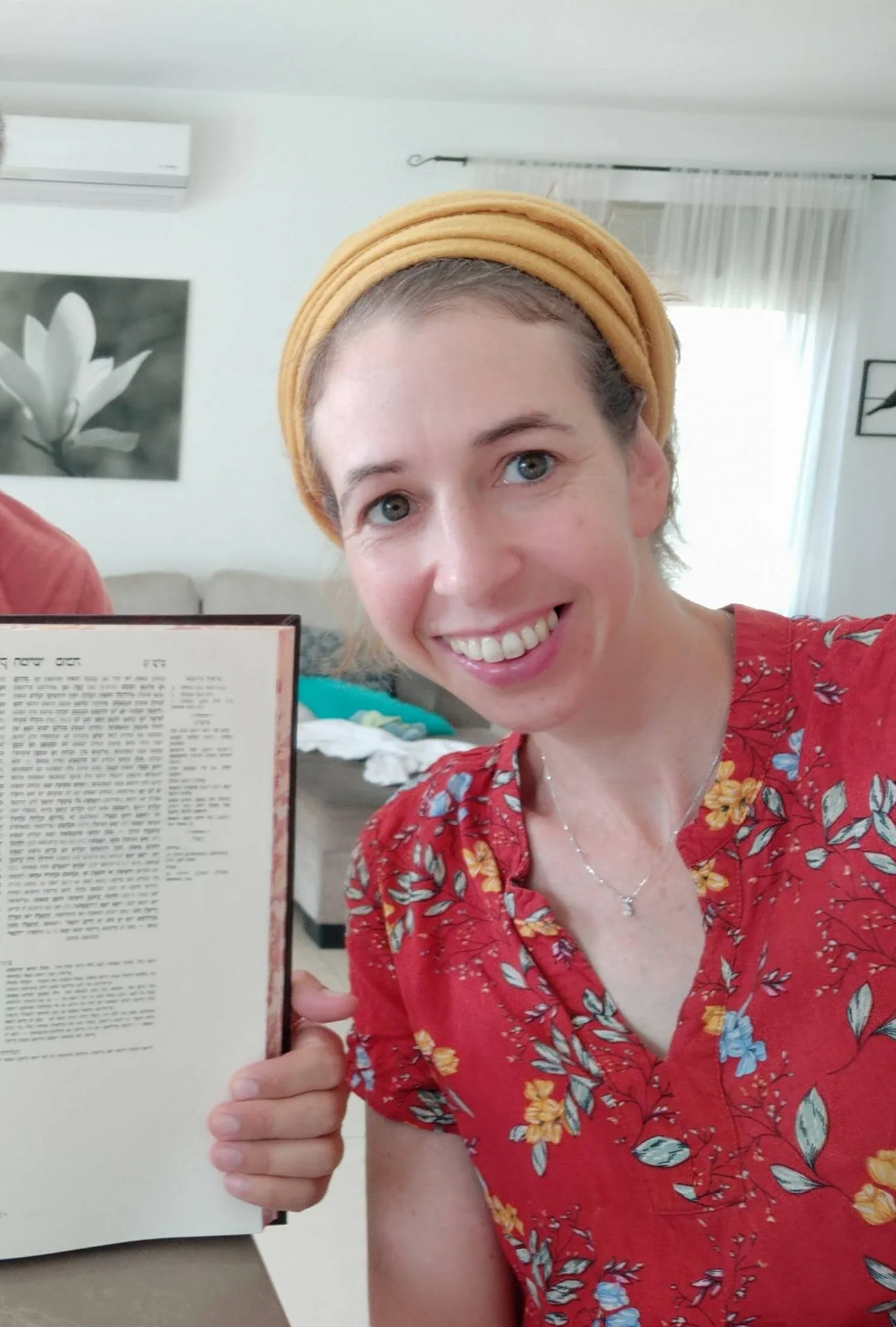
רציתי לקבל ידע בתחום שהרגשתי שהוא גדול וחשוב אך נעלם ממני. הלימוד מעניק אתגר וסיפוק ומעמיק את תחושת השייכות שלי לתורה וליהדות
עלי זהב – לשם, ישראל
התחלתי ללמוד לפני 4.5 שנים, כשהודיה חברה שלי פתחה קבוצת ווטסאפ ללימוד דף יומי בתחילת מסכת סנהדרין. מאז לימוד הדף נכנס לתוך היום-יום שלי והפך לאחד ממגדירי הזהות שלי ממש.

ירושלים, ישראל
התחלתי ללמוד בשנת המדרשה במגדל עוז, בינתיים נהנית מאוד מהלימוד ומהגמרא, מעניין ומשמח מאוד!
משתדלת להצליח לעקוב כל יום, לפעמים משלימה קצת בהמשך השבוע.. מרגישה שיש עוגן מקובע ביום שלי והוא משמח מאוד!

חיפה , ישראל
חולין קטז
חֲדָא מֵחֲדָא קוּלָּא וְחוּמְרָא פָּרְכִינַן, כֹּל דְּהוּ לָא פָּרְכִינַן, חֲדָא מִתַּרְתֵּי אֲפִילּוּ כֹּל דְּהוּ פָּרְכִינַן.
As stated above, for any a fortiori inference of a single source from a single source, one can refute the derivation by invoking a unique leniency in the supposedly stringent case and a stringency in the lenient one, but one cannot refute it by simply mentioning any aspect unique to the first source. And for inferences of one source from two other sources one can even refute the derivation by mentioning any aspect unique to the first source.
חֲדָא מִתְּלָת, אִי הָדַר דִּינָא וְאָתֵי בְּמָה הַצַּד – פָּרְכִינַן כֹּל דְּהוּ, וְאִי לָא – קוּלָּא וְחוּמְרָא פָּרְכִינַן, כֹּל דְּהוּ לָא פָּרְכִינַן.
For inferences of one source from three other sources, as suggested here, only if the inference reverts to its starting point, as each source possesses its own unique stringency, and the halakha is then derived by analogy from the common element of all of them, can one refute the inference by mentioning any factor unique to the source cases. But if the inference does not revert, one can refute the derivation only by invoking a leniency and a stringency, but one cannot refute it by mentioning any unique factor. The suggested inference does not revert, since the prohibition of diverse kinds in a vineyard possesses no stringent element that the other sources lack. Therefore, the fact that all the source cases involve produce is immaterial, and the inference from diverse kinds in a vineyard stands.
וְלִפְרוֹךְ: מָה לְכִלְאֵי הַכֶּרֶם, שֶׁכֵּן לֹא הָיְתָה לָהֶן שְׁעַת הַכּוֹשֶׁר? אָמַר רַב אַדָּא בַּר אַהֲבָה: זֹאת אוֹמֶרֶת – כִּלְאֵי הַכֶּרֶם עִיקָּרָן נֶאֱסָר, וְהָיְתָה לָהֶן שְׁעַת הַכּוֹשֶׁר קוֹדֶם הַשְׁרָשָׁה.
The Gemara suggests: But let one refute the inference as follows: What is unique about diverse kinds in a vineyard? They are unique in that they had no time that they were fit. The produce is forbidden as soon as it begins to grow, whereas meat and milk are prohibited only when they are cooked together. Rav Adda bar Ahava said: If this suggestion was not employed, that is to say that even the roots of diverse kinds in a vineyard are prohibited, including the seeds and saplings from which the hybrid plants grow. And they too had a time when they were fit, before taking root. Consequently, the premise of the question must be false.
מֵתִיב רַב שְׁמַעְיָה בַּר זְעֵירָא: הַמַּעֲבִיר עָצִיץ נָקוּב בַּכֶּרֶם, אִם הוֹסִיף מָאתַיִם – אָסוּר. הוֹסִיף – אִין, לֹא הוֹסִיף – לָא.
Rav Shemaya bar Zeira raises an objection to this conclusion from a mishna (Kilayim 7:8): If one transfers a perforated pot with seeds in it into a vineyard, if the size of the plant growing in the pot increases by one two-hundredth of its previous size, such that the permitted original plant is less than two hundred times the amount of the prohibited growth and insufficient to nullify it, the produce is prohibited, due to the prohibition against planting diverse kinds in a vineyard. One may infer: If it increases, yes, it is prohibited; but if it does not increase, no, it is permitted. Apparently, only the additional growth is prohibited, not the planted seeds or saplings.
אָמַר אַבָּיֵי: תְּרֵי קְרָאֵי כְּתִיבִי, כְּתִיב ״פֶּן תִּקְדַּשׁ הַמְּלֵאָה״, וּכְתִיב ״הַזֶּרַע״.
Abaye said: Two verses are written, i.e., two separate terms in one verse indicate two separate prohibitions: The verse states: “You shall not sow your vineyard with two kinds of seed, lest the growth of the seed that you will sow be forfeited together with the increase of the vineyard” (Deuteronomy 22:9). It is written: “Lest the growth be forfeited,” indicating that it is prohibited only if it has grown, and it is written: “Of the seed,” from which it can be inferred that it is prohibited immediately when it is planted and takes root.
הָא כֵּיצַד? זָרוּעַ מֵעִיקָּרוֹ – בְּהַשְׁרָשָׁה, זָרוּעַ וּבָא, הוֹסִיף – אִין, לֹא הוֹסִיף – לָא.
How can these texts be reconciled? Abaye explains: If it was planted initially in the vineyard, it becomes prohibited immediately upon taking root. But in a case where it was planted elsewhere and brought into the vineyard later, e.g., in a perforated pot, then one must distinguish: If its size increases in the vineyard, yes, the growth is prohibited; if its size does not increase, no, it is not prohibited.
מַתְנִיתִין דְּלָא כִּי הַאי תַּנָּא, דְּתַנְיָא: רַבִּי שִׁמְעוֹן בֶּן יְהוּדָה אוֹמֵר מִשּׁוּם רַבִּי שִׁמְעוֹן: בָּשָׂר בְּחָלָב אָסוּר בַּאֲכִילָה וּמוּתָּר בַּהֲנָאָה, שֶׁנֶּאֱמַר: ״כִּי עַם קָדוֹשׁ אַתָּה״, וְנֶאֱמַר לְהַלָּן: ״וְאַנְשֵׁי קֹדֶשׁ תִּהְיוּן לִי״.
The Gemara notes: The mishna, which states that meat cooked in milk is prohibited for benefit, is not in accordance with the opinion of this tanna, as it is taught in a baraita: Rabbi Shimon ben Yehuda says in the name of Rabbi Shimon: It is prohibited to eat meat cooked in milk but it is permitted to derive benefit from it, as it is stated: “For you are a holy people to the Lord your God; you shall not cook a kid in its mother’s milk” (Deuteronomy 14:21). And the verse states elsewhere: “And you shall be holy people to Me; therefore you shall not eat any flesh that is torn by animals [tereifa] in the field; you shall throw it to the dogs” (Exodus 22:30).
מָה לְהַלָּן אָסוּר בַּאֲכִילָה וּמוּתָּר בַּהֲנָאָה, אַף כָּאן אָסוּר בַּאֲכִילָה וּמוּתָּר בַּהֲנָאָה.
The use of the word “holy” in both verses indicates that just as there, with regard to a tereifa, it is prohibited to eat it but one is permitted to derive benefit from it, as one may give it to the dogs, so too here, with regard to meat cooked in milk, it is prohibited to eat it but one is permitted to derive benefit from it.
רַבִּי עֲקִיבָא אוֹמֵר: חַיָּה וָעוֹף וְכוּ׳. הָנֵי – הָא אַפְּקִינְהוּ לִכְדִשְׁמוּאֵל.
§ The mishna states: Rabbi Akiva says: Cooking the meat of an undomesticated animal or a bird in milk is not prohibited by Torah law, as it is stated: “You shall not cook a kid in its mother’s milk” (Exodus 23:19, 34:26; Deuteronomy 14:21), three times, excluding an undomesticated animal, a bird, and a non-kosher animal. The Gemara raises a difficulty: Other halakhot have already been derived from these mentions of the word “kid,” in accordance with the statement of Shmuel (see 113b).
קָסָבַר רַבִּי עֲקִיבָא: אִיסּוּר חָל עַל אִיסּוּר, חֵלֶב וּמֵתָה לָא צְרִיכִי קְרָא, שְׁלִיל – גְּדִי מְעַלְּיָא הוּא, אִיַּיתַּרוּ לְהוּ כּוּלְּהוּ – פְּרָט לְחַיָּה, וְעוֹף, וְלִבְהֵמָה טְמֵאָה.
The Gemara answers: Rabbi Akiva maintains in general that a prohibition takes effect even where another prohibition already exists, and therefore forbidden fat and the meat of a dead animal, which are already prohibited, do not require a verse to teach that the prohibition of meat and milk applies to them. Furthermore, there is no need to derive from a verse that a fetus is included, as it is a full-fledged kid. Consequently, all three mentions of the word remain for him to expound that they serve to exclude an undomesticated animal and a bird and a non-kosher animal.
רַבִּי יוֹסֵי הַגְּלִילִי אוֹמֵר: נֶאֱמַר ״לֹא תֹאכְלוּ״. מַאי אִיכָּא בֵּין רַבִּי יוֹסֵי הַגְּלִילִי לְרַבִּי עֲקִיבָא?
§ The mishna further teaches that Rabbi Yosei HaGelili says: It is stated: “You shall not eat of any animal carcass” (Deuteronomy 14:21), and in the same verse it is stated: “You shall not cook a kid in its mother’s milk.” This indicates that the meat of an animal that is subject to be prohibited due to the prohibition of eating an unslaughtered carcass is prohibited to cook in milk. Consequently, one might have thought it is prohibited to cook in milk the meat of a bird, which is subject to this prohibition. Therefore, the verse states: “In its mother’s milk,” to exclude a bird, which has no mother’s milk. The Gemara asks: What difference is there between the opinion of Rabbi Yosei HaGelili, who excludes a bird from the prohibition of meat and milk due to the phrase “in its mother’s milk,” and the opinion of Rabbi Akiva, who comes to the same conclusion as Rabbi Yosei HaGelili based upon the phrase “You shall not cook a kid”?
אִיכָּא בֵּינַיְיהוּ חַיָּה: רַבִּי יוֹסֵי הַגְּלִילִי סָבַר חַיָּה דְּאוֹרָיְיתָא, וְרַבִּי עֲקִיבָא סָבַר חַיָּה דְּרַבָּנַן.
The Gemara explains: There is a difference between them with regard to an undomesticated animal. Rabbi Yosei HaGelili maintains that the prohibition of cooking the meat of an undomesticated animal in milk applies by Torah law, as an undomesticated animal has mother’s milk, but Rabbi Akiva maintains that the prohibition of cooking the meat of an undomesticated animal in milk applies only by rabbinic law, as it is excluded by the phrase: “You shall not cook a kid.”
אִיבָּעֵית אֵימָא, עוֹף אִיכָּא בֵּינַיְיהוּ: רַבִּי עֲקִיבָא סָבַר חַיָּה וָעוֹף אֵינָן מִן הַתּוֹרָה, הָא מִדְּרַבָּנַן אֲסִירִי, וְרַבִּי יוֹסֵי הַגְּלִילִי סָבַר עוֹף אֲפִילּוּ מִדְּרַבָּנַן נָמֵי לָא אֲסִיר.
If you wish, say instead that there is a difference between them with regard to the meat of a bird itself: Rabbi Akiva maintains that the prohibitions of an undomesticated animal and a bird do not apply by Torah law; but it may be inferred from his statement that they are prohibited by rabbinic law. And Rabbi Yosei HaGelili maintains that a bird is not prohibited even by rabbinic law.
תַּנְיָא נָמֵי הָכִי: בִּמְקוֹמוֹ שֶׁל רַבִּי אֱלִיעֶזֶר הָיוּ כּוֹרְתִין עֵצִים לַעֲשׂוֹת פֶּחָמִין לַעֲשׂוֹת בַּרְזֶל, בִּמְקוֹמוֹ שֶׁל רַבִּי יוֹסֵי הַגְּלִילִי הָיוּ אוֹכְלִין בְּשַׂר עוֹף בְּחָלָב.
The Gemara notes: That distinction is also taught in a baraita: In the locale of Rabbi Eliezer, where his ruling was followed, they would cut down trees on Shabbat to prepare charcoal from them with which to light a fire to fashion iron tools with which to circumcise a child on Shabbat. In Rabbi Eliezer’s opinion, not only does the mitzva of circumcision override Shabbat, but also any action required for the preparation of the tools necessary for the circumcision likewise overrides Shabbat. The baraita adds: In the locale of Rabbi Yosei HaGelili they would eat bird meat cooked in milk. Evidently, Rabbi Yosei HaGelili maintains that the prohibition of meat cooked in milk does not include birds.
לֵוִי אִיקְּלַע לְבֵי יוֹסֵף רִישְׁבָּא, אַיְיתוֹ לְקַמֵּיהּ רֵישָׁא דְּטַוָּוסָא בַּחֲלָבָא, וְלָא אֲמַר לְהוּ וְלָא מִידֵּי. כִּי אֲתָא לְקַמֵּיהּ דְּרַבִּי, אֲמַר לֵיהּ: אַמַּאי לָא תְּשַׁמְּתִינְהוּ?
The Gemara relates: Levi happened to come to the house of Yosef the bird hunter [rishba]. They served him the head of a peacock [tayvasa] in milk and he did not say anything to them. When Levi came before Rabbi Yehuda HaNasi, Rabbi Yehuda HaNasi said to him: Why did you not excommunicate these people who eat bird meat cooked in milk, contrary to the decree of the Sages?
אֲמַר לֵיהּ: אַתְרֵיהּ דְּרַבִּי יְהוּדָה בֶּן בְּתֵירָא הוּא, וְאָמֵינָא: דְּרַשׁ לְהוּ כְּרַבִּי יוֹסֵי הַגְּלִילִי, דְּאָמַר: יָצָא עוֹף שֶׁאֵין לוֹ חֲלֵב אֵם.
Levi said to him: It was in the locale of Rabbi Yehuda ben Beteira, and I said: Perhaps he taught them that the halakha is in accordance with the opinion of Rabbi Yosei HaGelili, who said that the phrase “in its mother’s milk” serves to exclude a bird, which does not have mother’s milk. If so, I could not prohibit it to them, and I certainly could not excommunicate them for following their ruling.
מַתְנִי׳ קֵבַת גּוֹי וְשֶׁל נְבֵלָה – הֲרֵי זוֹ אֲסוּרָה. הַמַּעֲמִיד בְּעוֹר שֶׁל קֵבָה כְּשֵׁרָה,
MISHNA: The congealed milk in the stomach of the animal of a gentile and of an unslaughtered animal carcass is prohibited. With regard to one who curdled milk by using the skin of the stomach of a kosher animal as a coagulant to make cheese, which may then have the taste of meat cooked in milk,
אִם יֵשׁ בְּנוֹתֵן טַעַם – הֲרֵי זוֹ אֲסוּרָה. כְּשֵׁרָה שֶׁיָּנְקָה מִן הַטְּרֵפָה – קֵבָתָהּ אֲסוּרָה. טְרֵפָה שֶׁיָּנְקָה מִן הַכְּשֵׁרָה – קֵבָתָהּ מוּתֶּרֶת, מִפְּנֵי שֶׁכָּנוּס בְּמֵעֶיהָ.
if the measure of the skin is enough to impart flavor to the milk, that cheese is prohibited. In the case of a kosher animal that suckled milk from a tereifa, the milk in its stomach is prohibited, as the milk is from the tereifa. If it was a tereifa that suckled milk from a kosher animal, the milk in its stomach is permitted, as the milk is from the kosher animal. In both cases, the milk that an animal suckles has the status of the animal from which it was suckled, and not that of the animal which suckled, because the milk is collected in its innards and is not an integral part of its body.
גְּמָ׳ אַטּוּ קֵבַת גּוֹי לָאו נְבֵלָה הִיא? אָמַר רַב הוּנָא: הָכָא בְּלוֹקֵחַ גְּדִי מִן הַגּוֹי עָסְקִינַן, וְחָיְישִׁינַן שֶׁמָּא יָנַק מִן הַטְּרֵפָה.
GEMARA: The mishna makes reference to the stomach of the animal of a gentile and that of an unslaughtered carcass. The Gemara asks: Is that to say that the stomach of an animal slaughtered by a gentile is not itself a carcass? Why does the tanna of the mishna differentiate between them? Rav Huna said: The mishna here is not referring to an animal slaughtered by a gentile. Rather, we are dealing with a Jew who purchases a kid from a gentile and slaughters it himself. Therefore, the kid is not prohibited as a carcass, but we are concerned that perhaps it suckled from a tereifa animal, and it is therefore prohibited.
וּמִי חָיְישִׁינַן שֶׁמָּא יָנַק מִן הַטְּרֵפָה? וְהָתְנַן: לוֹקְחִים בֵּיצִים מִן הַגּוֹיִם, וְאֵין חוֹשְׁשִׁין לֹא מִשּׁוּם נְבֵלָה וְלֹא מִשּׁוּם טְרֵפָה! אֶלָּא אֵימָא: חָיְישִׁינַן שֶׁמָּא יָנַק מִן הַטְּמֵאָה.
The Gemara asks: And are we concerned that perhaps it suckled from an animal that is a tereifa? But didn’t we learn in a baraita (Tosefta 3:8): One may purchase eggs from gentiles, and we are not concerned that perhaps the eggs came from a carcass nor that they came from a tereifa. The Gemara answers: Indeed, there is no concern that the kid might have suckled from a tereifa. Rather, say that we are concerned that perhaps it suckled from a non-kosher animal, and therefore the milk in its stomach is prohibited.
וּמַאי שְׁנָא טְרֵפָה דְּלָא חָיְישִׁינַן, וּמַאי שְׁנָא טְמֵאָה דְּחָיְישִׁינַן? טְרֵפָה לָא שְׁכִיחָא, טְמֵאָה שְׁכִיחָא.
The Gemara asks: And what is different about a tereifa that we are not concerned that perhaps the animal suckled from it, and what is different about a non-kosher animal that we are concerned? The Gemara answers: A tereifa animal is not common, whereas a non-kosher animal is common, and it is therefore more likely that the young animal suckled from one.
אִי שְׁכִיחָא, אֲפִילּוּ גַּבֵּי דִּידַן נֵיחוּשׁ! אֲנַן דְּבָדְלִינַן מִינַּיְיהוּ, וְכִי חָזֵינַן לְהוּ מַפְרְשִׁינַן לְהוּ – לָא גְּזַרוּ בְּהוּ רַבָּנַן. אִינְהוּ דְּלָא בְּדִילִי מִינַּיְיהוּ, וְכִי חָזוּ לְהוּ לָא מַפְרְשִׁי לְהוּ – גְּזַרוּ בְּהוּ רַבָּנַן.
The Gemara raises a difficulty: If suckling from a non-kosher animal is common, then let us be concerned even with regard to our own animals. The Gemara responds: We Jews, who separate ourselves from non-kosher animals, when we see them we immediately distance our suckling animals from them. Therefore, the Sages did not issue a decree with regard to animals purchased from Jews. But as for the gentiles, who do not separate themselves from non-kosher animals, when they see them they do not distance their kosher animals from them. Consequently, the Sages issued a decree with regard to animals purchased from a gentile.
וּשְׁמוּאֵל אָמַר: חֲדָא קָתָנֵי, קֵבַת שְׁחִיטַת גּוֹי – נְבֵלָה.
And Shmuel said a different explanation of the mishna’s language: The tanna of the mishna is teaching only one halakha: The congealed milk in the stomach of an animal slaughtered by a gentile is like a carcass, and it is therefore prohibited.
וּמִי אָמַר שְׁמוּאֵל הָכִי? וְהָאָמַר שְׁמוּאֵל: מִפְּנֵי מָה אָסְרוּ גְּבִינַת הַגּוֹיִם – מִפְּנֵי שֶׁמַּעֲמִידִין אוֹתָהּ בְּעוֹר קֵבַת נְבֵלָה. הָא קֵבָה גּוּפַהּ שַׁרְיָא!
The Gemara asks: And did Shmuel actually say this? Does he hold that the milk in the stomach of an unslaughtered animal is prohibited as if it were part of its body? But didn’t Shmuel say: For what reason did the Sages prohibit the cheese of gentiles? It is because they curdle it with the skin of the stomach of a carcass. One may infer consequently that congealed milk, or rennet, from the stomach of a gentile’s animal is itself permitted and would not render the cheese prohibited if used as a coagulant.
לָא קַשְׁיָא: כָּאן – קוֹדֶם חֲזָרָה, כָּאן – לְאַחַר חֲזָרָה.
The Gemara answers: That is not difficult. Elsewhere (Avoda Zara 29b), Rabbi Yehoshua teaches two reasons for the prohibition on gentile cheese. Initially, he held it to be prohibited because it is curdled using rennet from the stomach of an animal carcass. He later adopted the opinion that such rennet is permitted, and that the cheese is prohibited because it is curdled using rennet from the stomach of calves used for idol worship, which is prohibited. Therefore, the mishna here, which states that the rennet in a carcass’s stomach is itself prohibited, was taught before Rabbi Yehoshua’s retraction, while Shmuel’s statement there, that the Sages prohibited gentile cheese only because it is curdled with the skin of the stomach of a carcass, was after Rabbi Yehoshua’s retraction.
כְּשֵׁרָה שֶׁיָּנְקָה מִן הַטְּרֵפָה [וְכוּ׳]. וְהָא קָתָנֵי רֵישָׁא: קֵבַת גּוֹי וְשֶׁל נְבֵלָה הֲרֵי זוֹ אֲסוּרָה?
§ The mishna teaches: In the case of a kosher animal that suckled milk from a tereifa, the milk in its stomach is prohibited, whereas if a tereifa suckled milk from a kosher animal, the milk in its stomach is permitted. The Gemara raises a difficulty: But doesn’t the first clause of the mishna teach: The congealed milk in the stomach of the animal of a gentile and of a carcass is prohibited? What is the difference between the milk found in the stomach of a tereifa in the second clause and the milk found in the stomach of an unslaughtered carcass in the first clause?
אָמַר רַב חִסְדָּא: רֵישָׁא נִרְאֶה כְּאוֹכֵל נְבֵלוֹת, הָכָא אִיכָּא שְׁחִיטָה.
Rav Ḥisda said: In fact, milk found in the stomach of a carcass is not itself prohibited. The first clause of the mishna prohibits it only because one who partakes of it looks like one who eats carcasses, which is repulsive. By contrast, here, with regard to a tereifa, the consumption of milk found in its stomach is less repulsive, as here there is at least slaughter of the animal.
אֲמַר לֵיהּ רָבָא: וְלָאו כֹּל דְּכֵן הוּא? וּמָה נְבֵלָה דִּמְאִיסָה, דְּאִי שָׁרֵית לֵיהּ קֵבָתָהּ לָא אָתֵי לְמֵיכַל מִינַּהּ, אָמְרַתְּ לָא. טְרֵפָה שְׁחוּטָה, דְּאִי שָׁרֵית אָתֵי לְמֵיכַל מִינַּהּ, לֹא כׇּל שֶׁכֵּן?
Rava said to Rav Ḥisda: But is it not possible to claim a fortiori that milk found in the stomach of a tereifa should be prohibited? Just as with regard to a carcass, which is so repulsive that even if you permit the milk in its stomach people will not come to partake of the meat, you nevertheless said the milk is not permitted for consumption, is it not all the more so with regard to a tereifa that has been slaughtered, which is not as repulsive, such that if you permit the milk in its stomach people might come to partake of it?
אֶלָּא אָמַר רַב יִצְחָק, אָמַר רַבִּי יוֹחָנָן: לָא קַשְׁיָא, כָּאן קוֹדֶם חֲזָרָה, כָּאן לְאַחַר חֲזָרָה, וּמִשְׁנָה לֹא זָזָה מִמְּקוֹמָהּ.
Rather, Rav Yitzḥak said that Rabbi Yoḥanan says: This question is not difficult. The first clause of the mishna here, which teaches that the milk in the stomach of a carcass is prohibited, was taught before Rabbi Yehoshua’s retraction cited above, whereas the latter clause there, that milk from the stomach of a tereifa is permitted, was taught after Rabbi Yehoshua’s retraction. A mishna can sometimes preserve an older ruling and then immediately teach a contradictory later ruling, because a mishna does not move from its place. Since the first clause of the mishna was already canonized, it was not removed, despite Rabbi Yehoshua’s change of opinion.
אָמַר רַבִּי חִיָּיא בַּר אַבָּא, אָמַר רַבִּי יוֹחָנָן: מַעֲמִידִין בְּקֵבַת נְבֵלוֹת, וְאֵין מַעֲמִידִין בְּקֵבַת שְׁחִיטַת גּוֹי. אָמַר לְפָנָיו רַבִּי שִׁמְעוֹן בַּר אַבָּא: כְּמַאן? כְּרַבִּי אֱלִיעֶזֶר, דְּאָמַר סְתָם מַחְשֶׁבֶת גּוֹי לַעֲבוֹדָה זָרָה.
§ Rabbi Ḥiyya bar Abba says that Rabbi Yoḥanan says: One may curdle milk with rennet extracted from the stomach of carcasses, but one may not curdle milk with rennet from the stomach of animals slaughtered by a gentile. Rabbi Shimon bar Abba said before Rabbi Ḥiyya bar Abba: In accordance with whose opinion is this ruling? It is in accordance with the opinion of Rabbi Eliezer, who said: A gentile’s presumed intention during slaughter is for idol worship. Therefore, the prohibition against deriving benefit from an animal slaughtered in idol worship applies to it, and this prohibition includes the contents of its stomach that are not actually part of its body. By contrast, a carcass is prohibited only for consumption, and the prohibition does not extend to the contents of its stomach.
אֲמַר לֵיהּ: וְאֶלָּא כְּמַאן?
Rabbi Ḥiyya bar Abba said to Rabbi Shimon bar Abba: Rather, in accordance with whose opinion could this ruling be? Of course it is the opinion of Rabbi Eliezer.
כִּי אֲתָא רַב שְׁמוּאֵל בַּר רַב יִצְחָק, אָמַר רַבִּי יוֹחָנָן: מַעֲמִידִין בֵּין בְּקֵבַת נְבֵלָה, בֵּין בְּקֵבַת שְׁחִיטַת גּוֹי, שֶׁלֹּא לָחוֹשׁ לְדִבְרֵי רַבִּי אֱלִיעֶזֶר.
The Gemara relates: When Rav Shmuel bar Rav Yitzḥak came from Eretz Yisrael to Babylonia, he said that Rabbi Yoḥanan said: One may curdle milk both with rennet from the stomach of a carcass and with rennet from the stomach of an animal slaughtered by a gentile, as there is no need to be concerned for the statement of Rabbi Eliezer. According to this account, Rabbi Yoḥanan does not maintain that a gentile’s presumed intention is for idol worship.
וְהִלְכְתָא: אֵין מַעֲמִידִין בָּעוֹר קֵבַת נְבֵלָה, אֲבָל מַעֲמִידִין בְּקֵבַת נְבֵלָה, וּבְקֵבַת שְׁחִיטַת גּוֹי, וּבְקֵבַת כְּשֵׁרָה שֶׁיָּנְקָה מִן הַטְּרֵפָה, וְכׇל שֶׁכֵּן בְּקֵבַת טְרֵפָה שֶׁיָּנְקָה מִן הַכְּשֵׁרָה. מַאי טַעְמָא? חָלָב הַמְכוּנָּס בָּהּ פִּירְשָׁא בְּעָלְמָא הוּא.
The Gemara concludes: And the halakha is: One may not curdle milk with the skin of the stomach of a carcass, but one may curdle milk with rennet from the stomach of a carcass and with rennet from the stomach of an animal slaughtered by a gentile, and with rennet from the stomach of a kosher animal that suckled from a tereifa, and all the more so with rennet from the stomach of a tereifa animal that suckled from a kosher animal. What is the reason for these lenient rulings? The milk collected in a stomach is merely secretion and is not considered food that can be prohibited.
מַתְנִי׳ חוֹמֶר בַּחֵלֶב מִבַּדָּם, וְחוֹמֶר בַּדָּם מִבַּחֵלֶב. חוֹמֶר בַּחֵלֶב – שֶׁהַחֵלֶב
MISHNA: Although animal fats and blood are similar in that they are both prohibited by Torah law and punishable by karet, there are elements more stringent in the prohibition of fat than in that of blood, and likewise there are elements more stringent in the prohibition of blood than in that of fat. The elements more stringent in the prohibition of fat are the following: The first is that with regard to fat of an offering,

