






לימוד מסכת חולין מוקדש על ידי ג’ודי פלבר לכבודה של קהילת הדרן. "במהלך המחזור הראשון שלי בדף היומי, בדיוק כשהתחלנו את מסכת חולין, בני נפצע בעת שירותו בצה”ל. לאורך אותם חודשיים וחצי של קושי וחוסר ודאות, חברותיי ללימוד לא עזבו אותי לרגע. תודה רבה לקהילה שעטפה אותי, עודדה אותי ווידאה שאוכל להמשיך ולהתמיד בלימוד הדף גם בימים המאתגרים ההם.”
רוצה להקדיש שיעור?

תקציר

המשנה קובעת שהכל שוחטים ושחיטתם כשרה. לאחר שהיא מבססת את ההיתר הכללי, המשנה מוציאה מן הכלל חרש, שוטה וקטן. עם זאת, אם יש מי שמשגיח עליהם ורואה ששחטו כראוי — שחיטתם כשרה.
הגמרא מקשה על לשון המשנה; הרישא "הכל שוחטים” נשמעת כהיתר לכתחילה, אך המשך המשפט "שחיטתם כשרה” נשמע כהיתר שניתן רק בדיעבד. בתחילה, רב אחא מנסה להוכיח ממשניות אחרות שהלשון "הכל” יכולה להתייחס למקרה של בדיעבד, ובכך לנטרל את הקושיה. לעומת זאת, רב אשי מביא משניות אחרות כדי להראות ש”הכל” הוא לשון המשמשת בדרך כלל לדיני לכתחילה.
למרות ששניהם מסכימים בסופו של דבר ש”הכל” יכול לשמש בשתי המשמעויות, רב אשי טוען שההקשר כאן מרמז על לכתחילה. כדי ליישב את קושיית הגמרא, רבה בר עולא מסביר שכל חלק של המשפט מתייחס למקרה אחר, והוא מפרש מחדש כל שורה במשנה בהתאם לכך. בהמשך, מועלות שלוש קושיות נגד תירוצו של רבה בר עולא, אך הן מיושבות.
לימוד מסכת חולין מוקדש על ידי ג’ודי פלבר לכבודה של קהילת הדרן. "במהלך המחזור הראשון שלי בדף היומי, בדיוק כשהתחלנו את מסכת חולין, בני נפצע בעת שירותו בצה”ל. לאורך אותם חודשיים וחצי של קושי וחוסר ודאות, חברותיי ללימוד לא עזבו אותי לרגע. תודה רבה לקהילה שעטפה אותי, עודדה אותי ווידאה שאוכל להמשיך ולהתמיד בלימוד הדף גם בימים המאתגרים ההם.”
חולין ב
מַתְנִי׳ הַכֹּל שׁוֹחֲטִין וּשְׁחִיטָתָן כְּשֵׁרָה, חוּץ מֵחֵרֵשׁ שׁוֹטֶה וְקָטָן, שֶׁמָּא יְקַלְקְלוּ אֶת שְׁחִיטָתָן. וְכוּלָּן שֶׁשָּׁחֲטוּ וַאֲחֵרִים רוֹאִין אוֹתָן – שְׁחִיטָתָן כְּשֵׁרָה.
MISHNA: Everyone slaughters an animal, i.e., can perform halakhically valid slaughter, and their slaughter is valid, except for a deaf-mute, an imbecile, and a minor, lest they ruin their slaughter because they lack competence. And for all of them, when they slaughtered an animal and others see and supervise them, their slaughter is valid.
גְּמָ׳ ״הַכֹּל שׁוֹחֲטִין״ – לְכַתְּחִלָּה, ״וּשְׁחִיטָתָן כְּשֵׁרָה״ – דִּיעֲבַד!
GEMARA: There is an apparent contradiction between the first two phrases of the mishna. The tanna begins: Everyone slaughters an animal, indicating that their performing slaughter is permitted ab initio, and then teaches: And their slaughter is valid, indicating that their slaughter is valid only after the fact.
אֲמַר לֵיהּ רַב אַחָא בְּרֵיהּ דְּרָבָא לְרַב אָשֵׁי: וְכֹל ״הַכֹּל״ לְכַתְּחִלָּה הוּא? אֶלָּא מֵעַתָּה: הַכֹּל מְמִירִין, אֶחָד הָאֲנָשִׁים וְאֶחָד הַנָּשִׁים – הָכִי נָמֵי דִּלְכַתְּחִלָּה הוּא? וְהָא כְּתִיב: ״לֹא יַחֲלִיפֶנּוּ וְלֹא יָמִיר אֹתוֹ טוֹב בְּרָע אוֹ רַע בְּטוֹב״!
Rav Aḥa, son of Rava, said to Rav Ashi: And does every use of the term: Everyone, indicate that the action in question is permitted ab initio? If that is so, in the mishna (Temura 2a), where it says: Everyone substitutes a non-sacred animal for a sacrificial animal, both men and women, is that also an expression indicating that it is permitted ab initio? But isn’t it written: “He shall neither exchange it, nor substitute it, good for bad, or bad for good” (Leviticus 27:10)?
הָתָם, כִּדְקָתָנֵי טַעְמָא: לֹא שֶׁהָאָדָם רַשַּׁאי לְהָמִיר, אֶלָּא שֶׁאִם הֵמִיר – מוּמָר, וְסוֹפֵג אֶת הָאַרְבָּעִים.
Rav Ashi answers: There, the reason the mishna uses the word everyone is that it immediately teaches: That is not to say that it is permitted for a person to substitute; rather, it means that if one did substitute a non-sacred animal for a sacrificial animal, substitution takes effect, and the one who substituted the non-sacred animal incurs [vesofeg] the forty lashes that are the punishment for violating the prohibition “Nor substitute it.” But here, since the mishna does not similarly qualify its statement, it indicates that everyone may perform the slaughter ab initio.
אֶלָּא הַכֹּל מַעֲרִיכִין וְנֶעֱרָכִין, נוֹדְרִין וְנִידָּרִין, הָכִי נָמֵי דִּלְכַתְּחִלָּה? וְהָא כְּתִיב: ״וְכִי תֶחְדַּל לִנְדֹּר לֹא יִהְיֶה בְךָ חֵטְא״!
Rav Aḥa challenges: But a mishna teaches (Arakhin 2a): Everyone takes vows of valuation and is thereby obligated to donate to the Temple treasury the value fixed by the Torah based on the age and gender of the person valuated; and everyone is valuated, and therefore one who vowed to donate his fixed value is obligated to pay; everyone vows to donate the market value of a person as a slave to the Temple treasury and is thereby obligated to pay; and everyone is the object of a vow if others vowed to donate his market value. Is that also an expression indicating that it is permitted ab initio? But it is written: “And if you shall cease to vow, there shall be no sin in you” (Deuteronomy 23:23), indicating that it is preferable not to vow.
וּכְתִיב: ״טוֹב אֲשֶׁר לֹא תִדֹּר מִשֶּׁתִּדּוֹר וְלֹא תְשַׁלֵּם״, וְתַנְיָא: טוֹב מִזֶּה וּמִזֶּה שֶׁאֵינוֹ נוֹדֵר כׇּל עִיקָּר, דִּבְרֵי רַבִּי מֵאִיר. רַבִּי יְהוּדָה אוֹמֵר: טוֹב מִזֶּה וּמִזֶּה נוֹדֵר וּמְשַׁלֵּם. וַאֲפִילּוּ רַבִּי יְהוּדָה לָא קָאָמַר אֶלָּא בְּאוֹמֵר ״הֲרֵי זוֹ״,
And it is written: “It is better that you should not vow, than that you should vow and not pay” (Ecclesiastes 5:4); and it is taught in a baraita with regard to that verse: Better than both this one, who vows and does not pay, and that one, who vows and pays, is one who does not take a vow at all; this is the statement of Rabbi Meir. Rabbi Yehuda says: Better than both this one, who vows and does not pay, and that one, who does not vow at all, is one who vows and pays in fulfillment of that vow. Rav Aḥa comments: And even Rabbi Yehuda states his opinion only in a case where one vows and says: This animal is designated for sacrifice, as in that case there is no concern that he will fail to fulfill his commitment, since even if the animal is stolen or lost, he is not required to bring another in its place.
אֲבָל אָמַר ״הֲרֵי עָלַי״ – לֹא.
But in the case of one who vows and says: It is incumbent upon me to bring an offering, even Rabbi Yehuda concedes that no, it is best not to vow at all. Likewise, it is preferable not to vow to donate a certain monetary value to the Temple treasury. Apparently, then, the statements in that mishna: Everyone takes vows of valuation, and: Everyone vows to donate the assessment of a person to the Temple treasury, do not indicate that it is permitted to do so ab initio.
וְכֹל ״הַכֹּל״ לָאו לְכַתְּחִלָּה הוּא? אֶלָּא ״הַכֹּל חַיָּיבִים בְּסוּכָּה״, ״הַכֹּל חַיָּיבִין בְּצִיצִית״, הָכִי נָמֵי דְּלָאו לְכַתְּחִלָּה?
Rav Ashi responded: And is that to say that every use of the term: Everyone, is an indication that the action in question is not permitted ab initio? Rather, is the term: Everyone, in the baraita that states: Everyone is obligated in the mitzva of sukka, and in the baraita that states: Everyone is obligated in the mitzva of ritual fringes, also an indication that they are not permitted ab initio?
חַיָּיבִין – לָא קָאָמֵינָא. אֶלָּא מֵעַתָּה, ״הַכֹּל סוֹמְכִין, אֶחָד הָאֲנָשִׁים וְאֶחָד הַנָּשִׁים״ – הָכִי נָמֵי דְּלָאו לְכַתְּחִלָּה? וְהָא כְּתִיב: ״וְסָמַךְ יָדוֹ … וְנִרְצָה״!
Rav Aḥa answered: I am not speaking about cases where it is stated: Everyone is obligated, as it goes without saying that fulfilling any obligation is permitted ab initio. Rav Ashi asked: If that is so, that which was stated: Everyone who brings an offering places hands on the animal, both men and women (see Menaḥot 93a), is that also an expression indicating that it is not permitted ab initio? But isn’t it written: “And he shall place his hand upon the head of the burnt offering, and it shall be accepted for him to effect atonement for him” (Leviticus 1:4)?
אִין, אִיכָּא ״הַכֹּל״ לְכַתְּחִלָּה, וְאִיכָּא ״הַכֹּל״ דִּיעֲבַד. אֶלָּא ״הַכֹּל״ דְּהָכָא, מִמַּאי דִּלְכַתְּחִלָּה הוּא דְּתִקְשֵׁי לָךְ? דִּלְמָא דִּיעֲבַד הוּא, וְלָא תִּקְשֵׁי לָךְ.
Rav Aḥa answered: Indeed, there are instances where the word: Everyone, indicates ab initio, and there are instances where the word: Everyone, indicates after the fact. Rather, concerning the term: Everyone, that appears here in the mishna, from where can it be determined that it is an expression indicating that it is permitted ab initio, creating an apparent contradiction in the mishna that will be difficult for you? Perhaps it is an expression indicating that everyone’s slaughter is valid after the fact, and there will not be a contradiction in the mishna that will be difficult for you.
אֲמַר לֵיהּ: אֲנָא ״שְׁחִיטָתָן כְּשֵׁרָה״ קַשְׁיָא לִי, מִדְּקָתָנֵי שְׁחִיטָתָן כְּשֵׁרָה דִּיעֲבַד, מִכְּלָל דְּ״הַכֹּל״ לְכַתְּחִלָּה הוּא, דְּאִי דִּיעֲבַד – תַּרְתֵּי דִּיעֲבַד לְמָה לִי?
Rav Ashi said to Rav Aḥa: I find the phrase: And their slaughter is valid, to be difficult for me. From the fact that the tanna teaches: And their slaughter is valid, which is an expression indicating that it is valid after the fact, conclude by inference that the initial phrase in the mishna: Everyone slaughters, is an expression indicating that it is permitted ab initio. As, if it indicated that it is valid after the fact, why do I need two phrases teaching that it is valid after the fact?
אָמַר רַבָּה בַּר עוּלָּא: הָכִי קָתָנֵי – הַכֹּל שׁוֹחֲטִין, וַאֲפִילּוּ טָמֵא בְּחוּלִּין. טָמֵא בְּחוּלִּין מַאי לְמֵימְרָא? בְּחוּלִּין שֶׁנַּעֲשׂוּ עַל טׇהֳרַת הַקֹּדֶשׁ, וְקָסָבַר: חוּלִּין שֶׁנַּעֲשׂוּ עַל טׇהֳרַת הַקֹּדֶשׁ כְּקֹדֶשׁ דָּמוּ.
Rabba bar Ulla said, in resolution of the conflict in the mishna, that this is what the mishna is teaching: Everyone slaughters, and even a ritually impure person may slaughter a non-sacred animal ab initio. The Gemara interjects: What is the purpose of stating that a ritually impure person may slaughter a non-sacred animal ab initio? There is no prohibition against rendering non-sacred meat impure. The Gemara answers that the reference is to non-sacred animals that were being prepared according to the strictures of sacrificial food, and the tanna holds that the halakhic status of non-sacred foods that were prepared according to the strictures of sacrificial food is like that of sacrificial food insofar as it is prohibited to render such food impure.
כֵּיצַד הוּא עוֹשֶׂה? מֵבִיא סַכִּין אֲרוּכָּה וְשׁוֹחֵט בָּהּ, כְּדֵי שֶׁלֹּא יִגַּע בַּבָּשָׂר.
The Gemara asks: How does an impure person act in order to ensure that he will not render the flesh of the slaughtered animal impure? The Gemara answers: He brings a long knife and slaughters the animal with it, so that he will not come into contact with the flesh of the slaughtered animal.
וּבְמוּקְדָּשִׁים לֹא יִשְׁחוֹט, שֶׁמָּא יִגַּע בַּבָּשָׂר, וְאִם שָׁחַט וְאוֹמֵר ״בָּרִי לִי שֶׁלֹּא נָגַעְתִּי״ – שְׁחִיטָתוֹ כְּשֵׁרָה.
Rabba bar Ulla continues his interpretation of the mishna: And the reason the mishna also indicates that he may not slaughter ab initio is that with regard to sacrificial animals, he may not slaughter them ab initio even with a long knife, lest he come into contact with the flesh. But if he slaughtered the sacrificial animal and says: It is clear to me that I did not come into contact with the flesh, his slaughter is valid after the fact.
חוּץ מֵחֵרֵשׁ שׁוֹטֶה וְקָטָן, דַּאֲפִילּוּ בְּחוּלִּין גְּרֵידֵי, דִּיעֲבַד נָמֵי לָא, שֶׁמָּא יִשְׁהוּ, שֶׁמָּא יִדְרְסוּ, וְשֶׁמָּא יַחֲלִידוּ.
And it teaches: This is the halakha with regard to all people except for a deaf-mute, an imbecile, and a minor, who, even if they slaughtered only non-sacred animals, their slaughter is not valid even after the fact. The reason the Sages deemed such slaughter not valid is lest people in these categories interrupt the slaughter, lest they press the knife in the course of slaughter, and lest they conceal the knife beneath the windpipe or the gullet in the course of an inverted slaughter.
וְכוּלָּן שֶׁשָּׁחֲטוּ, אַהֵיָיא? אִילֵּימָא אַחֵרֵשׁ שׁוֹטֶה וְקָטָן – עֲלַהּ קָאֵי, ״וְאִם שָׁחֲטוּ״ מִיבְּעֵי לֵיהּ! אֶלָּא אַטָּמֵא בְּחוּלִּין – הָא אָמְרַתְּ: לְכַתְּחִלָּה נָמֵי שָׁחֵיט!
The Gemara asks: If so, with regard to the clause that follows in the mishna: And any of them who slaughtered an animal and others see and supervise them, their slaughter is valid, to which case in the mishna is it referring? If we say that the reference is to the case of a deaf-mute, an imbecile, and a minor, why was it formulated: And any of them who slaughtered? Since it stands adjacent to that halakha, the tanna should have formulated the phrase: And if they slaughtered. Rather, perhaps the reference is to the case of a ritually impure person who slaughtered a non-sacred animal. The Gemara rejects that possibility as well. But didn’t you say in that case: He slaughters the animal even ab initio?
וְאֶלָּא, אַטָּמֵא בְּמוּקְדָּשִׁים – בְּ״בָרִי לִי״ סַגִּי! דְּלֵיתֵיהּ קַמַּן דִּנְשַׁיְּילֵיהּ.
And rather, perhaps the reference is to the case of a ritually impure person who slaughtered a sacrificial animal. The Gemara rejects that possibility, as in that case, if the ritually impure person says: It is clear to me that I did not come into contact with the flesh, it is sufficient, and there is no need for supervision. The Gemara answers: Supervision is necessary in the case of a ritually impure person who slaughtered a sacrificial animal, to account for a case where the ritually impure person is not before us so that we can ask him whether he came into contact with the flesh.
הַאי טָמֵא בְּמוּקְדָּשִׁים, מֵהָכָא נָפְקָא? מֵהָתָם נָפְקָא: כׇּל הַפְּסוּלִין שֶׁשָּׁחֲטוּ – שְׁחִיטָתָן כְּשֵׁרָה, שֶׁהַשְּׁחִיטָה כְּשֵׁרָה בְּזָרִים, בְּנָשִׁים, וּבַעֲבָדִים, וּבִטְמֵאִים, וַאֲפִילּוּ בְּקׇדְשֵׁי קָדָשִׁים, וּבִלְבַד שֶׁלֹּא יִהְיוּ טְמֵאִין נוֹגְעִין בַּבָּשָׂר.
The Gemara asks: Is this halakha of a ritually impure person who slaughtered a sacrificial animal learned from an analysis of the mishna here? It is learned explicitly from the mishna there (Zevaḥim 31b): With regard to all those who are unfit for Temple service who slaughtered an offering, their slaughter is valid, as the slaughter of an offering is valid ab initio when performed even by non-priests, by women, by Canaanite slaves, and by ritually impure individuals. And this is the halakha even with regard to offerings of the most sacred order, provided that the ritually impure will not touch the flesh of the slaughtered animal, thereby rendering it impure.
הָכָא עִיקָּר. הָתָם, אַיְּידֵי דִּתְנָא שְׁאָר פְּסוּלִין – תְּנָא נָמֵי טָמֵא בְּמוּקְדָּשִׁים. וְאִיבָּעֵית אֵימָא: הָתָם עִיקָּר, דִּבְקָדָשִׁים קָאֵי. הָכָא, אַיְּידֵי דִּתְנָא טָמֵא בְּחוּלִּין – תָּנֵי נָמֵי טָמֵא בְּמוּקְדָּשִׁים.
The Gemara answers: The mishna here is the primary source. There, since the tanna taught the rest of those disqualified for Temple service, he taught the case of a ritually impure person who slaughtered a sacrificial animal as well. And if you wish, say instead that the mishna there is the primary source, as it is standing in tractate Zevaḥim, which deals with sacrificial animals. Here, since the tanna taught the case of a ritually impure person who slaughtered a non-sacred animal, he also teaches the case of a ritually impure person who slaughtered a sacrificial animal.
הַאי טָמֵא, דְּאִיטַּמָּא בְּמַאי? אִילֵּימָא דְּאִיטַּמִּי בְּמֵת, ״בַּחֲלַל חֶרֶב״ אָמַר רַחֲמָנָא,
The Gemara asks: This ritually impure person mentioned in the mishna is one who became impure with what form of impurity? If we say that he became impure with impurity imparted by a corpse, this is difficult, as the Merciful One states: “And whosoever in the open field touches one slain with a sword” (Numbers 19:16).

העמקה
רוצה להבין מה באמת קורה מתחת לפני השטח של הסוגיה?
שיעורים, פודקאסטים והרחבות של מיטב המורות שלנו יפתחו לך עוד זוויות וכיווני חשיבה.


חדשה בלימוד הגמרא?
זה הדף הראשון שלך? איזו התרגשות עצומה! יש לנו בדיוק את התכנים והכלים שיעזרו לך לעשות את הצעדים הראשונים ללמידה בקצב וברמה שלך, כך תוכלי להרגיש בנוח גם בתוך הסוגיות המורכבות ומאתגרות.
פסיפס הלומדות שלנו
גלי את קהילת הלומדות שלנו, מגוון נשים, רקעים וסיפורים. כולן חלק מתנועה ומסע מרגש ועוצמתי.
התחלתי כשהייתי בחופש, עם הפרסומים על תחילת המחזור, הסביבה קיבלה את זה כמשהו מתמיד ומשמעותי ובהערכה, הלימוד זה עוגן יציב ביום יום, יש שבועות יותר ויש שפחות אבל זה משהו שנמצא שם אמין ובעל משמעות בחיים שלי….

גמזו, ישראל
התחלתי לפני 8 שנים במדרשה. לאחרונה סיימתי מסכת תענית בלמידה עצמית ועכשיו לקראת סיום מסכת מגילה.

רעננה, ישראל
התחלתי ללמוד דף יומי שהתחילו מסכת כתובות, לפני 7 שנים, במסגרת קבוצת לימוד שהתפרקה די מהר, ומשם המשכתי לבד בתמיכת האיש שלי. נעזרתי בגמרת שטיינזלץ ובשיעורים מוקלטים.
הסביבה מאד תומכת ואני מקבלת המון מילים טובות לאורך כל הדרך. מאז הסיום הגדול יש תחושה שאני חלק מדבר גדול יותר.
אני לומדת בשיטת ה”7 דפים בשבוע” של הרבנית תרצה קלמן – כלומר, לא נורא אם לא הצלחת ללמוד כל יום, העיקר שגמרת ארבעה דפים בשבוע

עתניאל, ישראל
התחלתי ללמוד דף יומי בסבב הקודם. זכיתי לסיים אותו במעמד המרגש של הדרן. בסבב הראשון ליווה אותי הספק, שאולי לא אצליח לעמוד בקצב ולהתמיד. בסבב השני אני לומדת ברוגע, מתוך אמונה ביכולתי ללמוד ולסיים. בסבב הלימוד הראשון ליוותה אותי חוויה מסויימת של בדידות. הדרן העניקה לי קהילת לימוד ואחוות נשים. החוויה של סיום הש”ס במעמד כה גדול כשנשים שאינן מכירות אותי, שמחות ומתרגשות עבורי , היתה חוויה מרוממת נפש

קיבוץ מגדל עוז, ישראל
בתחילת הסבב הנוכחי של לימוד הדף היומי, נחשפתי לחגיגות המרגשות באירועי הסיום ברחבי העולם. והבטחתי לעצמי שבקרוב אצטרף גם למעגל הלומדות. הסבב התחיל כאשר הייתי בתחילת דרכי בתוכנית קרן אריאל להכשרת יועצות הלכה של נשמ”ת. לא הצלחתי להוסיף את ההתחייבות לדף היומי על הלימוד האינטנסיבי של תוכנית היועצות. בבוקר למחרת המבחן הסופי בנשמ”ת, התחלתי את לימוד הדף במסכת סוכה ומאז לא הפסקתי.

קרית גת, ישראל
התחלתי ללמוד דף יומי אחרי שחזרתי בתשובה ולמדתי במדרשה במגדל עוז. הלימוד טוב ומספק חומר למחשבה על נושאים הלכתיים ”קטנים” ועד לערכים גדולים ביהדות. חשוב לי להכיר את הגמרא לעומק. והצעד הקטן היום הוא ללמוד אותה בבקיאות, בעזרת השם, ומי יודע אולי גם אגיע לעיון בנושאים מעניינים. נושאים בגמרא מתחברים לחגים, לתפילה, ליחסים שבין אדם לחברו ולמקום ולשאר הדברים שמלווים באורח חיים דתי 🙂

מצפה יריחו, ישראל
התחלתי מחוג במסכת קידושין שהעבירה הרבנית רייסנר במסגרת בית המדרש כלנה בגבעת שמואל; לאחר מכן התחיל סבב הדף היומי אז הצטרפתי. לסביבה לקח זמן לעכל אבל היום כולם תומכים ומשתתפים איתי. הלימוד לעתים מעניין ומעשיר ולעתים קשה ואף הזוי… אך אני ממשיכה קדימה. הוא משפיע על היומיום שלי קודם כל במרדף אחרי הדף, וגם במושגים הרבים שלמדתי ובידע שהועשרתי בו, חלקו ממש מעשי

ראש העין, ישראל
My explorations into Gemara started a few days into the present cycle. I binged learnt and become addicted. I’m fascinated by the rich "tapestry” of intertwined themes, connections between Masechtot, conversations between generations of Rabbanim and learners past and present all over the world. My life has acquired a golden thread, linking generations with our amazing heritage.
Thank you.

חשמונאים, Israel
התחלתי ללמוד בסבב הנוכחי לפני כשנתיים .הסביבה מתפעלת ותומכת מאוד. אני משתדלת ללמוד מכל ההסכתים הנוספים שיש באתר הדרן. אני עורכת כל סיום מסכת שיעור בביתי לכ20 נשים שמחכות בקוצר רוח למפגשים האלו.
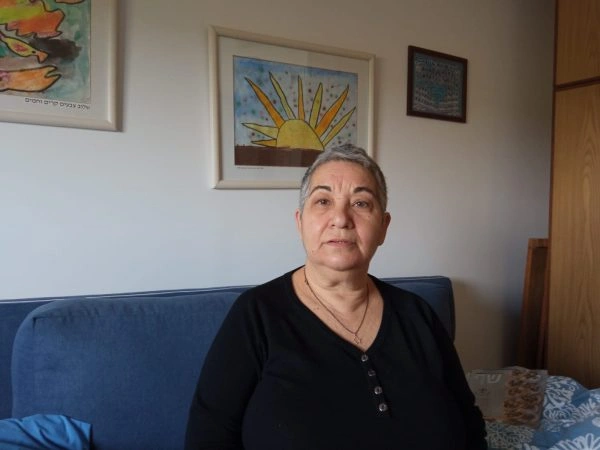
יהוד, ישראל
התחלתי ללמוד דף יומי בתחילת מסכת ברכות, עוד לא ידעתי כלום. נחשפתי לסיום הש״ס, ובעצם להתחלה מחדש בתקשורת, הפתיע אותי לטובה שהיה מקום לעיסוק בתורה.
את המסכתות הראשונות למדתי, אבל לא סיימתי (חוץ מעירובין איכשהו). השנה כשהגעתי למדרשה, נכנסתי ללופ, ואני מצליחה להיות חלק, סיימתי עם החברותא שלי את כל המסכתות הקצרות, גם כשהיינו חולות קורונה ובבידודים, למדנו לבד, העיקר לא לצבור פער, ומחכות ליבמות 🙂

מזכרת בתיה, ישראל
התחלתי בסיום הש”ס, יצאתי באורות. נשברתי פעמיים, ובשתיהם הרבנית מישל עודדה להמשיך איפה שכולם בסבב ולהשלים כשאוכל, וכך עשיתי וכיום השלמתי הכל. מדהים אותי שאני לומדת כל יום קצת, אפילו בחדר הלידה, בבידוד או בחו”ל. לאט לאט יותר נינוחה בסוגיות. לא כולם מבינים את הרצון, בפרט כפמניסטית. חשה סיפוק גדול להכיר את המושגים וצורת החשיבה. החלום זה להמשיך ולהתמיד ובמקביל ללמוד איך מהסוגיות נוצרה והתפתחה ההלכה.

מודיעין, ישראל
התחלתי ללמוד דף יומי ממסכת נידה כי זה היה חומר הלימוד שלי אז. לאחר הסיום הגדול בבנייני האומה החלטתי להמשיך. וב”ה מאז עם הפסקות קטנות של קורונה ולידה אני משתדלת להמשיך ולהיות חלק.
זה משפיע מאוד על היום יום שלי ועל אף שאני עסוקה בלימודי הלכה ותורה כל יום, זאת המסגרת הקבועה והמחייבת ביותר שיש לי.

גבעת הראל, ישראל
התחלתי ללמוד דף יומי כאשר קיבלתי במייל ממכון שטיינזלץ את הדפים הראשונים של מסכת ברכות במייל. קודם לא ידעתי איך לקרוא אותם עד שנתתי להם להדריך אותי. הסביבה שלי לא מודעת לעניין כי אני לא מדברת על כך בפומבי. למדתי מהדפים דברים חדשים, כמו הקשר בין המבנה של בית המקדש והמשכן לגופו של האדם (יומא מה, ע”א) והקשר שלו למשפט מפורסם שמופיע בספר ההינדי "בהגוד-גיתא”. מתברר שזה רעיון כלל עולמי ולא רק יהודי

נשר, ישראל
התחלתי ללמוד דף יומי באמצע תקופת הקורונה, שאבא שלי סיפר לי על קבוצה של בנות שתיפתח ביישוב שלנו ותלמד דף יומי כל יום. הרבה זמן רציתי להצטרף לזה וזאת הייתה ההזדמנות בשבילי. הצטרפתי במסכת שקלים ובאמצע הייתה הפסקה קצרה. כיום אני כבר לומדת באולפנה ולומדת דף יומי לבד מתוך גמרא של טיינזלץ.

עתניאל, ישראל
התחלתי ללמוד דף יומי שהתחילו מסכת כתובות, לפני 7 שנים, במסגרת קבוצת לימוד שהתפרקה די מהר, ומשם המשכתי לבד בתמיכת האיש שלי. נעזרתי בגמרת שטיינזלץ ובשיעורים מוקלטים.
הסביבה מאד תומכת ואני מקבלת המון מילים טובות לאורך כל הדרך. מאז הסיום הגדול יש תחושה שאני חלק מדבר גדול יותר.
אני לומדת בשיטת ה”7 דפים בשבוע” של הרבנית תרצה קלמן – כלומר, לא נורא אם לא הצלחת ללמוד כל יום, העיקר שגמרת ארבעה דפים בשבוע
עתניאל, ישראל
התחלתי כשהייתי בחופש, עם הפרסומים על תחילת המחזור, הסביבה קיבלה את זה כמשהו מתמיד ומשמעותי ובהערכה, הלימוד זה עוגן יציב ביום יום, יש שבועות יותר ויש שפחות אבל זה משהו שנמצא שם אמין ובעל משמעות בחיים שלי….
גמזו, ישראל
התחלתי ללמוד דף יומי בסבב הקודם. זכיתי לסיים אותו במעמד המרגש של הדרן. בסבב הראשון ליווה אותי הספק, שאולי לא אצליח לעמוד בקצב ולהתמיד. בסבב השני אני לומדת ברוגע, מתוך אמונה ביכולתי ללמוד ולסיים. בסבב הלימוד הראשון ליוותה אותי חוויה מסויימת של בדידות. הדרן העניקה לי קהילת לימוד ואחוות נשים. החוויה של סיום הש”ס במעמד כה גדול כשנשים שאינן מכירות אותי, שמחות ומתרגשות עבורי , היתה חוויה מרוממת נפש
קיבוץ מגדל עוז, ישראל
My explorations into Gemara started a few days into the present cycle. I binged learnt and become addicted. I’m fascinated by the rich "tapestry” of intertwined themes, connections between Masechtot, conversations between generations of Rabbanim and learners past and present all over the world. My life has acquired a golden thread, linking generations with our amazing heritage.
Thank you.
חשמונאים, Israel
"
גם אני התחלתי בסבב הנוכחי וב””ה הצלחתי לסיים את רוב המסכתות . בזכות הרבנית מישל משתדלת לפתוח את היום בשיעור הזום בשעה 6:20 .הלימוד הפך להיות חלק משמעותי בחיי ויש ימים בהם אני מצליחה לחזור על הדף עם מלמדים נוספים ששיעוריהם נמצאים במרשתת. שמחה להיות חלק מקהילת לומדות ברחבי העולם. ובמיוחד לשמש דוגמה לנכדותיי שאי””ה יגדלו לדור שלימוד תורה לנשים יהיה משהו שבשגרה. "

נתניה, ישראל
התחלתי ללמוד את הדף היומי מעט אחרי שבני הקטן נולד. בהתחלה בשמיעה ולימוד באמצעות השיעור של הרבנית שפרבר. ובהמשך העזתי וקניתי לעצמי גמרא. מאז ממשיכה יום יום ללמוד עצמאית, ולפעמים בעזרת השיעור של הרבנית, כל יום. כל סיום של מסכת מביא לאושר גדול וסיפוק. הילדים בבית נהיו חלק מהלימוד, אני משתפת בסוגיות מעניינות ונהנית לשמוע את דעתם.

מעלה מכמש, ישראל
חולין ב
מַתְנִי׳ הַכֹּל שׁוֹחֲטִין וּשְׁחִיטָתָן כְּשֵׁרָה, חוּץ מֵחֵרֵשׁ שׁוֹטֶה וְקָטָן, שֶׁמָּא יְקַלְקְלוּ אֶת שְׁחִיטָתָן. וְכוּלָּן שֶׁשָּׁחֲטוּ וַאֲחֵרִים רוֹאִין אוֹתָן – שְׁחִיטָתָן כְּשֵׁרָה.
MISHNA: Everyone slaughters an animal, i.e., can perform halakhically valid slaughter, and their slaughter is valid, except for a deaf-mute, an imbecile, and a minor, lest they ruin their slaughter because they lack competence. And for all of them, when they slaughtered an animal and others see and supervise them, their slaughter is valid.
גְּמָ׳ ״הַכֹּל שׁוֹחֲטִין״ – לְכַתְּחִלָּה, ״וּשְׁחִיטָתָן כְּשֵׁרָה״ – דִּיעֲבַד!
GEMARA: There is an apparent contradiction between the first two phrases of the mishna. The tanna begins: Everyone slaughters an animal, indicating that their performing slaughter is permitted ab initio, and then teaches: And their slaughter is valid, indicating that their slaughter is valid only after the fact.
אֲמַר לֵיהּ רַב אַחָא בְּרֵיהּ דְּרָבָא לְרַב אָשֵׁי: וְכֹל ״הַכֹּל״ לְכַתְּחִלָּה הוּא? אֶלָּא מֵעַתָּה: הַכֹּל מְמִירִין, אֶחָד הָאֲנָשִׁים וְאֶחָד הַנָּשִׁים – הָכִי נָמֵי דִּלְכַתְּחִלָּה הוּא? וְהָא כְּתִיב: ״לֹא יַחֲלִיפֶנּוּ וְלֹא יָמִיר אֹתוֹ טוֹב בְּרָע אוֹ רַע בְּטוֹב״!
Rav Aḥa, son of Rava, said to Rav Ashi: And does every use of the term: Everyone, indicate that the action in question is permitted ab initio? If that is so, in the mishna (Temura 2a), where it says: Everyone substitutes a non-sacred animal for a sacrificial animal, both men and women, is that also an expression indicating that it is permitted ab initio? But isn’t it written: “He shall neither exchange it, nor substitute it, good for bad, or bad for good” (Leviticus 27:10)?
הָתָם, כִּדְקָתָנֵי טַעְמָא: לֹא שֶׁהָאָדָם רַשַּׁאי לְהָמִיר, אֶלָּא שֶׁאִם הֵמִיר – מוּמָר, וְסוֹפֵג אֶת הָאַרְבָּעִים.
Rav Ashi answers: There, the reason the mishna uses the word everyone is that it immediately teaches: That is not to say that it is permitted for a person to substitute; rather, it means that if one did substitute a non-sacred animal for a sacrificial animal, substitution takes effect, and the one who substituted the non-sacred animal incurs [vesofeg] the forty lashes that are the punishment for violating the prohibition “Nor substitute it.” But here, since the mishna does not similarly qualify its statement, it indicates that everyone may perform the slaughter ab initio.
אֶלָּא הַכֹּל מַעֲרִיכִין וְנֶעֱרָכִין, נוֹדְרִין וְנִידָּרִין, הָכִי נָמֵי דִּלְכַתְּחִלָּה? וְהָא כְּתִיב: ״וְכִי תֶחְדַּל לִנְדֹּר לֹא יִהְיֶה בְךָ חֵטְא״!
Rav Aḥa challenges: But a mishna teaches (Arakhin 2a): Everyone takes vows of valuation and is thereby obligated to donate to the Temple treasury the value fixed by the Torah based on the age and gender of the person valuated; and everyone is valuated, and therefore one who vowed to donate his fixed value is obligated to pay; everyone vows to donate the market value of a person as a slave to the Temple treasury and is thereby obligated to pay; and everyone is the object of a vow if others vowed to donate his market value. Is that also an expression indicating that it is permitted ab initio? But it is written: “And if you shall cease to vow, there shall be no sin in you” (Deuteronomy 23:23), indicating that it is preferable not to vow.
וּכְתִיב: ״טוֹב אֲשֶׁר לֹא תִדֹּר מִשֶּׁתִּדּוֹר וְלֹא תְשַׁלֵּם״, וְתַנְיָא: טוֹב מִזֶּה וּמִזֶּה שֶׁאֵינוֹ נוֹדֵר כׇּל עִיקָּר, דִּבְרֵי רַבִּי מֵאִיר. רַבִּי יְהוּדָה אוֹמֵר: טוֹב מִזֶּה וּמִזֶּה נוֹדֵר וּמְשַׁלֵּם. וַאֲפִילּוּ רַבִּי יְהוּדָה לָא קָאָמַר אֶלָּא בְּאוֹמֵר ״הֲרֵי זוֹ״,
And it is written: “It is better that you should not vow, than that you should vow and not pay” (Ecclesiastes 5:4); and it is taught in a baraita with regard to that verse: Better than both this one, who vows and does not pay, and that one, who vows and pays, is one who does not take a vow at all; this is the statement of Rabbi Meir. Rabbi Yehuda says: Better than both this one, who vows and does not pay, and that one, who does not vow at all, is one who vows and pays in fulfillment of that vow. Rav Aḥa comments: And even Rabbi Yehuda states his opinion only in a case where one vows and says: This animal is designated for sacrifice, as in that case there is no concern that he will fail to fulfill his commitment, since even if the animal is stolen or lost, he is not required to bring another in its place.
אֲבָל אָמַר ״הֲרֵי עָלַי״ – לֹא.
But in the case of one who vows and says: It is incumbent upon me to bring an offering, even Rabbi Yehuda concedes that no, it is best not to vow at all. Likewise, it is preferable not to vow to donate a certain monetary value to the Temple treasury. Apparently, then, the statements in that mishna: Everyone takes vows of valuation, and: Everyone vows to donate the assessment of a person to the Temple treasury, do not indicate that it is permitted to do so ab initio.
וְכֹל ״הַכֹּל״ לָאו לְכַתְּחִלָּה הוּא? אֶלָּא ״הַכֹּל חַיָּיבִים בְּסוּכָּה״, ״הַכֹּל חַיָּיבִין בְּצִיצִית״, הָכִי נָמֵי דְּלָאו לְכַתְּחִלָּה?
Rav Ashi responded: And is that to say that every use of the term: Everyone, is an indication that the action in question is not permitted ab initio? Rather, is the term: Everyone, in the baraita that states: Everyone is obligated in the mitzva of sukka, and in the baraita that states: Everyone is obligated in the mitzva of ritual fringes, also an indication that they are not permitted ab initio?
חַיָּיבִין – לָא קָאָמֵינָא. אֶלָּא מֵעַתָּה, ״הַכֹּל סוֹמְכִין, אֶחָד הָאֲנָשִׁים וְאֶחָד הַנָּשִׁים״ – הָכִי נָמֵי דְּלָאו לְכַתְּחִלָּה? וְהָא כְּתִיב: ״וְסָמַךְ יָדוֹ … וְנִרְצָה״!
Rav Aḥa answered: I am not speaking about cases where it is stated: Everyone is obligated, as it goes without saying that fulfilling any obligation is permitted ab initio. Rav Ashi asked: If that is so, that which was stated: Everyone who brings an offering places hands on the animal, both men and women (see Menaḥot 93a), is that also an expression indicating that it is not permitted ab initio? But isn’t it written: “And he shall place his hand upon the head of the burnt offering, and it shall be accepted for him to effect atonement for him” (Leviticus 1:4)?
אִין, אִיכָּא ״הַכֹּל״ לְכַתְּחִלָּה, וְאִיכָּא ״הַכֹּל״ דִּיעֲבַד. אֶלָּא ״הַכֹּל״ דְּהָכָא, מִמַּאי דִּלְכַתְּחִלָּה הוּא דְּתִקְשֵׁי לָךְ? דִּלְמָא דִּיעֲבַד הוּא, וְלָא תִּקְשֵׁי לָךְ.
Rav Aḥa answered: Indeed, there are instances where the word: Everyone, indicates ab initio, and there are instances where the word: Everyone, indicates after the fact. Rather, concerning the term: Everyone, that appears here in the mishna, from where can it be determined that it is an expression indicating that it is permitted ab initio, creating an apparent contradiction in the mishna that will be difficult for you? Perhaps it is an expression indicating that everyone’s slaughter is valid after the fact, and there will not be a contradiction in the mishna that will be difficult for you.
אֲמַר לֵיהּ: אֲנָא ״שְׁחִיטָתָן כְּשֵׁרָה״ קַשְׁיָא לִי, מִדְּקָתָנֵי שְׁחִיטָתָן כְּשֵׁרָה דִּיעֲבַד, מִכְּלָל דְּ״הַכֹּל״ לְכַתְּחִלָּה הוּא, דְּאִי דִּיעֲבַד – תַּרְתֵּי דִּיעֲבַד לְמָה לִי?
Rav Ashi said to Rav Aḥa: I find the phrase: And their slaughter is valid, to be difficult for me. From the fact that the tanna teaches: And their slaughter is valid, which is an expression indicating that it is valid after the fact, conclude by inference that the initial phrase in the mishna: Everyone slaughters, is an expression indicating that it is permitted ab initio. As, if it indicated that it is valid after the fact, why do I need two phrases teaching that it is valid after the fact?
אָמַר רַבָּה בַּר עוּלָּא: הָכִי קָתָנֵי – הַכֹּל שׁוֹחֲטִין, וַאֲפִילּוּ טָמֵא בְּחוּלִּין. טָמֵא בְּחוּלִּין מַאי לְמֵימְרָא? בְּחוּלִּין שֶׁנַּעֲשׂוּ עַל טׇהֳרַת הַקֹּדֶשׁ, וְקָסָבַר: חוּלִּין שֶׁנַּעֲשׂוּ עַל טׇהֳרַת הַקֹּדֶשׁ כְּקֹדֶשׁ דָּמוּ.
Rabba bar Ulla said, in resolution of the conflict in the mishna, that this is what the mishna is teaching: Everyone slaughters, and even a ritually impure person may slaughter a non-sacred animal ab initio. The Gemara interjects: What is the purpose of stating that a ritually impure person may slaughter a non-sacred animal ab initio? There is no prohibition against rendering non-sacred meat impure. The Gemara answers that the reference is to non-sacred animals that were being prepared according to the strictures of sacrificial food, and the tanna holds that the halakhic status of non-sacred foods that were prepared according to the strictures of sacrificial food is like that of sacrificial food insofar as it is prohibited to render such food impure.
כֵּיצַד הוּא עוֹשֶׂה? מֵבִיא סַכִּין אֲרוּכָּה וְשׁוֹחֵט בָּהּ, כְּדֵי שֶׁלֹּא יִגַּע בַּבָּשָׂר.
The Gemara asks: How does an impure person act in order to ensure that he will not render the flesh of the slaughtered animal impure? The Gemara answers: He brings a long knife and slaughters the animal with it, so that he will not come into contact with the flesh of the slaughtered animal.
וּבְמוּקְדָּשִׁים לֹא יִשְׁחוֹט, שֶׁמָּא יִגַּע בַּבָּשָׂר, וְאִם שָׁחַט וְאוֹמֵר ״בָּרִי לִי שֶׁלֹּא נָגַעְתִּי״ – שְׁחִיטָתוֹ כְּשֵׁרָה.
Rabba bar Ulla continues his interpretation of the mishna: And the reason the mishna also indicates that he may not slaughter ab initio is that with regard to sacrificial animals, he may not slaughter them ab initio even with a long knife, lest he come into contact with the flesh. But if he slaughtered the sacrificial animal and says: It is clear to me that I did not come into contact with the flesh, his slaughter is valid after the fact.
חוּץ מֵחֵרֵשׁ שׁוֹטֶה וְקָטָן, דַּאֲפִילּוּ בְּחוּלִּין גְּרֵידֵי, דִּיעֲבַד נָמֵי לָא, שֶׁמָּא יִשְׁהוּ, שֶׁמָּא יִדְרְסוּ, וְשֶׁמָּא יַחֲלִידוּ.
And it teaches: This is the halakha with regard to all people except for a deaf-mute, an imbecile, and a minor, who, even if they slaughtered only non-sacred animals, their slaughter is not valid even after the fact. The reason the Sages deemed such slaughter not valid is lest people in these categories interrupt the slaughter, lest they press the knife in the course of slaughter, and lest they conceal the knife beneath the windpipe or the gullet in the course of an inverted slaughter.
וְכוּלָּן שֶׁשָּׁחֲטוּ, אַהֵיָיא? אִילֵּימָא אַחֵרֵשׁ שׁוֹטֶה וְקָטָן – עֲלַהּ קָאֵי, ״וְאִם שָׁחֲטוּ״ מִיבְּעֵי לֵיהּ! אֶלָּא אַטָּמֵא בְּחוּלִּין – הָא אָמְרַתְּ: לְכַתְּחִלָּה נָמֵי שָׁחֵיט!
The Gemara asks: If so, with regard to the clause that follows in the mishna: And any of them who slaughtered an animal and others see and supervise them, their slaughter is valid, to which case in the mishna is it referring? If we say that the reference is to the case of a deaf-mute, an imbecile, and a minor, why was it formulated: And any of them who slaughtered? Since it stands adjacent to that halakha, the tanna should have formulated the phrase: And if they slaughtered. Rather, perhaps the reference is to the case of a ritually impure person who slaughtered a non-sacred animal. The Gemara rejects that possibility as well. But didn’t you say in that case: He slaughters the animal even ab initio?
וְאֶלָּא, אַטָּמֵא בְּמוּקְדָּשִׁים – בְּ״בָרִי לִי״ סַגִּי! דְּלֵיתֵיהּ קַמַּן דִּנְשַׁיְּילֵיהּ.
And rather, perhaps the reference is to the case of a ritually impure person who slaughtered a sacrificial animal. The Gemara rejects that possibility, as in that case, if the ritually impure person says: It is clear to me that I did not come into contact with the flesh, it is sufficient, and there is no need for supervision. The Gemara answers: Supervision is necessary in the case of a ritually impure person who slaughtered a sacrificial animal, to account for a case where the ritually impure person is not before us so that we can ask him whether he came into contact with the flesh.
הַאי טָמֵא בְּמוּקְדָּשִׁים, מֵהָכָא נָפְקָא? מֵהָתָם נָפְקָא: כׇּל הַפְּסוּלִין שֶׁשָּׁחֲטוּ – שְׁחִיטָתָן כְּשֵׁרָה, שֶׁהַשְּׁחִיטָה כְּשֵׁרָה בְּזָרִים, בְּנָשִׁים, וּבַעֲבָדִים, וּבִטְמֵאִים, וַאֲפִילּוּ בְּקׇדְשֵׁי קָדָשִׁים, וּבִלְבַד שֶׁלֹּא יִהְיוּ טְמֵאִין נוֹגְעִין בַּבָּשָׂר.
The Gemara asks: Is this halakha of a ritually impure person who slaughtered a sacrificial animal learned from an analysis of the mishna here? It is learned explicitly from the mishna there (Zevaḥim 31b): With regard to all those who are unfit for Temple service who slaughtered an offering, their slaughter is valid, as the slaughter of an offering is valid ab initio when performed even by non-priests, by women, by Canaanite slaves, and by ritually impure individuals. And this is the halakha even with regard to offerings of the most sacred order, provided that the ritually impure will not touch the flesh of the slaughtered animal, thereby rendering it impure.
הָכָא עִיקָּר. הָתָם, אַיְּידֵי דִּתְנָא שְׁאָר פְּסוּלִין – תְּנָא נָמֵי טָמֵא בְּמוּקְדָּשִׁים. וְאִיבָּעֵית אֵימָא: הָתָם עִיקָּר, דִּבְקָדָשִׁים קָאֵי. הָכָא, אַיְּידֵי דִּתְנָא טָמֵא בְּחוּלִּין – תָּנֵי נָמֵי טָמֵא בְּמוּקְדָּשִׁים.
The Gemara answers: The mishna here is the primary source. There, since the tanna taught the rest of those disqualified for Temple service, he taught the case of a ritually impure person who slaughtered a sacrificial animal as well. And if you wish, say instead that the mishna there is the primary source, as it is standing in tractate Zevaḥim, which deals with sacrificial animals. Here, since the tanna taught the case of a ritually impure person who slaughtered a non-sacred animal, he also teaches the case of a ritually impure person who slaughtered a sacrificial animal.
הַאי טָמֵא, דְּאִיטַּמָּא בְּמַאי? אִילֵּימָא דְּאִיטַּמִּי בְּמֵת, ״בַּחֲלַל חֶרֶב״ אָמַר רַחֲמָנָא,
The Gemara asks: This ritually impure person mentioned in the mishna is one who became impure with what form of impurity? If we say that he became impure with impurity imparted by a corpse, this is difficult, as the Merciful One states: “And whosoever in the open field touches one slain with a sword” (Numbers 19:16).

