






לימוד מסכת חולין מוקדש על ידי ג’ודי פלבר לכבודה של קהילת הדרן. "במהלך המחזור הראשון שלי בדף היומי, בדיוק כשהתחלנו את מסכת חולין, בני נפצע בעת שירותו בצה”ל. לאורך אותם חודשיים וחצי של קושי וחוסר ודאות, חברותיי ללימוד לא עזבו אותי לרגע. תודה רבה לקהילה שעטפה אותי, עודדה אותי ווידאה שאוכל להמשיך ולהתמיד בלימוד הדף גם בימים המאתגרים ההם.”
הלימוד השבוע מוקדש ע”י טינה לם לרפואת מעין ליאורה בת שלומית פייגא
רוצה להקדיש שיעור?


כלים
לימוד מסכת חולין מוקדש על ידי ג’ודי פלבר לכבודה של קהילת הדרן. "במהלך המחזור הראשון שלי בדף היומי, בדיוק כשהתחלנו את מסכת חולין, בני נפצע בעת שירותו בצה”ל. לאורך אותם חודשיים וחצי של קושי וחוסר ודאות, חברותיי ללימוד לא עזבו אותי לרגע. תודה רבה לקהילה שעטפה אותי, עודדה אותי ווידאה שאוכל להמשיך ולהתמיד בלימוד הדף גם בימים המאתגרים ההם.”
הלימוד השבוע מוקדש ע”י טינה לם לרפואת מעין ליאורה בת שלומית פייגא
חולין סה
בְּתַרְתֵּי תֵּיבוֹת, שְׁמַע מִינַּהּ תְּרֵי שֵׁמוֹת נִינְהוּ.
into two words, conclude from it that they are two names, prohibiting the egg as well.
אֶלָּא מֵעַתָּה ״אֶת כְּדׇר לָעֹמֶר״ דְּפָסֵק לְהוּ סָפְרָא בִּתְרֵי, הָכִי נָמֵי דִּתְרֵי שְׁמֵי נִינְהוּ? אָמְרִי: הָתָם בִּשְׁתֵּי תֵּיבוֹת פָּסֵיק לְהוּ, בִּשְׁנֵי שִׁיטִין לָא פָּסֵיק לְהוּ, אֲבָל הָכָא אֲפִילּוּ בִּשְׁנֵי שִׁיטִין נָמֵי פָּסֵיק לְהוּ.
The Gemara asks: If that is so, what about the name: “Chedorlaomer” (Genesis 14:4), which the scribe splits in two so that it appears as: Chedor Laomer? Is it also true there that they are two names? The verse is clearly referring to only one person. They say in response: There, with regard to Chedor Laomer, the scribe splits the name into two words, but he may not split it into two lines if the first half nears the end of one line. But here, he may split the name bat ya’ana even into two lines, indicating that they are completely separate.
אֲבָל אָמְרוּ חֲכָמִים: כׇּל עוֹף. תַּנְיָא, רַבָּן גַּמְלִיאֵל אוֹמֵר: דּוֹרֵס וְאוֹכֵל – בְּיָדוּעַ שֶׁהוּא טָמֵא, יֵשׁ לוֹ אֶצְבַּע יְתֵירָה וְזֶפֶק וְקֻרְקְבָנוֹ נִקְלָף – בְּיָדוּעַ שֶׁהוּא טָהוֹר. רַבִּי אֶלְעָזָר בְּרַבִּי צָדוֹק אוֹמֵר: מוֹתְחִין לוֹ חוּט שֶׁל מְשִׁיחָה, אִם חוֹלֵק אֶת רַגְלָיו, שְׁתַּיִם לְכָאן וּשְׁתַּיִם לְכָאן – טָמֵא, שָׁלֹשׁ לְכָאן וְאַחַת לְכָאן – טָהוֹר. רַבִּי שִׁמְעוֹן בֶּן אֶלְעָזָר אוֹמֵר: כׇּל עוֹף הַקּוֹלֵט מִן הָאֲוִיר – טָמֵא.
§ The mishna states: But the Sages stated that any bird that claws its prey and eats it is non-kosher. It is taught in a baraita: Rabban Gamliel says: A bird that claws its prey and eats it is certainly non-kosher. If it has an extra digit and a crop, and its gizzard can be peeled, it is certainly kosher. Rabbi Elazar, son of Rabbi Tzadok, says: One stretches a line, and the bird perches on it. If it splits its feet on the line, with two digits here and two there, it is non-kosher. If it places three digits here and one there, it is possibly kosher. Rabbi Shimon ben Elazar says: Any bird that catches food out of the air is non-kosher.
צִיפַּרְתָּא נָמֵי מִקְלָט קָלְטָה! אָמַר אַבָּיֵי: ״קוֹלֵט וְאוֹכֵל״ קָאָמְרִי.
The Gemara interjects: But the tziparta also catches food out of the air, and it is kosher. Abaye said: We say this only for a bird that both catches and eats its food in the air. The tziparta lands before eating what it has caught.
אֲחֵרִים אוֹמְרִים: שָׁכֵן עִם טְמֵאִים – טָמֵא, עִם טְהוֹרִים – טָהוֹר.
The baraita concludes: Others say: If a bird dwells with non-kosher birds, it is non-kosher; if it dwells with kosher birds, it is kosher.
כְּמַאן? כְּרַבִּי אֱלִיעֶזֶר, דְּתַנְיָא: רַבִּי אֱלִיעֶזֶר אוֹמֵר: לֹא לְחִנָּם הָלַךְ זַרְזִיר אֵצֶל עוֹרֵב, אֶלָּא מִפְּנֵי שֶׁהוּא מִינוֹ. אֲפִילּוּ תֵּימָא רַבָּנַן, שָׁכֵן וְנִדְמֶה קָאָמְרִינַן.
The Gemara asks: In accordance with whose opinion is this last statement? Perhaps it is in accordance with the opinion of Rabbi Eliezer, as it is taught in a baraita: Rabbi Eliezer says: It was not for naught that the zarzir went to dwell with the crow, but because it is of the same species. The Gemara rejects this: You may even say that the opinion introduced with the words: Others say, is like that of the Rabbis, who disagree with Rabbi Eliezer and deem the zarzir kosher. The statement introduced with the words: Others say, is understood as follows: We say that a bird is non-kosher whenever it both dwells with a non-kosher bird and resembles it. The zarzir, though, does not resemble the crow.
וּבַחֲגָבִים, כֹּל שֶׁיֵּשׁ לוֹ כּוּ׳. מַאי רוּבּוֹ? אָמַר רַב יְהוּדָה אָמַר רַב: רוֹב אׇרְכּוֹ, וְאָמְרִי לַהּ: רוֹב הֶקֵּיפוֹ. אָמַר רַב פָּפָּא: הִלְכָּךְ בָּעֵינַן רוֹב אׇרְכּוֹ, וּבָעֵינַן רוֹב הֶקֵּיפוֹ.
§ The mishna states: And with regard to grasshoppers, any grasshopper that has four legs, and four wings, and two additional jumping legs, and whose wings cover most of its body, is kosher. The Gemara asks: What is considered most of its body? Rav Yehuda said that Rav said: Most of its length. And some say that he said: Most of its circumference. Rav Pappa said: Therefore, one must satisfy both versions of the statement. We require that the wings cover most of its length, and we also require that they cover most of its circumference.
תָּנוּ רַבָּנַן: אֵין לוֹ עַכְשָׁיו וְעָתִיד לְגַדֵּל לְאַחַר זְמַן, כְּגוֹן הַזַּחַל – מוּתָּר. רַבִּי אֶלְעָזָר בְּרַבִּי יוֹסֵי אוֹמֵר: ״אֲשֶׁר לֹא כְרָעַיִם״ – אַף עַל פִּי שֶׁאֵין לוֹ עַכְשָׁיו וְעָתִיד לְגַדֵּל לְאַחַר זְמַן. מַאי זַחַל? אָמַר אַבָּיֵי: אַסְקְרָא.
The Sages taught in a baraita: A grasshopper that has no wings now but will grow them after a time, e.g., the zaḥal, is permitted. Rabbi Elazar, son of Rabbi Yosei, says: The verse states: “Yet these may you eat of all winged swarming things that go upon all fours, which have [lo] jointed legs above their feet, wherewith to leap upon the earth” (Leviticus 11:21). The word lo is written with the letter alef, meaning not, so that it can be understood as: Do not have jointed legs. This teaches that even though it has no jointed legs now but will grow them after a time, it is still kosher. The Gemara asks: What is the zaḥal? Abaye said: It is called askarin in Aramaic.
תָּנוּ רַבָּנַן: ״אֶת אֵלֶּה מֵהֶם תֹּאכֵלוּ אֶת הָאַרְבֶּה וְגוֹ׳״. אַרְבֶּה – זֶה גּוֹבַאי, סַלְעָם – זֶה רָשׁוֹן, חַרְגּוֹל – זֶה נִיפּוּל, חָגָב – זֶה נַדְיָאן. מָה תַּלְמוּד לוֹמַר ״לְמִינוֹ״ ״לְמִינֵהוּ״ ״לְמִינֵהוּ״ ״לְמִינֵהוּ״ אַרְבַּע פְּעָמִים? לְהָבִיא צִיפּוֹרֶת כְּרָמִים, וְיוֹחָנָא יְרוּשַׁלְמִית, וְהָעַרְצוּבְיָא, וְהָרַזְבָּנִית.
The Sages taught in a baraita that the verse states: “These of them you may eat: The arbeh after its kinds, and the solam after its kinds, and the ḥargol after its kinds, and the ḥagav after its kinds” (Leviticus 11:22). The arbeh is the insect known as the govai. The solam is the rashon. The ḥargol is the nippul. The ḥagav is the gadyan. Why must the verse state: “After its kinds,” “after its kinds,” “after its kinds,” and “after its kinds,” four times? It is to include four similar species: The vineyard bird, and the Jerusalem yoḥana, and the artzuveya, and the razbanit, which are also kosher.
דְּבֵי רַבִּי יִשְׁמָעֵאל תָּנָא: אֵלּוּ כְּלָלֵי כְלָלוֹת, וְאֵלּוּ פְּרָטֵי פְרָטוֹת. ״אַרְבֶּה״ – זֶה ״גּוֹבַאי״, ״לְמִינוֹ״ לְהָבִיא
The school of Rabbi Yishmael taught: These appearances of the phrase “after its kinds” in the verse are generalizations, and these species mentioned explicitly are details. The verse must be understood in light of the previous verse, which offers general signs of a kosher grasshopper. The two verses together are a generalization, and a detail, and a generalization, in the following manner: The first verse is a generalization, arbeh is a detail referring to the species govai, and the phrase “after its kinds” is another generalization. According to Rabbi Yishmael’s hermeneutical principles, the second generalization serves to include a case similar to the detail. In this case, the phrase “after its kinds” serves to include
צִיפּוֹרֶת כְּרָמִים.
the vineyard bird, which is similar to the arbeh in that its forehead is not smooth but has small hairs.
אֵין לִי אֶלָּא הַבָּא וְאֵין לוֹ גַּבַּחַת. הַבָּא וְיֵשׁ לוֹ גַּבַּחַת מִנַּיִן? תַּלְמוּד לוֹמַר ״סׇלְעָם״ – זֶה נִיפּוּל, ״לְמִינֵהוּ״ – לְהָבִיא אֶת הָאוּשְׁכָּף.
I have derived only that a species that comes before a person and does not have a smooth forehead is kosher. From where is it derived that even one that comes before a person and has a smooth forehead is kosher? The verse states: “Solam,” and this is the nippul, which has a smooth forehead. The phrase “after its kinds” that follows solam is another generalization, which serves to include a case similar to the detail, i.e., the ushkaf, which has a smooth forehead like the solam.
וְאֵין לִי אֶלָּא הַבָּא וְאֵין לוֹ גַּבַּחַת, הַבָּא וְיֵשׁ לוֹ גַּבַּחַת. הַבָּא וְאֵין לוֹ זָנָב, הַבָּא וְיֵשׁ לוֹ זָנָב מִנַּיִן? תַּלְמוּד לוֹמַר ״חַרְגֹּל״ – זֶה רָשׁוֹן, ״לְמִינֵהוּ״ – לְהָבִיא אֶת הַכַּרְסֶפֶת וְאֶת הַשַּׁחֲלָנִית.
And I have derived only that a species that comes before a person and does not have a smooth forehead, like the arbeh, or one that comes before a person and has a smooth forehead, like the solam, or one that comes before a person and has no tail, is kosher, since none of the previously mentioned grasshoppers have a tail. From where is it derived that even one that comes before a person and has a tail is kosher? The verse states: “Ḥargol,” and this is the rashon, which has a tail. The phrase “after its kinds” that follows ḥargol is another generalization, and it serves to include the karsefet and the shaḥlanit, which also have tails.
וְאֵין לִי אֶלָּא הַבָּא וְאֵין לוֹ גַּבַּחַת, הַבָּא וְיֵשׁ לוֹ גַּבַּחַת; הַבָּא וְאֵין לוֹ זָנָב, הַבָּא וְיֵשׁ לוֹ זָנָב. הַבָּא וְאֵין רֹאשׁוֹ אָרוֹךְ, הַבָּא וְרֹאשׁוֹ אָרוֹךְ מִנַּיִן?
And I have derived only that a species that comes before a person and does not have a smooth forehead, or that comes before a person and has a smooth forehead, or that comes and has no tail, or that comes and has a tail, or that comes and its head is not long, is kosher, since every grasshopper mentioned until this point does not have a long head. From where is it derived that even one that comes and its head is long is kosher?
אָמַרְתָּ: הֲרֵי אַתָּה דָן בִּנְיַן אָב מִשְּׁלׇשְׁתָּן, לֹא רְאִי אַרְבֶּה כִּרְאִי חַרְגּוֹל, וְלֹא רְאִי חַרְגּוֹל כִּרְאִי אַרְבֶּה, וְלֹא רְאִי שְׁנֵיהֶם כִּרְאִי סׇלְעָם, וְלֹא רְאִי סׇלְעָם כִּרְאִי שְׁנֵיהֶם. הַצַּד הַשָּׁוֶה שֶׁבָּהֶן – שֶׁיֵּשׁ לוֹ אַרְבַּע רַגְלַיִם, וְאַרְבַּע כְּנָפַיִם, וְקַרְצוּלַּיִם, וּכְנָפָיו חוֹפִין אֶת רוּבּוֹ; אַף כֹּל שֶׁיֵּשׁ לוֹ אַרְבַּע רַגְלַיִם, וְאַרְבַּע כְּנָפַיִם, וְקַרְצוּלַּיִם, וּכְנָפָיו חוֹפִין אֶת רוּבּוֹ.
You will say: You derive a paradigm from the three of them, as follows: The aspect [re’i] of the arbeh, which has neither smooth forehead nor tail, is not similar to the aspect of the ḥargol, which has both; and the aspect of the ḥargol is not similar to the aspect of the arbeh. And the aspect of neither of them is similar to the aspect of the solam, which has a smooth forehead but no tail, and the aspect of the solam is similar to neither of their aspects. The characteristic that renders them all kosher can only be an aspect common to all of them. Their common denominator is that each has four legs, and four wings, and jumping legs, and its wings cover most of its body. So too, any other species that has four legs, and four wings, and jumping legs, and its wings cover most of its body is kosher, even if its head is long.
וַהֲלֹא הַצַּרְצוּר הַזֶּה יֵשׁ לוֹ אַרְבַּע רַגְלַיִם, וְאַרְבַּע כְּנָפַיִם, וְקַרְצוּלַּיִם, וּכְנָפָיו חוֹפִין אֶת רוּבּוֹ, יָכוֹל יְהֵא מוּתָּר? תַּלְמוּד לוֹמַר ״חָגָב״, שֶׁשְּׁמוֹ חָגָב.
One might ask: But doesn’t this tzartzur have four legs, and four wings, and jumping legs, and its wings cover most of its body? Consequently, one might have thought that it should be permitted. Therefore, the verse states: “Ḥagav,” to indicate that its name must be ḥagav. This includes all of the species previously mentioned, but not the tzartzur.
אִי שְׁמוֹ חָגָב, יָכוֹל אֵין בּוֹ כׇּל הַסִּימָנִין הַלָּלוּ? תַּלְמוּד לוֹמַר ״לְמִינֵהוּ״ – עַד שֶׁיְּהֵא בּוֹ כׇּל הַסִּימָנִין הַלָּלוּ.
But if its name must be ḥagav, one might have thought that any ḥagav is kosher, even if it does not have all these signs. Therefore, the verse states: “After its kinds,” indicating that even if it is called a ḥagav it is not kosher unless it has all these signs. This concludes the baraita of the school of Rabbi Yishmael.
פָּרֵיךְ רַב אַחַאי: מָה לְהָנָךְ, שֶׁכֵּן אֵין רֹאשָׁן אָרוֹךְ? וְכִי תֵּימָא: כֵּיוָן דְּשָׁווּ בְּאַרְבַּע סִימָנִין מַיְיתִינַן וְלָא פָּרְכִינַן – אִי הָכִי, חַרְגּוֹל נָמֵי דְּשָׁווּ לְהוּ, לָא לִיכְתּוֹב וְתֵיתֵי מֵאַרְבֶּה וְסׇלְעָם!
Rav Aḥai refutes the baraita: The four signs listed are not the sole common denominators between the arbeh, ḥargol, and solam. What is also unique about these grasshoppers in addition to these signs? They are unique in that their heads are not long. If so, grasshoppers with long heads might not be kosher. And if you would say: Since they share these four signs, we include all others with these four signs and we do not refute them, since the included species need not be identical in all their aspects, if so, the Torah should not even write the ḥargol, which shares these four signs with the arbeh and the solam, and let it be derived that the ḥargol is kosher by inference from the common denominators between the arbeh and solam.
אֶלָּא, אִיכָּא לְמִיפְרַךְ: מָה לְהָנָךְ שֶׁכֵּן אֵין לָהֶן זָנָב. הָכִי נָמֵי אִיכָּא לְמִיפְרַךְ: מָה לְהָנָךְ שֶׁכֵּן אֵין רֹאשָׁן אָרוֹךְ?
Rather, it was necessary for the verse to write ḥargol because if it were omitted, its inclusion could be refuted as follows: What is unique about these, the arbeh and solam? They are unique in that they both have no tail. Since the ḥargol has a tail, its kosher status cannot be inferred from theirs. So too, the inclusion of grasshoppers with long heads can be refuted as follows: What is unique about these, the arbeh, ḥargol, and solam? They are unique in that their heads are not long. If so, grasshoppers with long heads might not be kosher.
אֶלָּא אָמַר רַב אַחַאי: סׇלְעָם יַתִּירָא הוּא, לָא לִיכְתּוֹב רַחֲמָנָא ״סׇלְעָם״, וְתֵיתֵי מֵאַרְבֶּה וּמֵחַרְגּוֹל, דְּמַאי פָּרְכַתְּ? מָה לְאַרְבֶּה דְּאֵין לוֹ גַּבַּחַת – הֲרֵי חַרְגּוֹל דְּיֵשׁ לוֹ גַּבַּחַת, מָה לְחַרְגּוֹל דְּיֵשׁ לוֹ זָנָב – הֲרֵי אַרְבֶּה דְּאֵין לוֹ זָנָב, סׇלְעָם דִּכְתַב רַחֲמָנָא לְמָה לִי? אִם אֵינוֹ עִנְיָן לְגוּפוֹ – תְּנֵהוּ עִנְיָן לְרֹאשׁוֹ אָרוֹךְ.
Rather, Rav Aḥai said: One can derive that grasshoppers with long heads are kosher as follows: The solam mentioned in the verse is redundant. How so? Let the Merciful One not write solam, and instead let it be derived by inference from the common denominators between the arbeh and ḥargol, that they have four legs, four wings, jumping legs, and that their wings cover most of their body. As what can you say to refute this? If you say: What can be derived from the arbeh, which, unlike the solam, does not have a smooth forehead; one can respond: But there is the ḥargol, which has a smooth forehead. And if you say: What can be derived from the ḥargol, which, unlike the solam, has a tail, one can respond: But there is the arbeh, which has no tail. If so, why do I need the solam that the Merciful One wrote? Rather, if the solam is not necessary for the matter itself, apply it to the matter of a long-headed grasshopper, to teach that it is kosher.

כלים
העמקה
רוצה להבין מה באמת קורה מתחת לפני השטח של הסוגיה?
שיעורים, פודקאסטים והרחבות של מיטב המורות שלנו יפתחו לך עוד זוויות וכיווני חשיבה.


נ”ט בר נ”ט – פרווה, יש דבר כזה?- גפת עם הרבנית חנה גודינגר (דרייפוס)
בן פקועה: איך אפשר לאכול בשר ללא שחיטה?- גפת עם הרבנית חנה גודינגר (דרייפוס)
טומאה בלועה – אשת כהן בהריון האם יכולה להיכנס לבית קברות?- גפת עם הרבנית חנה גודינגר (דרייפוס)
הביאו עלי כפרה שמיעטתי את הירח – גפת עם הרבנית חנה גודינגר (דרייפוס)
חדשה בלימוד הגמרא?
זה הדף הראשון שלך? איזו התרגשות עצומה! יש לנו בדיוק את התכנים והכלים שיעזרו לך לעשות את הצעדים הראשונים ללמידה בקצב וברמה שלך, כך תוכלי להרגיש בנוח גם בתוך הסוגיות המורכבות ומאתגרות.
פסיפס הלומדות שלנו
גלי את קהילת הלומדות שלנו, מגוון נשים, רקעים וסיפורים. כולן חלק מתנועה ומסע מרגש ועוצמתי.
My explorations into Gemara started a few days into the present cycle. I binged learnt and become addicted. I’m fascinated by the rich "tapestry” of intertwined themes, connections between Masechtot, conversations between generations of Rabbanim and learners past and present all over the world. My life has acquired a golden thread, linking generations with our amazing heritage.
Thank you.

חשמונאים, Israel
התחלתי ללמוד דף יומי בתחילת מסכת ברכות, עוד לא ידעתי כלום. נחשפתי לסיום הש״ס, ובעצם להתחלה מחדש בתקשורת, הפתיע אותי לטובה שהיה מקום לעיסוק בתורה.
את המסכתות הראשונות למדתי, אבל לא סיימתי (חוץ מעירובין איכשהו). השנה כשהגעתי למדרשה, נכנסתי ללופ, ואני מצליחה להיות חלק, סיימתי עם החברותא שלי את כל המסכתות הקצרות, גם כשהיינו חולות קורונה ובבידודים, למדנו לבד, העיקר לא לצבור פער, ומחכות ליבמות 🙂

מזכרת בתיה, ישראל
רבנית מישל הציתה אש התלמוד בלבבות בביניני האומה ואני נדלקתי. היא פתחה פתח ותמכה במתחילות כמוני ואפשרה לנו להתקדם בצעדים נכונים וטובים. הקימה מערך שלם שמסובב את הלומדות בסביבה תומכת וכך נכנסתי למסלול לימוד מעשיר שאין כמוה. הדרן יצר קהילה גדולה וחזקה שמאפשרת התקדמות מכל נקודת מוצא. יש דיבוק לומדות שמחזק את ההתמדה של כולנו. כל פניה ושאלה נענית בזריזות ויסודיות. תודה גם למגי על כל העזרה.

נתניה, ישראל
התחלתי ללמוד דף יומי בסבב הקודם. זכיתי לסיים אותו במעמד המרגש של הדרן. בסבב הראשון ליווה אותי הספק, שאולי לא אצליח לעמוד בקצב ולהתמיד. בסבב השני אני לומדת ברוגע, מתוך אמונה ביכולתי ללמוד ולסיים. בסבב הלימוד הראשון ליוותה אותי חוויה מסויימת של בדידות. הדרן העניקה לי קהילת לימוד ואחוות נשים. החוויה של סיום הש”ס במעמד כה גדול כשנשים שאינן מכירות אותי, שמחות ומתרגשות עבורי , היתה חוויה מרוממת נפש

קיבוץ מגדל עוז, ישראל
ראיתי את הסיום הגדול בבנייני האומה וכל כך התרשמתי ורציתי לקחת חלק.. אבל לקח לי עוד כשנה וחצי )באמצע מסיכת שבת להצטרף..
הלימוד חשוב לי מאוד.. אני תמיד במרדף אחרי הדף וגונבת כל פעם חצי דף כשהילדים עסוקים ומשלימה אח”כ אחרי שכולם הלכו לישון..

ירושלים, ישראל
התחלתי לפני כמה שנים אבל רק בסבב הזה זכיתי ללמוד יום יום ולסיים מסכתות

רעננה, ישראל
התחלתי ללמוד דף יומי כאשר קיבלתי במייל ממכון שטיינזלץ את הדפים הראשונים של מסכת ברכות במייל. קודם לא ידעתי איך לקרוא אותם עד שנתתי להם להדריך אותי. הסביבה שלי לא מודעת לעניין כי אני לא מדברת על כך בפומבי. למדתי מהדפים דברים חדשים, כמו הקשר בין המבנה של בית המקדש והמשכן לגופו של האדם (יומא מה, ע”א) והקשר שלו למשפט מפורסם שמופיע בספר ההינדי "בהגוד-גיתא”. מתברר שזה רעיון כלל עולמי ולא רק יהודי

נשר, ישראל
התחלתי ללמוד דף לפני קצת יותר מ-5 שנים, כשלמדתי רבנות בישיבת מהר”ת בניו יורק. בדיעבד, עד אז, הייתי בלימוד הגמרא שלי כמו מישהו שאוסף חרוזים משרשרת שהתפזרה, פה משהו ושם משהו, ומאז נפתח עולם ומלואו…. הדף נותן לי לימוד בצורה מאורגנת, שיטתית, יום-יומית, ומלמד אותי לא רק ידע אלא את השפה ודרך החשיבה שלנו. לשמחתי, יש לי סביבה תומכת וההרגשה שלי היא כמו בציטוט שבחרתי: הדף משפיע לטובה על כל היום שלי.

חיפה, ישראל
באירוע של הדרן בנייני האומה. בהשראתה של אמי שלי שסיימה את הש”ס בסבב הקודם ובעידוד מאיר , אישי, וילדיי וחברותיי ללימוד במכון למנהיגות הלכתית של רשת אור תורה סטון ומורתיי הרבנית ענת נובוסלסקי והרבנית דבורה עברון, ראש המכון למנהיגות הלכתית.
הלימוד מעשיר את יומי, מחזיר אותי גם למסכתות שכבר סיימתי וידוע שאינו דומה מי ששונה פרקו מאה לשונה פרקו מאה ואחת במיוחד מרתקים אותי החיבורים בין המסכתות

מודיעין, ישראל
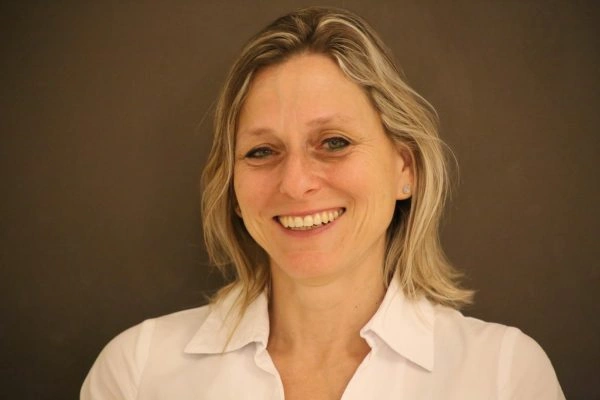
לצערי גדלתי בדור שבו לימוד גמרא לנשים לא היה דבר שבשגרה ושנים שאני חולמת להשלים את הפער הזה.. עד שלפני מספר שבועות, כמעט במקרה, נתקלתי במודעת פרסומת הקוראת להצטרף ללימוד מסכת תענית. כשקראתי את המודעה הרגשתי שהיא כאילו נכתבה עבורי – "תמיד חלמת ללמוד גמרא ולא ידעת איך להתחיל”, "בואי להתנסות במסכת קצרה וקלה” (רק היה חסר שהמודעה תיפתח במילים "מיכי שלום”..). קפצתי למים ו- ב”ה אני בדרך להגשמת החלום:)
מורשת, ישראל
כבר סיפרתי בסיום של מועד קטן.
הלימוד מאוד משפיעה על היום שלי כי אני לומדת עם רבנית מישל על הבוקר בזום. זה נותן טון לכל היום – בסיס למחשבות שלי .זה זכות גדול להתחיל את היום בלימוד ובתפילה. תודה רבה !

ירושלים, ישראל
התחלתי ללמוד דף יומי אחרי שחזרתי בתשובה ולמדתי במדרשה במגדל עוז. הלימוד טוב ומספק חומר למחשבה על נושאים הלכתיים ”קטנים” ועד לערכים גדולים ביהדות. חשוב לי להכיר את הגמרא לעומק. והצעד הקטן היום הוא ללמוד אותה בבקיאות, בעזרת השם, ומי יודע אולי גם אגיע לעיון בנושאים מעניינים. נושאים בגמרא מתחברים לחגים, לתפילה, ליחסים שבין אדם לחברו ולמקום ולשאר הדברים שמלווים באורח חיים דתי 🙂

מצפה יריחו, ישראל
התחלתי בסיום הש”ס, יצאתי באורות. נשברתי פעמיים, ובשתיהם הרבנית מישל עודדה להמשיך איפה שכולם בסבב ולהשלים כשאוכל, וכך עשיתי וכיום השלמתי הכל. מדהים אותי שאני לומדת כל יום קצת, אפילו בחדר הלידה, בבידוד או בחו”ל. לאט לאט יותר נינוחה בסוגיות. לא כולם מבינים את הרצון, בפרט כפמניסטית. חשה סיפוק גדול להכיר את המושגים וצורת החשיבה. החלום זה להמשיך ולהתמיד ובמקביל ללמוד איך מהסוגיות נוצרה והתפתחה ההלכה.

מודיעין, ישראל
התחלתי ללמוד לפני כשנתיים בשאיפה לסיים לראשונה מסכת אחת במהלך חופשת הלידה.
אחרי מסכת אחת כבר היה קשה להפסיק…

ירוחם, ישראל
בתחילת הסבב הנוכחי הצטברו אצלי תחושות שאני לא מבינה מספיק מהי ההלכה אותה אני מקיימת בכל יום. כמו כן, כאמא לבנות רציתי לתת להן מודל נשי של לימוד תורה
שתי הסיבות האלו הובילו אותי להתחיל ללמוד. נתקלתי בתגובות מפרגנות וסקרניות איך אישה לומדת גמרא..
כמו שרואים בתמונה אני ממשיכה ללמוד גם היום ואפילו במחלקת יולדות אחרי לידת ביתי השלישית.

רבבה, ישראל
לפני 15 שנה, אחרי עשרות שנים של "ג’ינגול” בין משפחה לקריירה תובענית בהייטק, הצטרפתי לשיעורי גמרא במתן רעננה. הלימוד המעמיק והייחודי של הרבנית אושרה קורן יחד עם קבוצת הנשים המגוונת הייתה חוויה מאלפת ומעשירה. לפני כשמונה שנים כאשר מחזור הדף היומי הגיע למסכת תענית הצטרפתי כ”חברותא” לבעלי. זו השעה היומית שלנו ביחד כאשר דפי הגמרא משתלבים בחיי היום יום, משפיעים ומושפעים, וכשלא מספיקים תמיד משלימים בשבת

רעננה, ישראל
בתחילת הסבב הנוכחי של לימוד הדף היומי, נחשפתי לחגיגות המרגשות באירועי הסיום ברחבי העולם. והבטחתי לעצמי שבקרוב אצטרף גם למעגל הלומדות. הסבב התחיל כאשר הייתי בתחילת דרכי בתוכנית קרן אריאל להכשרת יועצות הלכה של נשמ”ת. לא הצלחתי להוסיף את ההתחייבות לדף היומי על הלימוד האינטנסיבי של תוכנית היועצות. בבוקר למחרת המבחן הסופי בנשמ”ת, התחלתי את לימוד הדף במסכת סוכה ומאז לא הפסקתי.

קרית גת, ישראל
הייתי לפני שנתיים בסיום הדרן נשים בבנייני האומה והחלטתי להתחיל. אפילו רק כמה דפים, אולי רק פרק, אולי רק מסכת… בינתיים סיימתי רבע שס ותכף את כל סדר מועד בה.
הסביבה תומכת ומפרגנת. אני בת יחידה עם ארבעה אחים שכולם לומדים דף יומי. מדי פעם אנחנו עושים סיומים יחד באירועים משפחתיים. ממש מרגש. מסכת שבת סיימנו כולנו יחד עם אבא שלנו!
אני שומעת כל יום פודקאסט בהליכה או בנסיעה ואחכ לומדת את הגמרא.

מרכז שפירא, ישראל
התחלתי לפני 8 שנים במדרשה. לאחרונה סיימתי מסכת תענית בלמידה עצמית ועכשיו לקראת סיום מסכת מגילה.

רעננה, ישראל
שמעתי על הסיום הענק של הדף היומי ע”י נשים בבנייני האומה. רציתי גם.
החלטתי להצטרף. התחלתי ושיכנעתי את בעלי ועוד שתי חברות להצטרף. עכשיו יש לי לימוד משותף איתו בשבת ומפגש חודשי איתן בנושא (והתכתבויות תדירות על דברים מיוחדים שקראנו). הצטרפנו לקבוצות שונות בווטסאפ. אנחנו ממש נהנות. אני שומעת את השיעור מידי יום (בד”כ מהרב יוני גוטמן) וקוראת ומצטרפת לסיומים של הדרן. גם מקפידה על דף משלהן (ונהנית מאד).

אפרת, ישראל
חולין סה
בְּתַרְתֵּי תֵּיבוֹת, שְׁמַע מִינַּהּ תְּרֵי שֵׁמוֹת נִינְהוּ.
into two words, conclude from it that they are two names, prohibiting the egg as well.
אֶלָּא מֵעַתָּה ״אֶת כְּדׇר לָעֹמֶר״ דְּפָסֵק לְהוּ סָפְרָא בִּתְרֵי, הָכִי נָמֵי דִּתְרֵי שְׁמֵי נִינְהוּ? אָמְרִי: הָתָם בִּשְׁתֵּי תֵּיבוֹת פָּסֵיק לְהוּ, בִּשְׁנֵי שִׁיטִין לָא פָּסֵיק לְהוּ, אֲבָל הָכָא אֲפִילּוּ בִּשְׁנֵי שִׁיטִין נָמֵי פָּסֵיק לְהוּ.
The Gemara asks: If that is so, what about the name: “Chedorlaomer” (Genesis 14:4), which the scribe splits in two so that it appears as: Chedor Laomer? Is it also true there that they are two names? The verse is clearly referring to only one person. They say in response: There, with regard to Chedor Laomer, the scribe splits the name into two words, but he may not split it into two lines if the first half nears the end of one line. But here, he may split the name bat ya’ana even into two lines, indicating that they are completely separate.
אֲבָל אָמְרוּ חֲכָמִים: כׇּל עוֹף. תַּנְיָא, רַבָּן גַּמְלִיאֵל אוֹמֵר: דּוֹרֵס וְאוֹכֵל – בְּיָדוּעַ שֶׁהוּא טָמֵא, יֵשׁ לוֹ אֶצְבַּע יְתֵירָה וְזֶפֶק וְקֻרְקְבָנוֹ נִקְלָף – בְּיָדוּעַ שֶׁהוּא טָהוֹר. רַבִּי אֶלְעָזָר בְּרַבִּי צָדוֹק אוֹמֵר: מוֹתְחִין לוֹ חוּט שֶׁל מְשִׁיחָה, אִם חוֹלֵק אֶת רַגְלָיו, שְׁתַּיִם לְכָאן וּשְׁתַּיִם לְכָאן – טָמֵא, שָׁלֹשׁ לְכָאן וְאַחַת לְכָאן – טָהוֹר. רַבִּי שִׁמְעוֹן בֶּן אֶלְעָזָר אוֹמֵר: כׇּל עוֹף הַקּוֹלֵט מִן הָאֲוִיר – טָמֵא.
§ The mishna states: But the Sages stated that any bird that claws its prey and eats it is non-kosher. It is taught in a baraita: Rabban Gamliel says: A bird that claws its prey and eats it is certainly non-kosher. If it has an extra digit and a crop, and its gizzard can be peeled, it is certainly kosher. Rabbi Elazar, son of Rabbi Tzadok, says: One stretches a line, and the bird perches on it. If it splits its feet on the line, with two digits here and two there, it is non-kosher. If it places three digits here and one there, it is possibly kosher. Rabbi Shimon ben Elazar says: Any bird that catches food out of the air is non-kosher.
צִיפַּרְתָּא נָמֵי מִקְלָט קָלְטָה! אָמַר אַבָּיֵי: ״קוֹלֵט וְאוֹכֵל״ קָאָמְרִי.
The Gemara interjects: But the tziparta also catches food out of the air, and it is kosher. Abaye said: We say this only for a bird that both catches and eats its food in the air. The tziparta lands before eating what it has caught.
אֲחֵרִים אוֹמְרִים: שָׁכֵן עִם טְמֵאִים – טָמֵא, עִם טְהוֹרִים – טָהוֹר.
The baraita concludes: Others say: If a bird dwells with non-kosher birds, it is non-kosher; if it dwells with kosher birds, it is kosher.
כְּמַאן? כְּרַבִּי אֱלִיעֶזֶר, דְּתַנְיָא: רַבִּי אֱלִיעֶזֶר אוֹמֵר: לֹא לְחִנָּם הָלַךְ זַרְזִיר אֵצֶל עוֹרֵב, אֶלָּא מִפְּנֵי שֶׁהוּא מִינוֹ. אֲפִילּוּ תֵּימָא רַבָּנַן, שָׁכֵן וְנִדְמֶה קָאָמְרִינַן.
The Gemara asks: In accordance with whose opinion is this last statement? Perhaps it is in accordance with the opinion of Rabbi Eliezer, as it is taught in a baraita: Rabbi Eliezer says: It was not for naught that the zarzir went to dwell with the crow, but because it is of the same species. The Gemara rejects this: You may even say that the opinion introduced with the words: Others say, is like that of the Rabbis, who disagree with Rabbi Eliezer and deem the zarzir kosher. The statement introduced with the words: Others say, is understood as follows: We say that a bird is non-kosher whenever it both dwells with a non-kosher bird and resembles it. The zarzir, though, does not resemble the crow.
וּבַחֲגָבִים, כֹּל שֶׁיֵּשׁ לוֹ כּוּ׳. מַאי רוּבּוֹ? אָמַר רַב יְהוּדָה אָמַר רַב: רוֹב אׇרְכּוֹ, וְאָמְרִי לַהּ: רוֹב הֶקֵּיפוֹ. אָמַר רַב פָּפָּא: הִלְכָּךְ בָּעֵינַן רוֹב אׇרְכּוֹ, וּבָעֵינַן רוֹב הֶקֵּיפוֹ.
§ The mishna states: And with regard to grasshoppers, any grasshopper that has four legs, and four wings, and two additional jumping legs, and whose wings cover most of its body, is kosher. The Gemara asks: What is considered most of its body? Rav Yehuda said that Rav said: Most of its length. And some say that he said: Most of its circumference. Rav Pappa said: Therefore, one must satisfy both versions of the statement. We require that the wings cover most of its length, and we also require that they cover most of its circumference.
תָּנוּ רַבָּנַן: אֵין לוֹ עַכְשָׁיו וְעָתִיד לְגַדֵּל לְאַחַר זְמַן, כְּגוֹן הַזַּחַל – מוּתָּר. רַבִּי אֶלְעָזָר בְּרַבִּי יוֹסֵי אוֹמֵר: ״אֲשֶׁר לֹא כְרָעַיִם״ – אַף עַל פִּי שֶׁאֵין לוֹ עַכְשָׁיו וְעָתִיד לְגַדֵּל לְאַחַר זְמַן. מַאי זַחַל? אָמַר אַבָּיֵי: אַסְקְרָא.
The Sages taught in a baraita: A grasshopper that has no wings now but will grow them after a time, e.g., the zaḥal, is permitted. Rabbi Elazar, son of Rabbi Yosei, says: The verse states: “Yet these may you eat of all winged swarming things that go upon all fours, which have [lo] jointed legs above their feet, wherewith to leap upon the earth” (Leviticus 11:21). The word lo is written with the letter alef, meaning not, so that it can be understood as: Do not have jointed legs. This teaches that even though it has no jointed legs now but will grow them after a time, it is still kosher. The Gemara asks: What is the zaḥal? Abaye said: It is called askarin in Aramaic.
תָּנוּ רַבָּנַן: ״אֶת אֵלֶּה מֵהֶם תֹּאכֵלוּ אֶת הָאַרְבֶּה וְגוֹ׳״. אַרְבֶּה – זֶה גּוֹבַאי, סַלְעָם – זֶה רָשׁוֹן, חַרְגּוֹל – זֶה נִיפּוּל, חָגָב – זֶה נַדְיָאן. מָה תַּלְמוּד לוֹמַר ״לְמִינוֹ״ ״לְמִינֵהוּ״ ״לְמִינֵהוּ״ ״לְמִינֵהוּ״ אַרְבַּע פְּעָמִים? לְהָבִיא צִיפּוֹרֶת כְּרָמִים, וְיוֹחָנָא יְרוּשַׁלְמִית, וְהָעַרְצוּבְיָא, וְהָרַזְבָּנִית.
The Sages taught in a baraita that the verse states: “These of them you may eat: The arbeh after its kinds, and the solam after its kinds, and the ḥargol after its kinds, and the ḥagav after its kinds” (Leviticus 11:22). The arbeh is the insect known as the govai. The solam is the rashon. The ḥargol is the nippul. The ḥagav is the gadyan. Why must the verse state: “After its kinds,” “after its kinds,” “after its kinds,” and “after its kinds,” four times? It is to include four similar species: The vineyard bird, and the Jerusalem yoḥana, and the artzuveya, and the razbanit, which are also kosher.
דְּבֵי רַבִּי יִשְׁמָעֵאל תָּנָא: אֵלּוּ כְּלָלֵי כְלָלוֹת, וְאֵלּוּ פְּרָטֵי פְרָטוֹת. ״אַרְבֶּה״ – זֶה ״גּוֹבַאי״, ״לְמִינוֹ״ לְהָבִיא
The school of Rabbi Yishmael taught: These appearances of the phrase “after its kinds” in the verse are generalizations, and these species mentioned explicitly are details. The verse must be understood in light of the previous verse, which offers general signs of a kosher grasshopper. The two verses together are a generalization, and a detail, and a generalization, in the following manner: The first verse is a generalization, arbeh is a detail referring to the species govai, and the phrase “after its kinds” is another generalization. According to Rabbi Yishmael’s hermeneutical principles, the second generalization serves to include a case similar to the detail. In this case, the phrase “after its kinds” serves to include
צִיפּוֹרֶת כְּרָמִים.
the vineyard bird, which is similar to the arbeh in that its forehead is not smooth but has small hairs.
אֵין לִי אֶלָּא הַבָּא וְאֵין לוֹ גַּבַּחַת. הַבָּא וְיֵשׁ לוֹ גַּבַּחַת מִנַּיִן? תַּלְמוּד לוֹמַר ״סׇלְעָם״ – זֶה נִיפּוּל, ״לְמִינֵהוּ״ – לְהָבִיא אֶת הָאוּשְׁכָּף.
I have derived only that a species that comes before a person and does not have a smooth forehead is kosher. From where is it derived that even one that comes before a person and has a smooth forehead is kosher? The verse states: “Solam,” and this is the nippul, which has a smooth forehead. The phrase “after its kinds” that follows solam is another generalization, which serves to include a case similar to the detail, i.e., the ushkaf, which has a smooth forehead like the solam.
וְאֵין לִי אֶלָּא הַבָּא וְאֵין לוֹ גַּבַּחַת, הַבָּא וְיֵשׁ לוֹ גַּבַּחַת. הַבָּא וְאֵין לוֹ זָנָב, הַבָּא וְיֵשׁ לוֹ זָנָב מִנַּיִן? תַּלְמוּד לוֹמַר ״חַרְגֹּל״ – זֶה רָשׁוֹן, ״לְמִינֵהוּ״ – לְהָבִיא אֶת הַכַּרְסֶפֶת וְאֶת הַשַּׁחֲלָנִית.
And I have derived only that a species that comes before a person and does not have a smooth forehead, like the arbeh, or one that comes before a person and has a smooth forehead, like the solam, or one that comes before a person and has no tail, is kosher, since none of the previously mentioned grasshoppers have a tail. From where is it derived that even one that comes before a person and has a tail is kosher? The verse states: “Ḥargol,” and this is the rashon, which has a tail. The phrase “after its kinds” that follows ḥargol is another generalization, and it serves to include the karsefet and the shaḥlanit, which also have tails.
וְאֵין לִי אֶלָּא הַבָּא וְאֵין לוֹ גַּבַּחַת, הַבָּא וְיֵשׁ לוֹ גַּבַּחַת; הַבָּא וְאֵין לוֹ זָנָב, הַבָּא וְיֵשׁ לוֹ זָנָב. הַבָּא וְאֵין רֹאשׁוֹ אָרוֹךְ, הַבָּא וְרֹאשׁוֹ אָרוֹךְ מִנַּיִן?
And I have derived only that a species that comes before a person and does not have a smooth forehead, or that comes before a person and has a smooth forehead, or that comes and has no tail, or that comes and has a tail, or that comes and its head is not long, is kosher, since every grasshopper mentioned until this point does not have a long head. From where is it derived that even one that comes and its head is long is kosher?
אָמַרְתָּ: הֲרֵי אַתָּה דָן בִּנְיַן אָב מִשְּׁלׇשְׁתָּן, לֹא רְאִי אַרְבֶּה כִּרְאִי חַרְגּוֹל, וְלֹא רְאִי חַרְגּוֹל כִּרְאִי אַרְבֶּה, וְלֹא רְאִי שְׁנֵיהֶם כִּרְאִי סׇלְעָם, וְלֹא רְאִי סׇלְעָם כִּרְאִי שְׁנֵיהֶם. הַצַּד הַשָּׁוֶה שֶׁבָּהֶן – שֶׁיֵּשׁ לוֹ אַרְבַּע רַגְלַיִם, וְאַרְבַּע כְּנָפַיִם, וְקַרְצוּלַּיִם, וּכְנָפָיו חוֹפִין אֶת רוּבּוֹ; אַף כֹּל שֶׁיֵּשׁ לוֹ אַרְבַּע רַגְלַיִם, וְאַרְבַּע כְּנָפַיִם, וְקַרְצוּלַּיִם, וּכְנָפָיו חוֹפִין אֶת רוּבּוֹ.
You will say: You derive a paradigm from the three of them, as follows: The aspect [re’i] of the arbeh, which has neither smooth forehead nor tail, is not similar to the aspect of the ḥargol, which has both; and the aspect of the ḥargol is not similar to the aspect of the arbeh. And the aspect of neither of them is similar to the aspect of the solam, which has a smooth forehead but no tail, and the aspect of the solam is similar to neither of their aspects. The characteristic that renders them all kosher can only be an aspect common to all of them. Their common denominator is that each has four legs, and four wings, and jumping legs, and its wings cover most of its body. So too, any other species that has four legs, and four wings, and jumping legs, and its wings cover most of its body is kosher, even if its head is long.
וַהֲלֹא הַצַּרְצוּר הַזֶּה יֵשׁ לוֹ אַרְבַּע רַגְלַיִם, וְאַרְבַּע כְּנָפַיִם, וְקַרְצוּלַּיִם, וּכְנָפָיו חוֹפִין אֶת רוּבּוֹ, יָכוֹל יְהֵא מוּתָּר? תַּלְמוּד לוֹמַר ״חָגָב״, שֶׁשְּׁמוֹ חָגָב.
One might ask: But doesn’t this tzartzur have four legs, and four wings, and jumping legs, and its wings cover most of its body? Consequently, one might have thought that it should be permitted. Therefore, the verse states: “Ḥagav,” to indicate that its name must be ḥagav. This includes all of the species previously mentioned, but not the tzartzur.
אִי שְׁמוֹ חָגָב, יָכוֹל אֵין בּוֹ כׇּל הַסִּימָנִין הַלָּלוּ? תַּלְמוּד לוֹמַר ״לְמִינֵהוּ״ – עַד שֶׁיְּהֵא בּוֹ כׇּל הַסִּימָנִין הַלָּלוּ.
But if its name must be ḥagav, one might have thought that any ḥagav is kosher, even if it does not have all these signs. Therefore, the verse states: “After its kinds,” indicating that even if it is called a ḥagav it is not kosher unless it has all these signs. This concludes the baraita of the school of Rabbi Yishmael.
פָּרֵיךְ רַב אַחַאי: מָה לְהָנָךְ, שֶׁכֵּן אֵין רֹאשָׁן אָרוֹךְ? וְכִי תֵּימָא: כֵּיוָן דְּשָׁווּ בְּאַרְבַּע סִימָנִין מַיְיתִינַן וְלָא פָּרְכִינַן – אִי הָכִי, חַרְגּוֹל נָמֵי דְּשָׁווּ לְהוּ, לָא לִיכְתּוֹב וְתֵיתֵי מֵאַרְבֶּה וְסׇלְעָם!
Rav Aḥai refutes the baraita: The four signs listed are not the sole common denominators between the arbeh, ḥargol, and solam. What is also unique about these grasshoppers in addition to these signs? They are unique in that their heads are not long. If so, grasshoppers with long heads might not be kosher. And if you would say: Since they share these four signs, we include all others with these four signs and we do not refute them, since the included species need not be identical in all their aspects, if so, the Torah should not even write the ḥargol, which shares these four signs with the arbeh and the solam, and let it be derived that the ḥargol is kosher by inference from the common denominators between the arbeh and solam.
אֶלָּא, אִיכָּא לְמִיפְרַךְ: מָה לְהָנָךְ שֶׁכֵּן אֵין לָהֶן זָנָב. הָכִי נָמֵי אִיכָּא לְמִיפְרַךְ: מָה לְהָנָךְ שֶׁכֵּן אֵין רֹאשָׁן אָרוֹךְ?
Rather, it was necessary for the verse to write ḥargol because if it were omitted, its inclusion could be refuted as follows: What is unique about these, the arbeh and solam? They are unique in that they both have no tail. Since the ḥargol has a tail, its kosher status cannot be inferred from theirs. So too, the inclusion of grasshoppers with long heads can be refuted as follows: What is unique about these, the arbeh, ḥargol, and solam? They are unique in that their heads are not long. If so, grasshoppers with long heads might not be kosher.
אֶלָּא אָמַר רַב אַחַאי: סׇלְעָם יַתִּירָא הוּא, לָא לִיכְתּוֹב רַחֲמָנָא ״סׇלְעָם״, וְתֵיתֵי מֵאַרְבֶּה וּמֵחַרְגּוֹל, דְּמַאי פָּרְכַתְּ? מָה לְאַרְבֶּה דְּאֵין לוֹ גַּבַּחַת – הֲרֵי חַרְגּוֹל דְּיֵשׁ לוֹ גַּבַּחַת, מָה לְחַרְגּוֹל דְּיֵשׁ לוֹ זָנָב – הֲרֵי אַרְבֶּה דְּאֵין לוֹ זָנָב, סׇלְעָם דִּכְתַב רַחֲמָנָא לְמָה לִי? אִם אֵינוֹ עִנְיָן לְגוּפוֹ – תְּנֵהוּ עִנְיָן לְרֹאשׁוֹ אָרוֹךְ.
Rather, Rav Aḥai said: One can derive that grasshoppers with long heads are kosher as follows: The solam mentioned in the verse is redundant. How so? Let the Merciful One not write solam, and instead let it be derived by inference from the common denominators between the arbeh and ḥargol, that they have four legs, four wings, jumping legs, and that their wings cover most of their body. As what can you say to refute this? If you say: What can be derived from the arbeh, which, unlike the solam, does not have a smooth forehead; one can respond: But there is the ḥargol, which has a smooth forehead. And if you say: What can be derived from the ḥargol, which, unlike the solam, has a tail, one can respond: But there is the arbeh, which has no tail. If so, why do I need the solam that the Merciful One wrote? Rather, if the solam is not necessary for the matter itself, apply it to the matter of a long-headed grasshopper, to teach that it is kosher.

