








איך מודדים את התחום כשיש הר או בקעה? מתי מבליעים ומתי קודרים? ומה ההבדל ביניהם? מניין לנו שמשתמשים בחבלים של 50 אמה למדידות? למה אי אפשר לארוכים או קצרים יותר? איזה סוג חבל? גם בפרה אדומה וסוטה היה צורך בחבלים – באיזה סוג חבלים השתמשו לכל מצווה? איך עושים הבלעה? מה עושים אם היא גיא מעוקם או כותל? מה ההבדל בין כותל לבין גדר? רב יהודה בשם שמואל מגביל את הדין של קודרים למקרה שאין חוט המשקולת יורד כנגדו. אבל אם חוט המשקולת יורד כנגדו, מודדים ישירות בקרקע בלי להתחשב במדרון. אם זה מאוד עמוק, האם עדיין אפשר למדוד בהבלעה? אם לא, עד איזה עומק מותר? רבא מגביל דין הבלעה להר שמתלקט עשרה בארבע אמות אבל אם זה בחמש אמות, מודדים כקעקע ישרה. אבל רב הונא בריה דרבי נתן מביא גירסה אחרת לדברי רבא. איך מקדרים? בעגלה ערופה וערי מקלט לא מקדרים כי הם דינים דאורייתא לעמות תחומים שדינו דרבנן. רק מומחה יכול למדוד. אם מי שמדד לא עשה באופן ישיר, אנו מקילים. כנ”ל מקילים בקבלת עדות שעד כאן תחום שבת ומקבלים אפילו מעבד או שפחה כי מקילים בדיני עירובין בגלל שהם דרבנן.
רוצה להקדיש שיעור?
עירובין נח
וּבִלְבַד שֶׁלֹּא יֵצֵא חוּץ לַתְּחוּם.
provided he does not thereby go out beyond the city’s Shabbat limit, as those watching the surveyor might mistakenly think the limit extends to that point.
אִם אֵינוֹ יָכוֹל לְהַבְלִיעוֹ — בְּזוֹ אָמַר רַבִּי דּוֹסְתַּאי בַּר יַנַּאי מִשּׁוּם רַבִּי מֵאִיר: שָׁמַעְתִּי שֶׁמְּקַדְּרִין בֶּהָרִים.
If, due to the width of the canyon or hill, he cannot span it, with regard to this situation Rabbi Dostai bar Yannai said in the name of Rabbi Meir: I heard that one may pierce hills. In other words, one measures the distance as if there were a hole from one side of the hill to the other, so that in effect, he measures only the horizontal distance and ignores the differences in elevation.
גְּמָ׳ מְנָא הָנֵי מִילֵּי? אָמַר רַב יְהוּדָה אָמַר רַב: דְּאָמַר קְרָא ״אֹרֶךְ הֶחָצֵר מֵאָה בָאַמָּה וְרוֹחַב חֲמִשִּׁים בַּחֲמִשִּׁים״, אָמְרָה תּוֹרָה: בְּחֶבֶל שֶׁל חֲמִשִּׁים אַמָּה מְדוֹד.
GEMARA: The Gemara asks: From where are these matters, that the Shabbat limit must be measured with a rope fifty cubits long, derived? Rav Yehuda said that Rav said: They are derived from that which the verse states: “The length of the courtyard shall be one hundred cubits, and the breadth fifty by fifty” (Exodus 27:18). The Torah states: Measure with a rope of fifty cubits, i.e., the length and breadth of the courtyard must be measured “by fifty,” with a rope fifty cubits long.
הַאי מִיבְּעֵי לֵיהּ לִיטּוֹל חֲמִשִּׁים וּלְסַבֵּב חֲמִשִּׁים.
The Gemara asks: This repetitive usage of the word fifty is necessary to teach us something else, namely, that the area of a courtyard is equivalent to a square the size of the Tabernacle’s courtyard. To this end, the Torah states: Take a square of fifty cubits by fifty cubits, and surround it with the remaining fifty cubits in order to form a square, each side of which is just over seventy cubits long.
אִם כֵּן לֵימָא קְרָא: ״חֲמִשִּׁים חֲמִשִּׁים״, מַאי ״חֲמִשִּׁים בַּחֲמִשִּׁים״? שָׁמְעַתְּ מִינַּהּ תַּרְתֵּי.
The Gemara answers: If so, let the verse state: Fifty, fifty, which would have sufficed to teach us the size and shape of a courtyard. What is the significance of the phrase: Fifty by fifty? Conclude from this that the verse comes to teach two things, both the matter of the square courtyard and that the length of the rope used to measure the Shabbat limit should be fifty cubits long.
לֹא פָּחוֹת וְלֹא יוֹתֵר. תָּנָא: לֹא פָּחוֹת — מִפְּנֵי שֶׁמַּרְבֶּה, וְלֹא יוֹתֵר — מִפְּנֵי שֶׁמְּמַעֵט.
We learned in the mishna: One may measure a Shabbat limit only with a rope fifty cubits long, not less and not more. It was taught in the Tosefta: No less, because a shorter rope improperly increases the Shabbat limit, as the rope is likely to be stretched. And no more, because a longer rope reduces the limit, as the rope is likely to sag due to its weight.
אָמַר רַבִּי אַסִּי: אֵין מוֹדְדִין אֶלָּא בְּחֶבֶל שֶׁל אַפְסְקִימָא. מַאי אַפְסְקִימָא? אָמַר רַבִּי אַבָּא: נַרְגִּילָא. מַאי נַרְגִּילָא? אָמַר רַבִּי יַעֲקֹב: דִּיקְלָא דְּחַד נְבָרָא. אִיכָּא דְּאָמְרִי: מַאי אַפְסְקִימָא? רַבִּי אַבָּא אָמַר: נַרְגִּילָא, רַבִּי יַעֲקֹב אָמַר: דִּיקְלָא דְּחַד נְבָרָא.
Rabbi Asi said: One may measure only with a rope of afsakima. The Gemara asks: What is afsakima? Rabbi Abba said: It is the nargila plant. This name was also not widely known, and therefore the Gemara asks: What is nargila? Rabbi Ya’akov said: A palm tree that has only one fibrous vine wrapped around it. Some say a different version of the previous discussion, according to which the Gemara asked: What is afsakima? Rabbi Abba said: It is the nargila plant. Rabbi Ya’akov disagreed and said: It is a palm tree with one fibrous vine.
תַּנְיָא, אָמַר רַבִּי יְהוֹשֻׁעַ בֶּן חֲנַנְיָא: אֵין לְךָ שֶׁיָּפֶה לִמְדִידָה יוֹתֵר מִשַּׁלְשְׁלָאוֹת שֶׁל בַּרְזֶל, אֲבָל מַה נַּעֲשֶׂה שֶׁהֲרֵי אָמְרָה תּוֹרָה: ״וּבְיָדוֹ חֶבֶל מִדָּה״.
It was taught in a baraita that Rabbi Yehoshua ben Ḥananya said: You have nothing better for measuring than iron chains, as they do not stretch. But what shall we do, as the Torah states: “I lifted up my eyes again and looked, and behold a man with a measuring rope in his hand” (Zechariah 2:5), from which it is derived that measurements must be made with a rope.
וְהָכְתִיב: ״וּבְיַד הָאִישׁ קְנֵה הַמִּדָּה״? הָהוּא, לְתַרְעֵי.
The Gemara asks: Isn’t it also written: “And in the man’s hand a measuring reed of six cubits long, of one cubit and a handbreadth each” (Ezekiel 40:5), which indicates that reeds may also be used for measuring? The Gemara answers: That is used for measuring gates, which are too narrow to be measured with lengthy ropes.
תָּנֵי רַב יוֹסֵף, שְׁלֹשָׁה חֲבָלִים הֵם: שֶׁל מָגָג, שֶׁל נֵצֶר, וְשֶׁל פִּשְׁתָּן.
Rav Yosef taught that there are three kinds of rope, each required by halakha for a different purpose: A rope of magag, a kind of bulrush reed; a rope of netzer, made from fibrous palm vines; and a rope of flax.
שֶׁל מָגָג לְפָרָה, דִּתְנַן: כְּפָתוּהָ בְּחֶבֶל הַמָּגָג וּנְתָנוּהָ עַל גַּב מַעֲרַכְתָּהּ. שֶׁל נְצָרִים לְסוֹטָה, דִּתְנַן: וְאַחַר כָּךְ מֵבִיא חֶבֶל הַמִּצְרִי וְקוֹשְׁרוֹ לְמַעְלָה מִדַּדֶּיהָ. שֶׁל פִּשְׁתָּן לִמְדִידָה.
They are used for the following purposes: A rope of magag is utilized for the burning of the red heifer, as we learned in a mishna: They would bind the heifer with a rope of magag and place it on its woodpile, where it would be burned after it was slaughtered. A rope of netzer was required for a sota, a woman suspected of adultery, as we learned in a mishna: Before the sota is compelled to drink the bitter waters, her clothes are torn. And after that a priest brings a mitzri rope, i.e., a rope made of reeds [netzarim], and binds it above her breasts, so that her garments will not fall. A rope of flax is used for measuring.
הָיָה מוֹדֵד וְהִגִּיעַ. מִדְּתָנֵי: ״חוֹזֵר לְמִידָּתוֹ״, מִכְּלָל דְּאִם אֵינוֹ יָכוֹל לְהַבְלִיעוֹ — הוֹלֵךְ לְמָקוֹם שֶׁיָּכוֹל לְהַבְלִיעוֹ, וּמַבְלִיעוֹ, וְצוֹפֶה כְּנֶגֶד מִידָּתוֹ, וְחוֹזֵר.
It was stated in the mishna: If he was measuring the limit and he reached a canyon or a fence, he spans the area as if it were completely flat and then resumes his measurement. The Gemara comments: From the fact that it taught that he resumes his measurement, it may be derived by inference that if he cannot span it because it is too wide, he goes to a place where it is narrower so that he can span it. And he spans it, and he then looks for the spot at the same distance that is aligned with his original measurement, and he resumes his measurement from there.
תְּנֵינָא לְהָא, דְּתָנוּ רַבָּנַן: הָיָה מוֹדֵד וְהִגִּיעַ הַמִּידָּה לְגַיְא, אִם יָכוֹל לְהַבְלִיעוֹ בְּחֶבֶל שֶׁל חֲמִשִּׁים אַמָּה — מַבְלִיעוֹ. וְאִם לָאו — הוֹלֵךְ לִמְקוֹם שֶׁיָּכוֹל לְהַבְלִיעוֹ, וּמַבְלִיעוֹ, וְצוֹפֶה וְחוֹזֵר לְמִידָּתוֹ.
The Gemara comments that we have indeed learned this, as the Sages taught the following baraita: In the case of one who was measuring the Shabbat limit and the measurement reached a canyon, if he can span the canyon with a rope of fifty cubits, i.e., if the canyon is less than fifty cubits wide, he spans it. And if not, i.e., if the valley is more than fifty cubits wide, he goes to a place where it is narrower so that he can span it, and he spans it, and he then looks for the spot at the same distance that aligns with his original measurement, and he resumes his measurement from there.
אִם הָיָה גֵּיא מְעוּקָּם — מַקְדִּיר וְעוֹלֶה, מַקְדִּיר וְיוֹרֵד. הִגִּיעַ לְכוֹתֶל — אֵין אוֹמְרִים יִקּוֹב הַכּוֹתֶל, אֶלָּא אוֹמְדוֹ וְהוֹלֵךְ לוֹ.
The baraita continues: If the canyon was curved so that it surrounds the city on more than one side, and it cannot be spanned on the side where he wishes to measure the limit, he pierces and ascends, pierces and descends, thereby measuring the canyon’s width bit by bit. If he reached a wall, we do not say that he should pierce the wall so that it can be precisely measured; rather, he estimates its width and then leaves and continues on.
וְהָא אֲנַן תְּנַן: מַבְלִיעוֹ וְחוֹזֵר לְמִידָּתוֹ? הָתָם, נִיחָא תַּשְׁמִישְׁתָּא. הָכָא, לָא נִיחָא תַּשְׁמִישְׁתָּא.
The Gemara asks: Didn’t we learn in the mishna: If he reached a canyon or fence, he spans it and then resumes his measurement? Why is a precise measurement required there, whereas in the case of a wall, an estimate is sufficient? The Gemara explains: There, in the mishna, we are dealing with a place whose use is convenient, i.e., where the slope is relatively gentle so that the area can be crossed. Therefore, the area must actually be measured. However, here, in the baraita, the wall’s use is not convenient. Since one cannot walk through the wall, an estimate of its width is sufficient.
אָמַר רַב יְהוּדָה אָמַר שְׁמוּאֵל: לֹא שָׁנוּ אֶלָּא שֶׁאֵין חוּט הַמִּשְׁקוֹלֶת יוֹרֵד כְּנֶגְדּוֹ,
Rav Yehuda said that Shmuel said: They taught the method of piercing only where a plumb line does not drop straight down, i.e., where the canyon has a slope.
אֲבָל חוּט הַמִּשְׁקוֹלֶת יוֹרֵד כְּנֶגְדּוֹ — מוֹדְדוֹ מְדִידָה יָפָה.
However, if a plumb line drops straight down, i.e., if the canyon wall is very steep, he measures the width of the canyon properly at the bottom of the canyon, without taking its walls into account.
וְכַמָּה עוֹמְקוֹ שֶׁל גֵּיא? אָמַר רַב יוֹסֵף: אַלְפַּיִם.
The Gemara asks: And what is the depth of a canyon that may be spanned if it is not more than fifty cubits wide? Rav Yosef said: Up to two thousand cubits; but if it is deeper than that, the slope must be measured as well.
אֵיתִיבֵיהּ אַבָּיֵי: עָמוֹק מֵאָה וְרוֹחַב חֲמִשִּׁים — מַבְלִיעוֹ. וְאִם לָאו — אֵין מַבְלִיעוֹ? הוּא דְּאָמַר כַּאֲחֵרִים, דְּתַנְיָא, אֲחֵרִים אוֹמְרִים: אֲפִילּוּ עָמוֹק אַלְפַּיִם וְרוֹחַב חֲמִשִּׁים — מַבְלִיעוֹ.
Abaye raised an objection from the following baraita: If a canyon is up to one hundred cubits deep and up to fifty cubits wide, one may span it; and if not, one may not span it. How could Rav Yosef say that the canyon may be spanned if its depth is less than two thousand cubits? The Gemara answers: He stated his opinion in accordance with the opinion of Aḥerim; as it was taught in a baraita: Aḥerim say: Even if the canyon is two thousand cubits deep and fifty cubits wide, one may span it.
אִיכָּא דְּאָמְרִי, אָמַר רַב יוֹסֵף: אֲפִילּוּ יָתֵר מֵאַלְפַּיִם. כְּמַאן? דְּלָא כְּתַנָּא קַמָּא וְלָא כַּאֲחֵרִים!
The Gemara cites an alternate version of the previous discussion. Some say that Rav Yosef said: Even if the canyon is more than two thousand cubits deep, it may be spanned. The Gemara asks: In accordance with whose opinion did Rav Yosef say this? It is not in accordance with the opinion of the first tanna, and it is not in accordance with the opinion of the Aḥerim.
הָתָם — שֶׁאֵין חוּט הַמִּשְׁקוֹלֶת יוֹרֵד כְּנֶגְדּוֹ. הָכָא — בְּחוּט הַמִּשְׁקוֹלֶת יוֹרֵד כְּנֶגְדּוֹ.
The Gemara answers: There, where the tanna’im disagree about the depth of a canyon that may be spanned, they refer to a case where a plumb line does not drop straight down and therefore there is reason to measure the slope. Here, however, where Rav Yosef says that the canyon may be spanned even if it is more than two thousand cubits deep, he is referring to a case where a plumb line drops straight down.
וְכִי אֵין חוּט הַמִּשְׁקוֹלֶת יוֹרֵד כְּנֶגְדּוֹ, עַד כַּמָּה? אָמַר אֲבִימִי: אַרְבַּע. וְכֵן תָּנֵי רָמֵי בַּר יְחֶזְקֵאל: אַרְבַּע.
The Gemara asks: And where a plumb line does not drop straight down, how much must it extend from the top of the canyon in order for the wall of the canyon to be considered a slope rather than a vertical wall? Avimi said: Four cubits. If the bed of the canyon lies four cubits beyond the top edge of the canyon, the wall is sloped and must be included in the measurement. And similarly, Rami bar Ezekiel taught, based upon a baraita, that the maximum run is four cubits.
הִגִּיעַ לְהַר, מַבְלִיעוֹ וְחוֹזֵר לְמִידָּתוֹ. אָמַר רָבָא: לֹא שָׁנוּ אֶלָּא בְּהַר הַמִּתְלַקֵּט עֲשָׂרָה מִתּוֹךְ אַרְבַּע, אֲבָל בְּהַר הַמִּתְלַקֵּט עֲשָׂרָה מִתּוֹךְ חָמֵשׁ — מוֹדְדוֹ מְדִידָה יָפָה.
We learned in the mishna: If he reached a hill, he does not measure its height, but rather he spans the hill as if it were not there and then resumes his measurement. Rava said: They taught this halakha only with regard to a hill that has an incline of ten handbreadths within a run of four cubits. However, with regard to a gentler hill, e.g., one that has an incline of ten handbreadths within five cubits, one must measure the hill properly, i.e., he must include the slope itself in his measurement.
רַב הוּנָא בְּרֵיהּ דְּרַב נָתָן מַתְנֵי לְקוּלָּא. אָמַר רָבָא: לֹא שָׁנוּ אֶלָּא בְּהַר הַמִּתְלַקֵּט עֲשָׂרָה מִתּוֹךְ חָמֵשׁ, אֲבָל בְּהַר הַמִּתְלַקֵּט עֲשָׂרָה מִתּוֹךְ אַרְבַּע — אוֹמְדוֹ וְהוֹלֵךְ לוֹ.
The Gemara notes that Rav Huna, son of Rav Natan, teaches a lenient formulation of this halakha: Rava said that they only taught this halakha with regard to a hill that has an incline of ten handbreadths within a run of five cubits. However, with regard to a steeper hill that has an incline of ten handbreadths within four cubits, one need not take any precise measurements; instead, he estimates the length of the hill, and then leaves and continues measuring from the other side.
וּבִלְבַד שֶׁלֹּא יֵצֵא חוּץ לַתְּחוּם. מַאי טַעְמָא? אָמַר רַב כָּהֲנָא: גְּזֵירָה שֶׁמָּא יֹאמְרוּ מִדַּת תְּחוּמִין בָּאָה לְכָאן.
We learned in the mishna that one may measure a canyon or hill located within the Shabbat limit, provided that one does not go out beyond the limit. The Gemara asks: What is the reason for this restriction? Rav Kahana said: It is a decree, lest people say: The measurement of the Shabbat limit comes to here. Since people know that he set out to measure the Shabbat limit, if they see him measuring in a certain spot they will assume that the area is included in the Shabbat limit.
אִם אֵינוֹ יָכוֹל לְהַבְלִיעוֹ. תָּנוּ רַבָּנַן: כֵּיצַד מְקַדְּרִין, תַּחְתּוֹן כְּנֶגֶד לִבּוֹ, עֶלְיוֹן כְּנֶגֶד מַרְגְּלוֹתָיו. אָמַר אַבָּיֵי: נְקִיטִינַן אֵין מְקַדְּרִין אֶלָּא בְּחֶבֶל שֶׁל אַרְבַּע אַמּוֹת.
We learned in the mishna: If, due to the width of the canyon or hill, one cannot span it, he may pierce it. The Sages taught a baraita which explains this procedure: How does one figuratively pierce a hill? Two people hold the two ends of a measuring rope. The one who is lower down on the hill holds the rope at the level of his heart while the one who is higher holds it at the level of his feet, and they proceed to measure in this fashion. Abaye said: Based on tradition, we hold that one may pierce only with a rope of four cubits.
אָמַר רַב נַחְמָן אָמַר רַבָּה בַּר אֲבוּהּ: (נְקִיטִינַן) אֵין מְקַדְּרִין לֹא בְּעֶגְלָה עֲרוּפָה וְלֹא בְּעָרֵי מִקְלָט — מִפְּנֵי שֶׁהֵן שֶׁל תּוֹרָה.
Rav Naḥman said that Rabba bar Avuh said: Based on tradition, we hold that one may not pierce when measuring distances for the rite of the beheaded heifer. This rite is practiced when a murder victim is found, and it is not known who killed him. Judges measure the distance from the location of the corpse to the nearest town, in order to determine which town must perform the rite (Deuteronomy 21). Similarly, one may not pierce when measuring distances with regard to cities of refuge, in order to determine the boundaries within which an accidental murderer is protected from the blood redeemer (Numbers 32). Because these measurements are from the Torah, indirect methods of measurement are insufficient. The area must be measured as though it were flat.
מַתְנִי׳ אֵין מוֹדְדִין אֶלָּא מִן הַמּוּמְחֶה. רִיבָּה לְמָקוֹם אֶחָד, וּמִיעֵט לְמָקוֹם אַחֵר — שׁוֹמְעִין לִמְקוֹם שֶׁרִיבָּה. רִיבָּה לְאֶחָד וּמִיעֵט לְאֶחָד — שׁוֹמְעִין לַמְרוּבֶּה.
MISHNA: One may measure the Shabbat limit only with an expert surveyor. If it is discovered that the surveyor extended the limit in one place and reduced it in another place, so that the line marking the Shabbat limit is not straight, one accepts the measurement of the place where he extended the limit and straightens the limit accordingly. Similarly, if the surveyor extended the limit for one and reduced it for another, one accepts the extended measurement.
וַאֲפִילּוּ עֶבֶד אֲפִילּוּ שִׁפְחָה נֶאֱמָנִין לוֹמַר עַד כָּאן תְּחוּם שַׁבָּת, שֶׁלֹּא אָמְרוּ חֲכָמִים אֶת הַדָּבָר לְהַחֲמִיר, אֶלָּא לְהָקֵל.
And furthermore, even a gentile slave and even a gentile maidservant, whose testimonies are generally considered unreliable, are trustworthy to say: The Shabbat limit extended until here; as the Sages did not state the matter, the laws of Shabbat limits, to be stringent, but rather to be lenient. The prohibition to walk more than two thousand cubits is rabbinic in origin and is therefore interpreted leniently.

העמקה
רוצה להבין מה באמת קורה מתחת לפני השטח של הסוגיה?
שיעורים, פודקאסטים והרחבות של מיטב המורות שלנו יפתחו לך עוד זוויות וכיווני חשיבה.










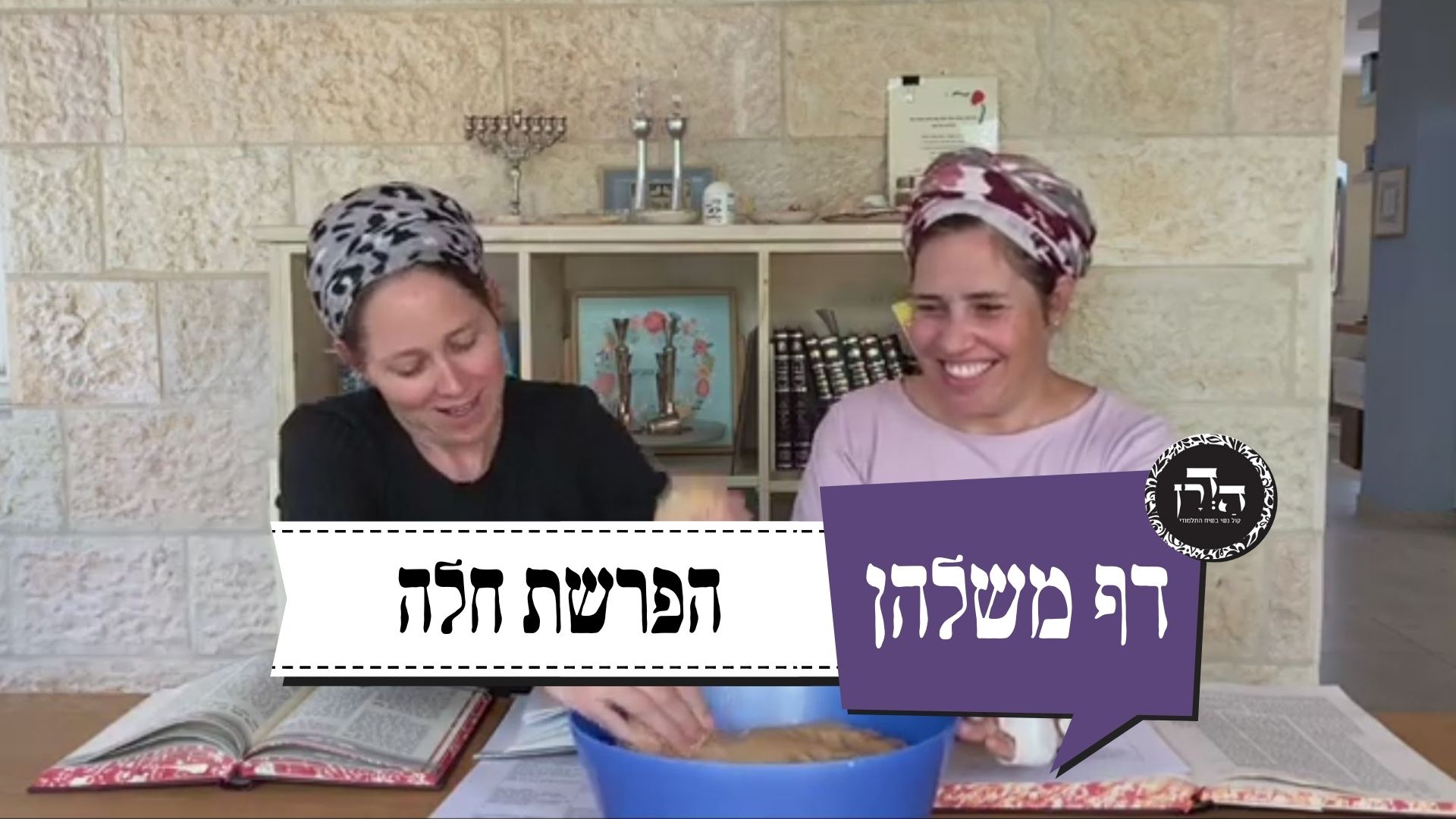




חדשה בלימוד הגמרא?
זה הדף הראשון שלך? איזו התרגשות עצומה! יש לנו בדיוק את התכנים והכלים שיעזרו לך לעשות את הצעדים הראשונים ללמידה בקצב וברמה שלך, כך תוכלי להרגיש בנוח גם בתוך הסוגיות המורכבות ומאתגרות.
פסיפס הלומדות שלנו
גלי את קהילת הלומדות שלנו, מגוון נשים, רקעים וסיפורים. כולן חלק מתנועה ומסע מרגש ועוצמתי.
התחלתי ללמוד את הדף היומי מעט אחרי שבני הקטן נולד. בהתחלה בשמיעה ולימוד באמצעות השיעור של הרבנית שפרבר. ובהמשך העזתי וקניתי לעצמי גמרא. מאז ממשיכה יום יום ללמוד עצמאית, ולפעמים בעזרת השיעור של הרבנית, כל יום. כל סיום של מסכת מביא לאושר גדול וסיפוק. הילדים בבית נהיו חלק מהלימוד, אני משתפת בסוגיות מעניינות ונהנית לשמוע את דעתם.
מעלה מכמש, ישראל
רציתי לקבל ידע בתחום שהרגשתי שהוא גדול וחשוב אך נעלם ממני. הלימוד מעניק אתגר וסיפוק ומעמיק את תחושת השייכות שלי לתורה וליהדות
עלי זהב – לשם, ישראל
ראיתי את הסיום הגדול בבנייני האומה וכל כך התרשמתי ורציתי לקחת חלק.. אבל לקח לי עוד כשנה וחצי )באמצע מסיכת שבת להצטרף..
הלימוד חשוב לי מאוד.. אני תמיד במרדף אחרי הדף וגונבת כל פעם חצי דף כשהילדים עסוקים ומשלימה אח”כ אחרי שכולם הלכו לישון..

ירושלים, ישראל
A life-changing journey started with a Chanukah family tiyul to Zippori, home of the Sanhedrin 2 years ago and continued with the Syum in Binanei Hauma where I was awed by the energy of 3000 women dedicated to learning daf Yomi. Opening my morning daily with a fresh daf, I am excited with the new insights I find enriching my life and opening new and deeper horizons for me.

Elazar gush etzion, Israel
בתחילת הסבב הנוכחי הצטברו אצלי תחושות שאני לא מבינה מספיק מהי ההלכה אותה אני מקיימת בכל יום. כמו כן, כאמא לבנות רציתי לתת להן מודל נשי של לימוד תורה
שתי הסיבות האלו הובילו אותי להתחיל ללמוד. נתקלתי בתגובות מפרגנות וסקרניות איך אישה לומדת גמרא..
כמו שרואים בתמונה אני ממשיכה ללמוד גם היום ואפילו במחלקת יולדות אחרי לידת ביתי השלישית.

רבבה, ישראל
הייתי לפני שנתיים בסיום הדרן נשים בבנייני האומה והחלטתי להתחיל. אפילו רק כמה דפים, אולי רק פרק, אולי רק מסכת… בינתיים סיימתי רבע שס ותכף את כל סדר מועד בה.
הסביבה תומכת ומפרגנת. אני בת יחידה עם ארבעה אחים שכולם לומדים דף יומי. מדי פעם אנחנו עושים סיומים יחד באירועים משפחתיים. ממש מרגש. מסכת שבת סיימנו כולנו יחד עם אבא שלנו!
אני שומעת כל יום פודקאסט בהליכה או בנסיעה ואחכ לומדת את הגמרא.

מרכז שפירא, ישראל
רבנית מישל הציתה אש התלמוד בלבבות בביניני האומה ואני נדלקתי. היא פתחה פתח ותמכה במתחילות כמוני ואפשרה לנו להתקדם בצעדים נכונים וטובים. הקימה מערך שלם שמסובב את הלומדות בסביבה תומכת וכך נכנסתי למסלול לימוד מעשיר שאין כמוה. הדרן יצר קהילה גדולה וחזקה שמאפשרת התקדמות מכל נקודת מוצא. יש דיבוק לומדות שמחזק את ההתמדה של כולנו. כל פניה ושאלה נענית בזריזות ויסודיות. תודה גם למגי על כל העזרה.

נתניה, ישראל
התחלתי מחוג במסכת קידושין שהעבירה הרבנית רייסנר במסגרת בית המדרש כלנה בגבעת שמואל; לאחר מכן התחיל סבב הדף היומי אז הצטרפתי. לסביבה לקח זמן לעכל אבל היום כולם תומכים ומשתתפים איתי. הלימוד לעתים מעניין ומעשיר ולעתים קשה ואף הזוי… אך אני ממשיכה קדימה. הוא משפיע על היומיום שלי קודם כל במרדף אחרי הדף, וגם במושגים הרבים שלמדתי ובידע שהועשרתי בו, חלקו ממש מעשי

ראש העין, ישראל
התחלתי לפני 8 שנים במדרשה. לאחרונה סיימתי מסכת תענית בלמידה עצמית ועכשיו לקראת סיום מסכת מגילה.

רעננה, ישראל
אמא שלי למדה איתי ש”ס משנה, והתחילה ללמוד דף יומי. אני החלטתי שאני רוצה ללמוד גם. בהתחלה למדתי איתה, אח”כ הצטרפתי ללימוד דף יומי שהרב דני וינט מעביר לנוער בנים בעתניאל. במסכת עירובין עוד חברה הצטרפה אלי וכשהתחלנו פסחים הרב דני פתח לנו שעור דף יומי לבנות. מאז אנחנו לומדות איתו קבוע כל יום את הדף היומי (ובשבת אבא שלי מחליף אותו). אני נהנית מהלימוד, הוא מאתגר ומעניין

עתניאל, ישראל
התחלתי להשתתף בשיעור נשים פעם בשבוע, תכננתי ללמוד רק דפים בודדים, לא האמנתי שאצליח יותר מכך.
לאט לאט נשאבתי פנימה לעולם הלימוד .משתדלת ללמוד כל בוקר ומתחילה את היום בתחושה של מלאות ומתוך התכווננות נכונה יותר.
הלימוד של הדף היומי ממלא אותי בתחושה של חיבור עמוק לעם היהודי ולכל הלומדים בעבר ובהווה.

אפרת, ישראל
A life-changing journey started with a Chanukah family tiyul to Zippori, home of the Sanhedrin 2 years ago and continued with the Syum in Binanei Hauma where I was awed by the energy of 3000 women dedicated to learning daf Yomi. Opening my morning daily with a fresh daf, I am excited with the new insights I find enriching my life and opening new and deeper horizons for me.
Elazar gush etzion, Israel
"
גם אני התחלתי בסבב הנוכחי וב””ה הצלחתי לסיים את רוב המסכתות . בזכות הרבנית מישל משתדלת לפתוח את היום בשיעור הזום בשעה 6:20 .הלימוד הפך להיות חלק משמעותי בחיי ויש ימים בהם אני מצליחה לחזור על הדף עם מלמדים נוספים ששיעוריהם נמצאים במרשתת. שמחה להיות חלק מקהילת לומדות ברחבי העולם. ובמיוחד לשמש דוגמה לנכדותיי שאי””ה יגדלו לדור שלימוד תורה לנשים יהיה משהו שבשגרה. "

נתניה, ישראל
אמא שלי למדה איתי ש”ס משנה, והתחילה ללמוד דף יומי. אני החלטתי שאני רוצה ללמוד גם. בהתחלה למדתי איתה, אח”כ הצטרפתי ללימוד דף יומי שהרב דני וינט מעביר לנוער בנים בעתניאל. במסכת עירובין עוד חברה הצטרפה אלי וכשהתחלנו פסחים הרב דני פתח לנו שעור דף יומי לבנות. מאז אנחנו לומדות איתו קבוע כל יום את הדף היומי (ובשבת אבא שלי מחליף אותו). אני נהנית מהלימוד, הוא מאתגר ומעניין
עתניאל, ישראל
התחלתי בסיום הש”ס, יצאתי באורות. נשברתי פעמיים, ובשתיהם הרבנית מישל עודדה להמשיך איפה שכולם בסבב ולהשלים כשאוכל, וכך עשיתי וכיום השלמתי הכל. מדהים אותי שאני לומדת כל יום קצת, אפילו בחדר הלידה, בבידוד או בחו”ל. לאט לאט יותר נינוחה בסוגיות. לא כולם מבינים את הרצון, בפרט כפמניסטית. חשה סיפוק גדול להכיר את המושגים וצורת החשיבה. החלום זה להמשיך ולהתמיד ובמקביל ללמוד איך מהסוגיות נוצרה והתפתחה ההלכה.
מודיעין, ישראל
לצערי גדלתי בדור שבו לימוד גמרא לנשים לא היה דבר שבשגרה ושנים שאני חולמת להשלים את הפער הזה.. עד שלפני מספר שבועות, כמעט במקרה, נתקלתי במודעת פרסומת הקוראת להצטרף ללימוד מסכת תענית. כשקראתי את המודעה הרגשתי שהיא כאילו נכתבה עבורי – "תמיד חלמת ללמוד גמרא ולא ידעת איך להתחיל”, "בואי להתנסות במסכת קצרה וקלה” (רק היה חסר שהמודעה תיפתח במילים "מיכי שלום”..). קפצתי למים ו- ב”ה אני בדרך להגשמת החלום:)
מורשת, ישראל
למדתי גמרא מכיתה ז- ט ב Maimonides School ואחרי העליה שלי בגיל 14 לימוד הגמרא, שלא היה כל כך מקובל בימים אלה, היה די ספוראדי. אחרי "ההתגלות” בבנייני האומה התחלתי ללמוד בעיקר בדרך הביתה למדתי מפוקקטסים שונים. לאט לאט ראיתי שאני תמיד חוזרת לרבנית מישל פרבר. באיזה שהוא שלב התחלתי ללמוד בזום בשעה 7:10 .
היום "אין מצב” שאני אתחיל את היום שלי ללא לימוד עם הרבנית מישל עם כוס הקפה שלי!!

חשמונאים, ישראל
התחלתי ללמוד דף יומי שהתחילו מסכת כתובות, לפני 7 שנים, במסגרת קבוצת לימוד שהתפרקה די מהר, ומשם המשכתי לבד בתמיכת האיש שלי. נעזרתי בגמרת שטיינזלץ ובשיעורים מוקלטים.
הסביבה מאד תומכת ואני מקבלת המון מילים טובות לאורך כל הדרך. מאז הסיום הגדול יש תחושה שאני חלק מדבר גדול יותר.
אני לומדת בשיטת ה”7 דפים בשבוע” של הרבנית תרצה קלמן – כלומר, לא נורא אם לא הצלחת ללמוד כל יום, העיקר שגמרת ארבעה דפים בשבוע

עתניאל, ישראל
התחלתי ללמוד בשנת המדרשה במגדל עוז, בינתיים נהנית מאוד מהלימוד ומהגמרא, מעניין ומשמח מאוד!
משתדלת להצליח לעקוב כל יום, לפעמים משלימה קצת בהמשך השבוע.. מרגישה שיש עוגן מקובע ביום שלי והוא משמח מאוד!

חיפה , ישראל
התחלתי מעט לפני תחילת הסבב הנוכחי. אני נהנית מהאתגר של להמשיך להתמיד, מרגעים של "אהה, מפה זה הגיע!” ומהאתגר האינטלקטואלי

לוד, ישראל
עירובין נח
וּבִלְבַד שֶׁלֹּא יֵצֵא חוּץ לַתְּחוּם.
provided he does not thereby go out beyond the city’s Shabbat limit, as those watching the surveyor might mistakenly think the limit extends to that point.
אִם אֵינוֹ יָכוֹל לְהַבְלִיעוֹ — בְּזוֹ אָמַר רַבִּי דּוֹסְתַּאי בַּר יַנַּאי מִשּׁוּם רַבִּי מֵאִיר: שָׁמַעְתִּי שֶׁמְּקַדְּרִין בֶּהָרִים.
If, due to the width of the canyon or hill, he cannot span it, with regard to this situation Rabbi Dostai bar Yannai said in the name of Rabbi Meir: I heard that one may pierce hills. In other words, one measures the distance as if there were a hole from one side of the hill to the other, so that in effect, he measures only the horizontal distance and ignores the differences in elevation.
גְּמָ׳ מְנָא הָנֵי מִילֵּי? אָמַר רַב יְהוּדָה אָמַר רַב: דְּאָמַר קְרָא ״אֹרֶךְ הֶחָצֵר מֵאָה בָאַמָּה וְרוֹחַב חֲמִשִּׁים בַּחֲמִשִּׁים״, אָמְרָה תּוֹרָה: בְּחֶבֶל שֶׁל חֲמִשִּׁים אַמָּה מְדוֹד.
GEMARA: The Gemara asks: From where are these matters, that the Shabbat limit must be measured with a rope fifty cubits long, derived? Rav Yehuda said that Rav said: They are derived from that which the verse states: “The length of the courtyard shall be one hundred cubits, and the breadth fifty by fifty” (Exodus 27:18). The Torah states: Measure with a rope of fifty cubits, i.e., the length and breadth of the courtyard must be measured “by fifty,” with a rope fifty cubits long.
הַאי מִיבְּעֵי לֵיהּ לִיטּוֹל חֲמִשִּׁים וּלְסַבֵּב חֲמִשִּׁים.
The Gemara asks: This repetitive usage of the word fifty is necessary to teach us something else, namely, that the area of a courtyard is equivalent to a square the size of the Tabernacle’s courtyard. To this end, the Torah states: Take a square of fifty cubits by fifty cubits, and surround it with the remaining fifty cubits in order to form a square, each side of which is just over seventy cubits long.
אִם כֵּן לֵימָא קְרָא: ״חֲמִשִּׁים חֲמִשִּׁים״, מַאי ״חֲמִשִּׁים בַּחֲמִשִּׁים״? שָׁמְעַתְּ מִינַּהּ תַּרְתֵּי.
The Gemara answers: If so, let the verse state: Fifty, fifty, which would have sufficed to teach us the size and shape of a courtyard. What is the significance of the phrase: Fifty by fifty? Conclude from this that the verse comes to teach two things, both the matter of the square courtyard and that the length of the rope used to measure the Shabbat limit should be fifty cubits long.
לֹא פָּחוֹת וְלֹא יוֹתֵר. תָּנָא: לֹא פָּחוֹת — מִפְּנֵי שֶׁמַּרְבֶּה, וְלֹא יוֹתֵר — מִפְּנֵי שֶׁמְּמַעֵט.
We learned in the mishna: One may measure a Shabbat limit only with a rope fifty cubits long, not less and not more. It was taught in the Tosefta: No less, because a shorter rope improperly increases the Shabbat limit, as the rope is likely to be stretched. And no more, because a longer rope reduces the limit, as the rope is likely to sag due to its weight.
אָמַר רַבִּי אַסִּי: אֵין מוֹדְדִין אֶלָּא בְּחֶבֶל שֶׁל אַפְסְקִימָא. מַאי אַפְסְקִימָא? אָמַר רַבִּי אַבָּא: נַרְגִּילָא. מַאי נַרְגִּילָא? אָמַר רַבִּי יַעֲקֹב: דִּיקְלָא דְּחַד נְבָרָא. אִיכָּא דְּאָמְרִי: מַאי אַפְסְקִימָא? רַבִּי אַבָּא אָמַר: נַרְגִּילָא, רַבִּי יַעֲקֹב אָמַר: דִּיקְלָא דְּחַד נְבָרָא.
Rabbi Asi said: One may measure only with a rope of afsakima. The Gemara asks: What is afsakima? Rabbi Abba said: It is the nargila plant. This name was also not widely known, and therefore the Gemara asks: What is nargila? Rabbi Ya’akov said: A palm tree that has only one fibrous vine wrapped around it. Some say a different version of the previous discussion, according to which the Gemara asked: What is afsakima? Rabbi Abba said: It is the nargila plant. Rabbi Ya’akov disagreed and said: It is a palm tree with one fibrous vine.
תַּנְיָא, אָמַר רַבִּי יְהוֹשֻׁעַ בֶּן חֲנַנְיָא: אֵין לְךָ שֶׁיָּפֶה לִמְדִידָה יוֹתֵר מִשַּׁלְשְׁלָאוֹת שֶׁל בַּרְזֶל, אֲבָל מַה נַּעֲשֶׂה שֶׁהֲרֵי אָמְרָה תּוֹרָה: ״וּבְיָדוֹ חֶבֶל מִדָּה״.
It was taught in a baraita that Rabbi Yehoshua ben Ḥananya said: You have nothing better for measuring than iron chains, as they do not stretch. But what shall we do, as the Torah states: “I lifted up my eyes again and looked, and behold a man with a measuring rope in his hand” (Zechariah 2:5), from which it is derived that measurements must be made with a rope.
וְהָכְתִיב: ״וּבְיַד הָאִישׁ קְנֵה הַמִּדָּה״? הָהוּא, לְתַרְעֵי.
The Gemara asks: Isn’t it also written: “And in the man’s hand a measuring reed of six cubits long, of one cubit and a handbreadth each” (Ezekiel 40:5), which indicates that reeds may also be used for measuring? The Gemara answers: That is used for measuring gates, which are too narrow to be measured with lengthy ropes.
תָּנֵי רַב יוֹסֵף, שְׁלֹשָׁה חֲבָלִים הֵם: שֶׁל מָגָג, שֶׁל נֵצֶר, וְשֶׁל פִּשְׁתָּן.
Rav Yosef taught that there are three kinds of rope, each required by halakha for a different purpose: A rope of magag, a kind of bulrush reed; a rope of netzer, made from fibrous palm vines; and a rope of flax.
שֶׁל מָגָג לְפָרָה, דִּתְנַן: כְּפָתוּהָ בְּחֶבֶל הַמָּגָג וּנְתָנוּהָ עַל גַּב מַעֲרַכְתָּהּ. שֶׁל נְצָרִים לְסוֹטָה, דִּתְנַן: וְאַחַר כָּךְ מֵבִיא חֶבֶל הַמִּצְרִי וְקוֹשְׁרוֹ לְמַעְלָה מִדַּדֶּיהָ. שֶׁל פִּשְׁתָּן לִמְדִידָה.
They are used for the following purposes: A rope of magag is utilized for the burning of the red heifer, as we learned in a mishna: They would bind the heifer with a rope of magag and place it on its woodpile, where it would be burned after it was slaughtered. A rope of netzer was required for a sota, a woman suspected of adultery, as we learned in a mishna: Before the sota is compelled to drink the bitter waters, her clothes are torn. And after that a priest brings a mitzri rope, i.e., a rope made of reeds [netzarim], and binds it above her breasts, so that her garments will not fall. A rope of flax is used for measuring.
הָיָה מוֹדֵד וְהִגִּיעַ. מִדְּתָנֵי: ״חוֹזֵר לְמִידָּתוֹ״, מִכְּלָל דְּאִם אֵינוֹ יָכוֹל לְהַבְלִיעוֹ — הוֹלֵךְ לְמָקוֹם שֶׁיָּכוֹל לְהַבְלִיעוֹ, וּמַבְלִיעוֹ, וְצוֹפֶה כְּנֶגֶד מִידָּתוֹ, וְחוֹזֵר.
It was stated in the mishna: If he was measuring the limit and he reached a canyon or a fence, he spans the area as if it were completely flat and then resumes his measurement. The Gemara comments: From the fact that it taught that he resumes his measurement, it may be derived by inference that if he cannot span it because it is too wide, he goes to a place where it is narrower so that he can span it. And he spans it, and he then looks for the spot at the same distance that is aligned with his original measurement, and he resumes his measurement from there.
תְּנֵינָא לְהָא, דְּתָנוּ רַבָּנַן: הָיָה מוֹדֵד וְהִגִּיעַ הַמִּידָּה לְגַיְא, אִם יָכוֹל לְהַבְלִיעוֹ בְּחֶבֶל שֶׁל חֲמִשִּׁים אַמָּה — מַבְלִיעוֹ. וְאִם לָאו — הוֹלֵךְ לִמְקוֹם שֶׁיָּכוֹל לְהַבְלִיעוֹ, וּמַבְלִיעוֹ, וְצוֹפֶה וְחוֹזֵר לְמִידָּתוֹ.
The Gemara comments that we have indeed learned this, as the Sages taught the following baraita: In the case of one who was measuring the Shabbat limit and the measurement reached a canyon, if he can span the canyon with a rope of fifty cubits, i.e., if the canyon is less than fifty cubits wide, he spans it. And if not, i.e., if the valley is more than fifty cubits wide, he goes to a place where it is narrower so that he can span it, and he spans it, and he then looks for the spot at the same distance that aligns with his original measurement, and he resumes his measurement from there.
אִם הָיָה גֵּיא מְעוּקָּם — מַקְדִּיר וְעוֹלֶה, מַקְדִּיר וְיוֹרֵד. הִגִּיעַ לְכוֹתֶל — אֵין אוֹמְרִים יִקּוֹב הַכּוֹתֶל, אֶלָּא אוֹמְדוֹ וְהוֹלֵךְ לוֹ.
The baraita continues: If the canyon was curved so that it surrounds the city on more than one side, and it cannot be spanned on the side where he wishes to measure the limit, he pierces and ascends, pierces and descends, thereby measuring the canyon’s width bit by bit. If he reached a wall, we do not say that he should pierce the wall so that it can be precisely measured; rather, he estimates its width and then leaves and continues on.
וְהָא אֲנַן תְּנַן: מַבְלִיעוֹ וְחוֹזֵר לְמִידָּתוֹ? הָתָם, נִיחָא תַּשְׁמִישְׁתָּא. הָכָא, לָא נִיחָא תַּשְׁמִישְׁתָּא.
The Gemara asks: Didn’t we learn in the mishna: If he reached a canyon or fence, he spans it and then resumes his measurement? Why is a precise measurement required there, whereas in the case of a wall, an estimate is sufficient? The Gemara explains: There, in the mishna, we are dealing with a place whose use is convenient, i.e., where the slope is relatively gentle so that the area can be crossed. Therefore, the area must actually be measured. However, here, in the baraita, the wall’s use is not convenient. Since one cannot walk through the wall, an estimate of its width is sufficient.
אָמַר רַב יְהוּדָה אָמַר שְׁמוּאֵל: לֹא שָׁנוּ אֶלָּא שֶׁאֵין חוּט הַמִּשְׁקוֹלֶת יוֹרֵד כְּנֶגְדּוֹ,
Rav Yehuda said that Shmuel said: They taught the method of piercing only where a plumb line does not drop straight down, i.e., where the canyon has a slope.
אֲבָל חוּט הַמִּשְׁקוֹלֶת יוֹרֵד כְּנֶגְדּוֹ — מוֹדְדוֹ מְדִידָה יָפָה.
However, if a plumb line drops straight down, i.e., if the canyon wall is very steep, he measures the width of the canyon properly at the bottom of the canyon, without taking its walls into account.
וְכַמָּה עוֹמְקוֹ שֶׁל גֵּיא? אָמַר רַב יוֹסֵף: אַלְפַּיִם.
The Gemara asks: And what is the depth of a canyon that may be spanned if it is not more than fifty cubits wide? Rav Yosef said: Up to two thousand cubits; but if it is deeper than that, the slope must be measured as well.
אֵיתִיבֵיהּ אַבָּיֵי: עָמוֹק מֵאָה וְרוֹחַב חֲמִשִּׁים — מַבְלִיעוֹ. וְאִם לָאו — אֵין מַבְלִיעוֹ? הוּא דְּאָמַר כַּאֲחֵרִים, דְּתַנְיָא, אֲחֵרִים אוֹמְרִים: אֲפִילּוּ עָמוֹק אַלְפַּיִם וְרוֹחַב חֲמִשִּׁים — מַבְלִיעוֹ.
Abaye raised an objection from the following baraita: If a canyon is up to one hundred cubits deep and up to fifty cubits wide, one may span it; and if not, one may not span it. How could Rav Yosef say that the canyon may be spanned if its depth is less than two thousand cubits? The Gemara answers: He stated his opinion in accordance with the opinion of Aḥerim; as it was taught in a baraita: Aḥerim say: Even if the canyon is two thousand cubits deep and fifty cubits wide, one may span it.
אִיכָּא דְּאָמְרִי, אָמַר רַב יוֹסֵף: אֲפִילּוּ יָתֵר מֵאַלְפַּיִם. כְּמַאן? דְּלָא כְּתַנָּא קַמָּא וְלָא כַּאֲחֵרִים!
The Gemara cites an alternate version of the previous discussion. Some say that Rav Yosef said: Even if the canyon is more than two thousand cubits deep, it may be spanned. The Gemara asks: In accordance with whose opinion did Rav Yosef say this? It is not in accordance with the opinion of the first tanna, and it is not in accordance with the opinion of the Aḥerim.
הָתָם — שֶׁאֵין חוּט הַמִּשְׁקוֹלֶת יוֹרֵד כְּנֶגְדּוֹ. הָכָא — בְּחוּט הַמִּשְׁקוֹלֶת יוֹרֵד כְּנֶגְדּוֹ.
The Gemara answers: There, where the tanna’im disagree about the depth of a canyon that may be spanned, they refer to a case where a plumb line does not drop straight down and therefore there is reason to measure the slope. Here, however, where Rav Yosef says that the canyon may be spanned even if it is more than two thousand cubits deep, he is referring to a case where a plumb line drops straight down.
וְכִי אֵין חוּט הַמִּשְׁקוֹלֶת יוֹרֵד כְּנֶגְדּוֹ, עַד כַּמָּה? אָמַר אֲבִימִי: אַרְבַּע. וְכֵן תָּנֵי רָמֵי בַּר יְחֶזְקֵאל: אַרְבַּע.
The Gemara asks: And where a plumb line does not drop straight down, how much must it extend from the top of the canyon in order for the wall of the canyon to be considered a slope rather than a vertical wall? Avimi said: Four cubits. If the bed of the canyon lies four cubits beyond the top edge of the canyon, the wall is sloped and must be included in the measurement. And similarly, Rami bar Ezekiel taught, based upon a baraita, that the maximum run is four cubits.
הִגִּיעַ לְהַר, מַבְלִיעוֹ וְחוֹזֵר לְמִידָּתוֹ. אָמַר רָבָא: לֹא שָׁנוּ אֶלָּא בְּהַר הַמִּתְלַקֵּט עֲשָׂרָה מִתּוֹךְ אַרְבַּע, אֲבָל בְּהַר הַמִּתְלַקֵּט עֲשָׂרָה מִתּוֹךְ חָמֵשׁ — מוֹדְדוֹ מְדִידָה יָפָה.
We learned in the mishna: If he reached a hill, he does not measure its height, but rather he spans the hill as if it were not there and then resumes his measurement. Rava said: They taught this halakha only with regard to a hill that has an incline of ten handbreadths within a run of four cubits. However, with regard to a gentler hill, e.g., one that has an incline of ten handbreadths within five cubits, one must measure the hill properly, i.e., he must include the slope itself in his measurement.
רַב הוּנָא בְּרֵיהּ דְּרַב נָתָן מַתְנֵי לְקוּלָּא. אָמַר רָבָא: לֹא שָׁנוּ אֶלָּא בְּהַר הַמִּתְלַקֵּט עֲשָׂרָה מִתּוֹךְ חָמֵשׁ, אֲבָל בְּהַר הַמִּתְלַקֵּט עֲשָׂרָה מִתּוֹךְ אַרְבַּע — אוֹמְדוֹ וְהוֹלֵךְ לוֹ.
The Gemara notes that Rav Huna, son of Rav Natan, teaches a lenient formulation of this halakha: Rava said that they only taught this halakha with regard to a hill that has an incline of ten handbreadths within a run of five cubits. However, with regard to a steeper hill that has an incline of ten handbreadths within four cubits, one need not take any precise measurements; instead, he estimates the length of the hill, and then leaves and continues measuring from the other side.
וּבִלְבַד שֶׁלֹּא יֵצֵא חוּץ לַתְּחוּם. מַאי טַעְמָא? אָמַר רַב כָּהֲנָא: גְּזֵירָה שֶׁמָּא יֹאמְרוּ מִדַּת תְּחוּמִין בָּאָה לְכָאן.
We learned in the mishna that one may measure a canyon or hill located within the Shabbat limit, provided that one does not go out beyond the limit. The Gemara asks: What is the reason for this restriction? Rav Kahana said: It is a decree, lest people say: The measurement of the Shabbat limit comes to here. Since people know that he set out to measure the Shabbat limit, if they see him measuring in a certain spot they will assume that the area is included in the Shabbat limit.
אִם אֵינוֹ יָכוֹל לְהַבְלִיעוֹ. תָּנוּ רַבָּנַן: כֵּיצַד מְקַדְּרִין, תַּחְתּוֹן כְּנֶגֶד לִבּוֹ, עֶלְיוֹן כְּנֶגֶד מַרְגְּלוֹתָיו. אָמַר אַבָּיֵי: נְקִיטִינַן אֵין מְקַדְּרִין אֶלָּא בְּחֶבֶל שֶׁל אַרְבַּע אַמּוֹת.
We learned in the mishna: If, due to the width of the canyon or hill, one cannot span it, he may pierce it. The Sages taught a baraita which explains this procedure: How does one figuratively pierce a hill? Two people hold the two ends of a measuring rope. The one who is lower down on the hill holds the rope at the level of his heart while the one who is higher holds it at the level of his feet, and they proceed to measure in this fashion. Abaye said: Based on tradition, we hold that one may pierce only with a rope of four cubits.
אָמַר רַב נַחְמָן אָמַר רַבָּה בַּר אֲבוּהּ: (נְקִיטִינַן) אֵין מְקַדְּרִין לֹא בְּעֶגְלָה עֲרוּפָה וְלֹא בְּעָרֵי מִקְלָט — מִפְּנֵי שֶׁהֵן שֶׁל תּוֹרָה.
Rav Naḥman said that Rabba bar Avuh said: Based on tradition, we hold that one may not pierce when measuring distances for the rite of the beheaded heifer. This rite is practiced when a murder victim is found, and it is not known who killed him. Judges measure the distance from the location of the corpse to the nearest town, in order to determine which town must perform the rite (Deuteronomy 21). Similarly, one may not pierce when measuring distances with regard to cities of refuge, in order to determine the boundaries within which an accidental murderer is protected from the blood redeemer (Numbers 32). Because these measurements are from the Torah, indirect methods of measurement are insufficient. The area must be measured as though it were flat.
מַתְנִי׳ אֵין מוֹדְדִין אֶלָּא מִן הַמּוּמְחֶה. רִיבָּה לְמָקוֹם אֶחָד, וּמִיעֵט לְמָקוֹם אַחֵר — שׁוֹמְעִין לִמְקוֹם שֶׁרִיבָּה. רִיבָּה לְאֶחָד וּמִיעֵט לְאֶחָד — שׁוֹמְעִין לַמְרוּבֶּה.
MISHNA: One may measure the Shabbat limit only with an expert surveyor. If it is discovered that the surveyor extended the limit in one place and reduced it in another place, so that the line marking the Shabbat limit is not straight, one accepts the measurement of the place where he extended the limit and straightens the limit accordingly. Similarly, if the surveyor extended the limit for one and reduced it for another, one accepts the extended measurement.
וַאֲפִילּוּ עֶבֶד אֲפִילּוּ שִׁפְחָה נֶאֱמָנִין לוֹמַר עַד כָּאן תְּחוּם שַׁבָּת, שֶׁלֹּא אָמְרוּ חֲכָמִים אֶת הַדָּבָר לְהַחֲמִיר, אֶלָּא לְהָקֵל.
And furthermore, even a gentile slave and even a gentile maidservant, whose testimonies are generally considered unreliable, are trustworthy to say: The Shabbat limit extended until here; as the Sages did not state the matter, the laws of Shabbat limits, to be stringent, but rather to be lenient. The prohibition to walk more than two thousand cubits is rabbinic in origin and is therefore interpreted leniently.

