חיפוש

גיטין טו

רוצה להקדיש שיעור?

podcast placeholder

0:00
0:00


תקציר

הדף היום מוקדש למגי ורפי סנדלר לכבוד הולדת בנם! מזל טוב!

הוויכוח התנאי שהובא כדי להציע שהתנאים חלוקים בשאלה אם שליח שנשלח עם האמירה "הילך מנה לפלוני” זוכה לחפץ בעבור המקבל או לא, מוסבר אחרת. אולי הוויכוח מתבסס על ויכוח תנאי אחר בשאלה האם מתייחסים ברצינות לדבריו של אדם גוסס אם לא היה קניין, והאם יש או אין מצוות לקיים את דברי המת. הפרק השני מתחיל בשליח שמביא גט מחו”ל שלא אמר את כל האמירה "בפני נכתב, ובפני נחתם”. הגמרא פותחת בהסבר המקרים הראשונים של המשנה. אם אמר "בפני נכתב חציו ובפני נחתם כולו” – לאיזה חצי הכוונה? אם אמר "בפני נכתב כולו בפני נחתם חציו”, הגט פסול. רב חסדא, רבא ורב אשי מוסיפים כל אחד מקרה לגבי החתימה השנייה (איזה סוג ראיה יש לגבי השניה) שגם בו היינו פוסקים כמו המשנה שהגט פסול. הגמרא מסבירה את ההיגיון מאחורי כל דעה, ומתעוררים קשיים עם עמדותיו של רב חסדא ורבא. קושי נוסף מועלה על רב חסדא ממשנתנו אך הוא נפתר. כיוון שהמשנה עוסקת במקרה שבו מחצית העדות באה מאדם אחד וחציה מאדם אחר, מעלים סוגיות מעניינים אחרים בהן ישנה שאלה האם ניתן לחבר שני חצאים יחדיו, כמו במחיצה ונטילת ידיים.

גיטין טו

כְּבִינְתִּי לְבִתִּי, וְהִיא בִּשְׁנֵים עָשָׂר מָנֶה״, וּמֵתָה, וְקִיְּימוּ חֲכָמִים אֶת דְּבָרֶיהָ! אָמַר לָהֶם: בְּנֵי רוֹכֵל תִּקְבְּרֵם אִמָּם.

my brooch [kevinati] to my daughter, and the brooch is worth twelve hundred dinars. And this woman subsequently died, and the Sages fulfilled her statement. Rabbi Elazar said to them that the sons of Rokhel should be buried by their mother, i.e., he cursed them. Rabbi Elazar meant that it is not possible to bring a proof from this incident, as these sons were wicked people. Consequently, when dealing with them the Sages did not act in accordance with the halakha, but allowed their mother to give this valuable piece of jewelry to their sister, circumventing the halakhot of inheritance.

תַּנָּא קַמָּא כְּרַבִּי אֶלְעָזָר; וְרַבִּי נָתָן וְרַבִּי יַעֲקֹב נָמֵי כְּרַבִּי אֶלְעָזָר – אַף עַל גַּב דְּמִית, לָא אָמְרִינַן מִצְוָה לְקַיֵּים דִּבְרֵי הַמֵּת; וְ״יֵשׁ אוֹמְרִים״ – כְּרַבָּנַן;

The Gemara states: The first tanna holds in accordance with the opinion of Rabbi Elazar, who holds that there must be an actual act of acquisition or the money still belongs to the giver. And Rabbi Natan and Rabbi Ya’akov also hold in accordance with the opinion of Rabbi Elazar. However, they add that even though the giver died one does not say: It is a mitzva to fulfill the statement of the dead. And the Sages in the clause beginning: Some say, hold in accordance with the opinion of the Rabbis, who say that the statement of a person on his deathbed effects acquisition through mere speech.

וְרַבִּי יְהוּדָה הַנָּשִׂיא שֶׁאָמַר מִשּׁוּם רַבִּי מֵאִיר – כְּרַבִּי אֶלְעָזָר, מִיהוּ הֵיכָא דְּמִית אָמְרִינַן מִצְוָה לְקַיֵּים דִּבְרֵי הַמֵּת; וַחֲכָמִים אוֹמְרִים: יַחְלוֹקוּ – מְסַפְּקָא לְהוּ; וְכָאן אָמְרוּ – שׁוּדָא עֲדִיף; וְרַבִּי שִׁמְעוֹן הַנָּשִׂיא – מַעֲשֶׂה אֲתָא לְאַשְׁמוֹעִינַן.

And Rabbi Yehuda HaNasi, who said his opinion in the name of Rabbi Meir, holds in accordance with the opinion of Rabbi Elazar. However, he maintains that where the giver died we say: It is a mitzva to fulfill the statement of the dead. And the Rabbis say: They should divide it, because they are uncertain about the halakha in this situation. And according to the Sages in the clause beginning: Here they said, the discretion of the agent is preferable. And Rabbi Shimon HaNasi came to teach us a relevant incident but does not express an additional opinion.

אִבַּעְיָא לְהוּ: רַבִּי שִׁמְעוֹן הַנָּשִׂיא; נָשִׂיא הוּא, אוֹ מִשְּׁמֵיהּ דְּנָשִׂיא קָאָמַר? תָּא שְׁמַע, דְּאָמַר רַב יוֹסֵף: הֲלָכָה כְּרַבִּי שִׁמְעוֹן הַנָּשִׂיא. וַעֲדַיִין תִּיבְּעֵי לָךְ: נָשִׂיא הוּא, אוֹ דְּקָאָמַר מִשְּׁמֵיהּ דְּנָשִׂיא? תֵּיקוּ.

A dilemma was raised before those studying this issue: Is the Rabbi Shimon HaNasi mentioned here himself a Nasi, or does the baraita mean that he spoke in the name of the Nasi? The Gemara suggests: Come and hear that which Rav Yosef, who was precise in his statements, says: The halakha is in accordance with the opinion of Rabbi Shimon HaNasi. This indicates that he was an actual Nasi. But you can still raise the dilemma: Is he a Nasi, or does the baraita mean that he spoke in the name of the Nasi, as Rav Yosef may merely be quoting the above baraita? The Gemara has no answer for this question, and states that the dilemma shall stand unresolved.

גּוּפָא – אָמַר רַב יוֹסֵף: הֲלָכָה כְּרַבִּי שִׁמְעוֹן הַנָּשִׂיא. וְהָא קַיְימָא לַן דִּבְרֵי שְׁכִיב מְרַע כִּכְתוּבִין וְכִמְסוּרִין דָּמוּ!

The Gemara returns to the matter itself: Rav Yosef says: The halakha is in accordance with the opinion of Rabbi Shimon HaNasi, that the money should be returned to the heirs of the sender. The Gemara raises a difficulty: But don’t we maintain that the statement of a person on his deathbed is considered written and delivered? If so, the agent should give the money to the heirs of the recipient.

רַב יוֹסֵף מוֹקֵי לַהּ בְּבָרִיא. וְהָא לְיוֹרְשֵׁי מְשַׁלֵּחַ קָאָמַר, וְקַיְימָא לַן: מִצְוָה לְקַיֵּים דִּבְרֵי הַמֵּת! תְּנִי: יַחְזְרוּ לִמְשַׁלֵּחַ.

The Gemara answers: Rav Yosef establishes this halakha with regard to a healthy person, not someone on his deathbed. The Gemara asks: But he said that the money should be returned to the heirs of the sender, and we maintain that it is a mitzva to fulfill the statement of the dead, even if he issued these instructions when he was healthy. The Gemara answers: Emend Rabbi Shimon HaNasi’s statement and teach: Return the money to the sender, not to his heirs, as this is referring to a case where the sender had not died.


הֲדַרַן עֲלָךְ הַמֵּבִיא קַמָּא

הַמֵּבִיא גֵּט מִמְּדִינַת הַיָּם, וְאָמַר: ״בְּפָנַי נִכְתַּב אֲבָל לֹא בְּפָנַי נֶחְתַּם״; ״בְּפָנַי נֶחְתַּם אֲבָל לֹא בְּפָנַי נִכְתַּב״; ״בְּפָנַי נִכְתַּב כּוּלּוֹ וּבְפָנַי נֶחְתַּם חֶצְיוֹ״; ״בְּפָנַי נִכְתַּב חֶצְיוֹ וּבְפָנַי נֶחְתַּם כּוּלּוֹ״ – פָּסוּל.

MISHNA: With regard to one who brings a bill of divorce from a country overseas and says: The bill of divorce was written in my presence but it was not signed in my presence; or if he said: It was signed in my presence but it was not written in my presence; or: All of it was written in my presence and half of it was signed in my presence, i.e., he observed the signing of only one witness; or: Half of it was written in my presence and all of it was signed in my presence, in all these cases the document is invalid.

אֶחָד אוֹמֵר ״בְּפָנַי נִכְתַּב״ וְאֶחָד אוֹמֵר ״בְּפָנַי נֶחְתַּם״, פָּסוּל. שְׁנַיִם אוֹמְרִים ״בְּפָנֵינוּ נִכְתַּב״ וְאֶחָד אוֹמֵר ״בְּפָנַי נֶחְתַּם״, פָּסוּל; וְרַבִּי יְהוּדָה מַכְשִׁיר. אֶחָד אוֹמֵר ״בְּפָנַי נִכְתַּב״ וּשְׁנַיִם אוֹמְרִים ״בְּפָנֵינוּ נֶחְתַּם״, כָּשֵׁר.

If one agent bringing a bill of divorce says: It was written in my presence, and one other agent says: It was signed in my presence, it is invalid. If two agents say: It was written in our presence, and one says: It was signed in my presence, it is invalid. And Rabbi Yehuda deems the document valid. If one agent says: It was written in my presence, and two agents say: It was signed in our presence, it is valid.

גְּמָ׳ הָא תּוּ לְמָה לִי? הָא תְּנָא לֵיהּ חֲדָא זִימְנָא – הַמֵּבִיא גֵּט מִמְּדִינַת הַיָּם, צָרִיךְ שֶׁיֹּאמַר ״בְּפָנַי נִכְתַּב וּבְפָנַי נֶחְתַּם״! אִי מֵהַהִיא הֲוָה אָמֵינָא: צָרִיךְ, וְאִי לָא אָמַר כָּשֵׁר; קָא מַשְׁמַע לַן.

GEMARA: The Gemara asks with regard to the entire mishna: Why do I need all these further examples? Didn’t it teach these halakhot once, as the mishna states (2a): One who brings a bill of divorce from a country overseas is required to say: It was written in my presence and it was signed in my presence? This indicates that if one did not state this declaration, then the bill of divorce is invalid. The Gemara explains: If the halakha were derived from that mishna alone, I would say: He is required to issue this statement ab initio, but if he did not say it the bill of divorce is nevertheless valid after the fact. Therefore, this mishna teaches us that the bill of divorce is invalid.

״בְּפָנַי נִכְתַּב חֶצְיוֹ וּבְפָנַי נֶחְתַּם כּוּלּוֹ״, פָּסוּל. הֵי חֶצְיוֹ? אִלֵּימָא חֶצְיוֹ רִאשׁוֹן, וְהָאָמַר רַבִּי אֶלְעָזָר: אֲפִילּוּ לֹא כָּתַב בּוֹ אֶלָּא שִׁיטָה אַחַת לִשְׁמָהּ, שׁוּב אֵינוֹ צָרִיךְ! אֶלָּא אָמַר רַב אָשֵׁי: חֶצְיוֹ אַחֲרוֹן.

§ The mishna taught that if the agent said: Half of it was written in my presence and all of it was signed in my presence, the document is invalid. The Gemara asks: With regard to which half of the bill of divorce did he claim he saw written? If we say that he saw its first half written, but didn’t Rabbi Elazar say: Even if the husband or scribe wrote only one line of it for her sake, the agent is no longer required to check if the rest of the bill of divorce was written properly? Rather, Rav Ashi said: He testifies that he saw that its latter half was written, and he does not testify with regard to the first half, which is the primary section of the bill of divorce.

״בְּפָנַי נִכְתַּב כּוּלּוֹ וּבְפָנַי נֶחְתַּם חֶצְיוֹ״, פָּסוּל. אָמַר רַב חִסְדָּא: וַאֲפִילּוּ שְׁנַיִם מְעִידִים עַל חֲתִימַת יַד שֵׁנִי – פָּסוּל. מַאי טַעְמָא?

§ The mishna taught that if he said: All of it was written in my presence and half of it was signed in my presence, i.e., the agent observed the signing of only one of the witnesses, it is invalid. Rav Ḥisda says: And even if two people testify to the signature of the second witness, and the court ratifies this signature, nevertheless it is invalid. What is the reason for this ruling? After all, the court has the agent’s testimony with regard to one signature and the confirmation of two witnesses for the second signature.

אוֹ כּוּלּוֹ בְּקִיּוּם הַגֵּט, אוֹ כּוּלּוֹ בְּתַקָּנַת חֲכָמִים.

The Gemara answers: The document must be authenticated either entirely through the process of the ratification of a bill of divorce, i.e., the bill of divorce must be ratified like any other legal document, by two people attesting to the validity of the signatures of both witnesses, or it must be entirely ratified via the rabbinic decree that the agent is deemed credible when he states: It was written in my presence and it was signed in my presence.

מַתְקֵיף לַהּ רָבָא: מִי אִיכָּא מִידֵּי דְּאִילּוּ אָמַר חַד, כָּשֵׁר; הַשְׁתָּא דְּאִיכָּא תְּרֵי, פָּסוּל?! אֶלָּא אָמַר רָבָא: אֲפִילּוּ

Rava objects to this: Is there any situation in which if one person said it, the document is valid, i.e., if the agent would have attested to the signature of the second witness the bill of divorce would be valid, and now that there are two witnesses who attest to the signatures it is invalid? Rather, Rava says: Even if

הוּא וְאַחֵר מְעִידִין עַל חֲתִימַת יַד שֵׁנִי – פָּסוּל. מַאי טַעְמָא? אָתוּ לְאִיחַלּוֹפֵי בְּקִיּוּם שְׁטָרוֹת דְּעָלְמָא, וְקָא נָפֵיק נְכֵי רִיבְעָא דְמָמוֹנָא אַפּוּמָּא דְּחַד סָהֲדָא.

he, i.e., the agent, and another person testify with regard to the signature of the second witness, the bill of divorce is invalid. What is the reason for this? Perhaps people will come to confuse it with the typical case of ratification of legal documents, and will rely on one witness who testifies about his own signature and that of the other signatory, while another witness joins with him to testify with regard to the other signature. And as a result of this, the full sum of money, minus a quarter, will be extracted based upon the testimony of one witness. In order to ratify legal documents in general, two witnesses must testify as to the validity of each of the signatures. If the Sages were to allow one witness to testify about his own signature and another witness to join him in testifying about the other signature in the case of a bill of divorce, it may lead to the same method being employed with regard to other legal documents.

מַתְקֵיף לַהּ רַב אָשֵׁי: מִי אִיכָּא מִידֵּי, דְּאִילּוּ מַסֵּיק לֵיהּ אִיהוּ לְכוּלֵּיהּ דִּיבּוּרָא, כָּשֵׁר; הַשְׁתָּא דְּאִיכָּא חַד בַּהֲדֵיהּ, פָּסוּל?!

Rav Ashi objects to this: Is there any situation in which if he himself would complete his entire statement by saying: It was written in my presence and it was signed in my presence, the document would be valid, and now that there is another one who testifies with him, the bill of divorce is invalid?

אֶלָּא אָמַר רַב אָשֵׁי: אֲפִילּוּ אוֹמֵר ״אֲנִי הוּא עֵד שֵׁנִי״ – פָּסוּל. מַאי טַעְמָא? אוֹ כּוּלּוֹ בְּקִיּוּם הַגֵּט, אוֹ כּוּלּוֹ בְּתַקָּנַת חֲכָמִים.

Rather, Rav Ashi says that even if the agent says: I am the second witness who signed the bill of divorce, it is invalid. What is the reason for this? A bill of divorce cannot be validated by a combination of two types of credibility. It must be authenticated either entirely through the ratification of the bill of divorce, in the manner that other documents are ratified, or it must be entirely ratified via the rabbinic decree, in which case the testimony of the agent is considered equivalent to that of two people who ratify the signatures.

תְּנַן: ״בְּפָנַי נִכְתַּב כּוּלּוֹ, בְּפָנַי נֶחְתַּם חֶצְיוֹ״, פָּסוּל. אִידַּךְ חֶצְיוֹ הֵיכִי דָמֵי? אִילֵּימָא דְּלֵיכָּא דְּקָא מַסְהֵיד עֲלֵיהּ כְּלָל; הַשְׁתָּא אֶחָד אוֹמֵר ״בְּפָנַי נִכְתַּב״ וְאֶחָד אוֹמֵר ״בְּפָנַי נֶחְתַּם״, דְּהַאי קָמַסְהֵיד אַכּוּלַּהּ כְּתִיבָה וְהַאי קָמַסְהֵיד אַכּוּלַּהּ חֲתִימָה, פָּסוּל; חֶצְיוֹ מִיבַּעְיָא?!

The Gemara cites a proof for this claim: We learned in the mishna that if an agent for a bill of divorce said: All of it was written in my presence and half of it was signed in my presence, this bill of divorce is invalid. The Gemara clarifies: What are the circumstances with regard to the other half of the bill of divorce? If we say that there is no one who testifies about it at all, this is problematic: Now the mishna taught that if one agent says: It was written in my presence, and one agent says: It was signed in my presence, in which case this agent testifies with regard to all the writing and that agent testifies with regard to all the signing, it is invalid. When the agent testifies that only half of it was signed in his presence, is it necessary to say that the document is invalid?

אֶלָּא אוֹ כִּדְרָבָא אוֹ כִּדְרַב אָשֵׁי,

Rather, the mishna must be teaching that the bill of divorce is invalid even if there is additional testimony with regard to the second signature. This novelty can be explained either in accordance with the opinion of Rava, who holds that the agent joins with another person to testify about the second signature, or in accordance with the opinion of Rav Ashi, who holds that he testifies about his own signature.

וּלְאַפּוֹקֵי מִדְּרַב חִסְדָּא.

The Gemara adds: And this is to exclude the opinion of Rav Ḥisda, who declares that the document is invalid even when there is a full ratification of the second signature. Because the mishna merely alludes to the novelty in this clause, without specifying it, one may infer only the lesser novelty. Since Rav Ḥisda’s novelty is greater than that of the other two Sages, had the mishna been taught for that purpose, it should have issued an explicit statement to that effect.

אָמַר לְךָ רַב חִסְדָּא: וּלְטַעְמָיךְ, ״בְּפָנַי נִכְתַּב אֲבָל לֹא בְּפָנַי נֶחְתַּם״ לָמָּה לִי? אֶלָּא לֹא זוֹ אַף זוֹ קָתָנֵי,

The Gemara rejects this suggestion: Rav Ḥisda could have said to you: And according to your reasoning, why do I need the ruling of the mishna which states that if the agent said: It was written in my presence but it was not signed in my presence, the bill of divorce is invalid? The mishna could simply have stated: If he said: All of it was written in my presence and half of it was signed in my presence, it is invalid. One would have inferred that it is invalid all the more so if one does not testify with regard to the signature at all. Rather, one must say that the tanna teaches the mishna employing the style: Not only this but also that, i.e., each ensuing statement adds something novel.

הָכָא נָמֵי לָא זוֹ אַף זוֹ קָתָנֵי.

If so, here too the tanna teaches the mishna employing the style: Not only this but also that. In other words, Rav Ḥisda would answer that the above inference, i.e., that the clause dealing with: It was written in my presence but it was not signed in my presence, must be teaching an additional novelty, is incorrect. This is because it is a stylistic feature of the Mishna to teach a less novel case followed by a more novel one, regardless of the fact that had it taught the more novel case first, there would have been no need to mention the less novel case at all. Therefore, there is no need to infer a special, unstated novelty from this clause at all, which means it cannot be cited as proof against Rav Ḥisda’s greater novelty.

אָמַר רַב חִסְדָּא: גִּידּוּד חֲמִשָּׁה וּמְחִיצָה חֲמִשָּׁה – אֵין מִצְטָרְפִין, עַד שֶׁיְּהֵא אוֹ כּוּלּוֹ בִּמְחִיצָה אוֹ כּוּלּוֹ בְּגִידּוּד.

§ Tangentially, the Gemara cites a discussion that involves a similar underlying principle. Rav Ḥisda says, with regard to Shabbat domains: An embankment, i.e., a height disparity between two surfaces, of five handbreadths and an additional partition of five handbreadths, do not join together to form a partition of ten handbreadths, which is the minimum height for a partition to enclose a private domain. A halakhic partition is regarded as being composed of ten handbreadths only if it is composed entirely of a partition, e.g., a fence, or entirely of the embankment, e.g., a pit or incline.

דָּרֵשׁ מָרִימָר: גִּידּוּד חֲמִשָּׁה וּמְחִיצָה חֲמִשָּׁה – מִצְטָרְפִין. וְהִלְכְתָא: מִצְטָרְפִין.

Mareimar taught: An embankment of five handbreadths and a partition of five handbreadths do join together to form a partition of ten handbreadths. The Gemara comments: And the halakha is that they join together. Rav Ḥisda’s opinion is analogous to the aforementioned case that a bill of divorce must be either entirely upheld by the agent or entirely upheld by the ratification of its signatures, although the halakha is ruled differently in the case of Shabbat domains.

בָּעֵי אִילְפָא: יָדַיִם – טְהוֹרוֹת לַחֲצָאִין, אוֹ אֵין טְהוֹרוֹת לַחֲצָאִין? הֵיכִי דָּמֵי? אִילֵּימָא דְּקָא מָשׁוּ בֵּי תְרֵי מֵרְבִיעִית, וְהָא תְּנַן: מֵרְבִיעִית נוֹטְלִין לַיָּדַיִם, לְאֶחָד וַאֲפִילּוּ לִשְׁנַיִם!

The Gemara cites another case that is based on the same principle. Ilfa raised a dilemma: With regard to ritual washing, can one’s hands be ritually pure in halves, or can they not be ritually pure in halves? The Gemara asks: What are the circumstances of this case? If we say that two people wash with the requisite one quarter-log of water, and therefore in actuality each one of them washes with only half of a quarter-log, but didn’t we learn explicitly in a mishna (Yadayim 1:1): With the amount of a quarter-log one can wash the hands of one person and even of two? A quarter-log of water suffices for one person to wash his hands before eating bread, and even two may wash their hands simultaneously with this amount, if they do so in the correct manner.

וְאֶלָּא דְּקָא מָשֵׁי חֲדָא חֲדָא יְדֵיהּ, וְהָתְנַן: הַנּוֹטֵל יָדוֹ אַחַת בִּנְטִילָה, וְאַחַת בִּשְׁטִיפָה, יָדָיו טְהוֹרוֹת!

But rather, Ilfa is referring to a case where one washed his two hands one by one, not both hands at the same time. The Gemara asks: But didn’t we learn in a mishna (Yadayim 2:1): With regard to one who purifies one hand by washing with a vessel and one hand by immersing it in a river, his hands are ritually pure? This mishna indicates that there is no need for both hands to be washed simultaneously.

וְאֶלָּא דְּקָא מָשֵׁי פַּלְגָא פַּלְגָא דְּיָדֵיהּ, וְהָאָמְרִי דְּבֵי רַבִּי יַנַּאי: יָדַיִם – אֵין טְהוֹרוֹת לַחֲצָאִין! לָא צְרִיכָא, דְּאִיכָּא מַשְׁקֶה טוֹפֵחַ.

But rather, Ilfa’s dilemma refers to a case where he washes his hand in two halves, i.e., he first washes one half of his hand and next washes the second half of that same hand. The Gemara asks: But didn’t the Sages from the school of Rabbi Yannai say: Hands cannot be rendered ritually pure in halves? If so, one who washes half of his hand and pauses before washing the second half has not performed the act of washing the hands at all. The Gemara answers: No, Ilfa’s question is necessary only for a case where there is liquid that is still moist on his hand. When one washes the second half of his hand, some moisture remains on the portion of his hand that he already washed, and therefore one might think that this liquid joins with the water with which he washes the second half of his hand.

וְכִי אִיכָּא מַשְׁקֶה טוֹפֵחַ מַאי הָוֵי? וְהָתְנַן:

The Gemara asks: And when there is liquid that rendered one’s hand moist, what of it? Is this a relevant factor? But didn’t we learn in a mishna (Teharot 8:9):

העמקה

רוצה להבין מה באמת קורה מתחת לפני השטח של הסוגיה?
שיעורים, פודקאסטים והרחבות של מיטב המורות שלנו יפתחו לך עוד זוויות וכיווני חשיבה.

לשיעורי עוד על הדף באנגלית, לחצי כאן

חדשה בלימוד הגמרא?

זה הדף הראשון שלך? איזו התרגשות עצומה! יש לנו בדיוק את התכנים והכלים שיעזרו לך לעשות את הצעדים הראשונים ללמידה בקצב וברמה שלך, כך תוכלי להרגיש בנוח גם בתוך הסוגיות המורכבות ומאתגרות.

פסיפס הלומדות שלנו

גלי את קהילת הלומדות שלנו, מגוון נשים, רקעים וסיפורים. כולן חלק מתנועה ומסע מרגש ועוצמתי.

התחלתי בתחילת הסבב, והתמכרתי. זה נותן משמעות נוספת ליומיום ומאוד מחזק לתת לזה מקום בתוך כל שגרת הבית-עבודה השוטפת.

Reut Abrahami
רעות אברהמי

בית שמש, ישראל

התחלתי ללמוד דף יומי כאשר קיבלתי במייל ממכון שטיינזלץ את הדפים הראשונים של מסכת ברכות במייל. קודם לא ידעתי איך לקרוא אותם עד שנתתי להם להדריך אותי. הסביבה שלי לא מודעת לעניין כי אני לא מדברת על כך בפומבי. למדתי מהדפים דברים חדשים, כמו הקשר בין המבנה של בית המקדש והמשכן לגופו של האדם (יומא מה, ע”א) והקשר שלו למשפט מפורסם שמופיע בספר ההינדי "בהגוד-גיתא”. מתברר שזה רעיון כלל עולמי ולא רק יהודי

Elena Arenburg
אלנה ארנבורג

נשר, ישראל

ראיתי את הסיום הגדול בבנייני האומה וכל כך התרשמתי ורציתי לקחת חלק.. אבל לקח לי עוד כשנה וחצי )באמצע מסיכת שבת להצטרף..
הלימוד חשוב לי מאוד.. אני תמיד במרדף אחרי הדף וגונבת כל פעם חצי דף כשהילדים עסוקים ומשלימה אח”כ אחרי שכולם הלכו לישון..

Olga Mizrahi
אולגה מזרחי

ירושלים, ישראל

רציתי לקבל ידע בתחום שהרגשתי שהוא גדול וחשוב אך נעלם ממני. הלימוד מעניק אתגר וסיפוק ומעמיק את תחושת השייכות שלי לתורה וליהדות

Ruth Agiv
רות עגיב

עלי זהב – לשם, ישראל

הייתי לפני שנתיים בסיום הדרן נשים בבנייני האומה והחלטתי להתחיל. אפילו רק כמה דפים, אולי רק פרק, אולי רק מסכת… בינתיים סיימתי רבע שס ותכף את כל סדר מועד בה.
הסביבה תומכת ומפרגנת. אני בת יחידה עם ארבעה אחים שכולם לומדים דף יומי. מדי פעם אנחנו עושים סיומים יחד באירועים משפחתיים. ממש מרגש. מסכת שבת סיימנו כולנו יחד עם אבא שלנו!
אני שומעת כל יום פודקאסט בהליכה או בנסיעה ואחכ לומדת את הגמרא.

Edna Gross
עדנה גרוס

מרכז שפירא, ישראל

סיום השס לנשים נתן לי מוטביציה להתחיל ללמוד דף יומי. עד אז למדתי גמרא בשבתות ועשיתי כמה סיומים. אבל לימוד יומיומי זה שונה לגמרי ופתאום כל דבר שקורה בחיים מתקשר לדף היומי.

Fogel Foundation
קרן פוגל

רתמים, ישראל

התחלתי לפני 8 שנים במדרשה. לאחרונה סיימתי מסכת תענית בלמידה עצמית ועכשיו לקראת סיום מסכת מגילה.

Daniela Baruchim
דניאלה ברוכים

רעננה, ישראל

התחלתי ללמוד דף יומי בסבב הקודם. זכיתי לסיים אותו במעמד המרגש של הדרן. בסבב הראשון ליווה אותי הספק, שאולי לא אצליח לעמוד בקצב ולהתמיד. בסבב השני אני לומדת ברוגע, מתוך אמונה ביכולתי ללמוד ולסיים. בסבב הלימוד הראשון ליוותה אותי חוויה מסויימת של בדידות. הדרן העניקה לי קהילת לימוד ואחוות נשים. החוויה של סיום הש”ס במעמד כה גדול כשנשים שאינן מכירות אותי, שמחות ומתרגשות עבורי , היתה חוויה מרוממת נפש

Ilanit Weil
אילנית ווייל

קיבוץ מגדל עוז, ישראל

"התחלתי ללמוד דף יומי במחזור הזה, בח’ בטבת תש””ף. לקחתי על עצמי את הלימוד כדי ליצור תחום של התמדה יומיומית בחיים, והצטרפתי לקבוצת הלומדים בבית הכנסת בכפר אדומים. המשפחה והסביבה מתפעלים ותומכים.
בלימוד שלי אני מתפעלת בעיקר מכך שכדי ללמוד גמרא יש לדעת ולהכיר את כל הגמרא. זו מעין צבת בצבת עשויה שהיא עצומה בהיקפה.”

Sarah Fox
שרה פוּקס

כפר אדומים, ישראל

בתחילת הסבב הנוכחי הצטברו אצלי תחושות שאני לא מבינה מספיק מהי ההלכה אותה אני מקיימת בכל יום. כמו כן, כאמא לבנות רציתי לתת להן מודל נשי של לימוד תורה
שתי הסיבות האלו הובילו אותי להתחיל ללמוד. נתקלתי בתגובות מפרגנות וסקרניות איך אישה לומדת גמרא..
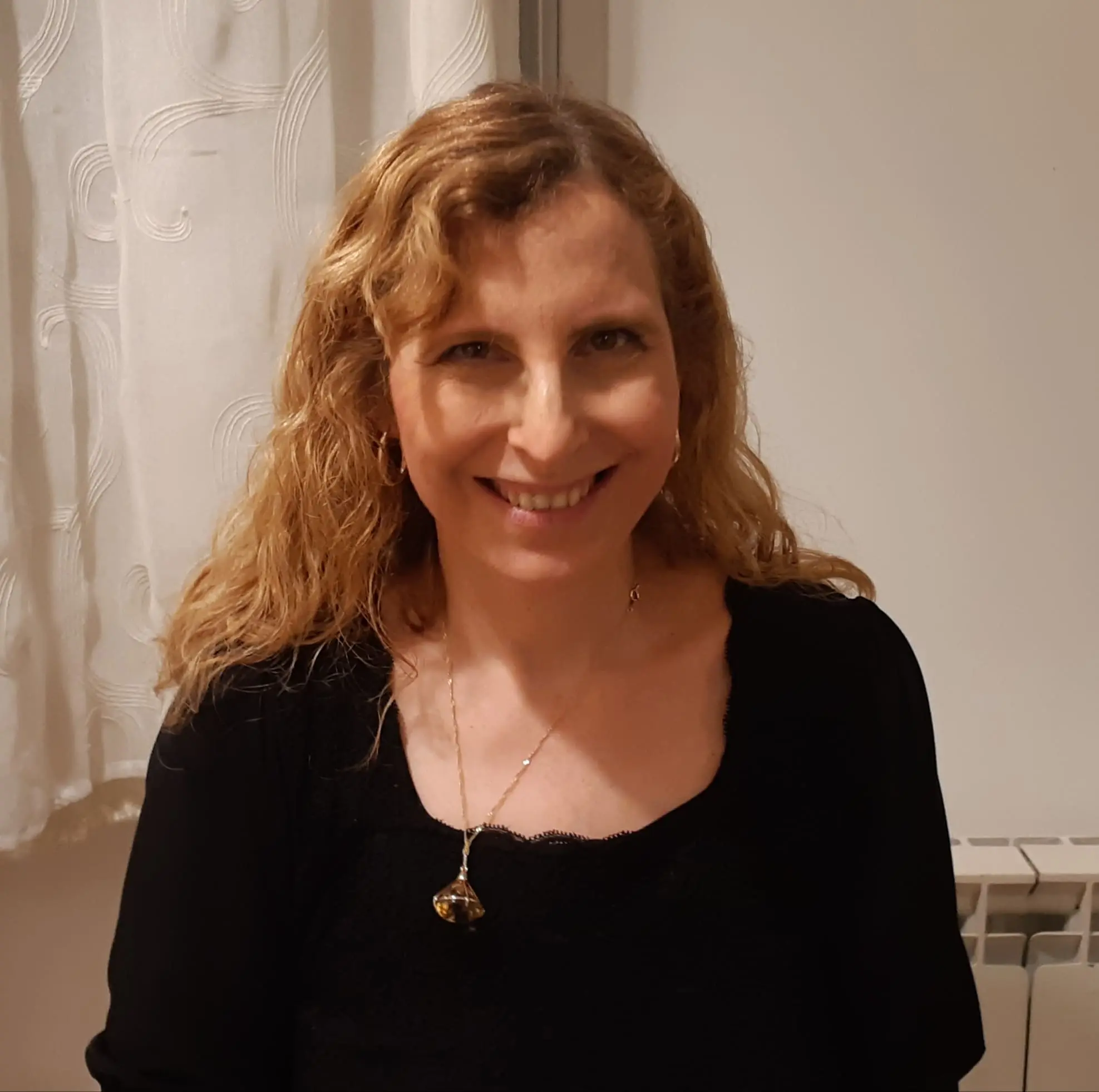
כמו שרואים בתמונה אני ממשיכה ללמוד גם היום ואפילו במחלקת יולדות אחרי לידת ביתי השלישית.

Noa Shiloh
נועה שילה

רבבה, ישראל

בסוף הסבב הקודם ראיתי את השמחה הגדולה שבסיום הלימוד, בעלי סיים כבר בפעם השלישית וכמובן הסיום הנשי בבנייני האומה וחשבתי שאולי זו הזדמנות עבורי למשהו חדש.
למרות שאני שונה בסביבה שלי, מי ששומע על הלימוד שלי מפרגן מאוד.
אני מנסה ללמוד קצת בכל יום, גם אם לא את כל הדף ובסך הכל אני בדרך כלל עומדת בקצב.
הלימוד מעניק המון משמעות ליום יום ועושה סדר בלמוד תורה, שתמיד היה (ועדיין) שאיפה. אבל אין כמו קביעות

Racheli-Mendelson
רחלי מנדלסון

טל מנשה, ישראל

התחלתי ללמוד את הדף היומי מעט אחרי שבני הקטן נולד. בהתחלה בשמיעה ולימוד באמצעות השיעור של הרבנית שפרבר. ובהמשך העזתי וקניתי לעצמי גמרא. מאז ממשיכה יום יום ללמוד עצמאית, ולפעמים בעזרת השיעור של הרבנית, כל יום. כל סיום של מסכת מביא לאושר גדול וסיפוק. הילדים בבית נהיו חלק מהלימוד, אני משתפת בסוגיות מעניינות ונהנית לשמוע את דעתם.

Eliraz Blau
אלירז בלאו

מעלה מכמש, ישראל

התחלתי ללמוד דף לפני קצת יותר מ-5 שנים, כשלמדתי רבנות בישיבת מהר”ת בניו יורק. בדיעבד, עד אז, הייתי בלימוד הגמרא שלי כמו מישהו שאוסף חרוזים משרשרת שהתפזרה, פה משהו ושם משהו, ומאז נפתח עולם ומלואו…. הדף נותן לי לימוד בצורה מאורגנת, שיטתית, יום-יומית, ומלמד אותי לא רק ידע אלא את השפה ודרך החשיבה שלנו. לשמחתי, יש לי סביבה תומכת וההרגשה שלי היא כמו בציטוט שבחרתי: הדף משפיע לטובה על כל היום שלי.

Michal Kahana
מיכל כהנא

חיפה, ישראל

התחלתי ללמוד דף יומי שהתחילו מסכת כתובות, לפני 7 שנים, במסגרת קבוצת לימוד שהתפרקה די מהר, ומשם המשכתי לבד בתמיכת האיש שלי. נעזרתי בגמרת שטיינזלץ ובשיעורים מוקלטים.
הסביבה מאד תומכת ואני מקבלת המון מילים טובות לאורך כל הדרך. מאז הסיום הגדול יש תחושה שאני חלק מדבר גדול יותר.
אני לומדת בשיטת ה”7 דפים בשבוע” של הרבנית תרצה קלמן – כלומר, לא נורא אם לא הצלחת ללמוד כל יום, העיקר שגמרת ארבעה דפים בשבוע

Rachel Goldstein
רחל גולדשטיין

עתניאל, ישראל

"התחלתי ללמוד דף יומי במחזור הזה, בח’ בטבת תש””ף. לקחתי על עצמי את הלימוד כדי ליצור תחום של התמדה יומיומית בחיים, והצטרפתי לקבוצת הלומדים בבית הכנסת בכפר אדומים. המשפחה והסביבה מתפעלים ותומכים.
בלימוד שלי אני מתפעלת בעיקר מכך שכדי ללמוד גמרא יש לדעת ולהכיר את כל הגמרא. זו מעין צבת בצבת עשויה שהיא עצומה בהיקפה.”

Sarah Fox
שרה פוּקס

כפר אדומים, ישראל

הייתי לפני שנתיים בסיום הדרן נשים בבנייני האומה והחלטתי להתחיל. אפילו רק כמה דפים, אולי רק פרק, אולי רק מסכת… בינתיים סיימתי רבע שס ותכף את כל סדר מועד בה.
הסביבה תומכת ומפרגנת. אני בת יחידה עם ארבעה אחים שכולם לומדים דף יומי. מדי פעם אנחנו עושים סיומים יחד באירועים משפחתיים. ממש מרגש. מסכת שבת סיימנו כולנו יחד עם אבא שלנו!
אני שומעת כל יום פודקאסט בהליכה או בנסיעה ואחכ לומדת את הגמרא.

Edna Gross
עדנה גרוס

מרכז שפירא, ישראל

התחלתי ללמוד דף יומי לפני שנתיים, עם מסכת שבת. בהתחלה ההתמדה היתה קשה אבל בזכות הקורונה והסגרים הצלחתי להדביק את הפערים בשבתות הארוכות, לסיים את מסכת שבת ולהמשיך עם המסכתות הבאות. עכשיו אני מסיימת בהתרגשות רבה את מסכת חגיגה וסדר מועד ומחכה לסדר הבא!

Ilana-Shachnowitz
אילנה שכנוביץ

מודיעין, ישראל

לצערי גדלתי בדור שבו לימוד גמרא לנשים לא היה דבר שבשגרה ושנים שאני חולמת להשלים את הפער הזה.. עד שלפני מספר שבועות, כמעט במקרה, נתקלתי במודעת פרסומת הקוראת להצטרף ללימוד מסכת תענית. כשקראתי את המודעה הרגשתי שהיא כאילו נכתבה עבורי – "תמיד חלמת ללמוד גמרא ולא ידעת איך להתחיל”, "בואי להתנסות במסכת קצרה וקלה” (רק היה חסר שהמודעה תיפתח במילים "מיכי שלום”..). קפצתי למים ו- ב”ה אני בדרך להגשמת החלום:)

Micah Kadosh
מיכי קדוש

מורשת, ישראל

התחלתי ללמוד בעידוד שתי חברות אתן למדתי בעבר את הפרק היומי במסגרת 929.
בבית מתלהבים מאוד ובשבת אני לומדת את הדף עם בעלי שזה מפתיע ומשמח מאוד! לימוד הדף הוא חלק בלתי נפרד מהיום שלי. לומדת בצהריים ומחכה לזמן הזה מידי יום…

Miriam Wengerover
מרים ונגרובר

אפרת, ישראל

. לא תמיד נהניתי מלימוד גמרא כילדה.,בל כהתבגרתי התחלתי לאהוב את זה שוב. התחלתי ללמוד מסכת סוטה בדף היומי לפני כחמש עשרה שנה ואז הפסקתי.הגעתי לסיום הגדול של הדרן לפני שנתיים וזה נתן לי השראה. והתחלתי ללמוד למשך כמה ימים ואז היתה לי פריצת דיסק והפסקתי…עד אלול השנה. אז התחלתי עם מסכת ביצה וב”ה אני מצליחה לעמוד בקצב. המשפחה מאוד תומכת בי ויש כמה שגם לומדים את זה במקביל. אני אוהבת שיש עוגן כל יום.

Rebecca Darshan
רבקה דרשן

בית שמש, ישראל

גיטין טו

כְּבִינְתִּי לְבִתִּי, וְהִיא בִּשְׁנֵים עָשָׂר מָנֶה״, וּמֵתָה, וְקִיְּימוּ חֲכָמִים אֶת דְּבָרֶיהָ! אָמַר לָהֶם: בְּנֵי רוֹכֵל תִּקְבְּרֵם אִמָּם.

my brooch [kevinati] to my daughter, and the brooch is worth twelve hundred dinars. And this woman subsequently died, and the Sages fulfilled her statement. Rabbi Elazar said to them that the sons of Rokhel should be buried by their mother, i.e., he cursed them. Rabbi Elazar meant that it is not possible to bring a proof from this incident, as these sons were wicked people. Consequently, when dealing with them the Sages did not act in accordance with the halakha, but allowed their mother to give this valuable piece of jewelry to their sister, circumventing the halakhot of inheritance.

תַּנָּא קַמָּא כְּרַבִּי אֶלְעָזָר; וְרַבִּי נָתָן וְרַבִּי יַעֲקֹב נָמֵי כְּרַבִּי אֶלְעָזָר – אַף עַל גַּב דְּמִית, לָא אָמְרִינַן מִצְוָה לְקַיֵּים דִּבְרֵי הַמֵּת; וְ״יֵשׁ אוֹמְרִים״ – כְּרַבָּנַן;

The Gemara states: The first tanna holds in accordance with the opinion of Rabbi Elazar, who holds that there must be an actual act of acquisition or the money still belongs to the giver. And Rabbi Natan and Rabbi Ya’akov also hold in accordance with the opinion of Rabbi Elazar. However, they add that even though the giver died one does not say: It is a mitzva to fulfill the statement of the dead. And the Sages in the clause beginning: Some say, hold in accordance with the opinion of the Rabbis, who say that the statement of a person on his deathbed effects acquisition through mere speech.

וְרַבִּי יְהוּדָה הַנָּשִׂיא שֶׁאָמַר מִשּׁוּם רַבִּי מֵאִיר – כְּרַבִּי אֶלְעָזָר, מִיהוּ הֵיכָא דְּמִית אָמְרִינַן מִצְוָה לְקַיֵּים דִּבְרֵי הַמֵּת; וַחֲכָמִים אוֹמְרִים: יַחְלוֹקוּ – מְסַפְּקָא לְהוּ; וְכָאן אָמְרוּ – שׁוּדָא עֲדִיף; וְרַבִּי שִׁמְעוֹן הַנָּשִׂיא – מַעֲשֶׂה אֲתָא לְאַשְׁמוֹעִינַן.

And Rabbi Yehuda HaNasi, who said his opinion in the name of Rabbi Meir, holds in accordance with the opinion of Rabbi Elazar. However, he maintains that where the giver died we say: It is a mitzva to fulfill the statement of the dead. And the Rabbis say: They should divide it, because they are uncertain about the halakha in this situation. And according to the Sages in the clause beginning: Here they said, the discretion of the agent is preferable. And Rabbi Shimon HaNasi came to teach us a relevant incident but does not express an additional opinion.

אִבַּעְיָא לְהוּ: רַבִּי שִׁמְעוֹן הַנָּשִׂיא; נָשִׂיא הוּא, אוֹ מִשְּׁמֵיהּ דְּנָשִׂיא קָאָמַר? תָּא שְׁמַע, דְּאָמַר רַב יוֹסֵף: הֲלָכָה כְּרַבִּי שִׁמְעוֹן הַנָּשִׂיא. וַעֲדַיִין תִּיבְּעֵי לָךְ: נָשִׂיא הוּא, אוֹ דְּקָאָמַר מִשְּׁמֵיהּ דְּנָשִׂיא? תֵּיקוּ.

A dilemma was raised before those studying this issue: Is the Rabbi Shimon HaNasi mentioned here himself a Nasi, or does the baraita mean that he spoke in the name of the Nasi? The Gemara suggests: Come and hear that which Rav Yosef, who was precise in his statements, says: The halakha is in accordance with the opinion of Rabbi Shimon HaNasi. This indicates that he was an actual Nasi. But you can still raise the dilemma: Is he a Nasi, or does the baraita mean that he spoke in the name of the Nasi, as Rav Yosef may merely be quoting the above baraita? The Gemara has no answer for this question, and states that the dilemma shall stand unresolved.

גּוּפָא – אָמַר רַב יוֹסֵף: הֲלָכָה כְּרַבִּי שִׁמְעוֹן הַנָּשִׂיא. וְהָא קַיְימָא לַן דִּבְרֵי שְׁכִיב מְרַע כִּכְתוּבִין וְכִמְסוּרִין דָּמוּ!

The Gemara returns to the matter itself: Rav Yosef says: The halakha is in accordance with the opinion of Rabbi Shimon HaNasi, that the money should be returned to the heirs of the sender. The Gemara raises a difficulty: But don’t we maintain that the statement of a person on his deathbed is considered written and delivered? If so, the agent should give the money to the heirs of the recipient.

רַב יוֹסֵף מוֹקֵי לַהּ בְּבָרִיא. וְהָא לְיוֹרְשֵׁי מְשַׁלֵּחַ קָאָמַר, וְקַיְימָא לַן: מִצְוָה לְקַיֵּים דִּבְרֵי הַמֵּת! תְּנִי: יַחְזְרוּ לִמְשַׁלֵּחַ.

The Gemara answers: Rav Yosef establishes this halakha with regard to a healthy person, not someone on his deathbed. The Gemara asks: But he said that the money should be returned to the heirs of the sender, and we maintain that it is a mitzva to fulfill the statement of the dead, even if he issued these instructions when he was healthy. The Gemara answers: Emend Rabbi Shimon HaNasi’s statement and teach: Return the money to the sender, not to his heirs, as this is referring to a case where the sender had not died.

הֲדַרַן עֲלָךְ הַמֵּבִיא קַמָּא

הַמֵּבִיא גֵּט מִמְּדִינַת הַיָּם, וְאָמַר: ״בְּפָנַי נִכְתַּב אֲבָל לֹא בְּפָנַי נֶחְתַּם״; ״בְּפָנַי נֶחְתַּם אֲבָל לֹא בְּפָנַי נִכְתַּב״; ״בְּפָנַי נִכְתַּב כּוּלּוֹ וּבְפָנַי נֶחְתַּם חֶצְיוֹ״; ״בְּפָנַי נִכְתַּב חֶצְיוֹ וּבְפָנַי נֶחְתַּם כּוּלּוֹ״ – פָּסוּל.

MISHNA: With regard to one who brings a bill of divorce from a country overseas and says: The bill of divorce was written in my presence but it was not signed in my presence; or if he said: It was signed in my presence but it was not written in my presence; or: All of it was written in my presence and half of it was signed in my presence, i.e., he observed the signing of only one witness; or: Half of it was written in my presence and all of it was signed in my presence, in all these cases the document is invalid.

אֶחָד אוֹמֵר ״בְּפָנַי נִכְתַּב״ וְאֶחָד אוֹמֵר ״בְּפָנַי נֶחְתַּם״, פָּסוּל. שְׁנַיִם אוֹמְרִים ״בְּפָנֵינוּ נִכְתַּב״ וְאֶחָד אוֹמֵר ״בְּפָנַי נֶחְתַּם״, פָּסוּל; וְרַבִּי יְהוּדָה מַכְשִׁיר. אֶחָד אוֹמֵר ״בְּפָנַי נִכְתַּב״ וּשְׁנַיִם אוֹמְרִים ״בְּפָנֵינוּ נֶחְתַּם״, כָּשֵׁר.

If one agent bringing a bill of divorce says: It was written in my presence, and one other agent says: It was signed in my presence, it is invalid. If two agents say: It was written in our presence, and one says: It was signed in my presence, it is invalid. And Rabbi Yehuda deems the document valid. If one agent says: It was written in my presence, and two agents say: It was signed in our presence, it is valid.

גְּמָ׳ הָא תּוּ לְמָה לִי? הָא תְּנָא לֵיהּ חֲדָא זִימְנָא – הַמֵּבִיא גֵּט מִמְּדִינַת הַיָּם, צָרִיךְ שֶׁיֹּאמַר ״בְּפָנַי נִכְתַּב וּבְפָנַי נֶחְתַּם״! אִי מֵהַהִיא הֲוָה אָמֵינָא: צָרִיךְ, וְאִי לָא אָמַר כָּשֵׁר; קָא מַשְׁמַע לַן.

GEMARA: The Gemara asks with regard to the entire mishna: Why do I need all these further examples? Didn’t it teach these halakhot once, as the mishna states (2a): One who brings a bill of divorce from a country overseas is required to say: It was written in my presence and it was signed in my presence? This indicates that if one did not state this declaration, then the bill of divorce is invalid. The Gemara explains: If the halakha were derived from that mishna alone, I would say: He is required to issue this statement ab initio, but if he did not say it the bill of divorce is nevertheless valid after the fact. Therefore, this mishna teaches us that the bill of divorce is invalid.

״בְּפָנַי נִכְתַּב חֶצְיוֹ וּבְפָנַי נֶחְתַּם כּוּלּוֹ״, פָּסוּל. הֵי חֶצְיוֹ? אִלֵּימָא חֶצְיוֹ רִאשׁוֹן, וְהָאָמַר רַבִּי אֶלְעָזָר: אֲפִילּוּ לֹא כָּתַב בּוֹ אֶלָּא שִׁיטָה אַחַת לִשְׁמָהּ, שׁוּב אֵינוֹ צָרִיךְ! אֶלָּא אָמַר רַב אָשֵׁי: חֶצְיוֹ אַחֲרוֹן.

§ The mishna taught that if the agent said: Half of it was written in my presence and all of it was signed in my presence, the document is invalid. The Gemara asks: With regard to which half of the bill of divorce did he claim he saw written? If we say that he saw its first half written, but didn’t Rabbi Elazar say: Even if the husband or scribe wrote only one line of it for her sake, the agent is no longer required to check if the rest of the bill of divorce was written properly? Rather, Rav Ashi said: He testifies that he saw that its latter half was written, and he does not testify with regard to the first half, which is the primary section of the bill of divorce.

״בְּפָנַי נִכְתַּב כּוּלּוֹ וּבְפָנַי נֶחְתַּם חֶצְיוֹ״, פָּסוּל. אָמַר רַב חִסְדָּא: וַאֲפִילּוּ שְׁנַיִם מְעִידִים עַל חֲתִימַת יַד שֵׁנִי – פָּסוּל. מַאי טַעְמָא?

§ The mishna taught that if he said: All of it was written in my presence and half of it was signed in my presence, i.e., the agent observed the signing of only one of the witnesses, it is invalid. Rav Ḥisda says: And even if two people testify to the signature of the second witness, and the court ratifies this signature, nevertheless it is invalid. What is the reason for this ruling? After all, the court has the agent’s testimony with regard to one signature and the confirmation of two witnesses for the second signature.

אוֹ כּוּלּוֹ בְּקִיּוּם הַגֵּט, אוֹ כּוּלּוֹ בְּתַקָּנַת חֲכָמִים.

The Gemara answers: The document must be authenticated either entirely through the process of the ratification of a bill of divorce, i.e., the bill of divorce must be ratified like any other legal document, by two people attesting to the validity of the signatures of both witnesses, or it must be entirely ratified via the rabbinic decree that the agent is deemed credible when he states: It was written in my presence and it was signed in my presence.

מַתְקֵיף לַהּ רָבָא: מִי אִיכָּא מִידֵּי דְּאִילּוּ אָמַר חַד, כָּשֵׁר; הַשְׁתָּא דְּאִיכָּא תְּרֵי, פָּסוּל?! אֶלָּא אָמַר רָבָא: אֲפִילּוּ

Rava objects to this: Is there any situation in which if one person said it, the document is valid, i.e., if the agent would have attested to the signature of the second witness the bill of divorce would be valid, and now that there are two witnesses who attest to the signatures it is invalid? Rather, Rava says: Even if

הוּא וְאַחֵר מְעִידִין עַל חֲתִימַת יַד שֵׁנִי – פָּסוּל. מַאי טַעְמָא? אָתוּ לְאִיחַלּוֹפֵי בְּקִיּוּם שְׁטָרוֹת דְּעָלְמָא, וְקָא נָפֵיק נְכֵי רִיבְעָא דְמָמוֹנָא אַפּוּמָּא דְּחַד סָהֲדָא.

he, i.e., the agent, and another person testify with regard to the signature of the second witness, the bill of divorce is invalid. What is the reason for this? Perhaps people will come to confuse it with the typical case of ratification of legal documents, and will rely on one witness who testifies about his own signature and that of the other signatory, while another witness joins with him to testify with regard to the other signature. And as a result of this, the full sum of money, minus a quarter, will be extracted based upon the testimony of one witness. In order to ratify legal documents in general, two witnesses must testify as to the validity of each of the signatures. If the Sages were to allow one witness to testify about his own signature and another witness to join him in testifying about the other signature in the case of a bill of divorce, it may lead to the same method being employed with regard to other legal documents.

מַתְקֵיף לַהּ רַב אָשֵׁי: מִי אִיכָּא מִידֵּי, דְּאִילּוּ מַסֵּיק לֵיהּ אִיהוּ לְכוּלֵּיהּ דִּיבּוּרָא, כָּשֵׁר; הַשְׁתָּא דְּאִיכָּא חַד בַּהֲדֵיהּ, פָּסוּל?!

Rav Ashi objects to this: Is there any situation in which if he himself would complete his entire statement by saying: It was written in my presence and it was signed in my presence, the document would be valid, and now that there is another one who testifies with him, the bill of divorce is invalid?

אֶלָּא אָמַר רַב אָשֵׁי: אֲפִילּוּ אוֹמֵר ״אֲנִי הוּא עֵד שֵׁנִי״ – פָּסוּל. מַאי טַעְמָא? אוֹ כּוּלּוֹ בְּקִיּוּם הַגֵּט, אוֹ כּוּלּוֹ בְּתַקָּנַת חֲכָמִים.

Rather, Rav Ashi says that even if the agent says: I am the second witness who signed the bill of divorce, it is invalid. What is the reason for this? A bill of divorce cannot be validated by a combination of two types of credibility. It must be authenticated either entirely through the ratification of the bill of divorce, in the manner that other documents are ratified, or it must be entirely ratified via the rabbinic decree, in which case the testimony of the agent is considered equivalent to that of two people who ratify the signatures.

תְּנַן: ״בְּפָנַי נִכְתַּב כּוּלּוֹ, בְּפָנַי נֶחְתַּם חֶצְיוֹ״, פָּסוּל. אִידַּךְ חֶצְיוֹ הֵיכִי דָמֵי? אִילֵּימָא דְּלֵיכָּא דְּקָא מַסְהֵיד עֲלֵיהּ כְּלָל; הַשְׁתָּא אֶחָד אוֹמֵר ״בְּפָנַי נִכְתַּב״ וְאֶחָד אוֹמֵר ״בְּפָנַי נֶחְתַּם״, דְּהַאי קָמַסְהֵיד אַכּוּלַּהּ כְּתִיבָה וְהַאי קָמַסְהֵיד אַכּוּלַּהּ חֲתִימָה, פָּסוּל; חֶצְיוֹ מִיבַּעְיָא?!

The Gemara cites a proof for this claim: We learned in the mishna that if an agent for a bill of divorce said: All of it was written in my presence and half of it was signed in my presence, this bill of divorce is invalid. The Gemara clarifies: What are the circumstances with regard to the other half of the bill of divorce? If we say that there is no one who testifies about it at all, this is problematic: Now the mishna taught that if one agent says: It was written in my presence, and one agent says: It was signed in my presence, in which case this agent testifies with regard to all the writing and that agent testifies with regard to all the signing, it is invalid. When the agent testifies that only half of it was signed in his presence, is it necessary to say that the document is invalid?

אֶלָּא אוֹ כִּדְרָבָא אוֹ כִּדְרַב אָשֵׁי,

Rather, the mishna must be teaching that the bill of divorce is invalid even if there is additional testimony with regard to the second signature. This novelty can be explained either in accordance with the opinion of Rava, who holds that the agent joins with another person to testify about the second signature, or in accordance with the opinion of Rav Ashi, who holds that he testifies about his own signature.

וּלְאַפּוֹקֵי מִדְּרַב חִסְדָּא.

The Gemara adds: And this is to exclude the opinion of Rav Ḥisda, who declares that the document is invalid even when there is a full ratification of the second signature. Because the mishna merely alludes to the novelty in this clause, without specifying it, one may infer only the lesser novelty. Since Rav Ḥisda’s novelty is greater than that of the other two Sages, had the mishna been taught for that purpose, it should have issued an explicit statement to that effect.

אָמַר לְךָ רַב חִסְדָּא: וּלְטַעְמָיךְ, ״בְּפָנַי נִכְתַּב אֲבָל לֹא בְּפָנַי נֶחְתַּם״ לָמָּה לִי? אֶלָּא לֹא זוֹ אַף זוֹ קָתָנֵי,

The Gemara rejects this suggestion: Rav Ḥisda could have said to you: And according to your reasoning, why do I need the ruling of the mishna which states that if the agent said: It was written in my presence but it was not signed in my presence, the bill of divorce is invalid? The mishna could simply have stated: If he said: All of it was written in my presence and half of it was signed in my presence, it is invalid. One would have inferred that it is invalid all the more so if one does not testify with regard to the signature at all. Rather, one must say that the tanna teaches the mishna employing the style: Not only this but also that, i.e., each ensuing statement adds something novel.

הָכָא נָמֵי לָא זוֹ אַף זוֹ קָתָנֵי.

If so, here too the tanna teaches the mishna employing the style: Not only this but also that. In other words, Rav Ḥisda would answer that the above inference, i.e., that the clause dealing with: It was written in my presence but it was not signed in my presence, must be teaching an additional novelty, is incorrect. This is because it is a stylistic feature of the Mishna to teach a less novel case followed by a more novel one, regardless of the fact that had it taught the more novel case first, there would have been no need to mention the less novel case at all. Therefore, there is no need to infer a special, unstated novelty from this clause at all, which means it cannot be cited as proof against Rav Ḥisda’s greater novelty.

אָמַר רַב חִסְדָּא: גִּידּוּד חֲמִשָּׁה וּמְחִיצָה חֲמִשָּׁה – אֵין מִצְטָרְפִין, עַד שֶׁיְּהֵא אוֹ כּוּלּוֹ בִּמְחִיצָה אוֹ כּוּלּוֹ בְּגִידּוּד.

§ Tangentially, the Gemara cites a discussion that involves a similar underlying principle. Rav Ḥisda says, with regard to Shabbat domains: An embankment, i.e., a height disparity between two surfaces, of five handbreadths and an additional partition of five handbreadths, do not join together to form a partition of ten handbreadths, which is the minimum height for a partition to enclose a private domain. A halakhic partition is regarded as being composed of ten handbreadths only if it is composed entirely of a partition, e.g., a fence, or entirely of the embankment, e.g., a pit or incline.

דָּרֵשׁ מָרִימָר: גִּידּוּד חֲמִשָּׁה וּמְחִיצָה חֲמִשָּׁה – מִצְטָרְפִין. וְהִלְכְתָא: מִצְטָרְפִין.

Mareimar taught: An embankment of five handbreadths and a partition of five handbreadths do join together to form a partition of ten handbreadths. The Gemara comments: And the halakha is that they join together. Rav Ḥisda’s opinion is analogous to the aforementioned case that a bill of divorce must be either entirely upheld by the agent or entirely upheld by the ratification of its signatures, although the halakha is ruled differently in the case of Shabbat domains.

בָּעֵי אִילְפָא: יָדַיִם – טְהוֹרוֹת לַחֲצָאִין, אוֹ אֵין טְהוֹרוֹת לַחֲצָאִין? הֵיכִי דָּמֵי? אִילֵּימָא דְּקָא מָשׁוּ בֵּי תְרֵי מֵרְבִיעִית, וְהָא תְּנַן: מֵרְבִיעִית נוֹטְלִין לַיָּדַיִם, לְאֶחָד וַאֲפִילּוּ לִשְׁנַיִם!

The Gemara cites another case that is based on the same principle. Ilfa raised a dilemma: With regard to ritual washing, can one’s hands be ritually pure in halves, or can they not be ritually pure in halves? The Gemara asks: What are the circumstances of this case? If we say that two people wash with the requisite one quarter-log of water, and therefore in actuality each one of them washes with only half of a quarter-log, but didn’t we learn explicitly in a mishna (Yadayim 1:1): With the amount of a quarter-log one can wash the hands of one person and even of two? A quarter-log of water suffices for one person to wash his hands before eating bread, and even two may wash their hands simultaneously with this amount, if they do so in the correct manner.

וְאֶלָּא דְּקָא מָשֵׁי חֲדָא חֲדָא יְדֵיהּ, וְהָתְנַן: הַנּוֹטֵל יָדוֹ אַחַת בִּנְטִילָה, וְאַחַת בִּשְׁטִיפָה, יָדָיו טְהוֹרוֹת!

But rather, Ilfa is referring to a case where one washed his two hands one by one, not both hands at the same time. The Gemara asks: But didn’t we learn in a mishna (Yadayim 2:1): With regard to one who purifies one hand by washing with a vessel and one hand by immersing it in a river, his hands are ritually pure? This mishna indicates that there is no need for both hands to be washed simultaneously.

וְאֶלָּא דְּקָא מָשֵׁי פַּלְגָא פַּלְגָא דְּיָדֵיהּ, וְהָאָמְרִי דְּבֵי רַבִּי יַנַּאי: יָדַיִם – אֵין טְהוֹרוֹת לַחֲצָאִין! לָא צְרִיכָא, דְּאִיכָּא מַשְׁקֶה טוֹפֵחַ.

But rather, Ilfa’s dilemma refers to a case where he washes his hand in two halves, i.e., he first washes one half of his hand and next washes the second half of that same hand. The Gemara asks: But didn’t the Sages from the school of Rabbi Yannai say: Hands cannot be rendered ritually pure in halves? If so, one who washes half of his hand and pauses before washing the second half has not performed the act of washing the hands at all. The Gemara answers: No, Ilfa’s question is necessary only for a case where there is liquid that is still moist on his hand. When one washes the second half of his hand, some moisture remains on the portion of his hand that he already washed, and therefore one might think that this liquid joins with the water with which he washes the second half of his hand.

וְכִי אִיכָּא מַשְׁקֶה טוֹפֵחַ מַאי הָוֵי? וְהָתְנַן:

The Gemara asks: And when there is liquid that rendered one’s hand moist, what of it? Is this a relevant factor? But didn’t we learn in a mishna (Teharot 8:9):

רוצה לעקוב אחרי התכנים ולהמשיך ללמוד?

ביצירת חשבון עוד היום ניתן לעקוב אחרי ההתקדמות שלך, לסמן מה למדת, ולעקוב אחרי השיעורים שמעניינים אותך.

לנקות את כל הפריטים מהרשימה?

פעולה זו תסיר את כל הפריטים בחלק זה כולל ההתקדמות וההיסטוריה. שימי לב: לא ניתן לשחזר פעולה זו.

ביטול
מחיקה

האם את/ה בטוח/ה שברצונך למחוק פריט זה?

תאבד/י את כל ההתקדמות או ההיסטוריה הקשורות לפריט זה.

ביטול
מחיקה