







האם אנו יכולים להניח שאשה יודעת שאם היא מספקת את החפץ עליו ייכתב הגט, היא צריכה קודם כל להקנות אותו לבעלה כדי שיוכל להיות הבעלים שלו כשהוא נותן אותו אליה? אם בעל כותב את הגט על עבדו ולאחר מכן נותן את העבד במתנה לאשתו, האם הגט תקף מיד (לפני שהעבד מגיע לאשה)? רבא פוסק שהעבד מתפקד כמו חצר של אשה והגירושין תקפים מיד. אך זה דומה לחצר מהלכת שלא נחשב כידה של אשה לקבל את גיטה! לכן מבינים שזה כשרגלי העבד קשורות והוא אינו נייד. רבא אומר אותו פסק לבעל שמכניס את הגט לחצר ונותן לה את החצר במתנה. מדוע הוא צריך לפסוק בשני המקרים – מדוע איננו יכולים ללמוד אחד מהשני? אביי מעלה שאלה על פסיקותיו של רבא. מה שורש המחלוקת בין רבי יוסי הגלילי שאינו מתיר לכתוב גט על בעל חיים או על אוכל לבין התנא קמא המתיר? איך כל אחד קורא את הפסוקים בצורה שונה? המשנה פוסקת שאין לכתוב גט על דבר המחובר לקרקע, אבל אם עשה ותלשו ואז חתם עליו, זה תקף. הגמרא מביאה שתי דרכים שונות לקריאת המשנה – אחת של שמואל, ר’ יוחנן ור’ אושעיא ואחת של ריש לקיש וכל אחד משייך את המשנה או לפי הבנת רבי אלעזר (עדי מסירה כרתי) או לפי רבי מאיר (עדי חתימה כרתי).
הלימוד השבוע מוקדש לזכות ולשלום הַיְימׇנוֹט אֱמוּנָה בַּת באנצ’י (קָסָאוּ) בת 11 שנעלמה במקום מגוריה בצפת, לפני שנתיים, ביום ט”ז אדר תשפ”ד (25.2.24), ולא נודעו עקבותיה.
הלימוד השבוע מוקדש למען ביטחון המדינה, החיילים והאזרחים, ולמען חירותו של העם האיראני. שנזכה בקרוב שיתקיים בנו הפסוק: "לַיְּהוּדִים הָיְתָה אוֹרָה וְשִׂמְחָה וְשָׂשֹׂן וִיקָר”.
הלימוד השבוע מוקדש לזכות וְלִשְׁלוֹם הָיימָנוֹט אֱמוּנָה בַּת באנצ’י (קָסָאוּ), בת 11 שנעלמה במקום מגוריה בצפת, לפני שנתיים, ביום ט”ז אדר תשפ״ד (25.2.24), ולא נודעו עקבותיה. אנו מתפללים שֶׁתִּמָּצֵא וְתוּשַׁב לביתה במהרה!
רוצה להקדיש שיעור?

כלים
הלימוד השבוע מוקדש לזכות ולשלום הַיְימׇנוֹט אֱמוּנָה בַּת באנצ’י (קָסָאוּ) בת 11 שנעלמה במקום מגוריה בצפת, לפני שנתיים, ביום ט”ז אדר תשפ”ד (25.2.24), ולא נודעו עקבותיה.
הלימוד השבוע מוקדש למען ביטחון המדינה, החיילים והאזרחים, ולמען חירותו של העם האיראני. שנזכה בקרוב שיתקיים בנו הפסוק: "לַיְּהוּדִים הָיְתָה אוֹרָה וְשִׂמְחָה וְשָׂשֹׂן וִיקָר”.
הלימוד השבוע מוקדש לזכות וְלִשְׁלוֹם הָיימָנוֹט אֱמוּנָה בַּת באנצ’י (קָסָאוּ), בת 11 שנעלמה במקום מגוריה בצפת, לפני שנתיים, ביום ט”ז אדר תשפ״ד (25.2.24), ולא נודעו עקבותיה. אנו מתפללים שֶׁתִּמָּצֵא וְתוּשַׁב לביתה במהרה!
גיטין כא
זָקֵן שָׁאנֵי, דְּיָדַע לְאַקְנוֹיֵי.
a knowledgeable old man is different, as he understands the need to transfer the documents, and this may not be true in the case of a woman and the bill of divorce.
אֶלָּא אָמַר רָבָא: מֵהָכָא – עָרֵב הַיּוֹצֵא לְאַחַר חִיתּוּם שְׁטָרוֹת, גּוֹבֶה מִנְּכָסִים בְּנֵי חוֹרִין!
Rather, Rava said: A proof may be brought from here: If there was a guarantor whose commitment emerged after the promissory note was signed, then the creditor may collect only from the guarantor’s unsold property. However, he does not have a lien on the guarantor’s property with which he could collect from property sold after he signed on as a guarantor. Rava’s proof is that it must be that ownership of the promissory note was transferred to the guarantor before he signed it, in order for his commitment to take effect. It may therefore be seen from this baraita that the participants understand the need to transfer ownership of the document.
אָמַר רַב אָשֵׁי: מַאי קוּשְׁיָא? דִּלְמָא גַּבְרָא שָׁאנֵי, דְּיָדַע לְאַקְנוֹיֵי! אֶלָּא אָמַר רַב אָשֵׁי: מֵהָכָא – אִשָּׁה כּוֹתֶבֶת אֶת גִּיטָּהּ, וְהָאִישׁ כּוֹתֵב אֶת שׁוֹבָרוֹ, שֶׁאֵין קִיּוּם הַגֵּט אֶלָּא בְּחוֹתְמָיו.
Rav Ashi said: What is the difficulty raised by this baraita? Perhaps a man is different, in that he understands the need to transfer the document, and the question of the Gemara pertains to a woman, who may not be as well versed in the minutiae of monetary law. Rather, Rav Ashi said: There is a proof from what was taught here (22b): A woman may write her bill of divorce on her own or allow a scribe to write it on her behalf, and then give it to her husband, so that he will give it to her. Similarly, a man may write his receipt that he will receive from the woman after paying her marriage contract, as the ratification of a bill of divorce is only through its signatories, i.e., the witnesses who sign it, and the mere writing of the document or its receipt has no legal ramifications and may be done by anyone. In any case, it is clear from here that a woman understands the need to transfer the bill of divorce that will be given to her by her husband in the future.
אָמַר רָבָא: כָּתַב לָהּ גֵּט, וּנְתָנוֹ בְּיַד עַבְדּוֹ, וְכָתַב לָהּ שְׁטַר מַתָּנָה עָלָיו – קְנָאַתְהוּ, וּמִתְגָּרֶשֶׁת בּוֹ.
§ Rava says: If he wrote her a bill of divorce and placed it in the hand of his slave, and he wrote her a deed of gift with regard to the slave, then she acquired the slave due to the document, and she is divorced immediately by the bill of divorce that is in his hand. The slave is considered to be like her property, and it is as though the husband had placed the bill of divorce in her domain at the time that he transferred the slave to her, and she acquires the bill of divorce as though it were in her courtyard.
וְאַמַּאי? חָצֵר מְהַלֶּכֶת הִיא, וְחָצֵר מְהַלֶּכֶת לֹא קָנָה! וְכִי תֵּימָא בְּעוֹמֵד, וְהָאָמַר רָבָא: כׇּל שֶׁאִילּוּ מְהַלֵּךְ לֹא קָנָה, עוֹמֵד וְיוֹשֵׁב לֹא קָנָה! וְהִלְכְתָא – בְּכָפוּת.
The Gemara asks: And why does she acquire the bill of divorce? The slave is considered a mobile courtyard, and a mobile courtyard does not acquire property. One’s courtyard can acquire items for him only when the courtyard is fixed in its location. Since a slave is considered to be like land with regard to other areas of halakha, he should also be defined as a mobile courtyard, as he can move from place to place. And if you would say that Rava was referring to a slave who happens to be standing, who is not mobile, but didn’t Rava say: Anything that does not acquire when moving also does not acquire when it is standing or sitting. The fact that the slave could move gives him the status of a moving courtyard, regardless if he is currently moving or not. The Gemara answers: And the halakha taught by Rava could apply in a case where the slave was bound and unable to move, as in that case he is not even able to move, and is not considered to be a mobile courtyard.
וְאָמַר רָבָא: כָּתַב לָהּ גֵּט וּנְתָנוֹ בַּחֲצֵרוֹ, וְכָתַב לָהּ שְׁטַר מַתָּנָה עָלָיו – קְנָאַתְהוּ, וּמִתְגָּרֶשֶׁת בּוֹ.
And Rava also says: If he wrote her a bill of divorce and placed it in his courtyard, and he wrote a deed of gift with regard to the courtyard, then she has acquired the courtyard and is divorced immediately by the bill of divorce in the courtyard.
וּצְרִיכָא; דְּאִי אַשְׁמְעִינַן עֶבֶד, הֲוָה אָמֵינָא: דַּוְקָא עֶבֶד, אֲבָל חָצֵר – לִיגְזַר, מִשּׁוּם חֲצֵרָהּ הַבָּאָה לְאַחַר מִכָּאן;
The Gemara comments: And it is necessary for Rava to teach his halakha both with regard to a slave and with regard to a courtyard. One could not have been learned from the other, as had he taught us only about a slave, I would say that the husband may transfer the bill of divorce to his wife specifically through a slave, but in the case of a courtyard the Sages may decide to enact a decree that this should not be a valid bill of divorce, due to the case of her courtyard that comes afterward. People may not differentiate between this case and a similar case, where the husband places the bill of divorce in the courtyard of a third party, and that courtyard is subsequently acquired by her. In that case, the couple is not divorced, as the bill of divorce was not given by the husband to the wife. Therefore, Rava has to teach that the Sages did not make this decree, and in this case, where the husband gave the courtyard together with the bill of divorce, it is valid.
וְאִי אַשְׁמְעִינַן חָצֵר, הֲוָה אָמֵינָא דַּוְקָא חָצֵר, אֲבָל עֶבֶד – לִיגְזַר כָּפוּת אַטּוּ שֶׁאֵינוֹ כָּפוּת; קָא מַשְׁמַע לַן.
And had Rava taught us only about a courtyard, then I would say that a woman is divorced specifically if her husband placed the bill of divorce in a courtyard, but in the case of a slave the Sages may decide to decree with regard to a bound slave that the divorce will not take effect, due to the similarity to an unbound slave, where the divorce would not take effect, as explained above. Therefore, Rava teaches us that it is a valid bill of divorce in both cases.
אָמַר אַבָּיֵי: מִכְּדֵי חָצֵר מֵהֵיכָא אִיתְרַבַּי? מִ״יָּדָהּ״;
Abaye said as a challenge to Rava: Now, from where was a courtyard included? What is the source for the halakha that a man can divorce a woman by placing a bill of divorce in her courtyard? This can be derived from the phrase: “And gives it in her hand” (Deuteronomy 24:1), and the Sages derived that this is not limited to her actual hand but also includes anything that is an extension of her hand, such as her courtyard.
מַה יָדָהּ דְּאִיתַהּ בֵּין מִדַּעְתַּהּ וּבֵין בְּעַל כּוּרְחַהּ, אַף חֲצֵרָהּ דְּאִיתַהּ בֵּין מִדַּעְתַּהּ וּבֵין בְּעַל כּוּרְחַהּ; וְהָא מַתָּנָה – מִדַּעְתַּהּ אִיתַהּ, בְּעַל כּוּרְחַהּ לֵיתַהּ!
Consequently, the following reasoning should apply: Just as with regard to her hand, that it acquires property for her whether with her consent or against her will, so too, with regard to her courtyard, it should be that it acquires property for her whether with her consent or against her will. And with regard to a gift, it is so that she acquires it with her consent, but it is not so that she acquires it against her will. Therefore, a courtyard that a husband transfers to his wife as a gift along with a bill of divorce is not the same as a bill of divorce that he gives into her hand. As a courtyard is different from her hand in this sense, it should not be able to be used as a means of transferring a bill of divorce.
מַתְקֵיף לַהּ רַב שִׁימִי בַּר אָשֵׁי: וְהָא שְׁלִיחוּת לְקַבָּלָה, דְּמִדַּעְתַּהּ אִיתַהּ בְּעַל כּוּרְחַהּ לֵיתַהּ, וְקָא הָוֵי שָׁלִיחַ לְִקַבָּלָה!
Rav Shimi bar Ashi objects to the reasoning of Abaye: But what of agency for receipt of the bill of divorce, where the woman appoints an agent to receive a bill of divorce on her behalf, concerning which the agent can act with her consent, but not against her will. No one other than the wife can appoint an agent to receive the bill of divorce, and despite this he is an agent for receipt. Yet a woman is able to appoint an agent for receipt. Evidently, the comparison of other methods of acquisition to acquisition by placing the bill of divorce in her hand is not absolute.
וְאַבָּיֵי – אַטּוּ שְׁלִיחוּת מִ״יָּדָהּ״ אִיתְרַבַּי?! מִ״וְּשִׁלַּח וְשִׁלְּחָהּ״ אִיתְרַבַּי!
And Abaye would respond: Is that to say that the halakha of agency is included from the words “her hand”? It is not learned from there; rather, it is included based on the additional wording of the verse, as the verse does not state: And he sent [veshillaḥ]. Rather, it states: “And sends her out [veshilleḥa]” (Deuteronomy 24:1). The expanded term teaches that a woman can also appoint an agent to receive a bill of divorce on her behalf. Since agency has a different source in the Torah, it is not impacted by the limitations of her hand. The halakha that a bill of divorce can be given to her by placing it in her courtyard is an extension of the halakha that it can be placed in her hand and does carry the limitations of her hand. Therefore, it must be able to work whether with her consent or against her will.
וְאִיבָּעֵית אֵימָא: שְׁלִיחוּת לְקַבָּלָה נָמֵי אַשְׁכְּחַן בְּעַל כּוּרְחַהּ, שֶׁכֵּן אָב מְקַבֵּל גֵּט לְבִתּוֹ קְטַנָּה בְּעַל כּוֹרְחָהּ.
And if you wish, say a different answer: We also have found that agency for receipt can be effective against her will. How so? As the halakha is that a father can receive a bill of divorce for his minor daughter against her will. The halakhot of agency are therefore consistent with the halakhot with regard to her hand, and Abaye’s objection stands.
עַל הֶעָלֶה שֶׁל זַיִת וְכוּ׳: בִּשְׁלָמָא יָד דְּעֶבֶד
§ The mishna taught that a bill of divorce may be written on an olive leaf, on the horn of a cow, or on the hand of a slave, provided that the husband then gives her the slave or the cow. The Gemara asks: Granted, with regard to the hand of a slave,
לָא אֶפְשָׁר לְמִקְצְיַיהּ, אֶלָּא קֶרֶן שֶׁל פָּרָה – לִיקְצְיַיהּ וְלִיתְּבַהּ לָהּ!
it is not possible to cut it off, as it is certainly prohibited to cut off the hand of a slave, and he therefore must give her the slave. But if he wrote the bill of divorce on the horn of a cow, let him cut it off and give it to her. Why does the mishna state that he must give her the cow?
אָמַר קְרָא: ״וְכָתַב״ – ״וְנָתַן לַהּ״, מִי שֶׁאֵינוֹ מְחוּסָּר אֶלָּא כְּתִיבָה וּנְתִינָה; יָצָא זֶה – שֶׁמְחוּסָּר כְּתִיבָה, קְצִיצָה וּנְתִינָה.
The Gemara answers: The verse states: “And he writes her a scroll of severance, and gives it in her hand” (Deuteronomy 24:1), meaning that something is valid as a bill of divorce when it is lacking only writing and giving, excluding this, a cow’s horn, which is lacking writing, cutting, and giving. Since the additional step of cutting would be required in order for him to give her the horn alone, the horn would not be a valid bill of divorce, so he must give her the cow.
רַבִּי יוֹסֵי הַגְּלִילִי אוֹמֵר וְכוּ׳: מַאי טַעְמָא דְּרַבִּי יוֹסֵי הַגְּלִילִי? דְּתַנְיָא: ״סֵפֶר״ – אֵין לִי אֶלָּא סֵפֶר, מִנַּיִן לְרַבּוֹת כׇּל דָּבָר? תַּלְמוּד לוֹמַר: ״וְכָתַב לָהּ״ – מִכׇּל מָקוֹם. אִם כֵּן, מָה תַּלְמוּד לוֹמַר ״סֵפֶר״? מָה סֵפֶר – דָּבָר שֶׁאֵין בּוֹ רוּחַ חַיִּים, וְאֵינוֹ אוֹכֶל; אַף כׇּל דָּבָר – שֶׁאֵין בּוֹ רוּחַ חַיִּים וְאֵינוֹ אוֹכֶל.
§ The mishna taught that Rabbi Yosei HaGelili says that a bill of divorce may not be written on something living, nor on food. The Gemara asks: What is the reason for Rabbi Yosei HaGelili’s opinion? As it is taught in a baraita: It is said in the Torah with regard to a bill of divorce: “And he writes her a scroll of severance” (Deuteronomy 24:1). From the word “scroll,” I have derived only that a scroll is valid; from where do I derive that it is correct to include all objects as valid materials upon which a bill of divorce may be written? The verse states: “And he writes her,” in any case, i.e., a bill of divorce can be written on any type of surface. If so, what is the meaning when the verse states “scroll”? This teaches: Just as a scroll is neither alive nor food, so too, a bill of divorce may be written on any object that is neither alive nor food. This is why Rabbi Yosei HaGelili deems invalid a bill of divorce written on a living being.
וְרַבָּנַן – אִי כְּתִיב ״בְּסֵפֶר״, כִּדְקָאָמְרַתְּ; הַשְׁתָּא דִּכְתִיב ״סֵפֶר״ – לִסְפִירַת דְּבָרִים הוּא דַּאֲתָא.
The Gemara asks: And how do the Rabbis, who disagree and say that a bill of divorce may be written even on a living creature or on food, interpret the verse? They contend: If the verse were written: And he shall write for her in the scroll [besefer], then it would be as you said, and it would indicate the type of surface on which the bill of divorce may be written. Now that it is written: “Scroll [sefer],” it comes to teach that a mere account of the matters [sefirat devarim] is required. In other words, sefer is referring not to the surface on which a bill of divorce must be written, but rather, to the essence of the bill of divorce. The verse teaches that the bill of divorce must contain particular content.
וְרַבָּנַן, הַאי ״וְכָתַב״ מַאי עָבְדִי לֵיהּ? מִיבְּעֵי לְהוּ ״בִּכְתִיבָה מִתְגָּרֶשֶׁת, וְאֵינָהּ מִתְגָּרֶשֶׁת בְּכֶסֶף״ – סָלְקָא דַּעְתָּךְ אָמֵינָא, אַקֵּישׁ יְצִיאָה לַהֲוָיָיהּ: מָה הֲוָיָיה בְּכֶסֶף, אַף יְצִיאָה נָמֵי בְּכֶסֶף; קָא מַשְׁמַע לַן.
The Gemara continues: And the Rabbis, what do they do with this phrase in the verse: “And he writes her”? The Gemara answers: For them, that phrase is required to teach the principle that a woman is divorced only via writing, i.e., a bill of divorce, and she is not divorced via giving money. It might enter your mind to say: I should juxtapose leaving marriage, i.e., divorce, to becoming married, i.e., betrothal, and I will say that just as becoming married is effected with giving money, so too, leaving marriage can also be effected with giving money. Therefore, the Torah teaches us: “And he writes her”; divorce can be effected only with a written bill of divorce.
וְאִידַּךְ – נָפְקָא לֵיהּ מִ״סֵּפֶר כְּרִיתוּת״ – סֵפֶר כּוֹרְתָהּ, וְאֵין דָּבָר אַחֵר כּוֹרְתָהּ.
The Gemara asks: And the other tanna, Rabbi Yosei HaGelili, from where does he derive this reasoning? He derives it from the phrase “scroll of severance,” which teaches that a scroll, i.e., a written document, severs her from her husband and nothing else severs her from him.
וְאִידָּךְ – מִיבְּעֵי לֵיהּ ״דָּבָר הַכּוֹרֵת בֵּינוֹ לְבֵינָהּ״, כִּדְתַנְיָא: ״הֲרֵי זֶה גִּיטִּיךְ עַל מְנָת שֶׁלֹּא תִּשְׁתִּי יַיִן״; ״עַל מְנָת שֶׁלֹּא תֵּלְכִי לְבֵית אָבִיךְ״; ״לְעוֹלָם״ – אֵין זֶה כְּרִיתוּת. ״עַד שְׁלֹשִׁים יוֹם״ – הֲרֵי זֶה כְּרִיתוּת.
The Gemara asks: And those who hold the other opinion, the Rabbis, how do they explain this phrase? For them, the phrase “scroll of severance” is required to teach that a bill of divorce must be a matter that severs all connection between him and her, as it is taught in a baraita: If a man says to his wife: This is your bill of divorce, on the condition that you will not ever drink wine, or on condition that you will never go to your father’s house, that is not severance, and the bill of divorce is not valid. If a bill of divorce imposes a condition upon the woman that permanently binds her to her husband, her relationship with her husband has not been completely severed, which is a prerequisite for divorce. If, however, he imposes a condition until thirty days have passed, or for any other limited period of time, that is severance. The bill of divorce is valid, as the relationship will be completely terminated at the end of the thirty-day period.
וְאִידָּךְ – מִ״כָּרֵת–כְּרִיתוּת״.
The Gemara asks: And the other tanna, Rabbi Yosei HaGelili, from where does he derive that a stipulation without a termination point invalidates the divorce? From the fact that instead of using the term karet, the verse uses the more expanded term keritut. Inasmuch as both terms denote severance, using the longer term teaches us two things: Divorce can be effected only via writing and not through money, and divorce requires total severance.
וְאִידַּךְ – ״כָּרֵת–כְּרִיתוּת״ לָא דָּרְשִׁי.
And the other, the Rabbis, what do they derive from this? The Gemara answers: They do not derive anything from the expansion of karet to keritut.
מַתְנִי׳ אֵין כּוֹתְבִין בִּמְחוּבָּר לַקַּרְקַע. כְּתָבוֹ בִּמְחוּבָּר, תְּלָשׁוֹ וַחֲתָמוֹ וּנְתָנוֹ לָהּ – כָּשֵׁר. רַבִּי יְהוּדָה פּוֹסֵל, עַד שֶׁתְּהֵא כְּתִיבָתוֹ וַחֲתִימָתוֹ בְּתָלוּשׁ.
MISHNA: One may not write a bill of divorce on anything that is attached to the ground. If one wrote it on something that was attached to the ground, and afterward he detached it, signed it, and gave it to her, then it is valid. Rabbi Yehuda deems a bill of divorce invalid unless its writing and its signing were performed when it was already detached.
רַבִּי יְהוּדָה בֶּן בְּתִירָא אוֹמֵר: אֵין כּוֹתְבִין לֹא עַל הַנְּיָיר הַמָּחוּק וְלֹא עַל הַדִּיפְתְּרָא, מִפְּנֵי שֶׁהוּא יָכוֹל לְהִזְדַּיֵּיף. וַחֲכָמִים מַכְשִׁירִין.
Rabbi Yehuda ben Beteira says: One may not write a bill of divorce on erased paper or on unfinished leather [diftera], because writing on these surfaces can be forged. And the Rabbis deem valid a bill of divorce that was written on either of these items.
גְּמָ׳ כְּתָבוֹ עַל הַמְחוּבָּר?! וְהָאָמְרַתְּ רֵישָׁא ״אֵין כּוֹתְבִין״! אָמַר רַב יְהוּדָה, אָמַר שְׁמוּאֵל: וְהוּא שֶׁשִּׁיֵּיר מְקוֹם הַתּוֹרֶף.
GEMARA: The mishna taught: If one wrote it on something that was attached to the ground, and detached it before he gave it to her, then it is valid. The Gemara challenges: But didn’t you say in the first clause of the mishna that one may not write a bill of divorce on something that is attached to the ground? Rav Yehuda says that Shmuel says: The mishna’s statement that if something was detached and signed then it is a valid bill of divorce is applicable only when one left a place for the essential part of the document. He did not write the entire bill of divorce while it was attached to the ground. Rather, he wrote only the standard part of the bill of divorce. However, he left a place for the essential part of the bill of divorce, which includes the names of the man and woman, and wrote that part only after it was detached.
וְכֵן אָמַר רַבִּי אֶלְעָזָר, אָמַר רַבִּי אוֹשַׁעְיָא: וְהוּא שֶׁשִּׁיֵּיר מְקוֹם הַתּוֹרֶף. וְכֵן אָמַר רַבָּה בַּר בַּר חָנָה, אָמַר רַבִּי יוֹחָנָן: וְהוּא שֶׁשִּׁיֵּיר מְקוֹם הַתּוֹרֶף – וְרַבִּי אֶלְעָזָר הִיא, דְּאָמַר: עֵדֵי מְסִירָה כָּרְתִי.
And so Rabbi Elazar says that Rabbi Oshaya says: And this is a case where he left a place for the essential part of the document. And so Rabba bar bar Ḥana says that Rabbi Yoḥanan says: And this is when he left a place for the essential part of the document. And all these Sages hold that the mishna is in accordance with the opinion of Rabbi Elazar, who says: Witnesses of the transmission of the bill of divorce effect the divorce. It is not the signatures of the witnesses on a bill of divorce that validate it. Rather, the divorce is effected by the transmission of the document in the presence of witnesses. Therefore, the phrase: “And he writes” (Deuteronomy 24:1), must be referring to the writing of the bill of divorce and not to the signing of the witnesses, and the restrictions derived from this verse will apply to the writing of the bill of divorce, so the essential part may not be written on something that is attached to the ground.
וְהָכִי קָאָמַר: אֵין כּוֹתְבִין טוֹפֶס שֶׁמָּא יִכְתּוֹב תּוֹרֶף. כְּתָבוֹ לַטּוֹפֶס וּתְלָשׁוֹ, כְּתָבוֹ לַתּוֹרֶף וּנְתָנוֹ לָהּ – כָּשֵׁר.
And this is what the mishna is saying: One may not write even the standard part on something that is attached to the ground ab initio, lest he write the essential part of the document in this manner as well. However, if he wrote the standard part while it was attached to the ground, and then detached it, wrote the essential part, and gave it to her, it is valid.
וְרֵישׁ לָקִישׁ אָמַר: ״חָתְמוּ״ שָׁנִינוּ; וְרַבִּי מֵאִיר הִיא דְּאָמַר עֵדֵי חֲתִימָה כָּרְתִי.
And Reish Lakish says: The mishna should not be understood in that way, where the phrase: And signed it, is referring to the writing of the essential part, since we learned that they signed it, which is referring to the signatures of the witnesses. And it is taught in accordance with the opinion of Rabbi Meir, who says that the signatory witnesses on the bill of divorce effect the divorce.
וְהָכִי קָאָמַר: אֵין כּוֹתְבִין תּוֹרֶף, גְּזֵירָה שֶׁמָּא יַחְתּוֹם. כְּתָבוֹ לַתּוֹרֶף, תְּלָשׁוֹ, חֲתָמוֹ וּנְתָנוֹ לָהּ – כָּשֵׁר.
And this is what the mishna is saying: One may not write the essential part on something that is attached to the ground due to a rabbinic decree, lest he also have the witnesses sign while it is attached. However, even if he wrote the essential part while it was attached, then detached it, had it signed, and gave it to her, it is valid. According to Rabbi Meir, when the verse states: “And he writes her,” it is referring to when he has the bill of divorce signed. Therefore, by Torah law, the limitation that it not be attached while he writes applies only to the signing but not to the writing. The Sages decreed that the essential part of the bill of divorce also not be written while it is attached to the ground, but if he violated this decree, it is still valid after the fact.
כְּתָבוֹ עַל חֶרֶס שֶׁל עָצִיץ נָקוּב – כָּשֵׁר, דְּשָׁקֵיל לֵיהּ וְיָהֵיב לֵיהּ נִיהֲלַהּ. עַל עָלֶה שֶׁל עָצִיץ נָקוּב; אַבָּיֵי אָמַר: כָּשֵׁר, וְרָבָא אָמַר: פָּסוּל. אַבָּיֵי אָמַר כָּשֵׁר –
§ In connection with this discussion, the Gemara mentions several halakhot that are affected by items being attached to the ground or detached. If he wrote the bill of divorce on the clay of a perforated pot [atzitz], which is considered to be attached to the ground, then it is valid, as he can take this pot and give it to her. However, if he wrote it on a leaf of a plant growing in a perforated pot, then what is the halakha? Abaye says: It is valid. And Rava says: It is invalid. The Gemara clarifies their dispute in detail: Abaye says that it is valid

כלים
העמקה
רוצה להבין מה באמת קורה מתחת לפני השטח של הסוגיה?
שיעורים, פודקאסטים והרחבות של מיטב המורות שלנו יפתחו לך עוד זוויות וכיווני חשיבה.

חדשה בלימוד הגמרא?
זה הדף הראשון שלך? איזו התרגשות עצומה! יש לנו בדיוק את התכנים והכלים שיעזרו לך לעשות את הצעדים הראשונים ללמידה בקצב וברמה שלך, כך תוכלי להרגיש בנוח גם בתוך הסוגיות המורכבות ומאתגרות.
פסיפס הלומדות שלנו
גלי את קהילת הלומדות שלנו, מגוון נשים, רקעים וסיפורים. כולן חלק מתנועה ומסע מרגש ועוצמתי.
My explorations into Gemara started a few days into the present cycle. I binged learnt and become addicted. I’m fascinated by the rich "tapestry” of intertwined themes, connections between Masechtot, conversations between generations of Rabbanim and learners past and present all over the world. My life has acquired a golden thread, linking generations with our amazing heritage.
Thank you.

חשמונאים, Israel
בתחילת הסבב הנוכחי של לימוד הדף היומי, נחשפתי לחגיגות המרגשות באירועי הסיום ברחבי העולם. והבטחתי לעצמי שבקרוב אצטרף גם למעגל הלומדות. הסבב התחיל כאשר הייתי בתחילת דרכי בתוכנית קרן אריאל להכשרת יועצות הלכה של נשמ”ת. לא הצלחתי להוסיף את ההתחייבות לדף היומי על הלימוד האינטנסיבי של תוכנית היועצות. בבוקר למחרת המבחן הסופי בנשמ”ת, התחלתי את לימוד הדף במסכת סוכה ומאז לא הפסקתי.

קרית גת, ישראל
באירוע של הדרן בנייני האומה. בהשראתה של אמי שלי שסיימה את הש”ס בסבב הקודם ובעידוד מאיר , אישי, וילדיי וחברותיי ללימוד במכון למנהיגות הלכתית של רשת אור תורה סטון ומורתיי הרבנית ענת נובוסלסקי והרבנית דבורה עברון, ראש המכון למנהיגות הלכתית.
הלימוד מעשיר את יומי, מחזיר אותי גם למסכתות שכבר סיימתי וידוע שאינו דומה מי ששונה פרקו מאה לשונה פרקו מאה ואחת במיוחד מרתקים אותי החיבורים בין המסכתות

מודיעין, ישראל
התחלתי ללמוד את הדף היומי מעט אחרי שבני הקטן נולד. בהתחלה בשמיעה ולימוד באמצעות השיעור של הרבנית שפרבר. ובהמשך העזתי וקניתי לעצמי גמרא. מאז ממשיכה יום יום ללמוד עצמאית, ולפעמים בעזרת השיעור של הרבנית, כל יום. כל סיום של מסכת מביא לאושר גדול וסיפוק. הילדים בבית נהיו חלק מהלימוד, אני משתפת בסוגיות מעניינות ונהנית לשמוע את דעתם.

מעלה מכמש, ישראל
"
גם אני התחלתי בסבב הנוכחי וב””ה הצלחתי לסיים את רוב המסכתות . בזכות הרבנית מישל משתדלת לפתוח את היום בשיעור הזום בשעה 6:20 .הלימוד הפך להיות חלק משמעותי בחיי ויש ימים בהם אני מצליחה לחזור על הדף עם מלמדים נוספים ששיעוריהם נמצאים במרשתת. שמחה להיות חלק מקהילת לומדות ברחבי העולם. ובמיוחד לשמש דוגמה לנכדותיי שאי””ה יגדלו לדור שלימוד תורה לנשים יהיה משהו שבשגרה. "

נתניה, ישראל
ראיתי את הסיום הגדול בבנייני האומה וכל כך התרשמתי ורציתי לקחת חלק.. אבל לקח לי עוד כשנה וחצי )באמצע מסיכת שבת להצטרף..
הלימוד חשוב לי מאוד.. אני תמיד במרדף אחרי הדף וגונבת כל פעם חצי דף כשהילדים עסוקים ומשלימה אח”כ אחרי שכולם הלכו לישון..

ירושלים, ישראל
התחלתי ללמוד בסבב הנוכחי לפני כשנתיים .הסביבה מתפעלת ותומכת מאוד. אני משתדלת ללמוד מכל ההסכתים הנוספים שיש באתר הדרן. אני עורכת כל סיום מסכת שיעור בביתי לכ20 נשים שמחכות בקוצר רוח למפגשים האלו.

יהוד, ישראל
התחלתי בסיום הש”ס, יצאתי באורות. נשברתי פעמיים, ובשתיהם הרבנית מישל עודדה להמשיך איפה שכולם בסבב ולהשלים כשאוכל, וכך עשיתי וכיום השלמתי הכל. מדהים אותי שאני לומדת כל יום קצת, אפילו בחדר הלידה, בבידוד או בחו”ל. לאט לאט יותר נינוחה בסוגיות. לא כולם מבינים את הרצון, בפרט כפמניסטית. חשה סיפוק גדול להכיר את המושגים וצורת החשיבה. החלום זה להמשיך ולהתמיד ובמקביל ללמוד איך מהסוגיות נוצרה והתפתחה ההלכה.

מודיעין, ישראל
A friend in the SF Bay Area said in Dec 2019 that she might start listening on her morning drive to work. I mentioned to my husband and we decided to try the Daf when it began in Jan 2020 as part of our preparing to make Aliyah in the summer.

ירושלים, Israel
התחלתי מחוג במסכת קידושין שהעבירה הרבנית רייסנר במסגרת בית המדרש כלנה בגבעת שמואל; לאחר מכן התחיל סבב הדף היומי אז הצטרפתי. לסביבה לקח זמן לעכל אבל היום כולם תומכים ומשתתפים איתי. הלימוד לעתים מעניין ומעשיר ולעתים קשה ואף הזוי… אך אני ממשיכה קדימה. הוא משפיע על היומיום שלי קודם כל במרדף אחרי הדף, וגם במושגים הרבים שלמדתי ובידע שהועשרתי בו, חלקו ממש מעשי

ראש העין, ישראל
שמעתי על הסיום הענק של הדף היומי ע”י נשים בבנייני האומה. רציתי גם.
החלטתי להצטרף. התחלתי ושיכנעתי את בעלי ועוד שתי חברות להצטרף. עכשיו יש לי לימוד משותף איתו בשבת ומפגש חודשי איתן בנושא (והתכתבויות תדירות על דברים מיוחדים שקראנו). הצטרפנו לקבוצות שונות בווטסאפ. אנחנו ממש נהנות. אני שומעת את השיעור מידי יום (בד”כ מהרב יוני גוטמן) וקוראת ומצטרפת לסיומים של הדרן. גם מקפידה על דף משלהן (ונהנית מאד).

אפרת, ישראל
A life-changing journey started with a Chanukah family tiyul to Zippori, home of the Sanhedrin 2 years ago and continued with the Syum in Binanei Hauma where I was awed by the energy of 3000 women dedicated to learning daf Yomi. Opening my morning daily with a fresh daf, I am excited with the new insights I find enriching my life and opening new and deeper horizons for me.

Elazar gush etzion, Israel
התחלתי ללמוד גמרא בבית הספר בגיל צעיר והתאהבתי. המשכתי בכך כל חיי ואף היייתי מורה לגמרא בבית הספר שקד בשדה אליהו (בית הספר בו למדתי בילדותי)בתחילת מחזור דף יומי הנוכחי החלטתי להצטרף ובע”ה מקווה להתמיד ולהמשיך. אני אוהבת את המפגש עם הדף את "דרישות השלום ” שמקבלת מקשרים עם דפים אחרים שלמדתי את הסנכרון שמתחולל בין התכנים.

מעלה גלבוע, ישראל
באירוע של הדרן בנייני האומה. בהשראתה של אמי שלי שסיימה את הש”ס בסבב הקודם ובעידוד מאיר , אישי, וילדיי וחברותיי ללימוד במכון למנהיגות הלכתית של רשת אור תורה סטון ומורתיי הרבנית ענת נובוסלסקי והרבנית דבורה עברון, ראש המכון למנהיגות הלכתית.
הלימוד מעשיר את יומי, מחזיר אותי גם למסכתות שכבר סיימתי וידוע שאינו דומה מי ששונה פרקו מאה לשונה פרקו מאה ואחת במיוחד מרתקים אותי החיבורים בין המסכתות
מודיעין, ישראל
. לא תמיד נהניתי מלימוד גמרא כילדה.,בל כהתבגרתי התחלתי לאהוב את זה שוב. התחלתי ללמוד מסכת סוטה בדף היומי לפני כחמש עשרה שנה ואז הפסקתי.הגעתי לסיום הגדול של הדרן לפני שנתיים וזה נתן לי השראה. והתחלתי ללמוד למשך כמה ימים ואז היתה לי פריצת דיסק והפסקתי…עד אלול השנה. אז התחלתי עם מסכת ביצה וב”ה אני מצליחה לעמוד בקצב. המשפחה מאוד תומכת בי ויש כמה שגם לומדים את זה במקביל. אני אוהבת שיש עוגן כל יום.

בית שמש, ישראל
בתחילת הסבב הנוכחי הצטברו אצלי תחושות שאני לא מבינה מספיק מהי ההלכה אותה אני מקיימת בכל יום. כמו כן, כאמא לבנות רציתי לתת להן מודל נשי של לימוד תורה
שתי הסיבות האלו הובילו אותי להתחיל ללמוד. נתקלתי בתגובות מפרגנות וסקרניות איך אישה לומדת גמרא..
כמו שרואים בתמונה אני ממשיכה ללמוד גם היום ואפילו במחלקת יולדות אחרי לידת ביתי השלישית.
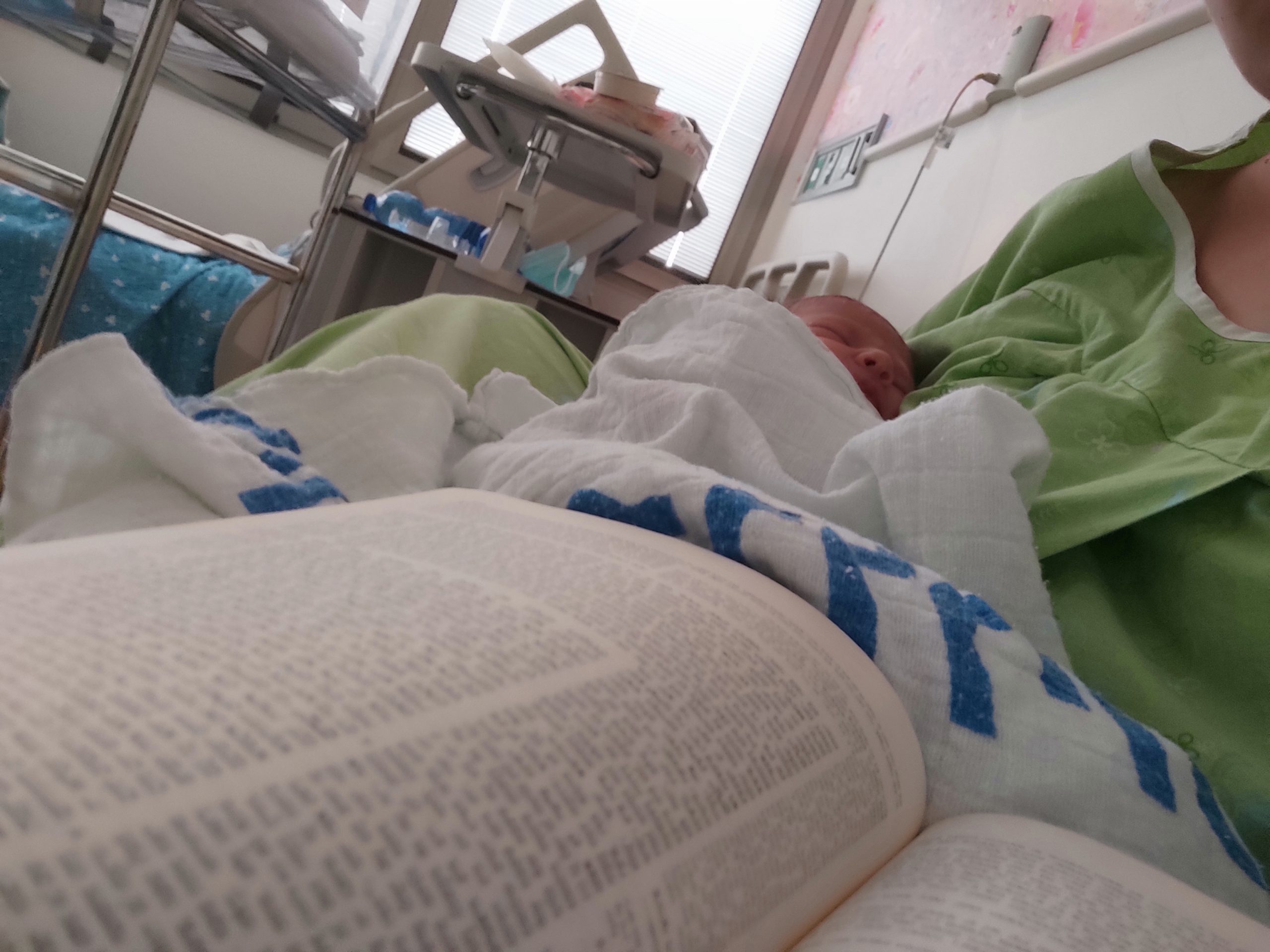
רבבה, ישראל
התחלתי ללמוד בעידוד שתי חברות אתן למדתי בעבר את הפרק היומי במסגרת 929.
בבית מתלהבים מאוד ובשבת אני לומדת את הדף עם בעלי שזה מפתיע ומשמח מאוד! לימוד הדף הוא חלק בלתי נפרד מהיום שלי. לומדת בצהריים ומחכה לזמן הזה מידי יום…

אפרת, ישראל
הצטרפתי ללומדות בתחילת מסכת תענית. ההתרגשות שלי ושל המשפחה היתה גדולה מאוד, והיא הולכת וגוברת עם כל סיום שאני זוכה לו. במשך שנים רבות רציתי להצטרף ומשום מה זה לא קרה… ב”ה מצאתי לפני מספר חודשים פרסום של הדרן, ומיד הצטרפתי והתאהבתי. הדף היומי שינה את חיי ממש והפך כל יום- ליום של תורה. מודה לכן מקרב ליבי ומאחלת לכולנו לימוד פורה מתוך אהבת התורה ולומדיה.

חיספין רמת הגולן, ישראל
התחלתי ללמוד דף יומי בסבב הקודם. זכיתי לסיים אותו במעמד המרגש של הדרן. בסבב הראשון ליווה אותי הספק, שאולי לא אצליח לעמוד בקצב ולהתמיד. בסבב השני אני לומדת ברוגע, מתוך אמונה ביכולתי ללמוד ולסיים. בסבב הלימוד הראשון ליוותה אותי חוויה מסויימת של בדידות. הדרן העניקה לי קהילת לימוד ואחוות נשים. החוויה של סיום הש”ס במעמד כה גדול כשנשים שאינן מכירות אותי, שמחות ומתרגשות עבורי , היתה חוויה מרוממת נפש

קיבוץ מגדל עוז, ישראל
A friend in the SF Bay Area said in Dec 2019 that she might start listening on her morning drive to work. I mentioned to my husband and we decided to try the Daf when it began in Jan 2020 as part of our preparing to make Aliyah in the summer.
ירושלים, Israel
גיטין כא
זָקֵן שָׁאנֵי, דְּיָדַע לְאַקְנוֹיֵי.
a knowledgeable old man is different, as he understands the need to transfer the documents, and this may not be true in the case of a woman and the bill of divorce.
אֶלָּא אָמַר רָבָא: מֵהָכָא – עָרֵב הַיּוֹצֵא לְאַחַר חִיתּוּם שְׁטָרוֹת, גּוֹבֶה מִנְּכָסִים בְּנֵי חוֹרִין!
Rather, Rava said: A proof may be brought from here: If there was a guarantor whose commitment emerged after the promissory note was signed, then the creditor may collect only from the guarantor’s unsold property. However, he does not have a lien on the guarantor’s property with which he could collect from property sold after he signed on as a guarantor. Rava’s proof is that it must be that ownership of the promissory note was transferred to the guarantor before he signed it, in order for his commitment to take effect. It may therefore be seen from this baraita that the participants understand the need to transfer ownership of the document.
אָמַר רַב אָשֵׁי: מַאי קוּשְׁיָא? דִּלְמָא גַּבְרָא שָׁאנֵי, דְּיָדַע לְאַקְנוֹיֵי! אֶלָּא אָמַר רַב אָשֵׁי: מֵהָכָא – אִשָּׁה כּוֹתֶבֶת אֶת גִּיטָּהּ, וְהָאִישׁ כּוֹתֵב אֶת שׁוֹבָרוֹ, שֶׁאֵין קִיּוּם הַגֵּט אֶלָּא בְּחוֹתְמָיו.
Rav Ashi said: What is the difficulty raised by this baraita? Perhaps a man is different, in that he understands the need to transfer the document, and the question of the Gemara pertains to a woman, who may not be as well versed in the minutiae of monetary law. Rather, Rav Ashi said: There is a proof from what was taught here (22b): A woman may write her bill of divorce on her own or allow a scribe to write it on her behalf, and then give it to her husband, so that he will give it to her. Similarly, a man may write his receipt that he will receive from the woman after paying her marriage contract, as the ratification of a bill of divorce is only through its signatories, i.e., the witnesses who sign it, and the mere writing of the document or its receipt has no legal ramifications and may be done by anyone. In any case, it is clear from here that a woman understands the need to transfer the bill of divorce that will be given to her by her husband in the future.
אָמַר רָבָא: כָּתַב לָהּ גֵּט, וּנְתָנוֹ בְּיַד עַבְדּוֹ, וְכָתַב לָהּ שְׁטַר מַתָּנָה עָלָיו – קְנָאַתְהוּ, וּמִתְגָּרֶשֶׁת בּוֹ.
§ Rava says: If he wrote her a bill of divorce and placed it in the hand of his slave, and he wrote her a deed of gift with regard to the slave, then she acquired the slave due to the document, and she is divorced immediately by the bill of divorce that is in his hand. The slave is considered to be like her property, and it is as though the husband had placed the bill of divorce in her domain at the time that he transferred the slave to her, and she acquires the bill of divorce as though it were in her courtyard.
וְאַמַּאי? חָצֵר מְהַלֶּכֶת הִיא, וְחָצֵר מְהַלֶּכֶת לֹא קָנָה! וְכִי תֵּימָא בְּעוֹמֵד, וְהָאָמַר רָבָא: כׇּל שֶׁאִילּוּ מְהַלֵּךְ לֹא קָנָה, עוֹמֵד וְיוֹשֵׁב לֹא קָנָה! וְהִלְכְתָא – בְּכָפוּת.
The Gemara asks: And why does she acquire the bill of divorce? The slave is considered a mobile courtyard, and a mobile courtyard does not acquire property. One’s courtyard can acquire items for him only when the courtyard is fixed in its location. Since a slave is considered to be like land with regard to other areas of halakha, he should also be defined as a mobile courtyard, as he can move from place to place. And if you would say that Rava was referring to a slave who happens to be standing, who is not mobile, but didn’t Rava say: Anything that does not acquire when moving also does not acquire when it is standing or sitting. The fact that the slave could move gives him the status of a moving courtyard, regardless if he is currently moving or not. The Gemara answers: And the halakha taught by Rava could apply in a case where the slave was bound and unable to move, as in that case he is not even able to move, and is not considered to be a mobile courtyard.
וְאָמַר רָבָא: כָּתַב לָהּ גֵּט וּנְתָנוֹ בַּחֲצֵרוֹ, וְכָתַב לָהּ שְׁטַר מַתָּנָה עָלָיו – קְנָאַתְהוּ, וּמִתְגָּרֶשֶׁת בּוֹ.
And Rava also says: If he wrote her a bill of divorce and placed it in his courtyard, and he wrote a deed of gift with regard to the courtyard, then she has acquired the courtyard and is divorced immediately by the bill of divorce in the courtyard.
וּצְרִיכָא; דְּאִי אַשְׁמְעִינַן עֶבֶד, הֲוָה אָמֵינָא: דַּוְקָא עֶבֶד, אֲבָל חָצֵר – לִיגְזַר, מִשּׁוּם חֲצֵרָהּ הַבָּאָה לְאַחַר מִכָּאן;
The Gemara comments: And it is necessary for Rava to teach his halakha both with regard to a slave and with regard to a courtyard. One could not have been learned from the other, as had he taught us only about a slave, I would say that the husband may transfer the bill of divorce to his wife specifically through a slave, but in the case of a courtyard the Sages may decide to enact a decree that this should not be a valid bill of divorce, due to the case of her courtyard that comes afterward. People may not differentiate between this case and a similar case, where the husband places the bill of divorce in the courtyard of a third party, and that courtyard is subsequently acquired by her. In that case, the couple is not divorced, as the bill of divorce was not given by the husband to the wife. Therefore, Rava has to teach that the Sages did not make this decree, and in this case, where the husband gave the courtyard together with the bill of divorce, it is valid.
וְאִי אַשְׁמְעִינַן חָצֵר, הֲוָה אָמֵינָא דַּוְקָא חָצֵר, אֲבָל עֶבֶד – לִיגְזַר כָּפוּת אַטּוּ שֶׁאֵינוֹ כָּפוּת; קָא מַשְׁמַע לַן.
And had Rava taught us only about a courtyard, then I would say that a woman is divorced specifically if her husband placed the bill of divorce in a courtyard, but in the case of a slave the Sages may decide to decree with regard to a bound slave that the divorce will not take effect, due to the similarity to an unbound slave, where the divorce would not take effect, as explained above. Therefore, Rava teaches us that it is a valid bill of divorce in both cases.
אָמַר אַבָּיֵי: מִכְּדֵי חָצֵר מֵהֵיכָא אִיתְרַבַּי? מִ״יָּדָהּ״;
Abaye said as a challenge to Rava: Now, from where was a courtyard included? What is the source for the halakha that a man can divorce a woman by placing a bill of divorce in her courtyard? This can be derived from the phrase: “And gives it in her hand” (Deuteronomy 24:1), and the Sages derived that this is not limited to her actual hand but also includes anything that is an extension of her hand, such as her courtyard.
מַה יָדָהּ דְּאִיתַהּ בֵּין מִדַּעְתַּהּ וּבֵין בְּעַל כּוּרְחַהּ, אַף חֲצֵרָהּ דְּאִיתַהּ בֵּין מִדַּעְתַּהּ וּבֵין בְּעַל כּוּרְחַהּ; וְהָא מַתָּנָה – מִדַּעְתַּהּ אִיתַהּ, בְּעַל כּוּרְחַהּ לֵיתַהּ!
Consequently, the following reasoning should apply: Just as with regard to her hand, that it acquires property for her whether with her consent or against her will, so too, with regard to her courtyard, it should be that it acquires property for her whether with her consent or against her will. And with regard to a gift, it is so that she acquires it with her consent, but it is not so that she acquires it against her will. Therefore, a courtyard that a husband transfers to his wife as a gift along with a bill of divorce is not the same as a bill of divorce that he gives into her hand. As a courtyard is different from her hand in this sense, it should not be able to be used as a means of transferring a bill of divorce.
מַתְקֵיף לַהּ רַב שִׁימִי בַּר אָשֵׁי: וְהָא שְׁלִיחוּת לְקַבָּלָה, דְּמִדַּעְתַּהּ אִיתַהּ בְּעַל כּוּרְחַהּ לֵיתַהּ, וְקָא הָוֵי שָׁלִיחַ לְִקַבָּלָה!
Rav Shimi bar Ashi objects to the reasoning of Abaye: But what of agency for receipt of the bill of divorce, where the woman appoints an agent to receive a bill of divorce on her behalf, concerning which the agent can act with her consent, but not against her will. No one other than the wife can appoint an agent to receive the bill of divorce, and despite this he is an agent for receipt. Yet a woman is able to appoint an agent for receipt. Evidently, the comparison of other methods of acquisition to acquisition by placing the bill of divorce in her hand is not absolute.
וְאַבָּיֵי – אַטּוּ שְׁלִיחוּת מִ״יָּדָהּ״ אִיתְרַבַּי?! מִ״וְּשִׁלַּח וְשִׁלְּחָהּ״ אִיתְרַבַּי!
And Abaye would respond: Is that to say that the halakha of agency is included from the words “her hand”? It is not learned from there; rather, it is included based on the additional wording of the verse, as the verse does not state: And he sent [veshillaḥ]. Rather, it states: “And sends her out [veshilleḥa]” (Deuteronomy 24:1). The expanded term teaches that a woman can also appoint an agent to receive a bill of divorce on her behalf. Since agency has a different source in the Torah, it is not impacted by the limitations of her hand. The halakha that a bill of divorce can be given to her by placing it in her courtyard is an extension of the halakha that it can be placed in her hand and does carry the limitations of her hand. Therefore, it must be able to work whether with her consent or against her will.
וְאִיבָּעֵית אֵימָא: שְׁלִיחוּת לְקַבָּלָה נָמֵי אַשְׁכְּחַן בְּעַל כּוּרְחַהּ, שֶׁכֵּן אָב מְקַבֵּל גֵּט לְבִתּוֹ קְטַנָּה בְּעַל כּוֹרְחָהּ.
And if you wish, say a different answer: We also have found that agency for receipt can be effective against her will. How so? As the halakha is that a father can receive a bill of divorce for his minor daughter against her will. The halakhot of agency are therefore consistent with the halakhot with regard to her hand, and Abaye’s objection stands.
עַל הֶעָלֶה שֶׁל זַיִת וְכוּ׳: בִּשְׁלָמָא יָד דְּעֶבֶד
§ The mishna taught that a bill of divorce may be written on an olive leaf, on the horn of a cow, or on the hand of a slave, provided that the husband then gives her the slave or the cow. The Gemara asks: Granted, with regard to the hand of a slave,
לָא אֶפְשָׁר לְמִקְצְיַיהּ, אֶלָּא קֶרֶן שֶׁל פָּרָה – לִיקְצְיַיהּ וְלִיתְּבַהּ לָהּ!
it is not possible to cut it off, as it is certainly prohibited to cut off the hand of a slave, and he therefore must give her the slave. But if he wrote the bill of divorce on the horn of a cow, let him cut it off and give it to her. Why does the mishna state that he must give her the cow?
אָמַר קְרָא: ״וְכָתַב״ – ״וְנָתַן לַהּ״, מִי שֶׁאֵינוֹ מְחוּסָּר אֶלָּא כְּתִיבָה וּנְתִינָה; יָצָא זֶה – שֶׁמְחוּסָּר כְּתִיבָה, קְצִיצָה וּנְתִינָה.
The Gemara answers: The verse states: “And he writes her a scroll of severance, and gives it in her hand” (Deuteronomy 24:1), meaning that something is valid as a bill of divorce when it is lacking only writing and giving, excluding this, a cow’s horn, which is lacking writing, cutting, and giving. Since the additional step of cutting would be required in order for him to give her the horn alone, the horn would not be a valid bill of divorce, so he must give her the cow.
רַבִּי יוֹסֵי הַגְּלִילִי אוֹמֵר וְכוּ׳: מַאי טַעְמָא דְּרַבִּי יוֹסֵי הַגְּלִילִי? דְּתַנְיָא: ״סֵפֶר״ – אֵין לִי אֶלָּא סֵפֶר, מִנַּיִן לְרַבּוֹת כׇּל דָּבָר? תַּלְמוּד לוֹמַר: ״וְכָתַב לָהּ״ – מִכׇּל מָקוֹם. אִם כֵּן, מָה תַּלְמוּד לוֹמַר ״סֵפֶר״? מָה סֵפֶר – דָּבָר שֶׁאֵין בּוֹ רוּחַ חַיִּים, וְאֵינוֹ אוֹכֶל; אַף כׇּל דָּבָר – שֶׁאֵין בּוֹ רוּחַ חַיִּים וְאֵינוֹ אוֹכֶל.
§ The mishna taught that Rabbi Yosei HaGelili says that a bill of divorce may not be written on something living, nor on food. The Gemara asks: What is the reason for Rabbi Yosei HaGelili’s opinion? As it is taught in a baraita: It is said in the Torah with regard to a bill of divorce: “And he writes her a scroll of severance” (Deuteronomy 24:1). From the word “scroll,” I have derived only that a scroll is valid; from where do I derive that it is correct to include all objects as valid materials upon which a bill of divorce may be written? The verse states: “And he writes her,” in any case, i.e., a bill of divorce can be written on any type of surface. If so, what is the meaning when the verse states “scroll”? This teaches: Just as a scroll is neither alive nor food, so too, a bill of divorce may be written on any object that is neither alive nor food. This is why Rabbi Yosei HaGelili deems invalid a bill of divorce written on a living being.
וְרַבָּנַן – אִי כְּתִיב ״בְּסֵפֶר״, כִּדְקָאָמְרַתְּ; הַשְׁתָּא דִּכְתִיב ״סֵפֶר״ – לִסְפִירַת דְּבָרִים הוּא דַּאֲתָא.
The Gemara asks: And how do the Rabbis, who disagree and say that a bill of divorce may be written even on a living creature or on food, interpret the verse? They contend: If the verse were written: And he shall write for her in the scroll [besefer], then it would be as you said, and it would indicate the type of surface on which the bill of divorce may be written. Now that it is written: “Scroll [sefer],” it comes to teach that a mere account of the matters [sefirat devarim] is required. In other words, sefer is referring not to the surface on which a bill of divorce must be written, but rather, to the essence of the bill of divorce. The verse teaches that the bill of divorce must contain particular content.
וְרַבָּנַן, הַאי ״וְכָתַב״ מַאי עָבְדִי לֵיהּ? מִיבְּעֵי לְהוּ ״בִּכְתִיבָה מִתְגָּרֶשֶׁת, וְאֵינָהּ מִתְגָּרֶשֶׁת בְּכֶסֶף״ – סָלְקָא דַּעְתָּךְ אָמֵינָא, אַקֵּישׁ יְצִיאָה לַהֲוָיָיהּ: מָה הֲוָיָיה בְּכֶסֶף, אַף יְצִיאָה נָמֵי בְּכֶסֶף; קָא מַשְׁמַע לַן.
The Gemara continues: And the Rabbis, what do they do with this phrase in the verse: “And he writes her”? The Gemara answers: For them, that phrase is required to teach the principle that a woman is divorced only via writing, i.e., a bill of divorce, and she is not divorced via giving money. It might enter your mind to say: I should juxtapose leaving marriage, i.e., divorce, to becoming married, i.e., betrothal, and I will say that just as becoming married is effected with giving money, so too, leaving marriage can also be effected with giving money. Therefore, the Torah teaches us: “And he writes her”; divorce can be effected only with a written bill of divorce.
וְאִידַּךְ – נָפְקָא לֵיהּ מִ״סֵּפֶר כְּרִיתוּת״ – סֵפֶר כּוֹרְתָהּ, וְאֵין דָּבָר אַחֵר כּוֹרְתָהּ.
The Gemara asks: And the other tanna, Rabbi Yosei HaGelili, from where does he derive this reasoning? He derives it from the phrase “scroll of severance,” which teaches that a scroll, i.e., a written document, severs her from her husband and nothing else severs her from him.
וְאִידָּךְ – מִיבְּעֵי לֵיהּ ״דָּבָר הַכּוֹרֵת בֵּינוֹ לְבֵינָהּ״, כִּדְתַנְיָא: ״הֲרֵי זֶה גִּיטִּיךְ עַל מְנָת שֶׁלֹּא תִּשְׁתִּי יַיִן״; ״עַל מְנָת שֶׁלֹּא תֵּלְכִי לְבֵית אָבִיךְ״; ״לְעוֹלָם״ – אֵין זֶה כְּרִיתוּת. ״עַד שְׁלֹשִׁים יוֹם״ – הֲרֵי זֶה כְּרִיתוּת.
The Gemara asks: And those who hold the other opinion, the Rabbis, how do they explain this phrase? For them, the phrase “scroll of severance” is required to teach that a bill of divorce must be a matter that severs all connection between him and her, as it is taught in a baraita: If a man says to his wife: This is your bill of divorce, on the condition that you will not ever drink wine, or on condition that you will never go to your father’s house, that is not severance, and the bill of divorce is not valid. If a bill of divorce imposes a condition upon the woman that permanently binds her to her husband, her relationship with her husband has not been completely severed, which is a prerequisite for divorce. If, however, he imposes a condition until thirty days have passed, or for any other limited period of time, that is severance. The bill of divorce is valid, as the relationship will be completely terminated at the end of the thirty-day period.
וְאִידָּךְ – מִ״כָּרֵת–כְּרִיתוּת״.
The Gemara asks: And the other tanna, Rabbi Yosei HaGelili, from where does he derive that a stipulation without a termination point invalidates the divorce? From the fact that instead of using the term karet, the verse uses the more expanded term keritut. Inasmuch as both terms denote severance, using the longer term teaches us two things: Divorce can be effected only via writing and not through money, and divorce requires total severance.
וְאִידַּךְ – ״כָּרֵת–כְּרִיתוּת״ לָא דָּרְשִׁי.
And the other, the Rabbis, what do they derive from this? The Gemara answers: They do not derive anything from the expansion of karet to keritut.
מַתְנִי׳ אֵין כּוֹתְבִין בִּמְחוּבָּר לַקַּרְקַע. כְּתָבוֹ בִּמְחוּבָּר, תְּלָשׁוֹ וַחֲתָמוֹ וּנְתָנוֹ לָהּ – כָּשֵׁר. רַבִּי יְהוּדָה פּוֹסֵל, עַד שֶׁתְּהֵא כְּתִיבָתוֹ וַחֲתִימָתוֹ בְּתָלוּשׁ.
MISHNA: One may not write a bill of divorce on anything that is attached to the ground. If one wrote it on something that was attached to the ground, and afterward he detached it, signed it, and gave it to her, then it is valid. Rabbi Yehuda deems a bill of divorce invalid unless its writing and its signing were performed when it was already detached.
רַבִּי יְהוּדָה בֶּן בְּתִירָא אוֹמֵר: אֵין כּוֹתְבִין לֹא עַל הַנְּיָיר הַמָּחוּק וְלֹא עַל הַדִּיפְתְּרָא, מִפְּנֵי שֶׁהוּא יָכוֹל לְהִזְדַּיֵּיף. וַחֲכָמִים מַכְשִׁירִין.
Rabbi Yehuda ben Beteira says: One may not write a bill of divorce on erased paper or on unfinished leather [diftera], because writing on these surfaces can be forged. And the Rabbis deem valid a bill of divorce that was written on either of these items.
גְּמָ׳ כְּתָבוֹ עַל הַמְחוּבָּר?! וְהָאָמְרַתְּ רֵישָׁא ״אֵין כּוֹתְבִין״! אָמַר רַב יְהוּדָה, אָמַר שְׁמוּאֵל: וְהוּא שֶׁשִּׁיֵּיר מְקוֹם הַתּוֹרֶף.
GEMARA: The mishna taught: If one wrote it on something that was attached to the ground, and detached it before he gave it to her, then it is valid. The Gemara challenges: But didn’t you say in the first clause of the mishna that one may not write a bill of divorce on something that is attached to the ground? Rav Yehuda says that Shmuel says: The mishna’s statement that if something was detached and signed then it is a valid bill of divorce is applicable only when one left a place for the essential part of the document. He did not write the entire bill of divorce while it was attached to the ground. Rather, he wrote only the standard part of the bill of divorce. However, he left a place for the essential part of the bill of divorce, which includes the names of the man and woman, and wrote that part only after it was detached.
וְכֵן אָמַר רַבִּי אֶלְעָזָר, אָמַר רַבִּי אוֹשַׁעְיָא: וְהוּא שֶׁשִּׁיֵּיר מְקוֹם הַתּוֹרֶף. וְכֵן אָמַר רַבָּה בַּר בַּר חָנָה, אָמַר רַבִּי יוֹחָנָן: וְהוּא שֶׁשִּׁיֵּיר מְקוֹם הַתּוֹרֶף – וְרַבִּי אֶלְעָזָר הִיא, דְּאָמַר: עֵדֵי מְסִירָה כָּרְתִי.
And so Rabbi Elazar says that Rabbi Oshaya says: And this is a case where he left a place for the essential part of the document. And so Rabba bar bar Ḥana says that Rabbi Yoḥanan says: And this is when he left a place for the essential part of the document. And all these Sages hold that the mishna is in accordance with the opinion of Rabbi Elazar, who says: Witnesses of the transmission of the bill of divorce effect the divorce. It is not the signatures of the witnesses on a bill of divorce that validate it. Rather, the divorce is effected by the transmission of the document in the presence of witnesses. Therefore, the phrase: “And he writes” (Deuteronomy 24:1), must be referring to the writing of the bill of divorce and not to the signing of the witnesses, and the restrictions derived from this verse will apply to the writing of the bill of divorce, so the essential part may not be written on something that is attached to the ground.
וְהָכִי קָאָמַר: אֵין כּוֹתְבִין טוֹפֶס שֶׁמָּא יִכְתּוֹב תּוֹרֶף. כְּתָבוֹ לַטּוֹפֶס וּתְלָשׁוֹ, כְּתָבוֹ לַתּוֹרֶף וּנְתָנוֹ לָהּ – כָּשֵׁר.
And this is what the mishna is saying: One may not write even the standard part on something that is attached to the ground ab initio, lest he write the essential part of the document in this manner as well. However, if he wrote the standard part while it was attached to the ground, and then detached it, wrote the essential part, and gave it to her, it is valid.
וְרֵישׁ לָקִישׁ אָמַר: ״חָתְמוּ״ שָׁנִינוּ; וְרַבִּי מֵאִיר הִיא דְּאָמַר עֵדֵי חֲתִימָה כָּרְתִי.
And Reish Lakish says: The mishna should not be understood in that way, where the phrase: And signed it, is referring to the writing of the essential part, since we learned that they signed it, which is referring to the signatures of the witnesses. And it is taught in accordance with the opinion of Rabbi Meir, who says that the signatory witnesses on the bill of divorce effect the divorce.
וְהָכִי קָאָמַר: אֵין כּוֹתְבִין תּוֹרֶף, גְּזֵירָה שֶׁמָּא יַחְתּוֹם. כְּתָבוֹ לַתּוֹרֶף, תְּלָשׁוֹ, חֲתָמוֹ וּנְתָנוֹ לָהּ – כָּשֵׁר.
And this is what the mishna is saying: One may not write the essential part on something that is attached to the ground due to a rabbinic decree, lest he also have the witnesses sign while it is attached. However, even if he wrote the essential part while it was attached, then detached it, had it signed, and gave it to her, it is valid. According to Rabbi Meir, when the verse states: “And he writes her,” it is referring to when he has the bill of divorce signed. Therefore, by Torah law, the limitation that it not be attached while he writes applies only to the signing but not to the writing. The Sages decreed that the essential part of the bill of divorce also not be written while it is attached to the ground, but if he violated this decree, it is still valid after the fact.
כְּתָבוֹ עַל חֶרֶס שֶׁל עָצִיץ נָקוּב – כָּשֵׁר, דְּשָׁקֵיל לֵיהּ וְיָהֵיב לֵיהּ נִיהֲלַהּ. עַל עָלֶה שֶׁל עָצִיץ נָקוּב; אַבָּיֵי אָמַר: כָּשֵׁר, וְרָבָא אָמַר: פָּסוּל. אַבָּיֵי אָמַר כָּשֵׁר –
§ In connection with this discussion, the Gemara mentions several halakhot that are affected by items being attached to the ground or detached. If he wrote the bill of divorce on the clay of a perforated pot [atzitz], which is considered to be attached to the ground, then it is valid, as he can take this pot and give it to her. However, if he wrote it on a leaf of a plant growing in a perforated pot, then what is the halakha? Abaye says: It is valid. And Rava says: It is invalid. The Gemara clarifies their dispute in detail: Abaye says that it is valid

