חיפוש

גיטין כב

רוצה להקדיש שיעור?

podcast placeholder

0:00
0:00


תקציר

הדף של היום מוקדש על ידי נשות הדרן מלונג איילנד לרפואת יקירה ליבה בת שרה גיטה, נכדה אהובה של חברתנו ציפי וולקנפלד. יהי לימודנו זכות לה ולכל חולי ישראל. 

האם אדם יכול לתת גט לאשתו כתוב על החרס או על העלה של עציץ נקוב? מהם הלכות קניינים לגבי צמחים בעציץ נקוב כאשר הצמח בבעלות אדם שונה מהחרס? אם שניהם בבעלות אותו אדם, האם מעשה קניין אחד יכול לעבוד גם כדי לכלול את השני? צמחים בעציצים נקובים הנמצאים על גבול ישראל ונמצאים גם בארץ וגם מחוץ לישראל – האם דיני מצוות התלויות בארץ חלים או לא? במה זה תלוי? מהם סוגי התהליכים השונים בעיבוד עורות ולמה משמשים העור לאחר כל תהליך? חכמים במשנה מתירים לכתוב גט על קלף שעלול לזייף. הגמרא מסיקה שהדעה הזאת היא של רבי אלעזר (התנא) שעדי מסירה כרתי ולכן אם היה תנאי בגט שנמחקה, יידעו ויעידו על כך כשילכו לבית הדין להעיד שהאשה גרושה. רבי אלעזר (האמורא) ורבי יוחנן חלוקים בשאלה אם זה רק אם הלכו מיד לבית הדין או אפילו אם הלכו כעבור כמה ימים (או יותר) – האם אפשר להניח שהם יזכרו את התנאי או לא. האם החכמים התירו קלף זה רק עבור גט אך לא עבור שטרות אחרים? רבי יוחנן ורבי אלעזר גם חלוקים על כך. כל אחד יכול לכתוב גט, כולל חרש, שוטה וקטן, אך רב הונא מגביל את זה למקרה שיש גדול שעומד עליו ומפקח. אשה יכולה לכתוב את הגט שלה ובעל יכול לכתוב את הקבלה ששילם לאשתו את הכתובה שלה.

גיטין כב

דְּשָׁקֵיל לֵיהּ וְיָהֵיב לֵיהּ נִיהֲלַהּ. רָבָא אָמַר פָּסוּל – גְּזֵרָה שֶׁמָּא יִקְטוֹם.

as he can take the pot with the leaf inside it and give it to her. Rava says that it is invalid. Although it should be valid if he gave her the leaf together with the potted plant, the Sages instituted a decree that it is invalid, lest one detach the leaf and give it to her. In that case, all agree that a bill of divorce that is fully written while attached is invalid.

עָצִיץ שֶׁל אֶחָד וּזְרָעִים שֶׁל אַחֵר; מָכַר בַּעַל עָצִיץ לְבַעַל זְרָעִים – כֵּיוָן שֶׁמָּשַׁךְ, קָנָה. מָכַר בַּעַל זְרָעִים לְבַעַל עָצִיץ – לֹא קָנָה עַד שֶׁיַּחְזִיק בִּזְרָעִים.

§ The Gemara has another discussion with regard to a perforated pot: In the case of a pot that belongs to one person and the plants in it belong to another person, if the owner of the pot sold it to the owner of the plants, then once the owner of the plants pulled the pot, he has acquired the pot, as it is a movable object, which can be acquired via pulling. However, if the owner of the plants sold the plants to the owner of the pot, then the owner of the pot does not acquire the plants until he takes possession of the plants themselves, e.g., by raking or weeding the dirt surrounding them. Since the plants are considered to be attached to the ground, as they are in a perforated pot, they are considered to be part of the ground, which cannot be acquired by pulling.

עָצִיץ וּזְרָעִים שֶׁל אֶחָד, וּמְכָרָן לְאַחֵר; הֶחְזִיק בִּזְרָעִים – קָנָה עָצִיץ. וְזוֹ הִיא שֶׁשָּׁנִינוּ: נְכָסִים שֶׁאֵין לָהֶם אַחְרָיוּת נִקְנִין עִם נְכָסִים שֶׁיֵּשׁ לָהֶן אַחְרָיוּת – בְּכֶסֶף וּבִשְׁטָר וּבַחֲזָקָה.

If the pot and plants belong to one person, and he sold them to another person, then once the buyer took possession of the plants and acquired them, he acquired the pot as well. And this is an example of the principle that we learned in a mishna (Kiddushin 26a): Property that does not serve as a guarantee, i.e., movable property, can be acquired with property that serves as a guarantee, i.e., land, through the giving of money, or with a document, or by taking possession. Therefore, once one takes possession of the plants, which are considered to be like land, he also acquires the pot, which is a movable object.

הֶחְזִיק בְּעָצִיץ – אַף עָצִיץ לֹא קָנָה, עַד שֶׁיַּחְזִיק בִּזְרָעִים.

However, if the buyer took possession of just the pot, then he does not even acquire the pot, as movable property cannot be acquired through taking possession, until he takes possession of the plants. To acquire the pot, one must either perform an act of acquisition specific to movable items, such as pulling, or acquire the plants through taking possession of them, resulting in the acquisition of the pot, as stated earlier.

נִקְבּוֹ בָּאָרֶץ וְנוֹפוֹ בְּחוּצָה לָאָרֶץ? אַבָּיֵי אָמַר: בָּתַר נִקְבּוֹ אָזְלִינַן. רָבָא אָמַר: בָּתַר נוֹפוֹ אָזְלִינַן.

The Gemara discusses another issue with regard to perforated pots: If a perforated pot was on the border of Eretz Yisrael, and its perforation was in Eretz Yisrael but its branches were outside of Eretz Yisrael, then what is the halakha with regard to mitzvot that apply to produce grown in Eretz Yisrael, such as terumot and tithes? Abaye said: We follow its perforation, and it is considered to be growing in Eretz Yisrael. Rava said: We follow its branches, and it is considered to be growing outside of Eretz Yisrael.

בִּדְאַשְׁרוּשׁ, כּוּלֵּי עָלְמָא לָא פְלִיגִי. כִּי פְּלִיגִי – בִּדְלָא אַשְׁרוּשׁ.

The Gemara notes: In a case where the plant in the pot took root in the ground, everyone agrees that it has the status of a plant that grows in the place where its roots are. When they disagree, it is with regard to a case where it did not take root. Since its roots are contained within the pot, there is a disagreement whether we follow the perforation or the branches in determining its status.

וּבִדְאַשְׁרוּשׁ לָא פְּלִיגִי?! וְהָתְנַן: שְׁתֵּי גִּינּוֹת זוֹ עַל גַּב זוֹ, וְיָרָק בֵּינְתַיִם, רַבִּי מֵאִיר אוֹמֵר: שֶׁל עֶלְיוֹן. רַבִּי יְהוּדָה אוֹמֵר: שֶׁל תַּחְתּוֹן!

The Gemara challenges: And do they not disagree with regard to a case where it took root? Do all agree that its status is determined by where the roots are? But didn’t we learn in a mishna (Bava Metzia 118b): In a case of two gardens that belong to two different people that are on adjacent terraces one above the other, and leafy vegetables are growing between them on the wall of the step between the two gardens, Rabbi Meir says: These leafy vegetables belong to the owner of the upper garden, and Rabbi Yehuda says: These leafy vegetables belong to the owner of the lower garden. In this case, the roots emerge from the upper garden, but the vegetables grow into the airspace of the lower garden. This seems to be analogous to the case where the roots are in Eretz Yisrael and the branches are outside of Eretz Yisrael, or vice versa, and there is a dispute as to who is the owner of the vegetables.

הָתָם, כִּדְקָתָנֵי טַעְמָא – אָמַר רַבִּי מֵאִיר: מָה אִם יִרְצֶה עֶלְיוֹן לִיטּוֹל אֶת עֲפָרוֹ, אֵין כָּאן יָרָק!

The Gemara makes a distinction between the two cases: There, in the case cited in the mishna in Bava Metzia, the reason for that halakha is as is taught in the mishna, that Rabbi Meir said: What if the owner of the upper garden would wish to take his earth? This would result in a situation where there are no more vegetables, as the vegetables would not have earth from which to draw nutrients. The fact that the owner of the upper garden has the ability to destroy the vegetables is an indication that he is the owner.

אָמַר רַבִּי יְהוּדָה: מָה אִם יִרְצֶה הַתַּחְתּוֹן לְמַלּאוֹת אֶת גִּנָּתוֹ עָפָר, אֵין כָּאן יָרָק!

Rabbi Yehuda said: What if the owner of the lower garden would wish to fill the airspace above his garden with earth? This would result in a situation where there are no more vegetables, as they would be covered in the earth added by the owner of the lower garden. The fact that the owner of the lower garden has the ability to destroy the vegetables is an indication that he is the owner. Their dispute is not with regard to how to define where the vegetables are growing; rather, they disagree with regard to who has control over the continued existence of these plants. Therefore, this dispute is not related to the issue of the plant that is growing on the border.

וְאַכַּתִּי, בִּדְאַשְׁרוּשׁ לָא פְּלִיגִי?! וְהָא תַּנְיָא: אִילָן – מִקְצָתוֹ בָּאָרֶץ וּמִקְצָתוֹ בְּחוּצָה לָאָרֶץ; טֶבֶל וְחוּלִּין מְעוֹרָבִין זֶה בָּזֶה, דִּבְרֵי רַבִּי. רַבָּן שִׁמְעוֹן בֶּן גַּמְלִיאֵל אוֹמֵר: הַגָּדֵל בְּחִיּוּב – חַיָּיב, וְהַגָּדֵל בִּפְטוּר – פָּטוּר.

The Gemara asks: But still, do they not disagree with regard to a case where the plant took root? But isn’t it taught in a baraita (Tosefta, Ma’asrot 2:22): If there is a tree, and part of it is in Eretz Yisrael and part of it is outside of Eretz Yisrael, then untithed produce and non-sacred produce are mixed together in each one of these tree’s fruits; this is the statement of Rabbi Yehuda HaNasi. Rabban Shimon ben Gamliel says: The fruits in the part of the tree that is growing in a place that has an obligation to separate tithes, in Eretz Yisrael, are obligated. And the fruits that are growing in a place that has an exemption from separating tithes, outside of Eretz Yisrael, are exempt.

מַאי לָאו, מִקְצָת נוֹפוֹ בָּאָרֶץ וּמִקְצָת נוֹפוֹ בְּחוּצָה לָאָרֶץ?

What, is it not discussing a case where some of its branches are in Eretz Yisrael and some of its branches are outside of Eretz Yisrael, although its roots are in one of the two locations, and both Rabbi Yehuda HaNasi and Rabban Shimon ben Gamliel agree that the place of the roots does not define the status of the tree?

לֹא; מִקְצָת שׇׁרָשִׁין בָּאָרֶץ וּמִקְצָת שׇׁרָשִׁין בְּחוּצָה לָאָרֶץ. וּמַאי טַעְמָא דְּרַבָּן שִׁמְעוֹן בֶּן גַּמְלִיאֵל? דְּמַפְסִיק צוּנְמָא.

The Gemara rejects this: No, it discusses a case where some of the roots are in Eretz Yisrael and some of the roots are outside of Eretz Yisrael. The Gemara asks: And what is the reasoning of Rabban Shimon ben Gamliel? It is not possible to determine which fruits drew nutrients from which roots, so how can he rule that some of the fruits are obligated in tithes and some are not? The Gemara answers: Rabban Shimon ben Gamliel’s statement is referring to a case where a rock divides the roots up to the trunk, and therefore it is possible to distinguish between the parts of the tree that draw nutrients from Eretz Yisrael and the parts that draw nutrients from outside of Eretz Yisrael.

מַאי טַעְמָא דְּרַבִּי? דְּהָדְרִי עׇרְבִי.

The Gemara asks: If it is so that the roots are clearly distinguishable, what is the reasoning of Rabbi Yehuda HaNasi? Why does he view the fruits as being a mixture? The Gemara answers: He holds that although there is a division between the roots, they cannot be distinguished from one another, as they then become mixed in the body of the tree.

בְּמַאי קָמִיפַּלְגִי? מָר סָבַר: אַוֵּירָא מְבַלְבֵּל, וּמָר סָבַר: הַאי לְחוֹדֵיהּ קָאֵי וְהַאי לְחוֹדֵיהּ קָאֵי.

The Gemara asks: With regard to what principle do they disagree? The Gemara answers: One Sage, Rabbi Yehuda HaNasi, holds: The air above the ground mixes the nutrients, and one Sage, Rabban Shimon ben Gamliel, holds: This part of the tree stands alone and this part of the tree stands alone. From the roots up to the branches, it is as if the tree were cut along the line of the border.

רַבִּי יְהוּדָה בֶּן בְּתֵירָא אוֹמֵר כּוּ׳: אָמַר רַבִּי חִיָּיא בַּר אַסִּי מִשְּׁמֵיהּ דְּעוּלָּא, שְׁלֹשָׁה עוֹרוֹת הֵן: מַצָּה, חִיפָּה וְדִיפְתְּרָא.

§ The mishna taught that Rabbi Yehuda ben Beteira says that one may not write a bill of divorce on a material that enables forgery. Consequently, one may not write a bill of divorce on erased paper or on unfinished leather. The Gemara now clarifies what is defined as unfinished leather. Rabbi Ḥiyya bar Ami said in the name of Ulla: There are three hides, i.e., three stages in the process of tanning hides. At each stage, the hide has a different name: Matza, ḥifa, and diftera.

מַצָּה – כְּמַשְׁמָעוֹ, דְּלָא מְלִיחַ וּדְלָא קְמִיחַ וּדְלָא אֲפִיץ. לְמַאי הִלְכְתָא? לְהוֹצָאַת שַׁבָּת. וְכַמָּה שִׁיעוּרוֹ? כִּדְקָתָנֵי רַב שְׁמוּאֵל בַּר יְהוּדָה: כְּדֵי לָצוּר מִשְׁקָל קְטַנָּה. וְכַמָּה? אָמַר אַבָּיֵי: כִּי רִיבְעָא דְרִיבְעָא דְּפוּמְבְּדִיתָא.

Matza, as per its plain meaning, with no additives. It is not salted, and not treated with flour, and not treated with gallnuts. The Gemara clarifies: For what halakha is this type of leather mentioned? There is a halakha that mentions the minimum measure of this type of leather for which one is liable if he carries it out from one domain to another on Shabbat. And how much is the measure that determines liability for carrying out this hide on Shabbat? As Rav Shmuel bar Rav Yehuda teaches: It is equivalent to that which is used to wrap around a small weight. And how big is this small weight? Abaye said: A quarter of a quarter of a litra in the system of weights in use in Pumbedita.

חִיפָּה – דִּמְלִיחַ, וְלָא קְמִיחַ וְלָא אֲפִיץ. לְמַאי הִילְכְתָא? לְהוֹצָאַת שַׁבָּת. וְכַמָּה שִׁיעוּרוֹ? כְּדִתְנַן: עוֹר – כְּדֵי לַעֲשׂוֹת קָמֵיעַ.

Ḥifa is hide that is salted, and not treated with flour, and not treated with gallnuts. For what halakha was this type of leather mentioned? There is a halakha that mentions the minimum measure of this type of leather for which one is liable if he carries it out from one domain to another on Shabbat. And how much is the measure that determines liability for carrying out this hide on Shabbat? As we learned in a mishna (Shabbat 78b): The measure that determines liability for carrying out this hide is equivalent to that which is used to make an amulet.

דִּיפְתְּרָא – דִּמְלִיחַ וּקְמִיחַ, וְלָא אֲפִיץ. לְמַאי הִילְכְתָא? לְהוֹצָאַת שַׁבָּת. וְכַמָּה שִׁיעוּרוֹ? כְּדֵי לִכְתּוֹב עָלָיו אֶת הַגֵּט.

Diftera is hide that is salted, and treated with flour, and not treated with gallnuts. For what halakha was this type of leather mentioned? There is a halakha that mentions the minimum measure of this type of leather for which one is liable if he carries it out from one domain to another on Shabbat. And how much is the measure that determines liability for carrying out this hide on Shabbat? The measure that determines liability for carrying it out is equivalent to the amount on which a bill of divorce is written.

וַחֲכָמִים מַכְשִׁירִין: מַאן חֲכָמִים? אָמַר רַבִּי אֶלְעָזָר:

The mishna taught that the Rabbis deem valid bills of divorce that were written on erased paper or on unfinished leather. The Gemara asks: Who are these Rabbis? The amora Rabbi Elazar said:

רַבִּי אֶלְעָזָר הִיא, דְּאָמַר: עֵדֵי מְסִירָה כָּרְתִי.

It is the opinion of the tanna Rabbi Elazar, who says: Witnesses of the transmission of the bill of divorce effect the divorce. Since the witnesses read the bill of divorce before it is transmitted in their presence, they may be relied upon to confirm the contents of the bill of divorce in court. Therefore, even if it was written on erased paper, there is no possibility that it would be forged, as the witnesses read what was written before it is given.

וְאָמַר רַבִּי אֶלְעָזָר: לֹא הִכְשִׁיר רַבִּי אֶלְעָזָר אֶלָּא לְאַלְתַּר, אֲבָל מִכָּאן עַד עֲשָׂרָה יָמִים – לָא; חָיְישִׁינַן דִּילְמָא הֲוָה בֵּיהּ תְּנָאָה וְזַיֵּיפְתֵּיהּ.

And the amora Rabbi Elazar says: The tanna Rabbi Elazar deemed such a bill of divorce valid only when it was taken to court in order to confirm the contents immediately after it was transferred to the woman. However, if the witnesses testify from now until ten days, i.e., sometime later, he did not deem it valid. Why? We are concerned that perhaps the bill of divorce had a stipulation written on it and she forged it by erasing the stipulation, as this bill of divorce was written on material that enables a person to easily alter what is written. Only if the witnesses testify immediately can the court be sure that they did not forget what is written.

וְרַבִּי יוֹחָנָן אָמַר: אֲפִילּוּ מִכָּאן עַד עֲשָׂרָה יָמִים; דְּאִם אִיתָא דַּהֲוָה בֵּיהּ תְּנַאי – מִידְכָּר דְּכִירִי.

And Rabbi Yoḥanan says: Even if they testify from now until ten days it is valid, as, if it is so that it had a stipulation, then the witnesses will remember it, as they would not forget something so obvious. Therefore, if the woman erased the stipulation, the witnesses would not verify the bill of divorce.

וְאָמַר רַבִּי אֶלְעָזָר: לֹא הִכְשִׁיר רַבִּי אֶלְעָזָר אֶלָּא בְּגִיטִּין, אֲבָל בִּשְׁאָר שְׁטָרוֹת – לָא, דִּכְתִיב: ״וּנְתַתָּם בִּכְלִי חָרֶשׂ לְמַעַן יַעַמְדוּ יָמִים רַבִּים״.

And Rabbi Elazar the amora also says: The tanna Rabbi Elazar deemed valid a document that is written on these surfaces only with regard to bills of divorce but not for other documents, as it is written with regard to a deed of purchase: “And put them in an earthen vessel; so that they will remain many days” (Jeremiah 32:14). This indicates that a deed of purchase and other similar documents must be made from a material that will last for a long time without being changed. A document that can be forged may not be relied upon long term.

וְרַבִּי יוֹחָנָן אָמַר: אֲפִילּוּ בִּשְׁטָרוֹת. וְהָכְתִיב: ״לְמַעַן יַעַמְדוּ יָמִים רַבִּים״! הָתָם עֵצָה טוֹבָה קָא מַשְׁמַע לַן.

And Rabbi Yoḥanan says: Rabbi Elazar deemed these surfaces valid even in the case of other documents. The Gemara asks with regard to Rabbi Yoḥanan’s opinion: But isn’t it written: “So that they will remain many days”? The Gemara answers: There the verse teaches us good advice, but it is not a halakhic requirement. It advised that the document be written in such a manner that it can remain for an extended period of time, as it may be needed to prove ownership of the land.

מַתְנִי׳ הַכֹּל כְּשֵׁרִין לִכְתּוֹב אֶת הַגֵּט, אֲפִילּוּ חֵרֵשׁ, שׁוֹטֶה וְקָטָן. הָאִשָּׁה כּוֹתֶבֶת אֶת גִּיטָּהּ, וְהָאִישׁ כּוֹתֵב אֶת שׁוֹבָרוֹ. שֶׁאֵין קִיּוּם הַגֵּט אֶלָּא בְּחוֹתְמָיו.

MISHNA: Anyone is qualified to write a bill of divorce, even a deaf-mute, an imbecile, or a minor. Additionally, a woman may write her own bill of divorce and give it to her husband so that he can present it to her. And a man may write his own receipt, which must be given to him by the woman to confirm that he has paid her the value of her marriage contract. This is because the ratification of a bill of divorce is only through its signatories, and it is irrelevant who wrote it.

גְּמָ׳ וְהָא לָאו בְּנֵי דֵּיעָה נִינְהוּ! אָמַר רַב הוּנָא:

GEMARA: The Gemara asks: But how can a deaf-mute, imbecile, or a minor write a bill of divorce? They are not halakhically competent, and they are not capable of writing a bill of divorce with the intent that it be for a particular woman. Rav Huna says:

העמקה

רוצה להבין מה באמת קורה מתחת לפני השטח של הסוגיה?
שיעורים, פודקאסטים והרחבות של מיטב המורות שלנו יפתחו לך עוד זוויות וכיווני חשיבה.

לשיעורי עוד על הדף באנגלית, לחצי כאן

חדשה בלימוד הגמרא?

זה הדף הראשון שלך? איזו התרגשות עצומה! יש לנו בדיוק את התכנים והכלים שיעזרו לך לעשות את הצעדים הראשונים ללמידה בקצב וברמה שלך, כך תוכלי להרגיש בנוח גם בתוך הסוגיות המורכבות ומאתגרות.

פסיפס הלומדות שלנו

גלי את קהילת הלומדות שלנו, מגוון נשים, רקעים וסיפורים. כולן חלק מתנועה ומסע מרגש ועוצמתי.

בסוף הסבב הקודם ראיתי את השמחה הגדולה שבסיום הלימוד, בעלי סיים כבר בפעם השלישית וכמובן הסיום הנשי בבנייני האומה וחשבתי שאולי זו הזדמנות עבורי למשהו חדש.
למרות שאני שונה בסביבה שלי, מי ששומע על הלימוד שלי מפרגן מאוד.
אני מנסה ללמוד קצת בכל יום, גם אם לא את כל הדף ובסך הכל אני בדרך כלל עומדת בקצב.
הלימוד מעניק המון משמעות ליום יום ועושה סדר בלמוד תורה, שתמיד היה (ועדיין) שאיפה. אבל אין כמו קביעות

Racheli-Mendelson
רחלי מנדלסון

טל מנשה, ישראל

שמעתי על הסיום הענק של הדף היומי ע”י נשים בבנייני האומה. רציתי גם.
החלטתי להצטרף. התחלתי ושיכנעתי את בעלי ועוד שתי חברות להצטרף. עכשיו יש לי לימוד משותף איתו בשבת ומפגש חודשי איתן בנושא (והתכתבויות תדירות על דברים מיוחדים שקראנו). הצטרפנו לקבוצות שונות בווטסאפ. אנחנו ממש נהנות. אני שומעת את השיעור מידי יום (בד”כ מהרב יוני גוטמן) וקוראת ומצטרפת לסיומים של הדרן. גם מקפידה על דף משלהן (ונהנית מאד).

Liat Citron
ליאת סיטרון

אפרת, ישראל

התחלתי מעט לפני תחילת הסבב הנוכחי. אני נהנית מהאתגר של להמשיך להתמיד, מרגעים של "אהה, מפה זה הגיע!” ומהאתגר האינטלקטואלי

Eilat-Chen and Deller
אילת-חן ודלר

לוד, ישראל

התחלתי לפני 8 שנים במדרשה. לאחרונה סיימתי מסכת תענית בלמידה עצמית ועכשיו לקראת סיום מסכת מגילה.

Daniela Baruchim
דניאלה ברוכים

רעננה, ישראל

My explorations into Gemara started a few days into the present cycle. I binged learnt and become addicted. I’m fascinated by the rich "tapestry” of intertwined themes, connections between Masechtot, conversations between generations of Rabbanim and learners past and present all over the world. My life has acquired a golden thread, linking generations with our amazing heritage.
Thank you.

Susan Kasdan
סוזן כשדן

חשמונאים, Israel

התחלתי להשתתף בשיעור נשים פעם בשבוע, תכננתי ללמוד רק דפים בודדים, לא האמנתי שאצליח יותר מכך.
לאט לאט נשאבתי פנימה לעולם הלימוד .משתדלת ללמוד כל בוקר ומתחילה את היום בתחושה של מלאות ומתוך התכווננות נכונה יותר.
הלימוד של הדף היומי ממלא אותי בתחושה של חיבור עמוק לעם היהודי ולכל הלומדים בעבר ובהווה.

Neely Hayon
נילי חיון

אפרת, ישראל

אחרי שראיתי את הסיום הנשי של הדף היומי בבנייני האומה זה ריגש אותי ועורר בי את הרצון להצטרף. לא למדתי גמרא קודם לכן בכלל, אז הכל היה לי חדש, ולכן אני לומדת בעיקר מהשיעורים פה בהדרן, בשוטנשטיין או בחוברות ושיננתם.

Rebecca Schloss
רבקה שלוס

בית שמש, ישראל

כבר סיפרתי בסיום של מועד קטן.
הלימוד מאוד משפיעה על היום שלי כי אני לומדת עם רבנית מישל על הבוקר בזום. זה נותן טון לכל היום – בסיס למחשבות שלי .זה זכות גדול להתחיל את היום בלימוד ובתפילה. תודה רבה !

שרה-ברלוביץ
שרה ברלוביץ

ירושלים, ישראל

אני לומדת גמרא כעשור במסגרות שונות, ואת הדף היומי התחלתי כשחברה הציעה שאצטרף אליה לסיום בבנייני האומה. מאז אני לומדת עם פודקסט הדרן, משתדלת באופן יומי אך אם לא מספיקה, מדביקה פערים עד ערב שבת. בסבב הזה הלימוד הוא "ממעוף הציפור”, מקשיבה במהירות מוגברת תוך כדי פעילויות כמו בישול או נהיגה, וכך רוכשת היכרות עם הסוגיות ואופן ניתוחם על ידי חז”ל. בע”ה בסבב הבא, ואולי לפני, אצלול לתוכו באופן מעמיק יותר.

Yael Bir
יעל ביר

רמת גן, ישראל

באירוע של הדרן בנייני האומה. בהשראתה של אמי שלי שסיימה את הש”ס בסבב הקודם ובעידוד מאיר , אישי, וילדיי וחברותיי ללימוד במכון למנהיגות הלכתית של רשת אור תורה סטון ומורתיי הרבנית ענת נובוסלסקי והרבנית דבורה עברון, ראש המכון למנהיגות הלכתית.
הלימוד מעשיר את יומי, מחזיר אותי גם למסכתות שכבר סיימתי וידוע שאינו דומה מי ששונה פרקו מאה לשונה פרקו מאה ואחת במיוחד מרתקים אותי החיבורים בין המסכתות

Roit Kalech
רוית קלך

מודיעין, ישראל

שמעתי על הסיום הענק של הדף היומי ע”י נשים בבנייני האומה. רציתי גם.
החלטתי להצטרף. התחלתי ושיכנעתי את בעלי ועוד שתי חברות להצטרף. עכשיו יש לי לימוד משותף איתו בשבת ומפגש חודשי איתן בנושא (והתכתבויות תדירות על דברים מיוחדים שקראנו). הצטרפנו לקבוצות שונות בווטסאפ. אנחנו ממש נהנות. אני שומעת את השיעור מידי יום (בד”כ מהרב יוני גוטמן) וקוראת ומצטרפת לסיומים של הדרן. גם מקפידה על דף משלהן (ונהנית מאד).

Liat Citron
ליאת סיטרון

אפרת, ישראל

התחלתי בתחילת הסבב, והתמכרתי. זה נותן משמעות נוספת ליומיום ומאוד מחזק לתת לזה מקום בתוך כל שגרת הבית-עבודה השוטפת.

Reut Abrahami
רעות אברהמי

בית שמש, ישראל

רבנית מישל הציתה אש התלמוד בלבבות בביניני האומה ואני נדלקתי. היא פתחה פתח ותמכה במתחילות כמוני ואפשרה לנו להתקדם בצעדים נכונים וטובים. הקימה מערך שלם שמסובב את הלומדות בסביבה תומכת וכך נכנסתי למסלול לימוד מעשיר שאין כמוה. הדרן יצר קהילה גדולה וחזקה שמאפשרת התקדמות מכל נקודת מוצא. יש דיבוק לומדות שמחזק את ההתמדה של כולנו. כל פניה ושאלה נענית בזריזות ויסודיות. תודה גם למגי על כל העזרה.

Sarah Aber
שרה אבר

נתניה, ישראל

אחרי שראיתי את הסיום הנשי של הדף היומי בבנייני האומה זה ריגש אותי ועורר בי את הרצון להצטרף. לא למדתי גמרא קודם לכן בכלל, אז הכל היה לי חדש, ולכן אני לומדת בעיקר מהשיעורים פה בהדרן, בשוטנשטיין או בחוברות ושיננתם.

Rebecca Schloss
רבקה שלוס

בית שמש, ישראל

התחלתי ללמוד את הדף היומי מעט אחרי שבני הקטן נולד. בהתחלה בשמיעה ולימוד באמצעות השיעור של הרבנית שפרבר. ובהמשך העזתי וקניתי לעצמי גמרא. מאז ממשיכה יום יום ללמוד עצמאית, ולפעמים בעזרת השיעור של הרבנית, כל יום. כל סיום של מסכת מביא לאושר גדול וסיפוק. הילדים בבית נהיו חלק מהלימוד, אני משתפת בסוגיות מעניינות ונהנית לשמוע את דעתם.

Eliraz Blau
אלירז בלאו

מעלה מכמש, ישראל

התחלתי לפני 8 שנים במדרשה. לאחרונה סיימתי מסכת תענית בלמידה עצמית ועכשיו לקראת סיום מסכת מגילה.

Daniela Baruchim
דניאלה ברוכים

רעננה, ישראל

בתחילת הסבב הנוכחי הצטברו אצלי תחושות שאני לא מבינה מספיק מהי ההלכה אותה אני מקיימת בכל יום. כמו כן, כאמא לבנות רציתי לתת להן מודל נשי של לימוד תורה
שתי הסיבות האלו הובילו אותי להתחיל ללמוד. נתקלתי בתגובות מפרגנות וסקרניות איך אישה לומדת גמרא..
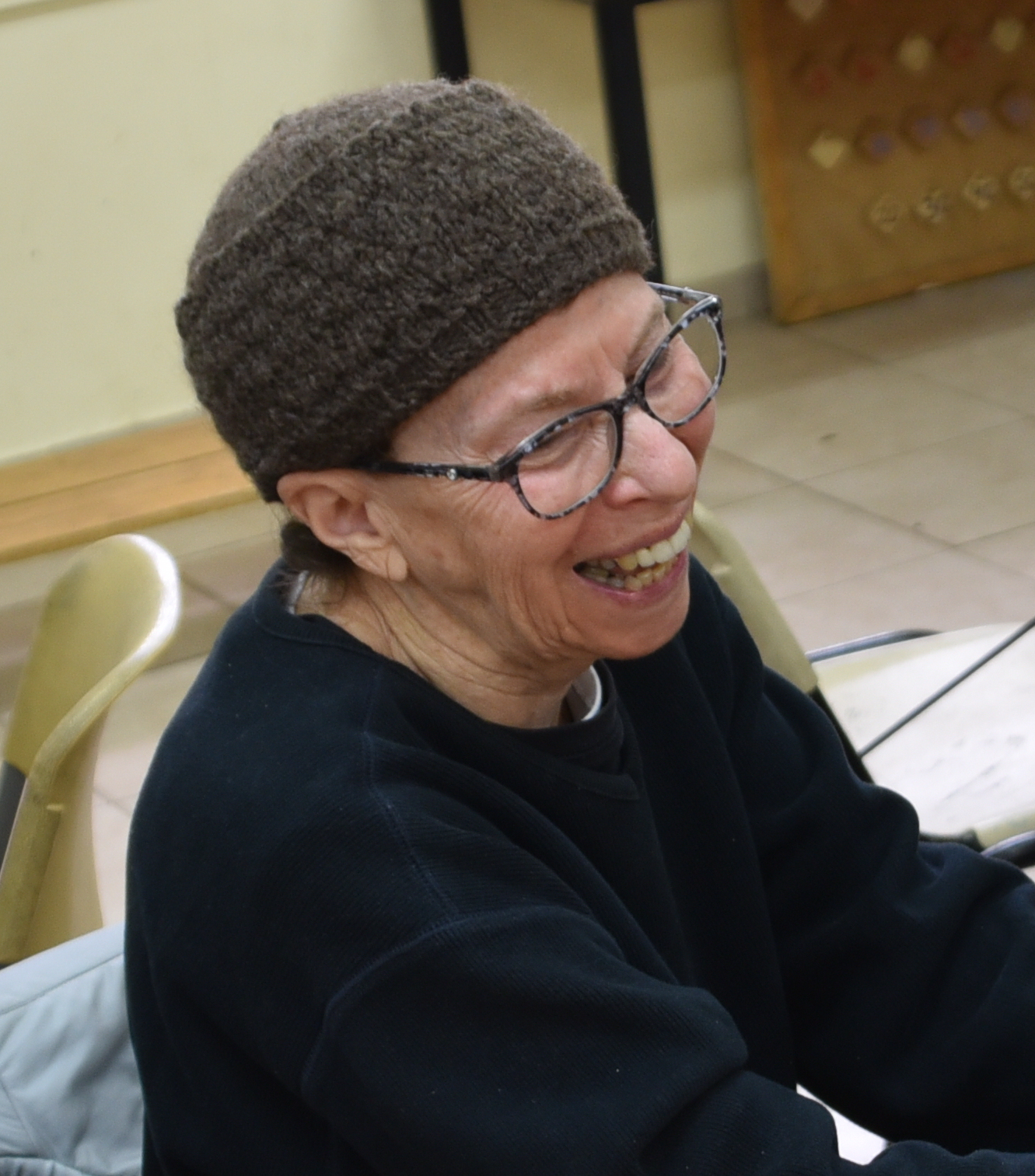
כמו שרואים בתמונה אני ממשיכה ללמוד גם היום ואפילו במחלקת יולדות אחרי לידת ביתי השלישית.

Noa Shiloh
נועה שילה

רבבה, ישראל

התחלתי מחוג במסכת קידושין שהעבירה הרבנית רייסנר במסגרת בית המדרש כלנה בגבעת שמואל; לאחר מכן התחיל סבב הדף היומי אז הצטרפתי. לסביבה לקח זמן לעכל אבל היום כולם תומכים ומשתתפים איתי. הלימוד לעתים מעניין ומעשיר ולעתים קשה ואף הזוי… אך אני ממשיכה קדימה. הוא משפיע על היומיום שלי קודם כל במרדף אחרי הדף, וגם במושגים הרבים שלמדתי ובידע שהועשרתי בו, חלקו ממש מעשי

Abigail Chrissy
אביגיל כריסי

ראש העין, ישראל

. לא תמיד נהניתי מלימוד גמרא כילדה.,בל כהתבגרתי התחלתי לאהוב את זה שוב. התחלתי ללמוד מסכת סוטה בדף היומי לפני כחמש עשרה שנה ואז הפסקתי.הגעתי לסיום הגדול של הדרן לפני שנתיים וזה נתן לי השראה. והתחלתי ללמוד למשך כמה ימים ואז היתה לי פריצת דיסק והפסקתי…עד אלול השנה. אז התחלתי עם מסכת ביצה וב”ה אני מצליחה לעמוד בקצב. המשפחה מאוד תומכת בי ויש כמה שגם לומדים את זה במקביל. אני אוהבת שיש עוגן כל יום.

Rebecca Darshan
רבקה דרשן

בית שמש, ישראל

ראיתי את הסיום הגדול בבנייני האומה וכל כך התרשמתי ורציתי לקחת חלק.. אבל לקח לי עוד כשנה וחצי )באמצע מסיכת שבת להצטרף..
הלימוד חשוב לי מאוד.. אני תמיד במרדף אחרי הדף וגונבת כל פעם חצי דף כשהילדים עסוקים ומשלימה אח”כ אחרי שכולם הלכו לישון..

Olga Mizrahi
אולגה מזרחי

ירושלים, ישראל

גיטין כב

דְּשָׁקֵיל לֵיהּ וְיָהֵיב לֵיהּ נִיהֲלַהּ. רָבָא אָמַר פָּסוּל – גְּזֵרָה שֶׁמָּא יִקְטוֹם.

as he can take the pot with the leaf inside it and give it to her. Rava says that it is invalid. Although it should be valid if he gave her the leaf together with the potted plant, the Sages instituted a decree that it is invalid, lest one detach the leaf and give it to her. In that case, all agree that a bill of divorce that is fully written while attached is invalid.

עָצִיץ שֶׁל אֶחָד וּזְרָעִים שֶׁל אַחֵר; מָכַר בַּעַל עָצִיץ לְבַעַל זְרָעִים – כֵּיוָן שֶׁמָּשַׁךְ, קָנָה. מָכַר בַּעַל זְרָעִים לְבַעַל עָצִיץ – לֹא קָנָה עַד שֶׁיַּחְזִיק בִּזְרָעִים.

§ The Gemara has another discussion with regard to a perforated pot: In the case of a pot that belongs to one person and the plants in it belong to another person, if the owner of the pot sold it to the owner of the plants, then once the owner of the plants pulled the pot, he has acquired the pot, as it is a movable object, which can be acquired via pulling. However, if the owner of the plants sold the plants to the owner of the pot, then the owner of the pot does not acquire the plants until he takes possession of the plants themselves, e.g., by raking or weeding the dirt surrounding them. Since the plants are considered to be attached to the ground, as they are in a perforated pot, they are considered to be part of the ground, which cannot be acquired by pulling.

עָצִיץ וּזְרָעִים שֶׁל אֶחָד, וּמְכָרָן לְאַחֵר; הֶחְזִיק בִּזְרָעִים – קָנָה עָצִיץ. וְזוֹ הִיא שֶׁשָּׁנִינוּ: נְכָסִים שֶׁאֵין לָהֶם אַחְרָיוּת נִקְנִין עִם נְכָסִים שֶׁיֵּשׁ לָהֶן אַחְרָיוּת – בְּכֶסֶף וּבִשְׁטָר וּבַחֲזָקָה.

If the pot and plants belong to one person, and he sold them to another person, then once the buyer took possession of the plants and acquired them, he acquired the pot as well. And this is an example of the principle that we learned in a mishna (Kiddushin 26a): Property that does not serve as a guarantee, i.e., movable property, can be acquired with property that serves as a guarantee, i.e., land, through the giving of money, or with a document, or by taking possession. Therefore, once one takes possession of the plants, which are considered to be like land, he also acquires the pot, which is a movable object.

הֶחְזִיק בְּעָצִיץ – אַף עָצִיץ לֹא קָנָה, עַד שֶׁיַּחְזִיק בִּזְרָעִים.

However, if the buyer took possession of just the pot, then he does not even acquire the pot, as movable property cannot be acquired through taking possession, until he takes possession of the plants. To acquire the pot, one must either perform an act of acquisition specific to movable items, such as pulling, or acquire the plants through taking possession of them, resulting in the acquisition of the pot, as stated earlier.

נִקְבּוֹ בָּאָרֶץ וְנוֹפוֹ בְּחוּצָה לָאָרֶץ? אַבָּיֵי אָמַר: בָּתַר נִקְבּוֹ אָזְלִינַן. רָבָא אָמַר: בָּתַר נוֹפוֹ אָזְלִינַן.

The Gemara discusses another issue with regard to perforated pots: If a perforated pot was on the border of Eretz Yisrael, and its perforation was in Eretz Yisrael but its branches were outside of Eretz Yisrael, then what is the halakha with regard to mitzvot that apply to produce grown in Eretz Yisrael, such as terumot and tithes? Abaye said: We follow its perforation, and it is considered to be growing in Eretz Yisrael. Rava said: We follow its branches, and it is considered to be growing outside of Eretz Yisrael.

בִּדְאַשְׁרוּשׁ, כּוּלֵּי עָלְמָא לָא פְלִיגִי. כִּי פְּלִיגִי – בִּדְלָא אַשְׁרוּשׁ.

The Gemara notes: In a case where the plant in the pot took root in the ground, everyone agrees that it has the status of a plant that grows in the place where its roots are. When they disagree, it is with regard to a case where it did not take root. Since its roots are contained within the pot, there is a disagreement whether we follow the perforation or the branches in determining its status.

וּבִדְאַשְׁרוּשׁ לָא פְּלִיגִי?! וְהָתְנַן: שְׁתֵּי גִּינּוֹת זוֹ עַל גַּב זוֹ, וְיָרָק בֵּינְתַיִם, רַבִּי מֵאִיר אוֹמֵר: שֶׁל עֶלְיוֹן. רַבִּי יְהוּדָה אוֹמֵר: שֶׁל תַּחְתּוֹן!

The Gemara challenges: And do they not disagree with regard to a case where it took root? Do all agree that its status is determined by where the roots are? But didn’t we learn in a mishna (Bava Metzia 118b): In a case of two gardens that belong to two different people that are on adjacent terraces one above the other, and leafy vegetables are growing between them on the wall of the step between the two gardens, Rabbi Meir says: These leafy vegetables belong to the owner of the upper garden, and Rabbi Yehuda says: These leafy vegetables belong to the owner of the lower garden. In this case, the roots emerge from the upper garden, but the vegetables grow into the airspace of the lower garden. This seems to be analogous to the case where the roots are in Eretz Yisrael and the branches are outside of Eretz Yisrael, or vice versa, and there is a dispute as to who is the owner of the vegetables.

הָתָם, כִּדְקָתָנֵי טַעְמָא – אָמַר רַבִּי מֵאִיר: מָה אִם יִרְצֶה עֶלְיוֹן לִיטּוֹל אֶת עֲפָרוֹ, אֵין כָּאן יָרָק!

The Gemara makes a distinction between the two cases: There, in the case cited in the mishna in Bava Metzia, the reason for that halakha is as is taught in the mishna, that Rabbi Meir said: What if the owner of the upper garden would wish to take his earth? This would result in a situation where there are no more vegetables, as the vegetables would not have earth from which to draw nutrients. The fact that the owner of the upper garden has the ability to destroy the vegetables is an indication that he is the owner.

אָמַר רַבִּי יְהוּדָה: מָה אִם יִרְצֶה הַתַּחְתּוֹן לְמַלּאוֹת אֶת גִּנָּתוֹ עָפָר, אֵין כָּאן יָרָק!

Rabbi Yehuda said: What if the owner of the lower garden would wish to fill the airspace above his garden with earth? This would result in a situation where there are no more vegetables, as they would be covered in the earth added by the owner of the lower garden. The fact that the owner of the lower garden has the ability to destroy the vegetables is an indication that he is the owner. Their dispute is not with regard to how to define where the vegetables are growing; rather, they disagree with regard to who has control over the continued existence of these plants. Therefore, this dispute is not related to the issue of the plant that is growing on the border.

וְאַכַּתִּי, בִּדְאַשְׁרוּשׁ לָא פְּלִיגִי?! וְהָא תַּנְיָא: אִילָן – מִקְצָתוֹ בָּאָרֶץ וּמִקְצָתוֹ בְּחוּצָה לָאָרֶץ; טֶבֶל וְחוּלִּין מְעוֹרָבִין זֶה בָּזֶה, דִּבְרֵי רַבִּי. רַבָּן שִׁמְעוֹן בֶּן גַּמְלִיאֵל אוֹמֵר: הַגָּדֵל בְּחִיּוּב – חַיָּיב, וְהַגָּדֵל בִּפְטוּר – פָּטוּר.

The Gemara asks: But still, do they not disagree with regard to a case where the plant took root? But isn’t it taught in a baraita (Tosefta, Ma’asrot 2:22): If there is a tree, and part of it is in Eretz Yisrael and part of it is outside of Eretz Yisrael, then untithed produce and non-sacred produce are mixed together in each one of these tree’s fruits; this is the statement of Rabbi Yehuda HaNasi. Rabban Shimon ben Gamliel says: The fruits in the part of the tree that is growing in a place that has an obligation to separate tithes, in Eretz Yisrael, are obligated. And the fruits that are growing in a place that has an exemption from separating tithes, outside of Eretz Yisrael, are exempt.

מַאי לָאו, מִקְצָת נוֹפוֹ בָּאָרֶץ וּמִקְצָת נוֹפוֹ בְּחוּצָה לָאָרֶץ?

What, is it not discussing a case where some of its branches are in Eretz Yisrael and some of its branches are outside of Eretz Yisrael, although its roots are in one of the two locations, and both Rabbi Yehuda HaNasi and Rabban Shimon ben Gamliel agree that the place of the roots does not define the status of the tree?

לֹא; מִקְצָת שׇׁרָשִׁין בָּאָרֶץ וּמִקְצָת שׇׁרָשִׁין בְּחוּצָה לָאָרֶץ. וּמַאי טַעְמָא דְּרַבָּן שִׁמְעוֹן בֶּן גַּמְלִיאֵל? דְּמַפְסִיק צוּנְמָא.

The Gemara rejects this: No, it discusses a case where some of the roots are in Eretz Yisrael and some of the roots are outside of Eretz Yisrael. The Gemara asks: And what is the reasoning of Rabban Shimon ben Gamliel? It is not possible to determine which fruits drew nutrients from which roots, so how can he rule that some of the fruits are obligated in tithes and some are not? The Gemara answers: Rabban Shimon ben Gamliel’s statement is referring to a case where a rock divides the roots up to the trunk, and therefore it is possible to distinguish between the parts of the tree that draw nutrients from Eretz Yisrael and the parts that draw nutrients from outside of Eretz Yisrael.

מַאי טַעְמָא דְּרַבִּי? דְּהָדְרִי עׇרְבִי.

The Gemara asks: If it is so that the roots are clearly distinguishable, what is the reasoning of Rabbi Yehuda HaNasi? Why does he view the fruits as being a mixture? The Gemara answers: He holds that although there is a division between the roots, they cannot be distinguished from one another, as they then become mixed in the body of the tree.

בְּמַאי קָמִיפַּלְגִי? מָר סָבַר: אַוֵּירָא מְבַלְבֵּל, וּמָר סָבַר: הַאי לְחוֹדֵיהּ קָאֵי וְהַאי לְחוֹדֵיהּ קָאֵי.

The Gemara asks: With regard to what principle do they disagree? The Gemara answers: One Sage, Rabbi Yehuda HaNasi, holds: The air above the ground mixes the nutrients, and one Sage, Rabban Shimon ben Gamliel, holds: This part of the tree stands alone and this part of the tree stands alone. From the roots up to the branches, it is as if the tree were cut along the line of the border.

רַבִּי יְהוּדָה בֶּן בְּתֵירָא אוֹמֵר כּוּ׳: אָמַר רַבִּי חִיָּיא בַּר אַסִּי מִשְּׁמֵיהּ דְּעוּלָּא, שְׁלֹשָׁה עוֹרוֹת הֵן: מַצָּה, חִיפָּה וְדִיפְתְּרָא.

§ The mishna taught that Rabbi Yehuda ben Beteira says that one may not write a bill of divorce on a material that enables forgery. Consequently, one may not write a bill of divorce on erased paper or on unfinished leather. The Gemara now clarifies what is defined as unfinished leather. Rabbi Ḥiyya bar Ami said in the name of Ulla: There are three hides, i.e., three stages in the process of tanning hides. At each stage, the hide has a different name: Matza, ḥifa, and diftera.

מַצָּה – כְּמַשְׁמָעוֹ, דְּלָא מְלִיחַ וּדְלָא קְמִיחַ וּדְלָא אֲפִיץ. לְמַאי הִלְכְתָא? לְהוֹצָאַת שַׁבָּת. וְכַמָּה שִׁיעוּרוֹ? כִּדְקָתָנֵי רַב שְׁמוּאֵל בַּר יְהוּדָה: כְּדֵי לָצוּר מִשְׁקָל קְטַנָּה. וְכַמָּה? אָמַר אַבָּיֵי: כִּי רִיבְעָא דְרִיבְעָא דְּפוּמְבְּדִיתָא.

Matza, as per its plain meaning, with no additives. It is not salted, and not treated with flour, and not treated with gallnuts. The Gemara clarifies: For what halakha is this type of leather mentioned? There is a halakha that mentions the minimum measure of this type of leather for which one is liable if he carries it out from one domain to another on Shabbat. And how much is the measure that determines liability for carrying out this hide on Shabbat? As Rav Shmuel bar Rav Yehuda teaches: It is equivalent to that which is used to wrap around a small weight. And how big is this small weight? Abaye said: A quarter of a quarter of a litra in the system of weights in use in Pumbedita.

חִיפָּה – דִּמְלִיחַ, וְלָא קְמִיחַ וְלָא אֲפִיץ. לְמַאי הִילְכְתָא? לְהוֹצָאַת שַׁבָּת. וְכַמָּה שִׁיעוּרוֹ? כְּדִתְנַן: עוֹר – כְּדֵי לַעֲשׂוֹת קָמֵיעַ.

Ḥifa is hide that is salted, and not treated with flour, and not treated with gallnuts. For what halakha was this type of leather mentioned? There is a halakha that mentions the minimum measure of this type of leather for which one is liable if he carries it out from one domain to another on Shabbat. And how much is the measure that determines liability for carrying out this hide on Shabbat? As we learned in a mishna (Shabbat 78b): The measure that determines liability for carrying out this hide is equivalent to that which is used to make an amulet.

דִּיפְתְּרָא – דִּמְלִיחַ וּקְמִיחַ, וְלָא אֲפִיץ. לְמַאי הִילְכְתָא? לְהוֹצָאַת שַׁבָּת. וְכַמָּה שִׁיעוּרוֹ? כְּדֵי לִכְתּוֹב עָלָיו אֶת הַגֵּט.

Diftera is hide that is salted, and treated with flour, and not treated with gallnuts. For what halakha was this type of leather mentioned? There is a halakha that mentions the minimum measure of this type of leather for which one is liable if he carries it out from one domain to another on Shabbat. And how much is the measure that determines liability for carrying out this hide on Shabbat? The measure that determines liability for carrying it out is equivalent to the amount on which a bill of divorce is written.

וַחֲכָמִים מַכְשִׁירִין: מַאן חֲכָמִים? אָמַר רַבִּי אֶלְעָזָר:

The mishna taught that the Rabbis deem valid bills of divorce that were written on erased paper or on unfinished leather. The Gemara asks: Who are these Rabbis? The amora Rabbi Elazar said:

רַבִּי אֶלְעָזָר הִיא, דְּאָמַר: עֵדֵי מְסִירָה כָּרְתִי.

It is the opinion of the tanna Rabbi Elazar, who says: Witnesses of the transmission of the bill of divorce effect the divorce. Since the witnesses read the bill of divorce before it is transmitted in their presence, they may be relied upon to confirm the contents of the bill of divorce in court. Therefore, even if it was written on erased paper, there is no possibility that it would be forged, as the witnesses read what was written before it is given.

וְאָמַר רַבִּי אֶלְעָזָר: לֹא הִכְשִׁיר רַבִּי אֶלְעָזָר אֶלָּא לְאַלְתַּר, אֲבָל מִכָּאן עַד עֲשָׂרָה יָמִים – לָא; חָיְישִׁינַן דִּילְמָא הֲוָה בֵּיהּ תְּנָאָה וְזַיֵּיפְתֵּיהּ.

And the amora Rabbi Elazar says: The tanna Rabbi Elazar deemed such a bill of divorce valid only when it was taken to court in order to confirm the contents immediately after it was transferred to the woman. However, if the witnesses testify from now until ten days, i.e., sometime later, he did not deem it valid. Why? We are concerned that perhaps the bill of divorce had a stipulation written on it and she forged it by erasing the stipulation, as this bill of divorce was written on material that enables a person to easily alter what is written. Only if the witnesses testify immediately can the court be sure that they did not forget what is written.

וְרַבִּי יוֹחָנָן אָמַר: אֲפִילּוּ מִכָּאן עַד עֲשָׂרָה יָמִים; דְּאִם אִיתָא דַּהֲוָה בֵּיהּ תְּנַאי – מִידְכָּר דְּכִירִי.

And Rabbi Yoḥanan says: Even if they testify from now until ten days it is valid, as, if it is so that it had a stipulation, then the witnesses will remember it, as they would not forget something so obvious. Therefore, if the woman erased the stipulation, the witnesses would not verify the bill of divorce.

וְאָמַר רַבִּי אֶלְעָזָר: לֹא הִכְשִׁיר רַבִּי אֶלְעָזָר אֶלָּא בְּגִיטִּין, אֲבָל בִּשְׁאָר שְׁטָרוֹת – לָא, דִּכְתִיב: ״וּנְתַתָּם בִּכְלִי חָרֶשׂ לְמַעַן יַעַמְדוּ יָמִים רַבִּים״.

And Rabbi Elazar the amora also says: The tanna Rabbi Elazar deemed valid a document that is written on these surfaces only with regard to bills of divorce but not for other documents, as it is written with regard to a deed of purchase: “And put them in an earthen vessel; so that they will remain many days” (Jeremiah 32:14). This indicates that a deed of purchase and other similar documents must be made from a material that will last for a long time without being changed. A document that can be forged may not be relied upon long term.

וְרַבִּי יוֹחָנָן אָמַר: אֲפִילּוּ בִּשְׁטָרוֹת. וְהָכְתִיב: ״לְמַעַן יַעַמְדוּ יָמִים רַבִּים״! הָתָם עֵצָה טוֹבָה קָא מַשְׁמַע לַן.

And Rabbi Yoḥanan says: Rabbi Elazar deemed these surfaces valid even in the case of other documents. The Gemara asks with regard to Rabbi Yoḥanan’s opinion: But isn’t it written: “So that they will remain many days”? The Gemara answers: There the verse teaches us good advice, but it is not a halakhic requirement. It advised that the document be written in such a manner that it can remain for an extended period of time, as it may be needed to prove ownership of the land.

מַתְנִי׳ הַכֹּל כְּשֵׁרִין לִכְתּוֹב אֶת הַגֵּט, אֲפִילּוּ חֵרֵשׁ, שׁוֹטֶה וְקָטָן. הָאִשָּׁה כּוֹתֶבֶת אֶת גִּיטָּהּ, וְהָאִישׁ כּוֹתֵב אֶת שׁוֹבָרוֹ. שֶׁאֵין קִיּוּם הַגֵּט אֶלָּא בְּחוֹתְמָיו.

MISHNA: Anyone is qualified to write a bill of divorce, even a deaf-mute, an imbecile, or a minor. Additionally, a woman may write her own bill of divorce and give it to her husband so that he can present it to her. And a man may write his own receipt, which must be given to him by the woman to confirm that he has paid her the value of her marriage contract. This is because the ratification of a bill of divorce is only through its signatories, and it is irrelevant who wrote it.

גְּמָ׳ וְהָא לָאו בְּנֵי דֵּיעָה נִינְהוּ! אָמַר רַב הוּנָא:

GEMARA: The Gemara asks: But how can a deaf-mute, imbecile, or a minor write a bill of divorce? They are not halakhically competent, and they are not capable of writing a bill of divorce with the intent that it be for a particular woman. Rav Huna says:

רוצה לעקוב אחרי התכנים ולהמשיך ללמוד?

ביצירת חשבון עוד היום ניתן לעקוב אחרי ההתקדמות שלך, לסמן מה למדת, ולעקוב אחרי השיעורים שמעניינים אותך.

לנקות את כל הפריטים מהרשימה?

פעולה זו תסיר את כל הפריטים בחלק זה כולל ההתקדמות וההיסטוריה. שימי לב: לא ניתן לשחזר פעולה זו.

ביטול
מחיקה

האם את/ה בטוח/ה שברצונך למחוק פריט זה?

תאבד/י את כל ההתקדמות או ההיסטוריה הקשורות לפריט זה.

ביטול
מחיקה