







אלמנה יכולה לגבות את כספי כתובתה מיתומים רק על ידי שבועה (בדיוק כמו כל הנושים שגובים מיתומים על חובות אביהם). אולם החכמים אסרו על אלמנות להישבע כיוון שהם חששו משבועות שקר. מדוע הם היו מודאגים במיוחד לגבי אלמנות ולא לגבי גרושים? רבן גמליאל הנהיג תקנה שאלמנות יכולות לגבות כספי כתובה על ידי נדר האוסר עליה דבר שהיתומים יסכימו לו. מדוע נדר עדיף על שבועה? שמואל התיר שבועות מחוץ לבית דין כיוון שרמת חומרתן אינה גבוהה כמו בבית דין (עם שם ה’, ספר תורה). רב לא היה מתיר שבועה לאלמנות אפילו חוץ לבית דין ולא מתיר לנשים ללגבות כתובתן כי הוא ראה שאנשים לא לקחו נדרים ברצינות בזמנו. כאשר רב הונא פסק כך, הקדימה האשה ונשבעה בכל זאת ולאחר מכן הותר לה לאסוף את כתובתה כי היא כבר נשבעה. במצב אחר עם רבה בר רב הונא שגם הוא פסק כמו רב, וכאביו, רב הונא, אז ביקשה האשה את דמי המזונות המגיעות לה. אולם רבה אמר לה שאינה זכאית לדמי המזון שכן שמואל פסק שמי שבא לבית הדין לתבוע דמי כתובתה אינה זכאית עוד למזונות. האשה הייתה מתוסכלת מאוד וקיללה את רבה על כך שפסק גם כרב בעניין אחד וכשמואל בעניין אחר, ובכך מנע ממנה לקבל כספה. לאחר מכן הוא מת מהקללה. רב יהודה פרסם הצהרה פומבית המחזקת את דעתו של שמואל נגד רב, המתיר לאלמנות לגבות כתובתן על ידי שבועה מחוץ לבית דין. מדוע אין חשש שבעלה של אשה יפר את נדרה או שתלך לחכם להתיר את הנדר? יש אומרים שהיא יכולה לגבות בנדר אם היא לא נשואה ומכיוון שאנשים צריכים לפרט את הנדר כשהם הולכים לחכם, אין סיכוי שנדרים מסוג זה יותרו. אחרים מתירים זאת כשהיא נשואה, אך דורשים ממנה לנדור את הנדר ברבים כיון שבעל אינו יכול להפר נדר שהודר ברבים. רב נחמן ורב פפא חלוקים בשאלה האם צריך לפרט את הנדר כאשר הולכים לחכם כדי להתיר נדר. מה הבסיס לוויכוח שלהם?
הלימוד השבוע מוקדש לזכות ולשלום הַיְימׇנוֹט אֱמוּנָה בַּת באנצ’י (קָסָאוּ) בת 11 שנעלמה במקום מגוריה בצפת, לפני שנתיים, ביום ט”ז אדר תשפ”ד (25.2.24), ולא נודעו עקבותיה.
הלימוד השבוע מוקדש למען ביטחון המדינה, החיילים והאזרחים, ולמען חירותו של העם האיראני. שנזכה בקרוב שיתקיים בנו הפסוק: "לַיְּהוּדִים הָיְתָה אוֹרָה וְשִׂמְחָה וְשָׂשֹׂן וִיקָר”.
הלימוד השבוע מוקדש לזכות וְלִשְׁלוֹם הָיימָנוֹט אֱמוּנָה בַּת באנצ’י (קָסָאוּ), בת 11 שנעלמה במקום מגוריה בצפת, לפני שנתיים, ביום ט”ז אדר תשפ״ד (25.2.24), ולא נודעו עקבותיה. אנו מתפללים שֶׁתִּמָּצֵא וְתוּשַׁב לביתה במהרה!
רוצה להקדיש שיעור?

כלים
הלימוד השבוע מוקדש לזכות ולשלום הַיְימׇנוֹט אֱמוּנָה בַּת באנצ’י (קָסָאוּ) בת 11 שנעלמה במקום מגוריה בצפת, לפני שנתיים, ביום ט”ז אדר תשפ”ד (25.2.24), ולא נודעו עקבותיה.
הלימוד השבוע מוקדש למען ביטחון המדינה, החיילים והאזרחים, ולמען חירותו של העם האיראני. שנזכה בקרוב שיתקיים בנו הפסוק: "לַיְּהוּדִים הָיְתָה אוֹרָה וְשִׂמְחָה וְשָׂשֹׂן וִיקָר”.
הלימוד השבוע מוקדש לזכות וְלִשְׁלוֹם הָיימָנוֹט אֱמוּנָה בַּת באנצ’י (קָסָאוּ), בת 11 שנעלמה במקום מגוריה בצפת, לפני שנתיים, ביום ט”ז אדר תשפ״ד (25.2.24), ולא נודעו עקבותיה. אנו מתפללים שֶׁתִּמָּצֵא וְתוּשַׁב לביתה במהרה!
גיטין לה
מִשּׁוּם חִינָּא אַקִּילוּ רַבָּנַן גַּבַּהּ, קָא מַשְׁמַע לַן.
Due to the increased desirability that this would bring her when trying to remarry, since this would ensure she would bring assets with her into a new marriage, the Sages were lenient with her, as the Sages issued several decrees in connection with the marriage contract in order to enable women to collect more easily. Therefore, the mishna teaches us that this is not the case.
נִמְנְעוּ מִלְּהַשְׁבִּיעָהּ: מַאי טַעְמָא? אִילֵּימָא מִשּׁוּם דְּרַב כָּהֲנָא – דְּאָמַר רַב כָּהֲנָא; וְאָמְרִי לַהּ אָמַר רַב יְהוּדָה, אָמַר רַב: מַעֲשֶׂה בְּאָדָם אֶחָד בִּשְׁנֵי בַצּוֹרֶת, שֶׁהִפְקִיד דִּינַר זָהָב אֵצֶל אַלְמָנָה; וְהִנִּיחַתּוּ בְּכַד שֶׁל קֶמַח, וַאֲפָאַתּוּ בְּפַת, וּנְתָנַתּוּ לְעָנִי;
§ The mishna taught that the court refrained from administering an oath to her. The Gemara asks: What is the reason that they refrained from administering oaths to widows? If we say that it is because of the statement of Rav Kahana, as Rav Kahana says, and some say that it was Rav Yehuda who says that Rav says: There was an incident involving a person during years of famine who deposited a gold dinar with a widow, and she placed the gold dinar in a jug of flour and unwittingly baked it in a loaf of bread along with the flour, and she gave the bread as charity to a poor man.
לְיָמִים בָּא בַּעַל הַדִּינָר, וַאֲמַר לַהּ: הָבִי לִי דִּינָרִי. אָמְרָה לֵיהּ: יְהַנֶּה סַם הַמָּוֶת בְּאֶחָד מִבָּנֶיהָ שֶׁל אוֹתָהּ אִשָּׁה, אִם נֶהֱנֵיתִי מִדִּינָרְךָ כְּלוּם! אָמְרוּ: לֹא הָיוּ יָמִים מוּעָטִין עַד שֶׁמֵּת אֶחָד מִבָּנֶיהָ; וּכְשֶׁשָּׁמְעוּ חֲכָמִים בַּדָּבָר, אָמְרוּ: מָה מִי שֶׁנִּשְׁבַּע בֶּאֱמֶת – כָּךְ, הַנִּשְׁבָּע עַל שֶׁקֶר – עַל אַחַת כַּמָּה וְכַמָּה.
After a period of time, the owner of the dinar came and said to her: Give me my dinar. She said to him: May poison benefit, i.e., take effect on, one of the children of that woman, i.e., my children, if I derived any benefit from your dinar. It was said: Not even a few days passed until one of her children died, and when the Sages heard of this matter, they said: If one who takes an oath truthfully is punished in this way for sin, one who takes an oath falsely, all the more so.
מַאי טַעְמָא אִיעֲנַשָׁה? דְּאִישְׁתָּרַשׁ לַהּ מְקוֹם דִּינָר.
The Gemara first clarifies the details of the incident: What is the reason that she was punished if she in fact did not derive any benefit from the dinar? The Gemara answers: Because she benefited [ishtarshi] from the place of the dinar, as the dinar took up space in the bread, enabling her to use less flour. Therefore, she did derive some small benefit from the dinar.
וּמַאי ״מִי שֶׁנִּשְׁבַּע בֶּאֱמֶת״? כְּמִי שֶׁנִּשְׁבַּע בֶּאֱמֶת.
The Gemara asks: If she in fact did derive benefit from the dinar, then what is meant by the statement: One who takes an oath truthfully? Wasn’t her oath actually false? The Gemara answers: It means that she was like one who took an oath truthfully, as her oath was truthful to the best of her knowledge. In any case, this woman was punished severely for a small mistake. The severity of taking a false oath, even inadvertently, is why the Sages ceased administering oaths to widows.
אִי מִשּׁוּם הָא, מַאי אִירְיָא אַלְמָנָה? אֲפִילּוּ גְּרוּשָׁה נָמֵי! אַלְּמָה אָמַר רַבִּי זֵירָא, אָמַר שְׁמוּאֵל: לֹא שָׁנוּ אֶלָּא אַלְמָנָה, אֲבָל גְּרוּשָׁה מַשְׁבִּיעִין אוֹתָהּ?
The Gemara questions if this could be the reason for the ordinance: If they refrained from administering oaths due to this reason, then why would this be limited specifically to a widow? Even a divorcée should not be allowed to take an oath to collect her marriage contract as well. Why then does Rabbi Zeira say that Shmuel says: They taught this only with regard to a widow; however, with regard to a divorcée, the court does administer an oath to her? Why would this concern not apply in the case of a divorcée as well?
אַלְמָנָה שָׁאנֵי; דִּבְהָהִיא הֲנָאָה דְּקָא טָרְחָה קַמֵּי דְּיַתְמֵי, אָתְיָא לְאוֹרוֹיֵי הֶיתֵּרָא.
The Gemara answers: A widow is different, as she continues to live in the house with the orphans and performs many services for them in the running of the home. Therefore, there is a concern that due to the benefit they receive from her as a result of the efforts she exerts for the orphans, she will rationalize and permit herself to take an oath that she had not collected any of her marriage contract, when in fact she had received a part of it.
אָמַר רַב יְהוּדָה, אָמַר רַבִּי יִרְמְיָה בַּר אַבָּא: רַב וּשְׁמוּאֵל דְּאָמְרִי תַּרְוַיְיהוּ, לֹא שָׁנוּ אֶלָּא בְּבֵית דִּין, אֲבָל חוּץ לְבֵית דִּין – מַשְׁבִּיעִין אוֹתָהּ. אִינִי?! וְהָא רַב לָא מַגְבֵּי כְּתוּבָּה לְאַרְמַלְתָּא! קַשְׁיָא.
§ Rav Yehuda said that Rabbi Yirmeya bar Abba said: It is Rav and Shmuel who both say that they taught only that an oath is not administered to the widow in court, as the oath that one takes in court is a severe oath, which involves the mentioning of God’s name and the holding of a sacred object. However, outside of court, where an oath is not taken in this manner, the judges administer an oath to her. The Gemara asks: Is that so? But Rav does not collect payment of a marriage contract for a widow because she has not taken an oath, which indicates that he also would not administer an oath to her outside of the court. The Gemara answers: This is difficult, as it contradicts the statement of Rav Yehuda.
בְּסוּרָא מַתְנוּ הָכִי. בִּנְהַרְדְּעָא מַתְנוּ הָכִי – אָמַר רַב יְהוּדָה אָמַר שְׁמוּאֵל: לֹא שָׁנוּ אֶלָּא בְּבֵית דִּין, אֲבָל חוּץ לְבֵית דִּין – מַשְׁבִּיעִין אוֹתָהּ. וְרַב אָמַר: אֲפִילּוּ חוּץ לְבֵית דִּין נָמֵי אֵין מַשְׁבִּיעִין אוֹתָהּ.
In the city of Sura they taught the statement with regard to the opinions of Rav and Shmuel like this, as stated above. However, in the city of Neharde’a they taught the statement with regard to the opinions of Rav and Shmuel like this: Rav Yehuda says that Shmuel says that they taught only that an oath is not administered to the widow in court; however, outside of court the judges administer an oath to her. And Rav says: Even outside of court as well, the judges do not administer an oath to her.
רַב לְטַעְמֵיהּ – דְּרַב לָא מַגְבֵּי כְּתוּבָּה לְאַרְמַלְתָּא. וְלִיאַדְּרַהּ וְלַיגְבְּיַיהּ! בִּשְׁנֵי דְּרַב קִילִי נִדְרֵי.
The Gemara points out that according to this version of their statements, Rav conforms to his standard line of reasoning, as Rav does not collect payment of a marriage contract for a widow in any case. The Gemara asks with regard to Rav’s practice: Let him administer a vow to the widow, instead of an oath, and collect the marriage contract in accordance with the mishna, which states that a widow can take a vow in place of the oath. The Gemara answers: In Rav’s time vows were treated lightly, and Rav was concerned that widows would not treat the prohibition created by the vow with appropriate severity. This would result in the orphans losing out on part of their inheritance, and the widows violating the prohibitions created by their vows.
הָהִיא דַּאֲתַאי לְקַמֵּיהּ דְּרַב הוּנָא, אֲמַר לַהּ: מָה אֶעֱבֵיד לִיךְ, דְּרַב לָא מַגְבֵּי כְּתוּבָּה לְאַרְמַלְתָּא. אֲמַרָה לֵיהּ: מִידֵּי הוּא טַעְמָא – אֶלָּא דִּלְמָא נָקֵיטְנָא מִידֵּי מִכְּתוּבָּתִי, חַי ה׳ צְבָאוֹת אִם נֶהֱנֵיתִי מִכְּתוּבָּתִי כְּלוּם! אָמַר רַב הוּנָא: מוֹדֶה רַב בְּקוֹפֶצֶת.
The Gemara relates: There was an incident involving a certain widow who came before Rav Huna and attempted to collect payment of her marriage contract from the orphans. He said to her: What can I do for you, as Rav does not collect payment of a marriage contract for a widow. The widow said to him: Isn’t the reason that I cannot collect payment only because of a concern that perhaps I already took some payment of my marriage contract? I swear as the Lord of Hosts lives that I did not derive any benefit from my marriage contract. Rav Huna says: Even though the court does not administer an oath to a widow, Rav concedes with regard to one who leaps and takes an oath of her own initiative that her oath is accepted, and she can collect payment of her marriage contract.
הָהִיא דַּאֲתַאי לְקַמֵּיהּ דְּרַבָּה בַּר רַב הוּנָא, אֲמַר לַהּ: מַאי אֶעֱבֵיד לִיךְ, דְּרַב לָא מַגְבֵּי כְּתוּבָּה לְאַרְמַלְתָּא, וְאַבָּא מָרִי לָא מַגְבֵּי כְּתוּבָּה לְאַרְמַלְתָּא.
The Gemara relates: There was an incident involving a certain widow who came before Rabba bar Rav Huna to collect payment of her marriage contract. He said to her: What can I do for you, as Rav does not collect payment of a marriage contract for a widow, and my father, my master, i.e., Rav Huna, does not collect payment of a marriage contract for a widow?
אֲמַרָה לֵיהּ: הַב לִי מְזוֹנֵי. אֲמַר לַהּ: מְזוֹנֵי נָמֵי לֵית לִיךְ; דְּאָמַר רַב יְהוּדָה, אָמַר שְׁמוּאֵל: הַתּוֹבַעַת כְּתוּבָּתָהּ בְּבֵית דִּין – אֵין לָהּ מְזוֹנוֹת.
She said to him: If I cannot collect payment of the marriage contract, then provide sustenance for me from my husband’s property, to support me until I remarry. He said to her: You also do not have any right to sustenance, as Rav Yehuda says that Shmuel says: One who demands payment of her marriage contract in court has no right to receive sustenance any longer. The husband committed to provide for her sustenance only as long as she does not wish to remarry. Generally, once a widow demands payment of her marriage contract, she demonstrates that she wishes now to remarry and is no longer entitled to receive sustenance from her deceased husband’s property.
אֲמַרָה לֵיהּ: אַפְכוּהּ לְכוּרְסְיֵהּ, כְּבֵי תְּרֵי עָבְדַתְּ לִי! הַפְכוּהּ לְכוּרְסְיֵהּ וְתָרְצוּהּ, וַאֲפִילּוּ הָכִי לָא אִיפְּרַק מֵחוּלְשָׁא.
The widow became angry and said to Rabba bar Rav Huna: May his chair be overturned, i.e., he should fall from his position of power, as he ruled for me in accordance with the different opinions of two people. Since Rabba bar Rav Huna was concerned about her curse, he overturned his chair in order to fulfill the curse literally, and then stood it up, and even so, he was not saved from the weakness that resulted from her curse.
אֲמַר לֵיהּ רַב יְהוּדָה לְרַב יִרְמְיָה בִּירָאָה: אַדְּרַהּ בְּבֵית דִּין, וְאַשְׁבְּעַהּ חוּץ לְבֵית דִּין, וְלֵיתֵי קָלָא וְלִיפּוֹל בְּאוּדְנִי, דְּבָעֵינָא כִּי הֵיכִי דְּאֶעֱבֵיד בָּהּ מַעֲשֶׂה.
With regard to this issue, the Gemara recounts: Rav Yehuda, the student of Shmuel, said to Rav Yirmeya Bira’a: If a widow comes to collect payment of her marriage contract, administer a vow in court and administer an oath outside of court, and let the report be received in my ears that you did so, as I desire to perform an action, i.e., to enable a widow to collect payment of her marriage contract, in contrast to the statements of Rav’s students, who hold that a widow cannot collect payment of her marriage contract.
גּוּפָא – אָמַר רַבִּי זֵירָא אָמַר שְׁמוּאֵל: לֹא שָׁנוּ אֶלָּא אַלְמָנָה, אֲבָל גְּרוּשָׁה – מַשְׁבִּיעִין אוֹתָהּ.
§ The Gemara returns to the matter itself. The mishna taught that the court does not administer an oath to a widow in order to enable her to collect payment of her marriage contract. Rabbi Zeira says that Shmuel says: They taught this only with regard to a widow; however, with regard to a divorcée, the court does administer an oath to her.
וּגְרוּשָׁה דְּאַדְּרַהּ לָא?! וְהָא שְׁלַחוּ מִתָּם: ״אֵיךְ פְּלוֹנִיתָא בַּת פְּלוֹנִי קַבִּילַת גִּיטָּא מִן יְדָא דְּאַחָא בַּר הִידְיָא דְּמִתְקְרֵי ״אַיָּה מָרִי״; וּנְדַרַת וַאֲסַרַת פֵּירוֹת שֶׁבָּעוֹלָם עֲלַהּ דְּלָא קַבִּילַת מִכְּתוּבְּתַהּ אֶלָּא גְּלוּפְקְרָא אֶחָד, וְסֵפֶר תְּהִלִּים אֶחָד, וְסֵפֶר אִיּוֹב, וּמִמְשָׁלוֹת בְּלוֹאִים;
The Gemara asks: Is that to say that if the court administered a vow to a divorcée and not an oath, then this is not sufficient to enable her to collect payment of her marriage contract? But didn’t they send from there, from Eretz Yisrael, a document that states the following: How so-and-so, the daughter of so-and-so, received a bill of divorce from the hand of Aḥa bar Hidya, who is called Ayya Mari, and she took a vow and prohibited the produce of the world to herself, based on the truth of her statement that she did not receive from her marriage contract anything other than one coat [gelofkera], and one book of Psalms, and a book of Job, and a book of Proverbs, all of which were worn out.
וְשַׁמְנוּם בַּחֲמִשָּׁה מָנֶה; לִכְשֶׁתָּבֹא לְיֶדְכֶם הַגְבּוּהָ אֶת הַשְּׁאָר״. אָמַר רַב אָשֵׁי: הָהוּא, גֵּט יְבָמִין הֲוָה.
And we appraised them, and found that their value is five hundred dinars. When she comes to you with this document, collect the rest of the payment for her from her husband’s property in Babylonia. This demonstrates that it is also sufficient for a divorcée to take a vow. Rav Ashi said: That bill of divorce was a levirate bill of divorce that she received from the brother of her deceased husband and not a standard bill of divorce. She therefore took a vow, and not an oath, in the manner of all widows, as she was demanding payment of her marriage contract from the property of her deceased husband.
הִתְקִין רַבָּן גַּמְלִיאֵל הַזָּקֵן שֶׁתְּהֵא נוֹדֶרֶת כּוּ׳: אָמַר רַב הוּנָא, לֹא שָׁנוּ אֶלָּא בְּשֶׁלֹּא נִיסֵּת, אֲבָל נִיסֵּת – אֵין מַדִּירִין אוֹתָהּ.
§ The mishna taught: Rabban Gamliel the Elder instituted that she should take, for the benefit of the orphans, any vow that the orphans wished to administer to her. Rav Huna says: They taught this halakha only in a case where she did not marry again; however, if she married again, they do not administer a vow to her.
נִיסֵּת מַאי טַעְמָא – דְּמֵיפַר לַהּ בַּעַל; כִּי לֹא נִיסֵּת נָמֵי, לְכִי מִנַּסְבָא מֵיפַר לַהּ בַּעַל! אֵין הַבַּעַל מֵיפֵר בְּקוֹדְמִין.
The Gemara raises a difficulty: What is the reason that a widow who married again may not take a vow in order to collect? It is because of a concern that perhaps she is lying and is not concerned about the vow that she took, as she relies on the fact that her husband will nullify her vow. If so, when she is not married one should also be concerned that she may rely on the fact that when she will marry again, her husband will nullify her vow. The Gemara answers: The halakha is that the husband does not have the ability to nullify with regard to vows his wife took prior to their marriage.
וְנֵיחוּשׁ דִּלְמָא אָזְלָה לְגַבֵּי חָכָם וְשָׁרֵי לַהּ! קָסָבַר צָרִיךְ לְפָרֵט אֶת הַנֶּדֶר.
The Gemara asks: But let us be concerned that perhaps she in fact received payment of her marriage contract, and she relies on the fact that she will go to a halakhic authority and he will dissolve the vow for her. The Gemara answers: Rav Huna holds that one who wishes to have a vow dissolved must detail the vow before the halakhic authority who dissolves it. There is no concern that the halakhic authority, knowing that she vowed in order to collect the payment of the marriage contract, will dissolve it.
רַב נַחְמָן אָמַר: אֲפִילּוּ נִיסֵּת. נִיסֵּת, וַדַּאי מֵיפַר לַהּ בַּעַל! דְּמַדְּרִינַן לַהּ בָּרַבִּים.
Rav Naḥman disagreed with Rav Huna and said: Even if she married again, the orphans can have the court administer a vow to the widow. The Gemara asks: If she married, then her husband will certainly nullify this vow. The Gemara answers that we, the court, administer the vow in public, and therefore her husband cannot nullify the vow.
מֵיתִיבִי: נִיסֵּת – גּוֹבָה כְּתוּבָּתָהּ אִם נָדְרָה. מַאי, לָאו נָדְרָה הַשְׁתָּא? לָא, דִּנְדַרָה מֵעִיקָּרָא.
The Gemara raises an objection to the opinion of Rav Huna from a baraita: In a case where she married again, she collects payment of her marriage contract if she has taken a vow. What, is it not the case that she takes a vow now, after she has remarried? The Gemara answers: No, it is possible to explain that it is referring to when she took a vow initially, before remarrying.
וְהָתַנְיָא: נִיסֵּת – נוֹדֶרֶת וְגוֹבָה כְּתוּבָּתָהּ! תַּנָּאֵי הִיא, דְּאִיכָּא לְמַאן דְּאָמַר: נֶדֶר שֶׁהוּדַּר בָּרַבִּים – יֵשׁ לוֹ הֲפָרָה; וְאִיכָּא לְמַאן דְּאָמַר: אֵין לוֹ הֲפָרָה.
The Gemara raises another difficulty for Rav Huna: But isn’t it taught explicitly in a baraita: If she married again, she takes a vow and collects payment of her marriage contract. Here, it is clear that she takes the vow after remarrying. The Gemara answers: This is a dispute between tanna’im, as there is one who says: A vow that was taken in public has the possibility of nullification by the husband, and therefore, even if the widow takes the vow in public, her husband can nullify it. As a result, she can collect payment of her marriage contract only if she takes a vow before she remarries. And there is one who says: A vow that was taken in public does not have the possibility of nullification. Therefore, even after the widow remarries, she is still able to take a vow and collect payment, as she takes the vow in public.
אִיבַּעְיָא לְהוּ: צָרִיךְ לְפָרֵט אֶת הַנֶּדֶר, אוֹ אֵינוֹ צָרִיךְ? רַב נַחְמָן אָמַר: אֵינוֹ צָרִיךְ; רַב פָּפָּא אָמַר: צָרִיךְ.
§ Since Rav Huna’s statement included the fact that one who requests that a halakhic authority dissolve his vow must detail the vow, the Gemara mentions that a dilemma was raised before the Sages: Does one who comes to a halakhic authority and requests that he dissolve his vow need to detail the vow, or does he not need to do so? Rav Naḥman says: He does not need to detail the vow. Rav Pappa says: He needs to detail the vow.
רַב נַחְמָן אָמַר אֵינוֹ צָרִיךְ – דְּאִי אָמְרַתְּ צָרִיךְ, זִימְנִין דְּגָיֵיז לֵיהּ לְדִיבּוּרֵיהּ, וְחָכָם מַאי דְּשָׁמַע מֵיפַר.
The Gemara explains each one’s reasoning: Rav Naḥman says that he does not need to detail the vow, as if you say that he needs to do so, sometimes the person who took the vow will cut short his statement and not provide all of the details of the vow, and the halakhic authority dissolves only what he hears and does not dissolve the vow in its entirety. Nevertheless, the one who took the vow will act as though the vow has been dissolved entirely. Therefore, it is preferable that he just report that he took a vow, and the halakhic authority will dissolve it entirely, whatever it is.
רַב פָּפָּא אָמַר צָרִיךְ – מִשּׁוּם מִילְּתָא דְּאִיסּוּרָא.
Rav Pappa says that he needs to detail the vow, because the vow might concern a matter that is prohibited, such as the case of the mishna here where it is essential that the vow not be dissolved, as the purpose of the vow is to ensure that the widow will not lie. In such a case, if the halakhic authority is not aware of the circumstances that prompted the widow to take the vow, he could mistakenly dissolve it.
תְּנַן: הַנּוֹשֵׂא נָשִׁים בַּעֲבֵירָה – פָּסוּל, עַד שֶׁיִּדּוֹר הֲנָאָה. וְתָנֵי עֲלַהּ: נוֹדֵר וְעוֹבֵד, יוֹרֵד וּמְגָרֵשׁ. וְאִי אָמְרַתְּ אֵינוֹ צָרִיךְ לְפָרֵט אֶת הַנֶּדֶר, לֵיחוּשׁ דִּילְמָא אָזֵיל לְגַבֵּי חָכָם וְשָׁרֵי לֵיהּ!
The Gemara attempts to bring a proof that one must detail the vow: We learned in a mishna (Bekhorot 45b): A priest who marries women in transgression of a prohibition is disqualified from taking part in the Temple service until he takes a vow not to derive benefit from his wives, thereby requiring him to divorce them. And it is taught with regard to this: He takes a vow and immediately serves in the Temple. He then descends from the service and divorces his wives. And if you say that he does not need to detail the vow, then let us be concerned lest he go to a halakhic authority and the halakhic authority dissolve the vow for him. He would then remain married to the women who are prohibited to him, and serve in the Temple despite being disqualified from doing so.

כלים
העמקה
רוצה להבין מה באמת קורה מתחת לפני השטח של הסוגיה?
שיעורים, פודקאסטים והרחבות של מיטב המורות שלנו יפתחו לך עוד זוויות וכיווני חשיבה.









חדשה בלימוד הגמרא?
זה הדף הראשון שלך? איזו התרגשות עצומה! יש לנו בדיוק את התכנים והכלים שיעזרו לך לעשות את הצעדים הראשונים ללמידה בקצב וברמה שלך, כך תוכלי להרגיש בנוח גם בתוך הסוגיות המורכבות ומאתגרות.
פסיפס הלומדות שלנו
גלי את קהילת הלומדות שלנו, מגוון נשים, רקעים וסיפורים. כולן חלק מתנועה ומסע מרגש ועוצמתי.
התחלתי לפני 8 שנים במדרשה. לאחרונה סיימתי מסכת תענית בלמידה עצמית ועכשיו לקראת סיום מסכת מגילה.

רעננה, ישראל
התחלתי ללמוד גמרא בבית הספר בגיל צעיר והתאהבתי. המשכתי בכך כל חיי ואף היייתי מורה לגמרא בבית הספר שקד בשדה אליהו (בית הספר בו למדתי בילדותי)בתחילת מחזור דף יומי הנוכחי החלטתי להצטרף ובע”ה מקווה להתמיד ולהמשיך. אני אוהבת את המפגש עם הדף את "דרישות השלום ” שמקבלת מקשרים עם דפים אחרים שלמדתי את הסנכרון שמתחולל בין התכנים.

מעלה גלבוע, ישראל
התחלתי ללמוד דף יומי כאשר קיבלתי במייל ממכון שטיינזלץ את הדפים הראשונים של מסכת ברכות במייל. קודם לא ידעתי איך לקרוא אותם עד שנתתי להם להדריך אותי. הסביבה שלי לא מודעת לעניין כי אני לא מדברת על כך בפומבי. למדתי מהדפים דברים חדשים, כמו הקשר בין המבנה של בית המקדש והמשכן לגופו של האדם (יומא מה, ע”א) והקשר שלו למשפט מפורסם שמופיע בספר ההינדי "בהגוד-גיתא”. מתברר שזה רעיון כלל עולמי ולא רק יהודי

נשר, ישראל
התחלתי ללמוד דף יומי ממסכת נידה כי זה היה חומר הלימוד שלי אז. לאחר הסיום הגדול בבנייני האומה החלטתי להמשיך. וב”ה מאז עם הפסקות קטנות של קורונה ולידה אני משתדלת להמשיך ולהיות חלק.
זה משפיע מאוד על היום יום שלי ועל אף שאני עסוקה בלימודי הלכה ותורה כל יום, זאת המסגרת הקבועה והמחייבת ביותר שיש לי.
גבעת הראל, ישראל
הצטרפתי ללומדות בתחילת מסכת תענית. ההתרגשות שלי ושל המשפחה היתה גדולה מאוד, והיא הולכת וגוברת עם כל סיום שאני זוכה לו. במשך שנים רבות רציתי להצטרף ומשום מה זה לא קרה… ב”ה מצאתי לפני מספר חודשים פרסום של הדרן, ומיד הצטרפתי והתאהבתי. הדף היומי שינה את חיי ממש והפך כל יום- ליום של תורה. מודה לכן מקרב ליבי ומאחלת לכולנו לימוד פורה מתוך אהבת התורה ולומדיה.

חיספין רמת הגולן, ישראל
A friend in the SF Bay Area said in Dec 2019 that she might start listening on her morning drive to work. I mentioned to my husband and we decided to try the Daf when it began in Jan 2020 as part of our preparing to make Aliyah in the summer.
ירושלים, Israel
כבר סיפרתי בסיום של מועד קטן.
הלימוד מאוד משפיעה על היום שלי כי אני לומדת עם רבנית מישל על הבוקר בזום. זה נותן טון לכל היום – בסיס למחשבות שלי .זה זכות גדול להתחיל את היום בלימוד ובתפילה. תודה רבה !

ירושלים, ישראל
התחלתי ללמוד בשנת המדרשה במגדל עוז, בינתיים נהנית מאוד מהלימוד ומהגמרא, מעניין ומשמח מאוד!
משתדלת להצליח לעקוב כל יום, לפעמים משלימה קצת בהמשך השבוע.. מרגישה שיש עוגן מקובע ביום שלי והוא משמח מאוד!

חיפה , ישראל
התחלתי ללמוד דף לפני קצת יותר מ-5 שנים, כשלמדתי רבנות בישיבת מהר”ת בניו יורק. בדיעבד, עד אז, הייתי בלימוד הגמרא שלי כמו מישהו שאוסף חרוזים משרשרת שהתפזרה, פה משהו ושם משהו, ומאז נפתח עולם ומלואו…. הדף נותן לי לימוד בצורה מאורגנת, שיטתית, יום-יומית, ומלמד אותי לא רק ידע אלא את השפה ודרך החשיבה שלנו. לשמחתי, יש לי סביבה תומכת וההרגשה שלי היא כמו בציטוט שבחרתי: הדף משפיע לטובה על כל היום שלי.
חיפה, ישראל
למדתי גמרא מכיתה ז- ט ב Maimonides School ואחרי העליה שלי בגיל 14 לימוד הגמרא, שלא היה כל כך מקובל בימים אלה, היה די ספוראדי. אחרי "ההתגלות” בבנייני האומה התחלתי ללמוד בעיקר בדרך הביתה למדתי מפוקקטסים שונים. לאט לאט ראיתי שאני תמיד חוזרת לרבנית מישל פרבר. באיזה שהוא שלב התחלתי ללמוד בזום בשעה 7:10 .
היום "אין מצב” שאני אתחיל את היום שלי ללא לימוד עם הרבנית מישל עם כוס הקפה שלי!!
חשמונאים, ישראל
התחלתי ללמוד דף יומי בסבב הקודם. זכיתי לסיים אותו במעמד המרגש של הדרן. בסבב הראשון ליווה אותי הספק, שאולי לא אצליח לעמוד בקצב ולהתמיד. בסבב השני אני לומדת ברוגע, מתוך אמונה ביכולתי ללמוד ולסיים. בסבב הלימוד הראשון ליוותה אותי חוויה מסויימת של בדידות. הדרן העניקה לי קהילת לימוד ואחוות נשים. החוויה של סיום הש”ס במעמד כה גדול כשנשים שאינן מכירות אותי, שמחות ומתרגשות עבורי , היתה חוויה מרוממת נפש
קיבוץ מגדל עוז, ישראל
אני לומדת גמרא כעשור במסגרות שונות, ואת הדף היומי התחלתי כשחברה הציעה שאצטרף אליה לסיום בבנייני האומה. מאז אני לומדת עם פודקסט הדרן, משתדלת באופן יומי אך אם לא מספיקה, מדביקה פערים עד ערב שבת. בסבב הזה הלימוד הוא "ממעוף הציפור”, מקשיבה במהירות מוגברת תוך כדי פעילויות כמו בישול או נהיגה, וכך רוכשת היכרות עם הסוגיות ואופן ניתוחם על ידי חז”ל. בע”ה בסבב הבא, ואולי לפני, אצלול לתוכו באופן מעמיק יותר.

רמת גן, ישראל
בתחילת הסבב הנוכחי הצטברו אצלי תחושות שאני לא מבינה מספיק מהי ההלכה אותה אני מקיימת בכל יום. כמו כן, כאמא לבנות רציתי לתת להן מודל נשי של לימוד תורה
שתי הסיבות האלו הובילו אותי להתחיל ללמוד. נתקלתי בתגובות מפרגנות וסקרניות איך אישה לומדת גמרא..
כמו שרואים בתמונה אני ממשיכה ללמוד גם היום ואפילו במחלקת יולדות אחרי לידת ביתי השלישית.
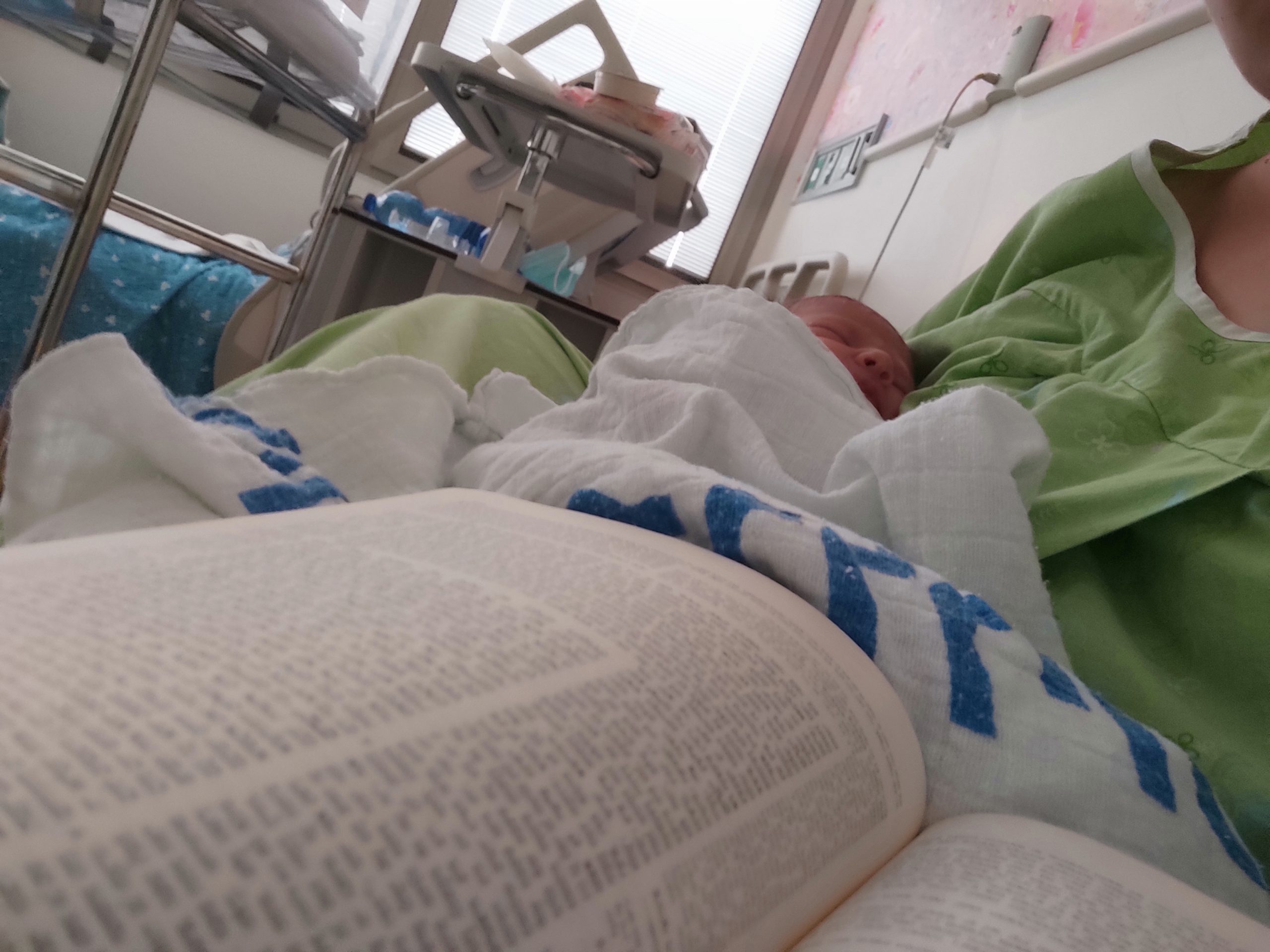
רבבה, ישראל
התחלתי ללמוד את הדף היומי מעט אחרי שבני הקטן נולד. בהתחלה בשמיעה ולימוד באמצעות השיעור של הרבנית שפרבר. ובהמשך העזתי וקניתי לעצמי גמרא. מאז ממשיכה יום יום ללמוד עצמאית, ולפעמים בעזרת השיעור של הרבנית, כל יום. כל סיום של מסכת מביא לאושר גדול וסיפוק. הילדים בבית נהיו חלק מהלימוד, אני משתפת בסוגיות מעניינות ונהנית לשמוע את דעתם.

מעלה מכמש, ישראל
התחלתי ללמוד בשנת המדרשה במגדל עוז, בינתיים נהנית מאוד מהלימוד ומהגמרא, מעניין ומשמח מאוד!
משתדלת להצליח לעקוב כל יום, לפעמים משלימה קצת בהמשך השבוע.. מרגישה שיש עוגן מקובע ביום שלי והוא משמח מאוד!
חיפה , ישראל
A life-changing journey started with a Chanukah family tiyul to Zippori, home of the Sanhedrin 2 years ago and continued with the Syum in Binanei Hauma where I was awed by the energy of 3000 women dedicated to learning daf Yomi. Opening my morning daily with a fresh daf, I am excited with the new insights I find enriching my life and opening new and deeper horizons for me.
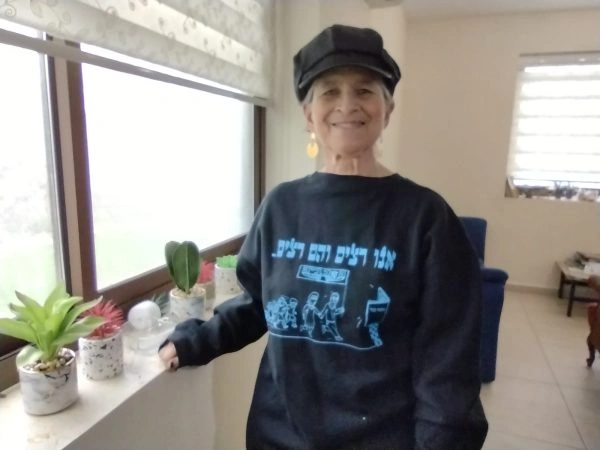
Elazar gush etzion, Israel
שמעתי על הסיום הענק של הדף היומי ע”י נשים בבנייני האומה. רציתי גם.
החלטתי להצטרף. התחלתי ושיכנעתי את בעלי ועוד שתי חברות להצטרף. עכשיו יש לי לימוד משותף איתו בשבת ומפגש חודשי איתן בנושא (והתכתבויות תדירות על דברים מיוחדים שקראנו). הצטרפנו לקבוצות שונות בווטסאפ. אנחנו ממש נהנות. אני שומעת את השיעור מידי יום (בד”כ מהרב יוני גוטמן) וקוראת ומצטרפת לסיומים של הדרן. גם מקפידה על דף משלהן (ונהנית מאד).

אפרת, ישראל
התחלתי ללמוד לפני כשנתיים בשאיפה לסיים לראשונה מסכת אחת במהלך חופשת הלידה.
אחרי מסכת אחת כבר היה קשה להפסיק…
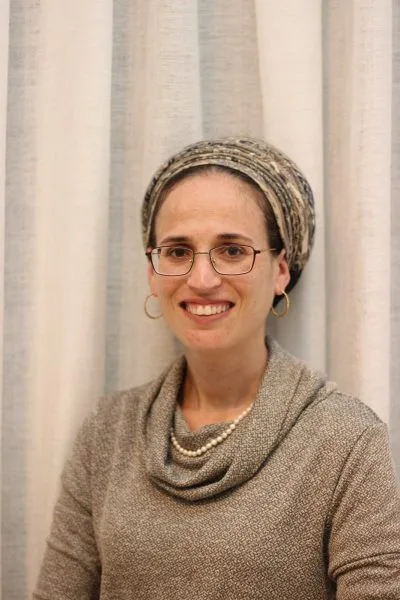
ירוחם, ישראל
בסוף הסבב הקודם ראיתי את השמחה הגדולה שבסיום הלימוד, בעלי סיים כבר בפעם השלישית וכמובן הסיום הנשי בבנייני האומה וחשבתי שאולי זו הזדמנות עבורי למשהו חדש.
למרות שאני שונה בסביבה שלי, מי ששומע על הלימוד שלי מפרגן מאוד.
אני מנסה ללמוד קצת בכל יום, גם אם לא את כל הדף ובסך הכל אני בדרך כלל עומדת בקצב.
הלימוד מעניק המון משמעות ליום יום ועושה סדר בלמוד תורה, שתמיד היה (ועדיין) שאיפה. אבל אין כמו קביעות

טל מנשה, ישראל
My explorations into Gemara started a few days into the present cycle. I binged learnt and become addicted. I’m fascinated by the rich "tapestry” of intertwined themes, connections between Masechtot, conversations between generations of Rabbanim and learners past and present all over the world. My life has acquired a golden thread, linking generations with our amazing heritage.
Thank you.

חשמונאים, Israel
גיטין לה
מִשּׁוּם חִינָּא אַקִּילוּ רַבָּנַן גַּבַּהּ, קָא מַשְׁמַע לַן.
Due to the increased desirability that this would bring her when trying to remarry, since this would ensure she would bring assets with her into a new marriage, the Sages were lenient with her, as the Sages issued several decrees in connection with the marriage contract in order to enable women to collect more easily. Therefore, the mishna teaches us that this is not the case.
נִמְנְעוּ מִלְּהַשְׁבִּיעָהּ: מַאי טַעְמָא? אִילֵּימָא מִשּׁוּם דְּרַב כָּהֲנָא – דְּאָמַר רַב כָּהֲנָא; וְאָמְרִי לַהּ אָמַר רַב יְהוּדָה, אָמַר רַב: מַעֲשֶׂה בְּאָדָם אֶחָד בִּשְׁנֵי בַצּוֹרֶת, שֶׁהִפְקִיד דִּינַר זָהָב אֵצֶל אַלְמָנָה; וְהִנִּיחַתּוּ בְּכַד שֶׁל קֶמַח, וַאֲפָאַתּוּ בְּפַת, וּנְתָנַתּוּ לְעָנִי;
§ The mishna taught that the court refrained from administering an oath to her. The Gemara asks: What is the reason that they refrained from administering oaths to widows? If we say that it is because of the statement of Rav Kahana, as Rav Kahana says, and some say that it was Rav Yehuda who says that Rav says: There was an incident involving a person during years of famine who deposited a gold dinar with a widow, and she placed the gold dinar in a jug of flour and unwittingly baked it in a loaf of bread along with the flour, and she gave the bread as charity to a poor man.
לְיָמִים בָּא בַּעַל הַדִּינָר, וַאֲמַר לַהּ: הָבִי לִי דִּינָרִי. אָמְרָה לֵיהּ: יְהַנֶּה סַם הַמָּוֶת בְּאֶחָד מִבָּנֶיהָ שֶׁל אוֹתָהּ אִשָּׁה, אִם נֶהֱנֵיתִי מִדִּינָרְךָ כְּלוּם! אָמְרוּ: לֹא הָיוּ יָמִים מוּעָטִין עַד שֶׁמֵּת אֶחָד מִבָּנֶיהָ; וּכְשֶׁשָּׁמְעוּ חֲכָמִים בַּדָּבָר, אָמְרוּ: מָה מִי שֶׁנִּשְׁבַּע בֶּאֱמֶת – כָּךְ, הַנִּשְׁבָּע עַל שֶׁקֶר – עַל אַחַת כַּמָּה וְכַמָּה.
After a period of time, the owner of the dinar came and said to her: Give me my dinar. She said to him: May poison benefit, i.e., take effect on, one of the children of that woman, i.e., my children, if I derived any benefit from your dinar. It was said: Not even a few days passed until one of her children died, and when the Sages heard of this matter, they said: If one who takes an oath truthfully is punished in this way for sin, one who takes an oath falsely, all the more so.
מַאי טַעְמָא אִיעֲנַשָׁה? דְּאִישְׁתָּרַשׁ לַהּ מְקוֹם דִּינָר.
The Gemara first clarifies the details of the incident: What is the reason that she was punished if she in fact did not derive any benefit from the dinar? The Gemara answers: Because she benefited [ishtarshi] from the place of the dinar, as the dinar took up space in the bread, enabling her to use less flour. Therefore, she did derive some small benefit from the dinar.
וּמַאי ״מִי שֶׁנִּשְׁבַּע בֶּאֱמֶת״? כְּמִי שֶׁנִּשְׁבַּע בֶּאֱמֶת.
The Gemara asks: If she in fact did derive benefit from the dinar, then what is meant by the statement: One who takes an oath truthfully? Wasn’t her oath actually false? The Gemara answers: It means that she was like one who took an oath truthfully, as her oath was truthful to the best of her knowledge. In any case, this woman was punished severely for a small mistake. The severity of taking a false oath, even inadvertently, is why the Sages ceased administering oaths to widows.
אִי מִשּׁוּם הָא, מַאי אִירְיָא אַלְמָנָה? אֲפִילּוּ גְּרוּשָׁה נָמֵי! אַלְּמָה אָמַר רַבִּי זֵירָא, אָמַר שְׁמוּאֵל: לֹא שָׁנוּ אֶלָּא אַלְמָנָה, אֲבָל גְּרוּשָׁה מַשְׁבִּיעִין אוֹתָהּ?
The Gemara questions if this could be the reason for the ordinance: If they refrained from administering oaths due to this reason, then why would this be limited specifically to a widow? Even a divorcée should not be allowed to take an oath to collect her marriage contract as well. Why then does Rabbi Zeira say that Shmuel says: They taught this only with regard to a widow; however, with regard to a divorcée, the court does administer an oath to her? Why would this concern not apply in the case of a divorcée as well?
אַלְמָנָה שָׁאנֵי; דִּבְהָהִיא הֲנָאָה דְּקָא טָרְחָה קַמֵּי דְּיַתְמֵי, אָתְיָא לְאוֹרוֹיֵי הֶיתֵּרָא.
The Gemara answers: A widow is different, as she continues to live in the house with the orphans and performs many services for them in the running of the home. Therefore, there is a concern that due to the benefit they receive from her as a result of the efforts she exerts for the orphans, she will rationalize and permit herself to take an oath that she had not collected any of her marriage contract, when in fact she had received a part of it.
אָמַר רַב יְהוּדָה, אָמַר רַבִּי יִרְמְיָה בַּר אַבָּא: רַב וּשְׁמוּאֵל דְּאָמְרִי תַּרְוַיְיהוּ, לֹא שָׁנוּ אֶלָּא בְּבֵית דִּין, אֲבָל חוּץ לְבֵית דִּין – מַשְׁבִּיעִין אוֹתָהּ. אִינִי?! וְהָא רַב לָא מַגְבֵּי כְּתוּבָּה לְאַרְמַלְתָּא! קַשְׁיָא.
§ Rav Yehuda said that Rabbi Yirmeya bar Abba said: It is Rav and Shmuel who both say that they taught only that an oath is not administered to the widow in court, as the oath that one takes in court is a severe oath, which involves the mentioning of God’s name and the holding of a sacred object. However, outside of court, where an oath is not taken in this manner, the judges administer an oath to her. The Gemara asks: Is that so? But Rav does not collect payment of a marriage contract for a widow because she has not taken an oath, which indicates that he also would not administer an oath to her outside of the court. The Gemara answers: This is difficult, as it contradicts the statement of Rav Yehuda.
בְּסוּרָא מַתְנוּ הָכִי. בִּנְהַרְדְּעָא מַתְנוּ הָכִי – אָמַר רַב יְהוּדָה אָמַר שְׁמוּאֵל: לֹא שָׁנוּ אֶלָּא בְּבֵית דִּין, אֲבָל חוּץ לְבֵית דִּין – מַשְׁבִּיעִין אוֹתָהּ. וְרַב אָמַר: אֲפִילּוּ חוּץ לְבֵית דִּין נָמֵי אֵין מַשְׁבִּיעִין אוֹתָהּ.
In the city of Sura they taught the statement with regard to the opinions of Rav and Shmuel like this, as stated above. However, in the city of Neharde’a they taught the statement with regard to the opinions of Rav and Shmuel like this: Rav Yehuda says that Shmuel says that they taught only that an oath is not administered to the widow in court; however, outside of court the judges administer an oath to her. And Rav says: Even outside of court as well, the judges do not administer an oath to her.
רַב לְטַעְמֵיהּ – דְּרַב לָא מַגְבֵּי כְּתוּבָּה לְאַרְמַלְתָּא. וְלִיאַדְּרַהּ וְלַיגְבְּיַיהּ! בִּשְׁנֵי דְּרַב קִילִי נִדְרֵי.
The Gemara points out that according to this version of their statements, Rav conforms to his standard line of reasoning, as Rav does not collect payment of a marriage contract for a widow in any case. The Gemara asks with regard to Rav’s practice: Let him administer a vow to the widow, instead of an oath, and collect the marriage contract in accordance with the mishna, which states that a widow can take a vow in place of the oath. The Gemara answers: In Rav’s time vows were treated lightly, and Rav was concerned that widows would not treat the prohibition created by the vow with appropriate severity. This would result in the orphans losing out on part of their inheritance, and the widows violating the prohibitions created by their vows.
הָהִיא דַּאֲתַאי לְקַמֵּיהּ דְּרַב הוּנָא, אֲמַר לַהּ: מָה אֶעֱבֵיד לִיךְ, דְּרַב לָא מַגְבֵּי כְּתוּבָּה לְאַרְמַלְתָּא. אֲמַרָה לֵיהּ: מִידֵּי הוּא טַעְמָא – אֶלָּא דִּלְמָא נָקֵיטְנָא מִידֵּי מִכְּתוּבָּתִי, חַי ה׳ צְבָאוֹת אִם נֶהֱנֵיתִי מִכְּתוּבָּתִי כְּלוּם! אָמַר רַב הוּנָא: מוֹדֶה רַב בְּקוֹפֶצֶת.
The Gemara relates: There was an incident involving a certain widow who came before Rav Huna and attempted to collect payment of her marriage contract from the orphans. He said to her: What can I do for you, as Rav does not collect payment of a marriage contract for a widow. The widow said to him: Isn’t the reason that I cannot collect payment only because of a concern that perhaps I already took some payment of my marriage contract? I swear as the Lord of Hosts lives that I did not derive any benefit from my marriage contract. Rav Huna says: Even though the court does not administer an oath to a widow, Rav concedes with regard to one who leaps and takes an oath of her own initiative that her oath is accepted, and she can collect payment of her marriage contract.
הָהִיא דַּאֲתַאי לְקַמֵּיהּ דְּרַבָּה בַּר רַב הוּנָא, אֲמַר לַהּ: מַאי אֶעֱבֵיד לִיךְ, דְּרַב לָא מַגְבֵּי כְּתוּבָּה לְאַרְמַלְתָּא, וְאַבָּא מָרִי לָא מַגְבֵּי כְּתוּבָּה לְאַרְמַלְתָּא.
The Gemara relates: There was an incident involving a certain widow who came before Rabba bar Rav Huna to collect payment of her marriage contract. He said to her: What can I do for you, as Rav does not collect payment of a marriage contract for a widow, and my father, my master, i.e., Rav Huna, does not collect payment of a marriage contract for a widow?
אֲמַרָה לֵיהּ: הַב לִי מְזוֹנֵי. אֲמַר לַהּ: מְזוֹנֵי נָמֵי לֵית לִיךְ; דְּאָמַר רַב יְהוּדָה, אָמַר שְׁמוּאֵל: הַתּוֹבַעַת כְּתוּבָּתָהּ בְּבֵית דִּין – אֵין לָהּ מְזוֹנוֹת.
She said to him: If I cannot collect payment of the marriage contract, then provide sustenance for me from my husband’s property, to support me until I remarry. He said to her: You also do not have any right to sustenance, as Rav Yehuda says that Shmuel says: One who demands payment of her marriage contract in court has no right to receive sustenance any longer. The husband committed to provide for her sustenance only as long as she does not wish to remarry. Generally, once a widow demands payment of her marriage contract, she demonstrates that she wishes now to remarry and is no longer entitled to receive sustenance from her deceased husband’s property.
אֲמַרָה לֵיהּ: אַפְכוּהּ לְכוּרְסְיֵהּ, כְּבֵי תְּרֵי עָבְדַתְּ לִי! הַפְכוּהּ לְכוּרְסְיֵהּ וְתָרְצוּהּ, וַאֲפִילּוּ הָכִי לָא אִיפְּרַק מֵחוּלְשָׁא.
The widow became angry and said to Rabba bar Rav Huna: May his chair be overturned, i.e., he should fall from his position of power, as he ruled for me in accordance with the different opinions of two people. Since Rabba bar Rav Huna was concerned about her curse, he overturned his chair in order to fulfill the curse literally, and then stood it up, and even so, he was not saved from the weakness that resulted from her curse.
אֲמַר לֵיהּ רַב יְהוּדָה לְרַב יִרְמְיָה בִּירָאָה: אַדְּרַהּ בְּבֵית דִּין, וְאַשְׁבְּעַהּ חוּץ לְבֵית דִּין, וְלֵיתֵי קָלָא וְלִיפּוֹל בְּאוּדְנִי, דְּבָעֵינָא כִּי הֵיכִי דְּאֶעֱבֵיד בָּהּ מַעֲשֶׂה.
With regard to this issue, the Gemara recounts: Rav Yehuda, the student of Shmuel, said to Rav Yirmeya Bira’a: If a widow comes to collect payment of her marriage contract, administer a vow in court and administer an oath outside of court, and let the report be received in my ears that you did so, as I desire to perform an action, i.e., to enable a widow to collect payment of her marriage contract, in contrast to the statements of Rav’s students, who hold that a widow cannot collect payment of her marriage contract.
גּוּפָא – אָמַר רַבִּי זֵירָא אָמַר שְׁמוּאֵל: לֹא שָׁנוּ אֶלָּא אַלְמָנָה, אֲבָל גְּרוּשָׁה – מַשְׁבִּיעִין אוֹתָהּ.
§ The Gemara returns to the matter itself. The mishna taught that the court does not administer an oath to a widow in order to enable her to collect payment of her marriage contract. Rabbi Zeira says that Shmuel says: They taught this only with regard to a widow; however, with regard to a divorcée, the court does administer an oath to her.
וּגְרוּשָׁה דְּאַדְּרַהּ לָא?! וְהָא שְׁלַחוּ מִתָּם: ״אֵיךְ פְּלוֹנִיתָא בַּת פְּלוֹנִי קַבִּילַת גִּיטָּא מִן יְדָא דְּאַחָא בַּר הִידְיָא דְּמִתְקְרֵי ״אַיָּה מָרִי״; וּנְדַרַת וַאֲסַרַת פֵּירוֹת שֶׁבָּעוֹלָם עֲלַהּ דְּלָא קַבִּילַת מִכְּתוּבְּתַהּ אֶלָּא גְּלוּפְקְרָא אֶחָד, וְסֵפֶר תְּהִלִּים אֶחָד, וְסֵפֶר אִיּוֹב, וּמִמְשָׁלוֹת בְּלוֹאִים;
The Gemara asks: Is that to say that if the court administered a vow to a divorcée and not an oath, then this is not sufficient to enable her to collect payment of her marriage contract? But didn’t they send from there, from Eretz Yisrael, a document that states the following: How so-and-so, the daughter of so-and-so, received a bill of divorce from the hand of Aḥa bar Hidya, who is called Ayya Mari, and she took a vow and prohibited the produce of the world to herself, based on the truth of her statement that she did not receive from her marriage contract anything other than one coat [gelofkera], and one book of Psalms, and a book of Job, and a book of Proverbs, all of which were worn out.
וְשַׁמְנוּם בַּחֲמִשָּׁה מָנֶה; לִכְשֶׁתָּבֹא לְיֶדְכֶם הַגְבּוּהָ אֶת הַשְּׁאָר״. אָמַר רַב אָשֵׁי: הָהוּא, גֵּט יְבָמִין הֲוָה.
And we appraised them, and found that their value is five hundred dinars. When she comes to you with this document, collect the rest of the payment for her from her husband’s property in Babylonia. This demonstrates that it is also sufficient for a divorcée to take a vow. Rav Ashi said: That bill of divorce was a levirate bill of divorce that she received from the brother of her deceased husband and not a standard bill of divorce. She therefore took a vow, and not an oath, in the manner of all widows, as she was demanding payment of her marriage contract from the property of her deceased husband.
הִתְקִין רַבָּן גַּמְלִיאֵל הַזָּקֵן שֶׁתְּהֵא נוֹדֶרֶת כּוּ׳: אָמַר רַב הוּנָא, לֹא שָׁנוּ אֶלָּא בְּשֶׁלֹּא נִיסֵּת, אֲבָל נִיסֵּת – אֵין מַדִּירִין אוֹתָהּ.
§ The mishna taught: Rabban Gamliel the Elder instituted that she should take, for the benefit of the orphans, any vow that the orphans wished to administer to her. Rav Huna says: They taught this halakha only in a case where she did not marry again; however, if she married again, they do not administer a vow to her.
נִיסֵּת מַאי טַעְמָא – דְּמֵיפַר לַהּ בַּעַל; כִּי לֹא נִיסֵּת נָמֵי, לְכִי מִנַּסְבָא מֵיפַר לַהּ בַּעַל! אֵין הַבַּעַל מֵיפֵר בְּקוֹדְמִין.
The Gemara raises a difficulty: What is the reason that a widow who married again may not take a vow in order to collect? It is because of a concern that perhaps she is lying and is not concerned about the vow that she took, as she relies on the fact that her husband will nullify her vow. If so, when she is not married one should also be concerned that she may rely on the fact that when she will marry again, her husband will nullify her vow. The Gemara answers: The halakha is that the husband does not have the ability to nullify with regard to vows his wife took prior to their marriage.
וְנֵיחוּשׁ דִּלְמָא אָזְלָה לְגַבֵּי חָכָם וְשָׁרֵי לַהּ! קָסָבַר צָרִיךְ לְפָרֵט אֶת הַנֶּדֶר.
The Gemara asks: But let us be concerned that perhaps she in fact received payment of her marriage contract, and she relies on the fact that she will go to a halakhic authority and he will dissolve the vow for her. The Gemara answers: Rav Huna holds that one who wishes to have a vow dissolved must detail the vow before the halakhic authority who dissolves it. There is no concern that the halakhic authority, knowing that she vowed in order to collect the payment of the marriage contract, will dissolve it.
רַב נַחְמָן אָמַר: אֲפִילּוּ נִיסֵּת. נִיסֵּת, וַדַּאי מֵיפַר לַהּ בַּעַל! דְּמַדְּרִינַן לַהּ בָּרַבִּים.
Rav Naḥman disagreed with Rav Huna and said: Even if she married again, the orphans can have the court administer a vow to the widow. The Gemara asks: If she married, then her husband will certainly nullify this vow. The Gemara answers that we, the court, administer the vow in public, and therefore her husband cannot nullify the vow.
מֵיתִיבִי: נִיסֵּת – גּוֹבָה כְּתוּבָּתָהּ אִם נָדְרָה. מַאי, לָאו נָדְרָה הַשְׁתָּא? לָא, דִּנְדַרָה מֵעִיקָּרָא.
The Gemara raises an objection to the opinion of Rav Huna from a baraita: In a case where she married again, she collects payment of her marriage contract if she has taken a vow. What, is it not the case that she takes a vow now, after she has remarried? The Gemara answers: No, it is possible to explain that it is referring to when she took a vow initially, before remarrying.
וְהָתַנְיָא: נִיסֵּת – נוֹדֶרֶת וְגוֹבָה כְּתוּבָּתָהּ! תַּנָּאֵי הִיא, דְּאִיכָּא לְמַאן דְּאָמַר: נֶדֶר שֶׁהוּדַּר בָּרַבִּים – יֵשׁ לוֹ הֲפָרָה; וְאִיכָּא לְמַאן דְּאָמַר: אֵין לוֹ הֲפָרָה.
The Gemara raises another difficulty for Rav Huna: But isn’t it taught explicitly in a baraita: If she married again, she takes a vow and collects payment of her marriage contract. Here, it is clear that she takes the vow after remarrying. The Gemara answers: This is a dispute between tanna’im, as there is one who says: A vow that was taken in public has the possibility of nullification by the husband, and therefore, even if the widow takes the vow in public, her husband can nullify it. As a result, she can collect payment of her marriage contract only if she takes a vow before she remarries. And there is one who says: A vow that was taken in public does not have the possibility of nullification. Therefore, even after the widow remarries, she is still able to take a vow and collect payment, as she takes the vow in public.
אִיבַּעְיָא לְהוּ: צָרִיךְ לְפָרֵט אֶת הַנֶּדֶר, אוֹ אֵינוֹ צָרִיךְ? רַב נַחְמָן אָמַר: אֵינוֹ צָרִיךְ; רַב פָּפָּא אָמַר: צָרִיךְ.
§ Since Rav Huna’s statement included the fact that one who requests that a halakhic authority dissolve his vow must detail the vow, the Gemara mentions that a dilemma was raised before the Sages: Does one who comes to a halakhic authority and requests that he dissolve his vow need to detail the vow, or does he not need to do so? Rav Naḥman says: He does not need to detail the vow. Rav Pappa says: He needs to detail the vow.
רַב נַחְמָן אָמַר אֵינוֹ צָרִיךְ – דְּאִי אָמְרַתְּ צָרִיךְ, זִימְנִין דְּגָיֵיז לֵיהּ לְדִיבּוּרֵיהּ, וְחָכָם מַאי דְּשָׁמַע מֵיפַר.
The Gemara explains each one’s reasoning: Rav Naḥman says that he does not need to detail the vow, as if you say that he needs to do so, sometimes the person who took the vow will cut short his statement and not provide all of the details of the vow, and the halakhic authority dissolves only what he hears and does not dissolve the vow in its entirety. Nevertheless, the one who took the vow will act as though the vow has been dissolved entirely. Therefore, it is preferable that he just report that he took a vow, and the halakhic authority will dissolve it entirely, whatever it is.
רַב פָּפָּא אָמַר צָרִיךְ – מִשּׁוּם מִילְּתָא דְּאִיסּוּרָא.
Rav Pappa says that he needs to detail the vow, because the vow might concern a matter that is prohibited, such as the case of the mishna here where it is essential that the vow not be dissolved, as the purpose of the vow is to ensure that the widow will not lie. In such a case, if the halakhic authority is not aware of the circumstances that prompted the widow to take the vow, he could mistakenly dissolve it.
תְּנַן: הַנּוֹשֵׂא נָשִׁים בַּעֲבֵירָה – פָּסוּל, עַד שֶׁיִּדּוֹר הֲנָאָה. וְתָנֵי עֲלַהּ: נוֹדֵר וְעוֹבֵד, יוֹרֵד וּמְגָרֵשׁ. וְאִי אָמְרַתְּ אֵינוֹ צָרִיךְ לְפָרֵט אֶת הַנֶּדֶר, לֵיחוּשׁ דִּילְמָא אָזֵיל לְגַבֵּי חָכָם וְשָׁרֵי לֵיהּ!
The Gemara attempts to bring a proof that one must detail the vow: We learned in a mishna (Bekhorot 45b): A priest who marries women in transgression of a prohibition is disqualified from taking part in the Temple service until he takes a vow not to derive benefit from his wives, thereby requiring him to divorce them. And it is taught with regard to this: He takes a vow and immediately serves in the Temple. He then descends from the service and divorces his wives. And if you say that he does not need to detail the vow, then let us be concerned lest he go to a halakhic authority and the halakhic authority dissolve the vow for him. He would then remain married to the women who are prohibited to him, and serve in the Temple despite being disqualified from doing so.

