






הלימוד השבוע מוקדש לזכות ולשלום הַיְימׇנוֹט אֱמוּנָה בַּת באנצ’י (קָסָאוּ) בת 11 שנעלמה במקום מגוריה בצפת, לפני שנתיים, ביום ט”ז אדר תשפ”ד (25.2.24), ולא נודעו עקבותיה.
הלימוד השבוע מוקדש למען ביטחון המדינה, החיילים והאזרחים, ולמען חירותו של העם האיראני. שנזכה בקרוב שיתקיים בנו הפסוק: "לַיְּהוּדִים הָיְתָה אוֹרָה וְשִׂמְחָה וְשָׂשֹׂן וִיקָר”.
הלימוד השבוע מוקדש לזכות וְלִשְׁלוֹם הָיימָנוֹט אֱמוּנָה בַּת באנצ’י (קָסָאוּ), בת 11 שנעלמה במקום מגוריה בצפת, לפני שנתיים, ביום ט”ז אדר תשפ״ד (25.2.24), ולא נודעו עקבותיה. אנו מתפללים שֶׁתִּמָּצֵא וְתוּשַׁב לביתה במהרה!
רוצה להקדיש שיעור?


כלים
הלימוד השבוע מוקדש לזכות ולשלום הַיְימׇנוֹט אֱמוּנָה בַּת באנצ’י (קָסָאוּ) בת 11 שנעלמה במקום מגוריה בצפת, לפני שנתיים, ביום ט”ז אדר תשפ”ד (25.2.24), ולא נודעו עקבותיה.
הלימוד השבוע מוקדש למען ביטחון המדינה, החיילים והאזרחים, ולמען חירותו של העם האיראני. שנזכה בקרוב שיתקיים בנו הפסוק: "לַיְּהוּדִים הָיְתָה אוֹרָה וְשִׂמְחָה וְשָׂשֹׂן וִיקָר”.
הלימוד השבוע מוקדש לזכות וְלִשְׁלוֹם הָיימָנוֹט אֱמוּנָה בַּת באנצ’י (קָסָאוּ), בת 11 שנעלמה במקום מגוריה בצפת, לפני שנתיים, ביום ט”ז אדר תשפ״ד (25.2.24), ולא נודעו עקבותיה. אנו מתפללים שֶׁתִּמָּצֵא וְתוּשַׁב לביתה במהרה!
גיטין עה
מִכְּלָל דִּבְעָלְמָא, נְתִינָה בְּעַל כֻּרְחֵיהּ לָא הָוְיָא נְתִינָה.
This proves by inference that generally, giving against the recipient’s will is not considered valid giving, as if it were, then Hillel would not have needed to institute this ordinance.
מַתְקֵיף לַהּ רַב פָּפָּא, וְאִיתֵּימָא רַב שִׁימִי בַּר אָשֵׁי: וְדִלְמָא כִּי אִצְטְרִיךְ לֵיהּ לְתַקּוֹנֵי – שֶׁלֹּא בְּפָנָיו, אֲבָל בְּפָנָיו – בֵּין מִדַּעְתּוֹ בֵּין בְּעַל כׇּרְחוֹ הָוְיָא נְתִינָה!
Rav Pappa objects to this, and some say it was Rav Shimi bar Ashi who raises this objection: And perhaps when it was necessary for Hillel to institute an ordinance allowing the seller to repay the money against the will of the purchaser it was specifically in a case where he gives the money not in the presence of the purchaser. But when he repays him in his presence, whether the recipient was willing or whether it was against his will, it is considered valid giving. Accordingly, one cannot apply Hillel’s ordinance to the case of conditional bills of divorce.
וְאִיכָּא דְּאָמְרִי, אָמַר רָבָא: מִתַּקָּנָתוֹ שֶׁל הִלֵּל – ״הֲרֵי זֶה גִּיטֵּךְ עַל מְנָת שֶׁתִּתְּנִי לִי מָאתַיִם זוּז״, וּנְתָנָהּ לוֹ – בֵּין מִדַּעְתּוֹ וּבֵין בְּעַל כׇּרְחוֹ הָוְיָא נְתִינָה; וְכִי אִיצְטְרִיךְ לֵיהּ לְהִלֵּל לְתַקּוֹנֵי – שֶׁלֹּא בְּפָנָיו, אֲבָל בְּפָנָיו – בֵּין מִדַּעְתּוֹ בֵּין בְּעַל כׇּרְחוֹ הָוְיָא נְתִינָה.
And there are those who say a different version of this discussion. Rava says: From the ordinance of Hillel it can be inferred that if one says to his wife: This is your bill of divorce on the condition that you will give me two hundred dinars, and she gave it to him, whether it was with his consent or whether it was against his will, it is valid giving. And the case where it was necessary for Hillel to institute his ordinance was when the giving of the money was not in his presence. But if the repayment was in his presence, whether it was with his consent or whether it was against his will, it is considered valid giving.
מַתְקֵיף לַהּ רַב פָּפָּא, וְאִיתֵּימָא רַב שִׁימִי בַּר אָשֵׁי: וְדִלְמָא אֲפִילּוּ בְּפָנָיו נָמֵי – מִדַּעְתּוֹ אִין, עַל כׇּרְחוֹ לָא; וְהִלֵּל – מַאי דְּאִיצְטְרִיךְ לֵיהּ תַּקֵּין.
Rav Pappa objects to this, and some say it was Rav Shimi bar Ashi who raises this objection: And perhaps even in a case where she gives him the money in his presence, if she gives it with his consent, yes, it is valid. If she gives it against his will, no, it is not considered to be valid giving. And Hillel specifically instituted what was necessary, because in the case of a house in a walled city the purchaser would hide, and therefore that ordinance was necessary there.
אָמַר רַבָּה בַּר בַּר חָנָה אָמַר רַבִּי יוֹחָנָן: כׇּל מָקוֹם שֶׁשָּׁנָה רַבָּן שִׁמְעוֹן בֶּן גַּמְלִיאֵל בְּמִשְׁנָתֵינוּ – הֲלָכָה כְּמוֹתוֹ; חוּץ מֵעָרֵב, וְצַיְדָן,
§ Rabba bar bar Ḥana says that Rabbi Yoḥanan says: In every place where Rabban Shimon ben Gamliel taught a halakha in our body of Mishna, the halakha is in accordance with his opinion, even though it is cited as an individual opinion, except for three cases. With regard to the halakha of a guarantor (Bava Batra 173b), if the creditor stipulated that he can collect his debt from either the debtor or the guarantor, according to the Rabbis he can collect from the guarantor’s property even if the debtor has available property. Rabban Shimon ben Gamliel holds that the creditor can collect the debt only from the debtor. And likewise the halakha is not like Rabban Shimon ben Gamliel with regard to the case mentioned here concerning the incident that occurred in Tzaidan.
וּרְאָיָה אַחֲרוֹנָה.
And similarly, the halakha is not in accordance with the opinion of Rabban Shimon ben Gamliel concerning the dispute with regard to evidence in the final disagreement (Sanhedrin 31a), where the Rabbis hold that if one claims that he has no evidence or witnesses, but subsequently brings evidence to court, the judges do not accept it. According to the opinion of Rabban Shimon ben Gamliel they can accept it.
תָּנוּ רַבָּנַן: ״הֲרֵי זֶה גִּיטִּיךְ, וְהַנְּיָיר שֶׁלִּי״ – אֵינָהּ מְגוֹרֶשֶׁת. ״עַל מְנָת שֶׁתַּחְזִירִי לִי אֶת הַנְּיָיר״ – מְגוֹרֶשֶׁת.
§ The Sages taught in a baraita: If the husband said to his wife: Behold this is your bill of divorce, but the paper on which it is written is still mine, then she is not divorced, as he must give her the actual bill of divorce in order for the divorce to take effect. Since the paper still belongs to him, it is as if he had given her only the writing. But if he said to her: Behold this is your bill of divorce on the condition that you return the paper to me, then she is divorced. The bill of divorce belongs entirely to her, and the returning of the paper is only a stipulation that must be fulfilled later.
מַאי שְׁנָא רֵישָׁא וּמַאי שְׁנָא סֵיפָא? אָמַר רַב חִסְדָּא: הָא מַנִּי – רַבָּן שִׁמְעוֹן בֶּן גַּמְלִיאֵל הִיא, דְּאָמַר: תִּתֵּן לוֹ אֶת דָּמֶיהָ; הָכָא נָמֵי – אֶפְשָׁר דִּמְפַיְּיסָה לֵיהּ בִּדְמֵי.
The Gemara asks: What is different in the first clause of the baraita and what is different in the latter clause? In neither case does she have ownership of the bill of divorce. Rav Ḥisda said: In accordance with whose opinion is this baraita? It is in accordance with the opinion of Rabban Shimon ben Gamliel, who says with regard to his coat that she can give him its value and does not need to give the item itself in order to fulfill the condition. Here also, since it is possible for her to appease him with money and she may give him the value of the paper, therefore it is considered as though she received the paper.
מַתְקֵיף לַהּ אַבָּיֵי: אֵימוֹר דְּאָמַר רַבָּן שִׁמְעוֹן בֶּן גַּמְלִיאֵל – הֵיכָא דְּלֵיתֵיהּ בְּעֵינֵיהּ, הֵיכָא דְּאִיתֵיהּ בְּעֵינֵיהּ מִי אָמַר?!
Abaye objects to this answer: Say that Rabban Shimon ben Gamliel says that it is acceptable to give the value instead of the item itself when the item is not extant, because it is lost. But in a case where it is extant, such as the paper in this case, did Rabban Shimon ben Gamliel actually say that giving the value of the item is sufficient?
אֶלָּא אָמַר אַבָּיֵי: הָא מַנִּי – רַבִּי מֵאִיר הִיא, דְּאָמַר: בָּעֵינַן תְּנַאי כָּפוּל; וְהָכָא – הָא לָא כַּפְלֵיהּ לִתְנָאֵיהּ.
Rather, Abaye said: In accordance with whose opinion is this baraita? It is in accordance with the opinion of Rabbi Meir, who says: We require any stipulated condition to be structured as a compound condition describing both outcomes, meaning that the condition must mention what will happen both if the condition is fulfilled and if it is not fulfilled. And here he did not compound his condition. The husband said only: This is your bill of divorce on the condition that you return the paper to me. He did not specify that it will not be a valid bill of divorce if she does not return it.
מַתְקֵיף לַהּ רָבָא: טַעְמָא דְּלָא כַּפְלֵיהּ לִתְנָאֵיהּ, הָא כַּפְלֵיהּ לִתְנָאֵיהּ – לָא הָוֵי גִּיטָּא; מִכְּדֵי כֹּל תְּנָאֵי מֵהֵיכָא גָּמְרִינַן לְהוּ? מִתְּנַאי בְּנֵי גָּד וּבְנֵי רְאוּבֵן;
Rava objects to this explanation: According to Abaye the reason the bill of divorce is valid is that the husband did not compound his condition, but if the husband did compound his condition then it would not be a valid bill of divorce. Now, from where do we learn the halakhot of all conditions? They are derived from the condition of the children of Gad and the children of Reuben. Moses stipulated with them that if they fight the battles with the Jewish people in Eretz Yisrael, they will inherit the land of Gilead in the Transjordan, as they requested; but if they do not fight the battles with the Jewish people in Eretz Yisrael, they will not inherit that land (see Numbers, chapter 32).
מָה הָתָם – תְּנַאי קוֹדֵם לְמַעֲשֶׂה, אַף כֹּל תְּנַאי קוֹדֵם לְמַעֲשֶׂה; לְאַפּוֹקֵי הָכָא – דְּמַעֲשֶׂה קוֹדֵם לִתְנַאי!
Just as there, in the conditions that Moses made, the language of the condition precedes the consequent action, for he first stated the condition and afterward he described the result if they fulfill the condition: “And you shall give them the land of Gilead as an inheritance” (Numbers 32:29), so too, any condition is valid only when it is stated before the resultant action. And this serves to exclude the case mentioned here, where the resultant action of the giving of the bill of divorce precedes the condition. Consequently, according to Rabbi Meir this bill of divorce would not be valid, even if the husband had compounded the condition.
אֶלָּא אָמַר רָבָא: מִשּׁוּם דְּמַעֲשֶׂה קוֹדֵם לִתְנַאי.
Rather, Rava said: The condition does not apply and the woman is divorced because the action of giving the bill of divorce precedes the condition.
מַתְקֵיף לַהּ רַב אַדָּא בַּר אַהֲבָה: טַעְמָא דְּמַעֲשֶׂה קוֹדֵם לִתְנַאי, הָא תְּנַאי קוֹדֵם לְמַעֲשֶׂה – לָא הָוֵי גִּיטָּא; מִכְּדֵי כֹּל תְּנָאֵי מֵהֵיכָא גָּמְרִינַן לְהוּ – מִתְּנַאי בְּנֵי גָּד וּבְנֵי רְאוּבֵן, מָה הָתָם – תְּנַאי בְּדָבָר אֶחָד וּמַעֲשֶׂה בְּדָבָר אַחֵר, אַף כֹּל; לְאַפּוֹקֵי הָכָא –
Rav Adda bar Ahava objects to this explanation: The reason that the bill of divorce is valid is that the action precedes the condition, and the condition does not take effect. But if the condition were to precede the action then it would not be a valid bill of divorce. Now, from where do we learn all the halakhot of conditions? They are derived from the condition of the children of Gad and the children of Reuben. Just as there it is a condition with regard to one matter, i.e., that they should fight along with the rest of the Jewish people, and a resultant action with regard to another matter, i.e., that they would receive the land of Gilead, so too, every other condition must follow this pattern. This serves to exclude the case mentioned here,
דִּתְנַאי וּמַעֲשֶׂה בְּדָבָר אֶחָד! אֶלָּא אָמַר רַב אַדָּא בַּר אַהֲבָה: מִשּׁוּם דִּתְנַאי וּמַעֲשֶׂה בְּדָבָר אֶחָד.
where the condition and the action are about the same matter, the giving of the bill of divorce. Accordingly, the condition would not be valid even if one were to disregard the concern of the action preceding the condition. Rather, Rav Adda bar Ahava said that this condition is void because the condition and the action are about the same matter, and therefore the bill of divorce is valid even without fulfillment of the condition.
רַב אָשֵׁי אָמַר: הָא מַנִּי – רַבִּי הִיא, דְּאָמַר רַב הוּנָא אָמַר רַב: כׇּל הָאוֹמֵר ״עַל מְנָת״ כְּאוֹמֵר ״מֵעַכְשָׁיו״ דָּמֵי.
Rav Ashi said: In accordance with whose opinion is this baraita? It is in accordance with the opinion of Rabbi Yehuda HaNasi, as Rav Huna says that Rav says: Anyone who states a condition employing the language: On the condition, is like one who states: The agreement will take effect retroactively from now, even though the condition is fulfilled only later on. Consequently, the bill of divorce is effective immediately, even if the woman will later be required to return the document itself to him.
אַתְקֵין שְׁמוּאֵל בְּגִיטָּא דִּשְׁכִיב מְרַע: ״אִם לֹא מַתִּי לֹא יְהֵא גֵּט, וְאִם מַתִּי יְהֵא גֵּט״.
§ With regard to conditions in a bill of divorce, Shmuel instituted that in a bill of divorce of a person on his deathbed the following expression should be written: If I do not die this will not be a valid bill of divorce, and if I die it will be a valid bill of divorce.
וְלֵימָא: ״אִם מַתִּי יְהֵא גֵּט, וְאִם לֹא מַתִּי לֹא יְהֵא גֵּט״! לָא מַקְדֵּים אִינִישׁ פּוּרְעָנוּתָא לְנַפְשֵׁיהּ.
The Gemara asks about the wording used here: But let us say this statement in a more intuitive order: If I die it will be a valid bill of divorce, and if I do not die this will not be a valid bill of divorce. The Gemara explains: A person does not hasten a calamity upon himself. Consequently, he does not wish to mention his death first.
וְלֵימָא: ״לֹא יְהֵא גֵּט אִם לֹא מַתִּי״! בָּעֵינַן תְּנַאי קוֹדֵם לְמַעֲשֶׂה.
The Gemara asks: Why did Shmuel use this phrasing? But let us say the condition using the following formulation: It will not be a valid bill of divorce if I do not die, and it will be a valid bill of divorce if I do die. The Gemara asks: When stipulating a condition, we require the condition to come before the action, but in this formulation the resultant action, that the bill of divorce is not valid, precedes the condition, if I do not die.
מַתְקֵיף לַהּ רָבָא: מִכְּדֵי כֹּל תְּנָאֵי מֵהֵיכָא גָּמְרִינַן – מִתְּנַאי בְּנֵי גָּד וּבְנֵי רְאוּבֵן; מָה הָתָם – הֵן קוֹדֵם לְלָאו, אַף כֹּל [תְּנָאֵי, הֵן קוֹדֵם לְלָאו].
Rava objects to this explanation: Now, from where do we learn the principles of all conditions? They are derived from the condition of the children of Gad and the children of Reuben. Just as there, the affirmative precedes the negative, meaning that the positive portion that speaks about what will occur if the condition is fulfilled appears before the negative portions that describe what will exist if the condition is not fulfilled, so too, all conditions must be formulated in this manner. This serves to exclude the case here, instituted by Shmuel, where the negative precedes the affirmative.
אֶלָּא אָמַר רָבָא: ״אִם לֹא מַתִּי לֹא יְהֵא גֵּט, אִם מַתִּי יְהֵא גֵּט, אִם לֹא מַתִּי לֹא יְהֵא גֵּט״ –
Rather, Rava said that the condition in the bill of divorce of a dying man should be worded in the following manner: If I do not die this will not be a bill of divorce. If I die this will be a bill of divorce, and if I do not die this will not be a bill of divorce.
״אִם לֹא מַתִּי לֹא יְהֵא גֵּט״ – לָא מַקְדֵּים אִינִישׁ פּוּרְעָנוּתָא לְנַפְשֵׁיהּ; ״אִם מַתִּי יְהֵא גֵּט, אִם לֹא מַתִּי לֹא יְהֵא גֵּט״ – בָּעֵינַן הֵן קוֹדֵם לְלָאו.
The Gemara explains the necessity for such a formulation: The husband first says: If I do not die this will not be a bill of divorce, because a person does not hasten a calamity upon himself. Therefore, he first mentions the possibility that he will not die. Then he states the compound condition in the following order: If I die this will be a bill of divorce, and if I do not die this will not be a bill of divorce. This is because we require that the affirmative precedes the negative.
מַתְנִי׳ ״הֲרֵי זֶה גִּיטִּיךְ עַל מְנָת שֶׁתְּשַׁמְּשִׁי אֶת אַבָּא״; ״עַל מְנָת שֶׁתָּנִיקִי אֶת בְּנִי״ – כַּמָּה הִיא מְנִיקָתוֹ? שְׁתֵּי שָׁנִים. רַבִּי יְהוּדָה אוֹמֵר: שְׁמֹנָה עָשָׂר חֹדֶשׁ. מֵת הַבֵּן אוֹ שֶׁמֵּת הָאָב – הֲרֵי זֶה גֵּט.
MISHNA: If a husband says to his wife: This is your bill of divorce on the condition that you will serve my father, or: On the condition that you will nurse, i.e., breastfeed, my son, without specifying a time period, how long is she required to nurse him in order to fulfill the condition? She is required to nurse the baby for two years from his birth, which is the length of time generally designated for nursing. Rabbi Yehuda says: The time for nursing is only eighteen months. If the baby son died or the husband’s father died, this is a valid bill of divorce, even though the condition was not fulfilled.
״הֲרֵי זֶה גִּיטִּיךְ עַל מְנָת שֶׁתְּשַׁמְּשִׁי אֶת אַבָּא שְׁתֵּי שָׁנִים״; ״עַל מְנָת שֶׁתָּנִיקִי אֶת בְּנִי שְׁתֵּי שָׁנִים״ – מֵת הַבֵּן, אוֹ שֶׁאָמַר הָאָב: ״אִי אֶפְשִׁי שֶׁתְּשַׁמְּשֵׁנִי״ שֶׁלֹּא בְּהַקְפָּדָה – אֵינוֹ גֵּט.
But if the husband said to his wife: This is your bill of divorce on the condition that you will serve my father for two years, or: On the condition that you will nurse my son for two years, and the son died before she nursed him for two years, or the father said: I do not want you to serve me, then even if the father did not say this in anger and she did everything she was expected to do, it is not a valid bill of divorce because the condition was not fulfilled.
רַבָּן שִׁמְעוֹן בֶּן גַּמְלִיאֵל אוֹמֵר: כָּזֶה – גֵּט. כְּלָל אָמַר רַבָּן שִׁמְעוֹן בֶּן גַּמְלִיאֵל: כׇּל עַכָּבָה שֶׁאֵינָהּ הֵימֶנָּה – הֲרֵי זֶה גֵּט.
Rabban Shimon ben Gamliel says: In a case like this it is a valid bill of divorce. Rabban Shimon ben Gamliel stated a principle: If there is any hindrance to the fulfillment of the condition that does not result from her, then it is a valid bill of divorce.
גְּמָ׳ וּמִי בָּעֵינַן כּוּלֵּי הַאי?! וּרְמִינְהִי: שִׁמְּשַׁתּוּ יוֹם אֶחָד; הֱנִיקַתּוּ יוֹם אֶחָד – הֲרֵי זֶה גֵּט!
GEMARA: But do we require that she serve the father or nurse the son for all of this time that was stipulated? And the Gemara raises a contradiction based on what was taught in a baraita (Tosefta, Nidda 2:2): If she served the father for one day or she nursed the son for one day it is a valid bill of divorce.
אָמַר רַב חִסְדָּא, לָא קַשְׁיָא: הָא רַבָּנַן, וְהָא רַבָּן שִׁמְעוֹן בֶּן גַּמְלִיאֵל –
Rav Ḥisda said that this is not difficult: This baraita is in accordance with the opinion of the Rabbis, and this mishna is in accordance with the opinion of Rabban Shimon ben Gamliel, who disagreed in the previous mishna (74a) with regard to a coat that was lost. According to the opinion of the Rabbis there, if there is no possibility that the wife can fulfill the condition by returning the coat, as it was lost, the bill of divorce is not valid. According to the opinion of Rabban Shimon ben Gamliel there, she can give the husband the coat’s value and the bill of divorce is valid.
מַתְנִיתִין רַבָּן שִׁמְעוֹן בֶּן גַּמְלִיאֵל, וּבָרַיְיתָא רַבָּנַן.
The Gemara explains: The mishna is in accordance with the opinion of Rabban Shimon ben Gamliel, who claims that the wife can give the husband the equivalent of the stipulated item to render the bill of divorce valid, as the primary factor is his receiving the benefit he intended when stating his condition. Therefore, she must nurse the child for the standard length of time, as that is the benefit he intended when stating his condition, or else the bill of divorce is not valid. And the baraita is in accordance with the opinion of the Rabbis, who hold that the wife must fulfill the literal terms of the condition. If she nurses the baby for even one day, or serves the father for a single day, the literal terms of the condition have been fulfilled.
הָא מִדְּסֵיפָא רַבָּן שִׁמְעוֹן בֶּן גַּמְלִיאֵל הָוֵי, מִכְּלָל דְּרֵישָׁא לָאו רַבָּן שִׁמְעוֹן בֶּן גַּמְלִיאֵל! אֶלָּא בָּרַיְיתָא – רַבָּן שִׁמְעוֹן בֶּן גַּמְלִיאֵל הִיא, דְּמֵיקֵל בִּתְנָאֵי; מַתְנִיתִין – רַבָּנַן.
The Gemara challenges: Is this explanation possible? But from the fact that the latter clause of the mishna is attributed to Rabban Shimon ben Gamliel, it can be derived by inference that the first clause is not in accordance with the opinion of Rabban Shimon ben Gamliel. Rather, the baraita is in accordance with the opinion of Rabban Shimon ben Gamliel, who is lenient with regard to a condition, and interprets it so that it can be fulfilled. The mishna is in accordance with the opinion of the Rabbis, who interpret the condition in an expanded manner.
רָבָא אָמַר, לָא קַשְׁיָא: כָּאן בִּסְתָם, כָּאן בִּמְפָרֵשׁ.
Rava offered an alternative explanation and said that the apparent contradiction is not difficult: Here, in the mishna, where the husband spoke without specification and did not set a time, the Sages assigned what they understand to be the standard time for the stipulated action. There, in the baraita, it is referring to where the husband said explicitly that she should perform the action for only one day.
רַב אָשֵׁי אָמַר: כׇּל סְתָם נָמֵי כִּמְפָרֵשׁ ״יוֹם אֶחָד״ דָּמֵי.
Rav Ashi offered a different alternative explanation and said: Any unspecified statement is also considered to be as though he explicitly said one day. Since the husband did not mention a specific amount of time in which to perform the action, one day should be sufficient.
תְּנַן: כַּמָּה הִיא מְנִיקָתוֹ? שְׁתֵּי שָׁנִים. רַבִּי יְהוּדָה אוֹמֵר: שְׁמֹנָה עָשָׂר חֹדֶשׁ. בִּשְׁלָמָא לְרָבָא – נִיחָא; אֶלָּא לְרַב אָשֵׁי, לְמָה לִי שְׁתֵּי שָׁנִים? לְמָה לִי שְׁמֹנָה עָשָׂר חֹדֶשׁ? בְּיוֹם אֶחָד סַגִּי!
The Gemara challenges Rav Ashi’s explanation: We learned in the mishna: How long is she required to nurse him in order to fulfill the condition? She is required to nurse the baby for two years from his birth. Rabbi Yehuda says: The time for nursing is only eighteen months. Granted, according to the opinion of Rava, it works out well that if the husband does not specify the length of time, the wife must nurse the baby for the generally accepted time. But according to the opinion of Rav Ashi, why do I need her to nurse the baby for two years or why do I need her to nurse him for eighteen months? One day should suffice to fulfill the husband’s condition.
הָכִי קָאָמַר: יוֹם אֶחָד – מִשְׁתֵּי שָׁנִים; לְאַפּוֹקֵי לְאַחַר שְׁתֵּי שָׁנִים – דְּלָא. יוֹם אֶחָד – מִשְּׁמֹנָה עָשָׂר חֹדֶשׁ; לְאַפּוֹקֵי לְאַחַר שְׁמֹנָה עָשָׂר חֹדֶשׁ – דְּלָא.
The Gemara answers: This is what the mishna is saying according to the opinion of Rav Ashi: How long is the wife required to nurse the baby? One day from within the two years of the baby’s birth, to exclude the case where the one day that she nursed him occurred after he was two years old, in which case the husband’s condition would not be fulfilled, for that is the accepted length of time for a mother to nurse a baby. Or according to Rabbi Yehuda one day from within the eighteen months of the baby’s birth, to exclude the case where the one day that she nursed him occurred after he was she nursed him occurred after he was eighteen months old, in which case the bill of divorce would not be valid.
מֵיתִיבִי: ״הֲרֵי זֶה גִּיטִּיךְ עַל מְנָת שֶׁתְּשַׁמְּשִׁי אֶת אַבָּא שְׁתֵּי שָׁנִים״; ״עַל מְנָת שֶׁתָּנִיקִי אֶת בְּנִי שְׁתֵּי שָׁנִים״ – מֵת הַבֵּן, אוֹ שֶׁאָמַר הָאָב ״אִי אֶפְשִׁי שֶׁתְּשַׁמְּשֵׁנִי״ שֶׁלֹּא בְּהַקְפָּדָה – אֵינוֹ גֵּט.
The Gemara raises an objection to the opinion of Rav Ashi from the latter clause of the mishna: If a husband said to his wife: This is your bill of divorce on the condition that you will serve my father for two years, or: This is your bill of divorce on the condition that you will nurse my son for two years, and the son died or the father said: I do not want you to serve me, then even though the father did not say this in anger, it is not a valid bill of divorce.

כלים
העמקה
רוצה להבין מה באמת קורה מתחת לפני השטח של הסוגיה?
שיעורים, פודקאסטים והרחבות של מיטב המורות שלנו יפתחו לך עוד זוויות וכיווני חשיבה.




















חדשה בלימוד הגמרא?
זה הדף הראשון שלך? איזו התרגשות עצומה! יש לנו בדיוק את התכנים והכלים שיעזרו לך לעשות את הצעדים הראשונים ללמידה בקצב וברמה שלך, כך תוכלי להרגיש בנוח גם בתוך הסוגיות המורכבות ומאתגרות.
פסיפס הלומדות שלנו
גלי את קהילת הלומדות שלנו, מגוון נשים, רקעים וסיפורים. כולן חלק מתנועה ומסע מרגש ועוצמתי.
"התחלתי ללמוד דף יומי במחזור הזה, בח’ בטבת תש””ף. לקחתי על עצמי את הלימוד כדי ליצור תחום של התמדה יומיומית בחיים, והצטרפתי לקבוצת הלומדים בבית הכנסת בכפר אדומים. המשפחה והסביבה מתפעלים ותומכים.
בלימוד שלי אני מתפעלת בעיקר מכך שכדי ללמוד גמרא יש לדעת ולהכיר את כל הגמרא. זו מעין צבת בצבת עשויה שהיא עצומה בהיקפה.”

כפר אדומים, ישראל
כבר סיפרתי בסיום של מועד קטן.
הלימוד מאוד משפיעה על היום שלי כי אני לומדת עם רבנית מישל על הבוקר בזום. זה נותן טון לכל היום – בסיס למחשבות שלי .זה זכות גדול להתחיל את היום בלימוד ובתפילה. תודה רבה !

ירושלים, ישראל
בתחילת הסבב הנוכחי של לימוד הדף היומי, נחשפתי לחגיגות המרגשות באירועי הסיום ברחבי העולם. והבטחתי לעצמי שבקרוב אצטרף גם למעגל הלומדות. הסבב התחיל כאשר הייתי בתחילת דרכי בתוכנית קרן אריאל להכשרת יועצות הלכה של נשמ”ת. לא הצלחתי להוסיף את ההתחייבות לדף היומי על הלימוד האינטנסיבי של תוכנית היועצות. בבוקר למחרת המבחן הסופי בנשמ”ת, התחלתי את לימוד הדף במסכת סוכה ומאז לא הפסקתי.

קרית גת, ישראל
התחלתי ללמוד דף יומי אחרי שחזרתי בתשובה ולמדתי במדרשה במגדל עוז. הלימוד טוב ומספק חומר למחשבה על נושאים הלכתיים ”קטנים” ועד לערכים גדולים ביהדות. חשוב לי להכיר את הגמרא לעומק. והצעד הקטן היום הוא ללמוד אותה בבקיאות, בעזרת השם, ומי יודע אולי גם אגיע לעיון בנושאים מעניינים. נושאים בגמרא מתחברים לחגים, לתפילה, ליחסים שבין אדם לחברו ולמקום ולשאר הדברים שמלווים באורח חיים דתי 🙂

מצפה יריחו, ישראל
התחלתי ללמוד דף יומי כאשר קיבלתי במייל ממכון שטיינזלץ את הדפים הראשונים של מסכת ברכות במייל. קודם לא ידעתי איך לקרוא אותם עד שנתתי להם להדריך אותי. הסביבה שלי לא מודעת לעניין כי אני לא מדברת על כך בפומבי. למדתי מהדפים דברים חדשים, כמו הקשר בין המבנה של בית המקדש והמשכן לגופו של האדם (יומא מה, ע”א) והקשר שלו למשפט מפורסם שמופיע בספר ההינדי "בהגוד-גיתא”. מתברר שזה רעיון כלל עולמי ולא רק יהודי

נשר, ישראל
אחי, שלומד דף יומי ממסכת ברכות, חיפש חברותא ללימוד מסכת ראש השנה והציע לי. החברותא היתה מאתגרת טכנית ורוב הזמן נעשתה דרך הטלפון, כך שבסיום המסכת נפרדו דרכינו. אחי חזר ללמוד לבד, אבל אני כבר נכבשתי בקסם הגמרא ושכנעתי את האיש שלי להצטרף אלי למסכת ביצה. מאז המשכנו הלאה, ועכשיו אנחנו מתרגשים לקראתו של סדר נשים!

נוקדים, ישראל
"
גם אני התחלתי בסבב הנוכחי וב””ה הצלחתי לסיים את רוב המסכתות . בזכות הרבנית מישל משתדלת לפתוח את היום בשיעור הזום בשעה 6:20 .הלימוד הפך להיות חלק משמעותי בחיי ויש ימים בהם אני מצליחה לחזור על הדף עם מלמדים נוספים ששיעוריהם נמצאים במרשתת. שמחה להיות חלק מקהילת לומדות ברחבי העולם. ובמיוחד לשמש דוגמה לנכדותיי שאי””ה יגדלו לדור שלימוד תורה לנשים יהיה משהו שבשגרה. "

נתניה, ישראל
שמעתי על הסיום הענק של הדף היומי ע”י נשים בבנייני האומה. רציתי גם.
החלטתי להצטרף. התחלתי ושיכנעתי את בעלי ועוד שתי חברות להצטרף. עכשיו יש לי לימוד משותף איתו בשבת ומפגש חודשי איתן בנושא (והתכתבויות תדירות על דברים מיוחדים שקראנו). הצטרפנו לקבוצות שונות בווטסאפ. אנחנו ממש נהנות. אני שומעת את השיעור מידי יום (בד”כ מהרב יוני גוטמן) וקוראת ומצטרפת לסיומים של הדרן. גם מקפידה על דף משלהן (ונהנית מאד).

אפרת, ישראל
My explorations into Gemara started a few days into the present cycle. I binged learnt and become addicted. I’m fascinated by the rich "tapestry” of intertwined themes, connections between Masechtot, conversations between generations of Rabbanim and learners past and present all over the world. My life has acquired a golden thread, linking generations with our amazing heritage.
Thank you.

חשמונאים, Israel
בתחילת הסבב הנוכחי הצטברו אצלי תחושות שאני לא מבינה מספיק מהי ההלכה אותה אני מקיימת בכל יום. כמו כן, כאמא לבנות רציתי לתת להן מודל נשי של לימוד תורה
שתי הסיבות האלו הובילו אותי להתחיל ללמוד. נתקלתי בתגובות מפרגנות וסקרניות איך אישה לומדת גמרא..
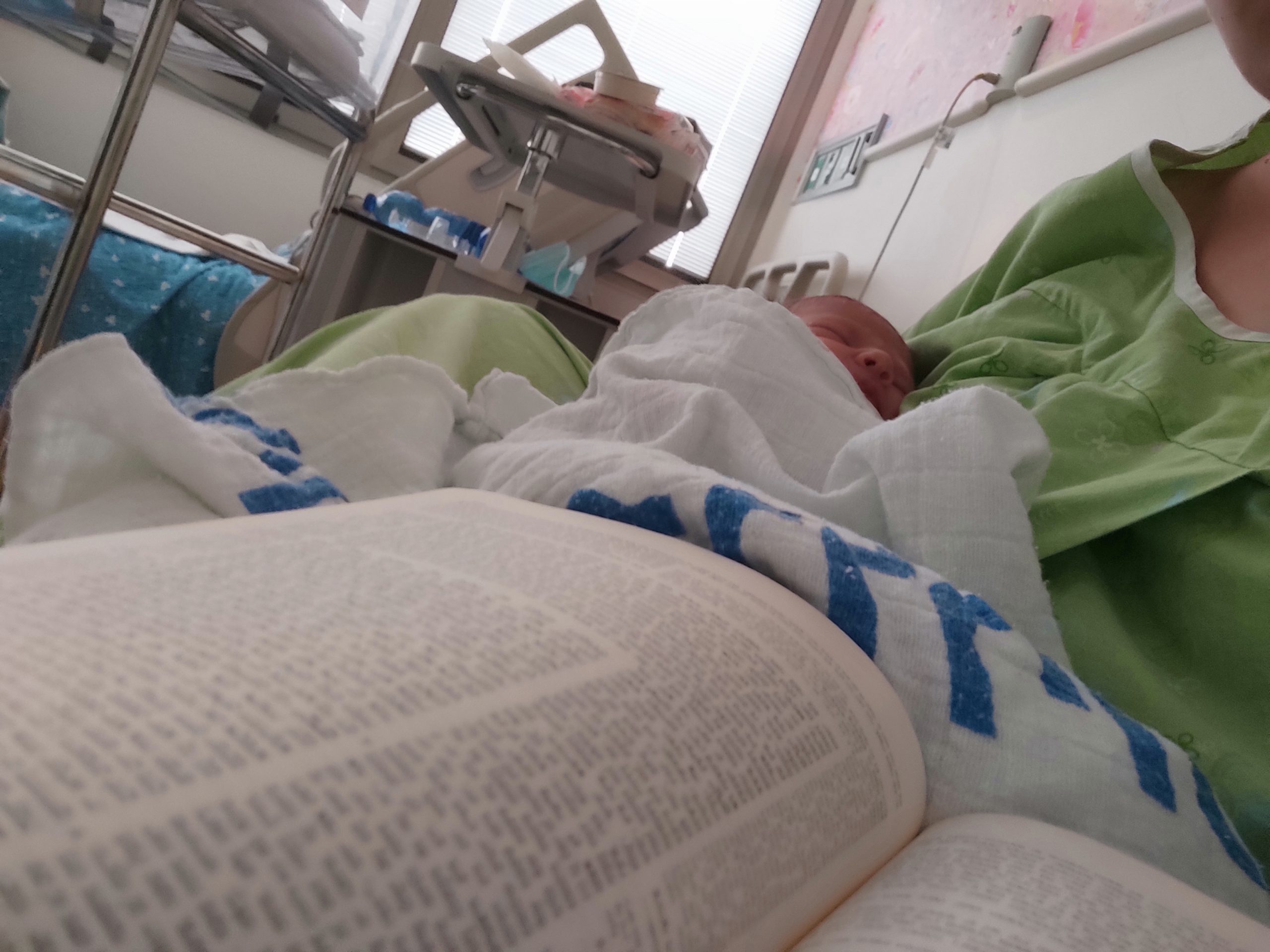
כמו שרואים בתמונה אני ממשיכה ללמוד גם היום ואפילו במחלקת יולדות אחרי לידת ביתי השלישית.
רבבה, ישראל
התחלתי מחוג במסכת קידושין שהעבירה הרבנית רייסנר במסגרת בית המדרש כלנה בגבעת שמואל; לאחר מכן התחיל סבב הדף היומי אז הצטרפתי. לסביבה לקח זמן לעכל אבל היום כולם תומכים ומשתתפים איתי. הלימוד לעתים מעניין ומעשיר ולעתים קשה ואף הזוי… אך אני ממשיכה קדימה. הוא משפיע על היומיום שלי קודם כל במרדף אחרי הדף, וגם במושגים הרבים שלמדתי ובידע שהועשרתי בו, חלקו ממש מעשי

ראש העין, ישראל
התחלתי מעט לפני תחילת הסבב הנוכחי. אני נהנית מהאתגר של להמשיך להתמיד, מרגעים של "אהה, מפה זה הגיע!” ומהאתגר האינטלקטואלי

לוד, ישראל
התחלתי להשתתף בשיעור נשים פעם בשבוע, תכננתי ללמוד רק דפים בודדים, לא האמנתי שאצליח יותר מכך.
לאט לאט נשאבתי פנימה לעולם הלימוד .משתדלת ללמוד כל בוקר ומתחילה את היום בתחושה של מלאות ומתוך התכווננות נכונה יותר.
הלימוד של הדף היומי ממלא אותי בתחושה של חיבור עמוק לעם היהודי ולכל הלומדים בעבר ובהווה.

אפרת, ישראל
בתחילת הסבב הנוכחי של לימוד הדף היומי, נחשפתי לחגיגות המרגשות באירועי הסיום ברחבי העולם. והבטחתי לעצמי שבקרוב אצטרף גם למעגל הלומדות. הסבב התחיל כאשר הייתי בתחילת דרכי בתוכנית קרן אריאל להכשרת יועצות הלכה של נשמ”ת. לא הצלחתי להוסיף את ההתחייבות לדף היומי על הלימוד האינטנסיבי של תוכנית היועצות. בבוקר למחרת המבחן הסופי בנשמ”ת, התחלתי את לימוד הדף במסכת סוכה ומאז לא הפסקתי.
קרית גת, ישראל
. לא תמיד נהניתי מלימוד גמרא כילדה.,בל כהתבגרתי התחלתי לאהוב את זה שוב. התחלתי ללמוד מסכת סוטה בדף היומי לפני כחמש עשרה שנה ואז הפסקתי.הגעתי לסיום הגדול של הדרן לפני שנתיים וזה נתן לי השראה. והתחלתי ללמוד למשך כמה ימים ואז היתה לי פריצת דיסק והפסקתי…עד אלול השנה. אז התחלתי עם מסכת ביצה וב”ה אני מצליחה לעמוד בקצב. המשפחה מאוד תומכת בי ויש כמה שגם לומדים את זה במקביל. אני אוהבת שיש עוגן כל יום.

בית שמש, ישראל
הצטרפתי ללומדות בתחילת מסכת תענית. ההתרגשות שלי ושל המשפחה היתה גדולה מאוד, והיא הולכת וגוברת עם כל סיום שאני זוכה לו. במשך שנים רבות רציתי להצטרף ומשום מה זה לא קרה… ב”ה מצאתי לפני מספר חודשים פרסום של הדרן, ומיד הצטרפתי והתאהבתי. הדף היומי שינה את חיי ממש והפך כל יום- ליום של תורה. מודה לכן מקרב ליבי ומאחלת לכולנו לימוד פורה מתוך אהבת התורה ולומדיה.

חיספין רמת הגולן, ישראל
התחלתי ללמוד בסבב הנוכחי לפני כשנתיים .הסביבה מתפעלת ותומכת מאוד. אני משתדלת ללמוד מכל ההסכתים הנוספים שיש באתר הדרן. אני עורכת כל סיום מסכת שיעור בביתי לכ20 נשים שמחכות בקוצר רוח למפגשים האלו.

יהוד, ישראל
כבר סיפרתי בסיום של מועד קטן.
הלימוד מאוד משפיעה על היום שלי כי אני לומדת עם רבנית מישל על הבוקר בזום. זה נותן טון לכל היום – בסיס למחשבות שלי .זה זכות גדול להתחיל את היום בלימוד ובתפילה. תודה רבה !
ירושלים, ישראל
התחלתי כשהייתי בחופש, עם הפרסומים על תחילת המחזור, הסביבה קיבלה את זה כמשהו מתמיד ומשמעותי ובהערכה, הלימוד זה עוגן יציב ביום יום, יש שבועות יותר ויש שפחות אבל זה משהו שנמצא שם אמין ובעל משמעות בחיים שלי….

גמזו, ישראל
"התחלתי ללמוד דף יומי במחזור הזה, בח’ בטבת תש””ף. לקחתי על עצמי את הלימוד כדי ליצור תחום של התמדה יומיומית בחיים, והצטרפתי לקבוצת הלומדים בבית הכנסת בכפר אדומים. המשפחה והסביבה מתפעלים ותומכים.
בלימוד שלי אני מתפעלת בעיקר מכך שכדי ללמוד גמרא יש לדעת ולהכיר את כל הגמרא. זו מעין צבת בצבת עשויה שהיא עצומה בהיקפה.”
כפר אדומים, ישראל
גיטין עה
מִכְּלָל דִּבְעָלְמָא, נְתִינָה בְּעַל כֻּרְחֵיהּ לָא הָוְיָא נְתִינָה.
This proves by inference that generally, giving against the recipient’s will is not considered valid giving, as if it were, then Hillel would not have needed to institute this ordinance.
מַתְקֵיף לַהּ רַב פָּפָּא, וְאִיתֵּימָא רַב שִׁימִי בַּר אָשֵׁי: וְדִלְמָא כִּי אִצְטְרִיךְ לֵיהּ לְתַקּוֹנֵי – שֶׁלֹּא בְּפָנָיו, אֲבָל בְּפָנָיו – בֵּין מִדַּעְתּוֹ בֵּין בְּעַל כׇּרְחוֹ הָוְיָא נְתִינָה!
Rav Pappa objects to this, and some say it was Rav Shimi bar Ashi who raises this objection: And perhaps when it was necessary for Hillel to institute an ordinance allowing the seller to repay the money against the will of the purchaser it was specifically in a case where he gives the money not in the presence of the purchaser. But when he repays him in his presence, whether the recipient was willing or whether it was against his will, it is considered valid giving. Accordingly, one cannot apply Hillel’s ordinance to the case of conditional bills of divorce.
וְאִיכָּא דְּאָמְרִי, אָמַר רָבָא: מִתַּקָּנָתוֹ שֶׁל הִלֵּל – ״הֲרֵי זֶה גִּיטֵּךְ עַל מְנָת שֶׁתִּתְּנִי לִי מָאתַיִם זוּז״, וּנְתָנָהּ לוֹ – בֵּין מִדַּעְתּוֹ וּבֵין בְּעַל כׇּרְחוֹ הָוְיָא נְתִינָה; וְכִי אִיצְטְרִיךְ לֵיהּ לְהִלֵּל לְתַקּוֹנֵי – שֶׁלֹּא בְּפָנָיו, אֲבָל בְּפָנָיו – בֵּין מִדַּעְתּוֹ בֵּין בְּעַל כׇּרְחוֹ הָוְיָא נְתִינָה.
And there are those who say a different version of this discussion. Rava says: From the ordinance of Hillel it can be inferred that if one says to his wife: This is your bill of divorce on the condition that you will give me two hundred dinars, and she gave it to him, whether it was with his consent or whether it was against his will, it is valid giving. And the case where it was necessary for Hillel to institute his ordinance was when the giving of the money was not in his presence. But if the repayment was in his presence, whether it was with his consent or whether it was against his will, it is considered valid giving.
מַתְקֵיף לַהּ רַב פָּפָּא, וְאִיתֵּימָא רַב שִׁימִי בַּר אָשֵׁי: וְדִלְמָא אֲפִילּוּ בְּפָנָיו נָמֵי – מִדַּעְתּוֹ אִין, עַל כׇּרְחוֹ לָא; וְהִלֵּל – מַאי דְּאִיצְטְרִיךְ לֵיהּ תַּקֵּין.
Rav Pappa objects to this, and some say it was Rav Shimi bar Ashi who raises this objection: And perhaps even in a case where she gives him the money in his presence, if she gives it with his consent, yes, it is valid. If she gives it against his will, no, it is not considered to be valid giving. And Hillel specifically instituted what was necessary, because in the case of a house in a walled city the purchaser would hide, and therefore that ordinance was necessary there.
אָמַר רַבָּה בַּר בַּר חָנָה אָמַר רַבִּי יוֹחָנָן: כׇּל מָקוֹם שֶׁשָּׁנָה רַבָּן שִׁמְעוֹן בֶּן גַּמְלִיאֵל בְּמִשְׁנָתֵינוּ – הֲלָכָה כְּמוֹתוֹ; חוּץ מֵעָרֵב, וְצַיְדָן,
§ Rabba bar bar Ḥana says that Rabbi Yoḥanan says: In every place where Rabban Shimon ben Gamliel taught a halakha in our body of Mishna, the halakha is in accordance with his opinion, even though it is cited as an individual opinion, except for three cases. With regard to the halakha of a guarantor (Bava Batra 173b), if the creditor stipulated that he can collect his debt from either the debtor or the guarantor, according to the Rabbis he can collect from the guarantor’s property even if the debtor has available property. Rabban Shimon ben Gamliel holds that the creditor can collect the debt only from the debtor. And likewise the halakha is not like Rabban Shimon ben Gamliel with regard to the case mentioned here concerning the incident that occurred in Tzaidan.
וּרְאָיָה אַחֲרוֹנָה.
And similarly, the halakha is not in accordance with the opinion of Rabban Shimon ben Gamliel concerning the dispute with regard to evidence in the final disagreement (Sanhedrin 31a), where the Rabbis hold that if one claims that he has no evidence or witnesses, but subsequently brings evidence to court, the judges do not accept it. According to the opinion of Rabban Shimon ben Gamliel they can accept it.
תָּנוּ רַבָּנַן: ״הֲרֵי זֶה גִּיטִּיךְ, וְהַנְּיָיר שֶׁלִּי״ – אֵינָהּ מְגוֹרֶשֶׁת. ״עַל מְנָת שֶׁתַּחְזִירִי לִי אֶת הַנְּיָיר״ – מְגוֹרֶשֶׁת.
§ The Sages taught in a baraita: If the husband said to his wife: Behold this is your bill of divorce, but the paper on which it is written is still mine, then she is not divorced, as he must give her the actual bill of divorce in order for the divorce to take effect. Since the paper still belongs to him, it is as if he had given her only the writing. But if he said to her: Behold this is your bill of divorce on the condition that you return the paper to me, then she is divorced. The bill of divorce belongs entirely to her, and the returning of the paper is only a stipulation that must be fulfilled later.
מַאי שְׁנָא רֵישָׁא וּמַאי שְׁנָא סֵיפָא? אָמַר רַב חִסְדָּא: הָא מַנִּי – רַבָּן שִׁמְעוֹן בֶּן גַּמְלִיאֵל הִיא, דְּאָמַר: תִּתֵּן לוֹ אֶת דָּמֶיהָ; הָכָא נָמֵי – אֶפְשָׁר דִּמְפַיְּיסָה לֵיהּ בִּדְמֵי.
The Gemara asks: What is different in the first clause of the baraita and what is different in the latter clause? In neither case does she have ownership of the bill of divorce. Rav Ḥisda said: In accordance with whose opinion is this baraita? It is in accordance with the opinion of Rabban Shimon ben Gamliel, who says with regard to his coat that she can give him its value and does not need to give the item itself in order to fulfill the condition. Here also, since it is possible for her to appease him with money and she may give him the value of the paper, therefore it is considered as though she received the paper.
מַתְקֵיף לַהּ אַבָּיֵי: אֵימוֹר דְּאָמַר רַבָּן שִׁמְעוֹן בֶּן גַּמְלִיאֵל – הֵיכָא דְּלֵיתֵיהּ בְּעֵינֵיהּ, הֵיכָא דְּאִיתֵיהּ בְּעֵינֵיהּ מִי אָמַר?!
Abaye objects to this answer: Say that Rabban Shimon ben Gamliel says that it is acceptable to give the value instead of the item itself when the item is not extant, because it is lost. But in a case where it is extant, such as the paper in this case, did Rabban Shimon ben Gamliel actually say that giving the value of the item is sufficient?
אֶלָּא אָמַר אַבָּיֵי: הָא מַנִּי – רַבִּי מֵאִיר הִיא, דְּאָמַר: בָּעֵינַן תְּנַאי כָּפוּל; וְהָכָא – הָא לָא כַּפְלֵיהּ לִתְנָאֵיהּ.
Rather, Abaye said: In accordance with whose opinion is this baraita? It is in accordance with the opinion of Rabbi Meir, who says: We require any stipulated condition to be structured as a compound condition describing both outcomes, meaning that the condition must mention what will happen both if the condition is fulfilled and if it is not fulfilled. And here he did not compound his condition. The husband said only: This is your bill of divorce on the condition that you return the paper to me. He did not specify that it will not be a valid bill of divorce if she does not return it.
מַתְקֵיף לַהּ רָבָא: טַעְמָא דְּלָא כַּפְלֵיהּ לִתְנָאֵיהּ, הָא כַּפְלֵיהּ לִתְנָאֵיהּ – לָא הָוֵי גִּיטָּא; מִכְּדֵי כֹּל תְּנָאֵי מֵהֵיכָא גָּמְרִינַן לְהוּ? מִתְּנַאי בְּנֵי גָּד וּבְנֵי רְאוּבֵן;
Rava objects to this explanation: According to Abaye the reason the bill of divorce is valid is that the husband did not compound his condition, but if the husband did compound his condition then it would not be a valid bill of divorce. Now, from where do we learn the halakhot of all conditions? They are derived from the condition of the children of Gad and the children of Reuben. Moses stipulated with them that if they fight the battles with the Jewish people in Eretz Yisrael, they will inherit the land of Gilead in the Transjordan, as they requested; but if they do not fight the battles with the Jewish people in Eretz Yisrael, they will not inherit that land (see Numbers, chapter 32).
מָה הָתָם – תְּנַאי קוֹדֵם לְמַעֲשֶׂה, אַף כֹּל תְּנַאי קוֹדֵם לְמַעֲשֶׂה; לְאַפּוֹקֵי הָכָא – דְּמַעֲשֶׂה קוֹדֵם לִתְנַאי!
Just as there, in the conditions that Moses made, the language of the condition precedes the consequent action, for he first stated the condition and afterward he described the result if they fulfill the condition: “And you shall give them the land of Gilead as an inheritance” (Numbers 32:29), so too, any condition is valid only when it is stated before the resultant action. And this serves to exclude the case mentioned here, where the resultant action of the giving of the bill of divorce precedes the condition. Consequently, according to Rabbi Meir this bill of divorce would not be valid, even if the husband had compounded the condition.
אֶלָּא אָמַר רָבָא: מִשּׁוּם דְּמַעֲשֶׂה קוֹדֵם לִתְנַאי.
Rather, Rava said: The condition does not apply and the woman is divorced because the action of giving the bill of divorce precedes the condition.
מַתְקֵיף לַהּ רַב אַדָּא בַּר אַהֲבָה: טַעְמָא דְּמַעֲשֶׂה קוֹדֵם לִתְנַאי, הָא תְּנַאי קוֹדֵם לְמַעֲשֶׂה – לָא הָוֵי גִּיטָּא; מִכְּדֵי כֹּל תְּנָאֵי מֵהֵיכָא גָּמְרִינַן לְהוּ – מִתְּנַאי בְּנֵי גָּד וּבְנֵי רְאוּבֵן, מָה הָתָם – תְּנַאי בְּדָבָר אֶחָד וּמַעֲשֶׂה בְּדָבָר אַחֵר, אַף כֹּל; לְאַפּוֹקֵי הָכָא –
Rav Adda bar Ahava objects to this explanation: The reason that the bill of divorce is valid is that the action precedes the condition, and the condition does not take effect. But if the condition were to precede the action then it would not be a valid bill of divorce. Now, from where do we learn all the halakhot of conditions? They are derived from the condition of the children of Gad and the children of Reuben. Just as there it is a condition with regard to one matter, i.e., that they should fight along with the rest of the Jewish people, and a resultant action with regard to another matter, i.e., that they would receive the land of Gilead, so too, every other condition must follow this pattern. This serves to exclude the case mentioned here,
דִּתְנַאי וּמַעֲשֶׂה בְּדָבָר אֶחָד! אֶלָּא אָמַר רַב אַדָּא בַּר אַהֲבָה: מִשּׁוּם דִּתְנַאי וּמַעֲשֶׂה בְּדָבָר אֶחָד.
where the condition and the action are about the same matter, the giving of the bill of divorce. Accordingly, the condition would not be valid even if one were to disregard the concern of the action preceding the condition. Rather, Rav Adda bar Ahava said that this condition is void because the condition and the action are about the same matter, and therefore the bill of divorce is valid even without fulfillment of the condition.
רַב אָשֵׁי אָמַר: הָא מַנִּי – רַבִּי הִיא, דְּאָמַר רַב הוּנָא אָמַר רַב: כׇּל הָאוֹמֵר ״עַל מְנָת״ כְּאוֹמֵר ״מֵעַכְשָׁיו״ דָּמֵי.
Rav Ashi said: In accordance with whose opinion is this baraita? It is in accordance with the opinion of Rabbi Yehuda HaNasi, as Rav Huna says that Rav says: Anyone who states a condition employing the language: On the condition, is like one who states: The agreement will take effect retroactively from now, even though the condition is fulfilled only later on. Consequently, the bill of divorce is effective immediately, even if the woman will later be required to return the document itself to him.
אַתְקֵין שְׁמוּאֵל בְּגִיטָּא דִּשְׁכִיב מְרַע: ״אִם לֹא מַתִּי לֹא יְהֵא גֵּט, וְאִם מַתִּי יְהֵא גֵּט״.
§ With regard to conditions in a bill of divorce, Shmuel instituted that in a bill of divorce of a person on his deathbed the following expression should be written: If I do not die this will not be a valid bill of divorce, and if I die it will be a valid bill of divorce.
וְלֵימָא: ״אִם מַתִּי יְהֵא גֵּט, וְאִם לֹא מַתִּי לֹא יְהֵא גֵּט״! לָא מַקְדֵּים אִינִישׁ פּוּרְעָנוּתָא לְנַפְשֵׁיהּ.
The Gemara asks about the wording used here: But let us say this statement in a more intuitive order: If I die it will be a valid bill of divorce, and if I do not die this will not be a valid bill of divorce. The Gemara explains: A person does not hasten a calamity upon himself. Consequently, he does not wish to mention his death first.
וְלֵימָא: ״לֹא יְהֵא גֵּט אִם לֹא מַתִּי״! בָּעֵינַן תְּנַאי קוֹדֵם לְמַעֲשֶׂה.
The Gemara asks: Why did Shmuel use this phrasing? But let us say the condition using the following formulation: It will not be a valid bill of divorce if I do not die, and it will be a valid bill of divorce if I do die. The Gemara asks: When stipulating a condition, we require the condition to come before the action, but in this formulation the resultant action, that the bill of divorce is not valid, precedes the condition, if I do not die.
מַתְקֵיף לַהּ רָבָא: מִכְּדֵי כֹּל תְּנָאֵי מֵהֵיכָא גָּמְרִינַן – מִתְּנַאי בְּנֵי גָּד וּבְנֵי רְאוּבֵן; מָה הָתָם – הֵן קוֹדֵם לְלָאו, אַף כֹּל [תְּנָאֵי, הֵן קוֹדֵם לְלָאו].
Rava objects to this explanation: Now, from where do we learn the principles of all conditions? They are derived from the condition of the children of Gad and the children of Reuben. Just as there, the affirmative precedes the negative, meaning that the positive portion that speaks about what will occur if the condition is fulfilled appears before the negative portions that describe what will exist if the condition is not fulfilled, so too, all conditions must be formulated in this manner. This serves to exclude the case here, instituted by Shmuel, where the negative precedes the affirmative.
אֶלָּא אָמַר רָבָא: ״אִם לֹא מַתִּי לֹא יְהֵא גֵּט, אִם מַתִּי יְהֵא גֵּט, אִם לֹא מַתִּי לֹא יְהֵא גֵּט״ –
Rather, Rava said that the condition in the bill of divorce of a dying man should be worded in the following manner: If I do not die this will not be a bill of divorce. If I die this will be a bill of divorce, and if I do not die this will not be a bill of divorce.
״אִם לֹא מַתִּי לֹא יְהֵא גֵּט״ – לָא מַקְדֵּים אִינִישׁ פּוּרְעָנוּתָא לְנַפְשֵׁיהּ; ״אִם מַתִּי יְהֵא גֵּט, אִם לֹא מַתִּי לֹא יְהֵא גֵּט״ – בָּעֵינַן הֵן קוֹדֵם לְלָאו.
The Gemara explains the necessity for such a formulation: The husband first says: If I do not die this will not be a bill of divorce, because a person does not hasten a calamity upon himself. Therefore, he first mentions the possibility that he will not die. Then he states the compound condition in the following order: If I die this will be a bill of divorce, and if I do not die this will not be a bill of divorce. This is because we require that the affirmative precedes the negative.
מַתְנִי׳ ״הֲרֵי זֶה גִּיטִּיךְ עַל מְנָת שֶׁתְּשַׁמְּשִׁי אֶת אַבָּא״; ״עַל מְנָת שֶׁתָּנִיקִי אֶת בְּנִי״ – כַּמָּה הִיא מְנִיקָתוֹ? שְׁתֵּי שָׁנִים. רַבִּי יְהוּדָה אוֹמֵר: שְׁמֹנָה עָשָׂר חֹדֶשׁ. מֵת הַבֵּן אוֹ שֶׁמֵּת הָאָב – הֲרֵי זֶה גֵּט.
MISHNA: If a husband says to his wife: This is your bill of divorce on the condition that you will serve my father, or: On the condition that you will nurse, i.e., breastfeed, my son, without specifying a time period, how long is she required to nurse him in order to fulfill the condition? She is required to nurse the baby for two years from his birth, which is the length of time generally designated for nursing. Rabbi Yehuda says: The time for nursing is only eighteen months. If the baby son died or the husband’s father died, this is a valid bill of divorce, even though the condition was not fulfilled.
״הֲרֵי זֶה גִּיטִּיךְ עַל מְנָת שֶׁתְּשַׁמְּשִׁי אֶת אַבָּא שְׁתֵּי שָׁנִים״; ״עַל מְנָת שֶׁתָּנִיקִי אֶת בְּנִי שְׁתֵּי שָׁנִים״ – מֵת הַבֵּן, אוֹ שֶׁאָמַר הָאָב: ״אִי אֶפְשִׁי שֶׁתְּשַׁמְּשֵׁנִי״ שֶׁלֹּא בְּהַקְפָּדָה – אֵינוֹ גֵּט.
But if the husband said to his wife: This is your bill of divorce on the condition that you will serve my father for two years, or: On the condition that you will nurse my son for two years, and the son died before she nursed him for two years, or the father said: I do not want you to serve me, then even if the father did not say this in anger and she did everything she was expected to do, it is not a valid bill of divorce because the condition was not fulfilled.
רַבָּן שִׁמְעוֹן בֶּן גַּמְלִיאֵל אוֹמֵר: כָּזֶה – גֵּט. כְּלָל אָמַר רַבָּן שִׁמְעוֹן בֶּן גַּמְלִיאֵל: כׇּל עַכָּבָה שֶׁאֵינָהּ הֵימֶנָּה – הֲרֵי זֶה גֵּט.
Rabban Shimon ben Gamliel says: In a case like this it is a valid bill of divorce. Rabban Shimon ben Gamliel stated a principle: If there is any hindrance to the fulfillment of the condition that does not result from her, then it is a valid bill of divorce.
גְּמָ׳ וּמִי בָּעֵינַן כּוּלֵּי הַאי?! וּרְמִינְהִי: שִׁמְּשַׁתּוּ יוֹם אֶחָד; הֱנִיקַתּוּ יוֹם אֶחָד – הֲרֵי זֶה גֵּט!
GEMARA: But do we require that she serve the father or nurse the son for all of this time that was stipulated? And the Gemara raises a contradiction based on what was taught in a baraita (Tosefta, Nidda 2:2): If she served the father for one day or she nursed the son for one day it is a valid bill of divorce.
אָמַר רַב חִסְדָּא, לָא קַשְׁיָא: הָא רַבָּנַן, וְהָא רַבָּן שִׁמְעוֹן בֶּן גַּמְלִיאֵל –
Rav Ḥisda said that this is not difficult: This baraita is in accordance with the opinion of the Rabbis, and this mishna is in accordance with the opinion of Rabban Shimon ben Gamliel, who disagreed in the previous mishna (74a) with regard to a coat that was lost. According to the opinion of the Rabbis there, if there is no possibility that the wife can fulfill the condition by returning the coat, as it was lost, the bill of divorce is not valid. According to the opinion of Rabban Shimon ben Gamliel there, she can give the husband the coat’s value and the bill of divorce is valid.
מַתְנִיתִין רַבָּן שִׁמְעוֹן בֶּן גַּמְלִיאֵל, וּבָרַיְיתָא רַבָּנַן.
The Gemara explains: The mishna is in accordance with the opinion of Rabban Shimon ben Gamliel, who claims that the wife can give the husband the equivalent of the stipulated item to render the bill of divorce valid, as the primary factor is his receiving the benefit he intended when stating his condition. Therefore, she must nurse the child for the standard length of time, as that is the benefit he intended when stating his condition, or else the bill of divorce is not valid. And the baraita is in accordance with the opinion of the Rabbis, who hold that the wife must fulfill the literal terms of the condition. If she nurses the baby for even one day, or serves the father for a single day, the literal terms of the condition have been fulfilled.
הָא מִדְּסֵיפָא רַבָּן שִׁמְעוֹן בֶּן גַּמְלִיאֵל הָוֵי, מִכְּלָל דְּרֵישָׁא לָאו רַבָּן שִׁמְעוֹן בֶּן גַּמְלִיאֵל! אֶלָּא בָּרַיְיתָא – רַבָּן שִׁמְעוֹן בֶּן גַּמְלִיאֵל הִיא, דְּמֵיקֵל בִּתְנָאֵי; מַתְנִיתִין – רַבָּנַן.
The Gemara challenges: Is this explanation possible? But from the fact that the latter clause of the mishna is attributed to Rabban Shimon ben Gamliel, it can be derived by inference that the first clause is not in accordance with the opinion of Rabban Shimon ben Gamliel. Rather, the baraita is in accordance with the opinion of Rabban Shimon ben Gamliel, who is lenient with regard to a condition, and interprets it so that it can be fulfilled. The mishna is in accordance with the opinion of the Rabbis, who interpret the condition in an expanded manner.
רָבָא אָמַר, לָא קַשְׁיָא: כָּאן בִּסְתָם, כָּאן בִּמְפָרֵשׁ.
Rava offered an alternative explanation and said that the apparent contradiction is not difficult: Here, in the mishna, where the husband spoke without specification and did not set a time, the Sages assigned what they understand to be the standard time for the stipulated action. There, in the baraita, it is referring to where the husband said explicitly that she should perform the action for only one day.
רַב אָשֵׁי אָמַר: כׇּל סְתָם נָמֵי כִּמְפָרֵשׁ ״יוֹם אֶחָד״ דָּמֵי.
Rav Ashi offered a different alternative explanation and said: Any unspecified statement is also considered to be as though he explicitly said one day. Since the husband did not mention a specific amount of time in which to perform the action, one day should be sufficient.
תְּנַן: כַּמָּה הִיא מְנִיקָתוֹ? שְׁתֵּי שָׁנִים. רַבִּי יְהוּדָה אוֹמֵר: שְׁמֹנָה עָשָׂר חֹדֶשׁ. בִּשְׁלָמָא לְרָבָא – נִיחָא; אֶלָּא לְרַב אָשֵׁי, לְמָה לִי שְׁתֵּי שָׁנִים? לְמָה לִי שְׁמֹנָה עָשָׂר חֹדֶשׁ? בְּיוֹם אֶחָד סַגִּי!
The Gemara challenges Rav Ashi’s explanation: We learned in the mishna: How long is she required to nurse him in order to fulfill the condition? She is required to nurse the baby for two years from his birth. Rabbi Yehuda says: The time for nursing is only eighteen months. Granted, according to the opinion of Rava, it works out well that if the husband does not specify the length of time, the wife must nurse the baby for the generally accepted time. But according to the opinion of Rav Ashi, why do I need her to nurse the baby for two years or why do I need her to nurse him for eighteen months? One day should suffice to fulfill the husband’s condition.
הָכִי קָאָמַר: יוֹם אֶחָד – מִשְׁתֵּי שָׁנִים; לְאַפּוֹקֵי לְאַחַר שְׁתֵּי שָׁנִים – דְּלָא. יוֹם אֶחָד – מִשְּׁמֹנָה עָשָׂר חֹדֶשׁ; לְאַפּוֹקֵי לְאַחַר שְׁמֹנָה עָשָׂר חֹדֶשׁ – דְּלָא.
The Gemara answers: This is what the mishna is saying according to the opinion of Rav Ashi: How long is the wife required to nurse the baby? One day from within the two years of the baby’s birth, to exclude the case where the one day that she nursed him occurred after he was two years old, in which case the husband’s condition would not be fulfilled, for that is the accepted length of time for a mother to nurse a baby. Or according to Rabbi Yehuda one day from within the eighteen months of the baby’s birth, to exclude the case where the one day that she nursed him occurred after he was she nursed him occurred after he was eighteen months old, in which case the bill of divorce would not be valid.
מֵיתִיבִי: ״הֲרֵי זֶה גִּיטִּיךְ עַל מְנָת שֶׁתְּשַׁמְּשִׁי אֶת אַבָּא שְׁתֵּי שָׁנִים״; ״עַל מְנָת שֶׁתָּנִיקִי אֶת בְּנִי שְׁתֵּי שָׁנִים״ – מֵת הַבֵּן, אוֹ שֶׁאָמַר הָאָב ״אִי אֶפְשִׁי שֶׁתְּשַׁמְּשֵׁנִי״ שֶׁלֹּא בְּהַקְפָּדָה – אֵינוֹ גֵּט.
The Gemara raises an objection to the opinion of Rav Ashi from the latter clause of the mishna: If a husband said to his wife: This is your bill of divorce on the condition that you will serve my father for two years, or: This is your bill of divorce on the condition that you will nurse my son for two years, and the son died or the father said: I do not want you to serve me, then even though the father did not say this in anger, it is not a valid bill of divorce.

