זה הדף של תשעה באב. לצפייה בדף של שבת, לחצו כאן.
הלימוד החודש מוקדש ע”י שושנה שור לרפואת מאירה בת זלדה זהבה.
מוכנים להתחיל?
הדף היומי – בכורות לה / 23.10.2026 / י״ב בחשון תשפ״ז



Ready to get started?
הלימוד השבוע מוקדש ע”י טינה לם לרפואת מעין ליאורה בת שלומית פייגא
רוצה להקדיש שיעור?

זה הדף של תשעה באב. לצפייה בדף של שבת, לחצו כאן.
הלימוד החודש מוקדש ע”י שושנה שור לרפואת מאירה בת זלדה זהבה.
הלימוד השבוע מוקדש ע”י טינה לם לרפואת מעין ליאורה בת שלומית פייגא
וְקַיְימָא לַן דְּאֵינוֹ לוֹקֶה וּמְשַׁלֵּם. אָמַר עוּלָּא, לָא קַשְׁיָא: כָּאן בַּאֲחוֹתוֹ נַעֲרָה, כָּאן בַּאֲחוֹתוֹ בּוֹגֶרֶת.
And since we maintain in general that one is not both flogged and liable to pay, if one receives lashes for having relations with his sister, why must he pay the fine as well? Ulla said: This is not difficult; here, the halakha in the mishna is with regard to his sister who is a young woman, for whom one pays a fine and is not flogged, whereas there, the halakha in the mishna is with regard to his sister who is a grown woman, for whom one does not pay a fine.
אֲחוֹתוֹ בּוֹגֶרֶת נָמֵי, הָא אִיכָּא בּוֹשֶׁת וּפְגָם! בְּשׁוֹטָה. וְהָא אִיכָּא צַעֲרָא! בִּמְפוּתָּה.
The Gemara asks: In the case of one who has relations with his sister who is a grown woman, too, although he does not pay a fine, isn’t there compensation for humiliation and degradation? He should be exempt from lashes in that case as well. The Gemara answers: There, the halakha in the mishna is with regard to his sister who is an imbecile, with regard to whom there is no humiliation or degradation beyond her status as an imbecile. The Gemara asks: But isn’t there payment for pain even in the rape of an imbecile? The Gemara responds: The halakha is with regard to a seduced woman, who is not entitled to payment for pain, as she engaged in relations willingly.
הַשְׁתָּא דְּאָתֵית לְהָכִי, אֲפִילּוּ תֵּימָא אֲחוֹתוֹ נַעֲרָה, בִּיתוֹמָה וּמְפוּתָּה.
The Gemara comments: Now that you have arrived at this explanation that the mishna is referring to a seduced woman, the mishna can be understood even if you say it is referring to his sister who is a young woman. The reason that the seducer does not pay the fine is that the halakha is with regard to one who is an orphan and a seduced woman. Were her father alive, he would receive the payment. Because he died, the payment goes to her. Since she willingly participated in the relations, she relinquished her right to the payment, and the seducer is therefore liable to receive lashes.
אַלְמָא קָסָבַר עוּלָּא: כָּל הֵיכָא דְּאִיכָּא מָמוֹן וּמַלְקוֹת — מָמוֹנָא מְשַׁלֵּם, מִילְקָא לָא לָקֵי. מְנָא לֵיהּ לְעוּלָּא הָא? גָּמַר מֵחוֹבֵל בַּחֲבֵירוֹ: מָה חוֹבֵל בַּחֲבֵירוֹ דְּאִיכָּא מָמוֹן וּמַלְקוֹת — מָמוֹנָא מְשַׁלֵּם, מִילְקָא לָא לָקֵי; אַף כֹּל הֵיכָא דְּאִיכָּא מָמוֹן וּמַלְקוֹת — מָמוֹנָא מְשַׁלֵּם, מִילְקָא לָא לָקֵי.
The Gemara observes: Apparently, Ulla maintains that in any case where there is liability to both pay money and receive lashes, e.g., one who has forced relations with his sister who is a young woman, one pays money but is not flogged. The Gemara asks: From where does Ulla derive this principle? The Gemara answers: He derives it from the halakha of one who injures another. Just as with regard to one who injures another where there is liability to both pay money for the injury and receive lashes for violating the prohibition “Lest he continues to strike him” (Deuteronomy 25:3), the halakha there is that one pays money but is not flogged, so too, in any case where there is liability to both pay money and receive lashes, one pays money but is not flogged.
מָה לְחוֹבֵל בַּחֲבֵירוֹ — שֶׁכֵּן חַיָּיב בַּחֲמִשָּׁה דְּבָרִים. וְאִי מָמוֹנָא לְקוּלָּא — שֶׁכֵּן הוּתַּר מִכְּלָלוֹ בְּבֵית דִּין.
The Gemara asks: What is the basis for the comparison between other cases and the case of one who injures another? One who injures another cannot serve as a paradigm for cases of liability for both money and lashes because the case of one who injures another is particularly stringent, as he is liable to pay five types of indemnity: Injury, pain, medical costs, loss of livelihood, and humiliation. And if payment of money is a more lenient form of punishment than lashes, one could infer a fortiori: If in the stringent case of injuring another, one receives the more lenient punishment, all the more so would he receive the more lenient punishment in less stringent cases; nevertheless, one who injures another cannot serve as a paradigm for cases of liability for both money and lashes. The reason is that there is also a lenient aspect with regard to injuring another, as it is permitted, in departure from its norm, in court. The court administers lashes, injuring those convicted. The leniency is that its application is selective.
אֶלָּא גָּמַר מֵעֵדִים זוֹמְמִין: מָה עֵדִים זוֹמְמִין דְּאִיכָּא מָמוֹן וּמַלְקוֹת — מָמוֹנָא מְשַׁלֵּם, מִילְקָא לָא לָקֵי; אַף כֹּל הֵיכָא דְּאִיכָּא מָמוֹן וּמַלְקוֹת — מָמוֹנָא מְשַׁלֵּם, מִילְקָא לָא לָקֵי.
Rather, the Gemara states that Ulla derives this principle from the halakha of false, conspiring witnesses. Just as with regard to conspiring witnesses, where there is liability to both pay money, if they falsely testified to render one liable for payment, and receive lashes, for violating the prohibition “You shall not bear false witness against your neighbor” (Exodus 20:13), and the halakha is that one pays money but is not flogged, so too, in any case where there is liability to both pay money and receive lashes, one pays money but is not flogged.
מָה לְעֵדִים זוֹמְמִין — שֶׁכֵּן אֵינָן צְרִיכִים הַתְרָאָה. וְאִי מָמוֹנָא לְקוּלָּא הוּא — שֶׁכֵּן לֹא עָשׂוּ מַעֲשֶׂה!
The Gemara asks: What is the basis for the comparison of other cases to the case of conspiring witnesses? Conspiring witnesses cannot serve as a paradigm for cases of liability for both money and lashes because the case of conspiring witnesses is particularly stringent, as they do not require forewarning. As a rule, the courts administer punishment only to one who was forewarned not to perform the transgression. The fact that this is not a requirement in the case of conspiring witnesses indicates that it is a particularly stringent prohibition. Therefore, no proof can be cited from the case of conspiring witnesses to other cases with regard to monetary payment instead of lashes. And if payment of money is a more lenient form of punishment than lashes, the case of conspiring witnesses also has a lenient aspect, as they did not perform an action but merely spoke.
אֶלָּא גָּמַר מִתַּרְוַיְיהוּ: מָה הַצַּד הַשָּׁוֶה שֶׁבָּהֶן, דְּאִיכָּא מָמוֹן וּמַלְקוֹת — מָמוֹנָא מְשַׁלֵּם, מִילְקָא לָא לָקֵי; אַף כֹּל הֵיכָא דְּאִיכָּא מָמוֹן וּמַלְקוֹת — מָמוֹנָא מְשַׁלֵּם, מִילְקָא לָא לָקֵי. מָה לְהַצַּד הַשָּׁוֶה שֶׁבָּהֶן — שֶׁכֵּן יֵשׁ בָּהֶן צַד חָמוּר, וְאִי מָמוֹנָא לְקוּלָּא הוּא — שֶׁכֵּן יֵשׁ בָּהֶן צַד הַקַּל.
Rather, Ulla derives the principle from both of them, the cases of one who injures another and of conspiring witnesses. The common denominator of both cases is that there is liability to both pay money and receive lashes and the halakha is that one pays money but is not flogged; so too, in any case where there is liability to both pay money and receive lashes, one pays money but is not flogged. The Gemara asks: What is the basis for the comparison of other cases to the common denominator of both cases, as they have an element of stringency that does not exist in other prohibitions in that one who injures another pays five types of indemnity, and conspiring witnesses are flogged without forewarning? And if payment of money is a more lenient form of punishment than lashes, other cases cannot be derived from it, as they have an element of leniency that does not exist in other prohibitions. The prohibition in the case of one who injures another is selectively applied, as it is permitted, in departure from its norm, in court, and the case of conspiring witnesses is lenient because they performed no action.
אֶלָּא עוּלָּא ״תַּחַת״ ״תַּחַת״ גָּמַר. כְּתִיב הָכָא: ״תַּחַת אֲשֶׁר עִנָּהּ״, וּכְתִיב הָתָם: ״עַיִן תַּחַת עַיִן״. מָה הָתָם — מָמוֹנָא מְשַׁלֵּם, מִילְקָא לָא לָקֵי; אַף כֹּל הֵיכָא דְּאִיכָּא מָמוֹנָא וּמַלְקוֹת — מָמוֹנָא מְשַׁלֵּם, מִילְקָא לָא לָקֵי.
Rather, Ulla derives the fact that one pays and is not flogged by means of a verbal analogy between the terms for and for. The verse states with regard to rape: “And the man who lay with her shall give to the father of the young woman fifty shekels of silver, and to him she shall be as a wife, because [taḥat] he tormented her” (Deuteronomy 22:29), and it states there, with regard to injury: “An eye for [taḥat] an eye” (Exodus 21:24). Just as there, with regard to injury, one pays money and is not flogged, so too, in any case where there is liability to both pay money and receive lashes, one pays money but is not flogged.
רַבִּי יוֹחָנָן אָמַר, אֲפִילּוּ תֵּימָא אֲחוֹתוֹ נַעֲרָה: כָּאן שֶׁהִתְרוּ בּוֹ, כָּאן שֶׁלֹּא הִתְרוּ בּוֹ.
§ In proposing a different resolution to the apparent contradiction between the mishna here that rules that one pays a fine for raping his sister and the mishna in Makkot that rules that one is flogged in that case, Rabbi Yoḥanan said: Even if you say that both mishnayot are referring to his sister who is a young woman, there it is referring to a case where the witnesses forewarned him, and therefore the rapist is flogged; here, it is referring to a case where the witnesses did not forewarn him. Since no lashes are administered without forewarning, the rapist pays the fine.
אַלְמָא קָסָבַר רַבִּי יוֹחָנָן: כׇּל הֵיכָא דְּאִיכָּא מָמוֹן וּמַלְקוֹת וְאַתְרוֹ בֵּיהּ — מִילְקָא לָקֵי, מָמוֹנָא לָא מְשַׁלֵּם. מְנָא לֵיהּ לְרַבִּי יוֹחָנָן הָא? אָמַר קְרָא: ״כְּדֵי רִשְׁעָתוֹ״, מִשּׁוּם רִשְׁעָה אַחַת אַתָּה מְחַיְּיבוֹ, וְאִי אַתָּה מְחַיְּיבוֹ מִשּׁוּם שְׁתֵּי רִשְׁעָיוֹת. וּסְמִיךְ לֵיהּ ״אַרְבָּעִים יַכֶּנּוּ״.
The Gemara observes: Apparently, Rabbi Yoḥanan maintains that in any case where there is liability to both pay money and receive lashes, and the witnesses forewarned him, he is flogged but does not pay money. The Gemara asks: From where does Rabbi Yoḥanan derive this principle? The Gemara explains that he derives it from that which the verse states with regard to one sentenced to lashes in the court: “The judge shall cause him to lie down, and to be beaten before him, according to the measure of his wickedness” (Deuteronomy 25:2), from which it is inferred: For one act of wickedness, i.e., punishment, you can render him liable, but you cannot render him liable for two acts of wickedness. And juxtaposed to this it states: “Forty he shall strike him” (Deuteronomy 25:3), indicating that the punishment that is administered when one is liable to receive two punishments is lashes and not payment.
וַהֲרֵי חוֹבֵל בַּחֲבֵירוֹ, דְּאִיכָּא מָמוֹן וּמַלְקוֹת — מָמוֹנָא מְשַׁלֵּם, מִילְקָא לָא לָקֵי! וְכִי תֵּימָא: הָנֵי מִילֵּי הֵיכָא דְּלָא אַתְרוֹ בֵּיהּ, אֲבָל אַתְרוֹ בֵּיהּ — מִילְקָא לָקֵי, מָמוֹנָא לָא מְשַׁלֵּם, וְהָאָמַר רַבִּי אַמֵּי אָמַר רַבִּי יוֹחָנָן: הִכָּהוּ הַכָּאָה שֶׁאֵין בָּהּ שָׁוֶה פְּרוּטָה — לוֹקֶה. הֵיכִי דָמֵי? אִי דְּלָא אַתְרוֹ בֵּיהּ, אַמַּאי לוֹקֶה? אֶלָּא פְּשִׁיטָא דְּאַתְרוֹ בֵּיהּ, וְטַעְמָא — דְּלֵית בֵּהּ שָׁוֶה פְּרוּטָה, הָא אִית בֵּהּ שָׁוֶה פְּרוּטָה — מָמוֹנָא מְשַׁלֵּם, מִילְקָא לָא לָקֵי!
The Gemara asks: And what of the case of one who injures another where there is liability to both pay money and receive lashes, in which case one pays money but is not flogged? And lest you say that this applies only when the witnesses did not forewarn him, but if they forewarned him before he struck his friend he is flogged but does not pay money, didn’t Rabbi Ami say that Rabbi Yoḥanan said: If one struck another with a blow that does not cause damage that amounts to the value of a peruta, he is flogged? The Gemara asks: What are the circumstances of that case? If it is a case where the witnesses did not forewarn him, why is he flogged? No lashes are administered without forewarning. Rather, obviously it is a case where they forewarned him, and the reason he is flogged is that there is not damage that amounts to the value of a peruta. The damages are not quantifiable. The Gemara infers: However, if there is damage that amounts to the value of a peruta, he pays money and is not flogged, even though he was forewarned.
כִּדְאָמַר רַבִּי אִילְעָא: בְּפֵירוּשׁ רִיבְּתָה תּוֹרָה עֵדִים זוֹמְמִין לְתַשְׁלוּמִין, הָכָא נָמֵי: בְּפֵירוּשׁ רִיבְּתָה תּוֹרָה חוֹבֵל בַּחֲבֵירוֹ לְתַשְׁלוּמִין. וְהֵיכָא אִיתְּמַר דְּרַבִּי אִילְעָא — אַהָא: מְעִידִין אָנוּ אֶת אִישׁ פְּלוֹנִי שֶׁחַיָּיב לַחֲבֵירוֹ מָאתַיִם זוּז, וְנִמְצְאוּ זוֹמְמִין — לוֹקִין וּמְשַׁלְּמִין, שֶׁלֹּא הַשֵּׁם הַמְּבִיאָן לִידֵי מַכּוֹת מְבִיאָן לִידֵי תַּשְׁלוּמִין, דִּבְרֵי רַבִּי מֵאִיר. וַחֲכָמִים אוֹמְרִים: כׇּל הַמְשַׁלֵּם אֵינוֹ לוֹקֶה.
The Gemara answers that the fact that conspiring witnesses pay money can be explained in accordance with that which Rabbi Ile’a said in a different context: The Torah explicitly amplified the case of conspiring witnesses to include liability for payment. The Torah employed language indicating that conspiring witnesses who testified falsely in order to render one liable for payment must pay the sum and are not flogged. Here, too, with regard to injury, the Torah explicitly amplified the case of one who injures another to include liability for payment. The Gemara asks: And where is this statement of Rabbi Ile’a stated? The Gemara answers that it is stated concerning this mishna (Makkot 4a). If witnesses said: We testify that so-and-so owes another two hundred dinar, and these witnesses were discovered to be conspiring witnesses; they are flogged and pay, as the source [shem] that brings them to liability to receive lashes does not bring them to liability for payment. Each liability has an independent source; the source for lashes is: “You shall not bear false witness against your neighbor,” (Exodus 20:13) while the source for payment is: “You shall do unto him as he conspired” (Deuteronomy 19:19). This is the statement of Rabbi Meir. And the Rabbis say: Anyone who pays is not flogged.
וְנֵימָא: כׇּל הַלּוֹקֶה אֵינוֹ מְשַׁלֵּם! אָמַר רַבִּי אִילְעָא: בְּפֵירוּשׁ רִיבְּתָה תּוֹרָה עֵדִים זוֹמְמִין לְתַשְׁלוּמִין. הֵיכָן רִיבְּתָה תּוֹרָה? מִכְּדֵי כְּתִיב: ״וַעֲשִׂיתֶם לוֹ כַּאֲשֶׁר זָמַם לַעֲשׂוֹת לְאָחִיו״, ״יָד בְּיָד״ לְמָה לִי? דָּבָר הַנִּיתָּן מִיָּד לְיָד, וּמַאי נִיהוּ — מָמוֹן.
And with regard to that mishna, the Gemara asks: Let us say, on the contrary, that anyone who is flogged does not pay. Rabbi Ile’a said: The Torah explicitly amplified the case of conspiring witnesses for payment, not lashes. The Gemara asks: Where did the Torah amplify the case of conspiring witnesses? The Gemara explains: Now, since it states with regard to conspiring witnesses: “And you shall do unto him as he conspired to do unto his brother” (Deuteronomy 19:19); why do I require the Torah to state in his punishment: “A hand for a hand” (Deuteronomy 19:21)? This indicates that the punishment that takes precedence is one in which there is an item that is given from hand to hand, and what is that item? It is money.
חוֹבֵל בַּחֲבֵירוֹ נָמֵי, מִכְּדֵי כְּתִיב: ״כַּאֲשֶׁר עָשָׂה כֵּן יֵעָשֶׂה לוֹ״, ״כֵּן יִנָּתֵן בּוֹ״, לְמָה לִי? דָּבָר שֶׁיֵּשׁ בּוֹ נְתִינָה, וּמַאי נִיהוּ — מָמוֹן.
The same can be said with regard to one who injures another. Now, since it states: “And a man who places a blemish upon his counterpart, as he has done so shall be done to him” (Leviticus 24:19), why do I require the Torah to state: “As one who places a blemish upon a man, so shall be placed [yinnaten] upon him” (Leviticus 24:20)? This teaches that this is referring to an item that involves giving [netina], and what is that item? It is money.
וְרַבִּי יוֹחָנָן: מַאי טַעְמָא לָא אָמַר כְּעוּלָּא? אִם כֵּן, בִּטַּלְתָּ ״עֶרְוַת אֲחוֹתְךָ… לֹא תְגַלֶּה״.
The Gemara asks: And Rabbi Yoḥanan, what is the reason that he did not say the same halakha as Ulla, that where there is liability to both pay money and receive lashes, one pays money but is not flogged? The Gemara answers: If so, if that were the case, you have rendered moot the prohibition “The nakedness of your sister…you shall not uncover” (Leviticus 18:9) in that contrary to the standard prohibitions, no lashes would be administered for its violation.

רוצה להבין מה באמת קורה מתחת לפני השטח של הסוגיה?
שיעורים, פודקאסטים והרחבות של מיטב המורות שלנו יפתחו לך עוד זוויות וכיווני חשיבה.
זה הדף הראשון שלך? איזו התרגשות עצומה! יש לנו בדיוק את התכנים והכלים שיעזרו לך לעשות את הצעדים הראשונים ללמידה בקצב וברמה שלך, כך תוכלי להרגיש בנוח גם בתוך הסוגיות המורכבות ומאתגרות.
גלי את קהילת הלומדות שלנו, מגוון נשים, רקעים וסיפורים. כולן חלק מתנועה ומסע מרגש ועוצמתי.
התחלתי ללמוד את הדף היומי מעט אחרי שבני הקטן נולד. בהתחלה בשמיעה ולימוד באמצעות השיעור של הרבנית שפרבר. ובהמשך העזתי וקניתי לעצמי גמרא. מאז ממשיכה יום יום ללמוד עצמאית, ולפעמים בעזרת השיעור של הרבנית, כל יום. כל סיום של מסכת מביא לאושר גדול וסיפוק. הילדים בבית נהיו חלק מהלימוד, אני משתפת בסוגיות מעניינות ונהנית לשמוע את דעתם.

מעלה מכמש, ישראל
התחלתי בתחילת הסבב, והתמכרתי. זה נותן משמעות נוספת ליומיום ומאוד מחזק לתת לזה מקום בתוך כל שגרת הבית-עבודה השוטפת.
בית שמש, ישראל
הייתי לפני שנתיים בסיום הדרן נשים בבנייני האומה והחלטתי להתחיל. אפילו רק כמה דפים, אולי רק פרק, אולי רק מסכת… בינתיים סיימתי רבע שס ותכף את כל סדר מועד בה.
הסביבה תומכת ומפרגנת. אני בת יחידה עם ארבעה אחים שכולם לומדים דף יומי. מדי פעם אנחנו עושים סיומים יחד באירועים משפחתיים. ממש מרגש. מסכת שבת סיימנו כולנו יחד עם אבא שלנו!
אני שומעת כל יום פודקאסט בהליכה או בנסיעה ואחכ לומדת את הגמרא.

מרכז שפירא, ישראל
רציתי לקבל ידע בתחום שהרגשתי שהוא גדול וחשוב אך נעלם ממני. הלימוד מעניק אתגר וסיפוק ומעמיק את תחושת השייכות שלי לתורה וליהדות
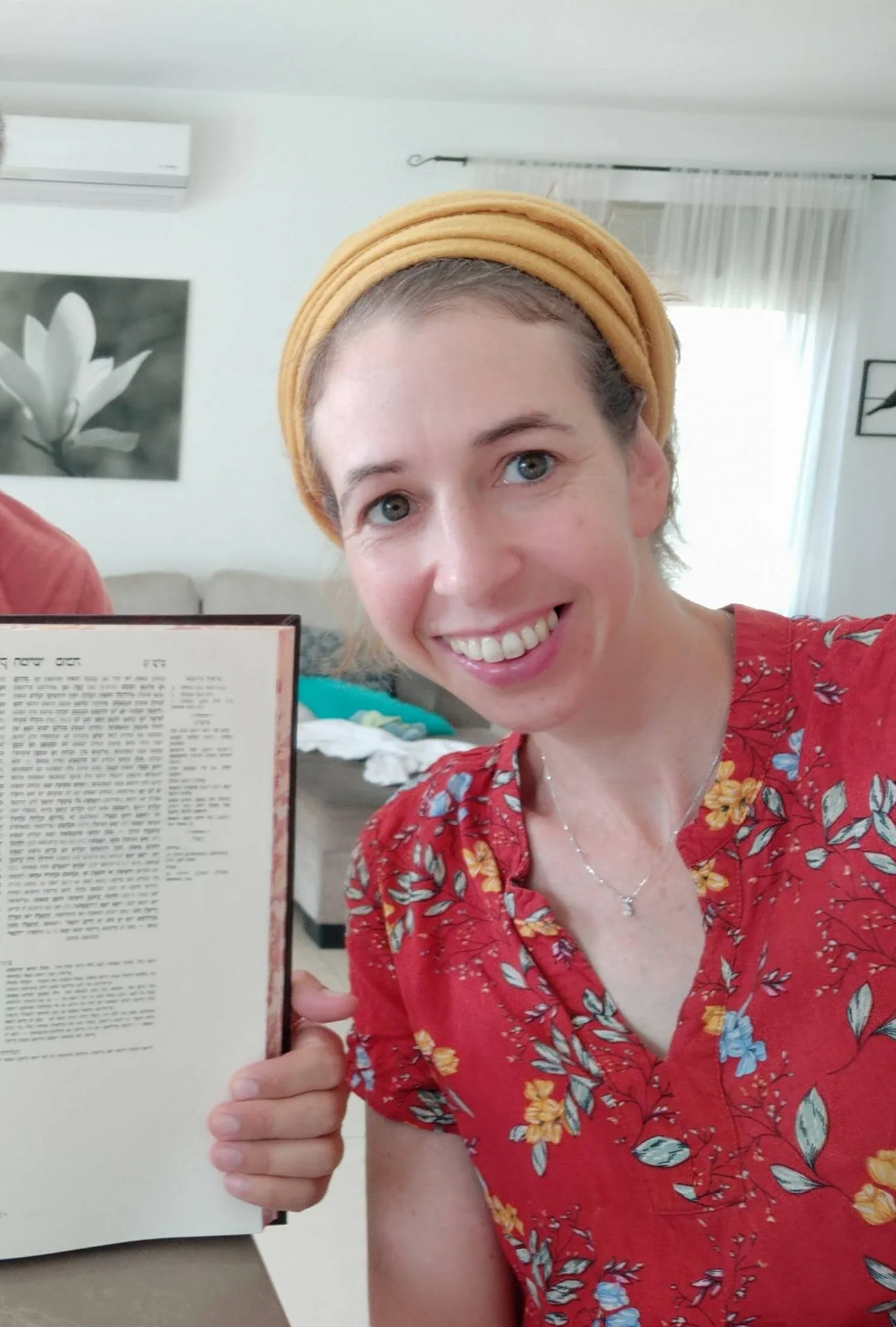
עלי זהב – לשם, ישראל
התחלתי להשתתף בשיעור נשים פעם בשבוע, תכננתי ללמוד רק דפים בודדים, לא האמנתי שאצליח יותר מכך.
לאט לאט נשאבתי פנימה לעולם הלימוד .משתדלת ללמוד כל בוקר ומתחילה את היום בתחושה של מלאות ומתוך התכווננות נכונה יותר.
הלימוד של הדף היומי ממלא אותי בתחושה של חיבור עמוק לעם היהודי ולכל הלומדים בעבר ובהווה.

אפרת, ישראל
"
גם אני התחלתי בסבב הנוכחי וב””ה הצלחתי לסיים את רוב המסכתות . בזכות הרבנית מישל משתדלת לפתוח את היום בשיעור הזום בשעה 6:20 .הלימוד הפך להיות חלק משמעותי בחיי ויש ימים בהם אני מצליחה לחזור על הדף עם מלמדים נוספים ששיעוריהם נמצאים במרשתת. שמחה להיות חלק מקהילת לומדות ברחבי העולם. ובמיוחד לשמש דוגמה לנכדותיי שאי””ה יגדלו לדור שלימוד תורה לנשים יהיה משהו שבשגרה. "

נתניה, ישראל
התחלתי ללמוד לפני 4.5 שנים, כשהודיה חברה שלי פתחה קבוצת ווטסאפ ללימוד דף יומי בתחילת מסכת סנהדרין. מאז לימוד הדף נכנס לתוך היום-יום שלי והפך לאחד ממגדירי הזהות שלי ממש.

ירושלים, ישראל
בתחילת הסבב הנוכחי הצטברו אצלי תחושות שאני לא מבינה מספיק מהי ההלכה אותה אני מקיימת בכל יום. כמו כן, כאמא לבנות רציתי לתת להן מודל נשי של לימוד תורה
שתי הסיבות האלו הובילו אותי להתחיל ללמוד. נתקלתי בתגובות מפרגנות וסקרניות איך אישה לומדת גמרא..
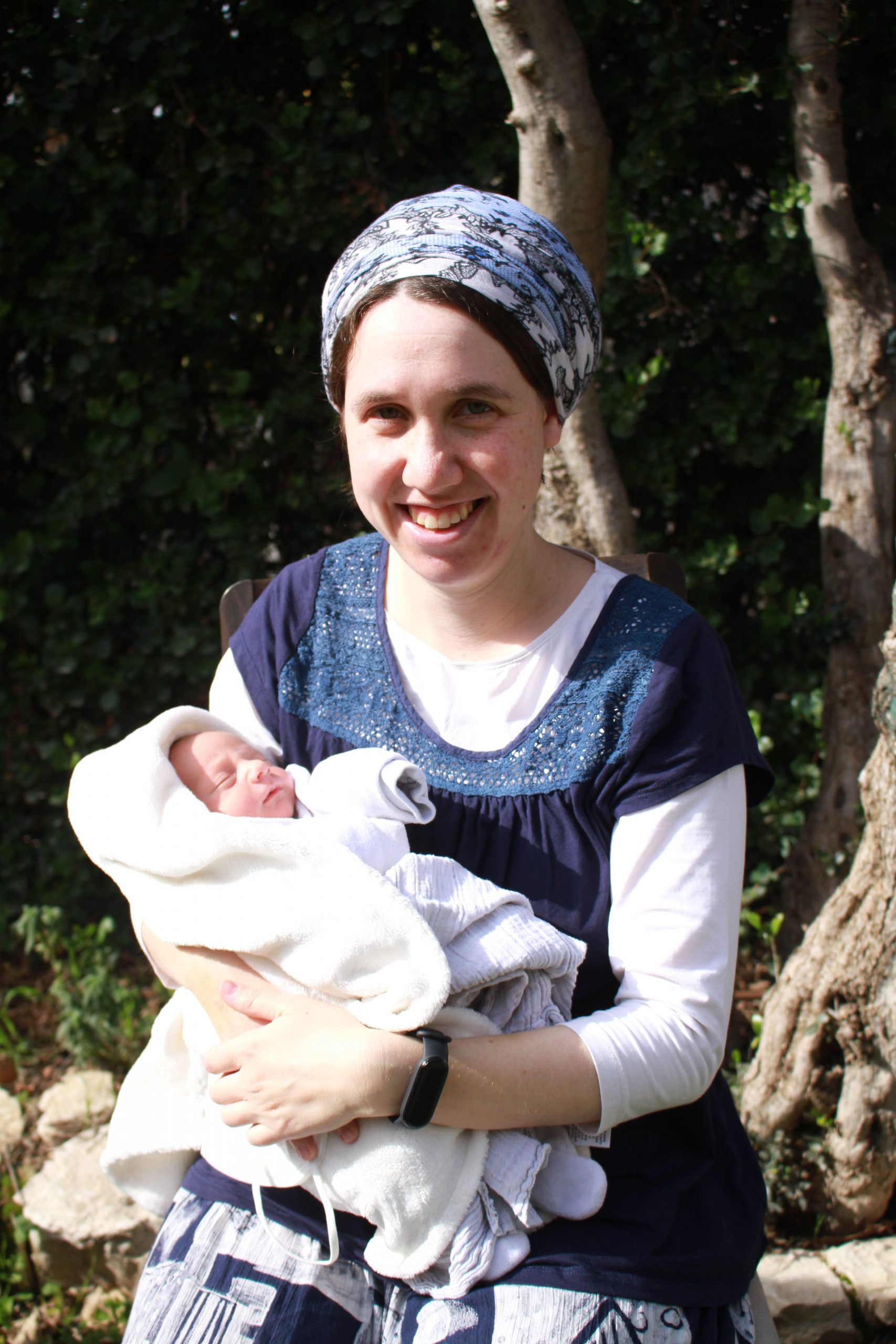
כמו שרואים בתמונה אני ממשיכה ללמוד גם היום ואפילו במחלקת יולדות אחרי לידת ביתי השלישית.
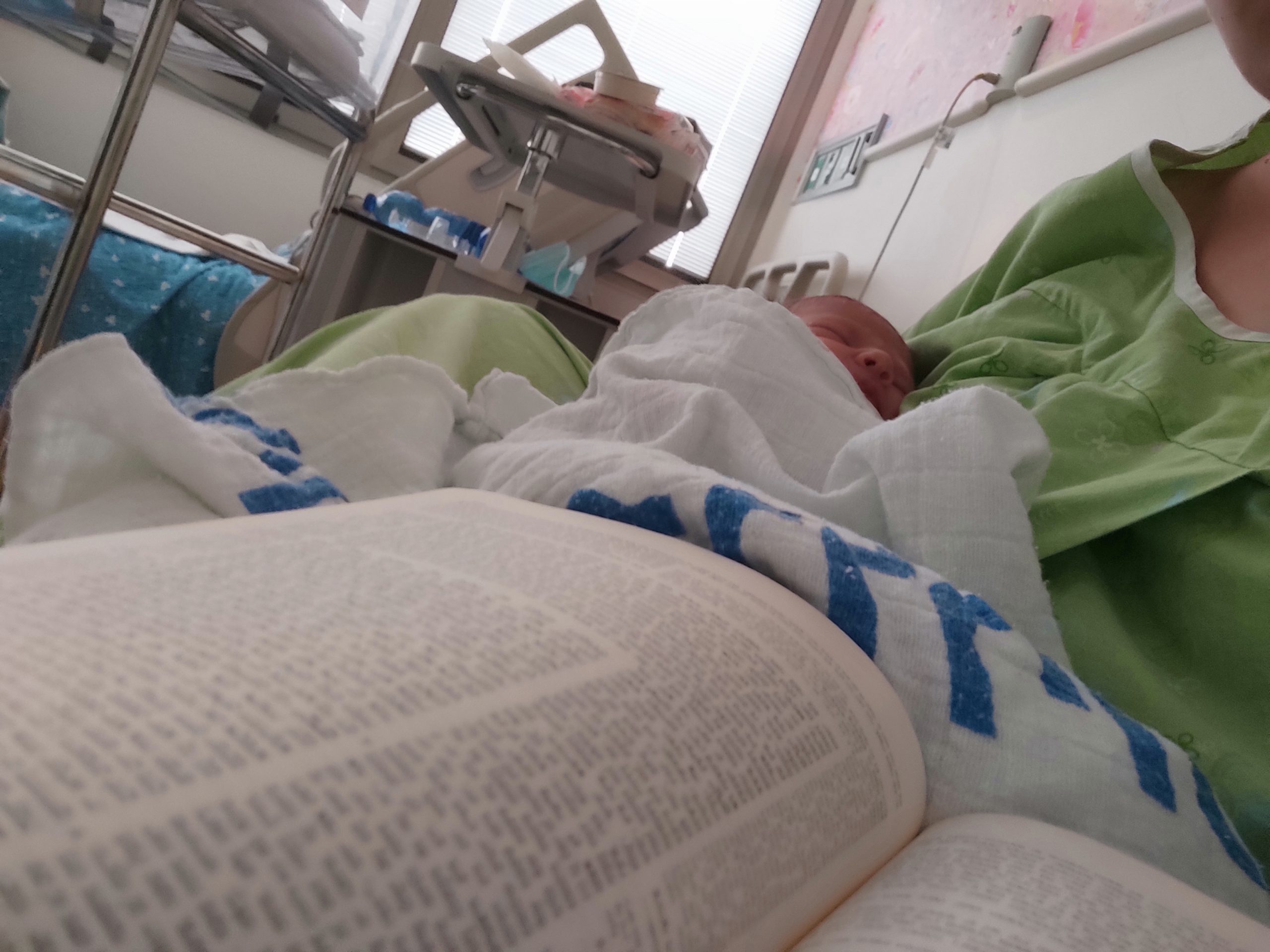
רבבה, ישראל
התחלתי ללמוד גמרא בבית הספר בגיל צעיר והתאהבתי. המשכתי בכך כל חיי ואף היייתי מורה לגמרא בבית הספר שקד בשדה אליהו (בית הספר בו למדתי בילדותי)בתחילת מחזור דף יומי הנוכחי החלטתי להצטרף ובע”ה מקווה להתמיד ולהמשיך. אני אוהבת את המפגש עם הדף את "דרישות השלום ” שמקבלת מקשרים עם דפים אחרים שלמדתי את הסנכרון שמתחולל בין התכנים.

מעלה גלבוע, ישראל
A friend in the SF Bay Area said in Dec 2019 that she might start listening on her morning drive to work. I mentioned to my husband and we decided to try the Daf when it began in Jan 2020 as part of our preparing to make Aliyah in the summer.

ירושלים, Israel
שמעתי על הסיום הענק של הדף היומי ע”י נשים בבנייני האומה. רציתי גם.
החלטתי להצטרף. התחלתי ושיכנעתי את בעלי ועוד שתי חברות להצטרף. עכשיו יש לי לימוד משותף איתו בשבת ומפגש חודשי איתן בנושא (והתכתבויות תדירות על דברים מיוחדים שקראנו). הצטרפנו לקבוצות שונות בווטסאפ. אנחנו ממש נהנות. אני שומעת את השיעור מידי יום (בד”כ מהרב יוני גוטמן) וקוראת ומצטרפת לסיומים של הדרן. גם מקפידה על דף משלהן (ונהנית מאד).

אפרת, ישראל
A life-changing journey started with a Chanukah family tiyul to Zippori, home of the Sanhedrin 2 years ago and continued with the Syum in Binanei Hauma where I was awed by the energy of 3000 women dedicated to learning daf Yomi. Opening my morning daily with a fresh daf, I am excited with the new insights I find enriching my life and opening new and deeper horizons for me.

Elazar gush etzion, Israel
"התחלתי ללמוד דף יומי במחזור הזה, בח’ בטבת תש””ף. לקחתי על עצמי את הלימוד כדי ליצור תחום של התמדה יומיומית בחיים, והצטרפתי לקבוצת הלומדים בבית הכנסת בכפר אדומים. המשפחה והסביבה מתפעלים ותומכים.
בלימוד שלי אני מתפעלת בעיקר מכך שכדי ללמוד גמרא יש לדעת ולהכיר את כל הגמרא. זו מעין צבת בצבת עשויה שהיא עצומה בהיקפה.”

כפר אדומים, ישראל
התחלתי לפני 8 שנים במדרשה. לאחרונה סיימתי מסכת תענית בלמידה עצמית ועכשיו לקראת סיום מסכת מגילה.

רעננה, ישראל
התחלתי ללמוד דף יומי כאשר קיבלתי במייל ממכון שטיינזלץ את הדפים הראשונים של מסכת ברכות במייל. קודם לא ידעתי איך לקרוא אותם עד שנתתי להם להדריך אותי. הסביבה שלי לא מודעת לעניין כי אני לא מדברת על כך בפומבי. למדתי מהדפים דברים חדשים, כמו הקשר בין המבנה של בית המקדש והמשכן לגופו של האדם (יומא מה, ע”א) והקשר שלו למשפט מפורסם שמופיע בספר ההינדי "בהגוד-גיתא”. מתברר שזה רעיון כלל עולמי ולא רק יהודי

נשר, ישראל
לצערי גדלתי בדור שבו לימוד גמרא לנשים לא היה דבר שבשגרה ושנים שאני חולמת להשלים את הפער הזה.. עד שלפני מספר שבועות, כמעט במקרה, נתקלתי במודעת פרסומת הקוראת להצטרף ללימוד מסכת תענית. כשקראתי את המודעה הרגשתי שהיא כאילו נכתבה עבורי – "תמיד חלמת ללמוד גמרא ולא ידעת איך להתחיל”, "בואי להתנסות במסכת קצרה וקלה” (רק היה חסר שהמודעה תיפתח במילים "מיכי שלום”..). קפצתי למים ו- ב”ה אני בדרך להגשמת החלום:)

מורשת, ישראל
התחלתי בסיום הש”ס, יצאתי באורות. נשברתי פעמיים, ובשתיהם הרבנית מישל עודדה להמשיך איפה שכולם בסבב ולהשלים כשאוכל, וכך עשיתי וכיום השלמתי הכל. מדהים אותי שאני לומדת כל יום קצת, אפילו בחדר הלידה, בבידוד או בחו”ל. לאט לאט יותר נינוחה בסוגיות. לא כולם מבינים את הרצון, בפרט כפמניסטית. חשה סיפוק גדול להכיר את המושגים וצורת החשיבה. החלום זה להמשיך ולהתמיד ובמקביל ללמוד איך מהסוגיות נוצרה והתפתחה ההלכה.
מודיעין, ישראל
התחלתי מחוג במסכת קידושין שהעבירה הרבנית רייסנר במסגרת בית המדרש כלנה בגבעת שמואל; לאחר מכן התחיל סבב הדף היומי אז הצטרפתי. לסביבה לקח זמן לעכל אבל היום כולם תומכים ומשתתפים איתי. הלימוד לעתים מעניין ומעשיר ולעתים קשה ואף הזוי… אך אני ממשיכה קדימה. הוא משפיע על היומיום שלי קודם כל במרדף אחרי הדף, וגם במושגים הרבים שלמדתי ובידע שהועשרתי בו, חלקו ממש מעשי

ראש העין, ישראל
כבר סיפרתי בסיום של מועד קטן.
הלימוד מאוד משפיעה על היום שלי כי אני לומדת עם רבנית מישל על הבוקר בזום. זה נותן טון לכל היום – בסיס למחשבות שלי .זה זכות גדול להתחיל את היום בלימוד ובתפילה. תודה רבה !
ירושלים, ישראל
בתחילת הסבב הנוכחי של לימוד הדף היומי, נחשפתי לחגיגות המרגשות באירועי הסיום ברחבי העולם. והבטחתי לעצמי שבקרוב אצטרף גם למעגל הלומדות. הסבב התחיל כאשר הייתי בתחילת דרכי בתוכנית קרן אריאל להכשרת יועצות הלכה של נשמ”ת. לא הצלחתי להוסיף את ההתחייבות לדף היומי על הלימוד האינטנסיבי של תוכנית היועצות. בבוקר למחרת המבחן הסופי בנשמ”ת, התחלתי את לימוד הדף במסכת סוכה ומאז לא הפסקתי.

קרית גת, ישראל
וְקַיְימָא לַן דְּאֵינוֹ לוֹקֶה וּמְשַׁלֵּם. אָמַר עוּלָּא, לָא קַשְׁיָא: כָּאן בַּאֲחוֹתוֹ נַעֲרָה, כָּאן בַּאֲחוֹתוֹ בּוֹגֶרֶת.
And since we maintain in general that one is not both flogged and liable to pay, if one receives lashes for having relations with his sister, why must he pay the fine as well? Ulla said: This is not difficult; here, the halakha in the mishna is with regard to his sister who is a young woman, for whom one pays a fine and is not flogged, whereas there, the halakha in the mishna is with regard to his sister who is a grown woman, for whom one does not pay a fine.
אֲחוֹתוֹ בּוֹגֶרֶת נָמֵי, הָא אִיכָּא בּוֹשֶׁת וּפְגָם! בְּשׁוֹטָה. וְהָא אִיכָּא צַעֲרָא! בִּמְפוּתָּה.
The Gemara asks: In the case of one who has relations with his sister who is a grown woman, too, although he does not pay a fine, isn’t there compensation for humiliation and degradation? He should be exempt from lashes in that case as well. The Gemara answers: There, the halakha in the mishna is with regard to his sister who is an imbecile, with regard to whom there is no humiliation or degradation beyond her status as an imbecile. The Gemara asks: But isn’t there payment for pain even in the rape of an imbecile? The Gemara responds: The halakha is with regard to a seduced woman, who is not entitled to payment for pain, as she engaged in relations willingly.
הַשְׁתָּא דְּאָתֵית לְהָכִי, אֲפִילּוּ תֵּימָא אֲחוֹתוֹ נַעֲרָה, בִּיתוֹמָה וּמְפוּתָּה.
The Gemara comments: Now that you have arrived at this explanation that the mishna is referring to a seduced woman, the mishna can be understood even if you say it is referring to his sister who is a young woman. The reason that the seducer does not pay the fine is that the halakha is with regard to one who is an orphan and a seduced woman. Were her father alive, he would receive the payment. Because he died, the payment goes to her. Since she willingly participated in the relations, she relinquished her right to the payment, and the seducer is therefore liable to receive lashes.
אַלְמָא קָסָבַר עוּלָּא: כָּל הֵיכָא דְּאִיכָּא מָמוֹן וּמַלְקוֹת — מָמוֹנָא מְשַׁלֵּם, מִילְקָא לָא לָקֵי. מְנָא לֵיהּ לְעוּלָּא הָא? גָּמַר מֵחוֹבֵל בַּחֲבֵירוֹ: מָה חוֹבֵל בַּחֲבֵירוֹ דְּאִיכָּא מָמוֹן וּמַלְקוֹת — מָמוֹנָא מְשַׁלֵּם, מִילְקָא לָא לָקֵי; אַף כֹּל הֵיכָא דְּאִיכָּא מָמוֹן וּמַלְקוֹת — מָמוֹנָא מְשַׁלֵּם, מִילְקָא לָא לָקֵי.
The Gemara observes: Apparently, Ulla maintains that in any case where there is liability to both pay money and receive lashes, e.g., one who has forced relations with his sister who is a young woman, one pays money but is not flogged. The Gemara asks: From where does Ulla derive this principle? The Gemara answers: He derives it from the halakha of one who injures another. Just as with regard to one who injures another where there is liability to both pay money for the injury and receive lashes for violating the prohibition “Lest he continues to strike him” (Deuteronomy 25:3), the halakha there is that one pays money but is not flogged, so too, in any case where there is liability to both pay money and receive lashes, one pays money but is not flogged.
מָה לְחוֹבֵל בַּחֲבֵירוֹ — שֶׁכֵּן חַיָּיב בַּחֲמִשָּׁה דְּבָרִים. וְאִי מָמוֹנָא לְקוּלָּא — שֶׁכֵּן הוּתַּר מִכְּלָלוֹ בְּבֵית דִּין.
The Gemara asks: What is the basis for the comparison between other cases and the case of one who injures another? One who injures another cannot serve as a paradigm for cases of liability for both money and lashes because the case of one who injures another is particularly stringent, as he is liable to pay five types of indemnity: Injury, pain, medical costs, loss of livelihood, and humiliation. And if payment of money is a more lenient form of punishment than lashes, one could infer a fortiori: If in the stringent case of injuring another, one receives the more lenient punishment, all the more so would he receive the more lenient punishment in less stringent cases; nevertheless, one who injures another cannot serve as a paradigm for cases of liability for both money and lashes. The reason is that there is also a lenient aspect with regard to injuring another, as it is permitted, in departure from its norm, in court. The court administers lashes, injuring those convicted. The leniency is that its application is selective.
אֶלָּא גָּמַר מֵעֵדִים זוֹמְמִין: מָה עֵדִים זוֹמְמִין דְּאִיכָּא מָמוֹן וּמַלְקוֹת — מָמוֹנָא מְשַׁלֵּם, מִילְקָא לָא לָקֵי; אַף כֹּל הֵיכָא דְּאִיכָּא מָמוֹן וּמַלְקוֹת — מָמוֹנָא מְשַׁלֵּם, מִילְקָא לָא לָקֵי.
Rather, the Gemara states that Ulla derives this principle from the halakha of false, conspiring witnesses. Just as with regard to conspiring witnesses, where there is liability to both pay money, if they falsely testified to render one liable for payment, and receive lashes, for violating the prohibition “You shall not bear false witness against your neighbor” (Exodus 20:13), and the halakha is that one pays money but is not flogged, so too, in any case where there is liability to both pay money and receive lashes, one pays money but is not flogged.
מָה לְעֵדִים זוֹמְמִין — שֶׁכֵּן אֵינָן צְרִיכִים הַתְרָאָה. וְאִי מָמוֹנָא לְקוּלָּא הוּא — שֶׁכֵּן לֹא עָשׂוּ מַעֲשֶׂה!
The Gemara asks: What is the basis for the comparison of other cases to the case of conspiring witnesses? Conspiring witnesses cannot serve as a paradigm for cases of liability for both money and lashes because the case of conspiring witnesses is particularly stringent, as they do not require forewarning. As a rule, the courts administer punishment only to one who was forewarned not to perform the transgression. The fact that this is not a requirement in the case of conspiring witnesses indicates that it is a particularly stringent prohibition. Therefore, no proof can be cited from the case of conspiring witnesses to other cases with regard to monetary payment instead of lashes. And if payment of money is a more lenient form of punishment than lashes, the case of conspiring witnesses also has a lenient aspect, as they did not perform an action but merely spoke.
אֶלָּא גָּמַר מִתַּרְוַיְיהוּ: מָה הַצַּד הַשָּׁוֶה שֶׁבָּהֶן, דְּאִיכָּא מָמוֹן וּמַלְקוֹת — מָמוֹנָא מְשַׁלֵּם, מִילְקָא לָא לָקֵי; אַף כֹּל הֵיכָא דְּאִיכָּא מָמוֹן וּמַלְקוֹת — מָמוֹנָא מְשַׁלֵּם, מִילְקָא לָא לָקֵי. מָה לְהַצַּד הַשָּׁוֶה שֶׁבָּהֶן — שֶׁכֵּן יֵשׁ בָּהֶן צַד חָמוּר, וְאִי מָמוֹנָא לְקוּלָּא הוּא — שֶׁכֵּן יֵשׁ בָּהֶן צַד הַקַּל.
Rather, Ulla derives the principle from both of them, the cases of one who injures another and of conspiring witnesses. The common denominator of both cases is that there is liability to both pay money and receive lashes and the halakha is that one pays money but is not flogged; so too, in any case where there is liability to both pay money and receive lashes, one pays money but is not flogged. The Gemara asks: What is the basis for the comparison of other cases to the common denominator of both cases, as they have an element of stringency that does not exist in other prohibitions in that one who injures another pays five types of indemnity, and conspiring witnesses are flogged without forewarning? And if payment of money is a more lenient form of punishment than lashes, other cases cannot be derived from it, as they have an element of leniency that does not exist in other prohibitions. The prohibition in the case of one who injures another is selectively applied, as it is permitted, in departure from its norm, in court, and the case of conspiring witnesses is lenient because they performed no action.
אֶלָּא עוּלָּא ״תַּחַת״ ״תַּחַת״ גָּמַר. כְּתִיב הָכָא: ״תַּחַת אֲשֶׁר עִנָּהּ״, וּכְתִיב הָתָם: ״עַיִן תַּחַת עַיִן״. מָה הָתָם — מָמוֹנָא מְשַׁלֵּם, מִילְקָא לָא לָקֵי; אַף כֹּל הֵיכָא דְּאִיכָּא מָמוֹנָא וּמַלְקוֹת — מָמוֹנָא מְשַׁלֵּם, מִילְקָא לָא לָקֵי.
Rather, Ulla derives the fact that one pays and is not flogged by means of a verbal analogy between the terms for and for. The verse states with regard to rape: “And the man who lay with her shall give to the father of the young woman fifty shekels of silver, and to him she shall be as a wife, because [taḥat] he tormented her” (Deuteronomy 22:29), and it states there, with regard to injury: “An eye for [taḥat] an eye” (Exodus 21:24). Just as there, with regard to injury, one pays money and is not flogged, so too, in any case where there is liability to both pay money and receive lashes, one pays money but is not flogged.
רַבִּי יוֹחָנָן אָמַר, אֲפִילּוּ תֵּימָא אֲחוֹתוֹ נַעֲרָה: כָּאן שֶׁהִתְרוּ בּוֹ, כָּאן שֶׁלֹּא הִתְרוּ בּוֹ.
§ In proposing a different resolution to the apparent contradiction between the mishna here that rules that one pays a fine for raping his sister and the mishna in Makkot that rules that one is flogged in that case, Rabbi Yoḥanan said: Even if you say that both mishnayot are referring to his sister who is a young woman, there it is referring to a case where the witnesses forewarned him, and therefore the rapist is flogged; here, it is referring to a case where the witnesses did not forewarn him. Since no lashes are administered without forewarning, the rapist pays the fine.
אַלְמָא קָסָבַר רַבִּי יוֹחָנָן: כׇּל הֵיכָא דְּאִיכָּא מָמוֹן וּמַלְקוֹת וְאַתְרוֹ בֵּיהּ — מִילְקָא לָקֵי, מָמוֹנָא לָא מְשַׁלֵּם. מְנָא לֵיהּ לְרַבִּי יוֹחָנָן הָא? אָמַר קְרָא: ״כְּדֵי רִשְׁעָתוֹ״, מִשּׁוּם רִשְׁעָה אַחַת אַתָּה מְחַיְּיבוֹ, וְאִי אַתָּה מְחַיְּיבוֹ מִשּׁוּם שְׁתֵּי רִשְׁעָיוֹת. וּסְמִיךְ לֵיהּ ״אַרְבָּעִים יַכֶּנּוּ״.
The Gemara observes: Apparently, Rabbi Yoḥanan maintains that in any case where there is liability to both pay money and receive lashes, and the witnesses forewarned him, he is flogged but does not pay money. The Gemara asks: From where does Rabbi Yoḥanan derive this principle? The Gemara explains that he derives it from that which the verse states with regard to one sentenced to lashes in the court: “The judge shall cause him to lie down, and to be beaten before him, according to the measure of his wickedness” (Deuteronomy 25:2), from which it is inferred: For one act of wickedness, i.e., punishment, you can render him liable, but you cannot render him liable for two acts of wickedness. And juxtaposed to this it states: “Forty he shall strike him” (Deuteronomy 25:3), indicating that the punishment that is administered when one is liable to receive two punishments is lashes and not payment.
וַהֲרֵי חוֹבֵל בַּחֲבֵירוֹ, דְּאִיכָּא מָמוֹן וּמַלְקוֹת — מָמוֹנָא מְשַׁלֵּם, מִילְקָא לָא לָקֵי! וְכִי תֵּימָא: הָנֵי מִילֵּי הֵיכָא דְּלָא אַתְרוֹ בֵּיהּ, אֲבָל אַתְרוֹ בֵּיהּ — מִילְקָא לָקֵי, מָמוֹנָא לָא מְשַׁלֵּם, וְהָאָמַר רַבִּי אַמֵּי אָמַר רַבִּי יוֹחָנָן: הִכָּהוּ הַכָּאָה שֶׁאֵין בָּהּ שָׁוֶה פְּרוּטָה — לוֹקֶה. הֵיכִי דָמֵי? אִי דְּלָא אַתְרוֹ בֵּיהּ, אַמַּאי לוֹקֶה? אֶלָּא פְּשִׁיטָא דְּאַתְרוֹ בֵּיהּ, וְטַעְמָא — דְּלֵית בֵּהּ שָׁוֶה פְּרוּטָה, הָא אִית בֵּהּ שָׁוֶה פְּרוּטָה — מָמוֹנָא מְשַׁלֵּם, מִילְקָא לָא לָקֵי!
The Gemara asks: And what of the case of one who injures another where there is liability to both pay money and receive lashes, in which case one pays money but is not flogged? And lest you say that this applies only when the witnesses did not forewarn him, but if they forewarned him before he struck his friend he is flogged but does not pay money, didn’t Rabbi Ami say that Rabbi Yoḥanan said: If one struck another with a blow that does not cause damage that amounts to the value of a peruta, he is flogged? The Gemara asks: What are the circumstances of that case? If it is a case where the witnesses did not forewarn him, why is he flogged? No lashes are administered without forewarning. Rather, obviously it is a case where they forewarned him, and the reason he is flogged is that there is not damage that amounts to the value of a peruta. The damages are not quantifiable. The Gemara infers: However, if there is damage that amounts to the value of a peruta, he pays money and is not flogged, even though he was forewarned.
כִּדְאָמַר רַבִּי אִילְעָא: בְּפֵירוּשׁ רִיבְּתָה תּוֹרָה עֵדִים זוֹמְמִין לְתַשְׁלוּמִין, הָכָא נָמֵי: בְּפֵירוּשׁ רִיבְּתָה תּוֹרָה חוֹבֵל בַּחֲבֵירוֹ לְתַשְׁלוּמִין. וְהֵיכָא אִיתְּמַר דְּרַבִּי אִילְעָא — אַהָא: מְעִידִין אָנוּ אֶת אִישׁ פְּלוֹנִי שֶׁחַיָּיב לַחֲבֵירוֹ מָאתַיִם זוּז, וְנִמְצְאוּ זוֹמְמִין — לוֹקִין וּמְשַׁלְּמִין, שֶׁלֹּא הַשֵּׁם הַמְּבִיאָן לִידֵי מַכּוֹת מְבִיאָן לִידֵי תַּשְׁלוּמִין, דִּבְרֵי רַבִּי מֵאִיר. וַחֲכָמִים אוֹמְרִים: כׇּל הַמְשַׁלֵּם אֵינוֹ לוֹקֶה.
The Gemara answers that the fact that conspiring witnesses pay money can be explained in accordance with that which Rabbi Ile’a said in a different context: The Torah explicitly amplified the case of conspiring witnesses to include liability for payment. The Torah employed language indicating that conspiring witnesses who testified falsely in order to render one liable for payment must pay the sum and are not flogged. Here, too, with regard to injury, the Torah explicitly amplified the case of one who injures another to include liability for payment. The Gemara asks: And where is this statement of Rabbi Ile’a stated? The Gemara answers that it is stated concerning this mishna (Makkot 4a). If witnesses said: We testify that so-and-so owes another two hundred dinar, and these witnesses were discovered to be conspiring witnesses; they are flogged and pay, as the source [shem] that brings them to liability to receive lashes does not bring them to liability for payment. Each liability has an independent source; the source for lashes is: “You shall not bear false witness against your neighbor,” (Exodus 20:13) while the source for payment is: “You shall do unto him as he conspired” (Deuteronomy 19:19). This is the statement of Rabbi Meir. And the Rabbis say: Anyone who pays is not flogged.
וְנֵימָא: כׇּל הַלּוֹקֶה אֵינוֹ מְשַׁלֵּם! אָמַר רַבִּי אִילְעָא: בְּפֵירוּשׁ רִיבְּתָה תּוֹרָה עֵדִים זוֹמְמִין לְתַשְׁלוּמִין. הֵיכָן רִיבְּתָה תּוֹרָה? מִכְּדֵי כְּתִיב: ״וַעֲשִׂיתֶם לוֹ כַּאֲשֶׁר זָמַם לַעֲשׂוֹת לְאָחִיו״, ״יָד בְּיָד״ לְמָה לִי? דָּבָר הַנִּיתָּן מִיָּד לְיָד, וּמַאי נִיהוּ — מָמוֹן.
And with regard to that mishna, the Gemara asks: Let us say, on the contrary, that anyone who is flogged does not pay. Rabbi Ile’a said: The Torah explicitly amplified the case of conspiring witnesses for payment, not lashes. The Gemara asks: Where did the Torah amplify the case of conspiring witnesses? The Gemara explains: Now, since it states with regard to conspiring witnesses: “And you shall do unto him as he conspired to do unto his brother” (Deuteronomy 19:19); why do I require the Torah to state in his punishment: “A hand for a hand” (Deuteronomy 19:21)? This indicates that the punishment that takes precedence is one in which there is an item that is given from hand to hand, and what is that item? It is money.
חוֹבֵל בַּחֲבֵירוֹ נָמֵי, מִכְּדֵי כְּתִיב: ״כַּאֲשֶׁר עָשָׂה כֵּן יֵעָשֶׂה לוֹ״, ״כֵּן יִנָּתֵן בּוֹ״, לְמָה לִי? דָּבָר שֶׁיֵּשׁ בּוֹ נְתִינָה, וּמַאי נִיהוּ — מָמוֹן.
The same can be said with regard to one who injures another. Now, since it states: “And a man who places a blemish upon his counterpart, as he has done so shall be done to him” (Leviticus 24:19), why do I require the Torah to state: “As one who places a blemish upon a man, so shall be placed [yinnaten] upon him” (Leviticus 24:20)? This teaches that this is referring to an item that involves giving [netina], and what is that item? It is money.
וְרַבִּי יוֹחָנָן: מַאי טַעְמָא לָא אָמַר כְּעוּלָּא? אִם כֵּן, בִּטַּלְתָּ ״עֶרְוַת אֲחוֹתְךָ… לֹא תְגַלֶּה״.
The Gemara asks: And Rabbi Yoḥanan, what is the reason that he did not say the same halakha as Ulla, that where there is liability to both pay money and receive lashes, one pays money but is not flogged? The Gemara answers: If so, if that were the case, you have rendered moot the prohibition “The nakedness of your sister…you shall not uncover” (Leviticus 18:9) in that contrary to the standard prohibitions, no lashes would be administered for its violation.
פעולה זו תסיר את כל הפריטים בחלק זה כולל ההתקדמות וההיסטוריה. שימי לב: לא ניתן לשחזר פעולה זו.
תאבד/י את כל ההתקדמות או ההיסטוריה הקשורות לפריט זה.