הדף היום מוקדש ע”י דבורה אסכים לזכר נשמת אמא שלה, איידט אסכים.
מוכנים להתחיל?
הדף היומי – בכורות לה / 23.10.2026 / י״ב בחשון תשפ״ז



Ready to get started?
הלימוד השבוע מוקדש ע”י טינה לם לרפואת מעין ליאורה בת שלומית פייגא
רוצה להקדיש שיעור?

הלימוד השבוע מוקדש ע”י טינה לם לרפואת מעין ליאורה בת שלומית פייגא
וְקָרַע שִׁירָאִין שֶׁל חֲבֵירוֹ.
and at the same time he tore another’s silk [shira’in]. The question is whether the liability to receive the death penalty exempts him from the liability for payment incurred at precisely the same moment.
גּוּפָא, אָמַר רַב חִסְדָּא: מוֹדֶה רַבִּי נְחוּנְיָא בֶּן הַקָּנָה בְּגוֹנֵב חֶלְבּוֹ שֶׁל חֲבֵירוֹ וַאֲכָלוֹ שֶׁהוּא חַיָּיב, שֶׁכְּבָר נִתְחַיֵּיב בִּגְנֵבָה קוֹדֶם שֶׁיָּבֹא לִידֵי אִיסּוּר חֵלֶב. לֵימָא פְּלִיגָא דְּרַבִּי אָבִין. דְּאָמַר רַבִּי אָבִין: הַזּוֹרֵק חֵץ מִתְּחִילַּת אַרְבַּע לְסוֹף אַרְבַּע, וְקָרַע שִׁירָאִין בַּהֲלִיכָתוֹ — פָּטוּר. שֶׁעֲקִירָה צוֹרֶךְ הַנָּחָה הִיא. הָכָא נָמֵי: הַגְבָּהָה צוֹרֶךְ אֲכִילָה הִיא!
§ The Gemara analyzes the matter itself. Rav Ḥisda said: Rabbi Neḥunya ben HaKana concedes in the case of one who steals another’s forbidden fat and eats it that he is obligated to pay for the fat, as he is already liable for theft before he comes to violate the prohibition against eating forbidden fat. The Gemara comments: Let us say that Rav Ḥisda disagrees with Rabbi Avin, as Rabbi Avin said: One who shoots an arrow from the beginning of four cubits to the end of four cubits in the public domain on Shabbat, thereby performing a prohibited labor for which he is liable to receive a court-imposed death penalty, and the arrow ripped silk as it proceeds, is exempt from the obligation to pay for the silk because he is liable for the more severe punishment for desecrating Shabbat. Although the silk was ripped prior to completion of the prohibited labor, as the arrow had not yet come to rest, he is nevertheless exempt, as lifting is a prerequisite for placement. The prohibited labor of carrying on Shabbat is comprised of lifting of the object and placement. Once he shot the arrow, its movement through the air is a continuation of his act of Shabbat desecration, for which he is liable to be executed. Here, too, say that lifting the fat is a prerequisite for eating, and therefore he should be exempt from payment.
הָכִי הַשְׁתָּא?! הָתָם, אִי אֶפְשָׁר לְהַנָּחָה בְּלֹא עֲקִירָה. הָכָא, אֶפְשָׁר לַאֲכִילָה בְּלֹא הַגְבָּהָה, דְּאִי בָּעֵי, גָּחֵין וְאָכֵיל. אִי נָמֵי: הָתָם אִי בָּעֵי לְאַהְדּוֹרַהּ — לָא מָצֵי מַהְדַּר לַהּ. הָכָא — מָצֵי מַהְדַּר לַהּ.
The Gemara refutes this argument: How can these cases be compared? There, in the case of the arrow, placement is impossible without lifting, as placement without lifting is not a labor prohibited on Shabbat. Therefore, lifting and placement are a single unit. In contrast, here, eating is possible without lifting as, if one wishes, he could bend down and eat without lifting the food to his mouth. Alternatively, there is another difference between the cases: There, in the case of the arrow, even if he seeks to take back the arrow after shooting it, he cannot take it back; therefore, lifting and placement constitute one action. Here, he could replace the fat after lifting it.
מַאי אִיכָּא בֵּין הַאי לִישָּׁנָא לְהַאי לִישָּׁנָא? אִיכָּא בֵּינַיְיהוּ הַמַּעֲבִיר סַכִּין בִּרְשׁוּת הָרַבִּים וְקָרַע שִׁירָאִין בַּהֲלִיכָתוֹ. לְהָךְ לִישָּׁנָא דְּאָמְרַתְּ אִי אֶפְשָׁר לְהַנָּחָה בְּלֹא עֲקִירָה — הָכָא נָמֵי אִי אֶפְשָׁר לְהַנָּחָה בְּלֹא עֲקִירָה. לְהָךְ לִישָּׁנָא דְּאָמְרַתְּ לָא מָצֵי מַהְדַּר לַהּ — הָכָא מָצֵי מַהְדַּר לַהּ.
The Gemara asks: What practical difference is there between this formulation, where the criterion is whether the second stage could be performed independent of the first stage, and that formulation, where the criterion is whether the second stage is inevitable after performing the first stage? The Gemara responds: There is a practical difference between them with regard to one who carries a knife in the public domain and tears silk as he proceeds. According to that formulation, where you said: Lifting is a prerequisite for placement, here too, lifting is a prerequisite for placement. As these two stages are inexorably connected, they constitute one action, and the one carrying the knife is exempt from paying the damages. Conversely, according to that formulation where you said: He cannot take back the arrow and that is why they are considered one action, here, he can take back the knife; therefore, lifting and placement are separate actions and he is not exempt from punishment for the damages that he caused.
גּוּפָא, אָמַר רַבִּי אָבִין: הַזּוֹרֵק חֵץ מִתְּחִלַּת אַרְבַּע לְסוֹף אַרְבַּע וְקָרַע שִׁירָאִין בַּהֲלִיכָתוֹ — פָּטוּר, שֶׁעֲקִירָה צוֹרֶךְ הַנָּחָה הִיא. מֵתִיב רַב בִּיבִי בַּר אַבָּיֵי: הַגּוֹנֵב כִּיס בְּשַׁבָּת — חַיָּיב, שֶׁכְּבָר נִתְחַיֵּיב בִּגְנֵיבָה קוֹדֶם שֶׁיָּבֹא לִידֵי אִיסּוּר סְקִילָה. הָיָה מְגָרֵר וְיוֹצֵא, מְגָרֵר וְיוֹצֵא — פָּטוּר, שֶׁהֲרֵי אִיסּוּר שַׁבָּת וּגְנֵיבָה בָּאִין כְּאֶחָד.
§ The Gemara analyzes the matter itself. Rabbi Avin said: With regard to one who shoots an arrow from the beginning of four cubits to the end of four cubits and the arrow rips silk as it proceeds, he is exempt, as lifting is a prerequisite for placement. Rav Beivai bar Abaye raised an objection from that which is taught in a baraita: One who steals a purse on Shabbat is liable for the theft because he was already liable for theft as soon as he lifted the purse. This took place before he came to violate the prohibition against performing prohibited labor on Shabbat by carrying it into the public domain, a violation punishable by stoning. However, if he did not lift the purse but was dragging it on the ground and exiting the private domain, dragging and exiting, he is exempt, as the prohibition against theft and the prohibition of Shabbat are violated simultaneously when he drags the purse out of the owner’s property and into the public domain.
וְאַמַּאי? הָכָא נָמֵי, לֵימָא: הַגְבָּהָה צוֹרֶךְ הוֹצָאָה הִיא! הָכָא בְּמַאי עָסְקִינַן — כְּגוֹן שֶׁהִגְבִּיהוֹ עַל מְנָת לְהַצְנִיעוֹ, וְנִמְלַךְ עָלָיו וְהוֹצִיאוֹ.
Rav Beivai concludes: But why is he liable if he carried the purse? Here, too, let us say that lifting is a prerequisite for carrying out, and therefore the theft was performed in the course of performance of the prohibited labor and he is exempt. The Gemara answers: With what are we dealing here? We are dealing with a case where he lifted the pouch in order to conceal it in the same domain, not to carry it out into the public domain, and he reconsidered his plan with regard to the purse and carried it out. In that case the act of lifting was not performed for the purpose of carrying out. Therefore, he is not exempt from the obligation to pay for the theft.
וְכִי הַאי גַּוְונָא מִי חַיָּיב? וְהָאָמַר רַב סִימוֹן אָמַר רַבִּי אַמֵּי אָמַר רַבִּי יוֹחָנָן: הַמְפַנֶּה חֲפָצִים מִזָּוִית לְזָוִית, וְנִמְלַךְ עֲלֵיהֶם וְהוֹצִיאָן — פָּטוּר, שֶׁלֹּא הָיְתָה עֲקִירָה מִשָּׁעָה רִאשׁוֹנָה לְכָךְ!
The Gemara asks: And in a case like that, where he reconsidered, is one liable for carrying out an object on Shabbat? But didn’t Rav Simon say that Rabbi Ami said that Rabbi Yoḥanan said: One who moves objects from one corner of his house to another corner on Shabbat, and he reconsidered his plan in their regard after lifting them and carried them out into the public domain, he is exempt, as the act of lifting was not initially performed for that purpose of carrying from one domain to another. Here, too, since the thief did not lift the pouch with the intention of carrying it out, he is not liable to be stoned.
לָא תֵּימָא עַל מְנָת לְהַצְנִיעוֹ, אֶלָּא אֵימָא עַל מְנָת לְהוֹצִיאוֹ, הָכָא בְּמַאי עָסְקִינַן — כְּשֶׁעָמַד.
The Gemara emends the previous answer: Do not say that he lifted it in order to conceal it; rather, say that he lifted it in order to carry it out. Nevertheless, the case of shooting the arrow and the case of stealing the purse are different, as with what case are we dealing here? It is a case where he stopped in the courtyard before taking the pouch out to the public domain. Therefore, the initial lifting is exclusively theft and not the start of a prohibited labor, as by stopping, he separated the lifting from the carrying out.
עָמַד לְמַאי? אִי לְכַתֵּף — אוֹרְחֵיהּ הוּא! אֶלָּא בְּעוֹמֵד לָפוּשׁ. אֲבָל לְכַתֵּף מַאי?
The Gemara asks: This is a case where he stopped. For what purpose did he stop? If he stopped in order to adjust the burden on his shoulder, that is the typical manner of proceeding and would not be considered an interruption in the process of carrying out the object. Rather, it must be in a case of one who stopped to rest, and when he resumes moving he initiates a separate action. The Gemara infers: But if he stopped in order to adjust the burden on his shoulder, what is the halakha?
פָּטוּר. אַדְּתָנֵי: הָיָה מְגָרֵר וְיוֹצֵא מְגָרֵר וְיוֹצֵא פָּטוּר, נִפְלוֹג וְנִיתְנֵי בְּדִידַהּ: בַּמֶּה דְּבָרִים אֲמוּרִים — בְּעוֹמֵד לָפוּשׁ, אֲבָל לְכַתֵּף — פָּטוּר.
He would be exempt. If that is the case, rather than teaching: If he was dragging and exiting, dragging and exiting, he is exempt, let the tanna distinguish and teach the distinction within the case of carrying itself, as follows: In what case are these matters stated? It is in a case where he stopped to rest; however, if he stopped to adjust the burden on his shoulder, he is exempt.
אֶלָּא: הָא מַנִּי — בֶּן עַזַּאי הִיא, דְּאָמַר: מְהַלֵּךְ כְּעוֹמֵד דָּמֵי. אֲבָל זוֹרֵק מַאי — פָּטוּר? נִיפְלוֹג [וְנִיתְנֵי] בְּדִידַהּ: בַּמֶּה דְּבָרִים אֲמוּרִים — בִּמְהַלֵּךְ, אֲבָל זוֹרֵק — פָּטוּר!
Rather, the Gemara explains why one is liable in the case where he carries the purse. In accordance with whose opinion was this halakha taught? It is in accordance with the opinion of ben Azzai, who said: The legal status of one who walks is like that of one who stops, as each step constitutes a pause between the actions of lifting and placement. Therefore, the initial lifting is not part of the prohibited labor of carrying out. The Gemara infers: But if one throws the object into another domain, what is the halakha? He would be exempt from payment, as the lifting is the start of the prohibited labor of carrying out. If so, let the tanna distinguish and teach the distinction within the case itself, without resorting to the case of dragging and exiting, as follows: In what case are these matters stated? It is in the case of one who walks, so that there is separation between lifting and carrying out, and therefore the theft and the desecration of Shabbat are not simultaneous. However, one who throws is exempt from payment, as liability for carrying out and for theft are incurred simultaneously.
מְגָרֵר וְיוֹצֵא אִיצְטְרִיכָא לֵיהּ, סָלְקָא דַּעְתָּךְ אָמֵינָא אֵין דֶּרֶךְ הוֹצָאָה בְּכָךְ. קָא מַשְׁמַע לַן.
The Gemara answers: According to the opinion of ben Azzai, that would in fact be a more appropriate distinction; however, the case of one who was dragging and exiting was necessary for the tanna to teach because it includes a novel element, as it might enter your mind to say that this is not a typical manner of carrying out, and one is not liable to be executed for performing a prohibited labor in an atypical manner. Therefore, it teaches us that this too is a manner of carrying out.
וּבְמַאי? אִי בְּרַבְרְבֵי — אוֹרְחֵיהּ הוּא. אִי בְּזוּטְרֵי — לָאו אוֹרְחֵיהּ הוּא. אֶלָּא בְּמִיצְעֵי.
And the Gemara asks: In what case is this so? If it is in the case of large purses, obviously dragging is its typical manner, and there is nothing novel in this. If it is in the case of small purses, dragging is certainly not its typical manner, and one would certainly not be liable. Rather, it must be referring to intermediate-sized purses. Although they are not always carried out in this manner, since they are sometimes dragged, the novelty is that he is liable for desecrating Shabbat and exempt from the payment.
וּדְאַפְּקֵיהּ לְהֵיכָא? אִי דְּאַפְּקֵיהּ לִרְשׁוּת הָרַבִּים — אִיסּוּר שַׁבָּת אִיכָּא, אִיסּוּר גְּנֵיבָה לֵיכָּא. אִי דְּאַפְּקֵיהּ לִרְשׁוּת הַיָּחִיד — אִיסּוּר גְּנֵיבָה אִיכָּא, אִיסּוּר שַׁבָּת — לֵיכָּא! לָא צְרִיכָא, דְּאַפְּקֵיהּ לְצִידֵּי רְשׁוּת הָרַבִּים.
The Gemara continues: And in this case, to where did he carry out the pouch? If he carried it out from the owner’s private domain to the public domain, there is violation of the prohibition of Shabbat; however, there is no violation of the prohibition against theft, as one does not acquire an item by pulling it into the public domain. If he carried it out from the owner’s private domain to his own private domain, there is violation of the prohibition against theft; however, there is no violation of the prohibition of Shabbat. The Gemara answers: This ruling is necessary only in a case where he carried it out to the sides of the public domain. This is referring to the area in the public domain adjacent to the houses located on its sides, demarcated from the thoroughfare by small pegs and not by a full-fledged partition.
וּכְמַאן? אִי כְּרַבִּי אֱלִיעֶזֶר דְּאָמַר צִידֵּי רְשׁוּת הָרַבִּים כִּרְשׁוּת הָרַבִּים דָּמוּ — אִיסּוּר שַׁבָּת אִיכָּא, אִיסּוּר גְּנֵיבָה לֵיכָּא! אִי כְּרַבָּנַן דְּאָמְרִי צִידֵּי רְשׁוּת הָרַבִּים לָאו כִּרְשׁוּת הָרַבִּים דָּמוּ — אִיסּוּר גְּנֵיבָה אִיכָּא, אִיסּוּר שַׁבָּת לֵיכָּא!
The Gemara asks: And in accordance with whose opinion is this taught? If it is in accordance with the opinion of Rabbi Eliezer, who said: The legal status of the sides of the public domain is like that of the public domain, there is violation of the prohibition of Shabbat; however, there is no violation of the prohibition against theft. If it is in accordance with the opinion of the Rabbis, who said: The legal status of the sides of the public domain is not like that of the public domain, there is violation of the prohibition against theft; however, there is no violation of the prohibition of Shabbat.
לְעוֹלָם כְּרַבִּי אֱלִיעֶזֶר, וְכִי אָמַר רַבִּי אֱלִיעֶזֶר צִידֵּי רְשׁוּת הָרַבִּים כִּרְשׁוּת הָרַבִּים דָּמוּ — הָנֵי מִילֵּי לְעִנְיַן חִיּוּבָא דְשַׁבָּת, דְּזִימְנִין דְּדָחֲקִי רַבִּים וְעָיְילִי לְהָתָם. אֲבָל לְעִנְיַן מִיקְנֵא — קָנֵי. מַאי טַעְמָא — דְּהָא לָא שְׁכִיחִי רַבִּים.
The Gemara answers: Actually, it is in accordance with the opinion of Rabbi Eliezer, and when Rabbi Eliezer said: The legal status of the sides of the public domain is like that of the public domain, that applies only with regard to the liability for performing prohibited labor on Shabbat, as occasionally the multitudes crowd and enter there. However, with regard to the matter of acquiring an object, one acquires it by dragging it there. What is the reason for this halakha? It is due to the fact that the public is not typically found there, and acquisition can be effected in a place where the multitudes are not typically found.
רַב אָשֵׁי אָמַר: כְּגוֹן שֶׁצֵּירַף יָדוֹ לְמַטָּה מִשְּׁלֹשָׁה וְקִיבְּלוֹ. כִּדְרָבָא. דְּאָמַר רָבָא: יָדוֹ שֶׁל אָדָם חֲשׁוּבָה לוֹ כְּאַרְבָּעָה עַל אַרְבָּעָה. רַב אַחָא מַתְנִי הָכִי.
Rav Ashi said: Actually, one is exempt when one dragged the object into the public domain in a case where he joined his hand to his other hand at a height below three handbreadths off the ground and received the purse by passing it from one hand into the other as soon as he brought it into the public domain. This is in accordance with the opinion of Rava, as Rava said: A person’s hand is considered like four by four handbreadths for him. Therefore, an object placed in one’s hand is considered placed with regard to Shabbat, and since his hand is his personal domain he has also acquired the stolen item. Rav Aḥa taught the entire discussion this way, as above.
רָבִינָא מַתְנֵי: לְעוֹלָם דְּאַפְּקֵיהּ לִרְשׁוּת הָרַבִּים, וּבִרְשׁוּת הָרַבִּים נָמֵי קָנָה, וְתַרְוַיְיהוּ בְּדִיּוּקָא דְּהָא מַתְנִיתִין קָמִיפַּלְגִי. דִּתְנַן: הָיָה מוֹשְׁכוֹ וְיוֹצֵא וּמֵת בִּרְשׁוּת בְּעָלִים — פָּטוּר. הִגְבִּיהוֹ אוֹ שֶׁהוֹצִיאוֹ מֵרְשׁוּת בְּעָלִים וּמֵת — חַיָּיב.
Ravina taught otherwise: Actually, it is a case where one carried out the object to the public domain, and in the public domain he also acquires the stolen object by removing it from the owner’s domain, even if he does not transfer it to his own domain. The Gemara comments: And the two of them, Rav Aḥa and Ravina disagree with regard to the inference of this mishna, as we learned in a mishna (Bava Kamma 79a) with regard to one who stole an animal: If he was pulling the animal and exiting, and it died in the domain of the owner, the thief is exempt from payment because he did not yet acquire the animal and therefore did not assume liability for its death through circumstances beyond his control. If he lifted it or took it out of the owner’s domain, thereby acquiring the animal, and it died, the thief is liable to pay its value because it died in his possession.
רָבִינָא דָּיֵיק מֵרֵישָׁא, רַב אַחָא דָּיֵיק מִסֵּיפָא. רָבִינָא דָּיֵיק מֵרֵישָׁא: הָיָה מוֹשְׁכוֹ וְיוֹצֵא וּמֵת בִּרְשׁוּת בְּעָלִים — פָּטוּר. טַעְמָא דְּמֵת בִּרְשׁוּת בְּעָלִים, הָא הוֹצִיאוֹ מֵרְשׁוּת בְּעָלִים וָמֵת — חַיָּיב. רַב אַחָא דָּיֵיק מִסֵּיפָא: הִגְבִּיהוֹ אוֹ שֶׁהוֹצִיאוֹ. הוֹצָאָה דּוּמְיָא דְּהַגְבָּהָה: מָה הַגְבָּהָה — דְּאָתֵי לִרְשׁוּתֵיהּ, אַף הוֹצָאָה נָמֵי — דְּאָתֵי לִרְשׁוּתֵיהּ.
Ravina inferred his conclusion from the first clause of the mishna, and Rav Aḥa inferred his conclusion from the latter clause. Ravina inferred his conclusion from the first clause: If he was pulling the animal and exiting, and it died in the domain of the owner, the thief is exempt from payment. The reason that the thief is exempt is that the animal died in the owner’s domain; by inference, if he took it out of the owner’s domain and it died, he is liable because the thief acquires the item by its very removal from the owner’s property, even to the public domain. Rav Aḥa inferred his conclusion from the latter clause of the mishna: If he lifted it or took it out of the owner’s domain, he is liable. Based on the juxtaposition of the two, taking the animal out is similar to lifting it: Just as lifting is an act of acquisition through which the animal comes into his domain, so too, taking it out is referring to a case where it comes into his domain.
לְרַב אַחָא קַשְׁיָא רֵישָׁא, לְרָבִינָא קַשְׁיָא סֵיפָא! רֵישָׁא לְרַב אַחָא לָא קַשְׁיָא: כַּמָּה דְּלָא אָתֵי לִרְשׁוּתֵיהּ, רְשׁוּת בְּעָלִים קָרֵינָא בֵּיהּ. סֵיפָא לְרָבִינָא לָא קַשְׁיָא: הוֹצָאָה דּוּמְיָא דְּהַגְבָּהָה לָא אָמְרִינַן.
The Gemara observes: For Rav Aḥa the first clause of the mishna is difficult, while for Ravina the latter clause is difficult. The Gemara answers: The first clause is not difficult for Rav Aḥa, as he could explain it as follows: As long as the animal has not come into one’s domain, even if it has left the owner’s property, we continue to call it the owner’s domain. Similarly, the latter clause is not difficult for Ravina, as in his opinion we do not say: Taking the animal out is similar to lifting it. Therefore, the mishna’s ruling is that the thief acquires the animal merely through its removal from the owner’s property.
הַבָּא עַל אֲחוֹתוֹ וְעַל אֲחוֹת אָבִיו כּוּ׳. וּרְמִינְהוּ, אֵלּוּ הֵן הַלּוֹקִין: הַבָּא עַל אֲחוֹתוֹ, וְעַל אֲחוֹת אָבִיו, וְעַל אֲחוֹת אִמּוֹ, וְעַל אֲחוֹת אִשְׁתּוֹ, וְעַל אֵשֶׁת אָחִיו, וְעַל אֵשֶׁת אֲחִי אָבִיו, וְעַל הַנִּדָּה.
§ The mishna continues: Similarly, one who has forced relations with his sister, i.e., he rapes her, or with his father’s sister, or with his mother’s sister, or with his wife’s sister, or with his brother’s wife, or with his father’s brother’s wife after they divorced, or with a menstruating woman, there is a fine paid. And the Gemara raised a contradiction from the following mishna (Makkot 13a): And these people are flogged: One who has relations with his sister, or with his father’s sister, or with his mother’s sister, or with his wife’s sister, or with his brother’s wife, or with his father’s brother’s wife, or with a menstruating woman. Anyone who intentionally has relations with any of these women is punished with lashes.

רוצה להבין מה באמת קורה מתחת לפני השטח של הסוגיה?
שיעורים, פודקאסטים והרחבות של מיטב המורות שלנו יפתחו לך עוד זוויות וכיווני חשיבה.

זה הדף הראשון שלך? איזו התרגשות עצומה! יש לנו בדיוק את התכנים והכלים שיעזרו לך לעשות את הצעדים הראשונים ללמידה בקצב וברמה שלך, כך תוכלי להרגיש בנוח גם בתוך הסוגיות המורכבות ומאתגרות.
גלי את קהילת הלומדות שלנו, מגוון נשים, רקעים וסיפורים. כולן חלק מתנועה ומסע מרגש ועוצמתי.
אחי, שלומד דף יומי ממסכת ברכות, חיפש חברותא ללימוד מסכת ראש השנה והציע לי. החברותא היתה מאתגרת טכנית ורוב הזמן נעשתה דרך הטלפון, כך שבסיום המסכת נפרדו דרכינו. אחי חזר ללמוד לבד, אבל אני כבר נכבשתי בקסם הגמרא ושכנעתי את האיש שלי להצטרף אלי למסכת ביצה. מאז המשכנו הלאה, ועכשיו אנחנו מתרגשים לקראתו של סדר נשים!

נוקדים, ישראל
סיום השס לנשים נתן לי מוטביציה להתחיל ללמוד דף יומי. עד אז למדתי גמרא בשבתות ועשיתי כמה סיומים. אבל לימוד יומיומי זה שונה לגמרי ופתאום כל דבר שקורה בחיים מתקשר לדף היומי.

רתמים, ישראל
שמעתי על הסיום הענק של הדף היומי ע”י נשים בבנייני האומה. רציתי גם.
החלטתי להצטרף. התחלתי ושיכנעתי את בעלי ועוד שתי חברות להצטרף. עכשיו יש לי לימוד משותף איתו בשבת ומפגש חודשי איתן בנושא (והתכתבויות תדירות על דברים מיוחדים שקראנו). הצטרפנו לקבוצות שונות בווטסאפ. אנחנו ממש נהנות. אני שומעת את השיעור מידי יום (בד”כ מהרב יוני גוטמן) וקוראת ומצטרפת לסיומים של הדרן. גם מקפידה על דף משלהן (ונהנית מאד).

אפרת, ישראל
התחלתי להשתתף בשיעור נשים פעם בשבוע, תכננתי ללמוד רק דפים בודדים, לא האמנתי שאצליח יותר מכך.
לאט לאט נשאבתי פנימה לעולם הלימוד .משתדלת ללמוד כל בוקר ומתחילה את היום בתחושה של מלאות ומתוך התכווננות נכונה יותר.
הלימוד של הדף היומי ממלא אותי בתחושה של חיבור עמוק לעם היהודי ולכל הלומדים בעבר ובהווה.

אפרת, ישראל
התחלתי ללמוד בסבב הנוכחי לפני כשנתיים .הסביבה מתפעלת ותומכת מאוד. אני משתדלת ללמוד מכל ההסכתים הנוספים שיש באתר הדרן. אני עורכת כל סיום מסכת שיעור בביתי לכ20 נשים שמחכות בקוצר רוח למפגשים האלו.

יהוד, ישראל
התחלתי ללמוד דף יומי בתחילת מסכת ברכות, עוד לא ידעתי כלום. נחשפתי לסיום הש״ס, ובעצם להתחלה מחדש בתקשורת, הפתיע אותי לטובה שהיה מקום לעיסוק בתורה.
את המסכתות הראשונות למדתי, אבל לא סיימתי (חוץ מעירובין איכשהו). השנה כשהגעתי למדרשה, נכנסתי ללופ, ואני מצליחה להיות חלק, סיימתי עם החברותא שלי את כל המסכתות הקצרות, גם כשהיינו חולות קורונה ובבידודים, למדנו לבד, העיקר לא לצבור פער, ומחכות ליבמות 🙂

מזכרת בתיה, ישראל
התחלתי ללמוד לפני כשנתיים בשאיפה לסיים לראשונה מסכת אחת במהלך חופשת הלידה.
אחרי מסכת אחת כבר היה קשה להפסיק…

ירוחם, ישראל
התחלתי ללמוד דף יומי בסבב הקודם. זכיתי לסיים אותו במעמד המרגש של הדרן. בסבב הראשון ליווה אותי הספק, שאולי לא אצליח לעמוד בקצב ולהתמיד. בסבב השני אני לומדת ברוגע, מתוך אמונה ביכולתי ללמוד ולסיים. בסבב הלימוד הראשון ליוותה אותי חוויה מסויימת של בדידות. הדרן העניקה לי קהילת לימוד ואחוות נשים. החוויה של סיום הש”ס במעמד כה גדול כשנשים שאינן מכירות אותי, שמחות ומתרגשות עבורי , היתה חוויה מרוממת נפש

קיבוץ מגדל עוז, ישראל
התחלתי ללמוד דף לפני קצת יותר מ-5 שנים, כשלמדתי רבנות בישיבת מהר”ת בניו יורק. בדיעבד, עד אז, הייתי בלימוד הגמרא שלי כמו מישהו שאוסף חרוזים משרשרת שהתפזרה, פה משהו ושם משהו, ומאז נפתח עולם ומלואו…. הדף נותן לי לימוד בצורה מאורגנת, שיטתית, יום-יומית, ומלמד אותי לא רק ידע אלא את השפה ודרך החשיבה שלנו. לשמחתי, יש לי סביבה תומכת וההרגשה שלי היא כמו בציטוט שבחרתי: הדף משפיע לטובה על כל היום שלי.

חיפה, ישראל
רבנית מישל הציתה אש התלמוד בלבבות בביניני האומה ואני נדלקתי. היא פתחה פתח ותמכה במתחילות כמוני ואפשרה לנו להתקדם בצעדים נכונים וטובים. הקימה מערך שלם שמסובב את הלומדות בסביבה תומכת וכך נכנסתי למסלול לימוד מעשיר שאין כמוה. הדרן יצר קהילה גדולה וחזקה שמאפשרת התקדמות מכל נקודת מוצא. יש דיבוק לומדות שמחזק את ההתמדה של כולנו. כל פניה ושאלה נענית בזריזות ויסודיות. תודה גם למגי על כל העזרה.
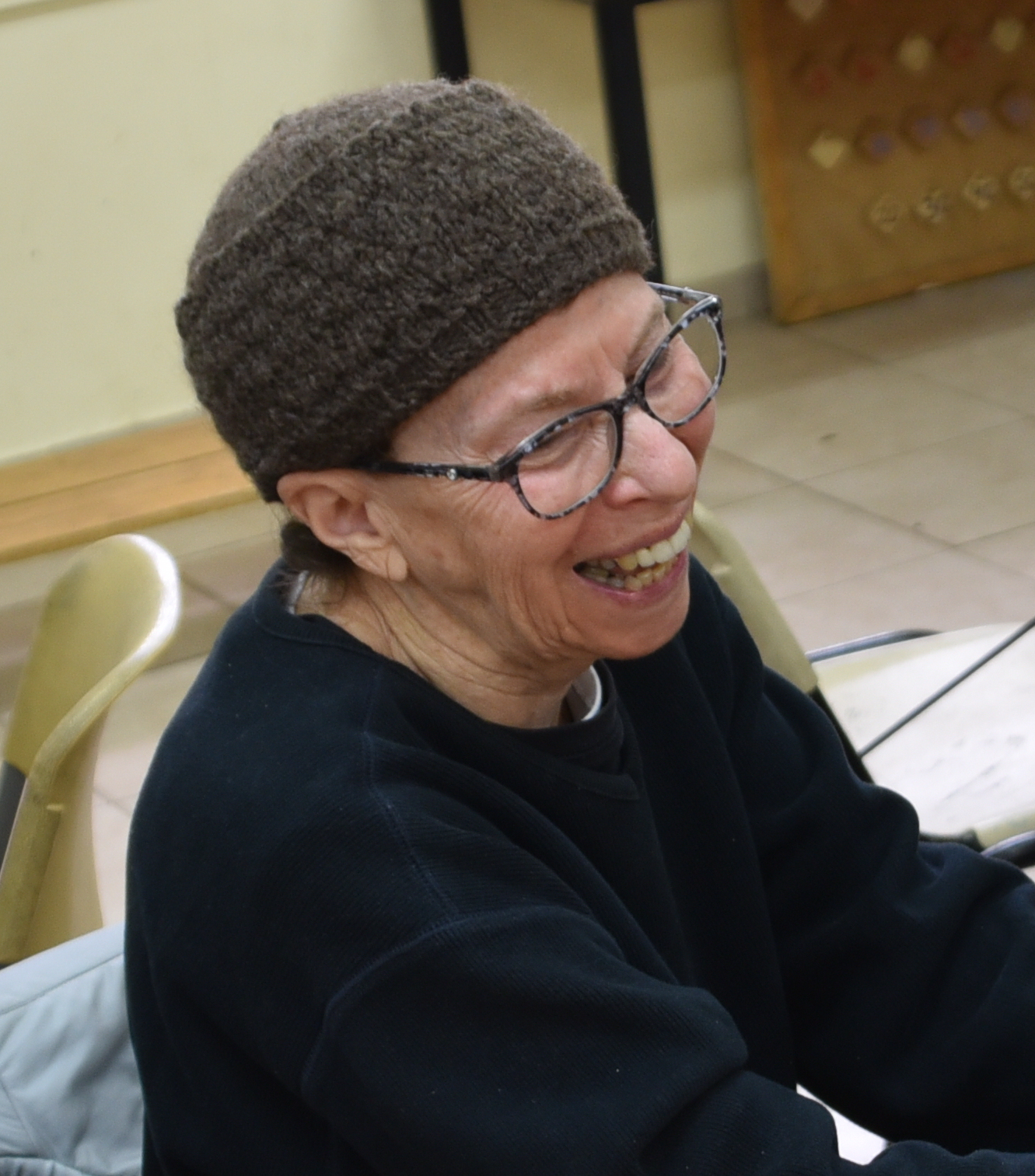
נתניה, ישראל
התחלתי כשהייתי בחופש, עם הפרסומים על תחילת המחזור, הסביבה קיבלה את זה כמשהו מתמיד ומשמעותי ובהערכה, הלימוד זה עוגן יציב ביום יום, יש שבועות יותר ויש שפחות אבל זה משהו שנמצא שם אמין ובעל משמעות בחיים שלי….

גמזו, ישראל
התחלתי ללמוד דף יומי אחרי שחזרתי בתשובה ולמדתי במדרשה במגדל עוז. הלימוד טוב ומספק חומר למחשבה על נושאים הלכתיים ”קטנים” ועד לערכים גדולים ביהדות. חשוב לי להכיר את הגמרא לעומק. והצעד הקטן היום הוא ללמוד אותה בבקיאות, בעזרת השם, ומי יודע אולי גם אגיע לעיון בנושאים מעניינים. נושאים בגמרא מתחברים לחגים, לתפילה, ליחסים שבין אדם לחברו ולמקום ולשאר הדברים שמלווים באורח חיים דתי 🙂

מצפה יריחו, ישראל
באירוע של הדרן בנייני האומה. בהשראתה של אמי שלי שסיימה את הש”ס בסבב הקודם ובעידוד מאיר , אישי, וילדיי וחברותיי ללימוד במכון למנהיגות הלכתית של רשת אור תורה סטון ומורתיי הרבנית ענת נובוסלסקי והרבנית דבורה עברון, ראש המכון למנהיגות הלכתית.
הלימוד מעשיר את יומי, מחזיר אותי גם למסכתות שכבר סיימתי וידוע שאינו דומה מי ששונה פרקו מאה לשונה פרקו מאה ואחת במיוחד מרתקים אותי החיבורים בין המסכתות

מודיעין, ישראל
התחלתי ללמוד דף יומי בסבב הקודם. זכיתי לסיים אותו במעמד המרגש של הדרן. בסבב הראשון ליווה אותי הספק, שאולי לא אצליח לעמוד בקצב ולהתמיד. בסבב השני אני לומדת ברוגע, מתוך אמונה ביכולתי ללמוד ולסיים. בסבב הלימוד הראשון ליוותה אותי חוויה מסויימת של בדידות. הדרן העניקה לי קהילת לימוד ואחוות נשים. החוויה של סיום הש”ס במעמד כה גדול כשנשים שאינן מכירות אותי, שמחות ומתרגשות עבורי , היתה חוויה מרוממת נפש
קיבוץ מגדל עוז, ישראל
"
גם אני התחלתי בסבב הנוכחי וב””ה הצלחתי לסיים את רוב המסכתות . בזכות הרבנית מישל משתדלת לפתוח את היום בשיעור הזום בשעה 6:20 .הלימוד הפך להיות חלק משמעותי בחיי ויש ימים בהם אני מצליחה לחזור על הדף עם מלמדים נוספים ששיעוריהם נמצאים במרשתת. שמחה להיות חלק מקהילת לומדות ברחבי העולם. ובמיוחד לשמש דוגמה לנכדותיי שאי””ה יגדלו לדור שלימוד תורה לנשים יהיה משהו שבשגרה. "

נתניה, ישראל
התחלתי ללמוד דף יומי כאשר קיבלתי במייל ממכון שטיינזלץ את הדפים הראשונים של מסכת ברכות במייל. קודם לא ידעתי איך לקרוא אותם עד שנתתי להם להדריך אותי. הסביבה שלי לא מודעת לעניין כי אני לא מדברת על כך בפומבי. למדתי מהדפים דברים חדשים, כמו הקשר בין המבנה של בית המקדש והמשכן לגופו של האדם (יומא מה, ע”א) והקשר שלו למשפט מפורסם שמופיע בספר ההינדי "בהגוד-גיתא”. מתברר שזה רעיון כלל עולמי ולא רק יהודי

נשר, ישראל
בתחילת הסבב הנוכחי של לימוד הדף היומי, נחשפתי לחגיגות המרגשות באירועי הסיום ברחבי העולם. והבטחתי לעצמי שבקרוב אצטרף גם למעגל הלומדות. הסבב התחיל כאשר הייתי בתחילת דרכי בתוכנית קרן אריאל להכשרת יועצות הלכה של נשמ”ת. לא הצלחתי להוסיף את ההתחייבות לדף היומי על הלימוד האינטנסיבי של תוכנית היועצות. בבוקר למחרת המבחן הסופי בנשמ”ת, התחלתי את לימוד הדף במסכת סוכה ומאז לא הפסקתי.

קרית גת, ישראל
אמא שלי למדה איתי ש”ס משנה, והתחילה ללמוד דף יומי. אני החלטתי שאני רוצה ללמוד גם. בהתחלה למדתי איתה, אח”כ הצטרפתי ללימוד דף יומי שהרב דני וינט מעביר לנוער בנים בעתניאל. במסכת עירובין עוד חברה הצטרפה אלי וכשהתחלנו פסחים הרב דני פתח לנו שעור דף יומי לבנות. מאז אנחנו לומדות איתו קבוע כל יום את הדף היומי (ובשבת אבא שלי מחליף אותו). אני נהנית מהלימוד, הוא מאתגר ומעניין

עתניאל, ישראל
אחרי שראיתי את הסיום הנשי של הדף היומי בבנייני האומה זה ריגש אותי ועורר בי את הרצון להצטרף. לא למדתי גמרא קודם לכן בכלל, אז הכל היה לי חדש, ולכן אני לומדת בעיקר מהשיעורים פה בהדרן, בשוטנשטיין או בחוברות ושיננתם.

בית שמש, ישראל
בתחילת הסבב הנוכחי הצטברו אצלי תחושות שאני לא מבינה מספיק מהי ההלכה אותה אני מקיימת בכל יום. כמו כן, כאמא לבנות רציתי לתת להן מודל נשי של לימוד תורה
שתי הסיבות האלו הובילו אותי להתחיל ללמוד. נתקלתי בתגובות מפרגנות וסקרניות איך אישה לומדת גמרא..
כמו שרואים בתמונה אני ממשיכה ללמוד גם היום ואפילו במחלקת יולדות אחרי לידת ביתי השלישית.

רבבה, ישראל
וְקָרַע שִׁירָאִין שֶׁל חֲבֵירוֹ.
and at the same time he tore another’s silk [shira’in]. The question is whether the liability to receive the death penalty exempts him from the liability for payment incurred at precisely the same moment.
גּוּפָא, אָמַר רַב חִסְדָּא: מוֹדֶה רַבִּי נְחוּנְיָא בֶּן הַקָּנָה בְּגוֹנֵב חֶלְבּוֹ שֶׁל חֲבֵירוֹ וַאֲכָלוֹ שֶׁהוּא חַיָּיב, שֶׁכְּבָר נִתְחַיֵּיב בִּגְנֵבָה קוֹדֶם שֶׁיָּבֹא לִידֵי אִיסּוּר חֵלֶב. לֵימָא פְּלִיגָא דְּרַבִּי אָבִין. דְּאָמַר רַבִּי אָבִין: הַזּוֹרֵק חֵץ מִתְּחִילַּת אַרְבַּע לְסוֹף אַרְבַּע, וְקָרַע שִׁירָאִין בַּהֲלִיכָתוֹ — פָּטוּר. שֶׁעֲקִירָה צוֹרֶךְ הַנָּחָה הִיא. הָכָא נָמֵי: הַגְבָּהָה צוֹרֶךְ אֲכִילָה הִיא!
§ The Gemara analyzes the matter itself. Rav Ḥisda said: Rabbi Neḥunya ben HaKana concedes in the case of one who steals another’s forbidden fat and eats it that he is obligated to pay for the fat, as he is already liable for theft before he comes to violate the prohibition against eating forbidden fat. The Gemara comments: Let us say that Rav Ḥisda disagrees with Rabbi Avin, as Rabbi Avin said: One who shoots an arrow from the beginning of four cubits to the end of four cubits in the public domain on Shabbat, thereby performing a prohibited labor for which he is liable to receive a court-imposed death penalty, and the arrow ripped silk as it proceeds, is exempt from the obligation to pay for the silk because he is liable for the more severe punishment for desecrating Shabbat. Although the silk was ripped prior to completion of the prohibited labor, as the arrow had not yet come to rest, he is nevertheless exempt, as lifting is a prerequisite for placement. The prohibited labor of carrying on Shabbat is comprised of lifting of the object and placement. Once he shot the arrow, its movement through the air is a continuation of his act of Shabbat desecration, for which he is liable to be executed. Here, too, say that lifting the fat is a prerequisite for eating, and therefore he should be exempt from payment.
הָכִי הַשְׁתָּא?! הָתָם, אִי אֶפְשָׁר לְהַנָּחָה בְּלֹא עֲקִירָה. הָכָא, אֶפְשָׁר לַאֲכִילָה בְּלֹא הַגְבָּהָה, דְּאִי בָּעֵי, גָּחֵין וְאָכֵיל. אִי נָמֵי: הָתָם אִי בָּעֵי לְאַהְדּוֹרַהּ — לָא מָצֵי מַהְדַּר לַהּ. הָכָא — מָצֵי מַהְדַּר לַהּ.
The Gemara refutes this argument: How can these cases be compared? There, in the case of the arrow, placement is impossible without lifting, as placement without lifting is not a labor prohibited on Shabbat. Therefore, lifting and placement are a single unit. In contrast, here, eating is possible without lifting as, if one wishes, he could bend down and eat without lifting the food to his mouth. Alternatively, there is another difference between the cases: There, in the case of the arrow, even if he seeks to take back the arrow after shooting it, he cannot take it back; therefore, lifting and placement constitute one action. Here, he could replace the fat after lifting it.
מַאי אִיכָּא בֵּין הַאי לִישָּׁנָא לְהַאי לִישָּׁנָא? אִיכָּא בֵּינַיְיהוּ הַמַּעֲבִיר סַכִּין בִּרְשׁוּת הָרַבִּים וְקָרַע שִׁירָאִין בַּהֲלִיכָתוֹ. לְהָךְ לִישָּׁנָא דְּאָמְרַתְּ אִי אֶפְשָׁר לְהַנָּחָה בְּלֹא עֲקִירָה — הָכָא נָמֵי אִי אֶפְשָׁר לְהַנָּחָה בְּלֹא עֲקִירָה. לְהָךְ לִישָּׁנָא דְּאָמְרַתְּ לָא מָצֵי מַהְדַּר לַהּ — הָכָא מָצֵי מַהְדַּר לַהּ.
The Gemara asks: What practical difference is there between this formulation, where the criterion is whether the second stage could be performed independent of the first stage, and that formulation, where the criterion is whether the second stage is inevitable after performing the first stage? The Gemara responds: There is a practical difference between them with regard to one who carries a knife in the public domain and tears silk as he proceeds. According to that formulation, where you said: Lifting is a prerequisite for placement, here too, lifting is a prerequisite for placement. As these two stages are inexorably connected, they constitute one action, and the one carrying the knife is exempt from paying the damages. Conversely, according to that formulation where you said: He cannot take back the arrow and that is why they are considered one action, here, he can take back the knife; therefore, lifting and placement are separate actions and he is not exempt from punishment for the damages that he caused.
גּוּפָא, אָמַר רַבִּי אָבִין: הַזּוֹרֵק חֵץ מִתְּחִלַּת אַרְבַּע לְסוֹף אַרְבַּע וְקָרַע שִׁירָאִין בַּהֲלִיכָתוֹ — פָּטוּר, שֶׁעֲקִירָה צוֹרֶךְ הַנָּחָה הִיא. מֵתִיב רַב בִּיבִי בַּר אַבָּיֵי: הַגּוֹנֵב כִּיס בְּשַׁבָּת — חַיָּיב, שֶׁכְּבָר נִתְחַיֵּיב בִּגְנֵיבָה קוֹדֶם שֶׁיָּבֹא לִידֵי אִיסּוּר סְקִילָה. הָיָה מְגָרֵר וְיוֹצֵא, מְגָרֵר וְיוֹצֵא — פָּטוּר, שֶׁהֲרֵי אִיסּוּר שַׁבָּת וּגְנֵיבָה בָּאִין כְּאֶחָד.
§ The Gemara analyzes the matter itself. Rabbi Avin said: With regard to one who shoots an arrow from the beginning of four cubits to the end of four cubits and the arrow rips silk as it proceeds, he is exempt, as lifting is a prerequisite for placement. Rav Beivai bar Abaye raised an objection from that which is taught in a baraita: One who steals a purse on Shabbat is liable for the theft because he was already liable for theft as soon as he lifted the purse. This took place before he came to violate the prohibition against performing prohibited labor on Shabbat by carrying it into the public domain, a violation punishable by stoning. However, if he did not lift the purse but was dragging it on the ground and exiting the private domain, dragging and exiting, he is exempt, as the prohibition against theft and the prohibition of Shabbat are violated simultaneously when he drags the purse out of the owner’s property and into the public domain.
וְאַמַּאי? הָכָא נָמֵי, לֵימָא: הַגְבָּהָה צוֹרֶךְ הוֹצָאָה הִיא! הָכָא בְּמַאי עָסְקִינַן — כְּגוֹן שֶׁהִגְבִּיהוֹ עַל מְנָת לְהַצְנִיעוֹ, וְנִמְלַךְ עָלָיו וְהוֹצִיאוֹ.
Rav Beivai concludes: But why is he liable if he carried the purse? Here, too, let us say that lifting is a prerequisite for carrying out, and therefore the theft was performed in the course of performance of the prohibited labor and he is exempt. The Gemara answers: With what are we dealing here? We are dealing with a case where he lifted the pouch in order to conceal it in the same domain, not to carry it out into the public domain, and he reconsidered his plan with regard to the purse and carried it out. In that case the act of lifting was not performed for the purpose of carrying out. Therefore, he is not exempt from the obligation to pay for the theft.
וְכִי הַאי גַּוְונָא מִי חַיָּיב? וְהָאָמַר רַב סִימוֹן אָמַר רַבִּי אַמֵּי אָמַר רַבִּי יוֹחָנָן: הַמְפַנֶּה חֲפָצִים מִזָּוִית לְזָוִית, וְנִמְלַךְ עֲלֵיהֶם וְהוֹצִיאָן — פָּטוּר, שֶׁלֹּא הָיְתָה עֲקִירָה מִשָּׁעָה רִאשׁוֹנָה לְכָךְ!
The Gemara asks: And in a case like that, where he reconsidered, is one liable for carrying out an object on Shabbat? But didn’t Rav Simon say that Rabbi Ami said that Rabbi Yoḥanan said: One who moves objects from one corner of his house to another corner on Shabbat, and he reconsidered his plan in their regard after lifting them and carried them out into the public domain, he is exempt, as the act of lifting was not initially performed for that purpose of carrying from one domain to another. Here, too, since the thief did not lift the pouch with the intention of carrying it out, he is not liable to be stoned.
לָא תֵּימָא עַל מְנָת לְהַצְנִיעוֹ, אֶלָּא אֵימָא עַל מְנָת לְהוֹצִיאוֹ, הָכָא בְּמַאי עָסְקִינַן — כְּשֶׁעָמַד.
The Gemara emends the previous answer: Do not say that he lifted it in order to conceal it; rather, say that he lifted it in order to carry it out. Nevertheless, the case of shooting the arrow and the case of stealing the purse are different, as with what case are we dealing here? It is a case where he stopped in the courtyard before taking the pouch out to the public domain. Therefore, the initial lifting is exclusively theft and not the start of a prohibited labor, as by stopping, he separated the lifting from the carrying out.
עָמַד לְמַאי? אִי לְכַתֵּף — אוֹרְחֵיהּ הוּא! אֶלָּא בְּעוֹמֵד לָפוּשׁ. אֲבָל לְכַתֵּף מַאי?
The Gemara asks: This is a case where he stopped. For what purpose did he stop? If he stopped in order to adjust the burden on his shoulder, that is the typical manner of proceeding and would not be considered an interruption in the process of carrying out the object. Rather, it must be in a case of one who stopped to rest, and when he resumes moving he initiates a separate action. The Gemara infers: But if he stopped in order to adjust the burden on his shoulder, what is the halakha?
פָּטוּר. אַדְּתָנֵי: הָיָה מְגָרֵר וְיוֹצֵא מְגָרֵר וְיוֹצֵא פָּטוּר, נִפְלוֹג וְנִיתְנֵי בְּדִידַהּ: בַּמֶּה דְּבָרִים אֲמוּרִים — בְּעוֹמֵד לָפוּשׁ, אֲבָל לְכַתֵּף — פָּטוּר.
He would be exempt. If that is the case, rather than teaching: If he was dragging and exiting, dragging and exiting, he is exempt, let the tanna distinguish and teach the distinction within the case of carrying itself, as follows: In what case are these matters stated? It is in a case where he stopped to rest; however, if he stopped to adjust the burden on his shoulder, he is exempt.
אֶלָּא: הָא מַנִּי — בֶּן עַזַּאי הִיא, דְּאָמַר: מְהַלֵּךְ כְּעוֹמֵד דָּמֵי. אֲבָל זוֹרֵק מַאי — פָּטוּר? נִיפְלוֹג [וְנִיתְנֵי] בְּדִידַהּ: בַּמֶּה דְּבָרִים אֲמוּרִים — בִּמְהַלֵּךְ, אֲבָל זוֹרֵק — פָּטוּר!
Rather, the Gemara explains why one is liable in the case where he carries the purse. In accordance with whose opinion was this halakha taught? It is in accordance with the opinion of ben Azzai, who said: The legal status of one who walks is like that of one who stops, as each step constitutes a pause between the actions of lifting and placement. Therefore, the initial lifting is not part of the prohibited labor of carrying out. The Gemara infers: But if one throws the object into another domain, what is the halakha? He would be exempt from payment, as the lifting is the start of the prohibited labor of carrying out. If so, let the tanna distinguish and teach the distinction within the case itself, without resorting to the case of dragging and exiting, as follows: In what case are these matters stated? It is in the case of one who walks, so that there is separation between lifting and carrying out, and therefore the theft and the desecration of Shabbat are not simultaneous. However, one who throws is exempt from payment, as liability for carrying out and for theft are incurred simultaneously.
מְגָרֵר וְיוֹצֵא אִיצְטְרִיכָא לֵיהּ, סָלְקָא דַּעְתָּךְ אָמֵינָא אֵין דֶּרֶךְ הוֹצָאָה בְּכָךְ. קָא מַשְׁמַע לַן.
The Gemara answers: According to the opinion of ben Azzai, that would in fact be a more appropriate distinction; however, the case of one who was dragging and exiting was necessary for the tanna to teach because it includes a novel element, as it might enter your mind to say that this is not a typical manner of carrying out, and one is not liable to be executed for performing a prohibited labor in an atypical manner. Therefore, it teaches us that this too is a manner of carrying out.
וּבְמַאי? אִי בְּרַבְרְבֵי — אוֹרְחֵיהּ הוּא. אִי בְּזוּטְרֵי — לָאו אוֹרְחֵיהּ הוּא. אֶלָּא בְּמִיצְעֵי.
And the Gemara asks: In what case is this so? If it is in the case of large purses, obviously dragging is its typical manner, and there is nothing novel in this. If it is in the case of small purses, dragging is certainly not its typical manner, and one would certainly not be liable. Rather, it must be referring to intermediate-sized purses. Although they are not always carried out in this manner, since they are sometimes dragged, the novelty is that he is liable for desecrating Shabbat and exempt from the payment.
וּדְאַפְּקֵיהּ לְהֵיכָא? אִי דְּאַפְּקֵיהּ לִרְשׁוּת הָרַבִּים — אִיסּוּר שַׁבָּת אִיכָּא, אִיסּוּר גְּנֵיבָה לֵיכָּא. אִי דְּאַפְּקֵיהּ לִרְשׁוּת הַיָּחִיד — אִיסּוּר גְּנֵיבָה אִיכָּא, אִיסּוּר שַׁבָּת — לֵיכָּא! לָא צְרִיכָא, דְּאַפְּקֵיהּ לְצִידֵּי רְשׁוּת הָרַבִּים.
The Gemara continues: And in this case, to where did he carry out the pouch? If he carried it out from the owner’s private domain to the public domain, there is violation of the prohibition of Shabbat; however, there is no violation of the prohibition against theft, as one does not acquire an item by pulling it into the public domain. If he carried it out from the owner’s private domain to his own private domain, there is violation of the prohibition against theft; however, there is no violation of the prohibition of Shabbat. The Gemara answers: This ruling is necessary only in a case where he carried it out to the sides of the public domain. This is referring to the area in the public domain adjacent to the houses located on its sides, demarcated from the thoroughfare by small pegs and not by a full-fledged partition.
וּכְמַאן? אִי כְּרַבִּי אֱלִיעֶזֶר דְּאָמַר צִידֵּי רְשׁוּת הָרַבִּים כִּרְשׁוּת הָרַבִּים דָּמוּ — אִיסּוּר שַׁבָּת אִיכָּא, אִיסּוּר גְּנֵיבָה לֵיכָּא! אִי כְּרַבָּנַן דְּאָמְרִי צִידֵּי רְשׁוּת הָרַבִּים לָאו כִּרְשׁוּת הָרַבִּים דָּמוּ — אִיסּוּר גְּנֵיבָה אִיכָּא, אִיסּוּר שַׁבָּת לֵיכָּא!
The Gemara asks: And in accordance with whose opinion is this taught? If it is in accordance with the opinion of Rabbi Eliezer, who said: The legal status of the sides of the public domain is like that of the public domain, there is violation of the prohibition of Shabbat; however, there is no violation of the prohibition against theft. If it is in accordance with the opinion of the Rabbis, who said: The legal status of the sides of the public domain is not like that of the public domain, there is violation of the prohibition against theft; however, there is no violation of the prohibition of Shabbat.
לְעוֹלָם כְּרַבִּי אֱלִיעֶזֶר, וְכִי אָמַר רַבִּי אֱלִיעֶזֶר צִידֵּי רְשׁוּת הָרַבִּים כִּרְשׁוּת הָרַבִּים דָּמוּ — הָנֵי מִילֵּי לְעִנְיַן חִיּוּבָא דְשַׁבָּת, דְּזִימְנִין דְּדָחֲקִי רַבִּים וְעָיְילִי לְהָתָם. אֲבָל לְעִנְיַן מִיקְנֵא — קָנֵי. מַאי טַעְמָא — דְּהָא לָא שְׁכִיחִי רַבִּים.
The Gemara answers: Actually, it is in accordance with the opinion of Rabbi Eliezer, and when Rabbi Eliezer said: The legal status of the sides of the public domain is like that of the public domain, that applies only with regard to the liability for performing prohibited labor on Shabbat, as occasionally the multitudes crowd and enter there. However, with regard to the matter of acquiring an object, one acquires it by dragging it there. What is the reason for this halakha? It is due to the fact that the public is not typically found there, and acquisition can be effected in a place where the multitudes are not typically found.
רַב אָשֵׁי אָמַר: כְּגוֹן שֶׁצֵּירַף יָדוֹ לְמַטָּה מִשְּׁלֹשָׁה וְקִיבְּלוֹ. כִּדְרָבָא. דְּאָמַר רָבָא: יָדוֹ שֶׁל אָדָם חֲשׁוּבָה לוֹ כְּאַרְבָּעָה עַל אַרְבָּעָה. רַב אַחָא מַתְנִי הָכִי.
Rav Ashi said: Actually, one is exempt when one dragged the object into the public domain in a case where he joined his hand to his other hand at a height below three handbreadths off the ground and received the purse by passing it from one hand into the other as soon as he brought it into the public domain. This is in accordance with the opinion of Rava, as Rava said: A person’s hand is considered like four by four handbreadths for him. Therefore, an object placed in one’s hand is considered placed with regard to Shabbat, and since his hand is his personal domain he has also acquired the stolen item. Rav Aḥa taught the entire discussion this way, as above.
רָבִינָא מַתְנֵי: לְעוֹלָם דְּאַפְּקֵיהּ לִרְשׁוּת הָרַבִּים, וּבִרְשׁוּת הָרַבִּים נָמֵי קָנָה, וְתַרְוַיְיהוּ בְּדִיּוּקָא דְּהָא מַתְנִיתִין קָמִיפַּלְגִי. דִּתְנַן: הָיָה מוֹשְׁכוֹ וְיוֹצֵא וּמֵת בִּרְשׁוּת בְּעָלִים — פָּטוּר. הִגְבִּיהוֹ אוֹ שֶׁהוֹצִיאוֹ מֵרְשׁוּת בְּעָלִים וּמֵת — חַיָּיב.
Ravina taught otherwise: Actually, it is a case where one carried out the object to the public domain, and in the public domain he also acquires the stolen object by removing it from the owner’s domain, even if he does not transfer it to his own domain. The Gemara comments: And the two of them, Rav Aḥa and Ravina disagree with regard to the inference of this mishna, as we learned in a mishna (Bava Kamma 79a) with regard to one who stole an animal: If he was pulling the animal and exiting, and it died in the domain of the owner, the thief is exempt from payment because he did not yet acquire the animal and therefore did not assume liability for its death through circumstances beyond his control. If he lifted it or took it out of the owner’s domain, thereby acquiring the animal, and it died, the thief is liable to pay its value because it died in his possession.
רָבִינָא דָּיֵיק מֵרֵישָׁא, רַב אַחָא דָּיֵיק מִסֵּיפָא. רָבִינָא דָּיֵיק מֵרֵישָׁא: הָיָה מוֹשְׁכוֹ וְיוֹצֵא וּמֵת בִּרְשׁוּת בְּעָלִים — פָּטוּר. טַעְמָא דְּמֵת בִּרְשׁוּת בְּעָלִים, הָא הוֹצִיאוֹ מֵרְשׁוּת בְּעָלִים וָמֵת — חַיָּיב. רַב אַחָא דָּיֵיק מִסֵּיפָא: הִגְבִּיהוֹ אוֹ שֶׁהוֹצִיאוֹ. הוֹצָאָה דּוּמְיָא דְּהַגְבָּהָה: מָה הַגְבָּהָה — דְּאָתֵי לִרְשׁוּתֵיהּ, אַף הוֹצָאָה נָמֵי — דְּאָתֵי לִרְשׁוּתֵיהּ.
Ravina inferred his conclusion from the first clause of the mishna, and Rav Aḥa inferred his conclusion from the latter clause. Ravina inferred his conclusion from the first clause: If he was pulling the animal and exiting, and it died in the domain of the owner, the thief is exempt from payment. The reason that the thief is exempt is that the animal died in the owner’s domain; by inference, if he took it out of the owner’s domain and it died, he is liable because the thief acquires the item by its very removal from the owner’s property, even to the public domain. Rav Aḥa inferred his conclusion from the latter clause of the mishna: If he lifted it or took it out of the owner’s domain, he is liable. Based on the juxtaposition of the two, taking the animal out is similar to lifting it: Just as lifting is an act of acquisition through which the animal comes into his domain, so too, taking it out is referring to a case where it comes into his domain.
לְרַב אַחָא קַשְׁיָא רֵישָׁא, לְרָבִינָא קַשְׁיָא סֵיפָא! רֵישָׁא לְרַב אַחָא לָא קַשְׁיָא: כַּמָּה דְּלָא אָתֵי לִרְשׁוּתֵיהּ, רְשׁוּת בְּעָלִים קָרֵינָא בֵּיהּ. סֵיפָא לְרָבִינָא לָא קַשְׁיָא: הוֹצָאָה דּוּמְיָא דְּהַגְבָּהָה לָא אָמְרִינַן.
The Gemara observes: For Rav Aḥa the first clause of the mishna is difficult, while for Ravina the latter clause is difficult. The Gemara answers: The first clause is not difficult for Rav Aḥa, as he could explain it as follows: As long as the animal has not come into one’s domain, even if it has left the owner’s property, we continue to call it the owner’s domain. Similarly, the latter clause is not difficult for Ravina, as in his opinion we do not say: Taking the animal out is similar to lifting it. Therefore, the mishna’s ruling is that the thief acquires the animal merely through its removal from the owner’s property.
הַבָּא עַל אֲחוֹתוֹ וְעַל אֲחוֹת אָבִיו כּוּ׳. וּרְמִינְהוּ, אֵלּוּ הֵן הַלּוֹקִין: הַבָּא עַל אֲחוֹתוֹ, וְעַל אֲחוֹת אָבִיו, וְעַל אֲחוֹת אִמּוֹ, וְעַל אֲחוֹת אִשְׁתּוֹ, וְעַל אֵשֶׁת אָחִיו, וְעַל אֵשֶׁת אֲחִי אָבִיו, וְעַל הַנִּדָּה.
§ The mishna continues: Similarly, one who has forced relations with his sister, i.e., he rapes her, or with his father’s sister, or with his mother’s sister, or with his wife’s sister, or with his brother’s wife, or with his father’s brother’s wife after they divorced, or with a menstruating woman, there is a fine paid. And the Gemara raised a contradiction from the following mishna (Makkot 13a): And these people are flogged: One who has relations with his sister, or with his father’s sister, or with his mother’s sister, or with his wife’s sister, or with his brother’s wife, or with his father’s brother’s wife, or with a menstruating woman. Anyone who intentionally has relations with any of these women is punished with lashes.
פעולה זו תסיר את כל הפריטים בחלק זה כולל ההתקדמות וההיסטוריה. שימי לב: לא ניתן לשחזר פעולה זו.
תאבד/י את כל ההתקדמות או ההיסטוריה הקשורות לפריט זה.