







הדף היום מוקדש לזכר נשמת מרת זלטא- זהבה סגל לבית דייצ׳גבנד ע”י ידליה זאב סגל ,חיה שרה ניסן ונעמי נוי "פיה פתחה בחוכמה ותורת חסד על לשונה.״
הלימוד השבוע מוקדש ע”י טינה לם לרפואת מעין ליאורה בת שלומית פייגא
רוצה להקדיש שיעור?

0:00
0:00
תקציר
כלים
הלימוד השבוע מוקדש ע”י טינה לם לרפואת מעין ליאורה בת שלומית פייגא
כתובות ל
חַיָּיבֵי עֲשֵׂה, מִצְרִי וַאֲדוֹמִי.
intercourse with women for which one is liable for violating a positive mitzva, e.g., an Egyptian convert and an Edomite convert (see Deuteronomy 23:8–9). If he raped a first- or second-generation Egyptian or Edomite convert, even Rabbi Yeshevav agrees that the child is not a mamzer, as the betrothal takes effect. On the other hand, it is prohibited for him to sustain her as a wife.
הָנִיחָא לְרַבִּי יְשֵׁבָב, אִי לְאַפּוֹקֵי מִטַּעְמָא דְּרַבִּי סִימַאי קָאָתֵי — שַׁפִּיר. אֶלָּא אִי טַעְמָא דְנַפְשֵׁיהּ קָאָמַר, כֹּל שֶׁאֵין לוֹ בִּיאָה בְּיִשְׂרָאֵל הַוָּלָד מַמְזֵר — וַאֲפִילּוּ חַיָּיבֵי עֲשֵׂה! מַאי בֵּינַיְיהוּ?
The Gemara asks: This works out well according to Rabbi Yeshevav if he is coming to reject the opinion of Rabbi Simai. If Rabbi Yeshevav merely takes issue with Rabbi Simai, who said that all offspring of forbidden relations are mamzerim according to Rabbi Akiva except for those resulting from relations between a widow and a High Priest, then it may well be explained that Rabbi Yeshevav holds that Rabbi Akiva rules that betrothal does not take effect and that there is mamzerut when one violates the prohibitions of the priesthood. However, if he is stating his own opinion, independent of Rabbi Simai’s statement, his ruling is more comprehensive and leads to the conclusion that in the case of relations with anyone who does not have the possibility of permitted relations among the Jewish people, the child is a mamzer, and this is true even of women for relations with whom one is liable for violating positive mitzvot, e.g., Egyptian or Edomite converts. In that case, what is the difference between the opinions of Shimon HaTimni and Rabbi Shimon ben Menasya?
אִיכָּא בֵּינַיְיהוּ בְּעוּלָה לְכֹהֵן גָּדוֹל. וּמַאי שְׁנָא? דְּהָוֵה לֵיהּ עֲשֵׂה שֶׁאֵינוֹ שָׁוֶה בַּכֹּל.
The Gemara answers: There is a difference between them in the case of a non-virgin raped by a High Priest. And the Gemara asks: Here, too, she is a woman for relations with whom one is liable for violating a positive mitzva, as the High Priest fails to fulfill the mitzva “But a virgin of his own people shall he take to wife” (Leviticus 21:14). If Rabbi Akiva rules that betrothal does not take effect when a positive mitzva is violated, what is different about this case? The Gemara answers: It is different because it is a positive mitzva whose application is not equal for all. There are two lenient aspects to this mitzva: It is a positive mitzva and not a prohibition, and it applies only to the High Priest and not to all Jews. Even Rabbi Yeshevav would agree that according to Rabbi Akiva, a child born from relations between a High Priest and a non-virgin is not a mamzer. However, the High Priest may not sustain the woman as his wife. Therefore, this case is the practical difference between the statements of Shimon HaTimni and Rabbi Shimon ben Menasya.
אָמַר רַב חִסְדָּא: הַכֹּל מוֹדִים בְּבָא עַל הַנִּדָּה שֶׁמְּשַׁלֵּם קְנָס. לְמַאן דְּאָמַר יֵשׁ בָּהּ הֲוָיָה — הָא נָמֵי יֵשׁ בָּהּ הֲוָיָה. לְמַאן דְּאָמַר רְאוּיָה לְקַיְּימָהּ — הָא נָמֵי רְאוּיָה לְקַיְּימָהּ.
§ Rav Ḥisda said: Everyone agrees with regard to one who engaged in forced intercourse with a menstruating woman that he pays the fine. He elaborates: According to the one who says that the criterion is whether there is betrothal, for this woman too there is betrothal. According to the one who says that the criterion is whether the woman is suitable for him to sustain, this woman is suitable for him to sustain.
וּלְאַפּוֹקֵי מִדְּרַבִּי נְחוּנְיָא בֶּן הַקָּנָה. דְּתַנְיָא: רַבִּי נְחוּנְיָא בֶּן הַקָּנָה הָיָה עוֹשֶׂה אֶת יוֹם הַכִּפּוּרִים כַּשַּׁבָּת לְתַשְׁלוּמִין. מָה שַׁבָּת — מִתְחַיֵּיב בְּנַפְשׁוֹ וּפָטוּר מִן הַתַּשְׁלוּמִין, אַף יוֹם הַכִּפּוּרִים — מִתְחַיֵּיב בְּנַפְשׁוֹ וּפָטוּר מִן הַתַּשְׁלוּמִין.
§ The Gemara comments: And the mishna’s ruling that one who has relations with his sister is liable to pay the fine comes to exclude the opinion of Rabbi Neḥunya ben HaKana, as it is taught in a baraita: Rabbi Neḥunya ben HaKana would render Yom Kippur like Shabbat with regard to payment for damages. Just as one who intentionally desecrates Shabbat is liable to receive the death penalty and is therefore exempt from the obligation of payment for damages caused while desecrating Shabbat, so too, one who intentionally desecrates Yom Kippur is liable to receive the death penalty and is therefore exempt from the obligation of payment for damages caused while desecrating Yom Kippur.
מַאי טַעְמָא דְּרַבִּי נְחוּנְיָא בֶּן הַקָּנָה? אָמַר אַבָּיֵי: נֶאֱמַר ״אָסוֹן״ בִּידֵי אָדָם. וְנֶאֱמַר ״אָסוֹן״ בִּידֵי שָׁמַיִם. מָה ״אָסוֹן״ הָאָמוּר בִּידֵי אָדָם — פָּטוּר מִן הַתַּשְׁלוּמִין, אַף ״אָסוֹן״ הָאָמוּר בִּידֵי שָׁמַיִם — פָּטוּר מִן הַתַּשְׁלוּמִין.
The Gemara asks: What is the rationale for the opinion of Rabbi Neḥunya ben HaKana? Abaye said: It states the word harm at the hands of man, in the verse “But if any harm follow, then you shall give a soul for a soul” (Exodus 21:23) and it states the word harm at the hand of Heaven, in the verse in which Jacob states: “My son shall not descend with you…and harm befalls him on the way” (Genesis 42:38). Just as with regard to harm that is stated at the hands of man, e.g., one who kills and is liable to be executed, one is exempt from the associated payment, so too, with regard to harm that is stated at the hand of Heaven, one is exempt from the associated payment.
מַתְקֵיף לַהּ רַב אַדָּא בַּר אַהֲבָה: מִמַּאי דְּכִי קָא מַזְהַר לְהוּ יַעֲקֹב לִבְנֵיהּ, עַל צִינִּים וּפַחִים דְּבִידֵי שָׁמַיִם נִינְהוּ? דִּלְמָא עַל אַרְיָא וְגַנָּבֵי דְּבִידֵי אָדָם נִינְהוּ?! אַטּוּ יַעֲקֹב אַהָא אַזְהַר, אַהָא לָא אַזְהַר? יַעֲקֹב עַל כֹּל מִילֵּי אַזְהַר.
Rav Adda bar Ahava strongly objects to this: From where is it derived that when Jacob is warning his sons he is warning them about cold and heat [tzinim paḥim], which are at the hand of Heaven? Perhaps he was warning them about a lion and thieves, which are harm at the hands of man, meaning that unlike heat and cold, these dangers are not calibrated by God. The Gemara refutes this: Is that to say that Jacob warned them about this harm at the hand of man, but about that harm at the hand of Heaven he did not warn them? Jacob warned them about all potentially harmful matters that might befall Benjamin, not merely one particular form of catastrophe.
וְצִינִּים פַּחִים בִּידֵי שָׁמַיִם נִינְהוּ? וְהָתַנְיָא: הַכֹּל בִּידֵי שָׁמַיִם חוּץ מִצִּינִּים פַּחִים, שֶׁנֶּאֱמַר: ״צִינִּים פַּחִים בְּדֶרֶךְ עִיקֵּשׁ שׁוֹמֵר נַפְשׁוֹ יִרְחַק מֵהֶם״! וְתוּ אַרְיָא וְגַנָּבֵי בִּידֵי אָדָם נִינְהוּ? וְהָאָמַר רַב יוֹסֵף וְכֵן תָּנֵי רַבִּי חִיָּיא: מִיּוֹם שֶׁחָרַב בֵּית הַמִּקְדָּשׁ, אַף עַל פִּי שֶׁבָּטְלוּ סַנְהֶדְרִין, אַרְבַּע מִיתוֹת לֹא בָּטְלוּ. לֹא בָּטְלוּ?! הָא בָּטְלוּ לְהוּ! אֶלָּא:
The Gemara asks: And are cold and heat at the hand of Heaven? Isn’t it taught in a baraita: All matters are at the hand of Heaven except for cold and heat, as it is stated: “Cold and heat are on the path of the crooked, he who guards his soul shall keep far from them” (Proverbs 22:5)? This indicates that cold and heat are forms of harm caused by man, from which one can protect himself. And furthermore, are a lion and thieves forms of harm at the hands of man? But didn’t Rav Yosef say, and similarly, didn’t Rabbi Ḥiyya teach a baraita: From the day that the Temple was destroyed, although the Sanhedrin was abolished the four death penalties were not abolished? The Gemara asks: Were they not abolished? It is clear that they were abolished, as today there is neither Sanhedrin nor capital punishment. Rather, it means that although there are no court-imposed executions,
דִּין אַרְבַּע מִיתוֹת לֹא בָּטְלוּ. מִי שֶׁנִּתְחַיֵּיב סְקִילָה — אוֹ נוֹפֵל מִן הַגָּג, אוֹ חַיָּה דּוֹרַסְתּוֹ. וּמִי שֶׁנִּתְחַיֵּיב שְׂרֵיפָה — אוֹ נוֹפֵל בִּדְלֵיקָה, אוֹ נָחָשׁ מַכִּישׁוֹ. וּמִי שֶׁנִּתְחַיֵּיב הֲרִיגָה — אוֹ נִמְסָר לַמַּלְכוּת, אוֹ לִיסְטִים בָּאִין עָלָיו. וּמִי שֶׁנִּתְחַיֵּיב חֶנֶק — אוֹ טוֹבֵעַ בַּנָּהָר, אוֹ מֵת בִּסְרוֹנְכֵי?! אֶלָּא, אֵיפוֹךְ: אַרְיָא וְגַנָּבֵי בִּידֵי שָׁמַיִם, צִינִּים וּפַחִים בִּידֵי אָדָם.
the punishment of the four death penalties was not abolished. How so? One who was liable to be executed by stoning either falls from the roof or a beast tramples him. That is similar to stoning, which involves being pushed off an elevated place and then stoned. And one who was liable to be executed by burning either falls into a conflagration or a snake bites him, which creates a burning sensation. And one who was liable to be executed by decapitation is either handed over to the ruling monarchy for execution by sword, or bandits attack and kill him. And one who was liable to be executed by strangulation either drowns in a river, or dies of diphtheria [serunki]. Rather, reverse the order of the previous statement: A lion and thieves are cases of harm at the hand of Heaven, while cold and heat are cases of harm at the hands of man.
רָבָא אָמַר, טַעְמָא דְּרַבִּי נְחוּנְיָא בֶּן הַקָּנָה מֵהָכָא: ״וְאִם הַעְלֵם יַעְלִימוּ עַם הָאָרֶץ אֶת עֵינֵיהֶם מִן הָאִישׁ הַהוּא בְּתִתּוֹ מִזַּרְעוֹ לַמּוֹלֶךְ. וְשַׂמְתִּי אֲנִי אֶת פָּנַי בָּאִישׁ הַהוּא וּבְמִשְׁפַּחְתּוֹ וְהִכְרַתִּי אוֹתוֹ״, אָמְרָה תּוֹרָה: כָּרֵת שֶׁלִּי כְּמִיתָה שֶׁלָּכֶם, מָה מִיתָה שֶׁלָּכֶם — פָּטוּר מִן הַתַּשְׁלוּמִין. אַף כָּרֵת שֶׁלִּי — פָּטוּר מִן הַתַּשְׁלוּמִין.
Rava said an additional explanation: The rationale for the opinion of Rabbi Neḥunya ben HaKana is from here. It is written that one who gives his children to Molech is liable to be executed by stoning: “And if the people of the land do at all hide their eyes from that man, when he gives of his seed to Molech, and do not put him to death; then I will set My face against that man and against his family, and will cut him off [vehikhrati]” (Leviticus 20:4–5). Through the juxtaposition in this verse the Torah said: My karet is like your death penalty; just as one who is liable to receive your death penalty is exempt from the associated payments, so too, one who is liable to receive My karet is exempt from the associated payments.
מַאי אִיכָּא בֵּין רָבָא לְאַבָּיֵי? אִיכָּא בֵּינַיְיהוּ זָר שֶׁאָכַל תְּרוּמָה — לְאַבָּיֵי פָּטוּר, וּלְרָבָא חַיָּיב.
The Gemara asks: What practical difference is there between the opinions of Rava and Abaye with regard to the rationale for the opinion of Rabbi Neḥunya ben HaKana? The Gemara answers: There is a difference between them with regard to a non-priest who intentionally ate teruma. According to Abaye he is exempt from paying the priest the value of the teruma, as a non-priest who ate teruma is liable to receive death at the hand of Heaven. Abaye maintains that the legal status of all forms of death at the hand of Heaven is equivalent to that of death at the hands of man, and therefore, one is exempt from payment. And according to Rava, who derives the rationale from the juxtaposition between karet and death at the hands of man, since a non-priest who ate teruma is not liable to receive karet, he is liable to pay the priest for the teruma that he ate.
וּלְאַבָּיֵי פָּטוּר?! וְהָאָמַר רַב חִסְדָּא: מוֹדֶה רַבִּי נְחוּנְיָא בֶּן הַקָּנָה בְּגוֹנֵב חֶלְבּוֹ שֶׁל חֲבֵירוֹ וַאֲכָלוֹ, שֶׁהוּא חַיָּיב — שֶׁכְּבָר נִתְחַיֵּיב בִּגְנֵיבָה קוֹדֶם שֶׁבָּא לִידֵי אִיסּוּר חֵלֶב. אַלְמָא דְּמֵעִידָּנָא דְּאַגְבְּהֵיהּ קַנְיֵיהּ, מִתְחַיֵּיב בְּנַפְשׁוֹ לָא הֲוָה עַד דְּאָכֵיל לֵיהּ. הָכָא נָמֵי, בְּעִידָּנָא דְּאַגְבְּהֵיהּ — קַנְיֵיהּ, מִתְחַיֵּיב בְּנַפְשׁוֹ לָא הָוֵי עַד דְּאָכֵיל לֵיהּ! הָכָא בְּמַאי עָסְקִינַן — כְּגוֹן שֶׁתָּחַב לוֹ חֲבֵירוֹ לְתוֹךְ פִּיו.
The Gemara asks: And according to Abaye, is a non-priest actually exempt from payment for the teruma? But didn’t Rav Ḥisda say that Rabbi Neḥunya ben HaKana concedes with regard to one who steals another’s forbidden fat and eats it that he is obligated to pay for the fat, even though he is liable to receive karet, as he was already liable for theft before he came to violate the prohibition against eating forbidden fat? Apparently, from the moment he lifts the fat to steal it he acquired it, and he bears responsibility to repay it, but he is liable to receive the death penalty only when he eats it. Here, too, with regard to a non-priest who ate teruma, at the moment he lifts the teruma he acquired it and is responsible to repay it, and he is liable to receive the death penalty only when he eats it. The Gemara answers: With what are we dealing here? It is a case where another inserted the teruma into his mouth. In that case, acquisition and liability to receive the death penalty are simultaneous.
סוֹף סוֹף כֵּיוָן דְּלַעֲסֵיהּ קַנְיֵיהּ, מִתְחַיֵּיב בְּנַפְשׁוֹ לָא הָוֵי עַד דְּבַלְעַהּ! כְּגוֹן שֶׁתָּחַב לוֹ לְתוֹךְ בֵּית הַבְּלִיעָה. הֵיכִי דָמֵי? אִי דְּמָצֵי לְאַהְדּוֹרַהּ — נֶיהְדַּר. אִי לָא מָצֵי לְאַהְדּוֹרַהּ — אַמַּאי חַיָּיב? לָא צְרִיכָא, דְּמָצֵי לְאַהְדּוֹרַהּ עַל יְדֵי הַדְּחָק.
The Gemara asks: Ultimately, once he chewed the teruma he acquired it and is liable to pay, and he is liable to receive the death penalty only when he swallows it. Since the two are not simultaneous, he should be liable to pay. The Gemara answers: It is a case where another inserted it into the pharynx, so the liability for payment and liability for the death penalty were both achieved through swallowing. The Gemara asks: What are the circumstances? If it is possible to retrieve the teruma by removing it without ruining it, let him retrieve it. If one does so, he would not be liable to pay. If he fails to do so, liability or payment precedes liability for the death penalty. If it is not possible to retrieve the teruma, why is he liable? He did nothing; another person inserted the food in his throat. The Gemara answers: It is necessary only in a situation where it is possible to retrieve the teruma under duress, with great effort.
רַב פָּפָּא אָמַר: כְּגוֹן שֶׁתָּחַב לוֹ חֲבֵירוֹ מַשְׁקִין שֶׁל תְּרוּמָה לְתוֹךְ פִּיו. רַב אָשֵׁי אָמַר: בְּזָר שֶׁאָכַל תְּרוּמָה מִשֶּׁלּוֹ,
Rav Pappa said: It is referring to a case where another inserted liquids of teruma into his mouth. As soon as the liquid enters his mouth, it is ruined. Therefore, the acquisition and his enjoyment are simultaneous. Rav Ashi said: It is referring to a non-priest who partook of his own teruma, e.g., if the non-priest inherited teruma from a priest, or acquired ownership from a priest. In that case, he did not steal the teruma and there is no payment for it, but he is liable to receive the death penalty for eating teruma,
לעקוב 
כלים
העמקה
רוצה להבין מה באמת קורה מתחת לפני השטח של הסוגיה?
שיעורים, פודקאסטים והרחבות של מיטב המורות שלנו יפתחו לך עוד זוויות וכיווני חשיבה.





‘עַד הֵנָּה אֵל עֲזָרָנוּ’ – פיוט לסיום מסכת כתובות שחיבר ר’ עמרם עמאר – רות ביתן-כהן
26.10.2022 | א׳ בחשון תשפ״ג












חדשה בלימוד הגמרא?
זה הדף הראשון שלך? איזו התרגשות עצומה! יש לנו בדיוק את התכנים והכלים שיעזרו לך לעשות את הצעדים הראשונים ללמידה בקצב וברמה שלך, כך תוכלי להרגיש בנוח גם בתוך הסוגיות המורכבות ומאתגרות.
פסיפס הלומדות שלנו
גלי את קהילת הלומדות שלנו, מגוון נשים, רקעים וסיפורים. כולן חלק מתנועה ומסע מרגש ועוצמתי.
My explorations into Gemara started a few days into the present cycle. I binged learnt and become addicted. I’m fascinated by the rich "tapestry” of intertwined themes, connections between Masechtot, conversations between generations of Rabbanim and learners past and present all over the world. My life has acquired a golden thread, linking generations with our amazing heritage.
Thank you.

סוזן כשדן
חשמונאים, Israel
A friend in the SF Bay Area said in Dec 2019 that she might start listening on her morning drive to work. I mentioned to my husband and we decided to try the Daf when it began in Jan 2020 as part of our preparing to make Aliyah in the summer.

חנה פיוטרקובסקי
ירושלים, Israel
התחלתי בסיום הש”ס, יצאתי באורות. נשברתי פעמיים, ובשתיהם הרבנית מישל עודדה להמשיך איפה שכולם בסבב ולהשלים כשאוכל, וכך עשיתי וכיום השלמתי הכל. מדהים אותי שאני לומדת כל יום קצת, אפילו בחדר הלידה, בבידוד או בחו”ל. לאט לאט יותר נינוחה בסוגיות. לא כולם מבינים את הרצון, בפרט כפמניסטית. חשה סיפוק גדול להכיר את המושגים וצורת החשיבה. החלום זה להמשיך ולהתמיד ובמקביל ללמוד איך מהסוגיות נוצרה והתפתחה ההלכה.

קרן וינגרטן שרינגטון
מודיעין, ישראל
התחלתי ללמוד את הדף היומי מעט אחרי שבני הקטן נולד. בהתחלה בשמיעה ולימוד באמצעות השיעור של הרבנית שפרבר. ובהמשך העזתי וקניתי לעצמי גמרא. מאז ממשיכה יום יום ללמוד עצמאית, ולפעמים בעזרת השיעור של הרבנית, כל יום. כל סיום של מסכת מביא לאושר גדול וסיפוק. הילדים בבית נהיו חלק מהלימוד, אני משתפת בסוגיות מעניינות ונהנית לשמוע את דעתם.

אלירז בלאו
מעלה מכמש, ישראל
אחרי שראיתי את הסיום הנשי של הדף היומי בבנייני האומה זה ריגש אותי ועורר בי את הרצון להצטרף. לא למדתי גמרא קודם לכן בכלל, אז הכל היה לי חדש, ולכן אני לומדת בעיקר מהשיעורים פה בהדרן, בשוטנשטיין או בחוברות ושיננתם.

רבקה שלוס
בית שמש, ישראל
"התחלתי ללמוד דף יומי במחזור הזה, בח’ בטבת תש””ף. לקחתי על עצמי את הלימוד כדי ליצור תחום של התמדה יומיומית בחיים, והצטרפתי לקבוצת הלומדים בבית הכנסת בכפר אדומים. המשפחה והסביבה מתפעלים ותומכים.
בלימוד שלי אני מתפעלת בעיקר מכך שכדי ללמוד גמרא יש לדעת ולהכיר את כל הגמרא. זו מעין צבת בצבת עשויה שהיא עצומה בהיקפה.”

שרה פוּקס
כפר אדומים, ישראל
כבר סיפרתי בסיום של מועד קטן.
הלימוד מאוד משפיעה על היום שלי כי אני לומדת עם רבנית מישל על הבוקר בזום. זה נותן טון לכל היום – בסיס למחשבות שלי .זה זכות גדול להתחיל את היום בלימוד ובתפילה. תודה רבה !

שרה ברלוביץ
ירושלים, ישראל
לצערי גדלתי בדור שבו לימוד גמרא לנשים לא היה דבר שבשגרה ושנים שאני חולמת להשלים את הפער הזה.. עד שלפני מספר שבועות, כמעט במקרה, נתקלתי במודעת פרסומת הקוראת להצטרף ללימוד מסכת תענית. כשקראתי את המודעה הרגשתי שהיא כאילו נכתבה עבורי – "תמיד חלמת ללמוד גמרא ולא ידעת איך להתחיל”, "בואי להתנסות במסכת קצרה וקלה” (רק היה חסר שהמודעה תיפתח במילים "מיכי שלום”..). קפצתי למים ו- ב”ה אני בדרך להגשמת החלום:)

מיכי קדוש
מורשת, ישראל
בתחילת הסבב הנוכחי של לימוד הדף היומי, נחשפתי לחגיגות המרגשות באירועי הסיום ברחבי העולם. והבטחתי לעצמי שבקרוב אצטרף גם למעגל הלומדות. הסבב התחיל כאשר הייתי בתחילת דרכי בתוכנית קרן אריאל להכשרת יועצות הלכה של נשמ”ת. לא הצלחתי להוסיף את ההתחייבות לדף היומי על הלימוד האינטנסיבי של תוכנית היועצות. בבוקר למחרת המבחן הסופי בנשמ”ת, התחלתי את לימוד הדף במסכת סוכה ומאז לא הפסקתי.

חנה שחם-רוזבי (ד”ר)
קרית גת, ישראל
שמעתי על הסיום הענק של הדף היומי ע”י נשים בבנייני האומה. רציתי גם.
החלטתי להצטרף. התחלתי ושיכנעתי את בעלי ועוד שתי חברות להצטרף. עכשיו יש לי לימוד משותף איתו בשבת ומפגש חודשי איתן בנושא (והתכתבויות תדירות על דברים מיוחדים שקראנו). הצטרפנו לקבוצות שונות בווטסאפ. אנחנו ממש נהנות. אני שומעת את השיעור מידי יום (בד”כ מהרב יוני גוטמן) וקוראת ומצטרפת לסיומים של הדרן. גם מקפידה על דף משלהן (ונהנית מאד).

ליאת סיטרון
אפרת, ישראל
התחלתי ללמוד גמרא בבית הספר בגיל צעיר והתאהבתי. המשכתי בכך כל חיי ואף היייתי מורה לגמרא בבית הספר שקד בשדה אליהו (בית הספר בו למדתי בילדותי)בתחילת מחזור דף יומי הנוכחי החלטתי להצטרף ובע”ה מקווה להתמיד ולהמשיך. אני אוהבת את המפגש עם הדף את "דרישות השלום ” שמקבלת מקשרים עם דפים אחרים שלמדתי את הסנכרון שמתחולל בין התכנים.

אריאלה ביגמן
מעלה גלבוע, ישראל
אמא שלי למדה איתי ש”ס משנה, והתחילה ללמוד דף יומי. אני החלטתי שאני רוצה ללמוד גם. בהתחלה למדתי איתה, אח”כ הצטרפתי ללימוד דף יומי שהרב דני וינט מעביר לנוער בנים בעתניאל. במסכת עירובין עוד חברה הצטרפה אלי וכשהתחלנו פסחים הרב דני פתח לנו שעור דף יומי לבנות. מאז אנחנו לומדות איתו קבוע כל יום את הדף היומי (ובשבת אבא שלי מחליף אותו). אני נהנית מהלימוד, הוא מאתגר ומעניין

רננה הלמן
עתניאל, ישראל
A friend in the SF Bay Area said in Dec 2019 that she might start listening on her morning drive to work. I mentioned to my husband and we decided to try the Daf when it began in Jan 2020 as part of our preparing to make Aliyah in the summer.
חנה פיוטרקובסקי
ירושלים, Israel
אני לומדת גמרא כעשור במסגרות שונות, ואת הדף היומי התחלתי כשחברה הציעה שאצטרף אליה לסיום בבנייני האומה. מאז אני לומדת עם פודקסט הדרן, משתדלת באופן יומי אך אם לא מספיקה, מדביקה פערים עד ערב שבת. בסבב הזה הלימוד הוא "ממעוף הציפור”, מקשיבה במהירות מוגברת תוך כדי פעילויות כמו בישול או נהיגה, וכך רוכשת היכרות עם הסוגיות ואופן ניתוחם על ידי חז”ל. בע”ה בסבב הבא, ואולי לפני, אצלול לתוכו באופן מעמיק יותר.

יעל ביר
רמת גן, ישראל
רבנית מישל הציתה אש התלמוד בלבבות בביניני האומה ואני נדלקתי. היא פתחה פתח ותמכה במתחילות כמוני ואפשרה לנו להתקדם בצעדים נכונים וטובים. הקימה מערך שלם שמסובב את הלומדות בסביבה תומכת וכך נכנסתי למסלול לימוד מעשיר שאין כמוה. הדרן יצר קהילה גדולה וחזקה שמאפשרת התקדמות מכל נקודת מוצא. יש דיבוק לומדות שמחזק את ההתמדה של כולנו. כל פניה ושאלה נענית בזריזות ויסודיות. תודה גם למגי על כל העזרה.

שרה אבר
נתניה, ישראל
כבר סיפרתי בסיום של מועד קטן.
הלימוד מאוד משפיעה על היום שלי כי אני לומדת עם רבנית מישל על הבוקר בזום. זה נותן טון לכל היום – בסיס למחשבות שלי .זה זכות גדול להתחיל את היום בלימוד ובתפילה. תודה רבה !
שרה ברלוביץ
ירושלים, ישראל
התחלתי ללמוד דף יומי בתחילת מסכת ברכות, עוד לא ידעתי כלום. נחשפתי לסיום הש״ס, ובעצם להתחלה מחדש בתקשורת, הפתיע אותי לטובה שהיה מקום לעיסוק בתורה.
את המסכתות הראשונות למדתי, אבל לא סיימתי (חוץ מעירובין איכשהו). השנה כשהגעתי למדרשה, נכנסתי ללופ, ואני מצליחה להיות חלק, סיימתי עם החברותא שלי את כל המסכתות הקצרות, גם כשהיינו חולות קורונה ובבידודים, למדנו לבד, העיקר לא לצבור פער, ומחכות ליבמות 🙂

עדן ישורון
מזכרת בתיה, ישראל
בתחילת הסבב הנוכחי הצטברו אצלי תחושות שאני לא מבינה מספיק מהי ההלכה אותה אני מקיימת בכל יום. כמו כן, כאמא לבנות רציתי לתת להן מודל נשי של לימוד תורה
שתי הסיבות האלו הובילו אותי להתחיל ללמוד. נתקלתי בתגובות מפרגנות וסקרניות איך אישה לומדת גמרא..
כמו שרואים בתמונה אני ממשיכה ללמוד גם היום ואפילו במחלקת יולדות אחרי לידת ביתי השלישית.
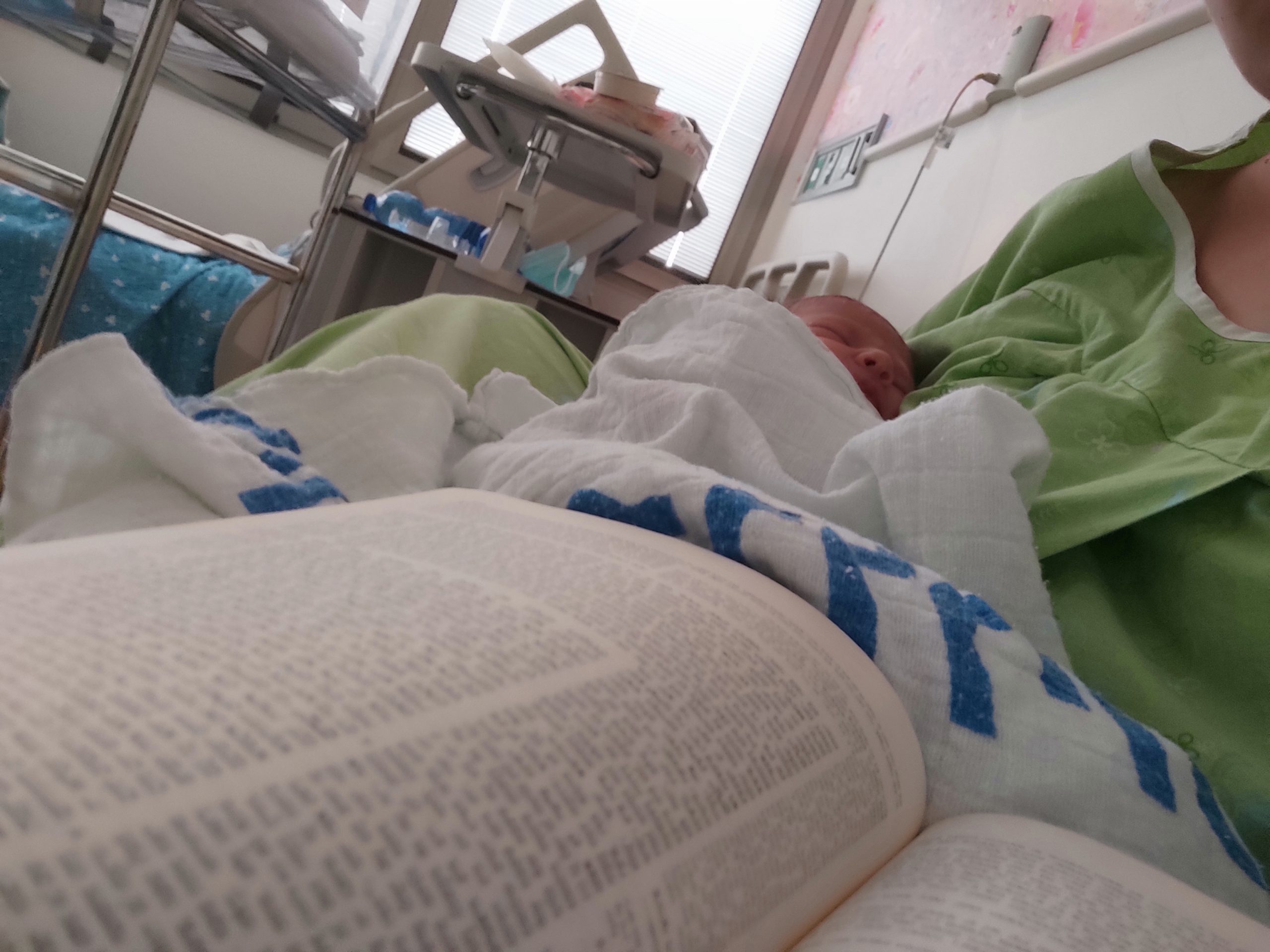
נועה שילה
רבבה, ישראל
התחלתי ללמוד בשנת המדרשה במגדל עוז, בינתיים נהנית מאוד מהלימוד ומהגמרא, מעניין ומשמח מאוד!
משתדלת להצליח לעקוב כל יום, לפעמים משלימה קצת בהמשך השבוע.. מרגישה שיש עוגן מקובע ביום שלי והוא משמח מאוד!

אוריה קסנר
חיפה , ישראל
ראיתי את הסיום הגדול בבנייני האומה וכל כך התרשמתי ורציתי לקחת חלק.. אבל לקח לי עוד כשנה וחצי )באמצע מסיכת שבת להצטרף..
הלימוד חשוב לי מאוד.. אני תמיד במרדף אחרי הדף וגונבת כל פעם חצי דף כשהילדים עסוקים ומשלימה אח”כ אחרי שכולם הלכו לישון..

אולגה מזרחי
ירושלים, ישראל
כתובות ל
חַיָּיבֵי עֲשֵׂה, מִצְרִי וַאֲדוֹמִי.
intercourse with women for which one is liable for violating a positive mitzva, e.g., an Egyptian convert and an Edomite convert (see Deuteronomy 23:8–9). If he raped a first- or second-generation Egyptian or Edomite convert, even Rabbi Yeshevav agrees that the child is not a mamzer, as the betrothal takes effect. On the other hand, it is prohibited for him to sustain her as a wife.
הָנִיחָא לְרַבִּי יְשֵׁבָב, אִי לְאַפּוֹקֵי מִטַּעְמָא דְּרַבִּי סִימַאי קָאָתֵי — שַׁפִּיר. אֶלָּא אִי טַעְמָא דְנַפְשֵׁיהּ קָאָמַר, כֹּל שֶׁאֵין לוֹ בִּיאָה בְּיִשְׂרָאֵל הַוָּלָד מַמְזֵר — וַאֲפִילּוּ חַיָּיבֵי עֲשֵׂה! מַאי בֵּינַיְיהוּ?
The Gemara asks: This works out well according to Rabbi Yeshevav if he is coming to reject the opinion of Rabbi Simai. If Rabbi Yeshevav merely takes issue with Rabbi Simai, who said that all offspring of forbidden relations are mamzerim according to Rabbi Akiva except for those resulting from relations between a widow and a High Priest, then it may well be explained that Rabbi Yeshevav holds that Rabbi Akiva rules that betrothal does not take effect and that there is mamzerut when one violates the prohibitions of the priesthood. However, if he is stating his own opinion, independent of Rabbi Simai’s statement, his ruling is more comprehensive and leads to the conclusion that in the case of relations with anyone who does not have the possibility of permitted relations among the Jewish people, the child is a mamzer, and this is true even of women for relations with whom one is liable for violating positive mitzvot, e.g., Egyptian or Edomite converts. In that case, what is the difference between the opinions of Shimon HaTimni and Rabbi Shimon ben Menasya?
אִיכָּא בֵּינַיְיהוּ בְּעוּלָה לְכֹהֵן גָּדוֹל. וּמַאי שְׁנָא? דְּהָוֵה לֵיהּ עֲשֵׂה שֶׁאֵינוֹ שָׁוֶה בַּכֹּל.
The Gemara answers: There is a difference between them in the case of a non-virgin raped by a High Priest. And the Gemara asks: Here, too, she is a woman for relations with whom one is liable for violating a positive mitzva, as the High Priest fails to fulfill the mitzva “But a virgin of his own people shall he take to wife” (Leviticus 21:14). If Rabbi Akiva rules that betrothal does not take effect when a positive mitzva is violated, what is different about this case? The Gemara answers: It is different because it is a positive mitzva whose application is not equal for all. There are two lenient aspects to this mitzva: It is a positive mitzva and not a prohibition, and it applies only to the High Priest and not to all Jews. Even Rabbi Yeshevav would agree that according to Rabbi Akiva, a child born from relations between a High Priest and a non-virgin is not a mamzer. However, the High Priest may not sustain the woman as his wife. Therefore, this case is the practical difference between the statements of Shimon HaTimni and Rabbi Shimon ben Menasya.
אָמַר רַב חִסְדָּא: הַכֹּל מוֹדִים בְּבָא עַל הַנִּדָּה שֶׁמְּשַׁלֵּם קְנָס. לְמַאן דְּאָמַר יֵשׁ בָּהּ הֲוָיָה — הָא נָמֵי יֵשׁ בָּהּ הֲוָיָה. לְמַאן דְּאָמַר רְאוּיָה לְקַיְּימָהּ — הָא נָמֵי רְאוּיָה לְקַיְּימָהּ.
§ Rav Ḥisda said: Everyone agrees with regard to one who engaged in forced intercourse with a menstruating woman that he pays the fine. He elaborates: According to the one who says that the criterion is whether there is betrothal, for this woman too there is betrothal. According to the one who says that the criterion is whether the woman is suitable for him to sustain, this woman is suitable for him to sustain.
וּלְאַפּוֹקֵי מִדְּרַבִּי נְחוּנְיָא בֶּן הַקָּנָה. דְּתַנְיָא: רַבִּי נְחוּנְיָא בֶּן הַקָּנָה הָיָה עוֹשֶׂה אֶת יוֹם הַכִּפּוּרִים כַּשַּׁבָּת לְתַשְׁלוּמִין. מָה שַׁבָּת — מִתְחַיֵּיב בְּנַפְשׁוֹ וּפָטוּר מִן הַתַּשְׁלוּמִין, אַף יוֹם הַכִּפּוּרִים — מִתְחַיֵּיב בְּנַפְשׁוֹ וּפָטוּר מִן הַתַּשְׁלוּמִין.
§ The Gemara comments: And the mishna’s ruling that one who has relations with his sister is liable to pay the fine comes to exclude the opinion of Rabbi Neḥunya ben HaKana, as it is taught in a baraita: Rabbi Neḥunya ben HaKana would render Yom Kippur like Shabbat with regard to payment for damages. Just as one who intentionally desecrates Shabbat is liable to receive the death penalty and is therefore exempt from the obligation of payment for damages caused while desecrating Shabbat, so too, one who intentionally desecrates Yom Kippur is liable to receive the death penalty and is therefore exempt from the obligation of payment for damages caused while desecrating Yom Kippur.
מַאי טַעְמָא דְּרַבִּי נְחוּנְיָא בֶּן הַקָּנָה? אָמַר אַבָּיֵי: נֶאֱמַר ״אָסוֹן״ בִּידֵי אָדָם. וְנֶאֱמַר ״אָסוֹן״ בִּידֵי שָׁמַיִם. מָה ״אָסוֹן״ הָאָמוּר בִּידֵי אָדָם — פָּטוּר מִן הַתַּשְׁלוּמִין, אַף ״אָסוֹן״ הָאָמוּר בִּידֵי שָׁמַיִם — פָּטוּר מִן הַתַּשְׁלוּמִין.
The Gemara asks: What is the rationale for the opinion of Rabbi Neḥunya ben HaKana? Abaye said: It states the word harm at the hands of man, in the verse “But if any harm follow, then you shall give a soul for a soul” (Exodus 21:23) and it states the word harm at the hand of Heaven, in the verse in which Jacob states: “My son shall not descend with you…and harm befalls him on the way” (Genesis 42:38). Just as with regard to harm that is stated at the hands of man, e.g., one who kills and is liable to be executed, one is exempt from the associated payment, so too, with regard to harm that is stated at the hand of Heaven, one is exempt from the associated payment.
מַתְקֵיף לַהּ רַב אַדָּא בַּר אַהֲבָה: מִמַּאי דְּכִי קָא מַזְהַר לְהוּ יַעֲקֹב לִבְנֵיהּ, עַל צִינִּים וּפַחִים דְּבִידֵי שָׁמַיִם נִינְהוּ? דִּלְמָא עַל אַרְיָא וְגַנָּבֵי דְּבִידֵי אָדָם נִינְהוּ?! אַטּוּ יַעֲקֹב אַהָא אַזְהַר, אַהָא לָא אַזְהַר? יַעֲקֹב עַל כֹּל מִילֵּי אַזְהַר.
Rav Adda bar Ahava strongly objects to this: From where is it derived that when Jacob is warning his sons he is warning them about cold and heat [tzinim paḥim], which are at the hand of Heaven? Perhaps he was warning them about a lion and thieves, which are harm at the hands of man, meaning that unlike heat and cold, these dangers are not calibrated by God. The Gemara refutes this: Is that to say that Jacob warned them about this harm at the hand of man, but about that harm at the hand of Heaven he did not warn them? Jacob warned them about all potentially harmful matters that might befall Benjamin, not merely one particular form of catastrophe.
וְצִינִּים פַּחִים בִּידֵי שָׁמַיִם נִינְהוּ? וְהָתַנְיָא: הַכֹּל בִּידֵי שָׁמַיִם חוּץ מִצִּינִּים פַּחִים, שֶׁנֶּאֱמַר: ״צִינִּים פַּחִים בְּדֶרֶךְ עִיקֵּשׁ שׁוֹמֵר נַפְשׁוֹ יִרְחַק מֵהֶם״! וְתוּ אַרְיָא וְגַנָּבֵי בִּידֵי אָדָם נִינְהוּ? וְהָאָמַר רַב יוֹסֵף וְכֵן תָּנֵי רַבִּי חִיָּיא: מִיּוֹם שֶׁחָרַב בֵּית הַמִּקְדָּשׁ, אַף עַל פִּי שֶׁבָּטְלוּ סַנְהֶדְרִין, אַרְבַּע מִיתוֹת לֹא בָּטְלוּ. לֹא בָּטְלוּ?! הָא בָּטְלוּ לְהוּ! אֶלָּא:
The Gemara asks: And are cold and heat at the hand of Heaven? Isn’t it taught in a baraita: All matters are at the hand of Heaven except for cold and heat, as it is stated: “Cold and heat are on the path of the crooked, he who guards his soul shall keep far from them” (Proverbs 22:5)? This indicates that cold and heat are forms of harm caused by man, from which one can protect himself. And furthermore, are a lion and thieves forms of harm at the hands of man? But didn’t Rav Yosef say, and similarly, didn’t Rabbi Ḥiyya teach a baraita: From the day that the Temple was destroyed, although the Sanhedrin was abolished the four death penalties were not abolished? The Gemara asks: Were they not abolished? It is clear that they were abolished, as today there is neither Sanhedrin nor capital punishment. Rather, it means that although there are no court-imposed executions,
דִּין אַרְבַּע מִיתוֹת לֹא בָּטְלוּ. מִי שֶׁנִּתְחַיֵּיב סְקִילָה — אוֹ נוֹפֵל מִן הַגָּג, אוֹ חַיָּה דּוֹרַסְתּוֹ. וּמִי שֶׁנִּתְחַיֵּיב שְׂרֵיפָה — אוֹ נוֹפֵל בִּדְלֵיקָה, אוֹ נָחָשׁ מַכִּישׁוֹ. וּמִי שֶׁנִּתְחַיֵּיב הֲרִיגָה — אוֹ נִמְסָר לַמַּלְכוּת, אוֹ לִיסְטִים בָּאִין עָלָיו. וּמִי שֶׁנִּתְחַיֵּיב חֶנֶק — אוֹ טוֹבֵעַ בַּנָּהָר, אוֹ מֵת בִּסְרוֹנְכֵי?! אֶלָּא, אֵיפוֹךְ: אַרְיָא וְגַנָּבֵי בִּידֵי שָׁמַיִם, צִינִּים וּפַחִים בִּידֵי אָדָם.
the punishment of the four death penalties was not abolished. How so? One who was liable to be executed by stoning either falls from the roof or a beast tramples him. That is similar to stoning, which involves being pushed off an elevated place and then stoned. And one who was liable to be executed by burning either falls into a conflagration or a snake bites him, which creates a burning sensation. And one who was liable to be executed by decapitation is either handed over to the ruling monarchy for execution by sword, or bandits attack and kill him. And one who was liable to be executed by strangulation either drowns in a river, or dies of diphtheria [serunki]. Rather, reverse the order of the previous statement: A lion and thieves are cases of harm at the hand of Heaven, while cold and heat are cases of harm at the hands of man.
רָבָא אָמַר, טַעְמָא דְּרַבִּי נְחוּנְיָא בֶּן הַקָּנָה מֵהָכָא: ״וְאִם הַעְלֵם יַעְלִימוּ עַם הָאָרֶץ אֶת עֵינֵיהֶם מִן הָאִישׁ הַהוּא בְּתִתּוֹ מִזַּרְעוֹ לַמּוֹלֶךְ. וְשַׂמְתִּי אֲנִי אֶת פָּנַי בָּאִישׁ הַהוּא וּבְמִשְׁפַּחְתּוֹ וְהִכְרַתִּי אוֹתוֹ״, אָמְרָה תּוֹרָה: כָּרֵת שֶׁלִּי כְּמִיתָה שֶׁלָּכֶם, מָה מִיתָה שֶׁלָּכֶם — פָּטוּר מִן הַתַּשְׁלוּמִין. אַף כָּרֵת שֶׁלִּי — פָּטוּר מִן הַתַּשְׁלוּמִין.
Rava said an additional explanation: The rationale for the opinion of Rabbi Neḥunya ben HaKana is from here. It is written that one who gives his children to Molech is liable to be executed by stoning: “And if the people of the land do at all hide their eyes from that man, when he gives of his seed to Molech, and do not put him to death; then I will set My face against that man and against his family, and will cut him off [vehikhrati]” (Leviticus 20:4–5). Through the juxtaposition in this verse the Torah said: My karet is like your death penalty; just as one who is liable to receive your death penalty is exempt from the associated payments, so too, one who is liable to receive My karet is exempt from the associated payments.
מַאי אִיכָּא בֵּין רָבָא לְאַבָּיֵי? אִיכָּא בֵּינַיְיהוּ זָר שֶׁאָכַל תְּרוּמָה — לְאַבָּיֵי פָּטוּר, וּלְרָבָא חַיָּיב.
The Gemara asks: What practical difference is there between the opinions of Rava and Abaye with regard to the rationale for the opinion of Rabbi Neḥunya ben HaKana? The Gemara answers: There is a difference between them with regard to a non-priest who intentionally ate teruma. According to Abaye he is exempt from paying the priest the value of the teruma, as a non-priest who ate teruma is liable to receive death at the hand of Heaven. Abaye maintains that the legal status of all forms of death at the hand of Heaven is equivalent to that of death at the hands of man, and therefore, one is exempt from payment. And according to Rava, who derives the rationale from the juxtaposition between karet and death at the hands of man, since a non-priest who ate teruma is not liable to receive karet, he is liable to pay the priest for the teruma that he ate.
וּלְאַבָּיֵי פָּטוּר?! וְהָאָמַר רַב חִסְדָּא: מוֹדֶה רַבִּי נְחוּנְיָא בֶּן הַקָּנָה בְּגוֹנֵב חֶלְבּוֹ שֶׁל חֲבֵירוֹ וַאֲכָלוֹ, שֶׁהוּא חַיָּיב — שֶׁכְּבָר נִתְחַיֵּיב בִּגְנֵיבָה קוֹדֶם שֶׁבָּא לִידֵי אִיסּוּר חֵלֶב. אַלְמָא דְּמֵעִידָּנָא דְּאַגְבְּהֵיהּ קַנְיֵיהּ, מִתְחַיֵּיב בְּנַפְשׁוֹ לָא הֲוָה עַד דְּאָכֵיל לֵיהּ. הָכָא נָמֵי, בְּעִידָּנָא דְּאַגְבְּהֵיהּ — קַנְיֵיהּ, מִתְחַיֵּיב בְּנַפְשׁוֹ לָא הָוֵי עַד דְּאָכֵיל לֵיהּ! הָכָא בְּמַאי עָסְקִינַן — כְּגוֹן שֶׁתָּחַב לוֹ חֲבֵירוֹ לְתוֹךְ פִּיו.
The Gemara asks: And according to Abaye, is a non-priest actually exempt from payment for the teruma? But didn’t Rav Ḥisda say that Rabbi Neḥunya ben HaKana concedes with regard to one who steals another’s forbidden fat and eats it that he is obligated to pay for the fat, even though he is liable to receive karet, as he was already liable for theft before he came to violate the prohibition against eating forbidden fat? Apparently, from the moment he lifts the fat to steal it he acquired it, and he bears responsibility to repay it, but he is liable to receive the death penalty only when he eats it. Here, too, with regard to a non-priest who ate teruma, at the moment he lifts the teruma he acquired it and is responsible to repay it, and he is liable to receive the death penalty only when he eats it. The Gemara answers: With what are we dealing here? It is a case where another inserted the teruma into his mouth. In that case, acquisition and liability to receive the death penalty are simultaneous.
סוֹף סוֹף כֵּיוָן דְּלַעֲסֵיהּ קַנְיֵיהּ, מִתְחַיֵּיב בְּנַפְשׁוֹ לָא הָוֵי עַד דְּבַלְעַהּ! כְּגוֹן שֶׁתָּחַב לוֹ לְתוֹךְ בֵּית הַבְּלִיעָה. הֵיכִי דָמֵי? אִי דְּמָצֵי לְאַהְדּוֹרַהּ — נֶיהְדַּר. אִי לָא מָצֵי לְאַהְדּוֹרַהּ — אַמַּאי חַיָּיב? לָא צְרִיכָא, דְּמָצֵי לְאַהְדּוֹרַהּ עַל יְדֵי הַדְּחָק.
The Gemara asks: Ultimately, once he chewed the teruma he acquired it and is liable to pay, and he is liable to receive the death penalty only when he swallows it. Since the two are not simultaneous, he should be liable to pay. The Gemara answers: It is a case where another inserted it into the pharynx, so the liability for payment and liability for the death penalty were both achieved through swallowing. The Gemara asks: What are the circumstances? If it is possible to retrieve the teruma by removing it without ruining it, let him retrieve it. If one does so, he would not be liable to pay. If he fails to do so, liability or payment precedes liability for the death penalty. If it is not possible to retrieve the teruma, why is he liable? He did nothing; another person inserted the food in his throat. The Gemara answers: It is necessary only in a situation where it is possible to retrieve the teruma under duress, with great effort.
רַב פָּפָּא אָמַר: כְּגוֹן שֶׁתָּחַב לוֹ חֲבֵירוֹ מַשְׁקִין שֶׁל תְּרוּמָה לְתוֹךְ פִּיו. רַב אָשֵׁי אָמַר: בְּזָר שֶׁאָכַל תְּרוּמָה מִשֶּׁלּוֹ,
Rav Pappa said: It is referring to a case where another inserted liquids of teruma into his mouth. As soon as the liquid enters his mouth, it is ruined. Therefore, the acquisition and his enjoyment are simultaneous. Rav Ashi said: It is referring to a non-priest who partook of his own teruma, e.g., if the non-priest inherited teruma from a priest, or acquired ownership from a priest. In that case, he did not steal the teruma and there is no payment for it, but he is liable to receive the death penalty for eating teruma,
לעקוב

