חיפוש

כתובות סב

רוצה להקדיש שיעור?

podcast placeholder

0:00
0:00


תקציר

הדף היום מוקדש ע”י ג’ניפר גרץ לכבוד פיליס וחיים לאור.

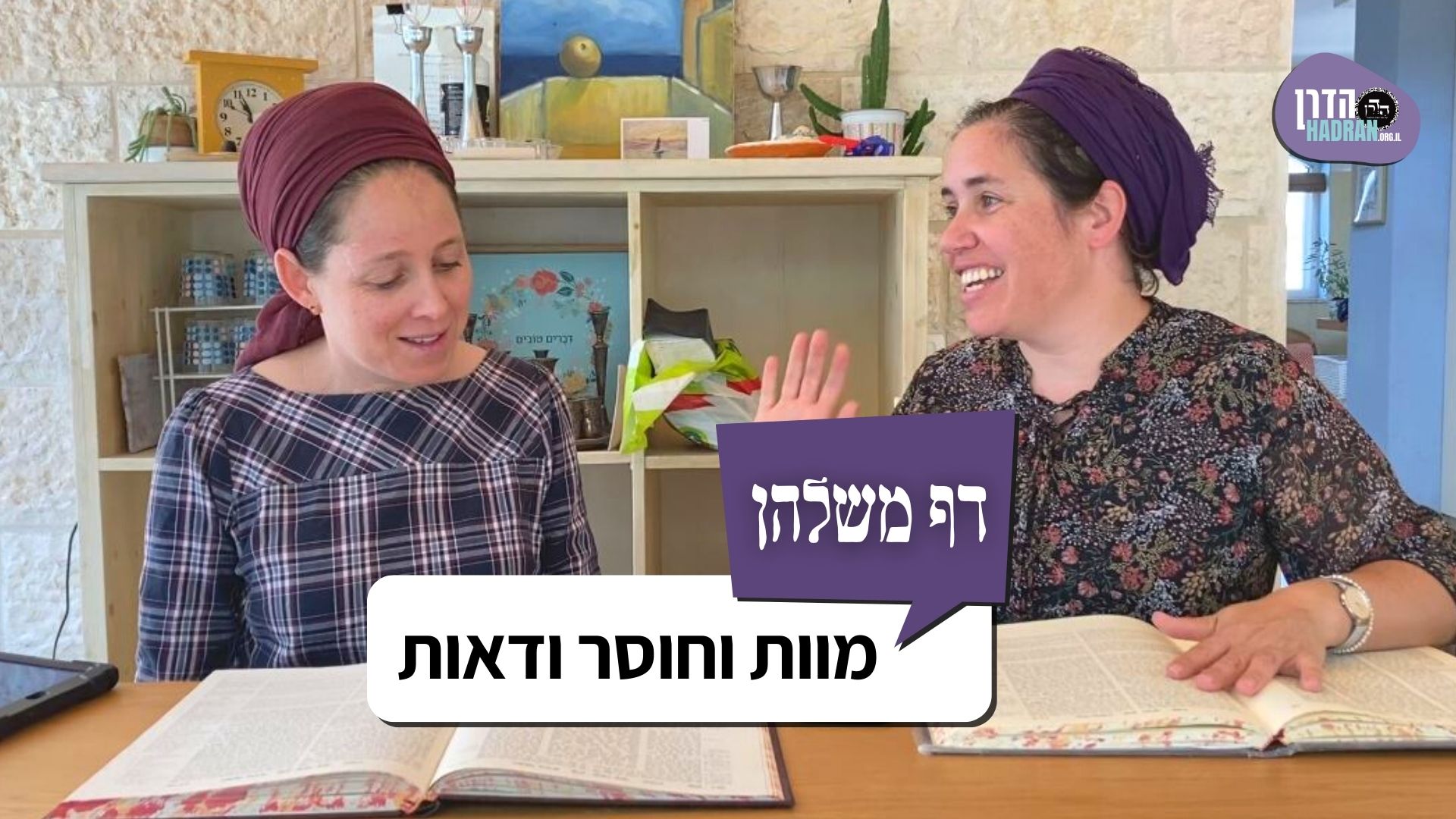
בית שמאי ובית הלל חלקו במשנה לעניין הזמן המקסימלי שאדם יכול להדיר הנאה מאשתו. רב ושמואל חולקים בהבנת המחלוקת ביניהם. לפי המשנה, תלמידים יכולים ללכת ללמוד תורה לשלושים יום. האם אפשר ללכת לזמן ממושך יותר בהסכמת אשתו? אם כן, האם יש הגבלה? מיהם ה’טיילים’ שהוזכרו במשנה שזמן עונתם כל יום? האם פועלים זמן עונתם פעמיים בשבוע או רק פעם אחת? במה זה תלוי? האם איש יכול לשנות תפקידו מאחד שהוא חייב בעונה יותר בתכיפות לאחד שהוא חייב פחות כדי להרויח יותר כסף? האם אפשר להניח שאתו מעדיפה שהוא ירויח יותר כסף או שהוא יהיה איתה יותר? משנתינו כשיטת ר’ אליעזר שתלמידי חכמים יכולים ללכת לחודש ימים ללמוד, אבל חכמים אומרים אפשר שתיים או שלוש שנים. רבא מספר שסמכו רבנים על שיטת חכמים ושלמו על זה בנפשם. מסופר כמה סיפורים על רבנים שעזבו את נשותיהם בבית והלכו ללמוד תורה לזמן ממושך (חלק לשנה/12 שנים) וכשלא חזרו בזמן או חזרו בלי להודיע מראש, גרמו לפאניקה או בהלה וגרמו למות האשה או לעצמו. מסופר על רב רחומי, יהודה בנו של ר’ חייא, ר’ חנינא בן חכינאי ורבי חמא בר ביסא ואחרים…

כלים

כתובות סב

אוֹרְחָא דְמִילְּתָא כַּמָּה? אָמַר רַב: חֹדֶשׁ כָּאן, וְחֹדֶשׁ בַּבַּיִת. שֶׁנֶּאֱמַר: ״לְכׇל דְּבַר הַמַּחְלְקוֹת הַבָּאָה וְהַיּוֹצֵאת חֹדֶשׁ בְּחֹדֶשׁ לְכֹל חׇדְשֵׁי הַשָּׁנָה״. וְרַבִּי יוֹחָנָן אָמַר: חֹדֶשׁ כָּאן וּשְׁנַיִם בְּבֵיתוֹ, שֶׁנֶּאֱמַר: ״חֹדֶשׁ יִהְיוּ בַלְּבָנוֹן שְׁנַיִם חֳדָשִׁים בְּבֵיתוֹ״.

The Gemara explains its query: Although a man can legally make any agreement with his wife to limit her conjugal rights, how much is an acceptable manner for this matter? Rav said: The husband may spend a month here, in the study hall, and then must spend a month at home. The allusion to this is as it is stated with regard to reserve units serving in King David’s army: “In any matter of the courses, which came in and went out month by month throughout all the months of the year” (I Chronicles 27:1). And Rabbi Yoḥanan said: He may spend one month here, in the study hall, and then two months in his home, as it is stated with regard to workers who worked in the construction of the Temple: “A month they were in Lebanon, and two months at home” (I Kings 5:28).

וְרַב נָמֵי, מַאי טַעְמָא לָא אָמַר מֵהַהִיא? שָׁאנֵי בִּנְיַן בֵּית הַמִּקְדָּשׁ, דְּאֶפְשָׁר עַל יְדֵי אֲחֵרִים: וְרַבִּי יוֹחָנָן מַאי טַעְמָא לָא אָמַר מֵהַהִיא? שָׁאנֵי הָתָם, דְּאִית לֵיהּ הַרְוָוחָה.

The Gemara asks: And what is the reason that Rav did not also say a proof from that source that Rabbi Yoḥanan quoted? The Gemara answers: The construction of the Temple is different, since it is possible for this work to be performed by others, as there were many people involved in it, but with regard to Torah study, which cannot be performed by others, he is given permission to spend a month here and a month there. The Gemara further questions: And what is the reason that Rabbi Yoḥanan did not say a proof from that source that Rav quoted? The Gemara answers: There, with regard to King David, it is different, since he gains profit from working for the king; since there is profit involved, his wife might be willing to forgo his staying with her. However, in general a woman wants her husband to spend most of his time at home, so with regard to Torah study, where there is no monetary profit, she will not waive her right for as long.

אָמַר רַב: אֲנָחָה שׁוֹבֶרֶת חֲצִי גּוּפוֹ שֶׁל אָדָם, שֶׁנֶּאֱמַר: ״וְאַתָּה בֶן אָדָם הֵאָנַח בְּשִׁבְרוֹן מׇתְנַיִם וּבִמְרִירוּת תֵּאָנַח״. וְרַבִּי יוֹחָנָן אָמַר: אַף כׇּל גּוּפוֹ שֶׁל אָדָם, שֶׁנֶּאֱמַר: ״וְהָיָה כִּי יֹאמְרוּ אֵלֶיךָ עַל מָה אַתָּה נֶאֱנָח וְאָמַרְתָּ אֶל שְׁמוּעָה כִי בָאָה וְנָמֵס כׇּל לֵב וְרָפוּ כׇל יָדַיִם וְכִהֲתָה כׇל רוּחַ וְכׇל בִּרְכַּיִם תֵּלַכְנָה מַּיִם״.

§ Apropos a dispute between Rav and Rabbi Yoḥanan with regard to the construction of the Temple, the Gemara cites another dispute between them. Rav said: Groaning breaks half of a person’s body, as it is stated: “Groan, therefore, you son of man, with the breaking of your loins, groan so bitterly” (Ezekiel 21:11), which indicates that groaning breaks half of one’s body, down to his loins. And Rabbi Yoḥanan said that groaning breaks even a person’s entire body, as it is stated: “And it shall be, when they say to you: Why are you groaning? That you shall say: Due to the tiding, for it comes, and every heart shall melt, and all hands shall be slack, and every spirit shall be faint, and all knees shall drip with water” (Ezekiel 21:12).

וְרַבִּי יוֹחָנָן נָמֵי, הָכְתִיב ״בְּשִׁבְרוֹן מׇתְנַיִם״! הָהִיא דְּכִי מַתְחֲלָא — מִמׇּתְנַיִם מַתְחֲלָא. וְרַב נָמֵי, הָכְתִיב: ״וְנָמֵס כׇּל לֵב וְרָפוּ כׇל יָדַיִם וְכִהֲתָה כׇל רוּחַ״! שָׁאנֵי שְׁמוּעָה דְּבֵית הַמִּקְדָּשׁ, דְּתַקִּיפָא טוּבָא.

The Gemara asks: And why doesn’t Rabbi Yoḥanan also say that it breaks half of one’s body? Isn’t it written: “With the breaking of your loins,” implying that it does not break the entire body? The Gemara answers: This does not mean that the breakage only reaches the loins, but rather that when the sigh begins to affect a person, it begins from his loins. The Gemara asks: And why doesn’t Rav also say that it breaks the entire body? Isn’t it written: “And every heart shall melt, and all hands shall be slack, and every spirit shall be faint,” which indicates that groaning causes the entire body to break? The Gemara answers: The news with regard to the destruction of the Temple is different, as it is extremely crushing and causes great anguish, but in general a sigh causes only half of the body to break.

הָהוּא יִשְׂרָאֵל וְגוֹי דַּהֲווֹ קָאָזְלִי בְּאוֹרְחָא בַּהֲדֵי הֲדָדֵי. לָא אִימְּצִי גּוֹי לְסַגּוֹיֵי בַּהֲדֵי יִשְׂרָאֵל. אַדְכְּרֵיהּ חוּרְבַּן בֵּית הַמִּקְדָּשׁ, נְגִיד וְאִיתְּנַח, וַאֲפִילּוּ הָכִי לָא אִימְּצִי גּוֹי לְסַגּוֹיֵי בַּהֲדֵיהּ. אֲמַר לֵיהּ: לָאו אָמְרִיתוּ ״אֲנָחָה שׁוֹבֶרֶת חֲצִי גּוּפוֹ שֶׁל אָדָם״? אֲמַר לֵיהּ: הָנֵי מִילֵּי מִילְּתָא חַדְתִּי, אֲבָל הָא דַּשְׁנַן בָּהּ — לָא. דְּאָמְרִי אִינָשֵׁי: (דְּמַלְּפִי) [דְּמַלְּפָא] תִּכְלֵי — לָא בָּהֲתָה.

It is related that a certain Jew and a gentile were walking along the road together. The gentile could not keep up with the Jew, who was walking faster, and he therefore reminded him of the destruction of the Temple in order to make the Jew feel sorrowful and slow down. The Jew sighed and groaned, but even so the gentile could not keep up with him, as the Jew was still walking faster. The gentile said to him: Don’t you say that groaning breaks half of a person’s body? Why didn’t it affect you? He said to him: This applies only with regard to a new sorrowful affair, but this, from which we have suffered repeatedly and to which we have become accustomed, does not affect us as much, as people say: One who is used to being bereaved of her children does not panic [bahata] when one of them dies, and similarly, one who is used to a tragedy is not as devastated when being reminded of it.

הַטַּיָּילִין בְּכׇל יוֹם. מַאי ״טַיָּילִין״? אָמַר רָבָא: בְּנֵי פִירְקֵי. אֲמַר לֵיהּ אַבָּיֵי: מַאן דִּכְתִיב בְּהוּ ״שָׁוְא לָכֶם מַשְׁכִּימֵי קוּם מְאַחֲרֵי שֶׁבֶת אוֹכְלֵי לֶחֶם הָעֲצָבִים כֵּן יִתֵּן לִידִידוֹ שֵׁנָא״, וְאָמַר רַב יִצְחָק: אֵלּוּ נְשׁוֹתֵיהֶן שֶׁל תַּלְמִידֵי חֲכָמִים, שֶׁמְּנַדְּדוֹת שֵׁינָה מֵעֵינֵיהֶם בָּעוֹלָם הַזֶּה, וּבָאוֹת לְחַיֵּי הָעוֹלָם הַבָּא, וְאַתְּ אָמְרַתְּ בְּנֵי פִירְקֵי?!

§ The mishna said that men of leisure must engage in marital relations with their wives every day. The Gemara asks: What is meant by the term men of leisure? Rava said: These are students of Torah who go daily to review their lectures at a local study hall and return home each evening. Abaye said to him: Wives of Torah scholars are those about whom it is written: “It is vain for you to rise early and sit up late, you that eat the bread of toil, so He gives to His beloved in sleep” (Psalms 127:2), and Rabbi Yitzḥak said in explanation of this verse: These are the wives of Torah scholars who deprive their eyes of sleep in this world and reach the life of the World-to-Come. This indicates that Torah scholars exert themselves greatly in their studies and are not home in the evenings, and you say that the students reviewing their lectures are men of leisure, whose wives have conjugal rights for every night?

אֶלָּא אָמַר אַבָּיֵי: כִּדְרַב, דְּאָמַר רַב: כְּגוֹן רַב שְׁמוּאֵל בַּר שִׁילַת, דְּאָכֵיל מִדִּידֵיהּ, וְשָׁתֵי מִדִּידֵיהּ, וְגָנֵי בְּטוּלָּא דְאַפַּדְנֵיהּ, וְלָא חָלֵיף פְּרִיסְתְּקָא דְמַלְכָּא אַבָּבֵיהּ. כִּי אֲתָא רָבִין אָמַר: כְּגוֹן מְפַנְּקִי דְמַעְרְבָא.

Rather, Abaye said: The mishna should be explained in accordance with the opinion of Rav, as Rav said: This is referring to a man such as Rabbi Shmuel bar Sheilat, who ate his own food, drank his own drinks, slept in the shade of his own house, and the king’s tax collector [peristaka] did not pass by his door, as they did not know that he was a man of means. A man like this, who has a steady income and no worries, is called a man of leisure. When Ravin came from Eretz Yisrael he said: For example, the wealthy, pampered men in the West, Eretz Yisrael, are called men of leisure. Due to the time they have available and the richness of their diet, they have the ability to satisfy their wives every night.

רַבִּי אֲבָהוּ הֲוָה קָאֵי בֵּי בָאנֵי. הֲווֹ סָמְכִי לֵיהּ תְּרֵי עַבְדֵי. אִיפְּחִית בֵּי בָאנֵי מִתּוּתֵיהּ, אִיתְרְמִי לֵיהּ עַמּוּדָא, סְלֵיק וְאַסְּקִינְהוּ. רַבִּי יוֹחָנָן הֲוָה קָסָלֵיק בְּדַרְגָּא, הֲווֹ סָמְכִי לֵיהּ רַב אַמֵּי וְרַב אַסִּי. אִיפְּחִתָא דַּרְגָּא תּוּתֵיהּ, סְלֵיק וְאַסְּקִינְהוּ. אָמְרִי לֵיהּ רַבָּנַן: וְכִי מֵאַחַר דְּהָכִי, לְמָה לֵיהּ לְמִיסְמְכֵיהּ? אֲמַר לְהוּ: אִם כֵּן מָה אַנִּיחַ לְעֵת זִקְנָה?

To illustrate this point, the Gemara relates two incidents demonstrating the health and strength of the inhabitants of Eretz Yisrael: Rabbi Abbahu was once standing in the bathhouse and two slaves were supporting his walking. The bathhouse collapsed under him and was destroyed. He found a pillar, stood on it and got out, and pulled them both up with him. Similarly, Rabbi Yoḥanan was once going up stairs, and Rav Ami and Rav Asi were supporting him. The stair collapsed under him, but he went up and pulled them both up with him. The Sages said to him: Since it is clear that you are so strong, why do you need people to support you? He said to them: If so, if I were to expend all my strength now, what will I leave for myself in my old age?

וְהַפּוֹעֲלִים שְׁתַּיִם בַּשַּׁבָּת. וְהָתַנְיָא: הַפּוֹעֲלִים אַחַת בַּשַּׁבָּת! אָמַר רַבִּי יוֹסֵי בְּרַבִּי חֲנִינָא, לָא קַשְׁיָא: כָּאן בְּעוֹשִׂין מְלָאכָה בְּעִירָן, כָּאן בְּעוֹשִׂין מְלָאכָה בְּעִיר אַחֶרֶת. תַּנְיָא נָמֵי הָכִי: הַפּוֹעֲלִים שְׁתַּיִם בַּשַּׁבָּת, בַּמֶּה דְּבָרִים אֲמוּרִים — בְּעוֹשִׂין מְלָאכָה בְּעִירָן, אֲבָל בְּעוֹשִׂין מְלָאכָה בְּעִיר אַחֶרֶת — אַחַת בַּשַּׁבָּת.

§ The mishna said: The set interval for laborers to fulfill their conjugal obligations to their wives is twice a week. The Gemara asks: Isn’t it taught in a baraita: For laborers, once a week? Rabbi Yosei, son of Rabbi Ḥanina, said: This is not difficult: Here, the case is where they work in their own city. There, the case is where they work in another city. This is also taught in the Tosefta (5:6): For laborers, twice a week. In what case is this statement said? It is when they work in their own city, but when they work in another city, the set interval for their conjugal obligations is once a week.

הַחַמָּרִים אַחַת בַּשַּׁבָּת. אֲמַר לֵיהּ רַבָּה בַּר רַב חָנָן לְאַבָּיֵי: אִיכְּפַל תַּנָּא לְאַשְׁמוֹעִינַן טַיָּיל וּפוֹעֵל? אֲמַר לֵיהּ: לָא,

§ The mishna said: The set interval for donkey drivers is once a week, and for other professions it is even less frequent. Rabba bar Rav Ḥanan said to Abaye: Did the tanna go to all that trouble just to teach us the halakha for a man of leisure and for a laborer? According to the set intervals given for conjugal obligations, it seems that the halakha that one who vowed to prohibit his wife from conjugal relations for longer than a week must divorce her is referring only to a man of leisure or a laborer, whose set interval for conjugal relations is less than that period. However, for other people, whose set interval is once a month or even less frequent, there should be no need to divorce the wife, since the vow does not deprive her of conjugal rights for longer than she would have been deprived anyway. He said to him: No,

אַכּוּלְּהוּ. וְהָא שִׁשָּׁה חֳדָשִׁים קָאָמַר? אֵינוֹ דּוֹמֶה מִי שֶׁיֵּשׁ לוֹ פַּת בְּסַלּוֹ לְמִי שֶׁאֵין לוֹ פַּת בְּסַלּוֹ.

the tanna taught us a halakha with regard to all of them, not only a man of leisure or a laborer. He asked him: But with regard to a sailor it said that the set interval for conjugal relations is six months; why, then, should he have to divorce her if he vowed to forbid these relations for only a week? He answered him: It is well known that one who has bread in his basket is not comparable to one who does not have bread in his basket. On a fast day, one who does not have bread available in his basket suffers more than one who does have bread available and knows that he will be able to eat later. In this case as well, when a woman knows that marital relations are forbidden to her due to a vow, her suffering from waiting for her husband to return is increased.

אֲמַר לֵיהּ רַבָּה בַּר רַב חָנָן לְאַבָּיֵי: חַמָּר וְנַעֲשֶׂה גַּמָּל, מַאי? אֲמַר לֵיהּ: רוֹצָה אִשָּׁה בְּקַב וְתִיפְלוּת מֵעֲשָׂרָה קַבִּין וּפְרִישׁוּת.

Rabba bar Rav Hanan said to Abaye: If a donkey driver who is already married wants to become a camel driver, what is the halakha? Is he permitted to change his profession in order to earn more money from his work, even though this will mean he reduces the frequency with which he engages in conjugal relations with his wife? He answered him: A woman prefers a kav, i.e., modest means, with conjugal relations to ten kav with abstinence. Consequently, he is not allowed to change his profession without her permission.

הַסַּפָּנִים אַחַת לְשִׁשָּׁה חֳדָשִׁים, דִּבְרֵי רַבִּי אֱלִיעֶזֶר. אָמַר רַב בְּרוֹנָא אָמַר רַב: הֲלָכָה כְּרַבִּי אֱלִיעֶזֶר. אָמַר רַב אַדָּא בַּר אַהֲבָה אָמַר רַב: זוֹ דִּבְרֵי רַבִּי אֱלִיעֶזֶר, אֲבָל חֲכָמִים אוֹמְרִים: הַתַּלְמִידִים יוֹצְאִין לְתַלְמוּד תּוֹרָה שְׁתַּיִם וְשָׁלֹשׁ שָׁנִים שֶׁלֹּא בִּרְשׁוּת. אָמַר רָבָא: סָמְכוּ רַבָּנַן אַדְּרַב אַדָּא בַּר אַהֲבָה וְעָבְדִי עוֹבָדָא בְּנַפְשַׁיְיהוּ.

§ The mishna stated: For sailors, the set interval for conjugal relations is once every six months. This is the statement of Rabbi Eliezer. Rav Berona said that Rav said: The halakha is in accordance with the opinion of Rabbi Eliezer. Rav Adda bar Ahava said that Rav said: This is the statement of Rabbi Eliezer, but the Rabbis say: Students may leave their homes to study Torah for as long as two or three years without permission from their wives. Rava said: The Sages relied on Rabbi Adda bar Ahava’s opinion and performed an action like this themselves, but the results were sometimes fatal.

כִּי הָא דְּרַב רְחוּמִי הֲוָה שְׁכִיחַ קַמֵּיהּ דְּרָבָא בְּמָחוֹזָא, הֲוָה רְגִיל דַּהֲוָה אָתֵי לְבֵיתֵיהּ כֹּל מַעֲלֵי יוֹמָא דְכִיפּוּרֵי. יוֹמָא חַד מְשַׁכְתֵּיהּ שְׁמַעְתָּא. הֲוָה מְסַכְּיָא דְּבֵיתְהוּ: הַשְׁתָּא אָתֵי, הַשְׁתָּא אָתֵי. לָא אֲתָא. חֲלַשׁ דַּעְתַּהּ, אַחִית דִּמְעֲתָא מֵעֵינַהּ. הֲוָה יָתֵיב בְּאִיגָּרָא, אִפְּחִית אִיגָּרָא מִתּוּתֵיהּ וְנָח נַפְשֵׁיהּ.

This is as it is related about Rav Reḥumi, who would commonly study before Rava in Meḥoza: He was accustomed to come back to his home every year on the eve of Yom Kippur. One day he was particularly engrossed in the halakha he was studying, and so he remained in the study hall and did not go home. His wife was expecting him that day and continually said to herself: Now he is coming, now he is coming. But in the end, he did not come. She was distressed by this and a tear fell from her eye. At that exact moment, Rav Reḥumi was sitting on the roof. The roof collapsed under him and he died. This teaches how much one must be careful, as he was punished severely for causing anguish to his wife, even inadvertently.

עוֹנָה שֶׁל תַּלְמִידֵי חֲכָמִים אֵימַת? אָמַר רַב יְהוּדָה אָמַר שְׁמוּאֵל: מֵעֶרֶב שַׁבָּת לְעֶרֶב שַׁבָּת. ״אֲשֶׁר פִּרְיוֹ יִתֵּן בְּעִתּוֹ״, אָמַר רַב יְהוּדָה, וְאִיתֵּימָא רַב הוּנָא, וְאִיתֵּימָא רַב נַחְמָן: זֶה הַמְשַׁמֵּשׁ מִטָּתוֹ מֵעֶרֶב שַׁבָּת לְעֶרֶב שַׁבָּת.

§ When is the ideal time for Torah scholars to fulfill their conjugal obligations? Rav Yehuda said that Shmuel said: The appropriate time for them is from Shabbat eve to Shabbat eve, i.e., on Friday nights. Similarly, it is stated with regard to the verse “that brings forth its fruit in its season” (Psalms 1:3): Rav Yehuda said, and some say that it was Rav Huna, and some say that it was Rav Naḥman: This is referring to one who engages in marital relations, bringing forth his fruit, from Shabbat eve to Shabbat eve.

יְהוּדָה בְּרֵיהּ דְּרַבִּי חִיָּיא, חַתְנֵיהּ דְּרַבִּי יַנַּאי, הֲוָה אָזֵיל וְיָתֵיב בְּבֵי רַב, וְכׇל בֵּי שִׁמְשֵׁי הֲוָה אָתֵי לְבֵיתֵיהּ, וְכִי הֲוָה אָתֵי, הֲוָה קָא חָזֵי קַמֵּיהּ עַמּוּדָא דְנוּרָא. יוֹמָא חַד מְשַׁכְתֵּיהּ שְׁמַעְתָּא. כֵּיוָן דְּלָא חָזֵי הָהוּא סִימָנָא, אֲמַר לְהוּ רַבִּי יַנַּאי: כְּפוּ מִטָּתוֹ, שֶׁאִילְמָלֵי יְהוּדָה קַיָּים לֹא בִּיטֵּל עוֹנָתוֹ. הֲוַאי כִּ״שְׁגָגָה שֶׁיּוֹצָא מִלִּפְנֵי הַשַּׁלִּיט״, וְנָח נַפְשֵׁיהּ.

It is related further that Yehuda, son of Rabbi Ḥiyya and son-in-law of Rabbi Yannai, would go and sit in the study hall, and every Shabbat eve at twilight he would come to his house. When he would come, Rabbi Yannai would see a pillar of fire preceding him due to his sanctity. One day he was engrossed in the halakha he was studying, and he stayed in the study hall and did not return home. When Rabbi Yannai did not see that sign preceding him, he said to the family: Turn his bed over, as one does at times of mourning, since he must have died, reasoning that if Yehuda were alive he would not have missed his set interval for conjugal relations and would certainly have come home. What he said became “like an error that proceeds from a ruler” (Ecclesiastes 10:5), and Yehuda, son of Rabbi Ḥiyya, died.

רַבִּי אִיעֲסֵק לֵיהּ לִבְרֵיהּ בֵּי רַבִּי חִיָּיא, כִּי מְטָא לְמִיכְתַּב כְּתוּבָּה נָח נַפְשַׁהּ דִּרְבִיתָא. אָמַר רַבִּי: חַס וְשָׁלוֹם פְּסוּלָא אִיכָּא? יְתִיבוּ וְעַיִּינוּ בְּמִשְׁפָּחוֹת, רַבִּי אָתֵי מִשְּׁפַטְיָה בֶּן אֲבִיטַל, וְרַבִּי חִיָּיא אָתֵי מִשִּׁמְעִי אֲחִי דָוִד.

It is related further that Rabbi Yehuda HaNasi arranged for his son to marry a daughter of the household of Rabbi Ḥiyya. When he came to write the marriage contract, the girl died. Rabbi Yehuda HaNasi said: Is there, Heaven forbid, some disqualification in these families, as it appears that God prevented this match from taking place? They sat and looked into the families’ ancestry and found that Rabbi Yehuda HaNasi was descended from Shefatya ben Avital, the wife of David, whereas Rabbi Ḥiyya was descended from Shimi, David’s brother.

אֲזַל אִיעֲסֵק לֵיהּ לִבְרֵיהּ בֵּי רַבִּי יוֹסֵי בֶּן זִימְרָא. פְּסַקוּ לֵיהּ תַּרְתֵּי סְרֵי שְׁנִין לְמֵיזַל בְּבֵי רַב. אַחְלְפוּהָ קַמֵּיהּ, אֲמַר לְהוּ: נִיהְווֹ שֵׁית שְׁנִין. אַחְלְפוּהָ קַמֵּיהּ, אֲמַר לְהוּ: אֶיכְנֹיס וַהֲדַר אֵיזִיל. הֲוָה קָא מִכְּסִיף מֵאֲבוּהּ. אֲמַר לֵיהּ: בְּנִי, דַּעַת קוֹנְךָ יֵשׁ בָּךְ —

He went and arranged for his son to marry a daughter of the household of Rabbi Yosei ben Zimra. They agreed for him that they would support him for twelve years to go to study in the study hall. It was assumed that he would first go to study and afterward get married. They passed the girl in front of the groom and when he saw her he said: Let it be just six years. They passed her in front of him again and he said to them: I will marry her now and then go to study. He was then ashamed to see his father, as he thought he would reprimand him because when he saw the girl he desired her and could not wait. His father placated him and said to him: My son, you have your Maker’s perception, meaning you acted the same way that God does.

מֵעִיקָּרָא כְּתִיב: ״תְּבִיאֵמוֹ וְתִטָּעֵמוֹ״, וּלְבַסּוֹף כְּתִיב: ״וְעָשׂוּ לִי מִקְדָּשׁ וְשָׁכַנְתִּי בְּתוֹכָם״.

The proof for this is that initially it is written: “You bring them and plant them in the mountain of Your inheritance, the place that You, O Lord, have made for You to dwell in” (Exodus 15:17), which indicates that God’s original intention was to build a Temple for the Jewish people after they had entered Eretz Yisrael. And ultimately it is written: “And let them make Me a Sanctuary, that I may dwell among them” (Exodus 25:8), i.e., even while they were still in the desert, which indicates that due to their closeness to God, they enjoyed greater affection and He therefore advanced what would originally have come later.

אֲזַל יְתֵיב תַּרְתֵּי סְרֵי שְׁנֵי בְּבֵי רַב. עַד דַּאֲתָא, אִיעֲקַרָא דְּבֵיתְהוּ. אָמַר רַבִּי: הֵיכִי נַעֲבֵיד, נְגָרְשָׁהּ — יֹאמְרוּ: עֲנִיָּיהּ זוֹ לַשָּׁוְא שִׁימְּרָה. נִינְּסִיב אִיתְּתָא אַחֲרִיתִי — יֹאמְרוּ: זוֹ אִשְׁתּוֹ, וְזוֹ זוֹנָתוֹ. בְּעָא עֲלַהּ רַחֲמֵי וְאִיתַּסִּיאַת.

After his wedding he went and sat for twelve years in the study hall. By the time he came back his wife had become infertile, as a consequence of spending many years without her husband. Rabbi Yehuda HaNasi said: What should we do? If he will divorce her, people will say: This poor woman waited and hoped for naught. If he will marry another woman to beget children, people will say: This one, who bears him children, is his wife and that one, who lives with him, is his mistress. Therefore, her husband pleaded with God to have mercy on her and she was cured.

רַבִּי חֲנַנְיָה בֶּן חֲכִינַאי הֲוָה קָאָזֵיל לְבֵי רַב בְּשִׁילְהֵי הִלּוּלֵיהּ דְּרַבִּי שִׁמְעוֹן בֶּן יוֹחַאי, אֲמַר לֵיהּ: אִיעַכַּב לִי עַד דְּאָתֵי בַּהֲדָךְ. לָא אִיעַכַּב לֵיהּ. אֲזַל יְתֵיב תְּרֵי סְרֵי שְׁנֵי בְּבֵי רַב. עַד דְּאָתֵי, אִישְׁתַּנּוֹ שְׁבִילֵי דְמָתָא וְלָא יְדַע לְמֵיזַל לְבֵיתֵיהּ.

Rabbi Ḥananya ben Ḥakhinai went to the study hall at the end of Rabbi Shimon ben Yoḥai’s wedding feast. Rabbi Shimon said to him: Wait for me until I can come with you, after my days of celebration are over. However, since he wanted to learn Torah, he did not wait and went and sat for twelve years in the study hall. By the time he came back, all the paths of his city had changed and he did not know how to go to his home.

אֲזַל יְתֵיב אַגּוּדָּא דְּנַהֲרָא. שְׁמַע לְהַהִיא רְבִיתָא דַּהֲווֹ קָרוּ לַהּ: ״בַּת חֲכִינַאי, בַּת חֲכִינַאי, מַלַּי קוּלְּתִיךְ וְתָא נֵיזִיל״. אֲמַר: שְׁמַע מִינַּהּ הַאי רְבִיתָא דִּידַן. אֲזַל בָּתְרַהּ. הֲוָה יְתִיבָא דְּבֵיתְהוּ קָא נָהֲלָה קִמְחָא, דַּל עֵינַהּ חֲזִיתֵיהּ, סְוִי לִבַּהּ, פְּרַח רוּחַהּ, אָמַר לְפָנָיו: רִבּוֹנוֹ שֶׁל עוֹלָם, עֲנִיָּיה זוֹ זֶה שְׂכָרָהּ?! בְּעָא רַחֲמֵי עֲלַהּ וְ[אַ]חֲיַיהּ.

He went and sat on the bank of the river and heard people calling to a certain girl: Daughter of Ḥakhinai, daughter of Ḥakhinai, fill your pitcher and come up. He said: I can conclude from this that this is our daughter, meaning his own daughter, whom he had not recognized after so many years. He followed her to his house. His wife was sitting and sifting flour. She lifted her eyes up, saw him and recognized him, and her heart fluttered with agitation and she passed away from the emotional stress. Rabbi Ḥananya said before God: Master of the universe, is this the reward of this poor woman? He pleaded for mercy for her and she lived.

רַבִּי חָמָא בַּר בֵּיסָא אֲזַיל יְתֵיב תְּרֵי סְרֵי שְׁנֵי בְּבֵי מִדְרְשָׁא. כִּי אֲתָא, אֲמַר: לָא אֶיעֱבֵיד כִּדְעָבֵיד בֶּן חֲכִינַאי. עָיֵיל יָתֵיב בֵּ[י] מִדְרְשָׁא, שְׁלַח לְבֵיתֵיהּ. אֲתָא רַבִּי אוֹשַׁעְיָא בְּרֵיהּ, יָתֵיב קַמֵּיהּ. הֲוָה קָא מְשַׁאֵיל לֵיהּ שְׁמַעְתָּא, חֲזָא דְּקָא מְחַדְּדִי שְׁמַעְתָּתֵיהּ, חֲלַשׁ דַּעְתֵּיהּ, אֲמַר: אִי הֲוַאי הָכָא, הֲוָה לִי זֶרַע כִּי הַאי.

Rabbi Ḥama bar Bisa went and sat for twelve years in the study hall. When he came back to his house, he said: I will not do what the son of Ḥakhinai, who came home suddenly with tragic consequences for his wife, did. He went and sat in the study hall in his hometown, and sent a message to his house that he had arrived. While he was sitting there his son Rabbi Oshaya, whom he did not recognize, came and sat before him. Rabbi Oshaya asked him questions about halakha, and Rabbi Ḥama saw that the halakhot of Rabbi Oshaya were incisive, i.e., he was very sharp. Rabbi Ḥama was distressed and said: If I had been here and had taught my son I would have had a child like this.

עָל לְבֵיתֵיהּ, עָל בְּרֵיהּ, קָם קַמֵּיהּ. הוּא סָבַר לְמִשְׁאֲלֵיהּ שְׁמַעְתְּתָא קָא בָעֵי, אֲמַרָה לֵיהּ דְּבֵיתְהוּ: מִי אִיכָּא אַבָּא דְּקָאֵים מִקַּמֵּי בְּרָא? קָרֵי עֲלֵיהּ רָמֵי בַּר חָמָא: ״הַחוּט הַמְשׁוּלָּשׁ לֹא בִּמְהֵרָה יִנָּתֵק״ — זֶה רַבִּי אוֹשַׁעְיָא בְּנוֹ שֶׁל רַבִּי חָמָא בַּר בֵּיסָא.

Rabbi Ḥama went in to his house and his son went in with him. Rabbi Ḥama then stood up before him to honor a Torah scholar, since he thought that he wanted to ask him a matter of halakha. His wife said to him: Is there a father who stands up before his son? The Gemara comments: Rami bar Ḥama read the verse about him: “A threefold cord is not quickly broken” (Ecclesiastes 4:12). This is referring to Rabbi Oshaya, son of Rabbi Ḥama bar Bisa, as he represented the third generation of Torah scholars in his family.

רַבִּי עֲקִיבָא רָעֲיָא דְּבֶן כַּלְבָּא שָׂבוּעַ הֲוָה, חֲזִיתֵיהּ בְּרַתֵּיה דַּהֲוָה צְנִיעַ וּמְעַלֵּי, אֲמַרָה לֵיהּ: אִי מִקַּדַּשְׁנָא לָךְ, אָזְלַתְּ לְבֵי רַב? אֲמַר לַהּ: אִין, אִיקַּדַּשָׁא לֵיהּ בְּצִינְעָה וְשַׁדַּרְתֵּיהּ. שְׁמַע אֲבוּהָ, אַפְּקַהּ מִבֵּיתֵיהּ אַדְּרַהּ הֲנָאָה מִנִּכְסֵיהּ. אֲזַל יְתֵיב תְּרֵי סְרֵי שְׁנִין בְּבֵי רַב. כִּי אֲתָא, אַיְיתִי בַּהֲדֵיהּ תְּרֵי סְרֵי אַלְפֵי תַּלְמִידֵי. שַׁמְעֵיהּ לְהָהוּא סָבָא דְּקָאָמַר לַהּ: עַד כַּמָּה

The Gemara further relates: Rabbi Akiva was the shepherd of ben Kalba Savua, one of the wealthy residents of Jerusalem. The daughter of Ben Kalba Savua saw that he was humble and refined. She said to him: If I betroth myself to you, will you go to the study hall to learn Torah? He said to her: Yes. She became betrothed to him privately and sent him off to study. Her father heard this and became angry. He removed her from his house and took a vow prohibiting her from benefiting from his property. Rabbi Akiva went and sat for twelve years in the study hall. When he came back to his house he brought twelve thousand students with him, and as he approached he heard an old man saying to his wife: For how long

כלים

העמקה

רוצה להבין מה באמת קורה מתחת לפני השטח של הסוגיה?
שיעורים, פודקאסטים והרחבות של מיטב המורות שלנו יפתחו לך עוד זוויות וכיווני חשיבה.

לשיעורי עוד על הדף באנגלית, לחצי כאן

חדשה בלימוד הגמרא?

זה הדף הראשון שלך? איזו התרגשות עצומה! יש לנו בדיוק את התכנים והכלים שיעזרו לך לעשות את הצעדים הראשונים ללמידה בקצב וברמה שלך, כך תוכלי להרגיש בנוח גם בתוך הסוגיות המורכבות ומאתגרות.

פסיפס הלומדות שלנו

גלי את קהילת הלומדות שלנו, מגוון נשים, רקעים וסיפורים. כולן חלק מתנועה ומסע מרגש ועוצמתי.

התחלתי ללמוד דף יומי לפני שנתיים, עם מסכת שבת. בהתחלה ההתמדה היתה קשה אבל בזכות הקורונה והסגרים הצלחתי להדביק את הפערים בשבתות הארוכות, לסיים את מסכת שבת ולהמשיך עם המסכתות הבאות. עכשיו אני מסיימת בהתרגשות רבה את מסכת חגיגה וסדר מועד ומחכה לסדר הבא!

Ilana-Shachnowitz
אילנה שכנוביץ

מודיעין, ישראל

התחלתי ללמוד גמרא בבית הספר בגיל צעיר והתאהבתי. המשכתי בכך כל חיי ואף היייתי מורה לגמרא בבית הספר שקד בשדה אליהו (בית הספר בו למדתי בילדותי)בתחילת מחזור דף יומי הנוכחי החלטתי להצטרף ובע”ה מקווה להתמיד ולהמשיך. אני אוהבת את המפגש עם הדף את "דרישות השלום ” שמקבלת מקשרים עם דפים אחרים שלמדתי את הסנכרון שמתחולל בין התכנים.

Ariela Bigman
אריאלה ביגמן

מעלה גלבוע, ישראל

בתחילת הסבב הנוכחי של לימוד הדף היומי, נחשפתי לחגיגות המרגשות באירועי הסיום ברחבי העולם. והבטחתי לעצמי שבקרוב אצטרף גם למעגל הלומדות. הסבב התחיל כאשר הייתי בתחילת דרכי בתוכנית קרן אריאל להכשרת יועצות הלכה של נשמ”ת. לא הצלחתי להוסיף את ההתחייבות לדף היומי על הלימוד האינטנסיבי של תוכנית היועצות. בבוקר למחרת המבחן הסופי בנשמ”ת, התחלתי את לימוד הדף במסכת סוכה ומאז לא הפסקתי.

Hana Shaham-Rozby (Dr.)
חנה שחם-רוזבי (ד”ר)

קרית גת, ישראל

התחלתי ללמוד דף יומי בסבב הקודם. זכיתי לסיים אותו במעמד המרגש של הדרן. בסבב הראשון ליווה אותי הספק, שאולי לא אצליח לעמוד בקצב ולהתמיד. בסבב השני אני לומדת ברוגע, מתוך אמונה ביכולתי ללמוד ולסיים. בסבב הלימוד הראשון ליוותה אותי חוויה מסויימת של בדידות. הדרן העניקה לי קהילת לימוד ואחוות נשים. החוויה של סיום הש”ס במעמד כה גדול כשנשים שאינן מכירות אותי, שמחות ומתרגשות עבורי , היתה חוויה מרוממת נפש

Ilanit Weil
אילנית ווייל

קיבוץ מגדל עוז, ישראל

התחלתי ללמוד דף יומי ממסכת נידה כי זה היה חומר הלימוד שלי אז. לאחר הסיום הגדול בבנייני האומה החלטתי להמשיך. וב”ה מאז עם הפסקות קטנות של קורונה ולידה אני משתדלת להמשיך ולהיות חלק.

זה משפיע מאוד על היום יום שלי ועל אף שאני עסוקה בלימודי הלכה ותורה כל יום, זאת המסגרת הקבועה והמחייבת ביותר שיש לי.

Moriah Taesan Michaeli
מוריה תעסן מיכאלי

גבעת הראל, ישראל

אחרי שראיתי את הסיום הנשי של הדף היומי בבנייני האומה זה ריגש אותי ועורר בי את הרצון להצטרף. לא למדתי גמרא קודם לכן בכלל, אז הכל היה לי חדש, ולכן אני לומדת בעיקר מהשיעורים פה בהדרן, בשוטנשטיין או בחוברות ושיננתם.

Rebecca Schloss
רבקה שלוס

בית שמש, ישראל

A life-changing journey started with a Chanukah family tiyul to Zippori, home of the Sanhedrin 2 years ago and continued with the Syum in Binanei Hauma where I was awed by the energy of 3000 women dedicated to learning daf Yomi. Opening my morning daily with a fresh daf, I am excited with the new insights I find enriching my life and opening new and deeper horizons for me.

Becky Goldstein
בקי גולדשטיין

Elazar gush etzion, Israel

לצערי גדלתי בדור שבו לימוד גמרא לנשים לא היה דבר שבשגרה ושנים שאני חולמת להשלים את הפער הזה.. עד שלפני מספר שבועות, כמעט במקרה, נתקלתי במודעת פרסומת הקוראת להצטרף ללימוד מסכת תענית. כשקראתי את המודעה הרגשתי שהיא כאילו נכתבה עבורי – "תמיד חלמת ללמוד גמרא ולא ידעת איך להתחיל”, "בואי להתנסות במסכת קצרה וקלה” (רק היה חסר שהמודעה תיפתח במילים "מיכי שלום”..). קפצתי למים ו- ב”ה אני בדרך להגשמת החלום:)

Micah Kadosh
מיכי קדוש

מורשת, ישראל

התחלתי ללמוד את הדף היומי מעט אחרי שבני הקטן נולד. בהתחלה בשמיעה ולימוד באמצעות השיעור של הרבנית שפרבר. ובהמשך העזתי וקניתי לעצמי גמרא. מאז ממשיכה יום יום ללמוד עצמאית, ולפעמים בעזרת השיעור של הרבנית, כל יום. כל סיום של מסכת מביא לאושר גדול וסיפוק. הילדים בבית נהיו חלק מהלימוד, אני משתפת בסוגיות מעניינות ונהנית לשמוע את דעתם.

Eliraz Blau
אלירז בלאו

מעלה מכמש, ישראל

למדתי גמרא מכיתה ז- ט ב Maimonides School ואחרי העליה שלי בגיל 14 לימוד הגמרא, שלא היה כל כך מקובל בימים אלה, היה די ספוראדי. אחרי "ההתגלות” בבנייני האומה התחלתי ללמוד בעיקר בדרך הביתה למדתי מפוקקטסים שונים. לאט לאט ראיתי שאני תמיד חוזרת לרבנית מישל פרבר. באיזה שהוא שלב התחלתי ללמוד בזום בשעה 7:10 .
היום "אין מצב” שאני אתחיל את היום שלי ללא לימוד עם הרבנית מישל עם כוס הקפה שלי!!

selfie-scaled
דבי גביר

חשמונאים, ישראל

My explorations into Gemara started a few days into the present cycle. I binged learnt and become addicted. I’m fascinated by the rich "tapestry” of intertwined themes, connections between Masechtot, conversations between generations of Rabbanim and learners past and present all over the world. My life has acquired a golden thread, linking generations with our amazing heritage.
Thank you.

Susan Kasdan
סוזן כשדן

חשמונאים, Israel

התחלתי מעט לפני תחילת הסבב הנוכחי. אני נהנית מהאתגר של להמשיך להתמיד, מרגעים של "אהה, מפה זה הגיע!” ומהאתגר האינטלקטואלי

Eilat-Chen and Deller
אילת-חן ודלר

לוד, ישראל

התחלתי ללמוד בעידוד שתי חברות אתן למדתי בעבר את הפרק היומי במסגרת 929.
בבית מתלהבים מאוד ובשבת אני לומדת את הדף עם בעלי שזה מפתיע ומשמח מאוד! לימוד הדף הוא חלק בלתי נפרד מהיום שלי. לומדת בצהריים ומחכה לזמן הזה מידי יום…

Miriam Wengerover
מרים ונגרובר

אפרת, ישראל

אמא שלי למדה איתי ש”ס משנה, והתחילה ללמוד דף יומי. אני החלטתי שאני רוצה ללמוד גם. בהתחלה למדתי איתה, אח”כ הצטרפתי ללימוד דף יומי שהרב דני וינט מעביר לנוער בנים בעתניאל. במסכת עירובין עוד חברה הצטרפה אלי וכשהתחלנו פסחים הרב דני פתח לנו שעור דף יומי לבנות. מאז אנחנו לומדות איתו קבוע כל יום את הדף היומי (ובשבת אבא שלי מחליף אותו). אני נהנית מהלימוד, הוא מאתגר ומעניין

Renana Hellman
רננה הלמן

עתניאל, ישראל

התחלתי ללמוד דף לפני קצת יותר מ-5 שנים, כשלמדתי רבנות בישיבת מהר”ת בניו יורק. בדיעבד, עד אז, הייתי בלימוד הגמרא שלי כמו מישהו שאוסף חרוזים משרשרת שהתפזרה, פה משהו ושם משהו, ומאז נפתח עולם ומלואו…. הדף נותן לי לימוד בצורה מאורגנת, שיטתית, יום-יומית, ומלמד אותי לא רק ידע אלא את השפה ודרך החשיבה שלנו. לשמחתי, יש לי סביבה תומכת וההרגשה שלי היא כמו בציטוט שבחרתי: הדף משפיע לטובה על כל היום שלי.

Michal Kahana
מיכל כהנא

חיפה, ישראל

. לא תמיד נהניתי מלימוד גמרא כילדה.,בל כהתבגרתי התחלתי לאהוב את זה שוב. התחלתי ללמוד מסכת סוטה בדף היומי לפני כחמש עשרה שנה ואז הפסקתי.הגעתי לסיום הגדול של הדרן לפני שנתיים וזה נתן לי השראה. והתחלתי ללמוד למשך כמה ימים ואז היתה לי פריצת דיסק והפסקתי…עד אלול השנה. אז התחלתי עם מסכת ביצה וב”ה אני מצליחה לעמוד בקצב. המשפחה מאוד תומכת בי ויש כמה שגם לומדים את זה במקביל. אני אוהבת שיש עוגן כל יום.

Rebecca Darshan
רבקה דרשן

בית שמש, ישראל

התחלתי להשתתף בשיעור נשים פעם בשבוע, תכננתי ללמוד רק דפים בודדים, לא האמנתי שאצליח יותר מכך.
לאט לאט נשאבתי פנימה לעולם הלימוד .משתדלת ללמוד כל בוקר ומתחילה את היום בתחושה של מלאות ומתוך התכווננות נכונה יותר.
הלימוד של הדף היומי ממלא אותי בתחושה של חיבור עמוק לעם היהודי ולכל הלומדים בעבר ובהווה.

Neely Hayon
נילי חיון

אפרת, ישראל

התחלתי ללמוד דף יומי ממסכת נידה כי זה היה חומר הלימוד שלי אז. לאחר הסיום הגדול בבנייני האומה החלטתי להמשיך. וב”ה מאז עם הפסקות קטנות של קורונה ולידה אני משתדלת להמשיך ולהיות חלק.

זה משפיע מאוד על היום יום שלי ועל אף שאני עסוקה בלימודי הלכה ותורה כל יום, זאת המסגרת הקבועה והמחייבת ביותר שיש לי.

Moriah Taesan Michaeli
מוריה תעסן מיכאלי

גבעת הראל, ישראל

הייתי לפני שנתיים בסיום הדרן נשים בבנייני האומה והחלטתי להתחיל. אפילו רק כמה דפים, אולי רק פרק, אולי רק מסכת… בינתיים סיימתי רבע שס ותכף את כל סדר מועד בה.
הסביבה תומכת ומפרגנת. אני בת יחידה עם ארבעה אחים שכולם לומדים דף יומי. מדי פעם אנחנו עושים סיומים יחד באירועים משפחתיים. ממש מרגש. מסכת שבת סיימנו כולנו יחד עם אבא שלנו!
אני שומעת כל יום פודקאסט בהליכה או בנסיעה ואחכ לומדת את הגמרא.

Edna Gross
עדנה גרוס

מרכז שפירא, ישראל

אני לומדת גמרא כעשור במסגרות שונות, ואת הדף היומי התחלתי כשחברה הציעה שאצטרף אליה לסיום בבנייני האומה. מאז אני לומדת עם פודקסט הדרן, משתדלת באופן יומי אך אם לא מספיקה, מדביקה פערים עד ערב שבת. בסבב הזה הלימוד הוא "ממעוף הציפור”, מקשיבה במהירות מוגברת תוך כדי פעילויות כמו בישול או נהיגה, וכך רוכשת היכרות עם הסוגיות ואופן ניתוחם על ידי חז”ל. בע”ה בסבב הבא, ואולי לפני, אצלול לתוכו באופן מעמיק יותר.

Yael Bir
יעל ביר

רמת גן, ישראל

כתובות סב

אוֹרְחָא דְמִילְּתָא כַּמָּה? אָמַר רַב: חֹדֶשׁ כָּאן, וְחֹדֶשׁ בַּבַּיִת. שֶׁנֶּאֱמַר: ״לְכׇל דְּבַר הַמַּחְלְקוֹת הַבָּאָה וְהַיּוֹצֵאת חֹדֶשׁ בְּחֹדֶשׁ לְכֹל חׇדְשֵׁי הַשָּׁנָה״. וְרַבִּי יוֹחָנָן אָמַר: חֹדֶשׁ כָּאן וּשְׁנַיִם בְּבֵיתוֹ, שֶׁנֶּאֱמַר: ״חֹדֶשׁ יִהְיוּ בַלְּבָנוֹן שְׁנַיִם חֳדָשִׁים בְּבֵיתוֹ״.

The Gemara explains its query: Although a man can legally make any agreement with his wife to limit her conjugal rights, how much is an acceptable manner for this matter? Rav said: The husband may spend a month here, in the study hall, and then must spend a month at home. The allusion to this is as it is stated with regard to reserve units serving in King David’s army: “In any matter of the courses, which came in and went out month by month throughout all the months of the year” (I Chronicles 27:1). And Rabbi Yoḥanan said: He may spend one month here, in the study hall, and then two months in his home, as it is stated with regard to workers who worked in the construction of the Temple: “A month they were in Lebanon, and two months at home” (I Kings 5:28).

וְרַב נָמֵי, מַאי טַעְמָא לָא אָמַר מֵהַהִיא? שָׁאנֵי בִּנְיַן בֵּית הַמִּקְדָּשׁ, דְּאֶפְשָׁר עַל יְדֵי אֲחֵרִים: וְרַבִּי יוֹחָנָן מַאי טַעְמָא לָא אָמַר מֵהַהִיא? שָׁאנֵי הָתָם, דְּאִית לֵיהּ הַרְוָוחָה.

The Gemara asks: And what is the reason that Rav did not also say a proof from that source that Rabbi Yoḥanan quoted? The Gemara answers: The construction of the Temple is different, since it is possible for this work to be performed by others, as there were many people involved in it, but with regard to Torah study, which cannot be performed by others, he is given permission to spend a month here and a month there. The Gemara further questions: And what is the reason that Rabbi Yoḥanan did not say a proof from that source that Rav quoted? The Gemara answers: There, with regard to King David, it is different, since he gains profit from working for the king; since there is profit involved, his wife might be willing to forgo his staying with her. However, in general a woman wants her husband to spend most of his time at home, so with regard to Torah study, where there is no monetary profit, she will not waive her right for as long.

אָמַר רַב: אֲנָחָה שׁוֹבֶרֶת חֲצִי גּוּפוֹ שֶׁל אָדָם, שֶׁנֶּאֱמַר: ״וְאַתָּה בֶן אָדָם הֵאָנַח בְּשִׁבְרוֹן מׇתְנַיִם וּבִמְרִירוּת תֵּאָנַח״. וְרַבִּי יוֹחָנָן אָמַר: אַף כׇּל גּוּפוֹ שֶׁל אָדָם, שֶׁנֶּאֱמַר: ״וְהָיָה כִּי יֹאמְרוּ אֵלֶיךָ עַל מָה אַתָּה נֶאֱנָח וְאָמַרְתָּ אֶל שְׁמוּעָה כִי בָאָה וְנָמֵס כׇּל לֵב וְרָפוּ כׇל יָדַיִם וְכִהֲתָה כׇל רוּחַ וְכׇל בִּרְכַּיִם תֵּלַכְנָה מַּיִם״.

§ Apropos a dispute between Rav and Rabbi Yoḥanan with regard to the construction of the Temple, the Gemara cites another dispute between them. Rav said: Groaning breaks half of a person’s body, as it is stated: “Groan, therefore, you son of man, with the breaking of your loins, groan so bitterly” (Ezekiel 21:11), which indicates that groaning breaks half of one’s body, down to his loins. And Rabbi Yoḥanan said that groaning breaks even a person’s entire body, as it is stated: “And it shall be, when they say to you: Why are you groaning? That you shall say: Due to the tiding, for it comes, and every heart shall melt, and all hands shall be slack, and every spirit shall be faint, and all knees shall drip with water” (Ezekiel 21:12).

וְרַבִּי יוֹחָנָן נָמֵי, הָכְתִיב ״בְּשִׁבְרוֹן מׇתְנַיִם״! הָהִיא דְּכִי מַתְחֲלָא — מִמׇּתְנַיִם מַתְחֲלָא. וְרַב נָמֵי, הָכְתִיב: ״וְנָמֵס כׇּל לֵב וְרָפוּ כׇל יָדַיִם וְכִהֲתָה כׇל רוּחַ״! שָׁאנֵי שְׁמוּעָה דְּבֵית הַמִּקְדָּשׁ, דְּתַקִּיפָא טוּבָא.

The Gemara asks: And why doesn’t Rabbi Yoḥanan also say that it breaks half of one’s body? Isn’t it written: “With the breaking of your loins,” implying that it does not break the entire body? The Gemara answers: This does not mean that the breakage only reaches the loins, but rather that when the sigh begins to affect a person, it begins from his loins. The Gemara asks: And why doesn’t Rav also say that it breaks the entire body? Isn’t it written: “And every heart shall melt, and all hands shall be slack, and every spirit shall be faint,” which indicates that groaning causes the entire body to break? The Gemara answers: The news with regard to the destruction of the Temple is different, as it is extremely crushing and causes great anguish, but in general a sigh causes only half of the body to break.

הָהוּא יִשְׂרָאֵל וְגוֹי דַּהֲווֹ קָאָזְלִי בְּאוֹרְחָא בַּהֲדֵי הֲדָדֵי. לָא אִימְּצִי גּוֹי לְסַגּוֹיֵי בַּהֲדֵי יִשְׂרָאֵל. אַדְכְּרֵיהּ חוּרְבַּן בֵּית הַמִּקְדָּשׁ, נְגִיד וְאִיתְּנַח, וַאֲפִילּוּ הָכִי לָא אִימְּצִי גּוֹי לְסַגּוֹיֵי בַּהֲדֵיהּ. אֲמַר לֵיהּ: לָאו אָמְרִיתוּ ״אֲנָחָה שׁוֹבֶרֶת חֲצִי גּוּפוֹ שֶׁל אָדָם״? אֲמַר לֵיהּ: הָנֵי מִילֵּי מִילְּתָא חַדְתִּי, אֲבָל הָא דַּשְׁנַן בָּהּ — לָא. דְּאָמְרִי אִינָשֵׁי: (דְּמַלְּפִי) [דְּמַלְּפָא] תִּכְלֵי — לָא בָּהֲתָה.

It is related that a certain Jew and a gentile were walking along the road together. The gentile could not keep up with the Jew, who was walking faster, and he therefore reminded him of the destruction of the Temple in order to make the Jew feel sorrowful and slow down. The Jew sighed and groaned, but even so the gentile could not keep up with him, as the Jew was still walking faster. The gentile said to him: Don’t you say that groaning breaks half of a person’s body? Why didn’t it affect you? He said to him: This applies only with regard to a new sorrowful affair, but this, from which we have suffered repeatedly and to which we have become accustomed, does not affect us as much, as people say: One who is used to being bereaved of her children does not panic [bahata] when one of them dies, and similarly, one who is used to a tragedy is not as devastated when being reminded of it.

הַטַּיָּילִין בְּכׇל יוֹם. מַאי ״טַיָּילִין״? אָמַר רָבָא: בְּנֵי פִירְקֵי. אֲמַר לֵיהּ אַבָּיֵי: מַאן דִּכְתִיב בְּהוּ ״שָׁוְא לָכֶם מַשְׁכִּימֵי קוּם מְאַחֲרֵי שֶׁבֶת אוֹכְלֵי לֶחֶם הָעֲצָבִים כֵּן יִתֵּן לִידִידוֹ שֵׁנָא״, וְאָמַר רַב יִצְחָק: אֵלּוּ נְשׁוֹתֵיהֶן שֶׁל תַּלְמִידֵי חֲכָמִים, שֶׁמְּנַדְּדוֹת שֵׁינָה מֵעֵינֵיהֶם בָּעוֹלָם הַזֶּה, וּבָאוֹת לְחַיֵּי הָעוֹלָם הַבָּא, וְאַתְּ אָמְרַתְּ בְּנֵי פִירְקֵי?!

§ The mishna said that men of leisure must engage in marital relations with their wives every day. The Gemara asks: What is meant by the term men of leisure? Rava said: These are students of Torah who go daily to review their lectures at a local study hall and return home each evening. Abaye said to him: Wives of Torah scholars are those about whom it is written: “It is vain for you to rise early and sit up late, you that eat the bread of toil, so He gives to His beloved in sleep” (Psalms 127:2), and Rabbi Yitzḥak said in explanation of this verse: These are the wives of Torah scholars who deprive their eyes of sleep in this world and reach the life of the World-to-Come. This indicates that Torah scholars exert themselves greatly in their studies and are not home in the evenings, and you say that the students reviewing their lectures are men of leisure, whose wives have conjugal rights for every night?

אֶלָּא אָמַר אַבָּיֵי: כִּדְרַב, דְּאָמַר רַב: כְּגוֹן רַב שְׁמוּאֵל בַּר שִׁילַת, דְּאָכֵיל מִדִּידֵיהּ, וְשָׁתֵי מִדִּידֵיהּ, וְגָנֵי בְּטוּלָּא דְאַפַּדְנֵיהּ, וְלָא חָלֵיף פְּרִיסְתְּקָא דְמַלְכָּא אַבָּבֵיהּ. כִּי אֲתָא רָבִין אָמַר: כְּגוֹן מְפַנְּקִי דְמַעְרְבָא.

Rather, Abaye said: The mishna should be explained in accordance with the opinion of Rav, as Rav said: This is referring to a man such as Rabbi Shmuel bar Sheilat, who ate his own food, drank his own drinks, slept in the shade of his own house, and the king’s tax collector [peristaka] did not pass by his door, as they did not know that he was a man of means. A man like this, who has a steady income and no worries, is called a man of leisure. When Ravin came from Eretz Yisrael he said: For example, the wealthy, pampered men in the West, Eretz Yisrael, are called men of leisure. Due to the time they have available and the richness of their diet, they have the ability to satisfy their wives every night.

רַבִּי אֲבָהוּ הֲוָה קָאֵי בֵּי בָאנֵי. הֲווֹ סָמְכִי לֵיהּ תְּרֵי עַבְדֵי. אִיפְּחִית בֵּי בָאנֵי מִתּוּתֵיהּ, אִיתְרְמִי לֵיהּ עַמּוּדָא, סְלֵיק וְאַסְּקִינְהוּ. רַבִּי יוֹחָנָן הֲוָה קָסָלֵיק בְּדַרְגָּא, הֲווֹ סָמְכִי לֵיהּ רַב אַמֵּי וְרַב אַסִּי. אִיפְּחִתָא דַּרְגָּא תּוּתֵיהּ, סְלֵיק וְאַסְּקִינְהוּ. אָמְרִי לֵיהּ רַבָּנַן: וְכִי מֵאַחַר דְּהָכִי, לְמָה לֵיהּ לְמִיסְמְכֵיהּ? אֲמַר לְהוּ: אִם כֵּן מָה אַנִּיחַ לְעֵת זִקְנָה?

To illustrate this point, the Gemara relates two incidents demonstrating the health and strength of the inhabitants of Eretz Yisrael: Rabbi Abbahu was once standing in the bathhouse and two slaves were supporting his walking. The bathhouse collapsed under him and was destroyed. He found a pillar, stood on it and got out, and pulled them both up with him. Similarly, Rabbi Yoḥanan was once going up stairs, and Rav Ami and Rav Asi were supporting him. The stair collapsed under him, but he went up and pulled them both up with him. The Sages said to him: Since it is clear that you are so strong, why do you need people to support you? He said to them: If so, if I were to expend all my strength now, what will I leave for myself in my old age?

וְהַפּוֹעֲלִים שְׁתַּיִם בַּשַּׁבָּת. וְהָתַנְיָא: הַפּוֹעֲלִים אַחַת בַּשַּׁבָּת! אָמַר רַבִּי יוֹסֵי בְּרַבִּי חֲנִינָא, לָא קַשְׁיָא: כָּאן בְּעוֹשִׂין מְלָאכָה בְּעִירָן, כָּאן בְּעוֹשִׂין מְלָאכָה בְּעִיר אַחֶרֶת. תַּנְיָא נָמֵי הָכִי: הַפּוֹעֲלִים שְׁתַּיִם בַּשַּׁבָּת, בַּמֶּה דְּבָרִים אֲמוּרִים — בְּעוֹשִׂין מְלָאכָה בְּעִירָן, אֲבָל בְּעוֹשִׂין מְלָאכָה בְּעִיר אַחֶרֶת — אַחַת בַּשַּׁבָּת.

§ The mishna said: The set interval for laborers to fulfill their conjugal obligations to their wives is twice a week. The Gemara asks: Isn’t it taught in a baraita: For laborers, once a week? Rabbi Yosei, son of Rabbi Ḥanina, said: This is not difficult: Here, the case is where they work in their own city. There, the case is where they work in another city. This is also taught in the Tosefta (5:6): For laborers, twice a week. In what case is this statement said? It is when they work in their own city, but when they work in another city, the set interval for their conjugal obligations is once a week.

הַחַמָּרִים אַחַת בַּשַּׁבָּת. אֲמַר לֵיהּ רַבָּה בַּר רַב חָנָן לְאַבָּיֵי: אִיכְּפַל תַּנָּא לְאַשְׁמוֹעִינַן טַיָּיל וּפוֹעֵל? אֲמַר לֵיהּ: לָא,

§ The mishna said: The set interval for donkey drivers is once a week, and for other professions it is even less frequent. Rabba bar Rav Ḥanan said to Abaye: Did the tanna go to all that trouble just to teach us the halakha for a man of leisure and for a laborer? According to the set intervals given for conjugal obligations, it seems that the halakha that one who vowed to prohibit his wife from conjugal relations for longer than a week must divorce her is referring only to a man of leisure or a laborer, whose set interval for conjugal relations is less than that period. However, for other people, whose set interval is once a month or even less frequent, there should be no need to divorce the wife, since the vow does not deprive her of conjugal rights for longer than she would have been deprived anyway. He said to him: No,

אַכּוּלְּהוּ. וְהָא שִׁשָּׁה חֳדָשִׁים קָאָמַר? אֵינוֹ דּוֹמֶה מִי שֶׁיֵּשׁ לוֹ פַּת בְּסַלּוֹ לְמִי שֶׁאֵין לוֹ פַּת בְּסַלּוֹ.

the tanna taught us a halakha with regard to all of them, not only a man of leisure or a laborer. He asked him: But with regard to a sailor it said that the set interval for conjugal relations is six months; why, then, should he have to divorce her if he vowed to forbid these relations for only a week? He answered him: It is well known that one who has bread in his basket is not comparable to one who does not have bread in his basket. On a fast day, one who does not have bread available in his basket suffers more than one who does have bread available and knows that he will be able to eat later. In this case as well, when a woman knows that marital relations are forbidden to her due to a vow, her suffering from waiting for her husband to return is increased.

אֲמַר לֵיהּ רַבָּה בַּר רַב חָנָן לְאַבָּיֵי: חַמָּר וְנַעֲשֶׂה גַּמָּל, מַאי? אֲמַר לֵיהּ: רוֹצָה אִשָּׁה בְּקַב וְתִיפְלוּת מֵעֲשָׂרָה קַבִּין וּפְרִישׁוּת.

Rabba bar Rav Hanan said to Abaye: If a donkey driver who is already married wants to become a camel driver, what is the halakha? Is he permitted to change his profession in order to earn more money from his work, even though this will mean he reduces the frequency with which he engages in conjugal relations with his wife? He answered him: A woman prefers a kav, i.e., modest means, with conjugal relations to ten kav with abstinence. Consequently, he is not allowed to change his profession without her permission.

הַסַּפָּנִים אַחַת לְשִׁשָּׁה חֳדָשִׁים, דִּבְרֵי רַבִּי אֱלִיעֶזֶר. אָמַר רַב בְּרוֹנָא אָמַר רַב: הֲלָכָה כְּרַבִּי אֱלִיעֶזֶר. אָמַר רַב אַדָּא בַּר אַהֲבָה אָמַר רַב: זוֹ דִּבְרֵי רַבִּי אֱלִיעֶזֶר, אֲבָל חֲכָמִים אוֹמְרִים: הַתַּלְמִידִים יוֹצְאִין לְתַלְמוּד תּוֹרָה שְׁתַּיִם וְשָׁלֹשׁ שָׁנִים שֶׁלֹּא בִּרְשׁוּת. אָמַר רָבָא: סָמְכוּ רַבָּנַן אַדְּרַב אַדָּא בַּר אַהֲבָה וְעָבְדִי עוֹבָדָא בְּנַפְשַׁיְיהוּ.

§ The mishna stated: For sailors, the set interval for conjugal relations is once every six months. This is the statement of Rabbi Eliezer. Rav Berona said that Rav said: The halakha is in accordance with the opinion of Rabbi Eliezer. Rav Adda bar Ahava said that Rav said: This is the statement of Rabbi Eliezer, but the Rabbis say: Students may leave their homes to study Torah for as long as two or three years without permission from their wives. Rava said: The Sages relied on Rabbi Adda bar Ahava’s opinion and performed an action like this themselves, but the results were sometimes fatal.

כִּי הָא דְּרַב רְחוּמִי הֲוָה שְׁכִיחַ קַמֵּיהּ דְּרָבָא בְּמָחוֹזָא, הֲוָה רְגִיל דַּהֲוָה אָתֵי לְבֵיתֵיהּ כֹּל מַעֲלֵי יוֹמָא דְכִיפּוּרֵי. יוֹמָא חַד מְשַׁכְתֵּיהּ שְׁמַעְתָּא. הֲוָה מְסַכְּיָא דְּבֵיתְהוּ: הַשְׁתָּא אָתֵי, הַשְׁתָּא אָתֵי. לָא אֲתָא. חֲלַשׁ דַּעְתַּהּ, אַחִית דִּמְעֲתָא מֵעֵינַהּ. הֲוָה יָתֵיב בְּאִיגָּרָא, אִפְּחִית אִיגָּרָא מִתּוּתֵיהּ וְנָח נַפְשֵׁיהּ.

This is as it is related about Rav Reḥumi, who would commonly study before Rava in Meḥoza: He was accustomed to come back to his home every year on the eve of Yom Kippur. One day he was particularly engrossed in the halakha he was studying, and so he remained in the study hall and did not go home. His wife was expecting him that day and continually said to herself: Now he is coming, now he is coming. But in the end, he did not come. She was distressed by this and a tear fell from her eye. At that exact moment, Rav Reḥumi was sitting on the roof. The roof collapsed under him and he died. This teaches how much one must be careful, as he was punished severely for causing anguish to his wife, even inadvertently.

עוֹנָה שֶׁל תַּלְמִידֵי חֲכָמִים אֵימַת? אָמַר רַב יְהוּדָה אָמַר שְׁמוּאֵל: מֵעֶרֶב שַׁבָּת לְעֶרֶב שַׁבָּת. ״אֲשֶׁר פִּרְיוֹ יִתֵּן בְּעִתּוֹ״, אָמַר רַב יְהוּדָה, וְאִיתֵּימָא רַב הוּנָא, וְאִיתֵּימָא רַב נַחְמָן: זֶה הַמְשַׁמֵּשׁ מִטָּתוֹ מֵעֶרֶב שַׁבָּת לְעֶרֶב שַׁבָּת.

§ When is the ideal time for Torah scholars to fulfill their conjugal obligations? Rav Yehuda said that Shmuel said: The appropriate time for them is from Shabbat eve to Shabbat eve, i.e., on Friday nights. Similarly, it is stated with regard to the verse “that brings forth its fruit in its season” (Psalms 1:3): Rav Yehuda said, and some say that it was Rav Huna, and some say that it was Rav Naḥman: This is referring to one who engages in marital relations, bringing forth his fruit, from Shabbat eve to Shabbat eve.

יְהוּדָה בְּרֵיהּ דְּרַבִּי חִיָּיא, חַתְנֵיהּ דְּרַבִּי יַנַּאי, הֲוָה אָזֵיל וְיָתֵיב בְּבֵי רַב, וְכׇל בֵּי שִׁמְשֵׁי הֲוָה אָתֵי לְבֵיתֵיהּ, וְכִי הֲוָה אָתֵי, הֲוָה קָא חָזֵי קַמֵּיהּ עַמּוּדָא דְנוּרָא. יוֹמָא חַד מְשַׁכְתֵּיהּ שְׁמַעְתָּא. כֵּיוָן דְּלָא חָזֵי הָהוּא סִימָנָא, אֲמַר לְהוּ רַבִּי יַנַּאי: כְּפוּ מִטָּתוֹ, שֶׁאִילְמָלֵי יְהוּדָה קַיָּים לֹא בִּיטֵּל עוֹנָתוֹ. הֲוַאי כִּ״שְׁגָגָה שֶׁיּוֹצָא מִלִּפְנֵי הַשַּׁלִּיט״, וְנָח נַפְשֵׁיהּ.

It is related further that Yehuda, son of Rabbi Ḥiyya and son-in-law of Rabbi Yannai, would go and sit in the study hall, and every Shabbat eve at twilight he would come to his house. When he would come, Rabbi Yannai would see a pillar of fire preceding him due to his sanctity. One day he was engrossed in the halakha he was studying, and he stayed in the study hall and did not return home. When Rabbi Yannai did not see that sign preceding him, he said to the family: Turn his bed over, as one does at times of mourning, since he must have died, reasoning that if Yehuda were alive he would not have missed his set interval for conjugal relations and would certainly have come home. What he said became “like an error that proceeds from a ruler” (Ecclesiastes 10:5), and Yehuda, son of Rabbi Ḥiyya, died.

רַבִּי אִיעֲסֵק לֵיהּ לִבְרֵיהּ בֵּי רַבִּי חִיָּיא, כִּי מְטָא לְמִיכְתַּב כְּתוּבָּה נָח נַפְשַׁהּ דִּרְבִיתָא. אָמַר רַבִּי: חַס וְשָׁלוֹם פְּסוּלָא אִיכָּא? יְתִיבוּ וְעַיִּינוּ בְּמִשְׁפָּחוֹת, רַבִּי אָתֵי מִשְּׁפַטְיָה בֶּן אֲבִיטַל, וְרַבִּי חִיָּיא אָתֵי מִשִּׁמְעִי אֲחִי דָוִד.

It is related further that Rabbi Yehuda HaNasi arranged for his son to marry a daughter of the household of Rabbi Ḥiyya. When he came to write the marriage contract, the girl died. Rabbi Yehuda HaNasi said: Is there, Heaven forbid, some disqualification in these families, as it appears that God prevented this match from taking place? They sat and looked into the families’ ancestry and found that Rabbi Yehuda HaNasi was descended from Shefatya ben Avital, the wife of David, whereas Rabbi Ḥiyya was descended from Shimi, David’s brother.

אֲזַל אִיעֲסֵק לֵיהּ לִבְרֵיהּ בֵּי רַבִּי יוֹסֵי בֶּן זִימְרָא. פְּסַקוּ לֵיהּ תַּרְתֵּי סְרֵי שְׁנִין לְמֵיזַל בְּבֵי רַב. אַחְלְפוּהָ קַמֵּיהּ, אֲמַר לְהוּ: נִיהְווֹ שֵׁית שְׁנִין. אַחְלְפוּהָ קַמֵּיהּ, אֲמַר לְהוּ: אֶיכְנֹיס וַהֲדַר אֵיזִיל. הֲוָה קָא מִכְּסִיף מֵאֲבוּהּ. אֲמַר לֵיהּ: בְּנִי, דַּעַת קוֹנְךָ יֵשׁ בָּךְ —

He went and arranged for his son to marry a daughter of the household of Rabbi Yosei ben Zimra. They agreed for him that they would support him for twelve years to go to study in the study hall. It was assumed that he would first go to study and afterward get married. They passed the girl in front of the groom and when he saw her he said: Let it be just six years. They passed her in front of him again and he said to them: I will marry her now and then go to study. He was then ashamed to see his father, as he thought he would reprimand him because when he saw the girl he desired her and could not wait. His father placated him and said to him: My son, you have your Maker’s perception, meaning you acted the same way that God does.

מֵעִיקָּרָא כְּתִיב: ״תְּבִיאֵמוֹ וְתִטָּעֵמוֹ״, וּלְבַסּוֹף כְּתִיב: ״וְעָשׂוּ לִי מִקְדָּשׁ וְשָׁכַנְתִּי בְּתוֹכָם״.

The proof for this is that initially it is written: “You bring them and plant them in the mountain of Your inheritance, the place that You, O Lord, have made for You to dwell in” (Exodus 15:17), which indicates that God’s original intention was to build a Temple for the Jewish people after they had entered Eretz Yisrael. And ultimately it is written: “And let them make Me a Sanctuary, that I may dwell among them” (Exodus 25:8), i.e., even while they were still in the desert, which indicates that due to their closeness to God, they enjoyed greater affection and He therefore advanced what would originally have come later.

אֲזַל יְתֵיב תַּרְתֵּי סְרֵי שְׁנֵי בְּבֵי רַב. עַד דַּאֲתָא, אִיעֲקַרָא דְּבֵיתְהוּ. אָמַר רַבִּי: הֵיכִי נַעֲבֵיד, נְגָרְשָׁהּ — יֹאמְרוּ: עֲנִיָּיהּ זוֹ לַשָּׁוְא שִׁימְּרָה. נִינְּסִיב אִיתְּתָא אַחֲרִיתִי — יֹאמְרוּ: זוֹ אִשְׁתּוֹ, וְזוֹ זוֹנָתוֹ. בְּעָא עֲלַהּ רַחֲמֵי וְאִיתַּסִּיאַת.

After his wedding he went and sat for twelve years in the study hall. By the time he came back his wife had become infertile, as a consequence of spending many years without her husband. Rabbi Yehuda HaNasi said: What should we do? If he will divorce her, people will say: This poor woman waited and hoped for naught. If he will marry another woman to beget children, people will say: This one, who bears him children, is his wife and that one, who lives with him, is his mistress. Therefore, her husband pleaded with God to have mercy on her and she was cured.

רַבִּי חֲנַנְיָה בֶּן חֲכִינַאי הֲוָה קָאָזֵיל לְבֵי רַב בְּשִׁילְהֵי הִלּוּלֵיהּ דְּרַבִּי שִׁמְעוֹן בֶּן יוֹחַאי, אֲמַר לֵיהּ: אִיעַכַּב לִי עַד דְּאָתֵי בַּהֲדָךְ. לָא אִיעַכַּב לֵיהּ. אֲזַל יְתֵיב תְּרֵי סְרֵי שְׁנֵי בְּבֵי רַב. עַד דְּאָתֵי, אִישְׁתַּנּוֹ שְׁבִילֵי דְמָתָא וְלָא יְדַע לְמֵיזַל לְבֵיתֵיהּ.

Rabbi Ḥananya ben Ḥakhinai went to the study hall at the end of Rabbi Shimon ben Yoḥai’s wedding feast. Rabbi Shimon said to him: Wait for me until I can come with you, after my days of celebration are over. However, since he wanted to learn Torah, he did not wait and went and sat for twelve years in the study hall. By the time he came back, all the paths of his city had changed and he did not know how to go to his home.

אֲזַל יְתֵיב אַגּוּדָּא דְּנַהֲרָא. שְׁמַע לְהַהִיא רְבִיתָא דַּהֲווֹ קָרוּ לַהּ: ״בַּת חֲכִינַאי, בַּת חֲכִינַאי, מַלַּי קוּלְּתִיךְ וְתָא נֵיזִיל״. אֲמַר: שְׁמַע מִינַּהּ הַאי רְבִיתָא דִּידַן. אֲזַל בָּתְרַהּ. הֲוָה יְתִיבָא דְּבֵיתְהוּ קָא נָהֲלָה קִמְחָא, דַּל עֵינַהּ חֲזִיתֵיהּ, סְוִי לִבַּהּ, פְּרַח רוּחַהּ, אָמַר לְפָנָיו: רִבּוֹנוֹ שֶׁל עוֹלָם, עֲנִיָּיה זוֹ זֶה שְׂכָרָהּ?! בְּעָא רַחֲמֵי עֲלַהּ וְ[אַ]חֲיַיהּ.

He went and sat on the bank of the river and heard people calling to a certain girl: Daughter of Ḥakhinai, daughter of Ḥakhinai, fill your pitcher and come up. He said: I can conclude from this that this is our daughter, meaning his own daughter, whom he had not recognized after so many years. He followed her to his house. His wife was sitting and sifting flour. She lifted her eyes up, saw him and recognized him, and her heart fluttered with agitation and she passed away from the emotional stress. Rabbi Ḥananya said before God: Master of the universe, is this the reward of this poor woman? He pleaded for mercy for her and she lived.

רַבִּי חָמָא בַּר בֵּיסָא אֲזַיל יְתֵיב תְּרֵי סְרֵי שְׁנֵי בְּבֵי מִדְרְשָׁא. כִּי אֲתָא, אֲמַר: לָא אֶיעֱבֵיד כִּדְעָבֵיד בֶּן חֲכִינַאי. עָיֵיל יָתֵיב בֵּ[י] מִדְרְשָׁא, שְׁלַח לְבֵיתֵיהּ. אֲתָא רַבִּי אוֹשַׁעְיָא בְּרֵיהּ, יָתֵיב קַמֵּיהּ. הֲוָה קָא מְשַׁאֵיל לֵיהּ שְׁמַעְתָּא, חֲזָא דְּקָא מְחַדְּדִי שְׁמַעְתָּתֵיהּ, חֲלַשׁ דַּעְתֵּיהּ, אֲמַר: אִי הֲוַאי הָכָא, הֲוָה לִי זֶרַע כִּי הַאי.

Rabbi Ḥama bar Bisa went and sat for twelve years in the study hall. When he came back to his house, he said: I will not do what the son of Ḥakhinai, who came home suddenly with tragic consequences for his wife, did. He went and sat in the study hall in his hometown, and sent a message to his house that he had arrived. While he was sitting there his son Rabbi Oshaya, whom he did not recognize, came and sat before him. Rabbi Oshaya asked him questions about halakha, and Rabbi Ḥama saw that the halakhot of Rabbi Oshaya were incisive, i.e., he was very sharp. Rabbi Ḥama was distressed and said: If I had been here and had taught my son I would have had a child like this.

עָל לְבֵיתֵיהּ, עָל בְּרֵיהּ, קָם קַמֵּיהּ. הוּא סָבַר לְמִשְׁאֲלֵיהּ שְׁמַעְתְּתָא קָא בָעֵי, אֲמַרָה לֵיהּ דְּבֵיתְהוּ: מִי אִיכָּא אַבָּא דְּקָאֵים מִקַּמֵּי בְּרָא? קָרֵי עֲלֵיהּ רָמֵי בַּר חָמָא: ״הַחוּט הַמְשׁוּלָּשׁ לֹא בִּמְהֵרָה יִנָּתֵק״ — זֶה רַבִּי אוֹשַׁעְיָא בְּנוֹ שֶׁל רַבִּי חָמָא בַּר בֵּיסָא.

Rabbi Ḥama went in to his house and his son went in with him. Rabbi Ḥama then stood up before him to honor a Torah scholar, since he thought that he wanted to ask him a matter of halakha. His wife said to him: Is there a father who stands up before his son? The Gemara comments: Rami bar Ḥama read the verse about him: “A threefold cord is not quickly broken” (Ecclesiastes 4:12). This is referring to Rabbi Oshaya, son of Rabbi Ḥama bar Bisa, as he represented the third generation of Torah scholars in his family.

רַבִּי עֲקִיבָא רָעֲיָא דְּבֶן כַּלְבָּא שָׂבוּעַ הֲוָה, חֲזִיתֵיהּ בְּרַתֵּיה דַּהֲוָה צְנִיעַ וּמְעַלֵּי, אֲמַרָה לֵיהּ: אִי מִקַּדַּשְׁנָא לָךְ, אָזְלַתְּ לְבֵי רַב? אֲמַר לַהּ: אִין, אִיקַּדַּשָׁא לֵיהּ בְּצִינְעָה וְשַׁדַּרְתֵּיהּ. שְׁמַע אֲבוּהָ, אַפְּקַהּ מִבֵּיתֵיהּ אַדְּרַהּ הֲנָאָה מִנִּכְסֵיהּ. אֲזַל יְתֵיב תְּרֵי סְרֵי שְׁנִין בְּבֵי רַב. כִּי אֲתָא, אַיְיתִי בַּהֲדֵיהּ תְּרֵי סְרֵי אַלְפֵי תַּלְמִידֵי. שַׁמְעֵיהּ לְהָהוּא סָבָא דְּקָאָמַר לַהּ: עַד כַּמָּה

The Gemara further relates: Rabbi Akiva was the shepherd of ben Kalba Savua, one of the wealthy residents of Jerusalem. The daughter of Ben Kalba Savua saw that he was humble and refined. She said to him: If I betroth myself to you, will you go to the study hall to learn Torah? He said to her: Yes. She became betrothed to him privately and sent him off to study. Her father heard this and became angry. He removed her from his house and took a vow prohibiting her from benefiting from his property. Rabbi Akiva went and sat for twelve years in the study hall. When he came back to his house he brought twelve thousand students with him, and as he approached he heard an old man saying to his wife: For how long

רוצה לעקוב אחרי התכנים ולהמשיך ללמוד?

ביצירת חשבון עוד היום ניתן לעקוב אחרי ההתקדמות שלך, לסמן מה למדת, ולעקוב אחרי השיעורים שמעניינים אותך.

לנקות את כל הפריטים מהרשימה?

פעולה זו תסיר את כל הפריטים בחלק זה כולל ההתקדמות וההיסטוריה. שימי לב: לא ניתן לשחזר פעולה זו.

ביטול
מחיקה

האם את/ה בטוח/ה שברצונך למחוק פריט זה?

תאבד/י את כל ההתקדמות או ההיסטוריה הקשורות לפריט זה.

ביטול
מחיקה