







לאחר ההסברים השונים של אביי ורבה למחלוקת של רב ושמואל בעניין גבר שקידש אישה בתנאי שאין לה נדרים עליה ואחר כך נשא אותה סתם, מובאת גם דעתו של רבי יוחנן – האישה אינה זקוקה לגט מכיוון שהנישואים אינם תקפים. מועלית סתירה לעמדתו של רבי יוחנן מתוך תוספתא יבמות יב:י והסברו של רבי יוחנן עליה לגבי הגדרת חליצה מוטעה שהיא כשרה. הסתירה נפתרה. לרבי אלעזר יש גישה אחרת מאביי ורבה וסובר שלדברי הכל (רב ושמואל) הנישואין תקפים ואין צורך בגט במקרה הנדון וכן בעוד כמה מקרים שהוא מזכיר. אולם מובא בשם רבי אמי החולק ואומר שרק באחד מאותם מקרים הנישואין תקף, אך באחרים, כולל המקרה של קידושין בתנאי, הנישואין לא תקפים. עולא קבע שחייבת גט ומובאת דעה חולקת. אם אישה הייתה מאורסת בתנאי שאין לה נדרים או שאין לה מומים ויש לה נדרים או מומים אך היא הולכת לחכם לבטל את נדריה או הולכת לרופא לתקן את מומיה, האם הנישואין תקפים? האם יש סיבה להבחין בין נדרים למומים? למה? יש מקורות סותרים לגבי הנדרים. הגמרא פותרת את הסתירה על ידי כך שטוענת שיש מחלוקת תנאים בנושא ומביאה משנה בגיטין מה: להוכיח את זה.
הלימוד השבוע מוקדש לזכות ולשלום הַיְימׇנוֹט אֱמוּנָה בַּת באנצ’י (קָסָאוּ) בת 11 שנעלמה במקום מגוריה בצפת, לפני שנתיים, ביום ט”ז אדר תשפ”ד (25.2.24), ולא נודעו עקבותיה.
הלימוד השבוע מוקדש למען ביטחון המדינה, החיילים והאזרחים, ולמען חירותו של העם האיראני. שנזכה בקרוב שיתקיים בנו הפסוק: "לַיְּהוּדִים הָיְתָה אוֹרָה וְשִׂמְחָה וְשָׂשֹׂן וִיקָר”.
רוצה להקדיש שיעור?

כלים
הלימוד השבוע מוקדש לזכות ולשלום הַיְימׇנוֹט אֱמוּנָה בַּת באנצ’י (קָסָאוּ) בת 11 שנעלמה במקום מגוריה בצפת, לפני שנתיים, ביום ט”ז אדר תשפ”ד (25.2.24), ולא נודעו עקבותיה.
הלימוד השבוע מוקדש למען ביטחון המדינה, החיילים והאזרחים, ולמען חירותו של העם האיראני. שנזכה בקרוב שיתקיים בנו הפסוק: "לַיְּהוּדִים הָיְתָה אוֹרָה וְשִׂמְחָה וְשָׂשֹׂן וִיקָר”.
כתובות עד
מִשּׁוּם רַבִּי אֱלִיעֶזֶר אָמְרוּ: חוֹלֶצֶת וְלֹא מִתְיַיבֶּמֶת. וְהָא הָכָא, דִּכְטָעוּת אִשָּׁה אַחַת דָּמֵי, וּפְלִיגִי!
In the name of Rabbi Eliezer they said that even in this case she performs ḥalitza, but she may not enter into levirate marriage. This dispute seems to hinge on whether, when he engaged in sexual intercourse with her as an adult, he did so for the purpose of betrothal, or whether he relied upon the invalid betrothal performed when she was a minor. But here, this should be considered similar to an error concerning one woman, and yet they disagree.
הָתָם נָמֵי בְּהָא קָמִיפַּלְגִי, מָר סָבַר: אָדָם יוֹדֵעַ שֶׁאֵין קִידּוּשֵׁי קְטַנָּה כְּלוּם, וְגָמַר וּבָעַל לְשֵׁם קִידּוּשִׁין, וּמַר סָבַר: אֵין אָדָם יוֹדֵעַ שֶׁאֵין קִידּוּשֵׁי קְטַנָּה כְּלוּם, וְכִי קָא בָעַל — אַדַּעְתָּא דְּקִידּוּשִׁין הָרִאשׁוֹנִים קָא בָעַל.
The Gemara refutes this claim: This is not the nature of the disagreement. Rather, there too they disagree over a possible halakhic error: One Sage, the first tanna, holds that a person knows that the betrothal of a minor girl is nothing, and consequently, after she reaches adulthood, he decides to engage in sexual intercourse for the purpose of betrothal. Therefore, if the husband dies she may enter into levirate marriage. And one Sage, Rabbi Eliezer, holds that a person does not know that the betrothal of a minor girl is nothing, and therefore when he engages in sexual intercourse with her after she reaches adulthood, he does so on the basis of the initial betrothal, which is not effective according to Torah law, and therefore she cannot enter into levirate marriage.
אִתְּמַר נָמֵי, אָמַר רַב אַחָא בַּר יַעֲקֹב אָמַר רַבִּי יוֹחָנָן: הַמְקַדֵּשׁ עַל תְּנַאי וּבָעַל — [דִּבְרֵי הַכֹּל] אֵינָהּ צְרִיכָה הֵימֶנּוּ גֵּט. אֵיתִיבֵיהּ רַב אַחָא בְּרֵיהּ דְּרַב אִיקָא בַּר אֲחָתֵיהּ: חֲלִיצָה מוּטְעֵת כְּשֵׁירָה. אֵיזוֹ הִיא חֲלִיצָה מוּטְעֵת? אָמַר רֵישׁ לָקִישׁ: כֹּל שֶׁאוֹמֵר לוֹ ״חֲלוֹץ לָהּ, וּבְכָךְ אַתָּה כּוֹנְסָהּ״.
It was also stated in accordance with Rabba’s opinion, that there is no dispute with regard to an error concerning one woman: Rav Aḥa bar Ya’akov said that Rabbi Yoḥanan said: One who betrothed a woman conditionally and engaged in sexual intercourse without specifying that he is voiding the condition, all agree that she does not require a bill of divorce from him. Rav Aḥa, son of Rav Ika, son of Rav Aḥa bar Ya’akov’s sister, raised an objection to his opinion from a baraita that states: A mistaken ḥalitza is valid. The amora’im asked: What is meant by the term: A mistaken ḥalitza? Reish Lakish said: Any situation when someone says to a man whose married brother died childless [yavam] not well versed in halakha: Perform ḥalitza with her and by doing so you will thereby marry her. Although he did not intend to release their bond with this ḥalitza, it is nevertheless effective.
אָמַר רַבִּי יוֹחָנָן, אֲנִי שׁוֹנֶה: בֵּין שֶׁנִּתְכַּוֵּון הוּא וְלֹא נִתְכַּוְּונָה הִיא, בֵּין שֶׁנִּתְכַּוְּונָה הִיא וְלֹא נִתְכַּוֵּון הוּא חֲלִיצָתָהּ פְּסוּלָה, עַד שֶׁיִּתְכַּוְּונוּ שְׁנֵיהֶם. וְאַתְּ אָמְרַתְּ חֲלִיצָתָהּ כְּשֵׁרָה? אֶלָּא אָמַר רַבִּי יוֹחָנָן: כֹּל שֶׁאוֹמֵר לוֹ ״חֲלוֹץ לָהּ עַל מְנָת שֶׁתִּתֵּן לְךָ מָאתַיִם זוּז״.
Rabbi Yoḥanan said: I teach with regard to the halakhot of ḥalitza: Whether he intended to release her through ḥalitza and she did not intend it, or whether she intended this outcome and he did not intend it, her ḥalitza is invalid; it will always be invalid until they both intend the appropriate outcome. And you say that in that case, when he intended to marry her and not to release her, that her ḥalitza is valid? Rather, Rabbi Yoḥanan said that in fact, in such a case, the ḥalitza would be invalid, and the term: A mistaken ḥalitza, concerns any situation where someone says to the yavam: Perform ḥalitza with her on condition that she gives you two hundred dinars as payment, and afterward she refuses to give him the money.
אַלְמָא כֵּיוָן דַּעֲבַד מַעֲשֶׂה — אַחוֹלֵי אַחֲלֵיהּ לִתְנָאֵיהּ. הָכָא נָמֵי, כֵּיוָן דִּבְעַל — אַחוֹלֵי אַחֲלֵיהּ לִתְנָאֵיהּ!
The Gemara returns to our issue: Apparently, it can be seen from here that since he performed an action, the halakha views this as though he explicitly waived his condition, for although he stipulated a condition, once he actually performs ḥalitza the condition is ignored. If so, here too, with regard to a conditional betrothal, since he engaged in sexual intercourse, he has waived his condition, which contradicts Rav Aḥa bar Ya’akov’s view.
אֲמַר לֵיהּ בַּר בֵּי רַב: שַׁפִּיר קָא אָמְרַתְּ? מִכְּדֵי כֹּל תְּנַאי מֵהֵיכָא גָּמְרִינַן — מִתְּנַאי בְּנֵי גָד וּבְנֵי רְאוּבֵן,
He said to him: Student of the academy, have you spoken well? The reason why the ḥalitza is valid is not because he waived his condition, but rather because the condition was invalid to begin with. After all, from where do we learn through tradition all the laws of conditions? From the conditions made with the descendants of Gad and the descendants of Reuben. Moses made a condition with the tribes of Gad and Reuben: If they would go with the rest of the nation to fight in the battles for the land of Canaan on the western side of the Jordan, they would receive their inheritance on the eastern side, as they requested (see Numbers, chapter 32).
תְּנָאָה דְּאֶפְשָׁר לְקַיּוֹמֵיהּ עַל יְדֵי שָׁלִיחַ, כִּי הָתָם — הָוֵי תְּנָאֵיהּ תְּנָאָה. דְּלָא אֶפְשָׁר לְקַיּוֹמֵיהּ עַל יְדֵי שָׁלִיחַ, כִּי הָתָם — לָא הָוֵי תְּנָאָה.
The Gemara derives the halakhot of contractual conditions from that incident, and these include the rule that a condition that can be fulfilled by means of an agent, as was done there, when Moses transferred responsibility for implementing the condition to Joshua and the Elders, and such a condition is a valid condition. Whereas a condition that cannot be fulfilled by means of an agent as was done there is not a valid condition. Accordingly, since ḥalitza cannot be performed by means of an agent, the condition is of no effect and the ḥalitza is valid. There is therefore no proof from here that a husband who performs an action waives his condition.
וְהָא בִּיאָה, דְּלָא אֶפְשָׁר לְקַיּוֹמַיהּ עַל יְדֵי שָׁלִיחַ כִּי הָתָם, וְקָא הָוֵי תְּנָאָה!
The Gemara raises a difficulty: But sexual intercourse is something that cannot be fulfilled by means of an agent as was done there, in the case of the descendants of Gad and the descendants of Reuben, and yet it is considered a valid condition. If a man says that he is engaging in intercourse with a woman for the purpose of betrothal on condition that a certain stipulation be fulfilled, if that condition is broken the betrothal is invalid.
הָתָם, מִשּׁוּם דְּאִיתַּקּוּשׁ הֲוָיוֹת לַהֲדָדֵי.
The Gemara answers: There, in the case of betrothal, there is a special reason for this law, because the different ways of becoming betrothed are juxtaposed to each other. The Torah describes betrothal with the term becoming, as in the expression: “And she becomes another man’s wife” (Deuteronomy 24:2). Betrothal can be performed through the transference of money or an item of value, through a document, or through sexual intercourse. All three forms are juxtaposed with one another. Conditions can be stipulated for betrothal performed via transference of money or through a document, since these methods of betrothal can be fulfilled through an agent. Therefore, a condition may also be stipulated for betrothal through sexual intercourse, although that cannot be fulfilled through an agent.
אָמַר רַב עוּלָּא בַּר אַבָּא אָמַר עוּלָּא אָמַר רַבִּי אֶלְעָזָר: הַמְקַדֵּשׁ בְּמִלְוָה וּבָעַל, עַל תְּנַאי וּבָעַל, בְּפָחוֹת מִשָּׁוֶה פְּרוּטָה וּבָעַל — דִּבְרֵי הַכֹּל צְרִיכָה הֵימֶנּוּ גֵּט.
Rav Ulla bar Abba said that Ulla said that Rabbi Elazar said: In the case of one who betroths a woman with a loan by forgiving a debt she owes him, which does not effect betrothal, and subsequently engages in sexual intercourse with her; or one who betroths a woman conditionally and the condition was not fulfilled, and he subsequently engages in sexual intercourse with her; or one who betroths a woman with an item worth less than the value of a peruta, and he subsequently engages in sexual intercourse with her, in all of these cases, all agree that she requires a bill of divorce from him. Although the initial betrothal was invalid, they are betrothed due to the subsequent sexual intercourse.
אָמַר רַב יוֹסֵף בַּר אַבָּא אָמַר רַבִּי מְנַחֵם אָמַר רַבִּי אַמֵּי: הַמְקַדֵּשׁ בְּפָחוֹת מִשָּׁוֶה פְּרוּטָה וּבָעַל, צְרִיכָה הֵימֶנּוּ גֵּט. בְּהָא הוּא דְּלָא טָעֵי, אֲבָל בְּהָנָךְ טָעֵי.
Rav Yosef bar Abba said that Rabbi Menaḥem said that Rabbi Ami said: In the case of one who betroths a woman with an item worth less than the value of a peruta and subsequently engages in sexual intercourse with her, she requires a bill of divorce from him. This is because it is in this matter that he does not err. He knows that betrothal must be performed with an item worth at least a peruta, and he therefore must have engaged in intercourse with her for the purpose of betrothal. But with regard to those other cases, i.e., a loan or a condition, he does err. He engages in intercourse based upon his initial betrothal, and therefore she does not require a bill of divorce.
אָמַר רַב כָּהֲנָא מִשְּׁמֵיהּ דְּעוּלָּא: הַמְקַדֵּשׁ עַל תְּנַאי וּבָעַל — צְרִיכָה הֵימֶנּוּ גֵּט. זֶה הָיָה מַעֲשֶׂה, וְלֹא הָיָה כֹּחַ בַּחֲכָמִים לְהוֹצִיאָהּ בְּלֹא גֵּט.
Rav Kahana said in the name of Ulla: In the case of one who betroths a woman conditionally and the condition was not fulfilled, and he subsequently engages in sexual intercourse with her, she requires a bill of divorce from him, in accordance with Rabbi Elazar. The Gemara relates: This was an incident that actually occurred. A man betrothed a woman conditionally and then engaged in sexual intercourse with her without specification, and the Sages did not have the power to allow her to leave her husband without a bill of divorce, since they could not definitively rule that the betrothal was invalid. Therefore, they forced him to give her a bill of divorce.
לְאַפּוֹקֵי מֵהַאי תַּנָּא. דְּאָמַר רַב יְהוּדָה אָמַר שְׁמוּאֵל מִשּׁוּם רַבִּי יִשְׁמָעֵאל: ״וְהִיא לֹא נִתְפָּשָׂה״ — אֲסוּרָה. הָא נִתְפָּשָׂה — מוּתֶּרֶת. וְיֵשׁ לְךָ אַחֶרֶת שֶׁאַף עַל פִּי שֶׁלֹּא נִתְפָּשָׂה, מוּתֶּרֶת. וְאֵיזוֹ זוֹ? שֶׁקִּידּוּשֶׁיהָ קִידּוּשֵׁי טָעוּת, שֶׁאֲפִילּוּ בְּנָהּ מוּרְכָּב עַל כְּתֵיפָהּ,
The Gemara comments: This statement comes to exclude the opinion of this tanna, as Rav Yehuda said that Shmuel said in the name of Rabbi Yishmael: The verse states with regard to a woman suspected by her husband of having been unfaithful [sota]: “And she was not seized” (Numbers 5:13), i.e., she was not raped. That is, she is forbidden to her husband since she willingly committed adultery with another man. Consequently, a woman who in fact was seized is permitted to her husband. And you have another woman who, although she was not seized but rather engaged in sexual intercourse willingly, is nevertheless permitted to her husband and is not considered a sota. And who is this? This is referring to one whose betrothal was a mistaken betrothal, as even if her son from this marriage is riding on her shoulders,
מְמָאֶנֶת וְהוֹלֶכֶת לָהּ.
she may refuse her husband and go on her way. According to this opinion, the marriage did not take effect at all, despite the fact that they engaged in sexual intercourse, because the betrothal involved an error.
תָּנוּ רַבָּנַן: הָלְכָה אֵצֶל חָכָם וְהִתִּירָהּ — מְקוּדֶּשֶׁת. אֵצֶל רוֹפֵא וְרִיפֵּא אוֹתָהּ — אֵינָהּ מְקוּדֶּשֶׁת. מָה בֵּין חָכָם לְרוֹפֵא? חָכָם עוֹקֵר אֶת הַנֶּדֶר מֵעִיקָּרוֹ, וְרוֹפֵא אֵינוֹ מְרַפֵּא אֶלָּא מִכָּאן וּלְהַבָּא.
§ The Sages taught: If a man betroths a woman on condition that there are no vows incumbent upon her to fulfill, but there are vows incumbent upon her, and she goes to a halakhic authority and he dissolves her vows, she is betrothed. However, if he betroths her on condition that she has no blemishes, but she does have blemishes, and she goes to a doctor and he heals her blemishes, she is not betrothed. The Gemara inquires: What is the difference between a halakhic authority and a doctor? The Gemara explains: When a halakhic authority dissolves a vow, he uproots the vow retroactively. It is as if she had never vowed at all, and therefore she was in fact not bound by vows at the time of their betrothal. But a doctor only heals from here onward. Since she had blemishes at the time of betrothal, she is in breach of his condition.
וְהָתַנְיָא: אֵצֶל חָכָם וְהִתִּירָהּ, אֵצֶל רוֹפֵא וְרִיפֵּא אוֹתָהּ — אֵינָהּ מְקוּדֶּשֶׁת! אָמַר רָבָא: לָא קַשְׁיָא, הָא — רַבִּי מֵאִיר, הָא — רַבִּי אֶלְעָזָר. הָא רַבִּי מֵאִיר, דְּאָמַר: אָדָם רוֹצֶה שֶׁתִּתְבַּזֶּה אִשְׁתּוֹ בְּבֵית דִּין. הָא רַבִּי אֶלְעָזָר, דְּאָמַר: אֵין אָדָם רוֹצֶה שֶׁתִּתְבַּזֶּה אִשְׁתּוֹ בְּבֵית דִּין.
The Gemara raises a difficulty: But isn’t it taught in a different baraita that if she goes to a halakhic authority and he dissolves her vows, or to a doctor and he heals her blemishes, she is not betrothed? Rava said: This is not difficult, for this baraita follows the opinion of Rabbi Meir, and that one follows Rabbi Elazar. The Gemara elaborates: This baraita, which states that if her vows were dissolved by a halakhic authority she is betrothed, is in accordance with Rabbi Meir, who said that a man is willing for his wife to be degraded by going to court to have her vow dissolved. That baraita follows the opinion of Rabbi Elazar, who said that a man is not willing for his wife to be degraded in court. Consequently, even if she went to a halakhic authority and he dissolved her vows, such a solution is unacceptable to her husband, as he did not want her to go to court. Therefore, the betrothal is invalid even after the dissolution of the vow.
מַאי הִיא? דִּתְנַן: הַמּוֹצִיא אֶת אִשְׁתּוֹ מִשּׁוּם נֶדֶר — לֹא יַחְזִיר. מִשּׁוּם שֵׁם רָע — לֹא יַחְזִיר.
The Gemara poses a question: What is this fundamental dispute between Rabbi Meir and Rabbi Elazar? The Gemara answers: As we learned in a mishna (Gittin 45b): If a man who divorces his wife due to a vow that she took subsequently regrets his decision and wants to take her back, he may not remarry her. Similarly, if he divorces her due to a bad reputation she has acquired, he may not remarry her. This is because if he were allowed to take her back if the vow is dissolved by a halakhic authority or after discovering that the rumors about her were false, he might say that had he known this he never would have divorced her. Such a statement would retroactively cast doubt on the validity of the bill of divorce and could potentially cause her children from a second marriage to have the status of mamzerim. He is therefore informed that if he divorces her due to a vow or a bad reputation he can never remarry her.
רַבִּי יְהוּדָה אוֹמֵר: כׇּל נֶדֶר שֶׁיָּדְעוּ בּוֹ רַבִּים — לֹא יַחֲזִיר. לֹא יָדְעוּ בּוֹ רַבִּים — יַחֲזִיר. רַבִּי מֵאִיר אוֹמֵר: כׇּל נֶדֶר שֶׁצָּרִיךְ חֲקִירַת חָכָם — לֹא יַחֲזִיר. וְשֶׁאֵינוֹ צָרִיךְ חֲקִירַת חָכָם — יַחֲזִיר.
Rabbi Yehuda says: With regard to any vow that is known by many people and therefore cannot be nullified, he may not remarry her. If it is not known by many people, but rather is a private matter between them, he may remarry her. Rabbi Meir says: Any vow that requires investigation by a halakhic authority, that is, the husband cannot nullify it himself and she needs a halakhic authority to analyze the vow carefully to find an opening that will permit its dissolution, he may not remarry her, for he can claim that had he known the vow could be dissolved he would never have divorced her, thereby undermining the bill of divorce. And with regard to a vow that does not require the investigation by a halakhic authority, which he knows he can nullify himself, he may remarry her. There is no concern that he might impair the bill of divorce, as he knew he could dissolve the vow and yet he chose to divorce her regardless.
רַבִּי אֶלְעָזָר אוֹמֵר: אֶחָד צָרִיךְ וְאֶחָד אֵינוֹ צָרִיךְ — לֹא יַחֲזִיר. אָמַר רַבִּי אֶלְעָזָר: לֹא אָסְרוּ צָרִיךְ אֶלָּא מִפְּנֵי שֶׁאֵינוֹ צָרִיךְ. מַאי טַעְמָא דְּרַבִּי יְהוּדָה? דִּכְתִיב:
Rabbi Elazar says: Both in the case of a vow that requires investigation by a halakhic authority and one that does not require it, he may not remarry her. Rabbi Elazar said in explanation of his view: They prohibited remarrying a woman who was bound by a vow that requires investigation by a halakhic authority only due to a vow that does not require such investigation. The Gemara explains the respective opinions: What is the reason for Rabbi Yehuda’s statement? As it is written:

כלים
העמקה
רוצה להבין מה באמת קורה מתחת לפני השטח של הסוגיה?
שיעורים, פודקאסטים והרחבות של מיטב המורות שלנו יפתחו לך עוד זוויות וכיווני חשיבה.




‘עַד הֵנָּה אֵל עֲזָרָנוּ’ – פיוט לסיום מסכת כתובות שחיבר ר’ עמרם עמאר – רות ביתן-כהן










חדשה בלימוד הגמרא?
זה הדף הראשון שלך? איזו התרגשות עצומה! יש לנו בדיוק את התכנים והכלים שיעזרו לך לעשות את הצעדים הראשונים ללמידה בקצב וברמה שלך, כך תוכלי להרגיש בנוח גם בתוך הסוגיות המורכבות ומאתגרות.
פסיפס הלומדות שלנו
גלי את קהילת הלומדות שלנו, מגוון נשים, רקעים וסיפורים. כולן חלק מתנועה ומסע מרגש ועוצמתי.
התחלתי ללמוד דף יומי ממסכת נידה כי זה היה חומר הלימוד שלי אז. לאחר הסיום הגדול בבנייני האומה החלטתי להמשיך. וב”ה מאז עם הפסקות קטנות של קורונה ולידה אני משתדלת להמשיך ולהיות חלק.
זה משפיע מאוד על היום יום שלי ועל אף שאני עסוקה בלימודי הלכה ותורה כל יום, זאת המסגרת הקבועה והמחייבת ביותר שיש לי.

גבעת הראל, ישראל
באירוע של הדרן בנייני האומה. בהשראתה של אמי שלי שסיימה את הש”ס בסבב הקודם ובעידוד מאיר , אישי, וילדיי וחברותיי ללימוד במכון למנהיגות הלכתית של רשת אור תורה סטון ומורתיי הרבנית ענת נובוסלסקי והרבנית דבורה עברון, ראש המכון למנהיגות הלכתית.
הלימוד מעשיר את יומי, מחזיר אותי גם למסכתות שכבר סיימתי וידוע שאינו דומה מי ששונה פרקו מאה לשונה פרקו מאה ואחת במיוחד מרתקים אותי החיבורים בין המסכתות

מודיעין, ישראל
רציתי לקבל ידע בתחום שהרגשתי שהוא גדול וחשוב אך נעלם ממני. הלימוד מעניק אתגר וסיפוק ומעמיק את תחושת השייכות שלי לתורה וליהדות
עלי זהב – לשם, ישראל
התחלתי ללמוד בשנת המדרשה במגדל עוז, בינתיים נהנית מאוד מהלימוד ומהגמרא, מעניין ומשמח מאוד!
משתדלת להצליח לעקוב כל יום, לפעמים משלימה קצת בהמשך השבוע.. מרגישה שיש עוגן מקובע ביום שלי והוא משמח מאוד!

חיפה , ישראל
סיום השס לנשים נתן לי מוטביציה להתחיל ללמוד דף יומי. עד אז למדתי גמרא בשבתות ועשיתי כמה סיומים. אבל לימוד יומיומי זה שונה לגמרי ופתאום כל דבר שקורה בחיים מתקשר לדף היומי.
רתמים, ישראל
הייתי לפני שנתיים בסיום הדרן נשים בבנייני האומה והחלטתי להתחיל. אפילו רק כמה דפים, אולי רק פרק, אולי רק מסכת… בינתיים סיימתי רבע שס ותכף את כל סדר מועד בה.
הסביבה תומכת ומפרגנת. אני בת יחידה עם ארבעה אחים שכולם לומדים דף יומי. מדי פעם אנחנו עושים סיומים יחד באירועים משפחתיים. ממש מרגש. מסכת שבת סיימנו כולנו יחד עם אבא שלנו!
אני שומעת כל יום פודקאסט בהליכה או בנסיעה ואחכ לומדת את הגמרא.

מרכז שפירא, ישראל
אמא שלי למדה איתי ש”ס משנה, והתחילה ללמוד דף יומי. אני החלטתי שאני רוצה ללמוד גם. בהתחלה למדתי איתה, אח”כ הצטרפתי ללימוד דף יומי שהרב דני וינט מעביר לנוער בנים בעתניאל. במסכת עירובין עוד חברה הצטרפה אלי וכשהתחלנו פסחים הרב דני פתח לנו שעור דף יומי לבנות. מאז אנחנו לומדות איתו קבוע כל יום את הדף היומי (ובשבת אבא שלי מחליף אותו). אני נהנית מהלימוד, הוא מאתגר ומעניין

עתניאל, ישראל
התחלתי ללמוד דף יומי בתחילת מסכת ברכות, עוד לא ידעתי כלום. נחשפתי לסיום הש״ס, ובעצם להתחלה מחדש בתקשורת, הפתיע אותי לטובה שהיה מקום לעיסוק בתורה.
את המסכתות הראשונות למדתי, אבל לא סיימתי (חוץ מעירובין איכשהו). השנה כשהגעתי למדרשה, נכנסתי ללופ, ואני מצליחה להיות חלק, סיימתי עם החברותא שלי את כל המסכתות הקצרות, גם כשהיינו חולות קורונה ובבידודים, למדנו לבד, העיקר לא לצבור פער, ומחכות ליבמות 🙂

מזכרת בתיה, ישראל
התחלתי ללמוד גמרא בבית הספר בגיל צעיר והתאהבתי. המשכתי בכך כל חיי ואף היייתי מורה לגמרא בבית הספר שקד בשדה אליהו (בית הספר בו למדתי בילדותי)בתחילת מחזור דף יומי הנוכחי החלטתי להצטרף ובע”ה מקווה להתמיד ולהמשיך. אני אוהבת את המפגש עם הדף את "דרישות השלום ” שמקבלת מקשרים עם דפים אחרים שלמדתי את הסנכרון שמתחולל בין התכנים.

מעלה גלבוע, ישראל
. לא תמיד נהניתי מלימוד גמרא כילדה.,בל כהתבגרתי התחלתי לאהוב את זה שוב. התחלתי ללמוד מסכת סוטה בדף היומי לפני כחמש עשרה שנה ואז הפסקתי.הגעתי לסיום הגדול של הדרן לפני שנתיים וזה נתן לי השראה. והתחלתי ללמוד למשך כמה ימים ואז היתה לי פריצת דיסק והפסקתי…עד אלול השנה. אז התחלתי עם מסכת ביצה וב”ה אני מצליחה לעמוד בקצב. המשפחה מאוד תומכת בי ויש כמה שגם לומדים את זה במקביל. אני אוהבת שיש עוגן כל יום.

בית שמש, ישראל
התחלתי להשתתף בשיעור נשים פעם בשבוע, תכננתי ללמוד רק דפים בודדים, לא האמנתי שאצליח יותר מכך.
לאט לאט נשאבתי פנימה לעולם הלימוד .משתדלת ללמוד כל בוקר ומתחילה את היום בתחושה של מלאות ומתוך התכווננות נכונה יותר.
הלימוד של הדף היומי ממלא אותי בתחושה של חיבור עמוק לעם היהודי ולכל הלומדים בעבר ובהווה.

אפרת, ישראל
באירוע של הדרן בנייני האומה. בהשראתה של אמי שלי שסיימה את הש”ס בסבב הקודם ובעידוד מאיר , אישי, וילדיי וחברותיי ללימוד במכון למנהיגות הלכתית של רשת אור תורה סטון ומורתיי הרבנית ענת נובוסלסקי והרבנית דבורה עברון, ראש המכון למנהיגות הלכתית.
הלימוד מעשיר את יומי, מחזיר אותי גם למסכתות שכבר סיימתי וידוע שאינו דומה מי ששונה פרקו מאה לשונה פרקו מאה ואחת במיוחד מרתקים אותי החיבורים בין המסכתות
מודיעין, ישראל
התחלתי מחוג במסכת קידושין שהעבירה הרבנית רייסנר במסגרת בית המדרש כלנה בגבעת שמואל; לאחר מכן התחיל סבב הדף היומי אז הצטרפתי. לסביבה לקח זמן לעכל אבל היום כולם תומכים ומשתתפים איתי. הלימוד לעתים מעניין ומעשיר ולעתים קשה ואף הזוי… אך אני ממשיכה קדימה. הוא משפיע על היומיום שלי קודם כל במרדף אחרי הדף, וגם במושגים הרבים שלמדתי ובידע שהועשרתי בו, חלקו ממש מעשי

ראש העין, ישראל
כבר סיפרתי בסיום של מועד קטן.
הלימוד מאוד משפיעה על היום שלי כי אני לומדת עם רבנית מישל על הבוקר בזום. זה נותן טון לכל היום – בסיס למחשבות שלי .זה זכות גדול להתחיל את היום בלימוד ובתפילה. תודה רבה !

ירושלים, ישראל
A friend in the SF Bay Area said in Dec 2019 that she might start listening on her morning drive to work. I mentioned to my husband and we decided to try the Daf when it began in Jan 2020 as part of our preparing to make Aliyah in the summer.

ירושלים, Israel
למדתי גמרא מכיתה ז- ט ב Maimonides School ואחרי העליה שלי בגיל 14 לימוד הגמרא, שלא היה כל כך מקובל בימים אלה, היה די ספוראדי. אחרי "ההתגלות” בבנייני האומה התחלתי ללמוד בעיקר בדרך הביתה למדתי מפוקקטסים שונים. לאט לאט ראיתי שאני תמיד חוזרת לרבנית מישל פרבר. באיזה שהוא שלב התחלתי ללמוד בזום בשעה 7:10 .
היום "אין מצב” שאני אתחיל את היום שלי ללא לימוד עם הרבנית מישל עם כוס הקפה שלי!!

חשמונאים, ישראל
בתחילת הסבב הנוכחי הצטברו אצלי תחושות שאני לא מבינה מספיק מהי ההלכה אותה אני מקיימת בכל יום. כמו כן, כאמא לבנות רציתי לתת להן מודל נשי של לימוד תורה
שתי הסיבות האלו הובילו אותי להתחיל ללמוד. נתקלתי בתגובות מפרגנות וסקרניות איך אישה לומדת גמרא..
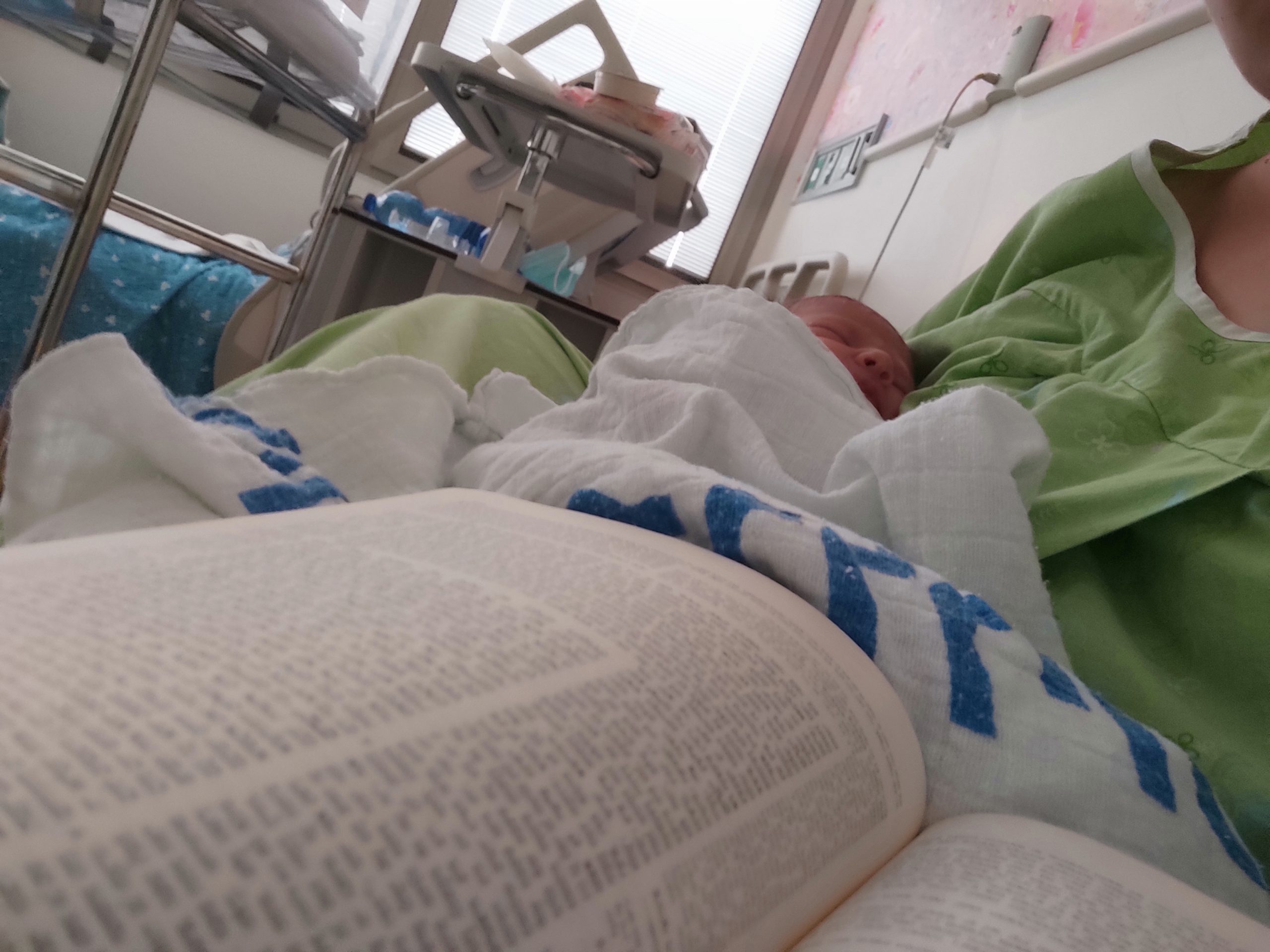
כמו שרואים בתמונה אני ממשיכה ללמוד גם היום ואפילו במחלקת יולדות אחרי לידת ביתי השלישית.
רבבה, ישראל
אני לומדת גמרא כעשור במסגרות שונות, ואת הדף היומי התחלתי כשחברה הציעה שאצטרף אליה לסיום בבנייני האומה. מאז אני לומדת עם פודקסט הדרן, משתדלת באופן יומי אך אם לא מספיקה, מדביקה פערים עד ערב שבת. בסבב הזה הלימוד הוא "ממעוף הציפור”, מקשיבה במהירות מוגברת תוך כדי פעילויות כמו בישול או נהיגה, וכך רוכשת היכרות עם הסוגיות ואופן ניתוחם על ידי חז”ל. בע”ה בסבב הבא, ואולי לפני, אצלול לתוכו באופן מעמיק יותר.

רמת גן, ישראל
התחלתי כשהייתי בחופש, עם הפרסומים על תחילת המחזור, הסביבה קיבלה את זה כמשהו מתמיד ומשמעותי ובהערכה, הלימוד זה עוגן יציב ביום יום, יש שבועות יותר ויש שפחות אבל זה משהו שנמצא שם אמין ובעל משמעות בחיים שלי….

גמזו, ישראל
התחלתי ללמוד בעידוד שתי חברות אתן למדתי בעבר את הפרק היומי במסגרת 929.
בבית מתלהבים מאוד ובשבת אני לומדת את הדף עם בעלי שזה מפתיע ומשמח מאוד! לימוד הדף הוא חלק בלתי נפרד מהיום שלי. לומדת בצהריים ומחכה לזמן הזה מידי יום…

אפרת, ישראל
כתובות עד
מִשּׁוּם רַבִּי אֱלִיעֶזֶר אָמְרוּ: חוֹלֶצֶת וְלֹא מִתְיַיבֶּמֶת. וְהָא הָכָא, דִּכְטָעוּת אִשָּׁה אַחַת דָּמֵי, וּפְלִיגִי!
In the name of Rabbi Eliezer they said that even in this case she performs ḥalitza, but she may not enter into levirate marriage. This dispute seems to hinge on whether, when he engaged in sexual intercourse with her as an adult, he did so for the purpose of betrothal, or whether he relied upon the invalid betrothal performed when she was a minor. But here, this should be considered similar to an error concerning one woman, and yet they disagree.
הָתָם נָמֵי בְּהָא קָמִיפַּלְגִי, מָר סָבַר: אָדָם יוֹדֵעַ שֶׁאֵין קִידּוּשֵׁי קְטַנָּה כְּלוּם, וְגָמַר וּבָעַל לְשֵׁם קִידּוּשִׁין, וּמַר סָבַר: אֵין אָדָם יוֹדֵעַ שֶׁאֵין קִידּוּשֵׁי קְטַנָּה כְּלוּם, וְכִי קָא בָעַל — אַדַּעְתָּא דְּקִידּוּשִׁין הָרִאשׁוֹנִים קָא בָעַל.
The Gemara refutes this claim: This is not the nature of the disagreement. Rather, there too they disagree over a possible halakhic error: One Sage, the first tanna, holds that a person knows that the betrothal of a minor girl is nothing, and consequently, after she reaches adulthood, he decides to engage in sexual intercourse for the purpose of betrothal. Therefore, if the husband dies she may enter into levirate marriage. And one Sage, Rabbi Eliezer, holds that a person does not know that the betrothal of a minor girl is nothing, and therefore when he engages in sexual intercourse with her after she reaches adulthood, he does so on the basis of the initial betrothal, which is not effective according to Torah law, and therefore she cannot enter into levirate marriage.
אִתְּמַר נָמֵי, אָמַר רַב אַחָא בַּר יַעֲקֹב אָמַר רַבִּי יוֹחָנָן: הַמְקַדֵּשׁ עַל תְּנַאי וּבָעַל — [דִּבְרֵי הַכֹּל] אֵינָהּ צְרִיכָה הֵימֶנּוּ גֵּט. אֵיתִיבֵיהּ רַב אַחָא בְּרֵיהּ דְּרַב אִיקָא בַּר אֲחָתֵיהּ: חֲלִיצָה מוּטְעֵת כְּשֵׁירָה. אֵיזוֹ הִיא חֲלִיצָה מוּטְעֵת? אָמַר רֵישׁ לָקִישׁ: כֹּל שֶׁאוֹמֵר לוֹ ״חֲלוֹץ לָהּ, וּבְכָךְ אַתָּה כּוֹנְסָהּ״.
It was also stated in accordance with Rabba’s opinion, that there is no dispute with regard to an error concerning one woman: Rav Aḥa bar Ya’akov said that Rabbi Yoḥanan said: One who betrothed a woman conditionally and engaged in sexual intercourse without specifying that he is voiding the condition, all agree that she does not require a bill of divorce from him. Rav Aḥa, son of Rav Ika, son of Rav Aḥa bar Ya’akov’s sister, raised an objection to his opinion from a baraita that states: A mistaken ḥalitza is valid. The amora’im asked: What is meant by the term: A mistaken ḥalitza? Reish Lakish said: Any situation when someone says to a man whose married brother died childless [yavam] not well versed in halakha: Perform ḥalitza with her and by doing so you will thereby marry her. Although he did not intend to release their bond with this ḥalitza, it is nevertheless effective.
אָמַר רַבִּי יוֹחָנָן, אֲנִי שׁוֹנֶה: בֵּין שֶׁנִּתְכַּוֵּון הוּא וְלֹא נִתְכַּוְּונָה הִיא, בֵּין שֶׁנִּתְכַּוְּונָה הִיא וְלֹא נִתְכַּוֵּון הוּא חֲלִיצָתָהּ פְּסוּלָה, עַד שֶׁיִּתְכַּוְּונוּ שְׁנֵיהֶם. וְאַתְּ אָמְרַתְּ חֲלִיצָתָהּ כְּשֵׁרָה? אֶלָּא אָמַר רַבִּי יוֹחָנָן: כֹּל שֶׁאוֹמֵר לוֹ ״חֲלוֹץ לָהּ עַל מְנָת שֶׁתִּתֵּן לְךָ מָאתַיִם זוּז״.
Rabbi Yoḥanan said: I teach with regard to the halakhot of ḥalitza: Whether he intended to release her through ḥalitza and she did not intend it, or whether she intended this outcome and he did not intend it, her ḥalitza is invalid; it will always be invalid until they both intend the appropriate outcome. And you say that in that case, when he intended to marry her and not to release her, that her ḥalitza is valid? Rather, Rabbi Yoḥanan said that in fact, in such a case, the ḥalitza would be invalid, and the term: A mistaken ḥalitza, concerns any situation where someone says to the yavam: Perform ḥalitza with her on condition that she gives you two hundred dinars as payment, and afterward she refuses to give him the money.
אַלְמָא כֵּיוָן דַּעֲבַד מַעֲשֶׂה — אַחוֹלֵי אַחֲלֵיהּ לִתְנָאֵיהּ. הָכָא נָמֵי, כֵּיוָן דִּבְעַל — אַחוֹלֵי אַחֲלֵיהּ לִתְנָאֵיהּ!
The Gemara returns to our issue: Apparently, it can be seen from here that since he performed an action, the halakha views this as though he explicitly waived his condition, for although he stipulated a condition, once he actually performs ḥalitza the condition is ignored. If so, here too, with regard to a conditional betrothal, since he engaged in sexual intercourse, he has waived his condition, which contradicts Rav Aḥa bar Ya’akov’s view.
אֲמַר לֵיהּ בַּר בֵּי רַב: שַׁפִּיר קָא אָמְרַתְּ? מִכְּדֵי כֹּל תְּנַאי מֵהֵיכָא גָּמְרִינַן — מִתְּנַאי בְּנֵי גָד וּבְנֵי רְאוּבֵן,
He said to him: Student of the academy, have you spoken well? The reason why the ḥalitza is valid is not because he waived his condition, but rather because the condition was invalid to begin with. After all, from where do we learn through tradition all the laws of conditions? From the conditions made with the descendants of Gad and the descendants of Reuben. Moses made a condition with the tribes of Gad and Reuben: If they would go with the rest of the nation to fight in the battles for the land of Canaan on the western side of the Jordan, they would receive their inheritance on the eastern side, as they requested (see Numbers, chapter 32).
תְּנָאָה דְּאֶפְשָׁר לְקַיּוֹמֵיהּ עַל יְדֵי שָׁלִיחַ, כִּי הָתָם — הָוֵי תְּנָאֵיהּ תְּנָאָה. דְּלָא אֶפְשָׁר לְקַיּוֹמֵיהּ עַל יְדֵי שָׁלִיחַ, כִּי הָתָם — לָא הָוֵי תְּנָאָה.
The Gemara derives the halakhot of contractual conditions from that incident, and these include the rule that a condition that can be fulfilled by means of an agent, as was done there, when Moses transferred responsibility for implementing the condition to Joshua and the Elders, and such a condition is a valid condition. Whereas a condition that cannot be fulfilled by means of an agent as was done there is not a valid condition. Accordingly, since ḥalitza cannot be performed by means of an agent, the condition is of no effect and the ḥalitza is valid. There is therefore no proof from here that a husband who performs an action waives his condition.
וְהָא בִּיאָה, דְּלָא אֶפְשָׁר לְקַיּוֹמַיהּ עַל יְדֵי שָׁלִיחַ כִּי הָתָם, וְקָא הָוֵי תְּנָאָה!
The Gemara raises a difficulty: But sexual intercourse is something that cannot be fulfilled by means of an agent as was done there, in the case of the descendants of Gad and the descendants of Reuben, and yet it is considered a valid condition. If a man says that he is engaging in intercourse with a woman for the purpose of betrothal on condition that a certain stipulation be fulfilled, if that condition is broken the betrothal is invalid.
הָתָם, מִשּׁוּם דְּאִיתַּקּוּשׁ הֲוָיוֹת לַהֲדָדֵי.
The Gemara answers: There, in the case of betrothal, there is a special reason for this law, because the different ways of becoming betrothed are juxtaposed to each other. The Torah describes betrothal with the term becoming, as in the expression: “And she becomes another man’s wife” (Deuteronomy 24:2). Betrothal can be performed through the transference of money or an item of value, through a document, or through sexual intercourse. All three forms are juxtaposed with one another. Conditions can be stipulated for betrothal performed via transference of money or through a document, since these methods of betrothal can be fulfilled through an agent. Therefore, a condition may also be stipulated for betrothal through sexual intercourse, although that cannot be fulfilled through an agent.
אָמַר רַב עוּלָּא בַּר אַבָּא אָמַר עוּלָּא אָמַר רַבִּי אֶלְעָזָר: הַמְקַדֵּשׁ בְּמִלְוָה וּבָעַל, עַל תְּנַאי וּבָעַל, בְּפָחוֹת מִשָּׁוֶה פְּרוּטָה וּבָעַל — דִּבְרֵי הַכֹּל צְרִיכָה הֵימֶנּוּ גֵּט.
Rav Ulla bar Abba said that Ulla said that Rabbi Elazar said: In the case of one who betroths a woman with a loan by forgiving a debt she owes him, which does not effect betrothal, and subsequently engages in sexual intercourse with her; or one who betroths a woman conditionally and the condition was not fulfilled, and he subsequently engages in sexual intercourse with her; or one who betroths a woman with an item worth less than the value of a peruta, and he subsequently engages in sexual intercourse with her, in all of these cases, all agree that she requires a bill of divorce from him. Although the initial betrothal was invalid, they are betrothed due to the subsequent sexual intercourse.
אָמַר רַב יוֹסֵף בַּר אַבָּא אָמַר רַבִּי מְנַחֵם אָמַר רַבִּי אַמֵּי: הַמְקַדֵּשׁ בְּפָחוֹת מִשָּׁוֶה פְּרוּטָה וּבָעַל, צְרִיכָה הֵימֶנּוּ גֵּט. בְּהָא הוּא דְּלָא טָעֵי, אֲבָל בְּהָנָךְ טָעֵי.
Rav Yosef bar Abba said that Rabbi Menaḥem said that Rabbi Ami said: In the case of one who betroths a woman with an item worth less than the value of a peruta and subsequently engages in sexual intercourse with her, she requires a bill of divorce from him. This is because it is in this matter that he does not err. He knows that betrothal must be performed with an item worth at least a peruta, and he therefore must have engaged in intercourse with her for the purpose of betrothal. But with regard to those other cases, i.e., a loan or a condition, he does err. He engages in intercourse based upon his initial betrothal, and therefore she does not require a bill of divorce.
אָמַר רַב כָּהֲנָא מִשְּׁמֵיהּ דְּעוּלָּא: הַמְקַדֵּשׁ עַל תְּנַאי וּבָעַל — צְרִיכָה הֵימֶנּוּ גֵּט. זֶה הָיָה מַעֲשֶׂה, וְלֹא הָיָה כֹּחַ בַּחֲכָמִים לְהוֹצִיאָהּ בְּלֹא גֵּט.
Rav Kahana said in the name of Ulla: In the case of one who betroths a woman conditionally and the condition was not fulfilled, and he subsequently engages in sexual intercourse with her, she requires a bill of divorce from him, in accordance with Rabbi Elazar. The Gemara relates: This was an incident that actually occurred. A man betrothed a woman conditionally and then engaged in sexual intercourse with her without specification, and the Sages did not have the power to allow her to leave her husband without a bill of divorce, since they could not definitively rule that the betrothal was invalid. Therefore, they forced him to give her a bill of divorce.
לְאַפּוֹקֵי מֵהַאי תַּנָּא. דְּאָמַר רַב יְהוּדָה אָמַר שְׁמוּאֵל מִשּׁוּם רַבִּי יִשְׁמָעֵאל: ״וְהִיא לֹא נִתְפָּשָׂה״ — אֲסוּרָה. הָא נִתְפָּשָׂה — מוּתֶּרֶת. וְיֵשׁ לְךָ אַחֶרֶת שֶׁאַף עַל פִּי שֶׁלֹּא נִתְפָּשָׂה, מוּתֶּרֶת. וְאֵיזוֹ זוֹ? שֶׁקִּידּוּשֶׁיהָ קִידּוּשֵׁי טָעוּת, שֶׁאֲפִילּוּ בְּנָהּ מוּרְכָּב עַל כְּתֵיפָהּ,
The Gemara comments: This statement comes to exclude the opinion of this tanna, as Rav Yehuda said that Shmuel said in the name of Rabbi Yishmael: The verse states with regard to a woman suspected by her husband of having been unfaithful [sota]: “And she was not seized” (Numbers 5:13), i.e., she was not raped. That is, she is forbidden to her husband since she willingly committed adultery with another man. Consequently, a woman who in fact was seized is permitted to her husband. And you have another woman who, although she was not seized but rather engaged in sexual intercourse willingly, is nevertheless permitted to her husband and is not considered a sota. And who is this? This is referring to one whose betrothal was a mistaken betrothal, as even if her son from this marriage is riding on her shoulders,
מְמָאֶנֶת וְהוֹלֶכֶת לָהּ.
she may refuse her husband and go on her way. According to this opinion, the marriage did not take effect at all, despite the fact that they engaged in sexual intercourse, because the betrothal involved an error.
תָּנוּ רַבָּנַן: הָלְכָה אֵצֶל חָכָם וְהִתִּירָהּ — מְקוּדֶּשֶׁת. אֵצֶל רוֹפֵא וְרִיפֵּא אוֹתָהּ — אֵינָהּ מְקוּדֶּשֶׁת. מָה בֵּין חָכָם לְרוֹפֵא? חָכָם עוֹקֵר אֶת הַנֶּדֶר מֵעִיקָּרוֹ, וְרוֹפֵא אֵינוֹ מְרַפֵּא אֶלָּא מִכָּאן וּלְהַבָּא.
§ The Sages taught: If a man betroths a woman on condition that there are no vows incumbent upon her to fulfill, but there are vows incumbent upon her, and she goes to a halakhic authority and he dissolves her vows, she is betrothed. However, if he betroths her on condition that she has no blemishes, but she does have blemishes, and she goes to a doctor and he heals her blemishes, she is not betrothed. The Gemara inquires: What is the difference between a halakhic authority and a doctor? The Gemara explains: When a halakhic authority dissolves a vow, he uproots the vow retroactively. It is as if she had never vowed at all, and therefore she was in fact not bound by vows at the time of their betrothal. But a doctor only heals from here onward. Since she had blemishes at the time of betrothal, she is in breach of his condition.
וְהָתַנְיָא: אֵצֶל חָכָם וְהִתִּירָהּ, אֵצֶל רוֹפֵא וְרִיפֵּא אוֹתָהּ — אֵינָהּ מְקוּדֶּשֶׁת! אָמַר רָבָא: לָא קַשְׁיָא, הָא — רַבִּי מֵאִיר, הָא — רַבִּי אֶלְעָזָר. הָא רַבִּי מֵאִיר, דְּאָמַר: אָדָם רוֹצֶה שֶׁתִּתְבַּזֶּה אִשְׁתּוֹ בְּבֵית דִּין. הָא רַבִּי אֶלְעָזָר, דְּאָמַר: אֵין אָדָם רוֹצֶה שֶׁתִּתְבַּזֶּה אִשְׁתּוֹ בְּבֵית דִּין.
The Gemara raises a difficulty: But isn’t it taught in a different baraita that if she goes to a halakhic authority and he dissolves her vows, or to a doctor and he heals her blemishes, she is not betrothed? Rava said: This is not difficult, for this baraita follows the opinion of Rabbi Meir, and that one follows Rabbi Elazar. The Gemara elaborates: This baraita, which states that if her vows were dissolved by a halakhic authority she is betrothed, is in accordance with Rabbi Meir, who said that a man is willing for his wife to be degraded by going to court to have her vow dissolved. That baraita follows the opinion of Rabbi Elazar, who said that a man is not willing for his wife to be degraded in court. Consequently, even if she went to a halakhic authority and he dissolved her vows, such a solution is unacceptable to her husband, as he did not want her to go to court. Therefore, the betrothal is invalid even after the dissolution of the vow.
מַאי הִיא? דִּתְנַן: הַמּוֹצִיא אֶת אִשְׁתּוֹ מִשּׁוּם נֶדֶר — לֹא יַחְזִיר. מִשּׁוּם שֵׁם רָע — לֹא יַחְזִיר.
The Gemara poses a question: What is this fundamental dispute between Rabbi Meir and Rabbi Elazar? The Gemara answers: As we learned in a mishna (Gittin 45b): If a man who divorces his wife due to a vow that she took subsequently regrets his decision and wants to take her back, he may not remarry her. Similarly, if he divorces her due to a bad reputation she has acquired, he may not remarry her. This is because if he were allowed to take her back if the vow is dissolved by a halakhic authority or after discovering that the rumors about her were false, he might say that had he known this he never would have divorced her. Such a statement would retroactively cast doubt on the validity of the bill of divorce and could potentially cause her children from a second marriage to have the status of mamzerim. He is therefore informed that if he divorces her due to a vow or a bad reputation he can never remarry her.
רַבִּי יְהוּדָה אוֹמֵר: כׇּל נֶדֶר שֶׁיָּדְעוּ בּוֹ רַבִּים — לֹא יַחֲזִיר. לֹא יָדְעוּ בּוֹ רַבִּים — יַחֲזִיר. רַבִּי מֵאִיר אוֹמֵר: כׇּל נֶדֶר שֶׁצָּרִיךְ חֲקִירַת חָכָם — לֹא יַחֲזִיר. וְשֶׁאֵינוֹ צָרִיךְ חֲקִירַת חָכָם — יַחֲזִיר.
Rabbi Yehuda says: With regard to any vow that is known by many people and therefore cannot be nullified, he may not remarry her. If it is not known by many people, but rather is a private matter between them, he may remarry her. Rabbi Meir says: Any vow that requires investigation by a halakhic authority, that is, the husband cannot nullify it himself and she needs a halakhic authority to analyze the vow carefully to find an opening that will permit its dissolution, he may not remarry her, for he can claim that had he known the vow could be dissolved he would never have divorced her, thereby undermining the bill of divorce. And with regard to a vow that does not require the investigation by a halakhic authority, which he knows he can nullify himself, he may remarry her. There is no concern that he might impair the bill of divorce, as he knew he could dissolve the vow and yet he chose to divorce her regardless.
רַבִּי אֶלְעָזָר אוֹמֵר: אֶחָד צָרִיךְ וְאֶחָד אֵינוֹ צָרִיךְ — לֹא יַחֲזִיר. אָמַר רַבִּי אֶלְעָזָר: לֹא אָסְרוּ צָרִיךְ אֶלָּא מִפְּנֵי שֶׁאֵינוֹ צָרִיךְ. מַאי טַעְמָא דְּרַבִּי יְהוּדָה? דִּכְתִיב:
Rabbi Elazar says: Both in the case of a vow that requires investigation by a halakhic authority and one that does not require it, he may not remarry her. Rabbi Elazar said in explanation of his view: They prohibited remarrying a woman who was bound by a vow that requires investigation by a halakhic authority only due to a vow that does not require such investigation. The Gemara explains the respective opinions: What is the reason for Rabbi Yehuda’s statement? As it is written:

