






רוצה להקדיש שיעור?

תקציר

בגמרא מובא קושי על הדעה שהשולחן עמד בציר מזרח-מערב, ומיושב שהשולחן שעשה משה לא הוצב במרכז בין שורות השולחנות האחרים, אלא היה מונח בצד המערבי, סמוך לפרוכת, ולא תפס עוד מקום ברוחב החדר. סביב עשרת השולחנות ועשר המנורות שהוסיף שלמה המלך קיימת מחלוקת תנאים: האם הם שימשו לנוי בלבד ורק בשל משה השתמשו בפועל, או שמא הדליקו נרות וסידרו לחם על כולם.
בנוסף לשולחן המרכזי, עמדו באולם שני שולחנות נוספים ששימשו כתחנות מעבר ללחם הפנים: אחד של שיש (או כסף) שעליו הניחו את הלחם לפני שהכניסום להיכל, ואחד של זהב שעליו הניחו את הלחם כשיצאו. הסיבה להבדל בחומרים היא הכלל "מעלין בקודש ולא מורידין”. הגמרא מקשרת בין נושא זה לכך ששברי הלוחות הונחו בארון הקודש, ומכאן היא מפליגה לנושא של השמירה על לימוד התורה והזהירות משכחתו, תוך הדגשה שיש לכבד גם תלמיד חכם ששכח תלמודו מחמת אונס.
המשנה מביאה מחלוקת תנאים לגבי האופן שבו הלחם היה מוחלף בכל שבוע, וזאת על בסיס האופן שבו כל דעה מפרשת אחרת את המילה "תמיד” ביחס ללחם הפנים. דיון זה מעורר מחלוקת עקרונית בנוגע למצוות תלמוד תורה והפסוק "לֹא יָמוּשׁ סֵפֶר הַתּוֹרָה הַזֶּה מִפִּיךָ”. בעוד שיש הרואים בכך חובה לעמול בתורה בכל רגע פנוי, רבי יוחנן סובר שאפילו אדם הקורא קריאת שמע בשחרית ובערבית קיים את מצוות "לא ימוש”. עבור אדם כזה, הדבר נחשב כאילו עסק בתורה יומם ולילה.
כלים
מנחות צט
בִּשְׁלָמָא לְמַאן דְּאָמַר צָפוֹן וְדָרוֹם, שַׁפִּיר.
The Gemara continues: Granted, according to the one who said the tables were positioned along the width of the Sanctuary, from north to south, it works out well. According to this opinion there was enough room on the east and the west of the Table for the two priests arranging the new loaves to stand on one side of the Table and for the two priests removing the old loaves to stand on the other side.
אֶלָּא לְמַאן דְּאָמַר מִזְרָח וּמַעֲרָב, מִכְּדֵי שֻׁלְחָן כַּמָּה מָשׁוּךְ מִן הַכּוֹתֶל? שְׁתֵּי אַמּוֹת וּמֶחֱצָה, וְאַמָּה דִּידֵיהּ, וּשְׁתֵּי אַמּוֹת וּמֶחֱצָה דְּבֵינֵי בֵּינֵי.
But according to the one who said the tables were positioned along the length of the Sanctuary, from east to west, in which case the priests arranging and removing the shewbread would stand at the north and south of the Table, this is difficult. Now, consider how much space was taken up by the tables: How far was the Table removed from the northern wall of the Sanctuary? It was two and a half cubits away from the wall, as this is the space necessary for the two priests to pass. And to this one must add one cubit for the width of the northern row of tables itself, and another two and a half cubits that were between the northern row of five tables and Moses’ Table, as space for two priests to pass is required here as well.
וְאַמָּה, וּשְׁתֵּי אַמּוֹת וּמֶחֱצָה דְּבֵינֵי בֵּינֵי, וְאַמָּה דִּידֵיהּ – אִישְׁתְּכַח דְּקָאָכֵיל שׁוּלְחָן פַּלְגָא דְּאַמְּתָא בְּדָרוֹם.
The Gemara continues to calculate the area occupied by the tables: And then one must add one cubit for the width of the Table of Moses, and two and a half cubits that were between Moses’ Table and the southern row of tables, and another cubit for the width of the southern row itself. This totals ten and a half cubits, according to which it is found that the Table occupies half a cubit in the south of the Sanctuary, although the Table is supposed to be entirely in the north of the Sanctuary.
מִי סָבְרַתְּ שֻׁלְחָן דְּמֹשֶׁה בַּהֲדַיְיהוּ הֲוָה יָתֵיב? לָא, דְּמַידְלֵי לֵיהּ, וּמַנַּח לֵיהּ, וּמְיתַתֵּי לְהוּ לְדִידְהוּ פּוּרְתָּא, כְּתַלְמִיד הַיּוֹשֵׁב לִפְנֵי רַבּוֹ.
The Gemara answers: Do you maintain that the Table of Moses resided together with the other ten tables, i.e., parallel to them? It was not so. The Table of Moses was situated to the west of the other tables, in the space corresponding to the space between the two rows of tables, and its width should not be added to the width of the two rows of Solomon’s tables. All the tables were therefore situated in the north of the Sanctuary. Since the Temple was built on terrain that sloped downward from west to east, this means that the Table of Moses was raised above the tables of Solomon. The Table of Moses was placed to the west and the tables of Solomon were lowered slightly toward the east. Solomon’s tables therefore appeared in relation to Moses’ Table as a student who sits on a lower level before his teacher.
תָּנוּ רַבָּנַן: עֲשָׂרָה שֻׁלְחָנוֹת עָשָׂה שְׁלֹמֹה, וְלֹא הָיוּ מְסַדְּרִין אֶלָּא עַל שֶׁל מֹשֶׁה, שֶׁנֶּאֱמַר: ״וְאֶת הַשֻּׁלְחָן אֲשֶׁר עָלָיו לֶחֶם הַפָּנִים זָהָב״.
§ The Sages taught in a baraita: Solomon built ten tables that were situated in the Sanctuary, in addition to Moses’ Table, but the priests would arrange the shewbread only upon the Table of Moses. This is derived from a verse, as it is stated: “And Solomon made all the vessels that were in the House of the Lord, the golden altar, and the Table upon which the shewbread was, of gold” (I Kings 7:48), indicating that the shewbread was placed on only one Table.
עֶשֶׂר מְנוֹרוֹת עָשָׂה שְׁלֹמֹה, וְלֹא הָיוּ מַדְלִיקִין אֶלָּא בְּשֶׁל מֹשֶׁה, שֶׁנֶּאֱמַר: ״אֶת מְנוֹרַת הַזָּהָב וְנֵרֹתֶיהָ לְבָעֵר בָּעֶרֶב״.
Likewise, Solomon built ten candelabra, but the priests would kindle the lamps only on the Candelabrum of Moses. This is derived from a verse, as it is stated: “And they burn unto the Lord every morning and every evening burnt offerings and sweet incense; the shewbread also they arrange in order upon the pure Table, and the Candelabrum of gold with its lamps, to burn every evening” (II Chronicles 13:11). The singular form indicates that the lamps were kindled on only one Candelabrum.
רַבִּי אֶלְעָזָר בֶּן שַׁמּוּעַ אוֹמֵר: עַל כּוּלָּם הָיוּ מְסַדְּרִין, שֶׁנֶּאֱמַר: ״אֶת הַשֻּׁלְחָנוֹת וַעֲלֵיהֶם לֶחֶם הַפָּנִים״, וּבְכוּלָּן הָיוּ מַדְלִיקִין, שֶׁנֶּאֱמַר: ״אֶת הַמְּנֹרוֹת וְנֵרֹתֵיהֶם לְבַעֲרָם כַּמִּשְׁפָּט לִפְנֵי הַדְּבִיר זָהָב סָגוּר״.
Rabbi Elazar ben Shammua says: They would arrange the shewbread upon all the tables, as it is stated: “And Solomon made all the vessels that were in the House of God, the golden altar as well, and the tables upon which was the shewbread” (II Chronicles 4:19). The plural form indicates that the shewbread was arranged on all the tables. And they would kindle the lamps on all the candelabra, as it is stated in the subsequent verse: “And the candelabra with their lamps, which they should burn according to the ordinance before the Sanctuary, of pure gold” (II Chronicles 4:20).
רַבִּי יוֹסֵי בְּרַבִּי יְהוּדָה אוֹמֵר: לֹא הָיוּ מְסַדְּרִין אֶלָּא עַל שֶׁל מֹשֶׁה, אֶלָּא מָה אֲנִי מְקַיֵּים ״וְאֶת הַשֻּׁלְחָנוֹת אֲשֶׁר עֲלֵיהֶם לֶחֶם הַפָּנִים זָהָב״? אֵלּוּ שְׁלֹשָׁה שֻׁלְחָנוֹת שֶׁהָיוּ בַּמִּקְדָּשׁ: שְׁנַיִם שֶׁהָיוּ בְּאוּלָם מִבִּפְנִים לְפֶתַח הַבַּיִת, אֶחָד שֶׁל כֶּסֶף וְאֶחָד שֶׁל זָהָב.
Rabbi Yosei, son of Rabbi Yehuda, says: They would arrange the shewbread only upon the Table of Moses. Rather, how do I realize the meaning of the verse: “And the tables upon which was the shewbread…of pure gold” (II Chronicles 4:19–20)? These are the three tables that were in the Temple, of which there were two that were situated in the Entrance Hall to the Sanctuary, on the inside near to the entrance to the Temple, i.e., near the entrance to the Sanctuary. One of these tables was made of silver, and the other one was made of gold.
עַל שֶׁל כֶּסֶף נוֹתֵן לֶחֶם הַפָּנִים בִּכְנִיסָתוֹ, וְעַל שֶׁל זָהָב בִּיצִיאָתוֹ, שֶׁמַּעֲלִין בַּקּוֹדֶשׁ וְלֹא מוֹרִידִין. אֶחָד שֶׁל זָהָב בִּפְנִים, שֶׁעָלָיו לֶחֶם הַפָּנִים תָּמִיד.
On the table of silver the priest places the new shewbread that has been baked, before its entrance into the Sanctuary, so that the loaves may cool a little from the heat of the oven. And when the old shewbread is removed from the shewbread Table it is placed on the table of gold upon its exit from the Sanctuary, until the frankincense is burned on the altar. The reason the shewbread is placed on a silver table before it is brought into the Sanctuary and on a gold one when it is removed is that one elevates to a higher level in matters of sanctity and one does not downgrade. Since it is set on the gold shewbread Table all week, it cannot be downgraded to a silver table upon its removal. The Gemara concludes: The third of the three tables is the one Table of gold inside the Sanctuary upon which the shewbread is always found.
וּמְנָא לַן דְּאֵין מוֹרִידִין? אָמַר רַבִּי: דְּאָמַר קְרָא: ״וַיָּקֶם מֹשֶׁה אֶת הַמִּשְׁכָּן וַיִּתֵּן אֶת אֲדָנָיו וַיָּשֶׂם אֶת קְרָשָׁיו וַיִּתֵּן אֶת בְּרִיחָיו וַיָּקֶם אֶת עַמּוּדָיו״.
The Gemara asks: And from where do we derive that one does not downgrade in matters of sanctity? Rabbi Yehuda HaNasi said: This is derived from a verse, as the verse states: “And Moses erected the Tabernacle, and he laid its sockets, and set up its boards, and put in its bars, and erected its pillars” (Exodus 40:18). This teaches that once Moses, who was at a greater level of sanctity than the rest of the people, began the work of erecting the Tabernacle, he alone completed it.
וּמְנָלַן דְּמַעֲלִין? אָמַר רַבִּי אַחָא בַּר יַעֲקֹב: דְּאָמַר קְרָא ״אֵת מַחְתּוֹת הַחַטָּאִים הָאֵלֶּה בְּנַפְשֹׁתָם וְעָשׂוּ אֹתָם רִקֻּעֵי פַחִים צִפּוּי לַמִּזְבֵּחַ כִּי הִקְרִיבֻם לִפְנֵי ה׳ וַיִּקְדָּשׁוּ וְיִהְיוּ לְאוֹת לִבְנֵי יִשְׂרָאֵל״ – בַּתְּחִילָּה תַּשְׁמִישֵׁי מִזְבֵּחַ, וְעַכְשָׁיו גּוּפוֹ שֶׁל מִזְבֵּחַ.
The Gemara asks: And from where do we derive that one elevates to a higher level in matters of sanctity? Rabbi Aḥa bar Ya’akov said: This is derived from a verse, as the verse states with regard to the coal pans of the men of Korah’s assembly, in which they burned incense before they were consumed by a fire: “The coal pans of these men who have sinned at the cost of their lives, and let them be made beaten plates for a covering of the altar, for they have become sacred because they were brought before the Lord, that they may be a sign to the children of Israel” (Numbers 17:3). Initially the coal pans had the status of articles used in the service of the altar, as they contained the incense, and now that they have been made into a covering for the altar their status has been elevated to that of the altar itself.
״אֲשֶׁר שִׁבַּרְתָּ וְשַׂמְתָּם בָּאָרוֹן״ – תָּנֵי רַב יוֹסֵף: מְלַמֵּד שֶׁהַלּוּחוֹת וְשִׁבְרֵי לוּחוֹת מוּנָּחִין בָּאָרוֹן. מִכָּאן לְתַלְמִיד חָכָם שֶׁשָּׁכַח תַּלְמוּדוֹ מֵחֲמַת אוֹנְסוֹ, שֶׁאֵין נוֹהֲגִין בּוֹ מִנְהַג בִּזָּיוֹן.
§ Having mentioned the principle that one does not downgrade in matters of sanctity, the Gemara cites a related issue. The verse states: “At that time the Lord said to me: Hew for yourself two tablets of stone like the first…And I will write on the tablets the words that were on the first tablets, which you broke, and you shall put them in the Ark” (Deuteronomy 10:1–2). Rav Yosef teaches a baraita: This verse teaches that both the tablets of the Covenant and the pieces of the broken tablets are placed in the Ark. One should learn from here that with regard to a Torah scholar who has forgotten his Torah knowledge due to circumstances beyond his control, e.g., illness, one may not behave toward him in a degrading manner. Although the first tablets were broken it is prohibited to treat them with disrespect, due to their sanctity. A Torah scholar who forgot the Torah knowledge he once possessed is likened to these broken tablets.
(סִימָן ״בִּיטֵּל״ ״סָרַח״ ״וְשָׁכַח״).
The Gemara notes a mnemonic for the following three statements of Reish Lakish, which are all related to the concept stated by Rav Yosef: One who caused dereliction of the study of Torah for the sake of a mitzva, a Torah scholar who sinned, and a Torah scholar who forgot his studies.
אָמַר רֵישׁ לָקִישׁ: פְּעָמִים
Reish Lakish says: Sometimes
שֶׁבִּיטּוּלָהּ שֶׁל תּוֹרָה זֶהוּ יִסּוּדָהּ, דִּכְתִיב: ״אֲשֶׁר שִׁבַּרְתָּ״, אָמַר לוֹ הַקָּדוֹשׁ בָּרוּךְ הוּא לְמֹשֶׁה: יִישַׁר כֹּחֲךָ שֶׁשִּׁבַּרְתָּ.
the apparent dereliction of the study of Torah is its foundation, e.g., if one breaks off his studies in order to participate in a funeral or a wedding procession. This is derived from a verse, as it is written: “And the Lord said to Moses: Hew for yourself two tablets of stone like the first, and I will write upon the tablets the words that were on the first tablets, which [asher] you broke” (Exodus 34:1). The word “asher” is an allusion to the fact that that the Holy One, Blessed be He, said to Moses: Your strength is true [yishar koḥakha] in that you broke the tablets, as the breaking of the first tablets led to the foundation of the Torah through the giving of the second tablets.
וְאָמַר רֵישׁ לָקִישׁ: תַּלְמִיד חָכָם שֶׁסָּרַח, אֵין מְבַזִּין אוֹתוֹ בְּפַרְהֶסְיָא, שֶׁנֶּאֱמַר: ״וְכָשַׁלְתָּ הַיּוֹם וְכָשַׁל גַּם נָבִיא עִמְּךָ לָיְלָה״ – כַּסֵּהוּ כַּלַּיְלָה.
And Reish Lakish says: With regard to a Torah scholar who sinned, he is not disgraced in public, as it is stated: “Therefore, you shall stumble in the day, and the prophet also shall stumble with you in the night” (Hosea 4:5). One can derive from the verse that if a prophet or any other Torah scholar stumbles and sins, one should conceal his offense like the night and not punish him in public.
וְאָמַר רֵישׁ לָקִישׁ: כׇּל הַמְשַׁכֵּחַ דָּבָר אֶחָד מִתַּלְמוּדוֹ עוֹבֵר בְּלָאו, שֶׁנֶּאֱמַר: ״הִשָּׁמֶר לְךָ וּשְׁמֹר נַפְשְׁךָ מְאֹד פֶּן תִּשְׁכַּח אֶת הַדְּבָרִים״, וְכִדְרַבִּי אָבִין אָמַר רַבִּי אִילְעָא, דְּאָמַר רַבִּי אָבִין אָמַר רַבִּי אִילְעָא: כׇּל מָקוֹם שֶׁנֶּאֱמַר ״הִשָּׁמֶר״, ״פֶּן״, וְ״אַל״ – אֵינוֹ אֶלָּא לֹא תַעֲשֶׂה.
And Reish Lakish says: Anyone who causes himself to forget even one matter from his studies violates a prohibition, as it is stated with regard to the receiving of the Torah on Mount Sinai: “Only observe for yourself, and guard your soul diligently, lest you forget the matters that your eyes saw, and lest they depart from your heart all the days of your life, but you should make them known to your children and to your children’s children” (Deuteronomy 4:9). And this is in accordance with the principle that Rabbi Avin says that Rabbi Ile’a says, as Rabbi Avin says that Rabbi Ile’a says: Wherever it is stated: Observe, or: Lest, or: Do not, it is nothing other than a prohibition.
רָבִינָא אָמַר: ״הִשָּׁמֶר״ וּ״פֶן״ שְׁנֵי לָאוִין נִינְהוּ. רַב נַחְמָן בַּר יִצְחָק אָמַר: בִּשְׁלֹשָׁה לָאוִין, שֶׁנֶּאֱמַר: ״הִשָּׁמֶר לְךָ וּשְׁמֹר נַפְשְׁךָ מְאֹד פֶּן תִּשְׁכַּח אֶת הַדְּבָרִים״.
Ravina says: One who forgets his studies violates two prohibitions, as the verse uses both the term “observe” and the term “lest,” and these are two prohibitions. Rav Naḥman bar Yitzḥak says: He violates three prohibitions, as it is stated: “Only observe for yourself, and guard your soul diligently, lest you forget the matters that your eyes saw.” The term “Guard your soul” is derived from the same root as “observe” and is considered an additional prohibition.
יָכוֹל אֲפִילּוּ מֵחֲמַת אוֹנְסוֹ? תַּלְמוּד לוֹמַר ״וּפֶן יָסוּרוּ מִלְּבָבְךָ״ – בִּמְסִירָם מִלִּבּוֹ הַכָּתוּב מְדַבֵּר. רַבִּי דּוֹסְתַּאי בְּרַבִּי יַנַּאי אָמַר: יָכוֹל אֲפִילּוּ תָּקְפָה עָלָיו מִשְׁנָתוֹ? תַּלְמוּד לוֹמַר ״רַק״.
The Gemara qualifies this statement: One might have thought this applies even to one who forgot his Torah knowledge due to circumstances beyond his control. Therefore, the verse states: “And lest they depart from your heart.” This indicates that the verse is speaking of one who willingly causes them to depart from his heart. Rabbi Dostai, son of Rabbi Yannai, says: One might have thought that this applies even if his studies were too hard for him to remember. Therefore, the verse states: “Only,” which excludes one who is unable to recall his studies.
רַבִּי יוֹחָנָן וְרַבִּי אֶלְעָזָר דְאָמְרִי תַּרְוַיְיהוּ: תּוֹרָה נִיתְּנָה בְּאַרְבָּעִים, וּנְשָׁמָה נוֹצְרָה בְּאַרְבָּעִים. כׇּל הַמְשַׁמֵּר תּוֹרָתוֹ – נִשְׁמָתוֹ מִשְׁתַּמֶּרֶת, וְכֹל שֶׁאֵינוֹ מְשַׁמֵּר אֶת הַתּוֹרָה – אֵין נִשְׁמָתוֹ מִשְׁתַּמֶּרֶת.
Rabbi Yoḥanan and Rabbi Elazar both say: The Torah was given in forty days, when Moses ascended to Mount Sinai to receive it, and similarly the soul of man is formed in forty days, as the formation of the fetus in the womb takes forty days from the time of conception. This teaches that anyone who preserves his Torah studies, his soul is likewise preserved, and anyone who does not preserve his Torah studies, his soul is not preserved either.
תָּנָא דְּבֵי רַבִּי יִשְׁמָעֵאל: מָשָׁל לְאָדָם שֶׁמָּסַר צִפּוֹר דְּרוֹר לְעַבְדּוֹ, אָמַר: כִּמְדוּמֶּה אַתָּה שֶׁאִם אַתָּה מְאַבְּדָהּ שֶׁאֲנִי נוֹטֵל מִמְּךָ אִיסָּר בְּדָמֶיהָ? נִשְׁמָתְךָ אֲנִי נוֹטֵל מִמְּךָ!
The school of Rabbi Yishmael taught: This can be illustrated by a parable, as it is comparable to a person who delivered a sparrow to his slave for safekeeping, and said to him: Are you under the impression that if you lose it I will take from you an issar, a small coin, which is the value of the bird? It is not so; I will take your soul from you as punishment, meaning I will kill you. Similarly, one who fails to preserve the Torah entrusted to him will be severely punished.
מַתְנִי׳ שְׁנֵי שׁוּלְחָנוֹת הָיוּ בָּאוּלָם מִבִּפְנִים, עַל פֶּתַח הַבַּיִת, אֶחָד שֶׁל שַׁיִישׁ וְאֶחָד שֶׁל זָהָב. עַל שֶׁל שַׁיִישׁ נוֹתְנִים לֶחֶם הַפָּנִים בִּכְנִיסָתוֹ, וְעַל שֶׁל זָהָב בִּיצִיאָתוֹ.
MISHNA: There were two tables in the Entrance Hall, on the inside of the Entrance Hall, next to the entrance to the Temple, i.e., next to the entrance to the Sanctuary. One was of marble and one was of gold. On the table of marble, the priests place the new shewbread that has been baked, before its entrance into the Sanctuary, so that the loaves may cool a little from the heat of the oven and not spoil. And when the old shewbread is removed from the shewbread Table it is placed on the table of gold upon its exit from the Sanctuary, where it remains until the frankincense is burned on the altar.
שֶׁמַּעֲלִין בַּקּוֹדֶשׁ וְלֹא מוֹרִידִין. וְאֶחָד שֶׁל זָהָב מִבִּפְנִים, שֶׁעָלָיו לֶחֶם הַפָּנִים תָּמִיד.
The reason the shewbread is placed on a gold table when it is removed, rather than on a marble or silver table, is that one elevates to a higher level in matters of sanctity and one does not downgrade. Since it is set on the gold shewbread Table all week, it cannot be downgraded to a marble or silver table upon its removal. And there was one Table of gold within the Sanctuary, upon which the shewbread is always found.
וְאַרְבָּעָה כֹּהֲנִים נִכְנָסִין, שְׁנַיִם בְּיָדָם שְׁנֵי סְדָרִים, וּשְׁנַיִם בְּיָדָם שְׁנֵי בָּזִיכִין, וְאַרְבָּעָה מַקְדִּימִין לִפְנֵיהֶם, שְׁנַיִם לִיטּוֹל שְׁנֵי סְדָרִים, וּשְׁנַיִם לִיטּוֹל שְׁנֵי בָּזִיכִין.
The mishna describes the manner in which it is ensured that the shewbread is constantly on the Table: And four priests enter, two with the two arrangements of the new shewbread in their hands and two with the two bowls of frankincense in their hands. And four priests precede them, entering the Sanctuary before them, two to take the two arrangements of the old shewbread from the Table, and two to take the two bowls of frankincense.
הַמַּכְנִיסִים עוֹמְדִים בַּצָּפוֹן, וּפְנֵיהֶם לַדָּרוֹם, וְהַמּוֹצִיאִין עוֹמְדִים בַּדָּרוֹם, וּפְנֵיהֶם בַּצָּפוֹן. אֵלּוּ מוֹשְׁכִין, וְאֵלּוּ מַנִּיחִין, וְטִפְחוֹ שֶׁל זֶה כְּנֶגֶד טִפְחוֹ שֶׁל זֶה, שֶׁנֶּאֱמַר: ״לְפָנַי תָּמִיד״.
Those bringing the new shewbread into the Sanctuary stand in the north and their faces are to the south, and those removing the old shewbread stand in the south and their faces are to the north. These priests draw the old shewbread from the Table and those priests place the new shewbread on the Table, and for each handbreadth of this old shewbread that is removed from the Table a handbreadth of that new shewbread is placed upon the Table, so that the Table is never without loaves upon it, as it is stated: “And you shall set upon the Table shewbread before Me always” (Exodus 25:30).
רַבִּי יוֹסֵי אוֹמֵר: אֲפִילּוּ אֵלּוּ נוֹטְלִין וְאֵלּוּ מַנִּיחִין, אַף הִיא הָיְתָה ״תָּמִיד״.
Rabbi Yosei says: Even if these priests were to remove the shewbread from the Table entirely, and only afterward those priests were to place the new shewbread upon the Table, this too would fulfill the requirement that the shewbread always be on the Table. It is unnecessary to ensure the uninterrupted presence of the shewbread upon the Table, as long as it does not remain a single night without shewbread upon it.
יָצְאוּ וּנְתָנוּם עַל שֻׁלְחָן הַזָּהָב שֶׁהָיָה בָּאוּלָם, הִקְטִירוּ הַבָּזִיכִין, וְהַחַלּוֹת מִתְחַלְּקוֹת לַכֹּהֲנִים.
The mishna describes the manner in which the shewbread is distributed: The priests who carried the old shewbread loaves came out of the Sanctuary and placed them on the table of gold that was in the Entrance Hall. The priests then burned on the altar the frankincense that was in the bowls. And the loaves were subsequently distributed to the priests. This occurred on Shabbat, the day that the priestly watch that served in the Temple during the preceding week was replaced by the priestly watch that would serve during the following week. The shewbread was distributed to the priests of both watches.
חָל יוֹם כִּיפּוּרִים לִהְיוֹת בְּשַׁבָּת, הַחַלּוֹת מִתְחַלְּקוֹת לָעֶרֶב. חָל לִהְיוֹת בְּעֶרֶב שַׁבָּת, שָׂעִיר שֶׁל יוֹם הַכִּפּוּרִים נֶאֱכָל לָעֶרֶב, וְהַבַּבְלִיִּים אוֹכְלִין אוֹתוֹ כְּשֶׁהוּא חַי, מִפְּנֵי שֶׁדַּעְתָּן יָפָה.
If Yom Kippur occurs on Shabbat, the loaves are distributed at night, at the conclusion of the fast, since they may not be eaten during the day. If Yom Kippur occurs on Friday, i.e., when the holy day begins on Thursday evening, the goat sin offering of Yom Kippur is eaten by the priests at night, i.e., on Friday night, as it may be eaten only on the day that it is sacrificed or during the following night, until midnight. And since there is no possibility of cooking the meat, as one may not cook on Yom Kippur or Shabbat, the Babylonians, i.e., priests who had emigrated from Babylonia, eat it when it is raw, due to the fact that they are broad-minded with regard to their food, i.e., they are not particular and will eat meat even when it is not cooked.
גְּמָ׳ תַּנְיָא: רַבִּי יוֹסֵי אוֹמֵר, אֲפִילּוּ סִילֵּק אֶת הַיְּשָׁנָה שַׁחֲרִית וְסִידֵּר אֶת הַחֲדָשָׁה עַרְבִית – אֵין בְּכָךְ כְּלוּם, אֶלָּא מָה אֲנִי מְקַיֵּים ״לְפָנַי תָּמִיד״? שֶׁלֹּא יָלִין שֻׁלְחָן בְּלֹא לֶחֶם.
GEMARA: The mishna teaches that according to Rabbi Yosei, even if the priest first removes the old shewbread entirely, and only then places the new shewbread upon the Table, this fulfills the requirement that the shewbread always be on the Table. Moreover, it is taught in a baraita that Rabbi Yosei says: Even if the priest removed the old shewbread on the morning of Shabbat, and arranged the new shewbread toward evening, there is nothing wrong with that. Rather, how do I realize the meaning of the verse: “And you shall set upon the Table shewbread before Me always” (Exodus 25:30)? This means that the Table should not be left overnight without bread upon it.
אָמַר רַבִּי אַמֵּי: מִדְּבָרָיו שֶׁל רַבִּי יוֹסֵי נִלְמוֹד, אֲפִילּוּ לֹא שָׁנָה אָדָם אֶלָּא פֶּרֶק אֶחָד שַׁחֲרִית וּפֶרֶק אֶחָד עַרְבִית – קִיֵּים מִצְוַת ״לֹא יָמוּשׁ (אֵת) סֵפֶר הַתּוֹרָה הַזֶּה מִפִּיךָ״.
The baraita teaches that according to Rabbi Yosei, even if the old shewbread remained on the Table for a short while in the morning, and the new shewbread was placed on the Table toward evening, and even though it did not reside constantly on the Table, this fulfills the requirement that the shewbread should always be on the Table. Rabbi Ami says: From Rabbi Yosei’s statement we may learn that even if a person learned only one chapter of the Mishna in the morning and one chapter of the Mishna in the evening, he has thereby fulfilled the mitzva of: “This Torah scroll shall not depart from your mouth, and you shall contemplate in it day and night, that you may take heed to do according to all that is written in it, for then you shall make your ways prosperous, and then you shall have good success” (Joshua 1:8).
אָמַר רַבִּי יוֹחָנָן מִשּׁוּם רַבִּי שִׁמְעוֹן בֶּן יוֹחַי: אֲפִילּוּ לֹא קָרָא אָדָם אֶלָּא קְרִיַּת שְׁמַע שַׁחֲרִית וְעַרְבִית – קִיֵּים ״לֹא יָמוּשׁ״, וְדָבָר זֶה אָסוּר לְאוֹמְרוֹ בִּפְנֵי עַמֵּי הָאָרֶץ, וְרָבָא אָמַר: מִצְוָה לְאוֹמְרוֹ בִּפְנֵי עַמֵּי הָאָרֶץ.
Rabbi Yoḥanan says in the name of Rabbi Shimon ben Yoḥai: Even if a person recited only the recitation of Shema in the morning and in the evening, he has fulfilled the mitzva of: “This Torah scroll shall not depart from your mouth.” And it is prohibited to state this matter in the presence of ignoramuses [amei ha’aretz], as they are likely to get the impression that there is no need to study Torah beyond this. And Rava says: On the contrary, it is a mitzva to state this matter in the presence of ignoramuses, as they will realize that if merely reciting the Shema leads to such a great reward, all the more so how great is the reward of those who study Torah all day and night.
שָׁאַל בֶּן דָּמָה, בֶּן אֲחוֹתוֹ שֶׁל רַבִּי יִשְׁמָעֵאל, אֶת רַבִּי יִשְׁמָעֵאל: כְּגוֹן אֲנִי, שֶׁלָּמַדְתִּי כׇּל הַתּוֹרָה כּוּלָּהּ, מַהוּ לִלְמוֹד חׇכְמַת יְוָנִית? קָרָא עָלָיו הַמִּקְרָא הַזֶּה: ״לֹא יָמוּשׁ סֵפֶר הַתּוֹרָה הַזֶּה מִפִּיךָ וְהָגִיתָ בּוֹ יוֹמָם וָלַיְלָה״. צֵא וּבְדוֹק שָׁעָה שֶׁאֵינָהּ לֹא מִן הַיּוֹם וְלֹא מִן הַלַּיְלָה, וּלְמוֹד בָּהּ חׇכְמַת יְוָנִית.
Ben Dama, son of Rabbi Yishmael’s sister, asked Rabbi Yishmael: In the case of one such as I, who has learned the entire Torah, what is the halakha with regard to studying Greek wisdom? Rabbi Yishmael recited this verse about him: “This Torah scroll shall not depart from your mouth, and you shall contemplate in it day and night.” Go and search for an hour that is neither part of the day nor part of the night, and learn Greek wisdom in it.
וּפְלִיגָא דְּרַבִּי שְׁמוּאֵל בַּר נַחְמָנִי, דְּאָמַר רַבִּי שְׁמוּאֵל בַּר נַחְמָנִי אָמַר רַבִּי יוֹנָתָן: פָּסוּק זֶה אֵינוֹ לֹא חוֹבָה וְלֹא מִצְוָה, אֶלָּא בְּרָכָה. רָאָה הַקָּדוֹשׁ בָּרוּךְ הוּא אֶת יְהוֹשֻׁעַ שֶׁדִּבְרֵי תוֹרָה חֲבִיבִים עָלָיו בְּיוֹתֵר, שֶׁנֶּאֱמַר: ״וּמְשָׁרְתוֹ יְהוֹשֻׁעַ בִּן נוּן נַעַר לֹא יָמִישׁ מִתּוֹךְ הָאֹהֶל״. אָמַר לוֹ הַקָּדוֹשׁ בָּרוּךְ הוּא: יְהוֹשֻׁעַ, כׇּל כָּךְ חֲבִיבִין עָלֶיךָ דִּבְרֵי תוֹרָה? ״לֹא יָמוּשׁ סֵפֶר הַתּוֹרָה הַזֶּה מִפִּיךָ״.
The Gemara notes: And this statement of Rabbi Yishmael’s disagrees with the opinion of Rabbi Shmuel bar Naḥmani, as Rabbi Shmuel bar Naḥmani says that Rabbi Yonatan says: This verse is neither an obligation nor a mitzva, but a blessing. Rabbi Yonatan explains: The Holy One, Blessed be He, saw Joshua and observed that the words of Torah were very precious to him, as it is stated: “And the Lord spoke to Moses face-to-face…and his servant Joshua, son of Nun, a young man, did not depart from the Tent” (Exodus 33:11). The Holy One, Blessed be He, said to Joshua: Joshua, are the words of Torah so precious to you? I bless you that “this Torah scroll shall not depart from your mouth.”
תָּנָא דְּבֵי רַבִּי יִשְׁמָעֵאל: דִּבְרֵי תוֹרָה לֹא יְהוּ עָלֶיךָ חוֹבָה, וְאִי אַתָּה רַשַּׁאי לִפְטוֹר עַצְמְךָ מֵהֶן.
The tanna of the school of Rabbi Yishmael teaches: The words of Torah should not be considered as an obligation upon you, i.e., one should not treat Torah study as a burden, but at the same time you are not permitted to exempt yourself from them.
אָמַר חִזְקִיָּה: מַאי דִּכְתִיב ״וְאַף הֲסִיתְךָ מִפִּי צָר רַחַב לֹא מוּצָק תַּחְתֶּיהָ״? בּוֹא וּרְאֵה שֶׁלֹּא כְּמִדַּת הַקָּדוֹשׁ בָּרוּךְ הוּא מִדַּת בָּשָׂר וְדָם. מִדַּת בָּשָׂר וָדָם אָדָם מֵסִית אֶת חֲבֵירוֹ מִדַּרְכֵי חַיִּים לְדַרְכֵי מִיתָה, וְהַקָּדוֹשׁ בָּרוּךְ הוּא מֵסִית אֶת הָאָדָם מִדַּרְכֵי מִיתָה לְדַרְכֵי חַיִּים, שֶׁנֶּאֱמַר ״וְאַף הֲסִיתְךָ מִפִּי צָר״ מִגֵּיהִנָּם, שֶׁפִּיהָ צָר, שֶׁעֲשָׁנָהּ צָבוּר
Ḥizkiyya said: What is the meaning of that which is written: “He delivers the afflicted due to His affliction, and opens their ear by tribulation; and also He has allured you out of a narrow opening to a broad place without confines below it, and that which is set on your table is full of fatness” (Job 36:15–16)? Come and see that the attribute of flesh and blood is unlike the attribute of the Holy One, Blessed be He. The attribute of flesh and blood is that a person allures another from the paths of life to the paths of death, but the Holy One, Blessed be He, allures the person from the paths of death to the paths of life, as it is stated: “And also He has allured you out of a narrow opening,” i.e., from Gehenna, the opening of which is narrow so that its smoke is collected

כלים
העמקה
רוצה להבין מה באמת קורה מתחת לפני השטח של הסוגיה?
שיעורים, פודקאסטים והרחבות של מיטב המורות שלנו יפתחו לך עוד זוויות וכיווני חשיבה.

חדשה בלימוד הגמרא?
זה הדף הראשון שלך? איזו התרגשות עצומה! יש לנו בדיוק את התכנים והכלים שיעזרו לך לעשות את הצעדים הראשונים ללמידה בקצב וברמה שלך, כך תוכלי להרגיש בנוח גם בתוך הסוגיות המורכבות ומאתגרות.
פסיפס הלומדות שלנו
גלי את קהילת הלומדות שלנו, מגוון נשים, רקעים וסיפורים. כולן חלק מתנועה ומסע מרגש ועוצמתי.
התחלתי ללמוד דף לפני קצת יותר מ-5 שנים, כשלמדתי רבנות בישיבת מהר”ת בניו יורק. בדיעבד, עד אז, הייתי בלימוד הגמרא שלי כמו מישהו שאוסף חרוזים משרשרת שהתפזרה, פה משהו ושם משהו, ומאז נפתח עולם ומלואו…. הדף נותן לי לימוד בצורה מאורגנת, שיטתית, יום-יומית, ומלמד אותי לא רק ידע אלא את השפה ודרך החשיבה שלנו. לשמחתי, יש לי סביבה תומכת וההרגשה שלי היא כמו בציטוט שבחרתי: הדף משפיע לטובה על כל היום שלי.
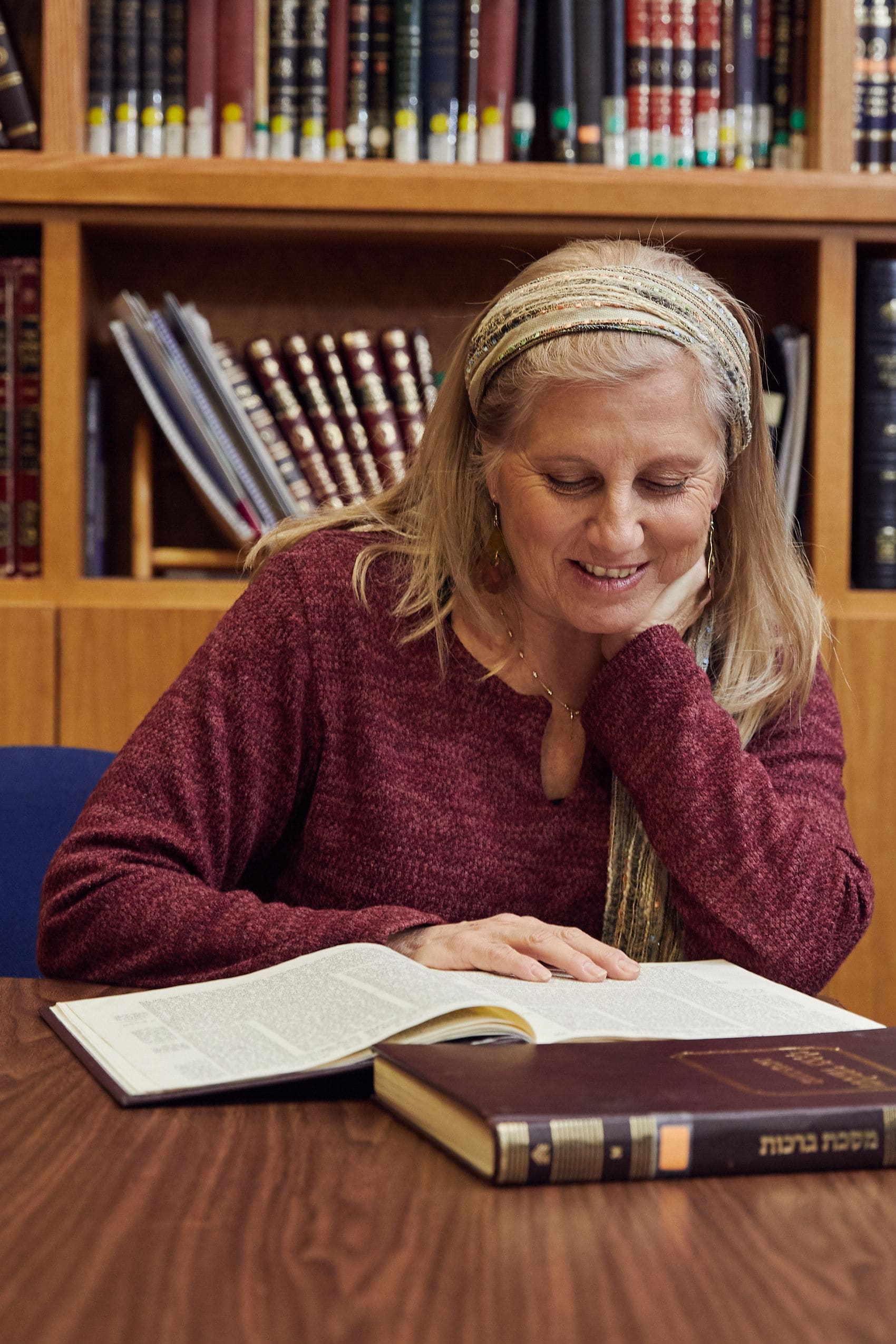
חיפה, ישראל
הייתי לפני שנתיים בסיום הדרן נשים בבנייני האומה והחלטתי להתחיל. אפילו רק כמה דפים, אולי רק פרק, אולי רק מסכת… בינתיים סיימתי רבע שס ותכף את כל סדר מועד בה.
הסביבה תומכת ומפרגנת. אני בת יחידה עם ארבעה אחים שכולם לומדים דף יומי. מדי פעם אנחנו עושים סיומים יחד באירועים משפחתיים. ממש מרגש. מסכת שבת סיימנו כולנו יחד עם אבא שלנו!
אני שומעת כל יום פודקאסט בהליכה או בנסיעה ואחכ לומדת את הגמרא.

מרכז שפירא, ישראל
הצטרפתי ללומדות בתחילת מסכת תענית. ההתרגשות שלי ושל המשפחה היתה גדולה מאוד, והיא הולכת וגוברת עם כל סיום שאני זוכה לו. במשך שנים רבות רציתי להצטרף ומשום מה זה לא קרה… ב”ה מצאתי לפני מספר חודשים פרסום של הדרן, ומיד הצטרפתי והתאהבתי. הדף היומי שינה את חיי ממש והפך כל יום- ליום של תורה. מודה לכן מקרב ליבי ומאחלת לכולנו לימוד פורה מתוך אהבת התורה ולומדיה.

חיספין רמת הגולן, ישראל
התחלתי בסיום הש”ס, יצאתי באורות. נשברתי פעמיים, ובשתיהם הרבנית מישל עודדה להמשיך איפה שכולם בסבב ולהשלים כשאוכל, וכך עשיתי וכיום השלמתי הכל. מדהים אותי שאני לומדת כל יום קצת, אפילו בחדר הלידה, בבידוד או בחו”ל. לאט לאט יותר נינוחה בסוגיות. לא כולם מבינים את הרצון, בפרט כפמניסטית. חשה סיפוק גדול להכיר את המושגים וצורת החשיבה. החלום זה להמשיך ולהתמיד ובמקביל ללמוד איך מהסוגיות נוצרה והתפתחה ההלכה.

מודיעין, ישראל
התחלתי כשהייתי בחופש, עם הפרסומים על תחילת המחזור, הסביבה קיבלה את זה כמשהו מתמיד ומשמעותי ובהערכה, הלימוד זה עוגן יציב ביום יום, יש שבועות יותר ויש שפחות אבל זה משהו שנמצא שם אמין ובעל משמעות בחיים שלי….

גמזו, ישראל
שמעתי על הסיום הענק של הדף היומי ע”י נשים בבנייני האומה. רציתי גם.
החלטתי להצטרף. התחלתי ושיכנעתי את בעלי ועוד שתי חברות להצטרף. עכשיו יש לי לימוד משותף איתו בשבת ומפגש חודשי איתן בנושא (והתכתבויות תדירות על דברים מיוחדים שקראנו). הצטרפנו לקבוצות שונות בווטסאפ. אנחנו ממש נהנות. אני שומעת את השיעור מידי יום (בד”כ מהרב יוני גוטמן) וקוראת ומצטרפת לסיומים של הדרן. גם מקפידה על דף משלהן (ונהנית מאד).

אפרת, ישראל
. לא תמיד נהניתי מלימוד גמרא כילדה.,בל כהתבגרתי התחלתי לאהוב את זה שוב. התחלתי ללמוד מסכת סוטה בדף היומי לפני כחמש עשרה שנה ואז הפסקתי.הגעתי לסיום הגדול של הדרן לפני שנתיים וזה נתן לי השראה. והתחלתי ללמוד למשך כמה ימים ואז היתה לי פריצת דיסק והפסקתי…עד אלול השנה. אז התחלתי עם מסכת ביצה וב”ה אני מצליחה לעמוד בקצב. המשפחה מאוד תומכת בי ויש כמה שגם לומדים את זה במקביל. אני אוהבת שיש עוגן כל יום.

בית שמש, ישראל
התחלתי בתחילת הסבב, והתמכרתי. זה נותן משמעות נוספת ליומיום ומאוד מחזק לתת לזה מקום בתוך כל שגרת הבית-עבודה השוטפת.

בית שמש, ישראל
התחלתי ללמוד דף יומי באמצע תקופת הקורונה, שאבא שלי סיפר לי על קבוצה של בנות שתיפתח ביישוב שלנו ותלמד דף יומי כל יום. הרבה זמן רציתי להצטרף לזה וזאת הייתה ההזדמנות בשבילי. הצטרפתי במסכת שקלים ובאמצע הייתה הפסקה קצרה. כיום אני כבר לומדת באולפנה ולומדת דף יומי לבד מתוך גמרא של טיינזלץ.

עתניאל, ישראל
בתחילת הסבב הנוכחי הצטברו אצלי תחושות שאני לא מבינה מספיק מהי ההלכה אותה אני מקיימת בכל יום. כמו כן, כאמא לבנות רציתי לתת להן מודל נשי של לימוד תורה
שתי הסיבות האלו הובילו אותי להתחיל ללמוד. נתקלתי בתגובות מפרגנות וסקרניות איך אישה לומדת גמרא..
כמו שרואים בתמונה אני ממשיכה ללמוד גם היום ואפילו במחלקת יולדות אחרי לידת ביתי השלישית.
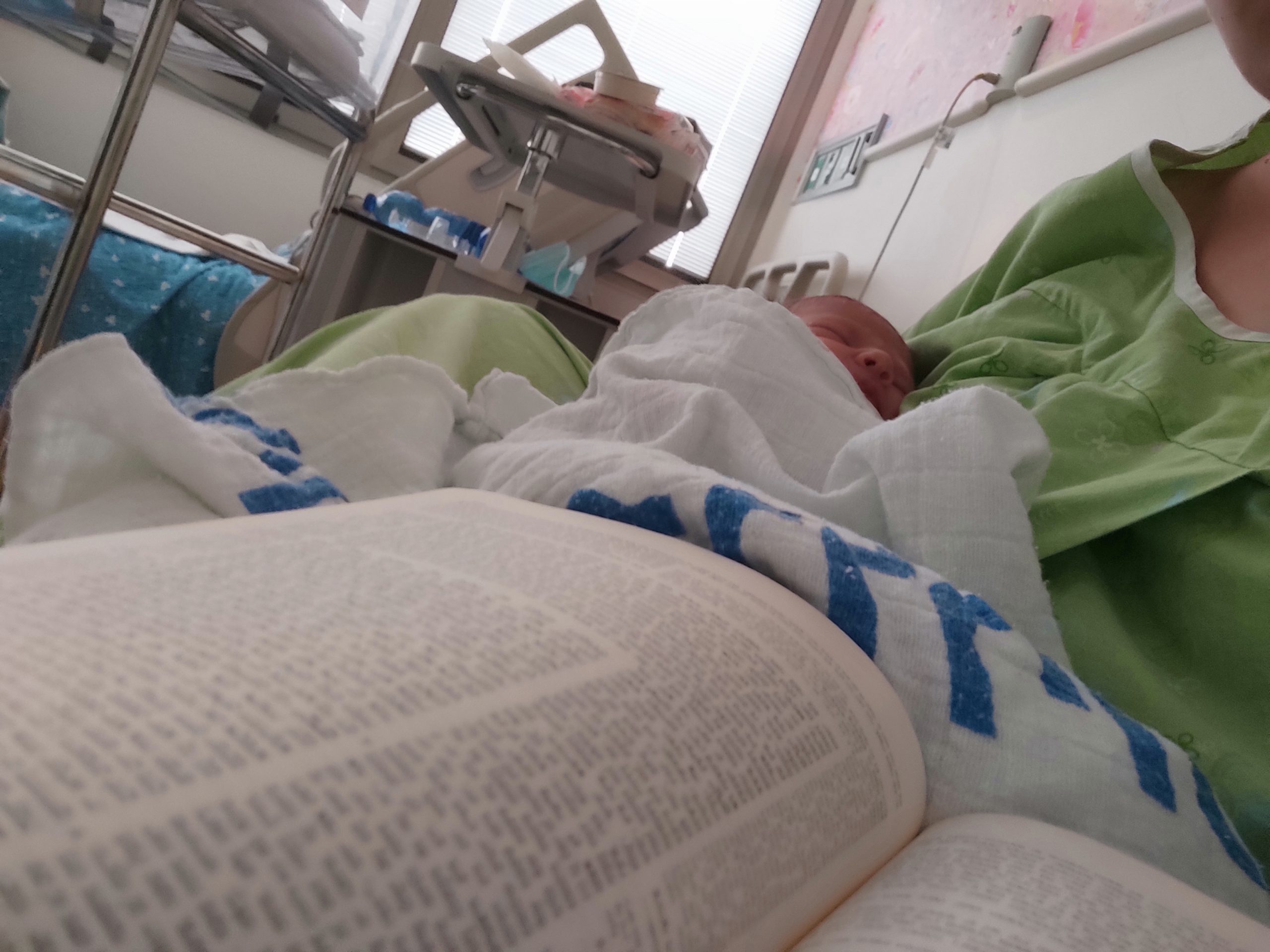
רבבה, ישראל
אמא שלי למדה איתי ש”ס משנה, והתחילה ללמוד דף יומי. אני החלטתי שאני רוצה ללמוד גם. בהתחלה למדתי איתה, אח”כ הצטרפתי ללימוד דף יומי שהרב דני וינט מעביר לנוער בנים בעתניאל. במסכת עירובין עוד חברה הצטרפה אלי וכשהתחלנו פסחים הרב דני פתח לנו שעור דף יומי לבנות. מאז אנחנו לומדות איתו קבוע כל יום את הדף היומי (ובשבת אבא שלי מחליף אותו). אני נהנית מהלימוד, הוא מאתגר ומעניין

עתניאל, ישראל
התחלתי לפני 8 שנים במדרשה. לאחרונה סיימתי מסכת תענית בלמידה עצמית ועכשיו לקראת סיום מסכת מגילה.

רעננה, ישראל
בתחילת הסבב הנוכחי הצטברו אצלי תחושות שאני לא מבינה מספיק מהי ההלכה אותה אני מקיימת בכל יום. כמו כן, כאמא לבנות רציתי לתת להן מודל נשי של לימוד תורה
שתי הסיבות האלו הובילו אותי להתחיל ללמוד. נתקלתי בתגובות מפרגנות וסקרניות איך אישה לומדת גמרא..
כמו שרואים בתמונה אני ממשיכה ללמוד גם היום ואפילו במחלקת יולדות אחרי לידת ביתי השלישית.
רבבה, ישראל
"התחלתי ללמוד דף יומי במחזור הזה, בח’ בטבת תש””ף. לקחתי על עצמי את הלימוד כדי ליצור תחום של התמדה יומיומית בחיים, והצטרפתי לקבוצת הלומדים בבית הכנסת בכפר אדומים. המשפחה והסביבה מתפעלים ותומכים.
בלימוד שלי אני מתפעלת בעיקר מכך שכדי ללמוד גמרא יש לדעת ולהכיר את כל הגמרא. זו מעין צבת בצבת עשויה שהיא עצומה בהיקפה.”
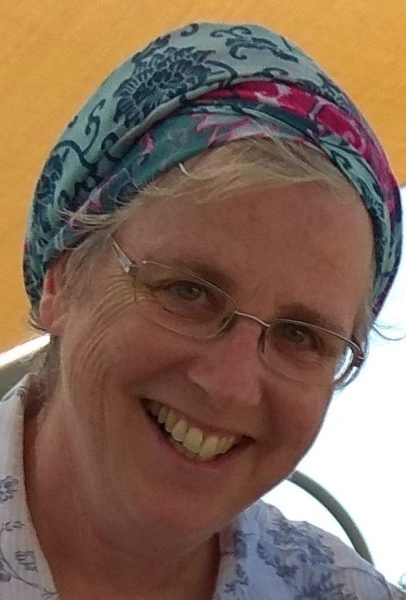
כפר אדומים, ישראל
סיום השס לנשים נתן לי מוטביציה להתחיל ללמוד דף יומי. עד אז למדתי גמרא בשבתות ועשיתי כמה סיומים. אבל לימוד יומיומי זה שונה לגמרי ופתאום כל דבר שקורה בחיים מתקשר לדף היומי.
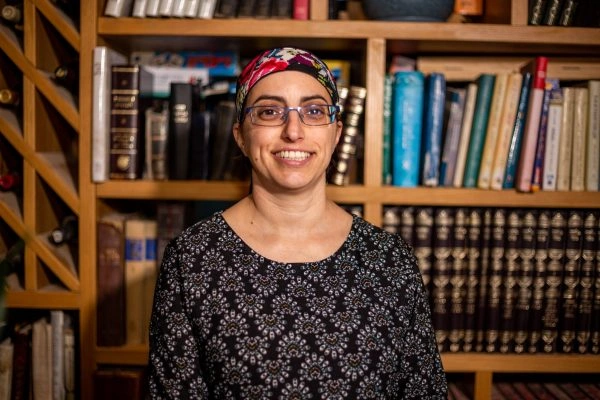
רתמים, ישראל
התחלתי ללמוד דף יומי ממסכת נידה כי זה היה חומר הלימוד שלי אז. לאחר הסיום הגדול בבנייני האומה החלטתי להמשיך. וב”ה מאז עם הפסקות קטנות של קורונה ולידה אני משתדלת להמשיך ולהיות חלק.
זה משפיע מאוד על היום יום שלי ועל אף שאני עסוקה בלימודי הלכה ותורה כל יום, זאת המסגרת הקבועה והמחייבת ביותר שיש לי.

גבעת הראל, ישראל
My explorations into Gemara started a few days into the present cycle. I binged learnt and become addicted. I’m fascinated by the rich "tapestry” of intertwined themes, connections between Masechtot, conversations between generations of Rabbanim and learners past and present all over the world. My life has acquired a golden thread, linking generations with our amazing heritage.
Thank you.

חשמונאים, Israel
התחלתי מעט לפני תחילת הסבב הנוכחי. אני נהנית מהאתגר של להמשיך להתמיד, מרגעים של "אהה, מפה זה הגיע!” ומהאתגר האינטלקטואלי

לוד, ישראל
התחלתי ללמוד דף יומי בתחילת מסכת ברכות, עוד לא ידעתי כלום. נחשפתי לסיום הש״ס, ובעצם להתחלה מחדש בתקשורת, הפתיע אותי לטובה שהיה מקום לעיסוק בתורה.
את המסכתות הראשונות למדתי, אבל לא סיימתי (חוץ מעירובין איכשהו). השנה כשהגעתי למדרשה, נכנסתי ללופ, ואני מצליחה להיות חלק, סיימתי עם החברותא שלי את כל המסכתות הקצרות, גם כשהיינו חולות קורונה ובבידודים, למדנו לבד, העיקר לא לצבור פער, ומחכות ליבמות 🙂

מזכרת בתיה, ישראל
רבנית מישל הציתה אש התלמוד בלבבות בביניני האומה ואני נדלקתי. היא פתחה פתח ותמכה במתחילות כמוני ואפשרה לנו להתקדם בצעדים נכונים וטובים. הקימה מערך שלם שמסובב את הלומדות בסביבה תומכת וכך נכנסתי למסלול לימוד מעשיר שאין כמוה. הדרן יצר קהילה גדולה וחזקה שמאפשרת התקדמות מכל נקודת מוצא. יש דיבוק לומדות שמחזק את ההתמדה של כולנו. כל פניה ושאלה נענית בזריזות ויסודיות. תודה גם למגי על כל העזרה.

נתניה, ישראל
מנחות צט
בִּשְׁלָמָא לְמַאן דְּאָמַר צָפוֹן וְדָרוֹם, שַׁפִּיר.
The Gemara continues: Granted, according to the one who said the tables were positioned along the width of the Sanctuary, from north to south, it works out well. According to this opinion there was enough room on the east and the west of the Table for the two priests arranging the new loaves to stand on one side of the Table and for the two priests removing the old loaves to stand on the other side.
אֶלָּא לְמַאן דְּאָמַר מִזְרָח וּמַעֲרָב, מִכְּדֵי שֻׁלְחָן כַּמָּה מָשׁוּךְ מִן הַכּוֹתֶל? שְׁתֵּי אַמּוֹת וּמֶחֱצָה, וְאַמָּה דִּידֵיהּ, וּשְׁתֵּי אַמּוֹת וּמֶחֱצָה דְּבֵינֵי בֵּינֵי.
But according to the one who said the tables were positioned along the length of the Sanctuary, from east to west, in which case the priests arranging and removing the shewbread would stand at the north and south of the Table, this is difficult. Now, consider how much space was taken up by the tables: How far was the Table removed from the northern wall of the Sanctuary? It was two and a half cubits away from the wall, as this is the space necessary for the two priests to pass. And to this one must add one cubit for the width of the northern row of tables itself, and another two and a half cubits that were between the northern row of five tables and Moses’ Table, as space for two priests to pass is required here as well.
וְאַמָּה, וּשְׁתֵּי אַמּוֹת וּמֶחֱצָה דְּבֵינֵי בֵּינֵי, וְאַמָּה דִּידֵיהּ – אִישְׁתְּכַח דְּקָאָכֵיל שׁוּלְחָן פַּלְגָא דְּאַמְּתָא בְּדָרוֹם.
The Gemara continues to calculate the area occupied by the tables: And then one must add one cubit for the width of the Table of Moses, and two and a half cubits that were between Moses’ Table and the southern row of tables, and another cubit for the width of the southern row itself. This totals ten and a half cubits, according to which it is found that the Table occupies half a cubit in the south of the Sanctuary, although the Table is supposed to be entirely in the north of the Sanctuary.
מִי סָבְרַתְּ שֻׁלְחָן דְּמֹשֶׁה בַּהֲדַיְיהוּ הֲוָה יָתֵיב? לָא, דְּמַידְלֵי לֵיהּ, וּמַנַּח לֵיהּ, וּמְיתַתֵּי לְהוּ לְדִידְהוּ פּוּרְתָּא, כְּתַלְמִיד הַיּוֹשֵׁב לִפְנֵי רַבּוֹ.
The Gemara answers: Do you maintain that the Table of Moses resided together with the other ten tables, i.e., parallel to them? It was not so. The Table of Moses was situated to the west of the other tables, in the space corresponding to the space between the two rows of tables, and its width should not be added to the width of the two rows of Solomon’s tables. All the tables were therefore situated in the north of the Sanctuary. Since the Temple was built on terrain that sloped downward from west to east, this means that the Table of Moses was raised above the tables of Solomon. The Table of Moses was placed to the west and the tables of Solomon were lowered slightly toward the east. Solomon’s tables therefore appeared in relation to Moses’ Table as a student who sits on a lower level before his teacher.
תָּנוּ רַבָּנַן: עֲשָׂרָה שֻׁלְחָנוֹת עָשָׂה שְׁלֹמֹה, וְלֹא הָיוּ מְסַדְּרִין אֶלָּא עַל שֶׁל מֹשֶׁה, שֶׁנֶּאֱמַר: ״וְאֶת הַשֻּׁלְחָן אֲשֶׁר עָלָיו לֶחֶם הַפָּנִים זָהָב״.
§ The Sages taught in a baraita: Solomon built ten tables that were situated in the Sanctuary, in addition to Moses’ Table, but the priests would arrange the shewbread only upon the Table of Moses. This is derived from a verse, as it is stated: “And Solomon made all the vessels that were in the House of the Lord, the golden altar, and the Table upon which the shewbread was, of gold” (I Kings 7:48), indicating that the shewbread was placed on only one Table.
עֶשֶׂר מְנוֹרוֹת עָשָׂה שְׁלֹמֹה, וְלֹא הָיוּ מַדְלִיקִין אֶלָּא בְּשֶׁל מֹשֶׁה, שֶׁנֶּאֱמַר: ״אֶת מְנוֹרַת הַזָּהָב וְנֵרֹתֶיהָ לְבָעֵר בָּעֶרֶב״.
Likewise, Solomon built ten candelabra, but the priests would kindle the lamps only on the Candelabrum of Moses. This is derived from a verse, as it is stated: “And they burn unto the Lord every morning and every evening burnt offerings and sweet incense; the shewbread also they arrange in order upon the pure Table, and the Candelabrum of gold with its lamps, to burn every evening” (II Chronicles 13:11). The singular form indicates that the lamps were kindled on only one Candelabrum.
רַבִּי אֶלְעָזָר בֶּן שַׁמּוּעַ אוֹמֵר: עַל כּוּלָּם הָיוּ מְסַדְּרִין, שֶׁנֶּאֱמַר: ״אֶת הַשֻּׁלְחָנוֹת וַעֲלֵיהֶם לֶחֶם הַפָּנִים״, וּבְכוּלָּן הָיוּ מַדְלִיקִין, שֶׁנֶּאֱמַר: ״אֶת הַמְּנֹרוֹת וְנֵרֹתֵיהֶם לְבַעֲרָם כַּמִּשְׁפָּט לִפְנֵי הַדְּבִיר זָהָב סָגוּר״.
Rabbi Elazar ben Shammua says: They would arrange the shewbread upon all the tables, as it is stated: “And Solomon made all the vessels that were in the House of God, the golden altar as well, and the tables upon which was the shewbread” (II Chronicles 4:19). The plural form indicates that the shewbread was arranged on all the tables. And they would kindle the lamps on all the candelabra, as it is stated in the subsequent verse: “And the candelabra with their lamps, which they should burn according to the ordinance before the Sanctuary, of pure gold” (II Chronicles 4:20).
רַבִּי יוֹסֵי בְּרַבִּי יְהוּדָה אוֹמֵר: לֹא הָיוּ מְסַדְּרִין אֶלָּא עַל שֶׁל מֹשֶׁה, אֶלָּא מָה אֲנִי מְקַיֵּים ״וְאֶת הַשֻּׁלְחָנוֹת אֲשֶׁר עֲלֵיהֶם לֶחֶם הַפָּנִים זָהָב״? אֵלּוּ שְׁלֹשָׁה שֻׁלְחָנוֹת שֶׁהָיוּ בַּמִּקְדָּשׁ: שְׁנַיִם שֶׁהָיוּ בְּאוּלָם מִבִּפְנִים לְפֶתַח הַבַּיִת, אֶחָד שֶׁל כֶּסֶף וְאֶחָד שֶׁל זָהָב.
Rabbi Yosei, son of Rabbi Yehuda, says: They would arrange the shewbread only upon the Table of Moses. Rather, how do I realize the meaning of the verse: “And the tables upon which was the shewbread…of pure gold” (II Chronicles 4:19–20)? These are the three tables that were in the Temple, of which there were two that were situated in the Entrance Hall to the Sanctuary, on the inside near to the entrance to the Temple, i.e., near the entrance to the Sanctuary. One of these tables was made of silver, and the other one was made of gold.
עַל שֶׁל כֶּסֶף נוֹתֵן לֶחֶם הַפָּנִים בִּכְנִיסָתוֹ, וְעַל שֶׁל זָהָב בִּיצִיאָתוֹ, שֶׁמַּעֲלִין בַּקּוֹדֶשׁ וְלֹא מוֹרִידִין. אֶחָד שֶׁל זָהָב בִּפְנִים, שֶׁעָלָיו לֶחֶם הַפָּנִים תָּמִיד.
On the table of silver the priest places the new shewbread that has been baked, before its entrance into the Sanctuary, so that the loaves may cool a little from the heat of the oven. And when the old shewbread is removed from the shewbread Table it is placed on the table of gold upon its exit from the Sanctuary, until the frankincense is burned on the altar. The reason the shewbread is placed on a silver table before it is brought into the Sanctuary and on a gold one when it is removed is that one elevates to a higher level in matters of sanctity and one does not downgrade. Since it is set on the gold shewbread Table all week, it cannot be downgraded to a silver table upon its removal. The Gemara concludes: The third of the three tables is the one Table of gold inside the Sanctuary upon which the shewbread is always found.
וּמְנָא לַן דְּאֵין מוֹרִידִין? אָמַר רַבִּי: דְּאָמַר קְרָא: ״וַיָּקֶם מֹשֶׁה אֶת הַמִּשְׁכָּן וַיִּתֵּן אֶת אֲדָנָיו וַיָּשֶׂם אֶת קְרָשָׁיו וַיִּתֵּן אֶת בְּרִיחָיו וַיָּקֶם אֶת עַמּוּדָיו״.
The Gemara asks: And from where do we derive that one does not downgrade in matters of sanctity? Rabbi Yehuda HaNasi said: This is derived from a verse, as the verse states: “And Moses erected the Tabernacle, and he laid its sockets, and set up its boards, and put in its bars, and erected its pillars” (Exodus 40:18). This teaches that once Moses, who was at a greater level of sanctity than the rest of the people, began the work of erecting the Tabernacle, he alone completed it.
וּמְנָלַן דְּמַעֲלִין? אָמַר רַבִּי אַחָא בַּר יַעֲקֹב: דְּאָמַר קְרָא ״אֵת מַחְתּוֹת הַחַטָּאִים הָאֵלֶּה בְּנַפְשֹׁתָם וְעָשׂוּ אֹתָם רִקֻּעֵי פַחִים צִפּוּי לַמִּזְבֵּחַ כִּי הִקְרִיבֻם לִפְנֵי ה׳ וַיִּקְדָּשׁוּ וְיִהְיוּ לְאוֹת לִבְנֵי יִשְׂרָאֵל״ – בַּתְּחִילָּה תַּשְׁמִישֵׁי מִזְבֵּחַ, וְעַכְשָׁיו גּוּפוֹ שֶׁל מִזְבֵּחַ.
The Gemara asks: And from where do we derive that one elevates to a higher level in matters of sanctity? Rabbi Aḥa bar Ya’akov said: This is derived from a verse, as the verse states with regard to the coal pans of the men of Korah’s assembly, in which they burned incense before they were consumed by a fire: “The coal pans of these men who have sinned at the cost of their lives, and let them be made beaten plates for a covering of the altar, for they have become sacred because they were brought before the Lord, that they may be a sign to the children of Israel” (Numbers 17:3). Initially the coal pans had the status of articles used in the service of the altar, as they contained the incense, and now that they have been made into a covering for the altar their status has been elevated to that of the altar itself.
״אֲשֶׁר שִׁבַּרְתָּ וְשַׂמְתָּם בָּאָרוֹן״ – תָּנֵי רַב יוֹסֵף: מְלַמֵּד שֶׁהַלּוּחוֹת וְשִׁבְרֵי לוּחוֹת מוּנָּחִין בָּאָרוֹן. מִכָּאן לְתַלְמִיד חָכָם שֶׁשָּׁכַח תַּלְמוּדוֹ מֵחֲמַת אוֹנְסוֹ, שֶׁאֵין נוֹהֲגִין בּוֹ מִנְהַג בִּזָּיוֹן.
§ Having mentioned the principle that one does not downgrade in matters of sanctity, the Gemara cites a related issue. The verse states: “At that time the Lord said to me: Hew for yourself two tablets of stone like the first…And I will write on the tablets the words that were on the first tablets, which you broke, and you shall put them in the Ark” (Deuteronomy 10:1–2). Rav Yosef teaches a baraita: This verse teaches that both the tablets of the Covenant and the pieces of the broken tablets are placed in the Ark. One should learn from here that with regard to a Torah scholar who has forgotten his Torah knowledge due to circumstances beyond his control, e.g., illness, one may not behave toward him in a degrading manner. Although the first tablets were broken it is prohibited to treat them with disrespect, due to their sanctity. A Torah scholar who forgot the Torah knowledge he once possessed is likened to these broken tablets.
(סִימָן ״בִּיטֵּל״ ״סָרַח״ ״וְשָׁכַח״).
The Gemara notes a mnemonic for the following three statements of Reish Lakish, which are all related to the concept stated by Rav Yosef: One who caused dereliction of the study of Torah for the sake of a mitzva, a Torah scholar who sinned, and a Torah scholar who forgot his studies.
אָמַר רֵישׁ לָקִישׁ: פְּעָמִים
Reish Lakish says: Sometimes
שֶׁבִּיטּוּלָהּ שֶׁל תּוֹרָה זֶהוּ יִסּוּדָהּ, דִּכְתִיב: ״אֲשֶׁר שִׁבַּרְתָּ״, אָמַר לוֹ הַקָּדוֹשׁ בָּרוּךְ הוּא לְמֹשֶׁה: יִישַׁר כֹּחֲךָ שֶׁשִּׁבַּרְתָּ.
the apparent dereliction of the study of Torah is its foundation, e.g., if one breaks off his studies in order to participate in a funeral or a wedding procession. This is derived from a verse, as it is written: “And the Lord said to Moses: Hew for yourself two tablets of stone like the first, and I will write upon the tablets the words that were on the first tablets, which [asher] you broke” (Exodus 34:1). The word “asher” is an allusion to the fact that that the Holy One, Blessed be He, said to Moses: Your strength is true [yishar koḥakha] in that you broke the tablets, as the breaking of the first tablets led to the foundation of the Torah through the giving of the second tablets.
וְאָמַר רֵישׁ לָקִישׁ: תַּלְמִיד חָכָם שֶׁסָּרַח, אֵין מְבַזִּין אוֹתוֹ בְּפַרְהֶסְיָא, שֶׁנֶּאֱמַר: ״וְכָשַׁלְתָּ הַיּוֹם וְכָשַׁל גַּם נָבִיא עִמְּךָ לָיְלָה״ – כַּסֵּהוּ כַּלַּיְלָה.
And Reish Lakish says: With regard to a Torah scholar who sinned, he is not disgraced in public, as it is stated: “Therefore, you shall stumble in the day, and the prophet also shall stumble with you in the night” (Hosea 4:5). One can derive from the verse that if a prophet or any other Torah scholar stumbles and sins, one should conceal his offense like the night and not punish him in public.
וְאָמַר רֵישׁ לָקִישׁ: כׇּל הַמְשַׁכֵּחַ דָּבָר אֶחָד מִתַּלְמוּדוֹ עוֹבֵר בְּלָאו, שֶׁנֶּאֱמַר: ״הִשָּׁמֶר לְךָ וּשְׁמֹר נַפְשְׁךָ מְאֹד פֶּן תִּשְׁכַּח אֶת הַדְּבָרִים״, וְכִדְרַבִּי אָבִין אָמַר רַבִּי אִילְעָא, דְּאָמַר רַבִּי אָבִין אָמַר רַבִּי אִילְעָא: כׇּל מָקוֹם שֶׁנֶּאֱמַר ״הִשָּׁמֶר״, ״פֶּן״, וְ״אַל״ – אֵינוֹ אֶלָּא לֹא תַעֲשֶׂה.
And Reish Lakish says: Anyone who causes himself to forget even one matter from his studies violates a prohibition, as it is stated with regard to the receiving of the Torah on Mount Sinai: “Only observe for yourself, and guard your soul diligently, lest you forget the matters that your eyes saw, and lest they depart from your heart all the days of your life, but you should make them known to your children and to your children’s children” (Deuteronomy 4:9). And this is in accordance with the principle that Rabbi Avin says that Rabbi Ile’a says, as Rabbi Avin says that Rabbi Ile’a says: Wherever it is stated: Observe, or: Lest, or: Do not, it is nothing other than a prohibition.
רָבִינָא אָמַר: ״הִשָּׁמֶר״ וּ״פֶן״ שְׁנֵי לָאוִין נִינְהוּ. רַב נַחְמָן בַּר יִצְחָק אָמַר: בִּשְׁלֹשָׁה לָאוִין, שֶׁנֶּאֱמַר: ״הִשָּׁמֶר לְךָ וּשְׁמֹר נַפְשְׁךָ מְאֹד פֶּן תִּשְׁכַּח אֶת הַדְּבָרִים״.
Ravina says: One who forgets his studies violates two prohibitions, as the verse uses both the term “observe” and the term “lest,” and these are two prohibitions. Rav Naḥman bar Yitzḥak says: He violates three prohibitions, as it is stated: “Only observe for yourself, and guard your soul diligently, lest you forget the matters that your eyes saw.” The term “Guard your soul” is derived from the same root as “observe” and is considered an additional prohibition.
יָכוֹל אֲפִילּוּ מֵחֲמַת אוֹנְסוֹ? תַּלְמוּד לוֹמַר ״וּפֶן יָסוּרוּ מִלְּבָבְךָ״ – בִּמְסִירָם מִלִּבּוֹ הַכָּתוּב מְדַבֵּר. רַבִּי דּוֹסְתַּאי בְּרַבִּי יַנַּאי אָמַר: יָכוֹל אֲפִילּוּ תָּקְפָה עָלָיו מִשְׁנָתוֹ? תַּלְמוּד לוֹמַר ״רַק״.
The Gemara qualifies this statement: One might have thought this applies even to one who forgot his Torah knowledge due to circumstances beyond his control. Therefore, the verse states: “And lest they depart from your heart.” This indicates that the verse is speaking of one who willingly causes them to depart from his heart. Rabbi Dostai, son of Rabbi Yannai, says: One might have thought that this applies even if his studies were too hard for him to remember. Therefore, the verse states: “Only,” which excludes one who is unable to recall his studies.
רַבִּי יוֹחָנָן וְרַבִּי אֶלְעָזָר דְאָמְרִי תַּרְוַיְיהוּ: תּוֹרָה נִיתְּנָה בְּאַרְבָּעִים, וּנְשָׁמָה נוֹצְרָה בְּאַרְבָּעִים. כׇּל הַמְשַׁמֵּר תּוֹרָתוֹ – נִשְׁמָתוֹ מִשְׁתַּמֶּרֶת, וְכֹל שֶׁאֵינוֹ מְשַׁמֵּר אֶת הַתּוֹרָה – אֵין נִשְׁמָתוֹ מִשְׁתַּמֶּרֶת.
Rabbi Yoḥanan and Rabbi Elazar both say: The Torah was given in forty days, when Moses ascended to Mount Sinai to receive it, and similarly the soul of man is formed in forty days, as the formation of the fetus in the womb takes forty days from the time of conception. This teaches that anyone who preserves his Torah studies, his soul is likewise preserved, and anyone who does not preserve his Torah studies, his soul is not preserved either.
תָּנָא דְּבֵי רַבִּי יִשְׁמָעֵאל: מָשָׁל לְאָדָם שֶׁמָּסַר צִפּוֹר דְּרוֹר לְעַבְדּוֹ, אָמַר: כִּמְדוּמֶּה אַתָּה שֶׁאִם אַתָּה מְאַבְּדָהּ שֶׁאֲנִי נוֹטֵל מִמְּךָ אִיסָּר בְּדָמֶיהָ? נִשְׁמָתְךָ אֲנִי נוֹטֵל מִמְּךָ!
The school of Rabbi Yishmael taught: This can be illustrated by a parable, as it is comparable to a person who delivered a sparrow to his slave for safekeeping, and said to him: Are you under the impression that if you lose it I will take from you an issar, a small coin, which is the value of the bird? It is not so; I will take your soul from you as punishment, meaning I will kill you. Similarly, one who fails to preserve the Torah entrusted to him will be severely punished.
מַתְנִי׳ שְׁנֵי שׁוּלְחָנוֹת הָיוּ בָּאוּלָם מִבִּפְנִים, עַל פֶּתַח הַבַּיִת, אֶחָד שֶׁל שַׁיִישׁ וְאֶחָד שֶׁל זָהָב. עַל שֶׁל שַׁיִישׁ נוֹתְנִים לֶחֶם הַפָּנִים בִּכְנִיסָתוֹ, וְעַל שֶׁל זָהָב בִּיצִיאָתוֹ.
MISHNA: There were two tables in the Entrance Hall, on the inside of the Entrance Hall, next to the entrance to the Temple, i.e., next to the entrance to the Sanctuary. One was of marble and one was of gold. On the table of marble, the priests place the new shewbread that has been baked, before its entrance into the Sanctuary, so that the loaves may cool a little from the heat of the oven and not spoil. And when the old shewbread is removed from the shewbread Table it is placed on the table of gold upon its exit from the Sanctuary, where it remains until the frankincense is burned on the altar.
שֶׁמַּעֲלִין בַּקּוֹדֶשׁ וְלֹא מוֹרִידִין. וְאֶחָד שֶׁל זָהָב מִבִּפְנִים, שֶׁעָלָיו לֶחֶם הַפָּנִים תָּמִיד.
The reason the shewbread is placed on a gold table when it is removed, rather than on a marble or silver table, is that one elevates to a higher level in matters of sanctity and one does not downgrade. Since it is set on the gold shewbread Table all week, it cannot be downgraded to a marble or silver table upon its removal. And there was one Table of gold within the Sanctuary, upon which the shewbread is always found.
וְאַרְבָּעָה כֹּהֲנִים נִכְנָסִין, שְׁנַיִם בְּיָדָם שְׁנֵי סְדָרִים, וּשְׁנַיִם בְּיָדָם שְׁנֵי בָּזִיכִין, וְאַרְבָּעָה מַקְדִּימִין לִפְנֵיהֶם, שְׁנַיִם לִיטּוֹל שְׁנֵי סְדָרִים, וּשְׁנַיִם לִיטּוֹל שְׁנֵי בָּזִיכִין.
The mishna describes the manner in which it is ensured that the shewbread is constantly on the Table: And four priests enter, two with the two arrangements of the new shewbread in their hands and two with the two bowls of frankincense in their hands. And four priests precede them, entering the Sanctuary before them, two to take the two arrangements of the old shewbread from the Table, and two to take the two bowls of frankincense.
הַמַּכְנִיסִים עוֹמְדִים בַּצָּפוֹן, וּפְנֵיהֶם לַדָּרוֹם, וְהַמּוֹצִיאִין עוֹמְדִים בַּדָּרוֹם, וּפְנֵיהֶם בַּצָּפוֹן. אֵלּוּ מוֹשְׁכִין, וְאֵלּוּ מַנִּיחִין, וְטִפְחוֹ שֶׁל זֶה כְּנֶגֶד טִפְחוֹ שֶׁל זֶה, שֶׁנֶּאֱמַר: ״לְפָנַי תָּמִיד״.
Those bringing the new shewbread into the Sanctuary stand in the north and their faces are to the south, and those removing the old shewbread stand in the south and their faces are to the north. These priests draw the old shewbread from the Table and those priests place the new shewbread on the Table, and for each handbreadth of this old shewbread that is removed from the Table a handbreadth of that new shewbread is placed upon the Table, so that the Table is never without loaves upon it, as it is stated: “And you shall set upon the Table shewbread before Me always” (Exodus 25:30).
רַבִּי יוֹסֵי אוֹמֵר: אֲפִילּוּ אֵלּוּ נוֹטְלִין וְאֵלּוּ מַנִּיחִין, אַף הִיא הָיְתָה ״תָּמִיד״.
Rabbi Yosei says: Even if these priests were to remove the shewbread from the Table entirely, and only afterward those priests were to place the new shewbread upon the Table, this too would fulfill the requirement that the shewbread always be on the Table. It is unnecessary to ensure the uninterrupted presence of the shewbread upon the Table, as long as it does not remain a single night without shewbread upon it.
יָצְאוּ וּנְתָנוּם עַל שֻׁלְחָן הַזָּהָב שֶׁהָיָה בָּאוּלָם, הִקְטִירוּ הַבָּזִיכִין, וְהַחַלּוֹת מִתְחַלְּקוֹת לַכֹּהֲנִים.
The mishna describes the manner in which the shewbread is distributed: The priests who carried the old shewbread loaves came out of the Sanctuary and placed them on the table of gold that was in the Entrance Hall. The priests then burned on the altar the frankincense that was in the bowls. And the loaves were subsequently distributed to the priests. This occurred on Shabbat, the day that the priestly watch that served in the Temple during the preceding week was replaced by the priestly watch that would serve during the following week. The shewbread was distributed to the priests of both watches.
חָל יוֹם כִּיפּוּרִים לִהְיוֹת בְּשַׁבָּת, הַחַלּוֹת מִתְחַלְּקוֹת לָעֶרֶב. חָל לִהְיוֹת בְּעֶרֶב שַׁבָּת, שָׂעִיר שֶׁל יוֹם הַכִּפּוּרִים נֶאֱכָל לָעֶרֶב, וְהַבַּבְלִיִּים אוֹכְלִין אוֹתוֹ כְּשֶׁהוּא חַי, מִפְּנֵי שֶׁדַּעְתָּן יָפָה.
If Yom Kippur occurs on Shabbat, the loaves are distributed at night, at the conclusion of the fast, since they may not be eaten during the day. If Yom Kippur occurs on Friday, i.e., when the holy day begins on Thursday evening, the goat sin offering of Yom Kippur is eaten by the priests at night, i.e., on Friday night, as it may be eaten only on the day that it is sacrificed or during the following night, until midnight. And since there is no possibility of cooking the meat, as one may not cook on Yom Kippur or Shabbat, the Babylonians, i.e., priests who had emigrated from Babylonia, eat it when it is raw, due to the fact that they are broad-minded with regard to their food, i.e., they are not particular and will eat meat even when it is not cooked.
גְּמָ׳ תַּנְיָא: רַבִּי יוֹסֵי אוֹמֵר, אֲפִילּוּ סִילֵּק אֶת הַיְּשָׁנָה שַׁחֲרִית וְסִידֵּר אֶת הַחֲדָשָׁה עַרְבִית – אֵין בְּכָךְ כְּלוּם, אֶלָּא מָה אֲנִי מְקַיֵּים ״לְפָנַי תָּמִיד״? שֶׁלֹּא יָלִין שֻׁלְחָן בְּלֹא לֶחֶם.
GEMARA: The mishna teaches that according to Rabbi Yosei, even if the priest first removes the old shewbread entirely, and only then places the new shewbread upon the Table, this fulfills the requirement that the shewbread always be on the Table. Moreover, it is taught in a baraita that Rabbi Yosei says: Even if the priest removed the old shewbread on the morning of Shabbat, and arranged the new shewbread toward evening, there is nothing wrong with that. Rather, how do I realize the meaning of the verse: “And you shall set upon the Table shewbread before Me always” (Exodus 25:30)? This means that the Table should not be left overnight without bread upon it.
אָמַר רַבִּי אַמֵּי: מִדְּבָרָיו שֶׁל רַבִּי יוֹסֵי נִלְמוֹד, אֲפִילּוּ לֹא שָׁנָה אָדָם אֶלָּא פֶּרֶק אֶחָד שַׁחֲרִית וּפֶרֶק אֶחָד עַרְבִית – קִיֵּים מִצְוַת ״לֹא יָמוּשׁ (אֵת) סֵפֶר הַתּוֹרָה הַזֶּה מִפִּיךָ״.
The baraita teaches that according to Rabbi Yosei, even if the old shewbread remained on the Table for a short while in the morning, and the new shewbread was placed on the Table toward evening, and even though it did not reside constantly on the Table, this fulfills the requirement that the shewbread should always be on the Table. Rabbi Ami says: From Rabbi Yosei’s statement we may learn that even if a person learned only one chapter of the Mishna in the morning and one chapter of the Mishna in the evening, he has thereby fulfilled the mitzva of: “This Torah scroll shall not depart from your mouth, and you shall contemplate in it day and night, that you may take heed to do according to all that is written in it, for then you shall make your ways prosperous, and then you shall have good success” (Joshua 1:8).
אָמַר רַבִּי יוֹחָנָן מִשּׁוּם רַבִּי שִׁמְעוֹן בֶּן יוֹחַי: אֲפִילּוּ לֹא קָרָא אָדָם אֶלָּא קְרִיַּת שְׁמַע שַׁחֲרִית וְעַרְבִית – קִיֵּים ״לֹא יָמוּשׁ״, וְדָבָר זֶה אָסוּר לְאוֹמְרוֹ בִּפְנֵי עַמֵּי הָאָרֶץ, וְרָבָא אָמַר: מִצְוָה לְאוֹמְרוֹ בִּפְנֵי עַמֵּי הָאָרֶץ.
Rabbi Yoḥanan says in the name of Rabbi Shimon ben Yoḥai: Even if a person recited only the recitation of Shema in the morning and in the evening, he has fulfilled the mitzva of: “This Torah scroll shall not depart from your mouth.” And it is prohibited to state this matter in the presence of ignoramuses [amei ha’aretz], as they are likely to get the impression that there is no need to study Torah beyond this. And Rava says: On the contrary, it is a mitzva to state this matter in the presence of ignoramuses, as they will realize that if merely reciting the Shema leads to such a great reward, all the more so how great is the reward of those who study Torah all day and night.
שָׁאַל בֶּן דָּמָה, בֶּן אֲחוֹתוֹ שֶׁל רַבִּי יִשְׁמָעֵאל, אֶת רַבִּי יִשְׁמָעֵאל: כְּגוֹן אֲנִי, שֶׁלָּמַדְתִּי כׇּל הַתּוֹרָה כּוּלָּהּ, מַהוּ לִלְמוֹד חׇכְמַת יְוָנִית? קָרָא עָלָיו הַמִּקְרָא הַזֶּה: ״לֹא יָמוּשׁ סֵפֶר הַתּוֹרָה הַזֶּה מִפִּיךָ וְהָגִיתָ בּוֹ יוֹמָם וָלַיְלָה״. צֵא וּבְדוֹק שָׁעָה שֶׁאֵינָהּ לֹא מִן הַיּוֹם וְלֹא מִן הַלַּיְלָה, וּלְמוֹד בָּהּ חׇכְמַת יְוָנִית.
Ben Dama, son of Rabbi Yishmael’s sister, asked Rabbi Yishmael: In the case of one such as I, who has learned the entire Torah, what is the halakha with regard to studying Greek wisdom? Rabbi Yishmael recited this verse about him: “This Torah scroll shall not depart from your mouth, and you shall contemplate in it day and night.” Go and search for an hour that is neither part of the day nor part of the night, and learn Greek wisdom in it.
וּפְלִיגָא דְּרַבִּי שְׁמוּאֵל בַּר נַחְמָנִי, דְּאָמַר רַבִּי שְׁמוּאֵל בַּר נַחְמָנִי אָמַר רַבִּי יוֹנָתָן: פָּסוּק זֶה אֵינוֹ לֹא חוֹבָה וְלֹא מִצְוָה, אֶלָּא בְּרָכָה. רָאָה הַקָּדוֹשׁ בָּרוּךְ הוּא אֶת יְהוֹשֻׁעַ שֶׁדִּבְרֵי תוֹרָה חֲבִיבִים עָלָיו בְּיוֹתֵר, שֶׁנֶּאֱמַר: ״וּמְשָׁרְתוֹ יְהוֹשֻׁעַ בִּן נוּן נַעַר לֹא יָמִישׁ מִתּוֹךְ הָאֹהֶל״. אָמַר לוֹ הַקָּדוֹשׁ בָּרוּךְ הוּא: יְהוֹשֻׁעַ, כׇּל כָּךְ חֲבִיבִין עָלֶיךָ דִּבְרֵי תוֹרָה? ״לֹא יָמוּשׁ סֵפֶר הַתּוֹרָה הַזֶּה מִפִּיךָ״.
The Gemara notes: And this statement of Rabbi Yishmael’s disagrees with the opinion of Rabbi Shmuel bar Naḥmani, as Rabbi Shmuel bar Naḥmani says that Rabbi Yonatan says: This verse is neither an obligation nor a mitzva, but a blessing. Rabbi Yonatan explains: The Holy One, Blessed be He, saw Joshua and observed that the words of Torah were very precious to him, as it is stated: “And the Lord spoke to Moses face-to-face…and his servant Joshua, son of Nun, a young man, did not depart from the Tent” (Exodus 33:11). The Holy One, Blessed be He, said to Joshua: Joshua, are the words of Torah so precious to you? I bless you that “this Torah scroll shall not depart from your mouth.”
תָּנָא דְּבֵי רַבִּי יִשְׁמָעֵאל: דִּבְרֵי תוֹרָה לֹא יְהוּ עָלֶיךָ חוֹבָה, וְאִי אַתָּה רַשַּׁאי לִפְטוֹר עַצְמְךָ מֵהֶן.
The tanna of the school of Rabbi Yishmael teaches: The words of Torah should not be considered as an obligation upon you, i.e., one should not treat Torah study as a burden, but at the same time you are not permitted to exempt yourself from them.
אָמַר חִזְקִיָּה: מַאי דִּכְתִיב ״וְאַף הֲסִיתְךָ מִפִּי צָר רַחַב לֹא מוּצָק תַּחְתֶּיהָ״? בּוֹא וּרְאֵה שֶׁלֹּא כְּמִדַּת הַקָּדוֹשׁ בָּרוּךְ הוּא מִדַּת בָּשָׂר וְדָם. מִדַּת בָּשָׂר וָדָם אָדָם מֵסִית אֶת חֲבֵירוֹ מִדַּרְכֵי חַיִּים לְדַרְכֵי מִיתָה, וְהַקָּדוֹשׁ בָּרוּךְ הוּא מֵסִית אֶת הָאָדָם מִדַּרְכֵי מִיתָה לְדַרְכֵי חַיִּים, שֶׁנֶּאֱמַר ״וְאַף הֲסִיתְךָ מִפִּי צָר״ מִגֵּיהִנָּם, שֶׁפִּיהָ צָר, שֶׁעֲשָׁנָהּ צָבוּר
Ḥizkiyya said: What is the meaning of that which is written: “He delivers the afflicted due to His affliction, and opens their ear by tribulation; and also He has allured you out of a narrow opening to a broad place without confines below it, and that which is set on your table is full of fatness” (Job 36:15–16)? Come and see that the attribute of flesh and blood is unlike the attribute of the Holy One, Blessed be He. The attribute of flesh and blood is that a person allures another from the paths of life to the paths of death, but the Holy One, Blessed be He, allures the person from the paths of death to the paths of life, as it is stated: “And also He has allured you out of a narrow opening,” i.e., from Gehenna, the opening of which is narrow so that its smoke is collected

