חיפוש

נזיר י

רוצה להקדיש שיעור?

podcast placeholder

0:00
0:00


תקציר

הדף היום מוקדש ע”י טינה לאם לע”נ סבה, גרשון בן יוחנן הכהן וחיה טובה.

אם מישהו אמר "אמרה פרה הריני נזירה אם עומדת אני” או "אמרה דלת זו הריני נזירה אם נפתחה אני”, בית שמאי ובית הלל חלוקים בשאלה האם האדם הופך לנזיר בהכרזה זו. רבי יהודה אומר, כמו במשנה הקודמת, בית שמאי התכוונו לזה רק אם הסבירו שלקח על עצמו כקרבן ​​ואז יאסור הפרה/דלת כנדר ולא האדם כנזיר. הגמרא שואלת איך אנחנו יכולים לדון בפרה/דלת המדברות? רמי בר חמא ורבא מביאים כל אחד הסברים למשנה. רבא דוחה את הסברו של רמי בר חמא כיוון שהוא אינו תואם את נוסח המשנה. גם ההסבר של רבא נדחה, אבל הוא מנסה עוד שני ניסיונות להסביר את המשנה עד שהוא מוצא הסבר שאינו נדחה.

נזיר י

אוֹ כְּמִנְחַת סוֹטָה — תִּקְדּוֹשׁ, אִי לָא — לָא. קָא מַשְׁמַע לַן דְּמַיְיתֵי מִן הַחִיטִּים.

or like the meal-offering of a sota, both of which are made of barley, it should become consecrated, and if it is not possible to volunteer a meal-offering from barley, it should not be a meal-offering at all. The mishna therefore teaches us that one nevertheless brings a meal-offering made from wheat. Rabbi Yoḥanan holds that the difficulty raised by Ḥizkiyya against his own explanation is inconclusive, and he need not have retracted it.

מַתְנִי׳ אָמַר: ״אָמְרָה פָּרָה זוֹ הֲרֵינִי נְזִירָה אִם עוֹמֶדֶת אֲנִי״, ״אוֹמֵר הַדֶּלֶת הַזֶּה הֲרֵינִי נְזִירָה אִם נִפְתָּח אֲנִי״ — בֵּית שַׁמַּאי אוֹמְרִים: נָזִיר, וּבֵית הִלֵּל אוֹמְרִים: אֵינוֹ נָזִיר. אָמַר רַבִּי יְהוּדָה: אַף כְּשֶׁאָמְרוּ בֵּית שַׁמַּאי, לֹא אוֹמְרִים אֶלָּא בְּאוֹמֵר ״הֲרֵי פָּרָה זוֹ עָלַי קׇרְבָּן, אִם עוֹמֶדֶת הִיא״.

MISHNA: If one said: This cow said: I am hereby a nazirite if I stand up; or if he said: This door says: I am hereby a nazirite if I am opened, Beit Shammai say he is a nazirite, and Beit Hillel say he is not a nazirite. Rabbi Yehuda said: Even when Beit Shammai say that the vow is effective, they say so only with regard to one who said: This cow is hereby forbidden to me as an offering if it stands up. In that case it is as if he took a vow that the cow is forbidden. However, Beit Shammai concede that although the vow takes effect, it is not a vow of naziriteship.

גְּמָ׳ פָּרָה מִי קָא מִישְׁתַּעְיָא? אָמַר רָמֵי בַּר חָמָא: הָכָא בְּמַאי עָסְקִינַן — כְּגוֹן שֶׁהָיְתָה פָּרָה רְבוּצָה לְפָנָיו, וְאָמַר: ״כִּסְבוּרָה פָּרָה זוֹ אֵינָהּ עוֹמֶדֶת — הֲרֵינִי נָזִיר מִבְּשָׂרָהּ אִם עָמְדָה מֵאֵלֶיהָ״. וְעָמְדָה מֵאֵלֶיהָ. וְהָלְכוּ בֵּית שַׁמַּאי לְשִׁיטָתָן וּבֵית הִלֵּל לְשִׁיטָתָן.

GEMARA: The Gemara asks: Does a cow speak? What is the meaning of the statement: A cow said: I am hereby a nazirite? Rami bar Ḥama said: With what are we dealing here? We are dealing with a case where there was a prone cow before him, and he tried, without success, to cause it to stand, and he said: This cow thinks it will not stand; I am hereby a nazirite and therefore will refrain from its flesh if it stands of its own accord, and in fact it stood of its own accord. Beit Shammai follow their standard approach and Beit Hillel follow their standard approach.

בֵּית שַׁמַּאי דְּאָמְרִי ״מִן הַגְּרוֹגְרוֹת וּמִן הַדְּבֵילָה״ — הָוֵי נָזִיר, הָכָא נָמֵי, כִּי אָמַר ״מִבְּשָׂרָהּ״ — הָוֵי נָזִיר. וּבֵית הִלֵּל אוֹמְרִים: לָא הָוֵי נָזִיר.

The Gemara explains: Beit Shammai, who say that one who vows to be a nazirite and therefore will refrain from dried figs and from cakes of dried figs is a nazirite, say that here too, when he says: I am hereby a nazirite and therefore will refrain from its flesh, is a nazirite. Since one does not utter a statement for naught, he is held to the first part of his statement: I am hereby a nazirite, and the words: And therefore will refrain from its flesh, are disregarded. And Beit Hillel say: He is not a nazirite.

וְהָא אַמְרוּהָ בֵּית שַׁמַּאי חֲדָא זִימְנָא! אָמַר רָבָא: תַּרְתֵּי תְּלָת. וְכֵן תָּנֵי רַבִּי חִיָּיא תַּרְתֵּי תְּלָת. וְכֵן אָמַר רַבִּי אוֹשַׁעְיָא תַּרְתֵּי תְּלָת.

The Gemara raises a difficulty: But if Rami bar Ḥama is correct, didn’t Beit Shammai already say this halakha one time? According to Rami bar Ḥama’s explanation, this mishna and the previous one differ only with regard to the examples provided, but the principle is identical. Rava said: It is normal for the Sages to cite two or three examples from different cases that offer novel perspectives, although they essentially reflect the same principle. And Rabbi Ḥiyya also taught two or three examples with regard to this same issue. And Rabbi Oshaya also said two or three examples.

וּצְרִיכִי, דְּאִי אִיתְּמַר בְּהָא גְּרוֹגְרוֹת וּדְבֵילָה: הָתָם הוּא דְּאָמְרִי בֵּית שַׁמַּאי הָוֵי נָזִיר, מִשּׁוּם דְּמִיחַלְּפָן בַּעֲנָבִים. אֲבָל בָּשָׂר בַּעֲנָבִים — לָא מִיחַלַּף. וְאִי אִיתְּמַר בָּשָׂר: הָכָא הוּא דְּאָמְרִי בֵּית שַׁמַּאי הָוֵי נָזִיר בְּבִישְׂרָא וְחַמְרָא. אֲבָל גְּרוֹגְרוֹת וּדְבֵילָה — לָא, קָא מַשְׁמַע לַן.

And all these cases are necessary, as, if it were stated only that he is a nazirite in this case of dried figs and cakes of dried figs, it could have been said that it is only there that Beit Shammai say he is a nazirite, since figs are confused with grapes, and it is reasonable to assume that he had grapes in mind. But meat is certainly not confused with grapes, and it could be that in the case of the mishna he is not a nazirite even according to Beit Shammai. And if it were stated only that he is a nazirite where he vowed that meat was forbidden to him, it could have been said that it is here that Beit Shammai say he is a nazirite because he was referring to the often-paired meat and wine, and it is reasonable to assume that he might have had wine in mind. But dried figs and cakes of dried figs are not paired with wine, so he should not be a nazirite. To counter that claim, the mishna teaches us that he is a nazirite in both cases.

וְאִי אִיתְּמַר הָנֵי תַּרְתֵּי: הָנֵי הוּא דְּקָאָמְרִי בֵּית שַׁמַּאי, אֲבָל דֶּלֶת אֵימָא מוֹדוּ לְהוּ לְבֵית הִלֵּל. וְאִי תַּנָּא דֶּלֶת: בְּהָא קָאָמְרִי בֵּית הִלֵּל, אֲבָל בְּהָךְ תַּרְתֵּי אֵימָא מוֹדוּ לְהוּ לְבֵית שַׁמַּאי, קָמַשְׁמַע לַן דְּלָא.

And if it were stated only that he is a nazirite with regard to these two cases of figs and meat, it could be said: It is in these cases that Beit Shammai say he is a nazirite, but in the case of a door, I will say they concede to Beit Hillel that such a statement certainly does not constitute a vow of naziriteship. Therefore, this case had to be stated as well. And conversely, if it taught only the case of a door, the opposite could be said, i.e., that it is in this case that Beit Hillel say there is no naziriteship, but in these two earlier cases I will say they concede to Beit Shammai that the individual has taken a vow of naziriteship. The tanna therefore teaches us that this is not the case; in fact, Beit Shammai hold that he is a nazirite in all three cases, and Beit Hillel hold that he is not.

אָמַר רָבָא: מִי קָתָנֵי ״אִם עָמְדָה מֵאֵלֶיהָ״? אֶלָּא אָמַר רָבָא: כְּגוֹן שֶׁהָיְתָה פָּרָה רְבוּצָה לְפָנָיו, וְאָמַר: ״הֲרֵי עָלַי קׇרְבָּן״. בִּשְׁלָמָא פָּרָה — בַּת קׇרְבָּן הִיא, אֶלָּא דֶּלֶת — בַּת קׇרְבָּן הִיא?! אֶלָּא אָמַר רָבָא: כְּגוֹן שֶׁהָיְתָה פָּרָה רְבוּצָה לְפָנָיו,

After providing the answer to one difficulty raised against Rami bar Ḥama’s explanation, Rava presents another problem. Rava said: Is the mishna teaching: If it stood of its own accord? The mishna states: If it stands, and does not mention the condition of: On its own accord. Rather, Rava said: The mishna is referring to a case where there was a prone cow before him, and he said: It is incumbent upon me to bring it as a nazirite offering, and in this way the individual accepts naziriteship upon himself. The Gemara raises a difficulty: Granted, a cow can be an offering, but can a door be an offering? How can his vow that a door should be an offering be considered an acceptance of naziriteship? Rather, Rava said it means the following: It is a case where there was a prone cow before him refusing to stand,

וְאָמַר: ״הֲרֵינִי נָזִיר מִיַּיִן אִם לֹא עָמְדָה״, וְעָמְדָה מֵאֵלֶיהָ. בֵּית שַׁמַּאי סָבְרִי: תּוּרְפֵּיהּ דְּהַאי גַּבְרָא מִשּׁוּם אוֹקֹמַהּ בִּידֵיהּ הוּא, וְהָא לָא אוֹקְמַהּ. וּבֵית הִלֵּל סָבְרִי: מִשּׁוּם דִּרְבִיעָא הוּא, וְהָא קָמַת.

and he said: I am hereby a nazirite and therefore will refrain from wine if it does not stand, since I will force it to do so, and it stood of its own accord, without him causing it to stand. Beit Shammai hold: This man’s intention [turpeih] is based upon him having it stand by his own hand, and he did not have it stand. Since he did not cause it to stand, his vow of naziriteship takes effect. And Beit Hillel hold: His intention is based upon the fact that it was prone, and now it has stood. Since the cow stood up it does not matter what caused it to stand, and his vow of naziriteship does not take effect.

אִי הָכִי, אֵימָא סֵיפָא, אָמַר רַבִּי יְהוּדָה: אַף כְּשֶׁאָמְרוּ בֵּית שַׁמַּאי, לֹא אָמְרוּ אֶלָּא בְּאוֹמֵר ״הֲרֵי הֵן עָלַי קׇרְבָּן״. פָּרָה מִי קָא מַתְפֵּיס בָּהּ מִידֵּי?

The Gemara asks: If so, say the latter clause of the mishna as follows: Rabbi Yehuda said: Even when Beit Shammai said the vow is effective they said so only with regard to one who said: They are hereby forbidden to me as an offering. But does he take a vow and extend any prohibition to the cow? Since according to this approach, he explicitly mentions naziriteship, the cow is not rendered forbidden but is merely the subject of a condition of the vow, so why does Rabbi Yehuda speak of a prohibition on the cow?

אֶלָּא כְּגוֹן דְּאָמַר ״הֲרֵינִי נָזִיר מִבְּשָׂרָהּ אִם לֹא עָמְדָה״, וְעָמְדָה מֵאֵלֶיהָ. בֵּית שַׁמַּאי סָבְרִי: תּוּרְפֵּיהּ דְּהָהוּא גַּבְרָא מִשּׁוּם אוֹקֹמַהּ בִּידֵיהּ הוּא, וְהָא לָא אוֹקְמַהּ. וּבֵית הִלֵּל סָבְרִי: תּוּרְפֵּיהּ דְּהַאי גַּבְרָא מִשּׁוּם דִּרְבִיעָא, וְהָא קָמַת.

The Gemara offers another explanation: Rather, the mishna is referring to a case where he said: I am hereby a nazirite and therefore will refrain from its flesh if it does not stand, and it stood of its own accord. Beit Shammai hold: That man’s intention is based upon him having it stand by his own hand, and he did not have it stand. Since he did not cause it to stand, his vow of prohibition takes effect. And Beit Hillel hold: This man’s intention is based upon the fact that it was prone, and now it has stood, so his vow does not take effect.

וּבֵית הִלֵּל סָבְרִי אִי לָא קָמַת הָוֵי נָזִיר? וְהָאָמְרִי ״מִבְּשָׂרָהּ״ — לָא הָוֵי נָזִיר!

The Gemara asks: And do Beit Hillel hold that if the cow does not stand he will be a nazirite? But didn’t they say that if one states: I am hereby a nazirite and therefore will refrain from the cow’s flesh, he is not a nazirite, just as they ruled in a case where one states that he is a nazirite from dried figs?

לְטַעְמַיְיהוּ דְּבֵית שַׁמַּאי קָאָמְרִי: לְדִידַן אֲפִילּוּ לָא קָמַת, נָמֵי לָא הָוֵי נָזִיר. לְדִידְכוּ דְּאָמְרִיתוּ הָוֵי נָזִיר, אוֹדוֹ לַן מִיהַת דְּתוּרְפֵּיהּ דְּהָדֵין גַּבְרָא מִשּׁוּם דִּרְבִיעָא, וְהָא קָמַת. וּבֵית שַׁמַּאי: לָאו תּוּרְפֵּיהּ דְּהַאי גַּבְרָא מִשּׁוּם אוֹקֹמַהּ בִּידֵיהּ הוּא, וְהָא לָא אוֹקְמַהּ.

The Gemara answers: They stated their opinion in accordance with the reasoning of Beit Shammai: According to our opinion, even if the cow does not stand he is also not a nazirite, since naziriteship takes effect only if he vowed that products of the vine are forbidden to him. However, according to your reasoning that you say he is a nazirite, in any event concede to us that this man’s intention is based upon the fact that the cow was prone, and it has stood, so the naziriteship should not take effect. And Beit Shammai hold: Isn’t this man’s intention based upon him having it stand by his own hand, and he did not have it stand? Since his condition was not fulfilled, the naziriteship does not take effect.

העמקה

רוצה להבין מה באמת קורה מתחת לפני השטח של הסוגיה?
שיעורים, פודקאסטים והרחבות של מיטב המורות שלנו יפתחו לך עוד זוויות וכיווני חשיבה.

לשיעורי עוד על הדף באנגלית, לחצי כאן

חדשה בלימוד הגמרא?

זה הדף הראשון שלך? איזו התרגשות עצומה! יש לנו בדיוק את התכנים והכלים שיעזרו לך לעשות את הצעדים הראשונים ללמידה בקצב וברמה שלך, כך תוכלי להרגיש בנוח גם בתוך הסוגיות המורכבות ומאתגרות.

פסיפס הלומדות שלנו

גלי את קהילת הלומדות שלנו, מגוון נשים, רקעים וסיפורים. כולן חלק מתנועה ומסע מרגש ועוצמתי.

התחלתי מחוג במסכת קידושין שהעבירה הרבנית רייסנר במסגרת בית המדרש כלנה בגבעת שמואל; לאחר מכן התחיל סבב הדף היומי אז הצטרפתי. לסביבה לקח זמן לעכל אבל היום כולם תומכים ומשתתפים איתי. הלימוד לעתים מעניין ומעשיר ולעתים קשה ואף הזוי… אך אני ממשיכה קדימה. הוא משפיע על היומיום שלי קודם כל במרדף אחרי הדף, וגם במושגים הרבים שלמדתי ובידע שהועשרתי בו, חלקו ממש מעשי

Abigail Chrissy
אביגיל כריסי

ראש העין, ישראל

רבנית מישל הציתה אש התלמוד בלבבות בביניני האומה ואני נדלקתי. היא פתחה פתח ותמכה במתחילות כמוני ואפשרה לנו להתקדם בצעדים נכונים וטובים. הקימה מערך שלם שמסובב את הלומדות בסביבה תומכת וכך נכנסתי למסלול לימוד מעשיר שאין כמוה. הדרן יצר קהילה גדולה וחזקה שמאפשרת התקדמות מכל נקודת מוצא. יש דיבוק לומדות שמחזק את ההתמדה של כולנו. כל פניה ושאלה נענית בזריזות ויסודיות. תודה גם למגי על כל העזרה.

Sarah Aber
שרה אבר

נתניה, ישראל

שמעתי על הסיום הענק של הדף היומי ע”י נשים בבנייני האומה. רציתי גם.
החלטתי להצטרף. התחלתי ושיכנעתי את בעלי ועוד שתי חברות להצטרף. עכשיו יש לי לימוד משותף איתו בשבת ומפגש חודשי איתן בנושא (והתכתבויות תדירות על דברים מיוחדים שקראנו). הצטרפנו לקבוצות שונות בווטסאפ. אנחנו ממש נהנות. אני שומעת את השיעור מידי יום (בד”כ מהרב יוני גוטמן) וקוראת ומצטרפת לסיומים של הדרן. גם מקפידה על דף משלהן (ונהנית מאד).

Liat Citron
ליאת סיטרון

אפרת, ישראל

התחלתי ללמוד בעידוד שתי חברות אתן למדתי בעבר את הפרק היומי במסגרת 929.
בבית מתלהבים מאוד ובשבת אני לומדת את הדף עם בעלי שזה מפתיע ומשמח מאוד! לימוד הדף הוא חלק בלתי נפרד מהיום שלי. לומדת בצהריים ומחכה לזמן הזה מידי יום…

Miriam Wengerover
מרים ונגרובר

אפרת, ישראל

התחלתי ללמוד דף יומי אחרי שחזרתי בתשובה ולמדתי במדרשה במגדל עוז. הלימוד טוב ומספק חומר למחשבה על נושאים הלכתיים ”קטנים” ועד לערכים גדולים ביהדות. חשוב לי להכיר את הגמרא לעומק. והצעד הקטן היום הוא ללמוד אותה בבקיאות, בעזרת השם, ומי יודע אולי גם אגיע לעיון בנושאים מעניינים. נושאים בגמרא מתחברים לחגים, לתפילה, ליחסים שבין אדם לחברו ולמקום ולשאר הדברים שמלווים באורח חיים דתי 🙂

Gaia Divo
גאיה דיבו

מצפה יריחו, ישראל

התחלתי ללמוד דף יומי בתחילת מסכת ברכות, עוד לא ידעתי כלום. נחשפתי לסיום הש״ס, ובעצם להתחלה מחדש בתקשורת, הפתיע אותי לטובה שהיה מקום לעיסוק בתורה.
את המסכתות הראשונות למדתי, אבל לא סיימתי (חוץ מעירובין איכשהו). השנה כשהגעתי למדרשה, נכנסתי ללופ, ואני מצליחה להיות חלק, סיימתי עם החברותא שלי את כל המסכתות הקצרות, גם כשהיינו חולות קורונה ובבידודים, למדנו לבד, העיקר לא לצבור פער, ומחכות ליבמות 🙂

Eden Yeshuron
עדן ישורון

מזכרת בתיה, ישראל

בתחילת הסבב הנוכחי הצטברו אצלי תחושות שאני לא מבינה מספיק מהי ההלכה אותה אני מקיימת בכל יום. כמו כן, כאמא לבנות רציתי לתת להן מודל נשי של לימוד תורה
שתי הסיבות האלו הובילו אותי להתחיל ללמוד. נתקלתי בתגובות מפרגנות וסקרניות איך אישה לומדת גמרא..
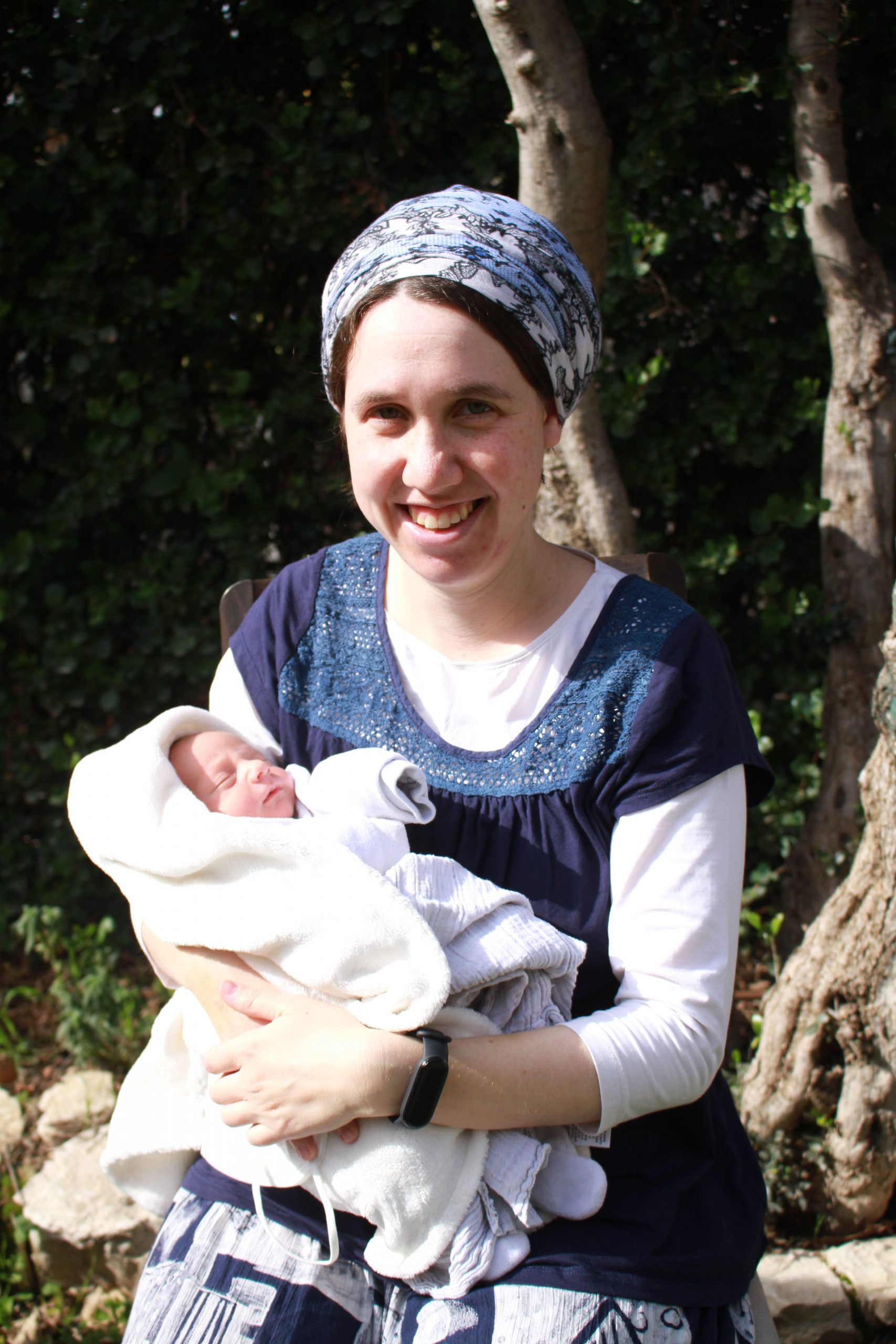
כמו שרואים בתמונה אני ממשיכה ללמוד גם היום ואפילו במחלקת יולדות אחרי לידת ביתי השלישית.

Noa Shiloh
נועה שילה

רבבה, ישראל

ראיתי את הסיום הגדול בבנייני האומה וכל כך התרשמתי ורציתי לקחת חלק.. אבל לקח לי עוד כשנה וחצי )באמצע מסיכת שבת להצטרף..
הלימוד חשוב לי מאוד.. אני תמיד במרדף אחרי הדף וגונבת כל פעם חצי דף כשהילדים עסוקים ומשלימה אח”כ אחרי שכולם הלכו לישון..

Olga Mizrahi
אולגה מזרחי

ירושלים, ישראל

למדתי גמרא מכיתה ז- ט ב Maimonides School ואחרי העליה שלי בגיל 14 לימוד הגמרא, שלא היה כל כך מקובל בימים אלה, היה די ספוראדי. אחרי "ההתגלות” בבנייני האומה התחלתי ללמוד בעיקר בדרך הביתה למדתי מפוקקטסים שונים. לאט לאט ראיתי שאני תמיד חוזרת לרבנית מישל פרבר. באיזה שהוא שלב התחלתי ללמוד בזום בשעה 7:10 .
היום "אין מצב” שאני אתחיל את היום שלי ללא לימוד עם הרבנית מישל עם כוס הקפה שלי!!

selfie-scaled
דבי גביר

חשמונאים, ישראל

התחלתי ללמוד דף יומי ממסכת נידה כי זה היה חומר הלימוד שלי אז. לאחר הסיום הגדול בבנייני האומה החלטתי להמשיך. וב”ה מאז עם הפסקות קטנות של קורונה ולידה אני משתדלת להמשיך ולהיות חלק.

זה משפיע מאוד על היום יום שלי ועל אף שאני עסוקה בלימודי הלכה ותורה כל יום, זאת המסגרת הקבועה והמחייבת ביותר שיש לי.

Moriah Taesan Michaeli
מוריה תעסן מיכאלי

גבעת הראל, ישראל

התחלתי לפני כמה שנים אבל רק בסבב הזה זכיתי ללמוד יום יום ולסיים מסכתות

Sigal Tel
סיגל טל

רעננה, ישראל

התחלתי ללמוד לפני כשנתיים בשאיפה לסיים לראשונה מסכת אחת במהלך חופשת הלידה.
אחרי מסכת אחת כבר היה קשה להפסיק…

Noa Gallant
נעה גלנט

ירוחם, ישראל

התחלתי ללמוד דף יומי אחרי שחזרתי בתשובה ולמדתי במדרשה במגדל עוז. הלימוד טוב ומספק חומר למחשבה על נושאים הלכתיים ”קטנים” ועד לערכים גדולים ביהדות. חשוב לי להכיר את הגמרא לעומק. והצעד הקטן היום הוא ללמוד אותה בבקיאות, בעזרת השם, ומי יודע אולי גם אגיע לעיון בנושאים מעניינים. נושאים בגמרא מתחברים לחגים, לתפילה, ליחסים שבין אדם לחברו ולמקום ולשאר הדברים שמלווים באורח חיים דתי 🙂

Gaia Divo
גאיה דיבו

מצפה יריחו, ישראל

למדתי גמרא מכיתה ז- ט ב Maimonides School ואחרי העליה שלי בגיל 14 לימוד הגמרא, שלא היה כל כך מקובל בימים אלה, היה די ספוראדי. אחרי "ההתגלות” בבנייני האומה התחלתי ללמוד בעיקר בדרך הביתה למדתי מפוקקטסים שונים. לאט לאט ראיתי שאני תמיד חוזרת לרבנית מישל פרבר. באיזה שהוא שלב התחלתי ללמוד בזום בשעה 7:10 .
היום "אין מצב” שאני אתחיל את היום שלי ללא לימוד עם הרבנית מישל עם כוס הקפה שלי!!

selfie-scaled
דבי גביר

חשמונאים, ישראל

A friend in the SF Bay Area said in Dec 2019 that she might start listening on her morning drive to work. I mentioned to my husband and we decided to try the Daf when it began in Jan 2020 as part of our preparing to make Aliyah in the summer.

Hana Piotrkovsky
חנה פיוטרקובסקי

ירושלים, Israel

A life-changing journey started with a Chanukah family tiyul to Zippori, home of the Sanhedrin 2 years ago and continued with the Syum in Binanei Hauma where I was awed by the energy of 3000 women dedicated to learning daf Yomi. Opening my morning daily with a fresh daf, I am excited with the new insights I find enriching my life and opening new and deeper horizons for me.

Becky Goldstein
בקי גולדשטיין

Elazar gush etzion, Israel

הייתי לפני שנתיים בסיום הדרן נשים בבנייני האומה והחלטתי להתחיל. אפילו רק כמה דפים, אולי רק פרק, אולי רק מסכת… בינתיים סיימתי רבע שס ותכף את כל סדר מועד בה.
הסביבה תומכת ומפרגנת. אני בת יחידה עם ארבעה אחים שכולם לומדים דף יומי. מדי פעם אנחנו עושים סיומים יחד באירועים משפחתיים. ממש מרגש. מסכת שבת סיימנו כולנו יחד עם אבא שלנו!
אני שומעת כל יום פודקאסט בהליכה או בנסיעה ואחכ לומדת את הגמרא.

Edna Gross
עדנה גרוס

מרכז שפירא, ישראל

סיום השס לנשים נתן לי מוטביציה להתחיל ללמוד דף יומי. עד אז למדתי גמרא בשבתות ועשיתי כמה סיומים. אבל לימוד יומיומי זה שונה לגמרי ופתאום כל דבר שקורה בחיים מתקשר לדף היומי.

Fogel Foundation
קרן פוגל

רתמים, ישראל

התחלתי להשתתף בשיעור נשים פעם בשבוע, תכננתי ללמוד רק דפים בודדים, לא האמנתי שאצליח יותר מכך.
לאט לאט נשאבתי פנימה לעולם הלימוד .משתדלת ללמוד כל בוקר ומתחילה את היום בתחושה של מלאות ומתוך התכווננות נכונה יותר.
הלימוד של הדף היומי ממלא אותי בתחושה של חיבור עמוק לעם היהודי ולכל הלומדים בעבר ובהווה.

Neely Hayon
נילי חיון

אפרת, ישראל

"התחלתי ללמוד דף יומי במחזור הזה, בח’ בטבת תש””ף. לקחתי על עצמי את הלימוד כדי ליצור תחום של התמדה יומיומית בחיים, והצטרפתי לקבוצת הלומדים בבית הכנסת בכפר אדומים. המשפחה והסביבה מתפעלים ותומכים.
בלימוד שלי אני מתפעלת בעיקר מכך שכדי ללמוד גמרא יש לדעת ולהכיר את כל הגמרא. זו מעין צבת בצבת עשויה שהיא עצומה בהיקפה.”

Sarah Fox
שרה פוּקס

כפר אדומים, ישראל

נזיר י

אוֹ כְּמִנְחַת סוֹטָה — תִּקְדּוֹשׁ, אִי לָא — לָא. קָא מַשְׁמַע לַן דְּמַיְיתֵי מִן הַחִיטִּים.

or like the meal-offering of a sota, both of which are made of barley, it should become consecrated, and if it is not possible to volunteer a meal-offering from barley, it should not be a meal-offering at all. The mishna therefore teaches us that one nevertheless brings a meal-offering made from wheat. Rabbi Yoḥanan holds that the difficulty raised by Ḥizkiyya against his own explanation is inconclusive, and he need not have retracted it.

מַתְנִי׳ אָמַר: ״אָמְרָה פָּרָה זוֹ הֲרֵינִי נְזִירָה אִם עוֹמֶדֶת אֲנִי״, ״אוֹמֵר הַדֶּלֶת הַזֶּה הֲרֵינִי נְזִירָה אִם נִפְתָּח אֲנִי״ — בֵּית שַׁמַּאי אוֹמְרִים: נָזִיר, וּבֵית הִלֵּל אוֹמְרִים: אֵינוֹ נָזִיר. אָמַר רַבִּי יְהוּדָה: אַף כְּשֶׁאָמְרוּ בֵּית שַׁמַּאי, לֹא אוֹמְרִים אֶלָּא בְּאוֹמֵר ״הֲרֵי פָּרָה זוֹ עָלַי קׇרְבָּן, אִם עוֹמֶדֶת הִיא״.

MISHNA: If one said: This cow said: I am hereby a nazirite if I stand up; or if he said: This door says: I am hereby a nazirite if I am opened, Beit Shammai say he is a nazirite, and Beit Hillel say he is not a nazirite. Rabbi Yehuda said: Even when Beit Shammai say that the vow is effective, they say so only with regard to one who said: This cow is hereby forbidden to me as an offering if it stands up. In that case it is as if he took a vow that the cow is forbidden. However, Beit Shammai concede that although the vow takes effect, it is not a vow of naziriteship.

גְּמָ׳ פָּרָה מִי קָא מִישְׁתַּעְיָא? אָמַר רָמֵי בַּר חָמָא: הָכָא בְּמַאי עָסְקִינַן — כְּגוֹן שֶׁהָיְתָה פָּרָה רְבוּצָה לְפָנָיו, וְאָמַר: ״כִּסְבוּרָה פָּרָה זוֹ אֵינָהּ עוֹמֶדֶת — הֲרֵינִי נָזִיר מִבְּשָׂרָהּ אִם עָמְדָה מֵאֵלֶיהָ״. וְעָמְדָה מֵאֵלֶיהָ. וְהָלְכוּ בֵּית שַׁמַּאי לְשִׁיטָתָן וּבֵית הִלֵּל לְשִׁיטָתָן.

GEMARA: The Gemara asks: Does a cow speak? What is the meaning of the statement: A cow said: I am hereby a nazirite? Rami bar Ḥama said: With what are we dealing here? We are dealing with a case where there was a prone cow before him, and he tried, without success, to cause it to stand, and he said: This cow thinks it will not stand; I am hereby a nazirite and therefore will refrain from its flesh if it stands of its own accord, and in fact it stood of its own accord. Beit Shammai follow their standard approach and Beit Hillel follow their standard approach.

בֵּית שַׁמַּאי דְּאָמְרִי ״מִן הַגְּרוֹגְרוֹת וּמִן הַדְּבֵילָה״ — הָוֵי נָזִיר, הָכָא נָמֵי, כִּי אָמַר ״מִבְּשָׂרָהּ״ — הָוֵי נָזִיר. וּבֵית הִלֵּל אוֹמְרִים: לָא הָוֵי נָזִיר.

The Gemara explains: Beit Shammai, who say that one who vows to be a nazirite and therefore will refrain from dried figs and from cakes of dried figs is a nazirite, say that here too, when he says: I am hereby a nazirite and therefore will refrain from its flesh, is a nazirite. Since one does not utter a statement for naught, he is held to the first part of his statement: I am hereby a nazirite, and the words: And therefore will refrain from its flesh, are disregarded. And Beit Hillel say: He is not a nazirite.

וְהָא אַמְרוּהָ בֵּית שַׁמַּאי חֲדָא זִימְנָא! אָמַר רָבָא: תַּרְתֵּי תְּלָת. וְכֵן תָּנֵי רַבִּי חִיָּיא תַּרְתֵּי תְּלָת. וְכֵן אָמַר רַבִּי אוֹשַׁעְיָא תַּרְתֵּי תְּלָת.

The Gemara raises a difficulty: But if Rami bar Ḥama is correct, didn’t Beit Shammai already say this halakha one time? According to Rami bar Ḥama’s explanation, this mishna and the previous one differ only with regard to the examples provided, but the principle is identical. Rava said: It is normal for the Sages to cite two or three examples from different cases that offer novel perspectives, although they essentially reflect the same principle. And Rabbi Ḥiyya also taught two or three examples with regard to this same issue. And Rabbi Oshaya also said two or three examples.

וּצְרִיכִי, דְּאִי אִיתְּמַר בְּהָא גְּרוֹגְרוֹת וּדְבֵילָה: הָתָם הוּא דְּאָמְרִי בֵּית שַׁמַּאי הָוֵי נָזִיר, מִשּׁוּם דְּמִיחַלְּפָן בַּעֲנָבִים. אֲבָל בָּשָׂר בַּעֲנָבִים — לָא מִיחַלַּף. וְאִי אִיתְּמַר בָּשָׂר: הָכָא הוּא דְּאָמְרִי בֵּית שַׁמַּאי הָוֵי נָזִיר בְּבִישְׂרָא וְחַמְרָא. אֲבָל גְּרוֹגְרוֹת וּדְבֵילָה — לָא, קָא מַשְׁמַע לַן.

And all these cases are necessary, as, if it were stated only that he is a nazirite in this case of dried figs and cakes of dried figs, it could have been said that it is only there that Beit Shammai say he is a nazirite, since figs are confused with grapes, and it is reasonable to assume that he had grapes in mind. But meat is certainly not confused with grapes, and it could be that in the case of the mishna he is not a nazirite even according to Beit Shammai. And if it were stated only that he is a nazirite where he vowed that meat was forbidden to him, it could have been said that it is here that Beit Shammai say he is a nazirite because he was referring to the often-paired meat and wine, and it is reasonable to assume that he might have had wine in mind. But dried figs and cakes of dried figs are not paired with wine, so he should not be a nazirite. To counter that claim, the mishna teaches us that he is a nazirite in both cases.

וְאִי אִיתְּמַר הָנֵי תַּרְתֵּי: הָנֵי הוּא דְּקָאָמְרִי בֵּית שַׁמַּאי, אֲבָל דֶּלֶת אֵימָא מוֹדוּ לְהוּ לְבֵית הִלֵּל. וְאִי תַּנָּא דֶּלֶת: בְּהָא קָאָמְרִי בֵּית הִלֵּל, אֲבָל בְּהָךְ תַּרְתֵּי אֵימָא מוֹדוּ לְהוּ לְבֵית שַׁמַּאי, קָמַשְׁמַע לַן דְּלָא.

And if it were stated only that he is a nazirite with regard to these two cases of figs and meat, it could be said: It is in these cases that Beit Shammai say he is a nazirite, but in the case of a door, I will say they concede to Beit Hillel that such a statement certainly does not constitute a vow of naziriteship. Therefore, this case had to be stated as well. And conversely, if it taught only the case of a door, the opposite could be said, i.e., that it is in this case that Beit Hillel say there is no naziriteship, but in these two earlier cases I will say they concede to Beit Shammai that the individual has taken a vow of naziriteship. The tanna therefore teaches us that this is not the case; in fact, Beit Shammai hold that he is a nazirite in all three cases, and Beit Hillel hold that he is not.

אָמַר רָבָא: מִי קָתָנֵי ״אִם עָמְדָה מֵאֵלֶיהָ״? אֶלָּא אָמַר רָבָא: כְּגוֹן שֶׁהָיְתָה פָּרָה רְבוּצָה לְפָנָיו, וְאָמַר: ״הֲרֵי עָלַי קׇרְבָּן״. בִּשְׁלָמָא פָּרָה — בַּת קׇרְבָּן הִיא, אֶלָּא דֶּלֶת — בַּת קׇרְבָּן הִיא?! אֶלָּא אָמַר רָבָא: כְּגוֹן שֶׁהָיְתָה פָּרָה רְבוּצָה לְפָנָיו,

After providing the answer to one difficulty raised against Rami bar Ḥama’s explanation, Rava presents another problem. Rava said: Is the mishna teaching: If it stood of its own accord? The mishna states: If it stands, and does not mention the condition of: On its own accord. Rather, Rava said: The mishna is referring to a case where there was a prone cow before him, and he said: It is incumbent upon me to bring it as a nazirite offering, and in this way the individual accepts naziriteship upon himself. The Gemara raises a difficulty: Granted, a cow can be an offering, but can a door be an offering? How can his vow that a door should be an offering be considered an acceptance of naziriteship? Rather, Rava said it means the following: It is a case where there was a prone cow before him refusing to stand,

וְאָמַר: ״הֲרֵינִי נָזִיר מִיַּיִן אִם לֹא עָמְדָה״, וְעָמְדָה מֵאֵלֶיהָ. בֵּית שַׁמַּאי סָבְרִי: תּוּרְפֵּיהּ דְּהַאי גַּבְרָא מִשּׁוּם אוֹקֹמַהּ בִּידֵיהּ הוּא, וְהָא לָא אוֹקְמַהּ. וּבֵית הִלֵּל סָבְרִי: מִשּׁוּם דִּרְבִיעָא הוּא, וְהָא קָמַת.

and he said: I am hereby a nazirite and therefore will refrain from wine if it does not stand, since I will force it to do so, and it stood of its own accord, without him causing it to stand. Beit Shammai hold: This man’s intention [turpeih] is based upon him having it stand by his own hand, and he did not have it stand. Since he did not cause it to stand, his vow of naziriteship takes effect. And Beit Hillel hold: His intention is based upon the fact that it was prone, and now it has stood. Since the cow stood up it does not matter what caused it to stand, and his vow of naziriteship does not take effect.

אִי הָכִי, אֵימָא סֵיפָא, אָמַר רַבִּי יְהוּדָה: אַף כְּשֶׁאָמְרוּ בֵּית שַׁמַּאי, לֹא אָמְרוּ אֶלָּא בְּאוֹמֵר ״הֲרֵי הֵן עָלַי קׇרְבָּן״. פָּרָה מִי קָא מַתְפֵּיס בָּהּ מִידֵּי?

The Gemara asks: If so, say the latter clause of the mishna as follows: Rabbi Yehuda said: Even when Beit Shammai said the vow is effective they said so only with regard to one who said: They are hereby forbidden to me as an offering. But does he take a vow and extend any prohibition to the cow? Since according to this approach, he explicitly mentions naziriteship, the cow is not rendered forbidden but is merely the subject of a condition of the vow, so why does Rabbi Yehuda speak of a prohibition on the cow?

אֶלָּא כְּגוֹן דְּאָמַר ״הֲרֵינִי נָזִיר מִבְּשָׂרָהּ אִם לֹא עָמְדָה״, וְעָמְדָה מֵאֵלֶיהָ. בֵּית שַׁמַּאי סָבְרִי: תּוּרְפֵּיהּ דְּהָהוּא גַּבְרָא מִשּׁוּם אוֹקֹמַהּ בִּידֵיהּ הוּא, וְהָא לָא אוֹקְמַהּ. וּבֵית הִלֵּל סָבְרִי: תּוּרְפֵּיהּ דְּהַאי גַּבְרָא מִשּׁוּם דִּרְבִיעָא, וְהָא קָמַת.

The Gemara offers another explanation: Rather, the mishna is referring to a case where he said: I am hereby a nazirite and therefore will refrain from its flesh if it does not stand, and it stood of its own accord. Beit Shammai hold: That man’s intention is based upon him having it stand by his own hand, and he did not have it stand. Since he did not cause it to stand, his vow of prohibition takes effect. And Beit Hillel hold: This man’s intention is based upon the fact that it was prone, and now it has stood, so his vow does not take effect.

וּבֵית הִלֵּל סָבְרִי אִי לָא קָמַת הָוֵי נָזִיר? וְהָאָמְרִי ״מִבְּשָׂרָהּ״ — לָא הָוֵי נָזִיר!

The Gemara asks: And do Beit Hillel hold that if the cow does not stand he will be a nazirite? But didn’t they say that if one states: I am hereby a nazirite and therefore will refrain from the cow’s flesh, he is not a nazirite, just as they ruled in a case where one states that he is a nazirite from dried figs?

לְטַעְמַיְיהוּ דְּבֵית שַׁמַּאי קָאָמְרִי: לְדִידַן אֲפִילּוּ לָא קָמַת, נָמֵי לָא הָוֵי נָזִיר. לְדִידְכוּ דְּאָמְרִיתוּ הָוֵי נָזִיר, אוֹדוֹ לַן מִיהַת דְּתוּרְפֵּיהּ דְּהָדֵין גַּבְרָא מִשּׁוּם דִּרְבִיעָא, וְהָא קָמַת. וּבֵית שַׁמַּאי: לָאו תּוּרְפֵּיהּ דְּהַאי גַּבְרָא מִשּׁוּם אוֹקֹמַהּ בִּידֵיהּ הוּא, וְהָא לָא אוֹקְמַהּ.

The Gemara answers: They stated their opinion in accordance with the reasoning of Beit Shammai: According to our opinion, even if the cow does not stand he is also not a nazirite, since naziriteship takes effect only if he vowed that products of the vine are forbidden to him. However, according to your reasoning that you say he is a nazirite, in any event concede to us that this man’s intention is based upon the fact that the cow was prone, and it has stood, so the naziriteship should not take effect. And Beit Shammai hold: Isn’t this man’s intention based upon him having it stand by his own hand, and he did not have it stand? Since his condition was not fulfilled, the naziriteship does not take effect.

רוצה לעקוב אחרי התכנים ולהמשיך ללמוד?

ביצירת חשבון עוד היום ניתן לעקוב אחרי ההתקדמות שלך, לסמן מה למדת, ולעקוב אחרי השיעורים שמעניינים אותך.

לנקות את כל הפריטים מהרשימה?

פעולה זו תסיר את כל הפריטים בחלק זה כולל ההתקדמות וההיסטוריה. שימי לב: לא ניתן לשחזר פעולה זו.

ביטול
מחיקה

האם את/ה בטוח/ה שברצונך למחוק פריט זה?

תאבד/י את כל ההתקדמות או ההיסטוריה הקשורות לפריט זה.

ביטול
מחיקה