חיפוש

נזיר יג

רוצה להקדיש שיעור?

podcast placeholder

0:00
0:00


תקציר

הלימוד החודש מוקדש ע”י קבוצת הדרן בסילבר ספרינג לע”נ נחמה בת שמואל צדוק.

הלימוד השבוע מוקדש לעילוי נשמתה של מרים באומל שהלכה לעולמה בשבוע שעבר, ביום הולדתה ה 91. יהי זכרה ברוך. -מנכדותיה האוהבות.

המשנה מדברת על מקרה שבו אדם מקבל על עצמו להיות נזיר במקרה שילד ייוולד, אך הילד מת או בלידה או במהלך שלושים הימים הראשונים. מכיוון שלא ניתן להיות בטוח אם הילד היה בר-קיימא ומת מסיבה אחרת או שמעולם לא היה בר-קיימא מלכתחילה, יש ספק אם ההורה הוא נזיר או לא. הרבנים פוסקים לקולא, כדברי רבי יהודה שספק נזירות להקל. אבל רבי שמעון פוסק לחומרא ומציע לו לומר שאם הילד היה בר קיימא, אני נזיר חובה ואם לא, אקח על עצמי להיות נזיר בנדבה. אם לאחר מכן נולד ילד, יהיה צורך לעשות את אותו הדבר, במקרה שהחובה הקודמת לא קוימה בנזירות הקודמת (אם הראשון לא היה בן-קיימא). הגמרא חוזרת למקרים במשנה בנזיר יב: שבהם אמרו "בן” או "ולד” ונדון מה כלול בכל מונח. הגמרא מסבירה מדוע הייתה צריכה המשנה לכתוב את כל זה – מדוע זה לא היה ברור? רבי אבא שאל את רב הונא: אם הילד שנולד נפטר זמן קצר לאחר הלידה והבעל הפריש בהמות לקרבן הנזיר ואז ילדה אשתו ילד בריא שני (כנראה, המקרה הוא שהיו תאומים). האם הבהמות מקודשות? שאלה זו נשאלת על פי דעתו של רבי יהודה והנפקא מינה היא: האם ניתן לעבוד או לגזוז את אותן בהמות. בן רחומי שאל את אביי על מקרה שבו אחד אמר שהוא יהיה נזיר אם יהיה לו ילד ואז חבר אמר "ועלי”. האם התכוון שיהיה נזיר גם כשיהיה לחבר ילד או שיהיה נזיר כשיהיה לו ילד. משאלה זו, הגמרא מוסיפה עוד סדרה של שאלות כגון, האם זה ישתנה אם היה אומר "ואני” במקום "ועלי”? האם ישנה הבדל אם האדם הראשון קיבל על עצמו להיות נזיר אם יולד לאדם שלישי ילד? המשנה מביאה מקרים של מי שקיבל על עצמו להיות נזיר מיד וכאשר יהיה לו ילד. אם לאחר שהוא מתחיל למנות את הנזירות הראשונה, הילד נולד, הוא מסיים את הנזירות הראשונה, מגלח ומביא קרבנות ואז מתחיל למנות את הנזירות השנייה. אבל אם קודם אמר "הריני נזיר כשיהיה לי ילד והריני נזיר, הוא מתחיל למנות את הנזירות השנייה וכשהילד נולד, אם הוא לא סיים, הוא מפסיק את הנזירות השנייה, מונה את הנזירות לילד ואז משלים את הנזירות הראשונה. רבא שואל על מקרה אחר, אך דומה.

נזיר יג

הִפִּילָה אִשְׁתּוֹ — אֵינוֹ נָזִיר. רַבִּי שִׁמְעוֹן אוֹמֵר: יֹאמַר ״אִם הָיָה בֶּן קַיָּימָא — הֲרֵי אֲנִי נְזִיר חוֹבָה, וְאִם לָאו — הֲרֵי אֲנִי נְזִיר נְדָבָה״.

However, if his wife miscarried he is not a nazirite, since his wife did not give birth to a live child. Rabbi Shimon says: Since it is possible that the fetus was viable, in which case his vow of naziriteship takes effect, he should say the following: If this fetus was viable in terms of its development but died due to other causes, I am hereby an obligatory nazirite in fulfillment of my vow; and if it was not viable, I am hereby a voluntary nazirite. He then proceeds to observe naziriteship.

חָזְרָה וְיָלְדָה — הֲרֵי זֶה נָזִיר. רַבִּי שִׁמְעוֹן אוֹמֵר: יֹאמַר ״אִם הָרִאשׁוֹן בֶּן קַיָּימָא — הָרִאשׁוֹן חוֹבָה וְזוֹ נְדָבָה. וְאִם לָאו — הָרִאשׁוֹן נְדָבָה וְזוֹ חוֹבָה״.

If, subsequent to this, his wife gave birth again, he is a nazirite, since the unattributed opinion in the mishna holds that the condition of his vow has now been fulfilled. Rabbi Shimon says, following his earlier ruling: He must now accept upon himself an additional naziriteship and he should say: If the first fetus was viable then my naziriteship for the first child was obligatory, and this naziriteship is voluntary; and if the first child was not viable, then the naziriteship for the first one was voluntary and this naziriteship is obligatory.

גְּמָ׳ הַאי מַאי לְמֵימְרָא? מִשּׁוּם סֵיפָא: בַּת, טוּמְטוּם וְאַנְדְּרוֹגִינוֹס — אֵינוֹ נָזִיר. פְּשִׁיטָא! מַהוּ דְּתֵימָא: ״לִכְשֶׁאֶבָּנֶה״ הוּא דְּקָאָמַר, קָא מַשְׁמַע לַן דְּלָא.

GEMARA: With regard to the statement of the mishna that one who vowed to be a nazirite when a son is born to him is a nazirite when his son is born, the Gemara asks: What is the purpose of stating this ruling? Of course he is a nazirite. The Gemara answers: This halakha is stated due to the latter clause of that mishna, which states that if a daughter, a tumtum, or a hermaphrodite are born to him, he is not a nazirite. The Gemara questions this, too: Isn’t that obvious, since he specified a son? The Gemara answers: It is necessary lest you say he did not literally mean a son, but rather he meant to say: When I will be built up by means of any child, including the types listed. The mishna therefore teaches us that this is not the case.

וְאִם אָמַר כְּשֶׁיִּהְיֶה לִי וָלָד כּוּ׳. פְּשִׁיטָא! מַהוּ דְּתֵימָא וָלָד דְּמִיחֲשַׁב בֵּינֵי אִינָשֵׁי בָּעִינַן, קָא מַשְׁמַע לַן.

The mishna also taught: And if he said: When I have a child, then even if he has a daughter, a tumtum, or a hermaphrodite, his vow takes effect. The Gemara asks: Isn’t it obvious that this is the case? The Gemara answers: It is necessary to state this lest you say that we require a child of the kind that is considered significant by people, and he meant to exclude these other types of children when he vowed. The mishna therefore teaches us that this is not so.

הִפִּילָה אִשְׁתּוֹ — אֵינוֹ נָזִיר. מַאן קָתָנֵי לַהּ? רַבִּי יְהוּדָה דִּכְרִי הוּא.

§ The mishna taught that if his wife miscarried he is not a nazirite, even though it may have been a viable child. The Gemara clarifies: According to whose opinion is this taught? The Gemara answers: It is the opinion of Rabbi Yehuda with regard to a heap of wheat. Rabbi Yehuda holds that if one vows to be a nazirite if a heap contains a certain amount of wheat and it is unclear whether or not his condition was fulfilled, the halakha is ruled leniently, and he is not a nazirite.

רַבִּי שִׁמְעוֹן אוֹמֵר: יֹאמַר ״אִם הָיָה בֶּן קַיָּימָא — הֲרֵינִי נְזִיר חוֹבָה, וְאִם לָאו — הֲרֵינִי נְזִיר נְדָבָה״. בְּעָא מִינֵּיהּ רַבִּי אַבָּא מֵרַב הוּנָא: ״הֲרֵינִי נָזִיר לִכְשֶׁיִּהְיֶה לִי בֵּן״, וְהִפִּילָה אִשְׁתּוֹ, וְהִפְרִישׁ קׇרְבָּן, וְחָזְרָה וְיָלְדָה, מַהוּ?

The mishna further taught that Rabbi Shimon says that the individual should say: If this fetus was viable in terms of its development but died due to other causes, I am hereby an obligatory nazirite in fulfillment of my vow; and if it was not viable, I am hereby a voluntary nazirite. The Gemara relates that Rabbi Abba inquired of Rav Huna: If one said: I am hereby a nazirite when I will have a son, and his wife miscarried, and he separated an offering for his naziriteship but did not sacrifice it, and his wife gave birth again to a son, what is the halakha with regard to the offering he separated?

אַלִּיבָּא דְּמַאן? אִי אַלִּיבָּא דְּרַבִּי שִׁמְעוֹן, מַאי תִּיבְּעֵי לֵיהּ? הָא אָמַר רַבִּי שִׁמְעוֹן: סְפֵק נְזִירוּת לְהַחֲמִיר. וְאֶלָּא אַלִּיבָּא דְּרַבִּי יְהוּדָה, דְּאָמַר: סְפֵק נְזִירוּת לְהָקֵל. מַאי: קָדוֹשׁ, אוֹ לָא קָדוֹשׁ?

The Gemara asks: In accordance with whose opinion did Rabbi Abba pose his question? If he asked it in accordance with the opinion of Rabbi Shimon, what dilemma is he raising? Didn’t Rabbi Shimon say: In a case of uncertainty with regard to naziriteship, the ruling is to be stringent? Here too, since the fetus might have been viable, he was required to separate the offerings after she miscarried, and he may not use those offerings for the naziriteship brought about by the later birth. Rather, one should say that the question was in accordance with the opinion of Rabbi Yehuda, who said that in a case of uncertainty with regard to naziriteship, the ruling is to be lenient. The question is as follows: What is the halakha in such a situation? Are the offerings already considered consecrated and need not be consecrated again, or are they not consecrated and therefore he must consecrate them a second time?

מַאי נָפְקָא מִינַּהּ! לְגִיזָּתוֹ וְלַעֲבוֹד בּוֹ. תֵּיקוּ.

The Gemara asks: What difference is there? In any case, he is certainly obligated to observe naziriteship now, and he must separate the offerings. The Gemara answers: The question is referring to the issue of its shearing and its labor. If they are considered consecrated from the initial consecration, it is prohibited to shear their wool and use them for labor, like any other consecrated animal. But if they are not yet consecrated, it is permitted to use them. No answer was found for this question, and the Gemara concludes that the dilemma shall stand unresolved.

בְּעָא מִינֵּיהּ בֶּן רְחוּמִי מֵאַבָּיֵי: ״הֲרֵינִי נָזִיר לִכְשֶׁיְּהֵא לִי בֵּן״, וְשָׁמַע חֲבֵירוֹ וְאָמַר ״וְעָלַי״, מַהוּ? אַדִּיבּוּרֵיהּ מַשְׁמַע, אוֹ אַגּוּפֵיהּ מַשְׁמַע?

§ With regard to one who accepted naziriteship upon himself that would begin upon the birth of his son, the Sage ben Reḥumi inquired of Abaye: If one said: I am hereby a nazirite when I will have a son, and another heard him and said: And it is incumbent upon me, what is the halakha with regard to the second person? Is the implication of his statement a concurrence to the statement of the first one, which would mean that he too accepts naziriteship upon himself when the first has a son, or is the implication of his statement meant to be understood about himself, i.e., that he has vowed to be a nazirite when he has a son of his own?

אִם תִּמְצֵי לוֹמַר אַגּוּפֵיהּ מַשְׁמַע, אָמַר: ״הֲרֵינִי נָזִיר לִכְשֶׁיְּהֵא לִי בֵּן״, וְשָׁמַע חֲבֵירוֹ וְאָמַר ״וַאֲנִי״, מַהוּ? אַנַּפְשֵׁיהּ קָאָמַר, אוֹ דִילְמָא הָכִי קָאָמַר: רָחֵימְנָא לָךְ כְּווֹתָיךְ. אִם תִּמְצֵי לוֹמַר, כֹּל בְּאַנְפֵּיהּ

The Gemara develops the question further: Even if you say that the phrase: And it is incumbent upon me, has the implication of meaning that it is to be understood about himself, what is the halakha if one said: I am hereby a nazirite when I will have a son, and another heard him and said: And I? What is the meaning of the second person’s statement? Is it to be understood that here too, he is speaking of himself, meaning: I shall be a nazirite when I will have a son of my own, or perhaps this is what he is saying: I love you as you love yourself; I would be as happy as you at the birth of your son, and I too will be a nazirite when you have a son. Ben Reḥumi continues: If you say that anything he says to another in front of him

כְּסִיפָא לֵיהּ מִילְּתָא, אָמַר ״הֲרֵינִי נָזִיר לִכְשֶׁיְּהֵא לִפְלוֹנִי בֵּן״, וְשָׁמַע חֲבֵירוֹ וְאָמַר ״וַאֲנִי״, מַהוּ? מִי אָמְרִינַן: שֶׁלֹּא בְּפָנָיו, אַנַּפְשֵׁיהּ קָאָמַר, אוֹ דִילְמָא הָכִי קָאָמַר לֵיהּ: רָחֵימְנָא לֵיהּ כְּווֹתָיךְ. תִּיבְּעֵי.

should be understood in light of the fact that the matter is embarrassing for him, the second person is likely to mean that he will become a nazirite upon the birth of a child to the first person, as he will be embarrassed to seem indifferent about the birth of the child to the person standing before him, then the following question arises: If one said: I am hereby a nazirite when so-and-so will have a son, and another heard and said: And I, what is the halakha? Do we say that since the second person did not vow in front of the subject of the first person’s vow, he therefore speaks of himself when he says: And I, meaning that he will be a nazirite when he has a son of his own? Or perhaps this is what he is saying to him: I love him as you do, and I too will be a nazirite when he has a son. As in the previous cases, no answer was found for this question, and the dilemma remains unresolved.

מַתְנִי׳ ״הֲרֵינִי נָזִיר, וְנָזִיר כְּשֶׁיִּהְיֶה לִי בֵּן״, הִתְחִיל מוֹנֶה אֶת שֶׁלּוֹ, וְאַחַר כָּךְ נוֹלַד לוֹ בֵּן — מַשְׁלִים אֶת שֶׁלּוֹ, וְאַחַר כָּךְ מוֹנֶה אֶת שֶׁל בְּנוֹ. ״הֲרֵינִי נָזִיר כְּשֶׁיִּהְיֶה לִי בֵּן, וְנָזִיר״, הִתְחִיל מוֹנֶה אֶת שֶׁלּוֹ וְאַחַר כָּךְ נוֹלַד לוֹ בֵּן — מַנִּיחַ אֶת שֶׁלּוֹ, וּמוֹנֶה אֶת שֶׁל בְּנוֹ, וְאַחַר כָּךְ מַשְׁלִים אֶת שֶׁלּוֹ.

MISHNA: In a case where one said: I am hereby a nazirite now, and I will be a nazirite when I will have a son, and he began counting his own term of naziriteship, i.e., his first vow, and afterward in the middle of this naziriteship period a son was born to him, he first completes his own initial term of naziriteship and afterward he counts the term of naziriteship he vowed on the condition of the birth of his son. However, if he reversed the order and said: I am hereby a nazirite when I will have a son, and I am hereby a nazirite, and he began counting his own term of naziriteship and afterward, during this period, a son was born to him, he sets aside his own term of naziriteship and counts that which he vowed on condition of the birth of his son, and afterward he completes his own term of naziriteship.

גְּמָ׳ בָּעֵי רָבָא: אָמַר ״הֲרֵינִי נָזִיר לְאַחַר עֶשְׂרִים יוֹם, וּמֵעַכְשָׁיו מֵאָה יוֹם״, מַהוּ? כֵּיוָן דְּהָלֵין מְאָה בְּעֶשְׂרִין לָא שָׁלְמִין — לָא חָיְילִין, אוֹ דִילְמָא: כֵּיוָן דְּאִית לֵיהּ גִּידּוּל שֵׂעָר לְבַסּוֹף — חָיְילִין.

GEMARA: In light of the ruling of the mishna, Rava asks: If one said: I am hereby a nazirite for a standard term of thirty days and will begin observing it after twenty days, and I am also a nazirite from now for one hundred days, what is the halakha? Should one say that since these one hundred days of naziriteship are not completed within those first twenty days, it could be said that the one hundred days of naziriteship do not take effect at all until after he has completed the thirty-day naziriteship? Or perhaps, since he still has at least thirty days of hair growth at the end, as after the thirty-day term he could observe an additional eighty days, therefore the one hundred days of naziriteship take effect from now, and he counts twenty days, pauses to observe the other term of naziriteship for thirty days, shaves, and then completes the final eighty days of the long term of naziriteship.

וְתִיבְּעֵי לֵיהּ נְזִירוּת מוּעֶטֶת! חֲדָא מִגּוֹ חֲדָא קָא מִיבַּעְיָא לֵיהּ:

The Gemara asks: And let him raise this dilemma with regard to a short term of naziriteship, when fewer than thirty days would remain if he suspended the first term of naziriteship in order to observe the other. The Gemara answers: He raises one dilemma as a result of the other. In other words, Rava’s question was an outgrowth of a different inquiry, which in turn led to his question. The full discussion is as follows:

העמקה

רוצה להבין מה באמת קורה מתחת לפני השטח של הסוגיה?
שיעורים, פודקאסטים והרחבות של מיטב המורות שלנו יפתחו לך עוד זוויות וכיווני חשיבה.

לשיעורי עוד על הדף באנגלית, לחצי כאן

חדשה בלימוד הגמרא?

זה הדף הראשון שלך? איזו התרגשות עצומה! יש לנו בדיוק את התכנים והכלים שיעזרו לך לעשות את הצעדים הראשונים ללמידה בקצב וברמה שלך, כך תוכלי להרגיש בנוח גם בתוך הסוגיות המורכבות ומאתגרות.

פסיפס הלומדות שלנו

גלי את קהילת הלומדות שלנו, מגוון נשים, רקעים וסיפורים. כולן חלק מתנועה ומסע מרגש ועוצמתי.

My explorations into Gemara started a few days into the present cycle. I binged learnt and become addicted. I’m fascinated by the rich "tapestry” of intertwined themes, connections between Masechtot, conversations between generations of Rabbanim and learners past and present all over the world. My life has acquired a golden thread, linking generations with our amazing heritage.
Thank you.

Susan Kasdan
סוזן כשדן

חשמונאים, Israel

רציתי לקבל ידע בתחום שהרגשתי שהוא גדול וחשוב אך נעלם ממני. הלימוד מעניק אתגר וסיפוק ומעמיק את תחושת השייכות שלי לתורה וליהדות

Ruth Agiv
רות עגיב

עלי זהב – לשם, ישראל

בתחילת הסבב הנוכחי הצטברו אצלי תחושות שאני לא מבינה מספיק מהי ההלכה אותה אני מקיימת בכל יום. כמו כן, כאמא לבנות רציתי לתת להן מודל נשי של לימוד תורה
שתי הסיבות האלו הובילו אותי להתחיל ללמוד. נתקלתי בתגובות מפרגנות וסקרניות איך אישה לומדת גמרא..
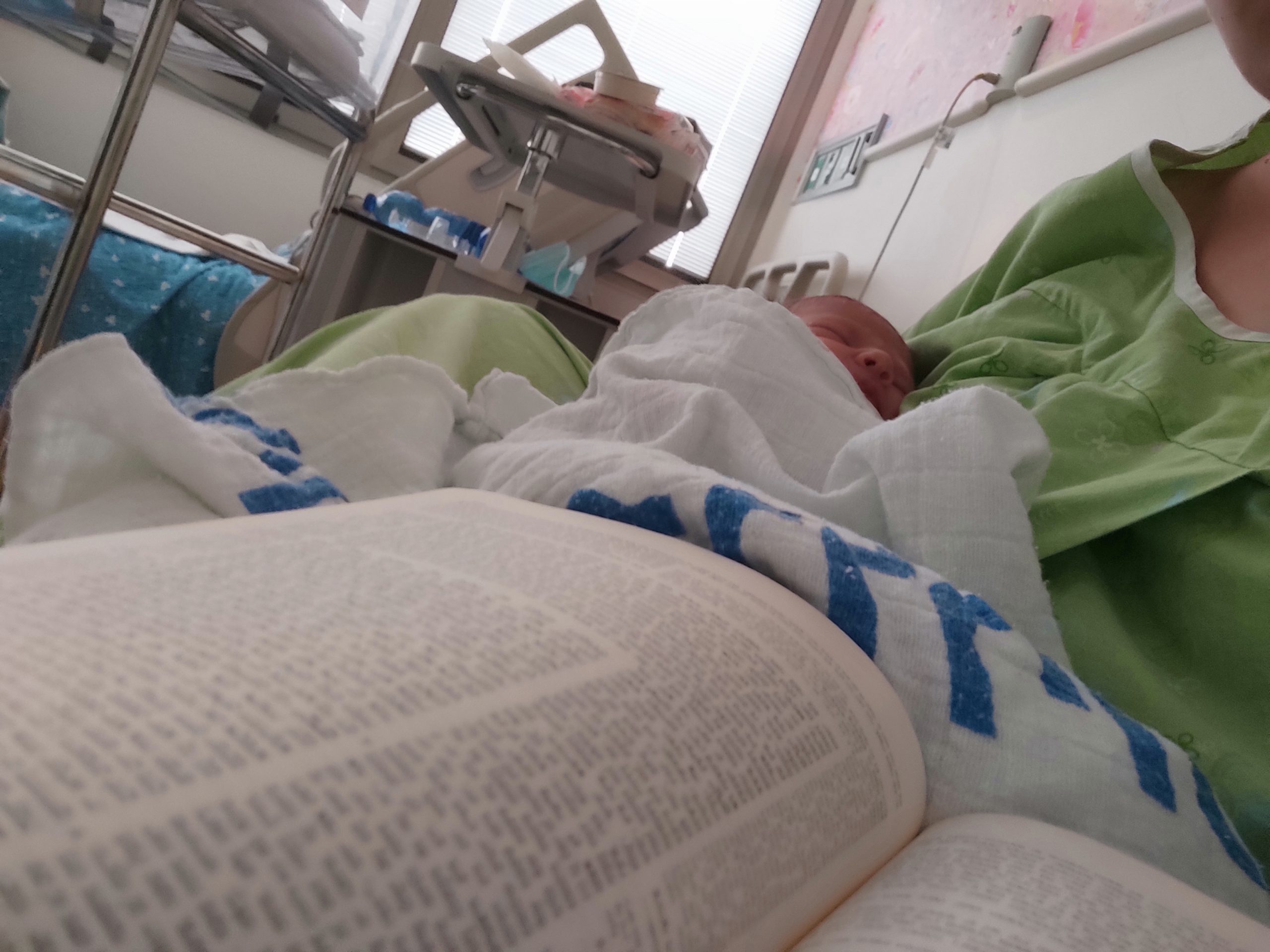
כמו שרואים בתמונה אני ממשיכה ללמוד גם היום ואפילו במחלקת יולדות אחרי לידת ביתי השלישית.

Noa Shiloh
נועה שילה

רבבה, ישראל

A life-changing journey started with a Chanukah family tiyul to Zippori, home of the Sanhedrin 2 years ago and continued with the Syum in Binanei Hauma where I was awed by the energy of 3000 women dedicated to learning daf Yomi. Opening my morning daily with a fresh daf, I am excited with the new insights I find enriching my life and opening new and deeper horizons for me.

Becky Goldstein
בקי גולדשטיין

Elazar gush etzion, Israel

התחלתי ללמוד דף יומי בסבב הקודם. זכיתי לסיים אותו במעמד המרגש של הדרן. בסבב הראשון ליווה אותי הספק, שאולי לא אצליח לעמוד בקצב ולהתמיד. בסבב השני אני לומדת ברוגע, מתוך אמונה ביכולתי ללמוד ולסיים. בסבב הלימוד הראשון ליוותה אותי חוויה מסויימת של בדידות. הדרן העניקה לי קהילת לימוד ואחוות נשים. החוויה של סיום הש”ס במעמד כה גדול כשנשים שאינן מכירות אותי, שמחות ומתרגשות עבורי , היתה חוויה מרוממת נפש

Ilanit Weil
אילנית ווייל

קיבוץ מגדל עוז, ישראל

התחלתי מעט לפני תחילת הסבב הנוכחי. אני נהנית מהאתגר של להמשיך להתמיד, מרגעים של "אהה, מפה זה הגיע!” ומהאתגר האינטלקטואלי

Eilat-Chen and Deller
אילת-חן ודלר

לוד, ישראל

אני לומדת גמרא כעשור במסגרות שונות, ואת הדף היומי התחלתי כשחברה הציעה שאצטרף אליה לסיום בבנייני האומה. מאז אני לומדת עם פודקסט הדרן, משתדלת באופן יומי אך אם לא מספיקה, מדביקה פערים עד ערב שבת. בסבב הזה הלימוד הוא "ממעוף הציפור”, מקשיבה במהירות מוגברת תוך כדי פעילויות כמו בישול או נהיגה, וכך רוכשת היכרות עם הסוגיות ואופן ניתוחם על ידי חז”ל. בע”ה בסבב הבא, ואולי לפני, אצלול לתוכו באופן מעמיק יותר.

Yael Bir
יעל ביר

רמת גן, ישראל

התחלתי ללמוד דף לפני קצת יותר מ-5 שנים, כשלמדתי רבנות בישיבת מהר”ת בניו יורק. בדיעבד, עד אז, הייתי בלימוד הגמרא שלי כמו מישהו שאוסף חרוזים משרשרת שהתפזרה, פה משהו ושם משהו, ומאז נפתח עולם ומלואו…. הדף נותן לי לימוד בצורה מאורגנת, שיטתית, יום-יומית, ומלמד אותי לא רק ידע אלא את השפה ודרך החשיבה שלנו. לשמחתי, יש לי סביבה תומכת וההרגשה שלי היא כמו בציטוט שבחרתי: הדף משפיע לטובה על כל היום שלי.

Michal Kahana
מיכל כהנא

חיפה, ישראל

לפני 15 שנה, אחרי עשרות שנים של "ג’ינגול” בין משפחה לקריירה תובענית בהייטק, הצטרפתי לשיעורי גמרא במתן רעננה. הלימוד המעמיק והייחודי של הרבנית אושרה קורן יחד עם קבוצת הנשים המגוונת הייתה חוויה מאלפת ומעשירה. לפני כשמונה שנים כאשר מחזור הדף היומי הגיע למסכת תענית הצטרפתי כ”חברותא” לבעלי. זו השעה היומית שלנו ביחד כאשר דפי הגמרא משתלבים בחיי היום יום, משפיעים ומושפעים, וכשלא מספיקים תמיד משלימים בשבת

Yodi Askoff
יודי אסקוף

רעננה, ישראל

אמא שלי למדה איתי ש”ס משנה, והתחילה ללמוד דף יומי. אני החלטתי שאני רוצה ללמוד גם. בהתחלה למדתי איתה, אח”כ הצטרפתי ללימוד דף יומי שהרב דני וינט מעביר לנוער בנים בעתניאל. במסכת עירובין עוד חברה הצטרפה אלי וכשהתחלנו פסחים הרב דני פתח לנו שעור דף יומי לבנות. מאז אנחנו לומדות איתו קבוע כל יום את הדף היומי (ובשבת אבא שלי מחליף אותו). אני נהנית מהלימוד, הוא מאתגר ומעניין

Renana Hellman
רננה הלמן

עתניאל, ישראל

התחלתי לפני כמה שנים אבל רק בסבב הזה זכיתי ללמוד יום יום ולסיים מסכתות

Sigal Tel
סיגל טל

רעננה, ישראל

בתחילת הסבב הנוכחי הצטברו אצלי תחושות שאני לא מבינה מספיק מהי ההלכה אותה אני מקיימת בכל יום. כמו כן, כאמא לבנות רציתי לתת להן מודל נשי של לימוד תורה
שתי הסיבות האלו הובילו אותי להתחיל ללמוד. נתקלתי בתגובות מפרגנות וסקרניות איך אישה לומדת גמרא..
כמו שרואים בתמונה אני ממשיכה ללמוד גם היום ואפילו במחלקת יולדות אחרי לידת ביתי השלישית.

Noa Shiloh
נועה שילה

רבבה, ישראל

אמא שלי למדה איתי ש”ס משנה, והתחילה ללמוד דף יומי. אני החלטתי שאני רוצה ללמוד גם. בהתחלה למדתי איתה, אח”כ הצטרפתי ללימוד דף יומי שהרב דני וינט מעביר לנוער בנים בעתניאל. במסכת עירובין עוד חברה הצטרפה אלי וכשהתחלנו פסחים הרב דני פתח לנו שעור דף יומי לבנות. מאז אנחנו לומדות איתו קבוע כל יום את הדף היומי (ובשבת אבא שלי מחליף אותו). אני נהנית מהלימוד, הוא מאתגר ומעניין

Renana Hellman
רננה הלמן

עתניאל, ישראל

My explorations into Gemara started a few days into the present cycle. I binged learnt and become addicted. I’m fascinated by the rich "tapestry” of intertwined themes, connections between Masechtot, conversations between generations of Rabbanim and learners past and present all over the world. My life has acquired a golden thread, linking generations with our amazing heritage.
Thank you.

Susan Kasdan
סוזן כשדן

חשמונאים, Israel

התחלתי ללמוד לפני כשנתיים בשאיפה לסיים לראשונה מסכת אחת במהלך חופשת הלידה.
אחרי מסכת אחת כבר היה קשה להפסיק…

Noa Gallant
נעה גלנט

ירוחם, ישראל

למדתי גמרא מכיתה ז- ט ב Maimonides School ואחרי העליה שלי בגיל 14 לימוד הגמרא, שלא היה כל כך מקובל בימים אלה, היה די ספוראדי. אחרי "ההתגלות” בבנייני האומה התחלתי ללמוד בעיקר בדרך הביתה למדתי מפוקקטסים שונים. לאט לאט ראיתי שאני תמיד חוזרת לרבנית מישל פרבר. באיזה שהוא שלב התחלתי ללמוד בזום בשעה 7:10 .
היום "אין מצב” שאני אתחיל את היום שלי ללא לימוד עם הרבנית מישל עם כוס הקפה שלי!!

selfie-scaled
דבי גביר

חשמונאים, ישראל

התחלתי ללמוד גמרא בבית הספר בגיל צעיר והתאהבתי. המשכתי בכך כל חיי ואף היייתי מורה לגמרא בבית הספר שקד בשדה אליהו (בית הספר בו למדתי בילדותי)בתחילת מחזור דף יומי הנוכחי החלטתי להצטרף ובע”ה מקווה להתמיד ולהמשיך. אני אוהבת את המפגש עם הדף את "דרישות השלום ” שמקבלת מקשרים עם דפים אחרים שלמדתי את הסנכרון שמתחולל בין התכנים.

Ariela Bigman
אריאלה ביגמן

מעלה גלבוע, ישראל

התחלתי ללמוד דף יומי כאשר קיבלתי במייל ממכון שטיינזלץ את הדפים הראשונים של מסכת ברכות במייל. קודם לא ידעתי איך לקרוא אותם עד שנתתי להם להדריך אותי. הסביבה שלי לא מודעת לעניין כי אני לא מדברת על כך בפומבי. למדתי מהדפים דברים חדשים, כמו הקשר בין המבנה של בית המקדש והמשכן לגופו של האדם (יומא מה, ע”א) והקשר שלו למשפט מפורסם שמופיע בספר ההינדי "בהגוד-גיתא”. מתברר שזה רעיון כלל עולמי ולא רק יהודי

Elena Arenburg
אלנה ארנבורג

נשר, ישראל

התחלתי מחוג במסכת קידושין שהעבירה הרבנית רייסנר במסגרת בית המדרש כלנה בגבעת שמואל; לאחר מכן התחיל סבב הדף היומי אז הצטרפתי. לסביבה לקח זמן לעכל אבל היום כולם תומכים ומשתתפים איתי. הלימוד לעתים מעניין ומעשיר ולעתים קשה ואף הזוי… אך אני ממשיכה קדימה. הוא משפיע על היומיום שלי קודם כל במרדף אחרי הדף, וגם במושגים הרבים שלמדתי ובידע שהועשרתי בו, חלקו ממש מעשי

Abigail Chrissy
אביגיל כריסי

ראש העין, ישראל

לפני 15 שנה, אחרי עשרות שנים של "ג’ינגול” בין משפחה לקריירה תובענית בהייטק, הצטרפתי לשיעורי גמרא במתן רעננה. הלימוד המעמיק והייחודי של הרבנית אושרה קורן יחד עם קבוצת הנשים המגוונת הייתה חוויה מאלפת ומעשירה. לפני כשמונה שנים כאשר מחזור הדף היומי הגיע למסכת תענית הצטרפתי כ”חברותא” לבעלי. זו השעה היומית שלנו ביחד כאשר דפי הגמרא משתלבים בחיי היום יום, משפיעים ומושפעים, וכשלא מספיקים תמיד משלימים בשבת

Yodi Askoff
יודי אסקוף

רעננה, ישראל

נזיר יג

הִפִּילָה אִשְׁתּוֹ — אֵינוֹ נָזִיר. רַבִּי שִׁמְעוֹן אוֹמֵר: יֹאמַר ״אִם הָיָה בֶּן קַיָּימָא — הֲרֵי אֲנִי נְזִיר חוֹבָה, וְאִם לָאו — הֲרֵי אֲנִי נְזִיר נְדָבָה״.

However, if his wife miscarried he is not a nazirite, since his wife did not give birth to a live child. Rabbi Shimon says: Since it is possible that the fetus was viable, in which case his vow of naziriteship takes effect, he should say the following: If this fetus was viable in terms of its development but died due to other causes, I am hereby an obligatory nazirite in fulfillment of my vow; and if it was not viable, I am hereby a voluntary nazirite. He then proceeds to observe naziriteship.

חָזְרָה וְיָלְדָה — הֲרֵי זֶה נָזִיר. רַבִּי שִׁמְעוֹן אוֹמֵר: יֹאמַר ״אִם הָרִאשׁוֹן בֶּן קַיָּימָא — הָרִאשׁוֹן חוֹבָה וְזוֹ נְדָבָה. וְאִם לָאו — הָרִאשׁוֹן נְדָבָה וְזוֹ חוֹבָה״.

If, subsequent to this, his wife gave birth again, he is a nazirite, since the unattributed opinion in the mishna holds that the condition of his vow has now been fulfilled. Rabbi Shimon says, following his earlier ruling: He must now accept upon himself an additional naziriteship and he should say: If the first fetus was viable then my naziriteship for the first child was obligatory, and this naziriteship is voluntary; and if the first child was not viable, then the naziriteship for the first one was voluntary and this naziriteship is obligatory.

גְּמָ׳ הַאי מַאי לְמֵימְרָא? מִשּׁוּם סֵיפָא: בַּת, טוּמְטוּם וְאַנְדְּרוֹגִינוֹס — אֵינוֹ נָזִיר. פְּשִׁיטָא! מַהוּ דְּתֵימָא: ״לִכְשֶׁאֶבָּנֶה״ הוּא דְּקָאָמַר, קָא מַשְׁמַע לַן דְּלָא.

GEMARA: With regard to the statement of the mishna that one who vowed to be a nazirite when a son is born to him is a nazirite when his son is born, the Gemara asks: What is the purpose of stating this ruling? Of course he is a nazirite. The Gemara answers: This halakha is stated due to the latter clause of that mishna, which states that if a daughter, a tumtum, or a hermaphrodite are born to him, he is not a nazirite. The Gemara questions this, too: Isn’t that obvious, since he specified a son? The Gemara answers: It is necessary lest you say he did not literally mean a son, but rather he meant to say: When I will be built up by means of any child, including the types listed. The mishna therefore teaches us that this is not the case.

וְאִם אָמַר כְּשֶׁיִּהְיֶה לִי וָלָד כּוּ׳. פְּשִׁיטָא! מַהוּ דְּתֵימָא וָלָד דְּמִיחֲשַׁב בֵּינֵי אִינָשֵׁי בָּעִינַן, קָא מַשְׁמַע לַן.

The mishna also taught: And if he said: When I have a child, then even if he has a daughter, a tumtum, or a hermaphrodite, his vow takes effect. The Gemara asks: Isn’t it obvious that this is the case? The Gemara answers: It is necessary to state this lest you say that we require a child of the kind that is considered significant by people, and he meant to exclude these other types of children when he vowed. The mishna therefore teaches us that this is not so.

הִפִּילָה אִשְׁתּוֹ — אֵינוֹ נָזִיר. מַאן קָתָנֵי לַהּ? רַבִּי יְהוּדָה דִּכְרִי הוּא.

§ The mishna taught that if his wife miscarried he is not a nazirite, even though it may have been a viable child. The Gemara clarifies: According to whose opinion is this taught? The Gemara answers: It is the opinion of Rabbi Yehuda with regard to a heap of wheat. Rabbi Yehuda holds that if one vows to be a nazirite if a heap contains a certain amount of wheat and it is unclear whether or not his condition was fulfilled, the halakha is ruled leniently, and he is not a nazirite.

רַבִּי שִׁמְעוֹן אוֹמֵר: יֹאמַר ״אִם הָיָה בֶּן קַיָּימָא — הֲרֵינִי נְזִיר חוֹבָה, וְאִם לָאו — הֲרֵינִי נְזִיר נְדָבָה״. בְּעָא מִינֵּיהּ רַבִּי אַבָּא מֵרַב הוּנָא: ״הֲרֵינִי נָזִיר לִכְשֶׁיִּהְיֶה לִי בֵּן״, וְהִפִּילָה אִשְׁתּוֹ, וְהִפְרִישׁ קׇרְבָּן, וְחָזְרָה וְיָלְדָה, מַהוּ?

The mishna further taught that Rabbi Shimon says that the individual should say: If this fetus was viable in terms of its development but died due to other causes, I am hereby an obligatory nazirite in fulfillment of my vow; and if it was not viable, I am hereby a voluntary nazirite. The Gemara relates that Rabbi Abba inquired of Rav Huna: If one said: I am hereby a nazirite when I will have a son, and his wife miscarried, and he separated an offering for his naziriteship but did not sacrifice it, and his wife gave birth again to a son, what is the halakha with regard to the offering he separated?

אַלִּיבָּא דְּמַאן? אִי אַלִּיבָּא דְּרַבִּי שִׁמְעוֹן, מַאי תִּיבְּעֵי לֵיהּ? הָא אָמַר רַבִּי שִׁמְעוֹן: סְפֵק נְזִירוּת לְהַחֲמִיר. וְאֶלָּא אַלִּיבָּא דְּרַבִּי יְהוּדָה, דְּאָמַר: סְפֵק נְזִירוּת לְהָקֵל. מַאי: קָדוֹשׁ, אוֹ לָא קָדוֹשׁ?

The Gemara asks: In accordance with whose opinion did Rabbi Abba pose his question? If he asked it in accordance with the opinion of Rabbi Shimon, what dilemma is he raising? Didn’t Rabbi Shimon say: In a case of uncertainty with regard to naziriteship, the ruling is to be stringent? Here too, since the fetus might have been viable, he was required to separate the offerings after she miscarried, and he may not use those offerings for the naziriteship brought about by the later birth. Rather, one should say that the question was in accordance with the opinion of Rabbi Yehuda, who said that in a case of uncertainty with regard to naziriteship, the ruling is to be lenient. The question is as follows: What is the halakha in such a situation? Are the offerings already considered consecrated and need not be consecrated again, or are they not consecrated and therefore he must consecrate them a second time?

מַאי נָפְקָא מִינַּהּ! לְגִיזָּתוֹ וְלַעֲבוֹד בּוֹ. תֵּיקוּ.

The Gemara asks: What difference is there? In any case, he is certainly obligated to observe naziriteship now, and he must separate the offerings. The Gemara answers: The question is referring to the issue of its shearing and its labor. If they are considered consecrated from the initial consecration, it is prohibited to shear their wool and use them for labor, like any other consecrated animal. But if they are not yet consecrated, it is permitted to use them. No answer was found for this question, and the Gemara concludes that the dilemma shall stand unresolved.

בְּעָא מִינֵּיהּ בֶּן רְחוּמִי מֵאַבָּיֵי: ״הֲרֵינִי נָזִיר לִכְשֶׁיְּהֵא לִי בֵּן״, וְשָׁמַע חֲבֵירוֹ וְאָמַר ״וְעָלַי״, מַהוּ? אַדִּיבּוּרֵיהּ מַשְׁמַע, אוֹ אַגּוּפֵיהּ מַשְׁמַע?

§ With regard to one who accepted naziriteship upon himself that would begin upon the birth of his son, the Sage ben Reḥumi inquired of Abaye: If one said: I am hereby a nazirite when I will have a son, and another heard him and said: And it is incumbent upon me, what is the halakha with regard to the second person? Is the implication of his statement a concurrence to the statement of the first one, which would mean that he too accepts naziriteship upon himself when the first has a son, or is the implication of his statement meant to be understood about himself, i.e., that he has vowed to be a nazirite when he has a son of his own?

אִם תִּמְצֵי לוֹמַר אַגּוּפֵיהּ מַשְׁמַע, אָמַר: ״הֲרֵינִי נָזִיר לִכְשֶׁיְּהֵא לִי בֵּן״, וְשָׁמַע חֲבֵירוֹ וְאָמַר ״וַאֲנִי״, מַהוּ? אַנַּפְשֵׁיהּ קָאָמַר, אוֹ דִילְמָא הָכִי קָאָמַר: רָחֵימְנָא לָךְ כְּווֹתָיךְ. אִם תִּמְצֵי לוֹמַר, כֹּל בְּאַנְפֵּיהּ

The Gemara develops the question further: Even if you say that the phrase: And it is incumbent upon me, has the implication of meaning that it is to be understood about himself, what is the halakha if one said: I am hereby a nazirite when I will have a son, and another heard him and said: And I? What is the meaning of the second person’s statement? Is it to be understood that here too, he is speaking of himself, meaning: I shall be a nazirite when I will have a son of my own, or perhaps this is what he is saying: I love you as you love yourself; I would be as happy as you at the birth of your son, and I too will be a nazirite when you have a son. Ben Reḥumi continues: If you say that anything he says to another in front of him

כְּסִיפָא לֵיהּ מִילְּתָא, אָמַר ״הֲרֵינִי נָזִיר לִכְשֶׁיְּהֵא לִפְלוֹנִי בֵּן״, וְשָׁמַע חֲבֵירוֹ וְאָמַר ״וַאֲנִי״, מַהוּ? מִי אָמְרִינַן: שֶׁלֹּא בְּפָנָיו, אַנַּפְשֵׁיהּ קָאָמַר, אוֹ דִילְמָא הָכִי קָאָמַר לֵיהּ: רָחֵימְנָא לֵיהּ כְּווֹתָיךְ. תִּיבְּעֵי.

should be understood in light of the fact that the matter is embarrassing for him, the second person is likely to mean that he will become a nazirite upon the birth of a child to the first person, as he will be embarrassed to seem indifferent about the birth of the child to the person standing before him, then the following question arises: If one said: I am hereby a nazirite when so-and-so will have a son, and another heard and said: And I, what is the halakha? Do we say that since the second person did not vow in front of the subject of the first person’s vow, he therefore speaks of himself when he says: And I, meaning that he will be a nazirite when he has a son of his own? Or perhaps this is what he is saying to him: I love him as you do, and I too will be a nazirite when he has a son. As in the previous cases, no answer was found for this question, and the dilemma remains unresolved.

מַתְנִי׳ ״הֲרֵינִי נָזִיר, וְנָזִיר כְּשֶׁיִּהְיֶה לִי בֵּן״, הִתְחִיל מוֹנֶה אֶת שֶׁלּוֹ, וְאַחַר כָּךְ נוֹלַד לוֹ בֵּן — מַשְׁלִים אֶת שֶׁלּוֹ, וְאַחַר כָּךְ מוֹנֶה אֶת שֶׁל בְּנוֹ. ״הֲרֵינִי נָזִיר כְּשֶׁיִּהְיֶה לִי בֵּן, וְנָזִיר״, הִתְחִיל מוֹנֶה אֶת שֶׁלּוֹ וְאַחַר כָּךְ נוֹלַד לוֹ בֵּן — מַנִּיחַ אֶת שֶׁלּוֹ, וּמוֹנֶה אֶת שֶׁל בְּנוֹ, וְאַחַר כָּךְ מַשְׁלִים אֶת שֶׁלּוֹ.

MISHNA: In a case where one said: I am hereby a nazirite now, and I will be a nazirite when I will have a son, and he began counting his own term of naziriteship, i.e., his first vow, and afterward in the middle of this naziriteship period a son was born to him, he first completes his own initial term of naziriteship and afterward he counts the term of naziriteship he vowed on the condition of the birth of his son. However, if he reversed the order and said: I am hereby a nazirite when I will have a son, and I am hereby a nazirite, and he began counting his own term of naziriteship and afterward, during this period, a son was born to him, he sets aside his own term of naziriteship and counts that which he vowed on condition of the birth of his son, and afterward he completes his own term of naziriteship.

גְּמָ׳ בָּעֵי רָבָא: אָמַר ״הֲרֵינִי נָזִיר לְאַחַר עֶשְׂרִים יוֹם, וּמֵעַכְשָׁיו מֵאָה יוֹם״, מַהוּ? כֵּיוָן דְּהָלֵין מְאָה בְּעֶשְׂרִין לָא שָׁלְמִין — לָא חָיְילִין, אוֹ דִילְמָא: כֵּיוָן דְּאִית לֵיהּ גִּידּוּל שֵׂעָר לְבַסּוֹף — חָיְילִין.

GEMARA: In light of the ruling of the mishna, Rava asks: If one said: I am hereby a nazirite for a standard term of thirty days and will begin observing it after twenty days, and I am also a nazirite from now for one hundred days, what is the halakha? Should one say that since these one hundred days of naziriteship are not completed within those first twenty days, it could be said that the one hundred days of naziriteship do not take effect at all until after he has completed the thirty-day naziriteship? Or perhaps, since he still has at least thirty days of hair growth at the end, as after the thirty-day term he could observe an additional eighty days, therefore the one hundred days of naziriteship take effect from now, and he counts twenty days, pauses to observe the other term of naziriteship for thirty days, shaves, and then completes the final eighty days of the long term of naziriteship.

וְתִיבְּעֵי לֵיהּ נְזִירוּת מוּעֶטֶת! חֲדָא מִגּוֹ חֲדָא קָא מִיבַּעְיָא לֵיהּ:

The Gemara asks: And let him raise this dilemma with regard to a short term of naziriteship, when fewer than thirty days would remain if he suspended the first term of naziriteship in order to observe the other. The Gemara answers: He raises one dilemma as a result of the other. In other words, Rava’s question was an outgrowth of a different inquiry, which in turn led to his question. The full discussion is as follows:

רוצה לעקוב אחרי התכנים ולהמשיך ללמוד?

ביצירת חשבון עוד היום ניתן לעקוב אחרי ההתקדמות שלך, לסמן מה למדת, ולעקוב אחרי השיעורים שמעניינים אותך.

לנקות את כל הפריטים מהרשימה?

פעולה זו תסיר את כל הפריטים בחלק זה כולל ההתקדמות וההיסטוריה. שימי לב: לא ניתן לשחזר פעולה זו.

ביטול
מחיקה

האם את/ה בטוח/ה שברצונך למחוק פריט זה?

תאבד/י את כל ההתקדמות או ההיסטוריה הקשורות לפריט זה.

ביטול
מחיקה