







אם מודר מאכל ממישהו, אסור ליהנות ממאכלים או אפילו לשאול כלים המשמשים להכנת אוכל. מדוע זה המצב אם ציין מה שאוכל ממנו ולא הכנת האוכל? עד איזה דרגה – האם אסור לשאול שק להכניס בו אוכל שרוכשים או סוס לרכוב עליו כדי להגיע למקום שיש בו אוכל, תכשיטים לענוד כדי לגרום לאדם להיראות חשוב כדי שיקבל ממנו אוכל, לעבור דרך ביתו כקיצור דרך להגיע למקום שבו יקבל אוכל? האם נוכל למצוא תשובה לשאלה זו בלשון משנתנו? המשנה הבאה אומרת שאם הפריט ששאל אינו פריט הקשור למזון אלא זה משהו בדרך כלל משכירים, אז גם זה אסור, שכן האדם יכול כעת להשתמש בכסף שחסך כדי לקנות מזון. הגמרא מסיקה מכאן שדברי הקשורים למזון שהוזכרו במשנה הקודמת האסורים חייבים להיות אסורים גם אם בדרך כלל לא משכירים אותם בכסף, מה שאומר שהמשנה תואמת שיטת רבי אליעזר הסובר שאפילו פריטים שאין להם ערך כספי אסורים (ויתור). מי שמודר הנאה מאחר, יכול האחר לתת את מחצית השקל בעבורו לבית המקדש, יכול לפרוע חובו ויכול להחזיר את חפצו האבוד. אולם, אם בדרך כלל מקבלים תשלום עבור החזרת חפץ שאבד (שכר בטלה) והאדם לא דרש את הכסף, יש למסור את הכסף לבית המקדש כדי לוודא שלא נהנה מהאחר. הגמרא קושרת את המשנה הזו לוויכוח בין חנן לבני הכהנים הגדולים שהופיע בכתובות קז. האם המשנה הולכת בעקבות חנן הסובר שמניעת הפסד ממון אינה נחשבת לתועלת? או שאפשר להסביר גם לפי בני הכהנים הגדולים שחולקים על חנן? קיים ויכוח בין רבי אמי ורבי אסי האם במקרה הפוך של החזרת חפצים שאבדו, אם היה אסור למחזיר ליהנות ממי שאיבד את החפץ, האם אסור או מותר להחזיר, כי בעת החזרת החפץ האבוד, המחזיר פטור מלתת צדקה לעני. האם זה נחשב להנאה, או שזה נדיר מדי שהעני יבוא לחפש כסף בדיוק באותו רגע ולכן לא נחשב להנאה?
הלימוד השבוע מוקדש ע”י טינה לם לרפואת מעין ליאורה בת שלומית פייגא
רוצה להקדיש שיעור?

כלים
הלימוד השבוע מוקדש ע”י טינה לם לרפואת מעין ליאורה בת שלומית פייגא
נדרים לג
וְהָא מִן מַאֲכָל נָדַר! אָמַר רַבִּי שִׁמְעוֹן בֶּן לָקִישׁ: בְּאוֹמֵר ״הֲנָאַת מַאֲכָלְךָ עָלַי״.
The Gemara asks: But didn’t he vow that he is prohibited from partaking of food, and those items are not food items? Rabbi Shimon ben Lakish said: The mishna is referring to a case where he says: Benefit from your food is forbidden to me, which includes any benefit associated with food.
אֵימָא שֶׁלֹּא יִלְעוֹס חִיטִּין וְיִתֵּן עַל מַכָּתוֹ! אָמַר רָבָא: בְּאוֹמֵר ״הֲנָאָה הַמְּבִיאָה לִידֵי מַאֲכָלְךָ עָלַי״.
The Gemara asks: Say that the result of a vow formulated in that manner is that he may not chew wheat kernels belonging to the one from whose food benefit is forbidden and place them on his wound, as that is a benefit that results from food. However, that vow does not render items used in the preparation of food forbidden. Rava said that the mishna is referring to a case where he says: Benefit that leads to preparation of your food is forbidden to me.
אָמַר רַב פָּפָּא: שַׂק לְהָבִיא פֵּירוֹת, וַחֲמוֹר לְהָבִיא עָלָיו פֵּירוֹת, וַאֲפִילּוּ צַנָּא בְּעָלְמָא, הֲנָאָה הַמְּבִיאָה לִידֵי מַאֲכָל הוּא. בָּעֵי רַב פָּפָּא: סוּס לִרְכּוֹב עָלָיו וְטַבַּעַת לֵירָאוֹת בָּהּ, מַהוּ? מִיפְסַק וּמֵיזַל בְּאַרְעֵיהּ, מַאי?
Rav Pappa said: Borrowing from him a sack in which to bring produce, or a donkey upon which to bring produce, or even merely a basket, each renders benefit that leads to food, and this benefit is forbidden. Rav Pappa raised a dilemma: If he seeks to borrow a horse upon which to ride or a ring with which to be seen when attending a feast, to create the impression that he is wealthy, what is the ruling? Is it prohibited to borrow these items, since having them in one’s possession may indirectly result in his being served before others or being served higher-quality food; and therefore, borrowing those items provides benefit that leads to food? With regard to traversing and walking on his land that facilitates one’s quick return home, enabling him to eat sooner, what is the halakha?
תָּא שְׁמַע: אֲבָל מַשְׁאִיל לוֹ חָלוּק וְטַלִּית נְזָמִים וְטַבָּעוֹת. הֵיכִי דָמֵי? אִילֵּימָא שֶׁלֹּא לֵירָאוֹת בָּהֶן, צְרִיכָא לְמֵימַר? אֶלָּא לָאו, אֲפִילּוּ לֵירָאוֹת בָּהֶן, וְקָתָנֵי ״מַשְׁאִילוֹ״!
The Gemara proposes: Come and hear a proof from the mishna: However, he may lend him a garment, and a cloak, and nose rings, and finger rings. The Gemara asks: What are the circumstances of that situation? If we say it is a case where it is not the borrower’s intent to be seen with them, and therefore there is no benefit that leads to food, does this need to be said? The vow rendered only food forbidden. Rather, isn’t this halakha stated even in a case where he borrowed those items to be seen with them, and it is taught in the mishna that he may lend it to him?
לָא, לְעוֹלָם שֶׁלֹּא לֵירָאוֹת, וְאַיְּידֵי דְּקָתָנֵי רֵישָׁא ״לֹא יַשְׁאִילֶנּוּ״, תְּנָא סֵיפָא ״מַשְׁאִילוֹ״.
The Gemara refutes this. No, actually the mishna is referring to a case where he borrowed those items with the intention not to be seen with them. In response to the question: Is it necessary to say so, the Gemara answers that it is not necessary to teach this halakha. However, since it is taught in the first clause: He may not lend him, when listing the matters that may not be loaned, the tanna taught the latter clause of the mishna with a parallel formulation: He may lend him. Rav Pappa’s dilemma remains unresolved.
מַתְנִי׳ וְכׇל דָּבָר שֶׁאֵין עוֹשִׂין בּוֹ אוֹכֶל נֶפֶשׁ, מָקוֹם שֶׁמַּשְׂכִּירִין כְּיוֹצֵא בָּהֶן — אָסוּר.
MISHNA: And with regard to any item that one does not use in the preparation of food, in a place where one rents items of that kind, that item is forbidden. Meaning, one for whom benefit from another is forbidden by vow is prohibited from borrowing this type of item from the one who vowed and imposed the prohibition. This is because one can use the money saved by borrowing the item rather than renting it to purchase food.
גְּמָ׳ מִכְּלָל דְּרֵישָׁא, אַף עַל פִּי שֶׁאֵין מַשְׂכִּירִין. מַאן תַּנָּא? אָמַר רַב אַדָּא בַּר אַהֲבָה: רַבִּי אֱלִיעֶזֶר הִיא.
GEMARA: The Gemara states: By inference, one may conclude that the first clause of the mishna, which states that the one for whom benefit from another is forbidden by vow is prohibited from deriving benefit from utensils used in the preparation of food, e.g., a sieve or a strainer, applies even if they are in a place where one does not rent items of that kind but typically lends them at no cost. The Gemara asks: Who is the tanna who taught this mishna? Rav Adda bar Ahava said: It is Rabbi Eliezer, who maintains that overlooking is prohibited in the case of one for whom benefit from another is forbidden by vow.
מַתְנִי׳ הַמּוּדָּר הֲנָאָה מֵחֲבֵירוֹ, שׁוֹקֵל לוֹ אֶת שִׁקְלוֹ וּפוֹרֵעַ אֶת חוֹבוֹ, וּמַחֲזִיר לוֹ אֶת אֲבֵידָתוֹ. מָקוֹם שֶׁנּוֹטְלִין עָלֶיהָ שָׂכָר — תִּפּוֹל הֲנָאָה לַהֶקְדֵּשׁ.
MISHNA: With regard to one prohibited by vow from deriving benefit from another, if that other person chooses, he may contribute the half-shekel to the Temple on his behalf, and repay his debt, and return his lost item to him, and the one prohibited from benefiting is not considered to have benefited from him. In a place where one takes payment for returning a lost item, that benefit should fall into the category of consecrated Temple property.
גְּמָ׳ אַלְמָא אַבְרוֹחֵי אֲרִי בְּעָלְמָא הוּא, וּשְׁרֵי.
GEMARA: The mishna allowed one who vowed and imposed the prohibition to pay the financial obligations of the one who is prohibited by vow to derive benefit from him. Based on this, the Gemara concludes: Apparently, repaying his debts is tantamount to merely driving away a lion from him, and it is permitted. He is not actually giving him anything. Rather, he is preventing potential future harm. That is not considered a benefit.
מַאן תַּנָּא? אָמַר רַב הוֹשַׁעְיָא: זוֹ
The Gemara asks: Who is the tanna who taught that in performing the actions listed in the mishna one is merely preventing harm? Rav Hoshaya said: This
דִּבְרֵי חָנָן הִיא.
is the statement of Ḥanan in a dispute pertaining to one who pays the debt of another. Ḥanan holds that he cannot demand to be reimbursed for that payment, since he merely prevented potential damage.
רָבָא אָמַר: אֲפִילּוּ תֵּימָא דִּבְרֵי הַכֹּל, גַּבֵּי מוּדָּר הֲנָאָה דְּיָהֵיב עַל מְנָת שֶׁלֹּא לִפְרוֹעַ.
Rava said: Even if you say that everyone agrees that this is the halakha, it was stated with regard to one prohibited by vow from deriving benefit from another who borrowed money, and the creditor stipulated that it was on the condition that if he so chooses he does not need to repay the loan. In that case, by repaying the loan, one who vowed and imposed the prohibition did not actually repay his debt.
מַאי חָנָן? דִּתְנַן: מִי שֶׁהָלַךְ לִמְדִינַת הַיָּם, וְעָמַד אֶחָד וּפִירְנֵס אֶת אִשְׁתּוֹ. חָנָן אָמַר: אִיבֵּד אֶת מְעוֹתָיו.
The Gemara asks: What is the opinion of Ḥanan to which the Gemara referred? The Gemara answers that it is as we learned in a mishna: In the case of a husband who went to a country overseas, and one other man arose and supported his wife on his own initiative and then demanded to be reimbursed for that support when the husband returned, Ḥanan said: The one who took the initiative to support the wife lost his money, since the husband neither asked him to do so nor committed to compensate him.
נֶחְלְקוּ עָלָיו בְּנֵי כֹּהֲנִים גְּדוֹלִים, וְאָמְרוּ: יִשָּׁבַע כַּמָּה הוֹצִיא, וְיִטּוֹל. אָמַר רַבִּי דּוֹסָא בֶּן הַרְכִּינָס כְּדִבְרֵיהֶם. אָמַר רַבִּי יוֹחָנָן בֶּן זַכַּאי: יָפֶה אָמַר חָנָן, הִנִּיחַ מְעוֹתָיו עַל קֶרֶן הַצְּבִי.
The sons of High Priests disagreed with him and said: The one who took the initiative to support his wife will take an oath as to how much he spent and take repayment from the husband. Rabbi Dosa ben Harkinas said in accordance with the statement of the sons of High Priests. Rabbi Yoḥanan ben Zakkai said: Ḥanan spoke well, as in any case of this type he placed his money on the antler of a deer, i.e., a risky venture with no guaranteed return.
רָבָא לָא אָמַר כְּרַב הוֹשַׁעְיָא, דְּקָא מוֹקֵים לָהּ לְמַתְנִיתִין כְּדִבְרֵי הַכֹּל. רַב הוֹשַׁעְיָא לָא אָמַר כְּרָבָא, גְּזֵירָה שֶׁלֹּא לִיפָּרַע מִשּׁוּם לִיפָּרַע.
The Gemara explains the dispute between Rava and Rav Hoshaya with regard to attribution of the mishna: Rava did not say that the mishna is in accordance with the opinion of Ḥanan, as did Rav Hoshaya, and he preferred a different explanation, as he establishes the mishna in accordance with the statements upon which everyone agrees, rather than attributing it to an individual tanna. Rav Hoshaya did not say that the mishna is in accordance with the opinion of all the tanna’im as did Rava, as there is basis to issue a rabbinic decree prohibiting repayment of a loan for one for whom benefit from another is forbidden by vow on the condition that he does not need to repay the loan, due to a standard loan that he is required to repay. Therefore, he prefers to establish the mishna in accordance with the opinion of Ḥanan.
מַחֲזִיר לוֹ אֶת אֲבֵידָתוֹ. פְּלִיגִי בַּהּ רַבִּי אַמֵּי וְרַבִּי אַסִּי, חַד אָמַר: לֹא שָׁנוּ אֶלָּא בְּשֶׁנִּכְסֵי מַחְזִיר אֲסוּרִין עַל בַּעַל אֲבֵידָה, דְּכִי מַהְדַּר לֵיהּ — מִידַּעַם דְּנַפְשֵׁיהּ קָא מַהְדַּר לֵיהּ. אֲבָל נִכְסֵי בַּעַל אֲבֵידָה אֲסוּרִין עַל מַחְזִיר — לָא קָא מַהְדַּר לֵיהּ, דְּקָא מְהַנֵּי לֵיהּ פְּרוּטָה דְּרַב יוֹסֵף.
§ We learned in the mishna: He returns his lost item to him. Rabbi Ami and Rabbi Asi disagree about this. One said: They taught this only in a case where the property of the one returning the lost item is forbidden to the owner of the lost item, as when he returns it to him he is returning to him something of his own and is not giving him anything new. Consequently, returning a lost item in no way violates the vow. However, in a case where the property of the owner of the lost item is forbidden to the one returning the lost item, he may not return it to him, as in that case the owner indirectly benefits the one returning the lost item by enabling him to acquire the peruta of Rav Yosef. Rav Yosef said that the legal status of one tending to the return of a lost item is like that of a paid bailee. Since one who is engaged in a mitzva is exempt from performing another mitzva, while he is tending to the lost item he is exempt from giving charity to a pauper. Since the one returning the lost item profits from engaging in the return of the lost item, it is prohibited for him to do so, as he is prohibited by vow from deriving benefit from the owner of the lost item.
וְחַד אָמַר: אֲפִילּוּ נִכְסֵי בַּעַל אֲבֵידָה אֲסוּרִין עַל מַחְזִיר מַהְדַּר לֵיהּ, וּמִשּׁוּם פְּרוּטָה דְּרַב יוֹסֵף לָא שְׁכִיחַ.
And one said: Even in a case where the property of the owner of the lost item is forbidden to the one returning the lost item, he returns it to him. And with regard to the concern due to the peruta of Rav Yosef, it is not a concern because it is uncommon for a pauper to happen upon a person just when he is tending to the lost item. Therefore, it cannot be said that there is profit in the return of a lost item.

כלים
העמקה
רוצה להבין מה באמת קורה מתחת לפני השטח של הסוגיה?
שיעורים, פודקאסטים והרחבות של מיטב המורות שלנו יפתחו לך עוד זוויות וכיווני חשיבה.



















חדשה בלימוד הגמרא?
זה הדף הראשון שלך? איזו התרגשות עצומה! יש לנו בדיוק את התכנים והכלים שיעזרו לך לעשות את הצעדים הראשונים ללמידה בקצב וברמה שלך, כך תוכלי להרגיש בנוח גם בתוך הסוגיות המורכבות ומאתגרות.
פסיפס הלומדות שלנו
גלי את קהילת הלומדות שלנו, מגוון נשים, רקעים וסיפורים. כולן חלק מתנועה ומסע מרגש ועוצמתי.
ראיתי את הסיום הגדול בבנייני האומה וכל כך התרשמתי ורציתי לקחת חלק.. אבל לקח לי עוד כשנה וחצי )באמצע מסיכת שבת להצטרף..
הלימוד חשוב לי מאוד.. אני תמיד במרדף אחרי הדף וגונבת כל פעם חצי דף כשהילדים עסוקים ומשלימה אח”כ אחרי שכולם הלכו לישון..

ירושלים, ישראל
התחלתי ללמוד דף לפני קצת יותר מ-5 שנים, כשלמדתי רבנות בישיבת מהר”ת בניו יורק. בדיעבד, עד אז, הייתי בלימוד הגמרא שלי כמו מישהו שאוסף חרוזים משרשרת שהתפזרה, פה משהו ושם משהו, ומאז נפתח עולם ומלואו…. הדף נותן לי לימוד בצורה מאורגנת, שיטתית, יום-יומית, ומלמד אותי לא רק ידע אלא את השפה ודרך החשיבה שלנו. לשמחתי, יש לי סביבה תומכת וההרגשה שלי היא כמו בציטוט שבחרתי: הדף משפיע לטובה על כל היום שלי.

חיפה, ישראל
אחרי שראיתי את הסיום הנשי של הדף היומי בבנייני האומה זה ריגש אותי ועורר בי את הרצון להצטרף. לא למדתי גמרא קודם לכן בכלל, אז הכל היה לי חדש, ולכן אני לומדת בעיקר מהשיעורים פה בהדרן, בשוטנשטיין או בחוברות ושיננתם.

בית שמש, ישראל
התחלתי לפני 8 שנים במדרשה. לאחרונה סיימתי מסכת תענית בלמידה עצמית ועכשיו לקראת סיום מסכת מגילה.

רעננה, ישראל
בסוף הסבב הקודם ראיתי את השמחה הגדולה שבסיום הלימוד, בעלי סיים כבר בפעם השלישית וכמובן הסיום הנשי בבנייני האומה וחשבתי שאולי זו הזדמנות עבורי למשהו חדש.
למרות שאני שונה בסביבה שלי, מי ששומע על הלימוד שלי מפרגן מאוד.
אני מנסה ללמוד קצת בכל יום, גם אם לא את כל הדף ובסך הכל אני בדרך כלל עומדת בקצב.
הלימוד מעניק המון משמעות ליום יום ועושה סדר בלמוד תורה, שתמיד היה (ועדיין) שאיפה. אבל אין כמו קביעות

טל מנשה, ישראל
התחלתי ללמוד דף יומי שהתחילו מסכת כתובות, לפני 7 שנים, במסגרת קבוצת לימוד שהתפרקה די מהר, ומשם המשכתי לבד בתמיכת האיש שלי. נעזרתי בגמרת שטיינזלץ ובשיעורים מוקלטים.
הסביבה מאד תומכת ואני מקבלת המון מילים טובות לאורך כל הדרך. מאז הסיום הגדול יש תחושה שאני חלק מדבר גדול יותר.
אני לומדת בשיטת ה”7 דפים בשבוע” של הרבנית תרצה קלמן – כלומר, לא נורא אם לא הצלחת ללמוד כל יום, העיקר שגמרת ארבעה דפים בשבוע

עתניאל, ישראל
התחלתי מחוג במסכת קידושין שהעבירה הרבנית רייסנר במסגרת בית המדרש כלנה בגבעת שמואל; לאחר מכן התחיל סבב הדף היומי אז הצטרפתי. לסביבה לקח זמן לעכל אבל היום כולם תומכים ומשתתפים איתי. הלימוד לעתים מעניין ומעשיר ולעתים קשה ואף הזוי… אך אני ממשיכה קדימה. הוא משפיע על היומיום שלי קודם כל במרדף אחרי הדף, וגם במושגים הרבים שלמדתי ובידע שהועשרתי בו, חלקו ממש מעשי

ראש העין, ישראל
התחלתי ללמוד בשנת המדרשה במגדל עוז, בינתיים נהנית מאוד מהלימוד ומהגמרא, מעניין ומשמח מאוד!
משתדלת להצליח לעקוב כל יום, לפעמים משלימה קצת בהמשך השבוע.. מרגישה שיש עוגן מקובע ביום שלי והוא משמח מאוד!

חיפה , ישראל
התחלתי ללמוד בסבב הנוכחי לפני כשנתיים .הסביבה מתפעלת ותומכת מאוד. אני משתדלת ללמוד מכל ההסכתים הנוספים שיש באתר הדרן. אני עורכת כל סיום מסכת שיעור בביתי לכ20 נשים שמחכות בקוצר רוח למפגשים האלו.
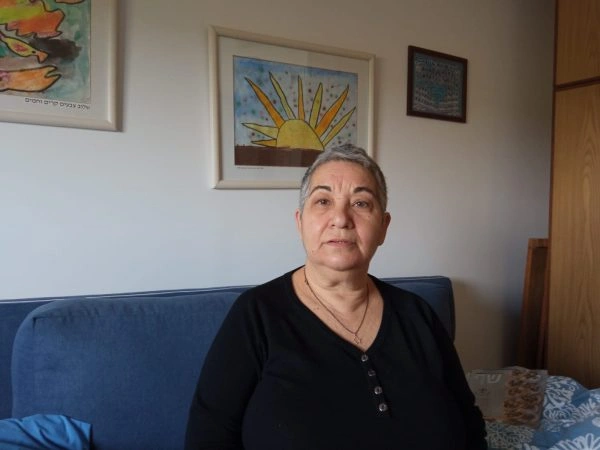
יהוד, ישראל
רציתי לקבל ידע בתחום שהרגשתי שהוא גדול וחשוב אך נעלם ממני. הלימוד מעניק אתגר וסיפוק ומעמיק את תחושת השייכות שלי לתורה וליהדות
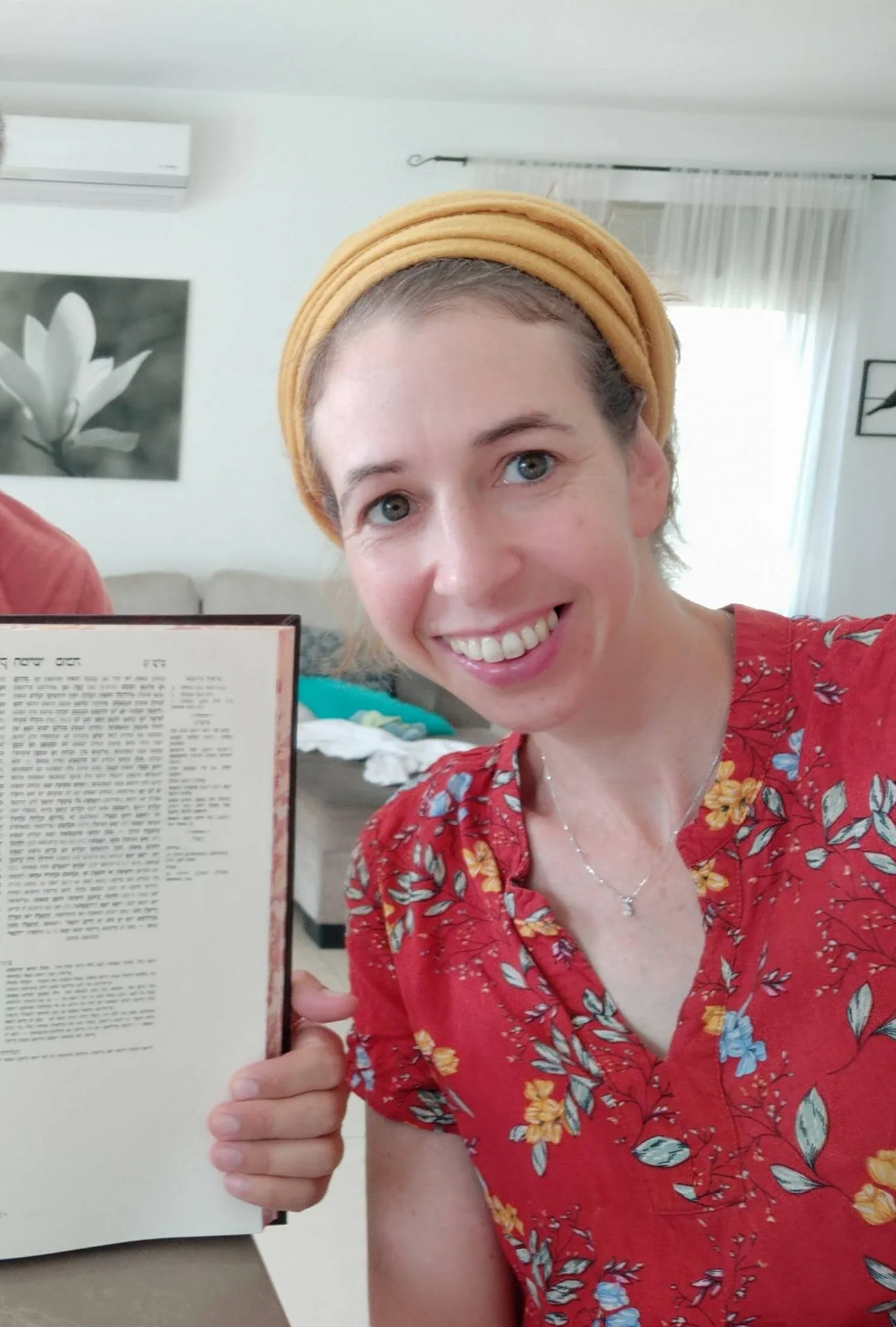
עלי זהב – לשם, ישראל
למדתי גמרא מכיתה ז- ט ב Maimonides School ואחרי העליה שלי בגיל 14 לימוד הגמרא, שלא היה כל כך מקובל בימים אלה, היה די ספוראדי. אחרי "ההתגלות” בבנייני האומה התחלתי ללמוד בעיקר בדרך הביתה למדתי מפוקקטסים שונים. לאט לאט ראיתי שאני תמיד חוזרת לרבנית מישל פרבר. באיזה שהוא שלב התחלתי ללמוד בזום בשעה 7:10 .
היום "אין מצב” שאני אתחיל את היום שלי ללא לימוד עם הרבנית מישל עם כוס הקפה שלי!!

חשמונאים, ישראל
התחלתי ללמוד דף יומי שהתחילו מסכת כתובות, לפני 7 שנים, במסגרת קבוצת לימוד שהתפרקה די מהר, ומשם המשכתי לבד בתמיכת האיש שלי. נעזרתי בגמרת שטיינזלץ ובשיעורים מוקלטים.
הסביבה מאד תומכת ואני מקבלת המון מילים טובות לאורך כל הדרך. מאז הסיום הגדול יש תחושה שאני חלק מדבר גדול יותר.
אני לומדת בשיטת ה”7 דפים בשבוע” של הרבנית תרצה קלמן – כלומר, לא נורא אם לא הצלחת ללמוד כל יום, העיקר שגמרת ארבעה דפים בשבוע
עתניאל, ישראל
התחלתי ללמוד בשנת המדרשה במגדל עוז, בינתיים נהנית מאוד מהלימוד ומהגמרא, מעניין ומשמח מאוד!
משתדלת להצליח לעקוב כל יום, לפעמים משלימה קצת בהמשך השבוע.. מרגישה שיש עוגן מקובע ביום שלי והוא משמח מאוד!
חיפה , ישראל
באירוע של הדרן בנייני האומה. בהשראתה של אמי שלי שסיימה את הש”ס בסבב הקודם ובעידוד מאיר , אישי, וילדיי וחברותיי ללימוד במכון למנהיגות הלכתית של רשת אור תורה סטון ומורתיי הרבנית ענת נובוסלסקי והרבנית דבורה עברון, ראש המכון למנהיגות הלכתית.
הלימוד מעשיר את יומי, מחזיר אותי גם למסכתות שכבר סיימתי וידוע שאינו דומה מי ששונה פרקו מאה לשונה פרקו מאה ואחת במיוחד מרתקים אותי החיבורים בין המסכתות
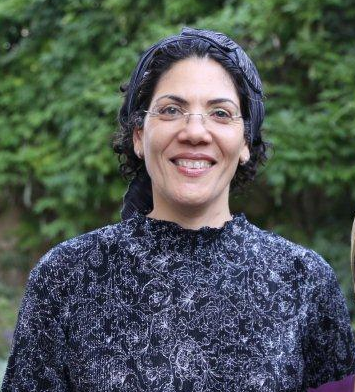
מודיעין, ישראל
אני לומדת גמרא כעשור במסגרות שונות, ואת הדף היומי התחלתי כשחברה הציעה שאצטרף אליה לסיום בבנייני האומה. מאז אני לומדת עם פודקסט הדרן, משתדלת באופן יומי אך אם לא מספיקה, מדביקה פערים עד ערב שבת. בסבב הזה הלימוד הוא "ממעוף הציפור”, מקשיבה במהירות מוגברת תוך כדי פעילויות כמו בישול או נהיגה, וכך רוכשת היכרות עם הסוגיות ואופן ניתוחם על ידי חז”ל. בע”ה בסבב הבא, ואולי לפני, אצלול לתוכו באופן מעמיק יותר.

רמת גן, ישראל
התחלתי ללמוד דף יומי לפני שנתיים, עם מסכת שבת. בהתחלה ההתמדה היתה קשה אבל בזכות הקורונה והסגרים הצלחתי להדביק את הפערים בשבתות הארוכות, לסיים את מסכת שבת ולהמשיך עם המסכתות הבאות. עכשיו אני מסיימת בהתרגשות רבה את מסכת חגיגה וסדר מועד ומחכה לסדר הבא!

מודיעין, ישראל
My explorations into Gemara started a few days into the present cycle. I binged learnt and become addicted. I’m fascinated by the rich "tapestry” of intertwined themes, connections between Masechtot, conversations between generations of Rabbanim and learners past and present all over the world. My life has acquired a golden thread, linking generations with our amazing heritage.
Thank you.

חשמונאים, Israel
הצטרפתי ללומדות בתחילת מסכת תענית. ההתרגשות שלי ושל המשפחה היתה גדולה מאוד, והיא הולכת וגוברת עם כל סיום שאני זוכה לו. במשך שנים רבות רציתי להצטרף ומשום מה זה לא קרה… ב”ה מצאתי לפני מספר חודשים פרסום של הדרן, ומיד הצטרפתי והתאהבתי. הדף היומי שינה את חיי ממש והפך כל יום- ליום של תורה. מודה לכן מקרב ליבי ומאחלת לכולנו לימוד פורה מתוך אהבת התורה ולומדיה.

חיספין רמת הגולן, ישראל
התחלתי לפני 8 שנים במדרשה. לאחרונה סיימתי מסכת תענית בלמידה עצמית ועכשיו לקראת סיום מסכת מגילה.
רעננה, ישראל
הייתי לפני שנתיים בסיום הדרן נשים בבנייני האומה והחלטתי להתחיל. אפילו רק כמה דפים, אולי רק פרק, אולי רק מסכת… בינתיים סיימתי רבע שס ותכף את כל סדר מועד בה.
הסביבה תומכת ומפרגנת. אני בת יחידה עם ארבעה אחים שכולם לומדים דף יומי. מדי פעם אנחנו עושים סיומים יחד באירועים משפחתיים. ממש מרגש. מסכת שבת סיימנו כולנו יחד עם אבא שלנו!
אני שומעת כל יום פודקאסט בהליכה או בנסיעה ואחכ לומדת את הגמרא.

מרכז שפירא, ישראל
נדרים לג
וְהָא מִן מַאֲכָל נָדַר! אָמַר רַבִּי שִׁמְעוֹן בֶּן לָקִישׁ: בְּאוֹמֵר ״הֲנָאַת מַאֲכָלְךָ עָלַי״.
The Gemara asks: But didn’t he vow that he is prohibited from partaking of food, and those items are not food items? Rabbi Shimon ben Lakish said: The mishna is referring to a case where he says: Benefit from your food is forbidden to me, which includes any benefit associated with food.
אֵימָא שֶׁלֹּא יִלְעוֹס חִיטִּין וְיִתֵּן עַל מַכָּתוֹ! אָמַר רָבָא: בְּאוֹמֵר ״הֲנָאָה הַמְּבִיאָה לִידֵי מַאֲכָלְךָ עָלַי״.
The Gemara asks: Say that the result of a vow formulated in that manner is that he may not chew wheat kernels belonging to the one from whose food benefit is forbidden and place them on his wound, as that is a benefit that results from food. However, that vow does not render items used in the preparation of food forbidden. Rava said that the mishna is referring to a case where he says: Benefit that leads to preparation of your food is forbidden to me.
אָמַר רַב פָּפָּא: שַׂק לְהָבִיא פֵּירוֹת, וַחֲמוֹר לְהָבִיא עָלָיו פֵּירוֹת, וַאֲפִילּוּ צַנָּא בְּעָלְמָא, הֲנָאָה הַמְּבִיאָה לִידֵי מַאֲכָל הוּא. בָּעֵי רַב פָּפָּא: סוּס לִרְכּוֹב עָלָיו וְטַבַּעַת לֵירָאוֹת בָּהּ, מַהוּ? מִיפְסַק וּמֵיזַל בְּאַרְעֵיהּ, מַאי?
Rav Pappa said: Borrowing from him a sack in which to bring produce, or a donkey upon which to bring produce, or even merely a basket, each renders benefit that leads to food, and this benefit is forbidden. Rav Pappa raised a dilemma: If he seeks to borrow a horse upon which to ride or a ring with which to be seen when attending a feast, to create the impression that he is wealthy, what is the ruling? Is it prohibited to borrow these items, since having them in one’s possession may indirectly result in his being served before others or being served higher-quality food; and therefore, borrowing those items provides benefit that leads to food? With regard to traversing and walking on his land that facilitates one’s quick return home, enabling him to eat sooner, what is the halakha?
תָּא שְׁמַע: אֲבָל מַשְׁאִיל לוֹ חָלוּק וְטַלִּית נְזָמִים וְטַבָּעוֹת. הֵיכִי דָמֵי? אִילֵּימָא שֶׁלֹּא לֵירָאוֹת בָּהֶן, צְרִיכָא לְמֵימַר? אֶלָּא לָאו, אֲפִילּוּ לֵירָאוֹת בָּהֶן, וְקָתָנֵי ״מַשְׁאִילוֹ״!
The Gemara proposes: Come and hear a proof from the mishna: However, he may lend him a garment, and a cloak, and nose rings, and finger rings. The Gemara asks: What are the circumstances of that situation? If we say it is a case where it is not the borrower’s intent to be seen with them, and therefore there is no benefit that leads to food, does this need to be said? The vow rendered only food forbidden. Rather, isn’t this halakha stated even in a case where he borrowed those items to be seen with them, and it is taught in the mishna that he may lend it to him?
לָא, לְעוֹלָם שֶׁלֹּא לֵירָאוֹת, וְאַיְּידֵי דְּקָתָנֵי רֵישָׁא ״לֹא יַשְׁאִילֶנּוּ״, תְּנָא סֵיפָא ״מַשְׁאִילוֹ״.
The Gemara refutes this. No, actually the mishna is referring to a case where he borrowed those items with the intention not to be seen with them. In response to the question: Is it necessary to say so, the Gemara answers that it is not necessary to teach this halakha. However, since it is taught in the first clause: He may not lend him, when listing the matters that may not be loaned, the tanna taught the latter clause of the mishna with a parallel formulation: He may lend him. Rav Pappa’s dilemma remains unresolved.
מַתְנִי׳ וְכׇל דָּבָר שֶׁאֵין עוֹשִׂין בּוֹ אוֹכֶל נֶפֶשׁ, מָקוֹם שֶׁמַּשְׂכִּירִין כְּיוֹצֵא בָּהֶן — אָסוּר.
MISHNA: And with regard to any item that one does not use in the preparation of food, in a place where one rents items of that kind, that item is forbidden. Meaning, one for whom benefit from another is forbidden by vow is prohibited from borrowing this type of item from the one who vowed and imposed the prohibition. This is because one can use the money saved by borrowing the item rather than renting it to purchase food.
גְּמָ׳ מִכְּלָל דְּרֵישָׁא, אַף עַל פִּי שֶׁאֵין מַשְׂכִּירִין. מַאן תַּנָּא? אָמַר רַב אַדָּא בַּר אַהֲבָה: רַבִּי אֱלִיעֶזֶר הִיא.
GEMARA: The Gemara states: By inference, one may conclude that the first clause of the mishna, which states that the one for whom benefit from another is forbidden by vow is prohibited from deriving benefit from utensils used in the preparation of food, e.g., a sieve or a strainer, applies even if they are in a place where one does not rent items of that kind but typically lends them at no cost. The Gemara asks: Who is the tanna who taught this mishna? Rav Adda bar Ahava said: It is Rabbi Eliezer, who maintains that overlooking is prohibited in the case of one for whom benefit from another is forbidden by vow.
מַתְנִי׳ הַמּוּדָּר הֲנָאָה מֵחֲבֵירוֹ, שׁוֹקֵל לוֹ אֶת שִׁקְלוֹ וּפוֹרֵעַ אֶת חוֹבוֹ, וּמַחֲזִיר לוֹ אֶת אֲבֵידָתוֹ. מָקוֹם שֶׁנּוֹטְלִין עָלֶיהָ שָׂכָר — תִּפּוֹל הֲנָאָה לַהֶקְדֵּשׁ.
MISHNA: With regard to one prohibited by vow from deriving benefit from another, if that other person chooses, he may contribute the half-shekel to the Temple on his behalf, and repay his debt, and return his lost item to him, and the one prohibited from benefiting is not considered to have benefited from him. In a place where one takes payment for returning a lost item, that benefit should fall into the category of consecrated Temple property.
גְּמָ׳ אַלְמָא אַבְרוֹחֵי אֲרִי בְּעָלְמָא הוּא, וּשְׁרֵי.
GEMARA: The mishna allowed one who vowed and imposed the prohibition to pay the financial obligations of the one who is prohibited by vow to derive benefit from him. Based on this, the Gemara concludes: Apparently, repaying his debts is tantamount to merely driving away a lion from him, and it is permitted. He is not actually giving him anything. Rather, he is preventing potential future harm. That is not considered a benefit.
מַאן תַּנָּא? אָמַר רַב הוֹשַׁעְיָא: זוֹ
The Gemara asks: Who is the tanna who taught that in performing the actions listed in the mishna one is merely preventing harm? Rav Hoshaya said: This
דִּבְרֵי חָנָן הִיא.
is the statement of Ḥanan in a dispute pertaining to one who pays the debt of another. Ḥanan holds that he cannot demand to be reimbursed for that payment, since he merely prevented potential damage.
רָבָא אָמַר: אֲפִילּוּ תֵּימָא דִּבְרֵי הַכֹּל, גַּבֵּי מוּדָּר הֲנָאָה דְּיָהֵיב עַל מְנָת שֶׁלֹּא לִפְרוֹעַ.
Rava said: Even if you say that everyone agrees that this is the halakha, it was stated with regard to one prohibited by vow from deriving benefit from another who borrowed money, and the creditor stipulated that it was on the condition that if he so chooses he does not need to repay the loan. In that case, by repaying the loan, one who vowed and imposed the prohibition did not actually repay his debt.
מַאי חָנָן? דִּתְנַן: מִי שֶׁהָלַךְ לִמְדִינַת הַיָּם, וְעָמַד אֶחָד וּפִירְנֵס אֶת אִשְׁתּוֹ. חָנָן אָמַר: אִיבֵּד אֶת מְעוֹתָיו.
The Gemara asks: What is the opinion of Ḥanan to which the Gemara referred? The Gemara answers that it is as we learned in a mishna: In the case of a husband who went to a country overseas, and one other man arose and supported his wife on his own initiative and then demanded to be reimbursed for that support when the husband returned, Ḥanan said: The one who took the initiative to support the wife lost his money, since the husband neither asked him to do so nor committed to compensate him.
נֶחְלְקוּ עָלָיו בְּנֵי כֹּהֲנִים גְּדוֹלִים, וְאָמְרוּ: יִשָּׁבַע כַּמָּה הוֹצִיא, וְיִטּוֹל. אָמַר רַבִּי דּוֹסָא בֶּן הַרְכִּינָס כְּדִבְרֵיהֶם. אָמַר רַבִּי יוֹחָנָן בֶּן זַכַּאי: יָפֶה אָמַר חָנָן, הִנִּיחַ מְעוֹתָיו עַל קֶרֶן הַצְּבִי.
The sons of High Priests disagreed with him and said: The one who took the initiative to support his wife will take an oath as to how much he spent and take repayment from the husband. Rabbi Dosa ben Harkinas said in accordance with the statement of the sons of High Priests. Rabbi Yoḥanan ben Zakkai said: Ḥanan spoke well, as in any case of this type he placed his money on the antler of a deer, i.e., a risky venture with no guaranteed return.
רָבָא לָא אָמַר כְּרַב הוֹשַׁעְיָא, דְּקָא מוֹקֵים לָהּ לְמַתְנִיתִין כְּדִבְרֵי הַכֹּל. רַב הוֹשַׁעְיָא לָא אָמַר כְּרָבָא, גְּזֵירָה שֶׁלֹּא לִיפָּרַע מִשּׁוּם לִיפָּרַע.
The Gemara explains the dispute between Rava and Rav Hoshaya with regard to attribution of the mishna: Rava did not say that the mishna is in accordance with the opinion of Ḥanan, as did Rav Hoshaya, and he preferred a different explanation, as he establishes the mishna in accordance with the statements upon which everyone agrees, rather than attributing it to an individual tanna. Rav Hoshaya did not say that the mishna is in accordance with the opinion of all the tanna’im as did Rava, as there is basis to issue a rabbinic decree prohibiting repayment of a loan for one for whom benefit from another is forbidden by vow on the condition that he does not need to repay the loan, due to a standard loan that he is required to repay. Therefore, he prefers to establish the mishna in accordance with the opinion of Ḥanan.
מַחֲזִיר לוֹ אֶת אֲבֵידָתוֹ. פְּלִיגִי בַּהּ רַבִּי אַמֵּי וְרַבִּי אַסִּי, חַד אָמַר: לֹא שָׁנוּ אֶלָּא בְּשֶׁנִּכְסֵי מַחְזִיר אֲסוּרִין עַל בַּעַל אֲבֵידָה, דְּכִי מַהְדַּר לֵיהּ — מִידַּעַם דְּנַפְשֵׁיהּ קָא מַהְדַּר לֵיהּ. אֲבָל נִכְסֵי בַּעַל אֲבֵידָה אֲסוּרִין עַל מַחְזִיר — לָא קָא מַהְדַּר לֵיהּ, דְּקָא מְהַנֵּי לֵיהּ פְּרוּטָה דְּרַב יוֹסֵף.
§ We learned in the mishna: He returns his lost item to him. Rabbi Ami and Rabbi Asi disagree about this. One said: They taught this only in a case where the property of the one returning the lost item is forbidden to the owner of the lost item, as when he returns it to him he is returning to him something of his own and is not giving him anything new. Consequently, returning a lost item in no way violates the vow. However, in a case where the property of the owner of the lost item is forbidden to the one returning the lost item, he may not return it to him, as in that case the owner indirectly benefits the one returning the lost item by enabling him to acquire the peruta of Rav Yosef. Rav Yosef said that the legal status of one tending to the return of a lost item is like that of a paid bailee. Since one who is engaged in a mitzva is exempt from performing another mitzva, while he is tending to the lost item he is exempt from giving charity to a pauper. Since the one returning the lost item profits from engaging in the return of the lost item, it is prohibited for him to do so, as he is prohibited by vow from deriving benefit from the owner of the lost item.
וְחַד אָמַר: אֲפִילּוּ נִכְסֵי בַּעַל אֲבֵידָה אֲסוּרִין עַל מַחְזִיר מַהְדַּר לֵיהּ, וּמִשּׁוּם פְּרוּטָה דְּרַב יוֹסֵף לָא שְׁכִיחַ.
And one said: Even in a case where the property of the owner of the lost item is forbidden to the one returning the lost item, he returns it to him. And with regard to the concern due to the peruta of Rav Yosef, it is not a concern because it is uncommon for a pauper to happen upon a person just when he is tending to the lost item. Therefore, it cannot be said that there is profit in the return of a lost item.

