חיפוש

נדרים פג

רוצה להקדיש שיעור?

podcast placeholder

0:00
0:00


תקציר

הדף מוקדש על ידי שרי אסרמן לנשמת דודתה זכרונה לברכה, מרים מונאוור בת יוסף הכהן.

הדף היום מוקדש על ידי דבי ויוסי גביר לבנם אליאב ורעייתו נויה, לרגל לידת בנם הבכור. "חגגנו השבת ברית באווירה משפחתית וחמה. יהי רצון ששחר יוסף יחיה תמיד כ”שוחר” קרבתו של הקב”ה, ברוח הפסוק שממנו שאבו הוריו השראה לשמו: ישעיהו כ”ו- "נפשי אויתיך בלילה אף רוחי אשחרך…”. זאת, בשילוב עם מעלותיו של אביה של דבי, יוסף גינגזברג ז”ל, אדם ייחודי, אוהב ויצירתי שגילם את המושג ‘תורה ומדע’.

לפי גירסה אחרת, רב אסי שאל את רבי יוחנן  על מקרה שבו אשה נדרה שלא תאכל שתי ככרות לחם והימנעות מאכילת אחת נחשבת לעינוי נפש, אבל השנייה לא. ר’ יוחנן עונה שהוא מפר רק את שנחשב לעינוי נפש (ככר אחת). מביאים משנה וברייתא ממסכת נזיר להקשות על דבריו אבל מתרצים. רב יוסף מתרץ את הקושי הראשון שזה דין מיוחד בנזירות שאין נזירות לחצאין. אביי מקשה על דיוק מדברי רב יוסף שנשמע מדבריו שיש קרבן לחצאין, וזה לא נכון! הגמרא דנה בדברי אביי. על הקושי השני עונים שגם להימנע משתיית יין וגם להימנע מליטמא למתים נחשב עינוי נפש כי מי שמטמא לאחרים, אחרים ייטמאו לו. אם אשה נודרת נגד הנאה מכל הבריות, הבעל לא יכול להפר משום שהוא לא נכלל מכל הבריות ובנוסף על כך, היא יכולה לקחת מלקט שכחה ופאה. זה דרך אחת להבין את דברי המשנה וזה בהנחה שהבעל לא בכלל ‘כל הבריות.’ אבל מביאים עוד שתי דרכים להבין את דברי המשנה. באחד מבינים שהבעל בכלל הבריות והיא דווקא אסורה לו גם ובשני מניחים שהבעל לא בכלל הבריות ושני חלקי המשפט מדברים על שני מצבים שונים (אשה בתוך הנישואין ואשה לאחר שנתגרשה). אם אשה נודרת שכהנים ולויים לא יכולה להינות ממנה, מה קורה לגבי מתנות כהנים ולויים?

נדרים פג

הֲרֵי זוֹ סוֹפֶגֶת אֶת הָאַרְבָּעִים. הֵפֵר לָהּ בַּעְלָהּ וְהִיא לֹא יָדְעָה שֶׁהֵפֵר לָהּ, וְהָיְתָה שׁוֹתָה יַיִן וּמִיטַּמְּאָהּ לְמֵתִים — אֵינָהּ סוֹפֶגֶת אֶת הָאַרְבָּעִים.

she incurs [sofeget] the forty lashes, the penalty for one who transgresses a Torah prohibition, as she violated the terms of her nazirite vow. If her husband nullified the vow for her, but she did not know that he nullified it for her, and she drank wine or became impure through contact with the dead, she does not incur the forty lashes. She did not commit a transgression, as her nazirite vow was nullified.

וְאִי אָמְרַתְּ מֵפֵר לַמִּתְעַנָּה וְאֵין מֵפֵר לְשֶׁאֵין מִתְעַנָּה, דִּלְמָא מִן יַיִן דְּאִית לַהּ צַעֲרָא — הֵפֵר לָהּ, מִן חַרְצָן וּמִן זַג — לֹא הֵפֵר לָהּ, דְּהָא לָא אִית לַהּ צַעֲרָא. וְתִסְפּוֹג אֶת הָאַרְבָּעִים!

And if you say that the husband can nullify the vow with regard to the loaf that would cause her to deprive herself, but he cannot nullify the vow with regard to the loaf that would not cause her to deprive herself, the same reasoning should apply to a nazirite vow: Perhaps the husband nullified for her the vow that rendered wine forbidden to her, as she suffers pain when she refrains from drinking it. But as for her vow that rendered grape seeds and grape skins forbidden to her, he did not nullify it for her, as she suffers no pain when she abstains from them. And since even grape seeds and grape skins are forbidden to a nazirite, if the woman ate of them, she should receive the forty lashes, even if her husband nullified her vow.

אָמַר רַב יוֹסֵף: אֵין נְזִירוּת לַחֲצָאִין.

Rav Yosef said: Here it is different, as naziriteship cannot take effect partially. Since one cannot be a nazirite and accept only some of the prohibitions of naziriteship, the husband’s nullification cancels the entire vow. In the case of an ordinary vow, on the other hand, the husband can nullify only the part that causes his wife suffering.

אֲמַר לֵיהּ אַבָּיֵי: הָא קׇרְבָּן לַחֲצִי נְזִירוּת אִיכָּא?! אֶלָּא אָמַר אַבָּיֵי: אֵין נְזִירוּת לַחֲצָאִין, וְאֵין קׇרְבָּן לַחֲצָאִין.

Abaye said to him: The wording of your statement suggests that naziriteship cannot take effect partially, but that an offering is brought for partial observance of naziriteship. Rather, Abaye said that one should say as follows: Naziriteship cannot take effect partially, and no offering is brought for partial observance of naziriteship.

מֵיתִיבִי: הָאִשָּׁה שֶׁנָּדְרָה בְּנָזִיר וְהִפְרִישָׁה בְּהֶמְתָּהּ וְאַחַר כָּךְ הֵפֵר לָהּ בַּעְלָהּ — מְבִיאָה חַטַּאת הָעוֹף, וְאֵינָהּ מְבִיאָה עוֹלַת הָעוֹף. וְאִי אָמְרַתְּ אֵין קׇרְבָּן לַחֲצִי נְזִירוּת, אַמַּאי מְבִיאָה חַטָּאת הָעוֹף?

The Gemara raises an objection from the following statement: With regard to a woman who vowed to be a nazirite and she designated her animal for her nazirite offering, and afterward her husband nullified her vow for her, she must bring a bird sin-offering but she does not bring a bird burnt-offering. And if you say that no offering is brought for partial observance of naziriteship, why must she bring a bird sin-offering?

וְאֶלָּא מַאי — יֵשׁ קׇרְבָּן לַחֲצִי נְזִירוּת? שָׁלֹשׁ בְּהֵמוֹת בָּעֵי לְאֵתוֹיֵי: חַטָּאת, עוֹלָה, וּשְׁלָמִים! אֶלָּא, לְעוֹלָם אֵין קׇרְבָּן לַחֲצִי נְזִירוּת. וְחַטַּאת הָעוֹף דְּמַתְיָא — מִשּׁוּם דְּחַטָּאת עַל הַסָּפֵק.

The Gemara rejects this argument: But rather, what will you say? That an offering is brought for partial observance of naziriteship? If so, she should be required to bring three animals as offerings, a sin-offering, a burnt-offering, and a peace-offering, in accordance with the halakha governing a nazirite who has completed the period of his vow. Rather, say as follows: Actually, no offering is brought for partial observance of naziriteship, and as for the bird sin-offering that she must bring, this is because a bird sin-offering can be brought in a case of uncertainty. She must therefore bring a sin-offering for the partial naziriteship that she observed.

אֵיתִיבֵיהּ: הָאִשָּׁה שֶׁנָּדְרָה בְּנָזִיר וְנִטְמֵאת, וְאַחַר כָּךְ הֵפֵר לָהּ בַּעְלָהּ — מְבִיאָה חַטַּאת הָעוֹף, וְאֵין מְבִיאָה עוֹלַת הָעוֹף. וְאִי אָמְרַתְּ מֵפֵר לַמִּתְעַנָּה וְאֵין מֵפֵר לְשֶׁאֵין מִתְעַנָּה,

Rav Asi raised an objection against the opinion of Rabbi Yoḥanan from the following baraita: With regard to a woman who vowed to be a nazirite and she became ritually impure through contact with the dead, and afterward her husband nullified her vow for her, she must bring a bird sin-offering but does not bring a bird burnt-offering. And if you say that the husband can nullify the vow with regard to the loaf that would cause her to deprive herself, but he cannot nullify the vow with regard to the loaf that would not cause her to deprive herself, the same reasoning should apply here:

דִּלְמָא מִיַּיִן דְּאִית לַהּ צַעֲרָא — הֵפֵר לָהּ, מִטּוּמְאַת מֵת, דְּלֵית לַהּ צַעֲרָא — לֹא הֵפֵר לָהּ?

Perhaps the husband nullified for her the vow that rendered wine forbidden to her, as she suffers pain when she refrains from drinking it. But as for her vow that impurity imparted by the dead is forbidden to her, he did not nullify it for her, as she suffers no pain by not becoming impure through contact with the dead. Why, then, does she not bring the offerings that must be brought by a nazirite who became ritually impure through contact with the dead? This implies that since the husband can nullify a vow with regard to a matter that would cause her to deprive herself, he can also nullify a vow with regard to a matter that would not cause her to deprive herself.

אָמְרִי: מִטּוּמְאַת מֵת נָמֵי אִית לַהּ צַעֲרָא — דִּכְתִיב: ״וְהַחַי יִתֵּן אֶל לִבּוֹ״, וְתַנְיָא, הָיָה רַבִּי מֵאִיר אוֹמֵר: מַאי דִּכְתִיב ״וְהַחַי יִתֵּן אֶל לִבּוֹ״, דְּיִסְפּוֹד — יִסְפְּדוּן לֵיהּ, דְּיִבְכּוּן — יִבְכּוּן לֵיהּ, דְּיִקְבַּר — יִקְבְּרוּנֵיהּ.

The Gemara rejects this argument: The Sages say in response that a woman who vows that impurity imparted by the dead is forbidden to her also suffers pain as a result. How so? As it is written: “And the living shall lay it to his heart” (Ecclesiastes 7:2), and it is taught in a baraita that Rabbi Meir would say: What is the meaning of that which is written: “And the living shall lay it to his heart”? This means that one who eulogizes others when they die will in turn be eulogized when he himself dies; one who weeps for others will be wept for when he himself passes away; and one who buries others will himself be buried upon his passing. A woman who cannot participate in the funerals of others because she is barred from contracting impurity through contact with a corpse is distressed by the thought that she will receive similar treatment when she dies. Therefore, her vow involves affliction and can be nullified by her husband. The conclusion is that this case does not present a difficulty for Rabbi Yoḥanan.

מַתְנִי׳ ״קֻוֽנָּם שֶׁאֲנִי נֶהֱנֶה לַבְּרִיּוֹת״ — אֵינוֹ יָכוֹל לְהָפֵר, וִיכוֹלָה הִיא לֵיהָנוֹת בְּלֶקֶט, שִׁכְחָה, וּבְפֵאָה.

MISHNA: If a woman vowed: The property of other people is konam for me, and for that reason I will not benefit from it, her husband cannot nullify her vow, but nevertheless, if she is poor, she may benefit from the agricultural gifts that must be left for the poor: Gleanings, i.e., isolated stalks that fell during the harvest; forgotten sheaves; and produce of the corners [pe’a] of the field that the owner is obligated to leave for the poor. Enjoyment of these gifts is not considered as benefit derived from people, as these gifts are not given voluntarily out of the kindness of the donors, but in the performance of a mitzva.

״קֻוֽנָּם כֹּהֲנִים לְוִיִּם נֶהֱנִים לִי״ — יִטְּלוּ עַל כׇּרְחוֹ. ״כֹּהֲנִים אֵלּוּ וּלְוִיִּם אֵלּוּ נֶהֱנִים לִי״ — יִטְּלוּ אֲחֵרִים.

If one said: I will not let priests and Levites benefit from me, as that is konam for me, they can take the priestly and Levitical gifts from him against his will. If, however, he said: I will not let these specific priests and these specific Levites benefit from me, as that is konam for me, they are taken by others.

גְּמָ׳ אַלְמָא אֶפְשָׁר דְּמִתַּזְנָה מִדִּילֵיהּ, מִכְּלָל דְּבַעַל לָאו בִּכְלַל ״בְּרִיּוֹת״ הוּא. אֵימָא סֵיפָא: יְכוֹלָה לֵיהָנוֹת בְּלֶקֶט שִׁכְחָה וּפֵאָה, אֲבָל מִדְּבַעַל לָא אָכְלָה, אַלְמָא בַּעַל בִּכְלַל ״בְּרִיּוֹת״ הוּא!

GEMARA: The mishna teaches that if a woman vowed not to derive benefit from people, her husband cannot nullify her vow. The Gemara infers from this halakha: Apparently, this is because the woman can be sustained from his, i.e., her husband’s, property, without having to take from others. This proves by inference that in this context a husband is not included in her reference to people, as, although she mentioned people in her vow, she did not mean to prohibit herself from deriving benefit from her husband. The Gemara asks: But say the latter clause of that same part of the mishna, which states: But she may benefit from gleanings, forgotten sheaves, and pe’a. This implies that she may derive benefit from the gifts given to the poor, but she may not eat from property belonging to her husband. Apparently, a husband is in fact included in her reference to people, and she may not benefit from him either.

אָמַר עוּלָּא: לְעוֹלָם לָאו בִּכְלַל ״בְּרִיּוֹת״ הוּא, וְעוֹד: אֵין יָכוֹל לְהָפֵר — מִפְּנֵי שֶׁיְּכוֹלָה לֵיהָנוֹת בְּלֶקֶט שִׁכְחָה וּפֵאָה.

Ulla said: Actually, a husband is not included in her reference to people, and there is no contradiction. Rather, the mishna provides two reasons why he cannot nullify his wife’s vow. The first reason, which is merely implied by the mishna, is that she can be sustained by her husband. And furthermore there is the stated reason, that he cannot nullify the vow because she may benefit from gleanings, forgotten sheaves, and pe’a.

רָבָא אָמַר: לְעוֹלָם בַּעַל בִּכְלַל ״בְּרִיּוֹת״ הוּא, וּ״מָה טַעַם״ קָאָמַר: מָה טַעַם אֵין יָכוֹל לְהָפֵר? מִפְּנֵי שֶׁיְּכוֹלָה לֵיהָנוֹת בְּלֶקֶט שִׁכְחָה וּפֵאָה.

Rava said the opposite: Actually, a husband is included in her reference to people, and therefore his wife may not benefit from him. And when the mishna states the halakha, it employs the style known as: What is the reason, and it should be understood as follows: What is the reason that the husband cannot nullify his wife’s vow? Because she may benefit from gleanings, forgotten sheaves, and pe’a.

רַב נַחְמָן אָמַר: לְעוֹלָם בַּעַל לָאו בִּכְלַל ״בְּרִיּוֹת״ הוּא. וְהָכִי קָתָנֵי: נִתְגָּרְשָׁה, יְכוֹלָה לֵיהָנוֹת בְּלֶקֶט שִׁכְחָה וּפֵאָה.

Rav Naḥman said: Actually, a husband is not included in her reference to people, and her vow not to derive benefit from all people does not include him, which is why he cannot nullify it. And this is what the mishna is teaching: The husband cannot nullify his wife’s vow, because even if she becomes divorced and can no longer derive benefit from her husband, as he is now included in her reference to people, she may still benefit from gleanings, forgotten sheaves, and pe’a.

העמקה

רוצה להבין מה באמת קורה מתחת לפני השטח של הסוגיה?
שיעורים, פודקאסטים והרחבות של מיטב המורות שלנו יפתחו לך עוד זוויות וכיווני חשיבה.

לשיעורי עוד על הדף באנגלית, לחצי כאן

חדשה בלימוד הגמרא?

זה הדף הראשון שלך? איזו התרגשות עצומה! יש לנו בדיוק את התכנים והכלים שיעזרו לך לעשות את הצעדים הראשונים ללמידה בקצב וברמה שלך, כך תוכלי להרגיש בנוח גם בתוך הסוגיות המורכבות ומאתגרות.

פסיפס הלומדות שלנו

גלי את קהילת הלומדות שלנו, מגוון נשים, רקעים וסיפורים. כולן חלק מתנועה ומסע מרגש ועוצמתי.

התחלתי לפני 8 שנים במדרשה. לאחרונה סיימתי מסכת תענית בלמידה עצמית ועכשיו לקראת סיום מסכת מגילה.

Daniela Baruchim
דניאלה ברוכים

רעננה, ישראל

למדתי גמרא מכיתה ז- ט ב Maimonides School ואחרי העליה שלי בגיל 14 לימוד הגמרא, שלא היה כל כך מקובל בימים אלה, היה די ספוראדי. אחרי "ההתגלות” בבנייני האומה התחלתי ללמוד בעיקר בדרך הביתה למדתי מפוקקטסים שונים. לאט לאט ראיתי שאני תמיד חוזרת לרבנית מישל פרבר. באיזה שהוא שלב התחלתי ללמוד בזום בשעה 7:10 .
היום "אין מצב” שאני אתחיל את היום שלי ללא לימוד עם הרבנית מישל עם כוס הקפה שלי!!

selfie-scaled
דבי גביר

חשמונאים, ישראל

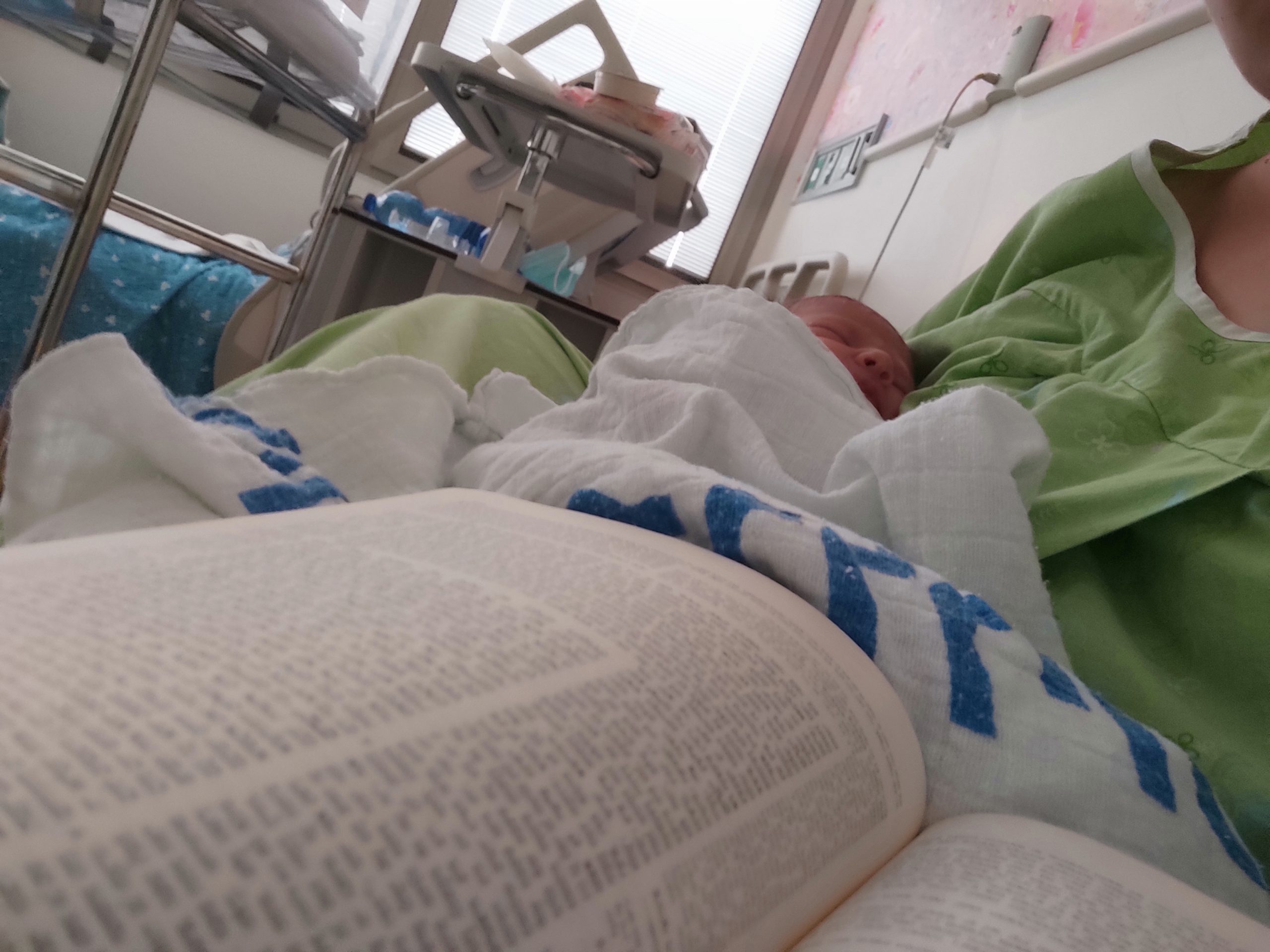
התחלתי ללמוד את הדף היומי מעט אחרי שבני הקטן נולד. בהתחלה בשמיעה ולימוד באמצעות השיעור של הרבנית שפרבר. ובהמשך העזתי וקניתי לעצמי גמרא. מאז ממשיכה יום יום ללמוד עצמאית, ולפעמים בעזרת השיעור של הרבנית, כל יום. כל סיום של מסכת מביא לאושר גדול וסיפוק. הילדים בבית נהיו חלק מהלימוד, אני משתפת בסוגיות מעניינות ונהנית לשמוע את דעתם.

Eliraz Blau
אלירז בלאו

מעלה מכמש, ישראל

לצערי גדלתי בדור שבו לימוד גמרא לנשים לא היה דבר שבשגרה ושנים שאני חולמת להשלים את הפער הזה.. עד שלפני מספר שבועות, כמעט במקרה, נתקלתי במודעת פרסומת הקוראת להצטרף ללימוד מסכת תענית. כשקראתי את המודעה הרגשתי שהיא כאילו נכתבה עבורי – "תמיד חלמת ללמוד גמרא ולא ידעת איך להתחיל”, "בואי להתנסות במסכת קצרה וקלה” (רק היה חסר שהמודעה תיפתח במילים "מיכי שלום”..). קפצתי למים ו- ב”ה אני בדרך להגשמת החלום:)

Micah Kadosh
מיכי קדוש

מורשת, ישראל

התחלתי ללמוד בסבב הנוכחי לפני כשנתיים .הסביבה מתפעלת ותומכת מאוד. אני משתדלת ללמוד מכל ההסכתים הנוספים שיש באתר הדרן. אני עורכת כל סיום מסכת שיעור בביתי לכ20 נשים שמחכות בקוצר רוח למפגשים האלו.

Yael Asher
יעל אשר

יהוד, ישראל

התחלתי ללמוד לפני כשנתיים בשאיפה לסיים לראשונה מסכת אחת במהלך חופשת הלידה.
אחרי מסכת אחת כבר היה קשה להפסיק…

Noa Gallant
נעה גלנט

ירוחם, ישראל

בסוף הסבב הקודם ראיתי את השמחה הגדולה שבסיום הלימוד, בעלי סיים כבר בפעם השלישית וכמובן הסיום הנשי בבנייני האומה וחשבתי שאולי זו הזדמנות עבורי למשהו חדש.
למרות שאני שונה בסביבה שלי, מי ששומע על הלימוד שלי מפרגן מאוד.
אני מנסה ללמוד קצת בכל יום, גם אם לא את כל הדף ובסך הכל אני בדרך כלל עומדת בקצב.
הלימוד מעניק המון משמעות ליום יום ועושה סדר בלמוד תורה, שתמיד היה (ועדיין) שאיפה. אבל אין כמו קביעות

Racheli-Mendelson
רחלי מנדלסון

טל מנשה, ישראל

התחלתי ללמוד דף לפני קצת יותר מ-5 שנים, כשלמדתי רבנות בישיבת מהר”ת בניו יורק. בדיעבד, עד אז, הייתי בלימוד הגמרא שלי כמו מישהו שאוסף חרוזים משרשרת שהתפזרה, פה משהו ושם משהו, ומאז נפתח עולם ומלואו…. הדף נותן לי לימוד בצורה מאורגנת, שיטתית, יום-יומית, ומלמד אותי לא רק ידע אלא את השפה ודרך החשיבה שלנו. לשמחתי, יש לי סביבה תומכת וההרגשה שלי היא כמו בציטוט שבחרתי: הדף משפיע לטובה על כל היום שלי.

Michal Kahana
מיכל כהנא

חיפה, ישראל

התחלתי ללמוד דף יומי אחרי שחזרתי בתשובה ולמדתי במדרשה במגדל עוז. הלימוד טוב ומספק חומר למחשבה על נושאים הלכתיים ”קטנים” ועד לערכים גדולים ביהדות. חשוב לי להכיר את הגמרא לעומק. והצעד הקטן היום הוא ללמוד אותה בבקיאות, בעזרת השם, ומי יודע אולי גם אגיע לעיון בנושאים מעניינים. נושאים בגמרא מתחברים לחגים, לתפילה, ליחסים שבין אדם לחברו ולמקום ולשאר הדברים שמלווים באורח חיים דתי 🙂

Gaia Divo
גאיה דיבו

מצפה יריחו, ישראל

כבר סיפרתי בסיום של מועד קטן.
הלימוד מאוד משפיעה על היום שלי כי אני לומדת עם רבנית מישל על הבוקר בזום. זה נותן טון לכל היום – בסיס למחשבות שלי .זה זכות גדול להתחיל את היום בלימוד ובתפילה. תודה רבה !

שרה-ברלוביץ
שרה ברלוביץ

ירושלים, ישראל

A life-changing journey started with a Chanukah family tiyul to Zippori, home of the Sanhedrin 2 years ago and continued with the Syum in Binanei Hauma where I was awed by the energy of 3000 women dedicated to learning daf Yomi. Opening my morning daily with a fresh daf, I am excited with the new insights I find enriching my life and opening new and deeper horizons for me.

Becky Goldstein
בקי גולדשטיין

Elazar gush etzion, Israel

התחלתי ללמוד גמרא בבית הספר בגיל צעיר והתאהבתי. המשכתי בכך כל חיי ואף היייתי מורה לגמרא בבית הספר שקד בשדה אליהו (בית הספר בו למדתי בילדותי)בתחילת מחזור דף יומי הנוכחי החלטתי להצטרף ובע”ה מקווה להתמיד ולהמשיך. אני אוהבת את המפגש עם הדף את "דרישות השלום ” שמקבלת מקשרים עם דפים אחרים שלמדתי את הסנכרון שמתחולל בין התכנים.

Ariela Bigman
אריאלה ביגמן

מעלה גלבוע, ישראל

התחלתי ללמוד דף יומי שהתחילו מסכת כתובות, לפני 7 שנים, במסגרת קבוצת לימוד שהתפרקה די מהר, ומשם המשכתי לבד בתמיכת האיש שלי. נעזרתי בגמרת שטיינזלץ ובשיעורים מוקלטים.
הסביבה מאד תומכת ואני מקבלת המון מילים טובות לאורך כל הדרך. מאז הסיום הגדול יש תחושה שאני חלק מדבר גדול יותר.
אני לומדת בשיטת ה”7 דפים בשבוע” של הרבנית תרצה קלמן – כלומר, לא נורא אם לא הצלחת ללמוד כל יום, העיקר שגמרת ארבעה דפים בשבוע

Rachel Goldstein
רחל גולדשטיין

עתניאל, ישראל

התחלתי להשתתף בשיעור נשים פעם בשבוע, תכננתי ללמוד רק דפים בודדים, לא האמנתי שאצליח יותר מכך.
לאט לאט נשאבתי פנימה לעולם הלימוד .משתדלת ללמוד כל בוקר ומתחילה את היום בתחושה של מלאות ומתוך התכווננות נכונה יותר.
הלימוד של הדף היומי ממלא אותי בתחושה של חיבור עמוק לעם היהודי ולכל הלומדים בעבר ובהווה.

Neely Hayon
נילי חיון

אפרת, ישראל

התחלתי ללמוד בעידוד שתי חברות אתן למדתי בעבר את הפרק היומי במסגרת 929.
בבית מתלהבים מאוד ובשבת אני לומדת את הדף עם בעלי שזה מפתיע ומשמח מאוד! לימוד הדף הוא חלק בלתי נפרד מהיום שלי. לומדת בצהריים ומחכה לזמן הזה מידי יום…

Miriam Wengerover
מרים ונגרובר

אפרת, ישראל

. לא תמיד נהניתי מלימוד גמרא כילדה.,בל כהתבגרתי התחלתי לאהוב את זה שוב. התחלתי ללמוד מסכת סוטה בדף היומי לפני כחמש עשרה שנה ואז הפסקתי.הגעתי לסיום הגדול של הדרן לפני שנתיים וזה נתן לי השראה. והתחלתי ללמוד למשך כמה ימים ואז היתה לי פריצת דיסק והפסקתי…עד אלול השנה. אז התחלתי עם מסכת ביצה וב”ה אני מצליחה לעמוד בקצב. המשפחה מאוד תומכת בי ויש כמה שגם לומדים את זה במקביל. אני אוהבת שיש עוגן כל יום.

Rebecca Darshan
רבקה דרשן

בית שמש, ישראל

התחלתי בסיום הש”ס, יצאתי באורות. נשברתי פעמיים, ובשתיהם הרבנית מישל עודדה להמשיך איפה שכולם בסבב ולהשלים כשאוכל, וכך עשיתי וכיום השלמתי הכל. מדהים אותי שאני לומדת כל יום קצת, אפילו בחדר הלידה, בבידוד או בחו”ל. לאט לאט יותר נינוחה בסוגיות. לא כולם מבינים את הרצון, בפרט כפמניסטית. חשה סיפוק גדול להכיר את המושגים וצורת החשיבה. החלום זה להמשיך ולהתמיד ובמקביל ללמוד איך מהסוגיות נוצרה והתפתחה ההלכה.

Weingarten Sherrington Foundation
קרן וינגרטן שרינגטון

מודיעין, ישראל

התחלתי ללמוד לפני כשנתיים בשאיפה לסיים לראשונה מסכת אחת במהלך חופשת הלידה.
אחרי מסכת אחת כבר היה קשה להפסיק…

Noa Gallant
נעה גלנט

ירוחם, ישראל

A friend in the SF Bay Area said in Dec 2019 that she might start listening on her morning drive to work. I mentioned to my husband and we decided to try the Daf when it began in Jan 2020 as part of our preparing to make Aliyah in the summer.

Hana Piotrkovsky
חנה פיוטרקובסקי

ירושלים, Israel

התחלתי כשהייתי בחופש, עם הפרסומים על תחילת המחזור, הסביבה קיבלה את זה כמשהו מתמיד ומשמעותי ובהערכה, הלימוד זה עוגן יציב ביום יום, יש שבועות יותר ויש שפחות אבל זה משהו שנמצא שם אמין ובעל משמעות בחיים שלי….

Adi Diamant
עדי דיאמנט

גמזו, ישראל

נדרים פג

הֲרֵי זוֹ סוֹפֶגֶת אֶת הָאַרְבָּעִים. הֵפֵר לָהּ בַּעְלָהּ וְהִיא לֹא יָדְעָה שֶׁהֵפֵר לָהּ, וְהָיְתָה שׁוֹתָה יַיִן וּמִיטַּמְּאָהּ לְמֵתִים — אֵינָהּ סוֹפֶגֶת אֶת הָאַרְבָּעִים.

she incurs [sofeget] the forty lashes, the penalty for one who transgresses a Torah prohibition, as she violated the terms of her nazirite vow. If her husband nullified the vow for her, but she did not know that he nullified it for her, and she drank wine or became impure through contact with the dead, she does not incur the forty lashes. She did not commit a transgression, as her nazirite vow was nullified.

וְאִי אָמְרַתְּ מֵפֵר לַמִּתְעַנָּה וְאֵין מֵפֵר לְשֶׁאֵין מִתְעַנָּה, דִּלְמָא מִן יַיִן דְּאִית לַהּ צַעֲרָא — הֵפֵר לָהּ, מִן חַרְצָן וּמִן זַג — לֹא הֵפֵר לָהּ, דְּהָא לָא אִית לַהּ צַעֲרָא. וְתִסְפּוֹג אֶת הָאַרְבָּעִים!

And if you say that the husband can nullify the vow with regard to the loaf that would cause her to deprive herself, but he cannot nullify the vow with regard to the loaf that would not cause her to deprive herself, the same reasoning should apply to a nazirite vow: Perhaps the husband nullified for her the vow that rendered wine forbidden to her, as she suffers pain when she refrains from drinking it. But as for her vow that rendered grape seeds and grape skins forbidden to her, he did not nullify it for her, as she suffers no pain when she abstains from them. And since even grape seeds and grape skins are forbidden to a nazirite, if the woman ate of them, she should receive the forty lashes, even if her husband nullified her vow.

אָמַר רַב יוֹסֵף: אֵין נְזִירוּת לַחֲצָאִין.

Rav Yosef said: Here it is different, as naziriteship cannot take effect partially. Since one cannot be a nazirite and accept only some of the prohibitions of naziriteship, the husband’s nullification cancels the entire vow. In the case of an ordinary vow, on the other hand, the husband can nullify only the part that causes his wife suffering.

אֲמַר לֵיהּ אַבָּיֵי: הָא קׇרְבָּן לַחֲצִי נְזִירוּת אִיכָּא?! אֶלָּא אָמַר אַבָּיֵי: אֵין נְזִירוּת לַחֲצָאִין, וְאֵין קׇרְבָּן לַחֲצָאִין.

Abaye said to him: The wording of your statement suggests that naziriteship cannot take effect partially, but that an offering is brought for partial observance of naziriteship. Rather, Abaye said that one should say as follows: Naziriteship cannot take effect partially, and no offering is brought for partial observance of naziriteship.

מֵיתִיבִי: הָאִשָּׁה שֶׁנָּדְרָה בְּנָזִיר וְהִפְרִישָׁה בְּהֶמְתָּהּ וְאַחַר כָּךְ הֵפֵר לָהּ בַּעְלָהּ — מְבִיאָה חַטַּאת הָעוֹף, וְאֵינָהּ מְבִיאָה עוֹלַת הָעוֹף. וְאִי אָמְרַתְּ אֵין קׇרְבָּן לַחֲצִי נְזִירוּת, אַמַּאי מְבִיאָה חַטָּאת הָעוֹף?

The Gemara raises an objection from the following statement: With regard to a woman who vowed to be a nazirite and she designated her animal for her nazirite offering, and afterward her husband nullified her vow for her, she must bring a bird sin-offering but she does not bring a bird burnt-offering. And if you say that no offering is brought for partial observance of naziriteship, why must she bring a bird sin-offering?

וְאֶלָּא מַאי — יֵשׁ קׇרְבָּן לַחֲצִי נְזִירוּת? שָׁלֹשׁ בְּהֵמוֹת בָּעֵי לְאֵתוֹיֵי: חַטָּאת, עוֹלָה, וּשְׁלָמִים! אֶלָּא, לְעוֹלָם אֵין קׇרְבָּן לַחֲצִי נְזִירוּת. וְחַטַּאת הָעוֹף דְּמַתְיָא — מִשּׁוּם דְּחַטָּאת עַל הַסָּפֵק.

The Gemara rejects this argument: But rather, what will you say? That an offering is brought for partial observance of naziriteship? If so, she should be required to bring three animals as offerings, a sin-offering, a burnt-offering, and a peace-offering, in accordance with the halakha governing a nazirite who has completed the period of his vow. Rather, say as follows: Actually, no offering is brought for partial observance of naziriteship, and as for the bird sin-offering that she must bring, this is because a bird sin-offering can be brought in a case of uncertainty. She must therefore bring a sin-offering for the partial naziriteship that she observed.

אֵיתִיבֵיהּ: הָאִשָּׁה שֶׁנָּדְרָה בְּנָזִיר וְנִטְמֵאת, וְאַחַר כָּךְ הֵפֵר לָהּ בַּעְלָהּ — מְבִיאָה חַטַּאת הָעוֹף, וְאֵין מְבִיאָה עוֹלַת הָעוֹף. וְאִי אָמְרַתְּ מֵפֵר לַמִּתְעַנָּה וְאֵין מֵפֵר לְשֶׁאֵין מִתְעַנָּה,

Rav Asi raised an objection against the opinion of Rabbi Yoḥanan from the following baraita: With regard to a woman who vowed to be a nazirite and she became ritually impure through contact with the dead, and afterward her husband nullified her vow for her, she must bring a bird sin-offering but does not bring a bird burnt-offering. And if you say that the husband can nullify the vow with regard to the loaf that would cause her to deprive herself, but he cannot nullify the vow with regard to the loaf that would not cause her to deprive herself, the same reasoning should apply here:

דִּלְמָא מִיַּיִן דְּאִית לַהּ צַעֲרָא — הֵפֵר לָהּ, מִטּוּמְאַת מֵת, דְּלֵית לַהּ צַעֲרָא — לֹא הֵפֵר לָהּ?

Perhaps the husband nullified for her the vow that rendered wine forbidden to her, as she suffers pain when she refrains from drinking it. But as for her vow that impurity imparted by the dead is forbidden to her, he did not nullify it for her, as she suffers no pain by not becoming impure through contact with the dead. Why, then, does she not bring the offerings that must be brought by a nazirite who became ritually impure through contact with the dead? This implies that since the husband can nullify a vow with regard to a matter that would cause her to deprive herself, he can also nullify a vow with regard to a matter that would not cause her to deprive herself.

אָמְרִי: מִטּוּמְאַת מֵת נָמֵי אִית לַהּ צַעֲרָא — דִּכְתִיב: ״וְהַחַי יִתֵּן אֶל לִבּוֹ״, וְתַנְיָא, הָיָה רַבִּי מֵאִיר אוֹמֵר: מַאי דִּכְתִיב ״וְהַחַי יִתֵּן אֶל לִבּוֹ״, דְּיִסְפּוֹד — יִסְפְּדוּן לֵיהּ, דְּיִבְכּוּן — יִבְכּוּן לֵיהּ, דְּיִקְבַּר — יִקְבְּרוּנֵיהּ.

The Gemara rejects this argument: The Sages say in response that a woman who vows that impurity imparted by the dead is forbidden to her also suffers pain as a result. How so? As it is written: “And the living shall lay it to his heart” (Ecclesiastes 7:2), and it is taught in a baraita that Rabbi Meir would say: What is the meaning of that which is written: “And the living shall lay it to his heart”? This means that one who eulogizes others when they die will in turn be eulogized when he himself dies; one who weeps for others will be wept for when he himself passes away; and one who buries others will himself be buried upon his passing. A woman who cannot participate in the funerals of others because she is barred from contracting impurity through contact with a corpse is distressed by the thought that she will receive similar treatment when she dies. Therefore, her vow involves affliction and can be nullified by her husband. The conclusion is that this case does not present a difficulty for Rabbi Yoḥanan.

מַתְנִי׳ ״קֻוֽנָּם שֶׁאֲנִי נֶהֱנֶה לַבְּרִיּוֹת״ — אֵינוֹ יָכוֹל לְהָפֵר, וִיכוֹלָה הִיא לֵיהָנוֹת בְּלֶקֶט, שִׁכְחָה, וּבְפֵאָה.

MISHNA: If a woman vowed: The property of other people is konam for me, and for that reason I will not benefit from it, her husband cannot nullify her vow, but nevertheless, if she is poor, she may benefit from the agricultural gifts that must be left for the poor: Gleanings, i.e., isolated stalks that fell during the harvest; forgotten sheaves; and produce of the corners [pe’a] of the field that the owner is obligated to leave for the poor. Enjoyment of these gifts is not considered as benefit derived from people, as these gifts are not given voluntarily out of the kindness of the donors, but in the performance of a mitzva.

״קֻוֽנָּם כֹּהֲנִים לְוִיִּם נֶהֱנִים לִי״ — יִטְּלוּ עַל כׇּרְחוֹ. ״כֹּהֲנִים אֵלּוּ וּלְוִיִּם אֵלּוּ נֶהֱנִים לִי״ — יִטְּלוּ אֲחֵרִים.

If one said: I will not let priests and Levites benefit from me, as that is konam for me, they can take the priestly and Levitical gifts from him against his will. If, however, he said: I will not let these specific priests and these specific Levites benefit from me, as that is konam for me, they are taken by others.

גְּמָ׳ אַלְמָא אֶפְשָׁר דְּמִתַּזְנָה מִדִּילֵיהּ, מִכְּלָל דְּבַעַל לָאו בִּכְלַל ״בְּרִיּוֹת״ הוּא. אֵימָא סֵיפָא: יְכוֹלָה לֵיהָנוֹת בְּלֶקֶט שִׁכְחָה וּפֵאָה, אֲבָל מִדְּבַעַל לָא אָכְלָה, אַלְמָא בַּעַל בִּכְלַל ״בְּרִיּוֹת״ הוּא!

GEMARA: The mishna teaches that if a woman vowed not to derive benefit from people, her husband cannot nullify her vow. The Gemara infers from this halakha: Apparently, this is because the woman can be sustained from his, i.e., her husband’s, property, without having to take from others. This proves by inference that in this context a husband is not included in her reference to people, as, although she mentioned people in her vow, she did not mean to prohibit herself from deriving benefit from her husband. The Gemara asks: But say the latter clause of that same part of the mishna, which states: But she may benefit from gleanings, forgotten sheaves, and pe’a. This implies that she may derive benefit from the gifts given to the poor, but she may not eat from property belonging to her husband. Apparently, a husband is in fact included in her reference to people, and she may not benefit from him either.

אָמַר עוּלָּא: לְעוֹלָם לָאו בִּכְלַל ״בְּרִיּוֹת״ הוּא, וְעוֹד: אֵין יָכוֹל לְהָפֵר — מִפְּנֵי שֶׁיְּכוֹלָה לֵיהָנוֹת בְּלֶקֶט שִׁכְחָה וּפֵאָה.

Ulla said: Actually, a husband is not included in her reference to people, and there is no contradiction. Rather, the mishna provides two reasons why he cannot nullify his wife’s vow. The first reason, which is merely implied by the mishna, is that she can be sustained by her husband. And furthermore there is the stated reason, that he cannot nullify the vow because she may benefit from gleanings, forgotten sheaves, and pe’a.

רָבָא אָמַר: לְעוֹלָם בַּעַל בִּכְלַל ״בְּרִיּוֹת״ הוּא, וּ״מָה טַעַם״ קָאָמַר: מָה טַעַם אֵין יָכוֹל לְהָפֵר? מִפְּנֵי שֶׁיְּכוֹלָה לֵיהָנוֹת בְּלֶקֶט שִׁכְחָה וּפֵאָה.

Rava said the opposite: Actually, a husband is included in her reference to people, and therefore his wife may not benefit from him. And when the mishna states the halakha, it employs the style known as: What is the reason, and it should be understood as follows: What is the reason that the husband cannot nullify his wife’s vow? Because she may benefit from gleanings, forgotten sheaves, and pe’a.

רַב נַחְמָן אָמַר: לְעוֹלָם בַּעַל לָאו בִּכְלַל ״בְּרִיּוֹת״ הוּא. וְהָכִי קָתָנֵי: נִתְגָּרְשָׁה, יְכוֹלָה לֵיהָנוֹת בְּלֶקֶט שִׁכְחָה וּפֵאָה.

Rav Naḥman said: Actually, a husband is not included in her reference to people, and her vow not to derive benefit from all people does not include him, which is why he cannot nullify it. And this is what the mishna is teaching: The husband cannot nullify his wife’s vow, because even if she becomes divorced and can no longer derive benefit from her husband, as he is now included in her reference to people, she may still benefit from gleanings, forgotten sheaves, and pe’a.

רוצה לעקוב אחרי התכנים ולהמשיך ללמוד?

ביצירת חשבון עוד היום ניתן לעקוב אחרי ההתקדמות שלך, לסמן מה למדת, ולעקוב אחרי השיעורים שמעניינים אותך.

לנקות את כל הפריטים מהרשימה?

פעולה זו תסיר את כל הפריטים בחלק זה כולל ההתקדמות וההיסטוריה. שימי לב: לא ניתן לשחזר פעולה זו.

ביטול
מחיקה

האם את/ה בטוח/ה שברצונך למחוק פריט זה?

תאבד/י את כל ההתקדמות או ההיסטוריה הקשורות לפריט זה.

ביטול
מחיקה