







הגמרא מביאה עוד מאמרים בקשר להתנהגויות לא רצויות. האם אפשר לקיים יחסי מין ביום? לאור הנר? האם שלג נחשב לדבר שמקבל טומאה? מה הססטוס של דמים שיוצאים מה”פרוזדור”? זה תלוי מאיזה צד הדמים יוצאים. אם זה בא מהצד שבא מהרחם, זה טמא ואם מהצד הבא מה”עלייה” זה טהור. יש פירושים שונים מה זה העלייה. הגמרא מביאה דעות לגבי הדם שבא מכל צד – האם זה ודאי טמא/טהור או ספק טמא/טהור?
הלימוד החודש מוקדש ע”י מרכי גלזר לע”נ רחל אביבה בת דבורה חנה
רוצה להקדיש שיעור?
English
עברית

0:00
0:00
0:00
0:00
כלים
הלימוד החודש מוקדש ע”י מרכי גלזר לע”נ רחל אביבה בת דבורה חנה
נדה יז
וּמַשְׁתִּין מַיִם עָרוּם לִפְנֵי מִטָּתוֹ, וְהַמְשַׁמֵּשׁ מִטָּתוֹ בִּפְנֵי כָּל חַי. אֲמַר לֵיהּ רַב יְהוּדָה לִשְׁמוּאֵל: וַאֲפִילּוּ לִפְנֵי עַכְבָּרִים? אֲמַר לֵיהּ: שִׁינָּנָא, לָא! אֶלָּא כְּגוֹן שֶׁל בֵּית פְּלוֹנִי שֶׁמְּשַׁמְּשִׁין מִטּוֹתֵיהֶן בִּפְנֵי עַבְדֵיהֶם וְשִׁפְחוֹתֵיהֶם.
and a man who urinates naked next to his bed; and one who engages in intercourse in the presence of any living being. Rav Yehuda said to Shmuel: Does the phrase: In the presence of any living being, mean even in the presence of mice? Shmuel said to him: Shinnana, that is not the case. Rather, it is referring to a situation such as in so-and-so’s house, where they engage in intercourse in the presence of their Canaanite slaves and maidservants.
וְאִינְהוּ מַאי דְּרוּשׁ? ״שְׁבוּ לָכֶם פֹּה עִם הַחֲמוֹר״ — עַם הַדּוֹמֶה לַחֲמוֹר.
The Gemara asks: And those members of that household, who act in that manner, what verse do they interpret in a manner that allows them to do so? The Gemara answers: They reference the verse in which Abraham said to his two servants: “Remain here with [im] the donkey” (Genesis 22:5). This verse is interpreted as meaning that they are a nation [am] comparable to a donkey. The members of the aforementioned household thought that it is permitted to engage in intercourse in the presence of animals, and therefore one can do so in the presence of his Canaanite slaves and maidservants.
רַבָּה בַּר רַב הוּנָא מְקַרְקֵשׁ זָגֵי דְּכִילְּתָא, אַבָּיֵי בָּאלֵי דִּידְבֵי, רָבָא בָּאלֵי פָּרוֹחֵי.
The Gemara cites practices of modesty observed by the Sages. Rabba bar Rav Huna would sound the bells [zagei] of the canopy above his bed when engaging in intercourse, so that people would know to keep away. Abaye would even drive away flies [didevei] from around his bed, so that he would not engage in intercourse in their presence, and Rava would drive away gnats [peruḥei].
אָמַר רַבִּי שִׁמְעוֹן בֶּן יוֹחַי: חֲמִישָּׁה דְּבָרִים הֵן שֶׁהָעוֹשֶׂה אוֹתָן מִתְחַיֵּיב בְּנַפְשׁוֹ וְדָמוֹ בְּרֹאשׁוֹ — הָאוֹכֵל שׁוּם קָלוּף, וּבָצָל קָלוּף, וּבֵיצָה קְלוּפָה, וְהַשּׁוֹתֶה מַשְׁקִין מְזוּגִין שֶׁעָבַר עֲלֵיהֶן הַלַּיְלָה, וְהַלָּן בְּבֵית הַקְּבָרוֹת, וְהַנּוֹטֵל צִפׇּרְנָיו וְזוֹרְקָן לִרְשׁוּת הָרַבִּים, וְהַמַּקִּיז דָּם וּמְשַׁמֵּשׁ מִטָּתוֹ.
Rabbi Shimon ben Yoḥai further says: There are five actions with regard to which one who performs them is held liable for his own life, and his blood is upon his own head, i.e., he bears responsibility for his own demise. They are as follows: One who eats peeled garlic or a peeled onion or a peeled egg, and one who drinks diluted drinks; all these are referring to items only when they were left overnight. And one who sleeps at night in a cemetery, and one who removes his nails and throws them into a public area, and one who lets blood and immediately afterward engages in intercourse.
הָאוֹכֵל שׁוּם קָלוּף כּוּ׳. וְאַף עַל גַּב דְּמַנְּחִי בְּסִילְּתָא וּמְצַיְּירִי וַחֲתִימִי — רוּחַ רָעָה שׁוֹרָה עֲלֵיהֶן. וְלָא אֲמַרַן אֶלָּא דְּלָא שִׁיֵּיר בָּהֶן עִיקָּרָן אוֹ קְלִיפָּתָן, אֲבָל שִׁיֵּיר בָּהֶן עִיקָּרָן אוֹ קְלִיפָּתָן — לֵית לַן בַּהּ.
The Gemara analyzes this statement of Rabbi Shimon ben Yoḥai, beginning with the case of one who eats peeled garlic, a peeled onion, or a peeled egg, when they were left overnight. The Gemara notes: And these peeled foods are dangerous even if they are placed in a basket and they are tied and sealed in that basket throughout the night, as an evil spirit rests upon them. And we said that eating them is dangerous only if one did not leave on them their roots or their shells. But if one left on them their roots or their shells, we have no problem with it.
וְהַשּׁוֹתֶה מַשְׁקִין מְזוּגִין שֶׁעָבַר עֲלֵיהֶן הַלַּיְלָה. אָמַר רַב יְהוּדָה אָמַר שְׁמוּאֵל: וְהוּא שֶׁלָּנוּ בִּכְלֵי מַתָּכוֹת. אָמַר רַב פָּפָּא: וּכְלֵי נֶתֶר כִּכְלֵי מַתָּכוֹת דָּמוּ. וְכֵן אָמַר רַבִּי יוֹחָנָן: וְהוּא שֶׁלָּנוּ בִּכְלֵי מַתָּכוֹת, וּכְלֵי נֶתֶר כִּכְלֵי מַתָּכוֹת דָּמוּ.
Rabbi Shimon ben Yoḥai further mentions one who drinks diluted drinks that were left overnight. Rav Yehuda says that Shmuel says: And that is dangerous only when they were left overnight in metal vessels. Rav Pappa says: And natron vessels are considered like metal vessels in this regard. And Rabbi Yoḥanan likewise says: And that is dangerous only when they were left overnight in metal vessels, and natron vessels are considered like metal vessels in this regard.
וְהַלָּן בְּבֵית הַקְּבָרוֹת — כְּדֵי שֶׁתִּשְׁרֶה עָלָיו רוּחַ טוּמְאָה, זִימְנִין דִּמְסַכְּנִין לֵיהּ.
Rabbi Shimon ben Yoḥai also says: And one who sleeps in a cemetery places himself in danger. The Gemara notes that this is the case if he does so in order that a spirit of impurity will rest upon him, as sometimes the evil spirits in the cemetery endanger the one who sleeps there.
וְהַנּוֹטֵל צִפׇּרְנָיו וְזוֹרְקָן לִרְשׁוּת הָרַבִּים — מִפְּנֵי שֶׁאִשָּׁה מְעוּבֶּרֶת עוֹבֶרֶת עֲלֵיהֶן וּמַפֶּלֶת. וְלָא אֲמַרַן אֶלָּא דְּשָׁקֵיל בִּגְנוּסְטְרֵי, וְלָא אֲמַרַן אֶלָּא דְּשָׁקֵיל דִּידֵיהּ וּדְכַרְעֵיהּ, וְלָא אֲמַרַן אֶלָּא דְּלָא גַּז מִידֵּי בָּתְרַיְיהוּ, אֲבָל גַּז מִידֵּי בָּתְרַיְיהוּ — לֵית לַן בַּהּ. וְלָא הִיא, לְכוּלַּהּ מִילְּתָא חָיְישִׁינַן.
The next case is one who removes his nails and throws them into a public area. The Gemara explains that this is dangerous because a pregnant woman might pass over them, and this can cause her to miscarry. And we said this halakha only when one removes his nails with scissors [bigenosteri]. And furthermore, we said this halakha only when one removes the nails of his hand and his foot together. And we said this halakha only when he did not cut anything else after his nails, but if he cut something else after them, we have no problem with it. The Gemara comments: And that is not so; rather, we are concerned with regard to the entire matter, i.e., in all cases.
תָּנוּ רַבָּנַן: שְׁלֹשָׁה דְּבָרִים נֶאֶמְרוּ בַּצִּפׇּרְנַיִם: שׂוֹרְפָן — חָסִיד, קוֹבְרָן — צַדִּיק, זוֹרְקָן — רָשָׁע.
With regard to removing one’s nails, the Sages taught: Three matters were stated with regard to removing nails: One who burns them is pious, as he eradicates them entirely; one who buries them is on the slightly lower level of a righteous individual, as they might be dug up; and one who simply throws them where a person might step upon them is wicked.
וְהַמַּקִּיז דָּם וּמְשַׁמֵּשׁ מִטָּתוֹ — דְּאָמַר מָר: מַקִּיז דָּם וּמְשַׁמֵּשׁ מִטָּתוֹ — הֹוִיין לוֹ בָּנִים וִיתְּקִין. הִקִּיזוּ שְׁנֵיהֶם וְשִׁמְּשׁוּ — הֹוִיין לוֹ בָּנִים בַּעֲלֵי רָאתָן. אָמַר רַב: וְלָא אֲמַרַן אֶלָּא דְּלָא טְעֵים מִידֵּי, אֲבָל טְעֵים מִידֵּי — לֵית לַן בַּהּ.
The Gemara discusses the final clause of Rabbi Shimon ben Yoḥai’s statement: And one who lets blood and immediately afterward engages in intercourse. This is as the Master said: With regard to one who lets blood and afterward engages in intercourse, he will have weak [vittakin] children conceived from this act of intercourse. If both of them, husband and wife, let blood and engaged in intercourse, he will have children afflicted with a disease known as ra’atan. Rav says: And we said this only in a case when he did not taste anything after letting blood, but if he tasted something then we have no problem with it.
אָמַר רַב חִסְדָּא: אָסוּר לוֹ לָאָדָם שֶׁיְּשַׁמֵּשׁ מִטָּתוֹ בַּיּוֹם, שֶׁנֶּאֱמַר: ״וְאָהַבְתָּ לְרֵעֲךָ כָּמוֹךָ״. מַאי מַשְׁמַע? אָמַר אַבָּיֵי: שֶׁמָּא יִרְאֶה בָּהּ דָּבָר מְגוּנֶּה וְתִתְגַּנֶּה עָלָיו. אָמַר רַב הוּנָא: יִשְׂרָאֵל קְדוֹשִׁים הֵם, וְאֵין מְשַׁמְּשִׁין מִטּוֹתֵיהֶן בַּיּוֹם.
§ Rav Ḥisda says: It is prohibited for a person to engage in intercourse by day, as it is stated: “And you shall love your fellow as yourself” (Leviticus 19:18). The Gemara asks: From where is this inferred? Abaye says: If one engages in intercourse by day, perhaps the husband will see some repulsive matter in his wife and she will become repugnant to him, which will cause him to hate her, and he will thereby violate this mitzva. Rav Huna says: Jews are holy, and they do not engage in intercourse by day.
אָמַר רָבָא: וְאִם הָיָה בַּיִת אָפֵל — מוּתָּר, וְתַלְמִיד חָכָם — מַאֲפִיל בִּכְסוּתוֹ וּמְשַׁמֵּשׁ.
Rava says: And if the house is dark, it is permitted to engage in intercourse by day there. And in the case of a Torah scholar, he may cause darkness with his garment and engage in intercourse even during the daytime, as he will certainly do so with modesty.
תְּנַן: אוֹ תְּשַׁמֵּשׁ לְאוֹר הַנֵּר! אֵימָא: תִּבְדּוֹק לְאוֹר הַנֵּר.
The Gemara challenges: We learned in the mishna: Or she must engage in intercourse by the light of a lamp. This indicates that one may engage in intercourse in the light. The Gemara answers: Say that the mishna reads: She must examine the cloth by the light of a lamp, but not engage in intercourse in this manner.
תָּא שְׁמַע: אַף עַל פִּי שֶׁאָמְרוּ: הַמְשַׁמֵּשׁ מִטָּתוֹ לְאוֹר הַנֵּר הֲרֵי זֶה מְגוּנֶּה! אֵימָא: הַבּוֹדֵק מִטָּתוֹ לְאוֹר הַנֵּר הֲרֵי זֶה מְגוּנֶּה.
The Gemara cites a relevant source. Come and hear a baraita: Even though the Sages said that one who engages in intercourse by the light of a lamp is repulsive, nevertheless Beit Shammai say: Or she must engage in intercourse by the light of a lamp and inspect the cloths before and after each act of intercourse. The Gemara similarly explains: Say that the baraita reads: One who examines herself before or after intercourse by the light of a lamp is repulsive, as this examination would not be conducted properly, since the light of the lamp may not be sufficient. Nevertheless Beit Shammai say that a woman who engages in many acts of intercourse in one night must examine the cloth by the light of a lamp.
תָּא שְׁמַע: וְשֶׁל בֵּית מוֹנְבַּז הַמֶּלֶךְ הָיוּ עוֹשִׂין שְׁלֹשָׁה דְּבָרִים, וּמַזְכִּירִין אוֹתָן לְשֶׁבַח — הָיוּ מְשַׁמְּשִׁין מִטּוֹתֵיהֶם בַּיּוֹם, וּבוֹדְקִין מִטּוֹתֵיהֶם בְּמֵילָא פַּרְהֲבָא, וְנוֹהֲגִין טוּמְאָה וְטׇהֳרָה בִּשְׁלָגִים. קָתָנֵי מִיהָא: מְשַׁמְּשִׁין מִטּוֹתֵיהֶן בַּיּוֹם!
The Gemara further suggests: Come and hear a baraita: And the household of King Munbaz would perform three matters, and the Sages would mention them favorably for their behavior in this regard. They would engage in intercourse by day; and they would examine before and after intercourse with wool [bemeila] of Parhava, which is very white and would show any stain; and they would practice ritual impurity and purity with regard to snow. Regardless of the meaning of the last two matters, in any event this baraita teaches that they would engage in intercourse by day, which indicates that this practice is not prohibited.
אֵימָא: בּוֹדְקִין מִטּוֹתֵיהֶם בַּיּוֹם. הָכִי נָמֵי מִסְתַּבְּרָא, דְּאִי סָלְקָא דַעְתָּךְ ״מְשַׁמְּשִׁין״ — מַזְכִּירִין אוֹתָן לְשֶׁבַח? אִין הָכִי נָמֵי, דְּאַגַּב דְּאִיכָּא אוֹנֶס שֵׁינָה — מִגַּנְּיָא בְּאַפֵּיהּ.
The Gemara answers: Say that they would examine their beds, i.e., check the examination cloths, by day. The Gemara adds: So too, it is reasonable that this is the correct explanation, as if it should enter your mind that it means that they would engage in intercourse by day, even if it is permitted, would the Sages have mentioned them favorably for this practice? The Gemara refutes this proof: Yes, it is indeed so. There is a praiseworthy aspect to engaging in intercourse by day, as at night there is a risk of being overcome by sleep, because the husband might be too tired after the exertions of the day, and consequently his wife who desires sexual intercourse might be repulsive to him.
וּבוֹדְקִין מִטּוֹתֵיהֶן בְּמֵילָא פַּרְהֲבָא — מְסַיַּיע לֵיהּ לִשְׁמוּאֵל, דְּאָמַר שְׁמוּאֵל: אֵין בּוֹדְקִין אֶת הַמִּטָּה אֶלָּא בְּפָקוֹלִין אוֹ בְּצֶמֶר נָקִי וְרַךְ. אָמַר רַב: הַיְינוּ דְּכִי הֲוַאי הָתָם בְּעַרְבֵי שַׁבָּתוֹת, הֲווֹ אָמְרִי: ״מַאן בָּעֵי פָּקוֹלֵי בְּנַהֲמָא״, וְלָא יָדַעְנָא מַאי קָאָמְרִי.
The Gemara further analyzes the baraita, which teaches: And the household of King Munbaz would examine before and after intercourse, with wool of Parhava. The Gemara notes: This statement supports the opinion of Shmuel, as Shmuel said: One may examine a bed, i.e., use an examination cloth for intercourse, only with a cloth made of linen [befakolin], or with one made of clean and soft wool. Rav says: This is the explanation of that which I heard when I was there, in Eretz Yisrael, on Shabbat evenings, which is the time when Torah scholars engage in intercourse with their wives; people would offer and say: Who needs linen cloths for eating bread [benahama], a euphemism for intercourse. And I did not know what they were saying until now.
אָמַר רָבָא: הָנֵי שַׁחֲקֵי דְּכִיתָּנָא מְעַלּוּ לִבְדִיקָה. אִינִי? וְהָא תָּנָא דְּבֵי מְנַשֶּׁה: אֵין בּוֹדְקִין אֶת הַמִּטָּה לֹא בְּעֵד אֱדוֹם, וְלֹא בְּעֵד שָׁחוֹר, וְלֹא בְּפִשְׁתָּן, אֶלָּא בְּפָקוֹלִין אוֹ בְּצֶמֶר נָקִי וְרַךְ!
Rava says: Those worn-out flax clothes are good for examination. The Gemara asks: Is that so? But didn’t the school of Menashe teach: One may not examine a bed with a red cloth, nor with a black cloth, nor with flax, but with a cloth made of linen, or with one made of clean and soft wool?
לָא קַשְׁיָא — הָא בְּכִיתָּנָא, הָא בְּמָאנֵי דְּכִיתָּנָא. וְאִיבָּעֵית אֵימָא: הָא וְהָא בְּמָאנֵי דְּכִיתָּנָא — הָא בְּחַדְתֵי, הָא בְּשַׁחֲקֵי.
The Gemara answers that this is not difficult, as this statement that one may not examine with flax is referring to flax itself, whereas that statement of Rava, that flax is good for an examination, is referring to flax garments. And if you wish, say instead that both this statement and that statement are referring to flax garments, and the difference is that this ruling that one may not use flax is referring to new garments, whereas that ruling of Rava is referring specifically to worn-out garments, which are brighter.
נוֹהֲגִין טוּמְאָה וְטׇהֳרָה בִּשְׁלָגִין. תְּנַן הָתָם: שֶׁלֶג אֵינוֹ לֹא אוֹכֶל וְלֹא מַשְׁקֶה, חִישֵּׁב עָלָיו לַאֲכִילָה — אֵינוֹ מְטַמֵּא טוּמְאַת אֳוכָלִין, לְמַשְׁקֶה — מְטַמֵּא טוּמְאַת מַשְׁקִין.
It was further stated that the household of King Munbaz was praised by the Sages because its members would practice ritual impurity and purity with regard to snow. The Gemara comments: We learned in a baraita there (see Tosefta, Teharot 2:5): Snow is neither food nor drink with regard to ritual impurity. If one designated it for consumption, his intention is disregarded, and it does not impart the ritual impurity of food. But if one planned to use it as a drink, it imparts the ritual impurity of liquid.
נִטְמָא מִקְצָתוֹ — לֹא נִטְמָא כּוּלּוֹ, נִטְהַר מִקְצָתוֹ — נִטְהַר כּוּלּוֹ.
If part of the snow became impure, it does not all become impure, but only the area that came into contact with the item of ritual impurity, as a pile of snow is not considered a single unit. If impure snow in a vessel is lowered into a ritual bath, even if the waters of the ritual bath touched only the snow on the mouth of the vessel, since part of the snow is purified, all of it is purified.
הָא גוּפַאּ קַשְׁיָא: אָמְרַתְּ ״נִטְמָא מִקְצָתוֹ — לֹא נִטְמָא כּוּלּוֹ״, וַהֲדַר (תָּנֵי) [אָמְרַתְּ] ״נִטְהַר מִקְצָתוֹ — נִטְהַר כּוּלּוֹ״, לְמֵימְרָא דְּנִטְמָא כּוּלּוֹ!
The Gemara analyzes the baraita: This baraita itself is difficult. You initially said that if part of the snow became impure, it does not all become impure, and then the baraita teaches that if part of the snow is purified, all of it is purified, which is to say that all of it became impure. In other words, the last clause of the baraita is dealing with a lump of snow all of which is ritually impure, whereas according to the previous clause this is impossible: How could the source of the impurity have touched all of the snow?
אָמַר אַבָּיֵי: כְּגוֹן שֶׁהֶעֱבִירוֹ עַל אֲוִיר תַּנּוּר, דְּהַתּוֹרָה הֵעִידָה עַל כְּלִי חֶרֶס
Abaye says: It is possible for all the snow to become impure, in a case where one passed the snow within the airspace of an earthenware vessel, such as an oven, in which the source of impurity was located. This renders the entire lump of snow impure, as the Torah testifies with regard to an earthenware vessel that contains a source of impurity that all items inside its airspace are rendered impure, as the verse states: “Whatever is in it shall be impure” (Leviticus 11:33).
אֲפִילּוּ מָלֵא חַרְדָּל.
Therefore, even if the earthenware vessel was full of items as small as mustard seeds, only a few of which touched the sides of the vessel or the impure item inside it, all the items inside the vessel are rendered ritually impure. Likewise, with regard to snow that passes through the vessel’s airspace, all of it becomes impure.
מַתְנִי’ מָשָׁל מָשְׁלוּ חֲכָמִים בָּאִשָּׁה: הַחֶדֶר, וְהַפְּרוֹזְדוֹר, וְהָעֲלִיָּיה.
MISHNA: A woman’s reproductive organs are composed of different parts, and the halakhic status of blood that emerges from one part differs from the halakhic status of blood that emerges from another part. The Sages stated a parable with regard to the structure of the sexual organs of a woman, based on the structure of a house: The inner room represents the uterus, and the corridor [perozdor] leading to the inner room represents the vaginal canal, and the upper story represents the bladder.
דַּם הַחֶדֶר — טָמֵא, דַּם הָעֲלִיָּיה — טָהוֹר, נִמְצָא בַּפְּרוֹזְדוֹר — סְפֵקוֹ טָמֵא, לְפִי שֶׁחֶזְקָתוֹ מִן הַמָּקוֹר.
Blood from the inner room is ritually impure. Blood from the upper story is ritually pure. If blood was found in the corridor, there is uncertainty whether it came from the uterus and is impure, or from the bladder and is pure. Despite its state of uncertainty, it is deemed definitely impure, due to the fact that its presumptive status is of blood that came from the source, i.e., the uterus, and not from the bladder.
גְּמָ’ רָמֵי בַּר שְׁמוּאֵל וְרַב יִצְחָק בְּרֵיהּ דְּרַב יְהוּדָה תְּנוֹ נִדָּה בֵּי רַב הוּנָא. אַשְׁכְּחִינְהוּ רַבָּה בַּר רַב הוּנָא דְּיָתְבִי וְקָאָמְרִי: הַחֶדֶר מִבִּפְנִים, וְהַפְּרוֹזְדוֹר מִבַּחוּץ, וַעֲלִיָּיה בְּנוּיָה עַל שְׁתֵּיהֶן, וְלוּל פָּתוּחַ בֵּין עֲלִיָּיה לַפְּרוֹזְדוֹר.
GEMARA: Rami bar Shmuel and Rav Yitzḥak, son of Rav Yehuda, were learning tractate Nidda in the study hall of Rav Huna. Rabba bar Rav Huna found them sitting and saying an interpretation of this mishna: The room, i.e., the uterus, is the inner part of the reproductive organs, and the corridor is the outer part. And the upper story, the bladder, is built, i.e., found, above them both. And there is an open vestibule between the upper story and the corridor.
נִמְצָא מִן הַלּוּל וְלִפְנִים — סְפֵקוֹ טָמֵא, מִן הִלּוּל וְלַחוּץ — סְפֵקוֹ טָהוֹר.
They continued: If blood is found from the opening of this vestibule and inward toward the uterus, i.e., inside the vagina, there is uncertainty whether it came from the uterus and is impure, or from the bladder and is pure, but its state of uncertainty renders it definitely impure. If it is found in the area from the opening of this vestibule and outward, on the outer surface of the vulva, the blood is more likely to have come from the bladder, through the urethra, and therefore its state of uncertainty renders it pure.
אֲתָא וַאֲמַר לֵיהּ לַאֲבוּהּ: סְפֵקוֹ טָמֵא אֲמַרְתְּ לַן מָר? וְהָא אֲנַן ״שֶׁחֶזְקָתוֹ מִן הַמָּקוֹר״ תְּנַן!
Rabba came and said to his father, Rav Huna: With regard to the halakha of blood that is found from the vestibule and inward, did the Master say to us that its state of uncertainty renders it impure, as I heard in the study hall, from which it may be inferred that this is a case of uncertain impurity? But didn’t we learn in the mishna: The blood is impure due to the fact that its presumptive status is of blood that came from the source, i.e., the uterus? This indicates that it is a case of definite impurity. If so, the mishna cannot be referring either to blood found from the vestibule and inward or from the vestibule and outward.
אֲמַר לֵיהּ: אֲנָא הָכִי קָאָמֵינָא — מִן הַלּוּל וְלִפְנִים וַדַּאי טָמֵא, מִן הַלּוּל וְלַחוּץ סְפֵקוֹ טָמֵא.
Rav Huna said to his son Rabba: This is what I said: If the blood was found from the vestibule inward it is definitely impure, as it is presumed to come from the uterus. This is the case mentioned in the mishna. If the blood was found from the vestibule outward its state of uncertainty renders it impure. Although it can be claimed that if this was blood from the uterus it would not have been found in this area, it is possible that when the woman bent over, the blood went from the uterus into this area. Consequently, she is impure due to the uncertainty.
אָמַר אַבָּיֵי: מַאי שְׁנָא מִן הַלּוּל וְלַחוּץ, דִּסְפֵקוֹ טָמֵא? דְּדִלְמָא שָׁחֲתָה, וּמֵחֶדֶר אֲתָא. מִן הַלּוּל וְלִפְנִים נָמֵי, אֵימָא: אִזְדְּקַרָה, וּמֵעֲלִיָּיה אֲתָא!
Abaye says: What is different about a situation where the blood was found from the vestibule outward, where its state of uncertainty renders it impure? The reason for that halakha is that perhaps the woman bent over and leaned forward, and the blood came from the room, i.e., the uterus. If so, in the case where the blood was found from the vestibule inward, concerning which you ruled that she is definitely impure, you can also say that it is possible that the woman staggered backward and as a result the blood came from the upper story to the back of the canal. Accordingly, she should be impure merely out of uncertainty.
אֶלָּא אָמַר אַבָּיֵי: אִי בָּתַר חֲשָׁשָׁא אָזְלַתְּ — אִידֵּי וְאִידֵּי סָפֵק הוּא, וְאִי בָּתַר חֲזָקָה אָזְלַתְּ — מִן הַלּוּל וְלִפְנִים וַדַּאי טָמֵא, מִן הַלּוּל וְלַחוּץ וַדַּאי טָהוֹר.
Rather, Abaye says: If you follow the concern, i.e., if your ruling of halakha is based on a concern that the blood might have moved due to the woman leaning forward or backward, then in both this case and that, whether the blood is found in the inner or outer section of the canal, the source of the blood is uncertain. And if you follow the presumption based on where the blood found in a particular place is usually from, then blood found from the vestibule inward is definitely impure, whereas blood found from the vestibule outward is definitely pure.
תָּנֵי רַבִּי חִיָּיא: דָּם הַנִּמְצָא בַּפְּרוֹזְדוֹר — חַיָּיבִין עָלָיו עַל בִּיאַת מִקְדָּשׁ, וְשׂוֹרְפִין עָלָיו אֶת הַתְּרוּמָה. וְרַב קַטִּינָא אָמַר: אֵין חַיָּיבִין עָלָיו עַל בִּיאַת מִקְדָּשׁ, וְאֵין שׂוֹרְפִין עָלָיו אֶת הַתְּרוּמָה.
Rabbi Ḥiyya teaches: Blood that is found in the corridor is considered definite menstrual blood, and therefore if she engages in intercourse, both she and her partner would be liable as a result of this blood to receive karet for entering the Temple intentionally when ritually impure, or to bring an offering for entering unwittingly. And one burns teruma due to it, if the woman touches such produce. And Rav Ketina says: It is impure merely as a matter of uncertainty; therefore, the woman is not obligated, due to that blood, to bring an offering for entering the Temple when ritually impure, and one does not burn teruma on its account.
לְהָךְ לִישָּׁנָא דְּאָמַר אַבָּיֵי: ״אִי בָּתַר חֲשָׁשָׁא אָזְלַתְּ״ — מְסַיַּיע לֵיהּ לְרַב קַטִּינָא, וּפְלִיגָא דְּרַבִּי חִיָּיא.
The Gemara discusses the relationship between this dispute and the previous statements of amora’im. According to this formulation, i.e., option, that Abaye stated: If you follow the concern that the blood might have moved due to the woman leaning forward or backward, there is uncertainty whether the blood was found in the inner or outer section of the canal, this supports the opinion of Rav Ketina, who likewise deems blood found in the canal impure due to uncertainty. And this option suggested by Abaye contradicts the opinion of Rabbi Ḥiyya, who deems the blood definitely impure.
לְהָךְ לִישָּׁנָא דְּאָמְרַתְּ: ״אִי בָּתַר חֲזָקָה אָזְלַתְּ״ — מְסַיַּיע לֵיהּ לְרַבִּי חִיָּיא,
According to that formulation that Abaye stated: If you follow the presumption that blood found in the inner section is definitely impure, while blood found in the outer section is definitely pure, this supports the opinion of Rabbi Ḥiyya, whose ruling that the blood is definitely impure is understood as referring to blood found in the inner section.
לעקוב 
כלים
העמקה
רוצה להבין מה באמת קורה מתחת לפני השטח של הסוגיה?
שיעורים, פודקאסטים והרחבות של מיטב המורות שלנו יפתחו לך עוד זוויות וכיווני חשיבה.















חדשה בלימוד הגמרא?
זה הדף הראשון שלך? איזו התרגשות עצומה! יש לנו בדיוק את התכנים והכלים שיעזרו לך לעשות את הצעדים הראשונים ללמידה בקצב וברמה שלך, כך תוכלי להרגיש בנוח גם בתוך הסוגיות המורכבות ומאתגרות.
פסיפס הלומדות שלנו
גלי את קהילת הלומדות שלנו, מגוון נשים, רקעים וסיפורים. כולן חלק מתנועה ומסע מרגש ועוצמתי.
התחלתי לפני כמה שנים אבל רק בסבב הזה זכיתי ללמוד יום יום ולסיים מסכתות

סיגל טל
רעננה, ישראל
לפני 15 שנה, אחרי עשרות שנים של "ג’ינגול” בין משפחה לקריירה תובענית בהייטק, הצטרפתי לשיעורי גמרא במתן רעננה. הלימוד המעמיק והייחודי של הרבנית אושרה קורן יחד עם קבוצת הנשים המגוונת הייתה חוויה מאלפת ומעשירה. לפני כשמונה שנים כאשר מחזור הדף היומי הגיע למסכת תענית הצטרפתי כ”חברותא” לבעלי. זו השעה היומית שלנו ביחד כאשר דפי הגמרא משתלבים בחיי היום יום, משפיעים ומושפעים, וכשלא מספיקים תמיד משלימים בשבת

יודי אסקוף
רעננה, ישראל
התחלתי ללמוד גמרא בבית הספר בגיל צעיר והתאהבתי. המשכתי בכך כל חיי ואף היייתי מורה לגמרא בבית הספר שקד בשדה אליהו (בית הספר בו למדתי בילדותי)בתחילת מחזור דף יומי הנוכחי החלטתי להצטרף ובע”ה מקווה להתמיד ולהמשיך. אני אוהבת את המפגש עם הדף את "דרישות השלום ” שמקבלת מקשרים עם דפים אחרים שלמדתי את הסנכרון שמתחולל בין התכנים.

אריאלה ביגמן
מעלה גלבוע, ישראל
My explorations into Gemara started a few days into the present cycle. I binged learnt and become addicted. I’m fascinated by the rich "tapestry” of intertwined themes, connections between Masechtot, conversations between generations of Rabbanim and learners past and present all over the world. My life has acquired a golden thread, linking generations with our amazing heritage.
Thank you.

סוזן כשדן
חשמונאים, Israel
התחלתי ללמוד לפני 4.5 שנים, כשהודיה חברה שלי פתחה קבוצת ווטסאפ ללימוד דף יומי בתחילת מסכת סנהדרין. מאז לימוד הדף נכנס לתוך היום-יום שלי והפך לאחד ממגדירי הזהות שלי ממש.

קרן רוזנברג
ירושלים, ישראל
התחלתי ללמוד דף יומי כאשר קיבלתי במייל ממכון שטיינזלץ את הדפים הראשונים של מסכת ברכות במייל. קודם לא ידעתי איך לקרוא אותם עד שנתתי להם להדריך אותי. הסביבה שלי לא מודעת לעניין כי אני לא מדברת על כך בפומבי. למדתי מהדפים דברים חדשים, כמו הקשר בין המבנה של בית המקדש והמשכן לגופו של האדם (יומא מה, ע”א) והקשר שלו למשפט מפורסם שמופיע בספר ההינדי "בהגוד-גיתא”. מתברר שזה רעיון כלל עולמי ולא רק יהודי

אלנה ארנבורג
נשר, ישראל
באירוע של הדרן בנייני האומה. בהשראתה של אמי שלי שסיימה את הש”ס בסבב הקודם ובעידוד מאיר , אישי, וילדיי וחברותיי ללימוד במכון למנהיגות הלכתית של רשת אור תורה סטון ומורתיי הרבנית ענת נובוסלסקי והרבנית דבורה עברון, ראש המכון למנהיגות הלכתית.
הלימוד מעשיר את יומי, מחזיר אותי גם למסכתות שכבר סיימתי וידוע שאינו דומה מי ששונה פרקו מאה לשונה פרקו מאה ואחת במיוחד מרתקים אותי החיבורים בין המסכתות

רוית קלך
מודיעין, ישראל
הצטרפתי ללומדות בתחילת מסכת תענית. ההתרגשות שלי ושל המשפחה היתה גדולה מאוד, והיא הולכת וגוברת עם כל סיום שאני זוכה לו. במשך שנים רבות רציתי להצטרף ומשום מה זה לא קרה… ב”ה מצאתי לפני מספר חודשים פרסום של הדרן, ומיד הצטרפתי והתאהבתי. הדף היומי שינה את חיי ממש והפך כל יום- ליום של תורה. מודה לכן מקרב ליבי ומאחלת לכולנו לימוד פורה מתוך אהבת התורה ולומדיה.

נעה רוזן
חיספין רמת הגולן, ישראל
ראיתי את הסיום הגדול בבנייני האומה וכל כך התרשמתי ורציתי לקחת חלק.. אבל לקח לי עוד כשנה וחצי )באמצע מסיכת שבת להצטרף..
הלימוד חשוב לי מאוד.. אני תמיד במרדף אחרי הדף וגונבת כל פעם חצי דף כשהילדים עסוקים ומשלימה אח”כ אחרי שכולם הלכו לישון..

אולגה מזרחי
ירושלים, ישראל
התחלתי ללמוד לפני כשנתיים בשאיפה לסיים לראשונה מסכת אחת במהלך חופשת הלידה.
אחרי מסכת אחת כבר היה קשה להפסיק…

נעה גלנט
ירוחם, ישראל
הייתי לפני שנתיים בסיום הדרן נשים בבנייני האומה והחלטתי להתחיל. אפילו רק כמה דפים, אולי רק פרק, אולי רק מסכת… בינתיים סיימתי רבע שס ותכף את כל סדר מועד בה.
הסביבה תומכת ומפרגנת. אני בת יחידה עם ארבעה אחים שכולם לומדים דף יומי. מדי פעם אנחנו עושים סיומים יחד באירועים משפחתיים. ממש מרגש. מסכת שבת סיימנו כולנו יחד עם אבא שלנו!
אני שומעת כל יום פודקאסט בהליכה או בנסיעה ואחכ לומדת את הגמרא.

עדנה גרוס
מרכז שפירא, ישראל
התחלתי ללמוד דף יומי באמצע תקופת הקורונה, שאבא שלי סיפר לי על קבוצה של בנות שתיפתח ביישוב שלנו ותלמד דף יומי כל יום. הרבה זמן רציתי להצטרף לזה וזאת הייתה ההזדמנות בשבילי. הצטרפתי במסכת שקלים ובאמצע הייתה הפסקה קצרה. כיום אני כבר לומדת באולפנה ולומדת דף יומי לבד מתוך גמרא של טיינזלץ.

שבות בראלי
עתניאל, ישראל
אני לומדת גמרא כעשור במסגרות שונות, ואת הדף היומי התחלתי כשחברה הציעה שאצטרף אליה לסיום בבנייני האומה. מאז אני לומדת עם פודקסט הדרן, משתדלת באופן יומי אך אם לא מספיקה, מדביקה פערים עד ערב שבת. בסבב הזה הלימוד הוא "ממעוף הציפור”, מקשיבה במהירות מוגברת תוך כדי פעילויות כמו בישול או נהיגה, וכך רוכשת היכרות עם הסוגיות ואופן ניתוחם על ידי חז”ל. בע”ה בסבב הבא, ואולי לפני, אצלול לתוכו באופן מעמיק יותר.

יעל ביר
רמת גן, ישראל
התחלתי בתחילת הסבב, והתמכרתי. זה נותן משמעות נוספת ליומיום ומאוד מחזק לתת לזה מקום בתוך כל שגרת הבית-עבודה השוטפת.
רעות אברהמי
בית שמש, ישראל
התחלתי ללמוד בעידוד שתי חברות אתן למדתי בעבר את הפרק היומי במסגרת 929.
בבית מתלהבים מאוד ובשבת אני לומדת את הדף עם בעלי שזה מפתיע ומשמח מאוד! לימוד הדף הוא חלק בלתי נפרד מהיום שלי. לומדת בצהריים ומחכה לזמן הזה מידי יום…

מרים ונגרובר
אפרת, ישראל
התחלתי לפני 8 שנים במדרשה. לאחרונה סיימתי מסכת תענית בלמידה עצמית ועכשיו לקראת סיום מסכת מגילה.

דניאלה ברוכים
רעננה, ישראל
. לא תמיד נהניתי מלימוד גמרא כילדה.,בל כהתבגרתי התחלתי לאהוב את זה שוב. התחלתי ללמוד מסכת סוטה בדף היומי לפני כחמש עשרה שנה ואז הפסקתי.הגעתי לסיום הגדול של הדרן לפני שנתיים וזה נתן לי השראה. והתחלתי ללמוד למשך כמה ימים ואז היתה לי פריצת דיסק והפסקתי…עד אלול השנה. אז התחלתי עם מסכת ביצה וב”ה אני מצליחה לעמוד בקצב. המשפחה מאוד תומכת בי ויש כמה שגם לומדים את זה במקביל. אני אוהבת שיש עוגן כל יום.

רבקה דרשן
בית שמש, ישראל
אחי, שלומד דף יומי ממסכת ברכות, חיפש חברותא ללימוד מסכת ראש השנה והציע לי. החברותא היתה מאתגרת טכנית ורוב הזמן נעשתה דרך הטלפון, כך שבסיום המסכת נפרדו דרכינו. אחי חזר ללמוד לבד, אבל אני כבר נכבשתי בקסם הגמרא ושכנעתי את האיש שלי להצטרף אלי למסכת ביצה. מאז המשכנו הלאה, ועכשיו אנחנו מתרגשים לקראתו של סדר נשים!

שולמית סבן
נוקדים, ישראל
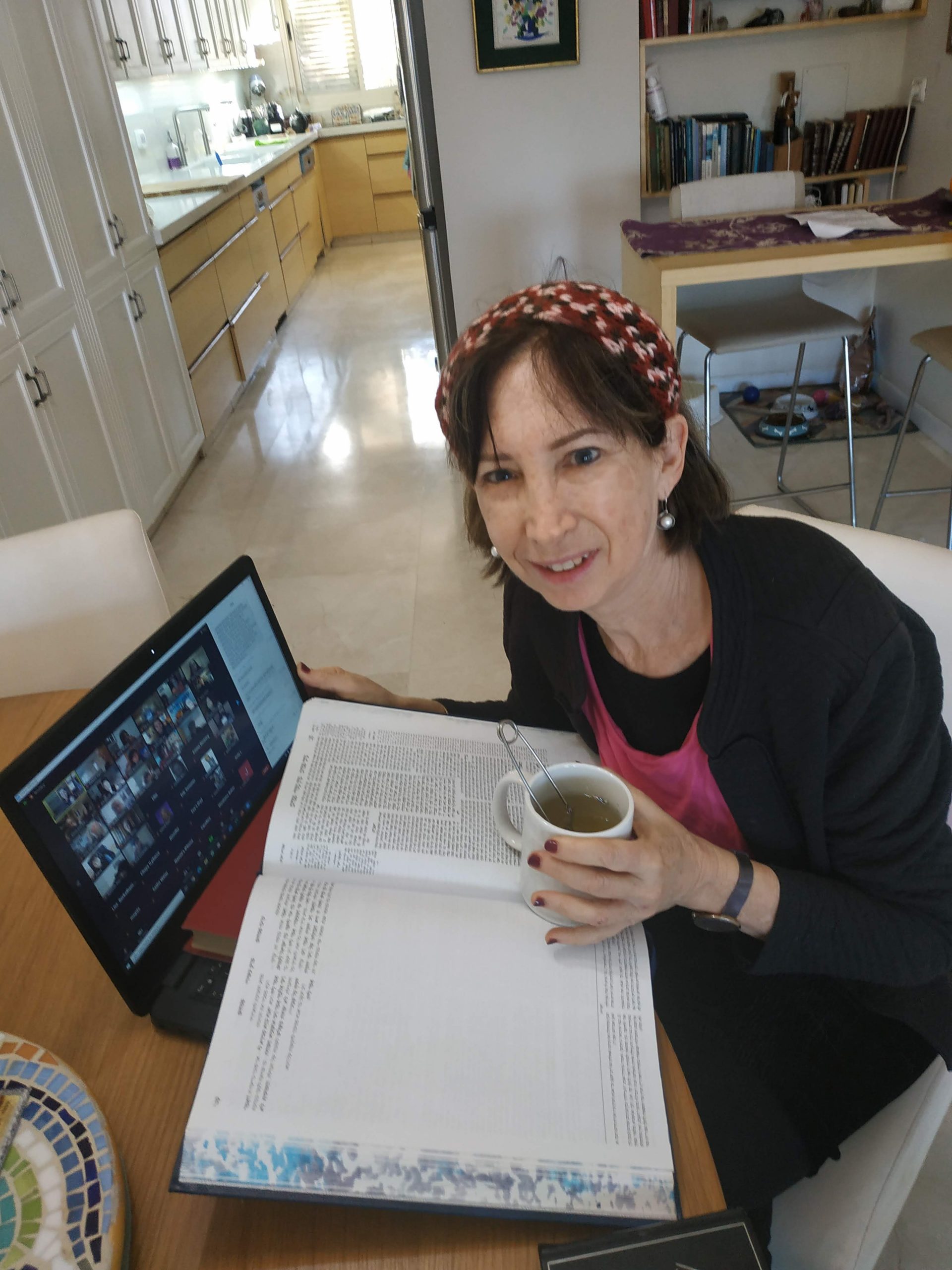
למדתי גמרא מכיתה ז- ט ב Maimonides School ואחרי העליה שלי בגיל 14 לימוד הגמרא, שלא היה כל כך מקובל בימים אלה, היה די ספוראדי. אחרי "ההתגלות” בבנייני האומה התחלתי ללמוד בעיקר בדרך הביתה למדתי מפוקקטסים שונים. לאט לאט ראיתי שאני תמיד חוזרת לרבנית מישל פרבר. באיזה שהוא שלב התחלתי ללמוד בזום בשעה 7:10 .
היום "אין מצב” שאני אתחיל את היום שלי ללא לימוד עם הרבנית מישל עם כוס הקפה שלי!!
דבי גביר
חשמונאים, ישראל
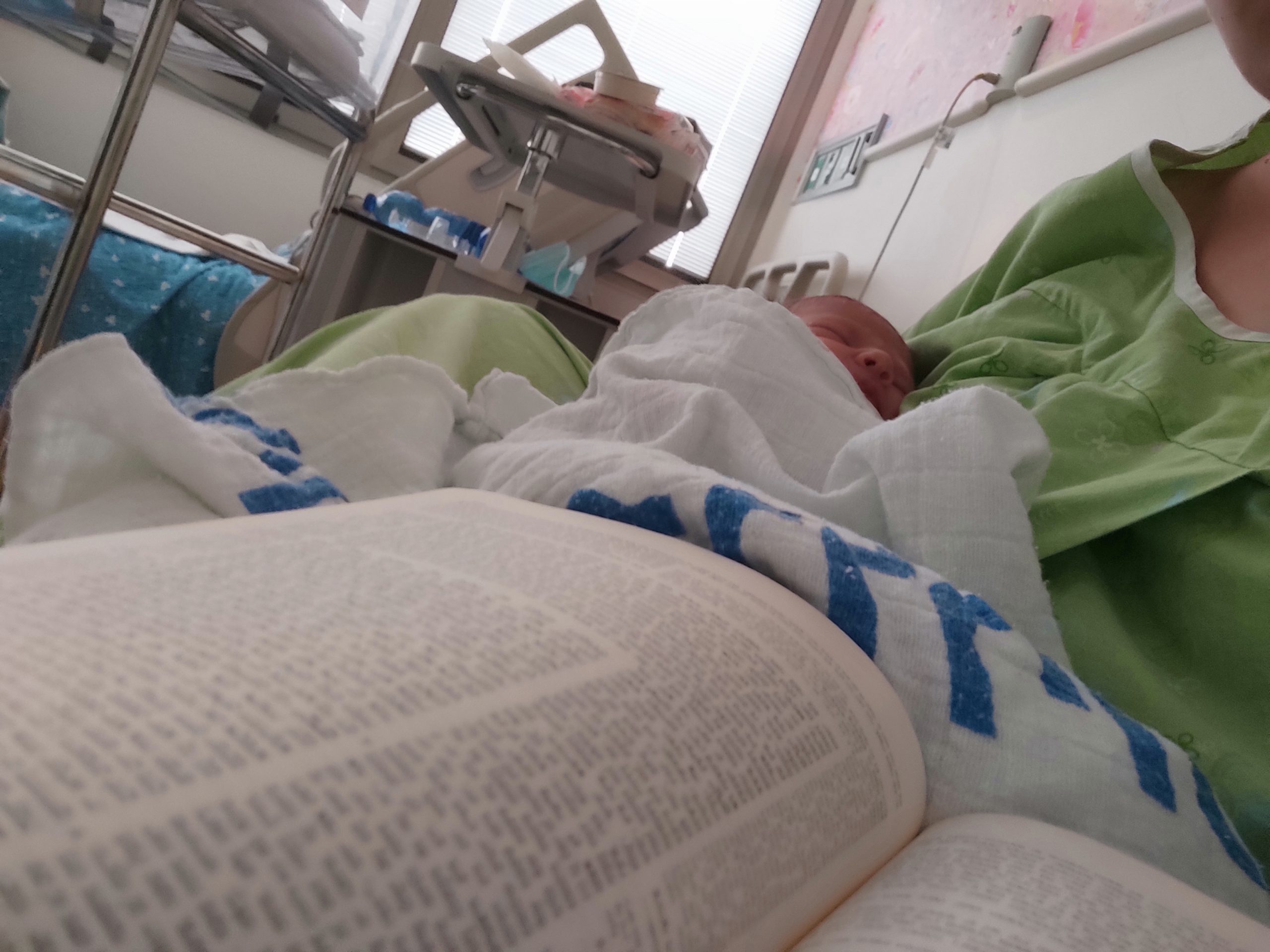
בתחילת הסבב הנוכחי הצטברו אצלי תחושות שאני לא מבינה מספיק מהי ההלכה אותה אני מקיימת בכל יום. כמו כן, כאמא לבנות רציתי לתת להן מודל נשי של לימוד תורה
שתי הסיבות האלו הובילו אותי להתחיל ללמוד. נתקלתי בתגובות מפרגנות וסקרניות איך אישה לומדת גמרא..
כמו שרואים בתמונה אני ממשיכה ללמוד גם היום ואפילו במחלקת יולדות אחרי לידת ביתי השלישית.
נועה שילה
רבבה, ישראל
נדה יז
וּמַשְׁתִּין מַיִם עָרוּם לִפְנֵי מִטָּתוֹ, וְהַמְשַׁמֵּשׁ מִטָּתוֹ בִּפְנֵי כָּל חַי. אֲמַר לֵיהּ רַב יְהוּדָה לִשְׁמוּאֵל: וַאֲפִילּוּ לִפְנֵי עַכְבָּרִים? אֲמַר לֵיהּ: שִׁינָּנָא, לָא! אֶלָּא כְּגוֹן שֶׁל בֵּית פְּלוֹנִי שֶׁמְּשַׁמְּשִׁין מִטּוֹתֵיהֶן בִּפְנֵי עַבְדֵיהֶם וְשִׁפְחוֹתֵיהֶם.
and a man who urinates naked next to his bed; and one who engages in intercourse in the presence of any living being. Rav Yehuda said to Shmuel: Does the phrase: In the presence of any living being, mean even in the presence of mice? Shmuel said to him: Shinnana, that is not the case. Rather, it is referring to a situation such as in so-and-so’s house, where they engage in intercourse in the presence of their Canaanite slaves and maidservants.
וְאִינְהוּ מַאי דְּרוּשׁ? ״שְׁבוּ לָכֶם פֹּה עִם הַחֲמוֹר״ — עַם הַדּוֹמֶה לַחֲמוֹר.
The Gemara asks: And those members of that household, who act in that manner, what verse do they interpret in a manner that allows them to do so? The Gemara answers: They reference the verse in which Abraham said to his two servants: “Remain here with [im] the donkey” (Genesis 22:5). This verse is interpreted as meaning that they are a nation [am] comparable to a donkey. The members of the aforementioned household thought that it is permitted to engage in intercourse in the presence of animals, and therefore one can do so in the presence of his Canaanite slaves and maidservants.
רַבָּה בַּר רַב הוּנָא מְקַרְקֵשׁ זָגֵי דְּכִילְּתָא, אַבָּיֵי בָּאלֵי דִּידְבֵי, רָבָא בָּאלֵי פָּרוֹחֵי.
The Gemara cites practices of modesty observed by the Sages. Rabba bar Rav Huna would sound the bells [zagei] of the canopy above his bed when engaging in intercourse, so that people would know to keep away. Abaye would even drive away flies [didevei] from around his bed, so that he would not engage in intercourse in their presence, and Rava would drive away gnats [peruḥei].
אָמַר רַבִּי שִׁמְעוֹן בֶּן יוֹחַי: חֲמִישָּׁה דְּבָרִים הֵן שֶׁהָעוֹשֶׂה אוֹתָן מִתְחַיֵּיב בְּנַפְשׁוֹ וְדָמוֹ בְּרֹאשׁוֹ — הָאוֹכֵל שׁוּם קָלוּף, וּבָצָל קָלוּף, וּבֵיצָה קְלוּפָה, וְהַשּׁוֹתֶה מַשְׁקִין מְזוּגִין שֶׁעָבַר עֲלֵיהֶן הַלַּיְלָה, וְהַלָּן בְּבֵית הַקְּבָרוֹת, וְהַנּוֹטֵל צִפׇּרְנָיו וְזוֹרְקָן לִרְשׁוּת הָרַבִּים, וְהַמַּקִּיז דָּם וּמְשַׁמֵּשׁ מִטָּתוֹ.
Rabbi Shimon ben Yoḥai further says: There are five actions with regard to which one who performs them is held liable for his own life, and his blood is upon his own head, i.e., he bears responsibility for his own demise. They are as follows: One who eats peeled garlic or a peeled onion or a peeled egg, and one who drinks diluted drinks; all these are referring to items only when they were left overnight. And one who sleeps at night in a cemetery, and one who removes his nails and throws them into a public area, and one who lets blood and immediately afterward engages in intercourse.
הָאוֹכֵל שׁוּם קָלוּף כּוּ׳. וְאַף עַל גַּב דְּמַנְּחִי בְּסִילְּתָא וּמְצַיְּירִי וַחֲתִימִי — רוּחַ רָעָה שׁוֹרָה עֲלֵיהֶן. וְלָא אֲמַרַן אֶלָּא דְּלָא שִׁיֵּיר בָּהֶן עִיקָּרָן אוֹ קְלִיפָּתָן, אֲבָל שִׁיֵּיר בָּהֶן עִיקָּרָן אוֹ קְלִיפָּתָן — לֵית לַן בַּהּ.
The Gemara analyzes this statement of Rabbi Shimon ben Yoḥai, beginning with the case of one who eats peeled garlic, a peeled onion, or a peeled egg, when they were left overnight. The Gemara notes: And these peeled foods are dangerous even if they are placed in a basket and they are tied and sealed in that basket throughout the night, as an evil spirit rests upon them. And we said that eating them is dangerous only if one did not leave on them their roots or their shells. But if one left on them their roots or their shells, we have no problem with it.
וְהַשּׁוֹתֶה מַשְׁקִין מְזוּגִין שֶׁעָבַר עֲלֵיהֶן הַלַּיְלָה. אָמַר רַב יְהוּדָה אָמַר שְׁמוּאֵל: וְהוּא שֶׁלָּנוּ בִּכְלֵי מַתָּכוֹת. אָמַר רַב פָּפָּא: וּכְלֵי נֶתֶר כִּכְלֵי מַתָּכוֹת דָּמוּ. וְכֵן אָמַר רַבִּי יוֹחָנָן: וְהוּא שֶׁלָּנוּ בִּכְלֵי מַתָּכוֹת, וּכְלֵי נֶתֶר כִּכְלֵי מַתָּכוֹת דָּמוּ.
Rabbi Shimon ben Yoḥai further mentions one who drinks diluted drinks that were left overnight. Rav Yehuda says that Shmuel says: And that is dangerous only when they were left overnight in metal vessels. Rav Pappa says: And natron vessels are considered like metal vessels in this regard. And Rabbi Yoḥanan likewise says: And that is dangerous only when they were left overnight in metal vessels, and natron vessels are considered like metal vessels in this regard.
וְהַלָּן בְּבֵית הַקְּבָרוֹת — כְּדֵי שֶׁתִּשְׁרֶה עָלָיו רוּחַ טוּמְאָה, זִימְנִין דִּמְסַכְּנִין לֵיהּ.
Rabbi Shimon ben Yoḥai also says: And one who sleeps in a cemetery places himself in danger. The Gemara notes that this is the case if he does so in order that a spirit of impurity will rest upon him, as sometimes the evil spirits in the cemetery endanger the one who sleeps there.
וְהַנּוֹטֵל צִפׇּרְנָיו וְזוֹרְקָן לִרְשׁוּת הָרַבִּים — מִפְּנֵי שֶׁאִשָּׁה מְעוּבֶּרֶת עוֹבֶרֶת עֲלֵיהֶן וּמַפֶּלֶת. וְלָא אֲמַרַן אֶלָּא דְּשָׁקֵיל בִּגְנוּסְטְרֵי, וְלָא אֲמַרַן אֶלָּא דְּשָׁקֵיל דִּידֵיהּ וּדְכַרְעֵיהּ, וְלָא אֲמַרַן אֶלָּא דְּלָא גַּז מִידֵּי בָּתְרַיְיהוּ, אֲבָל גַּז מִידֵּי בָּתְרַיְיהוּ — לֵית לַן בַּהּ. וְלָא הִיא, לְכוּלַּהּ מִילְּתָא חָיְישִׁינַן.
The next case is one who removes his nails and throws them into a public area. The Gemara explains that this is dangerous because a pregnant woman might pass over them, and this can cause her to miscarry. And we said this halakha only when one removes his nails with scissors [bigenosteri]. And furthermore, we said this halakha only when one removes the nails of his hand and his foot together. And we said this halakha only when he did not cut anything else after his nails, but if he cut something else after them, we have no problem with it. The Gemara comments: And that is not so; rather, we are concerned with regard to the entire matter, i.e., in all cases.
תָּנוּ רַבָּנַן: שְׁלֹשָׁה דְּבָרִים נֶאֶמְרוּ בַּצִּפׇּרְנַיִם: שׂוֹרְפָן — חָסִיד, קוֹבְרָן — צַדִּיק, זוֹרְקָן — רָשָׁע.
With regard to removing one’s nails, the Sages taught: Three matters were stated with regard to removing nails: One who burns them is pious, as he eradicates them entirely; one who buries them is on the slightly lower level of a righteous individual, as they might be dug up; and one who simply throws them where a person might step upon them is wicked.
וְהַמַּקִּיז דָּם וּמְשַׁמֵּשׁ מִטָּתוֹ — דְּאָמַר מָר: מַקִּיז דָּם וּמְשַׁמֵּשׁ מִטָּתוֹ — הֹוִיין לוֹ בָּנִים וִיתְּקִין. הִקִּיזוּ שְׁנֵיהֶם וְשִׁמְּשׁוּ — הֹוִיין לוֹ בָּנִים בַּעֲלֵי רָאתָן. אָמַר רַב: וְלָא אֲמַרַן אֶלָּא דְּלָא טְעֵים מִידֵּי, אֲבָל טְעֵים מִידֵּי — לֵית לַן בַּהּ.
The Gemara discusses the final clause of Rabbi Shimon ben Yoḥai’s statement: And one who lets blood and immediately afterward engages in intercourse. This is as the Master said: With regard to one who lets blood and afterward engages in intercourse, he will have weak [vittakin] children conceived from this act of intercourse. If both of them, husband and wife, let blood and engaged in intercourse, he will have children afflicted with a disease known as ra’atan. Rav says: And we said this only in a case when he did not taste anything after letting blood, but if he tasted something then we have no problem with it.
אָמַר רַב חִסְדָּא: אָסוּר לוֹ לָאָדָם שֶׁיְּשַׁמֵּשׁ מִטָּתוֹ בַּיּוֹם, שֶׁנֶּאֱמַר: ״וְאָהַבְתָּ לְרֵעֲךָ כָּמוֹךָ״. מַאי מַשְׁמַע? אָמַר אַבָּיֵי: שֶׁמָּא יִרְאֶה בָּהּ דָּבָר מְגוּנֶּה וְתִתְגַּנֶּה עָלָיו. אָמַר רַב הוּנָא: יִשְׂרָאֵל קְדוֹשִׁים הֵם, וְאֵין מְשַׁמְּשִׁין מִטּוֹתֵיהֶן בַּיּוֹם.
§ Rav Ḥisda says: It is prohibited for a person to engage in intercourse by day, as it is stated: “And you shall love your fellow as yourself” (Leviticus 19:18). The Gemara asks: From where is this inferred? Abaye says: If one engages in intercourse by day, perhaps the husband will see some repulsive matter in his wife and she will become repugnant to him, which will cause him to hate her, and he will thereby violate this mitzva. Rav Huna says: Jews are holy, and they do not engage in intercourse by day.
אָמַר רָבָא: וְאִם הָיָה בַּיִת אָפֵל — מוּתָּר, וְתַלְמִיד חָכָם — מַאֲפִיל בִּכְסוּתוֹ וּמְשַׁמֵּשׁ.
Rava says: And if the house is dark, it is permitted to engage in intercourse by day there. And in the case of a Torah scholar, he may cause darkness with his garment and engage in intercourse even during the daytime, as he will certainly do so with modesty.
תְּנַן: אוֹ תְּשַׁמֵּשׁ לְאוֹר הַנֵּר! אֵימָא: תִּבְדּוֹק לְאוֹר הַנֵּר.
The Gemara challenges: We learned in the mishna: Or she must engage in intercourse by the light of a lamp. This indicates that one may engage in intercourse in the light. The Gemara answers: Say that the mishna reads: She must examine the cloth by the light of a lamp, but not engage in intercourse in this manner.
תָּא שְׁמַע: אַף עַל פִּי שֶׁאָמְרוּ: הַמְשַׁמֵּשׁ מִטָּתוֹ לְאוֹר הַנֵּר הֲרֵי זֶה מְגוּנֶּה! אֵימָא: הַבּוֹדֵק מִטָּתוֹ לְאוֹר הַנֵּר הֲרֵי זֶה מְגוּנֶּה.
The Gemara cites a relevant source. Come and hear a baraita: Even though the Sages said that one who engages in intercourse by the light of a lamp is repulsive, nevertheless Beit Shammai say: Or she must engage in intercourse by the light of a lamp and inspect the cloths before and after each act of intercourse. The Gemara similarly explains: Say that the baraita reads: One who examines herself before or after intercourse by the light of a lamp is repulsive, as this examination would not be conducted properly, since the light of the lamp may not be sufficient. Nevertheless Beit Shammai say that a woman who engages in many acts of intercourse in one night must examine the cloth by the light of a lamp.
תָּא שְׁמַע: וְשֶׁל בֵּית מוֹנְבַּז הַמֶּלֶךְ הָיוּ עוֹשִׂין שְׁלֹשָׁה דְּבָרִים, וּמַזְכִּירִין אוֹתָן לְשֶׁבַח — הָיוּ מְשַׁמְּשִׁין מִטּוֹתֵיהֶם בַּיּוֹם, וּבוֹדְקִין מִטּוֹתֵיהֶם בְּמֵילָא פַּרְהֲבָא, וְנוֹהֲגִין טוּמְאָה וְטׇהֳרָה בִּשְׁלָגִים. קָתָנֵי מִיהָא: מְשַׁמְּשִׁין מִטּוֹתֵיהֶן בַּיּוֹם!
The Gemara further suggests: Come and hear a baraita: And the household of King Munbaz would perform three matters, and the Sages would mention them favorably for their behavior in this regard. They would engage in intercourse by day; and they would examine before and after intercourse with wool [bemeila] of Parhava, which is very white and would show any stain; and they would practice ritual impurity and purity with regard to snow. Regardless of the meaning of the last two matters, in any event this baraita teaches that they would engage in intercourse by day, which indicates that this practice is not prohibited.
אֵימָא: בּוֹדְקִין מִטּוֹתֵיהֶם בַּיּוֹם. הָכִי נָמֵי מִסְתַּבְּרָא, דְּאִי סָלְקָא דַעְתָּךְ ״מְשַׁמְּשִׁין״ — מַזְכִּירִין אוֹתָן לְשֶׁבַח? אִין הָכִי נָמֵי, דְּאַגַּב דְּאִיכָּא אוֹנֶס שֵׁינָה — מִגַּנְּיָא בְּאַפֵּיהּ.
The Gemara answers: Say that they would examine their beds, i.e., check the examination cloths, by day. The Gemara adds: So too, it is reasonable that this is the correct explanation, as if it should enter your mind that it means that they would engage in intercourse by day, even if it is permitted, would the Sages have mentioned them favorably for this practice? The Gemara refutes this proof: Yes, it is indeed so. There is a praiseworthy aspect to engaging in intercourse by day, as at night there is a risk of being overcome by sleep, because the husband might be too tired after the exertions of the day, and consequently his wife who desires sexual intercourse might be repulsive to him.
וּבוֹדְקִין מִטּוֹתֵיהֶן בְּמֵילָא פַּרְהֲבָא — מְסַיַּיע לֵיהּ לִשְׁמוּאֵל, דְּאָמַר שְׁמוּאֵל: אֵין בּוֹדְקִין אֶת הַמִּטָּה אֶלָּא בְּפָקוֹלִין אוֹ בְּצֶמֶר נָקִי וְרַךְ. אָמַר רַב: הַיְינוּ דְּכִי הֲוַאי הָתָם בְּעַרְבֵי שַׁבָּתוֹת, הֲווֹ אָמְרִי: ״מַאן בָּעֵי פָּקוֹלֵי בְּנַהֲמָא״, וְלָא יָדַעְנָא מַאי קָאָמְרִי.
The Gemara further analyzes the baraita, which teaches: And the household of King Munbaz would examine before and after intercourse, with wool of Parhava. The Gemara notes: This statement supports the opinion of Shmuel, as Shmuel said: One may examine a bed, i.e., use an examination cloth for intercourse, only with a cloth made of linen [befakolin], or with one made of clean and soft wool. Rav says: This is the explanation of that which I heard when I was there, in Eretz Yisrael, on Shabbat evenings, which is the time when Torah scholars engage in intercourse with their wives; people would offer and say: Who needs linen cloths for eating bread [benahama], a euphemism for intercourse. And I did not know what they were saying until now.
אָמַר רָבָא: הָנֵי שַׁחֲקֵי דְּכִיתָּנָא מְעַלּוּ לִבְדִיקָה. אִינִי? וְהָא תָּנָא דְּבֵי מְנַשֶּׁה: אֵין בּוֹדְקִין אֶת הַמִּטָּה לֹא בְּעֵד אֱדוֹם, וְלֹא בְּעֵד שָׁחוֹר, וְלֹא בְּפִשְׁתָּן, אֶלָּא בְּפָקוֹלִין אוֹ בְּצֶמֶר נָקִי וְרַךְ!
Rava says: Those worn-out flax clothes are good for examination. The Gemara asks: Is that so? But didn’t the school of Menashe teach: One may not examine a bed with a red cloth, nor with a black cloth, nor with flax, but with a cloth made of linen, or with one made of clean and soft wool?
לָא קַשְׁיָא — הָא בְּכִיתָּנָא, הָא בְּמָאנֵי דְּכִיתָּנָא. וְאִיבָּעֵית אֵימָא: הָא וְהָא בְּמָאנֵי דְּכִיתָּנָא — הָא בְּחַדְתֵי, הָא בְּשַׁחֲקֵי.
The Gemara answers that this is not difficult, as this statement that one may not examine with flax is referring to flax itself, whereas that statement of Rava, that flax is good for an examination, is referring to flax garments. And if you wish, say instead that both this statement and that statement are referring to flax garments, and the difference is that this ruling that one may not use flax is referring to new garments, whereas that ruling of Rava is referring specifically to worn-out garments, which are brighter.
נוֹהֲגִין טוּמְאָה וְטׇהֳרָה בִּשְׁלָגִין. תְּנַן הָתָם: שֶׁלֶג אֵינוֹ לֹא אוֹכֶל וְלֹא מַשְׁקֶה, חִישֵּׁב עָלָיו לַאֲכִילָה — אֵינוֹ מְטַמֵּא טוּמְאַת אֳוכָלִין, לְמַשְׁקֶה — מְטַמֵּא טוּמְאַת מַשְׁקִין.
It was further stated that the household of King Munbaz was praised by the Sages because its members would practice ritual impurity and purity with regard to snow. The Gemara comments: We learned in a baraita there (see Tosefta, Teharot 2:5): Snow is neither food nor drink with regard to ritual impurity. If one designated it for consumption, his intention is disregarded, and it does not impart the ritual impurity of food. But if one planned to use it as a drink, it imparts the ritual impurity of liquid.
נִטְמָא מִקְצָתוֹ — לֹא נִטְמָא כּוּלּוֹ, נִטְהַר מִקְצָתוֹ — נִטְהַר כּוּלּוֹ.
If part of the snow became impure, it does not all become impure, but only the area that came into contact with the item of ritual impurity, as a pile of snow is not considered a single unit. If impure snow in a vessel is lowered into a ritual bath, even if the waters of the ritual bath touched only the snow on the mouth of the vessel, since part of the snow is purified, all of it is purified.
הָא גוּפַאּ קַשְׁיָא: אָמְרַתְּ ״נִטְמָא מִקְצָתוֹ — לֹא נִטְמָא כּוּלּוֹ״, וַהֲדַר (תָּנֵי) [אָמְרַתְּ] ״נִטְהַר מִקְצָתוֹ — נִטְהַר כּוּלּוֹ״, לְמֵימְרָא דְּנִטְמָא כּוּלּוֹ!
The Gemara analyzes the baraita: This baraita itself is difficult. You initially said that if part of the snow became impure, it does not all become impure, and then the baraita teaches that if part of the snow is purified, all of it is purified, which is to say that all of it became impure. In other words, the last clause of the baraita is dealing with a lump of snow all of which is ritually impure, whereas according to the previous clause this is impossible: How could the source of the impurity have touched all of the snow?
אָמַר אַבָּיֵי: כְּגוֹן שֶׁהֶעֱבִירוֹ עַל אֲוִיר תַּנּוּר, דְּהַתּוֹרָה הֵעִידָה עַל כְּלִי חֶרֶס
Abaye says: It is possible for all the snow to become impure, in a case where one passed the snow within the airspace of an earthenware vessel, such as an oven, in which the source of impurity was located. This renders the entire lump of snow impure, as the Torah testifies with regard to an earthenware vessel that contains a source of impurity that all items inside its airspace are rendered impure, as the verse states: “Whatever is in it shall be impure” (Leviticus 11:33).
אֲפִילּוּ מָלֵא חַרְדָּל.
Therefore, even if the earthenware vessel was full of items as small as mustard seeds, only a few of which touched the sides of the vessel or the impure item inside it, all the items inside the vessel are rendered ritually impure. Likewise, with regard to snow that passes through the vessel’s airspace, all of it becomes impure.
מַתְנִי’ מָשָׁל מָשְׁלוּ חֲכָמִים בָּאִשָּׁה: הַחֶדֶר, וְהַפְּרוֹזְדוֹר, וְהָעֲלִיָּיה.
MISHNA: A woman’s reproductive organs are composed of different parts, and the halakhic status of blood that emerges from one part differs from the halakhic status of blood that emerges from another part. The Sages stated a parable with regard to the structure of the sexual organs of a woman, based on the structure of a house: The inner room represents the uterus, and the corridor [perozdor] leading to the inner room represents the vaginal canal, and the upper story represents the bladder.
דַּם הַחֶדֶר — טָמֵא, דַּם הָעֲלִיָּיה — טָהוֹר, נִמְצָא בַּפְּרוֹזְדוֹר — סְפֵקוֹ טָמֵא, לְפִי שֶׁחֶזְקָתוֹ מִן הַמָּקוֹר.
Blood from the inner room is ritually impure. Blood from the upper story is ritually pure. If blood was found in the corridor, there is uncertainty whether it came from the uterus and is impure, or from the bladder and is pure. Despite its state of uncertainty, it is deemed definitely impure, due to the fact that its presumptive status is of blood that came from the source, i.e., the uterus, and not from the bladder.
גְּמָ’ רָמֵי בַּר שְׁמוּאֵל וְרַב יִצְחָק בְּרֵיהּ דְּרַב יְהוּדָה תְּנוֹ נִדָּה בֵּי רַב הוּנָא. אַשְׁכְּחִינְהוּ רַבָּה בַּר רַב הוּנָא דְּיָתְבִי וְקָאָמְרִי: הַחֶדֶר מִבִּפְנִים, וְהַפְּרוֹזְדוֹר מִבַּחוּץ, וַעֲלִיָּיה בְּנוּיָה עַל שְׁתֵּיהֶן, וְלוּל פָּתוּחַ בֵּין עֲלִיָּיה לַפְּרוֹזְדוֹר.
GEMARA: Rami bar Shmuel and Rav Yitzḥak, son of Rav Yehuda, were learning tractate Nidda in the study hall of Rav Huna. Rabba bar Rav Huna found them sitting and saying an interpretation of this mishna: The room, i.e., the uterus, is the inner part of the reproductive organs, and the corridor is the outer part. And the upper story, the bladder, is built, i.e., found, above them both. And there is an open vestibule between the upper story and the corridor.
נִמְצָא מִן הַלּוּל וְלִפְנִים — סְפֵקוֹ טָמֵא, מִן הִלּוּל וְלַחוּץ — סְפֵקוֹ טָהוֹר.
They continued: If blood is found from the opening of this vestibule and inward toward the uterus, i.e., inside the vagina, there is uncertainty whether it came from the uterus and is impure, or from the bladder and is pure, but its state of uncertainty renders it definitely impure. If it is found in the area from the opening of this vestibule and outward, on the outer surface of the vulva, the blood is more likely to have come from the bladder, through the urethra, and therefore its state of uncertainty renders it pure.
אֲתָא וַאֲמַר לֵיהּ לַאֲבוּהּ: סְפֵקוֹ טָמֵא אֲמַרְתְּ לַן מָר? וְהָא אֲנַן ״שֶׁחֶזְקָתוֹ מִן הַמָּקוֹר״ תְּנַן!
Rabba came and said to his father, Rav Huna: With regard to the halakha of blood that is found from the vestibule and inward, did the Master say to us that its state of uncertainty renders it impure, as I heard in the study hall, from which it may be inferred that this is a case of uncertain impurity? But didn’t we learn in the mishna: The blood is impure due to the fact that its presumptive status is of blood that came from the source, i.e., the uterus? This indicates that it is a case of definite impurity. If so, the mishna cannot be referring either to blood found from the vestibule and inward or from the vestibule and outward.
אֲמַר לֵיהּ: אֲנָא הָכִי קָאָמֵינָא — מִן הַלּוּל וְלִפְנִים וַדַּאי טָמֵא, מִן הַלּוּל וְלַחוּץ סְפֵקוֹ טָמֵא.
Rav Huna said to his son Rabba: This is what I said: If the blood was found from the vestibule inward it is definitely impure, as it is presumed to come from the uterus. This is the case mentioned in the mishna. If the blood was found from the vestibule outward its state of uncertainty renders it impure. Although it can be claimed that if this was blood from the uterus it would not have been found in this area, it is possible that when the woman bent over, the blood went from the uterus into this area. Consequently, she is impure due to the uncertainty.
אָמַר אַבָּיֵי: מַאי שְׁנָא מִן הַלּוּל וְלַחוּץ, דִּסְפֵקוֹ טָמֵא? דְּדִלְמָא שָׁחֲתָה, וּמֵחֶדֶר אֲתָא. מִן הַלּוּל וְלִפְנִים נָמֵי, אֵימָא: אִזְדְּקַרָה, וּמֵעֲלִיָּיה אֲתָא!
Abaye says: What is different about a situation where the blood was found from the vestibule outward, where its state of uncertainty renders it impure? The reason for that halakha is that perhaps the woman bent over and leaned forward, and the blood came from the room, i.e., the uterus. If so, in the case where the blood was found from the vestibule inward, concerning which you ruled that she is definitely impure, you can also say that it is possible that the woman staggered backward and as a result the blood came from the upper story to the back of the canal. Accordingly, she should be impure merely out of uncertainty.
אֶלָּא אָמַר אַבָּיֵי: אִי בָּתַר חֲשָׁשָׁא אָזְלַתְּ — אִידֵּי וְאִידֵּי סָפֵק הוּא, וְאִי בָּתַר חֲזָקָה אָזְלַתְּ — מִן הַלּוּל וְלִפְנִים וַדַּאי טָמֵא, מִן הַלּוּל וְלַחוּץ וַדַּאי טָהוֹר.
Rather, Abaye says: If you follow the concern, i.e., if your ruling of halakha is based on a concern that the blood might have moved due to the woman leaning forward or backward, then in both this case and that, whether the blood is found in the inner or outer section of the canal, the source of the blood is uncertain. And if you follow the presumption based on where the blood found in a particular place is usually from, then blood found from the vestibule inward is definitely impure, whereas blood found from the vestibule outward is definitely pure.
תָּנֵי רַבִּי חִיָּיא: דָּם הַנִּמְצָא בַּפְּרוֹזְדוֹר — חַיָּיבִין עָלָיו עַל בִּיאַת מִקְדָּשׁ, וְשׂוֹרְפִין עָלָיו אֶת הַתְּרוּמָה. וְרַב קַטִּינָא אָמַר: אֵין חַיָּיבִין עָלָיו עַל בִּיאַת מִקְדָּשׁ, וְאֵין שׂוֹרְפִין עָלָיו אֶת הַתְּרוּמָה.
Rabbi Ḥiyya teaches: Blood that is found in the corridor is considered definite menstrual blood, and therefore if she engages in intercourse, both she and her partner would be liable as a result of this blood to receive karet for entering the Temple intentionally when ritually impure, or to bring an offering for entering unwittingly. And one burns teruma due to it, if the woman touches such produce. And Rav Ketina says: It is impure merely as a matter of uncertainty; therefore, the woman is not obligated, due to that blood, to bring an offering for entering the Temple when ritually impure, and one does not burn teruma on its account.
לְהָךְ לִישָּׁנָא דְּאָמַר אַבָּיֵי: ״אִי בָּתַר חֲשָׁשָׁא אָזְלַתְּ״ — מְסַיַּיע לֵיהּ לְרַב קַטִּינָא, וּפְלִיגָא דְּרַבִּי חִיָּיא.
The Gemara discusses the relationship between this dispute and the previous statements of amora’im. According to this formulation, i.e., option, that Abaye stated: If you follow the concern that the blood might have moved due to the woman leaning forward or backward, there is uncertainty whether the blood was found in the inner or outer section of the canal, this supports the opinion of Rav Ketina, who likewise deems blood found in the canal impure due to uncertainty. And this option suggested by Abaye contradicts the opinion of Rabbi Ḥiyya, who deems the blood definitely impure.
לְהָךְ לִישָּׁנָא דְּאָמְרַתְּ: ״אִי בָּתַר חֲזָקָה אָזְלַתְּ״ — מְסַיַּיע לֵיהּ לְרַבִּי חִיָּיא,
According to that formulation that Abaye stated: If you follow the presumption that blood found in the inner section is definitely impure, while blood found in the outer section is definitely pure, this supports the opinion of Rabbi Ḥiyya, whose ruling that the blood is definitely impure is understood as referring to blood found in the inner section.
לעקוב

