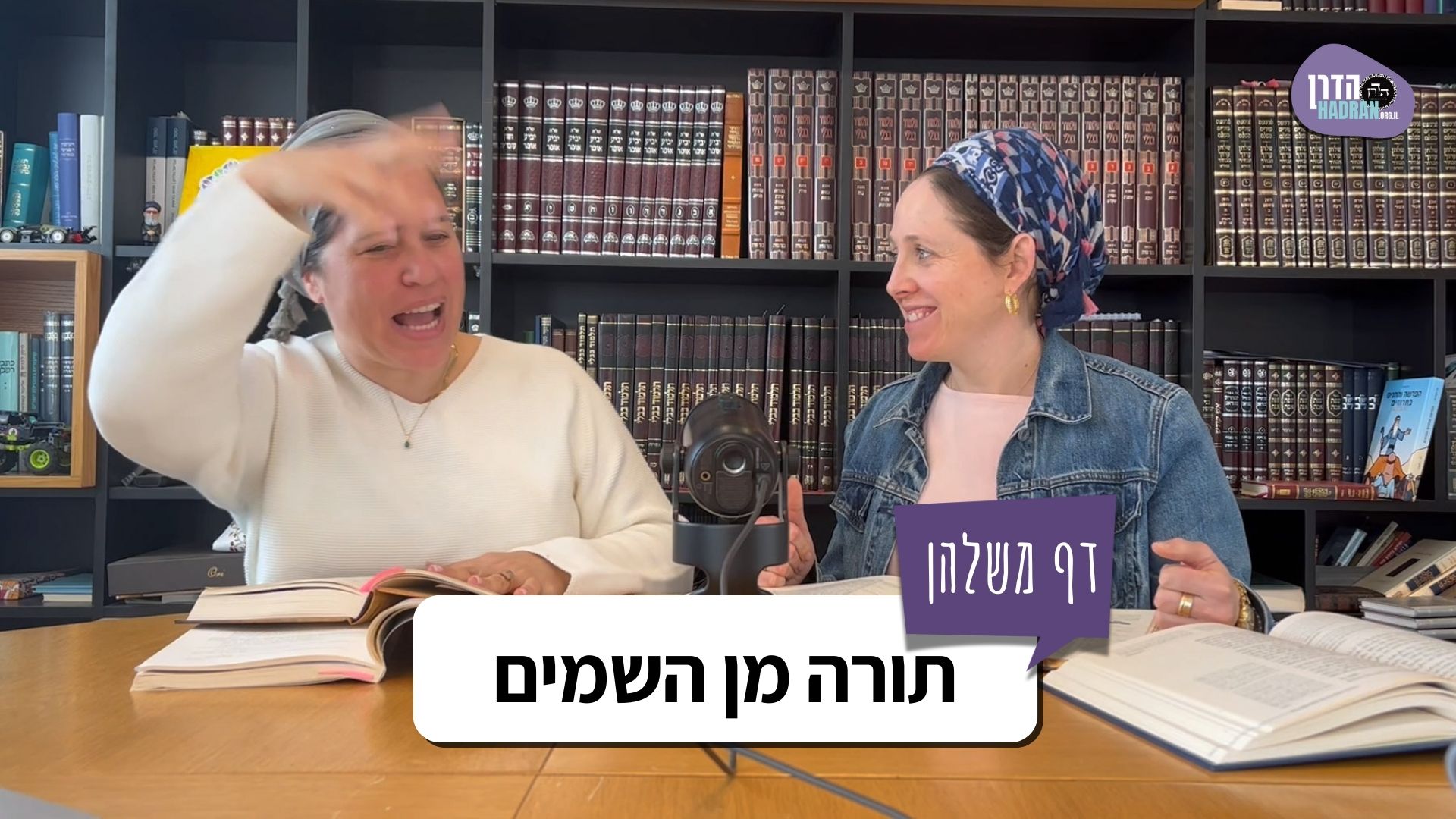
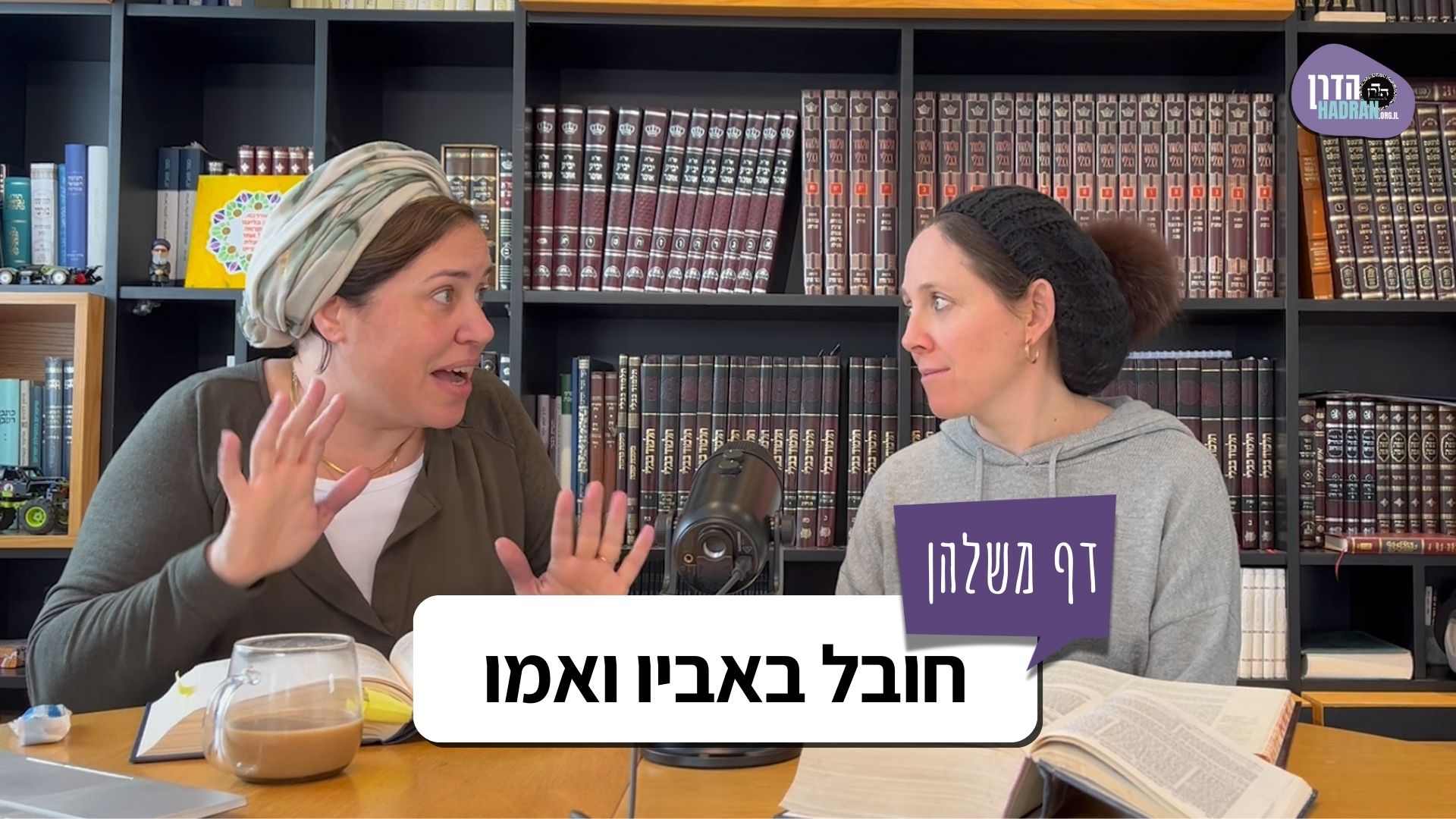
מדוע איבדו ירבעם, אחאב ומנשה את חלקם בעולם הבא?
על אף העובדה שחטאו באופן מאוד רציני, החכמים גם מדגישים שעשו דברים טובים בחייהם, במיוחד בכל כהקשר של לימוד תורה וכבוד תלמידי חכמים.
מוכנים להתחיל?
הדף היומי – מנחות צא / 12.04.2026 / כ״ה בניסן תשפ״ו


מוכנים להתחיל?

הלימוד החודש מוקדש ע”י מרכי גלזר לע”נ רחל אביבה בת דבורה חנה
רוצה להקדיש שיעור?

מדוע איבדו ירבעם, אחאב ומנשה את חלקם בעולם הבא?
על אף העובדה שחטאו באופן מאוד רציני, החכמים גם מדגישים שעשו דברים טובים בחייהם, במיוחד בכל כהקשר של לימוד תורה וכבוד תלמידי חכמים.
הלימוד החודש מוקדש ע”י מרכי גלזר לע”נ רחל אביבה בת דבורה חנה
וְאַף אֲחִיָּה הַשִּׁילוֹנִי טָעָה וְחָתַם, דְּהָא יֵהוּא צַדִּיקָא רַבָּה הֲוָה, שֶׁנֶּאֱמַר: ״וַיֹּאמֶר ה׳ אֶל יֵהוּא יַעַן אֲשֶׁר הֱטִיבֹתָ לַעֲשׂוֹת הַיָּשָׁר בְּעֵינַי כְּכֹל אֲשֶׁר בִּלְבָבִי עָשִׂיתָ לְבֵית אַחְאָב בְּנֵי רְבִעִים יֵשְׁבוּ לְךָ עַל כִּסֵּא יִשְׂרָאֵל״, וּכְתִיב: ״וְיֵהוּא לֹא שָׁמַר לָלֶכֶת בְּתוֹרַת ה׳ אֱלֹהֵי יִשְׂרָאֵל בְּכׇל לְבָבוֹ לֹא סָר מֵעַל חַטֹּאות יָרׇבְעָם אֲשֶׁר הֶחֱטִיא אֶת יִשְׂרָאֵל״.
And even Ahijah the Shilonite erred in this matter and signed that he would accept all of Jeroboam’s pronouncements. And generations later this caused Jehu to sin. The Gemara explains: As Jehu was an extremely righteous person. As it is stated: “And the Lord said to Jehu: Because you have done well, to perform what is right in My eyes, and have done to the house of Ahab according to all that was in My heart, your children of the fourth generation shall sit on the throne of Israel” (II Kings 10:30). And it is written: “But Jehu took no care to walk in the Torah of the Lord, God of Israel, with all his heart; he departed not from the sins of Jeroboam, who made Israel sin” (II Kings 10:31).
מַאי גְּרַמָא לֵיהּ? אָמַר אַבָּיֵי: בְּרִית כְּרוּתָה לַשְּׂפָתַיִם, שֶׁנֶּאֱמַר ״אַחְאָב עָבַד אֶת הַבַּעַל מְעָט יֵהוּא יַעַבְדֶנּוּ הַרְבֵּה״. רָבָא אָמַר: חוֹתָמוֹ שֶׁל אֲחִיָּה הַשִּׁילוֹנִי רָאָה, וְטָעָה.
What caused Jehu to do so? Abaye says: A covenant is made with the lips, as it is stated that Jehu said cunningly in an attempt to entrap the priests of the Baal: “Ahab worshipped Baal a little, but Jehu shall serve him much” (II Kings 10:18). Although it was not his intention, once the statement escaped his lips he began following the path to its fulfillment. Rava says: He saw the seal of Ahijah the Shilonite on the coronation document of Jeroboam and he erred and believed that it was permitted to act as Jeroboam did.
דִּכְתִיב: ״וְשַׁחֲטָה שֵׂטִים הֶעְמִיקוּ וַאֲנִי מוּסָר לְכֻלָּם״. אָמַר רַבִּי יוֹחָנָן: אָמַר הַקָּדוֹשׁ בָּרוּךְ הוּא, הֵם הַעֲמִיקוּ מִשֶּׁלִּי. אֲנִי אָמַרְתִּי: כֹּל שֶׁאֵינוֹ עוֹלֶה לָרֶגֶל עוֹבֵר בַּעֲשֵׂה, וְהֵם אָמְרוּ: כׇּל הָעוֹלֶה לָרֶגֶל יִדָּקֵר בַּחֶרֶב.
The Gemara continues its discussion of Jeroboam. With regard to that which is written: “And the apostates are deep in slaughter and I am rejected by them all” (Hosea 5:2), Rabbi Yoḥanan says that the Holy One, Blessed be He, says: They issued decrees that are more profound and more extreme than my own. I said: Anyone who does not ascend to Jerusalem for the pilgrimage Festival violates a positive mitzva, and they said: Anyone who ascends to Jerusalem for the pilgrimage Festival will be stabbed with the sword. In that way, Jeroboam successfully prevented the residents of the kingdom of Israel from ascending to Jerusalem.
״וַיְהִי בָּעֵת הַהִיא וְיָרׇבְעָם יָצָא מִירוּשָׁלִָים וַיִּמְצָא אֹתוֹ אֲחִיָּה הַשִּׁילוֹנִי הַנָּבִיא בַּדֶּרֶךְ וְהוּא מִתְכַּסֶּה בְּשַׂלְמָה חֲדָשָׁה״. תָּנָא מִשּׁוּם רַבִּי יוֹסֵי: עֵת הִיא מְזוּמֶּנֶת לְפוּרְעָנוּת.
The verse states: “And it came to pass at that time, and Jeroboam left Jerusalem, and the prophet Ahijah the Shilonite found him on the way, and he was clad in a new garment, and the two were alone in the field” (I Kings 11:29). It was taught in the name of Rabbi Yosei: The phrase “at that time” indicates that it is a time ordained for calamity.
״בְּעֵת פְּקֻדָּתָם יֹאבֵדוּ״, תָּנָא מִשּׁוּם רַבִּי יוֹסֵי: עֵת מְזוּמֶּנֶת לְפוּרְעָנוּת. ״בְּעֵת רָצוֹן עֲנִיתִיךָ״, תָּנָא מִשּׁוּם רַבִּי יוֹסֵי: עֵת מְזוּמֶּנֶת לְטוֹבָה. ״וּבְיוֹם פׇּקְדִי וּפָקַדְתִּי עֲלֵהֶם חַטָּאתָם״, תָּנָא מִשּׁוּם רַבִּי יוֹסֵי: עֵת הִיא מְזוּמֶּנֶת לְפוּרְעָנוּת. ״וַיְהִי בָּעֵת הַהִיא וַיֵּרֶד יְהוּדָה מֵאֵת אֶחָיו״, תָּנָא מִשּׁוּם רַבִּי יוֹסֵי: עֵת מְזוּמֶּנֶת לְפוּרְעָנוּת.
The verse states: “At the time of their punishment, they shall perish” (Jeremiah 51:18). It was taught in the name of Rabbi Yosei: The phrase “at the time” indicates that it is a time ordained for calamity. The verse states: “In an acceptable time have I answered you” (Isaiah 49:8). It was taught in the name of Rabbi Yosei: The phrase “in an acceptable time” indicates that it is a time ordained for good. The verse states: “On the day when I punish, I will punish their sin upon them” (Exodus 32:34). It was taught in the name of Rabbi Yosei: The phrase “on the day when I punish” indicates that it is a time ordained for calamity. The verse states: “And it came to pass at that time, and Judah descended from his brothers” (Genesis 38:1). It was taught in the name of Rabbi Yosei: The phrase “at that time” indicates that it is a time ordained for calamity.
״וַיֵּלֶךְ רְחַבְעָם שְׁכֶם כִּי שְׁכֶם בָּא כׇל יִשְׂרָאֵל לְהַמְלִיךְ אֹתוֹ״. תָּנָא מִשּׁוּם רַבִּי יוֹסֵי: מָקוֹם מְזוּמָּן לְפוּרְעָנוּת. בִּשְׁכֶם עִינּוּ אֶת דִּינָה, בִּשְׁכֶם מָכְרוּ אֶחָיו אֶת יוֹסֵף, בִּשְׁכֶם נֶחְלְקָה מַלְכוּת בֵּית דָּוִד.
The verse states: “And Rehoboam went to Shechem; for all Israel came to Shechem, to make him king” (I Kings 12:1). It was taught in the name of Rabbi Yosei: Shechem is a place ordained for calamity. In Shechem, they tormented and raped Dinah, in the outskirts of Shechem the brothers sold Joseph, in Shechem the kingdom of the house of David was divided.
״וְיָרׇבְעָם יָצָא מִירוּשָׁלָיִם״, אָמַר רַבִּי חֲנִינָא בַּר פָּפָּא: שֶׁיָּצָא מִפִּיתְקָהּ שֶׁל יְרוּשָׁלַיִם.
With regard to the verse which states: “And Jeroboam left Jerusalem” (I Kings 11:29), Rabbi Ḥanina bar Pappa says: It means that he left the destiny of Jerusalem, meaning he removed himself from the category of the residents of Jerusalem, never to return.
״וַיִּמְצָא אֹתוֹ אֲחִיָּה הַשִּׁילוֹנִי הַנָּבִיא בַּדֶּרֶךְ וְהוּא מִתְכַּסֶּה בְּשַׂלְמָה חֲדָשָׁה וּשְׁנֵיהֶם לְבַדָּם בַּשָּׂדֶה״. מַאי ״בְּשַׂלְמָה חֲדָשָׁה״? אָמַר רַב נַחְמָן: כְּשַׂלְמָה חֲדָשָׁה. מָה שַׂלְמָה חֲדָשָׁה אֵין בָּהּ שׁוּם דּוֹפִי – אַף תּוֹרָתוֹ שֶׁל יָרׇבְעָם לֹא הָיָה בָּהּ שׁוּם דּוֹפִי. דָּבָר אַחֵר: ״שַׂלְמָה חֲדָשָׁה״ – שֶׁחִידְּשׁוּ דְּבָרִים שֶׁלֹּא שָׁמְעָה אֹזֶן מֵעוֹלָם.
The verse states: “And the prophet Ahijah the Shilonite found him on the way, and he was clad in a new [ḥadasha] garment, and the two were alone in the field.” What is taught by the phrase “in a new garment”? Rav Naḥman says: It was like a new garment; just as a new garment has no imperfection, so too, the Torah studies of Jeroboam at that time had no imperfection. Alternatively, “a new garment” teaches that they introduced [sheḥideshu] matters that no ear had ever heard.
מַאי ״וּשְׁנֵיהֶם לְבַדָּם בַּשָּׂדֶה״? אָמַר רַב יְהוּדָה אָמַר רַב: שֶׁכׇּל תַּלְמִידֵי חֲכָמִים דּוֹמִין לִפְנֵיהֶם כְּעִשְׂבֵי הַשָּׂדֶה. וְאִיכָּא דְּאָמַר: שֶׁכׇּל טַעֲמֵי תּוֹרָה מְגוּלִּין לָהֶם כַּשָּׂדֶה.
What is taught by the phrase “and the two were alone in the field”? Rav Yehuda says that Rav says: It teaches that all the Torah scholars of that generation seemed, relative to them, like grass of the field, as they were wiser than all of them. And there are those who say: It teaches that all the rationales of the Torah were revealed to them like a field that is exposed for all to see.
״לָכֵן תִּתְּנִי שִׁלּוּחִים עַל מוֹרֶשֶׁת גַּת בָּתֵּי אַכְזִיב לְאַכְזָב לְמַלְכֵי יִשְׂרָאֵל״. אָמַר רַבִּי חֲנִינָא בַּר פָּפָּא: יָצְאָה בַּת קוֹל וְאָמְרָה לָהֶן, מִי שֶׁהָרַג אֶת הַפְּלִשְׁתִּי וְהוֹרִישׁ אֶתְכֶם גַּת, תִּתְּנוּ שִׁילּוּחִים לְבָנָיו? ״בָּתֵּי אַכְזִיב לְאַכְזָב לְמַלְכֵי יִשְׂרָאֵל״.
The verse states: “Therefore shall you give parting gifts to Moresheth Gath; the houses of Achzib are a deceitful thing for the kings of Israel” (Micah 1:14). Rabbi Ḥanina bar Pappa says: When they crowned Jeroboam, a Divine Voice emerged and said to the subjects of the kingdom of Israel: He who killed the Philistine and bequeathed the city of Gath to you, i.e., King David, will you give parting gifts to his sons and revolt against them? Ultimately, the houses of Achzib are a deceitful thing for the kings of Israel, as the kings of Israel will also be forsaken by their subjects.
אָמַר רַבִּי חֲנִינָא בַּר פָּפָּא: כׇּל הַנֶּהֱנֶה מִן הָעוֹלָם הַזֶּה בְּלֹא בְּרָכָה, כְּאִילּוּ גּוֹזֵל לְהַקָּדוֹשׁ בָּרוּךְ הוּא וּכְנֶסֶת יִשְׂרָאֵל, שֶׁנֶּאֱמַר: ״גּוֹזֵל אָבִיו וְאִמּוֹ וְאֹמֵר אֵין פָּשַׁע חָבֵר הוּא לְאִישׁ מַשְׁחִית״. וְאֵין אָבִיו אֶלָּא הַקָּדוֹשׁ בָּרוּךְ הוּא, שֶׁנֶּאֱמַר: ״הֲלֹא הוּא אָבִיךָ קָּנֶךָ״. וְאֵין אִמּוֹ אֶלָּא כְּנֶסֶת יִשְׂרָאֵל, שֶׁנֶּאֱמַר: ״שְׁמַע בְּנִי מוּסַר אָבִיךָ וְאַל תִּטֹּשׁ תּוֹרַת אִמֶּךָ״.
Rabbi Ḥanina bar Pappa says: With regard to anyone who derives benefit from this world without reciting a blessing, it is as though he stole from the Holy One, Blessed be He, and the congregation of Israel, as it is stated: “Whoever robs his father and his mother and says: It is no transgression, he is the companion of a corrupter” (Proverbs 28:24). And the term “his father” is referring to none other than the Holy One, Blessed be He, as it is stated: “Is He not your Father Who created you, Who made you and established you?” (Deuteronomy 32:6). And the term “his mother” is referring to none other than the congregation of Israel, as it is stated: “Hear, my son, the discipline of your father, and do not forsake the Torah of your mother” (Proverbs 1:8). The mention of the Torah as emanating from the mother indicates that the mother represents the congregation of Israel, and the Torah of the mother is the tradition of the Jewish people.
מַאי ״חָבֵר הוּא לְאִישׁ מַשְׁחִית״? חָבֵר הוּא לְיָרׇבְעָם בֶּן נְבָט, שֶׁהִשְׁחִית יִשְׂרָאֵל לַאֲבִיהֶם שֶׁבַּשָּׁמַיִם.
What is the meaning of the phrase “He is the companion of a corrupter”? It means that he is a companion of Jeroboam, son of Nebat, who corrupted the people of Israel before their Father in Heaven by sinning and by causing others to sin.
״וְיַדַּח יָרׇבְעָם (בֶּן נְבָט) אֶת יִשְׂרָאֵל מֵאַחֲרֵי ה׳ וְהֶחֱטִיאָם חֲטָאָה גְדוֹלָה״. אָמַר רַבִּי חָנִין: ״כִּשְׁתֵּי מַקְלוֹת הַמַּתִּיזוֹת זוֹ אֶת זוֹ״.
With regard to the verse: “And Jeroboam drove Israel from following the Lord, and caused them to sin a great sin” (II Kings 17:21), Rabbi Ḥanin says: This is like two sticks that when they collide cause each other to carom, as due to the strife, Jeroboam caused the subjects of the kingdom of Israel to grow distant from God.
״וְדִי זָהָב״. אָמְרוּ דְּבֵי רַבִּי יַנַּאי, אָמַר מֹשֶׁה לִפְנֵי הַקָּדוֹשׁ בָּרוּךְ הוּא, רִבּוֹנוֹ שֶׁל עוֹלָם, בִּשְׁבִיל כֶּסֶף וְזָהָב שֶׁהִשְׁפַּעְתָּ לָהֶן לְיִשְׂרָאֵל עַד שֶׁיֹּאמְרוּ ׳דַּיי׳, גָּרַם לָהֶם לַעֲשׂוֹת לָהֶם אֱלֹהֵי זָהָב. מָשָׁל: אֵין אֲרִי דּוֹרֵס וְנוֹהֵם מִתּוֹךְ קוּפָּה שֶׁל תֶּבֶן, אֶלָּא מִתּוֹךְ קוּפָּה שֶׁל בָּשָׂר.
§ Apropos the calves of Jeroboam, the Gemara discusses the Golden Calf discussed in the Torah. The verse states: “And Di Zahav” (Deuteronomy 1:1). The school of Rabbi Yannai said: Moses said before the Holy One, Blessed be He: Master of the Universe, because of the gold and silver that You lavished upon the Jewish people during the exodus from Egypt until they said enough [dai], this wealth caused the Jewish people to fashion for themselves gods of gold. The combination of wealth and leisure left them open to a transgression of that sort. There is a parable for this: A lion does not maul and roar over a basket of straw from which he derives no pleasure; rather, he mauls and roars over a basket of meat, as he roars only when satiated. In other words, the guilt is not exclusively theirs.
אָמַר רַבִּי אוֹשַׁעְיָא: עַד יָרׇבְעָם הָיוּ יִשְׂרָאֵל יוֹנְקִים מֵעֵגֶל אֶחָד, מִכָּאן וְאֵילָךְ מִשְּׁנַיִם וּשְׁלֹשָׁה עֲגָלִים. אָמַר רַבִּי יִצְחָק: אֵין לָךְ כׇּל פּוּרְעָנוּת וּפוּרְעָנוּת שֶׁבָּאָה לְעוֹלָם שֶׁאֵין בָּהּ אֶחָד מֵעֶשְׂרִים וְאַרְבָּעָה בְּהֶכְרֵעַ לִיטְרָא שֶׁל עֵגֶל הָרִאשׁוֹן, שֶׁנֶּאֱמַר: ״וּבְיוֹם פׇּקְדִי וּפָקַדְתִּי עֲלֵהֶם חַטֹּאתָם״.
Rabbi Oshaya says: Until Jeroboam, Israel was suckling, i.e., suffering the consequences, from worshipping one calf that they fashioned in the wilderness. From that point forward, they were suckling from two and three calves, as Jeroboam added the calves in Bethel and Dan. Rabbi Yitzḥak says: You have no punishment that comes to the world in which there is not one twenty-fourth of the surplus of a litra of the first calf. When weighing a substance, there would often be a disparity of up to one twenty-fourth of its weight. The point is that a minuscule portion of the sin of the Golden Calf is added to every punishment imposed upon the Jewish people, as it is stated: “On the day when I punish, I will punish their sin upon them” (Exodus 32:34), indicating that atonement for that sin is incomplete, and the Jewish people will continue to suffer for it.
אָמַר רַבִּי חֲנִינָא: לְאַחַר עֶשְׂרִים וְאַרְבָּעָה דּוֹרוֹת נִגְבָּה פָּסוּק זֶה, שֶׁנֶּאֱמַר: ״וַיִּקְרָא בְאׇזְנַי קוֹל גָּדוֹל לֵאמֹר קָרְבוּ פְּקֻדּוֹת הָעִיר וְאִישׁ כְּלִי מַשְׁחֵתוֹ בְּיָדוֹ״.
Rabbi Ḥanina says: After twenty-four generations elapsed from the sin of the Golden Calf, the debt referred to in this verse was collected, as it is stated: “And he cried in my ears with a loud voice, saying: Those who have charge over the city draw near, every man with his deadly weapon in his hand” (Ezekiel 9:1). This prophecy occurred twenty-four generations after the sin of the Golden Calf.
״אַחַר הַדָּבָר הַזֶּה לֹא שָׁב יָרׇבְעָם מִדַּרְכּוֹ הָרָעָה״. מַאי ״אַחַר״? אָמַר רַבִּי אַבָּא: אַחַר שֶׁתְּפָשׂוֹ הַקָּדוֹשׁ בָּרוּךְ הוּא לְיָרׇבְעָם בְּבִגְדוֹ, וְאָמַר לוֹ: חֲזוֹר בְּךָ, וַאֲנִי וְאַתָּה וּבֶן יִשַׁי נְטַיֵּיל בְּגַן עֵדֶן. אָמַר לוֹ: מִי בָּרֹאשׁ? בֶּן יִשַׁי בָּרֹאשׁ. אִי הָכִי, לָא בָּעֵינָא.
The verse states: “And after this matter, Jeroboam returned not from his evil way” (I Kings 13:33). To what event is the verse alluding, when it states: “After this matter”? Rabbi Abba says: It is after the Holy One, Blessed be He, grabbed Jeroboam by his garment, i.e., he sent prophets and implored him, and said to him: Repent, and you and I and the son of Yishai will stroll together in the Garden of Eden. Jeroboam said to Him: Who will walk in the lead? God said to Jeroboam: The son of Yishai will walk in the lead. Jeroboam said: If so, I do not wish to repent.
רַבִּי אֲבָהוּ הֲוָה רְגִיל דַּהֲוָה קָא דָרֵישׁ בִּשְׁלֹשָׁה מְלָכִים. חֲלַשׁ, קַבֵּיל עֲלֵיהּ דְּלָא דָּרֵישׁ. כֵּיוָן
§ The Gemara relates: Rabbi Abbahu was accustomed to lecture at great length about the three kings enumerated in the mishna, who have no share in the World-to-Come. He fell ill, and he undertook that he would not lecture about those kings. Once
דְּאִתְּפַח, הֲדַר קָא דָרֵישׁ. אָמְרִי: לָא קַבֵּילְתְּ עֲלָךְ דְּלָא דָּרְשַׁתְּ בְּהוּ? אָמַר: אִינְהוּ מִי הֲדַרוּ בְּהוּ, דַּאֲנָא אֶהְדַּר בִּי?
he recovered, he then lectured on that topic. His students said to him: Did you not undertake that you will not lecture about them? Rabbi Abbahu said: Did they repent, that I will reconsider and refrain from condemning them?
רַב אָשֵׁי אוֹקֵי אַשְּׁלֹשָׁה מְלָכִים. אֲמַר: לִמְחַר נִפְתַּח בְּחַבְרִין. אֲתָא מְנַשֶּׁה, אִיתְחֲזִי לֵיהּ בְּחֶלְמֵיהּ. אָמַר: חֲבֵרָךְ וַחֲבֵירֵי דַּאֲבוּךְ קָרֵית לַן?
One day Rav Ashi ended his lecture just before reaching the matter of the three kings. He said to his students: Tomorrow we will begin the lecture with our colleagues the three kings, who, although they were sinners, were Torah scholars like us. Manasseh, king of Judea, came and appeared to him in his dream. Manasseh said to him angrily: You called us your colleague and the colleagues of your father? How dare you characterize yourself as our equal?
מֵהֵיכָא בָּעֵית לְמִישְׁרֵא הַמּוֹצִיא? אֲמַר לֵיהּ: לָא יָדַעְנָא. אֲמַר לֵיהּ: מֵהֵיכָא דְּבָעֵית לְמִישְׁרֵא הַמּוֹצִיא לָא גְּמִירַתְּ, וַחֲבֵרָךְ קָרֵית לַן? אֲמַר לֵיהּ: אַגְמְרֵיהּ לִי, וְלִמְחַר דָּרֵישְׁנָא לֵיהּ מִשְּׁמָךְ בְּפִירְקָא. אֲמַר לֵיהּ: מֵהֵיכָא דְּקָרֵים בִּישּׁוּלָא.
Manasseh said to him: I will ask you, from where are you required to begin cutting a loaf of bread when reciting the blessing: Who brings forth bread from the earth? Rav Ashi said to him: I do not know. Manasseh said to him: Even this, from where you are required to begin cutting a loaf of bread when reciting the blessing: Who brings forth bread from the earth, you did not learn, and yet you call us your colleague? Rav Ashi said to Manasseh: Teach me this halakha and tomorrow I will lecture and cite it in your name during my public lecture delivered on the Festival. Manasseh said to him: One cuts the loaf from where it crusts as a result of baking.
אֲמַר לֵיהּ: מֵאַחַר דְּחַכִּימַתְּ כּוּלֵּי הַאי, מַאי טַעְמָא קָא פָּלְחִיתוּ לַעֲבוֹדָה זָרָה? אֲמַר לֵיהּ: אִי הֲוֵת הָתָם, הֲוֵת נָקֵיטַתְּ בְּשִׁיפּוּלֵי גְּלִימָא וְרָהֲטַתְּ אַבַּתְרַאי. לִמְחַר אֲמַר לְהוּ לְרַבָּנַן: נִפְתָּח בְּרַבְּווֹתָא.
Rav Ashi said to him: Since you were so wise, what is the reason you engaged in idol worship? Manasseh said to him: Had you been there at that time, you would have taken and lifted the hem of your cloak and run after me due to the fierce desire to engage in idol worship and due to the fact that it was a common faith. The next day Rav Ashi said to the Sages as a prelude to his lecture: We will begin with the treatment of our teachers, those kings who were greater than us in Torah knowledge but whose sins caused them to lose their share in the World-to-Come.
אַחְאָב: אָח לַשָּׁמַיִם, אָב לַעֲבוֹדָה זָרָה. אָח לַשָּׁמַיִם, דִּכְתִיב: ״אָח לְצָרָה יִוָּלֵד״. אָב לַעֲבוֹדָה זָרָה, דִּכְתִיב: ״כְּרַחֵם אָב עַל בָּנִים״.
§ The Gemara proceeds to discuss the second king enumerated in the mishna, Ahab. Ahab [Aḥav], although he was a brother [aḥ] to Heaven, he was a father [av] for idol worship. He was a brother to Heaven, as it is written: “And a brother is born for adversity” (Proverbs 17:17), and in desperate times, he turned to Heaven. He was a father for idolatry. This is the highest level of attachment, as it is written: “As a father has compassion for his children” (Psalms 103:13).
״וַיְהִי הֲנָקֵל לֶכְתּוֹ בְּחַטֹּאות יָרׇבְעָם בֶּן נְבָט״. אָמַר רַבִּי יוֹחָנָן: קַלּוֹת שֶׁעָשָׂה אַחְאָב – כַּחֲמוּרוֹת שֶׁעָשָׂה יָרׇבְעָם. וּמִפְּנֵי מָה תָּלָה הַכָּתוּב בְּיָרׇבְעָם? מִפְּנֵי שֶׁהוּא הָיָה תְּחִילָּה לַקַּלְקָלָה. ״גַּם מִזְבְּחוֹתָם כְּגַלִּים עַל תַּלְמֵי שָׂדָי״. אָמַר רַבִּי יוֹחָנָן: אֵין לָךְ כׇּל תֶּלֶם וָתֶלֶם בְּאֶרֶץ יִשְׂרָאֵל שֶׁלֹּא הֶעֱמִיד עָלָיו אַחְאָב עֲבוֹדָה זָרָה וְהִשְׁתַּחֲוָה לָהּ.
With regard to Ahab, it is written: “And it came to pass, the most minor of his transgressions was his walking in the sins of Jeroboam, son of Nebat” (I Kings 16:31). Rabbi Yoḥanan says: The minor sins that Ahab performed were on par with the major sins that Jeroboam performed, as the transgressions committed by Ahab were much more serious than those committed by Jeroboam. And for what reason did the verse attribute the sins of all the kings of Israel to Jeroboam, even though the sins of Ahab were more substantial? It is due to the fact that he was first to engage in iniquity. With regard to the verse: “Their altars shall also be like droppings in the furrows of the field” (Hosea 12:12), Rabbi Yoḥanan says: You do not have even one furrow in Eretz Yisrael upon which Ahab did not place an object of idol worship and bow to it.
וּמְנָא לַן דְּלָא אָתֵי לְעָלְמָא דְּאָתֵי? דִּכְתִיב: ״וְהִכְרַתִּי לְאַחְאָב מַשְׁתִּין בְּקִיר וְעָצוּר וְעָזוּב בְּיִשְׂרָאֵל״. ״עָצוּר״ – בָּעוֹלָם הַזֶּה, ״וְעָזוּב״ – לָעוֹלָם הַבָּא.
The Gemara asks: And from where do we derive that Ahab does not enter into the World-to-Come? The Gemara answers: It is derived as it is written: “And I will excise from Ahab every man, and him that is shut up and him that is abandoned in Israel” (I Kings 21:21). “Him that is shut up” indicates he will be excised in this world, while “and him that is abandoned” indicates he will be excised in the World-to-Come.
אָמַר רַבִּי יוֹחָנָן: מִפְּנֵי מָה זָכָה עׇמְרִי לַמַּלְכוּת? מִפְּנֵי שֶׁהוֹסִיף כְּרַךְ אֶחָד בְּאֶרֶץ יִשְׂרָאֵל, שֶׁנֶּאֱמַר: ״וַיִּקֶן אֶת הָהָר שֹׁמְרוֹן מֵאֶת שֶׁמֶר בְּכִכְּרַיִם כָּסֶף וַיִּבֶן אֶת הָהָר וַיִּקְרָא [אֶת] שֵׁם הָעִיר אֲשֶׁר בָּנָה עַל שֶׁם שֶׁמֶר אֲדֹנֵי הָהָר שֹׁמְרוֹן״.
Rabbi Yoḥanan says: For what virtue was Omri, king of Israel, who was Ahab’s father, privileged to ascend to the monarchy? It is due to the fact that he added one city in Eretz Yisrael, as it is stated: “And he bought the hill of Samaria from Shemer for two talents of silver, and built on the hill, and called the name of the city that he built after Shemer, the owner of the hill, Samaria” (I Kings 16:24).
אָמַר רַבִּי יוֹחָנָן: מִפְּנֵי מָה זָכָה אַחְאָב לַמַּלְכוּת עֶשְׂרִים וּשְׁתַּיִם שָׁנָה?
Rabbi Yoḥanan says: For what virtue was Ahab privileged to ascend to the monarchy and rule for twenty-two years?
מִפְּנֵי שֶׁכִּיבֵּד אֶת הַתּוֹרָה, שֶׁנִּיתְּנָה בְּעֶשְׂרִים וּשְׁתַּיִם אוֹתִיּוֹת, שֶׁנֶּאֱמַר: ״וַיִּשְׁלַח מַלְאָכִים אֶל אַחְאָב מֶלֶךְ יִשְׂרָאֵל הָעִירָה. וַיֹּאמֶר לוֹ כֹּה אָמַר בֶּן הֲדַד כַּסְפְּךָ וּזְהָבְךָ לִי הוּא וְנָשֶׁיךָ וּבָנֶיךָ הַטּוֹבִים לִי הֵם״. ״כִּי אִם כָּעֵת מָחָר אֶשְׁלַח אֶת עֲבָדַי אֵלֶיךָ וְחִפְּשׂוּ אֶת בֵּיתְךָ וְאֵת בָּתֵּי עֲבָדֶיךָ וְהָיָה כׇּל מַחְמַד עֵינֶיךָ יָשִׂימוּ בְיָדָם וְלָקָחוּ״. ״וַיֹּאמֶר לְמַלְאֲכֵי בֶן הֲדַד אִמְרוּ לַאדֹנִי הַמֶּלֶךְ כֹּל אֲשֶׁר שָׁלַחְתָּ אֶל עַבְדְּךָ בָרִאשׁוֹנָה אֶעֱשֶׂה וְהַדָּבָר הַזֶּה לֹא אוּכַל לַעֲשׂוֹת״.
It is due to the fact that he respected the Torah, which was given with twenty-two letters, as it is stated: “And he sent messengers to Ahab, king of Israel, into the city, and said to him: So says Ben-Hadad: Your silver and your gold are mine; your wives and also your good children, are mine. And the king of Israel answered and said: It is according to your saying, my lord, O king: I am yours, and all that I have. And the messengers came again, and said: So speaks Ben-Hadad, saying: I sent to you, saying: You shall deliver me your silver, and your gold, and your wives, and your children. Yet I will send my servants to you tomorrow about this time, and they shall search your house, and the houses of your servants, and it shall be, that they shall put in their hand all the delight of your eyes and take it…And he said to the messengers of Ben-Hadad, tell my lord the king: All that you did send for to your servant at the first I will do; but this thing I may not do” (I Kings 20:2-6, 9).
מַאי ״מַחְמַד עֵינֶיךָ״? לָאו סֵפֶר תּוֹרָה?
The Gemara asks: What is “the delight of your eyes” that Ahab refused to give Ben-Hadad after agreeing to give him his wives and his gold? Is it not a Torah scroll? Ahab treated the Torah with deference.
דִּילְמָא עֲבוֹדָה זָרָה? לָא סָלְקָא דַּעְתָּךְ, דִּכְתִיב: ״וַיֹּאמְרוּ אֵלָיו כׇּל הַזְּקֵנִים וְכׇל הָעָם לֹא תֹאבֶה וְלֹא תִשְׁמַע״. וְדִילְמָא סָבֵי דְּבַהֲתָא הֲווֹ? מִי לָא כְּתִיב: ״וַיִּישַׁר הַדָּבָר בְּעֵינֵי אַבְשָׁלֹם וּבְעֵינֵי כׇּל זִקְנֵי יִשְׂרָאֵל״? וְאָמַר רַב יוֹסֵף: סָבֵי דְּבַהֲתָא.
The Gemara suggests: Perhaps the delight of his eyes was an object of idol worship. The Gemara answers: That could not enter your mind, as it is written that Ahab consulted the Sages with regard to this matter: “And all the elders and all the people said to him: Do not consent and heed not” (I Kings 20:8). The elders in this verse are presumably the Sages. The Gemara continues: But perhaps they were wicked elders, who worshipped idols. Isn’t it written: “And the saying pleased Absalom well and all the elders of Israel” (II Samuel 17:4), and Rav Yosef says: The elders of Israel mentioned in that verse were wicked elders. Perhaps the elders of Israel with whom Ahab consulted were also wicked.
הָתָם לָא כְּתִיב ״וְכׇל הָעָם״, הָכָא כְּתִיב ״וְכׇל הָעָם״, דְּאִי אֶפְשָׁר דְּלָא הֲווֹ בְּהוֹן צַדִּיקֵי. וּכְתִיב: ״וְהִשְׁאַרְתִּי בְיִשְׂרָאֵל שִׁבְעַת אֲלָפִים כׇּל הַבִּרְכַּיִם אֲשֶׁר לֹא כָרְעוּ לַבַּעַל וְכׇל הַפֶּה אֲשֶׁר לֹא נָשַׁק לוֹ״.
The Gemara rejects this: There, with regard to Absalom it is not written: “And all the people,” whereas here, with regard to Ahab, it is written: “And all the people.” As it is impossible that there were not among them righteous people, if the righteous people agreed, apparently, “the delight of your eyes” was sacred. And it is written: “And I will leave seven thousand in Israel; all the knees that have not bent to the Baal, and every mouth that has not kissed it” (I Kings 19:18), indicating that there were righteous people among them.
אָמַר רַב נַחְמָן: אַחְאָב שָׁקוּל הָיָה, שֶׁנֶּאֱמַר: ״וַיֹּאמֶר ה׳ מִי יְפַתֶּה אֶת אַחְאָב וְיַעַל וְיִפֹּל בְּרָמֹת גִּלְעָד וַיֹּאמֶר זֶה בְּכֹה וְזֶה אֹמֵר בְּכֹה״. מַתְקֵיף לַהּ רַבִּי יוֹסֵף: מַאן דִּכְתִיב בֵּיהּ ״רַק לֹא הָיָה כְאַחְאָב אֲשֶׁר הִתְמַכֵּר לַעֲשׂוֹת הָרַע בְּעֵינֵי ה׳ אֲשֶׁר הֵסַתָּה אֹתוֹ אִיזֶבֶל אִשְׁתּוֹ״, וּתְנֵינָא: בְּכׇל יוֹם הָיְתָה שׁוֹקֶלֶת שִׁקְלֵי זָהָב לַעֲבוֹדָה זָרָה, וְאַתְּ אָמְרַתְּ שָׁקוּל הָיָה?! אֶלָּא, אַחְאָב וַותְּרָן בְּמָמוֹנוֹ הָיָה, וּמִתּוֹךְ שֶׁהֶהֱנָה תַּלְמִידֵי חֲכָמִים מִנְּכָסָיו כִּיפְּרוּ לוֹ מֶחֱצָה.
Rav Naḥman says: Ahab was balanced in terms of the mitzvot and transgressions that he performed, as it is stated: “And the Lord said, who shall entice Ahab that he may ascend and fall at Ramoth Gilead? And this one said in this manner, and that one said in that manner” (I Kings 22:20), indicating that it is unclear whether or not he was a full-fledged transgressor. Rav Yosef objects to this statement: This is the person about whom the prophet wrote: “But there was none like Ahab who devoted himself to do evil in the eyes of the Lord, whom Jezebel his wife had incited” (I Kings 21:25). And we learn in a baraita: Every day she would weigh gold shekels equal to Ahab’s weight for idol worship. And you say he was balanced? Rather, Ahab was generous with his money and did not scrimp, and since he also benefited Torah scholars with his property, the heavenly court expiated half his sins for him. The result was a balance between mitzvot and transgressions.
״וַיֵּצֵא הָרוּחַ וַיַּעֲמֹד לִפְנֵי ה׳ וַיֹּאמֶר אֲנִי אֲפַתֶּנּוּ וַיֹּאמֶר ה׳ אֵלָיו בַּמָּה. וַיֹּאמֶר אֵצֵא וְהָיִיתִי רוּחַ שֶׁקֶר בְּפִי כׇּל נְבִיאָיו וַיֹּאמֶר תְּפַתֶּה וְגַם תּוּכָל צֵא וַעֲשֵׂה כֵן״. מַאי רוּחַ? אָמַר רַבִּי יוֹחָנָן: רוּחוֹ שֶׁל נָבוֹת הַיִּזְרְעֵאלִי.
With regard to God’s search for a volunteer to entice Ahab, it is written: “And there came forth a spirit, and stood before the Lord, and said: I will entice him. And the Lord said to him: With what? And he said: I will go out, and I will be a lying spirit in the mouth of all his prophets. And He said: You shall entice him, and also prevail; go out, and do so” (I Kings 22:21–22). The Gemara asks: What spirit was that? Rabbi Yoḥanan says: It was the spirit of Naboth the Jezreelite, who sought to take revenge against Ahab.
מַאי ״צֵא״? אָמַר רָבִינָא: ״צֵא מִמְּחִיצָתִי״, שֶׁכֵּן כְּתִיב: ״דֹּבֵר שְׁקָרִים לֹא יִכּוֹן לְנֶגֶד עֵינָי״. אָמַר רַב פָּפָּא: הַיְינוּ דְּאָמְרִי אִינָשֵׁי: דְּפָרַע קִינֵּיהּ מַחְרֵיב בֵּיתֵיהּ.
The Gemara asks: What is the meaning of the term “go out” that God instructed the spirit? Ravina says that it means: Go out from within my partition and do not return, as so it is written: “He that speaks falsehoods shall not be established before My eyes” (Psalms 101:7). The spirit that volunteered to lie may no longer be before God. Rav Pappa says that this is in accordance with the adage that people say: One who avenges due to his zealotry destroys his own house. The spirit of Naboth that sought revenge was expelled from before God.
״וַיַּעַשׂ אַחְאָב אֶת הָאֲשֵׁרָה וַיּוֹסֶף אַחְאָב לַעֲשׂוֹת לְהַכְעִיס אֶת ה׳ אֱלֹהֵי יִשְׂרָאֵל מִכֹּל מַלְכֵי יִשְׂרָאֵל אֲשֶׁר הָיוּ לְפָנָיו״. אָמַר רַבִּי יוֹחָנָן: שֶׁכָּתַב עַל דַּלְתוֹת שֹׁמְרוֹן אַחְאָב כָּפַר בֵּאלֹהֵי יִשְׂרָאֵל, לְפִיכָךְ אֵין לוֹ חֵלֶק בֵּאלֹהֵי יִשְׂרָאֵל.
With regard to the verse: “And Ahab made the ashera; and Ahab did more to provoke the Lord, God of Israel, to anger than all the kings of Israel that were before him” (I Kings 16:33), Rabbi Yoḥanan says: It means that he wrote on the doors of Samaria: Ahab denies the existence of the God of Israel, therefore he has no share in the God of Israel.
״וַיְבַקֵּשׁ אֶת אֲחַזְיָהוּ וַיִּלְכְּדֻהוּ וְהוּא מִתְחַבֵּא בְשֹׁמְרוֹן״. אָמַר רַבִּי לֵוִי: שֶׁהָיָה קוֹדֵר אַזְכָּרוֹת, וְכוֹתֵב עֲבוֹדָה זָרָה תַּחְתֵּיהֶן.
With regard to the verse: “And he sought Ahaziah, and they apprehended him, for he was hiding in Samaria” (II Chronicles 22:9), Rabbi Levi says: What would he do in hiding? He would excise mentions of God’s name in Torah scrolls and write the name of an object of idol worship in their stead.
מְנַשֶּׁה – שֶׁנָּשָׁה יָהּ. דָּבָר אַחֵר: מְנַשֶּׁה – שֶׁהִנְשִׁי אֶת יִשְׂרָאֵל לַאֲבִיהֶם שֶׁבַּשָּׁמַיִם. וּמְנָלַן דְּלָא אָתֵי לְעָלְמָא דְּאָתֵי? דִּכְתִיב: ״בֶּן שְׁתֵּים עֶשְׂרֵה שָׁנָה מְנַשֶּׁה בְמׇלְכוֹ וַחֲמִשִּׁים וְחָמֵשׁ שָׁנָה מָלַךְ בִּירוּשָׁלִָים וַיַּעַשׂ אֲשֵׁרָה כַּאֲשֶׁר עָשָׂה אַחְאָב מֶלֶךְ יִשְׂרָאֵל״. מָה אַחְאָב אֵין לוֹ חֵלֶק לָעוֹלָם הַבָּא, אַף מְנַשֶּׁה אֵין לוֹ חֵלֶק לָעוֹלָם הַבָּא.
The Gemara proceeds to discuss the third king enumerated in the mishna. He was called Manasseh [Menashe] because he forgot God [nasha yah]. Alternatively, he was called Manasseh since he caused the kingdom of Israel to forget [hinshi] their Father Who is in Heaven. And from where do we derive that Manasseh does not enter into the World-to-Come? The Gemara answers: It is derived as it is written: “Manasseh was twelve years old when he began to reign, and he reigned fifty-five years in Jerusalem…And he did that which was evil in the sight of the Lord…And he made an ashera, as did Ahab king of Israel” (II Kings 21:1–3). Just as Ahab has no share in the World-to-Come, so too, Manasseh has no share in the World-to-Come.
רַבִּי יְהוּדָה אוֹמֵר: מְנַשֶּׁה יֵשׁ לוֹ חֵלֶק לָעוֹלָם הַבָּא, שֶׁנֶּאֱמַר: ״וַיִּתְפַּלֵּל מְנַשֶּׁה אֶל ה׳ וַיֵּעָתֶר לוֹ וְגוֹ׳״. אָמַר רַבִּי יוֹחָנָן: וּשְׁנֵיהֶם מִקְרָא אֶחָד דָּרְשׁוּ, שֶׁנֶּאֱמַר: ״וּנְתַתִּים לְזַעֲוָה לְכֹל מַמְלְכוֹת הָאָרֶץ בִּגְלַל מְנַשֶּׁה בֶן יְחִזְקִיָּהוּ״. מָר סָבַר: בִּגְלַל מְנַשֶּׁה שֶׁעָשָׂה תְּשׁוּבָה וְאִינְהוּ לָא עֲבוּד, וּמָר סָבַר:
§ The mishna teaches that Rabbi Yehuda says: Manasseh has a share in the World-to-Come, as it is stated: “And he prayed to him and He was entreated of him, and heard his supplication and brought him back to Jerusalem unto his kingdom” (II Chronicles 33:13). Rabbi Yoḥanan says: And both of them, Rabbi Yehuda and the Rabbis, who disagree with regard to whether Manasseh has a share in the World-to-Come, interpreted one and the same verse, as it is stated: “And I will make them into a horror for all the kingdoms of the earth, on account of Manasseh, son of Hezekiah” (Jeremiah 15:4). One Sage, Rabbi Yehuda, holds that “on account of Manasseh” means that the Jewish people will be judged harshly, as ultimately, one as wicked as Manasseh repented, and they did not do so. And one Sage, the Rabbis, holds that

רוצה להבין מה באמת קורה מתחת לפני השטח של הסוגיה?
שיעורים, פודקאסטים והרחבות של מיטב המורות שלנו יפתחו לך עוד זוויות וכיווני חשיבה.
זה הדף הראשון שלך? איזו התרגשות עצומה! יש לנו בדיוק את התכנים והכלים שיעזרו לך לעשות את הצעדים הראשונים ללמידה בקצב וברמה שלך, כך תוכלי להרגיש בנוח גם בתוך הסוגיות המורכבות ומאתגרות.
גלי את קהילת הלומדות שלנו, מגוון נשים, רקעים וסיפורים. כולן חלק מתנועה ומסע מרגש ועוצמתי.
"
גם אני התחלתי בסבב הנוכחי וב””ה הצלחתי לסיים את רוב המסכתות . בזכות הרבנית מישל משתדלת לפתוח את היום בשיעור הזום בשעה 6:20 .הלימוד הפך להיות חלק משמעותי בחיי ויש ימים בהם אני מצליחה לחזור על הדף עם מלמדים נוספים ששיעוריהם נמצאים במרשתת. שמחה להיות חלק מקהילת לומדות ברחבי העולם. ובמיוחד לשמש דוגמה לנכדותיי שאי””ה יגדלו לדור שלימוד תורה לנשים יהיה משהו שבשגרה. "

נתניה, ישראל
התחלתי ללמוד דף יומי בתחילת מסכת ברכות, עוד לא ידעתי כלום. נחשפתי לסיום הש״ס, ובעצם להתחלה מחדש בתקשורת, הפתיע אותי לטובה שהיה מקום לעיסוק בתורה.
את המסכתות הראשונות למדתי, אבל לא סיימתי (חוץ מעירובין איכשהו). השנה כשהגעתי למדרשה, נכנסתי ללופ, ואני מצליחה להיות חלק, סיימתי עם החברותא שלי את כל המסכתות הקצרות, גם כשהיינו חולות קורונה ובבידודים, למדנו לבד, העיקר לא לצבור פער, ומחכות ליבמות 🙂

מזכרת בתיה, ישראל
בתחילת הסבב הנוכחי הצטברו אצלי תחושות שאני לא מבינה מספיק מהי ההלכה אותה אני מקיימת בכל יום. כמו כן, כאמא לבנות רציתי לתת להן מודל נשי של לימוד תורה
שתי הסיבות האלו הובילו אותי להתחיל ללמוד. נתקלתי בתגובות מפרגנות וסקרניות איך אישה לומדת גמרא..
כמו שרואים בתמונה אני ממשיכה ללמוד גם היום ואפילו במחלקת יולדות אחרי לידת ביתי השלישית.

רבבה, ישראל
התחלתי ללמוד דף יומי לפני שנתיים, עם מסכת שבת. בהתחלה ההתמדה היתה קשה אבל בזכות הקורונה והסגרים הצלחתי להדביק את הפערים בשבתות הארוכות, לסיים את מסכת שבת ולהמשיך עם המסכתות הבאות. עכשיו אני מסיימת בהתרגשות רבה את מסכת חגיגה וסדר מועד ומחכה לסדר הבא!

מודיעין, ישראל
התחלתי ללמוד את הדף היומי מעט אחרי שבני הקטן נולד. בהתחלה בשמיעה ולימוד באמצעות השיעור של הרבנית שפרבר. ובהמשך העזתי וקניתי לעצמי גמרא. מאז ממשיכה יום יום ללמוד עצמאית, ולפעמים בעזרת השיעור של הרבנית, כל יום. כל סיום של מסכת מביא לאושר גדול וסיפוק. הילדים בבית נהיו חלק מהלימוד, אני משתפת בסוגיות מעניינות ונהנית לשמוע את דעתם.

מעלה מכמש, ישראל
A life-changing journey started with a Chanukah family tiyul to Zippori, home of the Sanhedrin 2 years ago and continued with the Syum in Binanei Hauma where I was awed by the energy of 3000 women dedicated to learning daf Yomi. Opening my morning daily with a fresh daf, I am excited with the new insights I find enriching my life and opening new and deeper horizons for me.

Elazar gush etzion, Israel
A friend in the SF Bay Area said in Dec 2019 that she might start listening on her morning drive to work. I mentioned to my husband and we decided to try the Daf when it began in Jan 2020 as part of our preparing to make Aliyah in the summer.

ירושלים, Israel
התחלתי ללמוד דף יומי באמצע תקופת הקורונה, שאבא שלי סיפר לי על קבוצה של בנות שתיפתח ביישוב שלנו ותלמד דף יומי כל יום. הרבה זמן רציתי להצטרף לזה וזאת הייתה ההזדמנות בשבילי. הצטרפתי במסכת שקלים ובאמצע הייתה הפסקה קצרה. כיום אני כבר לומדת באולפנה ולומדת דף יומי לבד מתוך גמרא של טיינזלץ.

עתניאל, ישראל
התחלתי ללמוד דף יומי ממסכת נידה כי זה היה חומר הלימוד שלי אז. לאחר הסיום הגדול בבנייני האומה החלטתי להמשיך. וב”ה מאז עם הפסקות קטנות של קורונה ולידה אני משתדלת להמשיך ולהיות חלק.
זה משפיע מאוד על היום יום שלי ועל אף שאני עסוקה בלימודי הלכה ותורה כל יום, זאת המסגרת הקבועה והמחייבת ביותר שיש לי.
גבעת הראל, ישראל
לצערי גדלתי בדור שבו לימוד גמרא לנשים לא היה דבר שבשגרה ושנים שאני חולמת להשלים את הפער הזה.. עד שלפני מספר שבועות, כמעט במקרה, נתקלתי במודעת פרסומת הקוראת להצטרף ללימוד מסכת תענית. כשקראתי את המודעה הרגשתי שהיא כאילו נכתבה עבורי – "תמיד חלמת ללמוד גמרא ולא ידעת איך להתחיל”, "בואי להתנסות במסכת קצרה וקלה” (רק היה חסר שהמודעה תיפתח במילים "מיכי שלום”..). קפצתי למים ו- ב”ה אני בדרך להגשמת החלום:)
מורשת, ישראל
"
גם אני התחלתי בסבב הנוכחי וב””ה הצלחתי לסיים את רוב המסכתות . בזכות הרבנית מישל משתדלת לפתוח את היום בשיעור הזום בשעה 6:20 .הלימוד הפך להיות חלק משמעותי בחיי ויש ימים בהם אני מצליחה לחזור על הדף עם מלמדים נוספים ששיעוריהם נמצאים במרשתת. שמחה להיות חלק מקהילת לומדות ברחבי העולם. ובמיוחד לשמש דוגמה לנכדותיי שאי””ה יגדלו לדור שלימוד תורה לנשים יהיה משהו שבשגרה. "
נתניה, ישראל
הייתי לפני שנתיים בסיום הדרן נשים בבנייני האומה והחלטתי להתחיל. אפילו רק כמה דפים, אולי רק פרק, אולי רק מסכת… בינתיים סיימתי רבע שס ותכף את כל סדר מועד בה.
הסביבה תומכת ומפרגנת. אני בת יחידה עם ארבעה אחים שכולם לומדים דף יומי. מדי פעם אנחנו עושים סיומים יחד באירועים משפחתיים. ממש מרגש. מסכת שבת סיימנו כולנו יחד עם אבא שלנו!
אני שומעת כל יום פודקאסט בהליכה או בנסיעה ואחכ לומדת את הגמרא.

מרכז שפירא, ישראל
בסוף הסבב הקודם ראיתי את השמחה הגדולה שבסיום הלימוד, בעלי סיים כבר בפעם השלישית וכמובן הסיום הנשי בבנייני האומה וחשבתי שאולי זו הזדמנות עבורי למשהו חדש.
למרות שאני שונה בסביבה שלי, מי ששומע על הלימוד שלי מפרגן מאוד.
אני מנסה ללמוד קצת בכל יום, גם אם לא את כל הדף ובסך הכל אני בדרך כלל עומדת בקצב.
הלימוד מעניק המון משמעות ליום יום ועושה סדר בלמוד תורה, שתמיד היה (ועדיין) שאיפה. אבל אין כמו קביעות

טל מנשה, ישראל
התחלתי ללמוד דף יומי בתחילת מסכת ברכות, עוד לא ידעתי כלום. נחשפתי לסיום הש״ס, ובעצם להתחלה מחדש בתקשורת, הפתיע אותי לטובה שהיה מקום לעיסוק בתורה.
את המסכתות הראשונות למדתי, אבל לא סיימתי (חוץ מעירובין איכשהו). השנה כשהגעתי למדרשה, נכנסתי ללופ, ואני מצליחה להיות חלק, סיימתי עם החברותא שלי את כל המסכתות הקצרות, גם כשהיינו חולות קורונה ובבידודים, למדנו לבד, העיקר לא לצבור פער, ומחכות ליבמות 🙂
מזכרת בתיה, ישראל
באירוע של הדרן בנייני האומה. בהשראתה של אמי שלי שסיימה את הש”ס בסבב הקודם ובעידוד מאיר , אישי, וילדיי וחברותיי ללימוד במכון למנהיגות הלכתית של רשת אור תורה סטון ומורתיי הרבנית ענת נובוסלסקי והרבנית דבורה עברון, ראש המכון למנהיגות הלכתית.
הלימוד מעשיר את יומי, מחזיר אותי גם למסכתות שכבר סיימתי וידוע שאינו דומה מי ששונה פרקו מאה לשונה פרקו מאה ואחת במיוחד מרתקים אותי החיבורים בין המסכתות
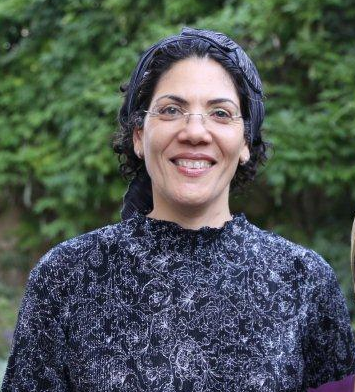
מודיעין, ישראל
התחלתי ללמוד את הדף היומי מעט אחרי שבני הקטן נולד. בהתחלה בשמיעה ולימוד באמצעות השיעור של הרבנית שפרבר. ובהמשך העזתי וקניתי לעצמי גמרא. מאז ממשיכה יום יום ללמוד עצמאית, ולפעמים בעזרת השיעור של הרבנית, כל יום. כל סיום של מסכת מביא לאושר גדול וסיפוק. הילדים בבית נהיו חלק מהלימוד, אני משתפת בסוגיות מעניינות ונהנית לשמוע את דעתם.
מעלה מכמש, ישראל
אמא שלי למדה איתי ש”ס משנה, והתחילה ללמוד דף יומי. אני החלטתי שאני רוצה ללמוד גם. בהתחלה למדתי איתה, אח”כ הצטרפתי ללימוד דף יומי שהרב דני וינט מעביר לנוער בנים בעתניאל. במסכת עירובין עוד חברה הצטרפה אלי וכשהתחלנו פסחים הרב דני פתח לנו שעור דף יומי לבנות. מאז אנחנו לומדות איתו קבוע כל יום את הדף היומי (ובשבת אבא שלי מחליף אותו). אני נהנית מהלימוד, הוא מאתגר ומעניין

עתניאל, ישראל
התחלתי להשתתף בשיעור נשים פעם בשבוע, תכננתי ללמוד רק דפים בודדים, לא האמנתי שאצליח יותר מכך.
לאט לאט נשאבתי פנימה לעולם הלימוד .משתדלת ללמוד כל בוקר ומתחילה את היום בתחושה של מלאות ומתוך התכווננות נכונה יותר.
הלימוד של הדף היומי ממלא אותי בתחושה של חיבור עמוק לעם היהודי ולכל הלומדים בעבר ובהווה.

אפרת, ישראל
"התחלתי ללמוד דף יומי במחזור הזה, בח’ בטבת תש””ף. לקחתי על עצמי את הלימוד כדי ליצור תחום של התמדה יומיומית בחיים, והצטרפתי לקבוצת הלומדים בבית הכנסת בכפר אדומים. המשפחה והסביבה מתפעלים ותומכים.
בלימוד שלי אני מתפעלת בעיקר מכך שכדי ללמוד גמרא יש לדעת ולהכיר את כל הגמרא. זו מעין צבת בצבת עשויה שהיא עצומה בהיקפה.”

כפר אדומים, ישראל
התחלתי ללמוד לפני 4.5 שנים, כשהודיה חברה שלי פתחה קבוצת ווטסאפ ללימוד דף יומי בתחילת מסכת סנהדרין. מאז לימוד הדף נכנס לתוך היום-יום שלי והפך לאחד ממגדירי הזהות שלי ממש.

ירושלים, ישראל
וְאַף אֲחִיָּה הַשִּׁילוֹנִי טָעָה וְחָתַם, דְּהָא יֵהוּא צַדִּיקָא רַבָּה הֲוָה, שֶׁנֶּאֱמַר: ״וַיֹּאמֶר ה׳ אֶל יֵהוּא יַעַן אֲשֶׁר הֱטִיבֹתָ לַעֲשׂוֹת הַיָּשָׁר בְּעֵינַי כְּכֹל אֲשֶׁר בִּלְבָבִי עָשִׂיתָ לְבֵית אַחְאָב בְּנֵי רְבִעִים יֵשְׁבוּ לְךָ עַל כִּסֵּא יִשְׂרָאֵל״, וּכְתִיב: ״וְיֵהוּא לֹא שָׁמַר לָלֶכֶת בְּתוֹרַת ה׳ אֱלֹהֵי יִשְׂרָאֵל בְּכׇל לְבָבוֹ לֹא סָר מֵעַל חַטֹּאות יָרׇבְעָם אֲשֶׁר הֶחֱטִיא אֶת יִשְׂרָאֵל״.
And even Ahijah the Shilonite erred in this matter and signed that he would accept all of Jeroboam’s pronouncements. And generations later this caused Jehu to sin. The Gemara explains: As Jehu was an extremely righteous person. As it is stated: “And the Lord said to Jehu: Because you have done well, to perform what is right in My eyes, and have done to the house of Ahab according to all that was in My heart, your children of the fourth generation shall sit on the throne of Israel” (II Kings 10:30). And it is written: “But Jehu took no care to walk in the Torah of the Lord, God of Israel, with all his heart; he departed not from the sins of Jeroboam, who made Israel sin” (II Kings 10:31).
מַאי גְּרַמָא לֵיהּ? אָמַר אַבָּיֵי: בְּרִית כְּרוּתָה לַשְּׂפָתַיִם, שֶׁנֶּאֱמַר ״אַחְאָב עָבַד אֶת הַבַּעַל מְעָט יֵהוּא יַעַבְדֶנּוּ הַרְבֵּה״. רָבָא אָמַר: חוֹתָמוֹ שֶׁל אֲחִיָּה הַשִּׁילוֹנִי רָאָה, וְטָעָה.
What caused Jehu to do so? Abaye says: A covenant is made with the lips, as it is stated that Jehu said cunningly in an attempt to entrap the priests of the Baal: “Ahab worshipped Baal a little, but Jehu shall serve him much” (II Kings 10:18). Although it was not his intention, once the statement escaped his lips he began following the path to its fulfillment. Rava says: He saw the seal of Ahijah the Shilonite on the coronation document of Jeroboam and he erred and believed that it was permitted to act as Jeroboam did.
דִּכְתִיב: ״וְשַׁחֲטָה שֵׂטִים הֶעְמִיקוּ וַאֲנִי מוּסָר לְכֻלָּם״. אָמַר רַבִּי יוֹחָנָן: אָמַר הַקָּדוֹשׁ בָּרוּךְ הוּא, הֵם הַעֲמִיקוּ מִשֶּׁלִּי. אֲנִי אָמַרְתִּי: כֹּל שֶׁאֵינוֹ עוֹלֶה לָרֶגֶל עוֹבֵר בַּעֲשֵׂה, וְהֵם אָמְרוּ: כׇּל הָעוֹלֶה לָרֶגֶל יִדָּקֵר בַּחֶרֶב.
The Gemara continues its discussion of Jeroboam. With regard to that which is written: “And the apostates are deep in slaughter and I am rejected by them all” (Hosea 5:2), Rabbi Yoḥanan says that the Holy One, Blessed be He, says: They issued decrees that are more profound and more extreme than my own. I said: Anyone who does not ascend to Jerusalem for the pilgrimage Festival violates a positive mitzva, and they said: Anyone who ascends to Jerusalem for the pilgrimage Festival will be stabbed with the sword. In that way, Jeroboam successfully prevented the residents of the kingdom of Israel from ascending to Jerusalem.
״וַיְהִי בָּעֵת הַהִיא וְיָרׇבְעָם יָצָא מִירוּשָׁלִָים וַיִּמְצָא אֹתוֹ אֲחִיָּה הַשִּׁילוֹנִי הַנָּבִיא בַּדֶּרֶךְ וְהוּא מִתְכַּסֶּה בְּשַׂלְמָה חֲדָשָׁה״. תָּנָא מִשּׁוּם רַבִּי יוֹסֵי: עֵת הִיא מְזוּמֶּנֶת לְפוּרְעָנוּת.
The verse states: “And it came to pass at that time, and Jeroboam left Jerusalem, and the prophet Ahijah the Shilonite found him on the way, and he was clad in a new garment, and the two were alone in the field” (I Kings 11:29). It was taught in the name of Rabbi Yosei: The phrase “at that time” indicates that it is a time ordained for calamity.
״בְּעֵת פְּקֻדָּתָם יֹאבֵדוּ״, תָּנָא מִשּׁוּם רַבִּי יוֹסֵי: עֵת מְזוּמֶּנֶת לְפוּרְעָנוּת. ״בְּעֵת רָצוֹן עֲנִיתִיךָ״, תָּנָא מִשּׁוּם רַבִּי יוֹסֵי: עֵת מְזוּמֶּנֶת לְטוֹבָה. ״וּבְיוֹם פׇּקְדִי וּפָקַדְתִּי עֲלֵהֶם חַטָּאתָם״, תָּנָא מִשּׁוּם רַבִּי יוֹסֵי: עֵת הִיא מְזוּמֶּנֶת לְפוּרְעָנוּת. ״וַיְהִי בָּעֵת הַהִיא וַיֵּרֶד יְהוּדָה מֵאֵת אֶחָיו״, תָּנָא מִשּׁוּם רַבִּי יוֹסֵי: עֵת מְזוּמֶּנֶת לְפוּרְעָנוּת.
The verse states: “At the time of their punishment, they shall perish” (Jeremiah 51:18). It was taught in the name of Rabbi Yosei: The phrase “at the time” indicates that it is a time ordained for calamity. The verse states: “In an acceptable time have I answered you” (Isaiah 49:8). It was taught in the name of Rabbi Yosei: The phrase “in an acceptable time” indicates that it is a time ordained for good. The verse states: “On the day when I punish, I will punish their sin upon them” (Exodus 32:34). It was taught in the name of Rabbi Yosei: The phrase “on the day when I punish” indicates that it is a time ordained for calamity. The verse states: “And it came to pass at that time, and Judah descended from his brothers” (Genesis 38:1). It was taught in the name of Rabbi Yosei: The phrase “at that time” indicates that it is a time ordained for calamity.
״וַיֵּלֶךְ רְחַבְעָם שְׁכֶם כִּי שְׁכֶם בָּא כׇל יִשְׂרָאֵל לְהַמְלִיךְ אֹתוֹ״. תָּנָא מִשּׁוּם רַבִּי יוֹסֵי: מָקוֹם מְזוּמָּן לְפוּרְעָנוּת. בִּשְׁכֶם עִינּוּ אֶת דִּינָה, בִּשְׁכֶם מָכְרוּ אֶחָיו אֶת יוֹסֵף, בִּשְׁכֶם נֶחְלְקָה מַלְכוּת בֵּית דָּוִד.
The verse states: “And Rehoboam went to Shechem; for all Israel came to Shechem, to make him king” (I Kings 12:1). It was taught in the name of Rabbi Yosei: Shechem is a place ordained for calamity. In Shechem, they tormented and raped Dinah, in the outskirts of Shechem the brothers sold Joseph, in Shechem the kingdom of the house of David was divided.
״וְיָרׇבְעָם יָצָא מִירוּשָׁלָיִם״, אָמַר רַבִּי חֲנִינָא בַּר פָּפָּא: שֶׁיָּצָא מִפִּיתְקָהּ שֶׁל יְרוּשָׁלַיִם.
With regard to the verse which states: “And Jeroboam left Jerusalem” (I Kings 11:29), Rabbi Ḥanina bar Pappa says: It means that he left the destiny of Jerusalem, meaning he removed himself from the category of the residents of Jerusalem, never to return.
״וַיִּמְצָא אֹתוֹ אֲחִיָּה הַשִּׁילוֹנִי הַנָּבִיא בַּדֶּרֶךְ וְהוּא מִתְכַּסֶּה בְּשַׂלְמָה חֲדָשָׁה וּשְׁנֵיהֶם לְבַדָּם בַּשָּׂדֶה״. מַאי ״בְּשַׂלְמָה חֲדָשָׁה״? אָמַר רַב נַחְמָן: כְּשַׂלְמָה חֲדָשָׁה. מָה שַׂלְמָה חֲדָשָׁה אֵין בָּהּ שׁוּם דּוֹפִי – אַף תּוֹרָתוֹ שֶׁל יָרׇבְעָם לֹא הָיָה בָּהּ שׁוּם דּוֹפִי. דָּבָר אַחֵר: ״שַׂלְמָה חֲדָשָׁה״ – שֶׁחִידְּשׁוּ דְּבָרִים שֶׁלֹּא שָׁמְעָה אֹזֶן מֵעוֹלָם.
The verse states: “And the prophet Ahijah the Shilonite found him on the way, and he was clad in a new [ḥadasha] garment, and the two were alone in the field.” What is taught by the phrase “in a new garment”? Rav Naḥman says: It was like a new garment; just as a new garment has no imperfection, so too, the Torah studies of Jeroboam at that time had no imperfection. Alternatively, “a new garment” teaches that they introduced [sheḥideshu] matters that no ear had ever heard.
מַאי ״וּשְׁנֵיהֶם לְבַדָּם בַּשָּׂדֶה״? אָמַר רַב יְהוּדָה אָמַר רַב: שֶׁכׇּל תַּלְמִידֵי חֲכָמִים דּוֹמִין לִפְנֵיהֶם כְּעִשְׂבֵי הַשָּׂדֶה. וְאִיכָּא דְּאָמַר: שֶׁכׇּל טַעֲמֵי תּוֹרָה מְגוּלִּין לָהֶם כַּשָּׂדֶה.
What is taught by the phrase “and the two were alone in the field”? Rav Yehuda says that Rav says: It teaches that all the Torah scholars of that generation seemed, relative to them, like grass of the field, as they were wiser than all of them. And there are those who say: It teaches that all the rationales of the Torah were revealed to them like a field that is exposed for all to see.
״לָכֵן תִּתְּנִי שִׁלּוּחִים עַל מוֹרֶשֶׁת גַּת בָּתֵּי אַכְזִיב לְאַכְזָב לְמַלְכֵי יִשְׂרָאֵל״. אָמַר רַבִּי חֲנִינָא בַּר פָּפָּא: יָצְאָה בַּת קוֹל וְאָמְרָה לָהֶן, מִי שֶׁהָרַג אֶת הַפְּלִשְׁתִּי וְהוֹרִישׁ אֶתְכֶם גַּת, תִּתְּנוּ שִׁילּוּחִים לְבָנָיו? ״בָּתֵּי אַכְזִיב לְאַכְזָב לְמַלְכֵי יִשְׂרָאֵל״.
The verse states: “Therefore shall you give parting gifts to Moresheth Gath; the houses of Achzib are a deceitful thing for the kings of Israel” (Micah 1:14). Rabbi Ḥanina bar Pappa says: When they crowned Jeroboam, a Divine Voice emerged and said to the subjects of the kingdom of Israel: He who killed the Philistine and bequeathed the city of Gath to you, i.e., King David, will you give parting gifts to his sons and revolt against them? Ultimately, the houses of Achzib are a deceitful thing for the kings of Israel, as the kings of Israel will also be forsaken by their subjects.
אָמַר רַבִּי חֲנִינָא בַּר פָּפָּא: כׇּל הַנֶּהֱנֶה מִן הָעוֹלָם הַזֶּה בְּלֹא בְּרָכָה, כְּאִילּוּ גּוֹזֵל לְהַקָּדוֹשׁ בָּרוּךְ הוּא וּכְנֶסֶת יִשְׂרָאֵל, שֶׁנֶּאֱמַר: ״גּוֹזֵל אָבִיו וְאִמּוֹ וְאֹמֵר אֵין פָּשַׁע חָבֵר הוּא לְאִישׁ מַשְׁחִית״. וְאֵין אָבִיו אֶלָּא הַקָּדוֹשׁ בָּרוּךְ הוּא, שֶׁנֶּאֱמַר: ״הֲלֹא הוּא אָבִיךָ קָּנֶךָ״. וְאֵין אִמּוֹ אֶלָּא כְּנֶסֶת יִשְׂרָאֵל, שֶׁנֶּאֱמַר: ״שְׁמַע בְּנִי מוּסַר אָבִיךָ וְאַל תִּטֹּשׁ תּוֹרַת אִמֶּךָ״.
Rabbi Ḥanina bar Pappa says: With regard to anyone who derives benefit from this world without reciting a blessing, it is as though he stole from the Holy One, Blessed be He, and the congregation of Israel, as it is stated: “Whoever robs his father and his mother and says: It is no transgression, he is the companion of a corrupter” (Proverbs 28:24). And the term “his father” is referring to none other than the Holy One, Blessed be He, as it is stated: “Is He not your Father Who created you, Who made you and established you?” (Deuteronomy 32:6). And the term “his mother” is referring to none other than the congregation of Israel, as it is stated: “Hear, my son, the discipline of your father, and do not forsake the Torah of your mother” (Proverbs 1:8). The mention of the Torah as emanating from the mother indicates that the mother represents the congregation of Israel, and the Torah of the mother is the tradition of the Jewish people.
מַאי ״חָבֵר הוּא לְאִישׁ מַשְׁחִית״? חָבֵר הוּא לְיָרׇבְעָם בֶּן נְבָט, שֶׁהִשְׁחִית יִשְׂרָאֵל לַאֲבִיהֶם שֶׁבַּשָּׁמַיִם.
What is the meaning of the phrase “He is the companion of a corrupter”? It means that he is a companion of Jeroboam, son of Nebat, who corrupted the people of Israel before their Father in Heaven by sinning and by causing others to sin.
״וְיַדַּח יָרׇבְעָם (בֶּן נְבָט) אֶת יִשְׂרָאֵל מֵאַחֲרֵי ה׳ וְהֶחֱטִיאָם חֲטָאָה גְדוֹלָה״. אָמַר רַבִּי חָנִין: ״כִּשְׁתֵּי מַקְלוֹת הַמַּתִּיזוֹת זוֹ אֶת זוֹ״.
With regard to the verse: “And Jeroboam drove Israel from following the Lord, and caused them to sin a great sin” (II Kings 17:21), Rabbi Ḥanin says: This is like two sticks that when they collide cause each other to carom, as due to the strife, Jeroboam caused the subjects of the kingdom of Israel to grow distant from God.
״וְדִי זָהָב״. אָמְרוּ דְּבֵי רַבִּי יַנַּאי, אָמַר מֹשֶׁה לִפְנֵי הַקָּדוֹשׁ בָּרוּךְ הוּא, רִבּוֹנוֹ שֶׁל עוֹלָם, בִּשְׁבִיל כֶּסֶף וְזָהָב שֶׁהִשְׁפַּעְתָּ לָהֶן לְיִשְׂרָאֵל עַד שֶׁיֹּאמְרוּ ׳דַּיי׳, גָּרַם לָהֶם לַעֲשׂוֹת לָהֶם אֱלֹהֵי זָהָב. מָשָׁל: אֵין אֲרִי דּוֹרֵס וְנוֹהֵם מִתּוֹךְ קוּפָּה שֶׁל תֶּבֶן, אֶלָּא מִתּוֹךְ קוּפָּה שֶׁל בָּשָׂר.
§ Apropos the calves of Jeroboam, the Gemara discusses the Golden Calf discussed in the Torah. The verse states: “And Di Zahav” (Deuteronomy 1:1). The school of Rabbi Yannai said: Moses said before the Holy One, Blessed be He: Master of the Universe, because of the gold and silver that You lavished upon the Jewish people during the exodus from Egypt until they said enough [dai], this wealth caused the Jewish people to fashion for themselves gods of gold. The combination of wealth and leisure left them open to a transgression of that sort. There is a parable for this: A lion does not maul and roar over a basket of straw from which he derives no pleasure; rather, he mauls and roars over a basket of meat, as he roars only when satiated. In other words, the guilt is not exclusively theirs.
אָמַר רַבִּי אוֹשַׁעְיָא: עַד יָרׇבְעָם הָיוּ יִשְׂרָאֵל יוֹנְקִים מֵעֵגֶל אֶחָד, מִכָּאן וְאֵילָךְ מִשְּׁנַיִם וּשְׁלֹשָׁה עֲגָלִים. אָמַר רַבִּי יִצְחָק: אֵין לָךְ כׇּל פּוּרְעָנוּת וּפוּרְעָנוּת שֶׁבָּאָה לְעוֹלָם שֶׁאֵין בָּהּ אֶחָד מֵעֶשְׂרִים וְאַרְבָּעָה בְּהֶכְרֵעַ לִיטְרָא שֶׁל עֵגֶל הָרִאשׁוֹן, שֶׁנֶּאֱמַר: ״וּבְיוֹם פׇּקְדִי וּפָקַדְתִּי עֲלֵהֶם חַטֹּאתָם״.
Rabbi Oshaya says: Until Jeroboam, Israel was suckling, i.e., suffering the consequences, from worshipping one calf that they fashioned in the wilderness. From that point forward, they were suckling from two and three calves, as Jeroboam added the calves in Bethel and Dan. Rabbi Yitzḥak says: You have no punishment that comes to the world in which there is not one twenty-fourth of the surplus of a litra of the first calf. When weighing a substance, there would often be a disparity of up to one twenty-fourth of its weight. The point is that a minuscule portion of the sin of the Golden Calf is added to every punishment imposed upon the Jewish people, as it is stated: “On the day when I punish, I will punish their sin upon them” (Exodus 32:34), indicating that atonement for that sin is incomplete, and the Jewish people will continue to suffer for it.
אָמַר רַבִּי חֲנִינָא: לְאַחַר עֶשְׂרִים וְאַרְבָּעָה דּוֹרוֹת נִגְבָּה פָּסוּק זֶה, שֶׁנֶּאֱמַר: ״וַיִּקְרָא בְאׇזְנַי קוֹל גָּדוֹל לֵאמֹר קָרְבוּ פְּקֻדּוֹת הָעִיר וְאִישׁ כְּלִי מַשְׁחֵתוֹ בְּיָדוֹ״.
Rabbi Ḥanina says: After twenty-four generations elapsed from the sin of the Golden Calf, the debt referred to in this verse was collected, as it is stated: “And he cried in my ears with a loud voice, saying: Those who have charge over the city draw near, every man with his deadly weapon in his hand” (Ezekiel 9:1). This prophecy occurred twenty-four generations after the sin of the Golden Calf.
״אַחַר הַדָּבָר הַזֶּה לֹא שָׁב יָרׇבְעָם מִדַּרְכּוֹ הָרָעָה״. מַאי ״אַחַר״? אָמַר רַבִּי אַבָּא: אַחַר שֶׁתְּפָשׂוֹ הַקָּדוֹשׁ בָּרוּךְ הוּא לְיָרׇבְעָם בְּבִגְדוֹ, וְאָמַר לוֹ: חֲזוֹר בְּךָ, וַאֲנִי וְאַתָּה וּבֶן יִשַׁי נְטַיֵּיל בְּגַן עֵדֶן. אָמַר לוֹ: מִי בָּרֹאשׁ? בֶּן יִשַׁי בָּרֹאשׁ. אִי הָכִי, לָא בָּעֵינָא.
The verse states: “And after this matter, Jeroboam returned not from his evil way” (I Kings 13:33). To what event is the verse alluding, when it states: “After this matter”? Rabbi Abba says: It is after the Holy One, Blessed be He, grabbed Jeroboam by his garment, i.e., he sent prophets and implored him, and said to him: Repent, and you and I and the son of Yishai will stroll together in the Garden of Eden. Jeroboam said to Him: Who will walk in the lead? God said to Jeroboam: The son of Yishai will walk in the lead. Jeroboam said: If so, I do not wish to repent.
רַבִּי אֲבָהוּ הֲוָה רְגִיל דַּהֲוָה קָא דָרֵישׁ בִּשְׁלֹשָׁה מְלָכִים. חֲלַשׁ, קַבֵּיל עֲלֵיהּ דְּלָא דָּרֵישׁ. כֵּיוָן
§ The Gemara relates: Rabbi Abbahu was accustomed to lecture at great length about the three kings enumerated in the mishna, who have no share in the World-to-Come. He fell ill, and he undertook that he would not lecture about those kings. Once
דְּאִתְּפַח, הֲדַר קָא דָרֵישׁ. אָמְרִי: לָא קַבֵּילְתְּ עֲלָךְ דְּלָא דָּרְשַׁתְּ בְּהוּ? אָמַר: אִינְהוּ מִי הֲדַרוּ בְּהוּ, דַּאֲנָא אֶהְדַּר בִּי?
he recovered, he then lectured on that topic. His students said to him: Did you not undertake that you will not lecture about them? Rabbi Abbahu said: Did they repent, that I will reconsider and refrain from condemning them?
רַב אָשֵׁי אוֹקֵי אַשְּׁלֹשָׁה מְלָכִים. אֲמַר: לִמְחַר נִפְתַּח בְּחַבְרִין. אֲתָא מְנַשֶּׁה, אִיתְחֲזִי לֵיהּ בְּחֶלְמֵיהּ. אָמַר: חֲבֵרָךְ וַחֲבֵירֵי דַּאֲבוּךְ קָרֵית לַן?
One day Rav Ashi ended his lecture just before reaching the matter of the three kings. He said to his students: Tomorrow we will begin the lecture with our colleagues the three kings, who, although they were sinners, were Torah scholars like us. Manasseh, king of Judea, came and appeared to him in his dream. Manasseh said to him angrily: You called us your colleague and the colleagues of your father? How dare you characterize yourself as our equal?
מֵהֵיכָא בָּעֵית לְמִישְׁרֵא הַמּוֹצִיא? אֲמַר לֵיהּ: לָא יָדַעְנָא. אֲמַר לֵיהּ: מֵהֵיכָא דְּבָעֵית לְמִישְׁרֵא הַמּוֹצִיא לָא גְּמִירַתְּ, וַחֲבֵרָךְ קָרֵית לַן? אֲמַר לֵיהּ: אַגְמְרֵיהּ לִי, וְלִמְחַר דָּרֵישְׁנָא לֵיהּ מִשְּׁמָךְ בְּפִירְקָא. אֲמַר לֵיהּ: מֵהֵיכָא דְּקָרֵים בִּישּׁוּלָא.
Manasseh said to him: I will ask you, from where are you required to begin cutting a loaf of bread when reciting the blessing: Who brings forth bread from the earth? Rav Ashi said to him: I do not know. Manasseh said to him: Even this, from where you are required to begin cutting a loaf of bread when reciting the blessing: Who brings forth bread from the earth, you did not learn, and yet you call us your colleague? Rav Ashi said to Manasseh: Teach me this halakha and tomorrow I will lecture and cite it in your name during my public lecture delivered on the Festival. Manasseh said to him: One cuts the loaf from where it crusts as a result of baking.
אֲמַר לֵיהּ: מֵאַחַר דְּחַכִּימַתְּ כּוּלֵּי הַאי, מַאי טַעְמָא קָא פָּלְחִיתוּ לַעֲבוֹדָה זָרָה? אֲמַר לֵיהּ: אִי הֲוֵת הָתָם, הֲוֵת נָקֵיטַתְּ בְּשִׁיפּוּלֵי גְּלִימָא וְרָהֲטַתְּ אַבַּתְרַאי. לִמְחַר אֲמַר לְהוּ לְרַבָּנַן: נִפְתָּח בְּרַבְּווֹתָא.
Rav Ashi said to him: Since you were so wise, what is the reason you engaged in idol worship? Manasseh said to him: Had you been there at that time, you would have taken and lifted the hem of your cloak and run after me due to the fierce desire to engage in idol worship and due to the fact that it was a common faith. The next day Rav Ashi said to the Sages as a prelude to his lecture: We will begin with the treatment of our teachers, those kings who were greater than us in Torah knowledge but whose sins caused them to lose their share in the World-to-Come.
אַחְאָב: אָח לַשָּׁמַיִם, אָב לַעֲבוֹדָה זָרָה. אָח לַשָּׁמַיִם, דִּכְתִיב: ״אָח לְצָרָה יִוָּלֵד״. אָב לַעֲבוֹדָה זָרָה, דִּכְתִיב: ״כְּרַחֵם אָב עַל בָּנִים״.
§ The Gemara proceeds to discuss the second king enumerated in the mishna, Ahab. Ahab [Aḥav], although he was a brother [aḥ] to Heaven, he was a father [av] for idol worship. He was a brother to Heaven, as it is written: “And a brother is born for adversity” (Proverbs 17:17), and in desperate times, he turned to Heaven. He was a father for idolatry. This is the highest level of attachment, as it is written: “As a father has compassion for his children” (Psalms 103:13).
״וַיְהִי הֲנָקֵל לֶכְתּוֹ בְּחַטֹּאות יָרׇבְעָם בֶּן נְבָט״. אָמַר רַבִּי יוֹחָנָן: קַלּוֹת שֶׁעָשָׂה אַחְאָב – כַּחֲמוּרוֹת שֶׁעָשָׂה יָרׇבְעָם. וּמִפְּנֵי מָה תָּלָה הַכָּתוּב בְּיָרׇבְעָם? מִפְּנֵי שֶׁהוּא הָיָה תְּחִילָּה לַקַּלְקָלָה. ״גַּם מִזְבְּחוֹתָם כְּגַלִּים עַל תַּלְמֵי שָׂדָי״. אָמַר רַבִּי יוֹחָנָן: אֵין לָךְ כׇּל תֶּלֶם וָתֶלֶם בְּאֶרֶץ יִשְׂרָאֵל שֶׁלֹּא הֶעֱמִיד עָלָיו אַחְאָב עֲבוֹדָה זָרָה וְהִשְׁתַּחֲוָה לָהּ.
With regard to Ahab, it is written: “And it came to pass, the most minor of his transgressions was his walking in the sins of Jeroboam, son of Nebat” (I Kings 16:31). Rabbi Yoḥanan says: The minor sins that Ahab performed were on par with the major sins that Jeroboam performed, as the transgressions committed by Ahab were much more serious than those committed by Jeroboam. And for what reason did the verse attribute the sins of all the kings of Israel to Jeroboam, even though the sins of Ahab were more substantial? It is due to the fact that he was first to engage in iniquity. With regard to the verse: “Their altars shall also be like droppings in the furrows of the field” (Hosea 12:12), Rabbi Yoḥanan says: You do not have even one furrow in Eretz Yisrael upon which Ahab did not place an object of idol worship and bow to it.
וּמְנָא לַן דְּלָא אָתֵי לְעָלְמָא דְּאָתֵי? דִּכְתִיב: ״וְהִכְרַתִּי לְאַחְאָב מַשְׁתִּין בְּקִיר וְעָצוּר וְעָזוּב בְּיִשְׂרָאֵל״. ״עָצוּר״ – בָּעוֹלָם הַזֶּה, ״וְעָזוּב״ – לָעוֹלָם הַבָּא.
The Gemara asks: And from where do we derive that Ahab does not enter into the World-to-Come? The Gemara answers: It is derived as it is written: “And I will excise from Ahab every man, and him that is shut up and him that is abandoned in Israel” (I Kings 21:21). “Him that is shut up” indicates he will be excised in this world, while “and him that is abandoned” indicates he will be excised in the World-to-Come.
אָמַר רַבִּי יוֹחָנָן: מִפְּנֵי מָה זָכָה עׇמְרִי לַמַּלְכוּת? מִפְּנֵי שֶׁהוֹסִיף כְּרַךְ אֶחָד בְּאֶרֶץ יִשְׂרָאֵל, שֶׁנֶּאֱמַר: ״וַיִּקֶן אֶת הָהָר שֹׁמְרוֹן מֵאֶת שֶׁמֶר בְּכִכְּרַיִם כָּסֶף וַיִּבֶן אֶת הָהָר וַיִּקְרָא [אֶת] שֵׁם הָעִיר אֲשֶׁר בָּנָה עַל שֶׁם שֶׁמֶר אֲדֹנֵי הָהָר שֹׁמְרוֹן״.
Rabbi Yoḥanan says: For what virtue was Omri, king of Israel, who was Ahab’s father, privileged to ascend to the monarchy? It is due to the fact that he added one city in Eretz Yisrael, as it is stated: “And he bought the hill of Samaria from Shemer for two talents of silver, and built on the hill, and called the name of the city that he built after Shemer, the owner of the hill, Samaria” (I Kings 16:24).
אָמַר רַבִּי יוֹחָנָן: מִפְּנֵי מָה זָכָה אַחְאָב לַמַּלְכוּת עֶשְׂרִים וּשְׁתַּיִם שָׁנָה?
Rabbi Yoḥanan says: For what virtue was Ahab privileged to ascend to the monarchy and rule for twenty-two years?
מִפְּנֵי שֶׁכִּיבֵּד אֶת הַתּוֹרָה, שֶׁנִּיתְּנָה בְּעֶשְׂרִים וּשְׁתַּיִם אוֹתִיּוֹת, שֶׁנֶּאֱמַר: ״וַיִּשְׁלַח מַלְאָכִים אֶל אַחְאָב מֶלֶךְ יִשְׂרָאֵל הָעִירָה. וַיֹּאמֶר לוֹ כֹּה אָמַר בֶּן הֲדַד כַּסְפְּךָ וּזְהָבְךָ לִי הוּא וְנָשֶׁיךָ וּבָנֶיךָ הַטּוֹבִים לִי הֵם״. ״כִּי אִם כָּעֵת מָחָר אֶשְׁלַח אֶת עֲבָדַי אֵלֶיךָ וְחִפְּשׂוּ אֶת בֵּיתְךָ וְאֵת בָּתֵּי עֲבָדֶיךָ וְהָיָה כׇּל מַחְמַד עֵינֶיךָ יָשִׂימוּ בְיָדָם וְלָקָחוּ״. ״וַיֹּאמֶר לְמַלְאֲכֵי בֶן הֲדַד אִמְרוּ לַאדֹנִי הַמֶּלֶךְ כֹּל אֲשֶׁר שָׁלַחְתָּ אֶל עַבְדְּךָ בָרִאשׁוֹנָה אֶעֱשֶׂה וְהַדָּבָר הַזֶּה לֹא אוּכַל לַעֲשׂוֹת״.
It is due to the fact that he respected the Torah, which was given with twenty-two letters, as it is stated: “And he sent messengers to Ahab, king of Israel, into the city, and said to him: So says Ben-Hadad: Your silver and your gold are mine; your wives and also your good children, are mine. And the king of Israel answered and said: It is according to your saying, my lord, O king: I am yours, and all that I have. And the messengers came again, and said: So speaks Ben-Hadad, saying: I sent to you, saying: You shall deliver me your silver, and your gold, and your wives, and your children. Yet I will send my servants to you tomorrow about this time, and they shall search your house, and the houses of your servants, and it shall be, that they shall put in their hand all the delight of your eyes and take it…And he said to the messengers of Ben-Hadad, tell my lord the king: All that you did send for to your servant at the first I will do; but this thing I may not do” (I Kings 20:2-6, 9).
מַאי ״מַחְמַד עֵינֶיךָ״? לָאו סֵפֶר תּוֹרָה?
The Gemara asks: What is “the delight of your eyes” that Ahab refused to give Ben-Hadad after agreeing to give him his wives and his gold? Is it not a Torah scroll? Ahab treated the Torah with deference.
דִּילְמָא עֲבוֹדָה זָרָה? לָא סָלְקָא דַּעְתָּךְ, דִּכְתִיב: ״וַיֹּאמְרוּ אֵלָיו כׇּל הַזְּקֵנִים וְכׇל הָעָם לֹא תֹאבֶה וְלֹא תִשְׁמַע״. וְדִילְמָא סָבֵי דְּבַהֲתָא הֲווֹ? מִי לָא כְּתִיב: ״וַיִּישַׁר הַדָּבָר בְּעֵינֵי אַבְשָׁלֹם וּבְעֵינֵי כׇּל זִקְנֵי יִשְׂרָאֵל״? וְאָמַר רַב יוֹסֵף: סָבֵי דְּבַהֲתָא.
The Gemara suggests: Perhaps the delight of his eyes was an object of idol worship. The Gemara answers: That could not enter your mind, as it is written that Ahab consulted the Sages with regard to this matter: “And all the elders and all the people said to him: Do not consent and heed not” (I Kings 20:8). The elders in this verse are presumably the Sages. The Gemara continues: But perhaps they were wicked elders, who worshipped idols. Isn’t it written: “And the saying pleased Absalom well and all the elders of Israel” (II Samuel 17:4), and Rav Yosef says: The elders of Israel mentioned in that verse were wicked elders. Perhaps the elders of Israel with whom Ahab consulted were also wicked.
הָתָם לָא כְּתִיב ״וְכׇל הָעָם״, הָכָא כְּתִיב ״וְכׇל הָעָם״, דְּאִי אֶפְשָׁר דְּלָא הֲווֹ בְּהוֹן צַדִּיקֵי. וּכְתִיב: ״וְהִשְׁאַרְתִּי בְיִשְׂרָאֵל שִׁבְעַת אֲלָפִים כׇּל הַבִּרְכַּיִם אֲשֶׁר לֹא כָרְעוּ לַבַּעַל וְכׇל הַפֶּה אֲשֶׁר לֹא נָשַׁק לוֹ״.
The Gemara rejects this: There, with regard to Absalom it is not written: “And all the people,” whereas here, with regard to Ahab, it is written: “And all the people.” As it is impossible that there were not among them righteous people, if the righteous people agreed, apparently, “the delight of your eyes” was sacred. And it is written: “And I will leave seven thousand in Israel; all the knees that have not bent to the Baal, and every mouth that has not kissed it” (I Kings 19:18), indicating that there were righteous people among them.
אָמַר רַב נַחְמָן: אַחְאָב שָׁקוּל הָיָה, שֶׁנֶּאֱמַר: ״וַיֹּאמֶר ה׳ מִי יְפַתֶּה אֶת אַחְאָב וְיַעַל וְיִפֹּל בְּרָמֹת גִּלְעָד וַיֹּאמֶר זֶה בְּכֹה וְזֶה אֹמֵר בְּכֹה״. מַתְקֵיף לַהּ רַבִּי יוֹסֵף: מַאן דִּכְתִיב בֵּיהּ ״רַק לֹא הָיָה כְאַחְאָב אֲשֶׁר הִתְמַכֵּר לַעֲשׂוֹת הָרַע בְּעֵינֵי ה׳ אֲשֶׁר הֵסַתָּה אֹתוֹ אִיזֶבֶל אִשְׁתּוֹ״, וּתְנֵינָא: בְּכׇל יוֹם הָיְתָה שׁוֹקֶלֶת שִׁקְלֵי זָהָב לַעֲבוֹדָה זָרָה, וְאַתְּ אָמְרַתְּ שָׁקוּל הָיָה?! אֶלָּא, אַחְאָב וַותְּרָן בְּמָמוֹנוֹ הָיָה, וּמִתּוֹךְ שֶׁהֶהֱנָה תַּלְמִידֵי חֲכָמִים מִנְּכָסָיו כִּיפְּרוּ לוֹ מֶחֱצָה.
Rav Naḥman says: Ahab was balanced in terms of the mitzvot and transgressions that he performed, as it is stated: “And the Lord said, who shall entice Ahab that he may ascend and fall at Ramoth Gilead? And this one said in this manner, and that one said in that manner” (I Kings 22:20), indicating that it is unclear whether or not he was a full-fledged transgressor. Rav Yosef objects to this statement: This is the person about whom the prophet wrote: “But there was none like Ahab who devoted himself to do evil in the eyes of the Lord, whom Jezebel his wife had incited” (I Kings 21:25). And we learn in a baraita: Every day she would weigh gold shekels equal to Ahab’s weight for idol worship. And you say he was balanced? Rather, Ahab was generous with his money and did not scrimp, and since he also benefited Torah scholars with his property, the heavenly court expiated half his sins for him. The result was a balance between mitzvot and transgressions.
״וַיֵּצֵא הָרוּחַ וַיַּעֲמֹד לִפְנֵי ה׳ וַיֹּאמֶר אֲנִי אֲפַתֶּנּוּ וַיֹּאמֶר ה׳ אֵלָיו בַּמָּה. וַיֹּאמֶר אֵצֵא וְהָיִיתִי רוּחַ שֶׁקֶר בְּפִי כׇּל נְבִיאָיו וַיֹּאמֶר תְּפַתֶּה וְגַם תּוּכָל צֵא וַעֲשֵׂה כֵן״. מַאי רוּחַ? אָמַר רַבִּי יוֹחָנָן: רוּחוֹ שֶׁל נָבוֹת הַיִּזְרְעֵאלִי.
With regard to God’s search for a volunteer to entice Ahab, it is written: “And there came forth a spirit, and stood before the Lord, and said: I will entice him. And the Lord said to him: With what? And he said: I will go out, and I will be a lying spirit in the mouth of all his prophets. And He said: You shall entice him, and also prevail; go out, and do so” (I Kings 22:21–22). The Gemara asks: What spirit was that? Rabbi Yoḥanan says: It was the spirit of Naboth the Jezreelite, who sought to take revenge against Ahab.
מַאי ״צֵא״? אָמַר רָבִינָא: ״צֵא מִמְּחִיצָתִי״, שֶׁכֵּן כְּתִיב: ״דֹּבֵר שְׁקָרִים לֹא יִכּוֹן לְנֶגֶד עֵינָי״. אָמַר רַב פָּפָּא: הַיְינוּ דְּאָמְרִי אִינָשֵׁי: דְּפָרַע קִינֵּיהּ מַחְרֵיב בֵּיתֵיהּ.
The Gemara asks: What is the meaning of the term “go out” that God instructed the spirit? Ravina says that it means: Go out from within my partition and do not return, as so it is written: “He that speaks falsehoods shall not be established before My eyes” (Psalms 101:7). The spirit that volunteered to lie may no longer be before God. Rav Pappa says that this is in accordance with the adage that people say: One who avenges due to his zealotry destroys his own house. The spirit of Naboth that sought revenge was expelled from before God.
״וַיַּעַשׂ אַחְאָב אֶת הָאֲשֵׁרָה וַיּוֹסֶף אַחְאָב לַעֲשׂוֹת לְהַכְעִיס אֶת ה׳ אֱלֹהֵי יִשְׂרָאֵל מִכֹּל מַלְכֵי יִשְׂרָאֵל אֲשֶׁר הָיוּ לְפָנָיו״. אָמַר רַבִּי יוֹחָנָן: שֶׁכָּתַב עַל דַּלְתוֹת שֹׁמְרוֹן אַחְאָב כָּפַר בֵּאלֹהֵי יִשְׂרָאֵל, לְפִיכָךְ אֵין לוֹ חֵלֶק בֵּאלֹהֵי יִשְׂרָאֵל.
With regard to the verse: “And Ahab made the ashera; and Ahab did more to provoke the Lord, God of Israel, to anger than all the kings of Israel that were before him” (I Kings 16:33), Rabbi Yoḥanan says: It means that he wrote on the doors of Samaria: Ahab denies the existence of the God of Israel, therefore he has no share in the God of Israel.
״וַיְבַקֵּשׁ אֶת אֲחַזְיָהוּ וַיִּלְכְּדֻהוּ וְהוּא מִתְחַבֵּא בְשֹׁמְרוֹן״. אָמַר רַבִּי לֵוִי: שֶׁהָיָה קוֹדֵר אַזְכָּרוֹת, וְכוֹתֵב עֲבוֹדָה זָרָה תַּחְתֵּיהֶן.
With regard to the verse: “And he sought Ahaziah, and they apprehended him, for he was hiding in Samaria” (II Chronicles 22:9), Rabbi Levi says: What would he do in hiding? He would excise mentions of God’s name in Torah scrolls and write the name of an object of idol worship in their stead.
מְנַשֶּׁה – שֶׁנָּשָׁה יָהּ. דָּבָר אַחֵר: מְנַשֶּׁה – שֶׁהִנְשִׁי אֶת יִשְׂרָאֵל לַאֲבִיהֶם שֶׁבַּשָּׁמַיִם. וּמְנָלַן דְּלָא אָתֵי לְעָלְמָא דְּאָתֵי? דִּכְתִיב: ״בֶּן שְׁתֵּים עֶשְׂרֵה שָׁנָה מְנַשֶּׁה בְמׇלְכוֹ וַחֲמִשִּׁים וְחָמֵשׁ שָׁנָה מָלַךְ בִּירוּשָׁלִָים וַיַּעַשׂ אֲשֵׁרָה כַּאֲשֶׁר עָשָׂה אַחְאָב מֶלֶךְ יִשְׂרָאֵל״. מָה אַחְאָב אֵין לוֹ חֵלֶק לָעוֹלָם הַבָּא, אַף מְנַשֶּׁה אֵין לוֹ חֵלֶק לָעוֹלָם הַבָּא.
The Gemara proceeds to discuss the third king enumerated in the mishna. He was called Manasseh [Menashe] because he forgot God [nasha yah]. Alternatively, he was called Manasseh since he caused the kingdom of Israel to forget [hinshi] their Father Who is in Heaven. And from where do we derive that Manasseh does not enter into the World-to-Come? The Gemara answers: It is derived as it is written: “Manasseh was twelve years old when he began to reign, and he reigned fifty-five years in Jerusalem…And he did that which was evil in the sight of the Lord…And he made an ashera, as did Ahab king of Israel” (II Kings 21:1–3). Just as Ahab has no share in the World-to-Come, so too, Manasseh has no share in the World-to-Come.
רַבִּי יְהוּדָה אוֹמֵר: מְנַשֶּׁה יֵשׁ לוֹ חֵלֶק לָעוֹלָם הַבָּא, שֶׁנֶּאֱמַר: ״וַיִּתְפַּלֵּל מְנַשֶּׁה אֶל ה׳ וַיֵּעָתֶר לוֹ וְגוֹ׳״. אָמַר רַבִּי יוֹחָנָן: וּשְׁנֵיהֶם מִקְרָא אֶחָד דָּרְשׁוּ, שֶׁנֶּאֱמַר: ״וּנְתַתִּים לְזַעֲוָה לְכֹל מַמְלְכוֹת הָאָרֶץ בִּגְלַל מְנַשֶּׁה בֶן יְחִזְקִיָּהוּ״. מָר סָבַר: בִּגְלַל מְנַשֶּׁה שֶׁעָשָׂה תְּשׁוּבָה וְאִינְהוּ לָא עֲבוּד, וּמָר סָבַר:
§ The mishna teaches that Rabbi Yehuda says: Manasseh has a share in the World-to-Come, as it is stated: “And he prayed to him and He was entreated of him, and heard his supplication and brought him back to Jerusalem unto his kingdom” (II Chronicles 33:13). Rabbi Yoḥanan says: And both of them, Rabbi Yehuda and the Rabbis, who disagree with regard to whether Manasseh has a share in the World-to-Come, interpreted one and the same verse, as it is stated: “And I will make them into a horror for all the kingdoms of the earth, on account of Manasseh, son of Hezekiah” (Jeremiah 15:4). One Sage, Rabbi Yehuda, holds that “on account of Manasseh” means that the Jewish people will be judged harshly, as ultimately, one as wicked as Manasseh repented, and they did not do so. And one Sage, the Rabbis, holds that
פעולה זו תסיר את כל הפריטים בחלק זה כולל ההתקדמות וההיסטוריה. שימי לב: לא ניתן לשחזר פעולה זו.
תאבד/י את כל ההתקדמות או ההיסטוריה הקשורות לפריט זה.