חיפוש

סנהדרין כה

רוצה להקדיש שיעור?

podcast placeholder

0:00
0:00


תקציר

האם דעתו של רמי בר חמא שהמשחק בקוביה פסול מטעם אסמכתא מתאימה למשנה? במה זה תלוי?

רבא הוסיף שלא רק המלווה בריבית, אלא גם הלווה בריבית פסול לעדות.

מה ההגדרה של "מפריחי יונים” במשנה? ישנן שתי אפשרויות – או מרוצי יונים (הימורים) או מי שמאמן יונים להביא יונים אחרים.

אם אדם חזר בתשובה, כיצד הקהילה/החברה יודעת שהאדם חזר בתשובה ויכולה להתיר לו להעיד עבור אחרים בבית דין? האם יש הבדל בין טבח שמכר בשר לא כשר כאילו היה כשר לבין אחרים כמו משחק בקוביה, מלווה בריבית וכו’?

מה היו קטגוריות אחרות של אנשים שבמקור הורשו להעיד אך בסופו של דבר פסלום מלהעיד? מדוע?

סנהדרין כה

״אֵימָתַי״ וּ״בַמֶּה״ אֵינוֹ אֶלָּא לְפָרֵשׁ דִּבְרֵי חֲכָמִים.

When does this halakha apply, or: In what case is this statement said, he intends only to explain the statement of the Rabbis, not to disagree with them?

רַבִּי יוֹחָנָן אָמַר: ״אֵימָתַי״ – לְפָרֵשׁ, וּ״בַמֶּה״ – לַחְלוֹק. וּדְכוּלֵּי עָלְמָא ״אֵימָתַי״ לְפָרֵשׁ הוּא.

Granted, Rabbi Yoḥanan disagrees with Rabbi Yehoshua ben Levi, and says that only the term: When does this halakha apply, indicates that Rabbi Yehuda intends to explain the previous statement of the Rabbis, but the term: In what case is this statement said, indicates that he intends to disagree. But according to everyone, the term when indicates that he intends to explain the previous statement. This is difficult according to Rami bar Ḥama.

גַּבְרָא אַגַּבְרָא קָא רָמֵית? מָר סָבַר: פְּלִיגִי, וּמָר סָבַר: לָא פְּלִיגִי.

The Gemara responds: Are you setting the statement of one man against the statement of another man? One Sage, Rami bar Ḥama, holds that Rabbi Yehuda and the Rabbis disagree even when Rabbi Yehuda employs the term: When does this halakha apply, and one Sage, Rabbi Yehoshua ben Levi, and similarly Rabbi Yoḥanan, holds that they do not disagree.

וְלָא פְּלִיגִי? וְהָתַנְיָא: בֵּין שֶׁיֵּשׁ לוֹ אוּמָּנוּת שֶׁלֹּא הוּא, בֵּין שֶׁאֵין לוֹ אוּמָּנוּת אֶלָּא הוּא – הֲרֵי זֶה פָּסוּל.

The Gemara asks: And do they not disagree? But isn’t it taught in a baraita: Whether a dice player has an occupation other than this one, or whether he does not have an occupation other than this one, he is disqualified from bearing witness? This baraita is in accordance with the opinion of Rami bar Ḥama.

הָהִיא רַבִּי יְהוּדָה מִשּׁוּם רַבִּי טַרְפוֹן הִיא, דְּתַנְיָא: רַבִּי יְהוּדָה אוֹמֵר מִשּׁוּם רַבִּי טַרְפוֹן, לְעוֹלָם אֵין אֶחָד מֵהֶן נָזִיר, לְפִי שֶׁלֹּא נִתְּנָה נְזִירוּת אֶלָּא לְהַפְלָאָה.

The Gemara answers: That baraita is not the opinion of the Rabbis in the mishna, but rather it is the opinion of Rabbi Yehuda in the name of Rabbi Tarfon. As it is taught in a baraita that Rabbi Yehuda says in the name of Rabbi Tarfon: In the case where two people quarreled and each of them declared that if the other is right he will become a nazirite, actually, neither of them becomes a nazirite, as naziriteship is determined only by explicitness. A vow of naziriteship does not take effect if the individual does not vow clearly and with certitude. Here too, Rabbi Tarfon maintains that one who bets on games played with dice is considered a thief, as one can acquire the money of another legally only if the latter gives it to him with certain and conclusive intent. Since one who plays dice is not certain that he will have to pay the other player, as he considers it likely that he will win, the transaction is an asmakhta and is legally invalid.

מַלְוֶה בְּרִבִּית. אָמַר רָבָא: לָוָה בְּרִבִּית – פָּסוּל לְעֵדוּת. וְהָאֲנַן תְּנַן: מַלְוֶה בְּרִבִּית? מִלְוָה הַבָּאָה בְּרִבִּית.

§ The mishna teaches that one who lends money with interest is disqualified from bearing witness. Rava says: One who borrows money with interest is disqualified from bearing witness. The Gemara asks: But didn’t we learn in the mishna that specifically one who lends money with interest is disqualified? The Gemara answers: The reference in the mishna is to a loan that comes with interest, and is teaching that all those who participate in the loan are disqualified.

בַּר בִּינִיתּוֹס אַסְהִידוּ בֵּיהּ תְּרֵי סָהֲדֵי. חַד אָמַר: קַמֵּי דִּידִי אוֹזֵיף בְּרִיבִּיתָא, וְחַד אָמַר: לְדִידִי אוֹזְפַן בְּרִיבִּיתָא. פַּסְלֵיהּ רָבָא לְבַר בִּינִיתּוֹס.

The Gemara recounts: Two witnesses testified about bar Binittos. One said: He lent money with interest in my presence, and the other one said: He lent me money with interest. Rava rendered bar Binittos disqualified from bearing witness and from serving as a judge.

וְהָא רָבָא הוּא דְּאָמַר: לָוָה בְּרִבִּית פָּסוּל לְעֵדוּת, וְהָוֵה לֵיהּ רָשָׁע, וְהַתּוֹרָה אָמְרָה: ״אַל תָּשֶׁת רָשָׁע עֵד״.

The Gemara asks: But isn’t Rava the one who said that one who borrows money with interest is disqualified from bearing witness? And accordingly the latter witness is considered a wicked man, as by his own account he borrowed money with interest from bar Binittos, and the Torah states: Do not place a wicked man as a witness (see Exodus 23:1). Consequently, the testimony of that witness cannot be accepted, and bar Binittos should not have been disqualified.

רָבָא לְטַעְמֵיהּ, דְּאָמַר רָבָא: אָדָם קָרוֹב אֵצֶל עַצְמוֹ, וְאֵין אָדָם מֵשִׂים עַצְמוֹ רָשָׁע.

The Gemara answers: Rava conforms to his standard line of reasoning, as Rava says: A person is his own relative and a person cannot make himself wicked. Consequently, the part of the testimony that relates to the witness’s own status is not accepted, while the part that relates to bar Binittos is accepted.

הָהוּא טַבָּחָא דְּאִישְׁתְּכַח דִּנְפַקָא טְרֵיפְתָּא מִתּוּתֵי יְדֵיהּ, פַּסְלֵיהּ רַב נַחְמָן וְעַבְּרֵיהּ. אֲזַל רַבִּי מַזְיֵהּ וְטוּפְרֵיהּ. סְבַר רַב נַחְמָן לְאַכְשׁוֹרֵיהּ.

There was a certain slaughterer about whom it was discovered that a tereifa, an animal with a wound that would have caused it to die within twelve months, emerged from his possession. In other words, he sold tereifa meat without informing the customers of its status. Rav Naḥman disqualified him from bearing witness and removed him from his position as a slaughterer. The slaughterer subsequently went and grew his fingernails and his hair out of remorse over his actions. Rav Naḥman thought to deem him fit again for bearing witness, as he clearly repented, and once someone repents for his sin, his status as a valid witness is restored.

אֲמַר לֵיהּ רָבָא: דִּילְמָא אִיעָרוֹמֵי קָא מַעֲרֵים?

Rava said to Rav Naḥman: Perhaps he is employing artifice, pretending to repent in order to be reinstated as a slaughterer.

אֶלָּא מַאי תַּקַּנְתֵּיהּ? כִּדְרַב אִידִי בַּר אָבִין, דְּאָמַר רַב אִידִי בַּר אָבִין: הֶחָשׁוּד עַל הַטְּרֵיפוֹת אֵין לוֹ תַּקָּנָה עַד שֶׁיֵּלֵךְ לְמָקוֹם שֶׁאֵין מַכִּירִין אוֹתוֹ וְיַחְזִיר אֲבֵידָה בְּדָבָר חָשׁוּב, אוֹ שֶׁיּוֹצִיא טְרֵיפָה מִתַּחַת יָדוֹ בְּדָבָר חָשׁוּב מִשֶּׁלּוֹ.

Rather, what is his remedy? It is in accordance with the statement of Rav Idi bar Avin; as Rav Idi bar Avin says: One who is suspected of selling tereifot to others has no remedy to restore his fitness to bear witness until he goes to a locale where they do not recognize him and returns a lost item of substantial value that he finds, or removes his own tereifa meat of significant value from his possession. These actions demonstrate that he has repented, as he is willing to lose money for a mitzva. By contrast, if he does so in a place where he is recognized his fitness in not reinstated based on these actions, as perhaps he performed them only in order to be reinstated.

וּמַפְרִיחֵי יוֹנִים, מַאי מַפְרִיחֵי יוֹנִים? הָכָא תַּרְגִּימוּ: ״אִי תִּקְדְּמֵיהּ יוֹנָךְ לְיוֹן״. רַבִּי חָמָא בַּר אוֹשַׁעְיָא אָמַר: ״אָרָא״.

§ Among the list of those who are disqualified from bearing witness the mishna teaches: And those who fly pigeons. The Gemara asks: What is meant by: Those who fly pigeons? Here, in Babylonia, the Sages explained that these are people who gamble on pigeon races, i.e., one says to another: If your pigeon reaches a certain destination before my pigeon I will give you such and such an amount of money. Rabbi Ḥama bar Oshaya says: It is referring to an ara, i.e., one who trains his pigeons to bring him pigeons from the property of others.

מַאן דְּאָמַר: ״אִי תִּקְדְּמֵיהּ יוֹנָךְ לְיוֹן״, מַאי טַעְמָא לָא אָמַר ״אָרָא״?

The Gemara asks: With regard to the one who says that it is referring to those who say: If your pigeon reaches a certain destination before my pigeon I will give you such and such an amount of money, what is the reason that he does not say that it is referring to an ara?

אָמַר לָךְ: ״אָרָא״ – מִפְּנֵי דַּרְכֵי שָׁלוֹם בְּעָלְמָא.

The Gemara answers: He could say to you that an ara is not considered a robber, as the pigeons that he has his pigeons bring do not actually belong to those from whom he takes them. Rather, they dwell on the property of these individuals, and it is prohibited to take them merely due to the ways of peace.

וּמַאן דְּאָמַר ״אָרָא״, מַאי טַעְמָא לָא אָמַר: ״אִי תִּקְדְּמֵיהּ יוֹנָךְ לְיוֹן״? אָמַר לָךְ: הַיְינוּ מְשַׂחֵק בְּקוּבְיָא.

The Gemara asks: And with regard to the one who says that the mishna is referring to an ara, what is the reason that he does not say that it is referring to one who says: If your pigeon reaches a certain destination before my pigeon I will give you such and such an amount of money? The Gemara answers: He could say to you that this individual is the same as one who plays with dice; they both gamble on games of chance. This type of disqualification is already listed in the mishna.

וְאִידַּךְ?

The Gemara asks: And how would the other Sage, who maintains that the expression: Those who fly pigeons, is referring to those who gamble on racing their pigeons, respond to this claim?

תְּנָא תּוֹלֶה בְּדַעַת עַצְמוֹ, וּתְנָא תּוֹלֶה בְּדַעַת יוֹנוֹ.

The Gemara answers that it is necessary for the mishna to teach that both types of gamblers are disqualified. The mishna taught that one who bets on dice, making it dependent on his own decision, as he believes he has a method by which he will win, is disqualified, and the mishna taught that one who bets on pigeon races, making it dependent on the decision of his pigeon, is also disqualified.

וּצְרִיכָא, דְּאִי תְּנָא תּוֹלֶה בְּדַעַת עַצְמוֹ – הָתָם הוּא דְּלָא גָּמַר וּמַקְנֵי, דְּאָמַר:

The Gemara explains: And both are necessary. As had the mishna taught this halakha only with regard to one who bets on dice, making it dependent on his own decision, one might reason that it is specifically there that a gambler is considered a thief. The reason for this is that he presumably does not resolve to transfer the money if he loses; as he says to himself:

קִים לִי בְּנַפְשַׁאי דְּיָדַעְנָא טְפֵי. אֲבָל תּוֹלֶה בְּדַעַת יוֹנוֹ – אֵימָא לָא.

I am certain of myself that I know better than my competitor how to win. But with regard to one who makes it dependent on the decision of his pigeon, say that he is not disqualified from bearing witness, as he is aware that he cannot guarantee the results and therefore resolves to transfer the money if he loses.

וְאִי תְּנָא תּוֹלֶה בְּדַעַת יוֹנוֹ, דְּאָמַר: בְּנַקָּשָׁא תַּלְיָא מִילְּתָא, וַאֲנָא יָדַעְנָא לְנַקּוֹשֵׁי טְפֵי. אֲבָל תּוֹלֶה בְּדַעַת עַצְמוֹ – אֵימָא לָא. צְרִיכָא.

And conversely, had the mishna taught this halakha only with regard to one who makes it dependent on the decision of his pigeon, one might assume that only this type of gambler is disqualified, as he presumably says: The matter, i.e., the race, is determined by knocking on trees and other objects to speed up the pigeons, and I know how to knock better than my opponent. Therefore, he does not resolve to transfer the money if he loses. But with regard to one who makes it dependent on his own decision, say that he is not disqualified from bearing witness, as the roll of the dice is pure chance. Therefore, it is necessary for the mishna to teach both cases.

מֵיתִיבִי: הַמְשַׂחֵק בְּקוּבְיָא – אֵלּוּ הֵן הַמְשַׂחֲקִים בִּפְסֵיפָסִים. וְלֹא בִּפְסֵיפָסִים בִּלְבַד אָמְרוּ, אֶלָּא אֲפִילּוּ קְלִיפֵּי אֱגוֹזִים וּקְלִיפֵּי רִימּוֹנִים.

The Gemara raises an objection to the opinion that the expression: Those who fly pigeons, refers to an ara, from a baraita: With regard to the expression one who plays with dice, these are ones who play with pispasim, which are dice of marble or other types of stone. But the Sages did not mean to say that only one who plays with pispasim is disqualified from bearing witness, but rather even one who plays with nutshells or pomegranate shells is disqualified.

וְאֵימָתַי חֲזָרָתָן? מִשֶּׁיְּשַׁבְּרוּ אֶת פְּסֵיפָסֵיהֶן וְיַחְזְרוּ בָּהֶן חֲזָרָה גְּמוּרָה, דַּאֲפִילּוּ בְּחִנָּם לָא עָבְדִי.

And when is their repentance accepted, so that they may resume being fit to bear witness? Once they break their pispasim and repent of them completely, abandoning this occupation entirely, where they do not do this even for nothing, i.e., they do not play even without betting.

מַלְוֶה בְּרִיבִּית: אֶחָד הַמַּלְוֶה וְאֶחָד הַלֹּוֶה. וְאֵימָתַי חֲזָרָתָן? מִשֶּׁיְּקָרְעוּ אֶת שְׁטָרֵיהֶן, וְיַחְזְרוּ בָּהֶן חֲזָרָה גְּמוּרָה, דַּאֲפִילּוּ לְגוֹי לָא מוֹזְפִי.

The baraita continues: The expression: One who lends with interest, is referring to both the lender and the borrower. Both are disqualified. And when is their repentance accepted? Once they tear their promissory notes and repent of them completely, abandoning this occupation entirely, where they do not lend with interest even to a gentile.

וּמַפְרִיחֵי יוֹנִים – אֵלּוּ שֶׁמַּמְרִין אֶת הַיּוֹנִים. וְלֹא יוֹנִים בִּלְבַד אָמְרוּ, אֶלָּא אֲפִילּוּ בְּהֵמָה חַיָּה וָעוֹף. וְאֵימָתַי חֲזָרָתָן? מִשֶּׁיְּשַׁבְּרוּ אֶת פְּגָמֵיהֶן, וְיַחְזְרוּ בָּהֶן חֲזָרָה גְּמוּרָה, דַּאֲפִילּוּ בַּמִּדְבָּר נָמֵי לָא עָבְדִי.

The expression: And those who fly pigeons, is referring to those who induce the pigeons to behave in this manner, i.e., they train them. And the Sages did not mean to say that only those who fly pigeons are disqualified; rather, even those who do this with a domesticated animal, an undomesticated animal, or any type of bird are disqualified. And when is their repentance accepted? Once they break their fixtures [pigmeihen] upon which they stand the competing animals, and repent completely, abandoning this occupation entirely, where they do not do this even in the wilderness, where there is no one from whom to steal.

סוֹחֲרֵי שְׁבִיעִית – אֵלּוּ שֶׁנּוֹשְׂאִין וְנוֹתְנִין בְּפֵירוֹת שְׁבִיעִית. וְאֵימָתַי חֲזָרָתָן? מִשֶּׁתַּגִּיעַ שְׁבִיעִית אַחֶרֶת וְיִבָּדְלוּ.

The expression: Merchants who trade in the produce of the Sabbatical Year, is referring to those who do business with the produce of the Sabbatical Year. And when is their repentance accepted? Once another Sabbatical Year occurs and they refrain from selling its produce or from assuming ownership of such produce.

וְאָמַר רַבִּי נְחֶמְיָה: לֹא חֲזָרַת דְּבָרִים בִּלְבַד אָמְרוּ, אֶלָּא חֲזָרַת מָמוֹן. כֵּיצַד? אוֹמֵר: אֲנִי פְּלוֹנִי בַּר פְּלוֹנִי, כִּינַּסְתִּי מָאתַיִם זוּז בְּפֵירוֹת שְׁבִיעִית, וַהֲרֵי הֵן נְתוּנִין בְּמַתָּנָה לַעֲנִיִּים.

The baraita continues: And Rabbi Neḥemya said: The Sages did not say that verbal repentance alone is sufficient for a merchant who traded in the produce of the Sabbatical Year to be reinstated as a valid witness; rather, returning the money is also necessary. How can one return the money he gained from selling produce of the Sabbatical Year? He says: I, so-and-so the son of so-and-so, gathered, i.e., profited, two hundred dinars from trading in the produce of the Sabbatical Year, and as I gained it improperly, this sum is hereby given as a gift to the poor.

קָתָנֵי מִיהַת: בְּהֵמָה. בִּשְׁלָמָא לְמַאן דְּאָמַר ״אִי תִּקְדְּמֵיהּ יוֹנָךְ לְיוֹן״, הַיְינוּ דְּמַשְׁכַּחַתְּ לַהּ בְּהֵמָה. אֶלָּא לְמַאן דְּאָמַר ״אָרָא״, בְּהֵמָה בַּת הָכִי הִיא?

The Gemara explains the objection: In any event, it is taught in the baraita that the status of one who flies pigeons applies to one who uses a domesticated animal in the same manner. Granted, according to the one who says that the term: One who flies pigeons, is referring to those who race pigeons, saying: If your pigeon reaches a certain destination before my pigeon I will give you such and such an amount of money, this is how you find a parallel case of one who races a domesticated animal against another animal. But according to the one who says that the term pigeon flyer means an ara, is a domesticated animal capable of luring other domesticated animals?

אִין, בְּשׁוֹר הַבָּר, וּכְמַאן דְּאָמַר שׁוֹר הַבָּר מִין בְּהֵמָה הוּא, דִּתְנַן: שׁוֹר הַבָּר מִין בְּהֵמָה הוּא. רַבִּי יוֹסֵי אוֹמֵר: מִין חַיָּה.

The Gemara answers: Yes, the baraita states this with regard to the wild ox, which can be lured away from its owner’s property because it is not a completely domesticated animal. And the baraita states this according to the one who says that the wild ox is a species of domesticated animal, as we learned in a mishna (Kilayim 8:6): The wild ox is a species of domesticated animal. But Rabbi Yosei says: It is a species of undomesticated animal.

תָּנָא: הוֹסִיפוּ עֲלֵיהֶן הַגַּזְלָנִין וְהַחַמְסָנִין.

§ It was taught in a baraita: The Sages added the robbers and those who force transactions, i.e., who compel others to sell to them, to the list of those who are disqualified from bearing witness.

גַּזְלָן? דְּאוֹרָיְיתָא הוּא! לֹא נִצְרְכָא אֶלָּא לִמְצִיאַת חֵרֵשׁ, שׁוֹטֶה, וְקָטָן.

The Gemara asks: A robber is disqualified by Torah law; why is it necessary for the Sages to add such an individual to the list? The Gemara answers: It is necessary only to add one who steals an item found by a deaf-mute, an imbecile, or a minor, who acquire those items by rabbinic law only (see Gittin 59b). Since these people are not considered halakhically competent, by Torah law they do not acquire an item that they find, and consequently one who steals such an item from them is not in violation of a prohibition by Torah law.

מֵעִיקָּרָא סְבוּר: מְצִיאַת חֵרֵשׁ, שׁוֹטֶה, וְקָטָן לָא שְׁכִיחָא. אִי נָמֵי, מִפְּנֵי דַּרְכֵי שָׁלוֹם בְּעָלְמָא. כֵּיוָן דַּחֲזוֹ דְּסוֹף סוֹף מָמוֹנָא הוּא דְּקָא שָׁקְלִי, פַּסְלִינְהוּ רַבָּנַן.

One possibility is that taking such an item is prohibited by rabbinic law because it constitutes robbery. Nevertheless, initially the Sages did not disqualify such an individual from bearing witness, as they assumed that the case of an item found by a deaf-mute, an imbecile, or a minor is uncommon. Therefore, it was not deemed necessary to disqualify one who robs them of such an item. Alternatively, the Sages may have reasoned that taking such an item is prohibited merely on account of the ways of peace, i.e., to foster peace and prevent strife and controversy, and is not considered actual robbery. When they realized that ultimately these people were taking property from others and were likely to perform actual robbery, the Sages disqualified them.

הַחַמְסָנִין, מֵעִיקָּרָא סְבוּר דְּמֵי קָא יָהֵיב (אַקְרַאי בְּעָלְמָא הוּא). כֵּיוָן דַּחֲזוֹ דְּקָא חָטְפִי, גְּזַרוּ בְּהוּ רַבָּנַן.

Similarly, with regard to those who force transactions, initially the Sages did not disqualify them, as they assumed that their behavior could be excused for two reasons: They would pay money for the items they took, and their forcing transactions was merely occasional; it was not a common practice. When they realized that these people were snatching items regularly, the Sages issued a decree that they are disqualified from bearing witness.

תָּנָא: עוֹד הוֹסִיפוּ עֲלֵיהֶן הָרוֹעִים, הַגַּבָּאִין, וְהַמּוֹכְסִין.

§ It is taught in a baraita: The Sages further added the following to the list of those disqualified from bearing witness: The shepherds, who shepherd their animals in the fields of others and are therefore considered like robbers; the collectors of government taxes, who collect more than the amount that people are legally liable to pay; and the customs officials, who collect customs in an illegal manner.

רוֹעִים, מֵעִיקָּרָא סְבוּר אַקְרַאי בְּעָלְמָא הוּא. כֵּיוָן דַּחֲזוֹ דְּקָא מְכַוְּונִי וְשָׁדוּ לְכַתְּחִילָּה, גְּזַרוּ בְּהוּ רַבָּנַן. הַגַּבָּאִין וְהַמּוֹכְסִין, מֵעִיקָּרָא סְבוּר מַאי דְּקִיץ לְהוּ קָא שָׁקְלִי. כֵּיוָן דַּחֲזוֹ דְּקָא שָׁקְלִי יַתִּירָא, פַּסְלִינְהוּ.

The Gemara explains: Shepherds were not disqualified at first, as the Sages initially assumed it was merely incidental that they would let their animals graze in the fields of others. When they realized that they would intentionally send the animals to the fields of others from the outset, the Sages issued a decree that they are disqualified from bearing witness. The collectors of taxes and the customs officials were not disqualified at first, as the Sages initially assumed they would take the set amount they were instructed to take. When they realized that these officials were taking more than that, they disqualified them.

אָמַר רָבָא: רוֹעֶה שֶׁאָמְרוּ, אֶחָד רוֹעֵה בְּהֵמָה דַּקָּה וְאֶחָד רוֹעֵה בְּהֵמָה גַּסָּה.

Rava says: The shepherd that the Sages said is disqualified from bearing witness is referring to both a shepherd of small livestock and a herder of large livestock.

וּמִי אָמַר רָבָא הָכִי? וְהָאָמַר רָבָא: רוֹעֵה בְּהֵמָה דַּקָּה בְּאֶרֶץ יִשְׂרָאֵל – פְּסוּלִין, בְּחוּצָה לָאָרֶץ – כְּשֵׁרִין. רוֹעֵה בְּהֵמָה גַּסָּה, אֲפִילּוּ בְּאֶרֶץ יִשְׂרָאֵל – כְּשֵׁרִין. הָהוּא בִּמְגַדְּלִים אִיתְּמַר.

The Gemara asks: And does Rava say this? But doesn’t Rava say: Shepherds of small livestock in Eretz Yisrael are disqualified from bearing witness, as besides grazing in others’ fields they also ruin the land? Outside of Eretz Yisrael they are fit to bear witness. By contrast, herders of large livestock, even in Eretz Yisrael, are fit to bear witness. The Gemara answers: That was stated with regard to those who raise their animals on their own land, without herding them on land in the public domain.

הָכִי נָמֵי מִסְתַּבְּרָא, מִדְּקָתָנֵי: נֶאֱמָנִין עָלַי שְׁלֹשָׁה רוֹעֵי בָקָר. מַאי לָאו, לְעֵדוּת?

The Gemara suggests a proof for Rava’s opinion that a herder of large livestock is also disqualified: This too stands to reason, from the fact that the mishna (24a) teaches that a litigant may state: Three cattle herders are trusted for me in court; by inference, cattle herders are generally disqualified. What, is it not with regard to bearing witness that cattle herders are disqualified, in accordance with Rava’s statement?

לָא, לְדִינָא. דַּיְקָא נָמֵי, דְּקָתָנֵי: שְׁלֹשָׁה רוֹעֵי בָקָר. וְאִי לְעֵדוּת, שְׁלֹשָׁה לְמָה לִי?

The Gemara rejects this proof: No, it is with regard to sitting in judgment. The Gemara comments: The language of the mishna is also precise according to this interpretation, as it teaches: Three cattle herders are trusted for me. And if it is with regard to bearing witness, why do I need three witnesses? Two are enough.

וְאֶלָּא מַאי, לְדִינָא? מַאי אִירְיָא שְׁלֹשָׁה רוֹעֵי בָקָר? כֹּל בֵּי תְלָתָא דְּלָא גְּמִרִי דִּינָא נָמֵי!

The Gemara asks: But rather, with regard to what are cattle herders disqualified? If it is with regard to sitting in judgment, why does the mishna mention specifically three cattle herders? Any three people who did not study halakha are also disqualified from serving as a court.

הָכִי קָאָמַר: אֲפִילּוּ הָנֵי דְּלָא שְׁכִיחִי בַּיִּישּׁוּב.

The Gemara answers: This is what the mishna is saying: The litigants can accept as judges even those cattle herders who dwell in the fields and do not frequent the settled area, and are therefore not proficient in the ways of business.

אָמַר רַב יְהוּדָה: סְתָם רוֹעֶה – פָּסוּל, סְתָם גַּבַּאי – כָּשֵׁר.

Rav Yehuda says: An ordinary shepherd is disqualified from bearing witness unless the court recognizes him as one who does not let his animals graze in the fields of others. An ordinary tax collector is fit unless the court determines he is one who collects more than people are obligated to pay.

אֲבוּהּ דְּרַבִּי זֵירָא עֲבַד גַּבְיוּתָא תְּלֵיסַר שְׁנִין. כִּי הֲוָה אָתֵי רֵישׁ נַהֲרָא לְמָתָא, כִּי הֲוָה חָזֵי רַבָּנַן אֲמַר לְהוּ: ״לֵךְ עַמִּי בֹּא בַחֲדָרֶיךָ״. כִּי הֲוָה חָזֵי אִינָשֵׁי דְּמָתָא אָמַר: רֵישׁ נַהֲרָא אֲתָא לְמָתָא, וְהָאִידָּנָא נָכֵיס אַבָּא לְפוּם בְּרָא וּבְרָא לְפוּם אַבָּא,

The Gemara relates a story about a tax collector: The father of Rabbi Zeira collected taxes for thirteen years. When the head tax collector of the river region would come to the city, Rabbi Zeira’s father would prepare the residents ahead of time. When he would see the rabbis, he would say to them as a hint: “Come, my people, enter into your chambers, and shut your doors behind you; hide yourself for a little moment until the indignation has passed” (Isaiah 26:20). He said this so that the head tax collector would not see the rabbis, and it would be possible to lower the taxes of the city. When he would see the ordinary people of the city, he would say to them: Beware, as the head tax collector of the river region is coming to the city, and will now slaughter the father, i.e., take one’s money, before the son, and the son before the father.

העמקה

רוצה להבין מה באמת קורה מתחת לפני השטח של הסוגיה?
שיעורים, פודקאסטים והרחבות של מיטב המורות שלנו יפתחו לך עוד זוויות וכיווני חשיבה.

לשיעורי עוד על הדף באנגלית, לחצי כאן

חדשה בלימוד הגמרא?

זה הדף הראשון שלך? איזו התרגשות עצומה! יש לנו בדיוק את התכנים והכלים שיעזרו לך לעשות את הצעדים הראשונים ללמידה בקצב וברמה שלך, כך תוכלי להרגיש בנוח גם בתוך הסוגיות המורכבות ומאתגרות.

פסיפס הלומדות שלנו

גלי את קהילת הלומדות שלנו, מגוון נשים, רקעים וסיפורים. כולן חלק מתנועה ומסע מרגש ועוצמתי.

התחלתי ללמוד דף לפני קצת יותר מ-5 שנים, כשלמדתי רבנות בישיבת מהר”ת בניו יורק. בדיעבד, עד אז, הייתי בלימוד הגמרא שלי כמו מישהו שאוסף חרוזים משרשרת שהתפזרה, פה משהו ושם משהו, ומאז נפתח עולם ומלואו…. הדף נותן לי לימוד בצורה מאורגנת, שיטתית, יום-יומית, ומלמד אותי לא רק ידע אלא את השפה ודרך החשיבה שלנו. לשמחתי, יש לי סביבה תומכת וההרגשה שלי היא כמו בציטוט שבחרתי: הדף משפיע לטובה על כל היום שלי.

Michal Kahana
מיכל כהנא

חיפה, ישראל

אמא שלי למדה איתי ש”ס משנה, והתחילה ללמוד דף יומי. אני החלטתי שאני רוצה ללמוד גם. בהתחלה למדתי איתה, אח”כ הצטרפתי ללימוד דף יומי שהרב דני וינט מעביר לנוער בנים בעתניאל. במסכת עירובין עוד חברה הצטרפה אלי וכשהתחלנו פסחים הרב דני פתח לנו שעור דף יומי לבנות. מאז אנחנו לומדות איתו קבוע כל יום את הדף היומי (ובשבת אבא שלי מחליף אותו). אני נהנית מהלימוד, הוא מאתגר ומעניין

Renana Hellman
רננה הלמן

עתניאל, ישראל

הייתי לפני שנתיים בסיום הדרן נשים בבנייני האומה והחלטתי להתחיל. אפילו רק כמה דפים, אולי רק פרק, אולי רק מסכת… בינתיים סיימתי רבע שס ותכף את כל סדר מועד בה.
הסביבה תומכת ומפרגנת. אני בת יחידה עם ארבעה אחים שכולם לומדים דף יומי. מדי פעם אנחנו עושים סיומים יחד באירועים משפחתיים. ממש מרגש. מסכת שבת סיימנו כולנו יחד עם אבא שלנו!
אני שומעת כל יום פודקאסט בהליכה או בנסיעה ואחכ לומדת את הגמרא.

Edna Gross
עדנה גרוס

מרכז שפירא, ישראל

אני לומדת גמרא כעשור במסגרות שונות, ואת הדף היומי התחלתי כשחברה הציעה שאצטרף אליה לסיום בבנייני האומה. מאז אני לומדת עם פודקסט הדרן, משתדלת באופן יומי אך אם לא מספיקה, מדביקה פערים עד ערב שבת. בסבב הזה הלימוד הוא "ממעוף הציפור”, מקשיבה במהירות מוגברת תוך כדי פעילויות כמו בישול או נהיגה, וכך רוכשת היכרות עם הסוגיות ואופן ניתוחם על ידי חז”ל. בע”ה בסבב הבא, ואולי לפני, אצלול לתוכו באופן מעמיק יותר.

Yael Bir
יעל ביר

רמת גן, ישראל

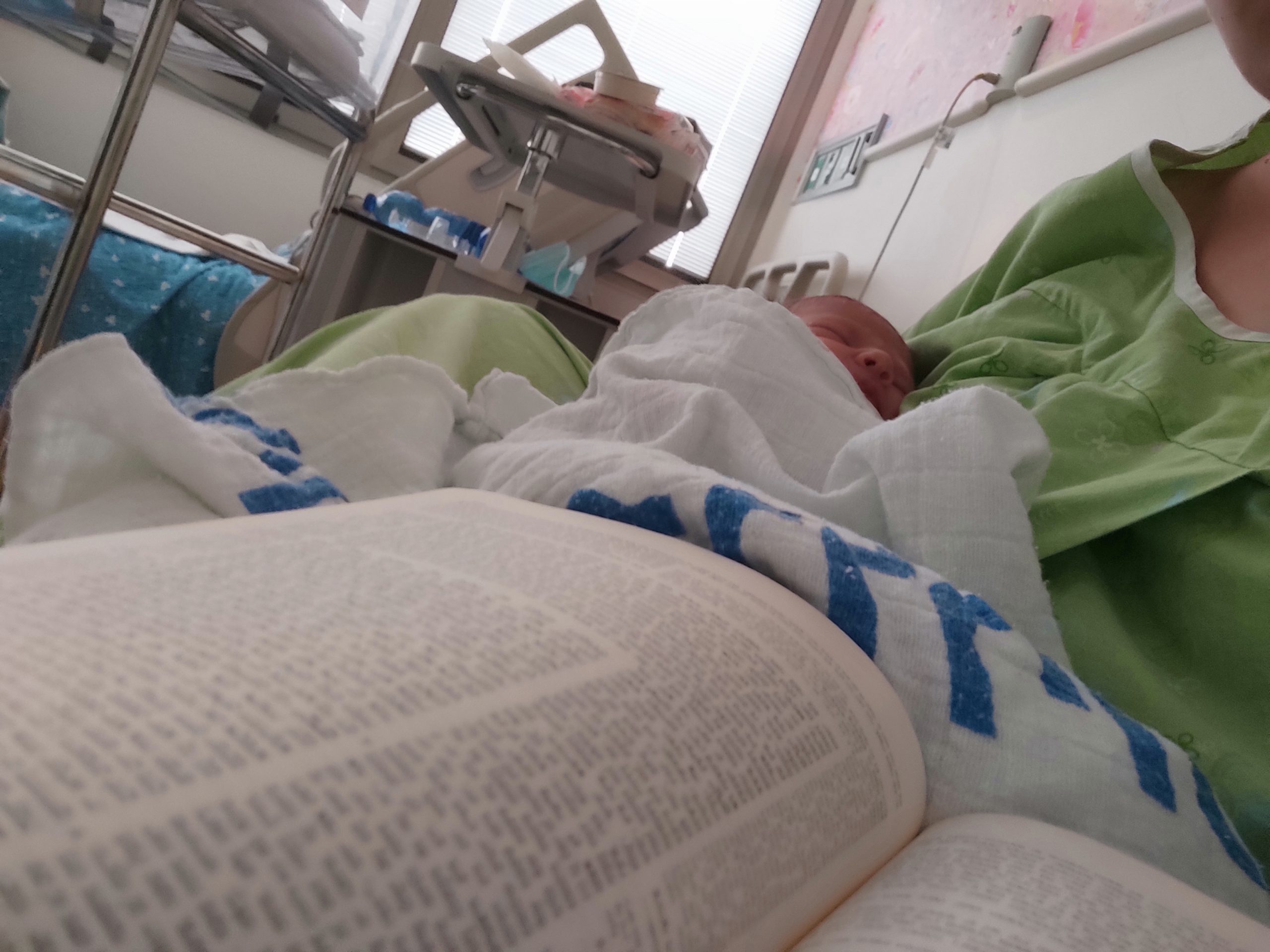
התחלתי בסיום הש”ס, יצאתי באורות. נשברתי פעמיים, ובשתיהם הרבנית מישל עודדה להמשיך איפה שכולם בסבב ולהשלים כשאוכל, וכך עשיתי וכיום השלמתי הכל. מדהים אותי שאני לומדת כל יום קצת, אפילו בחדר הלידה, בבידוד או בחו”ל. לאט לאט יותר נינוחה בסוגיות. לא כולם מבינים את הרצון, בפרט כפמניסטית. חשה סיפוק גדול להכיר את המושגים וצורת החשיבה. החלום זה להמשיך ולהתמיד ובמקביל ללמוד איך מהסוגיות נוצרה והתפתחה ההלכה.

Weingarten Sherrington Foundation
קרן וינגרטן שרינגטון

מודיעין, ישראל

. לא תמיד נהניתי מלימוד גמרא כילדה.,בל כהתבגרתי התחלתי לאהוב את זה שוב. התחלתי ללמוד מסכת סוטה בדף היומי לפני כחמש עשרה שנה ואז הפסקתי.הגעתי לסיום הגדול של הדרן לפני שנתיים וזה נתן לי השראה. והתחלתי ללמוד למשך כמה ימים ואז היתה לי פריצת דיסק והפסקתי…עד אלול השנה. אז התחלתי עם מסכת ביצה וב”ה אני מצליחה לעמוד בקצב. המשפחה מאוד תומכת בי ויש כמה שגם לומדים את זה במקביל. אני אוהבת שיש עוגן כל יום.

Rebecca Darshan
רבקה דרשן

בית שמש, ישראל

התחלתי להשתתף בשיעור נשים פעם בשבוע, תכננתי ללמוד רק דפים בודדים, לא האמנתי שאצליח יותר מכך.
לאט לאט נשאבתי פנימה לעולם הלימוד .משתדלת ללמוד כל בוקר ומתחילה את היום בתחושה של מלאות ומתוך התכווננות נכונה יותר.
הלימוד של הדף היומי ממלא אותי בתחושה של חיבור עמוק לעם היהודי ולכל הלומדים בעבר ובהווה.

Neely Hayon
נילי חיון

אפרת, ישראל

הצטרפתי ללומדות בתחילת מסכת תענית. ההתרגשות שלי ושל המשפחה היתה גדולה מאוד, והיא הולכת וגוברת עם כל סיום שאני זוכה לו. במשך שנים רבות רציתי להצטרף ומשום מה זה לא קרה… ב”ה מצאתי לפני מספר חודשים פרסום של הדרן, ומיד הצטרפתי והתאהבתי. הדף היומי שינה את חיי ממש והפך כל יום- ליום של תורה. מודה לכן מקרב ליבי ומאחלת לכולנו לימוד פורה מתוך אהבת התורה ולומדיה.

Noa Rosen
נעה רוזן

חיספין רמת הגולן, ישראל

לצערי גדלתי בדור שבו לימוד גמרא לנשים לא היה דבר שבשגרה ושנים שאני חולמת להשלים את הפער הזה.. עד שלפני מספר שבועות, כמעט במקרה, נתקלתי במודעת פרסומת הקוראת להצטרף ללימוד מסכת תענית. כשקראתי את המודעה הרגשתי שהיא כאילו נכתבה עבורי – "תמיד חלמת ללמוד גמרא ולא ידעת איך להתחיל”, "בואי להתנסות במסכת קצרה וקלה” (רק היה חסר שהמודעה תיפתח במילים "מיכי שלום”..). קפצתי למים ו- ב”ה אני בדרך להגשמת החלום:)

Micah Kadosh
מיכי קדוש

מורשת, ישראל

"התחלתי ללמוד דף יומי במחזור הזה, בח’ בטבת תש””ף. לקחתי על עצמי את הלימוד כדי ליצור תחום של התמדה יומיומית בחיים, והצטרפתי לקבוצת הלומדים בבית הכנסת בכפר אדומים. המשפחה והסביבה מתפעלים ותומכים.
בלימוד שלי אני מתפעלת בעיקר מכך שכדי ללמוד גמרא יש לדעת ולהכיר את כל הגמרא. זו מעין צבת בצבת עשויה שהיא עצומה בהיקפה.”

Sarah Fox
שרה פוּקס

כפר אדומים, ישראל

התחלתי ללמוד לפני 4.5 שנים, כשהודיה חברה שלי פתחה קבוצת ווטסאפ ללימוד דף יומי בתחילת מסכת סנהדרין. מאז לימוד הדף נכנס לתוך היום-יום שלי והפך לאחד ממגדירי הזהות שלי ממש.

Rosenberg Foundation
קרן רוזנברג

ירושלים, ישראל

אחי, שלומד דף יומי ממסכת ברכות, חיפש חברותא ללימוד מסכת ראש השנה והציע לי. החברותא היתה מאתגרת טכנית ורוב הזמן נעשתה דרך הטלפון, כך שבסיום המסכת נפרדו דרכינו. אחי חזר ללמוד לבד, אבל אני כבר נכבשתי בקסם הגמרא ושכנעתי את האיש שלי להצטרף אלי למסכת ביצה. מאז המשכנו הלאה, ועכשיו אנחנו מתרגשים לקראתו של סדר נשים!

Shulamit Saban
שולמית סבן

נוקדים, ישראל

התחלתי ללמוד דף יומי בתחילת מסכת ברכות, עוד לא ידעתי כלום. נחשפתי לסיום הש״ס, ובעצם להתחלה מחדש בתקשורת, הפתיע אותי לטובה שהיה מקום לעיסוק בתורה.
את המסכתות הראשונות למדתי, אבל לא סיימתי (חוץ מעירובין איכשהו). השנה כשהגעתי למדרשה, נכנסתי ללופ, ואני מצליחה להיות חלק, סיימתי עם החברותא שלי את כל המסכתות הקצרות, גם כשהיינו חולות קורונה ובבידודים, למדנו לבד, העיקר לא לצבור פער, ומחכות ליבמות 🙂

Eden Yeshuron
עדן ישורון

מזכרת בתיה, ישראל

התחלתי ללמוד דף לפני קצת יותר מ-5 שנים, כשלמדתי רבנות בישיבת מהר”ת בניו יורק. בדיעבד, עד אז, הייתי בלימוד הגמרא שלי כמו מישהו שאוסף חרוזים משרשרת שהתפזרה, פה משהו ושם משהו, ומאז נפתח עולם ומלואו…. הדף נותן לי לימוד בצורה מאורגנת, שיטתית, יום-יומית, ומלמד אותי לא רק ידע אלא את השפה ודרך החשיבה שלנו. לשמחתי, יש לי סביבה תומכת וההרגשה שלי היא כמו בציטוט שבחרתי: הדף משפיע לטובה על כל היום שלי.

Michal Kahana
מיכל כהנא

חיפה, ישראל

התחלתי ללמוד דף יומי כאשר קיבלתי במייל ממכון שטיינזלץ את הדפים הראשונים של מסכת ברכות במייל. קודם לא ידעתי איך לקרוא אותם עד שנתתי להם להדריך אותי. הסביבה שלי לא מודעת לעניין כי אני לא מדברת על כך בפומבי. למדתי מהדפים דברים חדשים, כמו הקשר בין המבנה של בית המקדש והמשכן לגופו של האדם (יומא מה, ע”א) והקשר שלו למשפט מפורסם שמופיע בספר ההינדי "בהגוד-גיתא”. מתברר שזה רעיון כלל עולמי ולא רק יהודי

Elena Arenburg
אלנה ארנבורג

נשר, ישראל

התחלתי מעט לפני תחילת הסבב הנוכחי. אני נהנית מהאתגר של להמשיך להתמיד, מרגעים של "אהה, מפה זה הגיע!” ומהאתגר האינטלקטואלי

Eilat-Chen and Deller
אילת-חן ודלר

לוד, ישראל

התחלתי כשהייתי בחופש, עם הפרסומים על תחילת המחזור, הסביבה קיבלה את זה כמשהו מתמיד ומשמעותי ובהערכה, הלימוד זה עוגן יציב ביום יום, יש שבועות יותר ויש שפחות אבל זה משהו שנמצא שם אמין ובעל משמעות בחיים שלי….

Adi Diamant
עדי דיאמנט

גמזו, ישראל

התחלתי בתחילת הסבב, והתמכרתי. זה נותן משמעות נוספת ליומיום ומאוד מחזק לתת לזה מקום בתוך כל שגרת הבית-עבודה השוטפת.

Reut Abrahami
רעות אברהמי

בית שמש, ישראל

התחלתי ללמוד דף יומי אחרי שחזרתי בתשובה ולמדתי במדרשה במגדל עוז. הלימוד טוב ומספק חומר למחשבה על נושאים הלכתיים ”קטנים” ועד לערכים גדולים ביהדות. חשוב לי להכיר את הגמרא לעומק. והצעד הקטן היום הוא ללמוד אותה בבקיאות, בעזרת השם, ומי יודע אולי גם אגיע לעיון בנושאים מעניינים. נושאים בגמרא מתחברים לחגים, לתפילה, ליחסים שבין אדם לחברו ולמקום ולשאר הדברים שמלווים באורח חיים דתי 🙂

Gaia Divo
גאיה דיבו

מצפה יריחו, ישראל

למדתי גמרא מכיתה ז- ט ב Maimonides School ואחרי העליה שלי בגיל 14 לימוד הגמרא, שלא היה כל כך מקובל בימים אלה, היה די ספוראדי. אחרי "ההתגלות” בבנייני האומה התחלתי ללמוד בעיקר בדרך הביתה למדתי מפוקקטסים שונים. לאט לאט ראיתי שאני תמיד חוזרת לרבנית מישל פרבר. באיזה שהוא שלב התחלתי ללמוד בזום בשעה 7:10 .
היום "אין מצב” שאני אתחיל את היום שלי ללא לימוד עם הרבנית מישל עם כוס הקפה שלי!!

selfie-scaled
דבי גביר

חשמונאים, ישראל

סנהדרין כה

״אֵימָתַי״ וּ״בַמֶּה״ אֵינוֹ אֶלָּא לְפָרֵשׁ דִּבְרֵי חֲכָמִים.

When does this halakha apply, or: In what case is this statement said, he intends only to explain the statement of the Rabbis, not to disagree with them?

רַבִּי יוֹחָנָן אָמַר: ״אֵימָתַי״ – לְפָרֵשׁ, וּ״בַמֶּה״ – לַחְלוֹק. וּדְכוּלֵּי עָלְמָא ״אֵימָתַי״ לְפָרֵשׁ הוּא.

Granted, Rabbi Yoḥanan disagrees with Rabbi Yehoshua ben Levi, and says that only the term: When does this halakha apply, indicates that Rabbi Yehuda intends to explain the previous statement of the Rabbis, but the term: In what case is this statement said, indicates that he intends to disagree. But according to everyone, the term when indicates that he intends to explain the previous statement. This is difficult according to Rami bar Ḥama.

גַּבְרָא אַגַּבְרָא קָא רָמֵית? מָר סָבַר: פְּלִיגִי, וּמָר סָבַר: לָא פְּלִיגִי.

The Gemara responds: Are you setting the statement of one man against the statement of another man? One Sage, Rami bar Ḥama, holds that Rabbi Yehuda and the Rabbis disagree even when Rabbi Yehuda employs the term: When does this halakha apply, and one Sage, Rabbi Yehoshua ben Levi, and similarly Rabbi Yoḥanan, holds that they do not disagree.

וְלָא פְּלִיגִי? וְהָתַנְיָא: בֵּין שֶׁיֵּשׁ לוֹ אוּמָּנוּת שֶׁלֹּא הוּא, בֵּין שֶׁאֵין לוֹ אוּמָּנוּת אֶלָּא הוּא – הֲרֵי זֶה פָּסוּל.

The Gemara asks: And do they not disagree? But isn’t it taught in a baraita: Whether a dice player has an occupation other than this one, or whether he does not have an occupation other than this one, he is disqualified from bearing witness? This baraita is in accordance with the opinion of Rami bar Ḥama.

הָהִיא רַבִּי יְהוּדָה מִשּׁוּם רַבִּי טַרְפוֹן הִיא, דְּתַנְיָא: רַבִּי יְהוּדָה אוֹמֵר מִשּׁוּם רַבִּי טַרְפוֹן, לְעוֹלָם אֵין אֶחָד מֵהֶן נָזִיר, לְפִי שֶׁלֹּא נִתְּנָה נְזִירוּת אֶלָּא לְהַפְלָאָה.

The Gemara answers: That baraita is not the opinion of the Rabbis in the mishna, but rather it is the opinion of Rabbi Yehuda in the name of Rabbi Tarfon. As it is taught in a baraita that Rabbi Yehuda says in the name of Rabbi Tarfon: In the case where two people quarreled and each of them declared that if the other is right he will become a nazirite, actually, neither of them becomes a nazirite, as naziriteship is determined only by explicitness. A vow of naziriteship does not take effect if the individual does not vow clearly and with certitude. Here too, Rabbi Tarfon maintains that one who bets on games played with dice is considered a thief, as one can acquire the money of another legally only if the latter gives it to him with certain and conclusive intent. Since one who plays dice is not certain that he will have to pay the other player, as he considers it likely that he will win, the transaction is an asmakhta and is legally invalid.

מַלְוֶה בְּרִבִּית. אָמַר רָבָא: לָוָה בְּרִבִּית – פָּסוּל לְעֵדוּת. וְהָאֲנַן תְּנַן: מַלְוֶה בְּרִבִּית? מִלְוָה הַבָּאָה בְּרִבִּית.

§ The mishna teaches that one who lends money with interest is disqualified from bearing witness. Rava says: One who borrows money with interest is disqualified from bearing witness. The Gemara asks: But didn’t we learn in the mishna that specifically one who lends money with interest is disqualified? The Gemara answers: The reference in the mishna is to a loan that comes with interest, and is teaching that all those who participate in the loan are disqualified.

בַּר בִּינִיתּוֹס אַסְהִידוּ בֵּיהּ תְּרֵי סָהֲדֵי. חַד אָמַר: קַמֵּי דִּידִי אוֹזֵיף בְּרִיבִּיתָא, וְחַד אָמַר: לְדִידִי אוֹזְפַן בְּרִיבִּיתָא. פַּסְלֵיהּ רָבָא לְבַר בִּינִיתּוֹס.

The Gemara recounts: Two witnesses testified about bar Binittos. One said: He lent money with interest in my presence, and the other one said: He lent me money with interest. Rava rendered bar Binittos disqualified from bearing witness and from serving as a judge.

וְהָא רָבָא הוּא דְּאָמַר: לָוָה בְּרִבִּית פָּסוּל לְעֵדוּת, וְהָוֵה לֵיהּ רָשָׁע, וְהַתּוֹרָה אָמְרָה: ״אַל תָּשֶׁת רָשָׁע עֵד״.

The Gemara asks: But isn’t Rava the one who said that one who borrows money with interest is disqualified from bearing witness? And accordingly the latter witness is considered a wicked man, as by his own account he borrowed money with interest from bar Binittos, and the Torah states: Do not place a wicked man as a witness (see Exodus 23:1). Consequently, the testimony of that witness cannot be accepted, and bar Binittos should not have been disqualified.

רָבָא לְטַעְמֵיהּ, דְּאָמַר רָבָא: אָדָם קָרוֹב אֵצֶל עַצְמוֹ, וְאֵין אָדָם מֵשִׂים עַצְמוֹ רָשָׁע.

The Gemara answers: Rava conforms to his standard line of reasoning, as Rava says: A person is his own relative and a person cannot make himself wicked. Consequently, the part of the testimony that relates to the witness’s own status is not accepted, while the part that relates to bar Binittos is accepted.

הָהוּא טַבָּחָא דְּאִישְׁתְּכַח דִּנְפַקָא טְרֵיפְתָּא מִתּוּתֵי יְדֵיהּ, פַּסְלֵיהּ רַב נַחְמָן וְעַבְּרֵיהּ. אֲזַל רַבִּי מַזְיֵהּ וְטוּפְרֵיהּ. סְבַר רַב נַחְמָן לְאַכְשׁוֹרֵיהּ.

There was a certain slaughterer about whom it was discovered that a tereifa, an animal with a wound that would have caused it to die within twelve months, emerged from his possession. In other words, he sold tereifa meat without informing the customers of its status. Rav Naḥman disqualified him from bearing witness and removed him from his position as a slaughterer. The slaughterer subsequently went and grew his fingernails and his hair out of remorse over his actions. Rav Naḥman thought to deem him fit again for bearing witness, as he clearly repented, and once someone repents for his sin, his status as a valid witness is restored.

אֲמַר לֵיהּ רָבָא: דִּילְמָא אִיעָרוֹמֵי קָא מַעֲרֵים?

Rava said to Rav Naḥman: Perhaps he is employing artifice, pretending to repent in order to be reinstated as a slaughterer.

אֶלָּא מַאי תַּקַּנְתֵּיהּ? כִּדְרַב אִידִי בַּר אָבִין, דְּאָמַר רַב אִידִי בַּר אָבִין: הֶחָשׁוּד עַל הַטְּרֵיפוֹת אֵין לוֹ תַּקָּנָה עַד שֶׁיֵּלֵךְ לְמָקוֹם שֶׁאֵין מַכִּירִין אוֹתוֹ וְיַחְזִיר אֲבֵידָה בְּדָבָר חָשׁוּב, אוֹ שֶׁיּוֹצִיא טְרֵיפָה מִתַּחַת יָדוֹ בְּדָבָר חָשׁוּב מִשֶּׁלּוֹ.

Rather, what is his remedy? It is in accordance with the statement of Rav Idi bar Avin; as Rav Idi bar Avin says: One who is suspected of selling tereifot to others has no remedy to restore his fitness to bear witness until he goes to a locale where they do not recognize him and returns a lost item of substantial value that he finds, or removes his own tereifa meat of significant value from his possession. These actions demonstrate that he has repented, as he is willing to lose money for a mitzva. By contrast, if he does so in a place where he is recognized his fitness in not reinstated based on these actions, as perhaps he performed them only in order to be reinstated.

וּמַפְרִיחֵי יוֹנִים, מַאי מַפְרִיחֵי יוֹנִים? הָכָא תַּרְגִּימוּ: ״אִי תִּקְדְּמֵיהּ יוֹנָךְ לְיוֹן״. רַבִּי חָמָא בַּר אוֹשַׁעְיָא אָמַר: ״אָרָא״.

§ Among the list of those who are disqualified from bearing witness the mishna teaches: And those who fly pigeons. The Gemara asks: What is meant by: Those who fly pigeons? Here, in Babylonia, the Sages explained that these are people who gamble on pigeon races, i.e., one says to another: If your pigeon reaches a certain destination before my pigeon I will give you such and such an amount of money. Rabbi Ḥama bar Oshaya says: It is referring to an ara, i.e., one who trains his pigeons to bring him pigeons from the property of others.

מַאן דְּאָמַר: ״אִי תִּקְדְּמֵיהּ יוֹנָךְ לְיוֹן״, מַאי טַעְמָא לָא אָמַר ״אָרָא״?

The Gemara asks: With regard to the one who says that it is referring to those who say: If your pigeon reaches a certain destination before my pigeon I will give you such and such an amount of money, what is the reason that he does not say that it is referring to an ara?

אָמַר לָךְ: ״אָרָא״ – מִפְּנֵי דַּרְכֵי שָׁלוֹם בְּעָלְמָא.

The Gemara answers: He could say to you that an ara is not considered a robber, as the pigeons that he has his pigeons bring do not actually belong to those from whom he takes them. Rather, they dwell on the property of these individuals, and it is prohibited to take them merely due to the ways of peace.

וּמַאן דְּאָמַר ״אָרָא״, מַאי טַעְמָא לָא אָמַר: ״אִי תִּקְדְּמֵיהּ יוֹנָךְ לְיוֹן״? אָמַר לָךְ: הַיְינוּ מְשַׂחֵק בְּקוּבְיָא.

The Gemara asks: And with regard to the one who says that the mishna is referring to an ara, what is the reason that he does not say that it is referring to one who says: If your pigeon reaches a certain destination before my pigeon I will give you such and such an amount of money? The Gemara answers: He could say to you that this individual is the same as one who plays with dice; they both gamble on games of chance. This type of disqualification is already listed in the mishna.

וְאִידַּךְ?

The Gemara asks: And how would the other Sage, who maintains that the expression: Those who fly pigeons, is referring to those who gamble on racing their pigeons, respond to this claim?

תְּנָא תּוֹלֶה בְּדַעַת עַצְמוֹ, וּתְנָא תּוֹלֶה בְּדַעַת יוֹנוֹ.

The Gemara answers that it is necessary for the mishna to teach that both types of gamblers are disqualified. The mishna taught that one who bets on dice, making it dependent on his own decision, as he believes he has a method by which he will win, is disqualified, and the mishna taught that one who bets on pigeon races, making it dependent on the decision of his pigeon, is also disqualified.

וּצְרִיכָא, דְּאִי תְּנָא תּוֹלֶה בְּדַעַת עַצְמוֹ – הָתָם הוּא דְּלָא גָּמַר וּמַקְנֵי, דְּאָמַר:

The Gemara explains: And both are necessary. As had the mishna taught this halakha only with regard to one who bets on dice, making it dependent on his own decision, one might reason that it is specifically there that a gambler is considered a thief. The reason for this is that he presumably does not resolve to transfer the money if he loses; as he says to himself:

קִים לִי בְּנַפְשַׁאי דְּיָדַעְנָא טְפֵי. אֲבָל תּוֹלֶה בְּדַעַת יוֹנוֹ – אֵימָא לָא.

I am certain of myself that I know better than my competitor how to win. But with regard to one who makes it dependent on the decision of his pigeon, say that he is not disqualified from bearing witness, as he is aware that he cannot guarantee the results and therefore resolves to transfer the money if he loses.

וְאִי תְּנָא תּוֹלֶה בְּדַעַת יוֹנוֹ, דְּאָמַר: בְּנַקָּשָׁא תַּלְיָא מִילְּתָא, וַאֲנָא יָדַעְנָא לְנַקּוֹשֵׁי טְפֵי. אֲבָל תּוֹלֶה בְּדַעַת עַצְמוֹ – אֵימָא לָא. צְרִיכָא.

And conversely, had the mishna taught this halakha only with regard to one who makes it dependent on the decision of his pigeon, one might assume that only this type of gambler is disqualified, as he presumably says: The matter, i.e., the race, is determined by knocking on trees and other objects to speed up the pigeons, and I know how to knock better than my opponent. Therefore, he does not resolve to transfer the money if he loses. But with regard to one who makes it dependent on his own decision, say that he is not disqualified from bearing witness, as the roll of the dice is pure chance. Therefore, it is necessary for the mishna to teach both cases.

מֵיתִיבִי: הַמְשַׂחֵק בְּקוּבְיָא – אֵלּוּ הֵן הַמְשַׂחֲקִים בִּפְסֵיפָסִים. וְלֹא בִּפְסֵיפָסִים בִּלְבַד אָמְרוּ, אֶלָּא אֲפִילּוּ קְלִיפֵּי אֱגוֹזִים וּקְלִיפֵּי רִימּוֹנִים.

The Gemara raises an objection to the opinion that the expression: Those who fly pigeons, refers to an ara, from a baraita: With regard to the expression one who plays with dice, these are ones who play with pispasim, which are dice of marble or other types of stone. But the Sages did not mean to say that only one who plays with pispasim is disqualified from bearing witness, but rather even one who plays with nutshells or pomegranate shells is disqualified.

וְאֵימָתַי חֲזָרָתָן? מִשֶּׁיְּשַׁבְּרוּ אֶת פְּסֵיפָסֵיהֶן וְיַחְזְרוּ בָּהֶן חֲזָרָה גְּמוּרָה, דַּאֲפִילּוּ בְּחִנָּם לָא עָבְדִי.

And when is their repentance accepted, so that they may resume being fit to bear witness? Once they break their pispasim and repent of them completely, abandoning this occupation entirely, where they do not do this even for nothing, i.e., they do not play even without betting.

מַלְוֶה בְּרִיבִּית: אֶחָד הַמַּלְוֶה וְאֶחָד הַלֹּוֶה. וְאֵימָתַי חֲזָרָתָן? מִשֶּׁיְּקָרְעוּ אֶת שְׁטָרֵיהֶן, וְיַחְזְרוּ בָּהֶן חֲזָרָה גְּמוּרָה, דַּאֲפִילּוּ לְגוֹי לָא מוֹזְפִי.

The baraita continues: The expression: One who lends with interest, is referring to both the lender and the borrower. Both are disqualified. And when is their repentance accepted? Once they tear their promissory notes and repent of them completely, abandoning this occupation entirely, where they do not lend with interest even to a gentile.

וּמַפְרִיחֵי יוֹנִים – אֵלּוּ שֶׁמַּמְרִין אֶת הַיּוֹנִים. וְלֹא יוֹנִים בִּלְבַד אָמְרוּ, אֶלָּא אֲפִילּוּ בְּהֵמָה חַיָּה וָעוֹף. וְאֵימָתַי חֲזָרָתָן? מִשֶּׁיְּשַׁבְּרוּ אֶת פְּגָמֵיהֶן, וְיַחְזְרוּ בָּהֶן חֲזָרָה גְּמוּרָה, דַּאֲפִילּוּ בַּמִּדְבָּר נָמֵי לָא עָבְדִי.

The expression: And those who fly pigeons, is referring to those who induce the pigeons to behave in this manner, i.e., they train them. And the Sages did not mean to say that only those who fly pigeons are disqualified; rather, even those who do this with a domesticated animal, an undomesticated animal, or any type of bird are disqualified. And when is their repentance accepted? Once they break their fixtures [pigmeihen] upon which they stand the competing animals, and repent completely, abandoning this occupation entirely, where they do not do this even in the wilderness, where there is no one from whom to steal.

סוֹחֲרֵי שְׁבִיעִית – אֵלּוּ שֶׁנּוֹשְׂאִין וְנוֹתְנִין בְּפֵירוֹת שְׁבִיעִית. וְאֵימָתַי חֲזָרָתָן? מִשֶּׁתַּגִּיעַ שְׁבִיעִית אַחֶרֶת וְיִבָּדְלוּ.

The expression: Merchants who trade in the produce of the Sabbatical Year, is referring to those who do business with the produce of the Sabbatical Year. And when is their repentance accepted? Once another Sabbatical Year occurs and they refrain from selling its produce or from assuming ownership of such produce.

וְאָמַר רַבִּי נְחֶמְיָה: לֹא חֲזָרַת דְּבָרִים בִּלְבַד אָמְרוּ, אֶלָּא חֲזָרַת מָמוֹן. כֵּיצַד? אוֹמֵר: אֲנִי פְּלוֹנִי בַּר פְּלוֹנִי, כִּינַּסְתִּי מָאתַיִם זוּז בְּפֵירוֹת שְׁבִיעִית, וַהֲרֵי הֵן נְתוּנִין בְּמַתָּנָה לַעֲנִיִּים.

The baraita continues: And Rabbi Neḥemya said: The Sages did not say that verbal repentance alone is sufficient for a merchant who traded in the produce of the Sabbatical Year to be reinstated as a valid witness; rather, returning the money is also necessary. How can one return the money he gained from selling produce of the Sabbatical Year? He says: I, so-and-so the son of so-and-so, gathered, i.e., profited, two hundred dinars from trading in the produce of the Sabbatical Year, and as I gained it improperly, this sum is hereby given as a gift to the poor.

קָתָנֵי מִיהַת: בְּהֵמָה. בִּשְׁלָמָא לְמַאן דְּאָמַר ״אִי תִּקְדְּמֵיהּ יוֹנָךְ לְיוֹן״, הַיְינוּ דְּמַשְׁכַּחַתְּ לַהּ בְּהֵמָה. אֶלָּא לְמַאן דְּאָמַר ״אָרָא״, בְּהֵמָה בַּת הָכִי הִיא?

The Gemara explains the objection: In any event, it is taught in the baraita that the status of one who flies pigeons applies to one who uses a domesticated animal in the same manner. Granted, according to the one who says that the term: One who flies pigeons, is referring to those who race pigeons, saying: If your pigeon reaches a certain destination before my pigeon I will give you such and such an amount of money, this is how you find a parallel case of one who races a domesticated animal against another animal. But according to the one who says that the term pigeon flyer means an ara, is a domesticated animal capable of luring other domesticated animals?

אִין, בְּשׁוֹר הַבָּר, וּכְמַאן דְּאָמַר שׁוֹר הַבָּר מִין בְּהֵמָה הוּא, דִּתְנַן: שׁוֹר הַבָּר מִין בְּהֵמָה הוּא. רַבִּי יוֹסֵי אוֹמֵר: מִין חַיָּה.

The Gemara answers: Yes, the baraita states this with regard to the wild ox, which can be lured away from its owner’s property because it is not a completely domesticated animal. And the baraita states this according to the one who says that the wild ox is a species of domesticated animal, as we learned in a mishna (Kilayim 8:6): The wild ox is a species of domesticated animal. But Rabbi Yosei says: It is a species of undomesticated animal.

תָּנָא: הוֹסִיפוּ עֲלֵיהֶן הַגַּזְלָנִין וְהַחַמְסָנִין.

§ It was taught in a baraita: The Sages added the robbers and those who force transactions, i.e., who compel others to sell to them, to the list of those who are disqualified from bearing witness.

גַּזְלָן? דְּאוֹרָיְיתָא הוּא! לֹא נִצְרְכָא אֶלָּא לִמְצִיאַת חֵרֵשׁ, שׁוֹטֶה, וְקָטָן.

The Gemara asks: A robber is disqualified by Torah law; why is it necessary for the Sages to add such an individual to the list? The Gemara answers: It is necessary only to add one who steals an item found by a deaf-mute, an imbecile, or a minor, who acquire those items by rabbinic law only (see Gittin 59b). Since these people are not considered halakhically competent, by Torah law they do not acquire an item that they find, and consequently one who steals such an item from them is not in violation of a prohibition by Torah law.

מֵעִיקָּרָא סְבוּר: מְצִיאַת חֵרֵשׁ, שׁוֹטֶה, וְקָטָן לָא שְׁכִיחָא. אִי נָמֵי, מִפְּנֵי דַּרְכֵי שָׁלוֹם בְּעָלְמָא. כֵּיוָן דַּחֲזוֹ דְּסוֹף סוֹף מָמוֹנָא הוּא דְּקָא שָׁקְלִי, פַּסְלִינְהוּ רַבָּנַן.

One possibility is that taking such an item is prohibited by rabbinic law because it constitutes robbery. Nevertheless, initially the Sages did not disqualify such an individual from bearing witness, as they assumed that the case of an item found by a deaf-mute, an imbecile, or a minor is uncommon. Therefore, it was not deemed necessary to disqualify one who robs them of such an item. Alternatively, the Sages may have reasoned that taking such an item is prohibited merely on account of the ways of peace, i.e., to foster peace and prevent strife and controversy, and is not considered actual robbery. When they realized that ultimately these people were taking property from others and were likely to perform actual robbery, the Sages disqualified them.

הַחַמְסָנִין, מֵעִיקָּרָא סְבוּר דְּמֵי קָא יָהֵיב (אַקְרַאי בְּעָלְמָא הוּא). כֵּיוָן דַּחֲזוֹ דְּקָא חָטְפִי, גְּזַרוּ בְּהוּ רַבָּנַן.

Similarly, with regard to those who force transactions, initially the Sages did not disqualify them, as they assumed that their behavior could be excused for two reasons: They would pay money for the items they took, and their forcing transactions was merely occasional; it was not a common practice. When they realized that these people were snatching items regularly, the Sages issued a decree that they are disqualified from bearing witness.

תָּנָא: עוֹד הוֹסִיפוּ עֲלֵיהֶן הָרוֹעִים, הַגַּבָּאִין, וְהַמּוֹכְסִין.

§ It is taught in a baraita: The Sages further added the following to the list of those disqualified from bearing witness: The shepherds, who shepherd their animals in the fields of others and are therefore considered like robbers; the collectors of government taxes, who collect more than the amount that people are legally liable to pay; and the customs officials, who collect customs in an illegal manner.

רוֹעִים, מֵעִיקָּרָא סְבוּר אַקְרַאי בְּעָלְמָא הוּא. כֵּיוָן דַּחֲזוֹ דְּקָא מְכַוְּונִי וְשָׁדוּ לְכַתְּחִילָּה, גְּזַרוּ בְּהוּ רַבָּנַן. הַגַּבָּאִין וְהַמּוֹכְסִין, מֵעִיקָּרָא סְבוּר מַאי דְּקִיץ לְהוּ קָא שָׁקְלִי. כֵּיוָן דַּחֲזוֹ דְּקָא שָׁקְלִי יַתִּירָא, פַּסְלִינְהוּ.

The Gemara explains: Shepherds were not disqualified at first, as the Sages initially assumed it was merely incidental that they would let their animals graze in the fields of others. When they realized that they would intentionally send the animals to the fields of others from the outset, the Sages issued a decree that they are disqualified from bearing witness. The collectors of taxes and the customs officials were not disqualified at first, as the Sages initially assumed they would take the set amount they were instructed to take. When they realized that these officials were taking more than that, they disqualified them.

אָמַר רָבָא: רוֹעֶה שֶׁאָמְרוּ, אֶחָד רוֹעֵה בְּהֵמָה דַּקָּה וְאֶחָד רוֹעֵה בְּהֵמָה גַּסָּה.

Rava says: The shepherd that the Sages said is disqualified from bearing witness is referring to both a shepherd of small livestock and a herder of large livestock.

וּמִי אָמַר רָבָא הָכִי? וְהָאָמַר רָבָא: רוֹעֵה בְּהֵמָה דַּקָּה בְּאֶרֶץ יִשְׂרָאֵל – פְּסוּלִין, בְּחוּצָה לָאָרֶץ – כְּשֵׁרִין. רוֹעֵה בְּהֵמָה גַּסָּה, אֲפִילּוּ בְּאֶרֶץ יִשְׂרָאֵל – כְּשֵׁרִין. הָהוּא בִּמְגַדְּלִים אִיתְּמַר.

The Gemara asks: And does Rava say this? But doesn’t Rava say: Shepherds of small livestock in Eretz Yisrael are disqualified from bearing witness, as besides grazing in others’ fields they also ruin the land? Outside of Eretz Yisrael they are fit to bear witness. By contrast, herders of large livestock, even in Eretz Yisrael, are fit to bear witness. The Gemara answers: That was stated with regard to those who raise their animals on their own land, without herding them on land in the public domain.

הָכִי נָמֵי מִסְתַּבְּרָא, מִדְּקָתָנֵי: נֶאֱמָנִין עָלַי שְׁלֹשָׁה רוֹעֵי בָקָר. מַאי לָאו, לְעֵדוּת?

The Gemara suggests a proof for Rava’s opinion that a herder of large livestock is also disqualified: This too stands to reason, from the fact that the mishna (24a) teaches that a litigant may state: Three cattle herders are trusted for me in court; by inference, cattle herders are generally disqualified. What, is it not with regard to bearing witness that cattle herders are disqualified, in accordance with Rava’s statement?

לָא, לְדִינָא. דַּיְקָא נָמֵי, דְּקָתָנֵי: שְׁלֹשָׁה רוֹעֵי בָקָר. וְאִי לְעֵדוּת, שְׁלֹשָׁה לְמָה לִי?

The Gemara rejects this proof: No, it is with regard to sitting in judgment. The Gemara comments: The language of the mishna is also precise according to this interpretation, as it teaches: Three cattle herders are trusted for me. And if it is with regard to bearing witness, why do I need three witnesses? Two are enough.

וְאֶלָּא מַאי, לְדִינָא? מַאי אִירְיָא שְׁלֹשָׁה רוֹעֵי בָקָר? כֹּל בֵּי תְלָתָא דְּלָא גְּמִרִי דִּינָא נָמֵי!

The Gemara asks: But rather, with regard to what are cattle herders disqualified? If it is with regard to sitting in judgment, why does the mishna mention specifically three cattle herders? Any three people who did not study halakha are also disqualified from serving as a court.

הָכִי קָאָמַר: אֲפִילּוּ הָנֵי דְּלָא שְׁכִיחִי בַּיִּישּׁוּב.

The Gemara answers: This is what the mishna is saying: The litigants can accept as judges even those cattle herders who dwell in the fields and do not frequent the settled area, and are therefore not proficient in the ways of business.

אָמַר רַב יְהוּדָה: סְתָם רוֹעֶה – פָּסוּל, סְתָם גַּבַּאי – כָּשֵׁר.

Rav Yehuda says: An ordinary shepherd is disqualified from bearing witness unless the court recognizes him as one who does not let his animals graze in the fields of others. An ordinary tax collector is fit unless the court determines he is one who collects more than people are obligated to pay.

אֲבוּהּ דְּרַבִּי זֵירָא עֲבַד גַּבְיוּתָא תְּלֵיסַר שְׁנִין. כִּי הֲוָה אָתֵי רֵישׁ נַהֲרָא לְמָתָא, כִּי הֲוָה חָזֵי רַבָּנַן אֲמַר לְהוּ: ״לֵךְ עַמִּי בֹּא בַחֲדָרֶיךָ״. כִּי הֲוָה חָזֵי אִינָשֵׁי דְּמָתָא אָמַר: רֵישׁ נַהֲרָא אֲתָא לְמָתָא, וְהָאִידָּנָא נָכֵיס אַבָּא לְפוּם בְּרָא וּבְרָא לְפוּם אַבָּא,

The Gemara relates a story about a tax collector: The father of Rabbi Zeira collected taxes for thirteen years. When the head tax collector of the river region would come to the city, Rabbi Zeira’s father would prepare the residents ahead of time. When he would see the rabbis, he would say to them as a hint: “Come, my people, enter into your chambers, and shut your doors behind you; hide yourself for a little moment until the indignation has passed” (Isaiah 26:20). He said this so that the head tax collector would not see the rabbis, and it would be possible to lower the taxes of the city. When he would see the ordinary people of the city, he would say to them: Beware, as the head tax collector of the river region is coming to the city, and will now slaughter the father, i.e., take one’s money, before the son, and the son before the father.

רוצה לעקוב אחרי התכנים ולהמשיך ללמוד?

ביצירת חשבון עוד היום ניתן לעקוב אחרי ההתקדמות שלך, לסמן מה למדת, ולעקוב אחרי השיעורים שמעניינים אותך.
לנקות את כל הפריטים מהרשימה?

פעולה זו תסיר את כל הפריטים בחלק זה כולל ההתקדמות וההיסטוריה. שימי לב: לא ניתן לשחזר פעולה זו.

ביטול
מחיקה

האם את/ה בטוח/ה שברצונך למחוק פריט זה?

תאבד/י את כל ההתקדמות או ההיסטוריה הקשורות לפריט זה.

ביטול
מחיקה