חיפוש

סנהדרין מ

רוצה להקדיש שיעור?

podcast placeholder

0:00
0:00


תקציר

הדף היום מוקדש ע”י חוי כהנא והשי קופמן לע”נ אביהם, ישראל בן יהושע השל.

הדף היום מוקדש לכבוד לירי, נעמה, קרינה ודניאלה ששוחררו אתמול לאחר 477 ימים בשבי. אומץ ליבם מהווה מודל לכולנו! אנו מתפללים לשובם המהיר של שאר החטופים.

כמה שאלות יסוד, חקירות, נשאלים העדים? מהן? אילו שאלות אחרות נשאלות במקרים ספציפיים, כמו עבודה זרה או רצח? מה ההבדל בין חקירות לבדיקות?

מהיכן נגזר מספר החקירות (7)?

מה נקדות המחלוקת בין רבי יוסי לחכמים – האם צריך שבע חקירות או רק שלוש?

מניין לומדים דין התראה מהתורה?


סנהדרין מ

מַתְנִי׳ הָיוּ בּוֹדְקִין אוֹתָן בְּשֶׁבַע חֲקִירוֹת: בְּאֵיזוֹ שָׁבוּעַ, בְּאֵיזוֹ שָׁנָה, בְּאֵיזוֹ חוֹדֶשׁ, בְּכַמָּה בַּחֹדֶשׁ, בְּאֵיזֶה יוֹם, בְּאֵיזוֹ שָׁעָה, בְּאֵיזֶה מְקוֹם. רַבִּי יוֹסֵי אוֹמֵר: בְּאֵיזֶה יוֹם, בְּאֵיזוֹ שָׁעָה, בְּאֵיזֶה מָקוֹם.

MISHNA: The court would examine the witnesses in capital cases with seven interrogations, i.e., interrogatory questions, and they are: In which seven-year period, that is, in which cycle of seven years within a jubilee did the event occur; in which year of the Sabbatical cycle did the event occur; in which month did the event occur; on which day of the month did the event occur; on which day of the week did the event occur; at which hour did the event occur; and in what place did the event occur. Rabbi Yosei says: The court would examine the witnesses with only three interrogations: On which day did the event occur, at which hour, and in what place.

מַכִּירִין אַתֶּם אוֹתוֹ? הִתְרֵתֶם בּוֹ? הָעוֹבֵד עֲבוֹדָה זָרָה: אֶת מִי עָבַד, וּבַמֶּה עָבַד?

They would also ask: Do you recognize him as the man who committed the transgression? Did you warn him? They would then ask the witnesses about the particulars of the incident. For example, in the case of one who is an accused idol worshipper, they ask the witnesses: Whom, i.e., which idol, did he worship, and in what manner did he worship it, and so on.

כָּל הַמַּרְבֶּה בִּבְדִיקוֹת – הֲרֵי זֶה מְשׁוּבָּח. מַעֲשֶׂה וּבָדַק בֶּן זַכַּאי בְּעוּקְצֵי תְּאֵנִים.

With regard to all judges who increase the number of examinations, i.e., who add questions about the details of the event, this is praiseworthy, as this may clarify that the witnesses are lying. An incident occurred and ben Zakkai examined the witnesses by questioning them about the color and shape of the stems of figs in order to unearth a contradiction between the witnesses.

מָה בֵּין חֲקִירוֹת לִבְדִיקוֹת? חֲקִירוֹת – אֶחָד אוֹמֵר ״אֵינִי יוֹדֵעַ״, עֵדוּתָן בְּטֵילָה. בְּדִיקוֹת – אֶחָד אוֹמֵר ״אֵינִי יוֹדֵעַ״, וַאֲפִילּוּ שְׁנַיִם אוֹמְרִים ״אֵין אָנוּ יוֹדְעִין״, עֵדוּתָן קַיֶּימֶת. אֶחָד חֲקִירוֹת וְאֶחָד בְּדִיקוֹת, בִּזְמַן שֶׁמַּכְחִישִׁין זֶה אֶת זֶה – עֵדוּתָן בְּטֵילָה.

The mishna explains: What is the difference between interrogations and examinations? With regard to interrogations, if one of the witnesses says: I do not know the answer, their testimony is void immediately. With regard to examinations, if one says: I do not know the answer, and even if two say: We do not know the answer, their testimony still stands. Both with regard to interrogations and examinations, at a time when the witnesses contradict one another, their testimony is void.

אֶחָד אוֹמֵר: ״בִּשְׁנַיִם בְּחֹדֶשׁ״, וְאֶחָד אוֹמֵר: ״בִּשְׁלֹשָׁה בַּחֹדֶשׁ״ – עֵדוּתָן קַיֶּימֶת, שֶׁזֶּה יוֹדֵעַ בְּעִיבּוּרוֹ שֶׁל חֹדֶשׁ, וְזֶה אֵינוֹ יוֹדֵעַ בְּעִיבּוּרוֹ שֶׁל חֹדֶשׁ.

The mishna clarifies: If one witness says the event occurred on the second of the month, and one witness says that the event occurred on the third of the month, this is not regarded as a contradiction and their testimony stands, since it is possible to say that this witness knows of the addition of a day to the previous month, and according to his tally the event occurred on the second of the month, and that witness does not know of the addition of a day to the previous month, and according to his tally the event occurred on the third of the month. Their testimony is not considered incongruent.

אֶחָד אוֹמֵר: ״בִּשְׁלֹשָׁה״, וְאֶחָד אוֹמֵר ״בַּחֲמִשָּׁה״ – עֵדוּתָן בְּטֵילָה.

By contrast, if this witness says the event occurred on the third of the month and one witness says the event occurred on the fifth of the month, their testimony is void, as this disparity cannot be attributed to a mere error. Therefore, their testimony is not congruent.

אֶחָד אוֹמֵר: ״בִּשְׁתֵּי שָׁעוֹת״, וְאֶחָד אוֹמֵר: ״בְּשָׁלֹשׁ שָׁעוֹת״ – עֵדוּתָן קַיֶּימֶת. אֶחָד אוֹמֵר: ״בְּשָׁלֹשׁ״, וְאֶחָד אוֹמֵר: ״בְּחָמֵשׁ״ – עֵדוּתָן בְּטֵילָה.

Similarly, if one witness says that the event occurred at two hours, i.e., the second hour of the day from sunrise, and one witness says that the event occurred at three hours, their testimony stands, as one could reasonably err this amount in estimating the hour of the day. By contrast, if one says that the event occurred at three hours, and one says that the event occurred at five hours, their testimony is void.

רַבִּי יְהוּדָה אוֹמֵר: קַיֶּימֶת. אֶחָד אוֹמֵר ״בְּחָמֵשׁ״, וְאֶחָד אוֹמֵר ״בְּשֶׁבַע״ – עֵדוּתָן בְּטֵילָה, שֶׁבְּחָמֵשׁ חַמָּה בַּמִּזְרָח וּבְשֶׁבַע חַמָּה בַּמַּעֲרָב.

Rabbi Yehuda says: Also in this case their testimony stands, as one could reasonably err concerning even this length of time. Rabbi Yehuda adds: But if one says that the event occurred at five hours, and one says that the event occurred at seven hours, their testimony is void. Here the difference is recognizable to all, since at five hours the sun is in the east and at seven the sun is in the west, and one could not err concerning this. Therefore, their testimony is not congruent.

וְאַחַר כָּךְ מַכְנִיסִין אֶת הַשֵּׁנִי וּבוֹדְקִין אוֹתוֹ. אִם נִמְצְאוּ דִּבְרֵיהֶם מְכֻוָּונִים, פּוֹתְחִין בִּזְכוּת. אָמַר אֶחָד מִן הָעֵדִים: ״יֵשׁ לִי לְלַמֵּד עָלָיו זְכוּת״, אוֹ אֶחָד מִן הַתַּלְמִידִים: ״יֵשׁ לִי לְלַמֵּד עָלָיו חוֹבָה״ – מְשַׁתְּקִין אוֹתוֹ. אָמַר אֶחָד מִן הַתַּלְמִידִים: ״יֵשׁ לִי לְלַמֵּד עָלָיו זְכוּת״ – מַעֲלִין אוֹתוֹ וּמוֹשִׁיבִין אוֹתוֹ בֵּינֵיהֶם, וְלֹא הָיָה יוֹרֵד מִשָּׁם כׇּל הַיּוֹם כּוּלּוֹ.

The mishna continues: And afterward, after the court examines the first witness, they bring in the second witness and examine him. If the statements of the witnesses are found to be congruent, the court begins to deliberate the matter. They open the deliberations with an appeal to anyone who can find a reason to acquit the accused. If one of the witnesses said: I can teach a reason to acquit him, or if one of the students sitting before the judges said: I can teach a reason to deem him liable, the judges silence him, i.e., both the witness and the student. The reason is that these people are not allowed to offer information such as this. But if one of the students said: I can to teach a reason to acquit him, they raise him to the seat of the court and seat him among them, and he would not descend from there the entire day, but would sit and participate in their deliberations.

אִם יֵשׁ מַמָּשׁ בִּדְבָרָיו, שׁוֹמְעִין לוֹ. וַאֲפִילּוּ הוּא אוֹמֵר: ״יֵשׁ לִי לְלַמֵּד עַל עַצְמִי זְכוּת״, שׁוֹמְעִין לוֹ, וּבִלְבַד שֶׁיֵּשׁ מַמָּשׁ בִּדְבָרָיו.

If the statement of that student has substance, the court listens to him. And if even the accused says: I can teach a reason to acquit me, the court listens to him and considers his statement, provided that his statement has substance.

וְאִם מָצְאוּ לוֹ זְכוּת, פְּטָרוּהוּ. וְאִם לָאו, מַעֲבִירִין אוֹתוֹ לְמָחָר, וּמִזְדַּוְּוגִין זוּגוֹת זוּגוֹת. הָיוּ מְמַעֲטִין מִמַּאֲכָל, וְלֹא הָיוּ שׁוֹתִין יַיִן כׇּל הַיּוֹם, וְנוֹשְׂאִין וְנוֹתְנִין כׇּל הַלַּיְלָה. וְלַמׇּחֳרָת מַשְׁכִּימִין וּבָאִין לְבֵית דִּין.

And if the court found it fit to acquit him during the deliberations, as all or a majority of the judges agreed to acquit him, they excuse him. But if a majority does not find it fit to acquit him, they delay his verdict to the following day, and they then assign pairs of judges to discuss the matter with each other. They would minimize their food intake and they would not drink wine all day. And they would deliberate all night, and the following day they would arise early and come to court and then vote again and tally the votes of the judges.

הַמְזַכֶּה אוֹמֵר: ״אֲנִי מְזַכֶּה, וּמְזַכֶּה אֲנִי בִּמְקוֹמִי״. וְהַמְחַיֵּיב אוֹמֵר: ״אֲנִי מְחַיֵּיב, וּמְחַיֵּיב אֲנִי בִּמְקוֹמִי״. הַמְלַמֵּד חוֹבָה מְלַמֵּד זְכוּת, אֲבָל הַמְלַמֵּד זְכוּת אֵינוֹ יָכוֹל לַחְזוֹר וּלְלַמֵּד חוֹבָה. טָעוּ בַּדָּבָר – שְׁנֵי סוֹפְרֵי הַדַּיָּינִין מַזְכִּירִין אוֹתוֹ. אִם מָצְאוּ לוֹ זְכוּת – פְּטָרוּהוּ, וְאִם לָאו – עוֹמְדִים לַמִּנְיָן. שְׁנֵים עָשָׂר מְזַכִּין וְאַחַד עָשָׂר מְחַיְּיבִין – זַכַּאי.

One who yesterday was of the opinion to acquit the defendant says: I said to acquit, and I acquit in my place, i.e., I stand by my statement to acquit. And one who yesterday was of the opinion to deem him liable says: I said to deem him liable, and I deem him liable in my place. One who yesterday taught a reason to deem him liable may then teach a reason to acquit, but one who yesterday taught a reason to acquit may not then teach a reason to deem him liable. If they erred in the matter, as one of the judges forgot what he had said the previous day, two judges’ scribes, who recorded the statements of the judges, remind him. If the court then found it fit to acquit him unanimously, they excuse him, and if not all of the judges determine to acquit, they stand to count the vote. If twelve judges vote to acquit him and eleven judges deem him liable, he is acquitted.

שְׁנֵים עָשָׂר מְחַיְּיבִין וְאַחַד עָשָׂר מְזַכִּין, וַאֲפִילּוּ אַחַד עָשָׂר מְזַכִּין וְאַחַד עָשָׂר מְחַיְּיבִין וְאֶחָד אוֹמֵר ״אֵינִי יוֹדֵעַ״, וַאֲפִילּוּ עֶשְׂרִים וּשְׁנַיִם מְזַכִּין אוֹ מְחַיְּיבִין וְאֶחָד אוֹמֵר ״אֵינִי יוֹדֵעַ״ – יוֹסִיפוּ הַדַּיָּינִין. וְכַמָּה מוֹסִיפִין? שְׁנַיִם שְׁנַיִם, עַד שִׁבְעִים וְאֶחָד.

The mishna continues: In a case where twelve judges deem him liable and eleven judges acquit; or even if eleven judges acquit and eleven deem him liable and one judge says: I do not know; or even if twenty-two judges acquit or deem him liable and one judge says: I do not know, the judge who said he does not know is disregarded, and the judges add additional judges to the court until they reach a definitive ruling. And how many judges do they add? They add pairs of two judges each time they do not reach a ruling until there are seventy-one judges, but no more than that.

שְׁלֹשִׁים וְשִׁשָּׁה מְזַכִּין וּשְׁלֹשִׁים וַחֲמִשָּׁה מְחַיְּיבִין – זַכַּאי. שְׁלֹשִׁים וְשִׁשָּׁה מְחַיְּיבִין וּשְׁלֹשִׁים וַחֲמִשָּׁה מְזַכִּין – דָּנִין אֵלּוּ כְּנֶגֶד אֵלּוּ, עַד שֶׁיִּרְאֶה אֶחָד מִן הַמְחַיְּיבִין דִּבְרֵי הַמְזַכִּין.

At that point, if thirty-six judges acquit and thirty-five judges deem him liable, he is acquitted. If thirty-six judges deem him liable and thirty-five judges acquit, they continue to deliberate the matter, these judges against those judges, until one of those who deems him liable sees the validity of the statements of those who acquit and changes his position, as the court does not condemn a defendant to death by a majority of one judge.

גְּמָ׳ מְנָא הָנֵי מִילֵּי? אָמַר רַב יְהוּדָה: דְּאָמַר קְרָא ״וְדָרַשְׁתָּ וְחָקַרְתָּ וְשָׁאַלְתָּ הֵיטֵב״, וְאוֹמֵר ״וְהֻגַּד לְךָ וְשָׁמָעְתָּ וְדָרַשְׁתָּ הֵיטֵב״, וְאוֹמֵר ״וְדָרְשׁוּ הַשּׁוֹפְטִים הֵיטֵב״.

GEMARA: The Gemara asks: From where are these matters derived? What is the source for these seven interrogations? Rav Yehuda says: It is as the verse states with regard to an idolatrous city: “And you shall inquire, and investigate, and ask diligently” (Deuteronomy 13:15); and it states with regard to one who worships idols: “If it be told to you and you have heard it and inquired diligently” (Deuteronomy 17:4); and it states with regard to conspiring witnesses: “And the judges shall inquire diligently” (Deuteronomy 19:18). Taken together, there are seven interrogations alluded to in these verses by each instance of the terms inquire, investigate, and diligently.

וְאֵימָא: חֲדָא חֲדָא כְּדִכְתִיבָא? דְּאִם כֵּן, לִיכְתְּבִינְהוּ רַחֲמָנָא בַּחֲדָא! כֵּיוָן דְּכוּלְּהוּ בַּהֲדֵי הֲדָדֵי כְּתִיבָא, מֵהֲדָדֵי יָלְפִי, וְכֵיוָן דְּיָלְפִי מֵהֲדָדֵי, כְּמַאן דִּכְתִיב בַּחֲדָא דָּמֵי.

The Gemara asks: But why not say that each one is as it is written, and conclude that the Torah requires, respectively, three, two, and two interrogations in the three cases of idol worship, an idolatrous city, and conspiring witnesses, discussed in those verses? As, if it is so, i.e., if there is a requirement of seven interrogations in all cases of capital law, let the Merciful One write them in one place, and it would be derived from there to other cases. The Gemara answers: Since they are all written together, i.e., they all employ analogous terminology, one learns the halakhot of one from the other, and once one learns the halakhot of one from the other, they are considered as if they are written in one place.

וְהָא לָא דָּמְיָאן לַהֲדָדֵי? (סִימָן: פָּלֵט, סַיִיף, הַתְרָאָה.)

The Gemara asks: But those three instances of idol worship, an idolatrous city, and conspiring witnesses are not similar to each other, so how can one derive the halakhot of one from the other? The Gemara records a mnemonic device for the following terms: Escapes, sword, forewarning.

עִיר הַנִּדַּחַת לְהָנָךְ תַּרְתֵּי לָא דָּמְיָא, שֶׁכֵּן מָמוֹנָן פָּלֵט. עֲבוֹדָה זָרָה לְהָנָךְ תַּרְתֵּי לָא דָּמְיָא, שֶׁכֵּן בְּסַיִיף. עֵדִים זוֹמְמִין לְהָנָךְ תַּרְתֵּי לָא דָּמְיָא, שֶׁכֵּן צְרִיכִים הַתְרָאָה.

What are the differences? The case of an idolatrous city is not similar to those two, i.e., idol worship and conspiring witnesses, because for the others their money escapes their fate. Although the court executes those transgressors, their money is not confiscated. By contrast, in the case of an idolatrous city, not only are the residents executed, all of their property is destroyed. Idol worship is not similar to those two, as the other two transgressions are judged by the sword, while the punishment for idol worship is death by stoning. The case of conspiring witnesses is not similar to those two, as those who transgress the two other transgressions require forewarning in order to be liable for the transgression, while conspiring witnesses are not forewarned before they testify.

בְּ״הֵיטֵב״ ״הֵיטֵב״ יָלְפִינַן מֵהֲדָדֵי, וּגְזֵירָה שָׁוָה מוּפְנָה. דְּאִי לָא מוּפְנָה, אִיכָּא לְמִיפְרַךְ. לָאיֵי, אַפְנוֹיֵי מוּפְנֵי. מִדַּהֲוָה לֵיהּ לְמִיכְתַּב ״וְדָרְשׁוּ וְחָקְרוּ״, וְשַׁנִּי קְרָא בְּדִיבּוּרֵיהּ בְּ״הֵיטֵב״, שְׁמַע מִינַּהּ לְאַפְנוֹיֵי.

The Gemara explains: This is not an association based on conceptual similarity alone; rather, we learn one from the other based on a verbal analogy employing the words “diligently” and “diligently.” “Diligently” is used in all three verses. The Gemara comments: And this verbal analogy must be free, i.e., these terms must be superfluous in their context. The Torah included them for the express purpose of establishing the verbal analogy. A verbal analogy that is based on otherwise extraneous terms cannot be logically refuted. This is because if these terms are not free, the verbal analogy can be refuted. The Gemara concludes: This is not so [la’ei], i.e., the verbal analogy cannot be refuted, as they are free. The Gemara explains: Since the Torah could have written: And they inquire and investigate, and the verse modified its statement by writing “diligently,” learn from it that this term’s function is to have it be free, to enable a verbal analogy.

וְאַכַּתִּי מוּפְנֶה מִצַּד אֶחָד הוּא! בִּשְׁלָמָא הָנָךְ תַּרְתֵּי מוּפְנֶה הוּא, מִשּׁוּם דַּהֲוָה לֵיהּ לְמִכְתַּב. אֶלָּא עִיר הַנִּדַּחַת, מַאי הֲוָה לֵיהּ לְמִכְתַּב? הָא כְּתִיבָא כּוּלְּהוּ!

The Gemara challenges this explanation: And yet it is free on only one side, as the term is superfluous in two of the verses but not in all three of them. The Gemara explains: Granted, with regard to these two, idol worship and conspiring witnesses, it is free, because it could have been written only: And you inquire and you investigate, but instead the word “diligently” also appears in the verse. But in the verses concerning an idolatrous city, what could it have written differently? They are all written.

הָתָם נָמֵי אַפְנוֹיֵי מוּפְנֵה, מִדַּהֲוָה לֵיהּ לְמִכְתַּב ״דָּרוֹשׁ תִּדְרֹשׁ״ אוֹ ״חָקוֹר תַּחְקֹר״, וְשַׁנִּי קְרָא בְּדִיבּוּרֵיהּ בְּ״הֵיטֵב״ – שְׁמַע מִינַּהּ לְאַפְנוֹיֵי.

The Gemara answers: There, it is also free, as the term is superfluous in that verse as well. Since the Torah could have written: You shall inquire, or: You shall investigate, in an emphatic form by doubling the verb, and the verse modified its statement by writing: “And you shall inquire and investigate diligently,” learn from it that this term’s function is to have it be free in order to enable a verbal analogy. By way of this verbal analogy, the Gemara has derived the requirement for seven interrogations in cases of capital law where the punishment is either death by stoning or death by the sword.

וְאָתוּ נֶחְנָקִין בְּקַל וָחוֹמֶר מִנִּסְקָלִין וּמִנֶּהֱרָגִין, וְאָתוּ נִשְׂרָפִין בְּקַל וָחוֹמֶר מִנִּסְקָלִין.

The Gemara continues: And one can learn that this applies to those transgressors who are strangled as well, by means of an a fortiori inference from those transgressors who are stoned and from those who are killed by the sword. Just as in these cases, where the transgression is severe as evidenced by their severe mode of execution, seven interrogations are required, the requirement should apply all the more so to those transgressors who are strangled, who committed a less severe transgression. And one can learn that this applies to those transgressors who are burned as well, by means of an a fortiori inference from those transgressors who are stoned.

הָנִיחָא לְרַבָּנַן דְּאָמְרִי סְקִילָה חֲמוּרָה, אֶלָּא לְרַבִּי שִׁמְעוֹן דְּאָמַר שְׂרֵיפָה חֲמוּרָה, מַאי אִיכָּא לְמֵימַר?

The Gemara questions this last inference: This works out well according to the opinion of the Rabbis, who say that stoning is more severe than burning (see 49b). Consequently, it is possible to derive by means of an a fortiori inference the halakha of a transgression whose punishment is burning from the halakha of a transgression whose punishment is stoning. But according to the opinion of Rabbi Shimon, who says that burning is more severe than stoning, what is there to say?

אֶלָּא אָמַר רַב יְהוּדָה: ״וְהִנֵּה אֱמֶת נָכוֹן״, ״וְהִנֵּה אֱמֶת נָכוֹן״ – הָא חַד סְרֵי. שֶׁבַע – לְשֶׁבַע חֲקִירוֹת, דַּל תְּלָת – לִגְזֵירָה שָׁוָה, פָּשָׁא לְהוּ חֲדָא.

Rather, Rav Yehuda said: There are an additional two phrases in the verses that are used to teach the halakha of the seven interrogations. The verse states with regard to the idolatrous city: “And you shall inquire, and investigate, and ask diligently and behold it be truth, the matter certain” (Deuteronomy 13:15). Additionally, the verse states with regard to idol worship: “You have inquired diligently and behold it be truth, the matter certain” (Deuteronomy 17:4). When one adds the two usages of “truth” and “certain” to the seven expressions stated earlier, consequently, there are eleven expressions; seven are used to teach the halakha of the seven interrogations, and of the four that remain, remove three, one for each verse, for the purpose of the verbal analogy, and one remains.

לְרַבִּי שִׁמְעוֹן, לְאֵתוֹיֵי נִשְׂרָפִין. לְרַבָּנַן, מִילְּתָא דְּאָתְיָא בְּקַל וָחוֹמֶר – טָרַח וְכָתַב לַהּ קְרָא.

According to the opinion of Rabbi Shimon, this additional expression serves to include the halakha that the seven interrogations applies to those transgressors who are burned. According to the opinion of the Rabbis as well, who learned this from an a fortiori inference, the additional expression teaches this same halakha, as with regard to a matter that can be derived through an a fortiori inference, the verse nevertheless takes the trouble and writes it explicitly.

מְגַדֵּף בַּהּ רַבִּי אֲבָהוּ: אֵימָא לְאֵתוֹיֵי שְׁמֹנֶה חֲקִירוֹת! וּשְׁמֹנֶה חֲקִירוֹת מִי אִיכָּא?! אַלְּמָה לָא? וְהָאִיכָּא לְאֵתוֹיֵי בְּכַמָּה בְּשָׁעָה. וְתַנְיָא נָמֵי הָכִי: הָיוּ בּוֹדְקִין אוֹתוֹ בִּשְׁמֹנֶה חֲקִירוֹת.

Rabbi Abbahu ridiculed this explanation: Say this additional expression serves to add that there are eight interrogations. The Gemara asks: And are there eight interrogations? What interrogation can be added? The Gemara suggests: And why not? But there is the possibility to add this question to the interrogation: When in the hour, i.e., at what time within the hour. And this is also taught in a baraita: They would examine him with eight interrogations.

הָנִיחָא לְאַבָּיֵי אַלִּיבָּא דְּרַבִּי מֵאִיר, דְּאָמַר: אֵין אָדָם טוֹעֶה וְלֹא כְּלוּם, וּלְהַךְ לִישָּׁנָא נָמֵי דְּאָמַר: אָדָם טוֹעֶה מַשֶּׁהוּ – שַׁפִּיר. אֶלָּא לְאַבָּיֵי אַלִּיבָּא דְּרַבִּי יְהוּדָה, דְּאָמַר: אָדָם טוֹעֶה חֲצִי שָׁעָה, וּלְרָבָא דְּאָמַר: טָעוּ אִינָשֵׁי טוּבָא – מַאי אִיכָּא לְמֵימַר?

The Gemara comments: This works out well according to the explanation of Abaye of the opinion of Rabbi Meir, who says, in explaining Rabbi Meir’s opinion: A person does not err at all, i.e., when witnesses state an hour in which an event occurred, it is assumed that they are completely accurate. And also according to the version of his statement that Abaye says: A person errs a bit; it is well. Consequently, there is a reason to ask at what time during the hour the event occurred. But according to the explanation of Abaye of the opinion of Rabbi Yehuda, who says, in explaining Rabbi Yehuda’s opinion: A person errs up to half an hour, and according to the opinion of Rava, who says: People err even more than that; what can be said? There is no reason to ask at what time during the hour the event occurred, as any inconsistency will be ascribed to an innocent error.

אֶלָּא, לְאֵתוֹיֵי בְּכַמָּה בַּיּוֹבֵל.

The Gemara suggests: Rather, there is the possibility to add the question: In how many years within the jubilee, i.e., in which of the fifty years, the event occurred.

הַיְינוּ בְּאֵיזֶה שָׁבוּעַ! אֶלָּא, לְאֵתוֹיֵי בְּאֵיזֶה יוֹבֵל. וְאִידַּךְ: כֵּיוָן דְּאָמַר בְּאֵיזֶה שָׁבוּעַ, לָא בָּעֵי בְּאֵיזֶה יוֹבֵל.

The Gemara questions this explanation: This is exactly the same question as: In which seven-year period of the jubilee did the event occur, as one can calculate the year within the jubilee by knowing the seven-year period. The Gemara suggests: Rather, there is the possibility to add the question of: In which jubilee cycle did the event occur, in the current cycle or the previous cycle? And the other Sage, i.e., Rabbi Abbahu, who assumes that there cannot be an eighth interrogation, holds that once the witness said in which seven-year period of the jubilee the event occurred, there is no need to ask in which jubilee it occurred, as the court would have no reason to think that he is testifying about an event that occurred fifty years prior.

רַבִּי יוֹסֵי אוֹמֵר. תַּנְיָא, אָמַר לָהֶם רַבִּי יוֹסֵי לַחֲכָמִים: לְדִבְרֵיכֶם, מִי שֶׁבָּא וְאָמַר ״אֶמֶשׁ הֲרָגוֹ״, אוֹמֵר לוֹ ״בְּאֵיזוֹ שָׁבוּעַ?״, ״בְּאֵיזוֹ שָׁנָה?״, ״בְּאֵיזֶה חֹדֶשׁ?״, ״בְּכַמָּה בַּחֹדֶשׁ?״

§ The mishna teaches that Rabbi Yosei says they ask only on which day, at which hour, and in which place the event occurred, but not more. It is taught in a baraita the reasoning behind this dispute: Rabbi Yosei said to the Rabbis: According to your statement that the court asks all seven interrogations, when there is a witness who came to court and said: The accused killed the victim last night, should the judge say to him in his examination: In which seven-year period of the jubilee, in which year, in which month, on which day of the month did the accused murder the victim? What would be the purpose of asking these questions? It suffices that they ask him about the day, the time, and the place.

אָמְרוּ לוֹ: לִדְבָרֶיךָ, מִי שֶׁבָּא וְאָמַר ״עַכְשָׁו הֲרָגוֹ״, אוֹמֵר לוֹ ״בְּאֵיזֶה יוֹם?״, ״בְּאֵיזֶה שָׁעָה?״, ״בְּאֵיזֶה מָקוֹם?״

The Rabbis said to him: According to your statement, when there is a witness who came to court and said: The accused killed the victim just now, should the judge say to him in his examination: On which day, at which hour, in what place did the accused murder the victim? The witness already stated that the murder had just occurred.

אֶלָּא, אַף עַל גַּב דְּלָא צָרִיךְ, רָמֵינַן עֲלֵיהּ כִּדְרַבִּי שִׁמְעוֹן בֶּן אֶלְעָזָר. הָכָא נָמֵי, אַף עַל גַּב דְּלָא צָרִיךְ, רָמֵינַן עֲלֵיהּ כִּדְרַבִּי שִׁמְעוֹן בֶּן אֶלְעָזָר.

The Rabbis continue: Rather, even according to your opinion, although it is not necessary to ask these questions in this particular case, we impose the obligation to answer all the interrogations on the witnesses, in accordance with the explanation of Rabbi Shimon ben Elazar, that the court beleaguers the witnesses in attempt to confuse them (see 32b). Here too, although it is not necessary to ask these questions in this particular case, we impose the obligation to answer all the interrogations on the witnesses, in accordance with the explanation of Rabbi Shimon ben Elazar.

וְרַבִּי יוֹסֵי: ״אֶמֶשׁ הֲרָגוֹ״ – שְׁכִיחַ בְּרוֹב עֵדִיּוֹת, ״עַכְשָׁיו הֲרָגוֹ״ – לָא שְׁכִיחַ בְּרוֹב עֵדִיּוֹת.

The Gemara asks: And what would Rabbi Yosei respond to this claim? The Gemara explains: He holds that the witness testifying: The accused killed the victim last night, is common in most testimonies. Therefore, this testimony is taken into account when deciding the content of the interrogations. By contrast, the witness testifying: The accused killed the victim just now, is not common in most testimonies, i.e., it is relatively rare. Therefore, this testimony is not taken into account when deciding the content of the interrogations.

מַכִּירִים אַתֶּם אוֹתוֹ. תָּנוּ רַבָּנַן: מַכִּירִים אַתֶּם אוֹתוֹ? נׇכְרִי הָרַג? יִשְׂרָאֵל הָרַג? הִתְרִיתֶם בּוֹ? קִיבֵּל עָלָיו הַתְרָאָה? הִתִּיר עַצְמוֹ לְמִיתָה? הֵמִית בְּתוֹךְ כְּדֵי דִיבּוּר?

§ The mishna teaches that after the interrogations the court asks several questions essential to the testimony, such as: Do you recognize him? The Sages taught in a baraita: In a trial for murder, the court asks the witness: Do you recognize the accused? Did he kill a gentile? Did he kill a Jew? Did you forewarn him? Did he accept the forewarning on himself, i.e., acknowledge the warning? Did he release himself to death, i.e., acknowledge that he is aware that the court imposes capital punishment for murder? Did he kill within the time required for speaking a short phrase, as if not, he could claim he forgot the warning?

הָעוֹבֵד עֲבוֹדָה זָרָה. אֶת מִי עָבַד: לִפְעוֹר עָבַד? לְמַרְקוּלִיס עָבַד? וּבַמָּה עָבַד: בְּזִיבּוּחַ? בְּקִיטּוּר? בְּנִיסּוּךְ? בְּהִשְׁתַּחֲוָאָה?

In the case of one who is an accused idol worshipper, the court asks the witness: Whom among the idols did he worship? Did he worship Peor? Did he worship Markulis? And in what manner did he worship? Was it by sacrificing an offering, or by burning incense, by pouring wine as a libation, or by prostrating before the idol?

אָמַר עוּלָּא: מִנַּיִין לְהַתְרָאָה מִן הַתּוֹרָה? שֶׁנֶּאֱמַר: ״וְאִישׁ אֲשֶׁר יִקַּח אֶת אֲחֹתוֹ בַּת אָבִיו אוֹ בַת אִמּוֹ וְרָאָה אֶת עֶרְוָתָהּ״. אַטּוּ בִּרְאִיָּה תַּלְיָא מִילְּתָא? אֶלָּא עַד שֶׁיַּרְאוּהוּ טַעְמוֹ שֶׁל דָּבָר. אִם אֵינוֹ עִנְיָן לְכָרֵת –

Ulla says: From where in the Torah is the obligation of forewarning derived? As it is stated: “And if a man shall take his sister, his father’s daughter, or his mother’s daughter, and see her nakedness and she see his nakedness, it is a disgraceful deed and they shall be cut off in the sight of their people” (Leviticus 20:17). One can ask: Is that to say that the matter is dependent on sight? The transgression is engaging in sexual intercourse, not seeing each other. Rather, the meaning of “and see” is: He is not liable until he sees the reason of the matter, that it should be clear to him that he is committing a transgression by having been forewarned. If this halakha is not needed for the matter of excision [karet], as this punishment is in the hands of Heaven, and God is aware whether or not he acted intentionally,

העמקה

רוצה להבין מה באמת קורה מתחת לפני השטח של הסוגיה?
שיעורים, פודקאסטים והרחבות של מיטב המורות שלנו יפתחו לך עוד זוויות וכיווני חשיבה.

לשיעורי עוד על הדף באנגלית, לחצי כאן

חדשה בלימוד הגמרא?

זה הדף הראשון שלך? איזו התרגשות עצומה! יש לנו בדיוק את התכנים והכלים שיעזרו לך לעשות את הצעדים הראשונים ללמידה בקצב וברמה שלך, כך תוכלי להרגיש בנוח גם בתוך הסוגיות המורכבות ומאתגרות.

פסיפס הלומדות שלנו

גלי את קהילת הלומדות שלנו, מגוון נשים, רקעים וסיפורים. כולן חלק מתנועה ומסע מרגש ועוצמתי.

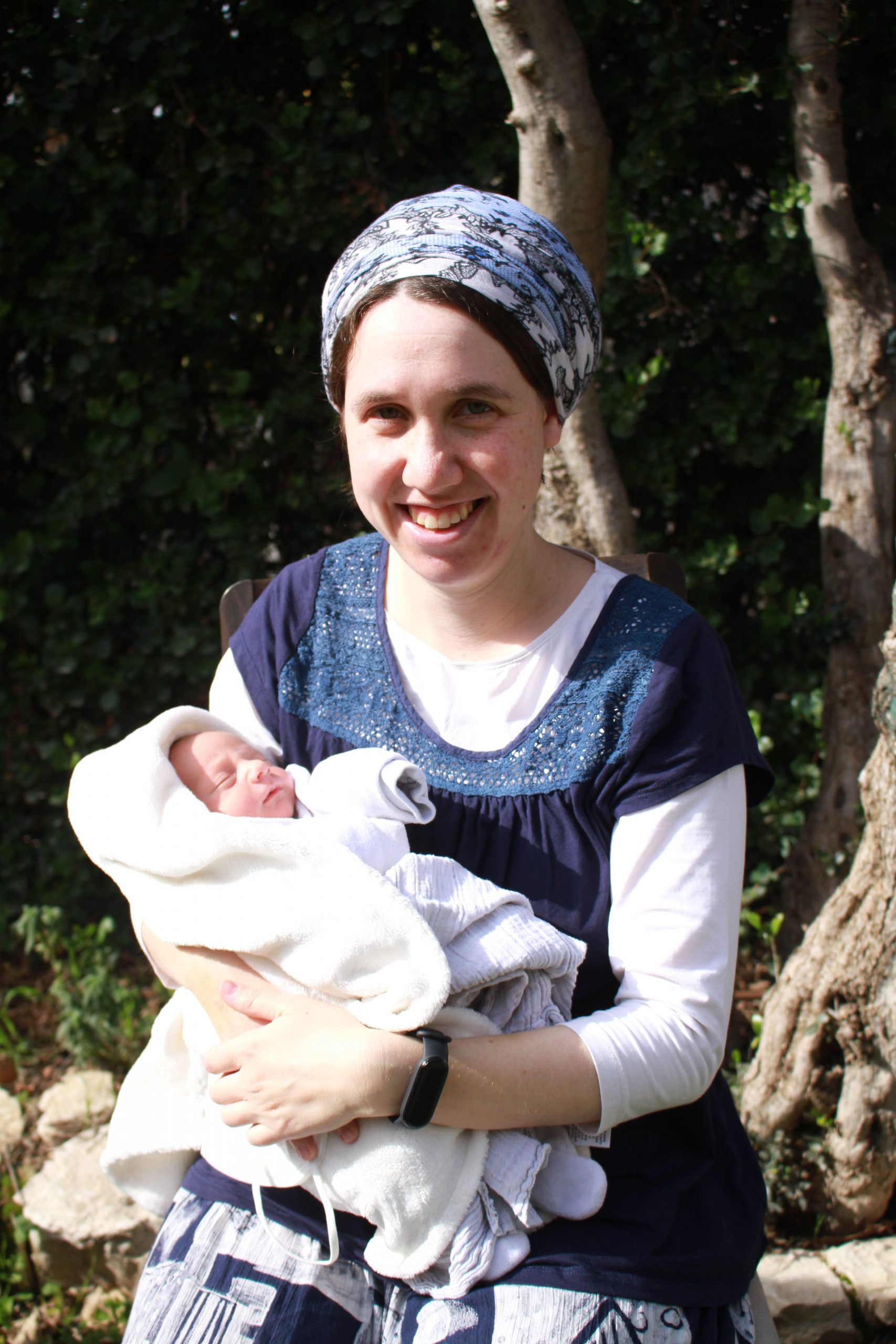
התחלתי ללמוד בשנת המדרשה במגדל עוז, בינתיים נהנית מאוד מהלימוד ומהגמרא, מעניין ומשמח מאוד!
משתדלת להצליח לעקוב כל יום, לפעמים משלימה קצת בהמשך השבוע.. מרגישה שיש עוגן מקובע ביום שלי והוא משמח מאוד!

Uriah Kesner
אוריה קסנר

חיפה , ישראל

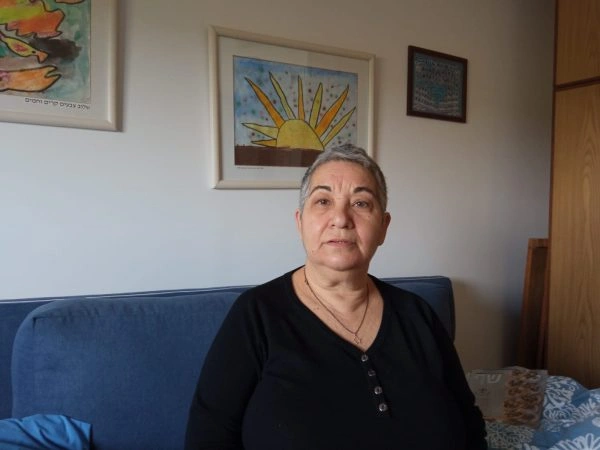
בתחילת הסבב הנוכחי הצטברו אצלי תחושות שאני לא מבינה מספיק מהי ההלכה אותה אני מקיימת בכל יום. כמו כן, כאמא לבנות רציתי לתת להן מודל נשי של לימוד תורה
שתי הסיבות האלו הובילו אותי להתחיל ללמוד. נתקלתי בתגובות מפרגנות וסקרניות איך אישה לומדת גמרא..
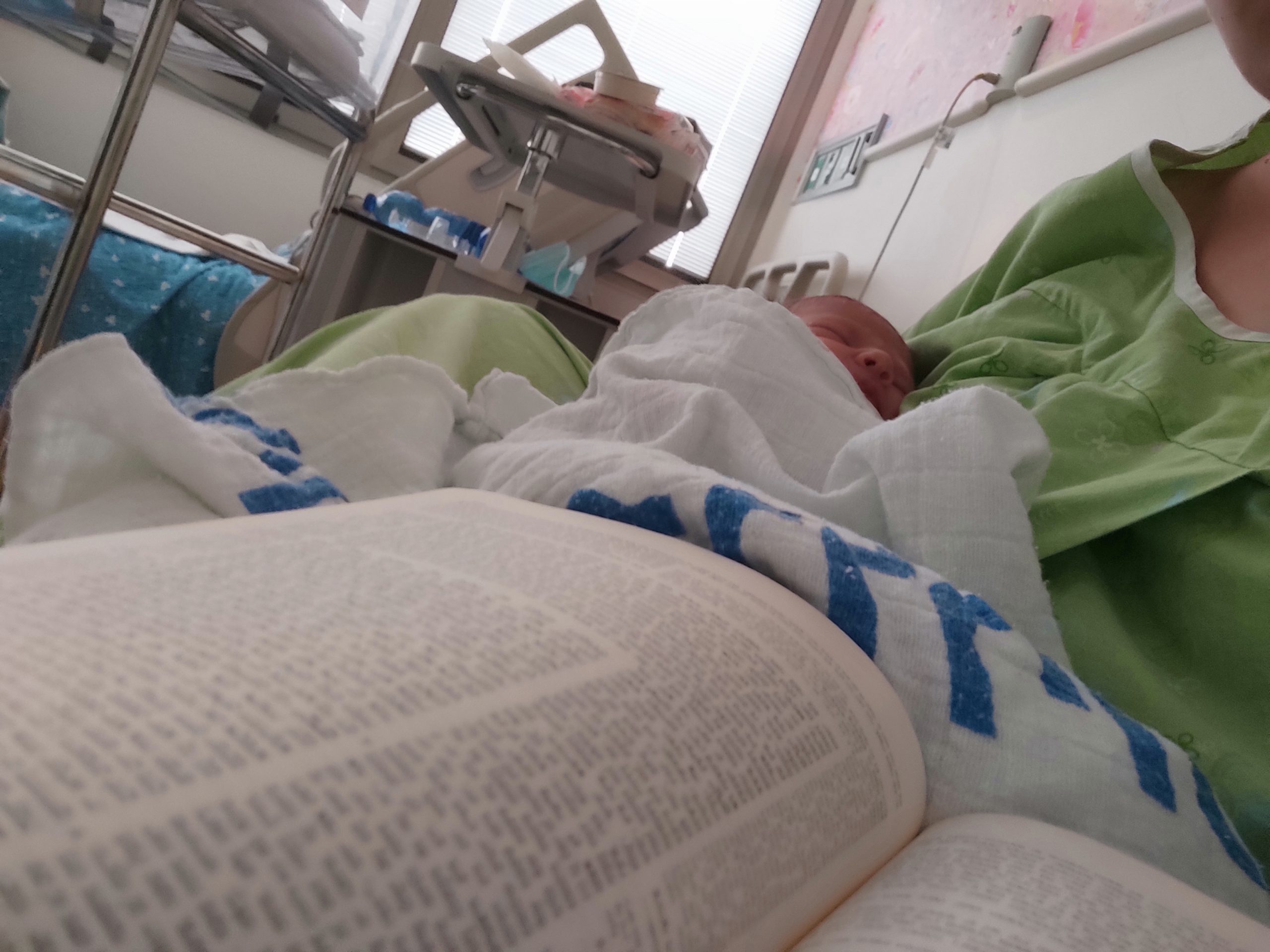
כמו שרואים בתמונה אני ממשיכה ללמוד גם היום ואפילו במחלקת יולדות אחרי לידת ביתי השלישית.

Noa Shiloh
נועה שילה

רבבה, ישראל

ראיתי את הסיום הגדול בבנייני האומה וכל כך התרשמתי ורציתי לקחת חלק.. אבל לקח לי עוד כשנה וחצי )באמצע מסיכת שבת להצטרף..
הלימוד חשוב לי מאוד.. אני תמיד במרדף אחרי הדף וגונבת כל פעם חצי דף כשהילדים עסוקים ומשלימה אח”כ אחרי שכולם הלכו לישון..

Olga Mizrahi
אולגה מזרחי

ירושלים, ישראל

. לא תמיד נהניתי מלימוד גמרא כילדה.,בל כהתבגרתי התחלתי לאהוב את זה שוב. התחלתי ללמוד מסכת סוטה בדף היומי לפני כחמש עשרה שנה ואז הפסקתי.הגעתי לסיום הגדול של הדרן לפני שנתיים וזה נתן לי השראה. והתחלתי ללמוד למשך כמה ימים ואז היתה לי פריצת דיסק והפסקתי…עד אלול השנה. אז התחלתי עם מסכת ביצה וב”ה אני מצליחה לעמוד בקצב. המשפחה מאוד תומכת בי ויש כמה שגם לומדים את זה במקביל. אני אוהבת שיש עוגן כל יום.

Rebecca Darshan
רבקה דרשן

בית שמש, ישראל

אמא שלי למדה איתי ש”ס משנה, והתחילה ללמוד דף יומי. אני החלטתי שאני רוצה ללמוד גם. בהתחלה למדתי איתה, אח”כ הצטרפתי ללימוד דף יומי שהרב דני וינט מעביר לנוער בנים בעתניאל. במסכת עירובין עוד חברה הצטרפה אלי וכשהתחלנו פסחים הרב דני פתח לנו שעור דף יומי לבנות. מאז אנחנו לומדות איתו קבוע כל יום את הדף היומי (ובשבת אבא שלי מחליף אותו). אני נהנית מהלימוד, הוא מאתגר ומעניין

Renana Hellman
רננה הלמן

עתניאל, ישראל

A life-changing journey started with a Chanukah family tiyul to Zippori, home of the Sanhedrin 2 years ago and continued with the Syum in Binanei Hauma where I was awed by the energy of 3000 women dedicated to learning daf Yomi. Opening my morning daily with a fresh daf, I am excited with the new insights I find enriching my life and opening new and deeper horizons for me.

Becky Goldstein
בקי גולדשטיין

Elazar gush etzion, Israel

התחלתי מחוג במסכת קידושין שהעבירה הרבנית רייסנר במסגרת בית המדרש כלנה בגבעת שמואל; לאחר מכן התחיל סבב הדף היומי אז הצטרפתי. לסביבה לקח זמן לעכל אבל היום כולם תומכים ומשתתפים איתי. הלימוד לעתים מעניין ומעשיר ולעתים קשה ואף הזוי… אך אני ממשיכה קדימה. הוא משפיע על היומיום שלי קודם כל במרדף אחרי הדף, וגם במושגים הרבים שלמדתי ובידע שהועשרתי בו, חלקו ממש מעשי

Abigail Chrissy
אביגיל כריסי

ראש העין, ישראל

אני לומדת גמרא כעשור במסגרות שונות, ואת הדף היומי התחלתי כשחברה הציעה שאצטרף אליה לסיום בבנייני האומה. מאז אני לומדת עם פודקסט הדרן, משתדלת באופן יומי אך אם לא מספיקה, מדביקה פערים עד ערב שבת. בסבב הזה הלימוד הוא "ממעוף הציפור”, מקשיבה במהירות מוגברת תוך כדי פעילויות כמו בישול או נהיגה, וכך רוכשת היכרות עם הסוגיות ואופן ניתוחם על ידי חז”ל. בע”ה בסבב הבא, ואולי לפני, אצלול לתוכו באופן מעמיק יותר.

Yael Bir
יעל ביר

רמת גן, ישראל

My explorations into Gemara started a few days into the present cycle. I binged learnt and become addicted. I’m fascinated by the rich "tapestry” of intertwined themes, connections between Masechtot, conversations between generations of Rabbanim and learners past and present all over the world. My life has acquired a golden thread, linking generations with our amazing heritage.
Thank you.

Susan Kasdan
סוזן כשדן

חשמונאים, Israel

התחלתי ללמוד דף יומי בתחילת מסכת ברכות, עוד לא ידעתי כלום. נחשפתי לסיום הש״ס, ובעצם להתחלה מחדש בתקשורת, הפתיע אותי לטובה שהיה מקום לעיסוק בתורה.
את המסכתות הראשונות למדתי, אבל לא סיימתי (חוץ מעירובין איכשהו). השנה כשהגעתי למדרשה, נכנסתי ללופ, ואני מצליחה להיות חלק, סיימתי עם החברותא שלי את כל המסכתות הקצרות, גם כשהיינו חולות קורונה ובבידודים, למדנו לבד, העיקר לא לצבור פער, ומחכות ליבמות 🙂

Eden Yeshuron
עדן ישורון

מזכרת בתיה, ישראל

. לא תמיד נהניתי מלימוד גמרא כילדה.,בל כהתבגרתי התחלתי לאהוב את זה שוב. התחלתי ללמוד מסכת סוטה בדף היומי לפני כחמש עשרה שנה ואז הפסקתי.הגעתי לסיום הגדול של הדרן לפני שנתיים וזה נתן לי השראה. והתחלתי ללמוד למשך כמה ימים ואז היתה לי פריצת דיסק והפסקתי…עד אלול השנה. אז התחלתי עם מסכת ביצה וב”ה אני מצליחה לעמוד בקצב. המשפחה מאוד תומכת בי ויש כמה שגם לומדים את זה במקביל. אני אוהבת שיש עוגן כל יום.

Rebecca Darshan
רבקה דרשן

בית שמש, ישראל

ראיתי את הסיום הגדול בבנייני האומה וכל כך התרשמתי ורציתי לקחת חלק.. אבל לקח לי עוד כשנה וחצי )באמצע מסיכת שבת להצטרף..
הלימוד חשוב לי מאוד.. אני תמיד במרדף אחרי הדף וגונבת כל פעם חצי דף כשהילדים עסוקים ומשלימה אח”כ אחרי שכולם הלכו לישון..

Olga Mizrahi
אולגה מזרחי

ירושלים, ישראל

התחלתי ללמוד דף יומי באמצע תקופת הקורונה, שאבא שלי סיפר לי על קבוצה של בנות שתיפתח ביישוב שלנו ותלמד דף יומי כל יום. הרבה זמן רציתי להצטרף לזה וזאת הייתה ההזדמנות בשבילי. הצטרפתי במסכת שקלים ובאמצע הייתה הפסקה קצרה. כיום אני כבר לומדת באולפנה ולומדת דף יומי לבד מתוך גמרא של טיינזלץ.

Saturdays in Raleigh
שבות בראלי

עתניאל, ישראל

התחלתי ללמוד דף לפני קצת יותר מ-5 שנים, כשלמדתי רבנות בישיבת מהר”ת בניו יורק. בדיעבד, עד אז, הייתי בלימוד הגמרא שלי כמו מישהו שאוסף חרוזים משרשרת שהתפזרה, פה משהו ושם משהו, ומאז נפתח עולם ומלואו…. הדף נותן לי לימוד בצורה מאורגנת, שיטתית, יום-יומית, ומלמד אותי לא רק ידע אלא את השפה ודרך החשיבה שלנו. לשמחתי, יש לי סביבה תומכת וההרגשה שלי היא כמו בציטוט שבחרתי: הדף משפיע לטובה על כל היום שלי.

Michal Kahana
מיכל כהנא

חיפה, ישראל

התחלתי מעט לפני תחילת הסבב הנוכחי. אני נהנית מהאתגר של להמשיך להתמיד, מרגעים של "אהה, מפה זה הגיע!” ומהאתגר האינטלקטואלי

Eilat-Chen and Deller
אילת-חן ודלר

לוד, ישראל

התחלתי כשהייתי בחופש, עם הפרסומים על תחילת המחזור, הסביבה קיבלה את זה כמשהו מתמיד ומשמעותי ובהערכה, הלימוד זה עוגן יציב ביום יום, יש שבועות יותר ויש שפחות אבל זה משהו שנמצא שם אמין ובעל משמעות בחיים שלי….

Adi Diamant
עדי דיאמנט

גמזו, ישראל

התחלתי ללמוד דף יומי אחרי שחזרתי בתשובה ולמדתי במדרשה במגדל עוז. הלימוד טוב ומספק חומר למחשבה על נושאים הלכתיים ”קטנים” ועד לערכים גדולים ביהדות. חשוב לי להכיר את הגמרא לעומק. והצעד הקטן היום הוא ללמוד אותה בבקיאות, בעזרת השם, ומי יודע אולי גם אגיע לעיון בנושאים מעניינים. נושאים בגמרא מתחברים לחגים, לתפילה, ליחסים שבין אדם לחברו ולמקום ולשאר הדברים שמלווים באורח חיים דתי 🙂

Gaia Divo
גאיה דיבו

מצפה יריחו, ישראל

לצערי גדלתי בדור שבו לימוד גמרא לנשים לא היה דבר שבשגרה ושנים שאני חולמת להשלים את הפער הזה.. עד שלפני מספר שבועות, כמעט במקרה, נתקלתי במודעת פרסומת הקוראת להצטרף ללימוד מסכת תענית. כשקראתי את המודעה הרגשתי שהיא כאילו נכתבה עבורי – "תמיד חלמת ללמוד גמרא ולא ידעת איך להתחיל”, "בואי להתנסות במסכת קצרה וקלה” (רק היה חסר שהמודעה תיפתח במילים "מיכי שלום”..). קפצתי למים ו- ב”ה אני בדרך להגשמת החלום:)

Micah Kadosh
מיכי קדוש

מורשת, ישראל

באירוע של הדרן בנייני האומה. בהשראתה של אמי שלי שסיימה את הש”ס בסבב הקודם ובעידוד מאיר , אישי, וילדיי וחברותיי ללימוד במכון למנהיגות הלכתית של רשת אור תורה סטון ומורתיי הרבנית ענת נובוסלסקי והרבנית דבורה עברון, ראש המכון למנהיגות הלכתית.
הלימוד מעשיר את יומי, מחזיר אותי גם למסכתות שכבר סיימתי וידוע שאינו דומה מי ששונה פרקו מאה לשונה פרקו מאה ואחת במיוחד מרתקים אותי החיבורים בין המסכתות

Roit Kalech
רוית קלך

מודיעין, ישראל

התחלתי ללמוד דף יומי בסבב הקודם. זכיתי לסיים אותו במעמד המרגש של הדרן. בסבב הראשון ליווה אותי הספק, שאולי לא אצליח לעמוד בקצב ולהתמיד. בסבב השני אני לומדת ברוגע, מתוך אמונה ביכולתי ללמוד ולסיים. בסבב הלימוד הראשון ליוותה אותי חוויה מסויימת של בדידות. הדרן העניקה לי קהילת לימוד ואחוות נשים. החוויה של סיום הש”ס במעמד כה גדול כשנשים שאינן מכירות אותי, שמחות ומתרגשות עבורי , היתה חוויה מרוממת נפש

Ilanit Weil
אילנית ווייל

קיבוץ מגדל עוז, ישראל

סנהדרין מ

מַתְנִי׳ הָיוּ בּוֹדְקִין אוֹתָן בְּשֶׁבַע חֲקִירוֹת: בְּאֵיזוֹ שָׁבוּעַ, בְּאֵיזוֹ שָׁנָה, בְּאֵיזוֹ חוֹדֶשׁ, בְּכַמָּה בַּחֹדֶשׁ, בְּאֵיזֶה יוֹם, בְּאֵיזוֹ שָׁעָה, בְּאֵיזֶה מְקוֹם. רַבִּי יוֹסֵי אוֹמֵר: בְּאֵיזֶה יוֹם, בְּאֵיזוֹ שָׁעָה, בְּאֵיזֶה מָקוֹם.

MISHNA: The court would examine the witnesses in capital cases with seven interrogations, i.e., interrogatory questions, and they are: In which seven-year period, that is, in which cycle of seven years within a jubilee did the event occur; in which year of the Sabbatical cycle did the event occur; in which month did the event occur; on which day of the month did the event occur; on which day of the week did the event occur; at which hour did the event occur; and in what place did the event occur. Rabbi Yosei says: The court would examine the witnesses with only three interrogations: On which day did the event occur, at which hour, and in what place.

מַכִּירִין אַתֶּם אוֹתוֹ? הִתְרֵתֶם בּוֹ? הָעוֹבֵד עֲבוֹדָה זָרָה: אֶת מִי עָבַד, וּבַמֶּה עָבַד?

They would also ask: Do you recognize him as the man who committed the transgression? Did you warn him? They would then ask the witnesses about the particulars of the incident. For example, in the case of one who is an accused idol worshipper, they ask the witnesses: Whom, i.e., which idol, did he worship, and in what manner did he worship it, and so on.

כָּל הַמַּרְבֶּה בִּבְדִיקוֹת – הֲרֵי זֶה מְשׁוּבָּח. מַעֲשֶׂה וּבָדַק בֶּן זַכַּאי בְּעוּקְצֵי תְּאֵנִים.

With regard to all judges who increase the number of examinations, i.e., who add questions about the details of the event, this is praiseworthy, as this may clarify that the witnesses are lying. An incident occurred and ben Zakkai examined the witnesses by questioning them about the color and shape of the stems of figs in order to unearth a contradiction between the witnesses.

מָה בֵּין חֲקִירוֹת לִבְדִיקוֹת? חֲקִירוֹת – אֶחָד אוֹמֵר ״אֵינִי יוֹדֵעַ״, עֵדוּתָן בְּטֵילָה. בְּדִיקוֹת – אֶחָד אוֹמֵר ״אֵינִי יוֹדֵעַ״, וַאֲפִילּוּ שְׁנַיִם אוֹמְרִים ״אֵין אָנוּ יוֹדְעִין״, עֵדוּתָן קַיֶּימֶת. אֶחָד חֲקִירוֹת וְאֶחָד בְּדִיקוֹת, בִּזְמַן שֶׁמַּכְחִישִׁין זֶה אֶת זֶה – עֵדוּתָן בְּטֵילָה.

The mishna explains: What is the difference between interrogations and examinations? With regard to interrogations, if one of the witnesses says: I do not know the answer, their testimony is void immediately. With regard to examinations, if one says: I do not know the answer, and even if two say: We do not know the answer, their testimony still stands. Both with regard to interrogations and examinations, at a time when the witnesses contradict one another, their testimony is void.

אֶחָד אוֹמֵר: ״בִּשְׁנַיִם בְּחֹדֶשׁ״, וְאֶחָד אוֹמֵר: ״בִּשְׁלֹשָׁה בַּחֹדֶשׁ״ – עֵדוּתָן קַיֶּימֶת, שֶׁזֶּה יוֹדֵעַ בְּעִיבּוּרוֹ שֶׁל חֹדֶשׁ, וְזֶה אֵינוֹ יוֹדֵעַ בְּעִיבּוּרוֹ שֶׁל חֹדֶשׁ.

The mishna clarifies: If one witness says the event occurred on the second of the month, and one witness says that the event occurred on the third of the month, this is not regarded as a contradiction and their testimony stands, since it is possible to say that this witness knows of the addition of a day to the previous month, and according to his tally the event occurred on the second of the month, and that witness does not know of the addition of a day to the previous month, and according to his tally the event occurred on the third of the month. Their testimony is not considered incongruent.

אֶחָד אוֹמֵר: ״בִּשְׁלֹשָׁה״, וְאֶחָד אוֹמֵר ״בַּחֲמִשָּׁה״ – עֵדוּתָן בְּטֵילָה.

By contrast, if this witness says the event occurred on the third of the month and one witness says the event occurred on the fifth of the month, their testimony is void, as this disparity cannot be attributed to a mere error. Therefore, their testimony is not congruent.

אֶחָד אוֹמֵר: ״בִּשְׁתֵּי שָׁעוֹת״, וְאֶחָד אוֹמֵר: ״בְּשָׁלֹשׁ שָׁעוֹת״ – עֵדוּתָן קַיֶּימֶת. אֶחָד אוֹמֵר: ״בְּשָׁלֹשׁ״, וְאֶחָד אוֹמֵר: ״בְּחָמֵשׁ״ – עֵדוּתָן בְּטֵילָה.

Similarly, if one witness says that the event occurred at two hours, i.e., the second hour of the day from sunrise, and one witness says that the event occurred at three hours, their testimony stands, as one could reasonably err this amount in estimating the hour of the day. By contrast, if one says that the event occurred at three hours, and one says that the event occurred at five hours, their testimony is void.

רַבִּי יְהוּדָה אוֹמֵר: קַיֶּימֶת. אֶחָד אוֹמֵר ״בְּחָמֵשׁ״, וְאֶחָד אוֹמֵר ״בְּשֶׁבַע״ – עֵדוּתָן בְּטֵילָה, שֶׁבְּחָמֵשׁ חַמָּה בַּמִּזְרָח וּבְשֶׁבַע חַמָּה בַּמַּעֲרָב.

Rabbi Yehuda says: Also in this case their testimony stands, as one could reasonably err concerning even this length of time. Rabbi Yehuda adds: But if one says that the event occurred at five hours, and one says that the event occurred at seven hours, their testimony is void. Here the difference is recognizable to all, since at five hours the sun is in the east and at seven the sun is in the west, and one could not err concerning this. Therefore, their testimony is not congruent.

וְאַחַר כָּךְ מַכְנִיסִין אֶת הַשֵּׁנִי וּבוֹדְקִין אוֹתוֹ. אִם נִמְצְאוּ דִּבְרֵיהֶם מְכֻוָּונִים, פּוֹתְחִין בִּזְכוּת. אָמַר אֶחָד מִן הָעֵדִים: ״יֵשׁ לִי לְלַמֵּד עָלָיו זְכוּת״, אוֹ אֶחָד מִן הַתַּלְמִידִים: ״יֵשׁ לִי לְלַמֵּד עָלָיו חוֹבָה״ – מְשַׁתְּקִין אוֹתוֹ. אָמַר אֶחָד מִן הַתַּלְמִידִים: ״יֵשׁ לִי לְלַמֵּד עָלָיו זְכוּת״ – מַעֲלִין אוֹתוֹ וּמוֹשִׁיבִין אוֹתוֹ בֵּינֵיהֶם, וְלֹא הָיָה יוֹרֵד מִשָּׁם כׇּל הַיּוֹם כּוּלּוֹ.

The mishna continues: And afterward, after the court examines the first witness, they bring in the second witness and examine him. If the statements of the witnesses are found to be congruent, the court begins to deliberate the matter. They open the deliberations with an appeal to anyone who can find a reason to acquit the accused. If one of the witnesses said: I can teach a reason to acquit him, or if one of the students sitting before the judges said: I can teach a reason to deem him liable, the judges silence him, i.e., both the witness and the student. The reason is that these people are not allowed to offer information such as this. But if one of the students said: I can to teach a reason to acquit him, they raise him to the seat of the court and seat him among them, and he would not descend from there the entire day, but would sit and participate in their deliberations.

אִם יֵשׁ מַמָּשׁ בִּדְבָרָיו, שׁוֹמְעִין לוֹ. וַאֲפִילּוּ הוּא אוֹמֵר: ״יֵשׁ לִי לְלַמֵּד עַל עַצְמִי זְכוּת״, שׁוֹמְעִין לוֹ, וּבִלְבַד שֶׁיֵּשׁ מַמָּשׁ בִּדְבָרָיו.

If the statement of that student has substance, the court listens to him. And if even the accused says: I can teach a reason to acquit me, the court listens to him and considers his statement, provided that his statement has substance.

וְאִם מָצְאוּ לוֹ זְכוּת, פְּטָרוּהוּ. וְאִם לָאו, מַעֲבִירִין אוֹתוֹ לְמָחָר, וּמִזְדַּוְּוגִין זוּגוֹת זוּגוֹת. הָיוּ מְמַעֲטִין מִמַּאֲכָל, וְלֹא הָיוּ שׁוֹתִין יַיִן כׇּל הַיּוֹם, וְנוֹשְׂאִין וְנוֹתְנִין כׇּל הַלַּיְלָה. וְלַמׇּחֳרָת מַשְׁכִּימִין וּבָאִין לְבֵית דִּין.

And if the court found it fit to acquit him during the deliberations, as all or a majority of the judges agreed to acquit him, they excuse him. But if a majority does not find it fit to acquit him, they delay his verdict to the following day, and they then assign pairs of judges to discuss the matter with each other. They would minimize their food intake and they would not drink wine all day. And they would deliberate all night, and the following day they would arise early and come to court and then vote again and tally the votes of the judges.

הַמְזַכֶּה אוֹמֵר: ״אֲנִי מְזַכֶּה, וּמְזַכֶּה אֲנִי בִּמְקוֹמִי״. וְהַמְחַיֵּיב אוֹמֵר: ״אֲנִי מְחַיֵּיב, וּמְחַיֵּיב אֲנִי בִּמְקוֹמִי״. הַמְלַמֵּד חוֹבָה מְלַמֵּד זְכוּת, אֲבָל הַמְלַמֵּד זְכוּת אֵינוֹ יָכוֹל לַחְזוֹר וּלְלַמֵּד חוֹבָה. טָעוּ בַּדָּבָר – שְׁנֵי סוֹפְרֵי הַדַּיָּינִין מַזְכִּירִין אוֹתוֹ. אִם מָצְאוּ לוֹ זְכוּת – פְּטָרוּהוּ, וְאִם לָאו – עוֹמְדִים לַמִּנְיָן. שְׁנֵים עָשָׂר מְזַכִּין וְאַחַד עָשָׂר מְחַיְּיבִין – זַכַּאי.

One who yesterday was of the opinion to acquit the defendant says: I said to acquit, and I acquit in my place, i.e., I stand by my statement to acquit. And one who yesterday was of the opinion to deem him liable says: I said to deem him liable, and I deem him liable in my place. One who yesterday taught a reason to deem him liable may then teach a reason to acquit, but one who yesterday taught a reason to acquit may not then teach a reason to deem him liable. If they erred in the matter, as one of the judges forgot what he had said the previous day, two judges’ scribes, who recorded the statements of the judges, remind him. If the court then found it fit to acquit him unanimously, they excuse him, and if not all of the judges determine to acquit, they stand to count the vote. If twelve judges vote to acquit him and eleven judges deem him liable, he is acquitted.

שְׁנֵים עָשָׂר מְחַיְּיבִין וְאַחַד עָשָׂר מְזַכִּין, וַאֲפִילּוּ אַחַד עָשָׂר מְזַכִּין וְאַחַד עָשָׂר מְחַיְּיבִין וְאֶחָד אוֹמֵר ״אֵינִי יוֹדֵעַ״, וַאֲפִילּוּ עֶשְׂרִים וּשְׁנַיִם מְזַכִּין אוֹ מְחַיְּיבִין וְאֶחָד אוֹמֵר ״אֵינִי יוֹדֵעַ״ – יוֹסִיפוּ הַדַּיָּינִין. וְכַמָּה מוֹסִיפִין? שְׁנַיִם שְׁנַיִם, עַד שִׁבְעִים וְאֶחָד.

The mishna continues: In a case where twelve judges deem him liable and eleven judges acquit; or even if eleven judges acquit and eleven deem him liable and one judge says: I do not know; or even if twenty-two judges acquit or deem him liable and one judge says: I do not know, the judge who said he does not know is disregarded, and the judges add additional judges to the court until they reach a definitive ruling. And how many judges do they add? They add pairs of two judges each time they do not reach a ruling until there are seventy-one judges, but no more than that.

שְׁלֹשִׁים וְשִׁשָּׁה מְזַכִּין וּשְׁלֹשִׁים וַחֲמִשָּׁה מְחַיְּיבִין – זַכַּאי. שְׁלֹשִׁים וְשִׁשָּׁה מְחַיְּיבִין וּשְׁלֹשִׁים וַחֲמִשָּׁה מְזַכִּין – דָּנִין אֵלּוּ כְּנֶגֶד אֵלּוּ, עַד שֶׁיִּרְאֶה אֶחָד מִן הַמְחַיְּיבִין דִּבְרֵי הַמְזַכִּין.

At that point, if thirty-six judges acquit and thirty-five judges deem him liable, he is acquitted. If thirty-six judges deem him liable and thirty-five judges acquit, they continue to deliberate the matter, these judges against those judges, until one of those who deems him liable sees the validity of the statements of those who acquit and changes his position, as the court does not condemn a defendant to death by a majority of one judge.

גְּמָ׳ מְנָא הָנֵי מִילֵּי? אָמַר רַב יְהוּדָה: דְּאָמַר קְרָא ״וְדָרַשְׁתָּ וְחָקַרְתָּ וְשָׁאַלְתָּ הֵיטֵב״, וְאוֹמֵר ״וְהֻגַּד לְךָ וְשָׁמָעְתָּ וְדָרַשְׁתָּ הֵיטֵב״, וְאוֹמֵר ״וְדָרְשׁוּ הַשּׁוֹפְטִים הֵיטֵב״.

GEMARA: The Gemara asks: From where are these matters derived? What is the source for these seven interrogations? Rav Yehuda says: It is as the verse states with regard to an idolatrous city: “And you shall inquire, and investigate, and ask diligently” (Deuteronomy 13:15); and it states with regard to one who worships idols: “If it be told to you and you have heard it and inquired diligently” (Deuteronomy 17:4); and it states with regard to conspiring witnesses: “And the judges shall inquire diligently” (Deuteronomy 19:18). Taken together, there are seven interrogations alluded to in these verses by each instance of the terms inquire, investigate, and diligently.

וְאֵימָא: חֲדָא חֲדָא כְּדִכְתִיבָא? דְּאִם כֵּן, לִיכְתְּבִינְהוּ רַחֲמָנָא בַּחֲדָא! כֵּיוָן דְּכוּלְּהוּ בַּהֲדֵי הֲדָדֵי כְּתִיבָא, מֵהֲדָדֵי יָלְפִי, וְכֵיוָן דְּיָלְפִי מֵהֲדָדֵי, כְּמַאן דִּכְתִיב בַּחֲדָא דָּמֵי.

The Gemara asks: But why not say that each one is as it is written, and conclude that the Torah requires, respectively, three, two, and two interrogations in the three cases of idol worship, an idolatrous city, and conspiring witnesses, discussed in those verses? As, if it is so, i.e., if there is a requirement of seven interrogations in all cases of capital law, let the Merciful One write them in one place, and it would be derived from there to other cases. The Gemara answers: Since they are all written together, i.e., they all employ analogous terminology, one learns the halakhot of one from the other, and once one learns the halakhot of one from the other, they are considered as if they are written in one place.

וְהָא לָא דָּמְיָאן לַהֲדָדֵי? (סִימָן: פָּלֵט, סַיִיף, הַתְרָאָה.)

The Gemara asks: But those three instances of idol worship, an idolatrous city, and conspiring witnesses are not similar to each other, so how can one derive the halakhot of one from the other? The Gemara records a mnemonic device for the following terms: Escapes, sword, forewarning.

עִיר הַנִּדַּחַת לְהָנָךְ תַּרְתֵּי לָא דָּמְיָא, שֶׁכֵּן מָמוֹנָן פָּלֵט. עֲבוֹדָה זָרָה לְהָנָךְ תַּרְתֵּי לָא דָּמְיָא, שֶׁכֵּן בְּסַיִיף. עֵדִים זוֹמְמִין לְהָנָךְ תַּרְתֵּי לָא דָּמְיָא, שֶׁכֵּן צְרִיכִים הַתְרָאָה.

What are the differences? The case of an idolatrous city is not similar to those two, i.e., idol worship and conspiring witnesses, because for the others their money escapes their fate. Although the court executes those transgressors, their money is not confiscated. By contrast, in the case of an idolatrous city, not only are the residents executed, all of their property is destroyed. Idol worship is not similar to those two, as the other two transgressions are judged by the sword, while the punishment for idol worship is death by stoning. The case of conspiring witnesses is not similar to those two, as those who transgress the two other transgressions require forewarning in order to be liable for the transgression, while conspiring witnesses are not forewarned before they testify.

בְּ״הֵיטֵב״ ״הֵיטֵב״ יָלְפִינַן מֵהֲדָדֵי, וּגְזֵירָה שָׁוָה מוּפְנָה. דְּאִי לָא מוּפְנָה, אִיכָּא לְמִיפְרַךְ. לָאיֵי, אַפְנוֹיֵי מוּפְנֵי. מִדַּהֲוָה לֵיהּ לְמִיכְתַּב ״וְדָרְשׁוּ וְחָקְרוּ״, וְשַׁנִּי קְרָא בְּדִיבּוּרֵיהּ בְּ״הֵיטֵב״, שְׁמַע מִינַּהּ לְאַפְנוֹיֵי.

The Gemara explains: This is not an association based on conceptual similarity alone; rather, we learn one from the other based on a verbal analogy employing the words “diligently” and “diligently.” “Diligently” is used in all three verses. The Gemara comments: And this verbal analogy must be free, i.e., these terms must be superfluous in their context. The Torah included them for the express purpose of establishing the verbal analogy. A verbal analogy that is based on otherwise extraneous terms cannot be logically refuted. This is because if these terms are not free, the verbal analogy can be refuted. The Gemara concludes: This is not so [la’ei], i.e., the verbal analogy cannot be refuted, as they are free. The Gemara explains: Since the Torah could have written: And they inquire and investigate, and the verse modified its statement by writing “diligently,” learn from it that this term’s function is to have it be free, to enable a verbal analogy.

וְאַכַּתִּי מוּפְנֶה מִצַּד אֶחָד הוּא! בִּשְׁלָמָא הָנָךְ תַּרְתֵּי מוּפְנֶה הוּא, מִשּׁוּם דַּהֲוָה לֵיהּ לְמִכְתַּב. אֶלָּא עִיר הַנִּדַּחַת, מַאי הֲוָה לֵיהּ לְמִכְתַּב? הָא כְּתִיבָא כּוּלְּהוּ!

The Gemara challenges this explanation: And yet it is free on only one side, as the term is superfluous in two of the verses but not in all three of them. The Gemara explains: Granted, with regard to these two, idol worship and conspiring witnesses, it is free, because it could have been written only: And you inquire and you investigate, but instead the word “diligently” also appears in the verse. But in the verses concerning an idolatrous city, what could it have written differently? They are all written.

הָתָם נָמֵי אַפְנוֹיֵי מוּפְנֵה, מִדַּהֲוָה לֵיהּ לְמִכְתַּב ״דָּרוֹשׁ תִּדְרֹשׁ״ אוֹ ״חָקוֹר תַּחְקֹר״, וְשַׁנִּי קְרָא בְּדִיבּוּרֵיהּ בְּ״הֵיטֵב״ – שְׁמַע מִינַּהּ לְאַפְנוֹיֵי.

The Gemara answers: There, it is also free, as the term is superfluous in that verse as well. Since the Torah could have written: You shall inquire, or: You shall investigate, in an emphatic form by doubling the verb, and the verse modified its statement by writing: “And you shall inquire and investigate diligently,” learn from it that this term’s function is to have it be free in order to enable a verbal analogy. By way of this verbal analogy, the Gemara has derived the requirement for seven interrogations in cases of capital law where the punishment is either death by stoning or death by the sword.

וְאָתוּ נֶחְנָקִין בְּקַל וָחוֹמֶר מִנִּסְקָלִין וּמִנֶּהֱרָגִין, וְאָתוּ נִשְׂרָפִין בְּקַל וָחוֹמֶר מִנִּסְקָלִין.

The Gemara continues: And one can learn that this applies to those transgressors who are strangled as well, by means of an a fortiori inference from those transgressors who are stoned and from those who are killed by the sword. Just as in these cases, where the transgression is severe as evidenced by their severe mode of execution, seven interrogations are required, the requirement should apply all the more so to those transgressors who are strangled, who committed a less severe transgression. And one can learn that this applies to those transgressors who are burned as well, by means of an a fortiori inference from those transgressors who are stoned.

הָנִיחָא לְרַבָּנַן דְּאָמְרִי סְקִילָה חֲמוּרָה, אֶלָּא לְרַבִּי שִׁמְעוֹן דְּאָמַר שְׂרֵיפָה חֲמוּרָה, מַאי אִיכָּא לְמֵימַר?

The Gemara questions this last inference: This works out well according to the opinion of the Rabbis, who say that stoning is more severe than burning (see 49b). Consequently, it is possible to derive by means of an a fortiori inference the halakha of a transgression whose punishment is burning from the halakha of a transgression whose punishment is stoning. But according to the opinion of Rabbi Shimon, who says that burning is more severe than stoning, what is there to say?

אֶלָּא אָמַר רַב יְהוּדָה: ״וְהִנֵּה אֱמֶת נָכוֹן״, ״וְהִנֵּה אֱמֶת נָכוֹן״ – הָא חַד סְרֵי. שֶׁבַע – לְשֶׁבַע חֲקִירוֹת, דַּל תְּלָת – לִגְזֵירָה שָׁוָה, פָּשָׁא לְהוּ חֲדָא.

Rather, Rav Yehuda said: There are an additional two phrases in the verses that are used to teach the halakha of the seven interrogations. The verse states with regard to the idolatrous city: “And you shall inquire, and investigate, and ask diligently and behold it be truth, the matter certain” (Deuteronomy 13:15). Additionally, the verse states with regard to idol worship: “You have inquired diligently and behold it be truth, the matter certain” (Deuteronomy 17:4). When one adds the two usages of “truth” and “certain” to the seven expressions stated earlier, consequently, there are eleven expressions; seven are used to teach the halakha of the seven interrogations, and of the four that remain, remove three, one for each verse, for the purpose of the verbal analogy, and one remains.

לְרַבִּי שִׁמְעוֹן, לְאֵתוֹיֵי נִשְׂרָפִין. לְרַבָּנַן, מִילְּתָא דְּאָתְיָא בְּקַל וָחוֹמֶר – טָרַח וְכָתַב לַהּ קְרָא.

According to the opinion of Rabbi Shimon, this additional expression serves to include the halakha that the seven interrogations applies to those transgressors who are burned. According to the opinion of the Rabbis as well, who learned this from an a fortiori inference, the additional expression teaches this same halakha, as with regard to a matter that can be derived through an a fortiori inference, the verse nevertheless takes the trouble and writes it explicitly.

מְגַדֵּף בַּהּ רַבִּי אֲבָהוּ: אֵימָא לְאֵתוֹיֵי שְׁמֹנֶה חֲקִירוֹת! וּשְׁמֹנֶה חֲקִירוֹת מִי אִיכָּא?! אַלְּמָה לָא? וְהָאִיכָּא לְאֵתוֹיֵי בְּכַמָּה בְּשָׁעָה. וְתַנְיָא נָמֵי הָכִי: הָיוּ בּוֹדְקִין אוֹתוֹ בִּשְׁמֹנֶה חֲקִירוֹת.

Rabbi Abbahu ridiculed this explanation: Say this additional expression serves to add that there are eight interrogations. The Gemara asks: And are there eight interrogations? What interrogation can be added? The Gemara suggests: And why not? But there is the possibility to add this question to the interrogation: When in the hour, i.e., at what time within the hour. And this is also taught in a baraita: They would examine him with eight interrogations.

הָנִיחָא לְאַבָּיֵי אַלִּיבָּא דְּרַבִּי מֵאִיר, דְּאָמַר: אֵין אָדָם טוֹעֶה וְלֹא כְּלוּם, וּלְהַךְ לִישָּׁנָא נָמֵי דְּאָמַר: אָדָם טוֹעֶה מַשֶּׁהוּ – שַׁפִּיר. אֶלָּא לְאַבָּיֵי אַלִּיבָּא דְּרַבִּי יְהוּדָה, דְּאָמַר: אָדָם טוֹעֶה חֲצִי שָׁעָה, וּלְרָבָא דְּאָמַר: טָעוּ אִינָשֵׁי טוּבָא – מַאי אִיכָּא לְמֵימַר?

The Gemara comments: This works out well according to the explanation of Abaye of the opinion of Rabbi Meir, who says, in explaining Rabbi Meir’s opinion: A person does not err at all, i.e., when witnesses state an hour in which an event occurred, it is assumed that they are completely accurate. And also according to the version of his statement that Abaye says: A person errs a bit; it is well. Consequently, there is a reason to ask at what time during the hour the event occurred. But according to the explanation of Abaye of the opinion of Rabbi Yehuda, who says, in explaining Rabbi Yehuda’s opinion: A person errs up to half an hour, and according to the opinion of Rava, who says: People err even more than that; what can be said? There is no reason to ask at what time during the hour the event occurred, as any inconsistency will be ascribed to an innocent error.

אֶלָּא, לְאֵתוֹיֵי בְּכַמָּה בַּיּוֹבֵל.

The Gemara suggests: Rather, there is the possibility to add the question: In how many years within the jubilee, i.e., in which of the fifty years, the event occurred.

הַיְינוּ בְּאֵיזֶה שָׁבוּעַ! אֶלָּא, לְאֵתוֹיֵי בְּאֵיזֶה יוֹבֵל. וְאִידַּךְ: כֵּיוָן דְּאָמַר בְּאֵיזֶה שָׁבוּעַ, לָא בָּעֵי בְּאֵיזֶה יוֹבֵל.

The Gemara questions this explanation: This is exactly the same question as: In which seven-year period of the jubilee did the event occur, as one can calculate the year within the jubilee by knowing the seven-year period. The Gemara suggests: Rather, there is the possibility to add the question of: In which jubilee cycle did the event occur, in the current cycle or the previous cycle? And the other Sage, i.e., Rabbi Abbahu, who assumes that there cannot be an eighth interrogation, holds that once the witness said in which seven-year period of the jubilee the event occurred, there is no need to ask in which jubilee it occurred, as the court would have no reason to think that he is testifying about an event that occurred fifty years prior.

רַבִּי יוֹסֵי אוֹמֵר. תַּנְיָא, אָמַר לָהֶם רַבִּי יוֹסֵי לַחֲכָמִים: לְדִבְרֵיכֶם, מִי שֶׁבָּא וְאָמַר ״אֶמֶשׁ הֲרָגוֹ״, אוֹמֵר לוֹ ״בְּאֵיזוֹ שָׁבוּעַ?״, ״בְּאֵיזוֹ שָׁנָה?״, ״בְּאֵיזֶה חֹדֶשׁ?״, ״בְּכַמָּה בַּחֹדֶשׁ?״

§ The mishna teaches that Rabbi Yosei says they ask only on which day, at which hour, and in which place the event occurred, but not more. It is taught in a baraita the reasoning behind this dispute: Rabbi Yosei said to the Rabbis: According to your statement that the court asks all seven interrogations, when there is a witness who came to court and said: The accused killed the victim last night, should the judge say to him in his examination: In which seven-year period of the jubilee, in which year, in which month, on which day of the month did the accused murder the victim? What would be the purpose of asking these questions? It suffices that they ask him about the day, the time, and the place.

אָמְרוּ לוֹ: לִדְבָרֶיךָ, מִי שֶׁבָּא וְאָמַר ״עַכְשָׁו הֲרָגוֹ״, אוֹמֵר לוֹ ״בְּאֵיזֶה יוֹם?״, ״בְּאֵיזֶה שָׁעָה?״, ״בְּאֵיזֶה מָקוֹם?״

The Rabbis said to him: According to your statement, when there is a witness who came to court and said: The accused killed the victim just now, should the judge say to him in his examination: On which day, at which hour, in what place did the accused murder the victim? The witness already stated that the murder had just occurred.

אֶלָּא, אַף עַל גַּב דְּלָא צָרִיךְ, רָמֵינַן עֲלֵיהּ כִּדְרַבִּי שִׁמְעוֹן בֶּן אֶלְעָזָר. הָכָא נָמֵי, אַף עַל גַּב דְּלָא צָרִיךְ, רָמֵינַן עֲלֵיהּ כִּדְרַבִּי שִׁמְעוֹן בֶּן אֶלְעָזָר.

The Rabbis continue: Rather, even according to your opinion, although it is not necessary to ask these questions in this particular case, we impose the obligation to answer all the interrogations on the witnesses, in accordance with the explanation of Rabbi Shimon ben Elazar, that the court beleaguers the witnesses in attempt to confuse them (see 32b). Here too, although it is not necessary to ask these questions in this particular case, we impose the obligation to answer all the interrogations on the witnesses, in accordance with the explanation of Rabbi Shimon ben Elazar.

וְרַבִּי יוֹסֵי: ״אֶמֶשׁ הֲרָגוֹ״ – שְׁכִיחַ בְּרוֹב עֵדִיּוֹת, ״עַכְשָׁיו הֲרָגוֹ״ – לָא שְׁכִיחַ בְּרוֹב עֵדִיּוֹת.

The Gemara asks: And what would Rabbi Yosei respond to this claim? The Gemara explains: He holds that the witness testifying: The accused killed the victim last night, is common in most testimonies. Therefore, this testimony is taken into account when deciding the content of the interrogations. By contrast, the witness testifying: The accused killed the victim just now, is not common in most testimonies, i.e., it is relatively rare. Therefore, this testimony is not taken into account when deciding the content of the interrogations.

מַכִּירִים אַתֶּם אוֹתוֹ. תָּנוּ רַבָּנַן: מַכִּירִים אַתֶּם אוֹתוֹ? נׇכְרִי הָרַג? יִשְׂרָאֵל הָרַג? הִתְרִיתֶם בּוֹ? קִיבֵּל עָלָיו הַתְרָאָה? הִתִּיר עַצְמוֹ לְמִיתָה? הֵמִית בְּתוֹךְ כְּדֵי דִיבּוּר?

§ The mishna teaches that after the interrogations the court asks several questions essential to the testimony, such as: Do you recognize him? The Sages taught in a baraita: In a trial for murder, the court asks the witness: Do you recognize the accused? Did he kill a gentile? Did he kill a Jew? Did you forewarn him? Did he accept the forewarning on himself, i.e., acknowledge the warning? Did he release himself to death, i.e., acknowledge that he is aware that the court imposes capital punishment for murder? Did he kill within the time required for speaking a short phrase, as if not, he could claim he forgot the warning?

הָעוֹבֵד עֲבוֹדָה זָרָה. אֶת מִי עָבַד: לִפְעוֹר עָבַד? לְמַרְקוּלִיס עָבַד? וּבַמָּה עָבַד: בְּזִיבּוּחַ? בְּקִיטּוּר? בְּנִיסּוּךְ? בְּהִשְׁתַּחֲוָאָה?

In the case of one who is an accused idol worshipper, the court asks the witness: Whom among the idols did he worship? Did he worship Peor? Did he worship Markulis? And in what manner did he worship? Was it by sacrificing an offering, or by burning incense, by pouring wine as a libation, or by prostrating before the idol?

אָמַר עוּלָּא: מִנַּיִין לְהַתְרָאָה מִן הַתּוֹרָה? שֶׁנֶּאֱמַר: ״וְאִישׁ אֲשֶׁר יִקַּח אֶת אֲחֹתוֹ בַּת אָבִיו אוֹ בַת אִמּוֹ וְרָאָה אֶת עֶרְוָתָהּ״. אַטּוּ בִּרְאִיָּה תַּלְיָא מִילְּתָא? אֶלָּא עַד שֶׁיַּרְאוּהוּ טַעְמוֹ שֶׁל דָּבָר. אִם אֵינוֹ עִנְיָן לְכָרֵת –

Ulla says: From where in the Torah is the obligation of forewarning derived? As it is stated: “And if a man shall take his sister, his father’s daughter, or his mother’s daughter, and see her nakedness and she see his nakedness, it is a disgraceful deed and they shall be cut off in the sight of their people” (Leviticus 20:17). One can ask: Is that to say that the matter is dependent on sight? The transgression is engaging in sexual intercourse, not seeing each other. Rather, the meaning of “and see” is: He is not liable until he sees the reason of the matter, that it should be clear to him that he is committing a transgression by having been forewarned. If this halakha is not needed for the matter of excision [karet], as this punishment is in the hands of Heaven, and God is aware whether or not he acted intentionally,

רוצה לעקוב אחרי התכנים ולהמשיך ללמוד?

ביצירת חשבון עוד היום ניתן לעקוב אחרי ההתקדמות שלך, לסמן מה למדת, ולעקוב אחרי השיעורים שמעניינים אותך.
לנקות את כל הפריטים מהרשימה?

פעולה זו תסיר את כל הפריטים בחלק זה כולל ההתקדמות וההיסטוריה. שימי לב: לא ניתן לשחזר פעולה זו.

ביטול
מחיקה

האם את/ה בטוח/ה שברצונך למחוק פריט זה?

תאבד/י את כל ההתקדמות או ההיסטוריה הקשורות לפריט זה.

ביטול
מחיקה