חיפוש

שבת לט

רוצה להקדיש שיעור?

podcast placeholder

0:00
0:00


תקציר

השיעור היום מוקדש לזכר נשמת הרב גרשון בן שמואל ושרה ז”ל על ידי משה שוורץ ועל ידי הרב סט פליפס לכבוד כל אלו שלומדים דף יומי באלנטון פנסלויניה.

כולם אוסרים לבשל בשבת על ידי תולדות האור (האש) אבל יש מחלוקת בין חכמים לרבי יוסי לגבי תולדות החמה. מה מותר לשרות במים בשבת במים חמים ועל מה מותר להדיח? לא ברור אם המושג להדיח מדבר על עירוי מכלי ראשון או מכלי שני? למה ר’ יוסי שמתיר בתולדות החמה, מודה לחכמים במקרה שטמן ביצה בחול שאסור. לשם מה הובא הסיפור של אנשי טבריה במשנה? האם זה בא להראות שר’ יוסי מודה לחכמים או האם ר’ יוסי תמך באנשי טבריה? האם חמי טבריה נחשבים כתולדות החמה או כתולדות האור? כשחכמים אמרו שהמים שחיממו אנשי טבריה אסור ברחיצה כמים שהוחמו בשבת או ביום טוב, לאיזה רחיצה התכוונו – רחיצת כל הגוף או פניו ידיו ורגליו? לכל אופציה יש קושי. הגמרא מוצאת פתרון – מדובר בשטיפת כל גופו ולא רחיצה וכפי שיטת ר’ שמעון שהתיר במקרה זה. רבה בר בר חנה אומר שר’ יוחנן פסק כר’ יהודה – שיטת הביניים במחלקות לגבי שטיפת הגוף. האם למד כך מכללא או שמע ממנו שאמר במפורש? מה זה משנה?

כלים

שבת לט

כׇּל שֶׁבָּא בְּחַמִּין מִלִּפְנֵי הַשַּׁבָּת — שׁוֹרִין אוֹתוֹ בְּחַמִּין בְּשַׁבָּת, וְכׇל שֶׁלֹּא בָּא בְּחַמִּין מִלִּפְנֵי הַשַּׁבָּת — מְדִיחִין אוֹתוֹ בְּחַמִּין בַּשַּׁבָּת. חוּץ מִן הַמָּלִיחַ יָשָׁן וְקוֹלְיָיס הָאִיסְפָּנִין, שֶׁהַדָּחָתָן זוֹ הִיא גְּמַר מְלַאכְתָּן. שְׁמַע מִינַּהּ.

Any salted food item that was already placed in hot water, i.e., cooked, before Shabbat, one may soak it in hot water even on Shabbat. And anything that was not placed in hot water before Shabbat, one may rinse it in hot water on Shabbat, but may not soak it, with the exception of old salted fish or the colias of the Spaniards [kolyas ha’ispanin] fish, for which rinsing with hot water itself is completion of the prohibited labor of cooking. Once it is rinsed in hot water, it does not require any additional cooking. The same is true with regard to an egg that was slightly cooked. Since it thereby becomes edible, one who brought it to that state has violated the prohibition of cooking. The Gemara sums up: Indeed, conclude from it that this is its meaning.

וְלֹא יַפְקִיעֶנָּה בְּסוּדָרִין: וְהָא דִּתְנַן נוֹתְנִין תַּבְשִׁיל לְתוֹךְ הַבּוֹר בִּשְׁבִיל שֶׁיְּהֵא שָׁמוּר, וְאֶת הַמַּיִם הַיָּפִים בָּרָעִים בִּשְׁבִיל שֶׁיִּצָּנְנוּ, וְאֶת הַצּוֹנֵן בַּחַמָּה בִּשְׁבִיל שֶׁיֵּחַמּוּ — לֵימָא רַבִּי יוֹסֵי הִיא וְלָא רַבָּנַן?

We also learned in the mishna according to the first tanna: And one may not wrap an egg in cloths that were heated by the sun in order to heat up the egg, and Rabbi Yosei permits doing so. And with regard to that which we learned in a mishna that one may place cooked food into a pit on Shabbat to protect it from the heat; and one may place good, potable water into bad, non-potable water so that it will cool; and one may put cold water out in the sun to heat it, the Gemara asks: Let us say that this mishna is in accordance with the opinion of Rabbi Yosei in our mishna and not the opinion of the Rabbis as represented by the first tanna in the mishna. The Rabbis prohibited heating food with the heat of the sun.

אָמַר רַב נַחְמָן: בְּחַמָּה — דְּכוּלֵּי עָלְמָא לָא פְּלִיגִי דִּשְׁרֵי. בְּתוֹלְדוֹת הָאוּר — כּוּלֵּי עָלְמָא לָא פְּלִיגִי דַּאֲסִיר. כִּי פְּלִיגִי בְּתוֹלְדוֹת הַחַמָּה: מָר סָבַר גָּזְרִינַן תּוֹלְדוֹת הַחַמָּה אַטּוּ תּוֹלְדוֹת הָאוּר, וּמָר סָבַר לָא גָּזְרִינַן.

Rav Naḥman said: With regard to heating food in the sun itself, everyone agrees that one is permitted to place food in the sun to heat it, as it is certainly neither fire nor a typical form of cooking. Likewise, with derivatives of fire, i.e., objects that were heated by fire, everyone agrees that it is prohibited to heat food with them, as heating with them is tantamount to heating with fire itself. Where they argue is with regard to heating with derivatives of the sun, i.e., objects heated with the heat of the sun. This Sage, who represents the opinion of the Rabbis, holds that we issue a decree prohibiting a person to heat with derivatives of the sun due to derivatives of fire, which are prohibited. People have no way of knowing how the cooking vessel was heated. If the Sages permit the use of objects heated in the sun, people will come to permit use of objects heated by fire as well. And this Sage, Rabbi Yosei, holds that we do not issue a decree. Even though it is prohibited to heat with derivatives of fire, heating with derivatives of the sun is permitted.

וְלֹא יַטְמִינֶנָּה בְּחוֹל: וְלִיפְלוֹג נָמֵי רַבִּי יוֹסֵי בְּהָא! רַבָּה אָמַר: גְּזֵרָה שֶׁמָּא יַטְמִין בְּרֶמֶץ. רַב יוֹסֵף אָמַר: מִפְּנֵי שֶׁמֵּזִיז עָפָר מִמְּקוֹמוֹ. מַאי בֵּינַיְיהוּ? אִיכָּא בֵּינַיְיהוּ עָפָר תִּיחוּחַ.

We learned in the mishna: And one may not insulate it in sand or in road dust that was heated in the sun. The Gemara asks: And let Rabbi Yosei disagree with this halakha as well. If he holds that one is permitted to cook on Shabbat using objects heated by the sun, the same should apply with regard to sand. The Gemara cites two answers. Rabba said: Rabbi Yosei agrees with the opinion of the Rabbis in this case. The Sages issued a decree in this case due to concern lest one come to insulate it in hot ashes, which is certainly prohibited, if he is permitted to insulate food in sand or road dust. Insulating in sand and insulating in hot ashes appear to be very similar. Rav Yosef said: Rabbi Yosei prohibits it in this case because when insulating it in the sand, he displaces dirt. It is as if he dug a hole in the sand, which is prohibited. The Gemara asks: What is the practical difference between the answers proposed by Rabba and Rav Yosef? Apparently, the two answers lead to the same practical conclusion. The Gemara answers: There is a practical difference between them in the case of loose earth. Loose earth does not require digging a hole. According to Rav Yosef’s explanation, there is no reason to prohibit insulating food in loose earth, as displacing loose earth involves no prohibition. However, if the decree was issued lest one insulate an egg in hot ashes, then it applies even in the case of loose earth.

מֵיתִיבִי, רַבָּן שִׁמְעוֹן בֶּן גַּמְלִיאֵל אוֹמֵר: מְגַלְגְּלִין בֵּיצָה עַל גַּבֵּי גַּג רוֹתֵחַ, וְאֵין מְגַלְגְּלִין בֵּיצָה עַל גַּבֵּי סִיד רוֹתֵחַ. בִּשְׁלָמָא לְמַאן דְּאָמַר גְּזֵרָה שֶׁמָּא יַטְמִין בְּרֶמֶץ — לֵיכָּא לְמִיגְזַר. אֶלָּא לְמַאן דְּאָמַר מִפְּנֵי שֶׁמֵּזִיז עָפָר מִמְּקוֹמוֹ, לִיגְזַר? — סְתָם גַּג לֵית בֵּיהּ עָפָר.

The Gemara raises an objection from that which was taught in a baraita: Rabban Shimon ben Gamliel says: One may slightly roast an egg on a hot rooftop heated by the sun; however, one may not slightly roast an egg on top of boiling limestone. Granted, this works out well according to the opinion of the one who said that insulating an egg in sand is prohibited due to a decree lest he come insulate it in hot ashes. There is no reason to issue a decree on a hot rooftop, as it is not at all similar to hot ashes. However, according to the opinion of the one who said that the reason is because he is displacing dirt, let him issue a decree and prohibit warming an egg on the rooftop as well because there is sometimes dirt on the roof. The Gemara answers: This is not difficult because, in general, a rooftop does not have dirt, and there is no reason to issue a decree in uncommon cases.

תָּא שְׁמַע: מַעֲשֶׂה שֶׁעָשׂוּ אַנְשֵׁי טְבֶרְיָא וְהֵבִיאוּ סִילוֹן שֶׁל צוֹנֵן לְתוֹךְ אַמָּה שֶׁל חַמִּין וְכוּ׳. בִּשְׁלָמָא לְמַאן דְּאָמַר גְּזֵרָה שֶׁמָּא יַטְמִין בְּרֶמֶץ — הַיְינוּ דְּדָמְיָא לְהַטְמָנָה. אֶלָּא לְמַאן דְּאָמַר מִפְּנֵי שֶׁמֵּזִיז עָפָר מִמְּקוֹמוֹ — מַאי אִיכָּא לְמֵימַר?

Come and hear a different objection to the opinion of the amora from our mishna: The Sages prohibited the people of the city of Tiberias, who ran a cold-water pipe through a canal of hot water from the Tiberias hot springs, from using the water. Granted, according to the opinion of the one who said that the prohibition is due to a decree lest one insulate food in hot ashes, that is the reason that this was prohibited, as it is similar to insulating. The cold-water pipe was placed inside the hot water and was surrounded by it. However, according to the opinion of the one who said that the reason is because one displaces dirt, what is there to say to explain the prohibition?

מִי סָבְרַתְּ מַעֲשֶׂה טְבֶרְיָא אַסֵּיפָא קָאֵי? אַרֵישָׁא קָאֵי: לֹא יַפְקִיעֶנָּה בְּסוּדָרִין וְרַבִּי יוֹסֵי מַתִּיר, וְהָכִי קָאָמְרִי לֵיהּ רַבָּנַן לְרַבִּי יוֹסֵי: הָא מַעֲשֶׂה דְּאַנְשֵׁי טְבֶרְיָא דְּתוֹלְדוֹת חַמָּה הוּא, וְאָסְרִי לְהוּ רַבָּנַן! אֲמַר לְהוּ: הַהוּא תּוֹלְדוֹת אוּר הוּא, דְּחָלְפִי אַפִּיתְחָא דְגֵיהִנָּם.

The Gemara answers: Do you think that the story about Tiberias refers to the latter clause of the mishna? No, it refers to the first clause of the mishna, and it should be understood as follows: The Rabbis and Rabbi Yosei disagree with regard to wrapping an egg in cloths. The Rabbis say: One may not wrap it in cloths and Rabbi Yosei permits doing so. And the Rabbis said the following to Rabbi Yosei: Wasn’t the incident involving the people of Tiberias with derivatives of the sun, as the hot springs of Tiberias are not heated by fire, and nevertheless the Sages prohibited them from using the water? Rabbi Yosei said to them: That is not so. That incident involved derivatives of fire, as the hot springs of Tiberias are hot because they pass over the entrance to Gehenna. They are heated by hellfire, which is a bona fide underground fire. That is not the case with derivatives of the sun, which are not heated by fire at all.

אָמַר רַב חִסְדָּא:

On the same topic, Rav Hisda said:

מִמַּעֲשֶׂה שֶׁעָשׂוּ אַנְשֵׁי טְבֶרְיָא וְאָסְרִי לְהוּ רַבָּנַן בָּטְלָה הַטְמָנָה בְּדָבָר הַמּוֹסִיף הֶבֶל, וַאֲפִילּוּ מִבְּעוֹד יוֹם. אֲמַר עוּלָּא: הֲלָכָה כְּאַנְשֵׁי טְבֶרְיָא. אֲמַר לֵיהּ רַב נַחְמָן: כְּבָר תַּבְרִינְהוּ אַנְשֵׁי טְבֶרְיָא לְסִילוֹנַיְיהוּ.

From this action performed by the people of Tiberias and the fact that the Sages prohibited them from using the water, the conclusion is that the practice of insulating a pot in something that increases the heat over the course of Shabbat was abolished on Shabbat. And not only is it prohibited to do so on Shabbat itself, but it is also prohibited while it is still day before Shabbat. Running pipes of cold water through hot water is similar to insulating water in something that adds heat. Ulla said: The halakha is in accordance with the people of Tiberias. Rav Naḥman said to him: The people of Tiberias have already broken their pipes. Even they reconsidered their position.

מַעֲשֶׂה שֶׁעָשׂוּ אַנְשֵׁי טְבֶרְיָא: מַאי רְחִיצָה? אִילֵּימָא רְחִיצַת כׇּל גּוּפוֹ — אֶלָּא חַמִּין שֶׁהוּחַמּוּ בְּשַׁבָּת הוּא דַּאֲסוּרִין, הָא חַמִּין שֶׁהוּחַמּוּ מֵעֶרֶב שַׁבָּת מוּתָּרִין? וְהָתַנְיָא: חַמִּין שֶׁהוּחַמּוּ מֵעֶרֶב שַׁבָּת, לְמָחָר רוֹחֵץ בָּהֶן פָּנָיו יָדָיו וְרַגְלָיו, אֲבָל לֹא כׇּל גּוּפוֹ! אֶלָּא פָּנָיו יָדָיו וְרַגְלָיו.

We learned in the mishna with regard to the incident, which related what the people of Tiberias did, that the legal status of water that was heated in the Tiberias hot springs is like that of water heated on Shabbat, and it is prohibited for use in bathing. The Gemara clarifies this matter: What type of bathing is this? If you say that it is referring to bathing one’s entire body, that is difficult. That would indicate that only water heated on Shabbat is prohibited for use in bathing one’s entire body; however, bathing one’s entire body in hot water heated before Shabbat is permitted. That cannot be. Wasn’t it taught in a baraita: With regard to hot water that was heated on Shabbat eve, one may use it the next day to wash his face, his hands, and his feet incrementally; however, not to wash his entire body? Rather, it must be that the bathing prohibited in the mishna with water heated on Shabbat is, in fact, washing his face, his hands, and his feet.

אֵימָא סֵיפָא: בְּיוֹם טוֹב, כְּחַמִּין שֶׁהוּחַמּוּ בְּיוֹם טוֹב, וַאֲסוּרִין בִּרְחִיצָה וּמוּתָּרִין בִּשְׁתִיָּה. לֵימָא תְּנַן סְתָמָא כְּבֵית שַׁמַּאי? דִּתְנַן, בֵּית שַׁמַּאי אוֹמְרִים: לֹא יָחֵם אָדָם חַמִּין לְרַגְלָיו אֶלָּא אִם כֵּן רְאוּיִין לִשְׁתִיָּה, וּבֵית הִלֵּל מַתִּירִין.

However, if so, say the latter clause of the mishna: On a Festival, the legal status of the water is like that of water that was heated by fire on a Festival, and it is prohibited for bathing and permitted for drinking. Even on a Festival, washing one’s face, hands, and feet is prohibited with this hot water. If so, let us say that we learned the unattributed mishna in accordance with the opinion of Beit Shammai. As we learned in a mishna, Beit Shammai say: A person may not heat water for his feet on a Festival unless it is also fit for drinking, and Beit Hillel permit doing so. According to Beit Hillel, it is permitted to heat water on a Festival for the purpose of washing one’s feet. According to the proposed interpretation of the term bathing in the mishna, as referring to washing one’s face, hands, and feet, our mishna is in accordance with the opinion of Beit Shammai. This is problematic, as the halakhic opinion of Beit Shammai is rejected and only rarely cited in an unattributed mishna.

אָמַר רַב אִיקָא בַּר חֲנַנְיָא: לְהִשְׁתַּטֵּף בָּהֶן כׇּל גּוּפוֹ עָסְקִינַן, וְהַאי תַּנָּא הוּא דְּתַנְיָא: לֹא יִשְׁתַּטֵּף אָדָם כׇּל גּוּפוֹ בֵּין בְּחַמִּין וּבֵין בְּצוֹנֵן — דִּבְרֵי רַבִּי מֵאִיר. רַבִּי שִׁמְעוֹן מַתִּיר. רַבִּי יְהוּדָה אוֹמֵר: בְּחַמִּין — אָסוּר, בְּצוֹנֵן — מוּתָּר.

Rav Ika bar Ḥananya said: In our mishna, we are dealing with water that was heated in order to rinse one’s entire body with it. Rinsing does not have the same legal status as bathing. And that which we learned in the mishna: Water that was heated on Shabbat is prohibited for bathing, from which it can be inferred that water heated before Shabbat is permitted for bathing on Shabbat, is in accordance with the opinion of this tanna, the opinion of Rabbi Shimon in the Tosefta. As it was taught in a Tosefta: One may neither rinse his entire body with hot water, even if it was heated before Shabbat, nor with cold water; this is the statement of Rabbi Meir. Rabbi Shimon permits doing so even with hot water because it was heated before Shabbat. Rabbi Yehuda says: With hot water, it is prohibited; with cold water, it is permitted. According to Rabbi Shimon, it is completely prohibited to rinse with water that was heated on Shabbat itself. Consequently, our mishna, which does not differentiate between hot and cold water, is in accordance with the opinion of Rabbi Shimon.

אָמַר רַב חִסְדָּא: מַחֲלוֹקֶת בִּכְלִי, אֲבָל בְּקַרְקַע — דִּבְרֵי הַכֹּל מוּתָּר. וְהָא מַעֲשֶׂה דְּאַנְשֵׁי טְבֶרְיָא בְּקַרְקַע הֲוָה וְאָסְרִי לְהוּ רַבָּנַן! אֶלָּא אִי אִיתְּמַר, הָכִי אִיתְּמַר: מַחֲלוֹקֶת בְּקַרְקַע, אֲבָל בִּכְלִי — דִּבְרֵי הַכֹּל אָסוּר.

Rav Ḥisda said: This dispute over washing with water heated before Shabbat is specifically with regard to water in a vessel, as one might mistakenly think that it was heated on Shabbat, and there is then concern lest one permit the use of water heated with fire on Shabbat. However, when the water was collected in the ground, everyone agrees that it is permitted. The Gemara challenges this: Wasn’t the incident involving the people of Tiberias with regard to water in the ground, and nevertheless the Sages prohibited it? Rather, if this was stated, this is what was stated, i.e., this is the correct version of Rav Ḥisda’s statement: This dispute is specifically when the water is collected in the ground. However, when it is in a vessel, everyone agrees that it is prohibited.

אָמַר רַבָּה בַּר בַּר חָנָה אָמַר רַבִּי יוֹחָנָן: הֲלָכָה כְּרַבִּי יְהוּדָה. אֲמַר לֵיהּ רַב יוֹסֵף: בְּפֵירוּשׁ שְׁמִיעַ לָךְ, אוֹ מִכְּלָלָא שְׁמִיעַ לָךְ? מַאי כְּלָלָא? — דְּאָמַר רַב תַּנְחוּם אָמַר רַבִּי יוֹחָנָן אָמַר רַבִּי יַנַּאי אָמַר (רַב) [רַבִּי]: כָּל מָקוֹם שֶׁאַתָּה מוֹצֵא שְׁנַיִם חֲלוּקִין וְאֶחָד מַכְרִיעַ — הֲלָכָה כְּדִבְרֵי הַמַּכְרִיעַ. חוּץ מִקּוּלֵּי מַטְלָנִיּוֹת, שֶׁאַף עַל פִּי שֶׁרַבִּי אֱלִיעֶזֶר מַחְמִיר, וְרַבִּי יְהוֹשֻׁעַ מֵיקֵל, וְרַבִּי עֲקִיבָא מַכְרִיעַ — אֵין הֲלָכָה כְּדִבְרֵי הַמַּכְרִיעַ. חֲדָא: דְּרַבִּי עֲקִיבָא תַּלְמִיד הוּא. וְעוֹד: הָא

Rabba bar bar Ḥana said that Rabbi Yoḥanan said: The halakha in this dispute is in accordance with the opinion of Rabbi Yehuda. Rav Yosef said to him: Did you learn this from Rabbi Yoḥanan explicitly, or did you learn it by inference from something else that he said? The Gemara remarks: What was the statement of Rabbi Yoḥanan from which this conclusion could be inferred? As Rav Tanḥum said that Rabbi Yoḥanan said that Rabbi Yannai said that Rav said: Every place that you find two who disagree and each one of them establishes his opinion in a series of cases, and one of the Sages, a third one, adopts a compromise opinion and says that in some cases the halakha is in accordance with one, and in some cases the halakha is in accordance with the other, the halakha is in accordance with the opinion of the compromiser. This principle holds true except for the case of the ritual impurity of insignificant strips of material. In that case, even though Rabbi Eliezer is stringent, and Rabbi Yehoshua is lenient, and Rabbi Akiva compromises, the halakha is not in accordance with the statement of the compromiser: First, because Rabbi Akiva is a student of Rabbi Eliezer and Rabbi Yehoshua and lacks the authority to decide between the opinions of his rabbis. And furthermore, didn’t

כלים

העמקה

רוצה להבין מה באמת קורה מתחת לפני השטח של הסוגיה?
שיעורים, פודקאסטים והרחבות של מיטב המורות שלנו יפתחו לך עוד זוויות וכיווני חשיבה.

לשיעורי עוד על הדף באנגלית, לחצי כאן

חדשה בלימוד הגמרא?

זה הדף הראשון שלך? איזו התרגשות עצומה! יש לנו בדיוק את התכנים והכלים שיעזרו לך לעשות את הצעדים הראשונים ללמידה בקצב וברמה שלך, כך תוכלי להרגיש בנוח גם בתוך הסוגיות המורכבות ומאתגרות.

פסיפס הלומדות שלנו

גלי את קהילת הלומדות שלנו, מגוון נשים, רקעים וסיפורים. כולן חלק מתנועה ומסע מרגש ועוצמתי.

התחלתי ללמוד דף יומי שהתחילו מסכת כתובות, לפני 7 שנים, במסגרת קבוצת לימוד שהתפרקה די מהר, ומשם המשכתי לבד בתמיכת האיש שלי. נעזרתי בגמרת שטיינזלץ ובשיעורים מוקלטים.
הסביבה מאד תומכת ואני מקבלת המון מילים טובות לאורך כל הדרך. מאז הסיום הגדול יש תחושה שאני חלק מדבר גדול יותר.
אני לומדת בשיטת ה”7 דפים בשבוע” של הרבנית תרצה קלמן – כלומר, לא נורא אם לא הצלחת ללמוד כל יום, העיקר שגמרת ארבעה דפים בשבוע

Rachel Goldstein
רחל גולדשטיין

עתניאל, ישראל

הצטרפתי ללומדות בתחילת מסכת תענית. ההתרגשות שלי ושל המשפחה היתה גדולה מאוד, והיא הולכת וגוברת עם כל סיום שאני זוכה לו. במשך שנים רבות רציתי להצטרף ומשום מה זה לא קרה… ב”ה מצאתי לפני מספר חודשים פרסום של הדרן, ומיד הצטרפתי והתאהבתי. הדף היומי שינה את חיי ממש והפך כל יום- ליום של תורה. מודה לכן מקרב ליבי ומאחלת לכולנו לימוד פורה מתוך אהבת התורה ולומדיה.

Noa Rosen
נעה רוזן

חיספין רמת הגולן, ישראל

התחלתי ללמוד לפני כשנתיים בשאיפה לסיים לראשונה מסכת אחת במהלך חופשת הלידה.
אחרי מסכת אחת כבר היה קשה להפסיק…

Noa Gallant
נעה גלנט

ירוחם, ישראל

אני לומדת גמרא כעשור במסגרות שונות, ואת הדף היומי התחלתי כשחברה הציעה שאצטרף אליה לסיום בבנייני האומה. מאז אני לומדת עם פודקסט הדרן, משתדלת באופן יומי אך אם לא מספיקה, מדביקה פערים עד ערב שבת. בסבב הזה הלימוד הוא "ממעוף הציפור”, מקשיבה במהירות מוגברת תוך כדי פעילויות כמו בישול או נהיגה, וכך רוכשת היכרות עם הסוגיות ואופן ניתוחם על ידי חז”ל. בע”ה בסבב הבא, ואולי לפני, אצלול לתוכו באופן מעמיק יותר.

Yael Bir
יעל ביר

רמת גן, ישראל

התחלתי מעט לפני תחילת הסבב הנוכחי. אני נהנית מהאתגר של להמשיך להתמיד, מרגעים של "אהה, מפה זה הגיע!” ומהאתגר האינטלקטואלי

Eilat-Chen and Deller
אילת-חן ודלר

לוד, ישראל

התחלתי ללמוד דף יומי כאשר קיבלתי במייל ממכון שטיינזלץ את הדפים הראשונים של מסכת ברכות במייל. קודם לא ידעתי איך לקרוא אותם עד שנתתי להם להדריך אותי. הסביבה שלי לא מודעת לעניין כי אני לא מדברת על כך בפומבי. למדתי מהדפים דברים חדשים, כמו הקשר בין המבנה של בית המקדש והמשכן לגופו של האדם (יומא מה, ע”א) והקשר שלו למשפט מפורסם שמופיע בספר ההינדי "בהגוד-גיתא”. מתברר שזה רעיון כלל עולמי ולא רק יהודי

Elena Arenburg
אלנה ארנבורג

נשר, ישראל

לצערי גדלתי בדור שבו לימוד גמרא לנשים לא היה דבר שבשגרה ושנים שאני חולמת להשלים את הפער הזה.. עד שלפני מספר שבועות, כמעט במקרה, נתקלתי במודעת פרסומת הקוראת להצטרף ללימוד מסכת תענית. כשקראתי את המודעה הרגשתי שהיא כאילו נכתבה עבורי – "תמיד חלמת ללמוד גמרא ולא ידעת איך להתחיל”, "בואי להתנסות במסכת קצרה וקלה” (רק היה חסר שהמודעה תיפתח במילים "מיכי שלום”..). קפצתי למים ו- ב”ה אני בדרך להגשמת החלום:)

Micah Kadosh
מיכי קדוש

מורשת, ישראל

התחלתי בסיום הש”ס, יצאתי באורות. נשברתי פעמיים, ובשתיהם הרבנית מישל עודדה להמשיך איפה שכולם בסבב ולהשלים כשאוכל, וכך עשיתי וכיום השלמתי הכל. מדהים אותי שאני לומדת כל יום קצת, אפילו בחדר הלידה, בבידוד או בחו”ל. לאט לאט יותר נינוחה בסוגיות. לא כולם מבינים את הרצון, בפרט כפמניסטית. חשה סיפוק גדול להכיר את המושגים וצורת החשיבה. החלום זה להמשיך ולהתמיד ובמקביל ללמוד איך מהסוגיות נוצרה והתפתחה ההלכה.

Weingarten Sherrington Foundation
קרן וינגרטן שרינגטון

מודיעין, ישראל

התחלתי ללמוד בשנת המדרשה במגדל עוז, בינתיים נהנית מאוד מהלימוד ומהגמרא, מעניין ומשמח מאוד!
משתדלת להצליח לעקוב כל יום, לפעמים משלימה קצת בהמשך השבוע.. מרגישה שיש עוגן מקובע ביום שלי והוא משמח מאוד!

Uriah Kesner
אוריה קסנר

חיפה , ישראל

באירוע של הדרן בנייני האומה. בהשראתה של אמי שלי שסיימה את הש”ס בסבב הקודם ובעידוד מאיר , אישי, וילדיי וחברותיי ללימוד במכון למנהיגות הלכתית של רשת אור תורה סטון ומורתיי הרבנית ענת נובוסלסקי והרבנית דבורה עברון, ראש המכון למנהיגות הלכתית.
הלימוד מעשיר את יומי, מחזיר אותי גם למסכתות שכבר סיימתי וידוע שאינו דומה מי ששונה פרקו מאה לשונה פרקו מאה ואחת במיוחד מרתקים אותי החיבורים בין המסכתות

Roit Kalech
רוית קלך

מודיעין, ישראל

. לא תמיד נהניתי מלימוד גמרא כילדה.,בל כהתבגרתי התחלתי לאהוב את זה שוב. התחלתי ללמוד מסכת סוטה בדף היומי לפני כחמש עשרה שנה ואז הפסקתי.הגעתי לסיום הגדול של הדרן לפני שנתיים וזה נתן לי השראה. והתחלתי ללמוד למשך כמה ימים ואז היתה לי פריצת דיסק והפסקתי…עד אלול השנה. אז התחלתי עם מסכת ביצה וב”ה אני מצליחה לעמוד בקצב. המשפחה מאוד תומכת בי ויש כמה שגם לומדים את זה במקביל. אני אוהבת שיש עוגן כל יום.

Rebecca Darshan
רבקה דרשן

בית שמש, ישראל

"התחלתי ללמוד דף יומי במחזור הזה, בח’ בטבת תש””ף. לקחתי על עצמי את הלימוד כדי ליצור תחום של התמדה יומיומית בחיים, והצטרפתי לקבוצת הלומדים בבית הכנסת בכפר אדומים. המשפחה והסביבה מתפעלים ותומכים.
בלימוד שלי אני מתפעלת בעיקר מכך שכדי ללמוד גמרא יש לדעת ולהכיר את כל הגמרא. זו מעין צבת בצבת עשויה שהיא עצומה בהיקפה.”

Sarah Fox
שרה פוּקס

כפר אדומים, ישראל

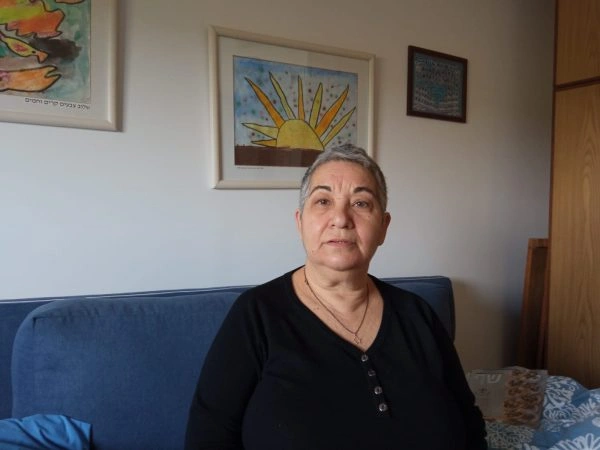
בתחילת הסבב הנוכחי הצטברו אצלי תחושות שאני לא מבינה מספיק מהי ההלכה אותה אני מקיימת בכל יום. כמו כן, כאמא לבנות רציתי לתת להן מודל נשי של לימוד תורה
שתי הסיבות האלו הובילו אותי להתחיל ללמוד. נתקלתי בתגובות מפרגנות וסקרניות איך אישה לומדת גמרא..
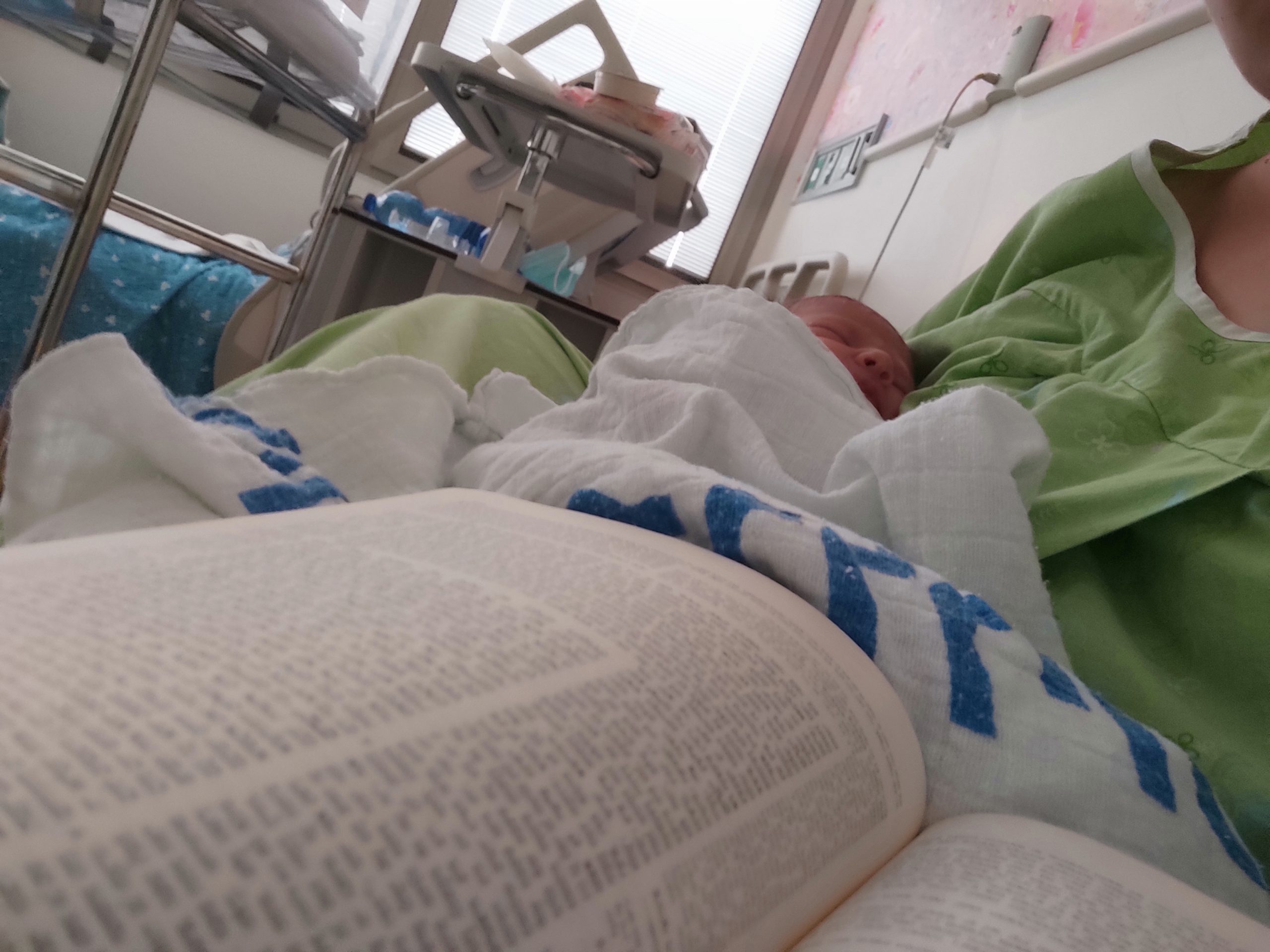
כמו שרואים בתמונה אני ממשיכה ללמוד גם היום ואפילו במחלקת יולדות אחרי לידת ביתי השלישית.

Noa Shiloh
נועה שילה

רבבה, ישראל

התחלתי בסיום הש”ס, יצאתי באורות. נשברתי פעמיים, ובשתיהם הרבנית מישל עודדה להמשיך איפה שכולם בסבב ולהשלים כשאוכל, וכך עשיתי וכיום השלמתי הכל. מדהים אותי שאני לומדת כל יום קצת, אפילו בחדר הלידה, בבידוד או בחו”ל. לאט לאט יותר נינוחה בסוגיות. לא כולם מבינים את הרצון, בפרט כפמניסטית. חשה סיפוק גדול להכיר את המושגים וצורת החשיבה. החלום זה להמשיך ולהתמיד ובמקביל ללמוד איך מהסוגיות נוצרה והתפתחה ההלכה.

Weingarten Sherrington Foundation
קרן וינגרטן שרינגטון

מודיעין, ישראל

רבנית מישל הציתה אש התלמוד בלבבות בביניני האומה ואני נדלקתי. היא פתחה פתח ותמכה במתחילות כמוני ואפשרה לנו להתקדם בצעדים נכונים וטובים. הקימה מערך שלם שמסובב את הלומדות בסביבה תומכת וכך נכנסתי למסלול לימוד מעשיר שאין כמוה. הדרן יצר קהילה גדולה וחזקה שמאפשרת התקדמות מכל נקודת מוצא. יש דיבוק לומדות שמחזק את ההתמדה של כולנו. כל פניה ושאלה נענית בזריזות ויסודיות. תודה גם למגי על כל העזרה.

Sarah Aber
שרה אבר

נתניה, ישראל

התחלתי לפני 8 שנים במדרשה. לאחרונה סיימתי מסכת תענית בלמידה עצמית ועכשיו לקראת סיום מסכת מגילה.

Daniela Baruchim
דניאלה ברוכים

רעננה, ישראל

באירוע של הדרן בנייני האומה. בהשראתה של אמי שלי שסיימה את הש”ס בסבב הקודם ובעידוד מאיר , אישי, וילדיי וחברותיי ללימוד במכון למנהיגות הלכתית של רשת אור תורה סטון ומורתיי הרבנית ענת נובוסלסקי והרבנית דבורה עברון, ראש המכון למנהיגות הלכתית.
הלימוד מעשיר את יומי, מחזיר אותי גם למסכתות שכבר סיימתי וידוע שאינו דומה מי ששונה פרקו מאה לשונה פרקו מאה ואחת במיוחד מרתקים אותי החיבורים בין המסכתות

Roit Kalech
רוית קלך

מודיעין, ישראל

הייתי לפני שנתיים בסיום הדרן נשים בבנייני האומה והחלטתי להתחיל. אפילו רק כמה דפים, אולי רק פרק, אולי רק מסכת… בינתיים סיימתי רבע שס ותכף את כל סדר מועד בה.
הסביבה תומכת ומפרגנת. אני בת יחידה עם ארבעה אחים שכולם לומדים דף יומי. מדי פעם אנחנו עושים סיומים יחד באירועים משפחתיים. ממש מרגש. מסכת שבת סיימנו כולנו יחד עם אבא שלנו!
אני שומעת כל יום פודקאסט בהליכה או בנסיעה ואחכ לומדת את הגמרא.

Edna Gross
עדנה גרוס

מרכז שפירא, ישראל

התחלתי ללמוד לפני 4.5 שנים, כשהודיה חברה שלי פתחה קבוצת ווטסאפ ללימוד דף יומי בתחילת מסכת סנהדרין. מאז לימוד הדף נכנס לתוך היום-יום שלי והפך לאחד ממגדירי הזהות שלי ממש.

Rosenberg Foundation
קרן רוזנברג

ירושלים, ישראל

התחלתי בתחילת הסבב, והתמכרתי. זה נותן משמעות נוספת ליומיום ומאוד מחזק לתת לזה מקום בתוך כל שגרת הבית-עבודה השוטפת.

Reut Abrahami
רעות אברהמי

בית שמש, ישראל

שבת לט

כׇּל שֶׁבָּא בְּחַמִּין מִלִּפְנֵי הַשַּׁבָּת — שׁוֹרִין אוֹתוֹ בְּחַמִּין בְּשַׁבָּת, וְכׇל שֶׁלֹּא בָּא בְּחַמִּין מִלִּפְנֵי הַשַּׁבָּת — מְדִיחִין אוֹתוֹ בְּחַמִּין בַּשַּׁבָּת. חוּץ מִן הַמָּלִיחַ יָשָׁן וְקוֹלְיָיס הָאִיסְפָּנִין, שֶׁהַדָּחָתָן זוֹ הִיא גְּמַר מְלַאכְתָּן. שְׁמַע מִינַּהּ.

Any salted food item that was already placed in hot water, i.e., cooked, before Shabbat, one may soak it in hot water even on Shabbat. And anything that was not placed in hot water before Shabbat, one may rinse it in hot water on Shabbat, but may not soak it, with the exception of old salted fish or the colias of the Spaniards [kolyas ha’ispanin] fish, for which rinsing with hot water itself is completion of the prohibited labor of cooking. Once it is rinsed in hot water, it does not require any additional cooking. The same is true with regard to an egg that was slightly cooked. Since it thereby becomes edible, one who brought it to that state has violated the prohibition of cooking. The Gemara sums up: Indeed, conclude from it that this is its meaning.

וְלֹא יַפְקִיעֶנָּה בְּסוּדָרִין: וְהָא דִּתְנַן נוֹתְנִין תַּבְשִׁיל לְתוֹךְ הַבּוֹר בִּשְׁבִיל שֶׁיְּהֵא שָׁמוּר, וְאֶת הַמַּיִם הַיָּפִים בָּרָעִים בִּשְׁבִיל שֶׁיִּצָּנְנוּ, וְאֶת הַצּוֹנֵן בַּחַמָּה בִּשְׁבִיל שֶׁיֵּחַמּוּ — לֵימָא רַבִּי יוֹסֵי הִיא וְלָא רַבָּנַן?

We also learned in the mishna according to the first tanna: And one may not wrap an egg in cloths that were heated by the sun in order to heat up the egg, and Rabbi Yosei permits doing so. And with regard to that which we learned in a mishna that one may place cooked food into a pit on Shabbat to protect it from the heat; and one may place good, potable water into bad, non-potable water so that it will cool; and one may put cold water out in the sun to heat it, the Gemara asks: Let us say that this mishna is in accordance with the opinion of Rabbi Yosei in our mishna and not the opinion of the Rabbis as represented by the first tanna in the mishna. The Rabbis prohibited heating food with the heat of the sun.

אָמַר רַב נַחְמָן: בְּחַמָּה — דְּכוּלֵּי עָלְמָא לָא פְּלִיגִי דִּשְׁרֵי. בְּתוֹלְדוֹת הָאוּר — כּוּלֵּי עָלְמָא לָא פְּלִיגִי דַּאֲסִיר. כִּי פְּלִיגִי בְּתוֹלְדוֹת הַחַמָּה: מָר סָבַר גָּזְרִינַן תּוֹלְדוֹת הַחַמָּה אַטּוּ תּוֹלְדוֹת הָאוּר, וּמָר סָבַר לָא גָּזְרִינַן.

Rav Naḥman said: With regard to heating food in the sun itself, everyone agrees that one is permitted to place food in the sun to heat it, as it is certainly neither fire nor a typical form of cooking. Likewise, with derivatives of fire, i.e., objects that were heated by fire, everyone agrees that it is prohibited to heat food with them, as heating with them is tantamount to heating with fire itself. Where they argue is with regard to heating with derivatives of the sun, i.e., objects heated with the heat of the sun. This Sage, who represents the opinion of the Rabbis, holds that we issue a decree prohibiting a person to heat with derivatives of the sun due to derivatives of fire, which are prohibited. People have no way of knowing how the cooking vessel was heated. If the Sages permit the use of objects heated in the sun, people will come to permit use of objects heated by fire as well. And this Sage, Rabbi Yosei, holds that we do not issue a decree. Even though it is prohibited to heat with derivatives of fire, heating with derivatives of the sun is permitted.

וְלֹא יַטְמִינֶנָּה בְּחוֹל: וְלִיפְלוֹג נָמֵי רַבִּי יוֹסֵי בְּהָא! רַבָּה אָמַר: גְּזֵרָה שֶׁמָּא יַטְמִין בְּרֶמֶץ. רַב יוֹסֵף אָמַר: מִפְּנֵי שֶׁמֵּזִיז עָפָר מִמְּקוֹמוֹ. מַאי בֵּינַיְיהוּ? אִיכָּא בֵּינַיְיהוּ עָפָר תִּיחוּחַ.

We learned in the mishna: And one may not insulate it in sand or in road dust that was heated in the sun. The Gemara asks: And let Rabbi Yosei disagree with this halakha as well. If he holds that one is permitted to cook on Shabbat using objects heated by the sun, the same should apply with regard to sand. The Gemara cites two answers. Rabba said: Rabbi Yosei agrees with the opinion of the Rabbis in this case. The Sages issued a decree in this case due to concern lest one come to insulate it in hot ashes, which is certainly prohibited, if he is permitted to insulate food in sand or road dust. Insulating in sand and insulating in hot ashes appear to be very similar. Rav Yosef said: Rabbi Yosei prohibits it in this case because when insulating it in the sand, he displaces dirt. It is as if he dug a hole in the sand, which is prohibited. The Gemara asks: What is the practical difference between the answers proposed by Rabba and Rav Yosef? Apparently, the two answers lead to the same practical conclusion. The Gemara answers: There is a practical difference between them in the case of loose earth. Loose earth does not require digging a hole. According to Rav Yosef’s explanation, there is no reason to prohibit insulating food in loose earth, as displacing loose earth involves no prohibition. However, if the decree was issued lest one insulate an egg in hot ashes, then it applies even in the case of loose earth.

מֵיתִיבִי, רַבָּן שִׁמְעוֹן בֶּן גַּמְלִיאֵל אוֹמֵר: מְגַלְגְּלִין בֵּיצָה עַל גַּבֵּי גַּג רוֹתֵחַ, וְאֵין מְגַלְגְּלִין בֵּיצָה עַל גַּבֵּי סִיד רוֹתֵחַ. בִּשְׁלָמָא לְמַאן דְּאָמַר גְּזֵרָה שֶׁמָּא יַטְמִין בְּרֶמֶץ — לֵיכָּא לְמִיגְזַר. אֶלָּא לְמַאן דְּאָמַר מִפְּנֵי שֶׁמֵּזִיז עָפָר מִמְּקוֹמוֹ, לִיגְזַר? — סְתָם גַּג לֵית בֵּיהּ עָפָר.

The Gemara raises an objection from that which was taught in a baraita: Rabban Shimon ben Gamliel says: One may slightly roast an egg on a hot rooftop heated by the sun; however, one may not slightly roast an egg on top of boiling limestone. Granted, this works out well according to the opinion of the one who said that insulating an egg in sand is prohibited due to a decree lest he come insulate it in hot ashes. There is no reason to issue a decree on a hot rooftop, as it is not at all similar to hot ashes. However, according to the opinion of the one who said that the reason is because he is displacing dirt, let him issue a decree and prohibit warming an egg on the rooftop as well because there is sometimes dirt on the roof. The Gemara answers: This is not difficult because, in general, a rooftop does not have dirt, and there is no reason to issue a decree in uncommon cases.

תָּא שְׁמַע: מַעֲשֶׂה שֶׁעָשׂוּ אַנְשֵׁי טְבֶרְיָא וְהֵבִיאוּ סִילוֹן שֶׁל צוֹנֵן לְתוֹךְ אַמָּה שֶׁל חַמִּין וְכוּ׳. בִּשְׁלָמָא לְמַאן דְּאָמַר גְּזֵרָה שֶׁמָּא יַטְמִין בְּרֶמֶץ — הַיְינוּ דְּדָמְיָא לְהַטְמָנָה. אֶלָּא לְמַאן דְּאָמַר מִפְּנֵי שֶׁמֵּזִיז עָפָר מִמְּקוֹמוֹ — מַאי אִיכָּא לְמֵימַר?

Come and hear a different objection to the opinion of the amora from our mishna: The Sages prohibited the people of the city of Tiberias, who ran a cold-water pipe through a canal of hot water from the Tiberias hot springs, from using the water. Granted, according to the opinion of the one who said that the prohibition is due to a decree lest one insulate food in hot ashes, that is the reason that this was prohibited, as it is similar to insulating. The cold-water pipe was placed inside the hot water and was surrounded by it. However, according to the opinion of the one who said that the reason is because one displaces dirt, what is there to say to explain the prohibition?

מִי סָבְרַתְּ מַעֲשֶׂה טְבֶרְיָא אַסֵּיפָא קָאֵי? אַרֵישָׁא קָאֵי: לֹא יַפְקִיעֶנָּה בְּסוּדָרִין וְרַבִּי יוֹסֵי מַתִּיר, וְהָכִי קָאָמְרִי לֵיהּ רַבָּנַן לְרַבִּי יוֹסֵי: הָא מַעֲשֶׂה דְּאַנְשֵׁי טְבֶרְיָא דְּתוֹלְדוֹת חַמָּה הוּא, וְאָסְרִי לְהוּ רַבָּנַן! אֲמַר לְהוּ: הַהוּא תּוֹלְדוֹת אוּר הוּא, דְּחָלְפִי אַפִּיתְחָא דְגֵיהִנָּם.

The Gemara answers: Do you think that the story about Tiberias refers to the latter clause of the mishna? No, it refers to the first clause of the mishna, and it should be understood as follows: The Rabbis and Rabbi Yosei disagree with regard to wrapping an egg in cloths. The Rabbis say: One may not wrap it in cloths and Rabbi Yosei permits doing so. And the Rabbis said the following to Rabbi Yosei: Wasn’t the incident involving the people of Tiberias with derivatives of the sun, as the hot springs of Tiberias are not heated by fire, and nevertheless the Sages prohibited them from using the water? Rabbi Yosei said to them: That is not so. That incident involved derivatives of fire, as the hot springs of Tiberias are hot because they pass over the entrance to Gehenna. They are heated by hellfire, which is a bona fide underground fire. That is not the case with derivatives of the sun, which are not heated by fire at all.

אָמַר רַב חִסְדָּא:

On the same topic, Rav Hisda said:

מִמַּעֲשֶׂה שֶׁעָשׂוּ אַנְשֵׁי טְבֶרְיָא וְאָסְרִי לְהוּ רַבָּנַן בָּטְלָה הַטְמָנָה בְּדָבָר הַמּוֹסִיף הֶבֶל, וַאֲפִילּוּ מִבְּעוֹד יוֹם. אֲמַר עוּלָּא: הֲלָכָה כְּאַנְשֵׁי טְבֶרְיָא. אֲמַר לֵיהּ רַב נַחְמָן: כְּבָר תַּבְרִינְהוּ אַנְשֵׁי טְבֶרְיָא לְסִילוֹנַיְיהוּ.

From this action performed by the people of Tiberias and the fact that the Sages prohibited them from using the water, the conclusion is that the practice of insulating a pot in something that increases the heat over the course of Shabbat was abolished on Shabbat. And not only is it prohibited to do so on Shabbat itself, but it is also prohibited while it is still day before Shabbat. Running pipes of cold water through hot water is similar to insulating water in something that adds heat. Ulla said: The halakha is in accordance with the people of Tiberias. Rav Naḥman said to him: The people of Tiberias have already broken their pipes. Even they reconsidered their position.

מַעֲשֶׂה שֶׁעָשׂוּ אַנְשֵׁי טְבֶרְיָא: מַאי רְחִיצָה? אִילֵּימָא רְחִיצַת כׇּל גּוּפוֹ — אֶלָּא חַמִּין שֶׁהוּחַמּוּ בְּשַׁבָּת הוּא דַּאֲסוּרִין, הָא חַמִּין שֶׁהוּחַמּוּ מֵעֶרֶב שַׁבָּת מוּתָּרִין? וְהָתַנְיָא: חַמִּין שֶׁהוּחַמּוּ מֵעֶרֶב שַׁבָּת, לְמָחָר רוֹחֵץ בָּהֶן פָּנָיו יָדָיו וְרַגְלָיו, אֲבָל לֹא כׇּל גּוּפוֹ! אֶלָּא פָּנָיו יָדָיו וְרַגְלָיו.

We learned in the mishna with regard to the incident, which related what the people of Tiberias did, that the legal status of water that was heated in the Tiberias hot springs is like that of water heated on Shabbat, and it is prohibited for use in bathing. The Gemara clarifies this matter: What type of bathing is this? If you say that it is referring to bathing one’s entire body, that is difficult. That would indicate that only water heated on Shabbat is prohibited for use in bathing one’s entire body; however, bathing one’s entire body in hot water heated before Shabbat is permitted. That cannot be. Wasn’t it taught in a baraita: With regard to hot water that was heated on Shabbat eve, one may use it the next day to wash his face, his hands, and his feet incrementally; however, not to wash his entire body? Rather, it must be that the bathing prohibited in the mishna with water heated on Shabbat is, in fact, washing his face, his hands, and his feet.

אֵימָא סֵיפָא: בְּיוֹם טוֹב, כְּחַמִּין שֶׁהוּחַמּוּ בְּיוֹם טוֹב, וַאֲסוּרִין בִּרְחִיצָה וּמוּתָּרִין בִּשְׁתִיָּה. לֵימָא תְּנַן סְתָמָא כְּבֵית שַׁמַּאי? דִּתְנַן, בֵּית שַׁמַּאי אוֹמְרִים: לֹא יָחֵם אָדָם חַמִּין לְרַגְלָיו אֶלָּא אִם כֵּן רְאוּיִין לִשְׁתִיָּה, וּבֵית הִלֵּל מַתִּירִין.

However, if so, say the latter clause of the mishna: On a Festival, the legal status of the water is like that of water that was heated by fire on a Festival, and it is prohibited for bathing and permitted for drinking. Even on a Festival, washing one’s face, hands, and feet is prohibited with this hot water. If so, let us say that we learned the unattributed mishna in accordance with the opinion of Beit Shammai. As we learned in a mishna, Beit Shammai say: A person may not heat water for his feet on a Festival unless it is also fit for drinking, and Beit Hillel permit doing so. According to Beit Hillel, it is permitted to heat water on a Festival for the purpose of washing one’s feet. According to the proposed interpretation of the term bathing in the mishna, as referring to washing one’s face, hands, and feet, our mishna is in accordance with the opinion of Beit Shammai. This is problematic, as the halakhic opinion of Beit Shammai is rejected and only rarely cited in an unattributed mishna.

אָמַר רַב אִיקָא בַּר חֲנַנְיָא: לְהִשְׁתַּטֵּף בָּהֶן כׇּל גּוּפוֹ עָסְקִינַן, וְהַאי תַּנָּא הוּא דְּתַנְיָא: לֹא יִשְׁתַּטֵּף אָדָם כׇּל גּוּפוֹ בֵּין בְּחַמִּין וּבֵין בְּצוֹנֵן — דִּבְרֵי רַבִּי מֵאִיר. רַבִּי שִׁמְעוֹן מַתִּיר. רַבִּי יְהוּדָה אוֹמֵר: בְּחַמִּין — אָסוּר, בְּצוֹנֵן — מוּתָּר.

Rav Ika bar Ḥananya said: In our mishna, we are dealing with water that was heated in order to rinse one’s entire body with it. Rinsing does not have the same legal status as bathing. And that which we learned in the mishna: Water that was heated on Shabbat is prohibited for bathing, from which it can be inferred that water heated before Shabbat is permitted for bathing on Shabbat, is in accordance with the opinion of this tanna, the opinion of Rabbi Shimon in the Tosefta. As it was taught in a Tosefta: One may neither rinse his entire body with hot water, even if it was heated before Shabbat, nor with cold water; this is the statement of Rabbi Meir. Rabbi Shimon permits doing so even with hot water because it was heated before Shabbat. Rabbi Yehuda says: With hot water, it is prohibited; with cold water, it is permitted. According to Rabbi Shimon, it is completely prohibited to rinse with water that was heated on Shabbat itself. Consequently, our mishna, which does not differentiate between hot and cold water, is in accordance with the opinion of Rabbi Shimon.

אָמַר רַב חִסְדָּא: מַחֲלוֹקֶת בִּכְלִי, אֲבָל בְּקַרְקַע — דִּבְרֵי הַכֹּל מוּתָּר. וְהָא מַעֲשֶׂה דְּאַנְשֵׁי טְבֶרְיָא בְּקַרְקַע הֲוָה וְאָסְרִי לְהוּ רַבָּנַן! אֶלָּא אִי אִיתְּמַר, הָכִי אִיתְּמַר: מַחֲלוֹקֶת בְּקַרְקַע, אֲבָל בִּכְלִי — דִּבְרֵי הַכֹּל אָסוּר.

Rav Ḥisda said: This dispute over washing with water heated before Shabbat is specifically with regard to water in a vessel, as one might mistakenly think that it was heated on Shabbat, and there is then concern lest one permit the use of water heated with fire on Shabbat. However, when the water was collected in the ground, everyone agrees that it is permitted. The Gemara challenges this: Wasn’t the incident involving the people of Tiberias with regard to water in the ground, and nevertheless the Sages prohibited it? Rather, if this was stated, this is what was stated, i.e., this is the correct version of Rav Ḥisda’s statement: This dispute is specifically when the water is collected in the ground. However, when it is in a vessel, everyone agrees that it is prohibited.

אָמַר רַבָּה בַּר בַּר חָנָה אָמַר רַבִּי יוֹחָנָן: הֲלָכָה כְּרַבִּי יְהוּדָה. אֲמַר לֵיהּ רַב יוֹסֵף: בְּפֵירוּשׁ שְׁמִיעַ לָךְ, אוֹ מִכְּלָלָא שְׁמִיעַ לָךְ? מַאי כְּלָלָא? — דְּאָמַר רַב תַּנְחוּם אָמַר רַבִּי יוֹחָנָן אָמַר רַבִּי יַנַּאי אָמַר (רַב) [רַבִּי]: כָּל מָקוֹם שֶׁאַתָּה מוֹצֵא שְׁנַיִם חֲלוּקִין וְאֶחָד מַכְרִיעַ — הֲלָכָה כְּדִבְרֵי הַמַּכְרִיעַ. חוּץ מִקּוּלֵּי מַטְלָנִיּוֹת, שֶׁאַף עַל פִּי שֶׁרַבִּי אֱלִיעֶזֶר מַחְמִיר, וְרַבִּי יְהוֹשֻׁעַ מֵיקֵל, וְרַבִּי עֲקִיבָא מַכְרִיעַ — אֵין הֲלָכָה כְּדִבְרֵי הַמַּכְרִיעַ. חֲדָא: דְּרַבִּי עֲקִיבָא תַּלְמִיד הוּא. וְעוֹד: הָא

Rabba bar bar Ḥana said that Rabbi Yoḥanan said: The halakha in this dispute is in accordance with the opinion of Rabbi Yehuda. Rav Yosef said to him: Did you learn this from Rabbi Yoḥanan explicitly, or did you learn it by inference from something else that he said? The Gemara remarks: What was the statement of Rabbi Yoḥanan from which this conclusion could be inferred? As Rav Tanḥum said that Rabbi Yoḥanan said that Rabbi Yannai said that Rav said: Every place that you find two who disagree and each one of them establishes his opinion in a series of cases, and one of the Sages, a third one, adopts a compromise opinion and says that in some cases the halakha is in accordance with one, and in some cases the halakha is in accordance with the other, the halakha is in accordance with the opinion of the compromiser. This principle holds true except for the case of the ritual impurity of insignificant strips of material. In that case, even though Rabbi Eliezer is stringent, and Rabbi Yehoshua is lenient, and Rabbi Akiva compromises, the halakha is not in accordance with the statement of the compromiser: First, because Rabbi Akiva is a student of Rabbi Eliezer and Rabbi Yehoshua and lacks the authority to decide between the opinions of his rabbis. And furthermore, didn’t

רוצה לעקוב אחרי התכנים ולהמשיך ללמוד?

ביצירת חשבון עוד היום ניתן לעקוב אחרי ההתקדמות שלך, לסמן מה למדת, ולעקוב אחרי השיעורים שמעניינים אותך.

לנקות את כל הפריטים מהרשימה?

פעולה זו תסיר את כל הפריטים בחלק זה כולל ההתקדמות וההיסטוריה. שימי לב: לא ניתן לשחזר פעולה זו.

ביטול
מחיקה

האם את/ה בטוח/ה שברצונך למחוק פריט זה?

תאבד/י את כל ההתקדמות או ההיסטוריה הקשורות לפריט זה.

ביטול
מחיקה