חיפוש

שבת עב

רוצה להקדיש שיעור?

podcast placeholder

0:00
0:00


תקציר

השיעור היום מוקדש לרפואה שלימה ללאה נעמי בת רחל על ידי דברה דיקסון. 

מה הדין לגבי קרבן אשם במי שבעל שפחה חרופה כמה פעמים – האם מביאים קרבן על כל מעשה בעילה אם נודע לו בין לבין? או האם ידיעה אינה קובעת בקרבן אשם כמו בקרבן חטאת? מה הדין במי שהתכוון לעשות מעשה בשבת שמותר ובטעות עשה מעשה אסור – כגון התכון להגביה את התלוש וחתך את המחובר (תלש)? מה אם התכוון לחתוך את התלוש וחתך את המחובר – על מקרה זה חלוקים רבא ואביי. שבת שונה משאר מצוות בעניין זה. וגם שונה בזה שחייבים שני קרבנות חטאת אם עשה שניים בהעלם אחד – מה המקרה הזה?

כלים

שבת עב

בָּעַל חָמֵשׁ בְּעִילוֹת בְּשִׁפְחָה חֲרוּפָה — אֵינוֹ חַיָּיב אֶלָּא אַחַת. מַתְקִיף לַהּ רַב הַמְנוּנָא: אֶלָּא מֵעַתָּה בָּעַל וְחָזַר וּבָעַל וְהִפְרִישׁ קׇרְבָּן, וְאָמַר: הַמְתִּינוּ לִי עַד שֶׁאֶבְעוֹל, הָכִי נָמֵי דְּאֵינוֹ חַיָּיב אֶלָּא אַחַת? אֲמַר לֵיהּ: מַעֲשֶׂה דִּלְאַחַר הַפְרָשָׁה קָאָמְרַתְּ?! מַעֲשֶׂה דִּלְאַחַר הַפְרָשָׁה לָא קָאָמֵינָא.

one who had relations with a designated maidservant five times is only liable to bring one guilt-offering, even if he became aware of his transgression between each instance of relations with her. Because awareness is insignificant with regard to this sacrifice, it does not demarcate in terms of the number of guilt-offerings that he is liable to bring. Rav Hamnuna strongly objects to this halakha: But if what you say is so, one who had relations with a designated maidservant, and again had relations, and designated an animal for the offering, and said: Wait for me before sacrificing the offering until I have relations again, so that the guilt-offering will atone for this transgression as well, would you say that the same applies in that case too, that he is only liable to bring one guilt-offering? Ulla said to him: You referred to an action performed after designation of an animal for the guilt-offering. I did not say that halakha with regard to an action that was performed after designation.

כִּי אֲתָא רַב דִּימִי אָמַר: לְמַאן דְּאָמַר אָשָׁם וַדַּאי בָּעֵי יְדִיעָה בַּתְּחִלָּה, בָּעַל חָמֵשׁ בְּעִילוֹת בְּשִׁפְחָה חֲרוּפָה — חַיָּיב עַל כׇּל אַחַת וְאַחַת. אֲמַר לֵיהּ אַבָּיֵי: הֲרֵי חַטָּאת, דְּבָעֵינַן יְדִיעָה בַּתְּחִלָּה, וּפְלִיגִי רַבִּי יוֹחָנָן וְרַבִּי שִׁמְעוֹן בֶּן לָקִישׁ! אִישְׁתִּיק. אֲמַר לֵיהּ: דִּלְמָא בְּמַעֲשֶׂה דִּלְאַחַר הַפְרָשָׁה קָאָמְרַתְּ, וְכִדְרַב הַמְנוּנָא? אֲמַר לֵיהּ: אִין.

When Rav Dimi came from Eretz Yisrael to Babylonia, he said: According to the one who said that in order to designate a definite guilt-offering one requires prior knowledge that he definitely sinned, one who had relations five times with a designated maidservant is liable to bring a guilt-offering for each and every one. Because awareness is significant with regard to guilt-offerings, the awareness between the acts of cohabitation renders each a separate transgression. Abaye said to Rav Dimi: That is not so, as with regard to a sin-offering for which we require prior knowledge, Rabbi Yoḥanan and Rabbi Shimon ben Lakish disagree whether or not awareness following an unwitting sin demarcates one transgression from another. Rav Dimi was silent and had no response. In an attempt to resolve the problem, Abaye said to him: Perhaps you said your statement with regard to an act that the sinner seeks to commit after designating an animal as a guilt-offering but wants to attain atonement for by means of that same designated sacrifice. That statement is in accordance with the statement of Rav Hamnuna. Rav Dimi remembered and said to Abaye: Yes, that was what was originally stated.

כִּי אֲתָא רָבִין, אָמַר: הַכֹּל מוֹדִים בְּשִׁפְחָה חֲרוּפָה, וְהַכֹּל מוֹדִים בְּשִׁפְחָה חֲרוּפָה, וּמַחְלוֹקֶת בְּשִׁפְחָה חֲרוּפָה. הַכֹּל מוֹדִים בְּשִׁפְחָה חֲרוּפָה דְּאֵינוֹ חַיָּיב אֶלָּא אַחַת — כִּדְעוּלָּא. וְהַכֹּל מוֹדִים בְּשִׁפְחָה חֲרוּפָה דְּחַיָּיב עַל כׇּל אַחַת וְאַחַת — כְּרַב הַמְנוּנָא. וּמַחְלוֹקֶת בְּשִׁפְחָה חֲרוּפָה — לְמַאן דְּאָמַר אָשָׁם וַדַּאי בָּעֵי יְדִיעָה בַּתְּחִלָּה, מַחֲלוֹקֶת דְּרַבִּי יוֹחָנָן וְרַבִּי שִׁמְעוֹן בֶּן לָקִישׁ.

When Ravin came from Eretz Yisrael to Babylonia, he cited several disputes concerning the halakhot of guilt-offerings and said: Everyone agrees with regard to a designated maidservant, and everyone agrees with regard to a designated maidservant, and there is a dispute with regard to a designated maidservant. The Gemara elaborates: Everyone agrees with regard to a designated maidservant; one is liable to bring only one guilt-offering, even for many acts of cohabitation, in accordance with the opinion of Ulla. Ulla said that since prior knowledge is not required for liability to bring a guilt-offering, even if one became aware of his transgression between each time he had relations, he brings only one sacrifice. And everyone agrees with regard to a designated maidservant; one is liable for each and every act of cohabitation, if it occurred after designation of an animal for a guilt-offering for the previous transgression, in accordance with the opinion of Rav Hamnuna. And there is a dispute with regard to a designated maidservant; this refers to the one who said that, in order to designate a definite guilt-offering, one requires prior knowledge that he definitely sinned. In that case, the legal status of the guilt-offering is equal to that of the sin-offering and is the subject of a dispute between Rabbi Yoḥanan and Rabbi Shimon ben Lakish, who disagree whether awareness between two unwitting transgressions demarcates and requires two offerings.

אִיתְּמַר:

It was stated that amora’im disagreed with regard to the halakha in the following case:

נִתְכַּוֵּין לְהַגְבִּיהַּ אֶת הַתָּלוּשׁ, וְחָתַךְ אֶת הַמְחוּבָּר — פָּטוּר. לַחְתּוֹךְ אֶת הַתָּלוּשׁ, וְחָתַךְ אֶת הַמְחוּבָּר, רָבָא אָמַר: פָּטוּר. אַבָּיֵי אָמַר: חַיָּיב. רָבָא אָמַר פָּטוּר — דְּהָא לָא מִיכַּוֵּון לַחֲתִיכָה דְאִיסּוּרָא. אַבָּיֵי אֲמַר חַיָּיב — דְּהָא קָמִיכַּוֵּין לַחֲתִיכָה בְּעָלְמָא.

One who intended to lift a plant detached from the ground on Shabbat and mistakenly severed a plant still attached to the ground, which under other circumstances constitutes performance of the prohibited labor of reaping, is exempt from bringing a sin-offering for his mistaken act, since he did not intend to perform an act of cutting. One who performs an action unawares [mitasek], i.e., he had no intention to perform the act at all, incurs no liability whatsoever. One who intended to cut a detached plant and unwittingly severed a plant still attached to the ground, Rava said: He too is exempt. Abaye said: He is liable. The Gemara elaborates: Rava said that he is exempt because he did not intend to perform an act of prohibited severing. He intended to perform an action completely permitted on Shabbat. He had no misconception with regard to the halakhot of Shabbat. It was merely a mistaken act. And Abaye said that he is liable because he intended to perform a standard act of cutting. Since he intended to perform that act, and he carried out his intent, the Torah characterizes it as unwitting and not as unawares.

אָמַר רָבָא: מְנָא אָמֵינָא לַהּ? דְּתַנְיָא: חוֹמֶר שַׁבָּת מִשְּׁאָר מִצְוֹת, וְחוֹמֶר שְׁאָר מִצְוֹת מִשַּׁבָּת. חוֹמֶר שַׁבָּת מִשְּׁאָר מִצְוֹת, שֶׁהַשַּׁבָּת עָשָׂה שְׁתַּיִם בְּהֶעְלֵם אֶחָד — חַיָּיב עַל כׇּל אַחַת וְאַחַת, מַה שֶּׁאֵין כֵּן בִּשְׁאָר מִצְוֹת. וְחוֹמֶר שְׁאָר מִצְוֹת מִשַּׁבָּת — שֶׁבִּשְׁאָר מִצְוֹת שָׁגַג בְּלֹא מִתְכַּוֵּין — חַיָּיב, מַה שֶּׁאֵין כֵּן בְּשַׁבָּת.

Rava said: From where do I derive to say this opinion? As it was taught in a baraita: There is a stricture with regard to the prohibitions of Shabbat that is greater than the stricture with regard to other mitzvot, and a stricture with regard to other mitzvot that is greater than the stricture with regard to Shabbat. The Gemara elaborates: A stricture with regard to Shabbat that is greater than the stricture with regard to other mitzvot is that, with regard to Shabbat, one who performed two transgressions on Shabbat, even if he did so in the course of one lapse of awareness, is liable to bring a sin-offering for each and every one, which is not the case in other mitzvot. In other mitzvot, if an individual commits a transgression several times in the course of one lapse of awareness, he is liable to bring only one sin-offering. And a stricture with regard to other mitzvot that is greater than the stricture with regard to Shabbat is that, with regard to other mitzvot, one who performs an act unwittingly without intent is liable, which is not the case with regard to Shabbat. Apparently, the phrase unwittingly without intent refers to the case disputed by Abaye and Rava. Therefore, this is proof for Rava’s opinion that, with regard to Shabbat, one who acts unawares, i.e., whose action resulted from involvement in another matter and who had no intention to perform an action that is prohibited, is not considered to have performed an unwitting act.

אָמַר מָר: חוֹמֶר שַׁבָּת מִשְּׁאָר מִצְוֹת, שֶׁהַשַּׁבָּת עָשָׂה שְׁתַּיִם בְּהֶעְלֵם אֶחָד — חַיָּיב עַל כׇּל אַחַת וְאַחַת, מַה שֶּׁאֵין כֵּן בִּשְׁאָר מִצְוֹת. הֵיכִי דָמֵי? אִילֵּימָא דַּעֲבַד קְצִירָה וּטְחִינָה, דִּכְווֹתַהּ גַּבֵּי שְׁאָר מִצְוֹת אֲכַל חֵלֶב וְדָם. הָכָא תַּרְתֵּי מִיחַיַּיב, וְהָכָא תַּרְתֵּי מִיחַיַּיב! אֶלָּא שְׁאָר מִצְוֹת דְּלָא מִיחַיַּיב אֶלָּא חֲדָא הֵיכִי דָּמֵי — דַּאֲכַל חֵלֶב וְחֵלֶב. דִּכְווֹתַהּ גַּבֵּי שַׁבָּת — דַּעֲבַד קְצִירָה וּקְצִירָה, הָכָא חֲדָא מִיחַיַּיב, וְהָכָא חֲדָא מִיחַיַּיב!

Before the Gemara discusses the baraita in the context of the dispute between Abaye and Rava, the Gemara analyzes its text. The Master said in the baraita: A stricture with regard to Shabbat that is greater than the stricture with regard to other mitzvot is that, with regard to Shabbat, one who performed two transgressions on Shabbat, even in the course of one lapse of awareness, is liable to bring a sin-offering for each and every one, which is not the case with regard to other mitzvot. The Gemara asks: What are the circumstances? If you say that he unwittingly performed acts of reaping and grinding on Shabbat, the corresponding situation with regard to other mitzvot is a case where he ate forbidden fat and blood. If so, there is no difference between Shabbat and other mitzvot. Here one is liable to bring two sin-offerings and here one is liable to bring two sin-offerings. Rather, what are the circumstances in other mitzvot where he is liable to bring only one sin-offering? It is in a case where he ate forbidden fat and again ate forbidden fat within one lapse of awareness. The corresponding situation with regard to Shabbat is a case where one performed an act of reaping and performed another act of reaping within one lapse of awareness. However, in that case too there is no difference between Shabbat and other mitzvot. Here one is liable to bring one sin-offering, and here one is liable to bring one sin-offering.

לְעוֹלָם דַּעֲבַד קְצִירָה וּטְחִינָה, וּמַאי ״מַה שֶּׁאֵין כֵּן בִּשְׁאָר מִצְוֹת״ — אַעֲבוֹדָה זָרָה, וְכִדְרַבִּי אַמֵּי. דְּאָמַר רַבִּי אַמֵּי: זִיבַּח וְקִיטֵּר וְנִיסֵּךְ בְּהַעֲלָמָה אַחַת — אֵינוֹ חַיָּיב אֶלָּא אַחַת.

The Gemara explains: Actually, it is referring to a case where one performed acts of reaping and grinding. And what is the meaning of the phrase: Which is not the case with regard to other mitzvot? It is not referring to all mitzvot in general. It is referring to the prohibition of idolatry, which is comprised of separate component prohibitions, each of which incurs independent liability. This is in accordance with the opinion of Rabbi Ami, as Rabbi Ami said: One who sacrificed to idolatry, and burned incense before it, and poured wine as a libation before it in the course of one lapse of awareness is liable to bring only one sin-offering. That is the ruling, even though, had he performed those rites separately, he would be liable to bring a sin-offering for each. That, then, is the stricture of other mitzvot relative to Shabbat.

בְּמַאי אוֹקֵימְתַּהּ — בַּעֲבוֹדָה זָרָה? אֵימָא סֵיפָא: חוֹמֶר בִּשְׁאָר מִצְוֹת, שֶׁבִּשְׁאָר מִצְוֹת שָׁגַג בְּלֹא מִתְכַּוֵּין — חַיָּיב, מַה שֶּׁאֵין כֵּן בְּשַׁבָּת — הַאי שָׁגַג בְּלֹא מִתְכַּוֵּין דַּעֲבוֹדָה זָרָה הֵיכִי דָּמֵי? אִילֵּימָא כְּסָבוּר בֵּית הַכְּנֶסֶת הוּא וְהִשְׁתַּחֲוָה לָהּ — הֲרֵי לִבּוֹ לַשָּׁמַיִם. וְאֶלָּא דְּחָזֵי אִנְדְּרָטָא וְסָגֵיד לֵהּ, הֵיכִי דָּמֵי? אִי דְּקַבְּלֵהּ עֲלֵיהּ בֶּאֱלוֹהַּ — מֵזִיד הוּא. וְאִי דְּלָא קַבְּלֵהּ עֲלֵיהּ בֶּאֱלוֹהַּ — לָאו כְּלוּם הוּא.

The Gemara asks: In what case did you establish the baraita, in the case of idolatry? If so, state the latter clause and determine whether that explanation applies there as well. The latter clause states: A stricture with regard to other mitzvot that is greater than the stricture with regard to Shabbat is that, with regard to other mitzvot, one who performs an act unwittingly without intent is liable, which is not the case with regard to Shabbat. One who acts unawares with no intent to perform a prohibited act is not considered to have performed an unwitting act. That case of performing an act unwittingly without intent with regard to idolatry, what are the circumstances? If you say that it is referring to a case where he thought that it was a synagogue and bowed to it, and it turned out that he bowed to idolatry, he committed no transgression. Since his heart was directed toward Heaven, it is not even an unwitting transgression. Rather, it is referring to a case where he saw a statue [andarta] in the image of the king and bowed to it. What are the circumstances? If the baraita is referring to a case in which he bowed because he accepted that image upon himself as a god, he worshipped idolatry intentionally and is not liable to bring a sin-offering. And if he did not accept that image upon himself as a god and bowed merely in deference to the monarch, it is meaningless and is not an act of idolatry.

אֶלָּא מֵאַהֲבָה וּמִיִּרְאָה. הָנִיחָא לְאַבָּיֵי, דְּאָמַר חַיָּיב. אֶלָּא לְרָבָא דְּאָמַר פָּטוּר, מַאי אִיכָּא לְמֵימַר? אֶלָּא בְּאוֹמֵר ״מוּתָּר״. מַה שֶּׁאֵין כֵּן בְּשַׁבָּת דְּפָטוּר — לִגְמָרֵי.

Rather, it is referring to a case where one bowed due to love of someone who requested that he bow before the statue and due to fear of someone coercing him to do so. He is under the impression that unless he wholeheartedly has the intention to worship the idol, there is no prohibition involved. This works out well according to the opinion of Abaye, who said: One who bows due to love or fear is liable to bring a sin-offering. However, according to the opinion of Rava, who said: One who bows due to love or fear is exempt from bringing a sin-offering, what can be said? According to Rava’s opinion, the problem remains. There is no case in which there is a difference between the ruling in the case of idolatry and the ruling in the case of Shabbat. Rather, it is referring to a case where one says to himself that this is permitted. He is under the impression that idolatry is permitted, and his unwitting act was the result of ignorance, not forgetfulness. The statement in the baraita: Which is not the case with regard to Shabbat, is referring to one who was under the impression that performing labors on Shabbat is permitted. One who performs prohibited labors under those circumstances is completely exempt.

עַד כָּאן לָא בְּעָא מִינֵּיהּ רָבָא מֵרַב נַחְמָן, אֶלָּא אִי לְחַיּוֹבֵי חֲדָא, אִי לְחַיּוֹבֵי תַּרְתֵּי, אֲבָל מִפְטְרֵיהּ לִגְמָרֵי — לָא.

That conclusion contradicts another statement of Rava. With regard to one who is unaware of both the essence of Shabbat and the individual prohibited labors, Rava raised a dilemma before Rav Naḥman only whether to deem him liable to bring one or whether to deem him liable to bring two sin-offerings. However, the possibility to exempt him completely did not enter Rava’s mind. That explanation of the baraita is incompatible with Rava’s opinion.

כלים

העמקה

רוצה להבין מה באמת קורה מתחת לפני השטח של הסוגיה?
שיעורים, פודקאסטים והרחבות של מיטב המורות שלנו יפתחו לך עוד זוויות וכיווני חשיבה.

לשיעורי עוד על הדף באנגלית, לחצי כאן

חדשה בלימוד הגמרא?

זה הדף הראשון שלך? איזו התרגשות עצומה! יש לנו בדיוק את התכנים והכלים שיעזרו לך לעשות את הצעדים הראשונים ללמידה בקצב וברמה שלך, כך תוכלי להרגיש בנוח גם בתוך הסוגיות המורכבות ומאתגרות.

פסיפס הלומדות שלנו

גלי את קהילת הלומדות שלנו, מגוון נשים, רקעים וסיפורים. כולן חלק מתנועה ומסע מרגש ועוצמתי.

התחלתי ללמוד את הדף היומי מעט אחרי שבני הקטן נולד. בהתחלה בשמיעה ולימוד באמצעות השיעור של הרבנית שפרבר. ובהמשך העזתי וקניתי לעצמי גמרא. מאז ממשיכה יום יום ללמוד עצמאית, ולפעמים בעזרת השיעור של הרבנית, כל יום. כל סיום של מסכת מביא לאושר גדול וסיפוק. הילדים בבית נהיו חלק מהלימוד, אני משתפת בסוגיות מעניינות ונהנית לשמוע את דעתם.

Eliraz Blau
אלירז בלאו

מעלה מכמש, ישראל

התחלתי ללמוד בסבב הנוכחי לפני כשנתיים .הסביבה מתפעלת ותומכת מאוד. אני משתדלת ללמוד מכל ההסכתים הנוספים שיש באתר הדרן. אני עורכת כל סיום מסכת שיעור בביתי לכ20 נשים שמחכות בקוצר רוח למפגשים האלו.

Yael Asher
יעל אשר

יהוד, ישראל

בתחילת הסבב הנוכחי הצטברו אצלי תחושות שאני לא מבינה מספיק מהי ההלכה אותה אני מקיימת בכל יום. כמו כן, כאמא לבנות רציתי לתת להן מודל נשי של לימוד תורה
שתי הסיבות האלו הובילו אותי להתחיל ללמוד. נתקלתי בתגובות מפרגנות וסקרניות איך אישה לומדת גמרא..
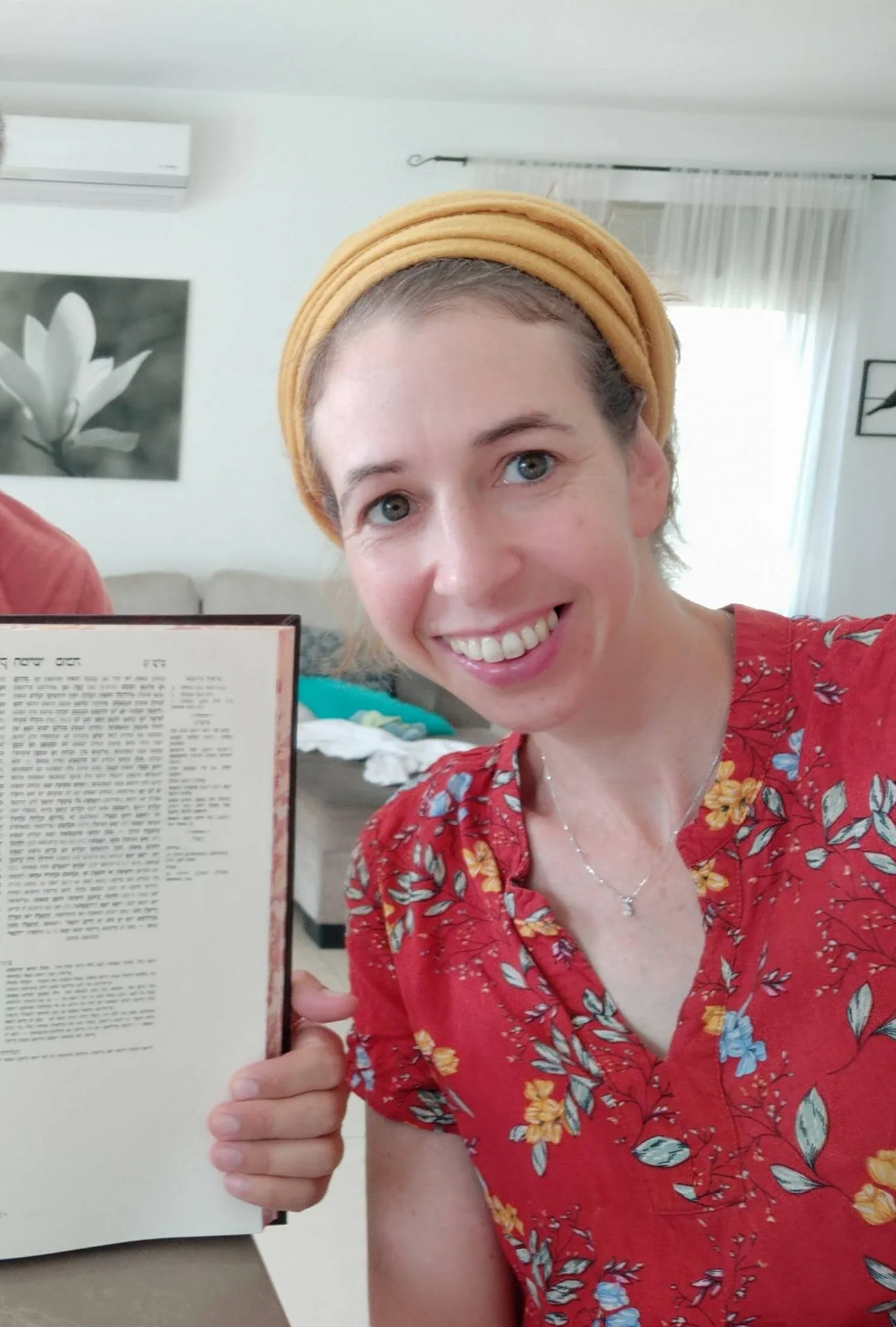
כמו שרואים בתמונה אני ממשיכה ללמוד גם היום ואפילו במחלקת יולדות אחרי לידת ביתי השלישית.

Noa Shiloh
נועה שילה

רבבה, ישראל

התחלתי ללמוד דף יומי לפני שנתיים, עם מסכת שבת. בהתחלה ההתמדה היתה קשה אבל בזכות הקורונה והסגרים הצלחתי להדביק את הפערים בשבתות הארוכות, לסיים את מסכת שבת ולהמשיך עם המסכתות הבאות. עכשיו אני מסיימת בהתרגשות רבה את מסכת חגיגה וסדר מועד ומחכה לסדר הבא!

Ilana-Shachnowitz
אילנה שכנוביץ

מודיעין, ישראל

כבר סיפרתי בסיום של מועד קטן.
הלימוד מאוד משפיעה על היום שלי כי אני לומדת עם רבנית מישל על הבוקר בזום. זה נותן טון לכל היום – בסיס למחשבות שלי .זה זכות גדול להתחיל את היום בלימוד ובתפילה. תודה רבה !

שרה-ברלוביץ
שרה ברלוביץ

ירושלים, ישראל

התחלתי ללמוד דף לפני קצת יותר מ-5 שנים, כשלמדתי רבנות בישיבת מהר”ת בניו יורק. בדיעבד, עד אז, הייתי בלימוד הגמרא שלי כמו מישהו שאוסף חרוזים משרשרת שהתפזרה, פה משהו ושם משהו, ומאז נפתח עולם ומלואו…. הדף נותן לי לימוד בצורה מאורגנת, שיטתית, יום-יומית, ומלמד אותי לא רק ידע אלא את השפה ודרך החשיבה שלנו. לשמחתי, יש לי סביבה תומכת וההרגשה שלי היא כמו בציטוט שבחרתי: הדף משפיע לטובה על כל היום שלי.

Michal Kahana
מיכל כהנא

חיפה, ישראל

לצערי גדלתי בדור שבו לימוד גמרא לנשים לא היה דבר שבשגרה ושנים שאני חולמת להשלים את הפער הזה.. עד שלפני מספר שבועות, כמעט במקרה, נתקלתי במודעת פרסומת הקוראת להצטרף ללימוד מסכת תענית. כשקראתי את המודעה הרגשתי שהיא כאילו נכתבה עבורי – "תמיד חלמת ללמוד גמרא ולא ידעת איך להתחיל”, "בואי להתנסות במסכת קצרה וקלה” (רק היה חסר שהמודעה תיפתח במילים "מיכי שלום”..). קפצתי למים ו- ב”ה אני בדרך להגשמת החלום:)

Micah Kadosh
מיכי קדוש

מורשת, ישראל

התחלתי ללמוד גמרא בבית הספר בגיל צעיר והתאהבתי. המשכתי בכך כל חיי ואף היייתי מורה לגמרא בבית הספר שקד בשדה אליהו (בית הספר בו למדתי בילדותי)בתחילת מחזור דף יומי הנוכחי החלטתי להצטרף ובע”ה מקווה להתמיד ולהמשיך. אני אוהבת את המפגש עם הדף את "דרישות השלום ” שמקבלת מקשרים עם דפים אחרים שלמדתי את הסנכרון שמתחולל בין התכנים.

Ariela Bigman
אריאלה ביגמן

מעלה גלבוע, ישראל

התחלתי בסיום הש”ס, יצאתי באורות. נשברתי פעמיים, ובשתיהם הרבנית מישל עודדה להמשיך איפה שכולם בסבב ולהשלים כשאוכל, וכך עשיתי וכיום השלמתי הכל. מדהים אותי שאני לומדת כל יום קצת, אפילו בחדר הלידה, בבידוד או בחו”ל. לאט לאט יותר נינוחה בסוגיות. לא כולם מבינים את הרצון, בפרט כפמניסטית. חשה סיפוק גדול להכיר את המושגים וצורת החשיבה. החלום זה להמשיך ולהתמיד ובמקביל ללמוד איך מהסוגיות נוצרה והתפתחה ההלכה.

Weingarten Sherrington Foundation
קרן וינגרטן שרינגטון

מודיעין, ישראל

התחלתי לפני 8 שנים במדרשה. לאחרונה סיימתי מסכת תענית בלמידה עצמית ועכשיו לקראת סיום מסכת מגילה.

Daniela Baruchim
דניאלה ברוכים

רעננה, ישראל

שמעתי על הסיום הענק של הדף היומי ע”י נשים בבנייני האומה. רציתי גם.
החלטתי להצטרף. התחלתי ושיכנעתי את בעלי ועוד שתי חברות להצטרף. עכשיו יש לי לימוד משותף איתו בשבת ומפגש חודשי איתן בנושא (והתכתבויות תדירות על דברים מיוחדים שקראנו). הצטרפנו לקבוצות שונות בווטסאפ. אנחנו ממש נהנות. אני שומעת את השיעור מידי יום (בד”כ מהרב יוני גוטמן) וקוראת ומצטרפת לסיומים של הדרן. גם מקפידה על דף משלהן (ונהנית מאד).

Liat Citron
ליאת סיטרון

אפרת, ישראל

התחלתי ללמוד לפני 4.5 שנים, כשהודיה חברה שלי פתחה קבוצת ווטסאפ ללימוד דף יומי בתחילת מסכת סנהדרין. מאז לימוד הדף נכנס לתוך היום-יום שלי והפך לאחד ממגדירי הזהות שלי ממש.

Rosenberg Foundation
קרן רוזנברג

ירושלים, ישראל

התחלתי ללמוד דף לפני קצת יותר מ-5 שנים, כשלמדתי רבנות בישיבת מהר”ת בניו יורק. בדיעבד, עד אז, הייתי בלימוד הגמרא שלי כמו מישהו שאוסף חרוזים משרשרת שהתפזרה, פה משהו ושם משהו, ומאז נפתח עולם ומלואו…. הדף נותן לי לימוד בצורה מאורגנת, שיטתית, יום-יומית, ומלמד אותי לא רק ידע אלא את השפה ודרך החשיבה שלנו. לשמחתי, יש לי סביבה תומכת וההרגשה שלי היא כמו בציטוט שבחרתי: הדף משפיע לטובה על כל היום שלי.

Michal Kahana
מיכל כהנא

חיפה, ישראל

אחי, שלומד דף יומי ממסכת ברכות, חיפש חברותא ללימוד מסכת ראש השנה והציע לי. החברותא היתה מאתגרת טכנית ורוב הזמן נעשתה דרך הטלפון, כך שבסיום המסכת נפרדו דרכינו. אחי חזר ללמוד לבד, אבל אני כבר נכבשתי בקסם הגמרא ושכנעתי את האיש שלי להצטרף אלי למסכת ביצה. מאז המשכנו הלאה, ועכשיו אנחנו מתרגשים לקראתו של סדר נשים!

Shulamit Saban
שולמית סבן

נוקדים, ישראל

A life-changing journey started with a Chanukah family tiyul to Zippori, home of the Sanhedrin 2 years ago and continued with the Syum in Binanei Hauma where I was awed by the energy of 3000 women dedicated to learning daf Yomi. Opening my morning daily with a fresh daf, I am excited with the new insights I find enriching my life and opening new and deeper horizons for me.

Becky Goldstein
בקי גולדשטיין

Elazar gush etzion, Israel

התחלתי כשהייתי בחופש, עם הפרסומים על תחילת המחזור, הסביבה קיבלה את זה כמשהו מתמיד ומשמעותי ובהערכה, הלימוד זה עוגן יציב ביום יום, יש שבועות יותר ויש שפחות אבל זה משהו שנמצא שם אמין ובעל משמעות בחיים שלי….

Adi Diamant
עדי דיאמנט

גמזו, ישראל

הצטרפתי ללומדות בתחילת מסכת תענית. ההתרגשות שלי ושל המשפחה היתה גדולה מאוד, והיא הולכת וגוברת עם כל סיום שאני זוכה לו. במשך שנים רבות רציתי להצטרף ומשום מה זה לא קרה… ב”ה מצאתי לפני מספר חודשים פרסום של הדרן, ומיד הצטרפתי והתאהבתי. הדף היומי שינה את חיי ממש והפך כל יום- ליום של תורה. מודה לכן מקרב ליבי ומאחלת לכולנו לימוד פורה מתוך אהבת התורה ולומדיה.

Noa Rosen
נעה רוזן

חיספין רמת הגולן, ישראל

התחלתי להשתתף בשיעור נשים פעם בשבוע, תכננתי ללמוד רק דפים בודדים, לא האמנתי שאצליח יותר מכך.
לאט לאט נשאבתי פנימה לעולם הלימוד .משתדלת ללמוד כל בוקר ומתחילה את היום בתחושה של מלאות ומתוך התכווננות נכונה יותר.
הלימוד של הדף היומי ממלא אותי בתחושה של חיבור עמוק לעם היהודי ולכל הלומדים בעבר ובהווה.

Neely Hayon
נילי חיון

אפרת, ישראל

התחלתי ללמוד דף יומי באמצע תקופת הקורונה, שאבא שלי סיפר לי על קבוצה של בנות שתיפתח ביישוב שלנו ותלמד דף יומי כל יום. הרבה זמן רציתי להצטרף לזה וזאת הייתה ההזדמנות בשבילי. הצטרפתי במסכת שקלים ובאמצע הייתה הפסקה קצרה. כיום אני כבר לומדת באולפנה ולומדת דף יומי לבד מתוך גמרא של טיינזלץ.

Saturdays in Raleigh
שבות בראלי

עתניאל, ישראל

כבר סיפרתי בסיום של מועד קטן.
הלימוד מאוד משפיעה על היום שלי כי אני לומדת עם רבנית מישל על הבוקר בזום. זה נותן טון לכל היום – בסיס למחשבות שלי .זה זכות גדול להתחיל את היום בלימוד ובתפילה. תודה רבה !

שרה-ברלוביץ
שרה ברלוביץ

ירושלים, ישראל

שבת עב

בָּעַל חָמֵשׁ בְּעִילוֹת בְּשִׁפְחָה חֲרוּפָה — אֵינוֹ חַיָּיב אֶלָּא אַחַת. מַתְקִיף לַהּ רַב הַמְנוּנָא: אֶלָּא מֵעַתָּה בָּעַל וְחָזַר וּבָעַל וְהִפְרִישׁ קׇרְבָּן, וְאָמַר: הַמְתִּינוּ לִי עַד שֶׁאֶבְעוֹל, הָכִי נָמֵי דְּאֵינוֹ חַיָּיב אֶלָּא אַחַת? אֲמַר לֵיהּ: מַעֲשֶׂה דִּלְאַחַר הַפְרָשָׁה קָאָמְרַתְּ?! מַעֲשֶׂה דִּלְאַחַר הַפְרָשָׁה לָא קָאָמֵינָא.

one who had relations with a designated maidservant five times is only liable to bring one guilt-offering, even if he became aware of his transgression between each instance of relations with her. Because awareness is insignificant with regard to this sacrifice, it does not demarcate in terms of the number of guilt-offerings that he is liable to bring. Rav Hamnuna strongly objects to this halakha: But if what you say is so, one who had relations with a designated maidservant, and again had relations, and designated an animal for the offering, and said: Wait for me before sacrificing the offering until I have relations again, so that the guilt-offering will atone for this transgression as well, would you say that the same applies in that case too, that he is only liable to bring one guilt-offering? Ulla said to him: You referred to an action performed after designation of an animal for the guilt-offering. I did not say that halakha with regard to an action that was performed after designation.

כִּי אֲתָא רַב דִּימִי אָמַר: לְמַאן דְּאָמַר אָשָׁם וַדַּאי בָּעֵי יְדִיעָה בַּתְּחִלָּה, בָּעַל חָמֵשׁ בְּעִילוֹת בְּשִׁפְחָה חֲרוּפָה — חַיָּיב עַל כׇּל אַחַת וְאַחַת. אֲמַר לֵיהּ אַבָּיֵי: הֲרֵי חַטָּאת, דְּבָעֵינַן יְדִיעָה בַּתְּחִלָּה, וּפְלִיגִי רַבִּי יוֹחָנָן וְרַבִּי שִׁמְעוֹן בֶּן לָקִישׁ! אִישְׁתִּיק. אֲמַר לֵיהּ: דִּלְמָא בְּמַעֲשֶׂה דִּלְאַחַר הַפְרָשָׁה קָאָמְרַתְּ, וְכִדְרַב הַמְנוּנָא? אֲמַר לֵיהּ: אִין.

When Rav Dimi came from Eretz Yisrael to Babylonia, he said: According to the one who said that in order to designate a definite guilt-offering one requires prior knowledge that he definitely sinned, one who had relations five times with a designated maidservant is liable to bring a guilt-offering for each and every one. Because awareness is significant with regard to guilt-offerings, the awareness between the acts of cohabitation renders each a separate transgression. Abaye said to Rav Dimi: That is not so, as with regard to a sin-offering for which we require prior knowledge, Rabbi Yoḥanan and Rabbi Shimon ben Lakish disagree whether or not awareness following an unwitting sin demarcates one transgression from another. Rav Dimi was silent and had no response. In an attempt to resolve the problem, Abaye said to him: Perhaps you said your statement with regard to an act that the sinner seeks to commit after designating an animal as a guilt-offering but wants to attain atonement for by means of that same designated sacrifice. That statement is in accordance with the statement of Rav Hamnuna. Rav Dimi remembered and said to Abaye: Yes, that was what was originally stated.

כִּי אֲתָא רָבִין, אָמַר: הַכֹּל מוֹדִים בְּשִׁפְחָה חֲרוּפָה, וְהַכֹּל מוֹדִים בְּשִׁפְחָה חֲרוּפָה, וּמַחְלוֹקֶת בְּשִׁפְחָה חֲרוּפָה. הַכֹּל מוֹדִים בְּשִׁפְחָה חֲרוּפָה דְּאֵינוֹ חַיָּיב אֶלָּא אַחַת — כִּדְעוּלָּא. וְהַכֹּל מוֹדִים בְּשִׁפְחָה חֲרוּפָה דְּחַיָּיב עַל כׇּל אַחַת וְאַחַת — כְּרַב הַמְנוּנָא. וּמַחְלוֹקֶת בְּשִׁפְחָה חֲרוּפָה — לְמַאן דְּאָמַר אָשָׁם וַדַּאי בָּעֵי יְדִיעָה בַּתְּחִלָּה, מַחֲלוֹקֶת דְּרַבִּי יוֹחָנָן וְרַבִּי שִׁמְעוֹן בֶּן לָקִישׁ.

When Ravin came from Eretz Yisrael to Babylonia, he cited several disputes concerning the halakhot of guilt-offerings and said: Everyone agrees with regard to a designated maidservant, and everyone agrees with regard to a designated maidservant, and there is a dispute with regard to a designated maidservant. The Gemara elaborates: Everyone agrees with regard to a designated maidservant; one is liable to bring only one guilt-offering, even for many acts of cohabitation, in accordance with the opinion of Ulla. Ulla said that since prior knowledge is not required for liability to bring a guilt-offering, even if one became aware of his transgression between each time he had relations, he brings only one sacrifice. And everyone agrees with regard to a designated maidservant; one is liable for each and every act of cohabitation, if it occurred after designation of an animal for a guilt-offering for the previous transgression, in accordance with the opinion of Rav Hamnuna. And there is a dispute with regard to a designated maidservant; this refers to the one who said that, in order to designate a definite guilt-offering, one requires prior knowledge that he definitely sinned. In that case, the legal status of the guilt-offering is equal to that of the sin-offering and is the subject of a dispute between Rabbi Yoḥanan and Rabbi Shimon ben Lakish, who disagree whether awareness between two unwitting transgressions demarcates and requires two offerings.

אִיתְּמַר:

It was stated that amora’im disagreed with regard to the halakha in the following case:

נִתְכַּוֵּין לְהַגְבִּיהַּ אֶת הַתָּלוּשׁ, וְחָתַךְ אֶת הַמְחוּבָּר — פָּטוּר. לַחְתּוֹךְ אֶת הַתָּלוּשׁ, וְחָתַךְ אֶת הַמְחוּבָּר, רָבָא אָמַר: פָּטוּר. אַבָּיֵי אָמַר: חַיָּיב. רָבָא אָמַר פָּטוּר — דְּהָא לָא מִיכַּוֵּון לַחֲתִיכָה דְאִיסּוּרָא. אַבָּיֵי אֲמַר חַיָּיב — דְּהָא קָמִיכַּוֵּין לַחֲתִיכָה בְּעָלְמָא.

One who intended to lift a plant detached from the ground on Shabbat and mistakenly severed a plant still attached to the ground, which under other circumstances constitutes performance of the prohibited labor of reaping, is exempt from bringing a sin-offering for his mistaken act, since he did not intend to perform an act of cutting. One who performs an action unawares [mitasek], i.e., he had no intention to perform the act at all, incurs no liability whatsoever. One who intended to cut a detached plant and unwittingly severed a plant still attached to the ground, Rava said: He too is exempt. Abaye said: He is liable. The Gemara elaborates: Rava said that he is exempt because he did not intend to perform an act of prohibited severing. He intended to perform an action completely permitted on Shabbat. He had no misconception with regard to the halakhot of Shabbat. It was merely a mistaken act. And Abaye said that he is liable because he intended to perform a standard act of cutting. Since he intended to perform that act, and he carried out his intent, the Torah characterizes it as unwitting and not as unawares.

אָמַר רָבָא: מְנָא אָמֵינָא לַהּ? דְּתַנְיָא: חוֹמֶר שַׁבָּת מִשְּׁאָר מִצְוֹת, וְחוֹמֶר שְׁאָר מִצְוֹת מִשַּׁבָּת. חוֹמֶר שַׁבָּת מִשְּׁאָר מִצְוֹת, שֶׁהַשַּׁבָּת עָשָׂה שְׁתַּיִם בְּהֶעְלֵם אֶחָד — חַיָּיב עַל כׇּל אַחַת וְאַחַת, מַה שֶּׁאֵין כֵּן בִּשְׁאָר מִצְוֹת. וְחוֹמֶר שְׁאָר מִצְוֹת מִשַּׁבָּת — שֶׁבִּשְׁאָר מִצְוֹת שָׁגַג בְּלֹא מִתְכַּוֵּין — חַיָּיב, מַה שֶּׁאֵין כֵּן בְּשַׁבָּת.

Rava said: From where do I derive to say this opinion? As it was taught in a baraita: There is a stricture with regard to the prohibitions of Shabbat that is greater than the stricture with regard to other mitzvot, and a stricture with regard to other mitzvot that is greater than the stricture with regard to Shabbat. The Gemara elaborates: A stricture with regard to Shabbat that is greater than the stricture with regard to other mitzvot is that, with regard to Shabbat, one who performed two transgressions on Shabbat, even if he did so in the course of one lapse of awareness, is liable to bring a sin-offering for each and every one, which is not the case in other mitzvot. In other mitzvot, if an individual commits a transgression several times in the course of one lapse of awareness, he is liable to bring only one sin-offering. And a stricture with regard to other mitzvot that is greater than the stricture with regard to Shabbat is that, with regard to other mitzvot, one who performs an act unwittingly without intent is liable, which is not the case with regard to Shabbat. Apparently, the phrase unwittingly without intent refers to the case disputed by Abaye and Rava. Therefore, this is proof for Rava’s opinion that, with regard to Shabbat, one who acts unawares, i.e., whose action resulted from involvement in another matter and who had no intention to perform an action that is prohibited, is not considered to have performed an unwitting act.

אָמַר מָר: חוֹמֶר שַׁבָּת מִשְּׁאָר מִצְוֹת, שֶׁהַשַּׁבָּת עָשָׂה שְׁתַּיִם בְּהֶעְלֵם אֶחָד — חַיָּיב עַל כׇּל אַחַת וְאַחַת, מַה שֶּׁאֵין כֵּן בִּשְׁאָר מִצְוֹת. הֵיכִי דָמֵי? אִילֵּימָא דַּעֲבַד קְצִירָה וּטְחִינָה, דִּכְווֹתַהּ גַּבֵּי שְׁאָר מִצְוֹת אֲכַל חֵלֶב וְדָם. הָכָא תַּרְתֵּי מִיחַיַּיב, וְהָכָא תַּרְתֵּי מִיחַיַּיב! אֶלָּא שְׁאָר מִצְוֹת דְּלָא מִיחַיַּיב אֶלָּא חֲדָא הֵיכִי דָּמֵי — דַּאֲכַל חֵלֶב וְחֵלֶב. דִּכְווֹתַהּ גַּבֵּי שַׁבָּת — דַּעֲבַד קְצִירָה וּקְצִירָה, הָכָא חֲדָא מִיחַיַּיב, וְהָכָא חֲדָא מִיחַיַּיב!

Before the Gemara discusses the baraita in the context of the dispute between Abaye and Rava, the Gemara analyzes its text. The Master said in the baraita: A stricture with regard to Shabbat that is greater than the stricture with regard to other mitzvot is that, with regard to Shabbat, one who performed two transgressions on Shabbat, even in the course of one lapse of awareness, is liable to bring a sin-offering for each and every one, which is not the case with regard to other mitzvot. The Gemara asks: What are the circumstances? If you say that he unwittingly performed acts of reaping and grinding on Shabbat, the corresponding situation with regard to other mitzvot is a case where he ate forbidden fat and blood. If so, there is no difference between Shabbat and other mitzvot. Here one is liable to bring two sin-offerings and here one is liable to bring two sin-offerings. Rather, what are the circumstances in other mitzvot where he is liable to bring only one sin-offering? It is in a case where he ate forbidden fat and again ate forbidden fat within one lapse of awareness. The corresponding situation with regard to Shabbat is a case where one performed an act of reaping and performed another act of reaping within one lapse of awareness. However, in that case too there is no difference between Shabbat and other mitzvot. Here one is liable to bring one sin-offering, and here one is liable to bring one sin-offering.

לְעוֹלָם דַּעֲבַד קְצִירָה וּטְחִינָה, וּמַאי ״מַה שֶּׁאֵין כֵּן בִּשְׁאָר מִצְוֹת״ — אַעֲבוֹדָה זָרָה, וְכִדְרַבִּי אַמֵּי. דְּאָמַר רַבִּי אַמֵּי: זִיבַּח וְקִיטֵּר וְנִיסֵּךְ בְּהַעֲלָמָה אַחַת — אֵינוֹ חַיָּיב אֶלָּא אַחַת.

The Gemara explains: Actually, it is referring to a case where one performed acts of reaping and grinding. And what is the meaning of the phrase: Which is not the case with regard to other mitzvot? It is not referring to all mitzvot in general. It is referring to the prohibition of idolatry, which is comprised of separate component prohibitions, each of which incurs independent liability. This is in accordance with the opinion of Rabbi Ami, as Rabbi Ami said: One who sacrificed to idolatry, and burned incense before it, and poured wine as a libation before it in the course of one lapse of awareness is liable to bring only one sin-offering. That is the ruling, even though, had he performed those rites separately, he would be liable to bring a sin-offering for each. That, then, is the stricture of other mitzvot relative to Shabbat.

בְּמַאי אוֹקֵימְתַּהּ — בַּעֲבוֹדָה זָרָה? אֵימָא סֵיפָא: חוֹמֶר בִּשְׁאָר מִצְוֹת, שֶׁבִּשְׁאָר מִצְוֹת שָׁגַג בְּלֹא מִתְכַּוֵּין — חַיָּיב, מַה שֶּׁאֵין כֵּן בְּשַׁבָּת — הַאי שָׁגַג בְּלֹא מִתְכַּוֵּין דַּעֲבוֹדָה זָרָה הֵיכִי דָּמֵי? אִילֵּימָא כְּסָבוּר בֵּית הַכְּנֶסֶת הוּא וְהִשְׁתַּחֲוָה לָהּ — הֲרֵי לִבּוֹ לַשָּׁמַיִם. וְאֶלָּא דְּחָזֵי אִנְדְּרָטָא וְסָגֵיד לֵהּ, הֵיכִי דָּמֵי? אִי דְּקַבְּלֵהּ עֲלֵיהּ בֶּאֱלוֹהַּ — מֵזִיד הוּא. וְאִי דְּלָא קַבְּלֵהּ עֲלֵיהּ בֶּאֱלוֹהַּ — לָאו כְּלוּם הוּא.

The Gemara asks: In what case did you establish the baraita, in the case of idolatry? If so, state the latter clause and determine whether that explanation applies there as well. The latter clause states: A stricture with regard to other mitzvot that is greater than the stricture with regard to Shabbat is that, with regard to other mitzvot, one who performs an act unwittingly without intent is liable, which is not the case with regard to Shabbat. One who acts unawares with no intent to perform a prohibited act is not considered to have performed an unwitting act. That case of performing an act unwittingly without intent with regard to idolatry, what are the circumstances? If you say that it is referring to a case where he thought that it was a synagogue and bowed to it, and it turned out that he bowed to idolatry, he committed no transgression. Since his heart was directed toward Heaven, it is not even an unwitting transgression. Rather, it is referring to a case where he saw a statue [andarta] in the image of the king and bowed to it. What are the circumstances? If the baraita is referring to a case in which he bowed because he accepted that image upon himself as a god, he worshipped idolatry intentionally and is not liable to bring a sin-offering. And if he did not accept that image upon himself as a god and bowed merely in deference to the monarch, it is meaningless and is not an act of idolatry.

אֶלָּא מֵאַהֲבָה וּמִיִּרְאָה. הָנִיחָא לְאַבָּיֵי, דְּאָמַר חַיָּיב. אֶלָּא לְרָבָא דְּאָמַר פָּטוּר, מַאי אִיכָּא לְמֵימַר? אֶלָּא בְּאוֹמֵר ״מוּתָּר״. מַה שֶּׁאֵין כֵּן בְּשַׁבָּת דְּפָטוּר — לִגְמָרֵי.

Rather, it is referring to a case where one bowed due to love of someone who requested that he bow before the statue and due to fear of someone coercing him to do so. He is under the impression that unless he wholeheartedly has the intention to worship the idol, there is no prohibition involved. This works out well according to the opinion of Abaye, who said: One who bows due to love or fear is liable to bring a sin-offering. However, according to the opinion of Rava, who said: One who bows due to love or fear is exempt from bringing a sin-offering, what can be said? According to Rava’s opinion, the problem remains. There is no case in which there is a difference between the ruling in the case of idolatry and the ruling in the case of Shabbat. Rather, it is referring to a case where one says to himself that this is permitted. He is under the impression that idolatry is permitted, and his unwitting act was the result of ignorance, not forgetfulness. The statement in the baraita: Which is not the case with regard to Shabbat, is referring to one who was under the impression that performing labors on Shabbat is permitted. One who performs prohibited labors under those circumstances is completely exempt.

עַד כָּאן לָא בְּעָא מִינֵּיהּ רָבָא מֵרַב נַחְמָן, אֶלָּא אִי לְחַיּוֹבֵי חֲדָא, אִי לְחַיּוֹבֵי תַּרְתֵּי, אֲבָל מִפְטְרֵיהּ לִגְמָרֵי — לָא.

That conclusion contradicts another statement of Rava. With regard to one who is unaware of both the essence of Shabbat and the individual prohibited labors, Rava raised a dilemma before Rav Naḥman only whether to deem him liable to bring one or whether to deem him liable to bring two sin-offerings. However, the possibility to exempt him completely did not enter Rava’s mind. That explanation of the baraita is incompatible with Rava’s opinion.

רוצה לעקוב אחרי התכנים ולהמשיך ללמוד?

ביצירת חשבון עוד היום ניתן לעקוב אחרי ההתקדמות שלך, לסמן מה למדת, ולעקוב אחרי השיעורים שמעניינים אותך.

לנקות את כל הפריטים מהרשימה?

פעולה זו תסיר את כל הפריטים בחלק זה כולל ההתקדמות וההיסטוריה. שימי לב: לא ניתן לשחזר פעולה זו.

ביטול
מחיקה

האם את/ה בטוח/ה שברצונך למחוק פריט זה?

תאבד/י את כל ההתקדמות או ההיסטוריה הקשורות לפריט זה.

ביטול
מחיקה