חיפוש

יבמות כו

רוצה להקדיש שיעור?

podcast placeholder

0:00
0:00


תקציר


המצגת בפורמט pdf

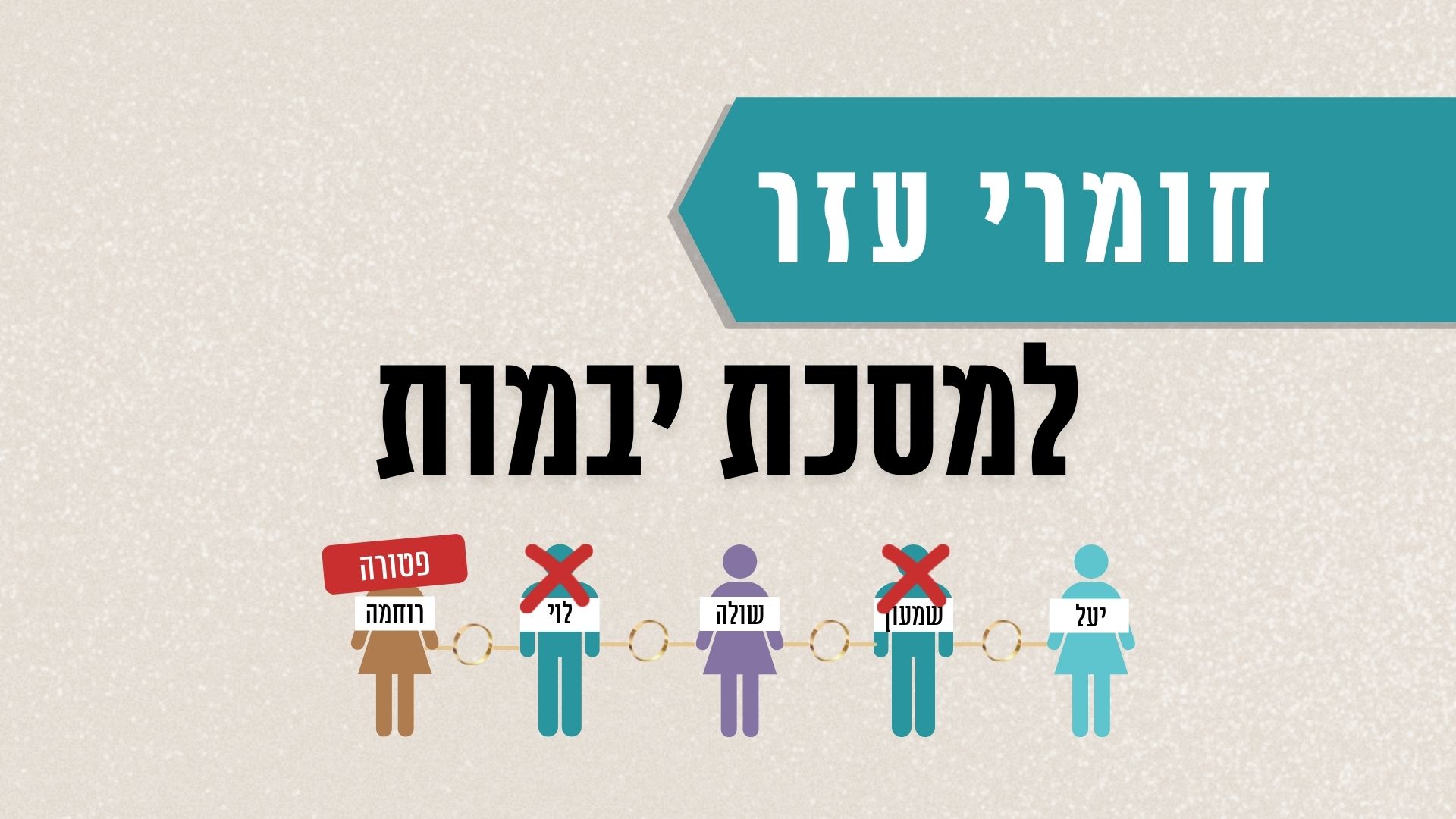
אם האנשים הנזכרים במשניות הקודמות היו נשואים לנשים אחרות בזמן שהם העידו/פסקו וכו’ ואז מתה אשתו, הם רשאים לשאת את הנשים הנזכרות. האם זה המצב רק אם הם מתו ולא התגרשו? במה זה תלוי? האם זה אומר שאם היו לאישה שני בעלים שמתים (כפי שקודם העיד שבעלה נפטר, ואז בעלה השני מת) היא עדיין יכולה להינשא בפעם השלישית, כיון שאין אנו סוברים כרבי הסובר שחזקה נוצרה בפעמיים, לא שלוש. אם הנשים היו נשואות לאחרים באמצע (לאחר הפסיקה), אז גם מותר לו להתחתן איתה אחר כך. במקרים שאסור להם לשאת אותם, היא מותרת לבניו או אחיו. מדוע כך הדבר, כאשר נאמר במקרה אחר שכאשר האישה אסורה, אסורות גם בתה, אמה ואחותה? הפרק השלישי מתחיל במקרה של ארבעה אחים מהם שניים נשואים לשתי אחיות, ואז מתים ללא ילדים. הנשים חייבות לעשות חליצה ​​ולא ייבום. הגמרא מסבירה זאת בשתי דרכים אפשריות. הראשונה, בגלל שאנו סוברים שיש זיקה (כשהיא נופלת לו ייבום, זה כאילו הם נשואים, ויש לו זיקה של שתי אחיות – וזה אסור. השנייה, אולי אחרי האח השלישי עושה ייבום עם אחת, ימות האח הרביעי ואז לא תהיה הזדמנות לקיים מצוות יבום (או חליצה) כיון שהיא אסורה לו מטעם אשתו, אחותה, ואסור לגרום לביטול מצוות ייבום. מה אם בכל זאת עשו ייבום? האם הם צריכים להתגרש או לא? לרבי אליעזר, זה ויכוח בין בית שמאי לבית הלל. המשנה פירטה גם מספר מקרים ייחודיים של ארבעה אחים ושתי אחיות שכל אחד יכול להתחתן עם אחד מהאחים או שאחד יכול והשני לא. יש מחלוקת בין רב ושמואל לגבי מקרה של שלוש אחיות שנפלו בייבום לשלושה אחים. ראשית הם מבינים שרב מדבר על מקרה שבו האחים מתו בשעה אחת. הם מתקנים את זה למקרה שכל אחד אח מת בזה אחר זה כשהחליצה ​​של כל אישה נעשית לפני שהאח הבא מת. דעת שמואל תתבאר בשני אופנים בהמשך סוגיה זו.


יבמות כו

בִּרְנָנָה — לָא מַפְּקִינַן, הָכָא נָמֵי — בִּרְנָנָה לָא מַפְּקִינַן.

we do not remove her from her husband owing to suspicion due to rumor alone. Here too, we do not remove her from her husband due to a rumor.

מַתְנִי׳ וְכוּלָּם שֶׁהָיוּ לָהֶם נָשִׁים וּמֵתוּ — מוּתָּרוֹת לִינָּשֵׂא לָהֶם.

MISHNA: And for all of these who were involved in permitting the wife to remarry, i.e., the judge, the agent who brought a bill of divorce, and the one who testified for a woman that her husband died, if they had wives at the time of the ruling or the testimony and their wives died thereafter, then those women they had set free are permitted to be married to them. There is no concern that while their wives were still alive these individuals set their eyes upon another woman.

וְכוּלָּן שֶׁנִּישְּׂאוּ לַאֲחֵרִים, וְנִתְגָּרְשׁוּ אוֹ שֶׁנִּתְאַלְמְנוּ — מוּתָּרוֹת לִינָּשֵׂא לָהֶם. וְכוּלָּן מוּתָּרוֹת לִבְנֵיהֶם אוֹ לַאֲחֵיהֶם.

And with regard to all of these women who were prohibited from marrying a certain man due to some suspicion, if they were subsequently married to others and then were divorced or widowed from the second husband, they are permitted to be married to them, i.e., to the judge, messenger, or witness who permitted her to remarry. And all of these women who were prohibited from marrying due to some suspicion are permitted to the sons or to the brothers of those who set them free.

גְּמָ׳ מֵתוּ — אִין, נִתְגָּרְשׁוּ — לָא.

GEMARA: The mishna taught that if any of the men had wives who subsequently died, they may marry those women freed by them. The Gemara deduces from here: If the wives of those who rendered the woman permitted died, yes, they are permitted to marry the woman that they freed for marriage; but if the wives were divorced, no, it is prohibited. In such a case, marrying the woman that one had rendered permitted would raise suspicions that he had in fact planned to marry her all along.

אֲמַר לֵיהּ רַב הִלֵּל לְרַב אָשֵׁי, וְהָתַנְיָא: אֲפִילּוּ נִתְגָּרְשׁוּ! לָא קַשְׁיָא: הָא דַּהֲוַאי קְטָטָה, הָא דְּלָא הֲוַאי קְטָטָה.

Rav Hillel said to Rav Ashi: Yet it is taught in a baraita: Even if they were divorced from their first wives they are permitted to marry the women they freed. The Gemara responds: This is not difficult: This mishna is referring to a case when there was a quarrel between the husband and the wife at the time that he freed the other woman, as then there is legitimate concern that he was already interested in her. That case of the baraita was when there was no quarrel between them at the time, and therefore the divorce clearly resulted from some other reason.

וְאִיבָּעֵית אֵימָא: הָא וְהָא דְּלָא הֲוַאי קְטָטָה, וְלָא קַשְׁיָא: הָא דְּאַרְגֵּיל הוּא, הָא דְּאַרְגִּילָה הִיא.

And if you wish, say: Both this and that were said in cases when there was no quarrel between the one who freed the woman and his first wife, and only later did they quarrel and divorce. And this is not difficult: This case of the mishna was when he started the quarrel himself, as then there is legitimate concern that he had an interest in this other woman and therefore sought out a reason to divorce his wife. And that case of the baraita was when his wife started the quarrel, as then there would be no reason to suspect him of freeing the other woman in order to marry her.

וְכוּלָּן שֶׁנִּישְּׂאוּ וְכוּ׳. קָא סָלְקָא דַּעְתִּין מִיתָה אַמִּיתָה, וְגֵירוּשִׁין אַגֵּירוּשִׁין.

The mishna stated: And with regard to all of these women, if they were married to others and then were divorced or widowed, it is permitted for them to marry those who caused them to be free to marry in the first place. It enters our mind to say that the case referred to here was one of death after death, i.e., the case of a woman whose first husband’s death had been substantiated by a single witness but whose second husband died as well, and also to the case of divorce following a bill of divorce that had been validated by a single witness.

נֵימָא מַתְנִיתִין דְּלָא כְּרַבִּי, דְּאִי כְּרַבִּי, הָאָמַר: בִּתְרֵי זִימְנֵי הָוְיָא חֲזָקָה!

Based on this, should we say that the mishna, which permits a woman to remarry even after her two previous husbands have died, is not in accordance with the opinion of Rabbi Yehuda HaNasi? As, if it is in accordance with the opinion of Rabbi Yehuda HaNasi, didn’t Rabbi Yehuda HaNasi say: After two times a woman has the presumptive status to cause death to her husbands, and such a woman is considered murderous. Therefore, she may not remarry. Since there is no mention of such concern in the mishna, it appears that the mishna is not in accordance with the opinion of Rabbi Yehuda HaNasi.

לָא: מִיתָה אַגֵּירוּשִׁין, וְגֵירוּשִׁין אַמִּיתָה.

The Gemara rejects this: No evidence can be derived from here, as the reference here may be to death after divorce or divorce after death. The mishna could be referring either to a woman who was at first divorced and then later widowed by her second husband’s death, or to a woman whose first husband died and who was subsequently divorced, but not to a case where she was widowed by the death of two husbands.

וְכוּלָּן מוּתָּרוֹת לִבְנֵיהֶם אוֹ לַאֲחֵיהֶם. מַאי שְׁנָא מֵהָא דִּתְנַן: הַנִּטְעָן מִן הָאִשָּׁה, אָסוּר בְּאִמָּהּ וּבְבִתָּהּ וּבַאֲחוֹתָהּ.

§ The mishna taught: And all of these women who were prohibited from marrying the man who freed them due to some suspicion are permitted to the sons or to the brothers of those who set them free. The Gemara asks: In what way is this case different from that which we learned in the Tosefta (4:5) that one suspected of adultery with a specific woman is prohibited not only from marrying her, but also from marrying her mother, and her daughter, and her sister. Yet here we allow his sons and brothers to marry the woman despite the suspicion.

נְשֵׁי לְגַבֵּי נְשֵׁי שְׁכִיחָן דְּאָזְלָן. גַּבְרֵי לְגַבֵּי גַבְרֵי לָא שְׁכִיחָן.

The Gemara answers: There is a distinction between the situations, for it is common for women to be at the house of other women and to stay overnight. Therefore, there is concern that a relative of the alleged adulterer’s wife, with whom he was suspected of misconduct, might frequent his house and he might be tempted to repeat his transgression. On the other hand, it is not common for men to be at the house of other men, so that even if she was married to his relative, the one suspected of misconduct would not generally sleep at the house of the husband.

אִי נָמֵי: נְשֵׁי דְּלָא אָסְרָן שְׁכִיבָתָן אַהֲדָדֵי, לָא קָפְדִי אַהֲדָדֵי. גַּבְרֵי דְּאָסְרָן שְׁכִיבָתָן אַהֲדָדֵי, קָפְדִי אַהֲדָדֵי.

Alternatively, a different argument could be made: Women are not so strict with one another, as lying with them and having sexual relations with them does not render them mutually forbidden. In other words, if a man commits adultery with his wife’s close relative, his wife does not become forbidden to him, so she may not pay attention to his behavior with the woman under suspicion. However, men are strict with one another, as lying with them and having sexual relations with the other man’s wife does render them, the husband and wife, mutually forbidden. In other words, if another man has relations with a married woman, she is forbidden to her husband, and so men pay close attention to what the others are doing.

אִי הָכִי, אָבִיו נָמֵי? לָא מִיבַּעְיָא קָאָמַר: לָא מִיבַּעְיָא אָבִיו, דִּבְזִיז בְּנֵיהּ מִינֵּיהּ, אֲבָל בְּנוֹ, דְּלָא בְּזִיז אָבִיו מִינֵּיהּ — אֵימָא לָא, קָא מַשְׁמַע לַן.

The Gemara asks: If so, one’s father should be permitted to marry a woman set free by his son as well. So why does the mishna say: Their sons or their brothers, and not: Their fathers? The Gemara answers: Certainly his father is allowed as well, but the mishna is speaking utilizing the style of: It is not necessary. It is not necessary to mention the case of his father because he is most certainly permitted to marry a woman set free by his son, as his son is embarrassed [baziz] before him and so would not come to sleep with his father’s wife. But I might say that since the father is not embarrassed before his son, she may not be married to the son of one for whom there is suspicion. Therefore, this comes to teach us that there is no such concern.


הֲדַרַן עֲלָךְ כֵּיצַד אֵשֶׁת אָחִיו

אַרְבָּעָה אַחִין, שְׁנַיִם מֵהֶם נְשׂוּאִים שְׁתֵּי אֲחָיוֹת, וּמֵתוּ הַנְּשׂוּאִים אֶת הָאֲחָיוֹת — הֲרֵי אֵלּוּ חוֹלְצוֹת וְלֹא מִתְיַיבְּמוֹת. וְאִם קָדְמוּ וְכָנְסוּ — יוֹצִיאוּ. רַבִּי אֱלִיעֶזֶר אוֹמֵר, בֵּית שַׁמַּאי אוֹמְרִים: יְקַיֵּים, וּבֵית הִלֵּל אוֹמְרִים: יוֹצִיאוּ.

MISHNA: In the case of four brothers, two of whom were married to two sisters, and the ones married to the sisters died, then those sisters must perform ḥalitza and may not enter into levirate marriage. Since both sisters require levirate marriage with each of the surviving brothers, a levirate bond exists between each sister and the brothers. Each of them is considered the sister of a woman with whom each brother has a levirate bond and is therefore forbidden to him by rabbinic law. And if they married the sisters before consulting the court, they should divorce them, for the Sages decreed that in this situation they may not remain married. Rabbi Eliezer says that there is a dispute in this matter: Beit Shammai say: He may maintain her as his wife, while Beit Hillel say: They must divorce them.

הָיְתָה אַחַת מֵהֶן אֲסוּרָה עַל הָאֶחָד אִיסּוּר עֶרְוָה — אָסוּר בָּהּ, וּמוּתָּר בַּאֲחוֹתָהּ. וְהַשֵּׁנִי — אָסוּר בִּשְׁתֵּיהֶן.

If one of the sisters was forbidden to one of the brothers due to a prohibition against forbidden relations because she was a relative of his wife or a relative on his mother’s side, then he is forbidden to marry her but permitted to marry her sister. Because she is his close relative, she is exempt from levirate marriage with him, and therefore she is not bound to him with a levirate bond. Consequently, her sister is not considered the sister of a woman with whom he has a levirate bond, and he is permitted to enter into levirate marriage with her. But the second brother, who is not a close relative of either sister, is forbidden to marry both of them. Indeed, for him each woman remains the sister of a woman with whom he has a levirate bond.

אִיסּוּר מִצְוָה וְאִיסּוּר קְדוּשָּׁה — חוֹלֶצֶת וְלֹא מִתְיַיבֶּמֶת.

If a prohibition resulting from a mitzva or a prohibition stemming from sanctity will be transgressed when one of the women marries one of the brothers, then her sister must perform ḥalitza and may not enter into levirate marriage, as she is considered the sister of a woman with whom he has a levirate bond. In this case, the sister who is forbidden to the brother due to a mitzva or due to sanctity is bound to the brother for the purpose of ḥalitza.

הָיְתָה אַחַת מֵהֶן אֲסוּרָה עַל זֶה אִיסּוּר עֶרְוָה, וְהַשְּׁנִיָּה אֲסוּרָה עַל זֶה אִיסּוּר עֶרְוָה — הָאֲסוּרָה לָזֶה מוּתֶּרֶת לָזֶה, וְהָאֲסוּרָה לָזֶה מוּתֶּרֶת לָזֶה.

If one of those women was forbidden to this one brother due to a prohibition against forbidden relations and the second woman was forbidden to that second brother due to a prohibition against forbidden relations, then she who is forbidden to this brother is permitted to that brother, and she who is forbidden to that brother is permitted to this one.

וְזוֹ הִיא שֶׁאָמְרוּ: אֲחוֹתָהּ כְּשֶׁהִיא יְבִמְתָּהּ — אוֹ חוֹלֶצֶת אוֹ מִתְיַיבֶּמֶת.

And this is the case that was referred to when they said: When her sister is also her yevama, i.e., in a case where two sisters are also yevamot and therefore happened for levirate marriage before two brothers, she either performs ḥalitza or enters into levirate marriage. This must be referring to a case where each sister is forbidden to one of the brothers due to a prohibition concerning forbidden relatives. In this case, each sister has a levirate bond only with the one brother to whom she is permitted, and the prohibition against marrying the sister of a woman with whom one has a levirate bond does not apply. Therefore, each brother can either perform the act of ḥalitza or consummate the levirate marriage with the sister to whom he is not related.

גְּמָ׳ שְׁמַע מִינַּהּ: יֵשׁ זִיקָה. דְּאִי אֵין זִיקָה, מִכְּדִי הָנֵי מִתְּרֵי בָתֵּי קָאָתְיָין — הַאי לְיַיבֵּם חֲדָא וְהַאי לְיַיבֵּם חֲדָא?

GEMARA: The Gemara deduces from the halakha cited in the mishna: Conclude from here that the levirate bond is substantial. That is, the very obligation of levirate marriage creates a bond that is similar to marriage. For if the levirate bond were not substantial, why would these two women not enter into levirate marriage? After all, these two women come from two households, as each had a different husband, and they both require levirate marriage. Let this brother consummate the levirate marriage with one sister and let that brother consummate the levirate marriage with the other sister. The fact that the mishna requires ḥalitza in this situation indicates that the levirate bond is substantial and resembles marriage to the extent that each sister is forbidden to each brother due to the prohibition against marrying the sister of a woman to whom one has a levirate bond.

לְעוֹלָם אֵימָא לָךְ אֵין זִיקָה, וּמִשּׁוּם דְּקָסָבַר אָסוּר לְבַטֵּל מִצְוַת יְבָמִין. דִּלְמָא אַדִּמְיַיבֵּם חַד — מָיֵית אִידַּךְ, וְקָמְבַטֵּל מִצְוַת יְבָמִין.

The Gemara rejects this: Actually, I could say to you that according to this tanna the levirate bond is not substantial, and yet they are prohibited from entering levirate marriage for a different reason. It is because the tanna holds that it is prohibited to negate the mitzva of levirate marriage. It is prohibited to act in a way that would lead to a situation where the mitzva to perform levirate marriage is negated. How would this situation arise? Perhaps before one brother consummates the levirate marriage, the other brother dies, and only one brother remains. In that case, the second sister would also happen before him for levirate marriage, and by performing levirate marriage with one sister he would thereby negate the mitzva of levirate marriage with the other sister. When the remaining brother marries one of the sisters, the mitzva to enter into levirate marriage or perform ḥalitza is automatically negated from the second sister, as she is then forbidden to him as his wife’s sister.

אִי הָכִי, תְּלָתָא נָמֵי?

The Gemara asks: If so, if this is the rationale behind the ruling in the mishna, then the same concern would exist if there were three brothers, as well. Why did the mishna specify four brothers? It could have cited the case of three brothers, two of whom were married to two sisters. In these circumstances, the concern for negating the mitzva of levirate marriage also exists.

לָא מִיבַּעְיָא קָאָמְרִינַן: לָא מִיבַּעְיָא תְּלָתָא, דְּוַדַּאי בָּטְלָה מִצְוַת יְבָמִין. אֲבָל אַרְבְּעָה, לְמִיתָה לָא חָיְישִׁינַן — קָא מַשְׁמַע לַן.

The Gemara answers: Indeed, the ruling would be the same in that case. However, the mishna is speaking utilizing the style of: It is not necessary. It is not necessary to specify that the women must perform ḥalitza in a case involving three brothers, as certainly the mitzva of levirate marriage is negated with one of the sisters when the yavam marries the other sister. But in the case of four brothers, where there is concern only over the possibility that one of the brothers might die, we might have said that we are not concerned over the possibility of the death of a brother and therefore allow the brothers to consummate the levirate marriage. The mishna therefore teaches us that even in the case where there is concern only for the negation of the mitzva, they must perform ḥalitza and not consummate the levirate marriage.

אִי הָכִי —

The Gemara asks: If so, i.e., if we are concerned over the possibility that the remaining brother might die,

חַמְשָׁה נָמֵי! לְמִיתָה דִּתְרֵי לָא חָיְישִׁינַן.

then this should also be true in a case of five brothers, two of whom were married to two sisters and died, and their wives happened before the three remaining brothers for levirate marriage. The Gemara answers: We are not concerned over the possibility of the death of two brothers in such a short period of time.

אָמַר רָבָא בַּר רַב הוּנָא אָמַר רַב: שָׁלֹשׁ אֲחָיוֹת יְבָמוֹת שֶׁנָּפְלוּ לִפְנֵי שְׁנֵי אַחִין יְבָמִין — זֶה חוֹלֵץ לְאַחַת וְזֶה חוֹלֵץ לְאַחַת, וְאֶמְצָעִית צְרִיכָה חֲלִיצָה מִשְּׁנֵיהֶם.

§ Rava bar Rav Huna said that Rav said: In a case where three sisters who were married to three brothers became yevamot and happened before two remaining brothers who were their yevamin for levirate marriage, then this one brother performs ḥalitza with one of the women, and that brother performs ḥalitza with another one of the women. And the middle, i.e., third, sister requires ḥalitza with both of the brothers.

אֲמַר לֵיהּ רַבָּה: מִדְּקָאָמְרַתְּ אֶמְצָעִית צְרִיכָה חֲלִיצָה מִשְּׁנֵיהֶם, קָסָבְרַתְּ יֵשׁ זִיקָה, וְהָוְיָא לַהּ חֲלִיצָה פְּסוּלָה — וַחֲלִיצָה פְּסוּלָה צָרִיךְ לַחֲזוֹר עַל כׇּל הָאַחִין,

Rabba said to them: From the fact that you say that the middle one requires ḥalitza with both of the brothers, it can be deduced that you hold that the levirate bond is substantial and creates a familial relationship, and similarly this ḥalitza performed by each of the brothers with the third sister is invalid ḥalitza. Since the third woman is the sister of a woman with whom he performed ḥalitza, it is not possible to consummate the levirate marriage with her. Therefore, the ḥalitza performed with her is not entirely valid and does not release her from the levirate bond between her and the two brothers. And there is a principle that invalid ḥalitza must be repeated by all of the brothers; each of them must perform an act of ḥalitza with this woman.

אִי הָכִי, קַמַּיְיתָא נָמֵי!

The Gemara asks: If that is so, the first two women should also require ḥalitza from each of the brothers because each act of ḥalitza was invalid, as each woman has the status of the sister of a woman with whom the man has a levirate bond, and it is therefore prohibited for the men to consummate the levirate marriage with them.

אִי דִּנְפוּל בְּבַת אַחַת — הָכִי נָמֵי. לָא צְרִיכָא: דִּנְפוּל בְּזוֹ אַחַר זוֹ.

The Gemara responds: If the case is that they, i.e., the sisters, happened before the brothers simultaneously, it is indeed so that the two brothers would each be obligated to perform ḥalitza with each of the three sisters. This halakha is necessary only in the case where they happened before the brothers, one after the other.

נְפַלָה חֲדָא — חָלֵץ לַהּ רְאוּבֵן, נְפַלָה אִידַּךְ — חָלֵץ לַהּ שִׁמְעוֹן,

How so? One sister happened before the brothers for levirate marriage and then Reuven, one of the brothers, performed valid ḥalitza with her. Another sister happened before the brothers for levirate marriage, and the brother Shimon performed ḥalitza with her. In this case, Shimon was allowed to consummate the levirate marriage with her if he so desired, as she had no family relationship to him at all. When Reuven performed ḥalitza with the first sister, he removed the levirate bond between her and the other brothers, such that Shimon has no relationship with the first sister at all and is free to marry the second sister. Therefore, when he performed ḥalitza, the act was valid.

נְפַלָה אִידַּךְ, חָלֵץ לַהּ הַאי — מַפְקַע זִיקָתוֹ, חָלֵץ לַהּ הַאי — מַפְקַע זִיקָתוֹ.

Another third sister then happened before the brothers for levirate marriage. When this first brother performs ḥalitza with her, he terminates his levirate bond, and when this second brother performs ḥalitza with her, he terminates his levirate bond. However, neither brother can, by performing ḥalitza, terminate the other brother’s levirate bond because each brother’s ḥalitza is invalid, as each brother is unable to consummate the levirate marriage in this case. This is due to the woman’s status as the sister of a woman with whom he performed ḥalitza.

וְהָאָמַר רַב: אֵין זִיקָה! לְדִבְרֵי הָאוֹמֵר יֵשׁ זִיקָה קָאָמַר.

The Gemara asks: How can this statement be cited in the name of Rav? But didn’t Rav say: The levirate bond is not substantial. This halakha, however, was explained based on the assumption that the levirate bond is substantial. The Gemara answers: Indeed, according to Rav himself it is unnecessary to perform ḥalitza with multiple brothers. He, however, states this halakha in accordance with the statement of the one who says that the levirate bond is substantial, despite the fact that he does not hold this himself.

וּשְׁמוּאֵל אָמַר: אֶחָד חוֹלֵץ לְכוּלָּן. מִכְּדִי שָׁמְעִינַן לֵיהּ לִשְׁמוּאֵל דְּאָמַר: חֲלִיצָה מְעַלְּיָא בְּעֵינַן, דְּאָמַר שְׁמוּאֵל:

And with regard to the above case Shmuel said a different halakhic ruling: It is sufficient if one brother performs ḥalitza with each of the sisters. The Gemara raises a difficulty: But since we have heard that Shmuel said: We require a full-fledged ḥalitza, and invalid ḥalitza does not result in complete exemption, this ruling is difficult. It is not clear why the invalid ḥalitza in this case would be sufficient, as Shmuel said:

העמקה

רוצה להבין מה באמת קורה מתחת לפני השטח של הסוגיה?
שיעורים, פודקאסטים והרחבות של מיטב המורות שלנו יפתחו לך עוד זוויות וכיווני חשיבה.

לשיעורי עוד על הדף באנגלית, לחצי כאן

חדשה בלימוד הגמרא?

זה הדף הראשון שלך? איזו התרגשות עצומה! יש לנו בדיוק את התכנים והכלים שיעזרו לך לעשות את הצעדים הראשונים ללמידה בקצב וברמה שלך, כך תוכלי להרגיש בנוח גם בתוך הסוגיות המורכבות ומאתגרות.

פסיפס הלומדות שלנו

גלי את קהילת הלומדות שלנו, מגוון נשים, רקעים וסיפורים. כולן חלק מתנועה ומסע מרגש ועוצמתי.

. לא תמיד נהניתי מלימוד גמרא כילדה.,בל כהתבגרתי התחלתי לאהוב את זה שוב. התחלתי ללמוד מסכת סוטה בדף היומי לפני כחמש עשרה שנה ואז הפסקתי.הגעתי לסיום הגדול של הדרן לפני שנתיים וזה נתן לי השראה. והתחלתי ללמוד למשך כמה ימים ואז היתה לי פריצת דיסק והפסקתי…עד אלול השנה. אז התחלתי עם מסכת ביצה וב”ה אני מצליחה לעמוד בקצב. המשפחה מאוד תומכת בי ויש כמה שגם לומדים את זה במקביל. אני אוהבת שיש עוגן כל יום.

Rebecca Darshan
רבקה דרשן

בית שמש, ישראל

בתחילת הסבב הנוכחי של לימוד הדף היומי, נחשפתי לחגיגות המרגשות באירועי הסיום ברחבי העולם. והבטחתי לעצמי שבקרוב אצטרף גם למעגל הלומדות. הסבב התחיל כאשר הייתי בתחילת דרכי בתוכנית קרן אריאל להכשרת יועצות הלכה של נשמ”ת. לא הצלחתי להוסיף את ההתחייבות לדף היומי על הלימוד האינטנסיבי של תוכנית היועצות. בבוקר למחרת המבחן הסופי בנשמ”ת, התחלתי את לימוד הדף במסכת סוכה ומאז לא הפסקתי.

Hana Shaham-Rozby (Dr.)
חנה שחם-רוזבי (ד”ר)

קרית גת, ישראל

התחלתי לפני כמה שנים אבל רק בסבב הזה זכיתי ללמוד יום יום ולסיים מסכתות

Sigal Tel
סיגל טל

רעננה, ישראל

התחלתי ללמוד דף יומי באמצע תקופת הקורונה, שאבא שלי סיפר לי על קבוצה של בנות שתיפתח ביישוב שלנו ותלמד דף יומי כל יום. הרבה זמן רציתי להצטרף לזה וזאת הייתה ההזדמנות בשבילי. הצטרפתי במסכת שקלים ובאמצע הייתה הפסקה קצרה. כיום אני כבר לומדת באולפנה ולומדת דף יומי לבד מתוך גמרא של טיינזלץ.

Saturdays in Raleigh
שבות בראלי

עתניאל, ישראל

A friend in the SF Bay Area said in Dec 2019 that she might start listening on her morning drive to work. I mentioned to my husband and we decided to try the Daf when it began in Jan 2020 as part of our preparing to make Aliyah in the summer.

Hana Piotrkovsky
חנה פיוטרקובסקי

ירושלים, Israel

באירוע של הדרן בנייני האומה. בהשראתה של אמי שלי שסיימה את הש”ס בסבב הקודם ובעידוד מאיר , אישי, וילדיי וחברותיי ללימוד במכון למנהיגות הלכתית של רשת אור תורה סטון ומורתיי הרבנית ענת נובוסלסקי והרבנית דבורה עברון, ראש המכון למנהיגות הלכתית.
הלימוד מעשיר את יומי, מחזיר אותי גם למסכתות שכבר סיימתי וידוע שאינו דומה מי ששונה פרקו מאה לשונה פרקו מאה ואחת במיוחד מרתקים אותי החיבורים בין המסכתות

Roit Kalech
רוית קלך

מודיעין, ישראל

"
גם אני התחלתי בסבב הנוכחי וב””ה הצלחתי לסיים את רוב המסכתות . בזכות הרבנית מישל משתדלת לפתוח את היום בשיעור הזום בשעה 6:20 .הלימוד הפך להיות חלק משמעותי בחיי ויש ימים בהם אני מצליחה לחזור על הדף עם מלמדים נוספים ששיעוריהם נמצאים במרשתת. שמחה להיות חלק מקהילת לומדות ברחבי העולם. ובמיוחד לשמש דוגמה לנכדותיי שאי””ה יגדלו לדור שלימוד תורה לנשים יהיה משהו שבשגרה. "

Ronit Shavit
רונית שביט

נתניה, ישראל

התחלתי ללמוד גמרא בבית הספר בגיל צעיר והתאהבתי. המשכתי בכך כל חיי ואף היייתי מורה לגמרא בבית הספר שקד בשדה אליהו (בית הספר בו למדתי בילדותי)בתחילת מחזור דף יומי הנוכחי החלטתי להצטרף ובע”ה מקווה להתמיד ולהמשיך. אני אוהבת את המפגש עם הדף את "דרישות השלום ” שמקבלת מקשרים עם דפים אחרים שלמדתי את הסנכרון שמתחולל בין התכנים.

Ariela Bigman
אריאלה ביגמן

מעלה גלבוע, ישראל

לפני 15 שנה, אחרי עשרות שנים של "ג’ינגול” בין משפחה לקריירה תובענית בהייטק, הצטרפתי לשיעורי גמרא במתן רעננה. הלימוד המעמיק והייחודי של הרבנית אושרה קורן יחד עם קבוצת הנשים המגוונת הייתה חוויה מאלפת ומעשירה. לפני כשמונה שנים כאשר מחזור הדף היומי הגיע למסכת תענית הצטרפתי כ”חברותא” לבעלי. זו השעה היומית שלנו ביחד כאשר דפי הגמרא משתלבים בחיי היום יום, משפיעים ומושפעים, וכשלא מספיקים תמיד משלימים בשבת

Yodi Askoff
יודי אסקוף

רעננה, ישראל

התחלתי ללמוד בשנת המדרשה במגדל עוז, בינתיים נהנית מאוד מהלימוד ומהגמרא, מעניין ומשמח מאוד!
משתדלת להצליח לעקוב כל יום, לפעמים משלימה קצת בהמשך השבוע.. מרגישה שיש עוגן מקובע ביום שלי והוא משמח מאוד!

Uriah Kesner
אוריה קסנר

חיפה , ישראל

התחלתי ללמוד בעידוד שתי חברות אתן למדתי בעבר את הפרק היומי במסגרת 929.
בבית מתלהבים מאוד ובשבת אני לומדת את הדף עם בעלי שזה מפתיע ומשמח מאוד! לימוד הדף הוא חלק בלתי נפרד מהיום שלי. לומדת בצהריים ומחכה לזמן הזה מידי יום…

Miriam Wengerover
מרים ונגרובר

אפרת, ישראל

A friend in the SF Bay Area said in Dec 2019 that she might start listening on her morning drive to work. I mentioned to my husband and we decided to try the Daf when it began in Jan 2020 as part of our preparing to make Aliyah in the summer.

Hana Piotrkovsky
חנה פיוטרקובסקי

ירושלים, Israel

A life-changing journey started with a Chanukah family tiyul to Zippori, home of the Sanhedrin 2 years ago and continued with the Syum in Binanei Hauma where I was awed by the energy of 3000 women dedicated to learning daf Yomi. Opening my morning daily with a fresh daf, I am excited with the new insights I find enriching my life and opening new and deeper horizons for me.

Becky Goldstein
בקי גולדשטיין

Elazar gush etzion, Israel

בתחילת הסבב הנוכחי הצטברו אצלי תחושות שאני לא מבינה מספיק מהי ההלכה אותה אני מקיימת בכל יום. כמו כן, כאמא לבנות רציתי לתת להן מודל נשי של לימוד תורה
שתי הסיבות האלו הובילו אותי להתחיל ללמוד. נתקלתי בתגובות מפרגנות וסקרניות איך אישה לומדת גמרא..
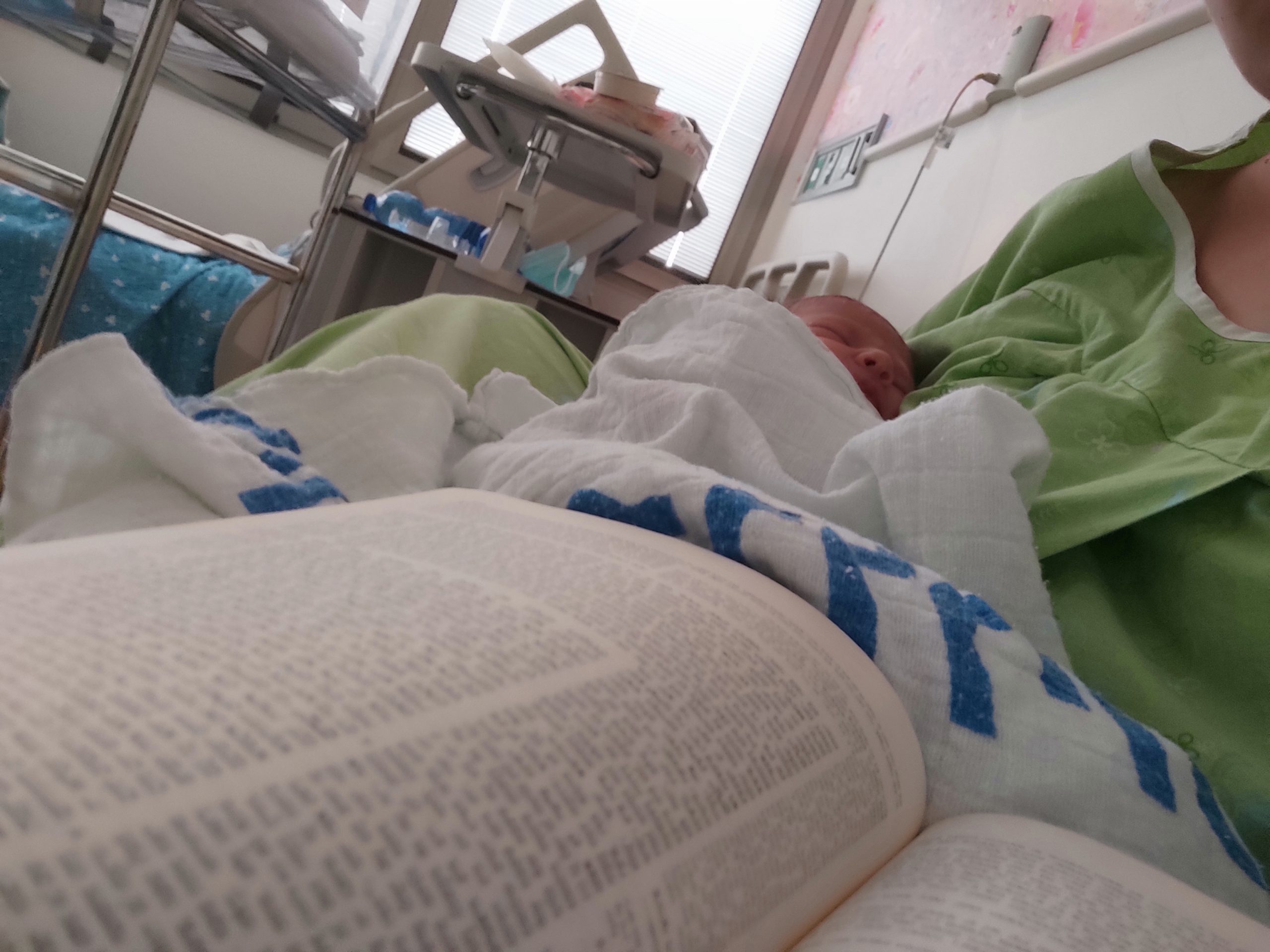
כמו שרואים בתמונה אני ממשיכה ללמוד גם היום ואפילו במחלקת יולדות אחרי לידת ביתי השלישית.

Noa Shiloh
נועה שילה

רבבה, ישראל

התחלתי ללמוד דף יומי בתחילת מסכת ברכות, עוד לא ידעתי כלום. נחשפתי לסיום הש״ס, ובעצם להתחלה מחדש בתקשורת, הפתיע אותי לטובה שהיה מקום לעיסוק בתורה.
את המסכתות הראשונות למדתי, אבל לא סיימתי (חוץ מעירובין איכשהו). השנה כשהגעתי למדרשה, נכנסתי ללופ, ואני מצליחה להיות חלק, סיימתי עם החברותא שלי את כל המסכתות הקצרות, גם כשהיינו חולות קורונה ובבידודים, למדנו לבד, העיקר לא לצבור פער, ומחכות ליבמות 🙂

Eden Yeshuron
עדן ישורון

מזכרת בתיה, ישראל

אני לומדת גמרא כעשור במסגרות שונות, ואת הדף היומי התחלתי כשחברה הציעה שאצטרף אליה לסיום בבנייני האומה. מאז אני לומדת עם פודקסט הדרן, משתדלת באופן יומי אך אם לא מספיקה, מדביקה פערים עד ערב שבת. בסבב הזה הלימוד הוא "ממעוף הציפור”, מקשיבה במהירות מוגברת תוך כדי פעילויות כמו בישול או נהיגה, וכך רוכשת היכרות עם הסוגיות ואופן ניתוחם על ידי חז”ל. בע”ה בסבב הבא, ואולי לפני, אצלול לתוכו באופן מעמיק יותר.

Yael Bir
יעל ביר

רמת גן, ישראל

אמא שלי למדה איתי ש”ס משנה, והתחילה ללמוד דף יומי. אני החלטתי שאני רוצה ללמוד גם. בהתחלה למדתי איתה, אח”כ הצטרפתי ללימוד דף יומי שהרב דני וינט מעביר לנוער בנים בעתניאל. במסכת עירובין עוד חברה הצטרפה אלי וכשהתחלנו פסחים הרב דני פתח לנו שעור דף יומי לבנות. מאז אנחנו לומדות איתו קבוע כל יום את הדף היומי (ובשבת אבא שלי מחליף אותו). אני נהנית מהלימוד, הוא מאתגר ומעניין

Renana Hellman
רננה הלמן

עתניאל, ישראל

רבנית מישל הציתה אש התלמוד בלבבות בביניני האומה ואני נדלקתי. היא פתחה פתח ותמכה במתחילות כמוני ואפשרה לנו להתקדם בצעדים נכונים וטובים. הקימה מערך שלם שמסובב את הלומדות בסביבה תומכת וכך נכנסתי למסלול לימוד מעשיר שאין כמוה. הדרן יצר קהילה גדולה וחזקה שמאפשרת התקדמות מכל נקודת מוצא. יש דיבוק לומדות שמחזק את ההתמדה של כולנו. כל פניה ושאלה נענית בזריזות ויסודיות. תודה גם למגי על כל העזרה.

Sarah Aber
שרה אבר

נתניה, ישראל

התחלתי לפני כמה שנים אבל רק בסבב הזה זכיתי ללמוד יום יום ולסיים מסכתות

Sigal Tel
סיגל טל

רעננה, ישראל

התחלתי להשתתף בשיעור נשים פעם בשבוע, תכננתי ללמוד רק דפים בודדים, לא האמנתי שאצליח יותר מכך.
לאט לאט נשאבתי פנימה לעולם הלימוד .משתדלת ללמוד כל בוקר ומתחילה את היום בתחושה של מלאות ומתוך התכווננות נכונה יותר.
הלימוד של הדף היומי ממלא אותי בתחושה של חיבור עמוק לעם היהודי ולכל הלומדים בעבר ובהווה.

Neely Hayon
נילי חיון

אפרת, ישראל

יבמות כו

בִּרְנָנָה — לָא מַפְּקִינַן, הָכָא נָמֵי — בִּרְנָנָה לָא מַפְּקִינַן.

we do not remove her from her husband owing to suspicion due to rumor alone. Here too, we do not remove her from her husband due to a rumor.

מַתְנִי׳ וְכוּלָּם שֶׁהָיוּ לָהֶם נָשִׁים וּמֵתוּ — מוּתָּרוֹת לִינָּשֵׂא לָהֶם.

MISHNA: And for all of these who were involved in permitting the wife to remarry, i.e., the judge, the agent who brought a bill of divorce, and the one who testified for a woman that her husband died, if they had wives at the time of the ruling or the testimony and their wives died thereafter, then those women they had set free are permitted to be married to them. There is no concern that while their wives were still alive these individuals set their eyes upon another woman.

וְכוּלָּן שֶׁנִּישְּׂאוּ לַאֲחֵרִים, וְנִתְגָּרְשׁוּ אוֹ שֶׁנִּתְאַלְמְנוּ — מוּתָּרוֹת לִינָּשֵׂא לָהֶם. וְכוּלָּן מוּתָּרוֹת לִבְנֵיהֶם אוֹ לַאֲחֵיהֶם.

And with regard to all of these women who were prohibited from marrying a certain man due to some suspicion, if they were subsequently married to others and then were divorced or widowed from the second husband, they are permitted to be married to them, i.e., to the judge, messenger, or witness who permitted her to remarry. And all of these women who were prohibited from marrying due to some suspicion are permitted to the sons or to the brothers of those who set them free.

גְּמָ׳ מֵתוּ — אִין, נִתְגָּרְשׁוּ — לָא.

GEMARA: The mishna taught that if any of the men had wives who subsequently died, they may marry those women freed by them. The Gemara deduces from here: If the wives of those who rendered the woman permitted died, yes, they are permitted to marry the woman that they freed for marriage; but if the wives were divorced, no, it is prohibited. In such a case, marrying the woman that one had rendered permitted would raise suspicions that he had in fact planned to marry her all along.

אֲמַר לֵיהּ רַב הִלֵּל לְרַב אָשֵׁי, וְהָתַנְיָא: אֲפִילּוּ נִתְגָּרְשׁוּ! לָא קַשְׁיָא: הָא דַּהֲוַאי קְטָטָה, הָא דְּלָא הֲוַאי קְטָטָה.

Rav Hillel said to Rav Ashi: Yet it is taught in a baraita: Even if they were divorced from their first wives they are permitted to marry the women they freed. The Gemara responds: This is not difficult: This mishna is referring to a case when there was a quarrel between the husband and the wife at the time that he freed the other woman, as then there is legitimate concern that he was already interested in her. That case of the baraita was when there was no quarrel between them at the time, and therefore the divorce clearly resulted from some other reason.

וְאִיבָּעֵית אֵימָא: הָא וְהָא דְּלָא הֲוַאי קְטָטָה, וְלָא קַשְׁיָא: הָא דְּאַרְגֵּיל הוּא, הָא דְּאַרְגִּילָה הִיא.

And if you wish, say: Both this and that were said in cases when there was no quarrel between the one who freed the woman and his first wife, and only later did they quarrel and divorce. And this is not difficult: This case of the mishna was when he started the quarrel himself, as then there is legitimate concern that he had an interest in this other woman and therefore sought out a reason to divorce his wife. And that case of the baraita was when his wife started the quarrel, as then there would be no reason to suspect him of freeing the other woman in order to marry her.

וְכוּלָּן שֶׁנִּישְּׂאוּ וְכוּ׳. קָא סָלְקָא דַּעְתִּין מִיתָה אַמִּיתָה, וְגֵירוּשִׁין אַגֵּירוּשִׁין.

The mishna stated: And with regard to all of these women, if they were married to others and then were divorced or widowed, it is permitted for them to marry those who caused them to be free to marry in the first place. It enters our mind to say that the case referred to here was one of death after death, i.e., the case of a woman whose first husband’s death had been substantiated by a single witness but whose second husband died as well, and also to the case of divorce following a bill of divorce that had been validated by a single witness.

נֵימָא מַתְנִיתִין דְּלָא כְּרַבִּי, דְּאִי כְּרַבִּי, הָאָמַר: בִּתְרֵי זִימְנֵי הָוְיָא חֲזָקָה!

Based on this, should we say that the mishna, which permits a woman to remarry even after her two previous husbands have died, is not in accordance with the opinion of Rabbi Yehuda HaNasi? As, if it is in accordance with the opinion of Rabbi Yehuda HaNasi, didn’t Rabbi Yehuda HaNasi say: After two times a woman has the presumptive status to cause death to her husbands, and such a woman is considered murderous. Therefore, she may not remarry. Since there is no mention of such concern in the mishna, it appears that the mishna is not in accordance with the opinion of Rabbi Yehuda HaNasi.

לָא: מִיתָה אַגֵּירוּשִׁין, וְגֵירוּשִׁין אַמִּיתָה.

The Gemara rejects this: No evidence can be derived from here, as the reference here may be to death after divorce or divorce after death. The mishna could be referring either to a woman who was at first divorced and then later widowed by her second husband’s death, or to a woman whose first husband died and who was subsequently divorced, but not to a case where she was widowed by the death of two husbands.

וְכוּלָּן מוּתָּרוֹת לִבְנֵיהֶם אוֹ לַאֲחֵיהֶם. מַאי שְׁנָא מֵהָא דִּתְנַן: הַנִּטְעָן מִן הָאִשָּׁה, אָסוּר בְּאִמָּהּ וּבְבִתָּהּ וּבַאֲחוֹתָהּ.

§ The mishna taught: And all of these women who were prohibited from marrying the man who freed them due to some suspicion are permitted to the sons or to the brothers of those who set them free. The Gemara asks: In what way is this case different from that which we learned in the Tosefta (4:5) that one suspected of adultery with a specific woman is prohibited not only from marrying her, but also from marrying her mother, and her daughter, and her sister. Yet here we allow his sons and brothers to marry the woman despite the suspicion.

נְשֵׁי לְגַבֵּי נְשֵׁי שְׁכִיחָן דְּאָזְלָן. גַּבְרֵי לְגַבֵּי גַבְרֵי לָא שְׁכִיחָן.

The Gemara answers: There is a distinction between the situations, for it is common for women to be at the house of other women and to stay overnight. Therefore, there is concern that a relative of the alleged adulterer’s wife, with whom he was suspected of misconduct, might frequent his house and he might be tempted to repeat his transgression. On the other hand, it is not common for men to be at the house of other men, so that even if she was married to his relative, the one suspected of misconduct would not generally sleep at the house of the husband.

אִי נָמֵי: נְשֵׁי דְּלָא אָסְרָן שְׁכִיבָתָן אַהֲדָדֵי, לָא קָפְדִי אַהֲדָדֵי. גַּבְרֵי דְּאָסְרָן שְׁכִיבָתָן אַהֲדָדֵי, קָפְדִי אַהֲדָדֵי.

Alternatively, a different argument could be made: Women are not so strict with one another, as lying with them and having sexual relations with them does not render them mutually forbidden. In other words, if a man commits adultery with his wife’s close relative, his wife does not become forbidden to him, so she may not pay attention to his behavior with the woman under suspicion. However, men are strict with one another, as lying with them and having sexual relations with the other man’s wife does render them, the husband and wife, mutually forbidden. In other words, if another man has relations with a married woman, she is forbidden to her husband, and so men pay close attention to what the others are doing.

אִי הָכִי, אָבִיו נָמֵי? לָא מִיבַּעְיָא קָאָמַר: לָא מִיבַּעְיָא אָבִיו, דִּבְזִיז בְּנֵיהּ מִינֵּיהּ, אֲבָל בְּנוֹ, דְּלָא בְּזִיז אָבִיו מִינֵּיהּ — אֵימָא לָא, קָא מַשְׁמַע לַן.

The Gemara asks: If so, one’s father should be permitted to marry a woman set free by his son as well. So why does the mishna say: Their sons or their brothers, and not: Their fathers? The Gemara answers: Certainly his father is allowed as well, but the mishna is speaking utilizing the style of: It is not necessary. It is not necessary to mention the case of his father because he is most certainly permitted to marry a woman set free by his son, as his son is embarrassed [baziz] before him and so would not come to sleep with his father’s wife. But I might say that since the father is not embarrassed before his son, she may not be married to the son of one for whom there is suspicion. Therefore, this comes to teach us that there is no such concern.

הֲדַרַן עֲלָךְ כֵּיצַד אֵשֶׁת אָחִיו

אַרְבָּעָה אַחִין, שְׁנַיִם מֵהֶם נְשׂוּאִים שְׁתֵּי אֲחָיוֹת, וּמֵתוּ הַנְּשׂוּאִים אֶת הָאֲחָיוֹת — הֲרֵי אֵלּוּ חוֹלְצוֹת וְלֹא מִתְיַיבְּמוֹת. וְאִם קָדְמוּ וְכָנְסוּ — יוֹצִיאוּ. רַבִּי אֱלִיעֶזֶר אוֹמֵר, בֵּית שַׁמַּאי אוֹמְרִים: יְקַיֵּים, וּבֵית הִלֵּל אוֹמְרִים: יוֹצִיאוּ.

MISHNA: In the case of four brothers, two of whom were married to two sisters, and the ones married to the sisters died, then those sisters must perform ḥalitza and may not enter into levirate marriage. Since both sisters require levirate marriage with each of the surviving brothers, a levirate bond exists between each sister and the brothers. Each of them is considered the sister of a woman with whom each brother has a levirate bond and is therefore forbidden to him by rabbinic law. And if they married the sisters before consulting the court, they should divorce them, for the Sages decreed that in this situation they may not remain married. Rabbi Eliezer says that there is a dispute in this matter: Beit Shammai say: He may maintain her as his wife, while Beit Hillel say: They must divorce them.

הָיְתָה אַחַת מֵהֶן אֲסוּרָה עַל הָאֶחָד אִיסּוּר עֶרְוָה — אָסוּר בָּהּ, וּמוּתָּר בַּאֲחוֹתָהּ. וְהַשֵּׁנִי — אָסוּר בִּשְׁתֵּיהֶן.

If one of the sisters was forbidden to one of the brothers due to a prohibition against forbidden relations because she was a relative of his wife or a relative on his mother’s side, then he is forbidden to marry her but permitted to marry her sister. Because she is his close relative, she is exempt from levirate marriage with him, and therefore she is not bound to him with a levirate bond. Consequently, her sister is not considered the sister of a woman with whom he has a levirate bond, and he is permitted to enter into levirate marriage with her. But the second brother, who is not a close relative of either sister, is forbidden to marry both of them. Indeed, for him each woman remains the sister of a woman with whom he has a levirate bond.

אִיסּוּר מִצְוָה וְאִיסּוּר קְדוּשָּׁה — חוֹלֶצֶת וְלֹא מִתְיַיבֶּמֶת.

If a prohibition resulting from a mitzva or a prohibition stemming from sanctity will be transgressed when one of the women marries one of the brothers, then her sister must perform ḥalitza and may not enter into levirate marriage, as she is considered the sister of a woman with whom he has a levirate bond. In this case, the sister who is forbidden to the brother due to a mitzva or due to sanctity is bound to the brother for the purpose of ḥalitza.

הָיְתָה אַחַת מֵהֶן אֲסוּרָה עַל זֶה אִיסּוּר עֶרְוָה, וְהַשְּׁנִיָּה אֲסוּרָה עַל זֶה אִיסּוּר עֶרְוָה — הָאֲסוּרָה לָזֶה מוּתֶּרֶת לָזֶה, וְהָאֲסוּרָה לָזֶה מוּתֶּרֶת לָזֶה.

If one of those women was forbidden to this one brother due to a prohibition against forbidden relations and the second woman was forbidden to that second brother due to a prohibition against forbidden relations, then she who is forbidden to this brother is permitted to that brother, and she who is forbidden to that brother is permitted to this one.

וְזוֹ הִיא שֶׁאָמְרוּ: אֲחוֹתָהּ כְּשֶׁהִיא יְבִמְתָּהּ — אוֹ חוֹלֶצֶת אוֹ מִתְיַיבֶּמֶת.

And this is the case that was referred to when they said: When her sister is also her yevama, i.e., in a case where two sisters are also yevamot and therefore happened for levirate marriage before two brothers, she either performs ḥalitza or enters into levirate marriage. This must be referring to a case where each sister is forbidden to one of the brothers due to a prohibition concerning forbidden relatives. In this case, each sister has a levirate bond only with the one brother to whom she is permitted, and the prohibition against marrying the sister of a woman with whom one has a levirate bond does not apply. Therefore, each brother can either perform the act of ḥalitza or consummate the levirate marriage with the sister to whom he is not related.

גְּמָ׳ שְׁמַע מִינַּהּ: יֵשׁ זִיקָה. דְּאִי אֵין זִיקָה, מִכְּדִי הָנֵי מִתְּרֵי בָתֵּי קָאָתְיָין — הַאי לְיַיבֵּם חֲדָא וְהַאי לְיַיבֵּם חֲדָא?

GEMARA: The Gemara deduces from the halakha cited in the mishna: Conclude from here that the levirate bond is substantial. That is, the very obligation of levirate marriage creates a bond that is similar to marriage. For if the levirate bond were not substantial, why would these two women not enter into levirate marriage? After all, these two women come from two households, as each had a different husband, and they both require levirate marriage. Let this brother consummate the levirate marriage with one sister and let that brother consummate the levirate marriage with the other sister. The fact that the mishna requires ḥalitza in this situation indicates that the levirate bond is substantial and resembles marriage to the extent that each sister is forbidden to each brother due to the prohibition against marrying the sister of a woman to whom one has a levirate bond.

לְעוֹלָם אֵימָא לָךְ אֵין זִיקָה, וּמִשּׁוּם דְּקָסָבַר אָסוּר לְבַטֵּל מִצְוַת יְבָמִין. דִּלְמָא אַדִּמְיַיבֵּם חַד — מָיֵית אִידַּךְ, וְקָמְבַטֵּל מִצְוַת יְבָמִין.

The Gemara rejects this: Actually, I could say to you that according to this tanna the levirate bond is not substantial, and yet they are prohibited from entering levirate marriage for a different reason. It is because the tanna holds that it is prohibited to negate the mitzva of levirate marriage. It is prohibited to act in a way that would lead to a situation where the mitzva to perform levirate marriage is negated. How would this situation arise? Perhaps before one brother consummates the levirate marriage, the other brother dies, and only one brother remains. In that case, the second sister would also happen before him for levirate marriage, and by performing levirate marriage with one sister he would thereby negate the mitzva of levirate marriage with the other sister. When the remaining brother marries one of the sisters, the mitzva to enter into levirate marriage or perform ḥalitza is automatically negated from the second sister, as she is then forbidden to him as his wife’s sister.

אִי הָכִי, תְּלָתָא נָמֵי?

The Gemara asks: If so, if this is the rationale behind the ruling in the mishna, then the same concern would exist if there were three brothers, as well. Why did the mishna specify four brothers? It could have cited the case of three brothers, two of whom were married to two sisters. In these circumstances, the concern for negating the mitzva of levirate marriage also exists.

לָא מִיבַּעְיָא קָאָמְרִינַן: לָא מִיבַּעְיָא תְּלָתָא, דְּוַדַּאי בָּטְלָה מִצְוַת יְבָמִין. אֲבָל אַרְבְּעָה, לְמִיתָה לָא חָיְישִׁינַן — קָא מַשְׁמַע לַן.

The Gemara answers: Indeed, the ruling would be the same in that case. However, the mishna is speaking utilizing the style of: It is not necessary. It is not necessary to specify that the women must perform ḥalitza in a case involving three brothers, as certainly the mitzva of levirate marriage is negated with one of the sisters when the yavam marries the other sister. But in the case of four brothers, where there is concern only over the possibility that one of the brothers might die, we might have said that we are not concerned over the possibility of the death of a brother and therefore allow the brothers to consummate the levirate marriage. The mishna therefore teaches us that even in the case where there is concern only for the negation of the mitzva, they must perform ḥalitza and not consummate the levirate marriage.

אִי הָכִי —

The Gemara asks: If so, i.e., if we are concerned over the possibility that the remaining brother might die,

חַמְשָׁה נָמֵי! לְמִיתָה דִּתְרֵי לָא חָיְישִׁינַן.

then this should also be true in a case of five brothers, two of whom were married to two sisters and died, and their wives happened before the three remaining brothers for levirate marriage. The Gemara answers: We are not concerned over the possibility of the death of two brothers in such a short period of time.

אָמַר רָבָא בַּר רַב הוּנָא אָמַר רַב: שָׁלֹשׁ אֲחָיוֹת יְבָמוֹת שֶׁנָּפְלוּ לִפְנֵי שְׁנֵי אַחִין יְבָמִין — זֶה חוֹלֵץ לְאַחַת וְזֶה חוֹלֵץ לְאַחַת, וְאֶמְצָעִית צְרִיכָה חֲלִיצָה מִשְּׁנֵיהֶם.

§ Rava bar Rav Huna said that Rav said: In a case where three sisters who were married to three brothers became yevamot and happened before two remaining brothers who were their yevamin for levirate marriage, then this one brother performs ḥalitza with one of the women, and that brother performs ḥalitza with another one of the women. And the middle, i.e., third, sister requires ḥalitza with both of the brothers.

אֲמַר לֵיהּ רַבָּה: מִדְּקָאָמְרַתְּ אֶמְצָעִית צְרִיכָה חֲלִיצָה מִשְּׁנֵיהֶם, קָסָבְרַתְּ יֵשׁ זִיקָה, וְהָוְיָא לַהּ חֲלִיצָה פְּסוּלָה — וַחֲלִיצָה פְּסוּלָה צָרִיךְ לַחֲזוֹר עַל כׇּל הָאַחִין,

Rabba said to them: From the fact that you say that the middle one requires ḥalitza with both of the brothers, it can be deduced that you hold that the levirate bond is substantial and creates a familial relationship, and similarly this ḥalitza performed by each of the brothers with the third sister is invalid ḥalitza. Since the third woman is the sister of a woman with whom he performed ḥalitza, it is not possible to consummate the levirate marriage with her. Therefore, the ḥalitza performed with her is not entirely valid and does not release her from the levirate bond between her and the two brothers. And there is a principle that invalid ḥalitza must be repeated by all of the brothers; each of them must perform an act of ḥalitza with this woman.

אִי הָכִי, קַמַּיְיתָא נָמֵי!

The Gemara asks: If that is so, the first two women should also require ḥalitza from each of the brothers because each act of ḥalitza was invalid, as each woman has the status of the sister of a woman with whom the man has a levirate bond, and it is therefore prohibited for the men to consummate the levirate marriage with them.

אִי דִּנְפוּל בְּבַת אַחַת — הָכִי נָמֵי. לָא צְרִיכָא: דִּנְפוּל בְּזוֹ אַחַר זוֹ.

The Gemara responds: If the case is that they, i.e., the sisters, happened before the brothers simultaneously, it is indeed so that the two brothers would each be obligated to perform ḥalitza with each of the three sisters. This halakha is necessary only in the case where they happened before the brothers, one after the other.

נְפַלָה חֲדָא — חָלֵץ לַהּ רְאוּבֵן, נְפַלָה אִידַּךְ — חָלֵץ לַהּ שִׁמְעוֹן,

How so? One sister happened before the brothers for levirate marriage and then Reuven, one of the brothers, performed valid ḥalitza with her. Another sister happened before the brothers for levirate marriage, and the brother Shimon performed ḥalitza with her. In this case, Shimon was allowed to consummate the levirate marriage with her if he so desired, as she had no family relationship to him at all. When Reuven performed ḥalitza with the first sister, he removed the levirate bond between her and the other brothers, such that Shimon has no relationship with the first sister at all and is free to marry the second sister. Therefore, when he performed ḥalitza, the act was valid.

נְפַלָה אִידַּךְ, חָלֵץ לַהּ הַאי — מַפְקַע זִיקָתוֹ, חָלֵץ לַהּ הַאי — מַפְקַע זִיקָתוֹ.

Another third sister then happened before the brothers for levirate marriage. When this first brother performs ḥalitza with her, he terminates his levirate bond, and when this second brother performs ḥalitza with her, he terminates his levirate bond. However, neither brother can, by performing ḥalitza, terminate the other brother’s levirate bond because each brother’s ḥalitza is invalid, as each brother is unable to consummate the levirate marriage in this case. This is due to the woman’s status as the sister of a woman with whom he performed ḥalitza.

וְהָאָמַר רַב: אֵין זִיקָה! לְדִבְרֵי הָאוֹמֵר יֵשׁ זִיקָה קָאָמַר.

The Gemara asks: How can this statement be cited in the name of Rav? But didn’t Rav say: The levirate bond is not substantial. This halakha, however, was explained based on the assumption that the levirate bond is substantial. The Gemara answers: Indeed, according to Rav himself it is unnecessary to perform ḥalitza with multiple brothers. He, however, states this halakha in accordance with the statement of the one who says that the levirate bond is substantial, despite the fact that he does not hold this himself.

וּשְׁמוּאֵל אָמַר: אֶחָד חוֹלֵץ לְכוּלָּן. מִכְּדִי שָׁמְעִינַן לֵיהּ לִשְׁמוּאֵל דְּאָמַר: חֲלִיצָה מְעַלְּיָא בְּעֵינַן, דְּאָמַר שְׁמוּאֵל:

And with regard to the above case Shmuel said a different halakhic ruling: It is sufficient if one brother performs ḥalitza with each of the sisters. The Gemara raises a difficulty: But since we have heard that Shmuel said: We require a full-fledged ḥalitza, and invalid ḥalitza does not result in complete exemption, this ruling is difficult. It is not clear why the invalid ḥalitza in this case would be sufficient, as Shmuel said:

רוצה לעקוב אחרי התכנים ולהמשיך ללמוד?

ביצירת חשבון עוד היום ניתן לעקוב אחרי ההתקדמות שלך, לסמן מה למדת, ולעקוב אחרי השיעורים שמעניינים אותך.

לנקות את כל הפריטים מהרשימה?

פעולה זו תסיר את כל הפריטים בחלק זה כולל ההתקדמות וההיסטוריה. שימי לב: לא ניתן לשחזר פעולה זו.

ביטול
מחיקה

האם את/ה בטוח/ה שברצונך למחוק פריט זה?

תאבד/י את כל ההתקדמות או ההיסטוריה הקשורות לפריט זה.

ביטול
מחיקה