חיפוש

יבמות כה

רוצה להקדיש שיעור?

podcast placeholder

0:00
0:00


תקציר

הדף היום מוקדש ע”י אלישבע גריי לכבוד אביבה זורנברג.

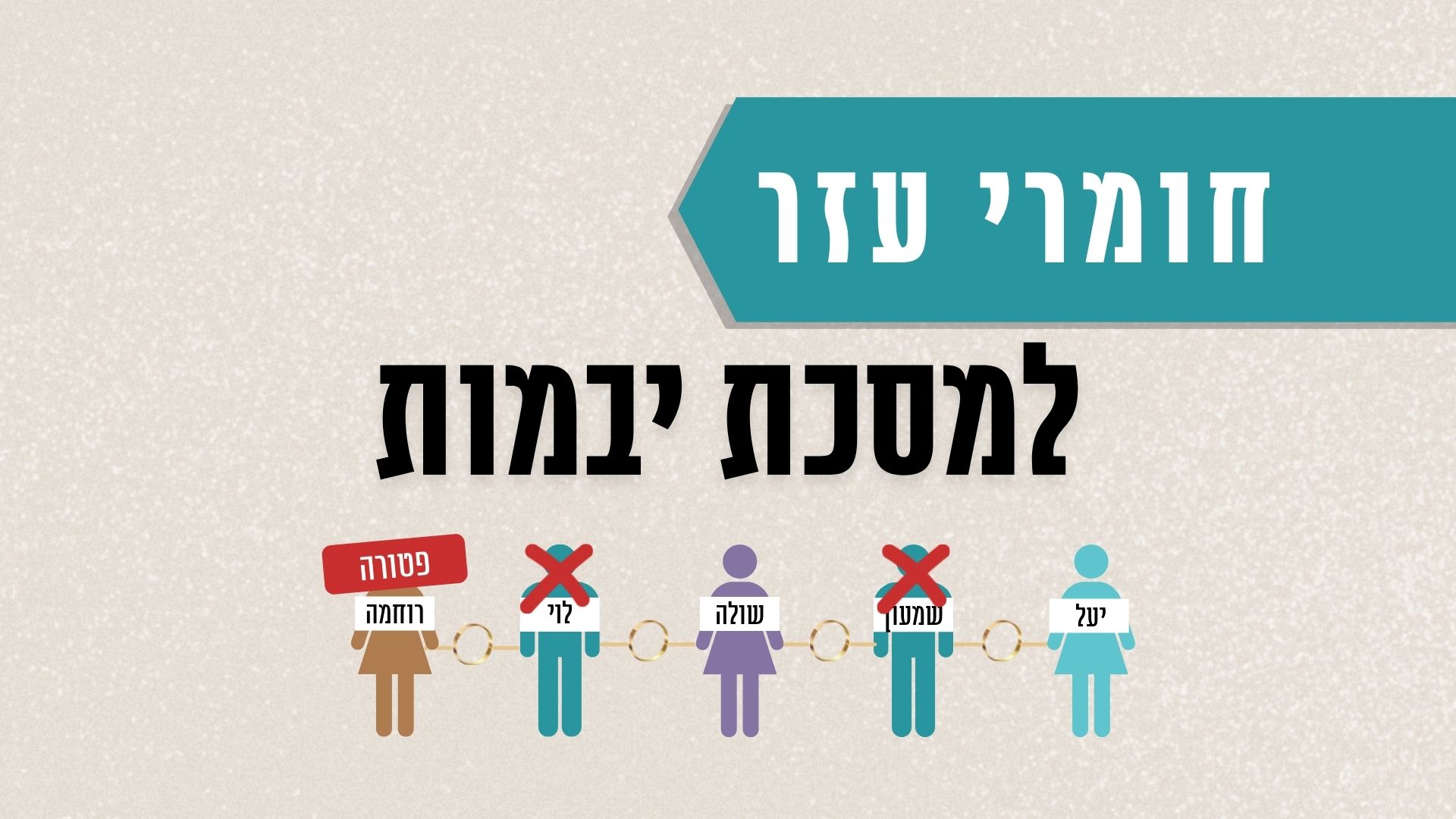
אם אחת נחשדת בקשר מיני עם אישה נשואה, היא צריכה להתגרש מבעלה ואם היא מתחתנת עם הגבר השני, היא נאלצת להתגרש. לטענת רב מדובר במקרה בו היו עדים וברור שהיא ניאפה. על הדף הקודם, רב ששת מטיל ספק בהבנה זו על סמך ברייתא והגמרא עונה לרב. גם ברייתא נוספת מובאת להעלות ספק על רב. מובאות שתי תשובות – או שהמקרה מתייחס לתרחיש אחר או שהברייתא היא דעתו של רבי אבל רב חולק על כך. רבי מצוטט בברייתא כמי שמתייחס ברצינות לחשדות כאשר יש סיבה טובה לחשוד שאשתו הייתה עם גבר אחר. ההלכה היא כמו רבי ורב – איך זה יכול להיות? זה תלוי אם השמועה תיפסק מיד או תמשיך. מה נחשב "מיד”? המשנה בגיטין מה: מביאה שני מקרים – בעל שמתגרש מאשתו כיוון שהוא חושד בה שהיא בוגדת בו או בגלל נדרים שנדרה. אסור לו להינשא לה שוב אם ירצה בכך. שואל רבה בר הונא: מה אם בכל זאת יתחתן איתה בשנית, האם חייבים להתגרש? האם נוכל להשתמש במקרה במשנתנו (שם אנו מכריחים את הבעל השני – החשוד בבגידה איתה – להתגרש) כדי לענות על השאלה? האם המקרים ברי השוואה? אם מביא גט מחו”ל ואומר שנכתב וחתם לפניו (דרישת גט מחו”ל) או שהעיד שבעלה מת או הוא הרג את בעלה בעצמו או עם אחרים, האשה היא חופשיה להתחתן עם כל אחד מלבדו, שכן הראיות מסתמכות רק עליו ולכן יש חשש שהוא משקר מתוך אינטרס אישי. רבי יהודה אינו מקבל את עדותו כלל אם הוא אומר "הרגתי אותה”. לפי תנא קמא, איך אפשר לקבל את עדותו בכלל אם אמר "הרגתי אותה” – כדברי רב יוסף, אם מעיד שמישהו שכב איתה משכב זכור ברצון, עדותו אינה מתקבלת כיוון שהוא עושה את עצמו לרשע. ורשע אינו יכול להעיד! אז למה כאן עדותו מתקבלת? האם צריך לומר שרב יוסף סובר כרבי יהודה או שאפשר להסביר זאת בדרך אחרת? אולי נוכל להבחין בין עדות לשחרר אישה מהיותה עגונה לבין מקרים אחרים. מדוע מזכירה המשנה את שני המקרים של "הרגתי אותה” ו”הרגנו אותה”? מה ההבדל? אם חכם לא הפר נדרה של אישה שאסרה עצמה על בעלה, ולכן גרמה להם להתגרש, הוא לא יכול להינשא לה. אבל אם היה בבית דין שלפניו מיאנה בבעלה או עשתה חליצה, יכול. האם ניתן להסיק מכאן שהתרת נדרים אפשרי בפני אדם אחד – אם כן באיזה מצב? האם רק מול שלושה אנשים אנחנו לא חושדים בו באינטרס אישי? במקור אחר, נראה שבפני שניים זה מספיק! בכל המקרים האלה, אם בכל זאת הוא התחתן איתה, האם הוא חייב להתגרש ממנה? האם ניתן ללמוד זאת מהמשנה הקודמת ואם כן מאיזה מקרה?

יבמות כה

מִנְעָלִים הֲפוּכִים תַּחַת הַמִּטָּה, אָמַר רַבִּי: הוֹאִיל וּמְכוֹעָר הַדָּבָר — תֵּצֵא. מִנְעָלִים הֲפוּכִים? לִיחְזֵי דְּמַאן נִינְהוּ! אֶלָּא: מְקוֹם מִנְעָלִים הֲפוּכִים (תַּחַת הַמִּטָּה, אָמַר רַבִּי: הוֹאִיל וּמְכוֹעָר הַדָּבָר — תֵּצֵא).

The same applies if the husband found the shoes reversed under the bed, so that the toe of the shoe faced the bed; this is a sign that a stranger came in and placed them like that. Rabbi Yehuda HaNasi said: Since this is a distasteful matter, she must be divorced. The Gemara questions this: Shoes turned around? Let him see whose they are and clarify who the stranger was and then find out what he was doing there. Rather, the case was that he found the place of the shoes, i.e., shoe prints, reversed under the bed and cannot recognize whose shoe prints they are. Rabbi Yehuda HaNasi said: Since this is a distasteful matter, she must be divorced.

וְהִלְכְתָא כְּווֹתֵיהּ דְּרַב, וְהִלְכְתָא כְּווֹתֵיהּ דְּרַבִּי. קַשְׁיָא הִלְכְתָא אַהִלְכְתָא: לָא קַשְׁיָא, הָא — בְּקָלָא דְּפָסֵיק, הָא — בְּקָלָא דְלָא פָּסֵיק. קָלָא דְלָא פָּסֵיק וְלֵיכָּא עֵדִים — כְּרַבִּי. קָלָא דְּפָסֵיק וְאִיכָּא עֵדִים — כְּרַב.

The Gemara concludes: The halakha is in accordance with the opinion of Rav, that they must divorce only if there were witnesses, and the halakha is in accordance with the opinion of Rabbi Yehuda HaNasi, that they must divorce if there is a matter that is distasteful. The Gemara challenges this: One halakha is difficult, as it contradicts the other halakha. The Gemara answers: This contradiction is not difficult. This one relates to a case where the rumor ceases and the woman is sent away only if there are witnesses, but that one relates to a case where the rumor does not cease, in which case he divorces her even if there are no witnesses. The Gemara elucidates the cases: In cases of a rumor that does not cease, even if there are no witnesses the halakha is in accordance with the opinion of Rabbi Yehuda HaNasi and he divorces her. If the rumor ceases and there are witnesses, the halakha is in accordance with the opinion of Rav, and he divorces her because there are witnesses.

וְקָלָא דְּלָא פָּסֵיק עַד כַּמָּה? אָמַר אַבָּיֵי, אֲמַרָה לִי אֵם: דּוֹמֵי דְמָתָא יוֹמָא וּפַלְגָא. וְלָא אֲמַרַן, אֶלָּא דְּלָא פְּסַק בֵּינֵי וּבֵינֵי, אֲבָל פְּסַק בֵּינֵי וּבֵינֵי — הָא פְּסַק. וְלָא אֲמַרַן אֶלָּא דְּלָא פְּסַק מֵחֲמַת יִרְאָה, אֲבָל פְּסַק מֵחֲמַת יִרְאָה — מֵחֲמַת יִרְאָה הוּא. וְלָא אֲמַרַן אֶלָּא דְּלֵיכָּא אוֹיְבִים, אֲבָל אִיכָּא אוֹיְבִים — אוֹיְבִים הוּא דְּאַפִּקוּ לֵיהּ לְקָלָא.

The Gemara clarifies this: At what point is it considered to be a persistent rumor? Abaye said: My mother told me: A rumor in the city lasts a day and a half. The Gemara comments: We said that this is the length of time only if the rumor did not cease in the meantime. But if the rumor did cease in the meantime, even it was later renewed, this is considered a rumor that has ceased and is disregarded. And we said that a rumor that ceased is not considered persistent only if the reason it ceased was not due to fear of the individual about whom it is said. But if it ceased due to fear, it is only due to fear and is still considered a persistent rumor. And we said that a persistent rumor has validity only if the subject of the rumor does not have any known enemies, but if he has enemies it may be assumed that it is the enemies who put out the rumor about him.

תְּנַן הָתָם: הַמּוֹצִיא אֶת אִשְׁתּוֹ מִשּׁוּם שֵׁם רָע — לֹא יַחְזִיר. מִשּׁוּם נֶדֶר — לֹא יַחְזִיר. שְׁלַח לֵיהּ רַבָּה בַּר הוּנָא לְרַבָּה בַּר רַב נַחְמָן, יְלַמְּדֵנוּ רַבֵּינוּ: כָּנַס, מַהוּ שֶׁיּוֹצִיא?

§ We learned in a mishna there (Gittin 45b): A man who divorces his wife due to her bad reputation may not take her back again, even if it turns out that the rumor was untrue. Likewise, if he divorced his wife due to a vow of hers that is unbearable to him he may not take her back even if she is released from that vow. Rabba bar Rav Huna sent a question to Rabba bar Rav Naḥman: Our teacher, instruct us. If one of those men listed in that mishna divorced his wife due to her bad reputation or vow and it was therefore prohibited for him to take her back, yet he nevertheless remarried her, what is the halakha? Must he divorce her?

אֲמַר לֵיהּ: תְּנֵינָא, הַנִּטְעָן עַל אֵשֶׁת אִישׁ וְהוֹצִיאָהּ מִתַּחַת יָדוֹ, אַף עַל פִּי שֶׁכָּנַס — יוֹצִיא. אֲמַר לֵיהּ: מִי דָּמֵי? הָתָם ״הוֹצִיאוּהָ״ וְהָכָא ״הוֹצִיאָהּ״. וְרַבָּה בַּר רַב נַחְמָן, מַתְנִיתִין נָמֵי ״הוֹצִיאָהּ״ תְּנַן.

Rabba bar Rav Naḥman said to him: We already learned in the mishna (24b): With regard to one who is suspected of committing adultery with a married woman, and he, her husband, divorced her, even if he subsequently remarried her he must divorce her. Rabba bar Rav Huna said to him: Is this comparable to the case I asked about? There, in the mishna, it says: They, the court, remove her from him, whereas here (Gittin 45b), the mishna states: He divorced her of his own accord. Perhaps if the court requires them to divorce, the halakha is different. The Gemara explains: And Rabba bar Rav Naḥman, who held that the two mishnayot were comparable, had a text of the mishna that also read: He divorced her, instead of: They remove her.

וְאַכַּתִּי מִי דָּמֵי? הָכָא בַּעַל, וְהָתָם בּוֹעֵל! אֲמַר לֵיהּ: שַׁפִּיר דָּמֵי אַהֲדָדֵי. הָכָא אֲמוּר רַבָּנַן: לָא יִכְנוֹס, וְאִם כָּנַס — יוֹצִיא. הָכִי נָמֵי: אָמְרִי רַבָּנַן, לֹא יַחְזִיר, וְאִם כָּנַס — יוֹצִיא.

Rabba bar Rav Huna asks: Still, is this comparable? Here, the question was raised in a case where the first husband remarried her, which will not strengthen the rumors of her bad reputation, but there, the mishna refers to the man with whom she committed adultery remarrying her, which strengthens those rumors. He said to him: They are certainly comparable to each other: Here, in the mishna discussing one who is suspected of committing adultery, the Sages said that he may not marry her and if he did marry her he must divorce her. So too, the Sages said in the case of one who divorced his wife due to her reputation or vow that he may not take her back, and if he does remarry her he must divorce her.

וְלָא הִיא. הָתָם: אַלּוֹמֵי אַלְּמֵיהּ לְקָלָא, הָכָא: אָמְרִינַן קָם בֵּיהּ בְּקָלָא וְלֵיתֵיהּ.

The Gemara rejects this: That is not so, as there, when the man suspected of committing adultery marries the woman, he thereby strengthens the rumor of adultery. For this reason he must divorce her. Here, we say that he, the husband, established the facts of the rumor and found that it was not so and the rumor was baseless. Therefore, there is no need for him to divorce her if he remarries her. Rabba bar Rav Huna’s question remains unresolved.

מַתְנִי׳ הַמֵּבִיא גֵּט מִמְּדִינַת הַיָּם, וְאָמַר: ״בְּפָנַי נִכְתַּב וּבְפָנַי נֶחְתַּם״ — לֹא יִשָּׂא אֶת אִשְׁתּוֹ. ״מֵת״, ״הֲרַגְתִּיו״, ״הֲרַגְנוּהוּ״ — לֹא יִשָּׂא אֶת אִשְׁתּוֹ. רַבִּי יְהוּדָה אוֹמֵר: ״הֲרַגְתִּיו״ — לֹא תִּנָּשֵׂא אִשְׁתּוֹ, ״הֲרַגְנוּהוּ״ — תִּנָּשֵׂא אִשְׁתּוֹ.

MISHNA: An agent who brought a bill of divorce from a country overseas and said: It was written in my presence and it was signed in my presence, as required in order to establish the bill of divorce as valid, may not marry the wife, i.e., the divorcée. Since the validity of the bill of divorce is based upon his testimony, marrying the divorcée creates the impression that he had an ulterior motive for his testimony. Similarly, a witness who testified that a certain man died, or testified: I killed him, or: We killed him, may not marry that man’s wife. Rabbi Yehuda says: If he testified: I killed him, his wife may not be married at all based on that evidence, as his testimony is unreliable, but if he said: We killed him, his wife may be married to anyone other than those witnesses.

גְּמָ׳ טַעְמָא דְּמִמְּדִינַת הַיָּם, דַּעֲלֵיהּ קָסָמְכִינַן. אֲבָל מֵאֶרֶץ יִשְׂרָאֵל, דְּלָאו עֲלֵיהּ קָסָמְכִינַן — יִשָּׂא אֶת אִשְׁתּוֹ.

GEMARA: The Gemara clarifies: The reason that the agent may not marry the divorcée applies specifically in a case where he brings the bill of divorce from a country overseas, as in this case we, the court, rely upon his testimony to validate the bill of divorce. But an agent who brings a bill of divorce from Eretz Yisrael need not make any verbal declaration, and since we, the court, do not rely upon his testimony but upon the written bill of divorce alone, he may marry his wife, i.e., the divorcée, since it does not arouse suspicion.

וְהָא מֵת, דְּלָאו עֲלֵיהּ קָסָמְכִינַן, דְּאָמַר מָר: אִשָּׁה דַּיְיקָא וּמִינַּסְבָא, וְקָתָנֵי: לֹא יִשָּׂא אֶת אִשְׁתּוֹ!

The Gemara challenges this: But also in the case of a witness who said that the husband died, we, the court, do not rely solely upon his testimony. As the Master said: A woman is exacting in her investigation of the truth of the testimony that her husband died before she marries again, and it is primarily on that basis that she is permitted to remarry. Yet it is taught that he still may not marry his wife.

הָתָם לֵיכָּא כְּתָבָא, הָכָא אִיכָּא כְּתָבָא. דִּתְנַן: מָה בֵּין גֵּט לְמִיתָה — שֶׁהַכְּתָב מוֹכִיחַ.

The Gemara answers: The two cases are not comparable, as there, in the case when a witness testifies that the husband has died, there is not anything written as proof, and therefore he may not marry the widow. However, here, in a case where an agent brings a bill of divorce from Eretz Yisrael, there is a written document that is valid without any testimony. As we learned in a mishna (117a): What is the difference between a bill of divorce and death? Why does the court rely upon those men who are not trusted as witnesses to the death of a husband if they act as agents to bring a bill of divorce, even from overseas, such that they must give testimony that it was written and signed in their presence? The difference is that with regard to a bill of divorce the writing proves their testimony.

״מֵת״, ״הֲרַגְתִּיו״, ״הֲרַגְנוּהוּ״ — לֹא יִשָּׂא אֶת אִשְׁתּוֹ. הוּא נִיהוּ דְּלֹא יִשָּׂא אֶת אִשְׁתּוֹ, הָא לְאַחֵר תִּנָּשֵׂא.

The mishna stated that if the witness said with regard to the husband that he died, or: I killed him, or: We killed him, then he may not marry the wife of the deceased. The Gemara infers that he, the witness himself, may not marry the wife; this implies that to another she may be married on the basis of his testimony.

וְהָאָמַר רַב יוֹסֵף: ״פְּלוֹנִי רְבָעַנִי לְאוֹנְסִי״ — הוּא וְאַחֵר מִצְטָרְפִין לְהׇרְגוֹ. ״לִרְצוֹנִי״ — רָשָׁע הוּא, וְהַתּוֹרָה אָמְרָה: ״אַל תָּשֶׁת יָדְךָ עִם רָשָׁע לִהְיוֹת עֵד חָמָס״?

The Gemara challenges this: Didn’t Rav Yosef say: With regard to one who testified that so-and-so sodomized me against my will, then he who testified to being the victim of the sexual assault and another bystander witness can combine as a pair of witnesses in order to put the assailant to death for homosexual intercourse. But if he testified: I was willingly sodomized by so-and-so, then he is wicked by his own admission, since he willingly transgressed. And the Torah said: “Put not your hand with the wicked to be a corrupt witness” (Exodus 23:1). If one renders himself unfit as a witness by admitting to murder, how can his testimony be accepted to permit the wife to remarry?

וְכִי תֵּימָא: שָׁאנֵי עֵדוּת אִשָּׁה דַּאֲקִילּוּ בַּהּ רַבָּנַן — וְהָאָמַר רַב מְנַשֶּׁה:

And if you would say that testimony that a woman’s husband died is different, as the Sages ruled leniently in such matters and perhaps accepted testimony of a wicked witness in such cases, didn’t Rav Menashe say:

גַּזְלָן דְּדִבְרֵיהֶם — כָּשֵׁר לְעֵדוּת אִשָּׁה, גַּזְלָן דְּדִבְרֵי תוֹרָה — פָּסוּל לְעֵדוּת אִשָּׁה. נֵימָא רַב מְנַשֶּׁה דְּאָמַר כְּרַבִּי יְהוּדָה!

Although one who is considered a robber according to the words of the Sages is unfit for other forms of testimony, he is fit as a witness for testimony that a woman’s husband died. A robber according to Torah law is unfit as a witness even for testimony that a woman’s husband has died. Should we say that what Rav Menashe said is in accordance with the opinion of Rabbi Yehuda? Rabbi Yehuda said in the mishna that one who is considered absolutely wicked because he admitted that he is a murderer is unfit for testifying to the death of a husband, but one who was merely present among a gang of murderers is not.

אָמַר לְךָ רַב מְנַשֶּׁה: אֲנָא דַּאֲמַרִי אֲפִילּוּ לְרַבָּנַן — וְטַעְמָא דְּרַבָּנַן הָכָא כִּדְרָבָא, דְּאָמַר רָבָא: אָדָם קָרוֹב אֵצֶל עַצְמוֹ, וְאֵין אָדָם מֵשִׂים עַצְמוֹ רָשָׁע.

The Gemara rejects this: Rav Menashe could have said to you: I am speaking even according to the opinion of the Rabbis. Although the Rabbis did not allow one who was wicked by Torah law to testify for a woman, a witness who admitted: I killed him, is nevertheless believed. And the rationale of the Rabbis here is in accordance with the opinion of Rava, as Rava disputed Rav Yosef’s opinion and said: Even if one said that he was willingly sodomized by this man, he is not believed concerning his own actions, because a person is his own relative. Consequently, he may not testify about himself, just as the testimony of any relative is disqualified. And furthermore, a person does not make himself wicked. His testimony with regard to his own actions is inadmissible because he is his own relative, but his testimony is accepted both to put a sodomizer to death or to render it permitted for a woman to remarry by saying that he killed her husband.

לֵימָא רַב יוֹסֵף דְּאָמַר כְּרַבִּי יְהוּדָה? אָמַר לְךָ רַב יוֹסֵף: אֲנָא דַּאֲמַרִי אֲפִילּוּ לְרַבָּנַן, וְשָׁאנֵי עֵדוּת אִשָּׁה, דַּאֲקִילּוּ בַּהּ רַבָּנַן. וְרַב מְנַשֶּׁה דְּאָמַר כְּרַבִּי יְהוּדָה.

The Gemara asks: Shall we say according to this explanation that the opinion that Rav Yosef spoke is in accordance with the opinion of Rabbi Yehuda? The Gemara rejects this: Rav Yosef could have said to you: I am speaking even according to the opinion of the Rabbis, as in my opinion, testimony enabling a woman to remarry is different in that the Rabbis ruled more leniently and they even accept testimony from a completely wicked individual. However, Rav Menashe, who renders unfit one who is wicked by Torah law from testimony enabling a woman to remarry, spoke in accordance with the opinion of Rabbi Yehuda, who differentiates even in such testimony between one who is considered wicked according to Torah law and one who is considered wicked by rabbinic law.

הֲרַגְתִּיו כּוּ׳ הֲרַגְנוּהוּ תִּנָּשֵׂא כּוּ׳. מַאי שְׁנָא ״הֲרַגְתִּיו״ וּמַאי שְׁנָא ״הֲרַגְנוּהוּ״? אָמַר רַב יְהוּדָה, בְּאוֹמֵר: אֲנִי הָיִיתִי עִם הוֹרְגָיו.

In the mishna it is taught that the court accepts testimony from one who said: I killed him, or: We killed him, while Rabbi Yehuda differentiates between one who said: I killed him, whose testimony is not accepted, and one who said: We killed him, whose testimony is accepted and the woman may be married to others. The Gemara asks: What is different between: I killed him, and: We killed him? Isn’t he a murderer by his own admission as well when he testifies: We killed him? Rav Yehuda said: Do not understand that by saying: We killed him, he included himself among the murderers. Rather, it is referring to a case where he said: I was with his murderers, but he was not an active participant to the murder.

וְהָתַנְיָא: אָמְרוּ לוֹ לְרַבִּי יְהוּדָה, מַעֲשֶׂה בְּלִסְטִים אֶחָד שֶׁיָּצָא לֵיהָרֵג בִּמְגִיזַת קַפּוֹטְקְיָא, וְאָמַר לָהֶם: ״לְכוּ אִמְרוּ לָהּ לְאֵשֶׁת שִׁמְעוֹן בֶּן כֹּהֵן: ׳אֲנִי הָרַגְתִּי אֶת בַּעְלָהּ בִּכְנִיסָתִי לְלוֹד׳״, וְאָמְרִי לַהּ: ׳בִּכְנִיסָתוֹ לְלוֹד׳, וְהִשִּׂיאוּ אֶת אִשְׁתּוֹ! אָמַר לָהֶם: מִשָּׁם רְאָיָה?! בְּאוֹמֵר: ״אֲנִי הָיִיתִי עִם הוֹרְגָיו״.

And it is taught in a baraita that this is the basis for Rabbi Yehuda’s distinction: They told Rabbi Yehuda: There was an incident involving an armed bandit [listim] who was taken out to be executed in the passage [megizat] of Cappadocia, and he said to those present: Go and tell the wife of Shimon the Priest that I killed her husband as I entered Lod. And some say that he said: As he entered Lod. And they married off his wife on the basis of this testimony. This implies that the court accepts testimony from the murderer himself. Rabbi Yehuda said to them: You derive proof from there? The case was that he said: I was with his murderers, but not that he himself murdered the woman’s husband.

וְהָא ״לִסְטִים״ קָתָנֵי! שֶׁנִּתְפַּס עַל יְדֵי לִסְטִיּוּת. וְהָא ״יָצָא״ לֵיהָרֵג קָתָנֵי! בֵּי דִינָא דְּגוֹיִם, דְּלָא דָּיְיקִי וְקָטְלִי.

The Gemara challenges: How could Rabbi Yehuda understand the incident in such a way? But it is taught in the baraita that the witness himself was an armed bandit. The Gemara answers: He was captured for a charge of armed banditry. The Gemara asks: But it is taught that he was taken out to be executed, implying that he was found guilty of murder. The Gemara answers: That was a gentile court, and they execute without being precise. One who is among a gang of bandits is executed by a gentile court regardless of whether or not he himself was a murderer. This baraita therefore provides evidence that Rabbi Yehuda admits the testimony of such a witness only if he says: I was with his murderers.

מַתְנִי׳ הֶחָכָם שֶׁאָסַר אֶת הָאִשָּׁה בְּנֶדֶר עַל בַּעְלָהּ — הֲרֵי זֶה לֹא יִשָּׂאֶנָּה. מֵיאֲנָה, אוֹ שֶׁחָלְצָה בְּפָנָיו — יִשָּׂאֶנָּה, מִפְּנֵי שֶׁהוּא בֵּית דִּין.

MISHNA: A Sage who refused to release a woman from a vow that rendered the wife forbidden to her husband by that vow, resulting in her being divorced from her husband, may not marry her, so as to avoid suspicion that he rendered her forbidden to her husband in order to marry her himself. However, a judge before whom a woman performed refusal when she was a minor, declaring that she did not desire the husband chosen for her by her family, or before whom she performed ḥalitza, may marry her because he was only one member of the court, thereby alleviating suspicion.

גְּמָ׳ הָא הִתִּירָה — יִשָּׂאֶנָּה. בְּמַאי עָסְקִינַן? אִילֵימָא בְּחַד — חַד מִי מָצֵי מַתִּיר? וְהָאָמַר (רַב אָמַר) רַבִּי חִיָּיא בַּר אָבִין אָמַר רַב עַמְרָם, תָּנָא: הַתָּרַת נְדָרִים בִּשְׁלֹשָׁה!

GEMARA: The mishna taught that a Sage who rendered a woman forbidden to her husband may not then marry her. The Gemara deduces from here: This implies that if he rendered her permitted to her husband and she was later widowed or divorced, then he may marry her. The Gemara clarifies this: With what are we dealing? If we say that he was a single judge and not part of a court, can a single judge dissolve vows? But didn’t Rav say that Rabbi Ḥiyya bar Avin said that Rav Amram said: It is taught in a baraita: Dissolution of vows requires a court of three judges?

וְאֶלָּא, בִּתְלָתָא. מִי חֲשִׁידִי? וְהָתְנַן: מֵיאֲנָה אוֹ שֶׁחָלְצָה בְּפָנָיו — יִשָּׂאֶנָּה, מִפְּנֵי שֶׁהוּא בֵּית דִּין.

Rather, could it be a case of three judges rather than one? In such a case, would they be suspect of distorting judgment? But didn’t we learn in the mishna: If she performed refusal or performed ḥalitza before him, he may marry her because he functioned as a member of a court of three? This teaches that there is no suspicion of a judge in a court of three.

לְעוֹלָם בְּחַד, וְכִדְאָמַר רַב חִסְדָּא אָמַר רַבִּי יוֹחָנָן: בְּיָחִיד מוּמְחֶה, הָכָא נָמֵי: בְּיָחִיד מוּמְחֶה.

The Gemara answers: Actually, you should explain that this case is that of a single judge, and it is as Rav Ḥisda said that Rabbi Yoḥanan said: Vows may be dissolved even by a single expert, and a three-member court is not always necessary. Here too, it is referring to a single expert refusing to nullify her vow.

מֵיאֲנָה אוֹ שֶׁחָלְצָה וְכוּ׳. טַעְמָא דְּבֵית דִּין, הָא בִּתְרֵי — לָא,

It is taught in the mishna that if a woman performed refusal or performed ḥalitza before a judge, he may still marry her, as he was part of a court. The Gemara deduces from here: The reason is specifically that he functioned on the court as one of three judges. The Gemara deduces: Then, if there were only two judges, he would not be permitted to marry her.

מַאי שְׁנָא מֵהָא דִּתְנַן: עֵדִים הַחֲתוּמִים עַל שְׂדֵה מִקָּח, וְעַל גֵּט אִשָּׁה לֹא חָשׁוּ חֲכָמִים לְדָבָר זֶה? הִיא גּוּפַהּ קָמַשְׁמַע לַן, לְאַפּוֹקֵי מִמַּאן דְּאָמַר מֵיאוּן בִּפְנֵי שְׁנַיִם, קָמַשְׁמַע לַן מֵיאוּן בִּשְׁלֹשָׁה.

If so, in what way is this case different from that which we learned in a baraita: If witnesses signed on the document of sale of a field or on a woman’s bill of divorce, the Sages were not concerned about this matter if one of the witnesses subsequently purchased the field or married the divorcée. Since there are two witnesses, there is no suspicion that they collaborated for the benefit of one of them. The Gemara answers: If there were two judges there would also be no concern; however, this mishna itself comes to teach us that a refusal must be performed before a full court, to exclude the opinion of the one who said that refusal may be performed before two. This teaches us that refusal must be performed before three judges.

אִיבַּעְיָא לְהוּ: כָּנַס, מַהוּ שֶׁיּוֹצִיא? רַב כָּהֲנָא אָמַר: כָּנַס — מוֹצִיא. רַב אָשֵׁי אָמַר: כָּנַס — אֵינוֹ מוֹצִיא. תָּנֵי לְהוּ רַב זוּטֵי דְּבֵי רַב פַּפֵּי כְּדִבְרֵי הָאוֹמֵר כָּנַס אֵינוֹ מוֹצִיא.

§ A dilemma was raised before the Sages with regard to one who was prohibited from marrying a certain woman: If he nevertheless married her despite the prohibition, what is the halakha with regard to whether he must divorce her? Rav Kahana said: If he married her, he must divorce her. Rav Ashi said: If he married her, he need not divorce her. Rav Zuti from the school of Rav Pappi taught the Sages a baraita in accordance with the statement of the one who said that if he married her, he need not divorce her.

אֲמַרוּ לֵיהּ רַבָּנַן לְרַב אָשֵׁי: גְּמָרָא, אוֹ סְבָרָא? אֲמַר לְהוּ, מַתְנִיתִין הִיא: הַנִּטְעָן מִשִּׁפְחָה וְנִשְׁתַּחְרְרָה, מִגּוֹיָה וְנִתְגַּיְּירָה — הֲרֵי זֶה לֹא יִכְנוֹס, וְאִם כָּנַס — אֵין מוֹצִיא. אַלְמָא

The Rabbis said to Rav Ashi: With regard to the halakha that you said, that if he married her he need not divorce her, was it based upon tradition or is it your own conclusion? He said to them: It is the mishna. I reached this conclusion from the wording of the mishna, which taught that one suspected by others of engaging in sexual relations with a Canaanite maidservant and she was subsequently set free, or with a gentile woman and she subsequently converted may not marry that woman. But if he did marry her, they, the judges of the court, do not remove her from him. Apparently,

העמקה

רוצה להבין מה באמת קורה מתחת לפני השטח של הסוגיה?
שיעורים, פודקאסטים והרחבות של מיטב המורות שלנו יפתחו לך עוד זוויות וכיווני חשיבה.

לשיעורי עוד על הדף באנגלית, לחצי כאן

חדשה בלימוד הגמרא?

זה הדף הראשון שלך? איזו התרגשות עצומה! יש לנו בדיוק את התכנים והכלים שיעזרו לך לעשות את הצעדים הראשונים ללמידה בקצב וברמה שלך, כך תוכלי להרגיש בנוח גם בתוך הסוגיות המורכבות ומאתגרות.

פסיפס הלומדות שלנו

גלי את קהילת הלומדות שלנו, מגוון נשים, רקעים וסיפורים. כולן חלק מתנועה ומסע מרגש ועוצמתי.

התחלתי ללמוד בעידוד שתי חברות אתן למדתי בעבר את הפרק היומי במסגרת 929.
בבית מתלהבים מאוד ובשבת אני לומדת את הדף עם בעלי שזה מפתיע ומשמח מאוד! לימוד הדף הוא חלק בלתי נפרד מהיום שלי. לומדת בצהריים ומחכה לזמן הזה מידי יום…

Miriam Wengerover
מרים ונגרובר

אפרת, ישראל

. לא תמיד נהניתי מלימוד גמרא כילדה.,בל כהתבגרתי התחלתי לאהוב את זה שוב. התחלתי ללמוד מסכת סוטה בדף היומי לפני כחמש עשרה שנה ואז הפסקתי.הגעתי לסיום הגדול של הדרן לפני שנתיים וזה נתן לי השראה. והתחלתי ללמוד למשך כמה ימים ואז היתה לי פריצת דיסק והפסקתי…עד אלול השנה. אז התחלתי עם מסכת ביצה וב”ה אני מצליחה לעמוד בקצב. המשפחה מאוד תומכת בי ויש כמה שגם לומדים את זה במקביל. אני אוהבת שיש עוגן כל יום.

Rebecca Darshan
רבקה דרשן

בית שמש, ישראל

התחלתי ללמוד דף יומי שהתחילו מסכת כתובות, לפני 7 שנים, במסגרת קבוצת לימוד שהתפרקה די מהר, ומשם המשכתי לבד בתמיכת האיש שלי. נעזרתי בגמרת שטיינזלץ ובשיעורים מוקלטים.
הסביבה מאד תומכת ואני מקבלת המון מילים טובות לאורך כל הדרך. מאז הסיום הגדול יש תחושה שאני חלק מדבר גדול יותר.
אני לומדת בשיטת ה”7 דפים בשבוע” של הרבנית תרצה קלמן – כלומר, לא נורא אם לא הצלחת ללמוד כל יום, העיקר שגמרת ארבעה דפים בשבוע

Rachel Goldstein
רחל גולדשטיין

עתניאל, ישראל

התחלתי ללמוד דף יומי ממסכת נידה כי זה היה חומר הלימוד שלי אז. לאחר הסיום הגדול בבנייני האומה החלטתי להמשיך. וב”ה מאז עם הפסקות קטנות של קורונה ולידה אני משתדלת להמשיך ולהיות חלק.

זה משפיע מאוד על היום יום שלי ועל אף שאני עסוקה בלימודי הלכה ותורה כל יום, זאת המסגרת הקבועה והמחייבת ביותר שיש לי.

Moriah Taesan Michaeli
מוריה תעסן מיכאלי

גבעת הראל, ישראל

אחי, שלומד דף יומי ממסכת ברכות, חיפש חברותא ללימוד מסכת ראש השנה והציע לי. החברותא היתה מאתגרת טכנית ורוב הזמן נעשתה דרך הטלפון, כך שבסיום המסכת נפרדו דרכינו. אחי חזר ללמוד לבד, אבל אני כבר נכבשתי בקסם הגמרא ושכנעתי את האיש שלי להצטרף אלי למסכת ביצה. מאז המשכנו הלאה, ועכשיו אנחנו מתרגשים לקראתו של סדר נשים!

Shulamit Saban
שולמית סבן

נוקדים, ישראל

"
גם אני התחלתי בסבב הנוכחי וב””ה הצלחתי לסיים את רוב המסכתות . בזכות הרבנית מישל משתדלת לפתוח את היום בשיעור הזום בשעה 6:20 .הלימוד הפך להיות חלק משמעותי בחיי ויש ימים בהם אני מצליחה לחזור על הדף עם מלמדים נוספים ששיעוריהם נמצאים במרשתת. שמחה להיות חלק מקהילת לומדות ברחבי העולם. ובמיוחד לשמש דוגמה לנכדותיי שאי””ה יגדלו לדור שלימוד תורה לנשים יהיה משהו שבשגרה. "

Ronit Shavit
רונית שביט

נתניה, ישראל

באירוע של הדרן בנייני האומה. בהשראתה של אמי שלי שסיימה את הש”ס בסבב הקודם ובעידוד מאיר , אישי, וילדיי וחברותיי ללימוד במכון למנהיגות הלכתית של רשת אור תורה סטון ומורתיי הרבנית ענת נובוסלסקי והרבנית דבורה עברון, ראש המכון למנהיגות הלכתית.
הלימוד מעשיר את יומי, מחזיר אותי גם למסכתות שכבר סיימתי וידוע שאינו דומה מי ששונה פרקו מאה לשונה פרקו מאה ואחת במיוחד מרתקים אותי החיבורים בין המסכתות

Roit Kalech
רוית קלך

מודיעין, ישראל

התחלתי בתחילת הסבב, והתמכרתי. זה נותן משמעות נוספת ליומיום ומאוד מחזק לתת לזה מקום בתוך כל שגרת הבית-עבודה השוטפת.

Reut Abrahami
רעות אברהמי

בית שמש, ישראל

התחלתי ללמוד בשנת המדרשה במגדל עוז, בינתיים נהנית מאוד מהלימוד ומהגמרא, מעניין ומשמח מאוד!
משתדלת להצליח לעקוב כל יום, לפעמים משלימה קצת בהמשך השבוע.. מרגישה שיש עוגן מקובע ביום שלי והוא משמח מאוד!

Uriah Kesner
אוריה קסנר

חיפה , ישראל

התחלתי מעט לפני תחילת הסבב הנוכחי. אני נהנית מהאתגר של להמשיך להתמיד, מרגעים של "אהה, מפה זה הגיע!” ומהאתגר האינטלקטואלי

Eilat-Chen and Deller
אילת-חן ודלר

לוד, ישראל

אחי, שלומד דף יומי ממסכת ברכות, חיפש חברותא ללימוד מסכת ראש השנה והציע לי. החברותא היתה מאתגרת טכנית ורוב הזמן נעשתה דרך הטלפון, כך שבסיום המסכת נפרדו דרכינו. אחי חזר ללמוד לבד, אבל אני כבר נכבשתי בקסם הגמרא ושכנעתי את האיש שלי להצטרף אלי למסכת ביצה. מאז המשכנו הלאה, ועכשיו אנחנו מתרגשים לקראתו של סדר נשים!

Shulamit Saban
שולמית סבן

נוקדים, ישראל

A life-changing journey started with a Chanukah family tiyul to Zippori, home of the Sanhedrin 2 years ago and continued with the Syum in Binanei Hauma where I was awed by the energy of 3000 women dedicated to learning daf Yomi. Opening my morning daily with a fresh daf, I am excited with the new insights I find enriching my life and opening new and deeper horizons for me.

Becky Goldstein
בקי גולדשטיין

Elazar gush etzion, Israel

התחלתי ללמוד דף לפני קצת יותר מ-5 שנים, כשלמדתי רבנות בישיבת מהר”ת בניו יורק. בדיעבד, עד אז, הייתי בלימוד הגמרא שלי כמו מישהו שאוסף חרוזים משרשרת שהתפזרה, פה משהו ושם משהו, ומאז נפתח עולם ומלואו…. הדף נותן לי לימוד בצורה מאורגנת, שיטתית, יום-יומית, ומלמד אותי לא רק ידע אלא את השפה ודרך החשיבה שלנו. לשמחתי, יש לי סביבה תומכת וההרגשה שלי היא כמו בציטוט שבחרתי: הדף משפיע לטובה על כל היום שלי.

Michal Kahana
מיכל כהנא

חיפה, ישראל

התחלתי לפני 8 שנים במדרשה. לאחרונה סיימתי מסכת תענית בלמידה עצמית ועכשיו לקראת סיום מסכת מגילה.

Daniela Baruchim
דניאלה ברוכים

רעננה, ישראל

. לא תמיד נהניתי מלימוד גמרא כילדה.,בל כהתבגרתי התחלתי לאהוב את זה שוב. התחלתי ללמוד מסכת סוטה בדף היומי לפני כחמש עשרה שנה ואז הפסקתי.הגעתי לסיום הגדול של הדרן לפני שנתיים וזה נתן לי השראה. והתחלתי ללמוד למשך כמה ימים ואז היתה לי פריצת דיסק והפסקתי…עד אלול השנה. אז התחלתי עם מסכת ביצה וב”ה אני מצליחה לעמוד בקצב. המשפחה מאוד תומכת בי ויש כמה שגם לומדים את זה במקביל. אני אוהבת שיש עוגן כל יום.

Rebecca Darshan
רבקה דרשן

בית שמש, ישראל

התחלתי מעט לפני תחילת הסבב הנוכחי. אני נהנית מהאתגר של להמשיך להתמיד, מרגעים של "אהה, מפה זה הגיע!” ומהאתגר האינטלקטואלי

Eilat-Chen and Deller
אילת-חן ודלר

לוד, ישראל

התחלתי ללמוד את הדף היומי מעט אחרי שבני הקטן נולד. בהתחלה בשמיעה ולימוד באמצעות השיעור של הרבנית שפרבר. ובהמשך העזתי וקניתי לעצמי גמרא. מאז ממשיכה יום יום ללמוד עצמאית, ולפעמים בעזרת השיעור של הרבנית, כל יום. כל סיום של מסכת מביא לאושר גדול וסיפוק. הילדים בבית נהיו חלק מהלימוד, אני משתפת בסוגיות מעניינות ונהנית לשמוע את דעתם.

Eliraz Blau
אלירז בלאו

מעלה מכמש, ישראל

רבנית מישל הציתה אש התלמוד בלבבות בביניני האומה ואני נדלקתי. היא פתחה פתח ותמכה במתחילות כמוני ואפשרה לנו להתקדם בצעדים נכונים וטובים. הקימה מערך שלם שמסובב את הלומדות בסביבה תומכת וכך נכנסתי למסלול לימוד מעשיר שאין כמוה. הדרן יצר קהילה גדולה וחזקה שמאפשרת התקדמות מכל נקודת מוצא. יש דיבוק לומדות שמחזק את ההתמדה של כולנו. כל פניה ושאלה נענית בזריזות ויסודיות. תודה גם למגי על כל העזרה.

Sarah Aber
שרה אבר

נתניה, ישראל

התחלתי ללמוד דף יומי בסבב הקודם. זכיתי לסיים אותו במעמד המרגש של הדרן. בסבב הראשון ליווה אותי הספק, שאולי לא אצליח לעמוד בקצב ולהתמיד. בסבב השני אני לומדת ברוגע, מתוך אמונה ביכולתי ללמוד ולסיים. בסבב הלימוד הראשון ליוותה אותי חוויה מסויימת של בדידות. הדרן העניקה לי קהילת לימוד ואחוות נשים. החוויה של סיום הש”ס במעמד כה גדול כשנשים שאינן מכירות אותי, שמחות ומתרגשות עבורי , היתה חוויה מרוממת נפש

Ilanit Weil
אילנית ווייל

קיבוץ מגדל עוז, ישראל

לפני 15 שנה, אחרי עשרות שנים של "ג’ינגול” בין משפחה לקריירה תובענית בהייטק, הצטרפתי לשיעורי גמרא במתן רעננה. הלימוד המעמיק והייחודי של הרבנית אושרה קורן יחד עם קבוצת הנשים המגוונת הייתה חוויה מאלפת ומעשירה. לפני כשמונה שנים כאשר מחזור הדף היומי הגיע למסכת תענית הצטרפתי כ”חברותא” לבעלי. זו השעה היומית שלנו ביחד כאשר דפי הגמרא משתלבים בחיי היום יום, משפיעים ומושפעים, וכשלא מספיקים תמיד משלימים בשבת

Yodi Askoff
יודי אסקוף

רעננה, ישראל

יבמות כה

מִנְעָלִים הֲפוּכִים תַּחַת הַמִּטָּה, אָמַר רַבִּי: הוֹאִיל וּמְכוֹעָר הַדָּבָר — תֵּצֵא. מִנְעָלִים הֲפוּכִים? לִיחְזֵי דְּמַאן נִינְהוּ! אֶלָּא: מְקוֹם מִנְעָלִים הֲפוּכִים (תַּחַת הַמִּטָּה, אָמַר רַבִּי: הוֹאִיל וּמְכוֹעָר הַדָּבָר — תֵּצֵא).

The same applies if the husband found the shoes reversed under the bed, so that the toe of the shoe faced the bed; this is a sign that a stranger came in and placed them like that. Rabbi Yehuda HaNasi said: Since this is a distasteful matter, she must be divorced. The Gemara questions this: Shoes turned around? Let him see whose they are and clarify who the stranger was and then find out what he was doing there. Rather, the case was that he found the place of the shoes, i.e., shoe prints, reversed under the bed and cannot recognize whose shoe prints they are. Rabbi Yehuda HaNasi said: Since this is a distasteful matter, she must be divorced.

וְהִלְכְתָא כְּווֹתֵיהּ דְּרַב, וְהִלְכְתָא כְּווֹתֵיהּ דְּרַבִּי. קַשְׁיָא הִלְכְתָא אַהִלְכְתָא: לָא קַשְׁיָא, הָא — בְּקָלָא דְּפָסֵיק, הָא — בְּקָלָא דְלָא פָּסֵיק. קָלָא דְלָא פָּסֵיק וְלֵיכָּא עֵדִים — כְּרַבִּי. קָלָא דְּפָסֵיק וְאִיכָּא עֵדִים — כְּרַב.

The Gemara concludes: The halakha is in accordance with the opinion of Rav, that they must divorce only if there were witnesses, and the halakha is in accordance with the opinion of Rabbi Yehuda HaNasi, that they must divorce if there is a matter that is distasteful. The Gemara challenges this: One halakha is difficult, as it contradicts the other halakha. The Gemara answers: This contradiction is not difficult. This one relates to a case where the rumor ceases and the woman is sent away only if there are witnesses, but that one relates to a case where the rumor does not cease, in which case he divorces her even if there are no witnesses. The Gemara elucidates the cases: In cases of a rumor that does not cease, even if there are no witnesses the halakha is in accordance with the opinion of Rabbi Yehuda HaNasi and he divorces her. If the rumor ceases and there are witnesses, the halakha is in accordance with the opinion of Rav, and he divorces her because there are witnesses.

וְקָלָא דְּלָא פָּסֵיק עַד כַּמָּה? אָמַר אַבָּיֵי, אֲמַרָה לִי אֵם: דּוֹמֵי דְמָתָא יוֹמָא וּפַלְגָא. וְלָא אֲמַרַן, אֶלָּא דְּלָא פְּסַק בֵּינֵי וּבֵינֵי, אֲבָל פְּסַק בֵּינֵי וּבֵינֵי — הָא פְּסַק. וְלָא אֲמַרַן אֶלָּא דְּלָא פְּסַק מֵחֲמַת יִרְאָה, אֲבָל פְּסַק מֵחֲמַת יִרְאָה — מֵחֲמַת יִרְאָה הוּא. וְלָא אֲמַרַן אֶלָּא דְּלֵיכָּא אוֹיְבִים, אֲבָל אִיכָּא אוֹיְבִים — אוֹיְבִים הוּא דְּאַפִּקוּ לֵיהּ לְקָלָא.

The Gemara clarifies this: At what point is it considered to be a persistent rumor? Abaye said: My mother told me: A rumor in the city lasts a day and a half. The Gemara comments: We said that this is the length of time only if the rumor did not cease in the meantime. But if the rumor did cease in the meantime, even it was later renewed, this is considered a rumor that has ceased and is disregarded. And we said that a rumor that ceased is not considered persistent only if the reason it ceased was not due to fear of the individual about whom it is said. But if it ceased due to fear, it is only due to fear and is still considered a persistent rumor. And we said that a persistent rumor has validity only if the subject of the rumor does not have any known enemies, but if he has enemies it may be assumed that it is the enemies who put out the rumor about him.

תְּנַן הָתָם: הַמּוֹצִיא אֶת אִשְׁתּוֹ מִשּׁוּם שֵׁם רָע — לֹא יַחְזִיר. מִשּׁוּם נֶדֶר — לֹא יַחְזִיר. שְׁלַח לֵיהּ רַבָּה בַּר הוּנָא לְרַבָּה בַּר רַב נַחְמָן, יְלַמְּדֵנוּ רַבֵּינוּ: כָּנַס, מַהוּ שֶׁיּוֹצִיא?

§ We learned in a mishna there (Gittin 45b): A man who divorces his wife due to her bad reputation may not take her back again, even if it turns out that the rumor was untrue. Likewise, if he divorced his wife due to a vow of hers that is unbearable to him he may not take her back even if she is released from that vow. Rabba bar Rav Huna sent a question to Rabba bar Rav Naḥman: Our teacher, instruct us. If one of those men listed in that mishna divorced his wife due to her bad reputation or vow and it was therefore prohibited for him to take her back, yet he nevertheless remarried her, what is the halakha? Must he divorce her?

אֲמַר לֵיהּ: תְּנֵינָא, הַנִּטְעָן עַל אֵשֶׁת אִישׁ וְהוֹצִיאָהּ מִתַּחַת יָדוֹ, אַף עַל פִּי שֶׁכָּנַס — יוֹצִיא. אֲמַר לֵיהּ: מִי דָּמֵי? הָתָם ״הוֹצִיאוּהָ״ וְהָכָא ״הוֹצִיאָהּ״. וְרַבָּה בַּר רַב נַחְמָן, מַתְנִיתִין נָמֵי ״הוֹצִיאָהּ״ תְּנַן.

Rabba bar Rav Naḥman said to him: We already learned in the mishna (24b): With regard to one who is suspected of committing adultery with a married woman, and he, her husband, divorced her, even if he subsequently remarried her he must divorce her. Rabba bar Rav Huna said to him: Is this comparable to the case I asked about? There, in the mishna, it says: They, the court, remove her from him, whereas here (Gittin 45b), the mishna states: He divorced her of his own accord. Perhaps if the court requires them to divorce, the halakha is different. The Gemara explains: And Rabba bar Rav Naḥman, who held that the two mishnayot were comparable, had a text of the mishna that also read: He divorced her, instead of: They remove her.

וְאַכַּתִּי מִי דָּמֵי? הָכָא בַּעַל, וְהָתָם בּוֹעֵל! אֲמַר לֵיהּ: שַׁפִּיר דָּמֵי אַהֲדָדֵי. הָכָא אֲמוּר רַבָּנַן: לָא יִכְנוֹס, וְאִם כָּנַס — יוֹצִיא. הָכִי נָמֵי: אָמְרִי רַבָּנַן, לֹא יַחְזִיר, וְאִם כָּנַס — יוֹצִיא.

Rabba bar Rav Huna asks: Still, is this comparable? Here, the question was raised in a case where the first husband remarried her, which will not strengthen the rumors of her bad reputation, but there, the mishna refers to the man with whom she committed adultery remarrying her, which strengthens those rumors. He said to him: They are certainly comparable to each other: Here, in the mishna discussing one who is suspected of committing adultery, the Sages said that he may not marry her and if he did marry her he must divorce her. So too, the Sages said in the case of one who divorced his wife due to her reputation or vow that he may not take her back, and if he does remarry her he must divorce her.

וְלָא הִיא. הָתָם: אַלּוֹמֵי אַלְּמֵיהּ לְקָלָא, הָכָא: אָמְרִינַן קָם בֵּיהּ בְּקָלָא וְלֵיתֵיהּ.

The Gemara rejects this: That is not so, as there, when the man suspected of committing adultery marries the woman, he thereby strengthens the rumor of adultery. For this reason he must divorce her. Here, we say that he, the husband, established the facts of the rumor and found that it was not so and the rumor was baseless. Therefore, there is no need for him to divorce her if he remarries her. Rabba bar Rav Huna’s question remains unresolved.

מַתְנִי׳ הַמֵּבִיא גֵּט מִמְּדִינַת הַיָּם, וְאָמַר: ״בְּפָנַי נִכְתַּב וּבְפָנַי נֶחְתַּם״ — לֹא יִשָּׂא אֶת אִשְׁתּוֹ. ״מֵת״, ״הֲרַגְתִּיו״, ״הֲרַגְנוּהוּ״ — לֹא יִשָּׂא אֶת אִשְׁתּוֹ. רַבִּי יְהוּדָה אוֹמֵר: ״הֲרַגְתִּיו״ — לֹא תִּנָּשֵׂא אִשְׁתּוֹ, ״הֲרַגְנוּהוּ״ — תִּנָּשֵׂא אִשְׁתּוֹ.

MISHNA: An agent who brought a bill of divorce from a country overseas and said: It was written in my presence and it was signed in my presence, as required in order to establish the bill of divorce as valid, may not marry the wife, i.e., the divorcée. Since the validity of the bill of divorce is based upon his testimony, marrying the divorcée creates the impression that he had an ulterior motive for his testimony. Similarly, a witness who testified that a certain man died, or testified: I killed him, or: We killed him, may not marry that man’s wife. Rabbi Yehuda says: If he testified: I killed him, his wife may not be married at all based on that evidence, as his testimony is unreliable, but if he said: We killed him, his wife may be married to anyone other than those witnesses.

גְּמָ׳ טַעְמָא דְּמִמְּדִינַת הַיָּם, דַּעֲלֵיהּ קָסָמְכִינַן. אֲבָל מֵאֶרֶץ יִשְׂרָאֵל, דְּלָאו עֲלֵיהּ קָסָמְכִינַן — יִשָּׂא אֶת אִשְׁתּוֹ.

GEMARA: The Gemara clarifies: The reason that the agent may not marry the divorcée applies specifically in a case where he brings the bill of divorce from a country overseas, as in this case we, the court, rely upon his testimony to validate the bill of divorce. But an agent who brings a bill of divorce from Eretz Yisrael need not make any verbal declaration, and since we, the court, do not rely upon his testimony but upon the written bill of divorce alone, he may marry his wife, i.e., the divorcée, since it does not arouse suspicion.

וְהָא מֵת, דְּלָאו עֲלֵיהּ קָסָמְכִינַן, דְּאָמַר מָר: אִשָּׁה דַּיְיקָא וּמִינַּסְבָא, וְקָתָנֵי: לֹא יִשָּׂא אֶת אִשְׁתּוֹ!

The Gemara challenges this: But also in the case of a witness who said that the husband died, we, the court, do not rely solely upon his testimony. As the Master said: A woman is exacting in her investigation of the truth of the testimony that her husband died before she marries again, and it is primarily on that basis that she is permitted to remarry. Yet it is taught that he still may not marry his wife.

הָתָם לֵיכָּא כְּתָבָא, הָכָא אִיכָּא כְּתָבָא. דִּתְנַן: מָה בֵּין גֵּט לְמִיתָה — שֶׁהַכְּתָב מוֹכִיחַ.

The Gemara answers: The two cases are not comparable, as there, in the case when a witness testifies that the husband has died, there is not anything written as proof, and therefore he may not marry the widow. However, here, in a case where an agent brings a bill of divorce from Eretz Yisrael, there is a written document that is valid without any testimony. As we learned in a mishna (117a): What is the difference between a bill of divorce and death? Why does the court rely upon those men who are not trusted as witnesses to the death of a husband if they act as agents to bring a bill of divorce, even from overseas, such that they must give testimony that it was written and signed in their presence? The difference is that with regard to a bill of divorce the writing proves their testimony.

״מֵת״, ״הֲרַגְתִּיו״, ״הֲרַגְנוּהוּ״ — לֹא יִשָּׂא אֶת אִשְׁתּוֹ. הוּא נִיהוּ דְּלֹא יִשָּׂא אֶת אִשְׁתּוֹ, הָא לְאַחֵר תִּנָּשֵׂא.

The mishna stated that if the witness said with regard to the husband that he died, or: I killed him, or: We killed him, then he may not marry the wife of the deceased. The Gemara infers that he, the witness himself, may not marry the wife; this implies that to another she may be married on the basis of his testimony.

וְהָאָמַר רַב יוֹסֵף: ״פְּלוֹנִי רְבָעַנִי לְאוֹנְסִי״ — הוּא וְאַחֵר מִצְטָרְפִין לְהׇרְגוֹ. ״לִרְצוֹנִי״ — רָשָׁע הוּא, וְהַתּוֹרָה אָמְרָה: ״אַל תָּשֶׁת יָדְךָ עִם רָשָׁע לִהְיוֹת עֵד חָמָס״?

The Gemara challenges this: Didn’t Rav Yosef say: With regard to one who testified that so-and-so sodomized me against my will, then he who testified to being the victim of the sexual assault and another bystander witness can combine as a pair of witnesses in order to put the assailant to death for homosexual intercourse. But if he testified: I was willingly sodomized by so-and-so, then he is wicked by his own admission, since he willingly transgressed. And the Torah said: “Put not your hand with the wicked to be a corrupt witness” (Exodus 23:1). If one renders himself unfit as a witness by admitting to murder, how can his testimony be accepted to permit the wife to remarry?

וְכִי תֵּימָא: שָׁאנֵי עֵדוּת אִשָּׁה דַּאֲקִילּוּ בַּהּ רַבָּנַן — וְהָאָמַר רַב מְנַשֶּׁה:

And if you would say that testimony that a woman’s husband died is different, as the Sages ruled leniently in such matters and perhaps accepted testimony of a wicked witness in such cases, didn’t Rav Menashe say:

גַּזְלָן דְּדִבְרֵיהֶם — כָּשֵׁר לְעֵדוּת אִשָּׁה, גַּזְלָן דְּדִבְרֵי תוֹרָה — פָּסוּל לְעֵדוּת אִשָּׁה. נֵימָא רַב מְנַשֶּׁה דְּאָמַר כְּרַבִּי יְהוּדָה!

Although one who is considered a robber according to the words of the Sages is unfit for other forms of testimony, he is fit as a witness for testimony that a woman’s husband died. A robber according to Torah law is unfit as a witness even for testimony that a woman’s husband has died. Should we say that what Rav Menashe said is in accordance with the opinion of Rabbi Yehuda? Rabbi Yehuda said in the mishna that one who is considered absolutely wicked because he admitted that he is a murderer is unfit for testifying to the death of a husband, but one who was merely present among a gang of murderers is not.

אָמַר לְךָ רַב מְנַשֶּׁה: אֲנָא דַּאֲמַרִי אֲפִילּוּ לְרַבָּנַן — וְטַעְמָא דְּרַבָּנַן הָכָא כִּדְרָבָא, דְּאָמַר רָבָא: אָדָם קָרוֹב אֵצֶל עַצְמוֹ, וְאֵין אָדָם מֵשִׂים עַצְמוֹ רָשָׁע.

The Gemara rejects this: Rav Menashe could have said to you: I am speaking even according to the opinion of the Rabbis. Although the Rabbis did not allow one who was wicked by Torah law to testify for a woman, a witness who admitted: I killed him, is nevertheless believed. And the rationale of the Rabbis here is in accordance with the opinion of Rava, as Rava disputed Rav Yosef’s opinion and said: Even if one said that he was willingly sodomized by this man, he is not believed concerning his own actions, because a person is his own relative. Consequently, he may not testify about himself, just as the testimony of any relative is disqualified. And furthermore, a person does not make himself wicked. His testimony with regard to his own actions is inadmissible because he is his own relative, but his testimony is accepted both to put a sodomizer to death or to render it permitted for a woman to remarry by saying that he killed her husband.

לֵימָא רַב יוֹסֵף דְּאָמַר כְּרַבִּי יְהוּדָה? אָמַר לְךָ רַב יוֹסֵף: אֲנָא דַּאֲמַרִי אֲפִילּוּ לְרַבָּנַן, וְשָׁאנֵי עֵדוּת אִשָּׁה, דַּאֲקִילּוּ בַּהּ רַבָּנַן. וְרַב מְנַשֶּׁה דְּאָמַר כְּרַבִּי יְהוּדָה.

The Gemara asks: Shall we say according to this explanation that the opinion that Rav Yosef spoke is in accordance with the opinion of Rabbi Yehuda? The Gemara rejects this: Rav Yosef could have said to you: I am speaking even according to the opinion of the Rabbis, as in my opinion, testimony enabling a woman to remarry is different in that the Rabbis ruled more leniently and they even accept testimony from a completely wicked individual. However, Rav Menashe, who renders unfit one who is wicked by Torah law from testimony enabling a woman to remarry, spoke in accordance with the opinion of Rabbi Yehuda, who differentiates even in such testimony between one who is considered wicked according to Torah law and one who is considered wicked by rabbinic law.

הֲרַגְתִּיו כּוּ׳ הֲרַגְנוּהוּ תִּנָּשֵׂא כּוּ׳. מַאי שְׁנָא ״הֲרַגְתִּיו״ וּמַאי שְׁנָא ״הֲרַגְנוּהוּ״? אָמַר רַב יְהוּדָה, בְּאוֹמֵר: אֲנִי הָיִיתִי עִם הוֹרְגָיו.

In the mishna it is taught that the court accepts testimony from one who said: I killed him, or: We killed him, while Rabbi Yehuda differentiates between one who said: I killed him, whose testimony is not accepted, and one who said: We killed him, whose testimony is accepted and the woman may be married to others. The Gemara asks: What is different between: I killed him, and: We killed him? Isn’t he a murderer by his own admission as well when he testifies: We killed him? Rav Yehuda said: Do not understand that by saying: We killed him, he included himself among the murderers. Rather, it is referring to a case where he said: I was with his murderers, but he was not an active participant to the murder.

וְהָתַנְיָא: אָמְרוּ לוֹ לְרַבִּי יְהוּדָה, מַעֲשֶׂה בְּלִסְטִים אֶחָד שֶׁיָּצָא לֵיהָרֵג בִּמְגִיזַת קַפּוֹטְקְיָא, וְאָמַר לָהֶם: ״לְכוּ אִמְרוּ לָהּ לְאֵשֶׁת שִׁמְעוֹן בֶּן כֹּהֵן: ׳אֲנִי הָרַגְתִּי אֶת בַּעְלָהּ בִּכְנִיסָתִי לְלוֹד׳״, וְאָמְרִי לַהּ: ׳בִּכְנִיסָתוֹ לְלוֹד׳, וְהִשִּׂיאוּ אֶת אִשְׁתּוֹ! אָמַר לָהֶם: מִשָּׁם רְאָיָה?! בְּאוֹמֵר: ״אֲנִי הָיִיתִי עִם הוֹרְגָיו״.

And it is taught in a baraita that this is the basis for Rabbi Yehuda’s distinction: They told Rabbi Yehuda: There was an incident involving an armed bandit [listim] who was taken out to be executed in the passage [megizat] of Cappadocia, and he said to those present: Go and tell the wife of Shimon the Priest that I killed her husband as I entered Lod. And some say that he said: As he entered Lod. And they married off his wife on the basis of this testimony. This implies that the court accepts testimony from the murderer himself. Rabbi Yehuda said to them: You derive proof from there? The case was that he said: I was with his murderers, but not that he himself murdered the woman’s husband.

וְהָא ״לִסְטִים״ קָתָנֵי! שֶׁנִּתְפַּס עַל יְדֵי לִסְטִיּוּת. וְהָא ״יָצָא״ לֵיהָרֵג קָתָנֵי! בֵּי דִינָא דְּגוֹיִם, דְּלָא דָּיְיקִי וְקָטְלִי.

The Gemara challenges: How could Rabbi Yehuda understand the incident in such a way? But it is taught in the baraita that the witness himself was an armed bandit. The Gemara answers: He was captured for a charge of armed banditry. The Gemara asks: But it is taught that he was taken out to be executed, implying that he was found guilty of murder. The Gemara answers: That was a gentile court, and they execute without being precise. One who is among a gang of bandits is executed by a gentile court regardless of whether or not he himself was a murderer. This baraita therefore provides evidence that Rabbi Yehuda admits the testimony of such a witness only if he says: I was with his murderers.

מַתְנִי׳ הֶחָכָם שֶׁאָסַר אֶת הָאִשָּׁה בְּנֶדֶר עַל בַּעְלָהּ — הֲרֵי זֶה לֹא יִשָּׂאֶנָּה. מֵיאֲנָה, אוֹ שֶׁחָלְצָה בְּפָנָיו — יִשָּׂאֶנָּה, מִפְּנֵי שֶׁהוּא בֵּית דִּין.

MISHNA: A Sage who refused to release a woman from a vow that rendered the wife forbidden to her husband by that vow, resulting in her being divorced from her husband, may not marry her, so as to avoid suspicion that he rendered her forbidden to her husband in order to marry her himself. However, a judge before whom a woman performed refusal when she was a minor, declaring that she did not desire the husband chosen for her by her family, or before whom she performed ḥalitza, may marry her because he was only one member of the court, thereby alleviating suspicion.

גְּמָ׳ הָא הִתִּירָה — יִשָּׂאֶנָּה. בְּמַאי עָסְקִינַן? אִילֵימָא בְּחַד — חַד מִי מָצֵי מַתִּיר? וְהָאָמַר (רַב אָמַר) רַבִּי חִיָּיא בַּר אָבִין אָמַר רַב עַמְרָם, תָּנָא: הַתָּרַת נְדָרִים בִּשְׁלֹשָׁה!

GEMARA: The mishna taught that a Sage who rendered a woman forbidden to her husband may not then marry her. The Gemara deduces from here: This implies that if he rendered her permitted to her husband and she was later widowed or divorced, then he may marry her. The Gemara clarifies this: With what are we dealing? If we say that he was a single judge and not part of a court, can a single judge dissolve vows? But didn’t Rav say that Rabbi Ḥiyya bar Avin said that Rav Amram said: It is taught in a baraita: Dissolution of vows requires a court of three judges?

וְאֶלָּא, בִּתְלָתָא. מִי חֲשִׁידִי? וְהָתְנַן: מֵיאֲנָה אוֹ שֶׁחָלְצָה בְּפָנָיו — יִשָּׂאֶנָּה, מִפְּנֵי שֶׁהוּא בֵּית דִּין.

Rather, could it be a case of three judges rather than one? In such a case, would they be suspect of distorting judgment? But didn’t we learn in the mishna: If she performed refusal or performed ḥalitza before him, he may marry her because he functioned as a member of a court of three? This teaches that there is no suspicion of a judge in a court of three.

לְעוֹלָם בְּחַד, וְכִדְאָמַר רַב חִסְדָּא אָמַר רַבִּי יוֹחָנָן: בְּיָחִיד מוּמְחֶה, הָכָא נָמֵי: בְּיָחִיד מוּמְחֶה.

The Gemara answers: Actually, you should explain that this case is that of a single judge, and it is as Rav Ḥisda said that Rabbi Yoḥanan said: Vows may be dissolved even by a single expert, and a three-member court is not always necessary. Here too, it is referring to a single expert refusing to nullify her vow.

מֵיאֲנָה אוֹ שֶׁחָלְצָה וְכוּ׳. טַעְמָא דְּבֵית דִּין, הָא בִּתְרֵי — לָא,

It is taught in the mishna that if a woman performed refusal or performed ḥalitza before a judge, he may still marry her, as he was part of a court. The Gemara deduces from here: The reason is specifically that he functioned on the court as one of three judges. The Gemara deduces: Then, if there were only two judges, he would not be permitted to marry her.

מַאי שְׁנָא מֵהָא דִּתְנַן: עֵדִים הַחֲתוּמִים עַל שְׂדֵה מִקָּח, וְעַל גֵּט אִשָּׁה לֹא חָשׁוּ חֲכָמִים לְדָבָר זֶה? הִיא גּוּפַהּ קָמַשְׁמַע לַן, לְאַפּוֹקֵי מִמַּאן דְּאָמַר מֵיאוּן בִּפְנֵי שְׁנַיִם, קָמַשְׁמַע לַן מֵיאוּן בִּשְׁלֹשָׁה.

If so, in what way is this case different from that which we learned in a baraita: If witnesses signed on the document of sale of a field or on a woman’s bill of divorce, the Sages were not concerned about this matter if one of the witnesses subsequently purchased the field or married the divorcée. Since there are two witnesses, there is no suspicion that they collaborated for the benefit of one of them. The Gemara answers: If there were two judges there would also be no concern; however, this mishna itself comes to teach us that a refusal must be performed before a full court, to exclude the opinion of the one who said that refusal may be performed before two. This teaches us that refusal must be performed before three judges.

אִיבַּעְיָא לְהוּ: כָּנַס, מַהוּ שֶׁיּוֹצִיא? רַב כָּהֲנָא אָמַר: כָּנַס — מוֹצִיא. רַב אָשֵׁי אָמַר: כָּנַס — אֵינוֹ מוֹצִיא. תָּנֵי לְהוּ רַב זוּטֵי דְּבֵי רַב פַּפֵּי כְּדִבְרֵי הָאוֹמֵר כָּנַס אֵינוֹ מוֹצִיא.

§ A dilemma was raised before the Sages with regard to one who was prohibited from marrying a certain woman: If he nevertheless married her despite the prohibition, what is the halakha with regard to whether he must divorce her? Rav Kahana said: If he married her, he must divorce her. Rav Ashi said: If he married her, he need not divorce her. Rav Zuti from the school of Rav Pappi taught the Sages a baraita in accordance with the statement of the one who said that if he married her, he need not divorce her.

אֲמַרוּ לֵיהּ רַבָּנַן לְרַב אָשֵׁי: גְּמָרָא, אוֹ סְבָרָא? אֲמַר לְהוּ, מַתְנִיתִין הִיא: הַנִּטְעָן מִשִּׁפְחָה וְנִשְׁתַּחְרְרָה, מִגּוֹיָה וְנִתְגַּיְּירָה — הֲרֵי זֶה לֹא יִכְנוֹס, וְאִם כָּנַס — אֵין מוֹצִיא. אַלְמָא

The Rabbis said to Rav Ashi: With regard to the halakha that you said, that if he married her he need not divorce her, was it based upon tradition or is it your own conclusion? He said to them: It is the mishna. I reached this conclusion from the wording of the mishna, which taught that one suspected by others of engaging in sexual relations with a Canaanite maidservant and she was subsequently set free, or with a gentile woman and she subsequently converted may not marry that woman. But if he did marry her, they, the judges of the court, do not remove her from him. Apparently,

רוצה לעקוב אחרי התכנים ולהמשיך ללמוד?

ביצירת חשבון עוד היום ניתן לעקוב אחרי ההתקדמות שלך, לסמן מה למדת, ולעקוב אחרי השיעורים שמעניינים אותך.

לנקות את כל הפריטים מהרשימה?

פעולה זו תסיר את כל הפריטים בחלק זה כולל ההתקדמות וההיסטוריה. שימי לב: לא ניתן לשחזר פעולה זו.

ביטול
מחיקה

האם את/ה בטוח/ה שברצונך למחוק פריט זה?

תאבד/י את כל ההתקדמות או ההיסטוריה הקשורות לפריט זה.

ביטול
מחיקה