חיפוש

יבמות כד

רוצה להקדיש שיעור?

podcast placeholder

0:00
0:00


תקציר

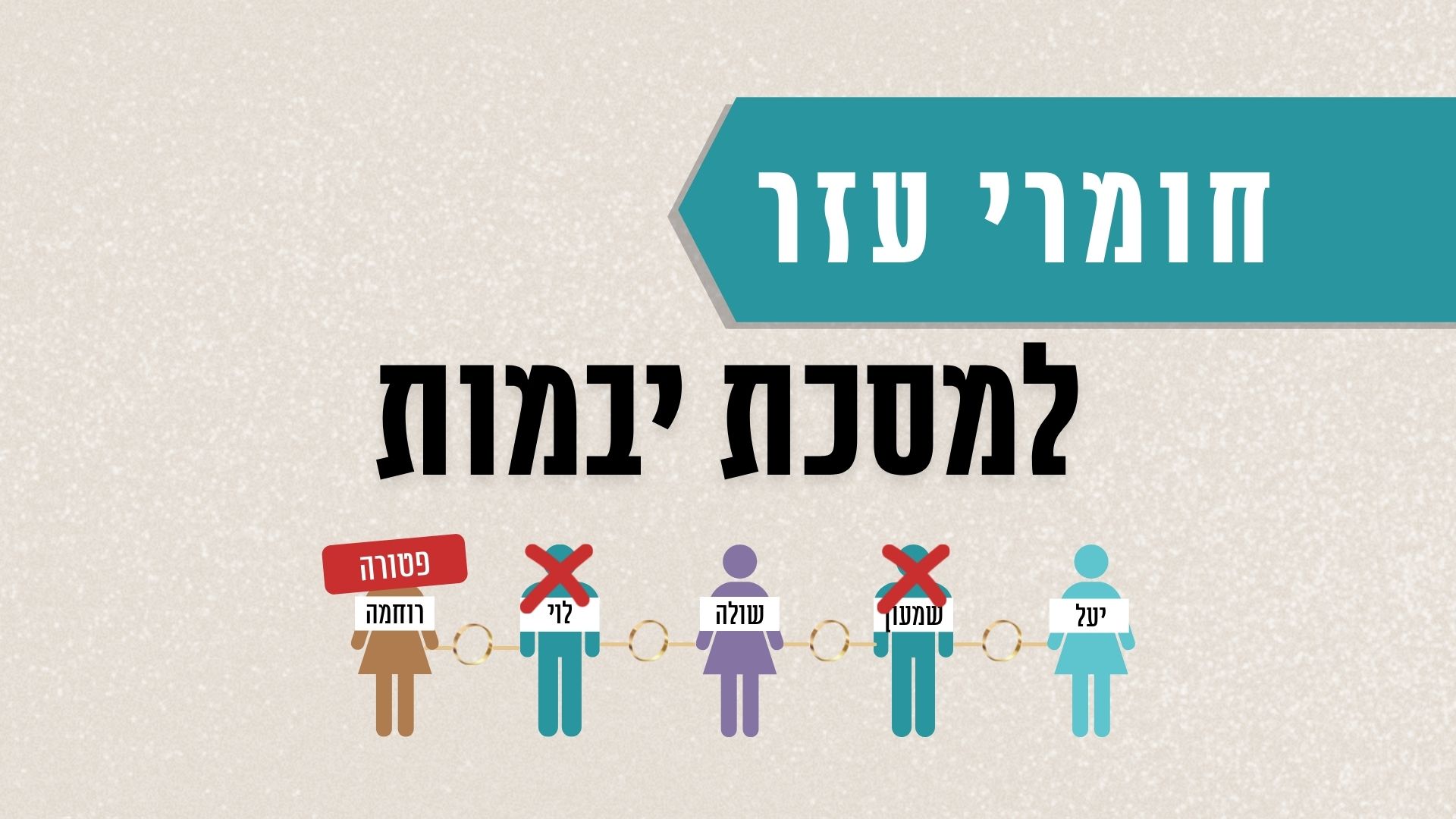
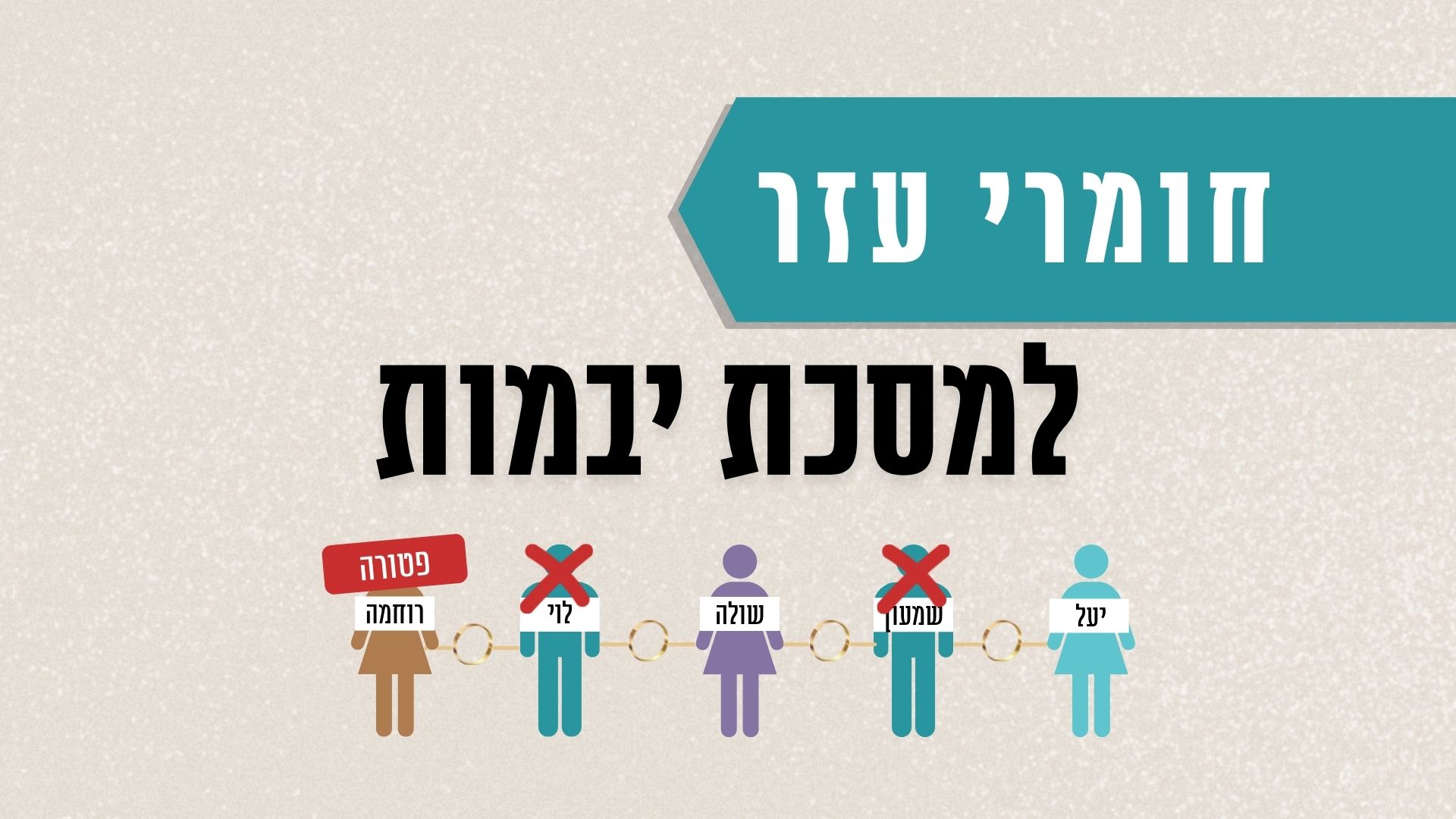
המצגת בפורמט pdf

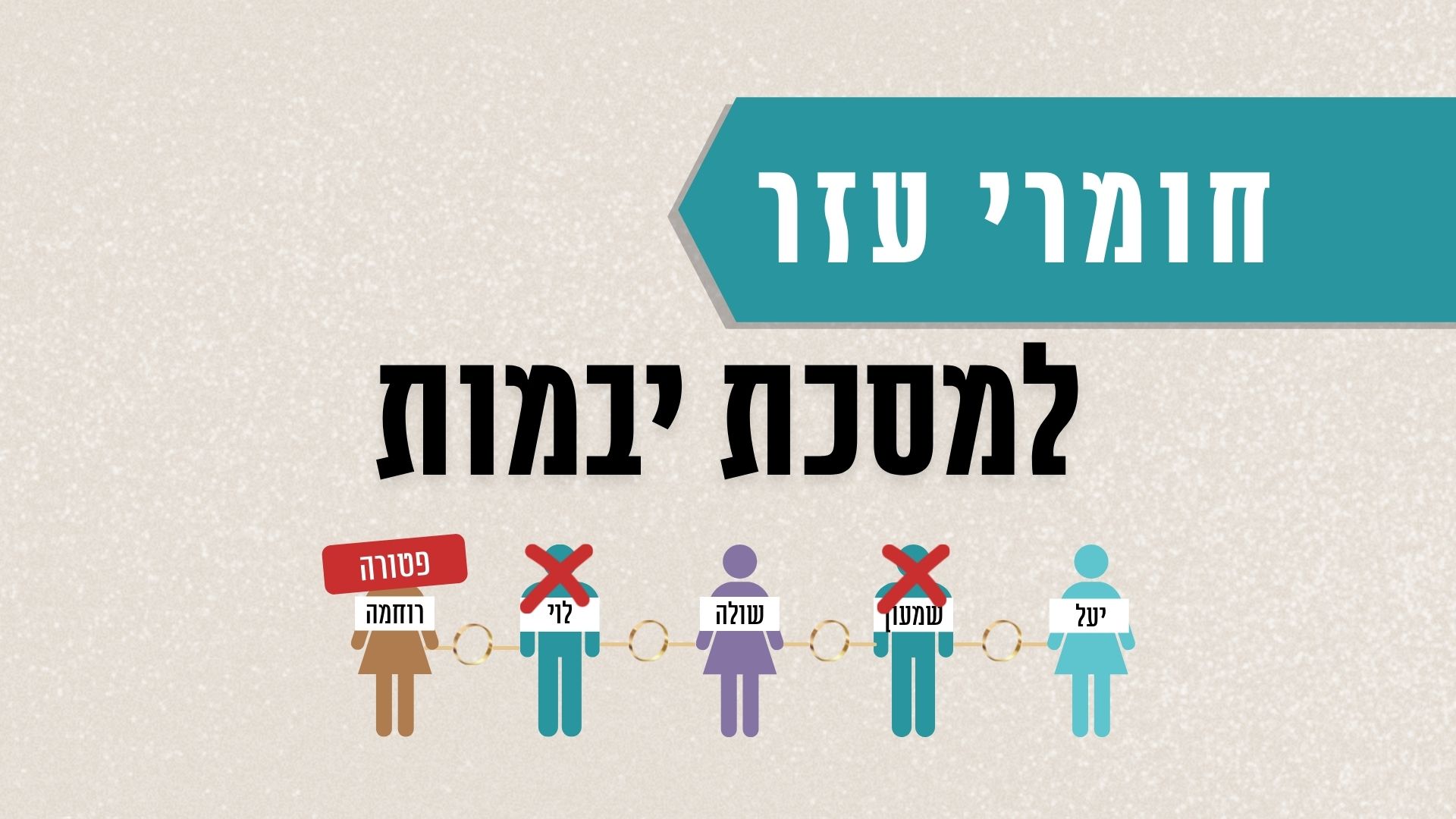
הגמרא משווה את המקרה שבמשנה (ספק קידושין) שאחרי שעורכים חליצה ​​עם אחות אחת, השנייה יכולה לעשות ייבום, וגם אם שניהם נשאו את שתי האחיות, לא מכריחים אותם להתגרש, למקרה של המשנה בפרק ג’ שבו שתי האחיות נשואות לשני אחים ומותר רק לחלוץ, ואם הם מתחתנים עם האחים, הם חייבים להתגרש. המקרה כאן הוא ספק ואילו בפרק שלישי הוא מקרה שבו כל אחות ודאי חייבת בייבום, לכן אנו מחמירים שם ככל שהקשר של היבם לנשים חזק יותר. על כהן אסור על פי ההלכה לשאת אישה שעברה חליצה. מכיוון שזה רק אסור מדרבנן, במקרה שלנו, אם התחתן עם האישה שעברה חליצה ​​עם אחיו של הבעל השני, הוא יכול להישאר נשוי. עדיפות לאח הגדול לעשות ייבום. מאיפה זה נלמד? מובאים דרשות גם על חלקים אחרים של אותו פסוק, כגון האח שעושה ייבום יורש את נחלת אחיו, סריס פטור מייבום. מדוע הפסוק על הבכור אינו משמש כדי לדרוש דברים אפשריים אחרים, כגון, רק כאשר יש בכור עושים ייבום? אם יש חשד שקיים קשר מיני עם שפחה או אישה לא יהודייה והשפחה משתחררת או שהלא יהודייה התגיירה, לא ניתן להתחתן איתם. אבל אם כן, הם יכולים להישאר נשואים. עם זאת, אם אחד נחשד בקשר מיני עם אישה נשואה, היא צריכה להתגרש מבעלה ואם היא מתחתנת עם הגבר השני, חייבים להתגרש. האם זה במקרה בו היו עדים וברור שהיא קיימה יחסים עם הגבר השני או מספיק שיש שמועות? האם זה תלוי אם היו לה ילדים מנישואיה הראשונים או לא? למה?


יבמות כד

הָתָם, אִי לְמַאן דְּאָמַר יֵשׁ זִיקָה — יֵשׁ זִיקָה, וְאִי לְמַאן דְּאָמַר אָסוּר לְבַטֵּל מִצְוַת יְבָמִין — אָסוּר לְבַטֵּל מִצְוַת יְבָמִין. הָכָא — כׇּל חַד וְחַד אֵימוֹר דִּידֵיהּ קָא מִתְרַמְיָא לֵיהּ.

There, in that mishna, if it is according to the one who said that the levirate bond is substantial, then there is a bond in that case, as two sisters were certainly married to the brothers and require levirate marriage. And if it is according to the one who said that it is prohibited to nullify the levirate mitzva through marrying the sister of the yevama, then the explanation of that mishna is that it is prohibited to nullify the levirate mitzva and for this reason they must perform ḥalitza and may not enter into levirate marriage. However, here, in this mishna, there is uncertainty concerning the betrothal such that with regard to each one of the brothers, one could say that possibly he encountered his own yevama. Perhaps each brother took his own brother’s wife in levirate marriage, and for this reason the Sages did not issue a decree.

קָדְמוּ וְכָנְסוּ אֵין מוֹצִיאִין כּוּ׳. תָּנֵי שֵׁילָא: וַאֲפִילּוּ שְׁנֵיהֶם כֹּהֲנִים. מַאי טַעְמָא — חֲלוּצָה דְּרַבָּנַן הִיא, וְסָפֵק חֲלוּצָה לָא גְּזַרוּ בְּהוּ רַבָּנַן.

§ The mishna states that if they married their wives before consulting the court, the court does not remove them from the marriage. Sheila teaches a baraita that clarifies the mishna: And this is the case even if both of the brothers were priests. A woman who performed ḥalitza is normally forbidden to a priest, yet in this case, although the brother of the other man performed ḥalitza, they are not required to divorce. What is the reason for this halakha? It is as follows: A ḥalutza is forbidden to a priest by rabbinic law because her status is similar to that of a divorcée, who is forbidden to a priest by Torah law. And in a case of uncertainty as to whether she is a ḥalutza, since it may not have been her yavam who performed the ceremony, the Sages did not issue a decree.

וַחֲלוּצָה דְּרַבָּנַן הִיא? וְהָתַנְיָא: ״גְּרוּשָׁה״, אֵין לִי אֶלָּא גְּרוּשָׁה, חֲלוּצָה מִנַּיִן? תַּלְמוּד לוֹמַר: ״וְאִשָּׁה״! מִדְּרַבָּנַן הוּא, וּקְרָא אַסְמַכְתָּא בְּעָלְמָא הוּא.

The Gemara asks: And is the prohibition against a ḥalutza marrying a priest really by rabbinic law? But isn’t it taught in a baraita: “They shall not take a woman that is a harlot, or profaned; neither shall they take a woman divorced from her husband; for he is holy unto his God” (Leviticus 21:7). I have derived only a divorcée; from where do I derive that a priest may not marry a ḥalutza? The verse states: “Neither shall they take a woman.” The repetition of the word “woman” extends the halakha to include a ḥalutza. The Gemara answers: This prohibition is by rabbinic law, and the verse is a mere support.

מַתְנִי׳ מִצְוָה בַּגָּדוֹל לְיַיבֵּם, וְאִם קָדַם הַקָּטָן — זָכָה.

MISHNA: It is a mitzva for the eldest to consummate the levirate marriage, i.e., the eldest takes precedence over the other brothers, though they too are obligated. But if the younger brother consummated the levirate marriage first, he acquires the yevama as his wife.

גְּמָ׳ תָּנוּ רַבָּנַן: ״וְהָיָה הַבְּכוֹר״ — מִיכָּן שֶׁמִּצְוָה בַּגָּדוֹל לְיַיבֵּם. ״אֲשֶׁר תֵּלֵד״ — פְּרָט לְאַיְלוֹנִית, שֶׁאֵין יוֹלֶדֶת. ״יָקוּם עַל שֵׁם אָחִיו״ — לְנַחֲלָה.

GEMARA: The Sages taught the following interpretation of the verse: “And it shall be that the firstborn that she bears shall be established in the name of his dead brother and his name will not be blotted out of Israel” (Deuteronomy 25:6). From here the Sages derive that the mitzva to consummate the levirate marriage is upon the eldest. The next phrase: “That she bears,” is interpreted to exclude levirate marriage in the case of a widow who is an aylonit, who cannot bear children. From the next phrase: “Shall be established in the name of his dead brother,” it is derived that the same brother who performs the mitzva of levirate marriage is established in his brother’s name with regard to inheritance, i.e., he inherits his brother’s property.

אַתָּה אוֹמֵר לְנַחֲלָה, אוֹ אֵינוֹ אֶלָּא לְשֵׁם: יוֹסֵף — קוֹרִין אוֹתוֹ יוֹסֵף, יוֹחָנָן — קוֹרִין אוֹתוֹ יוֹחָנָן. נֶאֱמַר כָּאן ״יָקוּם עַל שֵׁם אָחִיו״, וְנֶאֱמַר לְהַלָּן: ״עַל שֵׁם אֲחֵיהֶם יִקָּרְאוּ בְּנַחֲלָתָם״, מָה שֵׁם הָאָמוּר לְהַלָּן — נַחֲלָה, אַף שֵׁם הָאָמוּר כָּאן — לְנַחֲלָה.

The baraita continues and asks: Do you say that he succeeds in the name of his brother for inheritance, or perhaps it is only to inherit his name? If, e.g., the deceased brother was named Yosef, they must call the son born from levirate marriage Yosef, or if his name was Yoḥanan, then they must call him Yoḥanan. The baraita answers: It is stated here: “He shall succeed in the name of his brother,” and it is stated there: “They shall be called after the name of their brothers in their inheritance” (Genesis 48:6). Just as the word “name” stated there in Genesis is referring explicitly to inheritance, so too, the word “name” stated here in Leviticus means with regard to inheritance.

״וְלֹא יִמָּחֶה שְׁמוֹ״ — פְּרָט לְסָרִיס שֶׁשְּׁמוֹ מָחוּי.

The baraita continues to expound the next phrase of the verse: “And his name will not be blotted out of Israel” (Deuteronomy 25:6). This excludes the case where the deceased was a eunuch, as his name is already blotted out, since it is impossible for him to have children.

אָמַר רָבָא: אַף עַל גַּב דִּבְכׇל הַתּוֹרָה כּוּלָּהּ אֵין מִקְרָא יוֹצֵא מִידֵי פְשׁוּטוֹ — הָכָא אֲתַאי גְּזֵרָה שָׁוָה אַפֵּיקְתֵּיהּ מִפְּשָׁטֵיהּ לִגְמָרֵי.

Rava said: Even though in the entire Torah a verse does not depart from its literal meaning, and even if the Sages offer a homiletical interpretation of the verses, the literal meaning remains intact, here the verbal analogy teaching that the word “name” is referring to inheritance comes to remove the verse from its literal meaning altogether.

וְאִי לָאו גְּזֵרָה שָׁוָה, הֲוָה אָמֵינָא ״שֵׁם״ — שֵׁם מַמָּשׁ? לְמַאן קָמַזְהַר רַחֲמָנָא? לְיָבָם — ״יָקוּם עַל שֵׁם אָחִיךָ״ מִיבְּעֵי לֵיהּ! אִי לְבֵי דִינָא — ״יָקוּם עַל שֵׁם אֲחִי אָבִיו״ מִיבְּעֵי לֵיהּ!

The Gemara asks: Were it not for the verbal analogy, would I have said that the meaning of the word “name” is the actual name? The verse would be incomprehensible according to the literal reading. Whom is the Merciful One instructing in this verse? To whom does the possessive pronoun in the phrase “his brother” apply? If He is speaking to the yavam, He should have stated: Shall succeed in the name of your dead brother. And if the verse is instructing the court about the halakha in general, it should have said: Shall succeed in the name of his father’s brother.

וְדִלְמָא הָכִי קָאָמַר לְהוּ רַחֲמָנָא לְבֵית דִּין: אֱמַרוּ לֵיהּ לְיָבָם ״יָקוּם עַל שֵׁם אָחִיו״. אֶלָּא אֲתַאי גְּזֵרָה שָׁוָה אַפֵּיקְתֵּיהּ לִגְמָרֵי.

The Gemara rejects this question: And perhaps this is what the Merciful One is saying to the court: Say to the yavam that the child born to him shall be established in the name of his brother. Were it not for the verbal analogy, the verse could have been understood according to its literal meaning. Rather, the verbal analogy comes to remove it from its literal meaning altogether.

הַשְׁתָּא דְּאָמְרַתְּ קְרָא בְּגָדוֹל כְּתִיב, אֵימָא: בְּכוֹר — לְיַיבֵּם, פָּשׁוּט — לָא לְיַיבֵּם!

The Gemara challenges the baraita: Now that you say that the verse: “And it shall be that the firstborn that she bears” is written in reference to the eldest brother, say that the firstborn brother consummates the levirate marriage but that an ordinary brother, i.e., not the firstborn, may not consummate the levirate marriage, and that if the firstborn son is unable to enter into levirate marriage or is no longer alive, no one else may perform the mitzva.

אִם כֵּן, אֵשֶׁת אָחִיו שֶׁלֹּא הָיָה בְּעוֹלָמוֹ דְּמִיעֵט רַחֲמָנָא — לְמָה לִי?

The Gemara answers: If so that the mitzva of levirate marriage applies only to the firstborn, then in the case of a wife of a brother with whom he did not coexist, which the Merciful One excluded by the verse: “If brothers dwell together,” why do I need such an exclusion? If only the firstborn is obligated to perform levirate marriage, then there is no need to separately exclude the case of a wife of one’s brother with whom one did not coexist, because by definition one in that position cannot be the firstborn.

פָּרֵיךְ רַב אַחָא: וְאֵימָא לְמַעוֹטֵי בּוּכְרָא דְאִמָּא! הָהוּא לָא מָצֵית אָמְרַתְּ — דְּיִבּוּם בְּנַחֲלָה תְּלָה רַחֲמָנָא, וְנַחֲלָה מִן הָאָב וְלֹא מִן הָאֵם.

Rav Aḥa refutes the Gemara’s answer: But say that the verse comes to exclude the case of a brother with whom one did not coexist when one is nevertheless the firstborn of the mother, e.g., if the father had two wives. The Gemara rejects this: You cannot say that, as the Merciful One made levirate marriage dependent upon inheritance, and inheritance comes from the father and not from the mother.

וְאֵימָא: כִּי אִיכָּא בְּכוֹר תִּתְקַיֵּים מִצְוַת יִבּוּם, כִּי לֵיכָּא בְּכוֹר לֹא תִּתְקַיֵּים מִצְוַת יִבּוּם! אָמַר קְרָא: ״וּמֵת אַחַד מֵהֶם״, מִי לָא עָסְקִינַן דְּמִית בְּכוֹר, וְאָמַר רַחֲמָנָא: לְיַיבֵּם קָטָן.

The Gemara again challenges the baraita: Then say that when there is a firstborn the mitzva of levirate marriage can be fulfilled by any of the brothers, but that when there is no firstborn, e.g., if he had already died, the mitzva of levirate marriage may not be fulfilled by any of the younger brothers. The Gemara answers: The verse states: “And one of them dies” (Deuteronomy 25:5), without specifying which brother dies. Are we not dealing even with the case where the firstborn died, and yet the Merciful One states that the younger brother should consummate the levirate marriage?

וְאֵימָא דְּמִית קָטָן, וְאָמַר רַחֲמָנָא לְיַיבֵּם בְּכוֹר? הָא מִיעֵט רַחֲמָנָא אֵשֶׁת אָחִיו שֶׁלֹּא הָיָה בְּעוֹלָמוֹ.

The Gemara refutes this answer: Say that the case in the Torah is referring to when the younger brother died, and only then the Merciful One states that the firstborn must consummate the levirate marriage. The Gemara answers: Didn’t the Merciful One explicitly exclude the wife of a brother with whom he did not coexist, which can apply only to a brother who was not the firstborn?

וְאֵימָא: כִּי לֵיכָּא בְּכוֹר, קְדַם קָטָן — זְכָה. וְאִי אִיכָּא בְּכוֹר, קְדַם קָטָן — לָא זְכָה! אָמַר קְרָא: ״כִּי יֵשְׁבוּ אַחִים יַחְדָּו״ — הוּקְּשָׁה יְשִׁיבַת אַחִים זֶה לָזֶה.

The Gemara challenges the halakha: Say that when there is no firstborn brother, if a younger brother went ahead and consummated the levirate marriage, then he acquires his yevama as a wife. But if there is a firstborn, and the younger brother went ahead and performed levirate marriage first, then he does not acquire his yevama as a wife, because the Torah specifies that the firstborn brother must perform the mitzva. The Gemara rejects this: The verse states: “If brothers dwell together” (Deuteronomy 25:5), implying that the brothers’ dwellings were equated one with the other, and all the brothers are equally obligated in this mitzva.

וְאֵימָא: כִּי אִיכָּא בְּכוֹר — לֶיהְדַּר אַגָּדוֹל. כִּי לֵיכָּא בְּכוֹר — אֵין חוֹזְרִין אֵצֶל גָּדוֹל! אַלְּמָה תָּנֵי אַבָּיֵי קַשִּׁישָׁא: מִצְוָה בַּגָּדוֹל לְיַיבֵּם, לֹא רָצָה — הוֹלְכִים אֵצֶל אָחִיו הַקָּטָן, לֹא רָצָה — חוֹזְרִין אֵצֶל גָּדוֹל!

The Gemara challenges the halakha again: Then say: When there is a firstborn, let the mitzva return to the eldest brother if the other brothers refuse to perform levirate marriage. But when there is no firstborn, the court does not return to the eldest, as the mitzva primarily applies specifically to the firstborn, and if there is no firstborn, none of the brothers take precedence. Why did Abaye the Elder teach: It is a mitzva for the eldest of the brothers to consummate the levirate marriage? If the eldest did not wish to do so, then the court goes to his younger brother. If he also did not wish to do so, the court returns again to the eldest. This implies that the eldest, even if he is not the firstborn, has a greater mitzva than the younger brothers.

כִּבְכוֹר: מָה בְּכוֹר — בְּכוֹרָתוֹ גָּרְמָה לוֹ, אַף גָּדוֹל — גְּדוּלָּתוֹ גָּרְמָה לוֹ.

The Gemara answers: Since it is derived that the eldest brother takes precedence from the verse about the firstborn, then just as with regard to the firstborn, his status as firstborn causes him to take precedence, so too, with regard to the eldest, his status as eldest causes him to take precedence.

וְאֵימָא: כִּי מְיַיבֵּם בְּכוֹר — לִישְׁקוֹל נַחֲלָה, כִּי מְיַיבֵּם פָּשׁוּט — לָא לִישְׁקוֹל נַחֲלָה. אָמַר קְרָא: ״יָקוּם עַל שֵׁם אָחִיו״, וַהֲרֵי קָם.

The Gemara challenges the halakha again: Then say that if the firstborn consummates the levirate marriage he receives his deceased brother’s inheritance, but if an ordinary brother consummates the levirate marriage he does not receive the inheritance. The Gemara answers that the verse states: “The firstborn that she bears shall be established in the name of his dead brother” (Deuteronomy 25:6), and if the younger brother performs levirate marriage he has established his brother’s name and thereby earns the inheritance.

וְאֶלָּא ״בְּכוֹר״ דְּקַרְיֵיהּ רַחֲמָנָא,

The Gemara asks: But if there is no difference between the firstborn and the eldest, why does the Merciful One call the brother who enters levirate marriage the firstborn?

לְמַאי הִלְכְתָא? לִגְרִיעוּתָא: מָה בְּכוֹר אֵינוֹ נוֹטֵל בָּרָאוּי כִּבְמוּחְזָק — אַף הַאי אֵינוֹ נוֹטֵל בָּרָאוּי כִּבְמוּחְזָק.

With regard to what halakha was that word written in the Torah? This is in order to limit the inheritance. Just as a firstborn does not take in inheritance property due as he does property possessed, but instead receives a double inheritance only from that property already in actual possession of their father, so too, this one who enters levirate marriage, whether firstborn or younger, does not take in inheritance property due as he does property possessed.

מַתְנִי׳ הַנִּטְעָן עַל הַשִּׁפְחָה וְנִשְׁתַּחְרְרָה, אוֹ עַל הַגּוֹיָה וְנִתְגַּיְּירָה — הֲרֵי זֶה לֹא יִכְנוֹס. וְאִם כָּנַס — אֵין מוֹצִיאִין מִיָּדוֹ. הַנִּטְעָן עַל אֵשֶׁת אִישׁ וְהוֹצִיאוּהָ מִתַּחַת יָדוֹ, אַף עַל פִּי שֶׁכָּנַס — יוֹצִיא.

MISHNA: One suspected by others of engaging in sexual relations with a Canaanite maidservant and she was later set free, or one suspected of relations with a gentile woman and she subsequently converted, may not marry that woman, since this will strengthen the suspicions against him. But if he did marry her, they, the judges of the court, do not remove her from him, i.e., they do not require him to divorce her. With regard to one who is suspected of illicit relations with a married woman and they, the judges of the court, removed her from her husband, i.e., required them to divorce due to this, even if the man suspected of the illicit relations subsequently married her, he must divorce her.

גְּמָ׳ הָא גִּיּוֹרֶת מִיהָא הָוְיָא. וּרְמִינְהִי: אֶחָד אִישׁ שֶׁנִּתְגַּיֵּיר לְשׁוּם אִשָּׁה, וְאֶחָד אִשָּׁה שֶׁנִּתְגַּיְּירָה לְשׁוּם אִישׁ, וְכֵן מִי שֶׁנִּתְגַּיֵּיר לְשׁוּם שׁוּלְחַן מְלָכִים, לְשׁוּם עַבְדֵי שְׁלֹמֹה — אֵינָן גֵּרִים, דִּבְרֵי רַבִּי נְחֶמְיָה.

GEMARA: The mishna teaches that one who is suspected of relations with a gentile woman who later converted may never marry her. This implies that she is, however, a convert, although it appears that she converted only in order that he might marry her. The Gemara raises a contradiction from a baraita: Both a man who converted for the sake of a woman and a woman who converted for the sake of a man, and similarly, one who converted for the sake of the king’s table, so that he could serve in a prestigious capacity, or for the sake of Solomon’s servants, who were also considered prestigious, in all of these cases they are not converts; this is the statement of Rabbi Neḥemya.

שֶׁהָיָה רַבִּי נְחֶמְיָה אוֹמֵר: אֶחָד גֵּירֵי אֲרָיוֹת, וְאֶחָד גֵּירֵי חֲלוֹמוֹת, וְאֶחָד גֵּירֵי מׇרְדֳּכַי וְאֶסְתֵּר — אֵינָן גֵּרִים עַד שֶׁיִּתְגַּיְּירוּ בַּזְּמַן הַזֶּה.

As Rabbi Neḥemya would say: With regard to converts by lions, i.e., forced converts such as the Samaritans [Kutim] described in II Kings (17:24–25); and converts who convert based on their dreams; and converts of the time of Mordecai and Esther described in the verse, “And many from among the peoples of the land became Jews; for the fear of the Jews was fallen upon them” (Esther 8:17); all of these are not converts until they are converted at this present time.

בַּזְּמַן הַזֶּה סָלְקָא דַּעְתָּךְ?! אֶלָּא אֵימָא: כְּבַזְּמַן הַזֶּה.

The Gemara clarifies the meaning of the words: Could it enter your mind to say only at this present time? Since he mentioned the converts of Mordecai and Esther, who were deceased before Rabbi Neḥemya made this statement, he therefore cannot possibly mean this phrase literally. Rather, say: Like at this present time, when the Jewish people are in exile and there is no material benefit to conversion.

הָא אִיתְּמַר עֲלַהּ, אָמַר רַב יִצְחָק בַּר שְׁמוּאֵל בַּר מָרְתָא מִשְּׁמֵיהּ דְּרַב: הֲלָכָה כְּדִבְרֵי הָאוֹמֵר כּוּלָּם גֵּרִים הֵם.

Returning to the question above: How could a woman who converted for the sake of a man be considered a true convert? The Gemara answers: But wasn’t it stated with regard to that baraita that Rav Yitzḥak bar Shmuel bar Marta said in the name of Rav: The halakha is in accordance with the statement of the one who says that they are all converts.

אִי הָכִי, לְכַתְּחִלָּה נָמֵי! מִשּׁוּם דְּרַב אַסִּי. דְּאָמַר רַב אַסִּי: ״הָסֵר מִמְּךָ עִקְּשׁוּת פֶּה וּלְזוּת שְׂפָתַיִם וְגוֹ׳״.

The Gemara asks: If so, why is one suspected of relations with such a woman not permitted to enter into marriage with her ab initio as well? The Gemara answers: The reason for the prohibition is due to the following statement of Rav Asi. As Rav Asi said with regard to such cases: “Put away from yourself a twisted mouth, and perverse lips put far from you” (Proverbs 4:24). If they were to marry, they would give substance to the prior suspicions.

תָּנוּ רַבָּנַן: אֵין מְקַבְּלִין גֵּרִים לִימוֹת הַמָּשִׁיחַ. כַּיּוֹצֵא בּוֹ, לֹא קִבְּלוּ גֵּרִים לֹא בִּימֵי דָוִד וְלֹא בִּימֵי שְׁלֹמֹה. אָמַר רַבִּי אֱלִיעֶזֶר, מַאי קְרָא: ״הֵן גּוֹר יָגוּר אֶפֶס מֵאוֹתִי מִי גָר אִתָּךְ עָלַיִךְ יִפּוֹל״, אֲבָל אִידַּךְ לָא.

The Sages taught: Converts are not accepted in the days of the Messiah. Similarly, they did not accept converts in the days of King David or in the days of King Solomon. Rabbi Eliezer said: What is the verse that hints at this halakha? “Behold, they may gather together [gor yagur], but without Me; whosoever shall gather together [gar] with you shall fall on yours” (Isaiah 54:15). The word gor implies that only a convert [ger] who becomes part of the Jewish people when the Jews are living in exile, at a time when God is not clearly revealed, i.e., “without Me,” are considered part of the Jewish people. But another who wishes to convert in a time when God is clearly revealed shall not be accepted.

הַנִּטְעָן עַל אֵשֶׁת אִישׁ וְכוּ׳. אָמַר רַב: וּבְעֵדִים.

§ The mishna states that one who was suspected of relations with a married woman may not marry her even after she divorces her husband. Even if they marry without permission, they must divorce. Rav said: This is only in a case when there were witnesses to her infidelity, and because of their testimony the court required her first husband divorce her. However, if her first husband divorced her due to suspicion and rumors but without witnesses, her second husband would not be obligated to divorce her.

אָמַר רַב שֵׁשֶׁת: אָמֵינָא, כִּי נָיֵים וְשָׁכֵיב רַב אָמַר לְהַאי שְׁמַעְתָּתָא. דְּתַנְיָא: הַנִּטְעָן עַל אֵשֶׁת אִישׁ וְהוֹצִיאוּהָ עַל יָדוֹ, וְנִתְגָּרְשָׁה מִתַּחַת יְדֵי אַחֵר, אִם כָּנַס — לֹא יוֹצִיא.

Rav Sheshet said: I say that when Rav was dozing or sleeping he said that halakha, and it is mistaken. As it is taught in a baraita: With regard to one who was suspected of adultery with a married woman and as a result the court requires her husband to divorce her, and later she married someone else and was then divorced by this other, if the one who had been suspected of illicit relations with her then married her, he need not divorce her.

הֵיכִי דָּמֵי: אִי דְּאִיכָּא עֵדִים, כִּי אֲתָא אַחֵר וְאַפְסְקֵיהּ לְקָלָא מַאי הָוֵי? אֶלָּא לָאו דְּלֵיכָּא עֵדִים, וְטַעְמָא דַּאֲתָא אַחֵר וְאַפְסְקֵיהּ לְקָלָא, הָא לָאו הָכִי, מַפְּקִינַן!

The Gemara clarifies this: What are the circumstances of this case? If it is referring to a case where there are witnesses to their adultery, when another came and put an end to the rumor of her misconduct by marrying her, what of it? If there were witnesses, the adulterers may never marry each other. Rather, is it not referring to a case where there were no witnesses to the adultery, and the reason she does not have to be divorced from her third husband, with whom she committed adultery while married to her first husband, is specifically because another came and, by marrying her, put an end to the rumor? This implies that were it not so, i.e., had she not married someone else before marrying the man suspected of committing adultery with her, the court would have removed her from him and required them to divorce, even without witnesses to their adultery. This contradicts Rav’s statement above that they must divorce only if there were witnesses to the infidelity.

אָמַר לְךָ רַב: הוּא הַדִּין דְּאַף עַל גַּב דְּלָא אֲתָא אַחֵר וְאַפְסְקֵיהּ לְקָלָא, אִי אִיכָּא עֵדִים — מַפְּקִינַן, אִי לֵיכָּא עֵדִים — לָא מַפְּקִינַן, וְהָכִי קָאָמַר: דְּאַף עַל גַּב דַּאֲתָא אַחֵר וְאַפְסְקֵיהּ לְקָלָא, לְכַתְּחִלָּה לֹא יִכְנוֹס.

The Gemara responds: Rav could have said to you that the same is true even if another did not come and put an end to the rumor by marrying her. The same principle applies: If there were witnesses to the adultery the court removes her and requires them to divorce, but if there were no witnesses, the court does not remove her. And this is what the baraita is saying: The novelty in this baraita is that even though another came and put an end to the rumor by marrying her, nevertheless, the suspected adulterer may not marry her ab initio due to the original suspicions.

מֵיתִיבִי: בַּמֶּה דְּבָרִים אֲמוּרִים — כְּשֶׁאֵין לָהּ בָּנִים, אֲבָל יֵשׁ לָהּ בָּנִים — לֹא תֵּצֵא. וְאִם בָּאוּ עֵדֵי טוּמְאָה, אֲפִילּוּ יֵשׁ לָהּ כַּמָּה בָּנִים — תֵּצֵא.

The Gemara raises an objection from a different baraita that qualifies the previous one: In what case is this statement, that the court removes her from the suspected adulterer, said? It is when she has no children from her first husband. But if she has children from him, she is not required to be divorced from the suspected adulterer. On the contrary, if they were required to divorce, it could strengthen the original rumor and others might suspect that her children are mamzerim. However, if witnesses to her impurity, i.e., her adultery, came and testified that she had relations with this man while she was married, then even if she has several children from the first husband, she is required to be divorced. This implies that a woman without children from her first husband must separate from a man suspected of illicit relations with her on strength of suspicion alone.

רַב מוֹקֵי לַהּ לְמַתְנִיתִין בְּיֵשׁ לָהּ בָּנִים וְיֵשׁ לָהּ עֵדִים. וּמַאי דּוּחְקֵיהּ דְּרַב לְאוֹקֹמֵי לְמַתְנִיתִין בְּיֵשׁ לָהּ בָּנִים וְיֵשׁ לָהּ עֵדִים, וְטַעְמָא דְּאִיכָּא עֵדִים מַפְּקִינַן, וְאִי לֵיכָּא עֵדִים לָא מַפְּקִינַן? לוֹקְמַהּ בְּשֶׁאֵין לָהּ בָּנִים, אַף עַל גַּב דְּלֵיכָּא עֵדִים!

The Gemara answers and explains that Rav establishes the mishna as referring only to a case where she has children by her first husband and there are witnesses to her adultery. In such a situation, she and the adulterer must divorce, but without witnesses they are not required to divorce. The Gemara asks: What forced Rav to establish the mishna as referring to a case where she has children and there are witnesses and explain that the reason that the court removes her from the suspected adulterer is because there were witnesses, but that if there were no witnesses they do not remove her? Why does he not establish the mishna as referring to a case where there were no children and that they must divorce even if there were no witnesses?

אָמַר רָבָא: מַתְנִיתִין קְשִׁיתֵיהּ. מַאי אִירְיָא דְּתָנֵי ״הוֹצִיאוּהָ״? לִיתְנֵי ״הוֹצִיאָהּ״! אֶלָּא: כֹּל ״הוֹצִיאוּהָ״ — בְּבֵית דִּין, וּבֵית דִּין בְּעֵדִים הוּא דְּמַפְּקִי.

Rava said: The language of the mishna was difficult for him; due to that he deemed it necessary to interpret it as he did. Why does the tanna specifically teach: They remove her from him [hotziuha]? Let it teach: He divorces her [hotziah] in the singular. Rather, every time the plural form: They remove her, is used, it is referring to the judges of the court. And a court removes a woman from her suspected adulterer only if there were witnesses, and not due to suspicion alone.

וְאִי בָּעֵית אֵימָא: הָנֵי מַתְנְיָיתָא — רַבִּי הִיא. דְּתַנְיָא: רוֹכֵל יוֹצֵא, וְאִשָּׁה חוֹגֶרֶת בְּסִינָר, אָמַר רַבִּי: הוֹאִיל וּמְכוֹעָר הַדָּבָר — תֵּצֵא. רוֹק לְמַעְלָה מִן הַכִּילָה, אָמַר רַבִּי: הוֹאִיל וּמְכוֹעָר הַדָּבָר — תֵּצֵא.

If you wish, say a different answer for Rav’s explanation: Those baraitot that require the wife and the suspected adulterer to divorce even without witnesses to the adultery are taught in accordance with the opinion of Rabbi Yehuda HaNasi. As it is taught in a baraita: With regard to a case where a husband saw a peddler leaving the house, and when he entered he found his wife retying her smock [sinar], i.e., putting her clothes back on, Rabbi Yehuda HaNasi said: Since this is a distasteful matter because it looks as though she committed adultery with the peddler, she must be divorced by her husband. Alternatively, if the husband entered after the peddler had left and found saliva above the netting of the bed, implying that someone had lain on the bed and spit upward, although no actual act was witnessed, Rabbi Yehuda HaNasi said: Since this is a distasteful matter, she must be divorced.

העמקה

רוצה להבין מה באמת קורה מתחת לפני השטח של הסוגיה?
שיעורים, פודקאסטים והרחבות של מיטב המורות שלנו יפתחו לך עוד זוויות וכיווני חשיבה.

לשיעורי עוד על הדף באנגלית, לחצי כאן

חדשה בלימוד הגמרא?

זה הדף הראשון שלך? איזו התרגשות עצומה! יש לנו בדיוק את התכנים והכלים שיעזרו לך לעשות את הצעדים הראשונים ללמידה בקצב וברמה שלך, כך תוכלי להרגיש בנוח גם בתוך הסוגיות המורכבות ומאתגרות.

פסיפס הלומדות שלנו

גלי את קהילת הלומדות שלנו, מגוון נשים, רקעים וסיפורים. כולן חלק מתנועה ומסע מרגש ועוצמתי.

התחלתי בסיום הש”ס, יצאתי באורות. נשברתי פעמיים, ובשתיהם הרבנית מישל עודדה להמשיך איפה שכולם בסבב ולהשלים כשאוכל, וכך עשיתי וכיום השלמתי הכל. מדהים אותי שאני לומדת כל יום קצת, אפילו בחדר הלידה, בבידוד או בחו”ל. לאט לאט יותר נינוחה בסוגיות. לא כולם מבינים את הרצון, בפרט כפמניסטית. חשה סיפוק גדול להכיר את המושגים וצורת החשיבה. החלום זה להמשיך ולהתמיד ובמקביל ללמוד איך מהסוגיות נוצרה והתפתחה ההלכה.

Weingarten Sherrington Foundation
קרן וינגרטן שרינגטון

מודיעין, ישראל

הצטרפתי ללומדות בתחילת מסכת תענית. ההתרגשות שלי ושל המשפחה היתה גדולה מאוד, והיא הולכת וגוברת עם כל סיום שאני זוכה לו. במשך שנים רבות רציתי להצטרף ומשום מה זה לא קרה… ב”ה מצאתי לפני מספר חודשים פרסום של הדרן, ומיד הצטרפתי והתאהבתי. הדף היומי שינה את חיי ממש והפך כל יום- ליום של תורה. מודה לכן מקרב ליבי ומאחלת לכולנו לימוד פורה מתוך אהבת התורה ולומדיה.

Noa Rosen
נעה רוזן

חיספין רמת הגולן, ישראל

באירוע של הדרן בנייני האומה. בהשראתה של אמי שלי שסיימה את הש”ס בסבב הקודם ובעידוד מאיר , אישי, וילדיי וחברותיי ללימוד במכון למנהיגות הלכתית של רשת אור תורה סטון ומורתיי הרבנית ענת נובוסלסקי והרבנית דבורה עברון, ראש המכון למנהיגות הלכתית.
הלימוד מעשיר את יומי, מחזיר אותי גם למסכתות שכבר סיימתי וידוע שאינו דומה מי ששונה פרקו מאה לשונה פרקו מאה ואחת במיוחד מרתקים אותי החיבורים בין המסכתות

Roit Kalech
רוית קלך

מודיעין, ישראל

התחלתי ללמוד בשנת המדרשה במגדל עוז, בינתיים נהנית מאוד מהלימוד ומהגמרא, מעניין ומשמח מאוד!
משתדלת להצליח לעקוב כל יום, לפעמים משלימה קצת בהמשך השבוע.. מרגישה שיש עוגן מקובע ביום שלי והוא משמח מאוד!

Uriah Kesner
אוריה קסנר

חיפה , ישראל

התחלתי ללמוד דף לפני קצת יותר מ-5 שנים, כשלמדתי רבנות בישיבת מהר”ת בניו יורק. בדיעבד, עד אז, הייתי בלימוד הגמרא שלי כמו מישהו שאוסף חרוזים משרשרת שהתפזרה, פה משהו ושם משהו, ומאז נפתח עולם ומלואו…. הדף נותן לי לימוד בצורה מאורגנת, שיטתית, יום-יומית, ומלמד אותי לא רק ידע אלא את השפה ודרך החשיבה שלנו. לשמחתי, יש לי סביבה תומכת וההרגשה שלי היא כמו בציטוט שבחרתי: הדף משפיע לטובה על כל היום שלי.

Michal Kahana
מיכל כהנא

חיפה, ישראל

התחלתי ללמוד דף יומי באמצע תקופת הקורונה, שאבא שלי סיפר לי על קבוצה של בנות שתיפתח ביישוב שלנו ותלמד דף יומי כל יום. הרבה זמן רציתי להצטרף לזה וזאת הייתה ההזדמנות בשבילי. הצטרפתי במסכת שקלים ובאמצע הייתה הפסקה קצרה. כיום אני כבר לומדת באולפנה ולומדת דף יומי לבד מתוך גמרא של טיינזלץ.

Saturdays in Raleigh
שבות בראלי

עתניאל, ישראל

שמעתי על הסיום הענק של הדף היומי ע”י נשים בבנייני האומה. רציתי גם.
החלטתי להצטרף. התחלתי ושיכנעתי את בעלי ועוד שתי חברות להצטרף. עכשיו יש לי לימוד משותף איתו בשבת ומפגש חודשי איתן בנושא (והתכתבויות תדירות על דברים מיוחדים שקראנו). הצטרפנו לקבוצות שונות בווטסאפ. אנחנו ממש נהנות. אני שומעת את השיעור מידי יום (בד”כ מהרב יוני גוטמן) וקוראת ומצטרפת לסיומים של הדרן. גם מקפידה על דף משלהן (ונהנית מאד).

Liat Citron
ליאת סיטרון

אפרת, ישראל

התחלתי ללמוד דף יומי לפני שנתיים, עם מסכת שבת. בהתחלה ההתמדה היתה קשה אבל בזכות הקורונה והסגרים הצלחתי להדביק את הפערים בשבתות הארוכות, לסיים את מסכת שבת ולהמשיך עם המסכתות הבאות. עכשיו אני מסיימת בהתרגשות רבה את מסכת חגיגה וסדר מועד ומחכה לסדר הבא!

Ilana-Shachnowitz
אילנה שכנוביץ

מודיעין, ישראל

התחלתי ללמוד דף יומי אחרי שחזרתי בתשובה ולמדתי במדרשה במגדל עוז. הלימוד טוב ומספק חומר למחשבה על נושאים הלכתיים ”קטנים” ועד לערכים גדולים ביהדות. חשוב לי להכיר את הגמרא לעומק. והצעד הקטן היום הוא ללמוד אותה בבקיאות, בעזרת השם, ומי יודע אולי גם אגיע לעיון בנושאים מעניינים. נושאים בגמרא מתחברים לחגים, לתפילה, ליחסים שבין אדם לחברו ולמקום ולשאר הדברים שמלווים באורח חיים דתי 🙂

Gaia Divo
גאיה דיבו

מצפה יריחו, ישראל

אני לומדת גמרא כעשור במסגרות שונות, ואת הדף היומי התחלתי כשחברה הציעה שאצטרף אליה לסיום בבנייני האומה. מאז אני לומדת עם פודקסט הדרן, משתדלת באופן יומי אך אם לא מספיקה, מדביקה פערים עד ערב שבת. בסבב הזה הלימוד הוא "ממעוף הציפור”, מקשיבה במהירות מוגברת תוך כדי פעילויות כמו בישול או נהיגה, וכך רוכשת היכרות עם הסוגיות ואופן ניתוחם על ידי חז”ל. בע”ה בסבב הבא, ואולי לפני, אצלול לתוכו באופן מעמיק יותר.

Yael Bir
יעל ביר

רמת גן, ישראל

A life-changing journey started with a Chanukah family tiyul to Zippori, home of the Sanhedrin 2 years ago and continued with the Syum in Binanei Hauma where I was awed by the energy of 3000 women dedicated to learning daf Yomi. Opening my morning daily with a fresh daf, I am excited with the new insights I find enriching my life and opening new and deeper horizons for me.

Becky Goldstein
בקי גולדשטיין

Elazar gush etzion, Israel

אמא שלי למדה איתי ש”ס משנה, והתחילה ללמוד דף יומי. אני החלטתי שאני רוצה ללמוד גם. בהתחלה למדתי איתה, אח”כ הצטרפתי ללימוד דף יומי שהרב דני וינט מעביר לנוער בנים בעתניאל. במסכת עירובין עוד חברה הצטרפה אלי וכשהתחלנו פסחים הרב דני פתח לנו שעור דף יומי לבנות. מאז אנחנו לומדות איתו קבוע כל יום את הדף היומי (ובשבת אבא שלי מחליף אותו). אני נהנית מהלימוד, הוא מאתגר ומעניין

Renana Hellman
רננה הלמן

עתניאל, ישראל

התחלתי ללמוד דף יומי בתחילת מסכת ברכות, עוד לא ידעתי כלום. נחשפתי לסיום הש״ס, ובעצם להתחלה מחדש בתקשורת, הפתיע אותי לטובה שהיה מקום לעיסוק בתורה.
את המסכתות הראשונות למדתי, אבל לא סיימתי (חוץ מעירובין איכשהו). השנה כשהגעתי למדרשה, נכנסתי ללופ, ואני מצליחה להיות חלק, סיימתי עם החברותא שלי את כל המסכתות הקצרות, גם כשהיינו חולות קורונה ובבידודים, למדנו לבד, העיקר לא לצבור פער, ומחכות ליבמות 🙂

Eden Yeshuron
עדן ישורון

מזכרת בתיה, ישראל

לפני 15 שנה, אחרי עשרות שנים של "ג’ינגול” בין משפחה לקריירה תובענית בהייטק, הצטרפתי לשיעורי גמרא במתן רעננה. הלימוד המעמיק והייחודי של הרבנית אושרה קורן יחד עם קבוצת הנשים המגוונת הייתה חוויה מאלפת ומעשירה. לפני כשמונה שנים כאשר מחזור הדף היומי הגיע למסכת תענית הצטרפתי כ”חברותא” לבעלי. זו השעה היומית שלנו ביחד כאשר דפי הגמרא משתלבים בחיי היום יום, משפיעים ומושפעים, וכשלא מספיקים תמיד משלימים בשבת

Yodi Askoff
יודי אסקוף

רעננה, ישראל

אחי, שלומד דף יומי ממסכת ברכות, חיפש חברותא ללימוד מסכת ראש השנה והציע לי. החברותא היתה מאתגרת טכנית ורוב הזמן נעשתה דרך הטלפון, כך שבסיום המסכת נפרדו דרכינו. אחי חזר ללמוד לבד, אבל אני כבר נכבשתי בקסם הגמרא ושכנעתי את האיש שלי להצטרף אלי למסכת ביצה. מאז המשכנו הלאה, ועכשיו אנחנו מתרגשים לקראתו של סדר נשים!

Shulamit Saban
שולמית סבן

נוקדים, ישראל

בתחילת הסבב הנוכחי של לימוד הדף היומי, נחשפתי לחגיגות המרגשות באירועי הסיום ברחבי העולם. והבטחתי לעצמי שבקרוב אצטרף גם למעגל הלומדות. הסבב התחיל כאשר הייתי בתחילת דרכי בתוכנית קרן אריאל להכשרת יועצות הלכה של נשמ”ת. לא הצלחתי להוסיף את ההתחייבות לדף היומי על הלימוד האינטנסיבי של תוכנית היועצות. בבוקר למחרת המבחן הסופי בנשמ”ת, התחלתי את לימוד הדף במסכת סוכה ומאז לא הפסקתי.

Hana Shaham-Rozby (Dr.)
חנה שחם-רוזבי (ד”ר)

קרית גת, ישראל

ראיתי את הסיום הגדול בבנייני האומה וכל כך התרשמתי ורציתי לקחת חלק.. אבל לקח לי עוד כשנה וחצי )באמצע מסיכת שבת להצטרף..
הלימוד חשוב לי מאוד.. אני תמיד במרדף אחרי הדף וגונבת כל פעם חצי דף כשהילדים עסוקים ומשלימה אח”כ אחרי שכולם הלכו לישון..

Olga Mizrahi
אולגה מזרחי

ירושלים, ישראל

התחלתי ללמוד דף יומי אחרי שחזרתי בתשובה ולמדתי במדרשה במגדל עוז. הלימוד טוב ומספק חומר למחשבה על נושאים הלכתיים ”קטנים” ועד לערכים גדולים ביהדות. חשוב לי להכיר את הגמרא לעומק. והצעד הקטן היום הוא ללמוד אותה בבקיאות, בעזרת השם, ומי יודע אולי גם אגיע לעיון בנושאים מעניינים. נושאים בגמרא מתחברים לחגים, לתפילה, ליחסים שבין אדם לחברו ולמקום ולשאר הדברים שמלווים באורח חיים דתי 🙂

Gaia Divo
גאיה דיבו

מצפה יריחו, ישראל

. לא תמיד נהניתי מלימוד גמרא כילדה.,בל כהתבגרתי התחלתי לאהוב את זה שוב. התחלתי ללמוד מסכת סוטה בדף היומי לפני כחמש עשרה שנה ואז הפסקתי.הגעתי לסיום הגדול של הדרן לפני שנתיים וזה נתן לי השראה. והתחלתי ללמוד למשך כמה ימים ואז היתה לי פריצת דיסק והפסקתי…עד אלול השנה. אז התחלתי עם מסכת ביצה וב”ה אני מצליחה לעמוד בקצב. המשפחה מאוד תומכת בי ויש כמה שגם לומדים את זה במקביל. אני אוהבת שיש עוגן כל יום.

Rebecca Darshan
רבקה דרשן

בית שמש, ישראל

סיום השס לנשים נתן לי מוטביציה להתחיל ללמוד דף יומי. עד אז למדתי גמרא בשבתות ועשיתי כמה סיומים. אבל לימוד יומיומי זה שונה לגמרי ופתאום כל דבר שקורה בחיים מתקשר לדף היומי.

Fogel Foundation
קרן פוגל

רתמים, ישראל

יבמות כד

הָתָם, אִי לְמַאן דְּאָמַר יֵשׁ זִיקָה — יֵשׁ זִיקָה, וְאִי לְמַאן דְּאָמַר אָסוּר לְבַטֵּל מִצְוַת יְבָמִין — אָסוּר לְבַטֵּל מִצְוַת יְבָמִין. הָכָא — כׇּל חַד וְחַד אֵימוֹר דִּידֵיהּ קָא מִתְרַמְיָא לֵיהּ.

There, in that mishna, if it is according to the one who said that the levirate bond is substantial, then there is a bond in that case, as two sisters were certainly married to the brothers and require levirate marriage. And if it is according to the one who said that it is prohibited to nullify the levirate mitzva through marrying the sister of the yevama, then the explanation of that mishna is that it is prohibited to nullify the levirate mitzva and for this reason they must perform ḥalitza and may not enter into levirate marriage. However, here, in this mishna, there is uncertainty concerning the betrothal such that with regard to each one of the brothers, one could say that possibly he encountered his own yevama. Perhaps each brother took his own brother’s wife in levirate marriage, and for this reason the Sages did not issue a decree.

קָדְמוּ וְכָנְסוּ אֵין מוֹצִיאִין כּוּ׳. תָּנֵי שֵׁילָא: וַאֲפִילּוּ שְׁנֵיהֶם כֹּהֲנִים. מַאי טַעְמָא — חֲלוּצָה דְּרַבָּנַן הִיא, וְסָפֵק חֲלוּצָה לָא גְּזַרוּ בְּהוּ רַבָּנַן.

§ The mishna states that if they married their wives before consulting the court, the court does not remove them from the marriage. Sheila teaches a baraita that clarifies the mishna: And this is the case even if both of the brothers were priests. A woman who performed ḥalitza is normally forbidden to a priest, yet in this case, although the brother of the other man performed ḥalitza, they are not required to divorce. What is the reason for this halakha? It is as follows: A ḥalutza is forbidden to a priest by rabbinic law because her status is similar to that of a divorcée, who is forbidden to a priest by Torah law. And in a case of uncertainty as to whether she is a ḥalutza, since it may not have been her yavam who performed the ceremony, the Sages did not issue a decree.

וַחֲלוּצָה דְּרַבָּנַן הִיא? וְהָתַנְיָא: ״גְּרוּשָׁה״, אֵין לִי אֶלָּא גְּרוּשָׁה, חֲלוּצָה מִנַּיִן? תַּלְמוּד לוֹמַר: ״וְאִשָּׁה״! מִדְּרַבָּנַן הוּא, וּקְרָא אַסְמַכְתָּא בְּעָלְמָא הוּא.

The Gemara asks: And is the prohibition against a ḥalutza marrying a priest really by rabbinic law? But isn’t it taught in a baraita: “They shall not take a woman that is a harlot, or profaned; neither shall they take a woman divorced from her husband; for he is holy unto his God” (Leviticus 21:7). I have derived only a divorcée; from where do I derive that a priest may not marry a ḥalutza? The verse states: “Neither shall they take a woman.” The repetition of the word “woman” extends the halakha to include a ḥalutza. The Gemara answers: This prohibition is by rabbinic law, and the verse is a mere support.

מַתְנִי׳ מִצְוָה בַּגָּדוֹל לְיַיבֵּם, וְאִם קָדַם הַקָּטָן — זָכָה.

MISHNA: It is a mitzva for the eldest to consummate the levirate marriage, i.e., the eldest takes precedence over the other brothers, though they too are obligated. But if the younger brother consummated the levirate marriage first, he acquires the yevama as his wife.

גְּמָ׳ תָּנוּ רַבָּנַן: ״וְהָיָה הַבְּכוֹר״ — מִיכָּן שֶׁמִּצְוָה בַּגָּדוֹל לְיַיבֵּם. ״אֲשֶׁר תֵּלֵד״ — פְּרָט לְאַיְלוֹנִית, שֶׁאֵין יוֹלֶדֶת. ״יָקוּם עַל שֵׁם אָחִיו״ — לְנַחֲלָה.

GEMARA: The Sages taught the following interpretation of the verse: “And it shall be that the firstborn that she bears shall be established in the name of his dead brother and his name will not be blotted out of Israel” (Deuteronomy 25:6). From here the Sages derive that the mitzva to consummate the levirate marriage is upon the eldest. The next phrase: “That she bears,” is interpreted to exclude levirate marriage in the case of a widow who is an aylonit, who cannot bear children. From the next phrase: “Shall be established in the name of his dead brother,” it is derived that the same brother who performs the mitzva of levirate marriage is established in his brother’s name with regard to inheritance, i.e., he inherits his brother’s property.

אַתָּה אוֹמֵר לְנַחֲלָה, אוֹ אֵינוֹ אֶלָּא לְשֵׁם: יוֹסֵף — קוֹרִין אוֹתוֹ יוֹסֵף, יוֹחָנָן — קוֹרִין אוֹתוֹ יוֹחָנָן. נֶאֱמַר כָּאן ״יָקוּם עַל שֵׁם אָחִיו״, וְנֶאֱמַר לְהַלָּן: ״עַל שֵׁם אֲחֵיהֶם יִקָּרְאוּ בְּנַחֲלָתָם״, מָה שֵׁם הָאָמוּר לְהַלָּן — נַחֲלָה, אַף שֵׁם הָאָמוּר כָּאן — לְנַחֲלָה.

The baraita continues and asks: Do you say that he succeeds in the name of his brother for inheritance, or perhaps it is only to inherit his name? If, e.g., the deceased brother was named Yosef, they must call the son born from levirate marriage Yosef, or if his name was Yoḥanan, then they must call him Yoḥanan. The baraita answers: It is stated here: “He shall succeed in the name of his brother,” and it is stated there: “They shall be called after the name of their brothers in their inheritance” (Genesis 48:6). Just as the word “name” stated there in Genesis is referring explicitly to inheritance, so too, the word “name” stated here in Leviticus means with regard to inheritance.

״וְלֹא יִמָּחֶה שְׁמוֹ״ — פְּרָט לְסָרִיס שֶׁשְּׁמוֹ מָחוּי.

The baraita continues to expound the next phrase of the verse: “And his name will not be blotted out of Israel” (Deuteronomy 25:6). This excludes the case where the deceased was a eunuch, as his name is already blotted out, since it is impossible for him to have children.

אָמַר רָבָא: אַף עַל גַּב דִּבְכׇל הַתּוֹרָה כּוּלָּהּ אֵין מִקְרָא יוֹצֵא מִידֵי פְשׁוּטוֹ — הָכָא אֲתַאי גְּזֵרָה שָׁוָה אַפֵּיקְתֵּיהּ מִפְּשָׁטֵיהּ לִגְמָרֵי.

Rava said: Even though in the entire Torah a verse does not depart from its literal meaning, and even if the Sages offer a homiletical interpretation of the verses, the literal meaning remains intact, here the verbal analogy teaching that the word “name” is referring to inheritance comes to remove the verse from its literal meaning altogether.

וְאִי לָאו גְּזֵרָה שָׁוָה, הֲוָה אָמֵינָא ״שֵׁם״ — שֵׁם מַמָּשׁ? לְמַאן קָמַזְהַר רַחֲמָנָא? לְיָבָם — ״יָקוּם עַל שֵׁם אָחִיךָ״ מִיבְּעֵי לֵיהּ! אִי לְבֵי דִינָא — ״יָקוּם עַל שֵׁם אֲחִי אָבִיו״ מִיבְּעֵי לֵיהּ!

The Gemara asks: Were it not for the verbal analogy, would I have said that the meaning of the word “name” is the actual name? The verse would be incomprehensible according to the literal reading. Whom is the Merciful One instructing in this verse? To whom does the possessive pronoun in the phrase “his brother” apply? If He is speaking to the yavam, He should have stated: Shall succeed in the name of your dead brother. And if the verse is instructing the court about the halakha in general, it should have said: Shall succeed in the name of his father’s brother.

וְדִלְמָא הָכִי קָאָמַר לְהוּ רַחֲמָנָא לְבֵית דִּין: אֱמַרוּ לֵיהּ לְיָבָם ״יָקוּם עַל שֵׁם אָחִיו״. אֶלָּא אֲתַאי גְּזֵרָה שָׁוָה אַפֵּיקְתֵּיהּ לִגְמָרֵי.

The Gemara rejects this question: And perhaps this is what the Merciful One is saying to the court: Say to the yavam that the child born to him shall be established in the name of his brother. Were it not for the verbal analogy, the verse could have been understood according to its literal meaning. Rather, the verbal analogy comes to remove it from its literal meaning altogether.

הַשְׁתָּא דְּאָמְרַתְּ קְרָא בְּגָדוֹל כְּתִיב, אֵימָא: בְּכוֹר — לְיַיבֵּם, פָּשׁוּט — לָא לְיַיבֵּם!

The Gemara challenges the baraita: Now that you say that the verse: “And it shall be that the firstborn that she bears” is written in reference to the eldest brother, say that the firstborn brother consummates the levirate marriage but that an ordinary brother, i.e., not the firstborn, may not consummate the levirate marriage, and that if the firstborn son is unable to enter into levirate marriage or is no longer alive, no one else may perform the mitzva.

אִם כֵּן, אֵשֶׁת אָחִיו שֶׁלֹּא הָיָה בְּעוֹלָמוֹ דְּמִיעֵט רַחֲמָנָא — לְמָה לִי?

The Gemara answers: If so that the mitzva of levirate marriage applies only to the firstborn, then in the case of a wife of a brother with whom he did not coexist, which the Merciful One excluded by the verse: “If brothers dwell together,” why do I need such an exclusion? If only the firstborn is obligated to perform levirate marriage, then there is no need to separately exclude the case of a wife of one’s brother with whom one did not coexist, because by definition one in that position cannot be the firstborn.

פָּרֵיךְ רַב אַחָא: וְאֵימָא לְמַעוֹטֵי בּוּכְרָא דְאִמָּא! הָהוּא לָא מָצֵית אָמְרַתְּ — דְּיִבּוּם בְּנַחֲלָה תְּלָה רַחֲמָנָא, וְנַחֲלָה מִן הָאָב וְלֹא מִן הָאֵם.

Rav Aḥa refutes the Gemara’s answer: But say that the verse comes to exclude the case of a brother with whom one did not coexist when one is nevertheless the firstborn of the mother, e.g., if the father had two wives. The Gemara rejects this: You cannot say that, as the Merciful One made levirate marriage dependent upon inheritance, and inheritance comes from the father and not from the mother.

וְאֵימָא: כִּי אִיכָּא בְּכוֹר תִּתְקַיֵּים מִצְוַת יִבּוּם, כִּי לֵיכָּא בְּכוֹר לֹא תִּתְקַיֵּים מִצְוַת יִבּוּם! אָמַר קְרָא: ״וּמֵת אַחַד מֵהֶם״, מִי לָא עָסְקִינַן דְּמִית בְּכוֹר, וְאָמַר רַחֲמָנָא: לְיַיבֵּם קָטָן.

The Gemara again challenges the baraita: Then say that when there is a firstborn the mitzva of levirate marriage can be fulfilled by any of the brothers, but that when there is no firstborn, e.g., if he had already died, the mitzva of levirate marriage may not be fulfilled by any of the younger brothers. The Gemara answers: The verse states: “And one of them dies” (Deuteronomy 25:5), without specifying which brother dies. Are we not dealing even with the case where the firstborn died, and yet the Merciful One states that the younger brother should consummate the levirate marriage?

וְאֵימָא דְּמִית קָטָן, וְאָמַר רַחֲמָנָא לְיַיבֵּם בְּכוֹר? הָא מִיעֵט רַחֲמָנָא אֵשֶׁת אָחִיו שֶׁלֹּא הָיָה בְּעוֹלָמוֹ.

The Gemara refutes this answer: Say that the case in the Torah is referring to when the younger brother died, and only then the Merciful One states that the firstborn must consummate the levirate marriage. The Gemara answers: Didn’t the Merciful One explicitly exclude the wife of a brother with whom he did not coexist, which can apply only to a brother who was not the firstborn?

וְאֵימָא: כִּי לֵיכָּא בְּכוֹר, קְדַם קָטָן — זְכָה. וְאִי אִיכָּא בְּכוֹר, קְדַם קָטָן — לָא זְכָה! אָמַר קְרָא: ״כִּי יֵשְׁבוּ אַחִים יַחְדָּו״ — הוּקְּשָׁה יְשִׁיבַת אַחִים זֶה לָזֶה.

The Gemara challenges the halakha: Say that when there is no firstborn brother, if a younger brother went ahead and consummated the levirate marriage, then he acquires his yevama as a wife. But if there is a firstborn, and the younger brother went ahead and performed levirate marriage first, then he does not acquire his yevama as a wife, because the Torah specifies that the firstborn brother must perform the mitzva. The Gemara rejects this: The verse states: “If brothers dwell together” (Deuteronomy 25:5), implying that the brothers’ dwellings were equated one with the other, and all the brothers are equally obligated in this mitzva.

וְאֵימָא: כִּי אִיכָּא בְּכוֹר — לֶיהְדַּר אַגָּדוֹל. כִּי לֵיכָּא בְּכוֹר — אֵין חוֹזְרִין אֵצֶל גָּדוֹל! אַלְּמָה תָּנֵי אַבָּיֵי קַשִּׁישָׁא: מִצְוָה בַּגָּדוֹל לְיַיבֵּם, לֹא רָצָה — הוֹלְכִים אֵצֶל אָחִיו הַקָּטָן, לֹא רָצָה — חוֹזְרִין אֵצֶל גָּדוֹל!

The Gemara challenges the halakha again: Then say: When there is a firstborn, let the mitzva return to the eldest brother if the other brothers refuse to perform levirate marriage. But when there is no firstborn, the court does not return to the eldest, as the mitzva primarily applies specifically to the firstborn, and if there is no firstborn, none of the brothers take precedence. Why did Abaye the Elder teach: It is a mitzva for the eldest of the brothers to consummate the levirate marriage? If the eldest did not wish to do so, then the court goes to his younger brother. If he also did not wish to do so, the court returns again to the eldest. This implies that the eldest, even if he is not the firstborn, has a greater mitzva than the younger brothers.

כִּבְכוֹר: מָה בְּכוֹר — בְּכוֹרָתוֹ גָּרְמָה לוֹ, אַף גָּדוֹל — גְּדוּלָּתוֹ גָּרְמָה לוֹ.

The Gemara answers: Since it is derived that the eldest brother takes precedence from the verse about the firstborn, then just as with regard to the firstborn, his status as firstborn causes him to take precedence, so too, with regard to the eldest, his status as eldest causes him to take precedence.

וְאֵימָא: כִּי מְיַיבֵּם בְּכוֹר — לִישְׁקוֹל נַחֲלָה, כִּי מְיַיבֵּם פָּשׁוּט — לָא לִישְׁקוֹל נַחֲלָה. אָמַר קְרָא: ״יָקוּם עַל שֵׁם אָחִיו״, וַהֲרֵי קָם.

The Gemara challenges the halakha again: Then say that if the firstborn consummates the levirate marriage he receives his deceased brother’s inheritance, but if an ordinary brother consummates the levirate marriage he does not receive the inheritance. The Gemara answers that the verse states: “The firstborn that she bears shall be established in the name of his dead brother” (Deuteronomy 25:6), and if the younger brother performs levirate marriage he has established his brother’s name and thereby earns the inheritance.

וְאֶלָּא ״בְּכוֹר״ דְּקַרְיֵיהּ רַחֲמָנָא,

The Gemara asks: But if there is no difference between the firstborn and the eldest, why does the Merciful One call the brother who enters levirate marriage the firstborn?

לְמַאי הִלְכְתָא? לִגְרִיעוּתָא: מָה בְּכוֹר אֵינוֹ נוֹטֵל בָּרָאוּי כִּבְמוּחְזָק — אַף הַאי אֵינוֹ נוֹטֵל בָּרָאוּי כִּבְמוּחְזָק.

With regard to what halakha was that word written in the Torah? This is in order to limit the inheritance. Just as a firstborn does not take in inheritance property due as he does property possessed, but instead receives a double inheritance only from that property already in actual possession of their father, so too, this one who enters levirate marriage, whether firstborn or younger, does not take in inheritance property due as he does property possessed.

מַתְנִי׳ הַנִּטְעָן עַל הַשִּׁפְחָה וְנִשְׁתַּחְרְרָה, אוֹ עַל הַגּוֹיָה וְנִתְגַּיְּירָה — הֲרֵי זֶה לֹא יִכְנוֹס. וְאִם כָּנַס — אֵין מוֹצִיאִין מִיָּדוֹ. הַנִּטְעָן עַל אֵשֶׁת אִישׁ וְהוֹצִיאוּהָ מִתַּחַת יָדוֹ, אַף עַל פִּי שֶׁכָּנַס — יוֹצִיא.

MISHNA: One suspected by others of engaging in sexual relations with a Canaanite maidservant and she was later set free, or one suspected of relations with a gentile woman and she subsequently converted, may not marry that woman, since this will strengthen the suspicions against him. But if he did marry her, they, the judges of the court, do not remove her from him, i.e., they do not require him to divorce her. With regard to one who is suspected of illicit relations with a married woman and they, the judges of the court, removed her from her husband, i.e., required them to divorce due to this, even if the man suspected of the illicit relations subsequently married her, he must divorce her.

גְּמָ׳ הָא גִּיּוֹרֶת מִיהָא הָוְיָא. וּרְמִינְהִי: אֶחָד אִישׁ שֶׁנִּתְגַּיֵּיר לְשׁוּם אִשָּׁה, וְאֶחָד אִשָּׁה שֶׁנִּתְגַּיְּירָה לְשׁוּם אִישׁ, וְכֵן מִי שֶׁנִּתְגַּיֵּיר לְשׁוּם שׁוּלְחַן מְלָכִים, לְשׁוּם עַבְדֵי שְׁלֹמֹה — אֵינָן גֵּרִים, דִּבְרֵי רַבִּי נְחֶמְיָה.

GEMARA: The mishna teaches that one who is suspected of relations with a gentile woman who later converted may never marry her. This implies that she is, however, a convert, although it appears that she converted only in order that he might marry her. The Gemara raises a contradiction from a baraita: Both a man who converted for the sake of a woman and a woman who converted for the sake of a man, and similarly, one who converted for the sake of the king’s table, so that he could serve in a prestigious capacity, or for the sake of Solomon’s servants, who were also considered prestigious, in all of these cases they are not converts; this is the statement of Rabbi Neḥemya.

שֶׁהָיָה רַבִּי נְחֶמְיָה אוֹמֵר: אֶחָד גֵּירֵי אֲרָיוֹת, וְאֶחָד גֵּירֵי חֲלוֹמוֹת, וְאֶחָד גֵּירֵי מׇרְדֳּכַי וְאֶסְתֵּר — אֵינָן גֵּרִים עַד שֶׁיִּתְגַּיְּירוּ בַּזְּמַן הַזֶּה.

As Rabbi Neḥemya would say: With regard to converts by lions, i.e., forced converts such as the Samaritans [Kutim] described in II Kings (17:24–25); and converts who convert based on their dreams; and converts of the time of Mordecai and Esther described in the verse, “And many from among the peoples of the land became Jews; for the fear of the Jews was fallen upon them” (Esther 8:17); all of these are not converts until they are converted at this present time.

בַּזְּמַן הַזֶּה סָלְקָא דַּעְתָּךְ?! אֶלָּא אֵימָא: כְּבַזְּמַן הַזֶּה.

The Gemara clarifies the meaning of the words: Could it enter your mind to say only at this present time? Since he mentioned the converts of Mordecai and Esther, who were deceased before Rabbi Neḥemya made this statement, he therefore cannot possibly mean this phrase literally. Rather, say: Like at this present time, when the Jewish people are in exile and there is no material benefit to conversion.

הָא אִיתְּמַר עֲלַהּ, אָמַר רַב יִצְחָק בַּר שְׁמוּאֵל בַּר מָרְתָא מִשְּׁמֵיהּ דְּרַב: הֲלָכָה כְּדִבְרֵי הָאוֹמֵר כּוּלָּם גֵּרִים הֵם.

Returning to the question above: How could a woman who converted for the sake of a man be considered a true convert? The Gemara answers: But wasn’t it stated with regard to that baraita that Rav Yitzḥak bar Shmuel bar Marta said in the name of Rav: The halakha is in accordance with the statement of the one who says that they are all converts.

אִי הָכִי, לְכַתְּחִלָּה נָמֵי! מִשּׁוּם דְּרַב אַסִּי. דְּאָמַר רַב אַסִּי: ״הָסֵר מִמְּךָ עִקְּשׁוּת פֶּה וּלְזוּת שְׂפָתַיִם וְגוֹ׳״.

The Gemara asks: If so, why is one suspected of relations with such a woman not permitted to enter into marriage with her ab initio as well? The Gemara answers: The reason for the prohibition is due to the following statement of Rav Asi. As Rav Asi said with regard to such cases: “Put away from yourself a twisted mouth, and perverse lips put far from you” (Proverbs 4:24). If they were to marry, they would give substance to the prior suspicions.

תָּנוּ רַבָּנַן: אֵין מְקַבְּלִין גֵּרִים לִימוֹת הַמָּשִׁיחַ. כַּיּוֹצֵא בּוֹ, לֹא קִבְּלוּ גֵּרִים לֹא בִּימֵי דָוִד וְלֹא בִּימֵי שְׁלֹמֹה. אָמַר רַבִּי אֱלִיעֶזֶר, מַאי קְרָא: ״הֵן גּוֹר יָגוּר אֶפֶס מֵאוֹתִי מִי גָר אִתָּךְ עָלַיִךְ יִפּוֹל״, אֲבָל אִידַּךְ לָא.

The Sages taught: Converts are not accepted in the days of the Messiah. Similarly, they did not accept converts in the days of King David or in the days of King Solomon. Rabbi Eliezer said: What is the verse that hints at this halakha? “Behold, they may gather together [gor yagur], but without Me; whosoever shall gather together [gar] with you shall fall on yours” (Isaiah 54:15). The word gor implies that only a convert [ger] who becomes part of the Jewish people when the Jews are living in exile, at a time when God is not clearly revealed, i.e., “without Me,” are considered part of the Jewish people. But another who wishes to convert in a time when God is clearly revealed shall not be accepted.

הַנִּטְעָן עַל אֵשֶׁת אִישׁ וְכוּ׳. אָמַר רַב: וּבְעֵדִים.

§ The mishna states that one who was suspected of relations with a married woman may not marry her even after she divorces her husband. Even if they marry without permission, they must divorce. Rav said: This is only in a case when there were witnesses to her infidelity, and because of their testimony the court required her first husband divorce her. However, if her first husband divorced her due to suspicion and rumors but without witnesses, her second husband would not be obligated to divorce her.

אָמַר רַב שֵׁשֶׁת: אָמֵינָא, כִּי נָיֵים וְשָׁכֵיב רַב אָמַר לְהַאי שְׁמַעְתָּתָא. דְּתַנְיָא: הַנִּטְעָן עַל אֵשֶׁת אִישׁ וְהוֹצִיאוּהָ עַל יָדוֹ, וְנִתְגָּרְשָׁה מִתַּחַת יְדֵי אַחֵר, אִם כָּנַס — לֹא יוֹצִיא.

Rav Sheshet said: I say that when Rav was dozing or sleeping he said that halakha, and it is mistaken. As it is taught in a baraita: With regard to one who was suspected of adultery with a married woman and as a result the court requires her husband to divorce her, and later she married someone else and was then divorced by this other, if the one who had been suspected of illicit relations with her then married her, he need not divorce her.

הֵיכִי דָּמֵי: אִי דְּאִיכָּא עֵדִים, כִּי אֲתָא אַחֵר וְאַפְסְקֵיהּ לְקָלָא מַאי הָוֵי? אֶלָּא לָאו דְּלֵיכָּא עֵדִים, וְטַעְמָא דַּאֲתָא אַחֵר וְאַפְסְקֵיהּ לְקָלָא, הָא לָאו הָכִי, מַפְּקִינַן!

The Gemara clarifies this: What are the circumstances of this case? If it is referring to a case where there are witnesses to their adultery, when another came and put an end to the rumor of her misconduct by marrying her, what of it? If there were witnesses, the adulterers may never marry each other. Rather, is it not referring to a case where there were no witnesses to the adultery, and the reason she does not have to be divorced from her third husband, with whom she committed adultery while married to her first husband, is specifically because another came and, by marrying her, put an end to the rumor? This implies that were it not so, i.e., had she not married someone else before marrying the man suspected of committing adultery with her, the court would have removed her from him and required them to divorce, even without witnesses to their adultery. This contradicts Rav’s statement above that they must divorce only if there were witnesses to the infidelity.

אָמַר לְךָ רַב: הוּא הַדִּין דְּאַף עַל גַּב דְּלָא אֲתָא אַחֵר וְאַפְסְקֵיהּ לְקָלָא, אִי אִיכָּא עֵדִים — מַפְּקִינַן, אִי לֵיכָּא עֵדִים — לָא מַפְּקִינַן, וְהָכִי קָאָמַר: דְּאַף עַל גַּב דַּאֲתָא אַחֵר וְאַפְסְקֵיהּ לְקָלָא, לְכַתְּחִלָּה לֹא יִכְנוֹס.

The Gemara responds: Rav could have said to you that the same is true even if another did not come and put an end to the rumor by marrying her. The same principle applies: If there were witnesses to the adultery the court removes her and requires them to divorce, but if there were no witnesses, the court does not remove her. And this is what the baraita is saying: The novelty in this baraita is that even though another came and put an end to the rumor by marrying her, nevertheless, the suspected adulterer may not marry her ab initio due to the original suspicions.

מֵיתִיבִי: בַּמֶּה דְּבָרִים אֲמוּרִים — כְּשֶׁאֵין לָהּ בָּנִים, אֲבָל יֵשׁ לָהּ בָּנִים — לֹא תֵּצֵא. וְאִם בָּאוּ עֵדֵי טוּמְאָה, אֲפִילּוּ יֵשׁ לָהּ כַּמָּה בָּנִים — תֵּצֵא.

The Gemara raises an objection from a different baraita that qualifies the previous one: In what case is this statement, that the court removes her from the suspected adulterer, said? It is when she has no children from her first husband. But if she has children from him, she is not required to be divorced from the suspected adulterer. On the contrary, if they were required to divorce, it could strengthen the original rumor and others might suspect that her children are mamzerim. However, if witnesses to her impurity, i.e., her adultery, came and testified that she had relations with this man while she was married, then even if she has several children from the first husband, she is required to be divorced. This implies that a woman without children from her first husband must separate from a man suspected of illicit relations with her on strength of suspicion alone.

רַב מוֹקֵי לַהּ לְמַתְנִיתִין בְּיֵשׁ לָהּ בָּנִים וְיֵשׁ לָהּ עֵדִים. וּמַאי דּוּחְקֵיהּ דְּרַב לְאוֹקֹמֵי לְמַתְנִיתִין בְּיֵשׁ לָהּ בָּנִים וְיֵשׁ לָהּ עֵדִים, וְטַעְמָא דְּאִיכָּא עֵדִים מַפְּקִינַן, וְאִי לֵיכָּא עֵדִים לָא מַפְּקִינַן? לוֹקְמַהּ בְּשֶׁאֵין לָהּ בָּנִים, אַף עַל גַּב דְּלֵיכָּא עֵדִים!

The Gemara answers and explains that Rav establishes the mishna as referring only to a case where she has children by her first husband and there are witnesses to her adultery. In such a situation, she and the adulterer must divorce, but without witnesses they are not required to divorce. The Gemara asks: What forced Rav to establish the mishna as referring to a case where she has children and there are witnesses and explain that the reason that the court removes her from the suspected adulterer is because there were witnesses, but that if there were no witnesses they do not remove her? Why does he not establish the mishna as referring to a case where there were no children and that they must divorce even if there were no witnesses?

אָמַר רָבָא: מַתְנִיתִין קְשִׁיתֵיהּ. מַאי אִירְיָא דְּתָנֵי ״הוֹצִיאוּהָ״? לִיתְנֵי ״הוֹצִיאָהּ״! אֶלָּא: כֹּל ״הוֹצִיאוּהָ״ — בְּבֵית דִּין, וּבֵית דִּין בְּעֵדִים הוּא דְּמַפְּקִי.

Rava said: The language of the mishna was difficult for him; due to that he deemed it necessary to interpret it as he did. Why does the tanna specifically teach: They remove her from him [hotziuha]? Let it teach: He divorces her [hotziah] in the singular. Rather, every time the plural form: They remove her, is used, it is referring to the judges of the court. And a court removes a woman from her suspected adulterer only if there were witnesses, and not due to suspicion alone.

וְאִי בָּעֵית אֵימָא: הָנֵי מַתְנְיָיתָא — רַבִּי הִיא. דְּתַנְיָא: רוֹכֵל יוֹצֵא, וְאִשָּׁה חוֹגֶרֶת בְּסִינָר, אָמַר רַבִּי: הוֹאִיל וּמְכוֹעָר הַדָּבָר — תֵּצֵא. רוֹק לְמַעְלָה מִן הַכִּילָה, אָמַר רַבִּי: הוֹאִיל וּמְכוֹעָר הַדָּבָר — תֵּצֵא.

If you wish, say a different answer for Rav’s explanation: Those baraitot that require the wife and the suspected adulterer to divorce even without witnesses to the adultery are taught in accordance with the opinion of Rabbi Yehuda HaNasi. As it is taught in a baraita: With regard to a case where a husband saw a peddler leaving the house, and when he entered he found his wife retying her smock [sinar], i.e., putting her clothes back on, Rabbi Yehuda HaNasi said: Since this is a distasteful matter because it looks as though she committed adultery with the peddler, she must be divorced by her husband. Alternatively, if the husband entered after the peddler had left and found saliva above the netting of the bed, implying that someone had lain on the bed and spit upward, although no actual act was witnessed, Rabbi Yehuda HaNasi said: Since this is a distasteful matter, she must be divorced.

רוצה לעקוב אחרי התכנים ולהמשיך ללמוד?

ביצירת חשבון עוד היום ניתן לעקוב אחרי ההתקדמות שלך, לסמן מה למדת, ולעקוב אחרי השיעורים שמעניינים אותך.

לנקות את כל הפריטים מהרשימה?

פעולה זו תסיר את כל הפריטים בחלק זה כולל ההתקדמות וההיסטוריה. שימי לב: לא ניתן לשחזר פעולה זו.

ביטול
מחיקה

האם את/ה בטוח/ה שברצונך למחוק פריט זה?

תאבד/י את כל ההתקדמות או ההיסטוריה הקשורות לפריט זה.

ביטול
מחיקה