חיפוש

יבמות סו

רוצה להקדיש שיעור?

podcast placeholder

0:00
0:00


תקציר

המצגת בפורמט pdf

הדף היום מוקדש ע”י פרי רוזנפלד לזכר נשמת ישעיה זאב הכהן.

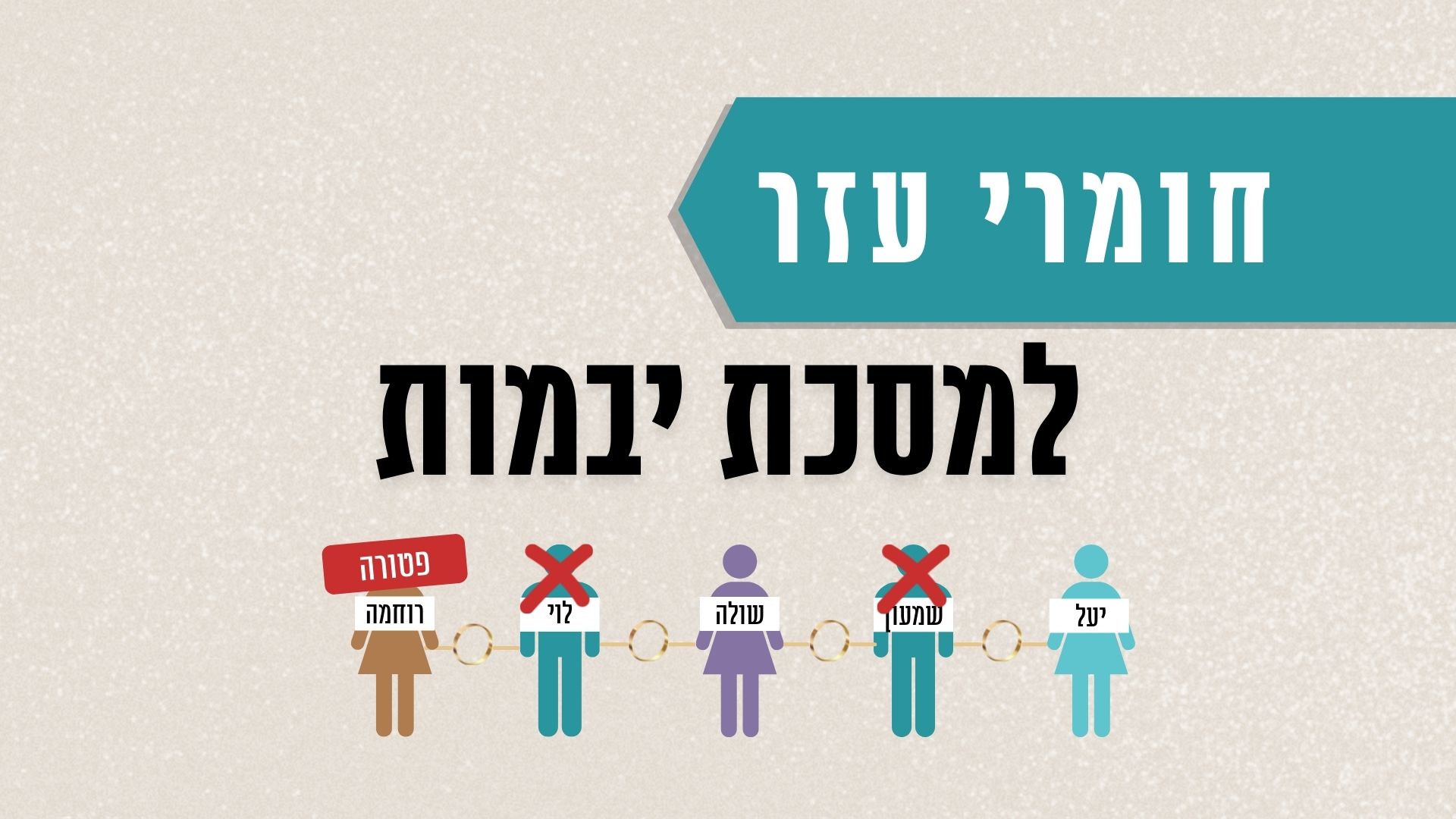
הגמרא עושה ניסיון אחרון להפריך את הדעה שנשים באמת אינן חייבות בפריה ורבייה על ידי הבאת מקרה של חצי שפחה/חצי חורין שהכריחו בעלה לשחרר אותה, כנראה בגלל שלא יכלה להתחתן ולהביא ילדים לעולם. אבל רב נחמן בר יצחק הסביר את הסיבה אחרת – מאחר שלא יכלה להינשא, גברים ניצלו אותה והפכו אותה לזונה ולכן קבעו שעל האדון לשחררה, ואז אין הוכחה שנשים חייבות בפריה ורבייה. אם מי שאסורה להתחתן עם כהן מתחתנת איתו בכל מקרה, היא לא יכולה לאכול תרומה. אבל האם עבדים שלה יכולים לאכול תרומה? המשנה מבחינה בין שני סוגים שונים של רכוש שהיא מביאה לנישואין – נכסי צאן ברזל ונכסי מלוג. מה ההבדל ביניהם ולמה זה משפיע על היכולת שלהם לאכול תרומה? כיון שכל רכוש האישה נחשב לרשות הבעל בזמן שהם נשואים לעניין אכילת תרומה, מדוע עבדי מלוג אינם יכולים לאכול תרומה? מובאות שלוש תשובות שונות. האחד סובר שזה לפי דין תורה – שכן זכויות לאכילת תרומה של נכסי מלוג מגיעות דרך האישה והאישה עצמה אינה יכולה לאכול תרומה ולכן גם נכסיה אינם יכולים. שתי התשובות האחרות מניחות שעל פי דין תורה העבד יכול לאכול תרומה אך הרבנים אסרו זאת משום גזירה. אפשרות אחת היא כי אם עבדה לא יכול לאכול והיא לא יכולה, זה יגרום לאישה לרדת בעיני בעלה והוא יגרשה. לדעה השנייה, זה נובע מחשש במקרה של בת כהן שלאחר שנישאה לכהן ומת הכהן. כשתחזור לבית אביה יחשוב העבד בטעות שהוא יכול להמשיך לאכול תרומה כמו שאכל מקודם שהיה בבית אביה וגם בבית בעלה. אם אישה הביאה לנישואין רכוש של צאן ברזל המוערך בסכום מסוים, האם היא יכולה לדרוש אותם בחזרה עם מות הבעל או גירושין או שהיא מקבלת רק את הערך הכספי? זה מחלוקת בין רב יהודה לרבי אמי. מה הסיבה מאחורי כל דעה ואיזה מקורות מובאים לתמוך בכל שיטה. איך אנחנו פוסקים?

יבמות סו

אַחְווֹתָא.

were twin sisters, and became the matriarchs of families of distinguished Torah scholars.

וְלָא מִיפַּקְדִי? וְהָאָמַר רַב אַחָא בַּר רַב קַטִּינָא אָמַר רַבִּי יִצְחָק: מַעֲשֶׂה בְּאִשָּׁה אַחַת שֶׁחֶצְיָהּ שִׁפְחָה וְחֶצְיָהּ בַּת חוֹרִין, וְכָפוּ אֶת רַבָּהּ וַעֲשָׂאָהּ בַּת חוֹרִין! אָמַר רַב נַחְמָן בַּר יִצְחָק: מִנְהַג הֶפְקֵר נָהֲגוּ בָּהּ.

The Gemara asks: Are women not commanded to be fruitful and multiply? Didn’t Rav Aḥa bar Rav Ketina say that Rabbi Yitzḥak said: There was an incident with a certain woman who was half-slave and half-free woman and therefore could marry neither a Canaanite slave nor a Jew, and they forced her master and he made her a free woman. Presumably, the reason the court forced her master to free her was so that she could fulfill the mitzva to be fruitful and multiply. Rav Naḥman bar Yitzḥak said: The reason they forced her master to free her was because others treated her in a loose manner. Since she knew that she could not marry she engaged in promiscuous activity, and the court forced her master to free her in order to save her and others from sin.


הֲדַרַן עֲלָךְ הַבָּא עַל יְבִמְתּוֹ

אַלְמָנָה לְכֹהֵן גָּדוֹל, גְּרוּשָׁה וַחֲלוּצָה לְכֹהֵן הֶדְיוֹט, הִכְנִיסָה לוֹ עַבְדֵי מְלוֹג וְעַבְדֵי צֹאן בַּרְזֶל, עַבְדֵי מְלוֹג — לֹא יֹאכְלוּ בִּתְרוּמָה, עַבְדֵי צֹאן בַּרְזֶל — יֹאכֵלוּ.

MISHNA: A widow married to a High Priest, and a divorcée or a yevama who performed ḥalitza [ḥalutza] married to a common priest are all unions prohibited by Torah law. If one of these women brought with her into the marriage slaves of usufruct [melog] property or slaves of guaranteed investment, then the slaves of usufruct property do not partake of teruma but the slaves of guaranteed investment do partake of teruma.

וְאֵלּוּ הֵן עַבְדֵי מְלוֹג: אִם מֵתוּ — מֵתוּ לָהּ, וְאִם הוֹתִירוּ — הוֹתִירוּ לָהּ, אַף עַל פִּי שֶׁהוּא חַיָּיב בִּמְזוֹנוֹתָן הֲרֵי אֵלּוּ לֹא יֹאכְלוּ בִּתְרוּמָה. וְאֵלּוּ הֵן עַבְדֵי צֹאן בַּרְזֶל: אִם מֵתוּ — מֵתוּ לוֹ, וְאִם הוֹתִירוּ — הוֹתִירוּ לוֹ, הוֹאִיל וְהוּא חַיָּיב בְּאַחְרָיוּתָן — הֲרֵי אֵלּוּ יֹאכְלוּ בִּתְרוּמָה.

And these are slaves of usufruct property: They are those with regard to whom the couple stipulated that if the slaves die, their death is her loss, and if they increase in value, their increase is her gain. Although the husband is obligated in their sustenance, they do not partake of teruma, as they belong to her, not to him. He owns only the right of their use while he is married to her. And these are slaves of guaranteed investment: They are those with regard to whom the couple stipulated that if they die, their death is his loss, and if they increase in value, their increase is his gain. Since he bears financial responsibility for compensating her in the event of their loss, they partake of teruma, as they are considered his property.

בַּת יִשְׂרָאֵל שֶׁנִּיסֵּת לְכֹהֵן וְהִכְנִיסָה לוֹ עֲבָדִים, בֵּין עַבְדֵי מְלוֹג, בֵּין עַבְדֵי צֹאן בַּרְזֶל — הֲרֵי אֵלּוּ יֹאכְלוּ בִּתְרוּמָה. וּבַת כֹּהֵן שֶׁנִּיסֵּת לְיִשְׂרָאֵל וְהִכְנִיסָה לוֹ עֲבָדִים, בֵּין עַבְדֵי מְלוֹג, בֵּין עַבְדֵי צֹאן בַּרְזֶל — הֲרֵי אֵלּוּ לֹא יֹאכְלוּ בִּתְרוּמָה.

In the case of an Israelite woman who married a priest in a halakhic marriage and who brought slaves with her into the marriage, whether they are slaves of usufruct property or slaves of guaranteed investment, they partake of teruma. And in the case of the daughter of a priest who married an Israelite and who brought slaves with her into the marriage, whether they are slaves of usufruct property or slaves of guaranteed investment, they do not partake of teruma, although, as she is the daughter of a priest, it is permitted for her and her slaves to partake of teruma beforehand.

גְּמָ׳ וְעַבְדֵי מְלוֹג לֹא יֹאכְלוּ בִּתְרוּמָה, אַמַּאי? לֶהֱוֵי כְּקִנְיָנוֹ שֶׁקָּנָה קִנְיָן! דְּתַנְיָא: מִנַּיִן לְכֹהֵן שֶׁנָּשָׂא אִשָּׁה וְקָנָה עֲבָדִים שֶׁיֹּאכְלוּ בִּתְרוּמָה, שֶׁנֶּאֱמַר: ״וְכֹהֵן כִּי יִקְנֶה נֶפֶשׁ קִנְיַן כַּסְפּוֹ הוּא יֹאכַל בּוֹ״.

GEMARA: The mishna states that if a priest married a woman forbidden to him, his wife’s slaves of usufruct property do not partake of teruma. The Gemara asks: Why is this so? Let this case be like that of his acquisition who acquired an acquisition, as it is taught in a baraita: From where is it derived with regard to a priest who married a woman and acquired slaves that they partake of teruma? As it is stated: “But if a priest buys any soul, the purchase of his money, he may eat of it” (Leviticus 22:11).

וּמִנַּיִן לְאִשָּׁה שֶׁקָּנְתָה עֲבָדִים, וַעֲבָדָיו שֶׁקָּנוּ עֲבָדִים, שֶׁיֹּאכְלוּ בִּתְרוּמָה — שֶׁנֶּאֱמַר: ״וְכֹהֵן כִּי יִקְנֶה נֶפֶשׁ קִנְיַן כַּסְפּוֹ הוּא יֹאכַל בּוֹ״, קִנְיָנוֹ שֶׁקָּנָה קִנְיָן — אוֹכֵל.

And from where is it derived with regard to both the wife of a priest who acquired slaves and a priest’s slaves who acquired slaves, that the acquired slaves may also partake of teruma? As it is stated: “But if a priest buys any soul, the purchase of his money, he may eat of it,” which is interpreted to mean: If his acquisition acquired an acquisition, the latter partakes of teruma. Here too, since the slaves of usufruct property belong to his wife, it should be permitted for them to partake of teruma.

כׇּל הָאוֹכֵל — מַאֲכִיל, כֹּל שֶׁאֵין אוֹכֵל — אֵינוֹ מַאֲכִיל.

The Gemara answers: The principle is that anyone who is fit to partake of teruma can enable others to partake of teruma, and anyone who does not partake of teruma cannot enable others to partake. Since the priest’s wife in this case does not partake of teruma, as her marriage is forbidden, her slaves do not partake of teruma either.

וְלָא? וַהֲרֵי עָרֵל, וְכׇל הַטְּמֵאִים שֶׁאֵינָן אוֹכְלִין, וּמַאֲכִילִין! הָתָם, פּוּמַּיְיהוּ כָּאֵיב לְהוּ.

The Gemara asks: And is it so that one who does not partake of teruma cannot enable others to partake? But aren’t there the cases of a priest who is uncircumcised because it was considered too dangerous for him and all impure priests, who do not partake of teruma, and yet they enable their wives and slaves to partake of teruma? The Gemara answers: The difference is that there, in those cases, there is no inherent disqualification rendering them unfit to partake of teruma. The hindrance to their partaking of teruma is tantamount to a situation where their mouths hurt, and that is why they refrain from eating teruma. They retain, however, the fundamental right to partake of teruma, and therefore they can enable others to partake as well.

וַהֲרֵי מַמְזֵר, שֶׁאֵין אוֹכֵל, וּמַאֲכִיל!

The Gemara asks: But isn’t there the case of a son born from an incestuous or adulterous relationship [mamzer], who does not partake of teruma yet enables others to partake? If an Israelite woman was married to a priest and was subsequently widowed or divorced, and a child from that union married a mamzer and then had a child, in that case, even if the woman’s child is dead, she partakes of teruma due to her grandchild, as she has a living descendant from a priest, although that descendant is a mamzer. Although this child does not partake of teruma, he enables his grandmother to partake of it.

אָמַר רָבִינָא: קִנְיָן אוֹכֵל קָאָמַר, קִנְיָן אוֹכֵל — מַאֲכִיל, שֶׁאֵינוֹ אוֹכֵל — אֵינוֹ מַאֲכִיל.

Ravina said that the above principle is referring to the case of an acquisition who partakes of teruma. If the acquisition of a priest partakes of teruma, he enables others to partake, whereas an acquisition who does not partake, e.g., his forbidden wife, cannot enable others to partake.

וְרָבָא אָמַר: מִדְּאוֹרָיְיתָא מֵיכָל אָכְלִי, וְרַבָּנַן הוּא דְּגָזְרִי בְּהוּ, כְּדֵי שֶׁתֹּאמַר: אֲנִי אֵינִי אוֹכֶלֶת, עֲבָדַי אֵינָן אוֹכְלִין — זוֹנָה הִיא אֶצְלוֹ?! הִלְכָּךְ אָתֵי לְאַפּוֹקַהּ.

And Rava said a different solution. By Torah law, the forbidden wife’s slaves indeed partake of teruma, as they are included in the category of: His acquisition who acquired an acquisition. And it was the Sages who issued a decree prohibiting them from partaking of teruma, so that the woman unlawfully married to a priest would say: I do not partake of his teruma and my slaves do not partake of it either, so that she will realize that she is not a valid wife, but rather she is like a prostitute to him. Her husband will therefore come to divorce her, which is the desired outcome.

רַב אָשֵׁי אָמַר: גְּזֵירָה שֶׁמָּא תַּאֲכִיל לְאַחַר מִיתָה.

Rav Ashi said a different reason for the prohibition: It is a rabbinic decree lest she have those slaves partake of teruma even after the death of her husband the priest. As long as he is alive, they are permitted to partake of teruma, as she is considered his acquisition and they belong to her. Once he dies, she is no longer his acquisition.

אֶלָּא מֵעַתָּה, בַּת יִשְׂרָאֵל שֶׁנִּשֵּׂאת לְכֹהֵן לֹא תַּאֲכִיל, גְּזֵירָה שֶׁמָּא תַּאֲכִיל לְאַחַר מִיתָה!

The Gemara asks: However, if that is so, that the decree is lest she have those slaves partake of teruma after her husband’s death, any Israelite woman who marries a priest should not enable her slaves of usufruct property to partake of teruma either, due to the same rabbinic decree, lest she have them partake of teruma after her husband’s death.

אֶלָּא אָמַר רַב אָשֵׁי: בְּאַלְמָנָה כֹּהֶנֶת, דְּאָתְיָא לְאוֹרוֹיֵי: מֵעִיקָּרָא אֲכַלִי בִּתְרוּמָה דְּבֵי נָשָׁא, אִינְּסֵבִי לֵיהּ לְהַאי — אֲכַלִי בִּתְרוּמָה דְגַבְרַאי, וְהַשְׁתָּא הֲדַרִי לִי לְמִילְּתַאי קַמַּיְיתָא. וְלָא יָדְעָה דְּמֵעִיקָּרָא לָא שַׁוֵּיתַהּ לְנַפְשַׁהּ חֲלָלָה, הַשְׁתָּא שַׁוֵּיתַהּ לְנַפְשַׁהּ חֲלָלָה.

Rather, Rav Ashi said that the decree is dealing with a widowed priestess, the daughter of a priest, who then married the High Priest, as she is likely to rationalize enabling her slaves to partake of teruma after the death of the High Priest as follows: Initially, my slaves partook of the teruma of my father’s house. I then married this man, and they partook of the teruma of my husband. And now that my husband died, I have returned to the original circumstance, and therefore they may once again partake of my father’s teruma. And she does not realize that this is not so, as initially she did not render herself a woman disqualified from marrying a priest [ḥalala], but now, by marrying a High Priest unlawfully, she rendered herself a ḥalala, and both she and her slaves do not partake of teruma even upon returning to her father’s house.

תִּינַח אַלְמָנָה כֹּהֶנֶת, אַלְמָנָה בַּת יִשְׂרָאֵל מַאי אִיכָּא לְמֵימַר? בְּאַלְמְנוּתַהּ לָא פְּלִיגִי רַבָּנַן.

The Gemara asks: This works out well as an explanation of the mishna, with regard to a widowed priestess. However, if that widow who married a High Priest was an Israelite woman, what can be said? There is no reason for the decree in that case. The Gemara answers: With regard to widowhood, the Sages did not distinguish between one type of widow and another. Once they issued a decree due to one widow, they applied it to all widows.

אִיתְּמַר: הַמַּכְנֶסֶת שׁוּם לְבַעְלָהּ, הִיא אוֹמֶרֶת: כֵּלַי אֲנִי נוֹטֶלֶת, וְהוּא אוֹמֵר: דָּמִים אֲנִי נוֹתֵן, הַדִּין עִם מִי? רַב יְהוּדָה אָמַר:

It was stated: With regard to a woman who brings appraised, guaranteed property into her marital contract with her husband, he is obligated to return it at the conclusion of the marriage. Upon collection of her marriage contract, e.g., following divorce, if she says: I am taking my belongings, and he says: I am willing to give you only their monetary value, the halakha favors whom? Rav Yehuda said:

הַדִּין עִמָּהּ, וְרַב אַמֵּי אָמַר: הַדִּין עִמּוֹ.

The halakha favors her; she may take the belongings. And Rav Ami said: The halakha favors him; he may retain the items and return their value.

רַב יְהוּדָה אָמַר הַדִּין עִמָּהּ — מִשּׁוּם שֶׁבַח בֵּית אָבִיהָ דִּידַהּ הָוֵי. רַבִּי אַמֵּי אָמַר: הַדִּין עִמּוֹ — כֵּיוָן דְּאָמַר מָר: אִם מֵתוּ — מֵתוּ לוֹ, וְאִם הוֹתִירוּ — הוֹתִירוּ לוֹ, הוֹאִיל וְחַיָּיב בְּאַחְרָיוּתָן — יֹאכֵלוּ. אָמַר רַב סָפְרָא: מִי קָתָנֵי ״וְהֵן שֶׁלּוֹ״? ״הוֹאִיל וְחַיָּיב בְּאַחְרָיוּתָן״ קָתָנֵי, וּלְעוֹלָם לָאו דִּידֵיהּ נִינְהוּ.

The Gemara explains that Rav Yehuda said that the halakha favors her because they are the assets of her paternal family, whose prestige will suffer if they aren’t returned. Therefore, they are hers. Rabbi Ami said that the halakha favors him, since the Master said in the mishna, with regard to guaranteed property: If they die, their death is his loss, and if they increase in value, their increase is his gain. Since he bears financial responsibility for their loss, they partake of teruma. Apparently, the slaves belong to the husband. Therefore, he is obligated to return only their monetary value. Rav Safra said in rejection of Rabbi Ami’s reasoning: Does the mishna teach that they are his? It teaches only that he bears financial responsibility for their loss, but actually they are not his.

וְכׇל הֵיכָא דְּחַיָּיב בְּאַחְרָיוּתָן אָכְלִי בִּתְרוּמָה? וְהָתְנַן: יִשְׂרָאֵל שֶׁשָּׂכַר פָּרָה מִכֹּהֵן — הֲרֵי זֶה יַאֲכִילֶנָּה כַּרְשִׁינֵּי תְרוּמָה. כֹּהֵן שֶׁשָּׂכַר פָּרָה מִיִּשְׂרָאֵל, אַף עַל פִּי שֶׁמְּזוֹנוֹתֶיהָ עָלָיו — לָא יַאֲכִילֶנָּה כַּרְשִׁינֵּי תְרוּמָה!

The Gemara asks: And do they partake of teruma wherever he bears financial responsibility for their loss, even if they are not his actual possession? But didn’t we learn in a mishna (Terumot 11:9): An Israelite who rented a cow from a priest may feed it vetches [karshinin] of teruma, since the animal belongs to a priest? With regard to a priest who rented a cow from an Israelite, although its feed is incumbent upon him, he may not feed it vetches of teruma, as it does not belong to him. This indicates that the requirement for enabling an acquisition to eat teruma is possession, not responsibility.

וְתִסְבְּרָא? נְהִי נָמֵי דִּמְחַיֵּיב בִּגְנֵבָה וַאֲבֵדָה, בְּאוֹנְסֶיהָ בְּכַחְשָׁהּ וּבְנִפְחַת דָּמֶיהָ — מִי מִיחַיַּיב? הָא לָא דָּמְיָא אֶלָּא לְסֵיפָא: יִשְׂרָאֵל שֶׁשָּׁם פָּרָה מִכֹּהֵן, לָא יַאֲכִילֶנָּה כַּרְשִׁינֵּי תְרוּמָה. אֲבָל כֹּהֵן שֶׁשָּׁם פָּרָה מִיִּשְׂרָאֵל — יַאֲכִילֶנָּה כַּרְשִׁינֵּי תְרוּמָה.

The Gemara rejects this proof: And how can you understand that the case of the rented cow is parallel to the case of guaranteed property? Though the renter is indeed liable for theft and loss, is he liable for unavoidable accidents, for emaciation, i.e., the cow became thinner or weaker for any reason, or for any other decrease in its value? Certainly he is not. In fact, the case of guaranteed property is similar only to the latter clause of that mishna: In the case of an Israelite who appraised a cow upon renting it from a priest under an arrangement where he guaranteed its value to the owner, he may not feed it vetches of teruma, as it is considered his own. However, a priest who appraised a cow upon renting it from an Israelite may feed it vetches of teruma. This indicates that guaranteed property is considered the acquisition of its recipient with regard to enabling it to eat teruma.

יָתֵיב רַבָּה וְרַב יוֹסֵף בְּשִׁילְהֵי פִּרְקֵיהּ דְּרַב נַחְמָן וְיָתְבִי וְקָאָמְרִי: תַּנְיָא כְּוָתֵיהּ דְּרַב יְהוּדָה, וְתַנְיָא כְּוָתֵיהּ דְּרַבִּי אַמֵּי. תַּנְיָא כְּוָתֵיהּ דְּרַבִּי אַמֵּי: עַבְדֵי צֹאן בַּרְזֶל יוֹצְאִין בְּשֵׁן וָעַיִן. לָאִישׁ, אֲבָל לֹא לָאִשָּׁה.

Rabba and Rav Yosef sat at the conclusion of Rav Naḥman’s sermon, and they sat and said: It is taught in a baraita in accordance with the opinion of Rav Yehuda, and it is taught in another baraita in accordance with the opinion of Rabbi Ami. It is taught in accordance with the opinion of Rabbi Ami in the following baraita: If a slave’s owner strikes him and knocks out his tooth or blinds him in an eye, he is set free. Slaves of guaranteed investment go free at the loss of a tooth or an eye caused by the husband, but not at such loss caused by the wife. This indicates that they belong to the husband.

תַּנְיָא כְּוָתֵיהּ דְּרַב יְהוּדָה: הַמַּכְנֶסֶת שׁוּם לְבַעְלָהּ, אִם רָצָה הַבַּעַל לִמְכּוֹר — לֹא יִמְכּוֹר. וְלֹא עוֹד אֶלָּא אֲפִילּוּ הִכְנִיס לָהּ שׁוּם מִשֶּׁלּוֹ, אִם רָצָה הַבַּעַל לִמְכּוֹר — לֹא יִמְכּוֹר. מָכְרוּ שְׁנֵיהֶם לְפַרְנָסָה, זֶה הָיָה מַעֲשֶׂה לִפְנֵי רַבָּן שִׁמְעוֹן בֶּן גַּמְלִיאֵל, וְאָמַר: הַבַּעַל מוֹצִיא מִיַּד הַלָּקוֹחוֹת.

Conversely, it is taught in a baraita in accordance with the opinion of Rav Yehuda: When a woman brings appraised, guaranteed property into her marriage to her husband, if the husband wishes to sell it, he may not sell it, as it belongs to her. And not only that, but even when her husband brought property into the marriage and added it to her dowry as an appraised, guaranteed gift of his own, even if the husband wishes to sell that gift he may not sell it. With regard to a case in which either the husband or wife unlawfully sold this property for subsistence, there was an incident like this that came before Rabban Shimon ben Gamliel, and he said: Although the husband executed the sale, he may repossess the property from the purchasers, as the sale is void.

אָמַר רָבָא אָמַר רַב נַחְמָן: הֲלָכָה כְּרַב יְהוּדָה. אֲמַר לֵיהּ רָבָא לְרַב נַחְמָן: וְהָתַנְיָא כְּוָתֵיהּ דְּרַבִּי אַמֵּי! אַף עַל גַּב דְּתַנְיָא כְּוָתֵיהּ דְּרַבִּי אַמֵּי, מִסְתַּבְּרָא טַעְמָא דְּרַב יְהוּדָה, מִשּׁוּם שֶׁבַח בֵּית אָבִיהָ.

Rava said that Rav Naḥman said: The halakha is in accordance with the opinion of Rav Yehuda. Rava said to Rav Naḥman: But isn’t it taught in a baraita in accordance with the opinion of Rabbi Ami? He replied: Although it is taught in accordance with the opinion of Rabbi Ami, Rav Yehuda’s rationale, that the wife may take the objects in question because they are assets of her paternal family and their complete removal from her domain would hurt the family’s prestige, is more reasonable.

הָהִיא אִיתְּתָא דְּעַיִּילָה לֵיהּ לְגַבְרַאּ אִיצְטְלָא דְמֵילָתָא בִּכְתוּבְּתַהּ. שְׁכֵיב, שַׁקְלוּהָ יַתְמֵי וּפַרְסוּהָ אַמִּיתָנָא.

The Gemara relates an incident: A certain woman brought into her marriage to her husband a robe [itztela] of fine wool [meileta], which was deemed guaranteed property by her marriage contract. Her husband subsequently died, and the orphans took that robe and spread it over the corpse as a shroud. The woman demanded that the robe be returned to her.

אֲמַר רָבָא: קַנְיַיהּ מִיתָנָא. אֲמַר לֵיהּ נָאנַאי בְּרֵיהּ דְּרַב יוֹסֵף בְּרֵיהּ דְּרָבָא לְרַב כָּהֲנָא: וְהָאָמַר רָבָא אָמַר רַב נַחְמָן: הֲלָכָה כְּרַב יְהוּדָה? אֲמַר לֵיהּ: מִי לָא מוֹדֶה רַב יְהוּדָה דִּמְחוּסַּר גּוּבְיָינָא. וְכֵיוָן דִּמְחוּסַּר גּוּבְיָינָא — בִּרְשׁוּתֵיהּ קָאֵי.

Rava said: The dead has acquired it, as deriving benefit from anything consecrated for the dead is prohibited. Nanai, son of Rav Yosef, son of Rava, said to Rav Kahana: But didn’t Rava say that Rav Naḥman said that the halakha is in accordance with the opinion of Rav Yehuda? Accordingly, the woman’s robe must be returned. He said to him: Doesn’t Rav Yehuda admit that the robe has not yet been collected? And since it has not yet been collected, it remains in his possession, and his inheritors can render its use as a burial shroud prohibited.

רָבָא לְטַעְמֵיהּ, דְּאָמַר רָבָא: הֶקְדֵּשׁ, חָמֵץ,

The Gemara adds that in this regard Rava conforms to his standard line of reasoning, as Rava said: Consecration of property, the prohibition against benefiting from leavened bread on Passover,

העמקה

רוצה להבין מה באמת קורה מתחת לפני השטח של הסוגיה?
שיעורים, פודקאסטים והרחבות של מיטב המורות שלנו יפתחו לך עוד זוויות וכיווני חשיבה.

לשיעורי עוד על הדף באנגלית, לחצי כאן

חדשה בלימוד הגמרא?

זה הדף הראשון שלך? איזו התרגשות עצומה! יש לנו בדיוק את התכנים והכלים שיעזרו לך לעשות את הצעדים הראשונים ללמידה בקצב וברמה שלך, כך תוכלי להרגיש בנוח גם בתוך הסוגיות המורכבות ומאתגרות.

פסיפס הלומדות שלנו

גלי את קהילת הלומדות שלנו, מגוון נשים, רקעים וסיפורים. כולן חלק מתנועה ומסע מרגש ועוצמתי.

התחלתי מחוג במסכת קידושין שהעבירה הרבנית רייסנר במסגרת בית המדרש כלנה בגבעת שמואל; לאחר מכן התחיל סבב הדף היומי אז הצטרפתי. לסביבה לקח זמן לעכל אבל היום כולם תומכים ומשתתפים איתי. הלימוד לעתים מעניין ומעשיר ולעתים קשה ואף הזוי… אך אני ממשיכה קדימה. הוא משפיע על היומיום שלי קודם כל במרדף אחרי הדף, וגם במושגים הרבים שלמדתי ובידע שהועשרתי בו, חלקו ממש מעשי

Abigail Chrissy
אביגיל כריסי

ראש העין, ישראל

התחלתי ללמוד דף יומי לפני שנתיים, עם מסכת שבת. בהתחלה ההתמדה היתה קשה אבל בזכות הקורונה והסגרים הצלחתי להדביק את הפערים בשבתות הארוכות, לסיים את מסכת שבת ולהמשיך עם המסכתות הבאות. עכשיו אני מסיימת בהתרגשות רבה את מסכת חגיגה וסדר מועד ומחכה לסדר הבא!

Ilana-Shachnowitz
אילנה שכנוביץ

מודיעין, ישראל

התחלתי ללמוד דף יומי שהתחילו מסכת כתובות, לפני 7 שנים, במסגרת קבוצת לימוד שהתפרקה די מהר, ומשם המשכתי לבד בתמיכת האיש שלי. נעזרתי בגמרת שטיינזלץ ובשיעורים מוקלטים.
הסביבה מאד תומכת ואני מקבלת המון מילים טובות לאורך כל הדרך. מאז הסיום הגדול יש תחושה שאני חלק מדבר גדול יותר.
אני לומדת בשיטת ה”7 דפים בשבוע” של הרבנית תרצה קלמן – כלומר, לא נורא אם לא הצלחת ללמוד כל יום, העיקר שגמרת ארבעה דפים בשבוע

Rachel Goldstein
רחל גולדשטיין

עתניאל, ישראל

התחלתי כשהייתי בחופש, עם הפרסומים על תחילת המחזור, הסביבה קיבלה את זה כמשהו מתמיד ומשמעותי ובהערכה, הלימוד זה עוגן יציב ביום יום, יש שבועות יותר ויש שפחות אבל זה משהו שנמצא שם אמין ובעל משמעות בחיים שלי….

Adi Diamant
עדי דיאמנט

גמזו, ישראל

התחלתי ללמוד גמרא בבית הספר בגיל צעיר והתאהבתי. המשכתי בכך כל חיי ואף היייתי מורה לגמרא בבית הספר שקד בשדה אליהו (בית הספר בו למדתי בילדותי)בתחילת מחזור דף יומי הנוכחי החלטתי להצטרף ובע”ה מקווה להתמיד ולהמשיך. אני אוהבת את המפגש עם הדף את "דרישות השלום ” שמקבלת מקשרים עם דפים אחרים שלמדתי את הסנכרון שמתחולל בין התכנים.

Ariela Bigman
אריאלה ביגמן

מעלה גלבוע, ישראל

רבנית מישל הציתה אש התלמוד בלבבות בביניני האומה ואני נדלקתי. היא פתחה פתח ותמכה במתחילות כמוני ואפשרה לנו להתקדם בצעדים נכונים וטובים. הקימה מערך שלם שמסובב את הלומדות בסביבה תומכת וכך נכנסתי למסלול לימוד מעשיר שאין כמוה. הדרן יצר קהילה גדולה וחזקה שמאפשרת התקדמות מכל נקודת מוצא. יש דיבוק לומדות שמחזק את ההתמדה של כולנו. כל פניה ושאלה נענית בזריזות ויסודיות. תודה גם למגי על כל העזרה.

Sarah Aber
שרה אבר

נתניה, ישראל

התחלתי ללמוד דף יומי אחרי שחזרתי בתשובה ולמדתי במדרשה במגדל עוז. הלימוד טוב ומספק חומר למחשבה על נושאים הלכתיים ”קטנים” ועד לערכים גדולים ביהדות. חשוב לי להכיר את הגמרא לעומק. והצעד הקטן היום הוא ללמוד אותה בבקיאות, בעזרת השם, ומי יודע אולי גם אגיע לעיון בנושאים מעניינים. נושאים בגמרא מתחברים לחגים, לתפילה, ליחסים שבין אדם לחברו ולמקום ולשאר הדברים שמלווים באורח חיים דתי 🙂

Gaia Divo
גאיה דיבו

מצפה יריחו, ישראל

A friend in the SF Bay Area said in Dec 2019 that she might start listening on her morning drive to work. I mentioned to my husband and we decided to try the Daf when it began in Jan 2020 as part of our preparing to make Aliyah in the summer.

Hana Piotrkovsky
חנה פיוטרקובסקי

ירושלים, Israel

"התחלתי ללמוד דף יומי במחזור הזה, בח’ בטבת תש””ף. לקחתי על עצמי את הלימוד כדי ליצור תחום של התמדה יומיומית בחיים, והצטרפתי לקבוצת הלומדים בבית הכנסת בכפר אדומים. המשפחה והסביבה מתפעלים ותומכים.
בלימוד שלי אני מתפעלת בעיקר מכך שכדי ללמוד גמרא יש לדעת ולהכיר את כל הגמרא. זו מעין צבת בצבת עשויה שהיא עצומה בהיקפה.”

Sarah Fox
שרה פוּקס

כפר אדומים, ישראל

התחלתי להשתתף בשיעור נשים פעם בשבוע, תכננתי ללמוד רק דפים בודדים, לא האמנתי שאצליח יותר מכך.
לאט לאט נשאבתי פנימה לעולם הלימוד .משתדלת ללמוד כל בוקר ומתחילה את היום בתחושה של מלאות ומתוך התכווננות נכונה יותר.
הלימוד של הדף היומי ממלא אותי בתחושה של חיבור עמוק לעם היהודי ולכל הלומדים בעבר ובהווה.

Neely Hayon
נילי חיון

אפרת, ישראל

התחלתי לפני 8 שנים במדרשה. לאחרונה סיימתי מסכת תענית בלמידה עצמית ועכשיו לקראת סיום מסכת מגילה.

Daniela Baruchim
דניאלה ברוכים

רעננה, ישראל

התחלתי ללמוד בעידוד שתי חברות אתן למדתי בעבר את הפרק היומי במסגרת 929.
בבית מתלהבים מאוד ובשבת אני לומדת את הדף עם בעלי שזה מפתיע ומשמח מאוד! לימוד הדף הוא חלק בלתי נפרד מהיום שלי. לומדת בצהריים ומחכה לזמן הזה מידי יום…

Miriam Wengerover
מרים ונגרובר

אפרת, ישראל

התחלתי בסיום הש”ס, יצאתי באורות. נשברתי פעמיים, ובשתיהם הרבנית מישל עודדה להמשיך איפה שכולם בסבב ולהשלים כשאוכל, וכך עשיתי וכיום השלמתי הכל. מדהים אותי שאני לומדת כל יום קצת, אפילו בחדר הלידה, בבידוד או בחו”ל. לאט לאט יותר נינוחה בסוגיות. לא כולם מבינים את הרצון, בפרט כפמניסטית. חשה סיפוק גדול להכיר את המושגים וצורת החשיבה. החלום זה להמשיך ולהתמיד ובמקביל ללמוד איך מהסוגיות נוצרה והתפתחה ההלכה.

Weingarten Sherrington Foundation
קרן וינגרטן שרינגטון

מודיעין, ישראל

התחלתי מחוג במסכת קידושין שהעבירה הרבנית רייסנר במסגרת בית המדרש כלנה בגבעת שמואל; לאחר מכן התחיל סבב הדף היומי אז הצטרפתי. לסביבה לקח זמן לעכל אבל היום כולם תומכים ומשתתפים איתי. הלימוד לעתים מעניין ומעשיר ולעתים קשה ואף הזוי… אך אני ממשיכה קדימה. הוא משפיע על היומיום שלי קודם כל במרדף אחרי הדף, וגם במושגים הרבים שלמדתי ובידע שהועשרתי בו, חלקו ממש מעשי

Abigail Chrissy
אביגיל כריסי

ראש העין, ישראל

אחי, שלומד דף יומי ממסכת ברכות, חיפש חברותא ללימוד מסכת ראש השנה והציע לי. החברותא היתה מאתגרת טכנית ורוב הזמן נעשתה דרך הטלפון, כך שבסיום המסכת נפרדו דרכינו. אחי חזר ללמוד לבד, אבל אני כבר נכבשתי בקסם הגמרא ושכנעתי את האיש שלי להצטרף אלי למסכת ביצה. מאז המשכנו הלאה, ועכשיו אנחנו מתרגשים לקראתו של סדר נשים!

Shulamit Saban
שולמית סבן

נוקדים, ישראל

התחלתי ללמוד דף יומי באמצע תקופת הקורונה, שאבא שלי סיפר לי על קבוצה של בנות שתיפתח ביישוב שלנו ותלמד דף יומי כל יום. הרבה זמן רציתי להצטרף לזה וזאת הייתה ההזדמנות בשבילי. הצטרפתי במסכת שקלים ובאמצע הייתה הפסקה קצרה. כיום אני כבר לומדת באולפנה ולומדת דף יומי לבד מתוך גמרא של טיינזלץ.

Saturdays in Raleigh
שבות בראלי

עתניאל, ישראל

התחלתי ללמוד בשנת המדרשה במגדל עוז, בינתיים נהנית מאוד מהלימוד ומהגמרא, מעניין ומשמח מאוד!
משתדלת להצליח לעקוב כל יום, לפעמים משלימה קצת בהמשך השבוע.. מרגישה שיש עוגן מקובע ביום שלי והוא משמח מאוד!

Uriah Kesner
אוריה קסנר

חיפה , ישראל

התחלתי לפני כמה שנים אבל רק בסבב הזה זכיתי ללמוד יום יום ולסיים מסכתות

Sigal Tel
סיגל טל

רעננה, ישראל

. לא תמיד נהניתי מלימוד גמרא כילדה.,בל כהתבגרתי התחלתי לאהוב את זה שוב. התחלתי ללמוד מסכת סוטה בדף היומי לפני כחמש עשרה שנה ואז הפסקתי.הגעתי לסיום הגדול של הדרן לפני שנתיים וזה נתן לי השראה. והתחלתי ללמוד למשך כמה ימים ואז היתה לי פריצת דיסק והפסקתי…עד אלול השנה. אז התחלתי עם מסכת ביצה וב”ה אני מצליחה לעמוד בקצב. המשפחה מאוד תומכת בי ויש כמה שגם לומדים את זה במקביל. אני אוהבת שיש עוגן כל יום.

Rebecca Darshan
רבקה דרשן

בית שמש, ישראל

התחלתי בתחילת הסבב, והתמכרתי. זה נותן משמעות נוספת ליומיום ומאוד מחזק לתת לזה מקום בתוך כל שגרת הבית-עבודה השוטפת.

Reut Abrahami
רעות אברהמי

בית שמש, ישראל

יבמות סו

אַחְווֹתָא.

were twin sisters, and became the matriarchs of families of distinguished Torah scholars.

וְלָא מִיפַּקְדִי? וְהָאָמַר רַב אַחָא בַּר רַב קַטִּינָא אָמַר רַבִּי יִצְחָק: מַעֲשֶׂה בְּאִשָּׁה אַחַת שֶׁחֶצְיָהּ שִׁפְחָה וְחֶצְיָהּ בַּת חוֹרִין, וְכָפוּ אֶת רַבָּהּ וַעֲשָׂאָהּ בַּת חוֹרִין! אָמַר רַב נַחְמָן בַּר יִצְחָק: מִנְהַג הֶפְקֵר נָהֲגוּ בָּהּ.

The Gemara asks: Are women not commanded to be fruitful and multiply? Didn’t Rav Aḥa bar Rav Ketina say that Rabbi Yitzḥak said: There was an incident with a certain woman who was half-slave and half-free woman and therefore could marry neither a Canaanite slave nor a Jew, and they forced her master and he made her a free woman. Presumably, the reason the court forced her master to free her was so that she could fulfill the mitzva to be fruitful and multiply. Rav Naḥman bar Yitzḥak said: The reason they forced her master to free her was because others treated her in a loose manner. Since she knew that she could not marry she engaged in promiscuous activity, and the court forced her master to free her in order to save her and others from sin.

הֲדַרַן עֲלָךְ הַבָּא עַל יְבִמְתּוֹ

אַלְמָנָה לְכֹהֵן גָּדוֹל, גְּרוּשָׁה וַחֲלוּצָה לְכֹהֵן הֶדְיוֹט, הִכְנִיסָה לוֹ עַבְדֵי מְלוֹג וְעַבְדֵי צֹאן בַּרְזֶל, עַבְדֵי מְלוֹג — לֹא יֹאכְלוּ בִּתְרוּמָה, עַבְדֵי צֹאן בַּרְזֶל — יֹאכֵלוּ.

MISHNA: A widow married to a High Priest, and a divorcée or a yevama who performed ḥalitza [ḥalutza] married to a common priest are all unions prohibited by Torah law. If one of these women brought with her into the marriage slaves of usufruct [melog] property or slaves of guaranteed investment, then the slaves of usufruct property do not partake of teruma but the slaves of guaranteed investment do partake of teruma.

וְאֵלּוּ הֵן עַבְדֵי מְלוֹג: אִם מֵתוּ — מֵתוּ לָהּ, וְאִם הוֹתִירוּ — הוֹתִירוּ לָהּ, אַף עַל פִּי שֶׁהוּא חַיָּיב בִּמְזוֹנוֹתָן הֲרֵי אֵלּוּ לֹא יֹאכְלוּ בִּתְרוּמָה. וְאֵלּוּ הֵן עַבְדֵי צֹאן בַּרְזֶל: אִם מֵתוּ — מֵתוּ לוֹ, וְאִם הוֹתִירוּ — הוֹתִירוּ לוֹ, הוֹאִיל וְהוּא חַיָּיב בְּאַחְרָיוּתָן — הֲרֵי אֵלּוּ יֹאכְלוּ בִּתְרוּמָה.

And these are slaves of usufruct property: They are those with regard to whom the couple stipulated that if the slaves die, their death is her loss, and if they increase in value, their increase is her gain. Although the husband is obligated in their sustenance, they do not partake of teruma, as they belong to her, not to him. He owns only the right of their use while he is married to her. And these are slaves of guaranteed investment: They are those with regard to whom the couple stipulated that if they die, their death is his loss, and if they increase in value, their increase is his gain. Since he bears financial responsibility for compensating her in the event of their loss, they partake of teruma, as they are considered his property.

בַּת יִשְׂרָאֵל שֶׁנִּיסֵּת לְכֹהֵן וְהִכְנִיסָה לוֹ עֲבָדִים, בֵּין עַבְדֵי מְלוֹג, בֵּין עַבְדֵי צֹאן בַּרְזֶל — הֲרֵי אֵלּוּ יֹאכְלוּ בִּתְרוּמָה. וּבַת כֹּהֵן שֶׁנִּיסֵּת לְיִשְׂרָאֵל וְהִכְנִיסָה לוֹ עֲבָדִים, בֵּין עַבְדֵי מְלוֹג, בֵּין עַבְדֵי צֹאן בַּרְזֶל — הֲרֵי אֵלּוּ לֹא יֹאכְלוּ בִּתְרוּמָה.

In the case of an Israelite woman who married a priest in a halakhic marriage and who brought slaves with her into the marriage, whether they are slaves of usufruct property or slaves of guaranteed investment, they partake of teruma. And in the case of the daughter of a priest who married an Israelite and who brought slaves with her into the marriage, whether they are slaves of usufruct property or slaves of guaranteed investment, they do not partake of teruma, although, as she is the daughter of a priest, it is permitted for her and her slaves to partake of teruma beforehand.

גְּמָ׳ וְעַבְדֵי מְלוֹג לֹא יֹאכְלוּ בִּתְרוּמָה, אַמַּאי? לֶהֱוֵי כְּקִנְיָנוֹ שֶׁקָּנָה קִנְיָן! דְּתַנְיָא: מִנַּיִן לְכֹהֵן שֶׁנָּשָׂא אִשָּׁה וְקָנָה עֲבָדִים שֶׁיֹּאכְלוּ בִּתְרוּמָה, שֶׁנֶּאֱמַר: ״וְכֹהֵן כִּי יִקְנֶה נֶפֶשׁ קִנְיַן כַּסְפּוֹ הוּא יֹאכַל בּוֹ״.

GEMARA: The mishna states that if a priest married a woman forbidden to him, his wife’s slaves of usufruct property do not partake of teruma. The Gemara asks: Why is this so? Let this case be like that of his acquisition who acquired an acquisition, as it is taught in a baraita: From where is it derived with regard to a priest who married a woman and acquired slaves that they partake of teruma? As it is stated: “But if a priest buys any soul, the purchase of his money, he may eat of it” (Leviticus 22:11).

וּמִנַּיִן לְאִשָּׁה שֶׁקָּנְתָה עֲבָדִים, וַעֲבָדָיו שֶׁקָּנוּ עֲבָדִים, שֶׁיֹּאכְלוּ בִּתְרוּמָה — שֶׁנֶּאֱמַר: ״וְכֹהֵן כִּי יִקְנֶה נֶפֶשׁ קִנְיַן כַּסְפּוֹ הוּא יֹאכַל בּוֹ״, קִנְיָנוֹ שֶׁקָּנָה קִנְיָן — אוֹכֵל.

And from where is it derived with regard to both the wife of a priest who acquired slaves and a priest’s slaves who acquired slaves, that the acquired slaves may also partake of teruma? As it is stated: “But if a priest buys any soul, the purchase of his money, he may eat of it,” which is interpreted to mean: If his acquisition acquired an acquisition, the latter partakes of teruma. Here too, since the slaves of usufruct property belong to his wife, it should be permitted for them to partake of teruma.

כׇּל הָאוֹכֵל — מַאֲכִיל, כֹּל שֶׁאֵין אוֹכֵל — אֵינוֹ מַאֲכִיל.

The Gemara answers: The principle is that anyone who is fit to partake of teruma can enable others to partake of teruma, and anyone who does not partake of teruma cannot enable others to partake. Since the priest’s wife in this case does not partake of teruma, as her marriage is forbidden, her slaves do not partake of teruma either.

וְלָא? וַהֲרֵי עָרֵל, וְכׇל הַטְּמֵאִים שֶׁאֵינָן אוֹכְלִין, וּמַאֲכִילִין! הָתָם, פּוּמַּיְיהוּ כָּאֵיב לְהוּ.

The Gemara asks: And is it so that one who does not partake of teruma cannot enable others to partake? But aren’t there the cases of a priest who is uncircumcised because it was considered too dangerous for him and all impure priests, who do not partake of teruma, and yet they enable their wives and slaves to partake of teruma? The Gemara answers: The difference is that there, in those cases, there is no inherent disqualification rendering them unfit to partake of teruma. The hindrance to their partaking of teruma is tantamount to a situation where their mouths hurt, and that is why they refrain from eating teruma. They retain, however, the fundamental right to partake of teruma, and therefore they can enable others to partake as well.

וַהֲרֵי מַמְזֵר, שֶׁאֵין אוֹכֵל, וּמַאֲכִיל!

The Gemara asks: But isn’t there the case of a son born from an incestuous or adulterous relationship [mamzer], who does not partake of teruma yet enables others to partake? If an Israelite woman was married to a priest and was subsequently widowed or divorced, and a child from that union married a mamzer and then had a child, in that case, even if the woman’s child is dead, she partakes of teruma due to her grandchild, as she has a living descendant from a priest, although that descendant is a mamzer. Although this child does not partake of teruma, he enables his grandmother to partake of it.

אָמַר רָבִינָא: קִנְיָן אוֹכֵל קָאָמַר, קִנְיָן אוֹכֵל — מַאֲכִיל, שֶׁאֵינוֹ אוֹכֵל — אֵינוֹ מַאֲכִיל.

Ravina said that the above principle is referring to the case of an acquisition who partakes of teruma. If the acquisition of a priest partakes of teruma, he enables others to partake, whereas an acquisition who does not partake, e.g., his forbidden wife, cannot enable others to partake.

וְרָבָא אָמַר: מִדְּאוֹרָיְיתָא מֵיכָל אָכְלִי, וְרַבָּנַן הוּא דְּגָזְרִי בְּהוּ, כְּדֵי שֶׁתֹּאמַר: אֲנִי אֵינִי אוֹכֶלֶת, עֲבָדַי אֵינָן אוֹכְלִין — זוֹנָה הִיא אֶצְלוֹ?! הִלְכָּךְ אָתֵי לְאַפּוֹקַהּ.

And Rava said a different solution. By Torah law, the forbidden wife’s slaves indeed partake of teruma, as they are included in the category of: His acquisition who acquired an acquisition. And it was the Sages who issued a decree prohibiting them from partaking of teruma, so that the woman unlawfully married to a priest would say: I do not partake of his teruma and my slaves do not partake of it either, so that she will realize that she is not a valid wife, but rather she is like a prostitute to him. Her husband will therefore come to divorce her, which is the desired outcome.

רַב אָשֵׁי אָמַר: גְּזֵירָה שֶׁמָּא תַּאֲכִיל לְאַחַר מִיתָה.

Rav Ashi said a different reason for the prohibition: It is a rabbinic decree lest she have those slaves partake of teruma even after the death of her husband the priest. As long as he is alive, they are permitted to partake of teruma, as she is considered his acquisition and they belong to her. Once he dies, she is no longer his acquisition.

אֶלָּא מֵעַתָּה, בַּת יִשְׂרָאֵל שֶׁנִּשֵּׂאת לְכֹהֵן לֹא תַּאֲכִיל, גְּזֵירָה שֶׁמָּא תַּאֲכִיל לְאַחַר מִיתָה!

The Gemara asks: However, if that is so, that the decree is lest she have those slaves partake of teruma after her husband’s death, any Israelite woman who marries a priest should not enable her slaves of usufruct property to partake of teruma either, due to the same rabbinic decree, lest she have them partake of teruma after her husband’s death.

אֶלָּא אָמַר רַב אָשֵׁי: בְּאַלְמָנָה כֹּהֶנֶת, דְּאָתְיָא לְאוֹרוֹיֵי: מֵעִיקָּרָא אֲכַלִי בִּתְרוּמָה דְּבֵי נָשָׁא, אִינְּסֵבִי לֵיהּ לְהַאי — אֲכַלִי בִּתְרוּמָה דְגַבְרַאי, וְהַשְׁתָּא הֲדַרִי לִי לְמִילְּתַאי קַמַּיְיתָא. וְלָא יָדְעָה דְּמֵעִיקָּרָא לָא שַׁוֵּיתַהּ לְנַפְשַׁהּ חֲלָלָה, הַשְׁתָּא שַׁוֵּיתַהּ לְנַפְשַׁהּ חֲלָלָה.

Rather, Rav Ashi said that the decree is dealing with a widowed priestess, the daughter of a priest, who then married the High Priest, as she is likely to rationalize enabling her slaves to partake of teruma after the death of the High Priest as follows: Initially, my slaves partook of the teruma of my father’s house. I then married this man, and they partook of the teruma of my husband. And now that my husband died, I have returned to the original circumstance, and therefore they may once again partake of my father’s teruma. And she does not realize that this is not so, as initially she did not render herself a woman disqualified from marrying a priest [ḥalala], but now, by marrying a High Priest unlawfully, she rendered herself a ḥalala, and both she and her slaves do not partake of teruma even upon returning to her father’s house.

תִּינַח אַלְמָנָה כֹּהֶנֶת, אַלְמָנָה בַּת יִשְׂרָאֵל מַאי אִיכָּא לְמֵימַר? בְּאַלְמְנוּתַהּ לָא פְּלִיגִי רַבָּנַן.

The Gemara asks: This works out well as an explanation of the mishna, with regard to a widowed priestess. However, if that widow who married a High Priest was an Israelite woman, what can be said? There is no reason for the decree in that case. The Gemara answers: With regard to widowhood, the Sages did not distinguish between one type of widow and another. Once they issued a decree due to one widow, they applied it to all widows.

אִיתְּמַר: הַמַּכְנֶסֶת שׁוּם לְבַעְלָהּ, הִיא אוֹמֶרֶת: כֵּלַי אֲנִי נוֹטֶלֶת, וְהוּא אוֹמֵר: דָּמִים אֲנִי נוֹתֵן, הַדִּין עִם מִי? רַב יְהוּדָה אָמַר:

It was stated: With regard to a woman who brings appraised, guaranteed property into her marital contract with her husband, he is obligated to return it at the conclusion of the marriage. Upon collection of her marriage contract, e.g., following divorce, if she says: I am taking my belongings, and he says: I am willing to give you only their monetary value, the halakha favors whom? Rav Yehuda said:

הַדִּין עִמָּהּ, וְרַב אַמֵּי אָמַר: הַדִּין עִמּוֹ.

The halakha favors her; she may take the belongings. And Rav Ami said: The halakha favors him; he may retain the items and return their value.

רַב יְהוּדָה אָמַר הַדִּין עִמָּהּ — מִשּׁוּם שֶׁבַח בֵּית אָבִיהָ דִּידַהּ הָוֵי. רַבִּי אַמֵּי אָמַר: הַדִּין עִמּוֹ — כֵּיוָן דְּאָמַר מָר: אִם מֵתוּ — מֵתוּ לוֹ, וְאִם הוֹתִירוּ — הוֹתִירוּ לוֹ, הוֹאִיל וְחַיָּיב בְּאַחְרָיוּתָן — יֹאכֵלוּ. אָמַר רַב סָפְרָא: מִי קָתָנֵי ״וְהֵן שֶׁלּוֹ״? ״הוֹאִיל וְחַיָּיב בְּאַחְרָיוּתָן״ קָתָנֵי, וּלְעוֹלָם לָאו דִּידֵיהּ נִינְהוּ.

The Gemara explains that Rav Yehuda said that the halakha favors her because they are the assets of her paternal family, whose prestige will suffer if they aren’t returned. Therefore, they are hers. Rabbi Ami said that the halakha favors him, since the Master said in the mishna, with regard to guaranteed property: If they die, their death is his loss, and if they increase in value, their increase is his gain. Since he bears financial responsibility for their loss, they partake of teruma. Apparently, the slaves belong to the husband. Therefore, he is obligated to return only their monetary value. Rav Safra said in rejection of Rabbi Ami’s reasoning: Does the mishna teach that they are his? It teaches only that he bears financial responsibility for their loss, but actually they are not his.

וְכׇל הֵיכָא דְּחַיָּיב בְּאַחְרָיוּתָן אָכְלִי בִּתְרוּמָה? וְהָתְנַן: יִשְׂרָאֵל שֶׁשָּׂכַר פָּרָה מִכֹּהֵן — הֲרֵי זֶה יַאֲכִילֶנָּה כַּרְשִׁינֵּי תְרוּמָה. כֹּהֵן שֶׁשָּׂכַר פָּרָה מִיִּשְׂרָאֵל, אַף עַל פִּי שֶׁמְּזוֹנוֹתֶיהָ עָלָיו — לָא יַאֲכִילֶנָּה כַּרְשִׁינֵּי תְרוּמָה!

The Gemara asks: And do they partake of teruma wherever he bears financial responsibility for their loss, even if they are not his actual possession? But didn’t we learn in a mishna (Terumot 11:9): An Israelite who rented a cow from a priest may feed it vetches [karshinin] of teruma, since the animal belongs to a priest? With regard to a priest who rented a cow from an Israelite, although its feed is incumbent upon him, he may not feed it vetches of teruma, as it does not belong to him. This indicates that the requirement for enabling an acquisition to eat teruma is possession, not responsibility.

וְתִסְבְּרָא? נְהִי נָמֵי דִּמְחַיֵּיב בִּגְנֵבָה וַאֲבֵדָה, בְּאוֹנְסֶיהָ בְּכַחְשָׁהּ וּבְנִפְחַת דָּמֶיהָ — מִי מִיחַיַּיב? הָא לָא דָּמְיָא אֶלָּא לְסֵיפָא: יִשְׂרָאֵל שֶׁשָּׁם פָּרָה מִכֹּהֵן, לָא יַאֲכִילֶנָּה כַּרְשִׁינֵּי תְרוּמָה. אֲבָל כֹּהֵן שֶׁשָּׁם פָּרָה מִיִּשְׂרָאֵל — יַאֲכִילֶנָּה כַּרְשִׁינֵּי תְרוּמָה.

The Gemara rejects this proof: And how can you understand that the case of the rented cow is parallel to the case of guaranteed property? Though the renter is indeed liable for theft and loss, is he liable for unavoidable accidents, for emaciation, i.e., the cow became thinner or weaker for any reason, or for any other decrease in its value? Certainly he is not. In fact, the case of guaranteed property is similar only to the latter clause of that mishna: In the case of an Israelite who appraised a cow upon renting it from a priest under an arrangement where he guaranteed its value to the owner, he may not feed it vetches of teruma, as it is considered his own. However, a priest who appraised a cow upon renting it from an Israelite may feed it vetches of teruma. This indicates that guaranteed property is considered the acquisition of its recipient with regard to enabling it to eat teruma.

יָתֵיב רַבָּה וְרַב יוֹסֵף בְּשִׁילְהֵי פִּרְקֵיהּ דְּרַב נַחְמָן וְיָתְבִי וְקָאָמְרִי: תַּנְיָא כְּוָתֵיהּ דְּרַב יְהוּדָה, וְתַנְיָא כְּוָתֵיהּ דְּרַבִּי אַמֵּי. תַּנְיָא כְּוָתֵיהּ דְּרַבִּי אַמֵּי: עַבְדֵי צֹאן בַּרְזֶל יוֹצְאִין בְּשֵׁן וָעַיִן. לָאִישׁ, אֲבָל לֹא לָאִשָּׁה.

Rabba and Rav Yosef sat at the conclusion of Rav Naḥman’s sermon, and they sat and said: It is taught in a baraita in accordance with the opinion of Rav Yehuda, and it is taught in another baraita in accordance with the opinion of Rabbi Ami. It is taught in accordance with the opinion of Rabbi Ami in the following baraita: If a slave’s owner strikes him and knocks out his tooth or blinds him in an eye, he is set free. Slaves of guaranteed investment go free at the loss of a tooth or an eye caused by the husband, but not at such loss caused by the wife. This indicates that they belong to the husband.

תַּנְיָא כְּוָתֵיהּ דְּרַב יְהוּדָה: הַמַּכְנֶסֶת שׁוּם לְבַעְלָהּ, אִם רָצָה הַבַּעַל לִמְכּוֹר — לֹא יִמְכּוֹר. וְלֹא עוֹד אֶלָּא אֲפִילּוּ הִכְנִיס לָהּ שׁוּם מִשֶּׁלּוֹ, אִם רָצָה הַבַּעַל לִמְכּוֹר — לֹא יִמְכּוֹר. מָכְרוּ שְׁנֵיהֶם לְפַרְנָסָה, זֶה הָיָה מַעֲשֶׂה לִפְנֵי רַבָּן שִׁמְעוֹן בֶּן גַּמְלִיאֵל, וְאָמַר: הַבַּעַל מוֹצִיא מִיַּד הַלָּקוֹחוֹת.

Conversely, it is taught in a baraita in accordance with the opinion of Rav Yehuda: When a woman brings appraised, guaranteed property into her marriage to her husband, if the husband wishes to sell it, he may not sell it, as it belongs to her. And not only that, but even when her husband brought property into the marriage and added it to her dowry as an appraised, guaranteed gift of his own, even if the husband wishes to sell that gift he may not sell it. With regard to a case in which either the husband or wife unlawfully sold this property for subsistence, there was an incident like this that came before Rabban Shimon ben Gamliel, and he said: Although the husband executed the sale, he may repossess the property from the purchasers, as the sale is void.

אָמַר רָבָא אָמַר רַב נַחְמָן: הֲלָכָה כְּרַב יְהוּדָה. אֲמַר לֵיהּ רָבָא לְרַב נַחְמָן: וְהָתַנְיָא כְּוָתֵיהּ דְּרַבִּי אַמֵּי! אַף עַל גַּב דְּתַנְיָא כְּוָתֵיהּ דְּרַבִּי אַמֵּי, מִסְתַּבְּרָא טַעְמָא דְּרַב יְהוּדָה, מִשּׁוּם שֶׁבַח בֵּית אָבִיהָ.

Rava said that Rav Naḥman said: The halakha is in accordance with the opinion of Rav Yehuda. Rava said to Rav Naḥman: But isn’t it taught in a baraita in accordance with the opinion of Rabbi Ami? He replied: Although it is taught in accordance with the opinion of Rabbi Ami, Rav Yehuda’s rationale, that the wife may take the objects in question because they are assets of her paternal family and their complete removal from her domain would hurt the family’s prestige, is more reasonable.

הָהִיא אִיתְּתָא דְּעַיִּילָה לֵיהּ לְגַבְרַאּ אִיצְטְלָא דְמֵילָתָא בִּכְתוּבְּתַהּ. שְׁכֵיב, שַׁקְלוּהָ יַתְמֵי וּפַרְסוּהָ אַמִּיתָנָא.

The Gemara relates an incident: A certain woman brought into her marriage to her husband a robe [itztela] of fine wool [meileta], which was deemed guaranteed property by her marriage contract. Her husband subsequently died, and the orphans took that robe and spread it over the corpse as a shroud. The woman demanded that the robe be returned to her.

אֲמַר רָבָא: קַנְיַיהּ מִיתָנָא. אֲמַר לֵיהּ נָאנַאי בְּרֵיהּ דְּרַב יוֹסֵף בְּרֵיהּ דְּרָבָא לְרַב כָּהֲנָא: וְהָאָמַר רָבָא אָמַר רַב נַחְמָן: הֲלָכָה כְּרַב יְהוּדָה? אֲמַר לֵיהּ: מִי לָא מוֹדֶה רַב יְהוּדָה דִּמְחוּסַּר גּוּבְיָינָא. וְכֵיוָן דִּמְחוּסַּר גּוּבְיָינָא — בִּרְשׁוּתֵיהּ קָאֵי.

Rava said: The dead has acquired it, as deriving benefit from anything consecrated for the dead is prohibited. Nanai, son of Rav Yosef, son of Rava, said to Rav Kahana: But didn’t Rava say that Rav Naḥman said that the halakha is in accordance with the opinion of Rav Yehuda? Accordingly, the woman’s robe must be returned. He said to him: Doesn’t Rav Yehuda admit that the robe has not yet been collected? And since it has not yet been collected, it remains in his possession, and his inheritors can render its use as a burial shroud prohibited.

רָבָא לְטַעְמֵיהּ, דְּאָמַר רָבָא: הֶקְדֵּשׁ, חָמֵץ,

The Gemara adds that in this regard Rava conforms to his standard line of reasoning, as Rava said: Consecration of property, the prohibition against benefiting from leavened bread on Passover,

רוצה לעקוב אחרי התכנים ולהמשיך ללמוד?

ביצירת חשבון עוד היום ניתן לעקוב אחרי ההתקדמות שלך, לסמן מה למדת, ולעקוב אחרי השיעורים שמעניינים אותך.

לנקות את כל הפריטים מהרשימה?

פעולה זו תסיר את כל הפריטים בחלק זה כולל ההתקדמות וההיסטוריה. שימי לב: לא ניתן לשחזר פעולה זו.

ביטול
מחיקה

האם את/ה בטוח/ה שברצונך למחוק פריט זה?

תאבד/י את כל ההתקדמות או ההיסטוריה הקשורות לפריט זה.

ביטול
מחיקה