








אם אישה הייתה נשואה פעמיים לשני גברים שונים, כל אחד במשך עשר שנים, ולא ילדה ילדים, אסור לה להינשא לשלישי (אם אין לו ילדים), כיוון שיש חזקה שהיא אינה מסוגלת להביא ילדים לעולם. ואם כן, הוא יכול להתגרש ממנה מבלי שיצטרך לתת לה את הכסף מהכתובה שלה. אם היא התחתנה עם שלישי ולא הולידה ילדים, האם שני הבעלים הראשונים יכולים לטעון שהם רוצים את כספי הכתובה בחזרה – האם ברור כעת שזו היא שלא יכלה להביא ילדים לעולם ולא הבעלים הראשונים? לא, כי אפשר לטעון שהיא נחלשה עכשיו וקודם לכן היתה יכולה להרות. אם נישאה לרביע ואז הולידה ילדים, האם היא יכולה לתבוע את דמי הכתובה שלה מהשלישי? לא, כי אם מתחילה עם טיעון כזה, השלישי יכול לטעון שהם מעולם לא התגרשו שכן הוא גירש אותה בטעות (הוא חשב שהיא לא יכולה להרות) וזה יהפוך את הילד שלה לממזר. רב פפא מקשה שאם כן, בית המשפט יתערב ויבטל את הגט הקודם. עם זאת, הם מסבירים שאולי היא נרפאה בינתיים אבל בעצם לא יכלה להרות בזמן שהיא נישאה לשלישי. אם האשה טוענת שהבעל עקר והבעל טוען שהאשה עקרה, מאמינים לה – למה? אם הבעל מעוניין לשאת אישה אחרת כדי להוכיח שהבעייה לא אצלו, האם הוא יכול לעשות זאת? ואם כן, אם יוכיח שהיא טועה, יוכל אז להתגרש מבלי שיצטרך לשלם את דמי הכתובה. מובאים מקרים אחרים של טענות הפוכות או שונות של כל צד (בעל ואישה) – למי מאמינים ולמה? יש ויכוח תנאי בשאלה האם אישה מחויבת בפרו ורבו. מה המקור לכל גישה? כיוון שאחד המקורות הובא על ידי רבי אלעזר ברבי שמעון, מובאות מאמרים נוספים שלו בנושאים אחרים בעניין מצוות התוכחה במי שלא יקבל אותה ושקר לשם שמירת השלום. רבי יוחנן ורבי יהושע בן לוי נחלקו באיזו דעה יש לקיים לגבי נשים ומצוות פרו ורבו. הם מנסים לקבוע מי החזיק באיזו דעה. הם מוכיחים זאת מסיפור אחד, אך מנסים להביא הוכחה שנייה, אך היא נדחית. בהתייחס לדחיית ההוכחה השנייה מובאים מספר סיפורים על נשים שרוצות להתגרש מבעליהן בטענה שלא הצליחו להרות, ובכל מקרה האישה טוענת מדוע היא זקוקה לילדים, למרות שאין לה חיוב. תביעתה מתקבלת ובית הדין נותן פסק דין לאלץ את הבעל לגרש אותה. סיפור אחרון מסופר על יהודית, אשתו של רבי חייא, שהתקשתה עם תאומים ולאחר מכן התחפשה בפני בעלה כדי לשאול אם היא חייבת במצוות פרו ורבו. כשהוא אמר לה שהיא לא חייבת, היא שתתה חומר שהפך אותה לעקרה.
רוצה להקדיש שיעור?
יבמות סה
קוֹבַעַת לָהּ וֶסֶת, עַד שֶׁתִּקְבָּעֶנָּה שָׁלֹשׁ פְּעָמִים. וְאֵין מִטַּהֶרֶת מִן הַוֶּסֶת, עַד שֶׁתֵּעָקֵר מִמֶּנָּה שָׁלֹשׁ פְּעָמִים. וְשׁוֹר הַמּוּעָד — דִּתְנַן: אֵין הַשּׁוֹר נַעֲשֶׂה מוּעָד, עַד שֶׁיָּעִידוּ בּוֹ שְׁלֹשָׁה פְּעָמִים.
establish a set pattern of menstrual bleeding for herself, so that it can be assumed that she will start bleeding at a particular time, until she has established it three times. Similarly, she is not purified from her set pattern until it is uprooted from her three times, i.e., until she did not experience menstrual bleeding at the expected time according to her pattern on three occasions. And the case of a forewarned ox is as we learned in a mishna (Bava Kamma 23b): An ox does not become forewarned until witnesses testify that it has gored three times. Consequently, in the cases of set patterns and a forewarned ox, a legal presumption is created only after three occurrences, in accordance with the opinion of Rabban Shimon ben Gamliel.
תָּנוּ רַבָּנַן: נִיסֵּת לָרִאשׁוֹן וְלֹא הָיוּ לָהּ בָּנִים, לַשֵּׁנִי וְלֹא הָיוּ לָהּ בָּנִים, לַשְּׁלִישִׁי לֹא תִּנָּשֵׂא אֶלָּא לְמִי שֶׁיֵּשׁ לוֹ בָּנִים. נִישֵּׂאת לְמִי שֶׁאֵין לוֹ בָּנִים — תֵּצֵא בְּלֹא כְּתוּבָּה.
The Sages taught: If a woman was married to her first husband and she did not have children, and then she was married to her second husband and she did not have children, she may not get married to a third husband unless it is to one who already has children and has fulfilled the mitzva to be fruitful and multiply, as it is presumed that she is unable to have children. If she got married to one who does not have children and he had been unaware of her presumptive status, she is divorced without receiving payment for her marriage contract, as he married her erroneously.
אִיבַּעְיָא לְהוּ: נִישֵּׂאת לַשְּׁלִישִׁי וְלֹא הָיוּ לָהּ בָּנִים, מַהוּ דְּלִיתְבְּעוּהָ הָנָךְ קַמָּאֵי? מִי מָצוּ אָמְרִי לַהּ: אִיגַּלַּאי מִילְּתָא דְּאַתְּ הוּא דִּגְרַמְתְּ. אוֹ דִלְמָא מָצֵית אֲמַרָה לְהוּ: הַשְׁתָּא הוּא דִּכְחַשִׁי. מִסְתַּבְּרָא מָצְיָא אֲמַרָה לְהוּ הַשְׁתָּא הוּא דִּכְחַשִׁי.
A dilemma was raised before the Sages: If she was married to a third husband and she did not have children for ten years, what is the halakha with regard to whether those first husbands can demand the return of the money they paid for her marriage contracts? Can they say to her: It has been revealed retroactively that it was you who caused our inability to have children, and therefore we entered our marriages erroneously, or perhaps she can say to them: It is now that I am older that I have become weak, but in my youth I could have had children with a different husband. The Sages answer: It is reasonable that she can say to them: It is now that I have become weak.
אִיבַּעְיָא לְהוּ: נִישֵּׂאת לָרְבִיעִי וְהָיוּ לָהּ בָּנִים, מַהוּ דְּתִיתְבְּעֵיהּ לִשְׁלִישִׁי! אָמְרִינַן לַהּ: שְׁתִיקוּתִיךְ יָפָה מִדִּיבּוּרִיךְ. דְּמָצֵי אָמַר לַהּ: אֲנָא אַדַּעְתָּא דְּהָכִי לָא גָּרֵשְׁתִּיךְ.
Another dilemma was raised before the Sages: If she was married to a fourth husband and she had children with him, what is the halakha with regard to whether she can demand the payment of her marriage contract from her third husband by claiming that it is now evident that she was capable of having children? The Gemara answers: We say to her: Your silence is preferable to your speech, i.e., you are better off not making this claim, as he can say to her: I did not divorce you with this understanding, and now that I know you are capable of having children, I regret divorcing you. This would invalidate her divorce and, consequently, her marriage to her fourth husband, and would render her child a mamzer.
מַתְקֵיף לַהּ רַב פָּפָּא: אִי אִיהִי שָׁתְקָא, אֲנַן מִי שָׁתְקִינַן?! נִמְצָא גֵּט בָּטֵל, וּבָנֶיהָ מַמְזֵרִין! אֶלָּא אָמְרִינַן: הַשְׁתָּא הוּא דִּבְרִיַּית.
Rav Pappa strongly objects to this: If she was silent do we remain silent? If there is room for concern that the divorce might be invalid, the concern exists regardless of her claim, and therefore the bill of divorce should be found invalid and her children from her fourth husband should be rendered mamzerin. Rather, we say that it is now that she has become healthy. In other words, she was previously incapable of bearing children, but she has since recovered from that disability.
הוּא אָמַר מִינַּהּ, וְהִיא אָמְרָה מִינֵּיהּ, אֲמַר רַבִּי אַמֵּי: דְּבָרִים שֶׁבֵּינוֹ לְבֵינָהּ — נֶאֱמֶנֶת, וְטַעְמָא מַאי? הִיא (קַיְימָא) [קִים] לַהּ בְּיוֹרֶה כְּחֵץ, הוּא לָא קִים לֵיהּ בְּיוֹרֶה כְּחֵץ.
§ The Gemara addresses a related case. If he said that the cause for their failure to have children is from her, i.e., it is she who is infertile, and she said it is from him, Rabbi Ami said: With regard to such matters between him and her, she is believed. The Gemara inquires: What is the reason for this ruling? She is certain whether his semen shoots like an arrow, whereas he is not certain whether his semen shoots like an arrow.
אֲמַר אִיהוּ: אֵיזִיל אִינְּסִיב אִיתְּתָא וְאֶיבְדּוֹק נַפְשַׁאי. אָמַר רַבִּי אַמֵּי: אַף בָּזוֹ יוֹצִיא וְיִתֵּן כְּתוּבָּה. שֶׁאֲנִי אוֹמֵר: כׇּל הַנּוֹשֵׂא אִשָּׁה עַל אִשְׁתּוֹ — יוֹצִיא וְיִתֵּן כְּתוּבָּה. רָבָא אָמַר: נוֹשֵׂא אָדָם כַּמָּה נָשִׁים עַל אִשְׁתּוֹ, וְהוּא דְּאִית לֵיהּ לְמֵיזַיְינִינְהִי.
If he says: I will go and marry a different woman and examine myself to see if I am indeed the cause, Rabbi Ami said: Even in this case he must divorce his first wife and give her the payment for her marriage contract, as I say that whoever marries a woman in addition to his first wife must divorce his first wife and give her the payment for her marriage contract. Conversely, Rava said that a man may marry several women in addition to his first wife, and there is nothing wrong with this practice as long as he has enough to support them all.
הוּא אָמַר: אַפִּלַת בְּגוֹ עֲשַׂר. וְהִיא אָמְרָה: לָא אַפֵּלִית. אָמַר רַבִּי אַמֵּי: אַף בְּזוֹ הִיא נֶאֱמֶנֶת. דְּאִם אִיתָא דְּאַפִּלָה — נַפְשַׁהּ בְּעַקְרְתָה לָא מַחְזְקָה.
The Gemara addresses another case in which the court forces a man to divorce his wife who has not had children after ten years. If he said: You miscarried within the ten years of our marriage, and since less than ten years have elapsed since that time he should not have to divorce her, and she said: I did not miscarry, Rabbi Ami said: Even in this case she is believed, because if it is so that she miscarried she would not establish herself as barren through denying his claim.
הִפִּילָה, וְחָזְרָה וְהִפִּילָה, וְחָזְרָה וְהִפִּילָה — הוּחְזְקָה לִנְפָלִים. הוּא אָמַר: אַפִּילָה תְּרֵי, וְהִיא אָמְרָה: תְּלָת, אָמַר רַבִּי יִצְחָק בֶּן אֶלְעָזָר: עוֹבָדָא הֲוָה בֵּי מִדְרְשָׁא, וַאֲמַרוּ: הִיא מְהֵימְנָא, דְּאִם אִיתָא דְּלָא אַפִּלָה — נַפְשַׁהּ בְּנִיפְלֵי לָא מַחְזְקָה.
If she miscarried, and then miscarried again, and miscarried again, she has been established to be a woman who is prone to miscarriages, and her husband must divorce her so that he can have children with another woman. If he said she miscarried twice, and she said it occurred three times, Rabbi Yitzḥak ben Elazar said: There was an incident of this kind that was adjudicated in the study hall and they said that she is believed, because if it is so that she had not miscarried a third time she would not establish herself as one who is prone to miscarriages.
מַתְנִי׳ הָאִישׁ מְצֻוֶּוה עַל פְּרִיָּה וּרְבִיָּה, אֲבָל לֹא הָאִשָּׁה. רַבִּי יוֹחָנָן בֶּן בְּרוֹקָה אוֹמֵר: עַל שְׁנֵיהֶם הוּא אוֹמֵר: ״וַיְבָרֶךְ אוֹתָם אֱלֹהִים וַיֹּאמֶר לָהֶם [אֱלֹהִים] פְּרוּ וּרְבוּ״.
MISHNA: A man is commanded with regard to the mitzva to be fruitful and multiply, but not a woman. Rabbi Yoḥanan ben Beroka says that a woman is also commanded, as the verse states with regard to both of them: “And God blessed them, and God said to them: Be fruitful and multiply” (Genesis 1:28).
גְּמָ׳ מְנָא הָנֵי מִילֵּי? אָמַר רַבִּי אִילְעָא מִשּׁוּם רַבִּי אֶלְעָזָר בְּרַבִּי שִׁמְעוֹן: אָמַר קְרָא: ״וּמִלְאוּ אֶת הָאָרֶץ וְכִבְשׁוּהָ״. אִישׁ דַּרְכּוֹ לְכַבֵּשׁ, וְאֵין אִשָּׁה דַּרְכָּהּ לְכַבֵּשׁ.
GEMARA: From where are these matters derived, that a woman is not obligated in the mitzva to be fruitful and multiply? Rabbi Ile’a said in the name of Rabbi Elazar, son of Rabbi Shimon: The verse states: “Be fruitful and multiply, and fill the land and conquer it” (Genesis 1:28). It is the manner of a man to conquer and it is not the manner of a woman to conquer. Consequently, it is evident that the entire command, including the mitzva to be fruitful and multiply, was given only to men and not to women.
אַדְּרַבָּה: ״וְכִבְשׁוּהָ״ תַּרְתֵּי מַשְׁמַע! אָמַר רַב נַחְמָן בַּר יִצְחָק: ״וְכׇבְשֶׁהָ״ כְּתִיב. רַב יוֹסֵף אָמַר, מֵהָכָא: ״אֲנִי אֵל שַׁדַּי פְּרֵה וּרְבֵה״, וְלָא קָאָמַר ״פְּרוּ וּרְבוּ״.
The Gemara raises a difficulty. On the contrary, the plural term: “And conquer it [vekhivshuha],” indicates that the two of them are included. Rav Naḥman bar Yitzḥak said: It is written in the Torah without the letter vav, so that it can be read: And conquer it [vekhivsha], in the singular. Rav Yosef said: The proof is from here: “And God said to him: I am God Almighty, be fruitful and multiply [perei urvei]” (Genesis 35:11), which is in singular, and it does not state: Be fruitful and multiply [peru urvu] in the plural.
וְאָמַר רַבִּי אִילְעָא מִשּׁוּם רַבִּי אֶלְעָזָר בְּרַבִּי שִׁמְעוֹן: כְּשֵׁם שֶׁמִּצְוָה עַל אָדָם לוֹמַר דָּבָר הַנִּשְׁמָע — כָּךְ מִצְוָה עַל אָדָם שֶׁלֹּא לוֹמַר דָּבָר שֶׁאֵינוֹ נִשְׁמָע. רַבִּי אַבָּא אוֹמֵר: חוֹבָה, שֶׁנֶּאֱמַר: ״אַל תּוֹכַח לֵץ פֶּן יִשְׂנָאֶךָּ הוֹכַח לְחָכָם וְיֶאֱהָבֶךָּ״.
The Gemara cites other statements made by Rabbi Ile’a in the name of Rabbi Elazar, son of Rabbi Shimon. And Rabbi Ile’a said in the name of Rabbi Elazar, son of Rabbi Shimon: Just as it is a mitzva for a person to say that which will be heeded, so is it a mitzva for a person not to say that which will not be heeded. One should not rebuke those who will be unreceptive to his message. Rabbi Abba says: It is obligatory for him to refrain from speaking, as it is stated: “Do not reprove a scorner lest he hate you; reprove a wise man and he will love you” (Proverbs 9:8).
וְאָמַר רַבִּי אִילְעָא מִשּׁוּם רַבִּי אֶלְעָזָר בְּרַבִּי שִׁמְעוֹן: מוּתָּר לוֹ לָאָדָם לְשַׁנּוֹת בִּדְבַר הַשָּׁלוֹם, שֶׁנֶּאֱמַר: ״אָבִיךְ צִוָּה וְגוֹ׳ כֹּה תֹאמְרוּ לְיוֹסֵף אָנָּא שָׂא נָא וְגוֹ׳״.
And Rabbi Ile’a further said in the name of Rabbi Elazar, son of Rabbi Shimon: It is permitted for a person to depart from the truth in a matter that will bring peace, as it is stated: “Your father commanded before he died, saying: So you shall say to Joseph: Please pardon your brothers’ crime, etc.” (Genesis 50:16–17). Jacob never issued this command, but his sons falsely attributed this statement to him in order to preserve peace between them and Joseph.
רַבִּי נָתָן אוֹמֵר: מִצְוָה, שֶׁנֶּאֱמַר: ״וַיֹּאמֶר שְׁמוּאֵל אֵיךְ אֵלֵךְ וְשָׁמַע שָׁאוּל וַהֲרָגָנִי וְגוֹ׳״.
Rabbi Natan says: It is a mitzva to depart from the truth in order to preserve peace, as it is stated: “And Samuel said: How can I go, and Saul will hear and kill me” (I Samuel 16:2). God responded in the next verse that Samuel should say he went to sacrifice an offering, indicating that God commands one to lie in order to preserve peace.
דְּבֵי רַבִּי יִשְׁמָעֵאל תָּנָא: גָּדוֹל הַשָּׁלוֹם, שֶׁאַף הַקָּדוֹשׁ בָּרוּךְ הוּא שִׁינָּה בּוֹ, דְּמֵעִיקָּרָא כְּתִיב: ״וַאֲדוֹנִי זָקֵן״, וּלְבַסּוֹף, כְּתִיב: ״וַאֲנִי זָקַנְתִּי״.
It was taught in the school of Rabbi Yishmael: Great is peace, as even the Holy One, Blessed be He, departed from the truth for it. As, initially it is written that Sarah said of Abraham: “And my lord is old” (Genesis 18:12), and in the end it is written that God told Abraham that Sarah said: “And I am old” (Genesis 18:13). God adjusted Sarah’s words in order to spare Abraham hurt feelings that might lead Abraham and Sarah to quarrel.
רַבִּי יוֹחָנָן בֶּן בְּרוֹקָה אוֹמֵר. אִתְּמַר, רַבִּי יוֹחָנָן וְרַבִּי יְהוֹשֻׁעַ בֶּן לֵוִי, חַד אָמַר: הֲלָכָה כְּרַבִּי יוֹחָנָן בֶּן בְּרוֹקָה, וְחַד אָמַר: אֵין הֲלָכָה כְּרַבִּי יוֹחָנָן בֶּן בְּרוֹקָה.
§ It is taught in the mishna that Rabbi Yoḥanan ben Beroka says that women are also included in the mitzva to be fruitful and multiply. It was stated that two amora’im, Rabbi Yoḥanan and Rabbi Yehoshua ben Levi, disagreed concerning this matter. One said that the halakha is in accordance with the opinion of Rabbi Yoḥanan ben Beroka, and one said that the halakha is not in accordance with the opinion of Rabbi Yoḥanan ben Beroka.
תִּסְתַּיַּים דְּרַבִּי יוֹחָנָן הוּא דְּאָמַר אֵין הֲלָכָה: דִּיתֵיב רַבִּי אֲבָהוּ וְקָאָמַר מִשְּׁמֵיהּ דְּרַבִּי יוֹחָנָן: הֲלָכָה, וְאַהְדְּרִינְהוּ רַבִּי אַמֵּי וְרַבִּי אַסִּי לְאַפַּיְיהוּ.
The Gemara comments: Conclude that it was Rabbi Yoḥanan who said that the halakha is not in accordance with the opinion of Rabbi Yoḥanan ben Beroka, as Rabbi Abbahu sat and said in the name of Rabbi Yoḥanan that the halakha is in accordance with the opinion of Rabbi Yoḥanan ben Beroka, and Rabbi Ami and Rabbi Asi, who were sitting across from him, turned their faces as an indication that they disagreed with this report of Rabbi Yoḥanan’s opinion, but did not want to explicitly contradict Rabbi Abbahu’s statement out of respect for him.
וְאִיכָּא דְּאָמְרִי: רַבִּי חִיָּיא בַּר אַבָּא אָמַר, וְאַהְדְּרִינְהוּ רַבִּי אַמֵּי וְרַבִּי אַסִּי לְאַפַּיְיהוּ. אָמַר רַב פָּפָּא: בִּשְׁלָמָא לְמַאן דְּאָמַר רַבִּי אֲבָהוּ אַמְרַהּ, מִשּׁוּם כְּבוֹד בֵּי קֵיסָר לָא אָמְרוּ לֵיהּ וְלָא מִידֵּי. אֶלָּא לְמַאן דְּאָמַר רַבִּי חִיָּיא בַּר אַבָּא אַמְרַהּ — לֵימְרוּ לֵיהּ: לָא אָמַר רַבִּי יוֹחָנָן הָכִי.
And some say a different version of the incident, that it was Rabbi Ḥiyya bar Abba who said this statement, and Rabbi Ami and Rabbi Asi turned their faces. Rav Pappa said: Granted, according to the one who said that Rabbi Abbahu said it, it makes sense that due to the honor of Caesar’s court, where Rabbi Abbahu maintained close ties, Rabbi Ami and Rabbi Asi did not say anything to him and merely hinted at their disagreement. However, according to the one who said that Rabbi Ḥiyya bar Abba said it, let them say to him explicitly: Rabbi Yoḥanan did not say this. In any event, it is clear that according to Rabbi Ami and Rabbi Asi, Rabbi Yoḥanan disagreed with the opinion of Rabbi Yoḥanan ben Beroka.
מַאי הֲוָה עֲלַהּ? תָּא שְׁמַע, דְּאָמַר רַבִּי אַחָא בַּר חֲנִינָא אָמַר רַבִּי אֲבָהוּ אָמַר רַבִּי אַסִּי: עוֹבָדָא הֲוָה קַמֵּיהּ דְּרַבִּי יוֹחָנָן בִּכְנִישְׁתָּא דְקֵיסָרִי, וַאֲמַר: יוֹצִיא וְיִתֵּן כְּתוּבָּה. וְאִי סָלְקָא דַּעְתָּךְ לָא מְפַקְּדָה — כְּתוּבָּה מַאי עֲבִידְתַּהּ?
The Gemara asks: What conclusion was reached about this issue? The Gemara suggests: Come and hear, as Rabbi Aḥa bar Ḥanina said that Rabbi Abbahu said that Rabbi Asi said: There was an incident that came before Rabbi Yoḥanan in the synagogue of Caesarea involving a woman who wanted a divorce from her husband after ten years of childless marriage, and he said that the husband must divorce her and give her the payment for her marriage contract. If it enters your mind to say that she is not commanded to be fruitful and multiply, what is payment for a marriage contract doing here? Why does she have a right to demand to be divorced and to receive the payment for her marriage contract?
דִּלְמָא בְּבָאָה מֵחֲמַת טַעֲנָה.
The Gemara responds: Perhaps that was in a case when she came to demand a divorce due to another claim, i.e., she wanted children for a reason other than the fulfillment of the mitzva to be fruitful and multiply. Since this claim has merit, her husband must divorce her and pay her marriage contract.
כִּי הַהִיא דַּאֲתַאי לְקַמֵּיהּ דְּרַבִּי אַמֵּי. אֲמַרָה לֵיהּ: הַב לִי כְּתוּבָּה! אֲמַר לַהּ: זִיל, לָא מִיפַּקְּדַתְּ! אֲמַרָה לֵיהּ: מִסֵּיבוּ דִּילַהּ מַאי תֶּיהְוֵי עֲלַהּ דְּהָךְ אִתְּתָא? אָמַר: כִּי הָא — וַדַּאי כָּפֵינַן.
This is like the case of a certain woman who came before Rabbi Ami and requested a divorce due to her husband’s inability to father children. She said to him: Give me the payment for my marriage contract. He said to her: Go away, as you are not commanded to be fruitful and multiply and have no right to demand a divorce. She said to him: In her old age, what will be with this woman, i.e., if I have no children, who will take care of me when I grow old? Rabbi Ami said: In a situation such as this, we certainly force the husband to divorce her and pay her marriage contract.
הָהִיא דַּאֲתַאי לְקַמֵּיהּ דְּרַב נַחְמָן. אֲמַר לַהּ: לָא מִיפַּקְּדַתְּ. אֲמַרָה לֵיהּ: לָא בָּעֲיָא הָךְ אִתְּתָא חוּטְרָא לִידָה וּמָרָה לִקְבוּרָה? אֲמַר: כִּי הָא וַדַּאי כָּפֵינַן.
The Gemara relates a similar incident: A certain woman came before Rav Naḥman and requested a divorce due to her husband’s inability to father children. He said to her: You are not commanded to be fruitful and multiply. She said to him: Does this woman not require a staff for her hand and a hoe for her burial? In other words, the woman said that she wanted children so that they could care for her in her old age and bury her when she would die. Rav Naḥman said: In a case such as this, we certainly force the husband to divorce her.
יְהוּדָה וְחִזְקִיָּה תְּאוֹמִים הָיוּ, אֶחָד נִגְמְרָה צוּרָתוֹ לְסוֹף תִּשְׁעָה, וְאֶחָד נִגְמְרָה צוּרָתוֹ לִתְחִלַּת שִׁבְעָה. יְהוּדִית, דְּבֵיתְהוּ דְּרַבִּי חִיָּיא, הֲוָה לַהּ צַעַר לֵידָה. שַׁנַּאי מָנַהּ, וַאֲתַאי לְקַמֵּיהּ דְּרַבִּי חִיָּיא, אֲמַרָה: אִתְּתָא מְפַקְּדָא אַפְּרִיָּה וּרְבִיָּה? אֲמַר לַהּ: לָא. אֲזַלָא אִשְׁתְּיָא סַמָּא דַעֲקַרְתָּא.
The Gemara relates that Rabbi Ḥiyya’s sons, Yehuda and Ḥizkiyya, were twins, but one of them was fully developed after nine months of pregnancy and one was fully developed at the beginning of the seventh month, and they were born two months apart. Yehudit, the wife of Rabbi Ḥiyya, had acute birthing pain from these unusual deliveries. She changed her clothes to prevent Rabbi Ḥiyya from recognizing her and came before Rabbi Ḥiyya to ask him a halakhic question. She said: Is a woman commanded to be fruitful and multiply? He said to her: No. She went and drank an infertility potion.
לְסוֹף אִיגַּלַּאי מִילְּתָא. אֲמַר לַהּ: אִיכּוֹ יְלַדְתְּ לִי חֲדָא כַּרְסָא אַחְרִיתָא, דְּאָמַר מָר: יְהוּדָה וְחִזְקִיָּה אַחֵי, פַּזִּי וְטָוִי
Eventually the matter was revealed, and Rabbi Ḥiyya found out about what Yehudit had done. He said to her: If only you had given birth to one more belly for me, i.e., another set of twins. As the Master said: Yehuda and Ḥizkiyya were twin brothers and became prominent Torah scholars, and Pazi and Tavi, Rabbi Ḥiyya’s daughters,

כלים
העמקה
רוצה להבין מה באמת קורה מתחת לפני השטח של הסוגיה?
שיעורים, פודקאסטים והרחבות של מיטב המורות שלנו יפתחו לך עוד זוויות וכיווני חשיבה.

חדשה בלימוד הגמרא?
זה הדף הראשון שלך? איזו התרגשות עצומה! יש לנו בדיוק את התכנים והכלים שיעזרו לך לעשות את הצעדים הראשונים ללמידה בקצב וברמה שלך, כך תוכלי להרגיש בנוח גם בתוך הסוגיות המורכבות ומאתגרות.
פסיפס הלומדות שלנו
גלי את קהילת הלומדות שלנו, מגוון נשים, רקעים וסיפורים. כולן חלק מתנועה ומסע מרגש ועוצמתי.
A friend in the SF Bay Area said in Dec 2019 that she might start listening on her morning drive to work. I mentioned to my husband and we decided to try the Daf when it began in Jan 2020 as part of our preparing to make Aliyah in the summer.

ירושלים, Israel
כבר סיפרתי בסיום של מועד קטן.
הלימוד מאוד משפיעה על היום שלי כי אני לומדת עם רבנית מישל על הבוקר בזום. זה נותן טון לכל היום – בסיס למחשבות שלי .זה זכות גדול להתחיל את היום בלימוד ובתפילה. תודה רבה !

ירושלים, ישראל
"
גם אני התחלתי בסבב הנוכחי וב””ה הצלחתי לסיים את רוב המסכתות . בזכות הרבנית מישל משתדלת לפתוח את היום בשיעור הזום בשעה 6:20 .הלימוד הפך להיות חלק משמעותי בחיי ויש ימים בהם אני מצליחה לחזור על הדף עם מלמדים נוספים ששיעוריהם נמצאים במרשתת. שמחה להיות חלק מקהילת לומדות ברחבי העולם. ובמיוחד לשמש דוגמה לנכדותיי שאי””ה יגדלו לדור שלימוד תורה לנשים יהיה משהו שבשגרה. "

נתניה, ישראל
בתחילת הסבב הנוכחי של לימוד הדף היומי, נחשפתי לחגיגות המרגשות באירועי הסיום ברחבי העולם. והבטחתי לעצמי שבקרוב אצטרף גם למעגל הלומדות. הסבב התחיל כאשר הייתי בתחילת דרכי בתוכנית קרן אריאל להכשרת יועצות הלכה של נשמ”ת. לא הצלחתי להוסיף את ההתחייבות לדף היומי על הלימוד האינטנסיבי של תוכנית היועצות. בבוקר למחרת המבחן הסופי בנשמ”ת, התחלתי את לימוד הדף במסכת סוכה ומאז לא הפסקתי.

קרית גת, ישראל
התחלתי ללמוד לפני 4.5 שנים, כשהודיה חברה שלי פתחה קבוצת ווטסאפ ללימוד דף יומי בתחילת מסכת סנהדרין. מאז לימוד הדף נכנס לתוך היום-יום שלי והפך לאחד ממגדירי הזהות שלי ממש.

ירושלים, ישראל
התחלתי ללמוד דף יומי בתחילת מסכת ברכות, עוד לא ידעתי כלום. נחשפתי לסיום הש״ס, ובעצם להתחלה מחדש בתקשורת, הפתיע אותי לטובה שהיה מקום לעיסוק בתורה.
את המסכתות הראשונות למדתי, אבל לא סיימתי (חוץ מעירובין איכשהו). השנה כשהגעתי למדרשה, נכנסתי ללופ, ואני מצליחה להיות חלק, סיימתי עם החברותא שלי את כל המסכתות הקצרות, גם כשהיינו חולות קורונה ובבידודים, למדנו לבד, העיקר לא לצבור פער, ומחכות ליבמות 🙂

מזכרת בתיה, ישראל
התחלתי ללמוד בעידוד שתי חברות אתן למדתי בעבר את הפרק היומי במסגרת 929.
בבית מתלהבים מאוד ובשבת אני לומדת את הדף עם בעלי שזה מפתיע ומשמח מאוד! לימוד הדף הוא חלק בלתי נפרד מהיום שלי. לומדת בצהריים ומחכה לזמן הזה מידי יום…

אפרת, ישראל
"התחלתי ללמוד דף יומי במחזור הזה, בח’ בטבת תש””ף. לקחתי על עצמי את הלימוד כדי ליצור תחום של התמדה יומיומית בחיים, והצטרפתי לקבוצת הלומדים בבית הכנסת בכפר אדומים. המשפחה והסביבה מתפעלים ותומכים.
בלימוד שלי אני מתפעלת בעיקר מכך שכדי ללמוד גמרא יש לדעת ולהכיר את כל הגמרא. זו מעין צבת בצבת עשויה שהיא עצומה בהיקפה.”

כפר אדומים, ישראל
התחלתי לפני 8 שנים במדרשה. לאחרונה סיימתי מסכת תענית בלמידה עצמית ועכשיו לקראת סיום מסכת מגילה.

רעננה, ישראל
לצערי גדלתי בדור שבו לימוד גמרא לנשים לא היה דבר שבשגרה ושנים שאני חולמת להשלים את הפער הזה.. עד שלפני מספר שבועות, כמעט במקרה, נתקלתי במודעת פרסומת הקוראת להצטרף ללימוד מסכת תענית. כשקראתי את המודעה הרגשתי שהיא כאילו נכתבה עבורי – "תמיד חלמת ללמוד גמרא ולא ידעת איך להתחיל”, "בואי להתנסות במסכת קצרה וקלה” (רק היה חסר שהמודעה תיפתח במילים "מיכי שלום”..). קפצתי למים ו- ב”ה אני בדרך להגשמת החלום:)

מורשת, ישראל
הייתי לפני שנתיים בסיום הדרן נשים בבנייני האומה והחלטתי להתחיל. אפילו רק כמה דפים, אולי רק פרק, אולי רק מסכת… בינתיים סיימתי רבע שס ותכף את כל סדר מועד בה.
הסביבה תומכת ומפרגנת. אני בת יחידה עם ארבעה אחים שכולם לומדים דף יומי. מדי פעם אנחנו עושים סיומים יחד באירועים משפחתיים. ממש מרגש. מסכת שבת סיימנו כולנו יחד עם אבא שלנו!
אני שומעת כל יום פודקאסט בהליכה או בנסיעה ואחכ לומדת את הגמרא.

מרכז שפירא, ישראל
בתחילת הסבב הנוכחי הצטברו אצלי תחושות שאני לא מבינה מספיק מהי ההלכה אותה אני מקיימת בכל יום. כמו כן, כאמא לבנות רציתי לתת להן מודל נשי של לימוד תורה
שתי הסיבות האלו הובילו אותי להתחיל ללמוד. נתקלתי בתגובות מפרגנות וסקרניות איך אישה לומדת גמרא..
כמו שרואים בתמונה אני ממשיכה ללמוד גם היום ואפילו במחלקת יולדות אחרי לידת ביתי השלישית.
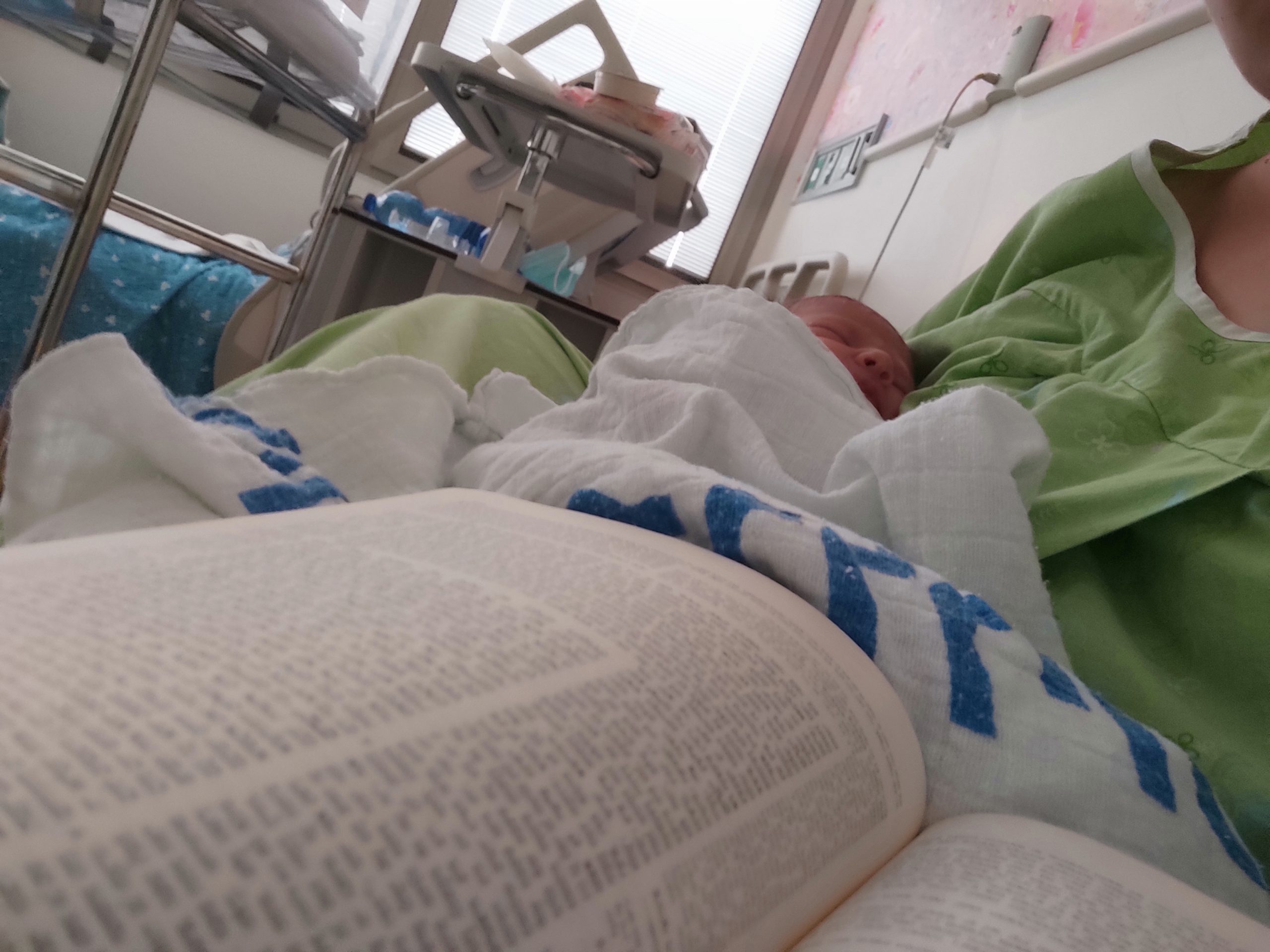
רבבה, ישראל
התחלתי מחוג במסכת קידושין שהעבירה הרבנית רייסנר במסגרת בית המדרש כלנה בגבעת שמואל; לאחר מכן התחיל סבב הדף היומי אז הצטרפתי. לסביבה לקח זמן לעכל אבל היום כולם תומכים ומשתתפים איתי. הלימוד לעתים מעניין ומעשיר ולעתים קשה ואף הזוי… אך אני ממשיכה קדימה. הוא משפיע על היומיום שלי קודם כל במרדף אחרי הדף, וגם במושגים הרבים שלמדתי ובידע שהועשרתי בו, חלקו ממש מעשי

ראש העין, ישראל
"
גם אני התחלתי בסבב הנוכחי וב””ה הצלחתי לסיים את רוב המסכתות . בזכות הרבנית מישל משתדלת לפתוח את היום בשיעור הזום בשעה 6:20 .הלימוד הפך להיות חלק משמעותי בחיי ויש ימים בהם אני מצליחה לחזור על הדף עם מלמדים נוספים ששיעוריהם נמצאים במרשתת. שמחה להיות חלק מקהילת לומדות ברחבי העולם. ובמיוחד לשמש דוגמה לנכדותיי שאי””ה יגדלו לדור שלימוד תורה לנשים יהיה משהו שבשגרה. "
נתניה, ישראל
בסוף הסבב הקודם ראיתי את השמחה הגדולה שבסיום הלימוד, בעלי סיים כבר בפעם השלישית וכמובן הסיום הנשי בבנייני האומה וחשבתי שאולי זו הזדמנות עבורי למשהו חדש.
למרות שאני שונה בסביבה שלי, מי ששומע על הלימוד שלי מפרגן מאוד.
אני מנסה ללמוד קצת בכל יום, גם אם לא את כל הדף ובסך הכל אני בדרך כלל עומדת בקצב.
הלימוד מעניק המון משמעות ליום יום ועושה סדר בלמוד תורה, שתמיד היה (ועדיין) שאיפה. אבל אין כמו קביעות

טל מנשה, ישראל
אני לומדת גמרא כעשור במסגרות שונות, ואת הדף היומי התחלתי כשחברה הציעה שאצטרף אליה לסיום בבנייני האומה. מאז אני לומדת עם פודקסט הדרן, משתדלת באופן יומי אך אם לא מספיקה, מדביקה פערים עד ערב שבת. בסבב הזה הלימוד הוא "ממעוף הציפור”, מקשיבה במהירות מוגברת תוך כדי פעילויות כמו בישול או נהיגה, וכך רוכשת היכרות עם הסוגיות ואופן ניתוחם על ידי חז”ל. בע”ה בסבב הבא, ואולי לפני, אצלול לתוכו באופן מעמיק יותר.

רמת גן, ישראל
"התחלתי ללמוד דף יומי במחזור הזה, בח’ בטבת תש””ף. לקחתי על עצמי את הלימוד כדי ליצור תחום של התמדה יומיומית בחיים, והצטרפתי לקבוצת הלומדים בבית הכנסת בכפר אדומים. המשפחה והסביבה מתפעלים ותומכים.
בלימוד שלי אני מתפעלת בעיקר מכך שכדי ללמוד גמרא יש לדעת ולהכיר את כל הגמרא. זו מעין צבת בצבת עשויה שהיא עצומה בהיקפה.”
כפר אדומים, ישראל
רבנית מישל הציתה אש התלמוד בלבבות בביניני האומה ואני נדלקתי. היא פתחה פתח ותמכה במתחילות כמוני ואפשרה לנו להתקדם בצעדים נכונים וטובים. הקימה מערך שלם שמסובב את הלומדות בסביבה תומכת וכך נכנסתי למסלול לימוד מעשיר שאין כמוה. הדרן יצר קהילה גדולה וחזקה שמאפשרת התקדמות מכל נקודת מוצא. יש דיבוק לומדות שמחזק את ההתמדה של כולנו. כל פניה ושאלה נענית בזריזות ויסודיות. תודה גם למגי על כל העזרה.

נתניה, ישראל
התחלתי לפני 8 שנים במדרשה. לאחרונה סיימתי מסכת תענית בלמידה עצמית ועכשיו לקראת סיום מסכת מגילה.
רעננה, ישראל
התחלתי ללמוד דף לפני קצת יותר מ-5 שנים, כשלמדתי רבנות בישיבת מהר”ת בניו יורק. בדיעבד, עד אז, הייתי בלימוד הגמרא שלי כמו מישהו שאוסף חרוזים משרשרת שהתפזרה, פה משהו ושם משהו, ומאז נפתח עולם ומלואו…. הדף נותן לי לימוד בצורה מאורגנת, שיטתית, יום-יומית, ומלמד אותי לא רק ידע אלא את השפה ודרך החשיבה שלנו. לשמחתי, יש לי סביבה תומכת וההרגשה שלי היא כמו בציטוט שבחרתי: הדף משפיע לטובה על כל היום שלי.
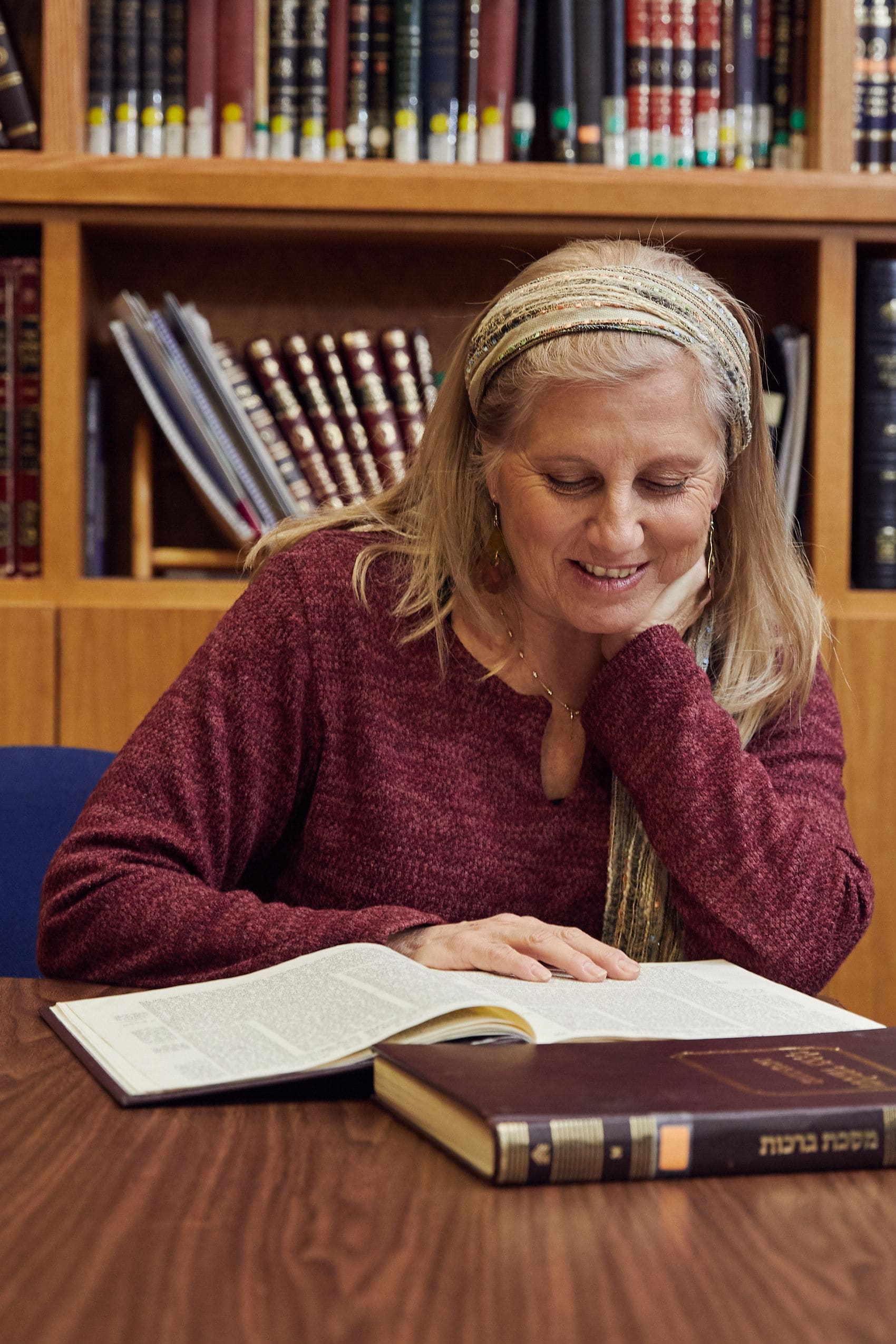
חיפה, ישראל
יבמות סה
קוֹבַעַת לָהּ וֶסֶת, עַד שֶׁתִּקְבָּעֶנָּה שָׁלֹשׁ פְּעָמִים. וְאֵין מִטַּהֶרֶת מִן הַוֶּסֶת, עַד שֶׁתֵּעָקֵר מִמֶּנָּה שָׁלֹשׁ פְּעָמִים. וְשׁוֹר הַמּוּעָד — דִּתְנַן: אֵין הַשּׁוֹר נַעֲשֶׂה מוּעָד, עַד שֶׁיָּעִידוּ בּוֹ שְׁלֹשָׁה פְּעָמִים.
establish a set pattern of menstrual bleeding for herself, so that it can be assumed that she will start bleeding at a particular time, until she has established it three times. Similarly, she is not purified from her set pattern until it is uprooted from her three times, i.e., until she did not experience menstrual bleeding at the expected time according to her pattern on three occasions. And the case of a forewarned ox is as we learned in a mishna (Bava Kamma 23b): An ox does not become forewarned until witnesses testify that it has gored three times. Consequently, in the cases of set patterns and a forewarned ox, a legal presumption is created only after three occurrences, in accordance with the opinion of Rabban Shimon ben Gamliel.
תָּנוּ רַבָּנַן: נִיסֵּת לָרִאשׁוֹן וְלֹא הָיוּ לָהּ בָּנִים, לַשֵּׁנִי וְלֹא הָיוּ לָהּ בָּנִים, לַשְּׁלִישִׁי לֹא תִּנָּשֵׂא אֶלָּא לְמִי שֶׁיֵּשׁ לוֹ בָּנִים. נִישֵּׂאת לְמִי שֶׁאֵין לוֹ בָּנִים — תֵּצֵא בְּלֹא כְּתוּבָּה.
The Sages taught: If a woman was married to her first husband and she did not have children, and then she was married to her second husband and she did not have children, she may not get married to a third husband unless it is to one who already has children and has fulfilled the mitzva to be fruitful and multiply, as it is presumed that she is unable to have children. If she got married to one who does not have children and he had been unaware of her presumptive status, she is divorced without receiving payment for her marriage contract, as he married her erroneously.
אִיבַּעְיָא לְהוּ: נִישֵּׂאת לַשְּׁלִישִׁי וְלֹא הָיוּ לָהּ בָּנִים, מַהוּ דְּלִיתְבְּעוּהָ הָנָךְ קַמָּאֵי? מִי מָצוּ אָמְרִי לַהּ: אִיגַּלַּאי מִילְּתָא דְּאַתְּ הוּא דִּגְרַמְתְּ. אוֹ דִלְמָא מָצֵית אֲמַרָה לְהוּ: הַשְׁתָּא הוּא דִּכְחַשִׁי. מִסְתַּבְּרָא מָצְיָא אֲמַרָה לְהוּ הַשְׁתָּא הוּא דִּכְחַשִׁי.
A dilemma was raised before the Sages: If she was married to a third husband and she did not have children for ten years, what is the halakha with regard to whether those first husbands can demand the return of the money they paid for her marriage contracts? Can they say to her: It has been revealed retroactively that it was you who caused our inability to have children, and therefore we entered our marriages erroneously, or perhaps she can say to them: It is now that I am older that I have become weak, but in my youth I could have had children with a different husband. The Sages answer: It is reasonable that she can say to them: It is now that I have become weak.
אִיבַּעְיָא לְהוּ: נִישֵּׂאת לָרְבִיעִי וְהָיוּ לָהּ בָּנִים, מַהוּ דְּתִיתְבְּעֵיהּ לִשְׁלִישִׁי! אָמְרִינַן לַהּ: שְׁתִיקוּתִיךְ יָפָה מִדִּיבּוּרִיךְ. דְּמָצֵי אָמַר לַהּ: אֲנָא אַדַּעְתָּא דְּהָכִי לָא גָּרֵשְׁתִּיךְ.
Another dilemma was raised before the Sages: If she was married to a fourth husband and she had children with him, what is the halakha with regard to whether she can demand the payment of her marriage contract from her third husband by claiming that it is now evident that she was capable of having children? The Gemara answers: We say to her: Your silence is preferable to your speech, i.e., you are better off not making this claim, as he can say to her: I did not divorce you with this understanding, and now that I know you are capable of having children, I regret divorcing you. This would invalidate her divorce and, consequently, her marriage to her fourth husband, and would render her child a mamzer.
מַתְקֵיף לַהּ רַב פָּפָּא: אִי אִיהִי שָׁתְקָא, אֲנַן מִי שָׁתְקִינַן?! נִמְצָא גֵּט בָּטֵל, וּבָנֶיהָ מַמְזֵרִין! אֶלָּא אָמְרִינַן: הַשְׁתָּא הוּא דִּבְרִיַּית.
Rav Pappa strongly objects to this: If she was silent do we remain silent? If there is room for concern that the divorce might be invalid, the concern exists regardless of her claim, and therefore the bill of divorce should be found invalid and her children from her fourth husband should be rendered mamzerin. Rather, we say that it is now that she has become healthy. In other words, she was previously incapable of bearing children, but she has since recovered from that disability.
הוּא אָמַר מִינַּהּ, וְהִיא אָמְרָה מִינֵּיהּ, אֲמַר רַבִּי אַמֵּי: דְּבָרִים שֶׁבֵּינוֹ לְבֵינָהּ — נֶאֱמֶנֶת, וְטַעְמָא מַאי? הִיא (קַיְימָא) [קִים] לַהּ בְּיוֹרֶה כְּחֵץ, הוּא לָא קִים לֵיהּ בְּיוֹרֶה כְּחֵץ.
§ The Gemara addresses a related case. If he said that the cause for their failure to have children is from her, i.e., it is she who is infertile, and she said it is from him, Rabbi Ami said: With regard to such matters between him and her, she is believed. The Gemara inquires: What is the reason for this ruling? She is certain whether his semen shoots like an arrow, whereas he is not certain whether his semen shoots like an arrow.
אֲמַר אִיהוּ: אֵיזִיל אִינְּסִיב אִיתְּתָא וְאֶיבְדּוֹק נַפְשַׁאי. אָמַר רַבִּי אַמֵּי: אַף בָּזוֹ יוֹצִיא וְיִתֵּן כְּתוּבָּה. שֶׁאֲנִי אוֹמֵר: כׇּל הַנּוֹשֵׂא אִשָּׁה עַל אִשְׁתּוֹ — יוֹצִיא וְיִתֵּן כְּתוּבָּה. רָבָא אָמַר: נוֹשֵׂא אָדָם כַּמָּה נָשִׁים עַל אִשְׁתּוֹ, וְהוּא דְּאִית לֵיהּ לְמֵיזַיְינִינְהִי.
If he says: I will go and marry a different woman and examine myself to see if I am indeed the cause, Rabbi Ami said: Even in this case he must divorce his first wife and give her the payment for her marriage contract, as I say that whoever marries a woman in addition to his first wife must divorce his first wife and give her the payment for her marriage contract. Conversely, Rava said that a man may marry several women in addition to his first wife, and there is nothing wrong with this practice as long as he has enough to support them all.
הוּא אָמַר: אַפִּלַת בְּגוֹ עֲשַׂר. וְהִיא אָמְרָה: לָא אַפֵּלִית. אָמַר רַבִּי אַמֵּי: אַף בְּזוֹ הִיא נֶאֱמֶנֶת. דְּאִם אִיתָא דְּאַפִּלָה — נַפְשַׁהּ בְּעַקְרְתָה לָא מַחְזְקָה.
The Gemara addresses another case in which the court forces a man to divorce his wife who has not had children after ten years. If he said: You miscarried within the ten years of our marriage, and since less than ten years have elapsed since that time he should not have to divorce her, and she said: I did not miscarry, Rabbi Ami said: Even in this case she is believed, because if it is so that she miscarried she would not establish herself as barren through denying his claim.
הִפִּילָה, וְחָזְרָה וְהִפִּילָה, וְחָזְרָה וְהִפִּילָה — הוּחְזְקָה לִנְפָלִים. הוּא אָמַר: אַפִּילָה תְּרֵי, וְהִיא אָמְרָה: תְּלָת, אָמַר רַבִּי יִצְחָק בֶּן אֶלְעָזָר: עוֹבָדָא הֲוָה בֵּי מִדְרְשָׁא, וַאֲמַרוּ: הִיא מְהֵימְנָא, דְּאִם אִיתָא דְּלָא אַפִּלָה — נַפְשַׁהּ בְּנִיפְלֵי לָא מַחְזְקָה.
If she miscarried, and then miscarried again, and miscarried again, she has been established to be a woman who is prone to miscarriages, and her husband must divorce her so that he can have children with another woman. If he said she miscarried twice, and she said it occurred three times, Rabbi Yitzḥak ben Elazar said: There was an incident of this kind that was adjudicated in the study hall and they said that she is believed, because if it is so that she had not miscarried a third time she would not establish herself as one who is prone to miscarriages.
מַתְנִי׳ הָאִישׁ מְצֻוֶּוה עַל פְּרִיָּה וּרְבִיָּה, אֲבָל לֹא הָאִשָּׁה. רַבִּי יוֹחָנָן בֶּן בְּרוֹקָה אוֹמֵר: עַל שְׁנֵיהֶם הוּא אוֹמֵר: ״וַיְבָרֶךְ אוֹתָם אֱלֹהִים וַיֹּאמֶר לָהֶם [אֱלֹהִים] פְּרוּ וּרְבוּ״.
MISHNA: A man is commanded with regard to the mitzva to be fruitful and multiply, but not a woman. Rabbi Yoḥanan ben Beroka says that a woman is also commanded, as the verse states with regard to both of them: “And God blessed them, and God said to them: Be fruitful and multiply” (Genesis 1:28).
גְּמָ׳ מְנָא הָנֵי מִילֵּי? אָמַר רַבִּי אִילְעָא מִשּׁוּם רַבִּי אֶלְעָזָר בְּרַבִּי שִׁמְעוֹן: אָמַר קְרָא: ״וּמִלְאוּ אֶת הָאָרֶץ וְכִבְשׁוּהָ״. אִישׁ דַּרְכּוֹ לְכַבֵּשׁ, וְאֵין אִשָּׁה דַּרְכָּהּ לְכַבֵּשׁ.
GEMARA: From where are these matters derived, that a woman is not obligated in the mitzva to be fruitful and multiply? Rabbi Ile’a said in the name of Rabbi Elazar, son of Rabbi Shimon: The verse states: “Be fruitful and multiply, and fill the land and conquer it” (Genesis 1:28). It is the manner of a man to conquer and it is not the manner of a woman to conquer. Consequently, it is evident that the entire command, including the mitzva to be fruitful and multiply, was given only to men and not to women.
אַדְּרַבָּה: ״וְכִבְשׁוּהָ״ תַּרְתֵּי מַשְׁמַע! אָמַר רַב נַחְמָן בַּר יִצְחָק: ״וְכׇבְשֶׁהָ״ כְּתִיב. רַב יוֹסֵף אָמַר, מֵהָכָא: ״אֲנִי אֵל שַׁדַּי פְּרֵה וּרְבֵה״, וְלָא קָאָמַר ״פְּרוּ וּרְבוּ״.
The Gemara raises a difficulty. On the contrary, the plural term: “And conquer it [vekhivshuha],” indicates that the two of them are included. Rav Naḥman bar Yitzḥak said: It is written in the Torah without the letter vav, so that it can be read: And conquer it [vekhivsha], in the singular. Rav Yosef said: The proof is from here: “And God said to him: I am God Almighty, be fruitful and multiply [perei urvei]” (Genesis 35:11), which is in singular, and it does not state: Be fruitful and multiply [peru urvu] in the plural.
וְאָמַר רַבִּי אִילְעָא מִשּׁוּם רַבִּי אֶלְעָזָר בְּרַבִּי שִׁמְעוֹן: כְּשֵׁם שֶׁמִּצְוָה עַל אָדָם לוֹמַר דָּבָר הַנִּשְׁמָע — כָּךְ מִצְוָה עַל אָדָם שֶׁלֹּא לוֹמַר דָּבָר שֶׁאֵינוֹ נִשְׁמָע. רַבִּי אַבָּא אוֹמֵר: חוֹבָה, שֶׁנֶּאֱמַר: ״אַל תּוֹכַח לֵץ פֶּן יִשְׂנָאֶךָּ הוֹכַח לְחָכָם וְיֶאֱהָבֶךָּ״.
The Gemara cites other statements made by Rabbi Ile’a in the name of Rabbi Elazar, son of Rabbi Shimon. And Rabbi Ile’a said in the name of Rabbi Elazar, son of Rabbi Shimon: Just as it is a mitzva for a person to say that which will be heeded, so is it a mitzva for a person not to say that which will not be heeded. One should not rebuke those who will be unreceptive to his message. Rabbi Abba says: It is obligatory for him to refrain from speaking, as it is stated: “Do not reprove a scorner lest he hate you; reprove a wise man and he will love you” (Proverbs 9:8).
וְאָמַר רַבִּי אִילְעָא מִשּׁוּם רַבִּי אֶלְעָזָר בְּרַבִּי שִׁמְעוֹן: מוּתָּר לוֹ לָאָדָם לְשַׁנּוֹת בִּדְבַר הַשָּׁלוֹם, שֶׁנֶּאֱמַר: ״אָבִיךְ צִוָּה וְגוֹ׳ כֹּה תֹאמְרוּ לְיוֹסֵף אָנָּא שָׂא נָא וְגוֹ׳״.
And Rabbi Ile’a further said in the name of Rabbi Elazar, son of Rabbi Shimon: It is permitted for a person to depart from the truth in a matter that will bring peace, as it is stated: “Your father commanded before he died, saying: So you shall say to Joseph: Please pardon your brothers’ crime, etc.” (Genesis 50:16–17). Jacob never issued this command, but his sons falsely attributed this statement to him in order to preserve peace between them and Joseph.
רַבִּי נָתָן אוֹמֵר: מִצְוָה, שֶׁנֶּאֱמַר: ״וַיֹּאמֶר שְׁמוּאֵל אֵיךְ אֵלֵךְ וְשָׁמַע שָׁאוּל וַהֲרָגָנִי וְגוֹ׳״.
Rabbi Natan says: It is a mitzva to depart from the truth in order to preserve peace, as it is stated: “And Samuel said: How can I go, and Saul will hear and kill me” (I Samuel 16:2). God responded in the next verse that Samuel should say he went to sacrifice an offering, indicating that God commands one to lie in order to preserve peace.
דְּבֵי רַבִּי יִשְׁמָעֵאל תָּנָא: גָּדוֹל הַשָּׁלוֹם, שֶׁאַף הַקָּדוֹשׁ בָּרוּךְ הוּא שִׁינָּה בּוֹ, דְּמֵעִיקָּרָא כְּתִיב: ״וַאֲדוֹנִי זָקֵן״, וּלְבַסּוֹף, כְּתִיב: ״וַאֲנִי זָקַנְתִּי״.
It was taught in the school of Rabbi Yishmael: Great is peace, as even the Holy One, Blessed be He, departed from the truth for it. As, initially it is written that Sarah said of Abraham: “And my lord is old” (Genesis 18:12), and in the end it is written that God told Abraham that Sarah said: “And I am old” (Genesis 18:13). God adjusted Sarah’s words in order to spare Abraham hurt feelings that might lead Abraham and Sarah to quarrel.
רַבִּי יוֹחָנָן בֶּן בְּרוֹקָה אוֹמֵר. אִתְּמַר, רַבִּי יוֹחָנָן וְרַבִּי יְהוֹשֻׁעַ בֶּן לֵוִי, חַד אָמַר: הֲלָכָה כְּרַבִּי יוֹחָנָן בֶּן בְּרוֹקָה, וְחַד אָמַר: אֵין הֲלָכָה כְּרַבִּי יוֹחָנָן בֶּן בְּרוֹקָה.
§ It is taught in the mishna that Rabbi Yoḥanan ben Beroka says that women are also included in the mitzva to be fruitful and multiply. It was stated that two amora’im, Rabbi Yoḥanan and Rabbi Yehoshua ben Levi, disagreed concerning this matter. One said that the halakha is in accordance with the opinion of Rabbi Yoḥanan ben Beroka, and one said that the halakha is not in accordance with the opinion of Rabbi Yoḥanan ben Beroka.
תִּסְתַּיַּים דְּרַבִּי יוֹחָנָן הוּא דְּאָמַר אֵין הֲלָכָה: דִּיתֵיב רַבִּי אֲבָהוּ וְקָאָמַר מִשְּׁמֵיהּ דְּרַבִּי יוֹחָנָן: הֲלָכָה, וְאַהְדְּרִינְהוּ רַבִּי אַמֵּי וְרַבִּי אַסִּי לְאַפַּיְיהוּ.
The Gemara comments: Conclude that it was Rabbi Yoḥanan who said that the halakha is not in accordance with the opinion of Rabbi Yoḥanan ben Beroka, as Rabbi Abbahu sat and said in the name of Rabbi Yoḥanan that the halakha is in accordance with the opinion of Rabbi Yoḥanan ben Beroka, and Rabbi Ami and Rabbi Asi, who were sitting across from him, turned their faces as an indication that they disagreed with this report of Rabbi Yoḥanan’s opinion, but did not want to explicitly contradict Rabbi Abbahu’s statement out of respect for him.
וְאִיכָּא דְּאָמְרִי: רַבִּי חִיָּיא בַּר אַבָּא אָמַר, וְאַהְדְּרִינְהוּ רַבִּי אַמֵּי וְרַבִּי אַסִּי לְאַפַּיְיהוּ. אָמַר רַב פָּפָּא: בִּשְׁלָמָא לְמַאן דְּאָמַר רַבִּי אֲבָהוּ אַמְרַהּ, מִשּׁוּם כְּבוֹד בֵּי קֵיסָר לָא אָמְרוּ לֵיהּ וְלָא מִידֵּי. אֶלָּא לְמַאן דְּאָמַר רַבִּי חִיָּיא בַּר אַבָּא אַמְרַהּ — לֵימְרוּ לֵיהּ: לָא אָמַר רַבִּי יוֹחָנָן הָכִי.
And some say a different version of the incident, that it was Rabbi Ḥiyya bar Abba who said this statement, and Rabbi Ami and Rabbi Asi turned their faces. Rav Pappa said: Granted, according to the one who said that Rabbi Abbahu said it, it makes sense that due to the honor of Caesar’s court, where Rabbi Abbahu maintained close ties, Rabbi Ami and Rabbi Asi did not say anything to him and merely hinted at their disagreement. However, according to the one who said that Rabbi Ḥiyya bar Abba said it, let them say to him explicitly: Rabbi Yoḥanan did not say this. In any event, it is clear that according to Rabbi Ami and Rabbi Asi, Rabbi Yoḥanan disagreed with the opinion of Rabbi Yoḥanan ben Beroka.
מַאי הֲוָה עֲלַהּ? תָּא שְׁמַע, דְּאָמַר רַבִּי אַחָא בַּר חֲנִינָא אָמַר רַבִּי אֲבָהוּ אָמַר רַבִּי אַסִּי: עוֹבָדָא הֲוָה קַמֵּיהּ דְּרַבִּי יוֹחָנָן בִּכְנִישְׁתָּא דְקֵיסָרִי, וַאֲמַר: יוֹצִיא וְיִתֵּן כְּתוּבָּה. וְאִי סָלְקָא דַּעְתָּךְ לָא מְפַקְּדָה — כְּתוּבָּה מַאי עֲבִידְתַּהּ?
The Gemara asks: What conclusion was reached about this issue? The Gemara suggests: Come and hear, as Rabbi Aḥa bar Ḥanina said that Rabbi Abbahu said that Rabbi Asi said: There was an incident that came before Rabbi Yoḥanan in the synagogue of Caesarea involving a woman who wanted a divorce from her husband after ten years of childless marriage, and he said that the husband must divorce her and give her the payment for her marriage contract. If it enters your mind to say that she is not commanded to be fruitful and multiply, what is payment for a marriage contract doing here? Why does she have a right to demand to be divorced and to receive the payment for her marriage contract?
דִּלְמָא בְּבָאָה מֵחֲמַת טַעֲנָה.
The Gemara responds: Perhaps that was in a case when she came to demand a divorce due to another claim, i.e., she wanted children for a reason other than the fulfillment of the mitzva to be fruitful and multiply. Since this claim has merit, her husband must divorce her and pay her marriage contract.
כִּי הַהִיא דַּאֲתַאי לְקַמֵּיהּ דְּרַבִּי אַמֵּי. אֲמַרָה לֵיהּ: הַב לִי כְּתוּבָּה! אֲמַר לַהּ: זִיל, לָא מִיפַּקְּדַתְּ! אֲמַרָה לֵיהּ: מִסֵּיבוּ דִּילַהּ מַאי תֶּיהְוֵי עֲלַהּ דְּהָךְ אִתְּתָא? אָמַר: כִּי הָא — וַדַּאי כָּפֵינַן.
This is like the case of a certain woman who came before Rabbi Ami and requested a divorce due to her husband’s inability to father children. She said to him: Give me the payment for my marriage contract. He said to her: Go away, as you are not commanded to be fruitful and multiply and have no right to demand a divorce. She said to him: In her old age, what will be with this woman, i.e., if I have no children, who will take care of me when I grow old? Rabbi Ami said: In a situation such as this, we certainly force the husband to divorce her and pay her marriage contract.
הָהִיא דַּאֲתַאי לְקַמֵּיהּ דְּרַב נַחְמָן. אֲמַר לַהּ: לָא מִיפַּקְּדַתְּ. אֲמַרָה לֵיהּ: לָא בָּעֲיָא הָךְ אִתְּתָא חוּטְרָא לִידָה וּמָרָה לִקְבוּרָה? אֲמַר: כִּי הָא וַדַּאי כָּפֵינַן.
The Gemara relates a similar incident: A certain woman came before Rav Naḥman and requested a divorce due to her husband’s inability to father children. He said to her: You are not commanded to be fruitful and multiply. She said to him: Does this woman not require a staff for her hand and a hoe for her burial? In other words, the woman said that she wanted children so that they could care for her in her old age and bury her when she would die. Rav Naḥman said: In a case such as this, we certainly force the husband to divorce her.
יְהוּדָה וְחִזְקִיָּה תְּאוֹמִים הָיוּ, אֶחָד נִגְמְרָה צוּרָתוֹ לְסוֹף תִּשְׁעָה, וְאֶחָד נִגְמְרָה צוּרָתוֹ לִתְחִלַּת שִׁבְעָה. יְהוּדִית, דְּבֵיתְהוּ דְּרַבִּי חִיָּיא, הֲוָה לַהּ צַעַר לֵידָה. שַׁנַּאי מָנַהּ, וַאֲתַאי לְקַמֵּיהּ דְּרַבִּי חִיָּיא, אֲמַרָה: אִתְּתָא מְפַקְּדָא אַפְּרִיָּה וּרְבִיָּה? אֲמַר לַהּ: לָא. אֲזַלָא אִשְׁתְּיָא סַמָּא דַעֲקַרְתָּא.
The Gemara relates that Rabbi Ḥiyya’s sons, Yehuda and Ḥizkiyya, were twins, but one of them was fully developed after nine months of pregnancy and one was fully developed at the beginning of the seventh month, and they were born two months apart. Yehudit, the wife of Rabbi Ḥiyya, had acute birthing pain from these unusual deliveries. She changed her clothes to prevent Rabbi Ḥiyya from recognizing her and came before Rabbi Ḥiyya to ask him a halakhic question. She said: Is a woman commanded to be fruitful and multiply? He said to her: No. She went and drank an infertility potion.
לְסוֹף אִיגַּלַּאי מִילְּתָא. אֲמַר לַהּ: אִיכּוֹ יְלַדְתְּ לִי חֲדָא כַּרְסָא אַחְרִיתָא, דְּאָמַר מָר: יְהוּדָה וְחִזְקִיָּה אַחֵי, פַּזִּי וְטָוִי
Eventually the matter was revealed, and Rabbi Ḥiyya found out about what Yehudit had done. He said to her: If only you had given birth to one more belly for me, i.e., another set of twins. As the Master said: Yehuda and Ḥizkiyya were twin brothers and became prominent Torah scholars, and Pazi and Tavi, Rabbi Ḥiyya’s daughters,

