






מסכת זבחים
מסכת זבחים מוקדש ע”י אסתר קרמר לע”נ אביה מני גרוס.
הלימוד החודש מוקדש ע”י מרכי גלזר לע”נ רחל אביבה בת דבורה חנה
רוצה להקדיש שיעור?

תקציר

במחלוקת בין חמשת התנאים לגבי אילו דברים נשארים על המזבח גם אם נפסלו, ריש לקיש מציין מקרים שבהם יש הבדל הלכתי ממשי בין הדעות השונות. לפי הגמרא, חידושו הוא במקרה אחד ספציפי שרצה לחדש שר’ שמעון עדיין עומד בעמדתו (נסכים הבאים עם הקרבן אבל לא הובאו באותו יום שהוקרב הקרבן.
קיימת מחלוקת תנאים בין ר’ שמעון ור’ יהודה לגבי אילו פסולים חל עליהם הדין של "אם עלו – לא ירדו.” הגמרא מביאה ברייתא שבה מסבירים את המקור לדיעותיהם.
כלים
מסכת זבחים
מסכת זבחים מוקדש ע”י אסתר קרמר לע”נ אביה מני גרוס.
הלימוד החודש מוקדש ע”י מרכי גלזר לע”נ רחל אביבה בת דבורה חנה
זבחים פד
תֵּרֵד. מִנְחָה הַבָּאָה עִם הַזֶּבַח – לְדִבְרֵי רַבָּן גַּמְלִיאֵל וְרַבִּי יְהוֹשֻׁעַ לֹא תֵּרֵד, לְדִבְרֵי כּוּלָּן תֵּרֵד.
even that meal offering shall descend, as it is not similar to lambs. With regard to a meal offering that comes with an animal offering, either a burnt offering or peace offering, according to the statements of Rabban Gamliel and Rabbi Yehoshua, it shall not descend, as it is meant for consumpion by the fire. According to the statements of everyone else, i.e., Rabbi Shimon and the tannai’im of the baraita, it shall descend, as it is neither offered by itself nor is it an animal.
נְסָכִים הַבָּאִין בִּפְנֵי עַצְמָן – לְדִבְרֵי כּוּלָּן יֵרְדוּ, לְדִבְרֵי רַבָּן גַּמְלִיאֵל וְרַבִּי שִׁמְעוֹן לֹא יֵרְדוּ. נְסָכִין הַבָּאִין עִם הַזֶּבַח – לְדִבְרֵי כּוּלָּן יֵרְדוּ, לְדִבְרֵי רַבָּן גַּמְלִיאֵל לְחוֹדֵיהּ לֹא יֵרְדוּ.
Reish Lakish continues: With regard to libations that come by themselves, according to the statements of everyone, i.e., Rabbi Yosei HaGelili, Rabbi Akiva, and Rabbi Yehoshua, they shall descend, but according to the statements of Rabban Gamliel and Rabbi Shimon, they shall not descend. With regard to libations that come with an animal offering, according to the statements of everyone, they shall descend, while according to the statement of Rabban Gamliel alone, they shall not descend.
פְּשִׁיטָא! מִנְחָה הַבָּאָה בִּפְנֵי עַצְמָהּ אִיצְטְרִיכָא לֵיהּ – וְכִדְרָבָא, דְּאָמַר רָבָא: מִתְנַדֵּב אָדָם מִנְחַת נְסָכִים בְּכׇל יוֹם.
The Gemara questions the need for such a summary: Isn’t it obvious? The Gemara answers: It was necessary for him to state the halakha in the case of a meal offering that comes by itself, and this is in accordance with the statement of Rava. As Rava says: A person can volunteer to bring a meal offering that normally accompanies libations, on any day, even without offering the libations and animal offering that it normally accompanies. Although the summary is itself obvious, it is nevertheless stated to indicate that it is possible to offer such a meal offering.
וְנַשְׁמְעִינַן כִּדְרָבָא! נְסָכִים הַבָּאִים עִם הַזֶּבַח אִיצְטְרִיכָא לֵיהּ – דְּקָא מַקְרֵב לְהוּ לִמְחַר וּלְיוֹמָא חָרָא.
The Gemara asks: If the intent of his summary is to express his agreement with the statement of Rava, then let Reish Lakish teach us explicitly that the halakha is in accordance with the statement of Rava. The Gemara answers: It was necessary for the case of libations that come with an animal offering, as the halakha in such a case is that he may sacrifice the libations the next day and on a later [ḥara] day sometime after sacrificing the animal offering that they accompany.
סָלְקָא דַּעְתָּךְ אָמֵינָא, הוֹאִיל וְאָמַר מָר: ״מִנְחָתָם וְנִסְכֵּיהֶם״ בַּלַּיְלָה, ״מִנְחָתָם וְנִסְכֵּיהֶם״ לְמָחָר – כִּנְסָכִים הַבָּאִין בִּפְנֵי עַצְמָן דָּמוּ, וּמוֹדֵי רַבִּי שִׁמְעוֹן דְּלֹא יֵרְדוּ; קָא מַשְׁמַע לַן.
Accordingly, it may enter your mind to say that since the Master says that the verse: “And their meal offering and their libations” (Numbers 29:18), indicates that libations may be offered at night, and the phrase “and their meal offering and their libations” indicates that libations may be offered the next day and on a later day, perhaps libations offered on a later date than the animal itself are to be considered as libations which come by themselves, and Rabbi Shimon would concede that they shall not descend. Reish Lakish therefore teaches us the case of libations that accompany an animal offering, to indicate that such libations are still considered as those that accompany an animal offering and that they shall descend from the altar.
מַתְנִי׳ אֵלּוּ אִם עָלוּ לֹא יֵרְדוּ: הַלָּן, וְהַיּוֹצֵא, וְהַטָּמֵא, וְשֶׁנִּשְׁחַט חוּץ לִזְמַנּוֹ וְחוּץ לִמְקוֹמוֹ, וְשֶׁקִּבְּלוּ פְּסוּלִין וְזָרְקוּ אֶת דָּמוֹ.
MISHNA: These are the items that even if they were disqualified, if they ascended the altar they shall not descend: Blood, sacrificial portions, or limbs of a burnt offering, any of which were left overnight off the altar, or that emerge from the Temple courtyard, or that become ritually impure, or that came from an animal that was slaughtered with the intent to sacrifice it beyond its designated time or outside its designated area, or an offering that people unfit to perform the Temple service collected and then sprinkled its blood.
רַבִּי יְהוּדָה אוֹמֵר: שֶׁנִּשְׁחַט בַּלַּיְלָה וְנִשְׁפַּךְ דָּמָהּ וְיָצָא דָּמָהּ חוּץ לַקְּלָעִים – אִם עָלְתָה תֵּרֵד. רַבִּי שִׁמְעוֹן אוֹמֵר: לֹא תֵּרֵד, שֶׁהָיָה פְּסוּלוֹ בַּקֹּדֶשׁ. שֶׁרַבִּי שִׁמְעוֹן אוֹמֵר: כֹּל שֶׁפְּסוּלוֹ בַּקֹּדֶשׁ – הַקֹּדֶשׁ מְקַבְּלוֹ, לֹא הָיָה פְּסוּלוֹ בַּקֹּדֶשׁ – אֵין הַקֹּדֶשׁ מְקַבְּלוֹ.
Rabbi Yehuda says: In the case of a sacrificial animal that was slaughtered at night, or one whose blood was spilled on the floor of the Temple without its being collected in a vessel, or one whose blood emerged outside the curtains, i.e., outside the Temple courtyard: Even if it ascended upon the altar it shall descend. Rabbi Shimon says: In all these cases, if it ascended it shall not descend, because its disqualification occurred in sanctity. As Rabbi Shimon says: With regard to any unfit offering whose disqualification occurred in sanctity, i.e., in the course of the Temple service, the sacred area renders the offering acceptable, and if it ascended onto the altar it shall not descend. But with regard to any offering whose disqualification did not occur in sanctity but rather was unfit initially, the sacred area does not render the offering acceptable.
וְאֵלּוּ שֶׁלֹּא הָיָה פְּסוּלָן בַּקֹּדֶשׁ: הָרוֹבֵעַ, וְהַנִּרְבָּע, וְהַמּוּקְצֶה, וְהַנֶּעֱבָד, וְהָאֶתְנַן, וְהַמְּחִיר, וְהַכִּלְאַיִם, וְהַטְּרֵפָה, וְהַיּוֹצֵא דּוֹפֶן, וּבַעֲלֵי מוּמִין. רַבִּי עֲקִיבָא מַכְשִׁיר בְּבַעֲלֵי מוּמִין. רַבִּי חֲנִינָא סְגַן הַכֹּהֲנִים אוֹמֵר: דּוֹחֶה הָיָה אַבָּא אֶת בַּעֲלֵי מוּמִין מֵעַל גַּבֵּי הַמִּזְבֵּחַ.
And these are the offerings whose disqualification did not occur in sanctity: An animal that copulated with a person, and an animal that was the object of bestiality, and an animal that was set aside for idol worship, and an animal that was worshipped as a deity, and an animal that was given as payment to a prostitute or as the price of a dog, and an animal born of a mixture of diverse kinds, and an animal with a wound that will cause it to die within twelve months [tereifa], and an animal born by caesarean section, and blemished animals. Rabbi Akiva deems blemished animals fit in the sense that if they ascended they shall not descend. Rabbi Ḥanina, the deputy High Priest, says: My father would reject blemished animals from upon the altar.
כְּשֵׁם שֶׁאִם עָלוּ לֹא יֵרְדוּ, כָּךְ אִם יֵרְדוּ לֹא יַעֲלוּ. וְכוּלָּן שֶׁעָלוּ חַיִּים לְרֹאשׁ הַמִּזְבֵּחַ – יֵרְדוּ. עוֹלָה שֶׁעָלְתָה חַיָּה לְרֹאשׁ הַמִּזְבֵּחַ – תֵּרֵד. שְׁחָטָהּ בְּרֹאשׁ הַמִּזְבֵּחַ – יַפְשִׁיט וִינַתְּחֶהָ בִּמְקוֹמָהּ.
Concerning those animals that, if they ascended, do not descend, just as if they ascended the altar they shall not descend, so too, if they descended they shall not then ascend. And all of them that if they ascend they do not descend, if they ascended to the top of the altar alive they descend, as an animal is fit for the altar only after it is slaughtered. A burnt offering that ascended to the top of the altar alive shall descend, as one does not slaughter an animal atop the altar ab initio. But if one slaughtered the animal at the top of the altar, he should flay it and cut it into pieces in its place, and it is not removed from the altar.
גְּמָ׳ תַּנְיָא, רַבִּי יְהוּדָה אוֹמֵר: ״זֹאת״, ״הִיא״, ״הָעֹלָה״ – הֲרֵי אֵלּוּ שְׁלֹשָׁה מִיעוּטִין; פְּרָט לְשֶׁנִּשְׁחֲטָה בַּלַּיְלָה, וְשֶׁנִּשְׁפַּךְ דָּמָהּ, וְשֶׁיָּצָא דָּמָהּ חוּץ לַקְּלָעִים – שֶׁאִם עָלְתָה, תֵּרֵד.
GEMARA: It is taught in a baraita that Rabbi Yehuda says: The verse from which is derived the halakha that items that ascended upon the altar shall not descend, states: “This is the law of the burnt offering: It is the burnt offering on the pyre upon the altar” (Leviticus 6:2). These are three terms of exclusion used in the verse: “This,” “it,” and “the,” from which it is derived that three instances are excluded from this halakha: A sacrificial animal that was slaughtered at night, and one whose blood was spilled, and one whose blood emerged outside the curtains, i.e., outside the Temple courtyard. With regard to these cases, the halakha is that if one of them ascended upon the altar it shall descend.
רַבִּי שִׁמְעוֹן אוֹמֵר: ״עֹלָה״ – אֵין לִי אֶלָּא עוֹלָה כְּשֵׁרָה; מִנַּיִן לְרַבּוֹת שֶׁנִּשְׁחֲטָה בַּלַּיְלָה, וְשֶׁנִּשְׁפַּךְ דָּמָהּ, וְשֶׁיָּצָא דָּמָהּ חוּץ לַקְּלָעִים, וְהַלָּן, וְהַיּוֹצֵא, וְהַטָּמֵא, וְשֶׁנִּשְׁחַט חוּץ לִזְמַנּוֹ וְחוּץ לִמְקוֹמוֹ, וְשֶׁקִּבְּלוּ פְּסוּלִין וְזָרְקוּ אֶת דָּמוֹ,
Rabbi Shimon says: From the usage of the term “burnt offering” I have derived only with regard to a fit burnt offering that it shall not descend. From where is it derived that the verse also includes a sacrificial animal that was disqualified, such as one that was slaughtered at night; or whose blood was spilled; or whose blood emerged outside the curtains, i.e., outside the Temple courtyard; or that was left overnight; or that emerged from the Temple courtyard, or that became ritually impure; or that came from an animal that was slaughtered with the intent to sacrifice it beyond its designated time or outside its designated area; or an offering that people unfit to perform the Temple service collected and then sprinkled its blood?
הַנִּיתָּנִין לְמַטָּה שֶׁנְּתָנָן לְמַעְלָה, וּלְמַעְלָה שֶׁנְּתָנָן לְמַטָּה, וְהַנִּיתָּנִין בַּחוּץ שֶׁנְּתָנָן בִּפְנִים, בִּפְנִים שֶׁנְּתָנָן בַּחוּץ,
In addition, from where is it derived that the following are also included in this halakha: Those offerings whose blood is to be placed below the red line that divided between the upper and lower halves of the external altar, i.e., a burnt offering, a guilt offering, or a peace offering, but it was placed above the red line; and a sin offering, whose blood is to be placed above the red line, that had its blood placed below the red line; and those offerings whose blood is to be placed outside, on the external altar, that had their blood placed inside, in the Sanctuary; and those offerings whose blood is to be placed inside that had their blood placed outside?
וּפֶסַח וְחַטָּאת שֶׁשְּׁחָטָן שֶׁלֹּא לִשְׁמָן – מִנַּיִן? תַּלְמוּד לוֹמַר: ״תּוֹרַת הָעֹלָה״ – רִיבָּה תּוֹרָה אַחַת לְכׇל הָעוֹלִין, שֶׁאִם עָלוּ לֹא יֵרְדוּ.
And in addition, with regard to a Paschal offering or sin offering that were slaughtered not for their sake, from where is it derived that if they ascended upon the altar they shall not descend? The verse states: “The law of the burnt offering,” which included in one law all items that ascend upon the altar, establishing the principle that if they ascended the altar they shall not descend.
יָכוֹל שֶׁאֲנִי מְרַבֶּה הָרוֹבֵעַ וְהַנִּרְבָּע, וְהַמּוּקְצֶה וְהַנֶּעֱבָד, וְאֶתְנַן וּמְחִיר, וְכִלְאַיִם וּטְרֵפָה וְיוֹצֵא דּוֹפֶן? תַּלְמוּד לוֹמַר: ״זֹאת״.
One might have thought that I should also include an animal that copulated with a person, and an animal that was the object of bestiality, and an animal that was set aside for idol worship, and an animal that was worshipped as a deity, and an animal that was given as payment to a prostitute or as the price of a dog, and an animal born of a mixture of diverse kinds, and an animal that is a tereifa, and an animal born by caesarean section. Therefore, the verse states: “This,” to exclude these types of disqualifications, which descend even after they have ascended the altar.
וּמָה רָאִיתָ לְרַבּוֹת אֶת אֵלּוּ וּלְהוֹצִיא אֶת אֵלּוּ? אַחַר שֶׁרִיבָּה
The Gemara asks: And what did you see as reason to include those and exclude these? The Gemara answers: After noting that the verse included
הַכָּתוּב וּמִיעֵט, מְרַבֶּה אֲנִי אֶת אֵלּוּ שֶׁהָיָה פְּסוּלָן בַּקֹּדֶשׁ, וּמוֹצִיא אֲנִי אֶת אֵלּוּ שֶׁלֹּא הָיָה פְּסוּלָן בַּקּוֹדֶשׁ.
and subsequently the verse excluded, I say the following claim with regard to what to include and what to exclude: I will include those whose disqualification was in sanctity, i.e., in the course of Temple service, and rule that if they ascended they shall not descend, and I will exclude these whose disqualification was not in sanctity, and rule that if they ascended they shall descend.
וְרַבִּי יְהוּדָה מַיְיתֵי לַהּ מֵהָכָא: מִפְּנֵי מָה אָמְרוּ לָן בַּדָּם כָּשֵׁר –
And as for Rabbi Yehuda, who disagrees with Rabbi Shimon and does not deem it permitted for items whose disqualification occurred in sanctity to remain on the altar, yet agrees that those items listed in the beginning of the mishna, such as sacrificial portions left overnight, shall not descend, he derives it from here, as it is taught in a baraita: For what reason did the Sages say to us that in the case of blood left overnight it is fit, i.e., if blood of an offering had been left overnight and was then placed on the altar it is not removed?
שֶׁהֲרֵי לָן כָּשֵׁר בָּאֵימוּרִין. לָן בָּאֵימוּרִין כָּשֵׁר – שֶׁהֲרֵי לָן כָּשֵׁר בַּבָּשָׂר.
This is as the halakha is in the case of sacrificial portions, which if they are left overnight are fit. From where is it derived that in the case of sacrificial portions that are left overnight, they are fit? This is as the halakha is in the case of meat, which if it is left overnight is fit, because the meat of a peace offering may be eaten for two days and one night.
יוֹצֵא – שֶׁהַיּוֹצֵא כָּשֵׁר בְּבָמָה.
From where is it derived that if an offering that emerges from the Temple courtyard is then placed on the altar it is not removed? This is derived by comparison, since an offering that leaves its area is fit in the case of an offering brought on a private altar, as the entire notion of sacrifice on such an altar is that it may be performed anywhere.
טָמֵא – הוֹאִיל וְהוּתַּר לַעֲבוֹדַת צִיבּוּר.
From where is it derived that if an offering that has become ritually impure is placed on the altar it is not removed? This is derived by comparison, since it is permitted to offer an impure offering in the case of communal rites, i.e., communal offerings. In cases of necessity, the communal offerings may be sacrificed even if they are ritually impure.
חוּץ לִזְמַנּוֹ – הוֹאִיל וּמְרַצֶּה לְפִיגּוּלוֹ.
From where is it derived that if an offering that was disqualified due to the intention of the priest who slaughtered it to consume it beyond its designated time [piggul] was placed on the altar, it is not removed? This is derived by comparison, since the sprinkling of its blood effects acceptance with regard to its status as piggul. The status of piggul takes effect only if the sacrificial rites involving that offering were otherwise performed properly. This indicates that it still has the status of an offering, so it is not removed from the altar.
חוּץ לִמְקוֹמוֹ – הוֹאִיל וְאִיתַּקַּשׁ לְחוּץ לִזְמַנּוֹ.
From where is it derived that if an offering that was disqualified due to the intention of the priest who slaughtered it to consume it outside its designated area was placed on the altar, it is not removed? This is derived by comparison, since it is juxtaposed to an offering that was slaughtered with intent to consume it beyond its designated time.
שֶׁקִּבְּלוּ פְּסוּלִין וְזָרְקוּ אֶת דָּמוֹ – בְּהָנָךְ פְּסוּלֵי דַּחֲזוֹ לַעֲבוֹדַת צִיבּוּר.
From where is it derived that if an offering that people unfit for performing the Temple service collected and then sprinkled its blood was placed on the altar, it is not removed? This is derived from the halakha of these priests who are generally disqualified because they are impure, yet who are fit to perform the communal rites, i.e., to sacrifice communal offerings, in a case when all the priests or the majority of the Jewish people are impure.
וְכִי דָּנִין דָּבָר שֶׁלֹּא בְּהֶכְשֵׁרוֹ, מִדָּבָר שֶׁבְּהֶכְשֵׁרוֹ?!
The Gemara questions the derivations of the baraita: But can one deduce the halakha of a matter that is not fit, i.e., sacrificial portions that are disqualified due to having been left overnight, from the halakha of a matter that is fit, i.e., the peace offering, which is permitted for eating for two days and one night? Similarly, how can the baraita derive the halakha of flesh that was removed from the Temple courtyard from the halakha of a private altar, which has no halakhic area surrounding it?
תָּנָּא אַ״זֹּאת תּוֹרַת הָעֹלָה״ רִיבָּה סְמִיךְ לֵיהּ.
The Gemara answers: The tanna relied on the verse: “Command Aaron and his sons, saying: This is the law of the burnt offering: It is the burnt offering on the pyre upon the altar all night until the morning; and the fire of the altar shall be kept burning there” (Leviticus 6:2), which amplified the application of the halakha stated in the verse, teaching that many types of disqualified offerings may be left upon the altar. The derivations written in the baraita are mere supports for those two halakhot. The explanations cited in the baraita for including these disqualifications are mentioned only to clarify why Rabbi Yehuda does not exclude them based on the terms “this,” “it,” and “that.”
אָמַר רַבִּי יוֹחָנָן: הַשּׁוֹחֵט בְּהֵמָה בַּלַּיְלָה בִּפְנִים וְהֶעֱלָה בַּחוּץ – חַיָּיב,
§ With regard to an offering that was slaughtered at night, which Rabbi Yehuda holds shall descend from the altar even if it ascended, Rabbi Yoḥanan says: One who slaughters a sacrificial animal at night inside the Temple courtyard, and then offers it up on an altar outside the Temple courtyard, is liable to receive karet, which is the punishment for one who sacrifices an offering outside the Temple courtyard. Although one is normally liable for sacrificing an offering outside the Temple courtyard only if it was fit to be offered on the altar within the Temple, and an animal slaughtered at night is disqualified and shall descend from the altar according to Rabbi Yehuda,

כלים
העמקה
רוצה להבין מה באמת קורה מתחת לפני השטח של הסוגיה?
שיעורים, פודקאסטים והרחבות של מיטב המורות שלנו יפתחו לך עוד זוויות וכיווני חשיבה.



חדשה בלימוד הגמרא?
זה הדף הראשון שלך? איזו התרגשות עצומה! יש לנו בדיוק את התכנים והכלים שיעזרו לך לעשות את הצעדים הראשונים ללמידה בקצב וברמה שלך, כך תוכלי להרגיש בנוח גם בתוך הסוגיות המורכבות ומאתגרות.
פסיפס הלומדות שלנו
גלי את קהילת הלומדות שלנו, מגוון נשים, רקעים וסיפורים. כולן חלק מתנועה ומסע מרגש ועוצמתי.
התחלתי לפני 8 שנים במדרשה. לאחרונה סיימתי מסכת תענית בלמידה עצמית ועכשיו לקראת סיום מסכת מגילה.

רעננה, ישראל
התחלתי ללמוד דף יומי לפני שנתיים, עם מסכת שבת. בהתחלה ההתמדה היתה קשה אבל בזכות הקורונה והסגרים הצלחתי להדביק את הפערים בשבתות הארוכות, לסיים את מסכת שבת ולהמשיך עם המסכתות הבאות. עכשיו אני מסיימת בהתרגשות רבה את מסכת חגיגה וסדר מועד ומחכה לסדר הבא!

מודיעין, ישראל
לצערי גדלתי בדור שבו לימוד גמרא לנשים לא היה דבר שבשגרה ושנים שאני חולמת להשלים את הפער הזה.. עד שלפני מספר שבועות, כמעט במקרה, נתקלתי במודעת פרסומת הקוראת להצטרף ללימוד מסכת תענית. כשקראתי את המודעה הרגשתי שהיא כאילו נכתבה עבורי – "תמיד חלמת ללמוד גמרא ולא ידעת איך להתחיל”, "בואי להתנסות במסכת קצרה וקלה” (רק היה חסר שהמודעה תיפתח במילים "מיכי שלום”..). קפצתי למים ו- ב”ה אני בדרך להגשמת החלום:)

מורשת, ישראל
"
גם אני התחלתי בסבב הנוכחי וב””ה הצלחתי לסיים את רוב המסכתות . בזכות הרבנית מישל משתדלת לפתוח את היום בשיעור הזום בשעה 6:20 .הלימוד הפך להיות חלק משמעותי בחיי ויש ימים בהם אני מצליחה לחזור על הדף עם מלמדים נוספים ששיעוריהם נמצאים במרשתת. שמחה להיות חלק מקהילת לומדות ברחבי העולם. ובמיוחד לשמש דוגמה לנכדותיי שאי””ה יגדלו לדור שלימוד תורה לנשים יהיה משהו שבשגרה. "

נתניה, ישראל
באירוע של הדרן בנייני האומה. בהשראתה של אמי שלי שסיימה את הש”ס בסבב הקודם ובעידוד מאיר , אישי, וילדיי וחברותיי ללימוד במכון למנהיגות הלכתית של רשת אור תורה סטון ומורתיי הרבנית ענת נובוסלסקי והרבנית דבורה עברון, ראש המכון למנהיגות הלכתית.
הלימוד מעשיר את יומי, מחזיר אותי גם למסכתות שכבר סיימתי וידוע שאינו דומה מי ששונה פרקו מאה לשונה פרקו מאה ואחת במיוחד מרתקים אותי החיבורים בין המסכתות

מודיעין, ישראל
סיום השס לנשים נתן לי מוטביציה להתחיל ללמוד דף יומי. עד אז למדתי גמרא בשבתות ועשיתי כמה סיומים. אבל לימוד יומיומי זה שונה לגמרי ופתאום כל דבר שקורה בחיים מתקשר לדף היומי.

רתמים, ישראל
A friend in the SF Bay Area said in Dec 2019 that she might start listening on her morning drive to work. I mentioned to my husband and we decided to try the Daf when it began in Jan 2020 as part of our preparing to make Aliyah in the summer.

ירושלים, Israel
התחלתי לפני כמה שנים אבל רק בסבב הזה זכיתי ללמוד יום יום ולסיים מסכתות

רעננה, ישראל
התחלתי ללמוד בשנת המדרשה במגדל עוז, בינתיים נהנית מאוד מהלימוד ומהגמרא, מעניין ומשמח מאוד!
משתדלת להצליח לעקוב כל יום, לפעמים משלימה קצת בהמשך השבוע.. מרגישה שיש עוגן מקובע ביום שלי והוא משמח מאוד!

חיפה , ישראל
התחלתי ללמוד בסבב הנוכחי לפני כשנתיים .הסביבה מתפעלת ותומכת מאוד. אני משתדלת ללמוד מכל ההסכתים הנוספים שיש באתר הדרן. אני עורכת כל סיום מסכת שיעור בביתי לכ20 נשים שמחכות בקוצר רוח למפגשים האלו.

יהוד, ישראל
הצטרפתי ללומדות בתחילת מסכת תענית. ההתרגשות שלי ושל המשפחה היתה גדולה מאוד, והיא הולכת וגוברת עם כל סיום שאני זוכה לו. במשך שנים רבות רציתי להצטרף ומשום מה זה לא קרה… ב”ה מצאתי לפני מספר חודשים פרסום של הדרן, ומיד הצטרפתי והתאהבתי. הדף היומי שינה את חיי ממש והפך כל יום- ליום של תורה. מודה לכן מקרב ליבי ומאחלת לכולנו לימוד פורה מתוך אהבת התורה ולומדיה.

חיספין רמת הגולן, ישראל
התחלתי ללמוד דף יומי ממסכת נידה כי זה היה חומר הלימוד שלי אז. לאחר הסיום הגדול בבנייני האומה החלטתי להמשיך. וב”ה מאז עם הפסקות קטנות של קורונה ולידה אני משתדלת להמשיך ולהיות חלק.
זה משפיע מאוד על היום יום שלי ועל אף שאני עסוקה בלימודי הלכה ותורה כל יום, זאת המסגרת הקבועה והמחייבת ביותר שיש לי.

גבעת הראל, ישראל
התחלתי ללמוד גמרא בבית הספר בגיל צעיר והתאהבתי. המשכתי בכך כל חיי ואף היייתי מורה לגמרא בבית הספר שקד בשדה אליהו (בית הספר בו למדתי בילדותי)בתחילת מחזור דף יומי הנוכחי החלטתי להצטרף ובע”ה מקווה להתמיד ולהמשיך. אני אוהבת את המפגש עם הדף את "דרישות השלום ” שמקבלת מקשרים עם דפים אחרים שלמדתי את הסנכרון שמתחולל בין התכנים.

מעלה גלבוע, ישראל
אני לומדת גמרא כעשור במסגרות שונות, ואת הדף היומי התחלתי כשחברה הציעה שאצטרף אליה לסיום בבנייני האומה. מאז אני לומדת עם פודקסט הדרן, משתדלת באופן יומי אך אם לא מספיקה, מדביקה פערים עד ערב שבת. בסבב הזה הלימוד הוא "ממעוף הציפור”, מקשיבה במהירות מוגברת תוך כדי פעילויות כמו בישול או נהיגה, וכך רוכשת היכרות עם הסוגיות ואופן ניתוחם על ידי חז”ל. בע”ה בסבב הבא, ואולי לפני, אצלול לתוכו באופן מעמיק יותר.

רמת גן, ישראל
התחלתי ללמוד דף יומי כאשר קיבלתי במייל ממכון שטיינזלץ את הדפים הראשונים של מסכת ברכות במייל. קודם לא ידעתי איך לקרוא אותם עד שנתתי להם להדריך אותי. הסביבה שלי לא מודעת לעניין כי אני לא מדברת על כך בפומבי. למדתי מהדפים דברים חדשים, כמו הקשר בין המבנה של בית המקדש והמשכן לגופו של האדם (יומא מה, ע”א) והקשר שלו למשפט מפורסם שמופיע בספר ההינדי "בהגוד-גיתא”. מתברר שזה רעיון כלל עולמי ולא רק יהודי

נשר, ישראל
למדתי גמרא מכיתה ז- ט ב Maimonides School ואחרי העליה שלי בגיל 14 לימוד הגמרא, שלא היה כל כך מקובל בימים אלה, היה די ספוראדי. אחרי "ההתגלות” בבנייני האומה התחלתי ללמוד בעיקר בדרך הביתה למדתי מפוקקטסים שונים. לאט לאט ראיתי שאני תמיד חוזרת לרבנית מישל פרבר. באיזה שהוא שלב התחלתי ללמוד בזום בשעה 7:10 .
היום "אין מצב” שאני אתחיל את היום שלי ללא לימוד עם הרבנית מישל עם כוס הקפה שלי!!

חשמונאים, ישראל
אמא שלי למדה איתי ש”ס משנה, והתחילה ללמוד דף יומי. אני החלטתי שאני רוצה ללמוד גם. בהתחלה למדתי איתה, אח”כ הצטרפתי ללימוד דף יומי שהרב דני וינט מעביר לנוער בנים בעתניאל. במסכת עירובין עוד חברה הצטרפה אלי וכשהתחלנו פסחים הרב דני פתח לנו שעור דף יומי לבנות. מאז אנחנו לומדות איתו קבוע כל יום את הדף היומי (ובשבת אבא שלי מחליף אותו). אני נהנית מהלימוד, הוא מאתגר ומעניין

עתניאל, ישראל
כבר סיפרתי בסיום של מועד קטן.
הלימוד מאוד משפיעה על היום שלי כי אני לומדת עם רבנית מישל על הבוקר בזום. זה נותן טון לכל היום – בסיס למחשבות שלי .זה זכות גדול להתחיל את היום בלימוד ובתפילה. תודה רבה !

ירושלים, ישראל
התחלתי מעט לפני תחילת הסבב הנוכחי. אני נהנית מהאתגר של להמשיך להתמיד, מרגעים של "אהה, מפה זה הגיע!” ומהאתגר האינטלקטואלי

לוד, ישראל
בתחילת הסבב הנוכחי הצטברו אצלי תחושות שאני לא מבינה מספיק מהי ההלכה אותה אני מקיימת בכל יום. כמו כן, כאמא לבנות רציתי לתת להן מודל נשי של לימוד תורה
שתי הסיבות האלו הובילו אותי להתחיל ללמוד. נתקלתי בתגובות מפרגנות וסקרניות איך אישה לומדת גמרא..
כמו שרואים בתמונה אני ממשיכה ללמוד גם היום ואפילו במחלקת יולדות אחרי לידת ביתי השלישית.
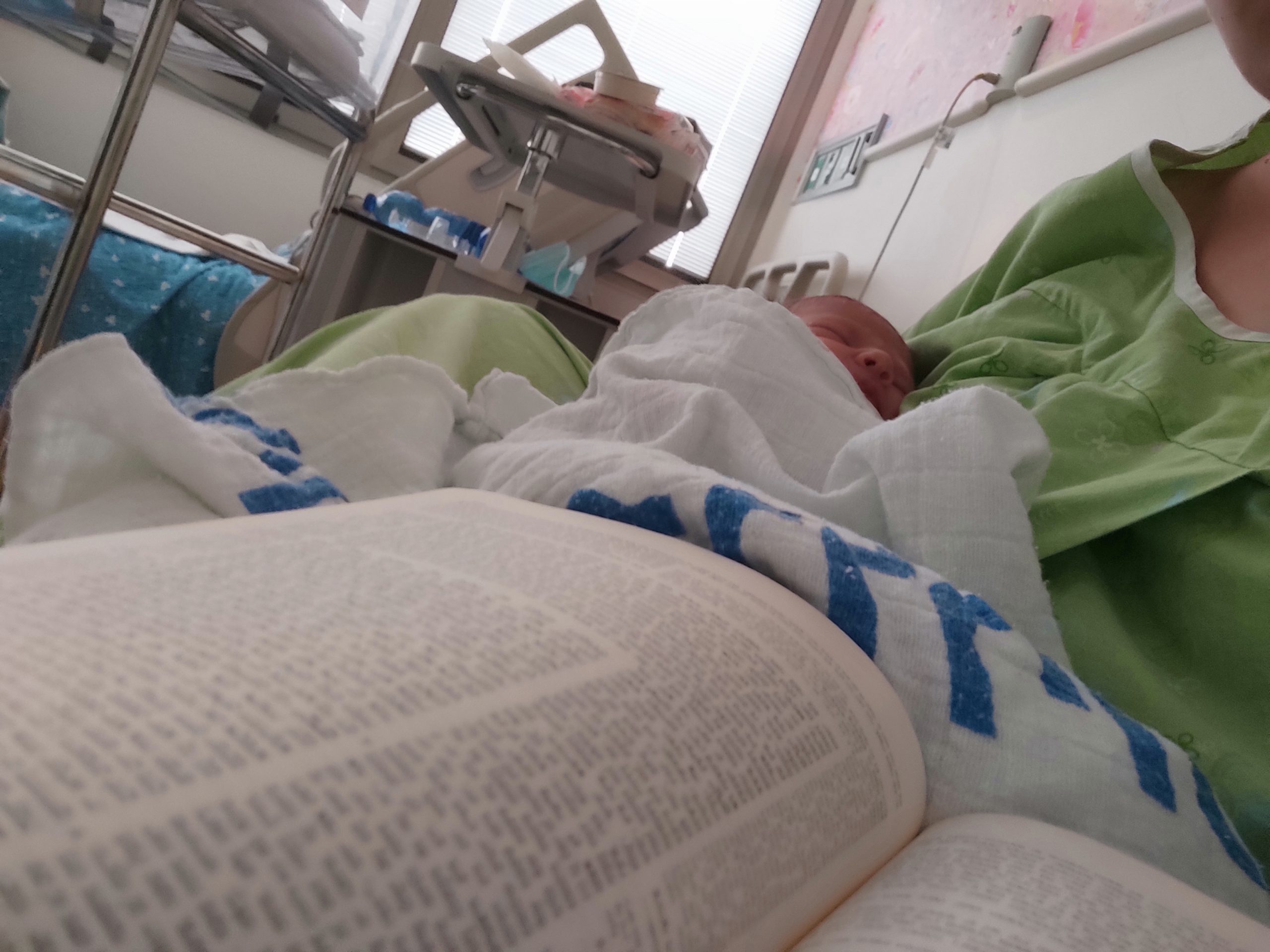
רבבה, ישראל
זבחים פד
תֵּרֵד. מִנְחָה הַבָּאָה עִם הַזֶּבַח – לְדִבְרֵי רַבָּן גַּמְלִיאֵל וְרַבִּי יְהוֹשֻׁעַ לֹא תֵּרֵד, לְדִבְרֵי כּוּלָּן תֵּרֵד.
even that meal offering shall descend, as it is not similar to lambs. With regard to a meal offering that comes with an animal offering, either a burnt offering or peace offering, according to the statements of Rabban Gamliel and Rabbi Yehoshua, it shall not descend, as it is meant for consumpion by the fire. According to the statements of everyone else, i.e., Rabbi Shimon and the tannai’im of the baraita, it shall descend, as it is neither offered by itself nor is it an animal.
נְסָכִים הַבָּאִין בִּפְנֵי עַצְמָן – לְדִבְרֵי כּוּלָּן יֵרְדוּ, לְדִבְרֵי רַבָּן גַּמְלִיאֵל וְרַבִּי שִׁמְעוֹן לֹא יֵרְדוּ. נְסָכִין הַבָּאִין עִם הַזֶּבַח – לְדִבְרֵי כּוּלָּן יֵרְדוּ, לְדִבְרֵי רַבָּן גַּמְלִיאֵל לְחוֹדֵיהּ לֹא יֵרְדוּ.
Reish Lakish continues: With regard to libations that come by themselves, according to the statements of everyone, i.e., Rabbi Yosei HaGelili, Rabbi Akiva, and Rabbi Yehoshua, they shall descend, but according to the statements of Rabban Gamliel and Rabbi Shimon, they shall not descend. With regard to libations that come with an animal offering, according to the statements of everyone, they shall descend, while according to the statement of Rabban Gamliel alone, they shall not descend.
פְּשִׁיטָא! מִנְחָה הַבָּאָה בִּפְנֵי עַצְמָהּ אִיצְטְרִיכָא לֵיהּ – וְכִדְרָבָא, דְּאָמַר רָבָא: מִתְנַדֵּב אָדָם מִנְחַת נְסָכִים בְּכׇל יוֹם.
The Gemara questions the need for such a summary: Isn’t it obvious? The Gemara answers: It was necessary for him to state the halakha in the case of a meal offering that comes by itself, and this is in accordance with the statement of Rava. As Rava says: A person can volunteer to bring a meal offering that normally accompanies libations, on any day, even without offering the libations and animal offering that it normally accompanies. Although the summary is itself obvious, it is nevertheless stated to indicate that it is possible to offer such a meal offering.
וְנַשְׁמְעִינַן כִּדְרָבָא! נְסָכִים הַבָּאִים עִם הַזֶּבַח אִיצְטְרִיכָא לֵיהּ – דְּקָא מַקְרֵב לְהוּ לִמְחַר וּלְיוֹמָא חָרָא.
The Gemara asks: If the intent of his summary is to express his agreement with the statement of Rava, then let Reish Lakish teach us explicitly that the halakha is in accordance with the statement of Rava. The Gemara answers: It was necessary for the case of libations that come with an animal offering, as the halakha in such a case is that he may sacrifice the libations the next day and on a later [ḥara] day sometime after sacrificing the animal offering that they accompany.
סָלְקָא דַּעְתָּךְ אָמֵינָא, הוֹאִיל וְאָמַר מָר: ״מִנְחָתָם וְנִסְכֵּיהֶם״ בַּלַּיְלָה, ״מִנְחָתָם וְנִסְכֵּיהֶם״ לְמָחָר – כִּנְסָכִים הַבָּאִין בִּפְנֵי עַצְמָן דָּמוּ, וּמוֹדֵי רַבִּי שִׁמְעוֹן דְּלֹא יֵרְדוּ; קָא מַשְׁמַע לַן.
Accordingly, it may enter your mind to say that since the Master says that the verse: “And their meal offering and their libations” (Numbers 29:18), indicates that libations may be offered at night, and the phrase “and their meal offering and their libations” indicates that libations may be offered the next day and on a later day, perhaps libations offered on a later date than the animal itself are to be considered as libations which come by themselves, and Rabbi Shimon would concede that they shall not descend. Reish Lakish therefore teaches us the case of libations that accompany an animal offering, to indicate that such libations are still considered as those that accompany an animal offering and that they shall descend from the altar.
מַתְנִי׳ אֵלּוּ אִם עָלוּ לֹא יֵרְדוּ: הַלָּן, וְהַיּוֹצֵא, וְהַטָּמֵא, וְשֶׁנִּשְׁחַט חוּץ לִזְמַנּוֹ וְחוּץ לִמְקוֹמוֹ, וְשֶׁקִּבְּלוּ פְּסוּלִין וְזָרְקוּ אֶת דָּמוֹ.
MISHNA: These are the items that even if they were disqualified, if they ascended the altar they shall not descend: Blood, sacrificial portions, or limbs of a burnt offering, any of which were left overnight off the altar, or that emerge from the Temple courtyard, or that become ritually impure, or that came from an animal that was slaughtered with the intent to sacrifice it beyond its designated time or outside its designated area, or an offering that people unfit to perform the Temple service collected and then sprinkled its blood.
רַבִּי יְהוּדָה אוֹמֵר: שֶׁנִּשְׁחַט בַּלַּיְלָה וְנִשְׁפַּךְ דָּמָהּ וְיָצָא דָּמָהּ חוּץ לַקְּלָעִים – אִם עָלְתָה תֵּרֵד. רַבִּי שִׁמְעוֹן אוֹמֵר: לֹא תֵּרֵד, שֶׁהָיָה פְּסוּלוֹ בַּקֹּדֶשׁ. שֶׁרַבִּי שִׁמְעוֹן אוֹמֵר: כֹּל שֶׁפְּסוּלוֹ בַּקֹּדֶשׁ – הַקֹּדֶשׁ מְקַבְּלוֹ, לֹא הָיָה פְּסוּלוֹ בַּקֹּדֶשׁ – אֵין הַקֹּדֶשׁ מְקַבְּלוֹ.
Rabbi Yehuda says: In the case of a sacrificial animal that was slaughtered at night, or one whose blood was spilled on the floor of the Temple without its being collected in a vessel, or one whose blood emerged outside the curtains, i.e., outside the Temple courtyard: Even if it ascended upon the altar it shall descend. Rabbi Shimon says: In all these cases, if it ascended it shall not descend, because its disqualification occurred in sanctity. As Rabbi Shimon says: With regard to any unfit offering whose disqualification occurred in sanctity, i.e., in the course of the Temple service, the sacred area renders the offering acceptable, and if it ascended onto the altar it shall not descend. But with regard to any offering whose disqualification did not occur in sanctity but rather was unfit initially, the sacred area does not render the offering acceptable.
וְאֵלּוּ שֶׁלֹּא הָיָה פְּסוּלָן בַּקֹּדֶשׁ: הָרוֹבֵעַ, וְהַנִּרְבָּע, וְהַמּוּקְצֶה, וְהַנֶּעֱבָד, וְהָאֶתְנַן, וְהַמְּחִיר, וְהַכִּלְאַיִם, וְהַטְּרֵפָה, וְהַיּוֹצֵא דּוֹפֶן, וּבַעֲלֵי מוּמִין. רַבִּי עֲקִיבָא מַכְשִׁיר בְּבַעֲלֵי מוּמִין. רַבִּי חֲנִינָא סְגַן הַכֹּהֲנִים אוֹמֵר: דּוֹחֶה הָיָה אַבָּא אֶת בַּעֲלֵי מוּמִין מֵעַל גַּבֵּי הַמִּזְבֵּחַ.
And these are the offerings whose disqualification did not occur in sanctity: An animal that copulated with a person, and an animal that was the object of bestiality, and an animal that was set aside for idol worship, and an animal that was worshipped as a deity, and an animal that was given as payment to a prostitute or as the price of a dog, and an animal born of a mixture of diverse kinds, and an animal with a wound that will cause it to die within twelve months [tereifa], and an animal born by caesarean section, and blemished animals. Rabbi Akiva deems blemished animals fit in the sense that if they ascended they shall not descend. Rabbi Ḥanina, the deputy High Priest, says: My father would reject blemished animals from upon the altar.
כְּשֵׁם שֶׁאִם עָלוּ לֹא יֵרְדוּ, כָּךְ אִם יֵרְדוּ לֹא יַעֲלוּ. וְכוּלָּן שֶׁעָלוּ חַיִּים לְרֹאשׁ הַמִּזְבֵּחַ – יֵרְדוּ. עוֹלָה שֶׁעָלְתָה חַיָּה לְרֹאשׁ הַמִּזְבֵּחַ – תֵּרֵד. שְׁחָטָהּ בְּרֹאשׁ הַמִּזְבֵּחַ – יַפְשִׁיט וִינַתְּחֶהָ בִּמְקוֹמָהּ.
Concerning those animals that, if they ascended, do not descend, just as if they ascended the altar they shall not descend, so too, if they descended they shall not then ascend. And all of them that if they ascend they do not descend, if they ascended to the top of the altar alive they descend, as an animal is fit for the altar only after it is slaughtered. A burnt offering that ascended to the top of the altar alive shall descend, as one does not slaughter an animal atop the altar ab initio. But if one slaughtered the animal at the top of the altar, he should flay it and cut it into pieces in its place, and it is not removed from the altar.
גְּמָ׳ תַּנְיָא, רַבִּי יְהוּדָה אוֹמֵר: ״זֹאת״, ״הִיא״, ״הָעֹלָה״ – הֲרֵי אֵלּוּ שְׁלֹשָׁה מִיעוּטִין; פְּרָט לְשֶׁנִּשְׁחֲטָה בַּלַּיְלָה, וְשֶׁנִּשְׁפַּךְ דָּמָהּ, וְשֶׁיָּצָא דָּמָהּ חוּץ לַקְּלָעִים – שֶׁאִם עָלְתָה, תֵּרֵד.
GEMARA: It is taught in a baraita that Rabbi Yehuda says: The verse from which is derived the halakha that items that ascended upon the altar shall not descend, states: “This is the law of the burnt offering: It is the burnt offering on the pyre upon the altar” (Leviticus 6:2). These are three terms of exclusion used in the verse: “This,” “it,” and “the,” from which it is derived that three instances are excluded from this halakha: A sacrificial animal that was slaughtered at night, and one whose blood was spilled, and one whose blood emerged outside the curtains, i.e., outside the Temple courtyard. With regard to these cases, the halakha is that if one of them ascended upon the altar it shall descend.
רַבִּי שִׁמְעוֹן אוֹמֵר: ״עֹלָה״ – אֵין לִי אֶלָּא עוֹלָה כְּשֵׁרָה; מִנַּיִן לְרַבּוֹת שֶׁנִּשְׁחֲטָה בַּלַּיְלָה, וְשֶׁנִּשְׁפַּךְ דָּמָהּ, וְשֶׁיָּצָא דָּמָהּ חוּץ לַקְּלָעִים, וְהַלָּן, וְהַיּוֹצֵא, וְהַטָּמֵא, וְשֶׁנִּשְׁחַט חוּץ לִזְמַנּוֹ וְחוּץ לִמְקוֹמוֹ, וְשֶׁקִּבְּלוּ פְּסוּלִין וְזָרְקוּ אֶת דָּמוֹ,
Rabbi Shimon says: From the usage of the term “burnt offering” I have derived only with regard to a fit burnt offering that it shall not descend. From where is it derived that the verse also includes a sacrificial animal that was disqualified, such as one that was slaughtered at night; or whose blood was spilled; or whose blood emerged outside the curtains, i.e., outside the Temple courtyard; or that was left overnight; or that emerged from the Temple courtyard, or that became ritually impure; or that came from an animal that was slaughtered with the intent to sacrifice it beyond its designated time or outside its designated area; or an offering that people unfit to perform the Temple service collected and then sprinkled its blood?
הַנִּיתָּנִין לְמַטָּה שֶׁנְּתָנָן לְמַעְלָה, וּלְמַעְלָה שֶׁנְּתָנָן לְמַטָּה, וְהַנִּיתָּנִין בַּחוּץ שֶׁנְּתָנָן בִּפְנִים, בִּפְנִים שֶׁנְּתָנָן בַּחוּץ,
In addition, from where is it derived that the following are also included in this halakha: Those offerings whose blood is to be placed below the red line that divided between the upper and lower halves of the external altar, i.e., a burnt offering, a guilt offering, or a peace offering, but it was placed above the red line; and a sin offering, whose blood is to be placed above the red line, that had its blood placed below the red line; and those offerings whose blood is to be placed outside, on the external altar, that had their blood placed inside, in the Sanctuary; and those offerings whose blood is to be placed inside that had their blood placed outside?
וּפֶסַח וְחַטָּאת שֶׁשְּׁחָטָן שֶׁלֹּא לִשְׁמָן – מִנַּיִן? תַּלְמוּד לוֹמַר: ״תּוֹרַת הָעֹלָה״ – רִיבָּה תּוֹרָה אַחַת לְכׇל הָעוֹלִין, שֶׁאִם עָלוּ לֹא יֵרְדוּ.
And in addition, with regard to a Paschal offering or sin offering that were slaughtered not for their sake, from where is it derived that if they ascended upon the altar they shall not descend? The verse states: “The law of the burnt offering,” which included in one law all items that ascend upon the altar, establishing the principle that if they ascended the altar they shall not descend.
יָכוֹל שֶׁאֲנִי מְרַבֶּה הָרוֹבֵעַ וְהַנִּרְבָּע, וְהַמּוּקְצֶה וְהַנֶּעֱבָד, וְאֶתְנַן וּמְחִיר, וְכִלְאַיִם וּטְרֵפָה וְיוֹצֵא דּוֹפֶן? תַּלְמוּד לוֹמַר: ״זֹאת״.
One might have thought that I should also include an animal that copulated with a person, and an animal that was the object of bestiality, and an animal that was set aside for idol worship, and an animal that was worshipped as a deity, and an animal that was given as payment to a prostitute or as the price of a dog, and an animal born of a mixture of diverse kinds, and an animal that is a tereifa, and an animal born by caesarean section. Therefore, the verse states: “This,” to exclude these types of disqualifications, which descend even after they have ascended the altar.
וּמָה רָאִיתָ לְרַבּוֹת אֶת אֵלּוּ וּלְהוֹצִיא אֶת אֵלּוּ? אַחַר שֶׁרִיבָּה
The Gemara asks: And what did you see as reason to include those and exclude these? The Gemara answers: After noting that the verse included
הַכָּתוּב וּמִיעֵט, מְרַבֶּה אֲנִי אֶת אֵלּוּ שֶׁהָיָה פְּסוּלָן בַּקֹּדֶשׁ, וּמוֹצִיא אֲנִי אֶת אֵלּוּ שֶׁלֹּא הָיָה פְּסוּלָן בַּקּוֹדֶשׁ.
and subsequently the verse excluded, I say the following claim with regard to what to include and what to exclude: I will include those whose disqualification was in sanctity, i.e., in the course of Temple service, and rule that if they ascended they shall not descend, and I will exclude these whose disqualification was not in sanctity, and rule that if they ascended they shall descend.
וְרַבִּי יְהוּדָה מַיְיתֵי לַהּ מֵהָכָא: מִפְּנֵי מָה אָמְרוּ לָן בַּדָּם כָּשֵׁר –
And as for Rabbi Yehuda, who disagrees with Rabbi Shimon and does not deem it permitted for items whose disqualification occurred in sanctity to remain on the altar, yet agrees that those items listed in the beginning of the mishna, such as sacrificial portions left overnight, shall not descend, he derives it from here, as it is taught in a baraita: For what reason did the Sages say to us that in the case of blood left overnight it is fit, i.e., if blood of an offering had been left overnight and was then placed on the altar it is not removed?
שֶׁהֲרֵי לָן כָּשֵׁר בָּאֵימוּרִין. לָן בָּאֵימוּרִין כָּשֵׁר – שֶׁהֲרֵי לָן כָּשֵׁר בַּבָּשָׂר.
This is as the halakha is in the case of sacrificial portions, which if they are left overnight are fit. From where is it derived that in the case of sacrificial portions that are left overnight, they are fit? This is as the halakha is in the case of meat, which if it is left overnight is fit, because the meat of a peace offering may be eaten for two days and one night.
יוֹצֵא – שֶׁהַיּוֹצֵא כָּשֵׁר בְּבָמָה.
From where is it derived that if an offering that emerges from the Temple courtyard is then placed on the altar it is not removed? This is derived by comparison, since an offering that leaves its area is fit in the case of an offering brought on a private altar, as the entire notion of sacrifice on such an altar is that it may be performed anywhere.
טָמֵא – הוֹאִיל וְהוּתַּר לַעֲבוֹדַת צִיבּוּר.
From where is it derived that if an offering that has become ritually impure is placed on the altar it is not removed? This is derived by comparison, since it is permitted to offer an impure offering in the case of communal rites, i.e., communal offerings. In cases of necessity, the communal offerings may be sacrificed even if they are ritually impure.
חוּץ לִזְמַנּוֹ – הוֹאִיל וּמְרַצֶּה לְפִיגּוּלוֹ.
From where is it derived that if an offering that was disqualified due to the intention of the priest who slaughtered it to consume it beyond its designated time [piggul] was placed on the altar, it is not removed? This is derived by comparison, since the sprinkling of its blood effects acceptance with regard to its status as piggul. The status of piggul takes effect only if the sacrificial rites involving that offering were otherwise performed properly. This indicates that it still has the status of an offering, so it is not removed from the altar.
חוּץ לִמְקוֹמוֹ – הוֹאִיל וְאִיתַּקַּשׁ לְחוּץ לִזְמַנּוֹ.
From where is it derived that if an offering that was disqualified due to the intention of the priest who slaughtered it to consume it outside its designated area was placed on the altar, it is not removed? This is derived by comparison, since it is juxtaposed to an offering that was slaughtered with intent to consume it beyond its designated time.
שֶׁקִּבְּלוּ פְּסוּלִין וְזָרְקוּ אֶת דָּמוֹ – בְּהָנָךְ פְּסוּלֵי דַּחֲזוֹ לַעֲבוֹדַת צִיבּוּר.
From where is it derived that if an offering that people unfit for performing the Temple service collected and then sprinkled its blood was placed on the altar, it is not removed? This is derived from the halakha of these priests who are generally disqualified because they are impure, yet who are fit to perform the communal rites, i.e., to sacrifice communal offerings, in a case when all the priests or the majority of the Jewish people are impure.
וְכִי דָּנִין דָּבָר שֶׁלֹּא בְּהֶכְשֵׁרוֹ, מִדָּבָר שֶׁבְּהֶכְשֵׁרוֹ?!
The Gemara questions the derivations of the baraita: But can one deduce the halakha of a matter that is not fit, i.e., sacrificial portions that are disqualified due to having been left overnight, from the halakha of a matter that is fit, i.e., the peace offering, which is permitted for eating for two days and one night? Similarly, how can the baraita derive the halakha of flesh that was removed from the Temple courtyard from the halakha of a private altar, which has no halakhic area surrounding it?
תָּנָּא אַ״זֹּאת תּוֹרַת הָעֹלָה״ רִיבָּה סְמִיךְ לֵיהּ.
The Gemara answers: The tanna relied on the verse: “Command Aaron and his sons, saying: This is the law of the burnt offering: It is the burnt offering on the pyre upon the altar all night until the morning; and the fire of the altar shall be kept burning there” (Leviticus 6:2), which amplified the application of the halakha stated in the verse, teaching that many types of disqualified offerings may be left upon the altar. The derivations written in the baraita are mere supports for those two halakhot. The explanations cited in the baraita for including these disqualifications are mentioned only to clarify why Rabbi Yehuda does not exclude them based on the terms “this,” “it,” and “that.”
אָמַר רַבִּי יוֹחָנָן: הַשּׁוֹחֵט בְּהֵמָה בַּלַּיְלָה בִּפְנִים וְהֶעֱלָה בַּחוּץ – חַיָּיב,
§ With regard to an offering that was slaughtered at night, which Rabbi Yehuda holds shall descend from the altar even if it ascended, Rabbi Yoḥanan says: One who slaughters a sacrificial animal at night inside the Temple courtyard, and then offers it up on an altar outside the Temple courtyard, is liable to receive karet, which is the punishment for one who sacrifices an offering outside the Temple courtyard. Although one is normally liable for sacrificing an offering outside the Temple courtyard only if it was fit to be offered on the altar within the Temple, and an animal slaughtered at night is disqualified and shall descend from the altar according to Rabbi Yehuda,

