חיפוש

בבא בתרא קו

רוצה להקדיש שיעור?

podcast placeholder

0:00
0:00


תקציר

הדף היום מוקדש ע”י הדר סטון לע”נ אמה, אסתר בינה בת רחל לאה ואברהם הלוי.

הדף היום מוקדש ע”י משפחת הדרן בזום לרפואה שלמה לאיתן אפרים בן איילת, נכדה של בקי גולדשטיין, שנפצע בעזה השבוע, ולכל חיילי צה”ל.

אם אדם מוכר קרקע ואומר שהיא בגודל מסוים אך גם אומר "לפי סימניה וגבולותיה” ומראה לקונה את הקרקע, אם ההפרש בין הגודל שנאמר לבין הגודל האמיתי הוא פחות משישית, המכירה תקפה. אבל אם ההפרש גדול משישית, הקונה/המוכר יכול לדרוש/להחזיר את ההפרש. בהפרש של של שישית, מהי ההלכה? רב הונא ורב יהודה חולקים ומובא מקור המערער על עמדתו של רב הונא. אך, מיישבים את הקושי.

מובא מקרה שבו אביי פסק נגד רב פפא (הקונה) אף על פי שההפרש היה גדול משישית. אביי מסביר שמכיוון שהיה ברור שרב פפא הכיר את הנכס וידע שהוא אינו בגודל שהמוכר ציין, ייתכן שהמוכר התכוון לומר שהנכס כל כך טוב שכאילו הוא גדול יותר (ניסה לשווק את הקרקע).

אחים שמחלקים נכסים בירושה קונים את הרכוש ברגע שהאח הראשון בוחר את חלקו בהגרלה. כיצד יכולה ההגרלה להיות שיטה לרכישת קרקע ללא קניין? ישנו ויכוח בין רב ושמואל לגבי מקרה שבו שני אחים חילקו רכוש ומאוחר יותר מופיע אח שלישי ותובע שליש מהירושה. האם הם מבטלים את החלוקה ומחלקים מחדש את כל הרכוש או שכל אחד מהם נותן לאח השלישי חלק מחלקו?

בבא בתרא קו

מַתְנִי׳ ״בְּסִימָנָיו וּבִמְצָרָיו״; פָּחוֹת מִשְּׁתוּת – הִגִּיעוֹ, עַד שְׁתוּת – יְנַכֶּה.

MISHNA: If one sells a field to another, telling him that he is selling him a field measuring a beit kor, with its particular demarcations and borders that the seller specifies for the buyer, the field’s measurement is not treated in as exacting a manner as in a standard sale. Therefore, if it later turns out that the field was not precisely a beit kor, but the difference is still less than one-sixth, the field is the buyer’s, and the sale is valid as is. But if the difference is greater, e.g., one-quarter or one-fifth, then, until it is calculated at one-sixth, the seller must deduct the difference from the purchase price and return money to the buyer.

גְּמָ׳ אִיתְּמַר, רַב הוּנָא אָמַר: שְׁתוּת – כְּפָחוֹת מִשְּׁתוּת. רַב יְהוּדָה אָמַר: שְׁתוּת – כְּיוֹתֵר מִשְּׁתוּת.

GEMARA: It was stated that the amora’im disagreed about the following issue: Rav Huna says: A difference that is precisely one-sixth is like one that is less than one-sixth, and the sale is valid. Rav Yehuda says: A difference that is precisely one-sixth is like one that is more than one-sixth, and the difference must be deducted from the purchase price.

רַב הוּנָא אָמַר: שְׁתוּת כְּפָחוֹת מִשְּׁתוּת – הָכִי קָאָמַר: פָּחוֹת מִשְּׁתוּת, וּשְׁתוּת בַּכְּלָל – הִגִּיעוֹ. יוֹתֵר מִשְּׁתוּת – יְנַכֶּה. רַב יְהוּדָה אָמַר: שְׁתוּת כְּיוֹתֵר מִשְּׁתוּת – הָכִי קָאָמַר: פָּחוֹת מִשְּׁתוּת – הִגִּיעוֹ. עַד שְׁתוּת, וּשְׁתוּת בַּכְּלָל – יְנַכֶּה.

The Gemara explains the respective reasons of the two amora’im: Rav Huna says that a difference of one-sixth is like a difference of less than one-sixth, as this is what the mishna is saying: If the difference is less than one-sixth, and including a difference that is precisely one-sixth, it is the buyer’s, as the sale is valid, and if it is more than one-sixth, the seller must deduct the difference from the purchase price. Rav Yehuda says that a difference of one-sixth is like a difference of more than one-sixth, as this is what the mishna is saying: If the difference is less than one-sixth, it is the buyer’s, as the sale is valid, and if the difference is greater, until it is calculated at one-sixth, and including a difference that is precisely one-sixth, the seller must deduct the difference from the purchase price.

מֵיתִיבִי: ״בְּסִימָנָיו וּבִמְצָרָיו״, פִּיחֵת שְׁתוּת אוֹ הוֹתִיר שְׁתוּת – הֲרֵי הוּא כְּשׁוּם הַדַּיָּינִין, הִגִּיעוֹ. וְהָא שׁוּם הַדַּיָּינִין, דִּשְׁתוּת כְּיוֹתֵר מִשְּׁתוּת הוּא!

The Gemara raises an objection to Rav Huna’s statement from a baraita: If one sells a field to another, telling him that he is selling him a field measuring a beit kor within its particular demarcations and borders, and he gave him a field that is one-sixth less than the measure stipulated, or, alternatively, he gave him a field that is one-sixth more than the measure stipulated, it is like a sale of orphans’ property that is executed in accordance with the judges’ assessment of the value of that property, and therefore it is the buyer’s, as the sale is valid. The Gemara states the objection: But in the case of a sale executed in accordance with the judges’ assessment, an error of precisely one-sixth is like an error of more than one-sixth, and the sale is void. This contradicts Rav Huna’s opinion that an error of one-sixth is like an error of less than one-sixth.

אָמַר לְךָ רַב הוּנָא: וּלְטַעְמָיךְ, ״הִגִּיעוֹ״ קָא תָּנֵי! אֶלָּא כְּשׁוּם הַדַּיָּינִין – וְלֹא כְּשׁוּם הַדַּיָּינִין; כְּשׁוּם הַדַּיָּינִין – לִשְׁתוּת, וְלֹא כְּשׁוּם הַדַּיָּינִין – דְּאִילּוּ הָתָם, בָּטֵל מִקָּח; וְאִילּוּ הָכָא, הִגִּיעוֹ.

The Gemara answers: Rav Huna could have said to you in reply: Even according to your reasoning, there is still a difficulty, since the baraita teaches that it is the buyer’s, i.e., the sale is final. Rather, the comparison drawn between this halakha and the judges’ assessment is not a general comparison. It is like the judges’ assessment, but it is not entirely like the judges’ assessment. It is like the judges’ assessment in that the limit is one-sixth, but it is not like the judges’ assessment, as there, in the case of the judges’ assessment, the sale is voided, while here, in the mishna, it is the buyer’s, and the sale is final.

רַב פָּפָּא זְבַן אַרְעָא מֵהַהוּא גַּבְרָא,

It is related that Rav Pappa bought land from a certain man,

אֲמַר לֵיהּ: הָוְיָא עֶשְׂרִין גְּרִיוֵי. מְשַׁחֵיהּ, וְלָא הֲוַאי אֶלָּא חֲמֵיסְרָא. אֲתָא לְקַמֵּיהּ דְּאַבָּיֵי, אֲמַר לֵיהּ: סְבַרְתְּ וְקַבֵּילְתְּ.

who, after specifying its demarcations and boundaries, said to him: It is an area of twenty griv, meaning that it is fit for planting twenty se’a of grain. Rav Pappa later measured the field and found that it was fit for planting only fifteen se’a. Rav Pappa came before Abaye to sue the seller. Abaye said to him: You knew what you were buying and accepted the field as is.

וְהָתְנַן: פָּחוֹת מִשְּׁתוּת – הִגִּיעוֹ, עַד שְׁתוּת – יְנַכֶּה! הָנֵי מִילֵּי הֵיכָא דְּלָא קִים לֵיהּ בְּגַוַּהּ, אֲבָל הֵיכָא דְּקִים לֵיהּ בְּגַוַּהּ – סְבַר וְקַבֵּיל.

Rav Pappa raised an objection to Abaye’s ruling from the mishna. But didn’t we learn in the mishna that when the seller specifies the field’s demarcations and borders, if the difference between the stated size of the field and its actual size is less than one-sixth, the field is the buyer’s, and the sale is valid as is, but if the difference is greater, until it is calculated at one-sixth, the seller must deduct the difference from the purchase price? And here, in this case, the difference between what the seller promised and the actual size of the field is greater than one-sixth. Abaye replied: That statement applies in a case where the buyer is unfamiliar with the plot being sold to him, but in a case where he is familiar with it, he knew what he was buying and accepted it as is.

וְהָא עֶשְׂרִין אֲמַר לִי! אֲמַר לֵיהּ: דַּעֲדִיפָא כְּעֶשְׂרִין.

Rav Pappa raised another objection to Abaye’s ruling: But the seller said to me that the field is fit for planting twenty se’a, and it is not. Abaye said to him: What he meant was that the field is as good and as fruitful as one that is fit for planting twenty se’a.

תַּנְיָא, רַבִּי יוֹסֵי אוֹמֵר: הָאַחִין שֶׁחָלְקוּ, כֵּיוָן שֶׁעָלָה גּוֹרָל לְאֶחָד מֵהֶן – קָנוּ כּוּלָּם. מַאי טַעְמָא? אָמַר רַבִּי אֶלְעָזָר: כִּתְחִלַּת אֶרֶץ יִשְׂרָאֵל – מָה תְּחִלָּה בְּגוֹרָל, אַף כָּאן בְּגוֹרָל.

§ It is taught in a baraita that Rabbi Yosei says: When brothers divide their father’s estate between them by lottery, i.e., after dividing the property into equal shares they draw lots to determine which brother is to receive which portion, once the lot for one of them is drawn, they all acquire the remainder of the property, and they can no longer retract their decision to divide the estate in this manner. The Gemara asks: What is the reason for this? Drawing lots is not one of the recognized modes of acquisition. Rabbi Elazar said: The halakha that applies here is similar to the initial division of Eretz Yisrael among the tribes. Just as the initial division of Eretz Yisrael was carried out by drawing lots, so too here, the brothers can divide their father’s estate by drawing lots.

אִי – מַה לְּהַלָּן בְּקַלְפִּי וְאוּרִים וְתוּמִּים, אַף כָּאן בְּקַלְפִּי וְאוּרִים וְתוּמִּים?! אָמַר רַב אָשֵׁי: בְּהָהוּא הֲנָאָה דְּקָא צָיְיתִי לַהֲדָדֵי, גָּמְרִי וּמַקְנוּ לַהֲדָדֵי.

The Gemara challenges: If the brothers’ division of their father’s estate is comparable to the initial division of Eretz Yisrael, an additional comparison should apply: Just as there, the initial division of Eretz Israel was carried out through a receptacle [bekalpi] in which lots were placed and the Urim VeTummim, so too here, the division of the father’s estate should be executed only through a receptacle and the Urim VeTummim. Rav Ashi said: With the satisfaction that each of the brothers receives from the fact that they listen to each other and agree to accept the results of the lottery, they fully transfer ownership to each other. Therefore, the division becomes final as soon as the first lot is drawn.

אִיתְּמַר: שְׁנֵי אַחִין שֶׁחָלְקוּ, וּבָא לָהֶן אָח מִמְּדִינַת הַיָּם; רַב אָמַר: בָּטְלָה מַחְלוֹקֶת, וּשְׁמוּאֵל אָמַר: מְקַמְּצִין.

§ It was stated that the amora’im disagreed about a related issue: If two brothers divided their father’s estate between them, and then later a third brother, of whose existence they had previously been unaware, arrived from a country overseas, Rav says: The original division of the property is void, and the brothers must now redivide the property among the three of them. And Shmuel says: The original division is still valid, but the two brothers must each take off a share from their portion and give it to the third brother.

אֲמַר לֵיהּ רָבָא לְרַב נַחְמָן: לְרַב דְּאָמַר בָּטְלָה מַחְלוֹקֶת, אַלְמָא הָדַר דִּינָא; אֶלָּא מֵעַתָּה, הָנֵי בֵּי תְלָתָא דְּקָיְימִי, וַאֲזוּל בֵּי תְרֵי מִינַּיְיהוּ וּפְלוּג, הָכִי נָמֵי דְּבָטְלָה מַחְלוֹקֶת?

The Gemara clarifies the opinions of Rav and Shmuel: Rava said to Rav Naḥman: According to Rav, who says that the division is void, apparently the halakha is that if a division of property was found to have been performed in error, the original verdict is reconsidered and the entire division is void. Accordingly, in the case of the brother who arrived from overseas, the original division of the father’s estate is void. But if that is so, then in the case of these three people who stand as partners, and two of them go and divide the property into three parts without consulting with the third partner, so too, the division should be void, and it should be necessary to divide the property a second time between the three partners. But elsewhere (Bava Metzia 31b), the Gemara indicates that in such a case, if the division of property took place in the presence of a court, it is valid.

הָכִי הַשְׁתָּא?! הָתָם, נְחִיתוּ אַדַּעְתָּא דְּבֵי תְּלָתָא מֵעִיקָּרָא; הָכָא, לָא נְחִיתוּ אַדַּעְתָּא דְּבֵי תְלָתָא מֵעִיקָּרָא.

Rav Naḥman rejects this comparison: How can these cases be compared? There is a clear difference between them: There, in the case of the three partners, they entered the process of dividing the property from the outset with the knowledge that they were three, and it was necessary only to clarify the portion to be received by each partner. Here, in the case of the brother who arrived from overseas, they did not enter the process of dividing the property from the outset with the knowledge that they were three, as at the time of the original division, they thought that there were only two brothers.

אֲמַר לֵיהּ רַב פָּפָּא לְאַבָּיֵי: לִשְׁמוּאֵל דְּאָמַר מְקַמְּצִין – לְמֵימְרָא דְּקָם דִּינָא?! וְהָא רַב וּשְׁמוּאֵל דְּאָמְרִי תַּרְוַיְיהוּ: ״כּוֹר בִּשְׁלֹשִׁים אֲנִי מוֹכֵר לָךְ״ – יָכוֹל לַחֲזוֹר בּוֹ אֲפִילּוּ בִּסְאָה הָאַחֲרוֹנָה. ״כּוֹר בִּשְׁלֹשִׁים – סְאָה בְּסֶלַע אֲנִי מוֹכֵר לָךְ״ – רִאשׁוֹן רִאשׁוֹן קָנָה!

Rav Pappa said to Abaye: According to Shmuel, who says that the two brothers must each take off a share from their portion and give it to the third brother, is this to say that he is of the opinion that even if a division of property was found to have been made in error, the original verdict stands and the division is valid? But don’t Rav and Shmuel both say that if the seller said to the buyer: I am selling you one kor of grain, an amount equivalent to thirty se’a, for the sum of thirty sela, he can renege on the entire sale even while measuring out the last se’a; but if he said: I am selling you one kor of grain for thirty sela, each se’a for a sela, the buyer acquires each se’a one by one as it is being measured out to him? If the original verdict stands, why in the first case may the seller renege even on that portion of the sale that already reached the buyer?

העמקה

רוצה להבין מה באמת קורה מתחת לפני השטח של הסוגיה?
שיעורים, פודקאסטים והרחבות של מיטב המורות שלנו יפתחו לך עוד זוויות וכיווני חשיבה.

לשיעורי עוד על הדף באנגלית, לחצי כאן

חדשה בלימוד הגמרא?

זה הדף הראשון שלך? איזו התרגשות עצומה! יש לנו בדיוק את התכנים והכלים שיעזרו לך לעשות את הצעדים הראשונים ללמידה בקצב וברמה שלך, כך תוכלי להרגיש בנוח גם בתוך הסוגיות המורכבות ומאתגרות.

פסיפס הלומדות שלנו

גלי את קהילת הלומדות שלנו, מגוון נשים, רקעים וסיפורים. כולן חלק מתנועה ומסע מרגש ועוצמתי.

התחלתי ללמוד דף יומי אחרי שחזרתי בתשובה ולמדתי במדרשה במגדל עוז. הלימוד טוב ומספק חומר למחשבה על נושאים הלכתיים ”קטנים” ועד לערכים גדולים ביהדות. חשוב לי להכיר את הגמרא לעומק. והצעד הקטן היום הוא ללמוד אותה בבקיאות, בעזרת השם, ומי יודע אולי גם אגיע לעיון בנושאים מעניינים. נושאים בגמרא מתחברים לחגים, לתפילה, ליחסים שבין אדם לחברו ולמקום ולשאר הדברים שמלווים באורח חיים דתי 🙂

Gaia Divo
גאיה דיבו

מצפה יריחו, ישראל

התחלתי ללמוד דף יומי באמצע תקופת הקורונה, שאבא שלי סיפר לי על קבוצה של בנות שתיפתח ביישוב שלנו ותלמד דף יומי כל יום. הרבה זמן רציתי להצטרף לזה וזאת הייתה ההזדמנות בשבילי. הצטרפתי במסכת שקלים ובאמצע הייתה הפסקה קצרה. כיום אני כבר לומדת באולפנה ולומדת דף יומי לבד מתוך גמרא של טיינזלץ.

Saturdays in Raleigh
שבות בראלי

עתניאל, ישראל

התחלתי ללמוד דף יומי בסבב הקודם. זכיתי לסיים אותו במעמד המרגש של הדרן. בסבב הראשון ליווה אותי הספק, שאולי לא אצליח לעמוד בקצב ולהתמיד. בסבב השני אני לומדת ברוגע, מתוך אמונה ביכולתי ללמוד ולסיים. בסבב הלימוד הראשון ליוותה אותי חוויה מסויימת של בדידות. הדרן העניקה לי קהילת לימוד ואחוות נשים. החוויה של סיום הש”ס במעמד כה גדול כשנשים שאינן מכירות אותי, שמחות ומתרגשות עבורי , היתה חוויה מרוממת נפש

Ilanit Weil
אילנית ווייל

קיבוץ מגדל עוז, ישראל

התחלתי ללמוד דף יומי שהתחילו מסכת כתובות, לפני 7 שנים, במסגרת קבוצת לימוד שהתפרקה די מהר, ומשם המשכתי לבד בתמיכת האיש שלי. נעזרתי בגמרת שטיינזלץ ובשיעורים מוקלטים.
הסביבה מאד תומכת ואני מקבלת המון מילים טובות לאורך כל הדרך. מאז הסיום הגדול יש תחושה שאני חלק מדבר גדול יותר.
אני לומדת בשיטת ה”7 דפים בשבוע” של הרבנית תרצה קלמן – כלומר, לא נורא אם לא הצלחת ללמוד כל יום, העיקר שגמרת ארבעה דפים בשבוע

Rachel Goldstein
רחל גולדשטיין

עתניאל, ישראל

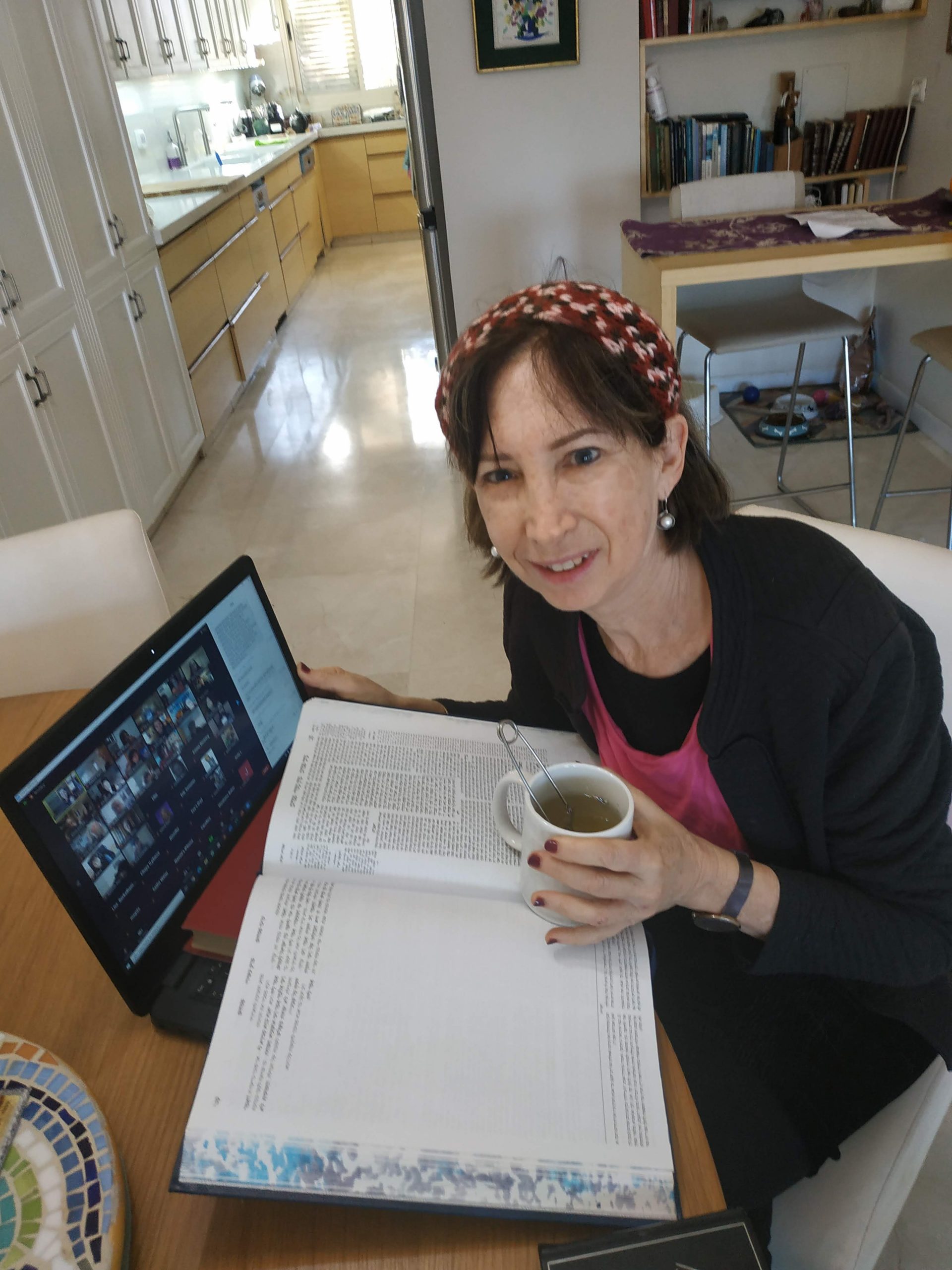
בתחילת הסבב הנוכחי הצטברו אצלי תחושות שאני לא מבינה מספיק מהי ההלכה אותה אני מקיימת בכל יום. כמו כן, כאמא לבנות רציתי לתת להן מודל נשי של לימוד תורה
שתי הסיבות האלו הובילו אותי להתחיל ללמוד. נתקלתי בתגובות מפרגנות וסקרניות איך אישה לומדת גמרא..
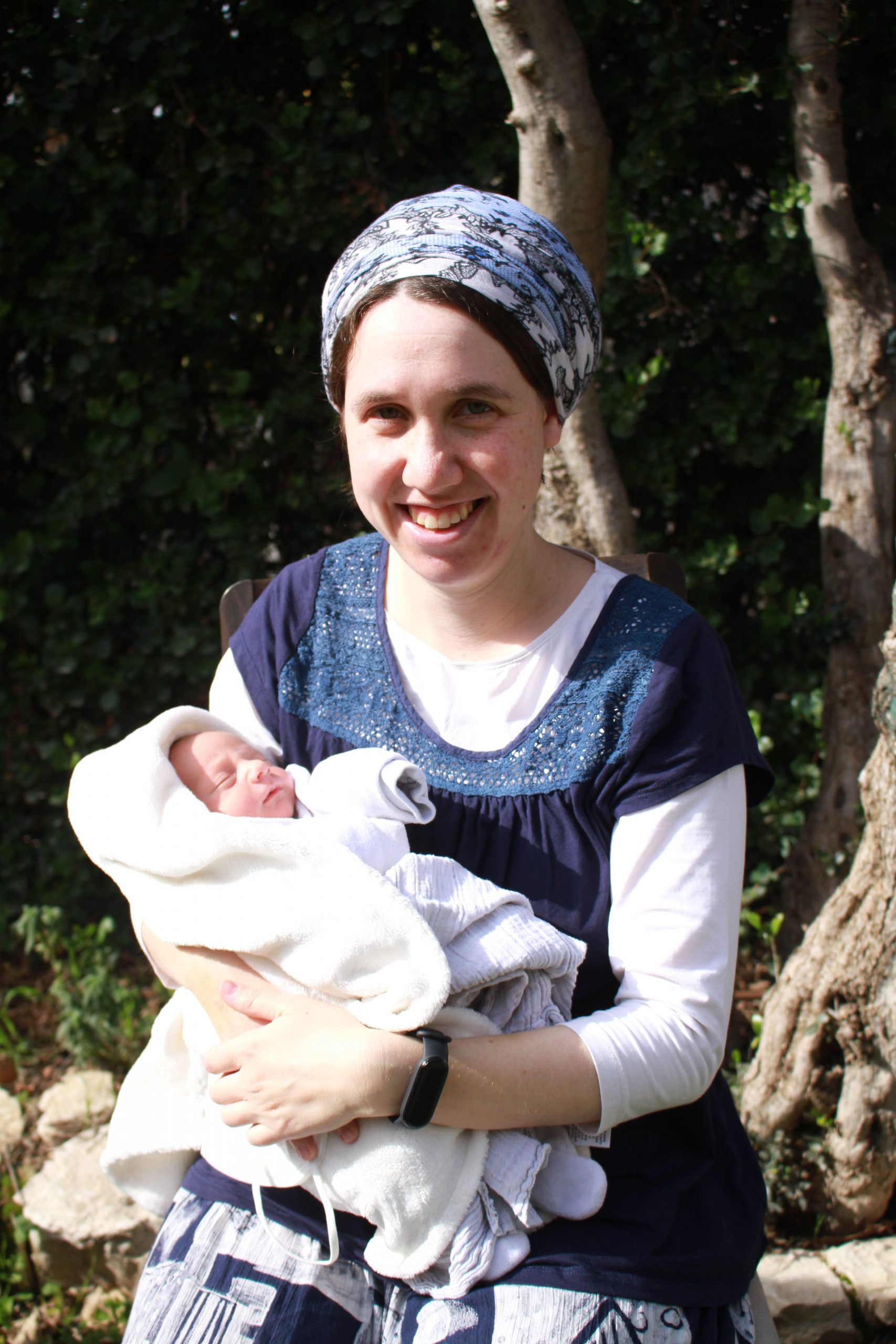
כמו שרואים בתמונה אני ממשיכה ללמוד גם היום ואפילו במחלקת יולדות אחרי לידת ביתי השלישית.

Noa Shiloh
נועה שילה

רבבה, ישראל

התחלתי מעט לפני תחילת הסבב הנוכחי. אני נהנית מהאתגר של להמשיך להתמיד, מרגעים של "אהה, מפה זה הגיע!” ומהאתגר האינטלקטואלי

Eilat-Chen and Deller
אילת-חן ודלר

לוד, ישראל

התחלתי בתחילת הסבב, והתמכרתי. זה נותן משמעות נוספת ליומיום ומאוד מחזק לתת לזה מקום בתוך כל שגרת הבית-עבודה השוטפת.

Reut Abrahami
רעות אברהמי

בית שמש, ישראל

. לא תמיד נהניתי מלימוד גמרא כילדה.,בל כהתבגרתי התחלתי לאהוב את זה שוב. התחלתי ללמוד מסכת סוטה בדף היומי לפני כחמש עשרה שנה ואז הפסקתי.הגעתי לסיום הגדול של הדרן לפני שנתיים וזה נתן לי השראה. והתחלתי ללמוד למשך כמה ימים ואז היתה לי פריצת דיסק והפסקתי…עד אלול השנה. אז התחלתי עם מסכת ביצה וב”ה אני מצליחה לעמוד בקצב. המשפחה מאוד תומכת בי ויש כמה שגם לומדים את זה במקביל. אני אוהבת שיש עוגן כל יום.

Rebecca Darshan
רבקה דרשן

בית שמש, ישראל

התחלתי לפני 8 שנים במדרשה. לאחרונה סיימתי מסכת תענית בלמידה עצמית ועכשיו לקראת סיום מסכת מגילה.

Daniela Baruchim
דניאלה ברוכים

רעננה, ישראל

הצטרפתי ללומדות בתחילת מסכת תענית. ההתרגשות שלי ושל המשפחה היתה גדולה מאוד, והיא הולכת וגוברת עם כל סיום שאני זוכה לו. במשך שנים רבות רציתי להצטרף ומשום מה זה לא קרה… ב”ה מצאתי לפני מספר חודשים פרסום של הדרן, ומיד הצטרפתי והתאהבתי. הדף היומי שינה את חיי ממש והפך כל יום- ליום של תורה. מודה לכן מקרב ליבי ומאחלת לכולנו לימוד פורה מתוך אהבת התורה ולומדיה.

Noa Rosen
נעה רוזן

חיספין רמת הגולן, ישראל

התחלתי ללמוד בעידוד שתי חברות אתן למדתי בעבר את הפרק היומי במסגרת 929.
בבית מתלהבים מאוד ובשבת אני לומדת את הדף עם בעלי שזה מפתיע ומשמח מאוד! לימוד הדף הוא חלק בלתי נפרד מהיום שלי. לומדת בצהריים ומחכה לזמן הזה מידי יום…

Miriam Wengerover
מרים ונגרובר

אפרת, ישראל

התחלתי ללמוד דף יומי אחרי שחזרתי בתשובה ולמדתי במדרשה במגדל עוז. הלימוד טוב ומספק חומר למחשבה על נושאים הלכתיים ”קטנים” ועד לערכים גדולים ביהדות. חשוב לי להכיר את הגמרא לעומק. והצעד הקטן היום הוא ללמוד אותה בבקיאות, בעזרת השם, ומי יודע אולי גם אגיע לעיון בנושאים מעניינים. נושאים בגמרא מתחברים לחגים, לתפילה, ליחסים שבין אדם לחברו ולמקום ולשאר הדברים שמלווים באורח חיים דתי 🙂

Gaia Divo
גאיה דיבו

מצפה יריחו, ישראל

A life-changing journey started with a Chanukah family tiyul to Zippori, home of the Sanhedrin 2 years ago and continued with the Syum in Binanei Hauma where I was awed by the energy of 3000 women dedicated to learning daf Yomi. Opening my morning daily with a fresh daf, I am excited with the new insights I find enriching my life and opening new and deeper horizons for me.

Becky Goldstein
בקי גולדשטיין

Elazar gush etzion, Israel

התחלתי להשתתף בשיעור נשים פעם בשבוע, תכננתי ללמוד רק דפים בודדים, לא האמנתי שאצליח יותר מכך.
לאט לאט נשאבתי פנימה לעולם הלימוד .משתדלת ללמוד כל בוקר ומתחילה את היום בתחושה של מלאות ומתוך התכווננות נכונה יותר.
הלימוד של הדף היומי ממלא אותי בתחושה של חיבור עמוק לעם היהודי ולכל הלומדים בעבר ובהווה.

Neely Hayon
נילי חיון

אפרת, ישראל

A friend in the SF Bay Area said in Dec 2019 that she might start listening on her morning drive to work. I mentioned to my husband and we decided to try the Daf when it began in Jan 2020 as part of our preparing to make Aliyah in the summer.

Hana Piotrkovsky
חנה פיוטרקובסקי

ירושלים, Israel

התחלתי בסיום הש”ס, יצאתי באורות. נשברתי פעמיים, ובשתיהם הרבנית מישל עודדה להמשיך איפה שכולם בסבב ולהשלים כשאוכל, וכך עשיתי וכיום השלמתי הכל. מדהים אותי שאני לומדת כל יום קצת, אפילו בחדר הלידה, בבידוד או בחו”ל. לאט לאט יותר נינוחה בסוגיות. לא כולם מבינים את הרצון, בפרט כפמניסטית. חשה סיפוק גדול להכיר את המושגים וצורת החשיבה. החלום זה להמשיך ולהתמיד ובמקביל ללמוד איך מהסוגיות נוצרה והתפתחה ההלכה.

Weingarten Sherrington Foundation
קרן וינגרטן שרינגטון

מודיעין, ישראל

התחלתי ללמוד את הדף היומי מעט אחרי שבני הקטן נולד. בהתחלה בשמיעה ולימוד באמצעות השיעור של הרבנית שפרבר. ובהמשך העזתי וקניתי לעצמי גמרא. מאז ממשיכה יום יום ללמוד עצמאית, ולפעמים בעזרת השיעור של הרבנית, כל יום. כל סיום של מסכת מביא לאושר גדול וסיפוק. הילדים בבית נהיו חלק מהלימוד, אני משתפת בסוגיות מעניינות ונהנית לשמוע את דעתם.

Eliraz Blau
אלירז בלאו

מעלה מכמש, ישראל

התחלתי ללמוד לפני 4.5 שנים, כשהודיה חברה שלי פתחה קבוצת ווטסאפ ללימוד דף יומי בתחילת מסכת סנהדרין. מאז לימוד הדף נכנס לתוך היום-יום שלי והפך לאחד ממגדירי הזהות שלי ממש.

Rosenberg Foundation
קרן רוזנברג

ירושלים, ישראל

רציתי לקבל ידע בתחום שהרגשתי שהוא גדול וחשוב אך נעלם ממני. הלימוד מעניק אתגר וסיפוק ומעמיק את תחושת השייכות שלי לתורה וליהדות

Ruth Agiv
רות עגיב

עלי זהב – לשם, ישראל

My explorations into Gemara started a few days into the present cycle. I binged learnt and become addicted. I’m fascinated by the rich "tapestry” of intertwined themes, connections between Masechtot, conversations between generations of Rabbanim and learners past and present all over the world. My life has acquired a golden thread, linking generations with our amazing heritage.
Thank you.

Susan Kasdan
סוזן כשדן

חשמונאים, Israel

בבא בתרא קו

מַתְנִי׳ ״בְּסִימָנָיו וּבִמְצָרָיו״; פָּחוֹת מִשְּׁתוּת – הִגִּיעוֹ, עַד שְׁתוּת – יְנַכֶּה.

MISHNA: If one sells a field to another, telling him that he is selling him a field measuring a beit kor, with its particular demarcations and borders that the seller specifies for the buyer, the field’s measurement is not treated in as exacting a manner as in a standard sale. Therefore, if it later turns out that the field was not precisely a beit kor, but the difference is still less than one-sixth, the field is the buyer’s, and the sale is valid as is. But if the difference is greater, e.g., one-quarter or one-fifth, then, until it is calculated at one-sixth, the seller must deduct the difference from the purchase price and return money to the buyer.

גְּמָ׳ אִיתְּמַר, רַב הוּנָא אָמַר: שְׁתוּת – כְּפָחוֹת מִשְּׁתוּת. רַב יְהוּדָה אָמַר: שְׁתוּת – כְּיוֹתֵר מִשְּׁתוּת.

GEMARA: It was stated that the amora’im disagreed about the following issue: Rav Huna says: A difference that is precisely one-sixth is like one that is less than one-sixth, and the sale is valid. Rav Yehuda says: A difference that is precisely one-sixth is like one that is more than one-sixth, and the difference must be deducted from the purchase price.

רַב הוּנָא אָמַר: שְׁתוּת כְּפָחוֹת מִשְּׁתוּת – הָכִי קָאָמַר: פָּחוֹת מִשְּׁתוּת, וּשְׁתוּת בַּכְּלָל – הִגִּיעוֹ. יוֹתֵר מִשְּׁתוּת – יְנַכֶּה. רַב יְהוּדָה אָמַר: שְׁתוּת כְּיוֹתֵר מִשְּׁתוּת – הָכִי קָאָמַר: פָּחוֹת מִשְּׁתוּת – הִגִּיעוֹ. עַד שְׁתוּת, וּשְׁתוּת בַּכְּלָל – יְנַכֶּה.

The Gemara explains the respective reasons of the two amora’im: Rav Huna says that a difference of one-sixth is like a difference of less than one-sixth, as this is what the mishna is saying: If the difference is less than one-sixth, and including a difference that is precisely one-sixth, it is the buyer’s, as the sale is valid, and if it is more than one-sixth, the seller must deduct the difference from the purchase price. Rav Yehuda says that a difference of one-sixth is like a difference of more than one-sixth, as this is what the mishna is saying: If the difference is less than one-sixth, it is the buyer’s, as the sale is valid, and if the difference is greater, until it is calculated at one-sixth, and including a difference that is precisely one-sixth, the seller must deduct the difference from the purchase price.

מֵיתִיבִי: ״בְּסִימָנָיו וּבִמְצָרָיו״, פִּיחֵת שְׁתוּת אוֹ הוֹתִיר שְׁתוּת – הֲרֵי הוּא כְּשׁוּם הַדַּיָּינִין, הִגִּיעוֹ. וְהָא שׁוּם הַדַּיָּינִין, דִּשְׁתוּת כְּיוֹתֵר מִשְּׁתוּת הוּא!

The Gemara raises an objection to Rav Huna’s statement from a baraita: If one sells a field to another, telling him that he is selling him a field measuring a beit kor within its particular demarcations and borders, and he gave him a field that is one-sixth less than the measure stipulated, or, alternatively, he gave him a field that is one-sixth more than the measure stipulated, it is like a sale of orphans’ property that is executed in accordance with the judges’ assessment of the value of that property, and therefore it is the buyer’s, as the sale is valid. The Gemara states the objection: But in the case of a sale executed in accordance with the judges’ assessment, an error of precisely one-sixth is like an error of more than one-sixth, and the sale is void. This contradicts Rav Huna’s opinion that an error of one-sixth is like an error of less than one-sixth.

אָמַר לְךָ רַב הוּנָא: וּלְטַעְמָיךְ, ״הִגִּיעוֹ״ קָא תָּנֵי! אֶלָּא כְּשׁוּם הַדַּיָּינִין – וְלֹא כְּשׁוּם הַדַּיָּינִין; כְּשׁוּם הַדַּיָּינִין – לִשְׁתוּת, וְלֹא כְּשׁוּם הַדַּיָּינִין – דְּאִילּוּ הָתָם, בָּטֵל מִקָּח; וְאִילּוּ הָכָא, הִגִּיעוֹ.

The Gemara answers: Rav Huna could have said to you in reply: Even according to your reasoning, there is still a difficulty, since the baraita teaches that it is the buyer’s, i.e., the sale is final. Rather, the comparison drawn between this halakha and the judges’ assessment is not a general comparison. It is like the judges’ assessment, but it is not entirely like the judges’ assessment. It is like the judges’ assessment in that the limit is one-sixth, but it is not like the judges’ assessment, as there, in the case of the judges’ assessment, the sale is voided, while here, in the mishna, it is the buyer’s, and the sale is final.

רַב פָּפָּא זְבַן אַרְעָא מֵהַהוּא גַּבְרָא,

It is related that Rav Pappa bought land from a certain man,

אֲמַר לֵיהּ: הָוְיָא עֶשְׂרִין גְּרִיוֵי. מְשַׁחֵיהּ, וְלָא הֲוַאי אֶלָּא חֲמֵיסְרָא. אֲתָא לְקַמֵּיהּ דְּאַבָּיֵי, אֲמַר לֵיהּ: סְבַרְתְּ וְקַבֵּילְתְּ.

who, after specifying its demarcations and boundaries, said to him: It is an area of twenty griv, meaning that it is fit for planting twenty se’a of grain. Rav Pappa later measured the field and found that it was fit for planting only fifteen se’a. Rav Pappa came before Abaye to sue the seller. Abaye said to him: You knew what you were buying and accepted the field as is.

וְהָתְנַן: פָּחוֹת מִשְּׁתוּת – הִגִּיעוֹ, עַד שְׁתוּת – יְנַכֶּה! הָנֵי מִילֵּי הֵיכָא דְּלָא קִים לֵיהּ בְּגַוַּהּ, אֲבָל הֵיכָא דְּקִים לֵיהּ בְּגַוַּהּ – סְבַר וְקַבֵּיל.

Rav Pappa raised an objection to Abaye’s ruling from the mishna. But didn’t we learn in the mishna that when the seller specifies the field’s demarcations and borders, if the difference between the stated size of the field and its actual size is less than one-sixth, the field is the buyer’s, and the sale is valid as is, but if the difference is greater, until it is calculated at one-sixth, the seller must deduct the difference from the purchase price? And here, in this case, the difference between what the seller promised and the actual size of the field is greater than one-sixth. Abaye replied: That statement applies in a case where the buyer is unfamiliar with the plot being sold to him, but in a case where he is familiar with it, he knew what he was buying and accepted it as is.

וְהָא עֶשְׂרִין אֲמַר לִי! אֲמַר לֵיהּ: דַּעֲדִיפָא כְּעֶשְׂרִין.

Rav Pappa raised another objection to Abaye’s ruling: But the seller said to me that the field is fit for planting twenty se’a, and it is not. Abaye said to him: What he meant was that the field is as good and as fruitful as one that is fit for planting twenty se’a.

תַּנְיָא, רַבִּי יוֹסֵי אוֹמֵר: הָאַחִין שֶׁחָלְקוּ, כֵּיוָן שֶׁעָלָה גּוֹרָל לְאֶחָד מֵהֶן – קָנוּ כּוּלָּם. מַאי טַעְמָא? אָמַר רַבִּי אֶלְעָזָר: כִּתְחִלַּת אֶרֶץ יִשְׂרָאֵל – מָה תְּחִלָּה בְּגוֹרָל, אַף כָּאן בְּגוֹרָל.

§ It is taught in a baraita that Rabbi Yosei says: When brothers divide their father’s estate between them by lottery, i.e., after dividing the property into equal shares they draw lots to determine which brother is to receive which portion, once the lot for one of them is drawn, they all acquire the remainder of the property, and they can no longer retract their decision to divide the estate in this manner. The Gemara asks: What is the reason for this? Drawing lots is not one of the recognized modes of acquisition. Rabbi Elazar said: The halakha that applies here is similar to the initial division of Eretz Yisrael among the tribes. Just as the initial division of Eretz Yisrael was carried out by drawing lots, so too here, the brothers can divide their father’s estate by drawing lots.

אִי – מַה לְּהַלָּן בְּקַלְפִּי וְאוּרִים וְתוּמִּים, אַף כָּאן בְּקַלְפִּי וְאוּרִים וְתוּמִּים?! אָמַר רַב אָשֵׁי: בְּהָהוּא הֲנָאָה דְּקָא צָיְיתִי לַהֲדָדֵי, גָּמְרִי וּמַקְנוּ לַהֲדָדֵי.

The Gemara challenges: If the brothers’ division of their father’s estate is comparable to the initial division of Eretz Yisrael, an additional comparison should apply: Just as there, the initial division of Eretz Israel was carried out through a receptacle [bekalpi] in which lots were placed and the Urim VeTummim, so too here, the division of the father’s estate should be executed only through a receptacle and the Urim VeTummim. Rav Ashi said: With the satisfaction that each of the brothers receives from the fact that they listen to each other and agree to accept the results of the lottery, they fully transfer ownership to each other. Therefore, the division becomes final as soon as the first lot is drawn.

אִיתְּמַר: שְׁנֵי אַחִין שֶׁחָלְקוּ, וּבָא לָהֶן אָח מִמְּדִינַת הַיָּם; רַב אָמַר: בָּטְלָה מַחְלוֹקֶת, וּשְׁמוּאֵל אָמַר: מְקַמְּצִין.

§ It was stated that the amora’im disagreed about a related issue: If two brothers divided their father’s estate between them, and then later a third brother, of whose existence they had previously been unaware, arrived from a country overseas, Rav says: The original division of the property is void, and the brothers must now redivide the property among the three of them. And Shmuel says: The original division is still valid, but the two brothers must each take off a share from their portion and give it to the third brother.

אֲמַר לֵיהּ רָבָא לְרַב נַחְמָן: לְרַב דְּאָמַר בָּטְלָה מַחְלוֹקֶת, אַלְמָא הָדַר דִּינָא; אֶלָּא מֵעַתָּה, הָנֵי בֵּי תְלָתָא דְּקָיְימִי, וַאֲזוּל בֵּי תְרֵי מִינַּיְיהוּ וּפְלוּג, הָכִי נָמֵי דְּבָטְלָה מַחְלוֹקֶת?

The Gemara clarifies the opinions of Rav and Shmuel: Rava said to Rav Naḥman: According to Rav, who says that the division is void, apparently the halakha is that if a division of property was found to have been performed in error, the original verdict is reconsidered and the entire division is void. Accordingly, in the case of the brother who arrived from overseas, the original division of the father’s estate is void. But if that is so, then in the case of these three people who stand as partners, and two of them go and divide the property into three parts without consulting with the third partner, so too, the division should be void, and it should be necessary to divide the property a second time between the three partners. But elsewhere (Bava Metzia 31b), the Gemara indicates that in such a case, if the division of property took place in the presence of a court, it is valid.

הָכִי הַשְׁתָּא?! הָתָם, נְחִיתוּ אַדַּעְתָּא דְּבֵי תְּלָתָא מֵעִיקָּרָא; הָכָא, לָא נְחִיתוּ אַדַּעְתָּא דְּבֵי תְלָתָא מֵעִיקָּרָא.

Rav Naḥman rejects this comparison: How can these cases be compared? There is a clear difference between them: There, in the case of the three partners, they entered the process of dividing the property from the outset with the knowledge that they were three, and it was necessary only to clarify the portion to be received by each partner. Here, in the case of the brother who arrived from overseas, they did not enter the process of dividing the property from the outset with the knowledge that they were three, as at the time of the original division, they thought that there were only two brothers.

אֲמַר לֵיהּ רַב פָּפָּא לְאַבָּיֵי: לִשְׁמוּאֵל דְּאָמַר מְקַמְּצִין – לְמֵימְרָא דְּקָם דִּינָא?! וְהָא רַב וּשְׁמוּאֵל דְּאָמְרִי תַּרְוַיְיהוּ: ״כּוֹר בִּשְׁלֹשִׁים אֲנִי מוֹכֵר לָךְ״ – יָכוֹל לַחֲזוֹר בּוֹ אֲפִילּוּ בִּסְאָה הָאַחֲרוֹנָה. ״כּוֹר בִּשְׁלֹשִׁים – סְאָה בְּסֶלַע אֲנִי מוֹכֵר לָךְ״ – רִאשׁוֹן רִאשׁוֹן קָנָה!

Rav Pappa said to Abaye: According to Shmuel, who says that the two brothers must each take off a share from their portion and give it to the third brother, is this to say that he is of the opinion that even if a division of property was found to have been made in error, the original verdict stands and the division is valid? But don’t Rav and Shmuel both say that if the seller said to the buyer: I am selling you one kor of grain, an amount equivalent to thirty se’a, for the sum of thirty sela, he can renege on the entire sale even while measuring out the last se’a; but if he said: I am selling you one kor of grain for thirty sela, each se’a for a sela, the buyer acquires each se’a one by one as it is being measured out to him? If the original verdict stands, why in the first case may the seller renege even on that portion of the sale that already reached the buyer?

רוצה לעקוב אחרי התכנים ולהמשיך ללמוד?
ביצירת חשבון עוד היום ניתן לעקוב אחרי ההתקדמות שלך, לסמן מה למדת, ולעקוב אחרי השיעורים שמעניינים אותך.

לנקות את כל הפריטים מהרשימה?

פעולה זו תסיר את כל הפריטים בחלק זה כולל ההתקדמות וההיסטוריה. שימי לב: לא ניתן לשחזר פעולה זו.

ביטול
מחיקה

האם את/ה בטוח/ה שברצונך למחוק פריט זה?

תאבד/י את כל ההתקדמות או ההיסטוריה הקשורות לפריט זה.

ביטול
מחיקה